De 9 a 16 de outubro, a Casa do Alentejo Toronto volta a celebrar a cultura, as tradições e a identidade alentejana com a 41.ª edição da sua Semana Cultural. Fado, música, gastronomia e comédia fazem parte de um programa que, este ano, aposta também na aproximação às novas gerações.
Considerada já uma tradição no calendário da comunidade portuguesa em Toronto, a Semana Cultural tem, há mais de quatro décadas, procurado manter viva, longe do Alentejo, a cultura de uma região fortemente ligada às suas raízes.
O tema escolhido para esta edição — “Do alto ao baixo, do interior à costa… é o Alentejo” — pretende destacar a diversidade geográfica, cultural e gastronómica da região. O programa foi apresentado numa conferência de imprensa, onde a direção deu a conhecer as várias iniciativas previstas para uma semana dedicada ao Alentejo e à sua gente.
Uma aposta nas novas gerações
Uma das principais novidades desta edição é a aposta na juventude. A direção pretende aproximar os mais jovens da Casa do Alentejo, criando oportunidades para que participem mais ativamente na vida da instituição e reconhecendo o seu papel na continuidade da mesma.
Entre os destaques está um espetáculo de comédia com a humorista alentejana Ana Arrebentinha, numa iniciativa que procura trazer uma linguagem diferente ao programa tradicional da Semana Cultural.
Também a tradicional Noite de Fados vai acontecer para mostrar que a cultura alentejana/portuguesa pode continuar a ser vivida e transmitida pelas novas gerações, sem perder a ligação às suas raízes. Fado, comédia, música e gastronomia cruzam-se, assim, numa programação que procura equilibrar a tradição com novas formas de participação.
Tradição e identidade
Apesar da aposta nos jovens, a identidade alentejana continua no centro da Semana Cultural. Para Luis Costa, presidente do executivo da Casa do Alentejo, a gastronomia, a música e as manifestações culturais ligadas ao Alentejo continuam a ocupar um lugar de destaque, contribuindo para preservar e transmitir um património que atravessou o Atlântico e permanece presente na comunidade.
“É fundamental não fugir da nossa identidade e daquilo que é a nossa base enquanto Casa do Alentejo”, sublinha a direção, reforçando a importância de preservar a história da instituição e, ao mesmo tempo, criar espaço para que os mais novos se sintam parte dela.O tema desta edição procura precisamente refletir a diversidade do Alentejo, desde as zonas do interior ao litoral, com diferentes paisagens, costumes, sabores e expressões culturais.
Em Toronto, a Semana Cultural transforma essa diversidade numa oportunidade de encontro entre gerações. Recorde-se que haverá comédia, fado, dia dedicado à criança, dia da literatura, dia do sénior, dia do sócio, dia da juventude, exposições e lançamento de livros.
Um desafio para o futuro
Manter uma iniciativa desta dimensão exige um esforço financeiro e logístico significativo, sendo a angariação de apoios e patrocínios um dos principais desafios. Para esta edição, a Casa do Alentejo contou com o apoio de empresários, jovens empresários da comunidade e algumas câmaras municipais de Portugal, fundamentais para a realização do evento e a preservação de uma tradição com mais de 40 anos.
A 41.ª Semana Cultural celebra as raízes alentejanas através da música, do fado, da gastronomia e das tradições, ao mesmo tempo que abre espaço para uma nova geração. Com “garra, força e união”, de 9 a 16 de outubro, o Alentejo volta a marcar presença em Toronto. Consulte o programa e participe nesta semana dedicada à nossa comunidade.
This story originally appeared in Panamerican Dispatch on Sep. 23, 2026, and is shared here with permission.
On September 22, Brazilian President Luiz Inácio Lula da Silva gave the opening speech of the 2026 U.N. General Assembly in New York City. He discussed the concerning state of the world, demanded diplomacy to resolve conflicts and said, “this is the most critical moment of the United Nations.”
He also denounced attempts to influence upcoming Brazilian elections.
“Brazil does not fit into anyone’s backyard,” he said. “We need partners with a positive agenda that promotes development.”
Full Speech by Brazilian President Luiz Inácio Lula da Silva, in English.
My compliments to the President of the General Assembly, Ambassador Khalilur Rahman from Bangladesh.
I greet each of the Heads of State and Government and the delegates present. I address in particular the Secretary-General of the United Nations. During his two terms, António Guterres was a direct witness to the growing mismanagement of the superpower.
Mr. President, this is the tenth occasion in which I open the General Debate of this Assembly. Since I stood at this podium for the first time in 2003, this is the most critical moment of the United Nations. The feeling that moves me today is that of indignation.
The United Nations is failing in one of its highest missions, to free humanity from the fray of war. Its credibility has never been so low. Its ability to protect the most vulnerable, those who have no army or arsenals, has never been so small.
We are all victims of the immobility of a Security Council that does not fulfill its role. In 1946, already in the first session of this assembly, Brazil warned of the high price that the international community would pay for the right to veto. This vice, which gave rise to the U.N. Charter, conferred the great powers the privilege of insensitivity.
This original sin is now added to a profound crisis of leadership. The year 2025 recorded the highest number of armed conflicts since World War II. Trillions of dollars financed a new arms race.
Geopolitical tensions threaten to turn regional disputes into a conflict of global proportions. Those who hold the reins of crucial decisions must act responsibly and in a sense of urgency. The leaders of the countries that make up the Security Council must come together.
I know the realities of power, but the concessions to the law of the strongest have already crossed the limits. This is not idealism, it is pure realism. War is not the continuation of politics by other means, it is the total failure of politics.
In an interdependent world, to lead is to reconcile the interests of the homeland with that of humanity. This is the statement of someone who represents a nation that loves peace and freedom. Someone who fought against a military dictatorship and defended his country against a coup d’état. It is the conviction of a factory worker, who was elected president three times and who won the fight against hunger in Brazil.
This assembly has recently corrected historical distortions. It has recognized the trafficking of enslaved Africans as the most serious crime against humanity. It has approved the most precise representation of the world map. Now we must debate about determining themes for the future of humanity. We are called to choose between multilateralism and unilateralism, democracy or extremism, sovereignty or subordination.
These choices demand courage, political will and clarity of objectives. This is what is expected of a statesman. Yasser Arafat and Yitzhak Rabin were statesmen.
They challenged the past to design a future of peace. They were defeated by hatred. Generations of Palestinians will carry the pain and trauma left by the genocide practiced by the Netanyahu government against women and children in Gaza.
Israeli civilians paid the price of radicalism and intolerance of the terrorist acts of Hamas. Pursuing the International Criminal Court and its members is an incentive for these crimes to be punished. The U.N. Special Rapporteur Francesca Albanese cannot be silenced for telling the truth.
Illegal settlements in the West Bank are becoming less and less viable. The two-state solution is essential so that Israelis and Palestinians can live in peace. Threatening the extinction of a civilization will not bring stability to the Middle East.
The Strait of Hormuz became a trench of war when it should remain a vital passage for international trade. Families all over the world pay for the increase in the price of fuel, fertilizers and food.
The war between Russia and Ukraine has dragged on for five years in a humanitarian drama that continues to save lives.
We all know that there will be no winners on the battlefield. Diplomacy is the only option. Initiatives such as the Group of Friends of Peace, created by Brazil and China, reveal the strength of the international community willing to work for dialogue.
In Latin America and the Caribbean, the geographical proximity to the world’s largest military power is inescapable, especially in the context of the worsening of hegemonic temptations. Brazil does not fit into anyone’s backyard. We need partners with a positive agenda that promotes development.
Ideological differences should not be an obstacle to greater integration between neighbors. Countries in the region have recognized the horrors of regimes of exception. We have come a long way to restore popular will.
Democracy is once again in check. We are once again witnessing foreign interference in electoral processes. The division of the world into areas of influence and neocolonial attacks for strategic resources constitute anachronistic gestures.
The Venezuelan people deserve to define their own destiny. Nicaragua will not solve its problems by preventing the opposition from running for office. The crisis in Haiti continues to test the limits of the indifference of the international community. In Cuba, the world is suffering. The collective punishment imposed on 10 million people by an illegal economic embargo and energy blockade.
Mr. President, Brazil does not underestimate the challenge posed by organized crime. We are prepared to face criminal organizations that terrorize our communities. Workers are robbed, mothers lose their children, police officers do not return home. People are tired of violence.
But we will not outsource the responsibility of defending our borders and guaranteeing the population the right to live without fear. We do not need aircraft carriers guarding our waters. We need cooperation to stop the flow of weapons and money that supplies organized crime.
This is the spirit of the proposal that I personally delivered to the president of the United States. We want to fight the money laundering carried out by Brazilian criminals abroad.
For a long time, Brazilian states have acted in their own way. Criminals took advantage of the lack of coordination. But this is changing. In Manaus we created the International Police Cooperation Center of the Amazon, bringing together the public security officials of the nine Amazon countries.
In 2025, we carried out the largest organized crime operation in the history of Brazil. We broke records in the seizure of drugs, goods and illicit resources. We are confronting all levels of organized crime, including crime magnates.
The Anti-Faction Law, which we have just passed, imposes more severe penalties on organized crime than those stipulated for terrorism. Organized crime and corruption go hand in hand. The fight against corruption will continue to be relentless, no matter who may be hurt. No one is above the law.
Ladies and gentlemen, the pillars of multilateralism are being corroded. The World Trade Organization is on life support. When governments capitulate in the face of those who use tariffs as a weapon of coercion and blackmail, the consequences are disastrous. In the age of disinformation, those who fight progress and knowledge resistthe evidence of science. We will never forget the millions of lives lost by negligence in the fight against COVID-19. Campaigns against vaccines are bringing back diseases that we considered eradicated. Weakening the World Health Organization makes everyone more vulnerable.
Until recently, the response to climate change was consolidated in the center of the international agenda. This year, the issue disappeared from the G7 debate and the G20 debate, forums that bring together the largest carbon emitters in the world. It is time to resume the offensive and impose a defeat to negationism. Nature reminds us every day that we have but one planet.
The Himalayan glaciers are melting. A super El Niño can cause torrential rains, droughts and forest fires in different parts of the globe. Its effects will impact, above all, the most vulnerable.
Brazil has been demonstrating that it is possible to combine economic growth with emission reduction. We have achieved our self-sufficiency in oil and we will continue to research the potential of new reserves such as the Equatorial Margin.
We will not renounce the environmental agenda. We will carry forward the roadmap for the decarbonization of the Brazilian economy. The Forever Tropical Forest Fund, launched at COP30 in Belém, shows that it is possible to change old paradigms. The forest is worth more standing than destroyed.
We will continue to reduce deforestation, which fell by half in the Amazon and reached the lowest level of deforestation in 11 years. We have the moral authority to reject protectionist measures disguised as embracing the environmental cause.
Brazil is a global leader in green energy. We have the critical minerals and rare earth minerals that the world needs to carry out the energy transition. Our natural wealth belongs to the Brazilian people and it is for their benefit that they will be exploited. Access to our minerals will be a mandatory counterpart to the generation of value in our territory, the transfer of technology and the supply of national strategic sectors.
Mr. President, we live in an unprecedented technological revolution, with great risks and opportunities. It would be an unforgivable historical omission not to face the challenge of regulating big tech and artificial intelligence. A handful of oligarchic technicians want to revive a version of digital neoliberalism without rules or transparency.
They are promoting a race without ethical restraints, beyond the backs of the U.N. and the Scientific Panel on Artificial Intelligence. As Pope Leo XIV warns, decisions on technology should never be separated from conscience and responsibility. Companies that know the risks of their products transfer to families the impossible task of facing algorithms.
The millionaire industry of betting apps turns addiction into profit. Its dizzying dissemination is indebting and destroying millions of homes. Brazil will not tolerate this business model. We approved one of the most advanced laws in the world to protect children, teenagers and women in the digital environment. We will ensure the joint remuneration of artists, musicians and audiovisual content creators. We will not give in to the pressure of multinationals who want to privatize our Pix, a public and free payment infrastructure that has made financial inclusion a reality for millions of Brazilians.
Ladies and gentlemen, sustainable development goals are the target of attacks from reactionary forces that want to naturalize injustice. Inequality and underdevelopment result from political choices. It is possible to put the poor in the budget and make the rich pay their share.
It is necessary to roll back privileges and invest in free, quality education and healthcare.
There is a legitimate desire for change in the world. But changing is not going backwards. Changing is not taking away rights. It is not rehashing theories of racial supremacy or of female submission. It is not recolonizing the Global South.
Changing is advancing to a future of more participation and more achievements. It is creating and sharing effective public solutions for the challenges of development through a democratic, strong, efficient and capable state. It is betting on the spirit of solidarity and cooperation with Africa, Asia, Latin America and the Caribbean.
Initiatives such as the Global Alliance Against Hunger and Poverty and the International Panel on Inequality are born from this political will. Brazil is in a hurry to become a developed and socially just nation. We have adopted an economic model that focuses on income distribution, creating jobs and wage increases.
We are betting on improving productivity, on increasing credit and on building a robust social protection network. Brazil has grown again in a sustainable way. We are the third largest destination for foreign foreign direct investment.
Despite the U.S. tariffs against our economy, this year we will hit a new record of exports. There is still a lot to be done. The labor market is transforming.
Older people want to remain active. Young people want to start a business. Workers need time to rest, to improve their skills and be with their families.
In Brazil, achieving this goal means ending the so-called 6×1 scale to guarantee workers two days off a week. This change is essential to alleviate the domestic overload that still falls on women.
We are building a Brazil where women don’t have to ask for permission to occupy positions of power or enter the labor market.
A country free of femicide where no woman, in or outside the home, lives under the threat of violence. This is a cause that the world needs to embrace.
Mr. President, upon receiving the Nobel Peace Prize, Mr. King said, “I believe that what self-centered men have torn down, other-centered men can build up.”
The UN was born under the symbol of hope. Over eight decades, it has contributed to decolonization, promoted human rights and supported sustainable development. It protected immigrants and refugees. It condemned racism, anti-Semitism and religious intolerance.
These were the achievements of leaders who stood at this podium, moved by indignation in the face of the injustices of their time. Men and women who refused to accept war as their destiny, colonialism as their right, apartheid as their legitimate system. This ability to say “no” to the inequalities gave birth to some of the greatest transformations that we have lived.
Faced with the paralysis of the United Nations, we need to rediscover the political will so that it can, again, be a temple of peace.
I want to conclude with a message about my country to all who listen to us.
On October 4, millions of Brazilians go to the polls to decide their destiny. They will not just elect the President of the Republic, state governors and representatives of the legislative power. They will decide between democracy and negationism. If Brazil is going to move toward a future of more opportunities or return to a past of exclusion.
We will have a transparent and competitive election where candidates enjoy the broadest freedom of expression. We know that some abuses of this freedom seem to be associated with the interests of foreigners, contrary to those of our country.
We do not underestimate the challenge of the disinformation network that intends to disrupt the public debate during the campaign.
But we have a modern and robust electoral system. Under the watchful eye of a plural citizenry and a free press, we will not allow the enemies of democracy, both internal and external, to attack the popular will.
Brazilian democracy belongs to Brazilians.
Brazil will continue to be a sovereign country.
No one, no one will take us away from this path.
May God bless us all. Thank you.
This speech was translated into English by Michael Fox at Panamerican Dispatch. You can read the original in Portuguese, here. You can watch his speech, below.
"Brazilian democracy belongs to Brazilians. Brazil will continue to be a sovereign country. No one, no one will take us away from this path," President Lula said.
Xi Jinping alla Casa Bianca: «La trappola di Tucidide può essere superata». Mentre Washington e Pechino trattano su dazi, chip e Taiwan, Mosca esce dal voto per la Duma con la maggioranza più ampia della sua storia e l’Europa racconta di essere bersaglio di un allarme droni che nessuno conferma. Chi ha paura di chi, e chi decide mentre gli altri hanno paura? A Levante questa sera, giovedì 24 settembre 2026, alle 19, Margherita Furlan dialoga con Alberto Bradanini, già ambasciatore d’Italia a Pechino, e con Aleksandr Ibragimov, in diretta da Mosca, sulla stessa scena vista da due finestre: la trattativa tra le due grandi potenze e la paura che ne resta fuori. Affrontiamo insieme: Xi da Trump: che cosa vuole la Cina, che cosa vogliono gli Stati Uniti Gli amministratori delegati di Nvidia, OpenAI, JPMorgan e Qualcomm alla cena di Stato: la tavola dice più del comunicato Tregua commerciale prorogata, Board of Trade, terre rare e soia Taiwan e il comunicato del 1982: fin dove arriva la trattativa La legge Graham: dazi fino al 100% su chi compra petrolio russo, sei giorni prima del vertice La Duma dei 355 seggi: un Putin più forte e che cosa ne fa con l’Europa Il caso El Mundo: droni dal mare contro Italia, Francia e Spagna? Crosetto: nessuna conferma L’Italia e l’Europa fuori dalla stanza dove si decide Tucidide, Allison e la domanda del titolo: la trappola si può davvero superare? I LIBRI DEGLI OSPITI Alberto Bradanini: Cina. Dall’umanesimo di Nenni alle sfide di un mondo multipolare (Anteo, 2023) Alberto Bradanini: Cina. L’irresistibile ascesa (Sandro Teti, 2022) Alberto Bradanini: Oltre la Grande Muraglia (Bocconi, 2018) GLI OSPITI Alberto Bradanini, diplomatico, già ambasciatore d’Italia nella Repubblica Popolare Cinese e in Iran Aleksandr Ibragimov, rettore della Scuola del Buon Senso, PhD in scienze filologiche; linguista, psicologo, scrittore, sceneggiatore; membro dell’Unione degli Scrittori Russi. La voce dall’interno del mondo russo SOSTIENI CASA DEL SOLE TV Casa del Sole TV è un progetto di giornalismo indipendente autofinanziato. Per donazioni: IBAN: IT63P0326822300052392596590 Intestato a: La Casa del Sole Edizioni Causale: Donazione Casa del Sole TV Membership YouTube: https://www.youtube.com/@CasadelSoleT… Analista Multipolare €5/mese Inviato della Verità €15/mese Architetto del Futuro €25/mese I LIBRI DI MARGHERITA FURLAN BRICS Scacco Matto (disponibile in italiano, inglese, russo) SEGUI CASA DEL SOLE TV YouTube: @CasadelSoleTVChannel #Levante#CasadelSoleTV#MargheritaFurlan#Geopolitica#Multipolarismo#TrappolaDiTucidide#XiJinping#Trump#Cina#Russia#Duma#AlbertoBradanini
Ukraine claims it has recently regained about 125 sq. km. of territory near the town of Lyman in the eastern Donetsk region during what has been dubbed Operation Vivaldi. Rodion Kudryashov, a Ukrainian colonel and deputy commander of the Third Army Corps, offered some insights into this offensive and what made it different.
Though the operation is still ongoing, the success of Vivaldi began long before any troop movements, Kudryashov explained in an editorial he published in Ukrainian Pravda.
Ukraine is making advances near the town of Lyman, located in the Donetsk region. (Google Earth)
“After the Third Army Corps was formed, we changed the command system of its subordinate units,” he noted. “Some brigades came to the corps after very heavy fighting, with losses, manning problems and, most importantly, eroded trust in their leadership.”
Third Army Corps Commander Brig. Gen. Andriy Biletsky “then set out one of our key principles: a commander must be responsible for the entire cycle, from training a soldier to the result on the battlefield,” Kudryashov pointed out. “In some places that meant replacing a commander. In others it meant restructuring a staff or strengthening the NCO chain. In some cases we had to build, almost from scratch, processes that on paper should have been working long ago.”
At issue was changing the culture from a more rigid Soviet-era model, with a cumbersome chain of command, to a modern, more flexible one better suited for the current conflict.
“A modern commander has to handle an enormous flow of information and make decisions quickly,” the deputy commander proffered. “He has to understand what unmanned systems, logistics, reconnaissance and adjacent units can do, while not smothering initiative at lower levels with endless approvals. An army where every decision takes hours to travel up and down the chain loses to an army that makes the same trip in minutes.”
Once those changes were put in place, the Third Army Corps had to first stop Russian advances in the sector before it could move forward.
VIVALDI
GoPro footage from Ukrainian assault troops who took part in the Vivaldi counteroffensive, which resulted in the liberation of five settlements in the Lyman direction. pic.twitter.com/2SVXSKlEX0
“When the corps took over its area of responsibility, our first task was not an offensive,” the officer said. “We had to stop the situation from deteriorating and stabilize the forward edge.”
“The enemy was pressing. In some sectors our combat formations were losing cohesion,” he underscored. “The Russians were actively using infiltration tactics: small groups seeped between positions, massed in our rear, threatened logistics and gradually eroded the defensive line.”
“We had to stabilize the forward edge and stop the infiltration,” Kudryashov said. “We had to rebuild command, put in commanders capable of making decisions, form new teams and reconstitute units. We had to set up the surveillance-and-strike system and sustain the front line. We had to stockpile ammunition, drones and other resources, understand the enemy, and plan the next step before the previous one was finished. Only after that could we move forward.”
By June, the corps was able to secure the front “in the sector from Borova to Lyman and eliminate the enemy’s infiltration zones,” Kudryashov continued. “That sounds less impressive than the word ‘offensive,’ but no offensive ever happens without it.”
“You cannot plan a complex operation if you don’t know where your forward edge will be tomorrow,” the deputy commander extrapolated. “You cannot build up forces if your logistics are constantly under threat. And you cannot form a strike group if your units are always forced to patch new breaches. So the first phase of ‘Vivaldi’ was not an advance at all. It was creating the conditions that made an advance possible in the first place.”
Once the front was stabilized, the next step was shaping the battlefield for the offensive. The corps’ unmanned systems units went to work against Russian logistics, striking a pipeline and depots. That forced the enemy to change its fuel and lubricant supply routes.
Ukraine’s 3rd Army Corps released new footage of search-and-strike operations on the Lyman front. FPV drone operators from the 60th Mechanized Brigade’s FATUM unit targeted Russian armored vehicles, a Grad multiple rocket launcher and personnel. #Ukrainepic.twitter.com/1iNG7z2N1c
“The operation also involved the corps’ brigades, its reconnaissance and unmanned units, and attached forces from the SSO (Special Operations Forces), GUR (Defense Intelligence) and DPSU (State Border Guard Service),” the deputy commander said. “To counter infiltration, a joint headquarters was set up to coordinate special and reconnaissance units at the tactical level under a single concept.”
“In my view, this is one of the main characteristics of modern war,” he further stated. “It is not 10 strong units that each fight well on their own. It is 10 different elements that start working as one system at the right moment.”
An interesting new detail from Ukraine’s 3rd Army Corps about Operation Vivaldi on the Lyman axis.
The Corps says Ukrainian forces carried out a flanking maneuver and, for the first time, airlifted unmanned ground vehicles behind Russian lines, while also suppressing Russian… https://t.co/ZEq8C75bN4pic.twitter.com/KgKcZ0Zs2P
The influential, Kremlin-connected Rybar Telegram channel has acknowledged Ukrainian gains in this sector.
“In the first half of summer, Russian units gradually advanced in Lyman,” Rybar wrote this morning. “However, in August, the enemy launched counterattacks and, by the first week of September, regained some positions, and also began attempts to recapture Shandryholovo and Zarechnoye.”
“The enemy did not inflict significant losses on Russian troops, as the concentration of units of the West group of forces in the salient remained relatively low,” Rybar added. “However, later, the UAF deployed reserves to launch an offensive towards Zherebets in order to align the front along the water barrier and return it to the configuration of the end of 2025.”
rybar now saying the 144th division is still falling back. the 3rd corps is still advancing and destroying an entire army group as they move. this is historic. pic.twitter.com/2jOa8KR9oA
Though the battle is still in flux, Kudryashov said there are lessons the rest of the Ukrainian military should heed.
“Winning one battle is not yet winning the war,” he said. “The enemy is learning too. He changes tactics, looks for weak spots and tries to scale what works for him.”
“So our task is to be faster, not only in physically moving forward but also in our ability to see, think, decide and put into practice what delivers results,” the deputy commander avowed. “And to do everything possible so that our soldiers pay the lowest possible price for every next kilometer of Ukrainian land.”
The Latest
On the battlefield, in addition to the gains Ukraine has made near Lyman, it has also largely been able to hold off Russian advances across the front lines. Here are some key takeaways from the latest Institute for the Study of War assessment of frontline operations:
Sumy: Russian forces recently conducted an infiltration mission east of Sumy City, and they continue to conduct glide bomb strikes against frontline settlements in northern Sumy Oblast to set conditions for future offensives.
Kharkiv: Russian forces continued offensive operations in northern Kharkiv Oblast and in the Borova, Kupyansk and Velykyi Burluk directions on Sept. 21 and 22 but did not advance.
Donetsk: Ukrainian forces reportedly continue counterattacks in the Lyman direction, including southeast of Lyman, as Russian forces are attempting to use redeployments to stabilize the area. Russian forces continued offensive operations east and southeast of Slovyansk near Rai-Oleksandrivka and toward Mykolaivka and Fedorivka Druha on Sept. 21 and 22 but did not advance. During this period, they also tried to advance in the Novopavlivka and Oleksandrivka directions but made no gains, as Ukrainian forces counterattacked in both areas.
Zaporizhia: Ukrainian forces recently advanced or maintained positions in western Zaporizhia Oblast.
Kherson: Neither Russian nor Ukrainian forces reported ground activity in the Kherson direction on September 22.
Russian Offensive Campaign Assessment, September 22, 2026: The Russian Ministry of Defense (MoD) falsely claimed that Russian forces have encircled Dobropillya — an intensification of the Kremlin’s cognitive warfare campaign alleging encirclements across various sectors of the… pic.twitter.com/yMoAcyVIme
In his speech to the U.N. General Assembly this afternoon, Ukrainian President Volodymyr Zelensky called for Russia to end its war and said it was paying a heavy price — and exacting a terrible toll — for little territorial gain.
“This ridiculous and never-ending war with Ukraine must be ended,” the Ukrainian leader urged. “I do not know a single world leader who would say otherwise. I do not know anyone who is openly for this war, except one man.”
He was referring to Russian President Vladimir Putin.
“Ladies and gentlemen, for almost five years now, Russian generals have been trying to carry out Putin’s crazy order to seize our eastern land, the Donetsk region,” Zelensky continued. “And just this year, from January through August, the Russian army lost 248,964 people on the battlefield in Ukraine in eight months. Twenty-one countries in the world have smaller populations… than the number of Russian troops lost in just eight months.”
“It’s madness, but they still keep going there to die because that is what Putin wants,” Zelensky suggested. “After losing so many people, Russia managed to capture just over 1,000 square kilometers of our land this year, and we have already liberated a significant part of it. Russia is a country that already has 17 million square kilometers of its own land without any Ukrainian territory, by the way. So to add another 1,000 square kilometers, Putin is paying with 248 people for every kilometer. Does anyone still think that he is reasonable? And moderate?”
“Russia’s leader, Patient Zero, the man from whom this war began and spread into the world, becoming the largest war in Europe since World War II, will inevitably leave this war,” Zelensky proffered. “But the longer Putin is able to wage war, the more evil he will leave behind in this world. Today, nothing in war works the same way it did, by the way, in 2022, except the courage of people.”
Russian missile and drone barrages have “caused damage, but they didn’t break us,” the president proclaimed. “We build our defense. What is really difficult for us now is Russian ballistic missiles and their new jet-powered Shaheds — Iranian technologies.”
Residential buildings stand against the backdrop of smoke from a Russian attack on Kyiv. (Photo by Bohdan Diev/Global Images Ukraine via Getty Images) Tatyana Kudel’s’ka
“Just imagine this: since the beginning of this year, Russia has already used more than 2,100 missiles of different types again against us, against Ukraine, our people and our children,” Zelensky stated. “More than 950 of them were ballistic missiles. In eight months of this year, Russia used 63,000 attack drones of different types against Ukraine, our people, and more than 7,700 of them were jet-powered Shaheds, truly destructive and very dangerous weapons. Just think about it. The Russians launch jet-powered Shaheds every hour, every hour, against our cities, our economy, our infrastructure. Our combat aircraft are fighting them 24/7, and this is part of Russia’s strategy to create a new threat every hour, to make life harder for the economy and to disrupt people’s lives, and to stop children from being able to study, to study at school.”
Speaking at the Sixth Summit of the International Crimea Platform in New York on Wednesday, Zelensky said the return of Crimea is a condition for any return to normal relations with Russia.
“Disrespect for international law began in 2014, when Russia entered Crimea,” the Ukrainian leader stated. “There can be no full return to normality without Crimea, the restoration of security, the protection of people and lives, the release of prisoners held by Russia, and a return to the fundamental principles of international law. Territorial integrity matters, state sovereignty matters, and human lives matter. And Russia must learn this.”
Tuesday, Zelensky met with U.S. President Donald Trump.
Among the topics of their three-hour meeting were a path to end the war and a renewed discussion about the licensing of Patriot air defense interceptors so they can be built in Ukraine. The country is struggling to defend against Russian ballistic missiles because of the dearth of these munitions.
“Just had a positive and productive meeting with President Trump on the sidelines of the UN General Assembly,” the Ukrainian leader stated on X. “Both the United States and Ukraine want this senseless Russian war to end before winter. We discussed possible de-escalation steps that could pave the way to diplomacy.”
“I am grateful that, in parallel with this, our teams continue to work on launching the production of Patriot interceptor missiles in Ukraine,” Zelensky noted. “This is exactly what will help protect lives if Russia rejects negotiations and continues to rely on ballistic terror against our people this winter and beyond. We also discussed other bilateral and multilateral issues, including the winter air defense package for Ukraine. Thank you to President Trump, his team, and all the American people for their support.”
I just had a positive and productive meeting with President Trump @POTUS at UNGA. Both the U.S. and Ukraine want to see this senseless Russian war ended before winter. We discussed potential de-escalatory steps that can open up the way to diplomacy. I am grateful that in the… pic.twitter.com/Ayvsj9It3m
— Volodymyr Zelenskyy / Володимир Зеленський (@ZelenskyyUa) September 22, 2026
For his part, Trump said negotiations about Patriots are ongoing but offered no commitments.
“We’re talking about that,” Trump stated. “We’ll be talking about that now. If you would have come in at the end, we would have had an answer. But we’ll be talking about that. I mean, we talk about it all the time. Very capable people, really amazingly capable people.”
This isn’t the first time the two leaders have talked about a Patriot licensing deal. The issue came up back in July. As we noted at the time, such a deal faces big challenges.
First of all, it could face bureaucratic and regulatory hurdles, like getting congressional approval. Major security concerns exist, not just by having license production of a very sensitive weapon in Ukraine but also having to do with whatever facility will perform the work, which would become a top target for Russia. Even if they got the clearance to move forward, delivery of new weapons will still take years due to the time it takes to build the facility and to source long-lead components.
Even Lockheed Martin, one of the world’s biggest arms makers, currently produces only about 650 PAC-3 MSE interceptors a year, or just shy of two per day. However, under a contract with the Pentagon inked in January, Lockheed is committed to boosting Patriot PAC-3 MSE annual production to 2,000 in the years to come.
You can read more about the headwinds a Patriot licensing deal would face, even if it were to come to fruition, in our initial story here.
A Patriot interceptor. (DOW) Department of Defense
Ukraine’s president also confirmed that “Kyiv is ready to agree to an energy truce on the condition that Russia does not attack its energy, electricity and heating infrastructure as well as its water supplies,” CNBC reported. “Trump has previously called on Ukraine to stop targeting Russian oil refineries with drone strikes, which he says are ‘hurting the world’ as fuel supply disruptions from the Ukraine and Iran wars propel U.S. diesel prices to a record high.”
Ukraine’s repeated attacks on Russian oil infrastructure is having a major impact.
“Russian refinery throughput fell to 3.8 mb/d, its lowest level in more than 20 years and roughly 30% below a year earlier,” according to a recent report by the International Energy Agency (IEA). “Reported gasoline output is down by 20% compared with 2025 levels, while diesel production is estimated to have fallen by nearly 30%, prompting the government to restrict fuel exports to protect domestic supplies.”
Amid the U.N. General Assembly meeting, strikes by both sides continued.
“At least 16 people were killed and 59 others injured in Russian attacks across Ukraine over the past day, as Russia launched several waves of ballistic missiles at Kyiv overnight,” the Kyiv Independent reported, citing local authorities.
“Two people were killed and eight others injured in Kyiv, where Russian ballistic missiles struck the capital in three waves overnight,” the publication added. “Residential buildings, a maternity hospital, energy, and logistics infrastructure were among the sites damaged, according to President Volodymyr Zelensky.”
“Russia launched 282 attack drones of various types overnight, including jet-powered drones, as well as Zircon anti-ship missiles and Iskander-M, S-400, and KN-23 ballistic missiles,” the news outlet stated, citing the Ukrainian Air Force. “Ukrainian air defenses shot down 227 aerial targets, including 219 drones, four Zircon missiles, three ballistic missiles, and one Banderol munition. Strikes were recorded at 13 locations, while debris from downed targets fell at 10 locations.”
A difficult night for Ukraine as Russia continued attacking our civilians, launching a ballistic missile attack on Kyiv, and attacking Kyiv and other Ukrainian regions with drones. The air raid alert in Kyiv was turned on at 3:28 a.m. and hasn't turned off since.
Ukraine’s strikes on Russian energy infrastructure continued.
“Over the past 24 hours, two oil refineries were hit – one in Bashkortostan and one in the Samara region. There were also strikes in the Black Sea,” the Ukrainian Defense Ministry stated on X. “We are taking the war back to where it came from. We are bringing peace closer for Ukraine. I thank the units involved for their precision.”
I thank our warriors for the results they achieve every day in carrying out Ukraine’s long-range sanctions. Over the past 24 hours, two oil refineries were hit – one in Bashkortostan and one in the Samara region. There were also strikes in the Black Sea.
In an effort to defend against Ukrainian attacks, Russia continues to use netting to protect its energy facilities. You can see a recent example in the video below.
After more frequent Ukrainian strikes on Russian oil refineries and fuel depots, Moscow and the Moscow region decided to cover potential targets with anti-drone nets.
Finland’s President Alexander Stubband Zelensky this morning “signed an Agreement on Enhanced Defense and Security Cooperation under the Drone Deal format,” the Finnish Defense Ministry said in a statement. “It will enable defense materiel cooperation between the two countries.”
“The agreement will enable Finland and Ukraine to transfer technology and knowledge, pursue research, development and innovation cooperation and promote joint manufacturing and drone technology development between their industries,” the MoD stated. “Another objective is to simplify administrative processes, for example regarding the granting of export authorizations, to make the transfer of defense materiel and technologies between the two countries as efficient as possible.”
Finland and Ukraine take their defence cooperation to the next level
Today, we signed a drone deal with @ZelenskyyUa. The agreement enables, among other things, the joint production of defence materiel. Defence sector companies in Finland are ready, and the joint effort can now… pic.twitter.com/UUh2kZPPpk
With electronic warfare interfering with how drones controlled by radio frequencies operate, Ukraine is testing a new system of small radio beacons placed on the ground that allow drones to navigate without GNSS — including missions deep inside Russia. While many systems might not need this fix, some of the lower-end drones might.
Ukraine is testing and scaling this technology as part of a layered navigation system designed to keep drones autonomous in heavily jammed environments.
“The concept is quite simple,” the BBC wrote. “If the enemy jams the signal coming from above—specifically from GNSS (Global Navigation Satellite System) satellites, which determine the precise coordinates, speed, and time of any object on Earth—then specific points must be created to provide that same signal from below.”
The idea is to guide the drones by triangulating their location.
“To achieve this, special small devices—radio beacons—are either installed on the ground or air-dropped across a specific area. Their coordinates are known; thus, when a drone flies through the area, it receives coordinate data and signal transmission timing from several beacons. From there, it is a matter of basic geometry: the UAV calculates its own spatial position using data on the distance to the beacon and its altitude above the ground.”
GPS can be jammed. Ukrainian drones still need to fly.
A new beacon network is helping solve that problem.
Small radio beacons placed on the ground allow drones to navigate without GNSS or a constant communications link — including missions deep inside russia.
In the age of robots, uncrewed ground vehicles (UGVs) are playing a larger role in combat. The following video shows one UGV rescuing another one by pushing it back on its wheels.
A Ukrainian logistics UGV comes to the rescue of its overturned teammate, helping get the stranded ground robot back on its wheels. pic.twitter.com/q7d5I2tyOe
En huit jours, le tribunal correctionnel d’Évry a examiné deux dossiers distincts mettant en cause la gestion de fonds publics à Étampes. D'un côté, l'ancien maire Franck Marlin, soupçonné d'avoir laissé filer 20 000 euros de subventions « jeunesse » en 2017. De l'autre, un ex-chef de service municipal accusé d'avoir facturé 480 000 euros de prestations à une structure qu'il avait lui-même fondée. Deux procédures, aucun jugement rendu, un même mécanisme.
LE COURRIER DES STRATÈGES
Restez libre !
LA NEWSLETTER · GRATUITE
Le Courrier, chaque matin.
L'essentiel de l'actualité, passé au crible par les cinq plumes du Courrier. Dans votre boîte, chaque jour ouvré.
Gratuit. Vous restez libre de partir quand vous voulez.
À Étampes, ce ne sont pas les milliards de l’État qui disparaissent dans des tableaux comptables abstraits. Ce sont des sommes versées par une mairie, des associations, des factures et des circuits financiers locaux.
LE COURRIER DES STRATÈGES
Restez libre !
ABONNEMENT
Allez au fond des choses.
Deux grands formats par jour. Les cinq plumes du Courrier. La série Sécession, le dimanche.
20 000 euros de subventions au cœur du premier procès
Du 15 au 17 septembre, Franck Marlin, maire d’Étampes pendant vingt-huit ans et député pendant vingt-cinq ans, comparaissait avec son ancien directeur général des services et quatre autres prévenus. Il lui est reproché d’avoir autorisé le versement, en 2017, d’environ 20 000 euros à trois associations pour financer des séjours de jeunes de quartiers prioritaires. L’enquête n’a pas permis d’établir la réalité de certains séjours et une partie des fonds a été versée sur le compte personnel du président de l’une des associations.
À la barre, Franck Marlin a contesté toute responsabilité et rejeté l’existence de directives ayant conduit à un détournement. Le parquet a requis deux ans de prison avec sursis, 20 000 euros d’amende et dix ans d’inéligibilité. Le jugement est attendu.
LE COURRIER DES STRATÈGES
Restez libre !
TELEGRAM · L'INFO EN CONTINU
Entre deux éditions, le fil.
La newsletter vous donne le matin. Le fil vous donne l'instant.
480 000 euros et une association au centre du second dossier
Le 22 septembre, un ancien chef du service de la vie associative et de l’événementiel, devenu directeur de cabinet, était jugé avec sa compagne. Entre 2016 et 2021, il est soupçonné d’avoir fait travailler une association dont il était lui-même président pour des prestations commandées par la mairie. Il est poursuivi notamment pour favoritisme, prise illégale d’intérêts, abus de confiance et blanchiment ; le montant en cause dépasse 480 000 euros. La justice devra déterminer les responsabilités individuelles dans ces deux procédures. Aucun jugement n’a été rendu à ce jour.
Les dossiers révèlent une même fragilité : lorsque l’argent public transite par des structures associatives ou des prestataires proches de décideurs ou d’agents municipaux, le contrôle devient la véritable ligne de défense du contribuable.
LE COURRIER DES STRATÈGES
Restez libre !
TIPS · SANS ABONNEMENT
Offrez-nous un café.
Un média libre vit de ses lecteurs. Un pourboire ponctuel, sans compte ni engagement, quand le cœur vous en dit.
Vous donnez ce que vous voulez. Vous restez libre.
À Étampes, cette ligne de défense se retrouve aujourd’hui devant les juges. Le problème n’est pas seulement de savoir combien d’argent a éventuellement échappé au contrôle : c’est de comprendre comment il a pu circuler assez longtemps avant que la justice ne s’en saisisse. Pour mémoire, la Cour des comptes chiffre à environ 60 milliards d'euros annuels les subventions versées aux associations en France.
Le CAC 40 a clôturé mercredi à 8 123 points, plus de 7 % sous son record d'août à 8 742. L'écart de taux entre la dette française et la dette allemande à dix ans, le spread, atteignait 102 points de base la veille. Le budget 2027 sera déposé mercredi prochain. Et la question qui remplit ma boîte depuis dix jours est toujours la même : la baisse est-elle une occasion, et sur quels titres ? Ma réponse tient en trois temps : pas l'indice, deux dossiers, et un calendrier. Je détaille.
LE COURRIER DES STRATÈGES
Restez libre !
LA NEWSLETTER · GRATUITE
Le Courrier, chaque matin.
L'essentiel de l'actualité, passé au crible par les cinq plumes du Courrier. Dans votre boîte, chaque jour ouvré.
Gratuit. Vous restez libre de partir quand vous voulez.
Parce qu'acheter l'indice parce que les prix ont baissé, c'est acheter exactement ce que ma doctrine exclut : des actions européennes de grande capitalisation à valorisation moyenne, sans marge de sécurité particulière. C'est le centre du portefeuille, là où le Barbell ne met rien. Une baisse de 7 % ne transforme pas un indice moyen en affaire. Elle le rend moins cher, ce n'est pas la même chose.
Il y a une seconde raison. Si la séquence budgétaire tourne mal et que le spread file vers 150 points, tout baissera ensemble, bons et mauvais dossiers confondus. Dans ce scénario, l'indice n'offre aucune protection. Ce qui en offre, c'est un titre dont le prix intègre déjà le pire, ou une entreprise dont le carnet de commandes ne dépend pas de Bercy. J'ai trouvé un dossier de chaque espèce.
LE COURRIER DES STRATÈGES
Restez libre !
ABONNEMENT
Allez au fond des choses.
Deux grands formats par jour. Les cinq plumes du Courrier. La série Sécession, le dimanche.
PREMIER DOSSIER : GECINA, OU LE BUREAU PARISIEN SOLDÉ À MOITIÉ PRIX
Gecina est la grande foncière des bureaux parisiens. Le titre cote autour de 66 euros, soit une décote d'environ 50 % sur l'actif net réévalué, c'est-à-dire la valeur des immeubles une fois la dette déduite. Autrement dit, la Bourse vous vend un euro d'immobilier parisien pour cinquante centimes.
En janvier 2022, Raphaël Glucksmann saluait le vote reconnaissant « le génocide des Ouïghours ». Hier, face à Ségolène Royal, il refusait encore le mot pour Gaza. Entre les deux, une commission de l'ONU a conclu au génocide. Lui, non. Il faudrait savoir ce qui a changé : les faits, ou l'accusé.
LE COURRIER DES STRATÈGES
Restez libre !
LA NEWSLETTER · GRATUITE
Le Courrier, chaque matin.
L'essentiel de l'actualité, passé au crible par les cinq plumes du Courrier. Dans votre boîte, chaque jour ouvré.
Gratuit. Vous restez libre de partir quand vous voulez.
Le 20 janvier 2022, l'Assemblée nationale adopte une résolution qui « reconnaît » les violences infligées aux Ouïghours comme constitutives d'un génocide. Aucune juridiction n'a statué. Aucun organe des Nations unies n'a prononcé le mot. Raphaël Glucksmann, alors député européen, s'en félicite sur X : « Tous les groupes ont voté pour la résolution reconnaissant et condamnant le génocide des Ouïghours […] : c'est un message fort envoyé au régime chinois. » Le mot est posé, et il est applaudi.
Mars 2024. Le même homme, interrogé sur Gaza : « J'ai un emploi extrêmement précautionneux du terme génocide. » Il parle de carnage.
Septembre 2025. La commission d'enquête internationale indépendante mandatée par le Conseil des droits de l'homme conclut qu'Israël commet un génocide à Gaza. Elle retient quatre des cinq actes énumérés par la Convention de 1948 et nomme Netanyahou, Herzog et Gallant. Elle est présidée par Navi Pillay, ancienne présidente du Tribunal pénal international pour le Rwanda, ce qui ne manque pas de sel pour le coréalisateur de Tuez-les tous !.
Hier soir enfin, sur LCI, Ségolène Royal lui lance : « Si les mots sont importants, il faut reconnaître le génocide. » Il refuse. Crimes de guerre, crimes contre l'humanité, tout ce qu'on voudra — le mot, non.
Posons les deux dossiers côte à côte, sans rien y ajouter.
Xinjiang, janvier 2022 : pas de juge, pas de conclusion onusienne. Le rapport du Haut-Commissariat, publié sept mois plus tard, parlera de possibles crimes contre l'humanité — pas de génocide. Verdict Glucksmann : génocide, et bravo.
Gaza, septembre 2026 : une commission de l'ONU conclut au génocide, une procédure est pendante devant la Cour internationale de justice. Verdict Glucksmann : précaution.
Si le critère était le juge, les Ouïghours n'auraient pas eu droit au mot. Si c'était le poids des conclusions internationales, Gaza l'aurait obtenu la première. Si c'était l'ampleur des morts, la question ne se poserait même pas. Reste une variable, une seule, qui couvre les deux cas sans en laisser un de côté : l'identité de l'accusé. Contre Pékin, le mot circule librement. Contre un allié, il devient précautionneux.
Je ne sais pas ce qui se passe dans la conscience de M. Glucksmann, et je suppose qu'il est sincère dans les deux cas. Le tableau n'a pas besoin de ses intentions. Il suffit qu'on le lise.
L'intention, justement
La meilleure défense de Glucksmann tient en un mot, et c'est un mot de juriste : l'intention. Le génocide exige la preuve d'une volonté de détruire un groupe comme tel. Au Xinjiang, les camps et les stérilisations forcées documentaient une politique d'État ; à Gaza, il y a une guerre, un ennemi armé, un 7 octobre, et l'intention se discute. C'est un argument sérieux, et il mérite mieux qu'un haussement d'épaules.
Il a pourtant deux défauts. Le premier : c'est précisément sur l'intention que la commission Pillay s'est prononcée, en s'appuyant sur les déclarations publiques des dirigeants israéliens. On peut contester sa conclusion. On ne peut pas prétendre qu'elle n'a pas regardé. Le second : cette exigence probatoire, si scrupuleuse aujourd'hui, personne ne l'a vue à l'œuvre en 2022, quand il s'agissait d'applaudir un vote sans juge. La rigueur qui ne s'exerce que d'un côté n'est pas de la rigueur. C'est un tri.
Le Courrier n'a pas besoin de trancher la qualification juridique de Gaza pour constater ceci : l'étalon a changé en cours de route, et personne n'a été prévenu.
Le plus inconfortable reste à dire, et il ne concerne pas seulement Glucksmann. Ceux qui trouvaient grotesque la résolution de 2022, et qui exigent aujourd'hui le mot pour Gaza, font exactement la même opération, en miroir. Chaque camp tient son registre : ici des génocides, là des carnages, ailleurs des « opérations ». Nous avons fait du terme le plus lourd du droit international un signe de reconnaissance entre gens du même bord. Qui l'emploie dit moins ce qu'il a vu que de quel côté il se tient.
Ce n'est pas nouveau, et c'est bien le problème. Mais d'un éditorialiste, on peut s'en accommoder. D'un candidat à la présidence de la République, non. Celui qui entrera à l'Élysée votera à l'ONU, signera des ventes d'armes, choisira ses silences au Conseil de sécurité. On sait désormais avec quel dictionnaire il le ferait.
LE COURRIER DES STRATÈGES
Restez libre !
TELEGRAM · L'INFO EN CONTINU
Entre deux éditions, le fil.
La newsletter vous donne le matin. Le fil vous donne l'instant.
Un mot qu'on accorde selon l'accusé n'est plus une qualification. C'est une allégeance.
M. Glucksmann a bâti sa réputation sur l'idée que nommer les crimes est le premier devoir d'un homme libre. Il a raison. Il lui reste à nous expliquer pourquoi ce devoir, impérieux à Pékin, devient facultatif ailleurs.
Précautionneux, donc.
LE COURRIER DES STRATÈGES
Restez libre !
TIPS · SANS ABONNEMENT
Offrez-nous un café.
Un média libre vit de ses lecteurs. Un pourboire ponctuel, sans compte ni engagement, quand le cœur vous en dit.
Vous donnez ce que vous voulez. Vous restez libre.
A 30-year-old English instructor of Algerian nationality was taken into police custody Tuesday on suspicion of rape, sexual assault and violence against boys and girls ages 3 to 5 at a private Catholic nursery school in Paris, according to sources close to the investigation. More than 20 complaints have since been lodged in the case.
The man, identified as Yasser G., worked for the Cap English Institute and taught introductory English sessions at École Saint-Laurent in Paris’s 10th arrondissement. The Paris judicial police’s Brigade for the Protection of Minors opened an investigation in early July after parents of a 3-year-old girl filed a complaint, according to BFM TV.
Attorney Hugo Latrabe confirmed his client was in custody.
11 staff members are accused of sexual assaults and rapes at the Saint-Dominique nursery school, in the 7th arrondissement of Paris, France.
"Look at that school behind us, that’s the school where my 3-year-old daughter was raped by several after-school care staff members,"… pic.twitter.com/unvnP8SUjM
The alleged acts occurred during 30-minute English-language classes for children. Since a 2019 education law, French kindergarten students may receive early language lessons. The instructor entered the school alone, taught small groups in a first-floor “yellow” room without the regular classroom teacher present, and left around 10:45 a.m.
The case comes amid a broader series of investigations into alleged abuse by staff at Paris-area nursery and after-school programs, which Remix News has previously reported on.
The first girl told her parents the teacher was “mean” and had touched her private parts. The family alerted school officials through the École Directe app on May 11. In an email to parents that was later obtained by reporters, management referred to “a filing of a complaint for alleged serious facts in the context of English interventions in kindergarten.” It said “all steps taken with the judicial authorities” had been initiated and that “the alleged person was instantly suspended from all activity as a precautionary measure.” A psychological support unit was also announced.
Parents say the school’s initial response was delayed and inadequate. Management described the first report as “mixed” and gathered children in small groups to ask whether the teacher had been mean to them, a step parents say should have been left to trained investigators. No report was made to the Paris prosecutor’s office at that time, and the instructor was not immediately suspended.
On May 22, the director emailed parents seeking to extend Cap English classes to Wednesdays. Children therefore had about three additional hours with the instructor between May 11 and the end of the school year. Parents of the first girl filed a formal complaint June 22 and notified the school the next day. Cap English then suspended the man and the school reported the matter to prosecutors.
The instructor was not arrested over the summer while investigators conducted child interviews under a lengthy protocol. He had obtained a new position at a management school for the start of the academic year, according to reports.
“We were told not to say anything, not to leak to the press to allow the investigation to move forward,” one mother whose child is not among the alleged victims said. “We are all in shock, we explained to our daughter what happened because the students also talk about it among themselves. Many parents are afraid that the school will struggle and eventually close if the cases are publicized, I believe that this also unfortunately explains the silence. The atmosphere is very tense at school, management communication has been catastrophic from the start. It has to come out.”
The same mother said “drastic measures have since been taken by the new management, no more recourse to external organizations like Cap English, and above all no more hiring of male caregivers for children.” The original director is on sick leave and has been replaced by an interim manager.
Other parents expressed similar anger. One father described “a lot of stress, anxiety… There is a lot of incomprehension.” He said “it’s dramatic that a person was able to act in an ‘industrial’ manner.”
A mother who attended a July meeting said the director repeatedly called the information “mixed,” adding that this “put the parents who were there in a state of irritation even though it’s very clear, a child doesn’t invent things like that.”
Cap English said in a statement published by Le Monde that “one of its former instructors at a private school in Paris has been implicated in serious acts that appear to fall under the penal code.” The company added: “He was immediately removed from all activity with students as a precautionary measure as soon as the school principal informed Cap English of the alleged facts.”
It said required background checks had been completed at the time of hiring “without any information coming to its attention that would have barred him from working with minors” and that it would cooperate fully with investigators.
School management declined to comment Tuesday. The Diocese of Paris, which oversees the Catholic school, did not respond to inquiries.
The anti-immigration Alternative for Germany (AfD) won the Saxony-Anhalt state election by a wide margin but fell short of an absolute majority. Nevertheless, the party may still come to power if it can garner enough support from BSW or peel off a few MPs from rival parties. This possibility has thrust an unused and radical clause of the German constitution, federal coercion or “Bundeszwang,” to the center of a fight over how far Berlin can go if the right-wing party takes power.
The AfD took 43.8 percent of the vote in the Sept. 6 election, but the AfD remains three seats short of an absolute majority. However, Ulrich Siegmund, the AfD’s 35-year-old lead candidate, could still become minister-president. The German government has plenty of tools for dealing with Siegmund if he steps out of line.
Germany’s establishment threatens to use “federal coercion” clause
Federal coercion is one of the most radical mechanisms in the German constitution. Article 37 allows the federal government or a representative it appoints to issue binding orders to the states and their agencies. The Federal Republic of Germany has never resorted to this clause before.
Anna-Bettina Kaiser, a law professor at Humboldt University in Berlin, told Deutsche Welle the bar is extremely high.
“The term ‘dramatic’ is most apt here. This is why federal coercion has never been introduced in the history of the Federal Republic — it is treated as a last resort,” she told Deutsche Welle, a state outlet that receives approximately €415 million a year in taxpayer money.
Until now, fights between Berlin and the states have been settled mainly in court.
“It is usually assumed that in the event of a specific legal dispute, the case will go to the Federal Constitutional Court and the given state will comply with the judgment issued by that body,” Kaiser said.
Deutsche Welle reported that an extreme use of Article 37 could include naming a federal representative with power to issue binding orders in specific areas.
“Article 37 actually provides for the appointment of such a representative who has the power to issue binding orders,” Kaiser said.
Any step would have to match the violation and meet constitutional tests. However, Article 37 lists no catalog of penalties. It speaks only of “necessary measures,” leaving the article vague and open to interpretation.
Bundesrat consent would be essential. Under the chamber’s rules, the affected state keeps its vote on Article 37 decisions.
Union parliamentary leader Thorsten Frei has since called Article 37 an option of last resort if an AfD state government acted against the constitution. Social Democratic floor manager Dirk Wiese said it was “good to know” the Basic Law allows constitutional conduct to be compelled by instruction if an “AfD-BSW Putin coalition” installed a far-right politician as premier. The Greens and the Left have not ruled the tool out.
Saxony-Anhalt’s Office for the Protection of the Constitution classifies the state AfD as “confirmed right-wing extremist.”
Cutting funding to an AfD government
On top of the constitutional power that Article 37 offers, the tried-and-tested method of cutting funding is also being discussed and it is not even clear yet if the AfD will be able to assume power in the state.
German officials have also discussed suspending some federal budget transfers to Saxony-Anhalt, which is still dependent on such transfers to prop up its economy. Tagesschau reported that structural funds could be frozen if an AfD government breached EU fundamental rights or rule-of-law conditions.
However, beyond these federal transfers, powerful German Green MEP Daniel Freund said after the vote that the European Commission should, if necessary, withhold money if an AfD-led state government acted against EU principles.
Freund was a notorious foe of Hungarian Prime Minister Viktor Orbán and a longtime advocate of the EU cutting funding to Hungary while his government remained in power. Freund not only succeeded in lobbying the EU to cut funding but this tool is generally seen as one of the primary contributing factors in toppling Orbán from power.
The reality is that this method of cutting or freezing funds has worked remarkably well for the EU, also in the case of Poland’s previous conservative government. When funding is cut, the population suffers, and when they suffer, they punish politicians at the voting booth. Orbán could point the finger all he wanted at Brussels. It did him no good in the end.
If the EU or the German federal government cuts funding, Saxony-Anhalt will suffer, and there is nothing an AfD government can do about it.
For now, it appears for the EU establishment has a virtually fool-proof method for dealing with any voter rebellions or unfavorable democratic results.
A CDU-led federal government also has every incentive to make an example out of a regional AfD-led government. Shortly after the Saxony-Anhalt election, Chancellor Friedrich Merz said Berlin would act if Saxony-Anhalt crossed lines set by the constitutional order.
“If boundaries are crossed there, I assure you that from the federal government’s point of view we will do everything to correct it. The Basic Law also applies in Saxony-Anhalt,” Merz said.
Merz pointed to migration and foreign policy. He also cited the unwritten duty of “federal loyalty.” A state must act loyally towards the standards of the federal state. That covers “the entire immigration and foreigners policy,” he said.
Fact-checkers later noted that Merz did not use the word “federal coercion,” or “Bundeszwang.” Nevertheless, the debate that followed is freely using the term and how it can be applied against the AfD.
The AfD casts itself as a “rule-of-law party”
However, simply winning an election would not, by itself, justify federal coercion. Article 37 of the Basic Law allows the tool only if a state fails to fulfill duties imposed by the constitution or other federal law. The federal government may then, with the consent of the Bundesrat, take the measures needed to compel those duties.
The AfD’s answer has been that it would govern inside the law, and that Berlin is trying to cancel a democratic result.
The morning after the vote, Siegmund again called the AfD a “rule-of-law party,” and said he would act lawfully. He later thanked the Berlin press sarcastically for portraying him as a threat to democracy and said he wanted to “extend a hand” to every actor in the legislature.
AfD co-leader Alice Weidel called the result a mandate to govern, said Merz was the most unpopular chancellor Germany has had and told him his time was up. In the Bundestag she argued that the CDU-SPD coalition had failed. Merz accused her of pushing Siegmund into “electoral fraud” by urging him to hunt for a majority after he had promised to take office only with an absolute majority.
The issue of mass immigration, in the end, always appears to be the real point of contention. According to the European and German establishment, it must continue at all costs. In a 2024 ARD summer interview, co-leader Tino Chrupalla said an AfD-led state would no longer apply the “Königstein key,” which apportions asylum seekers among the states.
“We would no longer go along with that,” he said at the time.
Siegmund has promised “deportations from minute one” and a remigration offensive.
However, a federal government that wants to prove the AfD weak and ineffective is unlikely to allow such a remigration offensive to move forward. There are plenty of tools at its disposal to stymie the AfD and even sabotage its government. Siegmund may be facing a wave of funding cuts, litigation, and ultimately the federal government stepping in and essentially seizing power if he manages to gain power in the state.
After a 20-year-old Italian citizen of Egyptian origin allegedly raped a 12-year-old boy, the child’s relatives used convenience store surveillance footage to identify the suspect and later stabbed him in the legs. The Egyptian-Italian suspect was arrested and confessed to sexually assaulting the boy in a public park in Turin’s northern outskirts, authorities said.
The suspect, who is homeless and has a record of minor property crimes, was arrested Monday while riding an electric scooter in Turin’s Barriera Nizza neighborhood. He faces charges of aggravated sexual violence and remains in pretrial detention at Lorusso e Cutugno prison pending a judge’s review of the arrest.
A still from the video surveillance footage used by the family to track the suspect down. It shows the 20-year-old man of Egyptian origin with his alleged victim in the background, a 12-year-old boy.
According to police and the boy’s account, the assault occurred Friday afternoon, Sept. 18. The man approached the child in a courtyard of public housing in the Barriera di Milano district, offering a ride on his scooter and free candy. After traveling about a kilometer, he led the boy to an isolated wooded area of Parco dell’Arrivore along the Stura River and raped him for several minutes, investigators said.
The pair then stopped at a minimarket on Strada Settimo, where surveillance cameras recorded the man buying two bags of chips and two Monster Energy drinks for the boy.
“I bought you these things but, remember, you mustn’t tell anything to your family,” the suspect later told police he said to the child.
The boy returned home in tears and told his mother, who immediately contacted police. Relatives then circulated images of the man on social media and organized a search. On Saturday night, a group of men confronted and stabbed the suspect in the legs, according to his statements to investigators.
“There were at least ten people, I was afraid,” he told officers. Police are separately investigating the stabbing, according to La Repubblica.
The 20-year-old, who had been required to report regularly to police because of prior offenses but stopped appearing after Friday, admitted the rape during questioning.
“Yes, it was me, but I was under the effect of drugs, I wasn’t myself,” he said, according to Italian news outlet La Stampa. In a later court appearance, he expressed regret, saying he was “worn out, sorry and repentant” and could not explain how it happened.
A number of right-wing politicians expressed outrage over the incident, as Remix News reported yesterday. Members of Prime Minister Giorgia Meloni’s Brothers of Italy party held a vigil near the park without party banners.
“What happened should unite everyone in condemning an extremely hateful act, but above all in protecting a minor,” lawmaker Augusta Montaruli said. The League party called the case “a horror that leaves us stunned” and renewed its long-standing demand for chemical castration of convicted sex offenders.
An African illegal migrant is accused of raping an 8-year-old girl in the French city of Brest in August 2026. He remains in pre-trial detention and has already been issued a deportation order.
The suspect is a 41-year-old man from the Comoros who lives in Le Mans without legal status and was visiting Brest. Prosecutors say the alleged attack happened in an apartment after the child’s mother had left. The girl also described a similar incident earlier in August.
The young victim and her mother went to the Brest police station on August 29, 2026 to report the events that occurred that morning.
According to prosecutors, the man had come to “see friends” in Brest, including a friend at the victim’s apartment. The Comorian suspect allegedly took the child to another room in the apartment when her mother left.
He then undressed her while putting “his hand over her mouth to prevent her from making any noise.” The child then described the man raping her, according to French news outlet Actu.
Afterwards, he “gave her cakes” in order to silence her, prosecutors allege.
After the mother and daughter filed a complaint with police the same day as the alleged rape, the African suspect was arrested.
In police custody, the suspect told police he had “made a mistake” and he had “rubbed” his penis against the little girl, but claimed he did not penetrate the girl.
“I’m not a rebel, I’m not a bad guy, I’m not a killer,” he told police.
While the suspect requested to be released before his trial, the court rejected his request and he remains in pre-trial detention. The Rennes appeals court refused to release him, citing the risk of him reoffending.
He has been charged with rape and sexual assault of a minor and for intimidation of a child to prevent her from reporting the incident.
The Comorian man has been in France illegally since 2021 and was unemployed when the alleged rape occurred. Following the alleged rape, he was issued with a deportation order.
Secondo quanto riportato da ‘El Mundo’, gli Stati Uniti hanno avvertito i paesi dell’Europa meridionale di un possibile attacco da parte di Mosca. Alcune fonti indicano che la Russia potrebbe lanciare droni Gerbera, con una gittata di 600 km, da navi per attaccare Spagna, Francia e Italia, paesi dova l’opinione pubblica è più contraria alllllla guerra.. Analizziamo cosa si sa e come si sta evolvendo la minaccia.
Según ‘El Mundo’, EE.UU. ha alertado a los países del sur de Europa de un posible ataque de Moscú. Según las informaciones, Rusia lanzaría desde barcos los drones Gerbera, con 600 km de autonomía, para atacar España, Francia e Italia. Les explicamos qué se sabe y cómo crece la amenaza.
Los servicios de inteligencia de Estados Unidos han trasladado a varios países europeos un informe que apunta a una posible operación rusa con drones contra objetivos en España, Francia o Italia.
La información, avanzada por el periodista Xavier Colás para ‘El Mundo’, antiguo corresponsal en Rusia, sitúa el origen de la alerta en la visita del pasado mes de agosto del director de la CIA John Ratcliffe a Moscú, y describe un escenario de ataque muy concreto: drones lanzados desde barcos mercantes disfrazados de tráfico comercial ordinario.
El dron señalado: el Gerbera, un arma barata y difícil de detectar
Según la información recabada por fuentes del Ministerio de Defensa de Lituania anónimas, y recogida por ‘El Mundo’, el aparato en cuestión sería el Gerbera, un dron ruso de pequeño tamaño (apenas dos metros de longitud y 18 kilos de peso) capaz de recorrer hasta 600 kilómetros a unos 160 km/h.
Su reducida carga explosiva -entre cuatro y cinco kilos- no busca una destrucción masiva, sino un efecto simbólico y disruptivo: cerrar temporalmente un aeropuerto, provocar un incendio o demostrar que Moscú puede alcanzar la retaguardia europea sin la necesidad de cruzar ninguna frontera terrestre.
El método no es una hipótesis lejana. El Kremlin ya ha ensayado lanzamientos de drones desde plataformas marítimas. Sin ir más lejos, el pasado mes de febrero una unidad naval sueca detectó un aparato despegando de un buque ruso de Inteligencia en el estrecho de Öresund. A esto se suma el precedente del ataque con drones armados en el aeropuerto alemán de Leipzig, que Berlín atribuye a la Inteligencia rusa, y el episodio de los 19 drones que sobrevolaron sin munición el espacio aéreo de Polonia hace un año.
Por qué el sur de Europa y no solo el flanco oriental
La lógica del Kremlin, según los analistas consultados por el periódico español, no responde a la cercanía geográfica sino a la vulnerabilidad política. El experto británico Keir Giles, especializado en estrategia militar rusa, sostiene que Moscú buscará “el punto más débil de Europa”, y cita expresamente a países como España, que no cuentan con sistemas integrados de defensa aérea adecuados frente a este tipo de amenaza.
Esta idea conecta directamente con la advertencia que ya lanzó el secretario general de la OTAN, Mark Rutte hace meses: un misil ruso tardaría apenas diez minutos más en llegar a Madrid que a Varsovia. Rutte quiso así desmontar la percepción de que el sur de Europa queda al margen del “flanco oriental” y, por tanto, fuera del radio de riesgo y la guerra que Rusia inició en 2022 contra Ucrania y que amenaza todo el continente.
La intimidación con drones lanzados desde el Mediterráneo, más lenta pero igual de simbólica, encaja en ese mismo mensaje: la distancia ya no es una garantía de seguridad para ningún país europeo.
España, Francia e Italia comparten además otro factor de riesgo señalado en la investigación: los tres celebran elecciones en 2027 y cuentan con fuerzas políticas capaces de capitalizar el cansancio social generado tras años de guerra de Ucrania (a pesar de los deseos de Trump de poner fin al conflicto antes de que comience el invierno) algo que el Gobierno de Vladímir Putin podría intentar explotar con una acción de bajo coste y alto impacto mediático.
El ministro de Defensa de Italia, Guido Crosetto, ha publicado un mensaje en X pidiendo no echar “más leña en el fuego”: “No sirve a nadie y no encuentra ninguna confirmación, la alarma lanzada esta mañana por un periódico español que plantea posibles ataques a Italia, España y Francia por parte de naves y drones rusos. Ya vivimos en tiempos difíciles y “nerviosos” y no sirve a nadie echar más leña al fuego”., ha dicho el político.
🇺🇸 🇨🇳 As Donald #Trump welcomed his Chinese counterpart Xi #Jinping for a state visit on the tarmac of an airport near #Washington, the sound of a fighter jet during the military ceremony caught the US president off guard, prompting a series of startled facial expressions.
Cet été, dans les hôpitaux français, l’attente sur brancard a parfois dépassé 48 heures et même trois jours. Le bilan de Samu-Urgences de France fait état de décès de patients pris en charge ou en attente sur brancard, alors que la France consacre des moyens considérables à sa protection sociale et que les épisodes de chaleur étaient prévisibles.
LE COURRIER DES STRATÈGES
Restez libre !
LA NEWSLETTER · GRATUITE
Le Courrier, chaque matin.
L'essentiel de l'actualité, passé au crible par les cinq plumes du Courrier. Dans votre boîte, chaque jour ouvré.
Gratuit. Vous restez libre de partir quand vous voulez.
L’été 2026 n’a donc pas seulement mis les urgences sous tension : il a révélé une nouvelle fois la difficulté du système hospitalier à absorber les crises pourtant annoncées.
LE COURRIER DES STRATÈGES
Restez libre !
ABONNEMENT
Allez au fond des choses.
Deux grands formats par jour. Les cinq plumes du Courrier. La série Sécession, le dimanche.
Mi-septembre, Samu-Urgences de France a publié son bilan estival, établi auprès de 143 responsables dans 80 départements. Parmi les 58 services ayant recensé les patients en attente sur brancard, la moitié ont connu au moins un patient resté 48 heures ou davantage. Dans 32 structures, l’attente a dépassé trois jours.
Plus grave encore, 26 structures déclarent au moins un décès concernant un patient pris en charge ou en attente sur un brancard. Le document ne permet pas, à lui seul, d'établir une causalité directe entre la durée d'attente et chacun de ces décès. Mais il décrit une situation où l'engorgement devient une donnée durable du fonctionnement des urgences.
La chaleur a ajouté une contrainte supplémentaire. Plus de la moitié des services interrogés déclarent manquer de climatisation et 21 n'en disposent d'aucune. Quant aux Samu, 86 % indiquent que les médecins régulateurs n'ont pas pu être renforcés, ou seulement partiellement.
LE COURRIER DES STRATÈGES
Restez libre !
TELEGRAM · L'INFO EN CONTINU
Entre deux éditions, le fil.
La newsletter vous donne le matin. Le fil vous donne l'instant.
Durant cet été, les épisodes de chaleur avaient été annoncés, et leurs conséquences sanitaires sont désormais bien documentées. Pourtant, les capacités d'adaptation restent limitées : manque de personnel, régulation sous tension, locaux inadaptés et patients maintenus sur des brancards faute de lits disponibles.
Alors que le pays finance une protection sociale parmi les plus coûteuses des économies développées, elle peine à garantir, dans certains établissements, des conditions élémentaires de prise en charge lorsque la demande augmente.
LE COURRIER DES STRATÈGES
Restez libre !
TIPS · SANS ABONNEMENT
Offrez-nous un café.
Un média libre vit de ses lecteurs. Un pourboire ponctuel, sans compte ni engagement, quand le cœur vous en dit.
Vous donnez ce que vous voulez. Vous restez libre.
Le problème n'est donc pas simplement celui du montant dépensé. Il est celui de l'allocation des ressources, de l'organisation administrative et de la capacité de l'État à transformer des milliards de dépenses publiques en capacités hospitalières disponibles.
Les Français défendent « la Sécu » dans les sondages et la contournent dans les faits. De ce paradoxe, la technocratie a tiré un tabou : le monopole serait intouchable. C'est l'inverse qui est vrai : il peut disparaître sans drame — à condition de ne jamais l'abattre, et de le laisser s'éteindre.
LE COURRIER DES STRATÈGES
Restez libre !
LA NEWSLETTER · GRATUITE
Le Courrier, chaque matin.
L'essentiel de l'actualité, passé au crible par les cinq plumes du Courrier. Dans votre boîte, chaque jour ouvré.
Gratuit. Vous restez libre de partir quand vous voulez.
Il existe une loi que personne ne commémore, et qui mériterait pourtant sa plaque : la loi du 8 août 1994 relative à la protection sociale complémentaire des salariés. Ce texte obscur, voté un lundi d'été, a consacré le caractère « légalement obligatoire » de l'affiliation à l'AGIRC et à l'ARRCO — dans le but, parfaitement documenté, de soustraire ces régimes aux directives européennes sur l'assurance, qui allaient ouvrir le marché. Au même moment, très exactement, l'Allemagne achevait le chemin inverse : le compromis de Lahnstein, voté fin 1992 par les chrétiens-démocrates et les sociaux-démocrates ensemble, donnait à chaque assuré allemand, à compter de 1996, le libre choix de sa caisse d'assurance maladie. Deux pays, la même échéance européenne, la même décennie : l'un a déverrouillé, l'autre a cadenassé. Trente ans plus tard, personne ne manifeste à Cologne pour rétablir l'affiliation obligatoire — et personne ne peut, à Paris, prononcer les mots « libre choix » sans déclencher l'alerte aérienne.
LE COURRIER DES STRATÈGES
Restez libre !
ABONNEMENT
Allez au fond des choses.
Deux grands formats par jour. Les cinq plumes du Courrier. La série Sécession, le dimanche.
Le dogme veut que les Français soient viscéralement attachés au monopole de 1945. Leur histoire dit le contraire, avec une constance qui devrait faire réfléchir. En 1946, quand la loi prétend généraliser la sécurité sociale à toute la population, artisans, commerçants et professions libérales se soulèvent — premier grand mouvement social de la IVe République, dirigé non contre le patronat mais contre la caisse unique — et obtiennent dès 1948 leurs régimes autonomes. En 1947, les cadres refusent de voir leur retraite nivelée et créent l'AGIRC par simple convention collective : le deuxième pilier de la retraite des Français est né d'un contrat, pas d'une loi. En 1995, le pays s'arrête trois semaines contre l'alignement des régimes spéciaux ; en 2019, le « système universel » de retraites — l'aboutissement conceptuel de 1945, enfin réalisé — déclenche la plus longue grève de l'histoire de la SNCF et meurt sans avoir été voté. La série est têtue : les Français acceptent l'obligation de s'assurer, ils refusent le monopole de l'assureur. Ils sont girondins — attachés à la profession, à la mutuelle, au territoire — et non jacobins.
Alors pourquoi les sondages disent-ils l'inverse ? Parce que toute réforme sociale se joue sur deux scènes. Sur la scène des intérêts, chacun défend sa caisse, son régime, sa complémentaire contre toute absorption. Sur la scène des symboles, « la Sécu » est un totem, un marqueur d'appartenance, presque une piété — et quiconque paraît y porter la main devient l'ennemi public. Le lecteur qui hausse ici les épaules est prié de faire le test sur lui-même : qui d'entre nous n'a jamais défendu « la Sécu » en général, tout en défendant, en particulier, sa mutuelle contre l'absorption qu'on lui promettait ? Ce sondé paradoxal n'est pas un autre. C'est nous.
LE COURRIER DES STRATÈGES
Restez libre !
TELEGRAM · L'INFO EN CONTINU
Entre deux éditions, le fil.
La newsletter vous donne le matin. Le fil vous donne l'instant.
Le camp de la liberté porte sa part dans ce blocage, et il faut la nommer : la Refondation sociale. En 1999, le MEDEF confie à Denis Kessler un programme de transformation sociale d'une ambition inédite — assurance chômage, santé au travail, retraites complémentaires. L'édifice intellectuel était cohérent ; la méthode fut frontale : ultimatums, menaces de retrait des institutions paritaires, calendrier imposé. Et en 2007, dans Challenges, Kessler écrivit la phrase qui ressert depuis à chaque réforme : il s'agissait de « défaire méthodiquement le programme du Conseil national de la Résistance ». Arrachée à son contexte, la formule est devenue l'épouvantail le plus rentable du débat social français, la preuve brandie depuis vingt ans d'un complot permanent contre la Sécurité sociale. Depuis, chaque annonce de réforme lève le même vent d'avant-grêle, avant même qu'on ait lu le texte. L'épisode a soudé, pour une génération entière, l'équation « réforme libérale = démolition sociale ». Une équation ne se réfute pas. Elle se déjoue.
La leçon n'est pas de renoncer. Elle est double, et elle engage. Ne rien détruire — et que ce soit vrai : aucune institution supprimée par décision politique, seule la contrainte doit tomber. Et bannir la hache : pas d'ultimatum, pas de grand soir, pas de trophée sémantique. La sérénité de la méthode n'est pas une ruse ; c'est la condition pour que le pays entende, sur la scène des symboles, ce qu'il désire déjà sur la scène des intérêts.
LE COURRIER DES STRATÈGES
Restez libre !
TIPS · SANS ABONNEMENT
Offrez-nous un café.
Un média libre vit de ses lecteurs. Un pourboire ponctuel, sans compte ni engagement, quand le cœur vous en dit.
Vous donnez ce que vous voulez. Vous restez libre.
Nos voisins l'ont démontré dans les années qui ont suivi Maastricht. L'Allemagne, donc : caisses préservées, clientèles captives abolies, libre choix pour tous dès 1996, péréquation des risques pour interdire l'écrémage — et les caisses ont fondu par fusions volontaires, sans qu'aucune ait été supprimée par décret. La République tchèque, dès 1992 : une caisse générale, la VZP, entourée de caisses professionnelles entre lesquelles chaque assuré choisit. Les Pays-Bas enfin, la variante la plus patiente : ouvert par le rapport Dekker en 1987, le chantier aboutit en 2006 — obligation universelle de s'assurer, opérateurs en concurrence, interdiction de sélectionner les risques. Vingt ans de gradualisme, zéro grève générale.
Le droit européen a balisé l'architecture commune de ces réformes. L'arrêt Poucet et Pistre de 1993 protège les régimes fondés sur la solidarité pure : ils ne sont pas des entreprises, la concurrence ne s'y applique pas. Mais l'arrêt Albany de 1999 fixe la borne : dès qu'une activité est assurantielle, les droits exclusifs ne se justifient que dans la mesure strictement nécessaire à la mission de solidarité.
Par lettre de mission du 21 janvier 2026, le ministre de l'Économie, la ministre de la Santé et la ministre de l'Action et des comptes publics ont confié à quatre personnalités qualifiées une mission sur l'articulation entre l'assurance maladie obligatoire (AMO) et les assurances maladie complémentaires (AMC). Les travaux ont été conduits de janvier à juillet 2026, avec l'appui de deux rapporteures de l'Inspection générale des affaires sociales et de l'Inspection générale des finances. Le rapport final, daté de septembre 2026 et présenté dans la presse le 23 septembre, compte 111 pages et 22 recommandations. Il précise que son contenu n'engage que ses signataires.
LE COURRIER DES STRATÈGES
Restez libre !
LA NEWSLETTER · GRATUITE
Le Courrier, chaque matin.
L'essentiel de l'actualité, passé au crible par les cinq plumes du Courrier. Dans votre boîte, chaque jour ouvré.
Gratuit. Vous restez libre de partir quand vous voulez.
Les signataires sont Élisabeth Hubert, ministre de la Santé et de l'Assurance maladie en 1995 ; Franck von Lennep, conseiller maître à la Cour des comptes, ancien directeur de la Sécurité sociale ; Nicolas Bouzou, économiste, fondateur du cabinet Asterès ; Stéphane Junique, président du groupe VYV et vice-président de la Fédération nationale de la Mutualité française. L'annexe de présentation des membres indique que le cabinet Asterès « compte des complémentaires santé parmi ses clients ».
LE COURRIER DES STRATÈGES
Restez libre !
ABONNEMENT
Allez au fond des choses.
Deux grands formats par jour. Les cinq plumes du Courrier. La série Sécession, le dimanche.
Le rapport établit le déficit de l'assurance maladie à 15,9 milliards d'euros en 2025. En l'absence de mesures correctrices, il le projette à 15,1 milliards en 2027 et à 17,7 milliards en 2029.
Le niveau de protection est présenté comme élevé. Le reste à charge des ménages représente 10,2 % de la dépense de santé, pour une moyenne européenne de 14,8 %. 96,6 % de la population dispose d'une complémentaire, bénéficiaires de la complémentaire santé solidaire compris.
Les organismes complémentaires ont financé 12,8 % de la consommation de soins et de biens médicaux en 2024. Cette part varie selon les postes : 3,8 % des dépenses hospitalières, 14,8 % des soins ambulatoires, 10,9 % des médicaments, 48,5 % des soins dentaires, 50,6 % des audioprothèses, 68,2 % de l'optique.
Les cotisations ont augmenté de 6 % en 2023 et de 8 % en 2024. Le rapport attribue cette hausse à trois facteurs : la croissance des prestations, notamment liée à l'élargissement du panier du contrat responsable ; des charges de gestion qui ne baissent pas ; une fiscalité en hausse. Les charges de gestion représentaient 18,8 % des cotisations en 2024, soit 8,8 milliards d'euros, contre 18,7 % en 2011. Cinquante et un organismes affichaient un taux supérieur à 25 % ; ils représentent 8,5 % des cotisations, et 19,7 % des cotisations en contrats individuels.
La taxe de solidarité additionnelle (TSA), collectée par les complémentaires sur les cotisations, a rapporté 0,4 milliard d'euros en 2000 et 6,1 milliards en 2025. Sur ce dernier montant, 3,5 milliards ont financé la complémentaire santé solidaire, qu'elle avait vocation à financer ; le reliquat a été affecté à l'assurance maladie obligatoire. La loi de financement de la sécurité sociale pour 2026 y a ajouté une taxe exceptionnelle de 2,05 %, d'un rendement de 1,1 milliard d'euros, assortie d'un gel des cotisations. Le rapport écrit que cette mesure « témoigne de la méconnaissance du mode de fonctionnement de ces organismes par le législateur ».
Le marché compte 397 organismes exerçant une activité d'assurance santé, contre une trentaine au Royaume-Uni. Il est segmenté entre actifs, couverts par des contrats collectifs aidés et cofinancés par l'employeur, et retraités, dont les cotisations sont plus élevées et progressent plus vite. Le rapport relève dans le même temps que le taux d'effort des actifs est supérieur à celui des retraités, quel que soit le niveau de vie considéré.
Sur la gouvernance, le rapport constate que le principe « qui co-paie, co-décide », posé par la loi de 2004, n'a pas été mis en œuvre. Les transferts de dépenses de l'AMO vers les complémentaires interviennent « par à-coups, sans trajectoire d'ensemble ». Le comité de dialogue avec les organismes complémentaires, installé en 2022, a cessé de se réunir.
LE COURRIER DES STRATÈGES
Restez libre !
TELEGRAM · L'INFO EN CONTINU
Entre deux éditions, le fil.
La newsletter vous donne le matin. Le fil vous donne l'instant.
La mission a examiné quatre architectures alternatives. La privatisation de l'assurance maladie obligatoire est écartée comme une rupture avec l'histoire de la protection sociale française. La « Grande Sécurité sociale » — remboursement intégral par l'AMO d'un panier opposable — est écartée au motif de son coût, estimé lors de travaux antérieurs à 22,5 milliards d'euros pour les finances publiques, dans un pays dont le taux de prélèvements obligatoires atteint 45,3 % du PIB. L'extension du régime d'Alsace-Moselle est écartée faute d'évaluation de ses effets. Le bouclier sanitaire, plafonnant le reste à charge, est jugé porteur de nombreuses questions opérationnelles non résolues.
La mission retient une voie intermédiaire : le décroisement partiel, qui confie certains postes de dépense à un seul financeur.
Les propositions
Les 22 recommandations s'organisent en cinq axes.
Le statut. Les organismes complémentaires deviendraient des « organismes d'assurance santé » (ODAS), investis de trois missions : le remboursement des soins, la prévention, notamment en entreprise, l'accompagnement des parcours. Une instance permanente de concertation réunirait l'État, l'assurance maladie et les ODAS ; les compétences de l'Unocam seraient renforcées ; une trajectoire pluriannuelle de répartition des financements entre AMO, ODAS et assurés serait soumise au Parlement.
Le panier. L'intégration d'un acte au panier de l'AMO serait subordonnée à une évaluation scientifique et médico-économique de la Haute Autorité de santé. Le contrat responsable serait remplacé par un « contrat essentiel », seul éligible aux avantages fiscaux et sociaux. En seraient exclus, à titre d'exemple, les médicaments remboursés à 15 %, les cures thermales et les prestations de professionnels non inscrits au répertoire partagé des professionnels de santé. Le rapport prévoit que l'intégralité des gains fiscaux soit réinjectée dans une baisse de la TSA.
Les transferts. Les ODAS prendraient en charge l'optique et les audioprothèses encore financées par l'AMO, soit respectivement 350 et 450 millions d'euros, ainsi que le transport sanitaire programmé, poste qui représente 6,4 milliards d'euros de dépenses pour l'AMO. Les simulations de la mission, réalisées sur le modèle de micro-simulation de la DREES, chiffrent le transfert entre 1,6 et 5,1 milliards d'euros selon le périmètre retenu ; le chiffrage haut correspond à un scénario qui basculait en contrepartie les dépenses d'hospitalisation vers l'AMO, volet que la recommandation n° 6 ne reprend pas explicitement. Le rapport indique qu'une baisse de la TSA de 3 à 11 points pourrait compenser ce transfert. Les restes à charge après AMO augmenteraient d'environ 60 euros par an pour les plus de 70 ans dans le premier scénario, et d'environ 120 euros par an pour les 60-80 ans dans le second. La mission recommande par ailleurs d'étudier le transfert aux employeurs des indemnités journalières des premiers jours d'arrêt maladie, sous réserve d'une concertation avec les partenaires sociaux et d'une étude de compatibilité avec l'alinéa 11 du préambule de la Constitution de 1946.
La liberté et la protection. Les ODAS pourraient proposer des franchises optionnelles sur leurs garanties, en ville comme à l'hôpital, notamment sur le forfait journalier, sans perte des avantages fiscaux du contrat essentiel, ainsi que des bonus liés au respect de parcours de prévention. Elles seraient invitées à consacrer au moins 2 % de leurs cotisations à la prévention. En contrepartie, la prévoyance serait généralisée à tous les salariés par la négociation collective, l'interdiction de sélection des risques selon l'état de santé serait inscrite dans la loi, et un fonds de péréquation entre actifs et retraités modestes serait créé par accord de place. À défaut d'accord, une « C2S séniors » serait étudiée.
Les données et la simplification. Les ODAS accéderaient à certaines données individuelles — vaccinations, dépistages, arrêts de travail de plus d'un mois — sous réserve du consentement de l'assuré, avec des contrôles de la CNIL et de l'Autorité de contrôle prudentiel et de résolution. Leurs données de remboursement seraient appariées au système national des données de santé. Un plan commun de lutte contre la fraude s'appuierait sur la loi de juin 2026. Les règles de participation financière à l'hôpital seraient simplifiées et plafonnées, et l'information des assurés sur les frais de gestion renforcée.
LE COURRIER DES STRATÈGES
Restez libre !
TIPS · SANS ABONNEMENT
Offrez-nous un café.
Un média libre vit de ses lecteurs. Un pourboire ponctuel, sans compte ni engagement, quand le cœur vous en dit.
Vous donnez ce que vous voulez. Vous restez libre.
Le rapport ne chiffre pas l'effet de ses propositions sur le niveau des cotisations. Il relève lui-même que les franchises optionnelles « pourraient peser davantage sur les ménages en moins bonne santé, et donc sur les plus âgés » et produire des effets de démutualisation sur le marché individuel. Le transfert des indemnités journalières n'est pas chiffré. L'enquête sur les dépenses de prévention des complémentaires repose sur un échantillon partiel de quinze organismes, qui déclarent 565 millions d'euros de dépenses en 2025.
Les auteurs demandent que le rapport soit mis en œuvre « comme un tout » et mettent en garde contre la tentation d'en « grapiller » des mesures dans le projet de loi de financement de la sécurité sociale. Le PLFSS pour 2027 doit être déposé à l'automne. Les positions des fédérations d'organismes complémentaires, des organisations syndicales et du Gouvernement sur le rapport n'étaient pas documentées à la date de rédaction.
Le rapport est remis. Sa traduction législative dépendra des arbitrages du prochain exercice budgétaire.
Le Conseil d'État a rejeté les recours d'une quinzaine de syndicats et d'associations contre le décret « sanctions » du 30 mai 2025. Ce texte autorise l'organisme payeur à suspendre le RSA d'un allocataire jugé défaillant, sans passer devant un tribunal. La haute juridiction administrative vient de considérer que cette confusion des rôles ne pose aucune difficulté.
LE COURRIER DES STRATÈGES
Restez libre !
LA NEWSLETTER · GRATUITE
Le Courrier, chaque matin.
L'essentiel de l'actualité, passé au crible par les cinq plumes du Courrier. Dans votre boîte, chaque jour ouvré.
Gratuit. Vous restez libre de partir quand vous voulez.
Le dispositif, baptisé « suspension-remobilisation », marque une évolution importante du rapport entre l’administration et l’allocataire. Le pouvoir de déterminer l’obligation, de constater son non-respect et de décider de la suspension du revenu est désormais confié à la sphère administrative.
LE COURRIER DES STRATÈGES
Restez libre !
ABONNEMENT
Allez au fond des choses.
Deux grands formats par jour. Les cinq plumes du Courrier. La série Sécession, le dimanche.
Le décret n° 2025-478 du 30 mai 2025 encadre les sanctions applicables aux demandeurs d’emploi, notamment aux bénéficiaires du RSA. En cas de refus d’élaborer ou d’actualiser le contrat d’engagement, ou de non-respect de certaines obligations, la suspension peut représenter au moins 30 % du revenu, pendant un à deux mois lors d’un premier manquement. En cas de persistance ou de réitération, elle peut durer jusqu’à quatre mois.
Mais lorsque l’intéressé se remet en conformité avant la fin de la suspension, celle-ci peut prendre fin et les sommes temporairement retenues peuvent être restituées. La décision reste donc administrative, même si elle produit immédiatement un effet financier sur le ménage concerné.
LE COURRIER DES STRATÈGES
Restez libre !
TELEGRAM · L'INFO EN CONTINU
Entre deux éditions, le fil.
La newsletter vous donne le matin. Le fil vous donne l'instant.
Syndicats et associations contestent, le juge administratif valide
Une quinzaine d’organisations, parmi lesquelles la LDH, la CFDT, la CGT, le Secours catholique, ATD Quart Monde, Emmaüs France et Solidaires, ont contesté le décret. Elles invoquaient notamment la proportionnalité des sanctions, les droits de la défense, le principe d’individualisation et le risque de priver les intéressés de moyens convenables d’existence.
Le Conseil d’État, dans sa décision du 21 septembre 2026, n° 506563, a rejeté ces recours. Il valide ainsi le cadre réglementaire adopté après la loi du 18 décembre 2023 pour le plein emploi. L’enjeu dépasse le seul RSA. En 2023, le Conseil d’État avait lui-même relevé que la « suspension » avait une finalité punitive, puisqu’elle prive temporairement le bénéficiaire de revenus, tout en cherchant à provoquer sa remise en conformité.
LE COURRIER DES STRATÈGES
Restez libre !
TIPS · SANS ABONNEMENT
Offrez-nous un café.
Un média libre vit de ses lecteurs. Un pourboire ponctuel, sans compte ni engagement, quand le cœur vous en dit.
Vous donnez ce que vous voulez. Vous restez libre.
Cependant, le juge n’est nullement absent : il conserve son pouvoir de contrôle sur les décisions administratives. Mais il n’intervient pas pour autoriser la suspension avant qu’elle produise ses effets. Pour l’allocataire, la réalité est claire : l’administration décide, le revenu peut être suspendu, puis le juge peut être saisi. C’est cette inversion temporelle, davantage que la disparition du juge, qui concentre l’enjeu du nouveau dispositif.
Taiwan has provided the first public look at its new 105mm 8×8 mobile gun system in action, with the domestically developed vehicle engaging moving and stationary targets during a live-fire demonstration in southern Taiwan. The vehicle is being developed as Taiwan continues to modernize its ground forces in response to the growing capabilities and increasingly frequent military activity of the Chinese People’s Liberation Army (PLA) around the island.
During the demonstration, held by the Republic of China Army (ROCA) at a training area in Tainan today, the vehicle reportedly engaged a moving target at approximately 0.75 miles and a stationary target at around 0.6 miles. It also fired against targets positioned 90 degrees to the side of the vehicle while operating on a gentle slope, demonstrating the gun system’s ability to engage targets while the vehicle is positioned on uneven terrain.
— 國防部 Ministry of National Defense, ROC(Taiwan) (@MoNDefense) September 23, 2026
The vehicle subsequently fired its 7.62mm coaxial machine gun simultaneously with its main gun as part of a scenario intended to demonstrate engagement of multiple targets, including simulated amphibious assault vehicles.
An apparent weapon malfunction was also recorded during the demonstration. One of the 105mm rounds initially failed to fire, according to reports. The crew waited approximately two minutes in accordance with safety procedures before reloading the weapon, after which the vehicle fired normally. Maj. Gen. Chen Chien-chung, head of Taiwan’s Arsenal 202, the Production and Manufacturing Center of the Armament Bureau, said an investigation would be conducted into the misfire.
The 155 mm infantry fighting vehicle showcased to media before entering production phase. pic.twitter.com/DBhs66aw5Q
Despite the incident, the demonstration provided an important look at a vehicle that Taiwan is developing specifically around the country’s geography and battlefield requirements, including a potential amphibious invasion by the Chinese PLA.
A new direct fire support variant of the Clouded Leopard 8×8 infantry fighting vehicle was first publicly displayed at the Taipei Aerospace & Defense Technology Exhibition in 2023. It passed initial combat readiness testing with the ROCA in October 2023, and it was authorized for mass production in April 2024.
A pre-production prototype of the Taiwanese 105mm 8×8 mobile gun system. Ministry of National Defense
The production configuration has undergone significant changes since then.
Its height has been reduced by approximately 12 inches, bringing the overall vehicle height to below 9 feet 10 inches. Its turning radius has also been reduced from 36 feet to 26 feet. The reduction in turning radius was achieved by providing steering to three pairs of wheels, rather than two pairs on the earlier configuration.
Those changes are especially relevant to Taiwan, where large sections of the island feature restrictive terrain, dense urban development, narrow roads, drainage channels, and other obstacles that can limit the movement of heavy armored vehicles.
Taiwan’s 105mm 8×8 mobile gun system takes part in a live-fire demonstration in Tainan on September 23, 2026. Photo by CHENG Yu-chen / AFP
Taiwanese officials specifically highlighted the system’s suitability for culverts and urban areas, as well as the challenging terrain of Hualien and Taitung on the island’s mountainous east coast.
The vehicle’s principal weapon is a 105mm gun. The weapon can fire the general-purpose ammunition already developed for tank guns, in addition to ammunition developed specifically for the new system. The ROCA displayed armor-piercing, anti-personnel, and training ammunition during the demonstration. The gun also offers useful ammunition commonality with Taiwan’s older, but still active M60A3 and CM11 tanks.
A Taiwanese soldier inspects an M60A3 tank during an overnight cross-region deployment from Hualien during the annual Han Kuang military exercises in Yilan on August 9, 2026. Photo by Chiang Ying-ying / POOL / AFP
That compatibility potentially gives the vehicle access to an existing ammunition ecosystem while allowing Taiwan to develop specialized rounds for its particular requirements.
Against a PLA assault, the 105mm system would provide mobile direct firepower against amphibious vehicles, armored personnel carriers, fortifications, and other ground targets, complementing Taiwan’s heavier tanks and other anti-armor weapons. Its wheeled configuration also allows the vehicle to rapidly reposition along Taiwan’s road network, giving commanders a mobile source of direct firepower that could respond to amphibious landings and reinforce threatened sectors.
The system falls into the same broad category as other modern 8×8 mobile gun systems, including Italy’s Centauro family and Japan’s Type 16 Mobile Combat Vehicle.
Italian soldiers of the 6th Cavalry Regiment, Aosta Mechanized Brigade, observe their sector of fire with a Centauro B1 tank destroyer while conducting a simulated assault during Saber Junction 17 at the Hohenfels Training Area, Germany, May 2017. U.S. Army photo by Pfc. Zachery Perkins
Less successful was a mobile gun system version of the U.S. Army Stryker, also with a 105mm gun, but the service divested that in 2021 because of problems with its dated cannon and autoloader. The U.S. Army then received the M10 Booker Combat Vehicle. Armed with a 105mm main gun, the Booker is a tracked vehicle with a much higher degree of armor protection and off-road mobility, but this, too, was canceled in 2025, amid cost and weight increases.
A Stryker Mobile Gun System fires a 105mm round. U.S. Army
A wheeled 105mm gun system can provide substantial direct-fire capability while offering advantages in road mobility and potentially lower logistical demands. It also lacks the combination of protection, cross-country mobility, and heavy armament associated with a tracked main battle tank.
For Taiwan, this kind of vehicle provides a comparatively compact armored platform able to move rapidly between positions and bring heavy direct firepower to areas where larger vehicles could face mobility constraints.
Taiwanese personnel get off a subway car in Taipei carrying a Stinger missile during the annual Han Kuang exercise. Military News Agency/Taiwan Ministry of National Defense capture via Focus Taiwan
The vehicle’s development is also being influenced by the threat of battlefield drones. Taiwanese military officials say the system is expected to receive additional counter-drone capabilities before entering mass production. One planned modification is an anti-drone cage around the vehicle.
More ambitious changes could involve the installation of a larger-caliber automatic weapon. Reportedly, the vehicle could eventually receive another machine gun or larger-caliber automatic cannon, with the 30mm M230 chain gun identified as one possible option. The proposed weapon could use canister-type ammunition designed to disperse numerous fragments against small drones.
Adding dedicated counter-drone equipment to the mobile gun system would therefore give the vehicle another role beyond direct engagement of conventional ground targets.
Taiwan’s new 105mm mobile gun system during a demonstration in Tainan on September 23, 2026. Photo by CHENG Yu-chen / AFP
The prominence of counter-drone measures in the planning of the vehicle also reflects the increasingly contested environment in which Taiwan’s armored forces would have to operate. In a conflict with China, armored units have to operate under the threat of persistent surveillance and attacks from a wide range of uncrewed systems, making concealment, mobility, dispersion, and organic counter-drone capabilities very important to any change of survival. Questioning just how long any armor would last in a full-on invasion scenario is absolutely relevant. As we have seen in Ukraine, the drone threat alone has sidelined even the most capable armor. At the same time, Taiwan is working toward its own drone-heavy battlefield doctrine, part of a broader plan to turn the island into a “hellscape” for any invading force.
Overall, the September 23 demonstration offered a useful glimpse into the thinking behind Taiwan’s indigenous armored vehicle program.
As part of a wider modernization of ROCA armor, the service has also received 108 M1A2T Abrams tanks, broadly equivalent to the M1A2 SEPv3 version — or System Enhancement Package version 3 — which you can read more about here.
With production of 178 series examples of the new vehicle scheduled to begin in 2027, Taiwan’s new 105mm mobile gun system is moving toward becoming a significant component of the island’s domestically produced armored fleet.
Uma rede de fazendas de conteúdo gerado por inteligência artificial promove, a partir de 255 perfis identificados com pautas da extrema direita no Instagram, ataques ao STF (Supremo Tribunal Federal), desinformação eleitoral e violência política de gênero.
Um levantamento do Instituto Democracia em Xeque obtido pelo Aos Fatos mostrou que as contas publicaram ou coassinaram 1.204 posts em uma estrutura que utiliza posts colaborativos para distribuir conteúdo identificado com o bolsonarismo e compartilhar audiência entre os perfis.
Juntas, as publicações produzidas pela fazenda acumularam 58 milhões de visualizações e 5 milhões de curtidas e comentários entre 15 de agosto e 15 de setembro.
Cada ligação do gráfico representa um post publicado em conjunto entre os perfis
Na semana passada, Aos Fatos revelou que uma rede de perfis no Instagram simulava apoio popular espontâneo ao ministro André Mendonça a partir de uma estratégia de engajamento artificial chamada astroturfing. Mapeados inicialmente por Aos Fatos, os perfis também realizaram publicações em conjunto às contas analisadas pelo instituto.
O levantamento confirma que as páginas pró-Mendonça não atuavam isoladamente e estavam inseridas em uma estrutura mais complexa de produção e amplificação de conteúdo com IA voltada à promoção de figuras do campo bolsonarista e baseada em mecanismos semelhantes de atuação. Os perfis foram derrubados pelo Instagram após reportagem do Aos Fatos.
Content farms, ou fazendas de conteúdo, são estruturas voltadas à produção rápida e em grande volume de publicações, muitas vezes de maneira automatizada e com foco em atrair audiência e engajamento, não na qualidade da informação.
No caso analisado pelo Democracia em Xeque, similar à identificada anteriormente por Aos Fatos, a distribuição ocorre em rede: diferentes perfis publicam juntos e compartilham suas audiências por meio do recurso de collabs do Instagram.
Quase metade dos posts (586) identificados pelo instituto foi publicado em colaboração com outras contas, e essas peças concentraram 63% de todo o engajamento do período. Em alguns casos, um mesmo conteúdo apareceu simultaneamente em até seis perfis.
A rede foi dividida pelo instituto em seis núcleos principais formados entre perfis que se compartilham. O maior deles concentra 60 perfis em torno da @narrativascuriosastv, uma página de memes e vídeos curtos que deixou de publicar no início de setembro. O grupo foi responsável por 617 posts, pouco mais da metade de todas as publicações analisadas, e por 54% do engajamento registrado.
Perfis marcados em verde inflaram onda pró-Mendonça no Instagram, conforme reportagem do Aos Fatos
Léo Índio e cursos de IA
Entre as contas que integram o principal núcleo está a @leoindiobolsonaro, administrada por Leonardo Rodrigues de Jesus, o Léo Índio, primo de Flávio, Eduardo e Carlos Bolsonaro. Alvo do inquérito que investiga a tentativa de golpe de Estado de 2023, ele teve a prisão decretada em 2025 e atualmente está foragido na Argentina.
O perfil participou de 111 publicações da rede — em 15 delas como autor principal —, acumulando 754 mil interações e quase 6 milhões de visualizações. O levantamento identificou conteúdos com ataques políticos e violência de gênero, todos gerados por IA.
A relação de Léo Índio com o principal núcleo da ‘fazenda de IA’ também passa pela divulgação de ferramentas para produção de conteúdos políticos com uso de inteligência artificial. Em fevereiro, o Observatório IA nas Eleições registrou que publicações transfóbicas feitas por ele contra a deputada Érika Hilton (PSOL-SP) eram usadas para divulgar um curso de produção de conteúdo sintético.
O mesmo treinamento também era promovido pela @narrativascuriosastv e outros perfis da fazenda. Divulgado como apartidário, o curso é vendido por R$ 167 e possui mais de 90 módulos, dentre eles “Criando Vídeos Virais com o Bolsonaro e o Lula” e dicas de como remover a marca d’água de conteúdos artificiais. Em algumas aulas, o perfil era utilizado como exemplo de produção das peças.
A Kiwify, responsável por hospedar o curso, disse que os módulos considerados problemáticos haviam sido removidos por violarem as regras da plataforma. Aos Fatos não conseguiu acesso ao curso para verificar a alegação.
Poucos posts, milhões de interações
Apesar do alto volume de publicações, a audiência da fazenda se concentra em poucos conteúdos. Os 25 posts de maior engajamento, equivalentes a 2,1% da amostra, reuniram mais da metade (53%) de todas as curtidas e comentários contabilizados pelo instituto.
A publicação mais popular foi um vídeo publicado pelo perfil @imperio_patriotico em 16 de agosto que associa a premiação de uma adolescente de 14 anos em uma olimpíada de matemática a uma crítica ao governo. A peça acumulou 651 mil interações (13%) e ainda pedia que os seguidores passassem a seguir outro usuário.
A @imperio_patriotico também está entre as contas de maior repercussão, com 1,1 milhão de interações e 8,3 milhões de visualizações no período. A líder é a @narrativascuriosastv, com 1,5 milhão de interações e 17,2 milhões de visualizações.
Todas adotam a mesma prática identificada anteriormente pelo Aos Fatos entre os perfis ligados a Mendonça: direcionar seguidores para outras contas que integram a rede da fazenda. Em 30 de agosto, uma publicação da @narrativascuriosastv que acumulou 129 mil interações pediu que o público acompanhasse um “novo perfil” porque o atual “pode cair a qualquer momento”.
Três dias depois, o perfil deixou de publicar na base analisada. Na mesma data, uma conta alternativa (@narrativascuriosastv3.0) começou a publicar conteúdo próprio. O Democracia em Xeque considera a sequência um indício de preparação para eventual perda da outra página.
A conta original foi bloqueada em resposta a uma liminar da Justiça Eleitoral. Já o perfil ‘reserva’, com 10,6 mil seguidores, segue ativo e perpetuando o mesmo padrão de publicações, uso de colaborações e aceno à religiosidade.
Ao tratar da derrubada sem mencionar possíveis violações às regras da plataforma, as publicações sugerem uma ideia de “perseguição” contra contas bolsonaristas.
Não há menções à decisão da Justiça nem à possibilidade de os perfis se enquadrarem nas diretrizes da Meta sobre comportamento inautêntico coordenado, que proíbem redes de contas falsas ou automatizadas que atuem em conjunto para manipular o engajamento ou ampliar conteúdos artificialmente.
STF, violência de gênero e família Bolsonaro
Humor e paródia aparecem como os temas de maior engajamento, somando 34% das interações. Conteúdos relacionados a Lula, ao PT e à primeira-dama Rosângela da Silva, a Janja, representam outros 16%; STF, Alexandre de Moraes e André Mendonça, 10%; e publicações de promoção da família Bolsonaro, do PL e do número 22, 7%.
Parte das publicações utiliza inteligência artificial para produzir ataques misóginos. O instituto identificou, por exemplo, montagens hipersexualizadas de Janja, ataques contra parlamentares e uma imagem sintética que sexualizava a estátua da Justiça na Praça dos Três Poderes.
No conteúdo sobre o Supremo, o relatório identifica uma divisão entre as representações dos ministros. Moraes aparece como adversário das páginas, enquanto Mendonça é glorificado e retratado como contraponto ao colega. Entre os exemplos citados, estão publicações com frases como “Mendonça pode prender Alexandre de Moraes” e “Mendonça Shad é o terror do STF”.
Políticos na fazenda
As contas também direcionam publicações a políticos. Flávio Bolsonaro (PL-RJ) é a figura mais marcada nas legendas, citado por seu perfil oficial em 34 posts. Leandro de Jesus (PL-BA), Bia Kicis (PL-DF) e a ex-primeira dama Michelle Bolsonaro também aparecem entre os nomes mais mencionados. As hashtags recorrentes incluem #direita, #lula, #bolsonaro e #stf.
O caminho inverso é menos frequente, mas existe. No período analisado, sete perfis classificados como políticos ou candidatos foram autores ou coautores de publicações junto à rede.
Entre eles estão o deputado estadual Leandro de Jesus (PL-BA), que aparece no mesmo núcleo de @narrativascuriosastv e @leoindiobolsonaro, e o vereador Rafael Policial (PL-MT), que integra outro agrupamento no qual também aparece Léo Índio.
O perfil nacional do PL (Partido Liberal) também fez uma publicação em colaboração com uma das páginas da rede. As relações demonstram coautorias, marcações e compartilhamento de audiência entre as páginas e contas políticas, mas não atribui aos políticos ou partidos a administração ou a coordenação da fazenda.
Sem rótulos
Outro achado do relatório é a baixa presença da identificação de conteúdo sintético oferecida pelo Instagram. Apenas 155 dos 1.204 posts (12,9%) apresentavam alguma identificação de uso de inteligência artificial. Em 134 casos, o próprio autor declarou ter usado a tecnologia; nos demais, a identificação veio de metadados incorporados aos arquivos.
Mesmo minoritários, as publicações em que o uso de IA foi declarado pelo autor concentraram 44% de todo o engajamento da rede.
Ao todo, 71% das publicações não contavam com qualquer registro de uso de IA. O instituto ressalta, contudo, que isso não significa que não houve uso da tecnologia, já que as contas foram incluídas no monitoramento pelo conteúdo que publicam, e não pela existência do rótulo.
Rede de Mendonça aparece em análise paralela
Em uma análise paralela feita a pedido do Aos Fatos, o instituto identificou que páginas reveladas pela reportagem de 16 de setembro sobre a fabricação de apoio popular a André Mendonça estavam conectadas a outras fazendas de conteúdo gerado por IA.
A rede atua de forma independente da fazenda descrita no relatório, mas possui ligações com os perfis encontrados pelo Democracia em Xeque e o mesmo padrão de atuação.
A reportagem havia identificado 24 perfis dedicados ao ministro e mostrou que contas bolsonaristas com audiências já consolidadas utilizavam collabs, reproduziam peças idênticas e convocavam seus seguidores a acompanhar essas páginas.
Metade deles existia anteriormente com outras identidades e foram convertidas em páginas de apoio ao magistrado no início de setembro, quando a crise no STF se intensificou.
A análise do Democracia em Xeque ampliou essa rede. Foram identificados 20 perfis que usavam nomes ou apelidos de políticos ou de Mendonça acompanhados de termos como “apoio” e “presidente” ou de sufixos numéricos. Nenhum deles era uma conta oficial.
Quatro estavam na lista de páginas classificadas pelo instituto como fazendas de conteúdo com IA; os demais se conectam a elas principalmente por meio de publicações em colaboração.
Esse grupo formava um núcleo de 28 perfis que publicou 84 conteúdos e somou 2,9 milhões de interações no período analisado. Faziam parte dele páginas com variações dos nomes de Flávio e Michelle Bolsonaro, Nikolas Ferreira, Eduardo Bolsonaro, Tarcísio de Freitas e André Mendonça.
Entre as contas classificadas pelo instituto como produtoras de conteúdo com IA estava a @andremendoncas3, já identificada pelo Aos Fatos como uma das páginas usadas para fabricar a percepção de apoio espontâneo ao magistrado. No período, ela participou de cinco publicações, que somaram cerca de 367 mil interações e 3,1 milhões de visualizações.
A @andremendoncas2, maior perfil identificado na investigação anterior do Aos Fatos, não publicou nem coassinou posts capturados diretamente pela base no período. Mesmo assim, apareceu no levantamento porque era marcada repetidamente por páginas que usam os nomes de Nikolas, Michelle e Flávio Bolsonaro. Políticos e candidatos também citaram a conta em publicações.
O padrão coincide com o que a reportagem anterior havia identificado manualmente: a @nikolasferreiradms3, por exemplo, convocou sua audiência a seguir a @andremendoncas2, enquanto diferentes páginas bolsonaristas distribuíram peças iguais para promover perfis do ministro.
A análise inicial chegou a reunir esse núcleo e a fazenda de conteúdo descrita no relatório em uma única visualização. O Democracia em Xeque, porém, decidiu separá-los após realizar novas buscas por relações entre as contas e concluir que se tratavam de redes distintas.
Apesar disso, o levantamento mostra que as páginas reveladas pelo Aos Fatos não atuavam isoladamente e estavam inseridas em outras estruturas de produção e amplificação de conteúdo voltadas à promoção de figuras do campo bolsonarista.
As páginas citadas pelo Aos Fatos já não estão mais no ar. Quando as contas ainda estavam ativas, a reportagem procurou a Meta para saber se elas violavam as diretrizes da plataforma sobre comportamento coordenado, mas não obteve resposta.
O caminho da apuração
Aos Fatos analisou o relatório “Produção em escala: fazendas de conteúdo com IA no Instagram nas eleições de 2026”, do Instituto Democracia em Xeque. A reportagem também solicitou ao instituto uma análise específica sobre os perfis identificados anteriormente pelo Aos Fatos em uma rede que simulava apoio popular espontâneo ao ministro André Mendonça.
Por fim, Aos Fatos comparou os dados do instituto com a apuração anterior sobre essas contas, verificando mudanças de nome, publicações compartilhadas e chamadas para transferência de seguidores entre perfis.
Introduzione e Contesto Geopolitico: la transizione verso l’Estremismo Accettabile La caduta del governo siriano nel dicembre 2024 ha innescato un profondo mutamento nelle dinamiche geopolitiche del Levante, costringendo la comunità ...

 Login


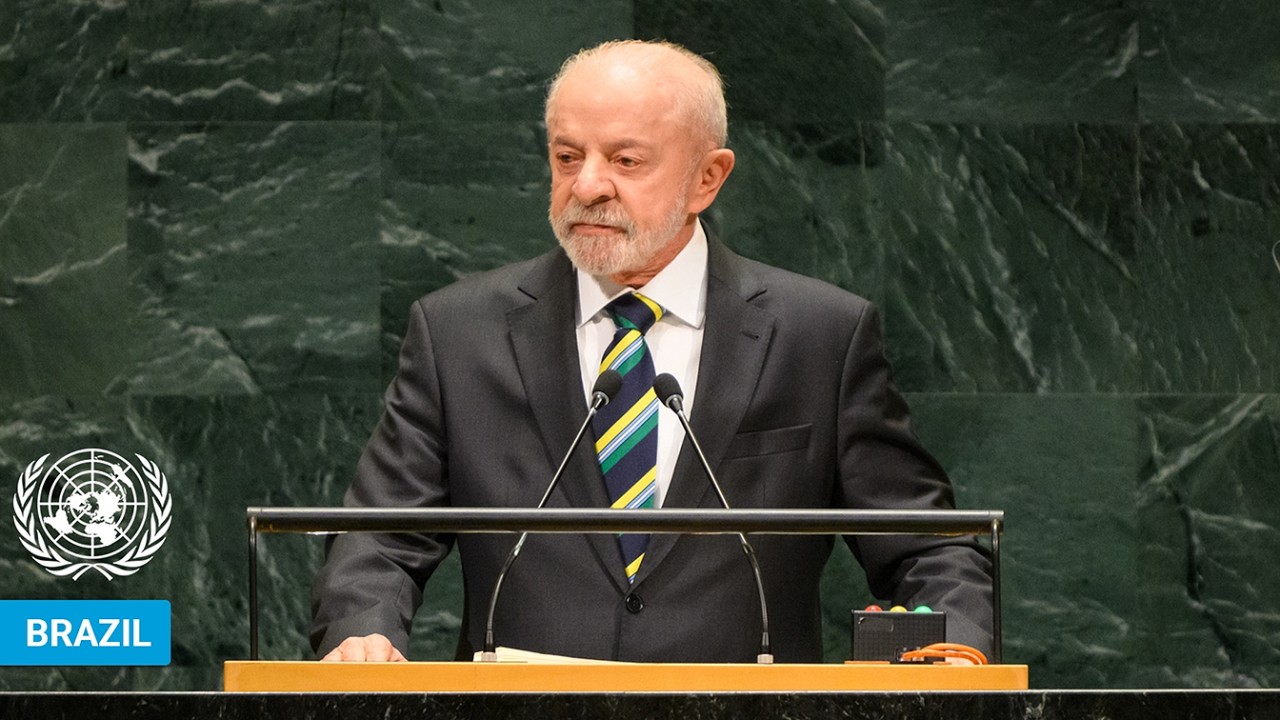
 Xi Jinping alla Casa Bianca: «La trappola di Tucidide può essere superata». Mentre Washington e Pechino trattano su dazi, chip e Taiwan, Mosca esce dal voto per la Duma con la maggioranza più ampia della sua storia e l’Europa racconta di essere bersaglio di un allarme droni che nessuno conferma. Chi ha paura di chi, e chi decide mentre gli altri hanno paura?
 A Levante questa sera, giovedì 24 settembre 2026, alle 19, Margherita Furlan dialoga con Alberto Bradanini, già ambasciatore d’Italia a Pechino, e con Aleksandr Ibragimov, in diretta da Mosca, sulla stessa scena vista da due finestre: la trattativa tra le due grandi potenze e la paura che ne resta fuori.
 Affrontiamo insieme:
 Xi da Trump: che cosa vuole la Cina, che cosa vogliono gli Stati Uniti
 Gli amministratori delegati di Nvidia, OpenAI, JPMorgan e Qualcomm alla cena di Stato: la tavola dice più del comunicato
 Tregua commerciale prorogata, Board of Trade, terre rare e soia
 Taiwan e il comunicato del 1982: fin dove arriva la trattativa
 La legge Graham: dazi fino al 100% su chi compra petrolio russo, sei giorni prima del vertice
 La Duma dei 355 seggi: un Putin più forte e che cosa ne fa con l’Europa
 Il caso El Mundo: droni dal mare contro Italia, Francia e Spagna? Crosetto: nessuna conferma
 L’Italia e l’Europa fuori dalla stanza dove si decide
 I LIBRI DEGLI OSPITI
 Alberto Bradanini: Cina. Dall’umanesimo di Nenni alle sfide di un mondo multipolare (Anteo, 2023)
 GLI OSPITI
 Alberto Bradanini, diplomatico, già ambasciatore d’Italia nella Repubblica Popolare Cinese e in Iran
 SOSTIENI CASA DEL SOLE TV
 Casa del Sole TV è un progetto di giornalismo indipendente autofinanziato.
 Per donazioni:
 IBAN: IT63P0326822300052392596590
 Causale: Donazione Casa del Sole TV
 Membership YouTube:

 Analista Multipolare €5/mese
 Inviato della Verità €15/mese
 Architetto del Futuro €25/mese
 I LIBRI DI MARGHERITA FURLAN
 BRICS Scacco Matto (disponibile in italiano, inglese, russo)
 SEGUI CASA DEL SOLE TV
 YouTube: @CasadelSoleTVChannel

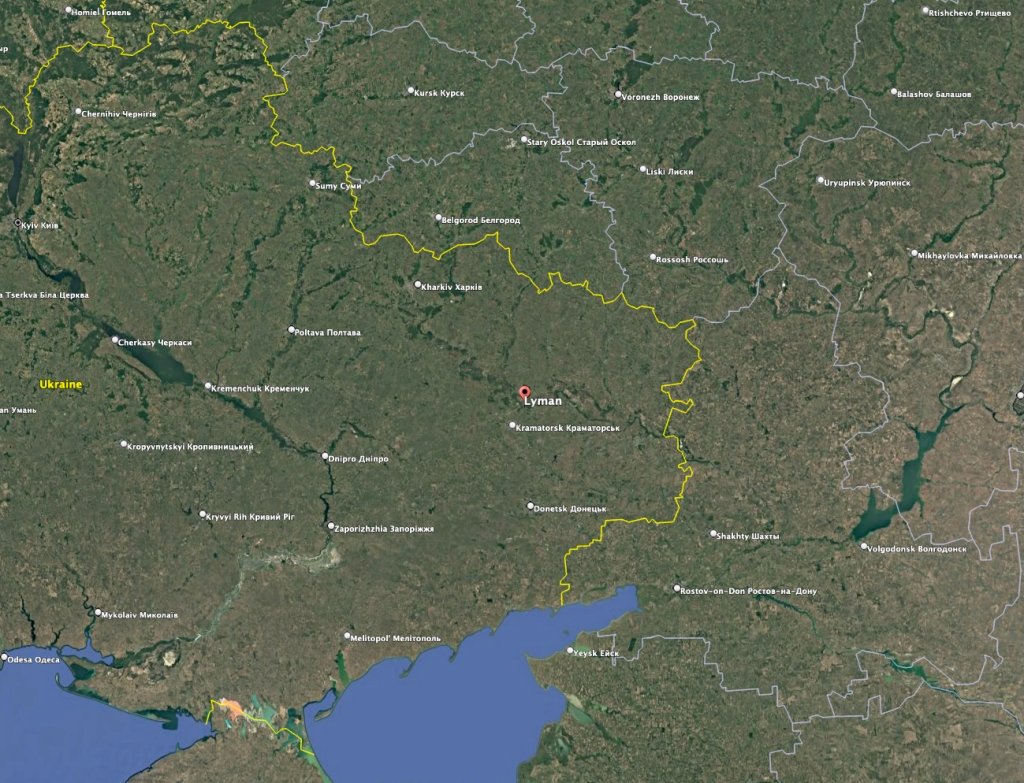


 (@TheDeadDistrict)
 (@NOELreports)

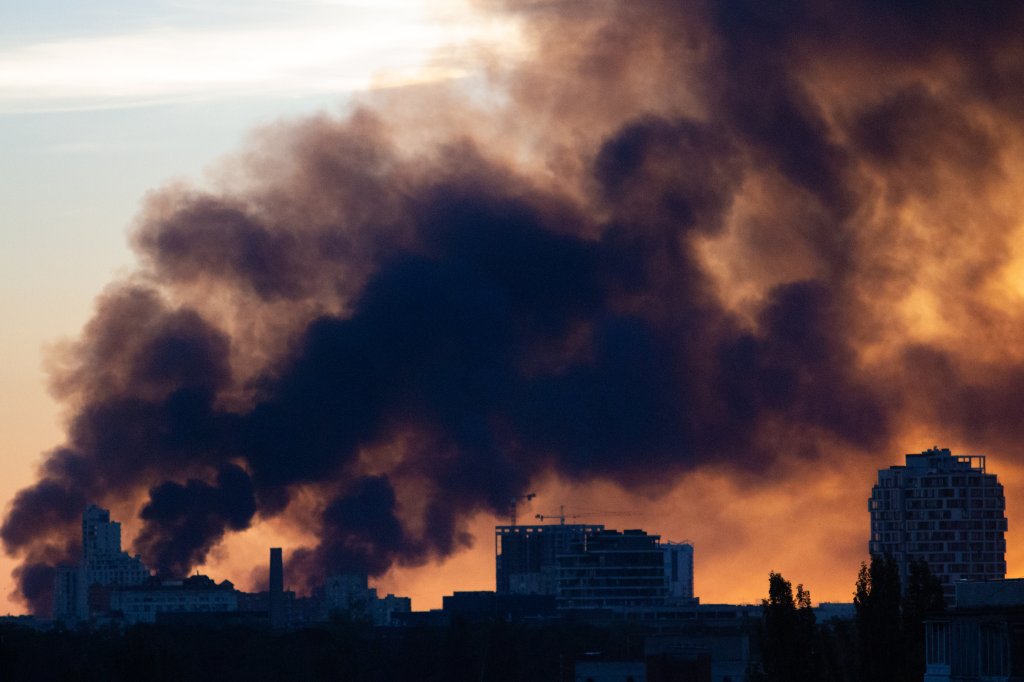

 In Kyiv, two…
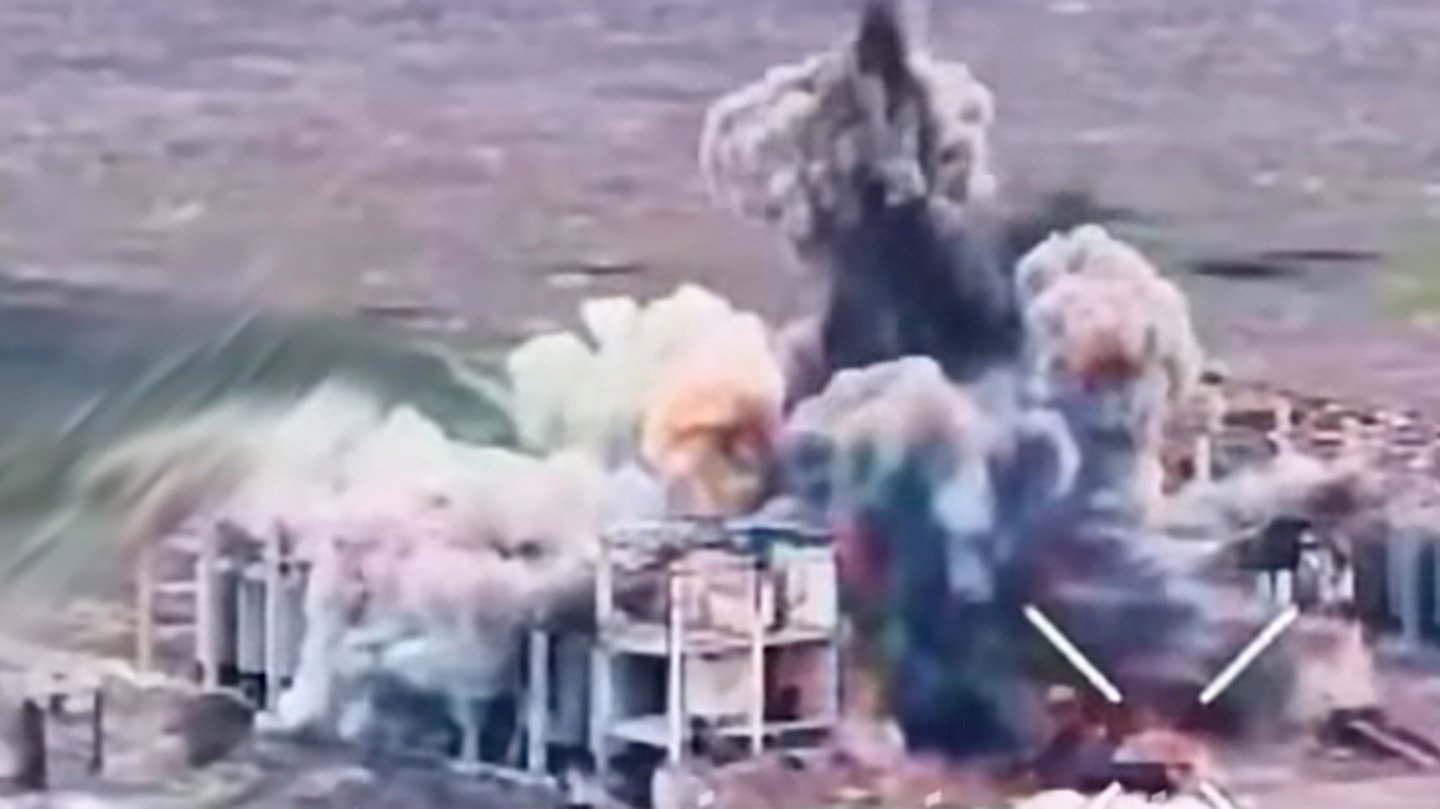

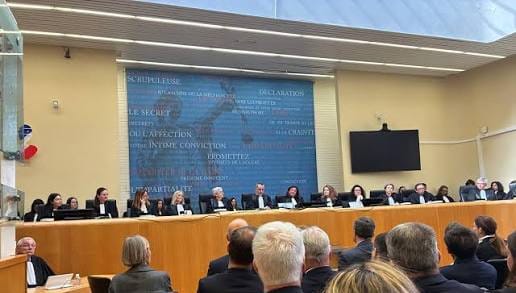


 11 staff members are accused of sexual assaults and rapes at the Saint-Dominique nursery school, in the 7th arrondissement of Paris, France.

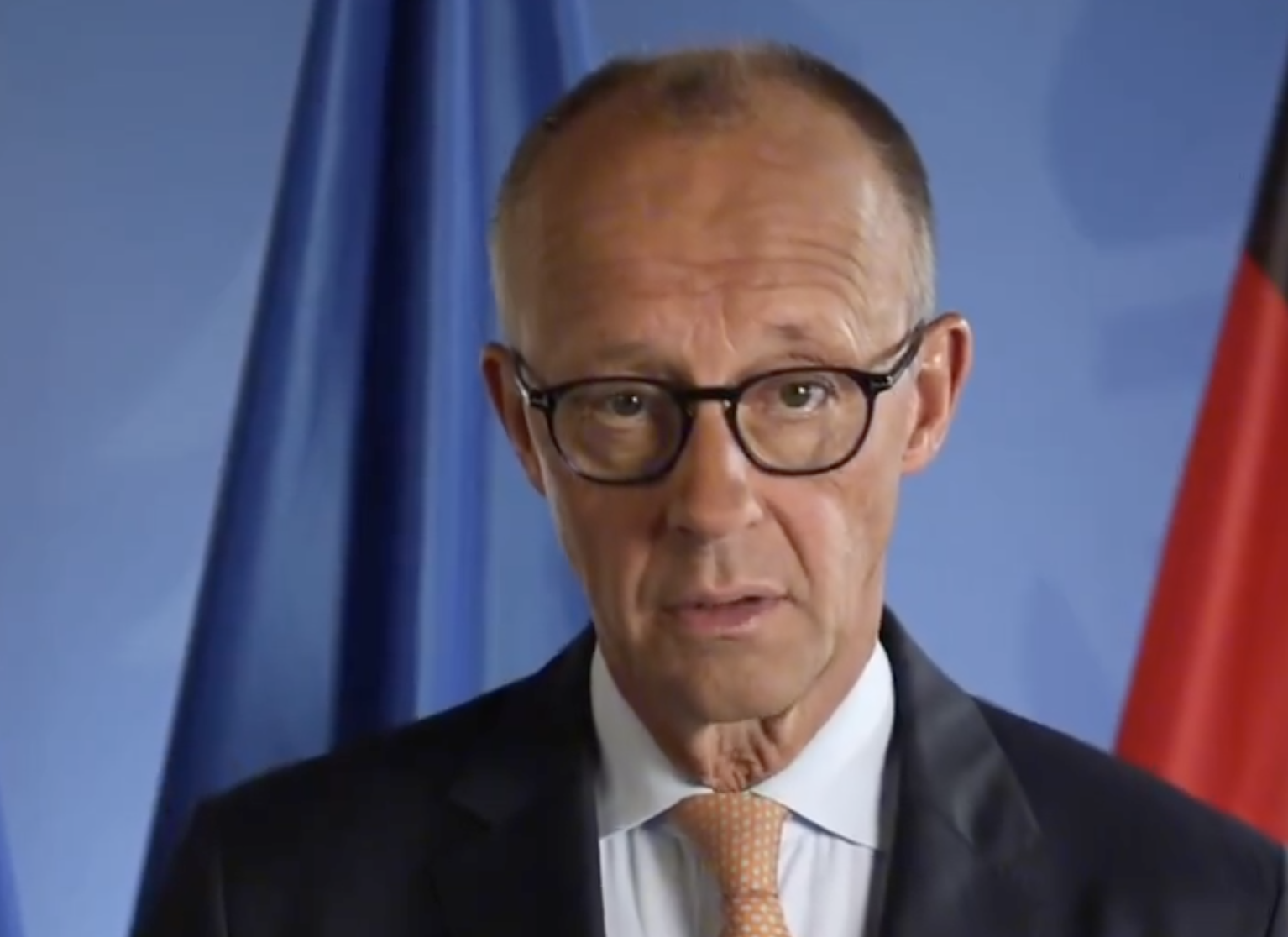




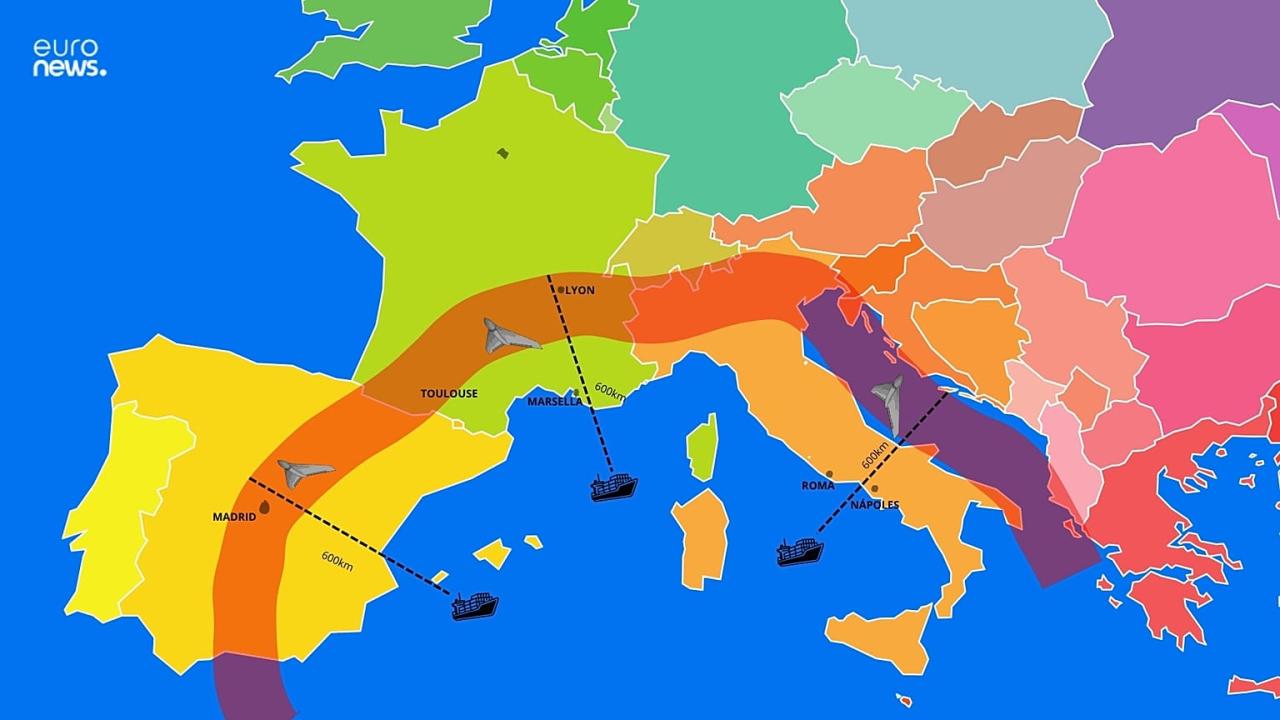





 (@YDN_NEWS)


 (@new27brigade)