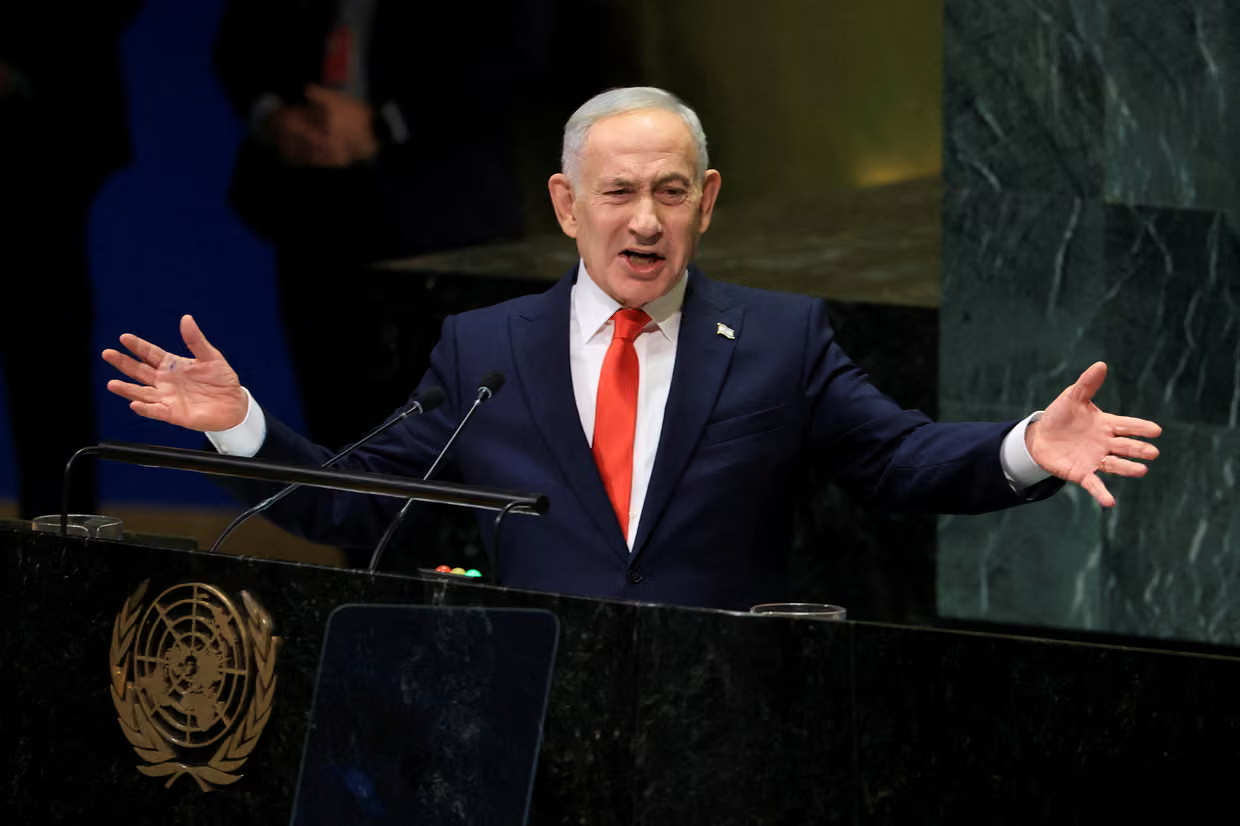
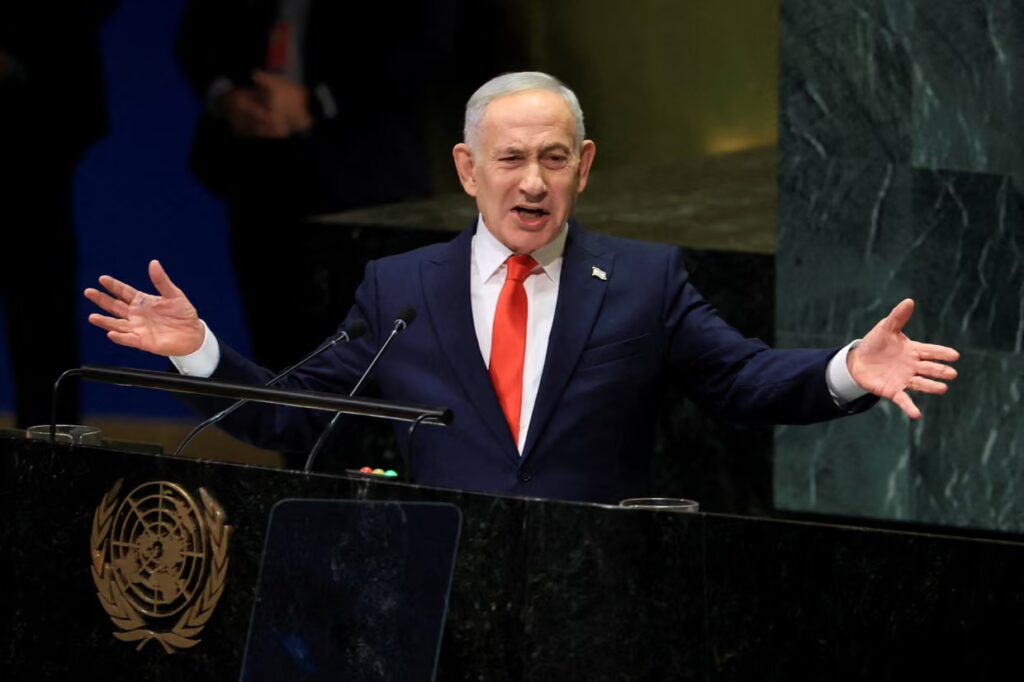
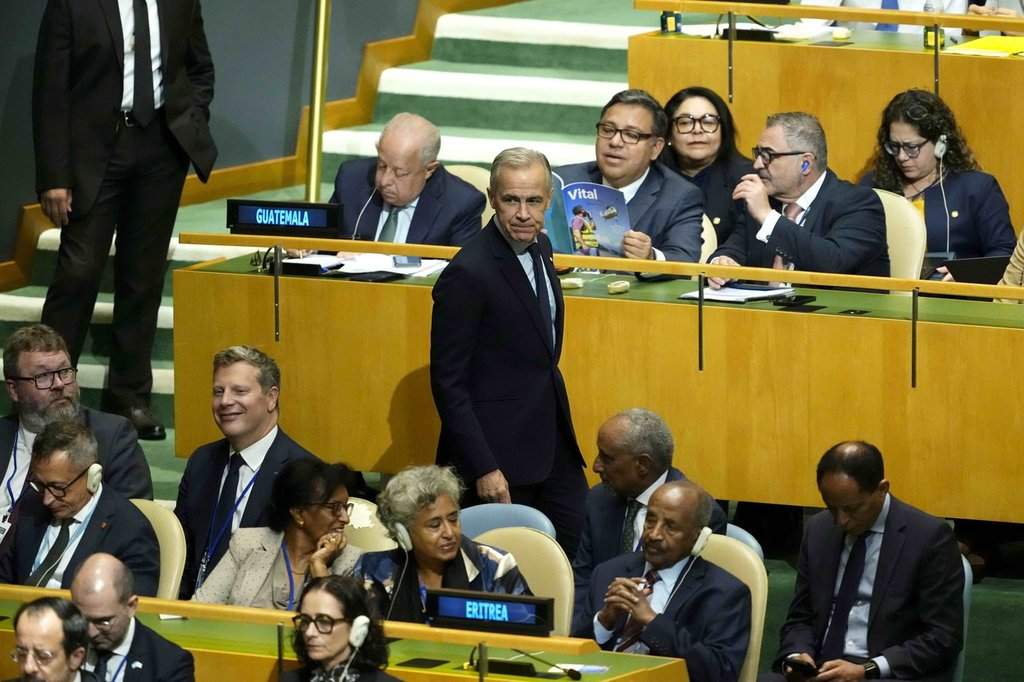
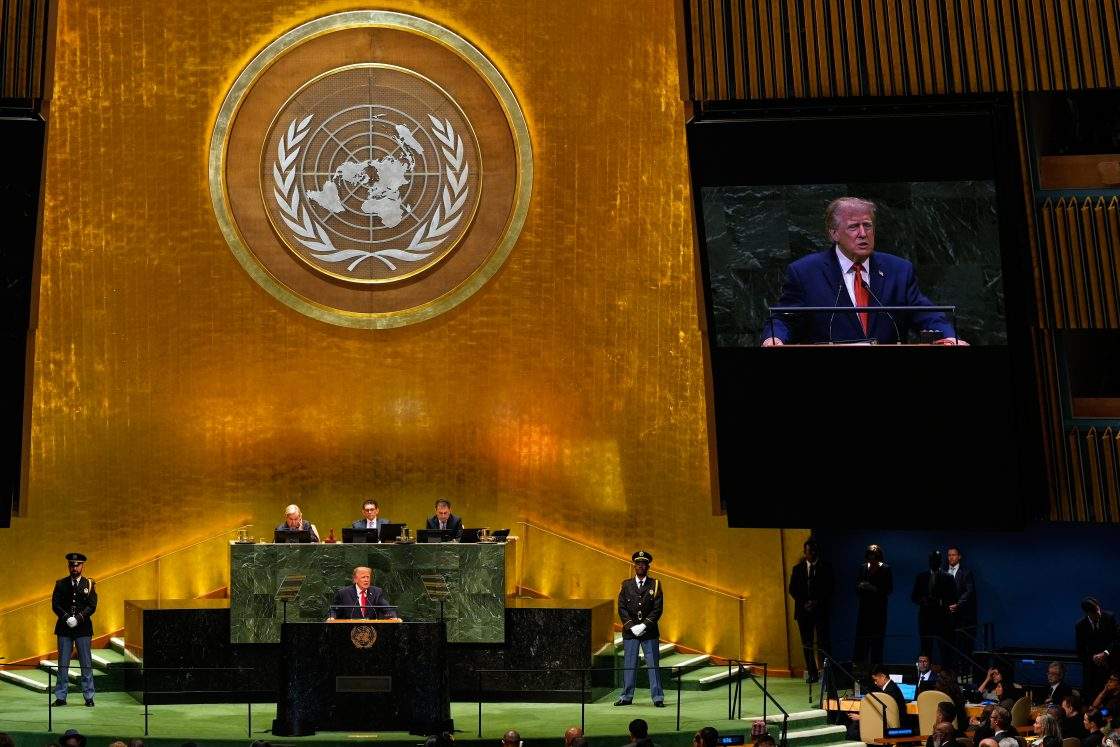
Benjamin Netanyahu delivered an inflammatory address to the United Nations on Thursday, decrying what he said was a global anti-Jewish conspiracy and swatting aside criticism of Israel’s war in Gaza.
On September 3, 2026, Argentine President Javier Milei addressed the nation on the issue of the Malvinas (Falkland) Islands. This programmatic speech is noteworthy be-cause Milei had previously taken a more cautious position on the islands and advocated resolving the long-standing territorial dispute with the United Kingdom through diplomatic means. However, in this address, the […]
Iran’s participation in the BRICS Summit sends a clear signal: the West’s attempts to isolate Tehran have failed. The series of meetings held by Iranian President Masoud Pezeshkian with world leaders at the 18th BRICS Summit in New Delhi were a clear confirmation of that. Dialogue Instead of isolation BRICS summits long ago outgrew the […]
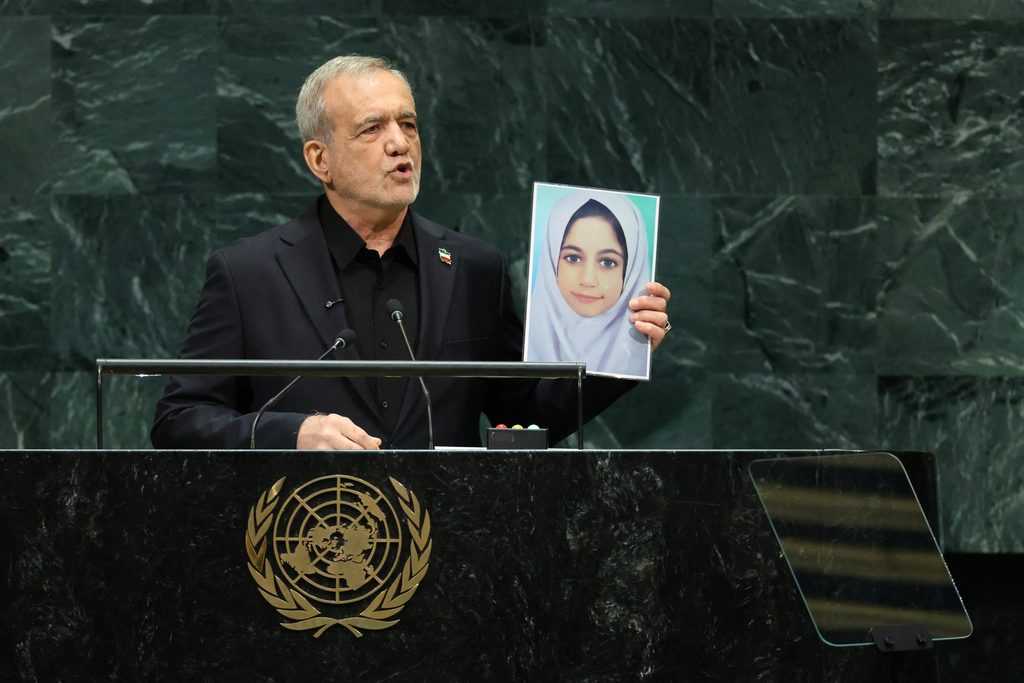
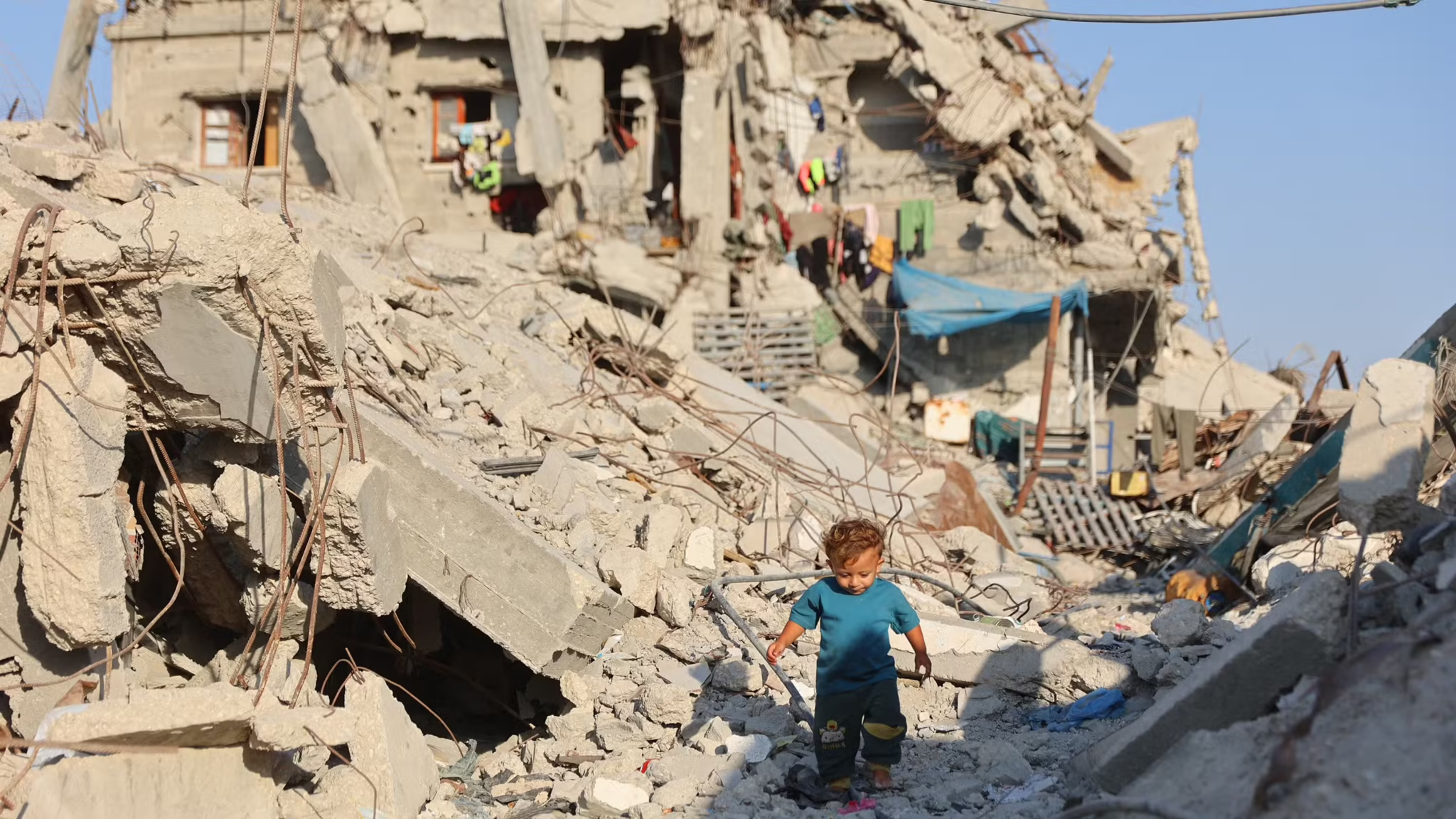
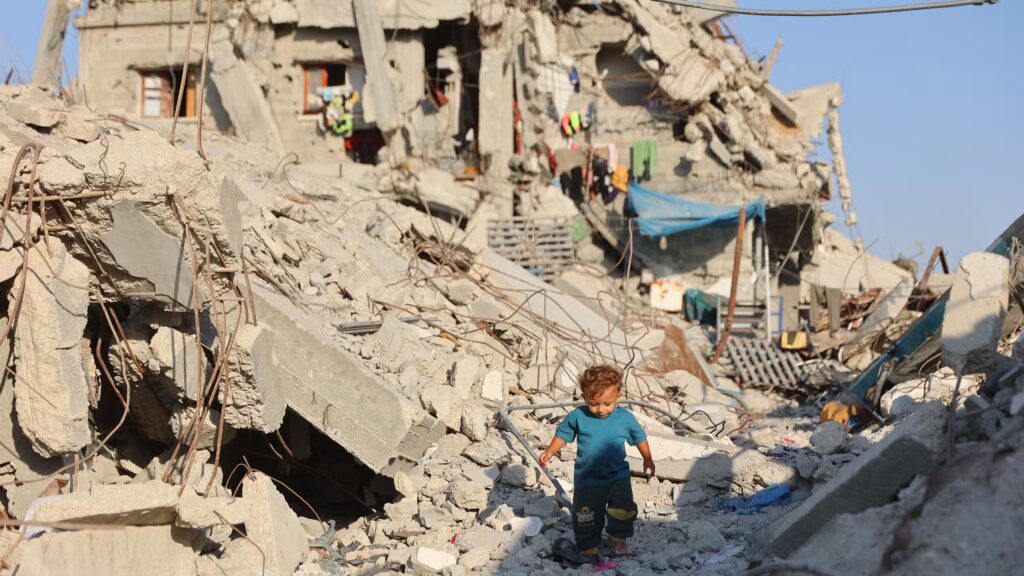
He also held up photos of a sports hall hit by a US strike that killed 21 civilians, including seven children; meanwhile, he pointed out, Israel has nuclear weapons, is not a signatory to the NPT, has not allowed a single inspection, and has murdered savagely over 70,000 innocents in Gaza
A government can face allegations over assistance to another military without its own troops conducting the attacks. Germany disputes the claims, and the court has not resolved its responsibility.
As Trump chose the path of barbarism, threatening to annihilate the Islamic Republic and dismantling international institutions, Lula took the UN pulpit to defend another path: diplomacy, dialogue and civilisation, and questioned a foundational idea of International Relations. The main international politics and geopolitical messages in Lula’s UN General Assembly speech can be summarised as […]
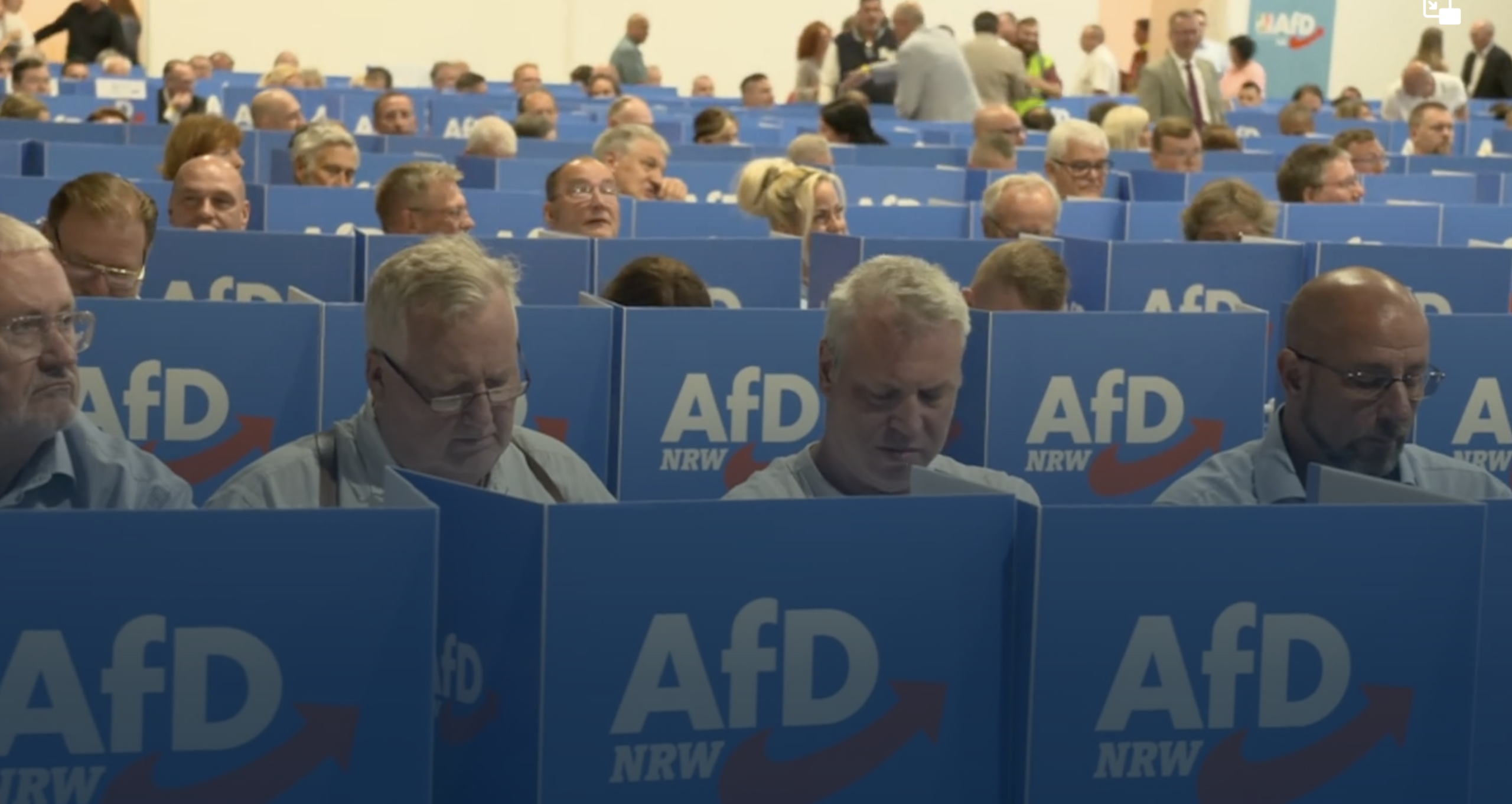
The anti-immigration Alternative for Germany (AfD) party is known for its strength in the east of the country, but its popularity in Western Germany is also only growing, including in the country’s most populous state, North Rhine-Westphalia.
This latest Forsa poll points to incredible growth of the AfD in a very short time in the voter-rich Western German state. It is now the most popular party in the entire state when measuring a national vote and would earn 24 percent of the vote.
Meanwhile, the Christian Democrats (CDU) fell four points to 22 percent, the lowest value Forsa has ever recorded for the party in the state. The previous low was 23 percent in December 2021.
However, in order to avoid confusion, it must be noted that the Forsa poll asked two very distinct questions. One question asked voters in North Rhine-Westphalia how they would vote at the federal level and also how they would vote at the state level.
At the state level, voters in North Rhine-Westphalia would still back the CDU over the AfD; however, the CDU’s advantage over the AfD has narrowed to just seven percentage points ahead of the April state election.
The latest figures show that if a state election were held this Sunday, the CDU under Wüst would receive 29 percent, down from 32 percent in Forsa’s April survey. The AfD has risen two points to 22 percent. The gap between the two parties has therefore fallen from 12 to seven points in just a few months.
About a year ago, however, the lead was far larger, at 22 percentage points. In July 2025, 38 percent of respondents favored the CDU while the AfD stood at a mere 16 percent.
While this may be of some consolation to Wüst that he is still more popular than the CDU federal branch, the fact that the AfD is now leading in the state at the federal level represents a massive sea change in German politics.
North Rhine-Westphalia is one of the most diverse of all of Germany — outside of the city-states like Berlin — featuring 35 to 38 percent of the population with a migration background. It is also a state with numerous industries hit hard by Germany’s ongoing economic downturn.
The three recent state elections in eastern Germany have become a “turning point” for the CDU after a sharp setback in Saxony-Anhalt, the party’s failure to enter the state parliament in Mecklenburg-Vorpommern two weeks later, and disappointing results in Berlin. Chancellor Friedrich Merz said he was “deeply shocked” about the vote in Saxony-Anhalt and spoke of consequences. He also noted that he took responsibility for the election outcomes but would not resign the chancellorship or his role as chairman of the CDU party.
The question now is whether widespread dissatisfaction with Merz will continue to weaken the CDU’s prospects across Germany.
Relations between Turkey and Russia have always been one of the most intriguing scenarios in the Great Game. The leaders of the two countries maintain frequent contacts and “hotlines,” foreign ministries regularly consult on the situation in the Caucasus and Central Asia, and bilateral trade and energy cooperation continue to develop. However, under this wrapper […]
Defence Minister David McGuinty says he's taking a 'cautious' approach to drawing conclusions from intelligence as European leaders warn Moscow may be preparing attacks on NATO.
Defence Minister David McGuinty says he's taking a 'cautious' approach to drawing conclusions from intelligence as European leaders warn Moscow may be preparing attacks on NATO.
Prime Minister Mark Carney says Canada is pledging $100 million in new aid for Palestinians in Gaza and the West Bank, largely focusing on humanitarian aid.
Prime Minister Mark Carney says Canada is pledging $100 million in new aid for Palestinians in Gaza and the West Bank, largely focusing on humanitarian aid.
Call it a war, a military conflict, an intervention or something else entirely different—the terminology does little to change the human cost. People are dying, and the fighting has the potential to expand into a far larger regional conflagration. Call it whatever you want—just don’t call it small! The Trump administration insists the fighting with […]
 Login