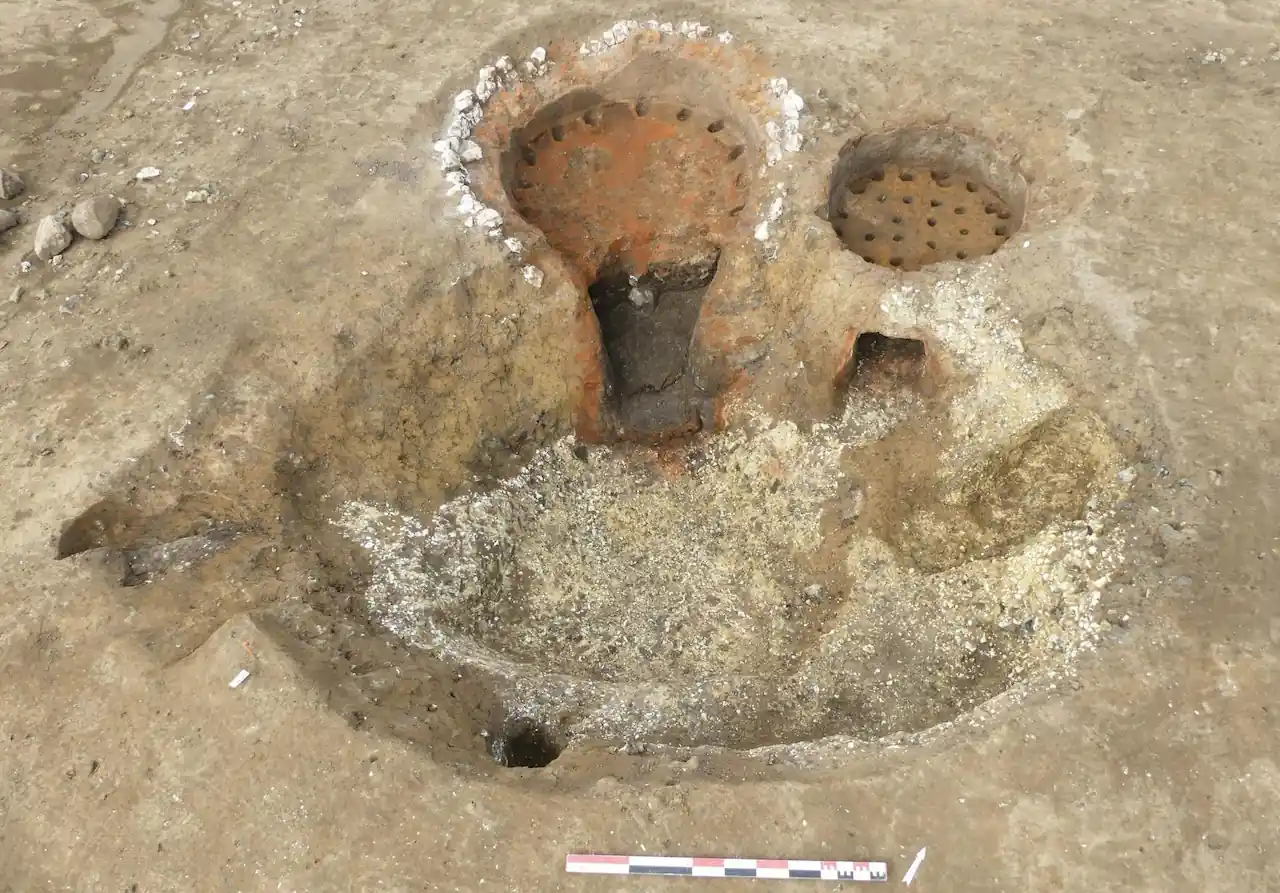
Dig a trench for a canal that will run 107 kilometres (66 miles) across northern France and you expect scraps: a stretch of road, perhaps, or a lone farmstead. At Sermaize, in the Hauts-de-France region, archaeologists from France’s National Institute for Preventive Archaeological Research (Inrap) found something much rarer. It is a complete workshop, with […]
Cuando se abre una zanja para un canal de 106 kilómetros, lo normal es encontrarse con restos sueltos, un tramo de camino o una granja aislada. En Sermaize, un pueblo de la región francesa de Hauts-de-France, los arqueólogos del Instituto Nacional de Investigaciones Arqueológicas Preventivas (Inrap) se han topado con algo bastante menos habitual, un […]
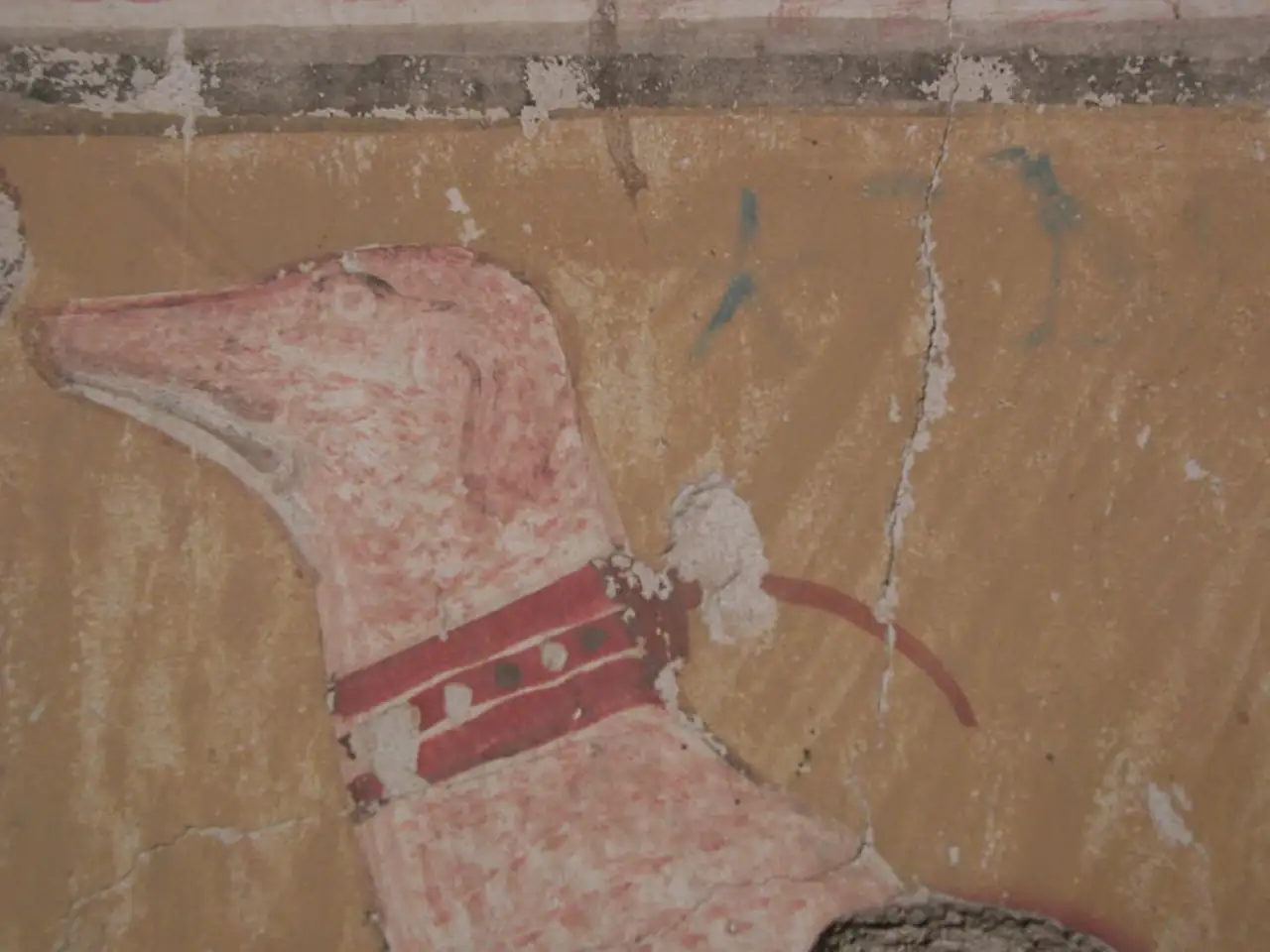
Of all the animals shown in the tombs and art of ancient Egypt, very few have a name. Almost all of those that do are dogs. A handful of horses are named too, though far fewer survive. Cats, the animal most of us now associate with Egypt, are a different story. The literature offers only […]
Entre todos los animales que aparecen en las tumbas y en el arte del Antiguo Egipto, muy pocos llevan nombre propio, y casi todos los que lo llevan son perros. También hubo caballos con nombre, aunque se conservan muchos menos. De los gatos, tan ligados hoy a la imagen de Egipto, la bibliografía solo maneja […]
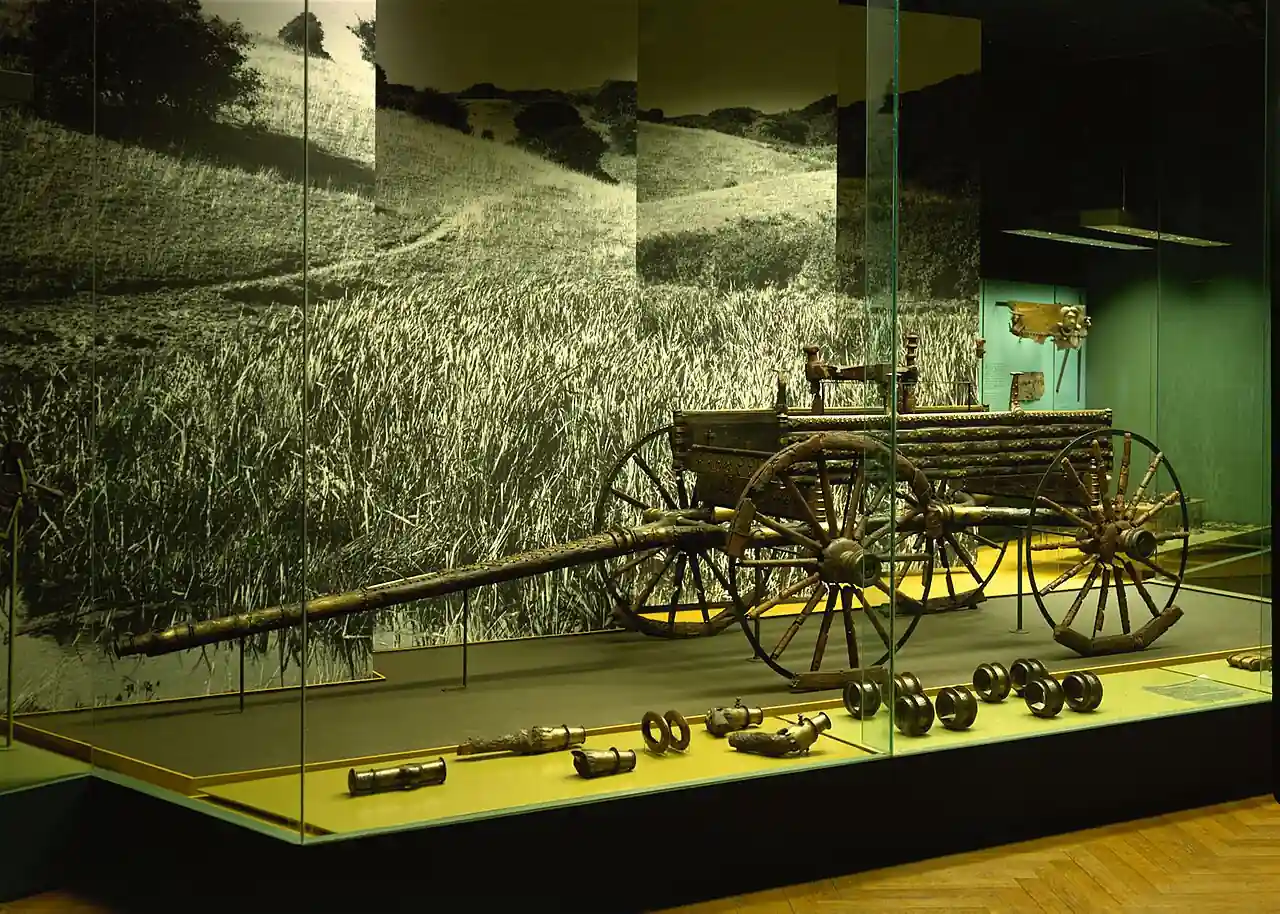
Around 1880, men cutting peat at Dejbjerg, in western Jutland (Denmark), began pulling bronze pieces out of the bog that shone as if they were new. Some assumed it was gold. Others had a more down-to-earth suspicion: the equipment of an illicit still, hidden in the marsh to make moonshine. Both versions are recorded on […]
Hacia 1880, unos hombres que cortaban turba en Dejbjerg, en el oeste de Jutlandia (Dinamarca), empezaron a sacar de la ciénaga piezas de bronce que brillaban como si fueran nuevas. No faltó quien pensara que era oro. Otros sospecharon algo bastante más terrenal, que aquello fuera el equipo de una destilería clandestina de aguardiente escondido […]
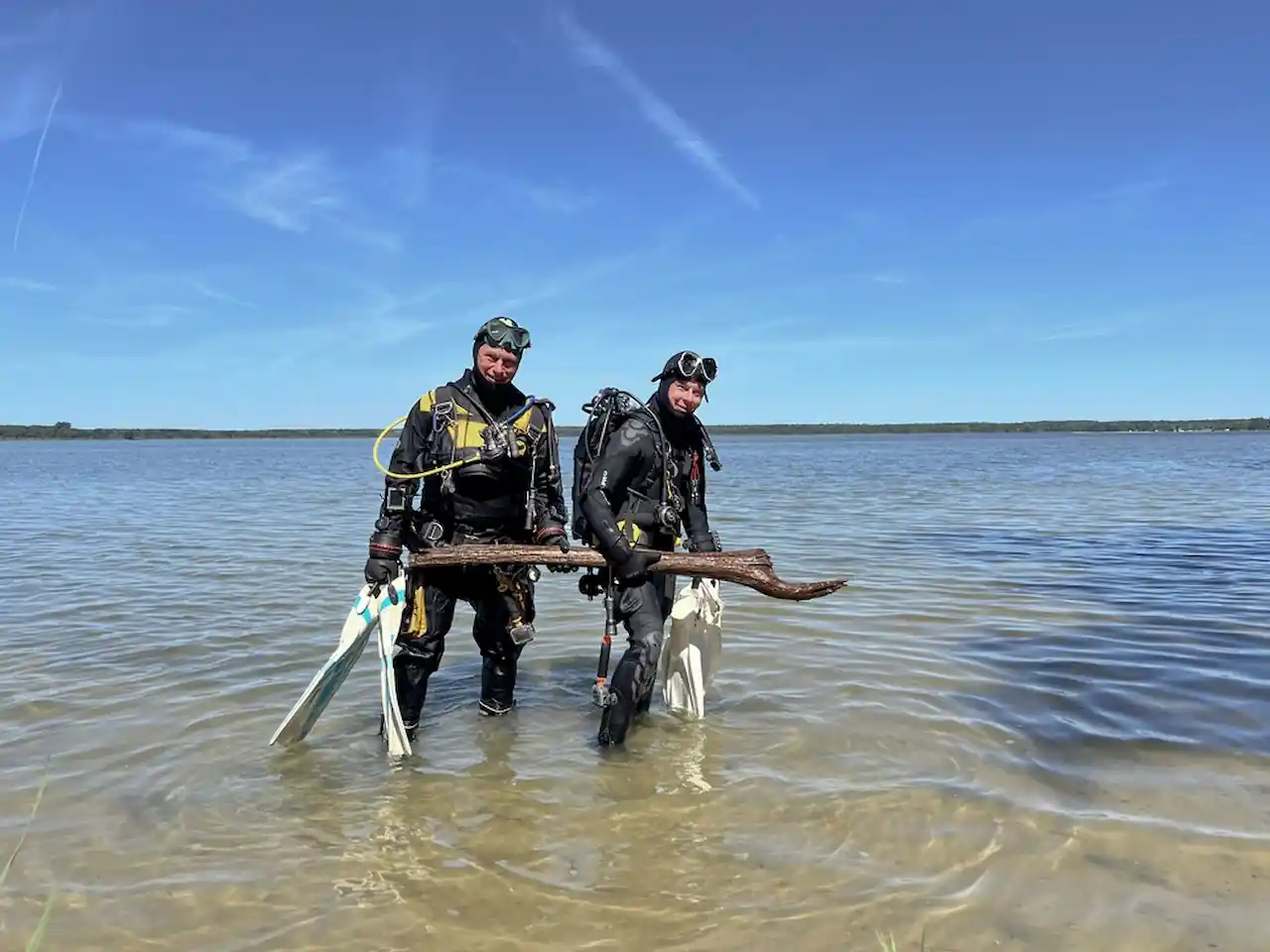
Some lakes give up shipwrecks, and Arendsee, in northern Germany, has already given up one. What archaeologists brought to light in 2026 is something else: wood carved by Mesolithic hunter-gatherers up to 10,500 years ago. (The Mesolithic, or Middle Stone Age, is the stretch of European prehistory after the last Ice Age and before farming.) […]
Hay lagos que devuelven barcos, y el Arendsee ya ha devuelto alguno. Lo que han sacado a la luz en 2026 los arqueólogos del Landesamt für Denkmalpflege und Archäologie (LDA) de Sajonia-Anhalt, el organismo que gestiona el patrimonio arqueológico de este estado alemán, es distinto: maderas talladas por cazadores-recolectores del Mesolítico con una antigüedad de […]
La antigua ciudad de Heuneburg se levanta sobre un espolón del alto Danubio, cerca de Herbertingen, en el distrito de Sigmaringen (Baden-Wurtemberg, Alemania). Su meseta fortificada ocupa unas tres hectáreas, pero las excavaciones de las últimas décadas han mostrado que en la primera mitad del siglo VI a.C. el conjunto, con su ciudad baja y […]
In southwestern Germany, an open-air museum and a website present the Heuneburg as the “Celtic city of Pyrene”, a settlement already thriving when Rome was still a small village on the Tiber. The name comes from Herodotus. The problem, according to a study published in The Antiquaries Journal, is that the Greek historian was almost […]
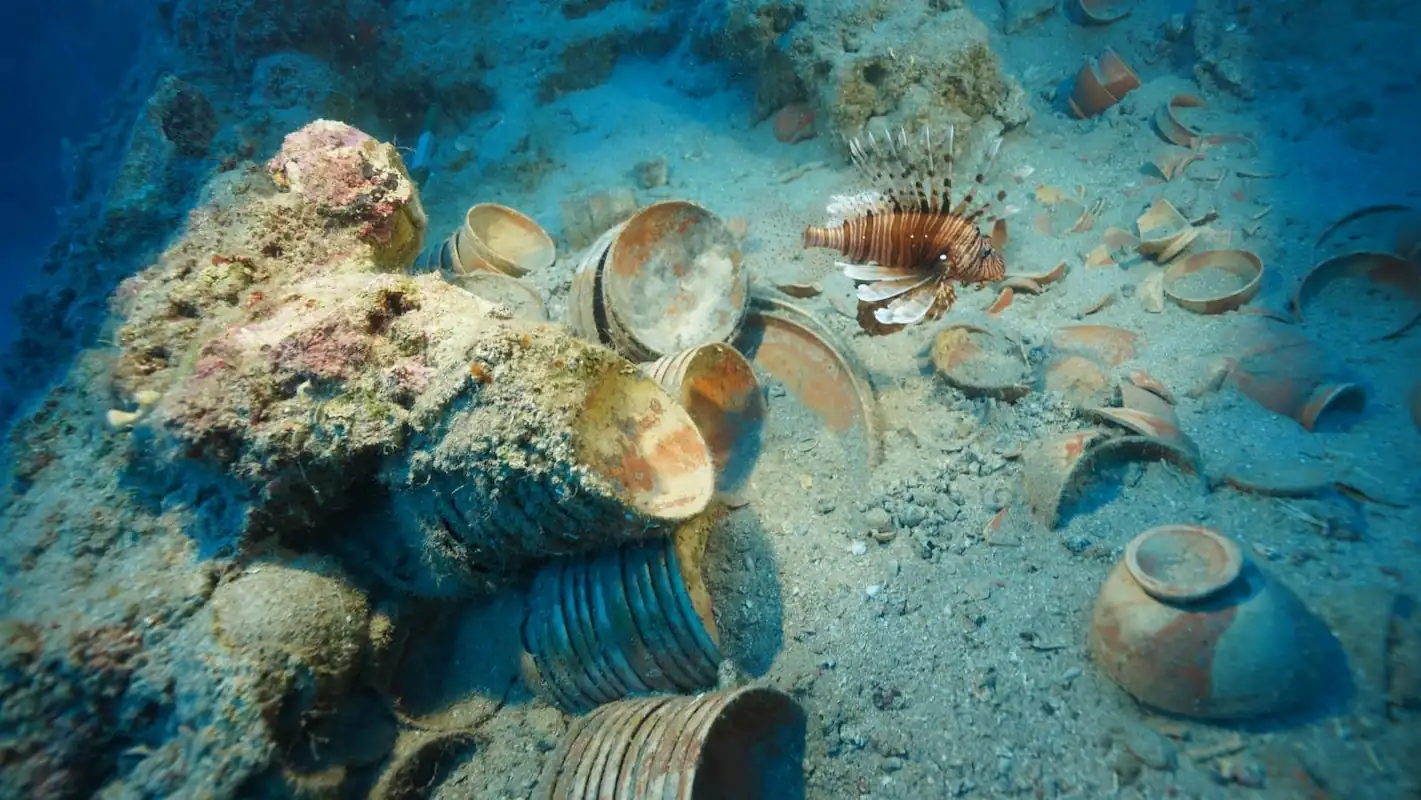
El ministro de Cultura y Turismo de Turquía, Mehmet Nuri Ersoy, anunció en X el 28 de septiembre de 2026 el hallazgo de vajillas de 2.100 años en el pecio de Adrasan. Se trata de un barco mercante hundido junto a la costa de Antalya, cargado sobre todo de platos, cuencos y bandejas, del que […]
On 28 September 2026, Turkey’s Minister of Culture and Tourism, Mehmet Nuri Ersoy, announced on X the recovery of 2,100-year-old tableware from the Adrasan wreck, a merchant ship that went down off the coast of Antalya. Its cargo was mostly plates, bowls and trays. Thousands of pieces have been brought up since excavation began in […]
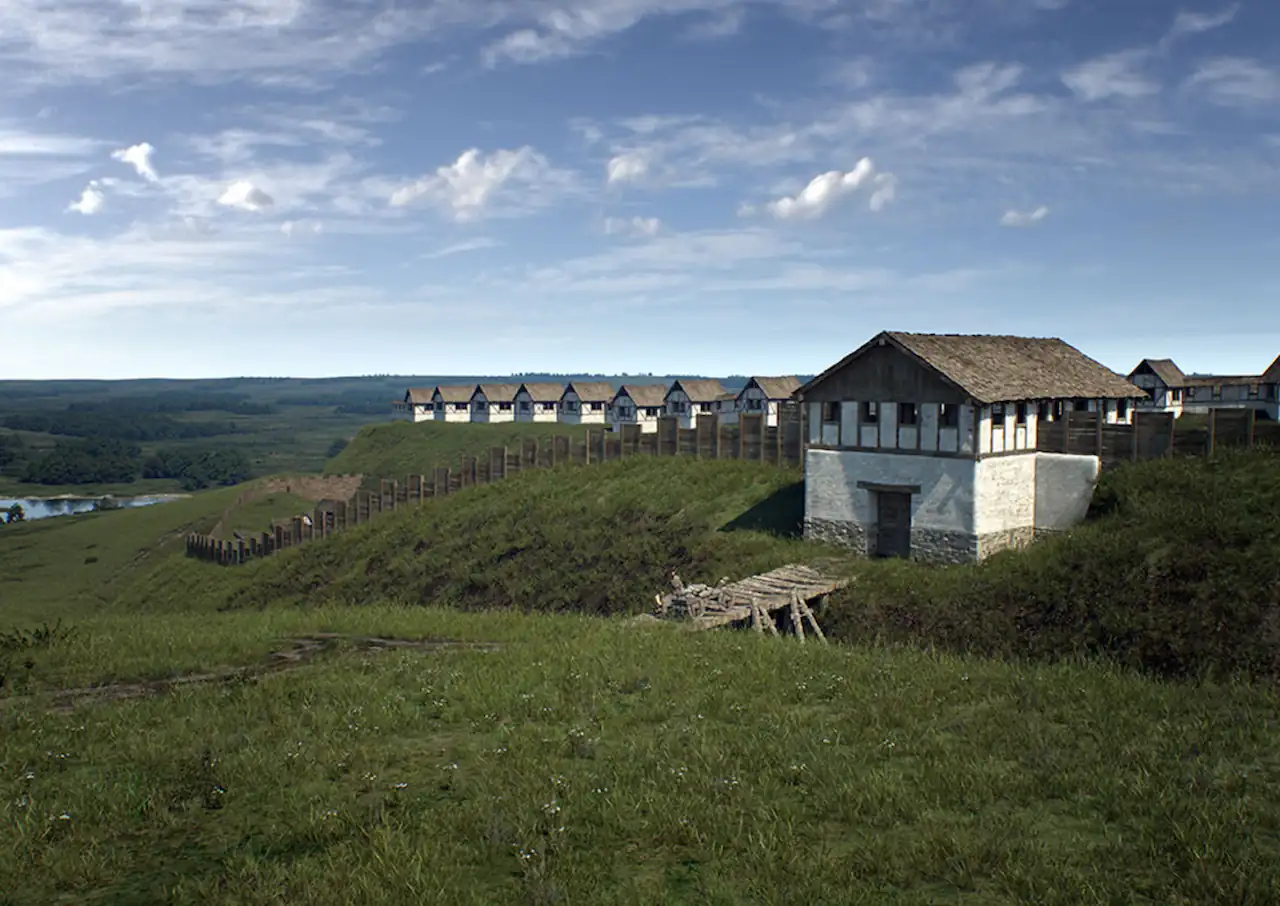
Inside a Roman legionary fortress, almost nobody had a private bathroom. Soldiers washed in communal baths built for the whole unit. In practice, only one person could usually justify baths of any real size for himself: the legate, the general in command of the legion. That’s the context archaeologist Piotr Dyczek gives for a striking […]
En una fortaleza legionaria romana casi nadie tenía baño propio. Había termas para toda la legión y, en la práctica, solo el legado, el jefe supremo del cuerpo, podía permitirse unas privadas de cierto tamaño. Lo explica el arqueólogo Piotr Dyczek, y viene a cuento porque su equipo acaba de sacar a la luz en […]
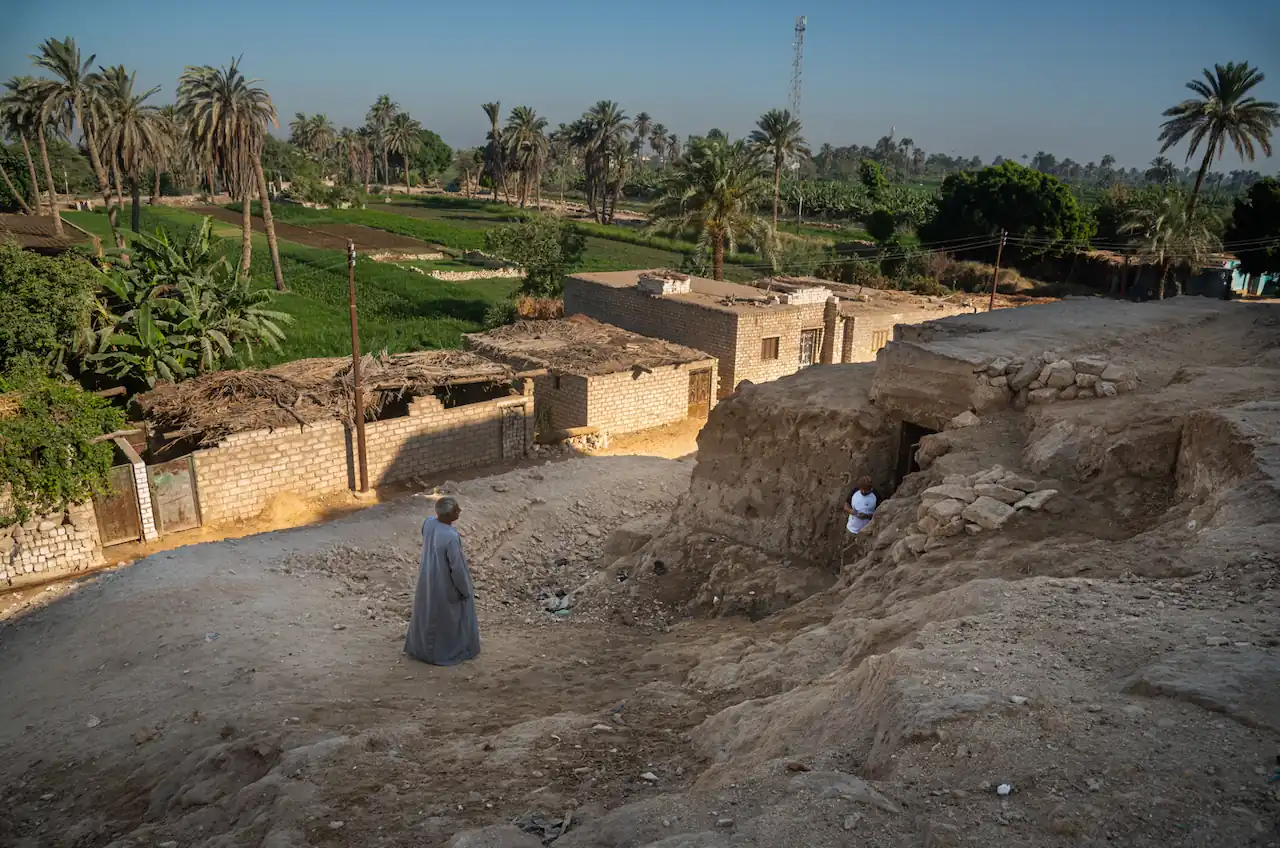
Al pensar en el culto funerario del antiguo Egipto, la imaginación se va enseguida al difunto, a sus ofrendas y a los dioses. Quienes cada día llevaban el pan, la cerveza o el incienso hasta la tumba suelen quedar fuera de la imagen. Un equipo de la Universidad de Sevilla quiere devolverles el primer plano, […]
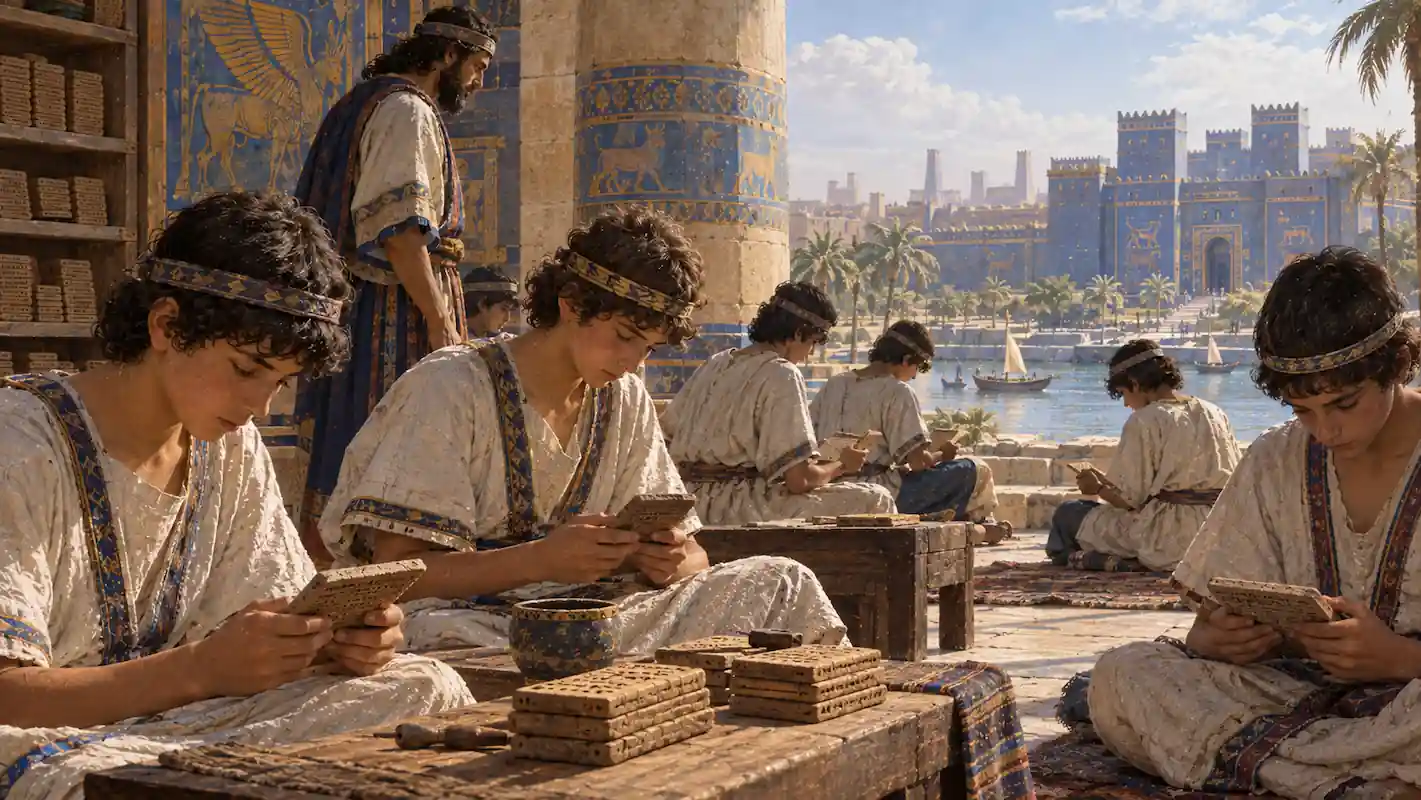
Que un imperio entero pudiera funcionar sin una sola clase de Religión suena, visto desde hoy, casi imposible. Y sin embargo así educaba Babilonia a los hijos de sus familias más pudientes hace dos mil quinientos años: no había una hora a la semana dedicada a los dioses, ni un libro de texto que hiciera […]
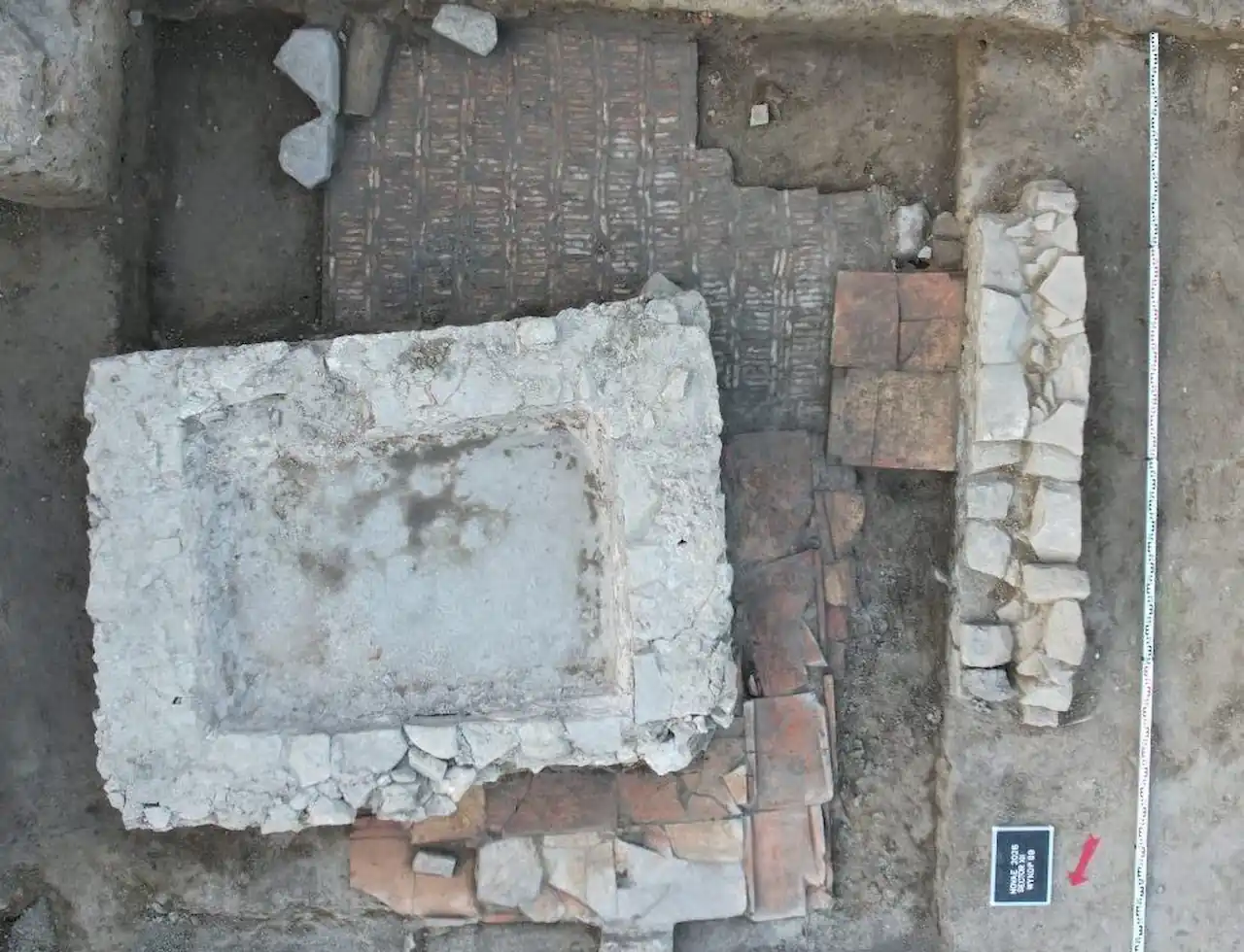
El hallazgo se ha producido en Qesarat, una pequeña población de la Albania meridional, en la zona de Tepelenë, muy cerca del Parque Nacional del Río Salvaje Vjosa —el primer espacio protegido de Europa dedicado a un río que corre libre, sin una sola presa, desde las montañas griegas del Pindo hasta el mar Adriático—. […]
Picture ancient Egypt’s funerary cult and the mind jumps to the dead themselves: the offerings, the gods, the pageantry. Easy to forget are the people who actually carried the bread, beer, and incense to the tomb, day after day, for generations. A team from the University of Seville wants to put them back in the […]
Some 2,500 years ago, Babylon trained the sons of its wealthiest families without a single weekly hour devoted to the gods. There was no textbook that worked as a Bible either. Religion was everywhere and in no particular subject, spread through sign lists, writing exercises and arithmetic drills. A study published in the journal Iraq […]
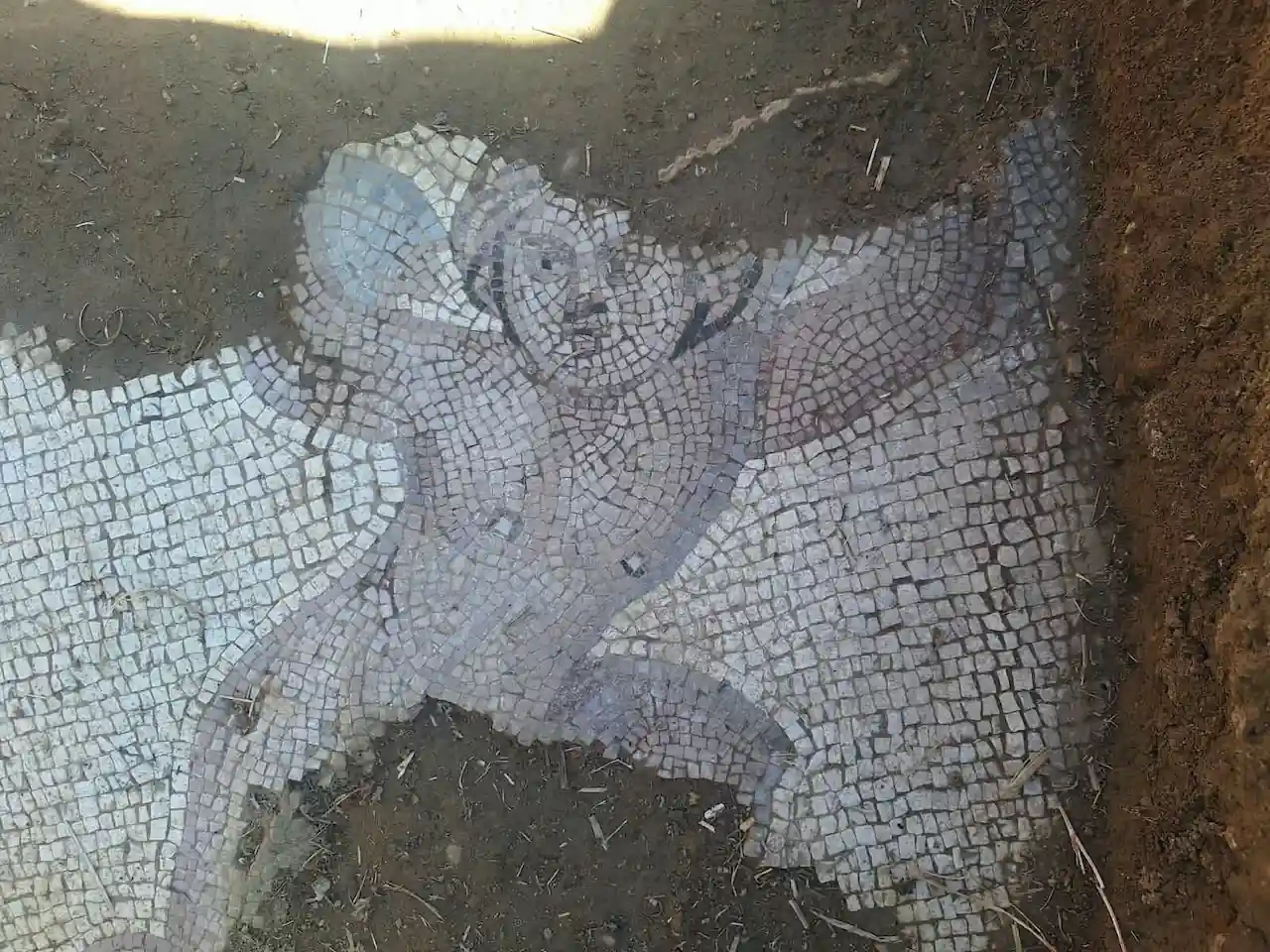
In the small village of Qesarat, in southern Albania‘s Tepelenë district, an Italian-Albanian excavation team has just finished a summer season that turned up something unusual: six decorated floors from a Late Roman building, right at the edge of the Vjosa Wild River National Park. Declared in March 2023, the park protects the last stretch […]

 Login