The EU has played down claims by the Dutch government that the bloc’s decision to suspend aid support for Sierra Leone was because the west African country refused to extradite one of the world’s most-wanted drug traffickers to face trial in the Netherlands.
Speaking on Thursday, (1 October) after a meeting of EU justice ministers in Luxembourg, migration commissioner Magnus Brunner told reporters that the decision to suspend support was made for “technical reasons” — but without giving more detail.
Sierra Leone was allocated €352m in EU funding between 2021 and 2027, under the bloc’s seven-year budget framework. The country was set to receive €18m from the EU this year.
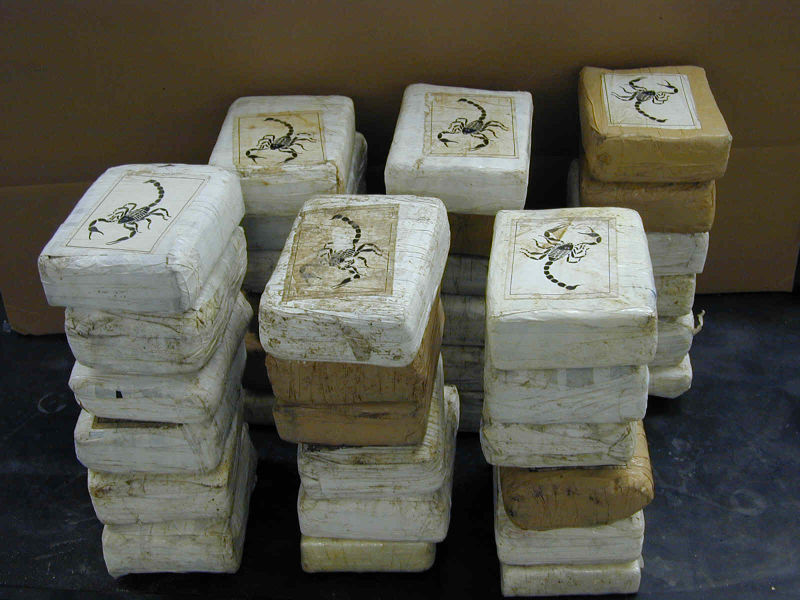
But Dutch justice minister David Van Weel insists that the suspension of funds is the result of months of pressure from the Dutch government to persuade president Julius Maada Bio’s government to hand over convicted Dutch drug trafficker Jos Leijdekkers.
This article continues, but the full version is available only to EUobserver.com subscribers. Visit account.euobserver.com/membership
We went to Ceuta to see how Europe treats people who arrive at its borders. We came back asking how Europe can still call itself a continent governed by law.
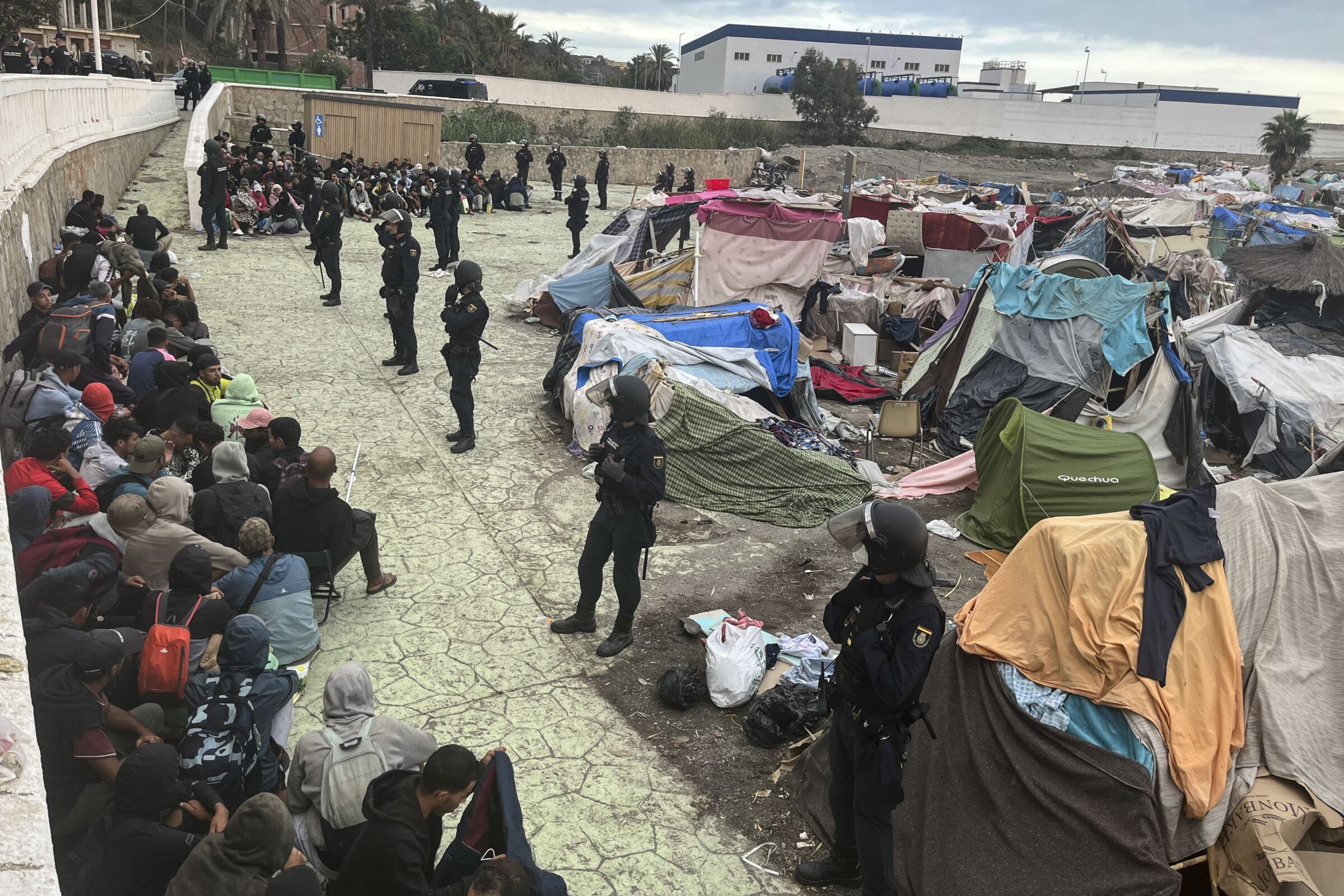
What we saw there was the often abstract failure of migration policy made brutally concrete: the daily humiliation of human beings — people sleeping under plastic sheets, children left without protection, food distributed under military guard, allegations of beatings and torture, and migrants treated as a threat rather than as people with rights.
These are scenes we never expected to encounter in Europe in 2026. Yet we saw them ourselves. And now that we have seen them, we cannot pretend we did not.
Morally unthinkable and unacceptable
In Ceuta, the boundaries of what is morally unthinkable and unacceptable have been crossed.
Migrants and those who help them are living in a kind of state of exception, where European law has been suspended and prolonged arbitrary police and military rule prevails.
Ceuta is a city abandoned by Spain, Europe and the law, where people are segregated according to their origin in circumstances that recall apartheid regimes. It has become a laboratory for the degradation and dehumanisation of migrants.
The future of Europe is being decided there.
We visited locations where thousands of people are living in undignified conditions, under makeshift shelters, plastic tarpaulins or in the open, assisted by local residents and NGOs such as No Name Kitchen.
They described constant harassment, insults, threats, public targeting through leaked photographs, and the detention of five members accused of disobeying authorities after recording a police operation involving migrants.
First, the far-right Spanish party Vox turned desperate people into prey to be “hunted down one by one”. Eventually, those trying to feed or assist them also became targets. When a group is sufficiently dehumanised, those who try to help them can be dehumanised too.
At Trampolín beach, we saw how the Red Cross distributes, once a day, a single bag of cold food: bread, water, tuna, juice and biscuits, under the watch of National Police vans.
Migrants from other areas can walk for hours to reach it. One day, we witnessed military forces preventing the Red Cross from distributing the same ration to around 1,000 people.
Whether someone eats can depend on military personnel, who can remove people from the queue or deny them food. The food distribution also coincides with Red Cross medical assistance, forcing some people to choose between eating and having their wounds treated.
Children alone on the streets
We spoke with children living on the streets, alone, hungry and cold, without adequate protection. We were told that National Police officers sometimes refuse to identify children who approach them for help, preventing them from entering the protection system.
This is compounded by the refusal of autonomous communities governed by Spain’s centre-right People’s Party and Vox to take them in, and by the Ceuta government’s refusal to appoint legal representatives.
We also heard allegations concerning Ceuta University Hospital. Migrants can face separate treatment at the emergency department and, according to migrants and NGOs, military personnel guarding the entrance prevent them from waiting inside, including minors.
We heard the account of a child with a fractured leg who, after being treated by Médicos Mundi, was allegedly told at the hospital to “go back to your country and see a specialist” and given ibuprofen. In another case, someone was allegedly told: “We are not going to treat you because you have invaded us.”
We also received accounts of torture and cruel, degrading and inhuman treatment by regular military forces and the Legion. Migrants and NGOs described nighttime patrols involving harassment, humiliation, theft, destruction of mobile phones and beatings after people had been restrained with cable ties.
Some were allegedly forced to shave their heads or kneel to kiss a Christian cross. We are particularly concerned by allegations involving women and girls subjected to sexual humiliation.
This is extremely serious. The state is going on the hunt, while those who should protect these people are violating their rights. First came photographs, then video footage published by elDiario.es.
These were not images from the West Bank. They were from Ceuta. First there were allegations. Now there are images. Defence minister Margarita Robles must give explanations.
These soldiers should no longer be patrolling Ceuta’s streets. Article 51 of Spain’s Organic Law on the Disciplinary Regime of the Armed Forces allows for their provisional removal from duty. We have asked the minister to act immediately.
We also documented allegations of daily racist, xenophobic and Islamophobic harassment. Migrants and racialised people are reportedly prevented from entering the city centre, shops and supermarkets by military personnel who decide, based on skin colour or clothing, who can pass.
Racial profiling also affects Ceutíes of Moroccan origin or perceived as such. Some of us were even asked to leave a city-centre restaurant because we were accompanied by a human rights activist and a racialised person.
Our political assessment is clear: what is happening in Ceuta should not happen. We cannot become accustomed to systematic violations of human rights against migrants and those who assist them.
Responsibility lies with perpetrators, but also with political leaders, including those in Vox and the PP, far-right influencers spreading hate speech, and media outlets amplifying it by calling human beings “invaders”. When a child becomes an “invader”, his innocence can disappear in the eyes of those who hear that language, opening the door to dehumanisation.
The solution is to enforce the law, ensure accountability and transfer migrants to mainland Spain, where there are sufficient places to accommodate them in dignified conditions while their administrative status is resolved.
But the right does not want solutions.
They want migrants sleeping on beaches and streets in increasingly degrading conditions. They want Ceuta to remain a giant television set, a powder keg from which migrants can be portrayed as an “invasion”, insecurity and chaos used to fuel hatred and racist violence.
Their electoral campaign has begun in Ceuta. The socialist part of the government, afraid of being portrayed by the right as weak, refuses to transfer migrants to the mainland and keeps them trapped there. Those who want to set Ceuta on fire are pouring the petrol; those who could put out the fire are letting them do it.
As global oil supplies continue to tighten up amid ongoing geopolitical conflicts that have pushed up fuel prices, the governor of Texas has declared a state of emergency.
As global oil supplies continue to tighten up amid ongoing geopolitical conflicts that have pushed up fuel prices, the governor of Texas has declared a state of emergency.
The U.S. is reportedly threatening to ban exports of diesel fuel to parts of Europe, unless countries like Germany and France release more of their diesel reserves.
The U.S. is reportedly threatening to ban exports of diesel fuel to parts of Europe, unless countries like Germany and France release more of their diesel reserves.
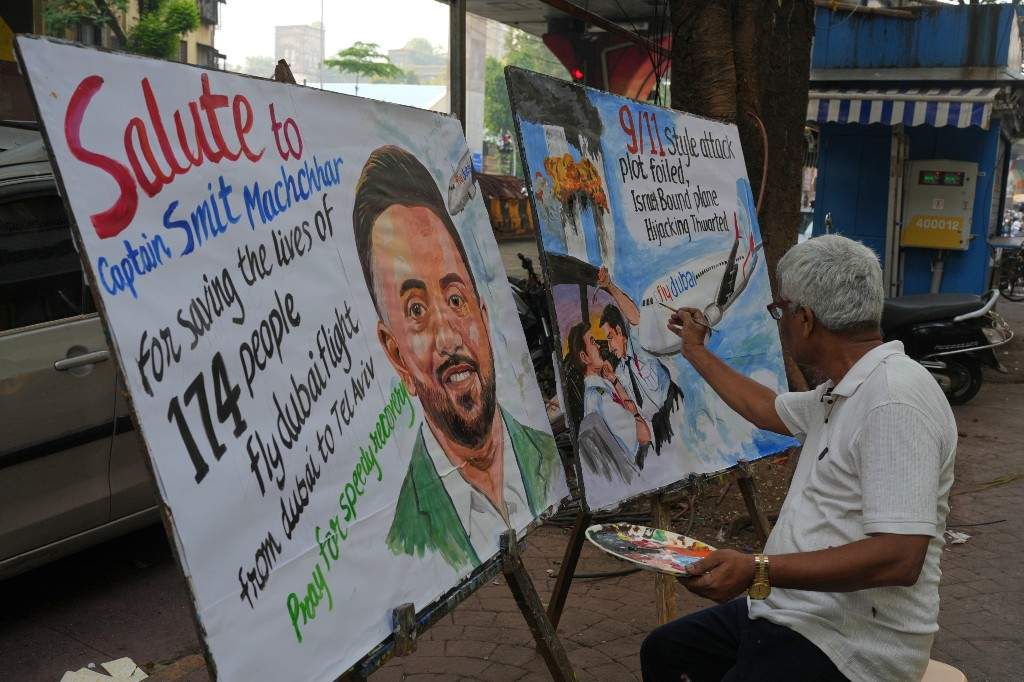
Capt. Smit Machchhar was seriously injured in Wednesday's attack. Passengers described how the pilot still managed to open the cockpit door to let them in.
Capt. Smit Machchhar was seriously injured in Wednesday's attack. Passengers described how the pilot still managed to open the cockpit door to let them in.
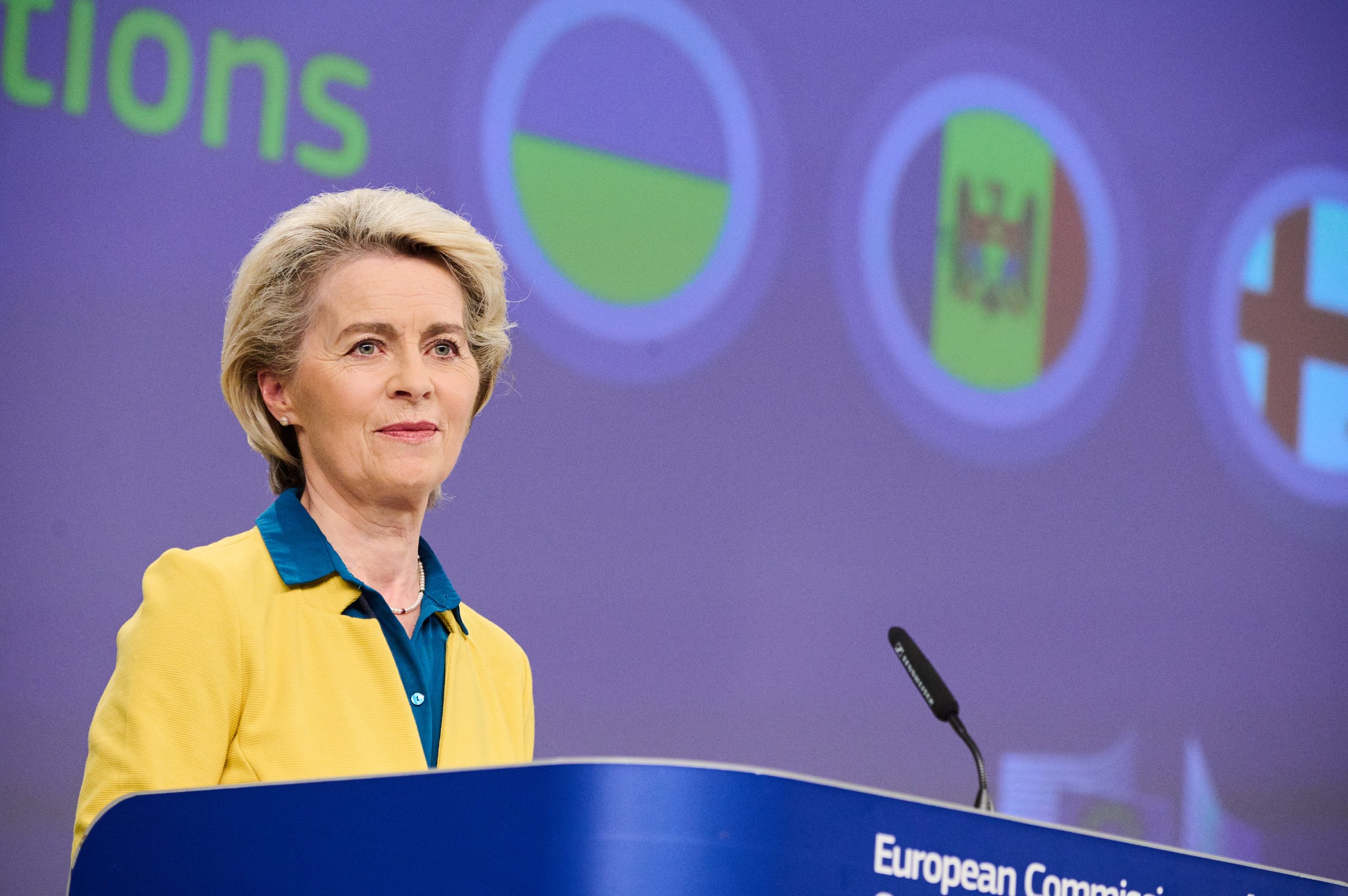
“What is remarkable is that Ukraine and Moldova, despite finding themselves in a very tense situation regarding their security, are extremely keen to move closer to the EU and have therefore already begun negotiations and opened the first cluster.”
These are the words of the deputy director of the European Council on foreign relations (ECFR), Vesela Cherneva, and they come just as the official negotiation process for the two countries’ accession to the European Union has begun.
With this, the EU embarked on a truly geopolitical enlargement – driven not only by the pursuit of shared values, a larger market, and stronger common institutions, but also by the need to safeguard the continent’s security in a shifting environment.
Ukraine: a battle-hardened nation’s journey from the post-Soviet world to the EU
According to Cherneva, the EU’s upcoming enlargement is the only way to institutionally anchor Ukraine within a serious and lasting framework, given that the US position has remained clear under both presidents Donald Trump and Joe Biden: Nato enlargement to include Ukraine is not possible.
“Currently, EU membership is the only way to integrate Ukraine’s and Europe’s security systems. This is an entirely different discussion from negotiations on chapters, clusters, sanitary standards and other accession requirements. We are talking about security guarantees, but also about the transfer of military technologies from Ukraine to Europe and, more broadly, about how Ukraine – which currently possesses the strongest and most combat-capable army in Europe – can, while defending Europe, also become part of the European security debate,” Cherneva says.
Ognyan Minchev, political scientist, professor and executive director of the Institute for Regional and International Studies, an independent think-tank in Bulgaria, also believes that Ukraine’s importance is substantial and that the questions surrounding its integration are highly complex.
“Ukraine currently possesses the only genuinely combat-capable army on the European continent. Western European armies have very limited personnel numbers and, until recently, received extremely low levels of funding. The lack of real resources, including weapons, to address the challenges of military security makes Ukraine a more attractive partner,” he says.
Although many experts would point to Ukraine’s contribution to European security as the greatest benefit of its accession to the EU, the country can also contribute to development in other areas. There is undoubtedly great potential for development in the fields of agriculture and farming.
The country has a vast area of cultivated land and is among the world’s leading producers of a number of cereal crops such as wheat, maize, barley, rice, and others. It exports these products to third countries, and membership would increase the EU’s economic influence in these regions.
Ukraine’s accession could also lead to cooperation between different sectors and result in an increase in meat and dairy production as a consequence of increased cereal production.
Beyond agriculture, Ukraine’s pharmaceutical industry could offer the EU an opportunity to reduce its reliance on imports of generic medicines from China and various Asian countries. Thanks to its favourable climate, Ukraine also has great potential for various types of renewable energy.
Deposits of gallium, rutile, graphite, magnesium ores, lithium and other minerals vital to the green transition could contribute to European production and help the EU compete with China.
According to Minchev, integrating Ukraine represents a major challenge because it involves a large country that is institutionally weak, with high levels of corruption, poor economic organisation and significant shortcomings in the functioning of public life.
“Ukraine has been forced to transform itself into an effective fighting machine, but in other respects it remains a post-Soviet society with serious problems in the areas mentioned above. This makes its rapid integration into the EU extremely difficult,” Minchev says.
Moldova: a key piece in Europe’s security architecture continues to struggle under Russia’s shadow
“For Moldova, we can say that it is a small but significant element in the broader domino effect of Black Sea security, which is becoming an increasingly crucial aspect of overall European security. This is because the confrontation between the Kremlin regime and Europe is effectively unfolding along the line of a new Iron Curtain being formed across Ukraine and the Black Sea region,” Minchev says.
According to Cherneva, Moldova’s accession is also crucial precisely because the country is a buffer state, and Russia has demonstrated that it does not tolerate buffers.
“Russia seeks to conquer and control such buffer zones. If Moldova does not want to share the fate of Belarus or Georgia, it must take rapid steps towards European integration,” Cherneva says.
For years, Moldova has served as a testing ground for Russia’s hybrid warfare. As Western European countries are only now confronting the full scale of Russian hybrid attacks, Moldova has already spent years developing its own resilience and countermeasures.
The country brings to European security valuable expertise gained from combating Russian disinformation and resisting repeated attempts by the Kremlin to interfere in its domestic political processes.
Yet Moldova’s accession would have implications extending far beyond security. Although it possesses far less agricultural land than Ukraine, the country has the potential to make a meaningful contribution to the European agricultural sector. Moldova has been gradually integrating into the EU’s Single Market through the Deep and Comprehensive Free Trade Area (DCFTA).
This article continues, but the full version is available only to EUobserver.com subscribers. Visit account.euobserver.com/membership
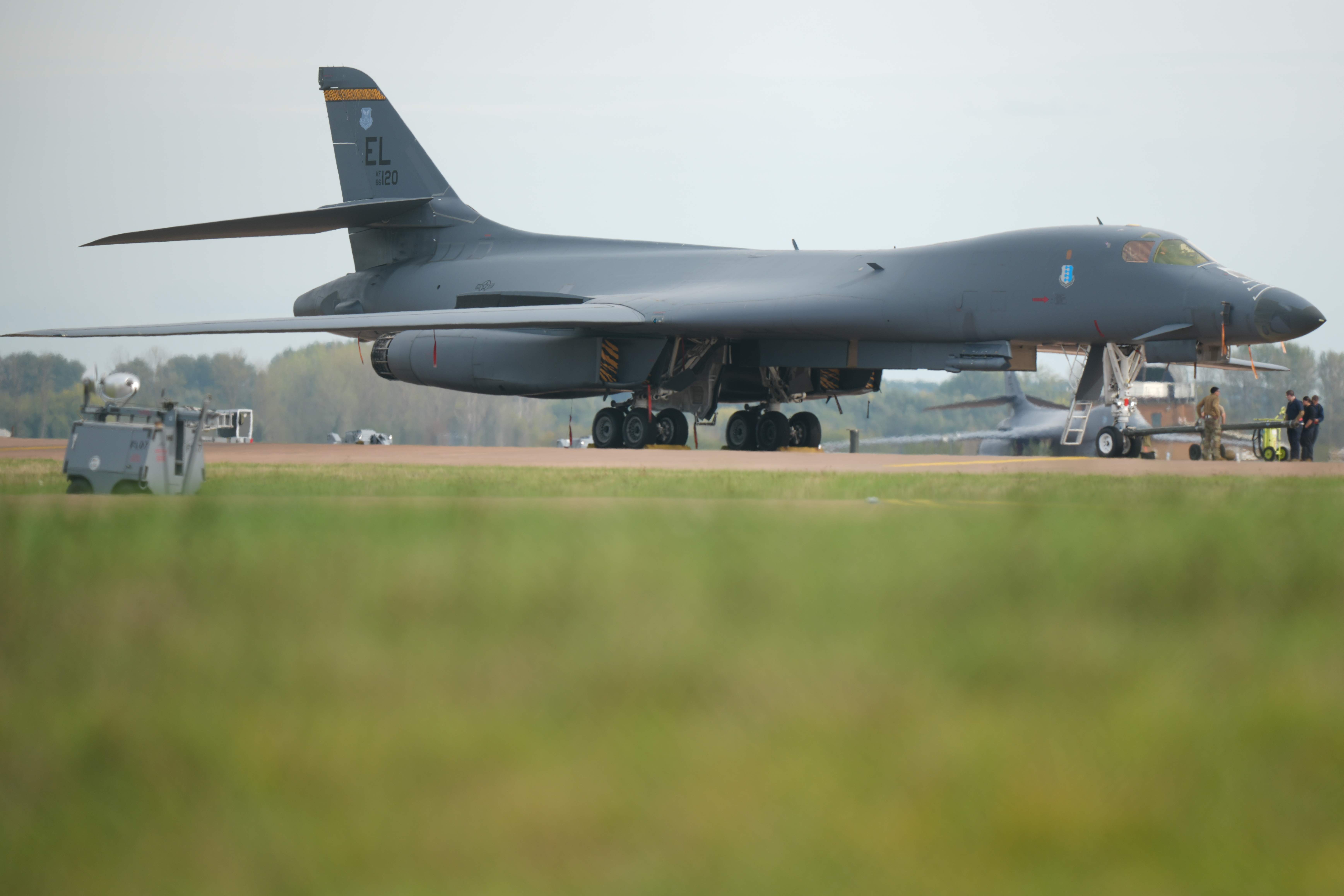
Five British men in their 20s were arrested Sunday on suspicion of explosives offenses and planning an act of terror, before being released on bail a day later.
Five British men in their 20s were arrested Sunday on suspicion of explosives offenses and planning an act of terror, before being released on bail a day later.
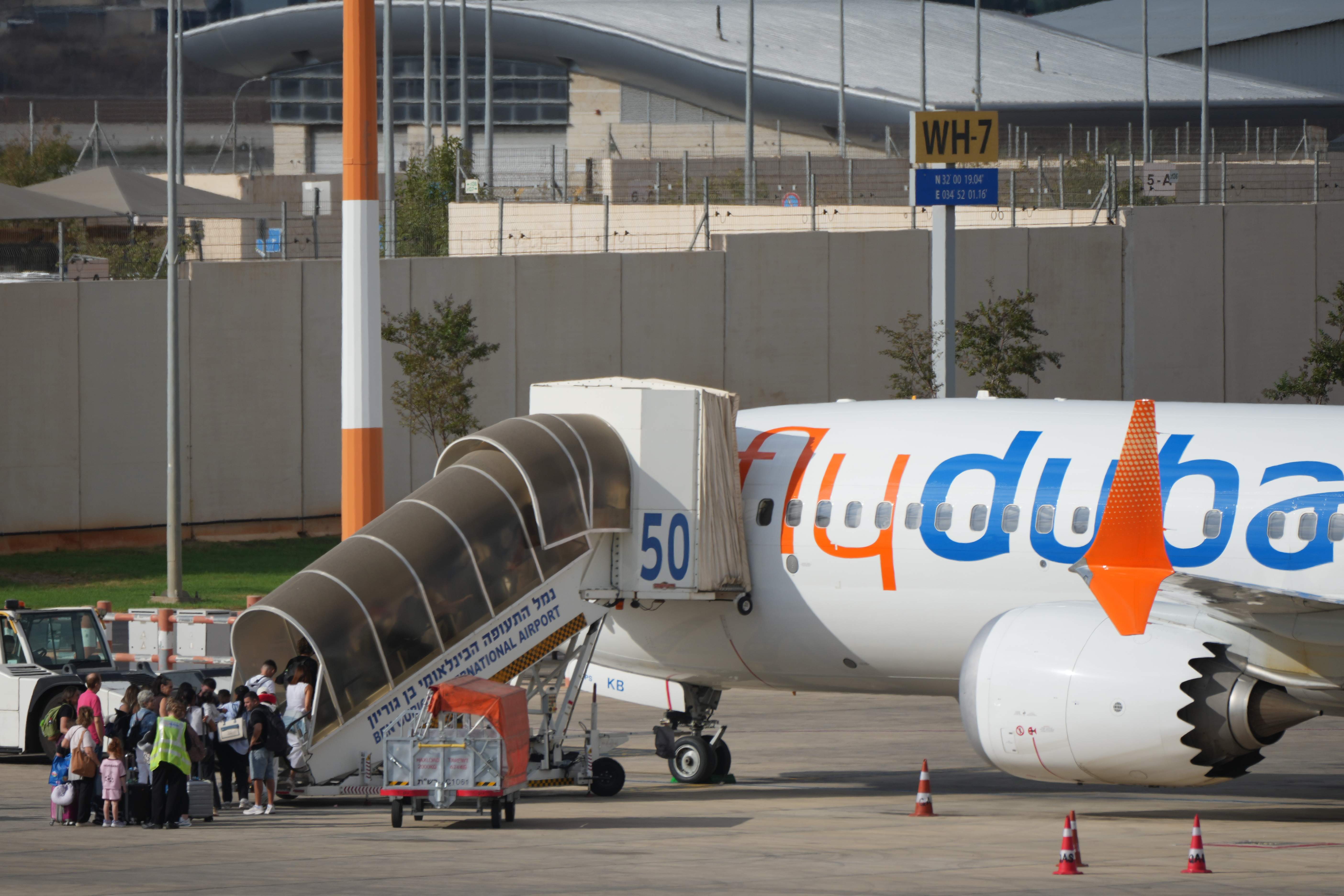
The FlyDubai flight traveling from the United Arab Emirates to Israel landed safely after issuing an emergency alert and abruptly descending thousands of feet (meters).
The FlyDubai flight traveling from the United Arab Emirates to Israel landed safely after issuing an emergency alert and abruptly descending thousands of feet (meters).
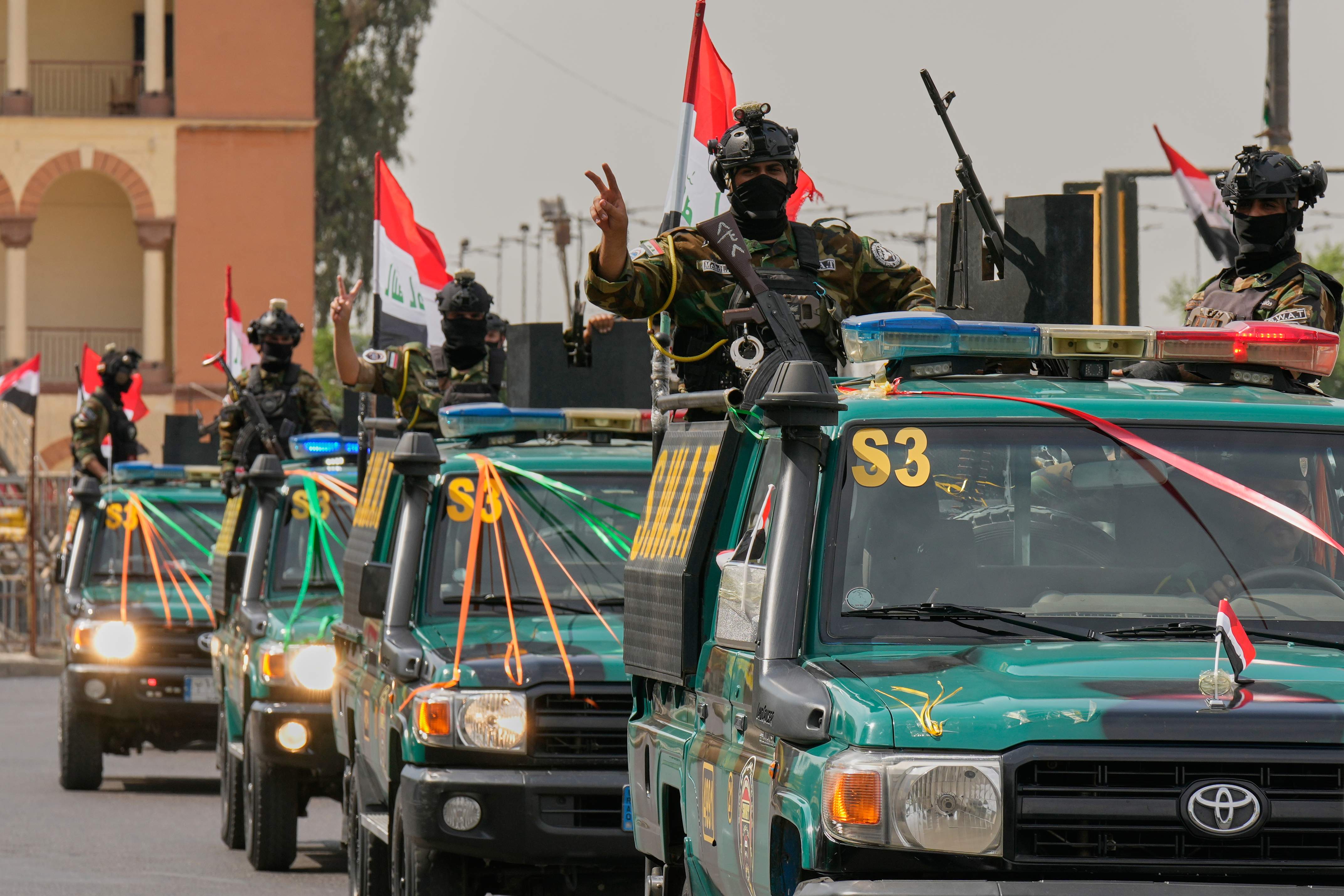
The withdrawal, agreed on two years ago, comes against the backdrop of the ongoing war between the United States and Iran that has also sometimes spilled over into Iraq.
The withdrawal, agreed on two years ago, comes against the backdrop of the ongoing war between the United States and Iran that has also sometimes spilled over into Iraq.
Donald Trump’s return to the White House in January 2025 pushed US Middle East policy toward a familiar mixture of pressure, bargaining, and demands for measurable economic returns. His May 2025 tour of Saudi Arabia, Qatar and the United Arab Emirates made that approach particularly visible: investment, artificial intelligence, defence, aviation, and energy agreements dominated […]
The European Commission says it will not compromise on protecting the EU’s external borders, but will also respect human rights, while declining to specify if a new emergency rule could suspend people’s basic right to asylum.
The vague statements by Magnus Brunner, the EU home affairs commissioner, in Brussels on Tuesday (29 September), followed an equally vague proposal announced by commission president Ursula von der Leyen in her State of the Union speech on 11 September, who pledged to create a “European emergency response framework”.
When asked if her new framework would include the possibility to suspend asylum at the EU’s external border in cases that mirrored this summer’s Ceuta crisis, when tens of thousands of people entered the Spanish enclave in north Africa, Brunner said: “I can’t go into details, because it’s a discussion which is going on at the moment”.
His non-committal take on the hot button issue also came after a resolution adopted by the centre-right European People’s Party (EPP) in Brussels on Tuesday, which is demanding that member countries, in some cases, be given the option to temporarily suspend asylum applications.
Specifically, it calls on the EU “to adopt legislative measures authorising refusal of entry or returns without individual asylum procedures for illegal migrants used in a hybrid attack”.
Meanwhile, Brunner and von der Leyen come from the same conservative party in the EPP, posing questions to what extent political pressure has influenced the latest commission initiative.
Greece’s prime minister Kyriakos Mitsotakis (also EPP) in early August had already gone public with demands for new EU rules allowing for asylum to be suspended for newly arrived people.
The Polish government (EPP) also weighed in, claiming credit for getting von der Leyen to cite the idea in her big speech.
Warsaw had earlier this month extended its asylum ban on people entering from Belarus, in what rights groups say involves pushbacks that cause loss of life.
But for Brunner, the issue had already been broached in a commission asylum strategy report that was published back in January.
That report references “weaponisation of migration” by hostile countries, such as Belarus and Russia, and links it back to another commission document from December 2024 that argues there are certain exceptional situations in which the ban on pushbacks cannot apply.
 Login