❌

Reading view

Can a Spice Rival a Drug? 10 Head-to-Head Trials Put It to the Test.
Ten head-to-head clinical trials — pulled from the GreenMedInfo archive — in which honey, turmeric, saffron, ginger and a handful of other kitchen staples matched or outperformed prescription medications. Each one links to the full research write-up.

By Sayer Ji | October 4, 2026

For nearly two decades, GreenMedInfo has done one thing most health publishers never bother with: we go into the National Library of Medicine and pull out the studies where researchers put a natural substance directly against a drug — same condition, same patients, same scoring — and then publish what they found.

Those studies exist. There are thousands of them. They just don’t get press releases, because nobody holds a patent on honey.

Below are ten of the most striking. Every one is a human trial. Every one is indexed in our database. And every one links to the long-form article where you can read the methodology, the numbers and the citations for yourself.

A word before we start: this is research information, not medical advice. Several of these trials are small. Some are single studies that have not been replicated. I have flagged which ones have the strongest designs. Read them, bring them to your practitioner, and decide for yourself. That is the entire point of having the archive.


1. Honey + Coffee vs. Prednisolone — Persistent Cough

 

Honey and coffee for persistent cough

The trial: Randomized, double-blind, 97 adults with post-infectious cough lasting more than three weeks. One group got a paste of honey and instant coffee every eight hours. One got the steroid prednisolone. One got guaifenesin (the active ingredient in Mucinex). Primary Care Respiratory Journal, 2013.

The result: Cough scores in the honey-coffee group fell from 2.9 to 0.2 — a 93% reduction. Prednisolone managed 3.0 to 2.4, about 20%. Guaifenesin did essentially nothing. The study authors’ own conclusion: “Honey plus coffee was found to be the most effective treatment modality.”

A kitchen remedy outperformed a corticosteroid by a factor of roughly fourteen — with none of the steroid’s immune-suppressing, bone-thinning, blood-sugar-wrecking side effects.

→ Read the full article: A Spoonful of Honey and Coffee Did What Prednisone Couldn’t


2. Curcumin vs. Metformin — Stopping Prediabetes Cold
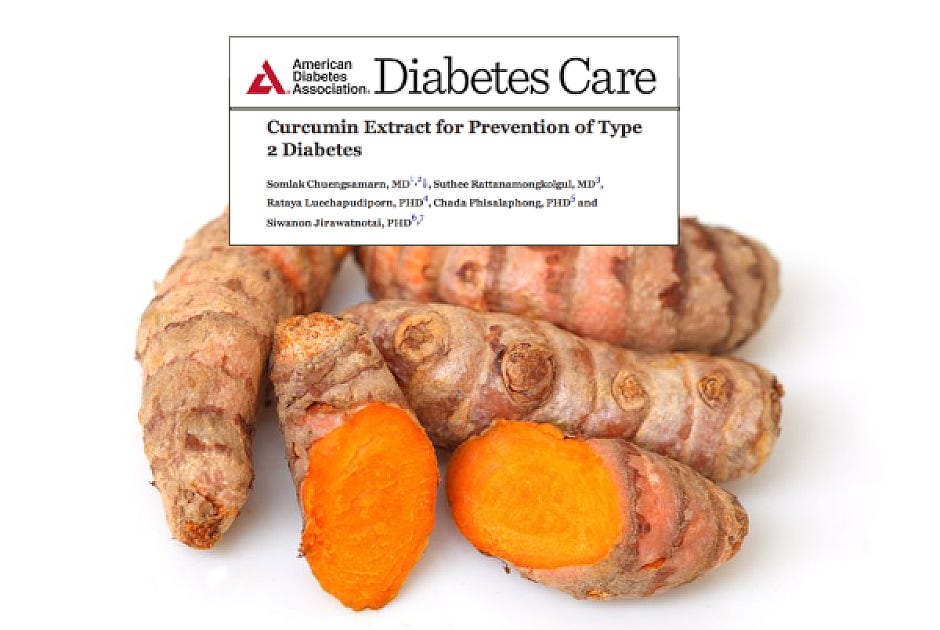
 

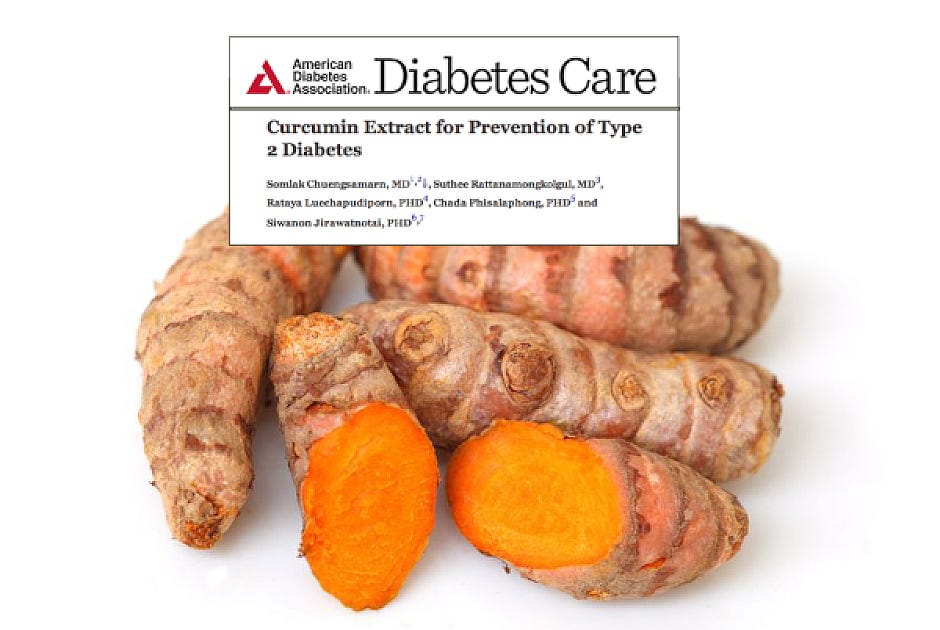
Curcumin and diabetes prevention

The trial: Randomized controlled trial in Thailand, published in the American Diabetes Association’s own journal, Diabetes Care, 2012. Prediabetic patients took either a curcumin extract (from turmeric) or placebo for nine months.

The result: Zero patients in the curcumin group progressed to type 2 diabetes. In the placebo group, 16.4% did. Curcumin also improved beta-cell function and reduced insulin resistance, with only minor side effects reported.

For context: metformin, the front-line drug given to high-risk patients, reduced progression to diabetes by just 31% over three years in the landmark Diabetes Prevention Program. No pharmaceutical has ever come close to a 100% prevention rate.

→ Read the full article: 100% Diabetes Prevention Achieved Naturally


3. Berberine vs. Metformin — Type 2 Diabetes

 

Berberine vs metformin

The trial: 36 adults with newly diagnosed type 2 diabetes, three months, berberine versus metformin head-to-head. Metabolism, 2008.

The result: Berberine — a bitter alkaloid from goldenseal, barberry and Oregon grape — matched metformin on A1c, fasting glucose and post-meal glucose. Then it pulled ahead on lipids: by week 13, triglycerides and total cholesterol were significantly lower in the berberine group. In a second arm, 48 poorly-controlled diabetics on berberine saw A1c drop from 8.1% to 7.3% and fasting insulin fall 28%.

A later meta-analysis of 37 studies and 3,048 patients found berberine did not increase adverse events or the risk of hypoglycemia. Metformin, by contrast, carries a black-box risk of lactic acidosis.

→ Read the full article: Berberine Outshines Metformin for Diabetes


4. Saffron vs. Prozac and Lexapro — Depression, OCD, Postpartum Depression

 

Saffron vs Prozac for depression

The trials: Six separate head-to-head studies. In a 2016 double-blind trial, 30 mg/day of saffron matched 40 mg of fluoxetine for postpartum depression over six weeks. A 60-patient, 8-week trial found saffron equal to fluoxetine for OCD, with “many fewer” adverse effects. Additional trials found no difference against 60 mg fluoxetine for major depression and panic disorder.

The standout: A 2020 study of 54 patients found 15 mg of saffron produced significantly greater reductions in Hamilton Depression scores — and higher response and remission rates — than 10 mg of escitalopram (Lexapro).

A 2025 meta-analysis of eight RCTs confirmed it: saffron is as effective as SSRIs for depression, with fewer adverse events. The spice in your paella is running even with — and sometimes ahead of — the most prescribed class of psychiatric drugs on earth.

→ Read the full article: 6 Studies on Saffron Put Prozac to Shame


5. Honey vs. Dextromethorphan — Children’s Nighttime Cough

 

Honey as medicine

The trial: Children with upper respiratory infections were given buckwheat honey, honey-flavored dextromethorphan (the “DM” in Robitussin DM, Mucinex DM, Vicks Formula 44), or nothing before bed. Parents rated cough frequency, severity and sleep quality. Archives of Pediatrics & Adolescent Medicine, 2007.

The result: Honey scored best on every measure. Parents rated cough frequency 1.89 points better after honey, 1.39 after DM, and 0.92 with nothing. The quietly damning finding: dextromethorphan was not statistically better than no treatment on any outcome.

Even the CDC now advises honey for cough in anyone over one year old. The multi-billion-dollar cough syrup aisle has still not gotten the memo.

→ Read the full article: 5 Reasons Honey Should Be in Your Medicine Chest · Study abstract


6. Turmeric vs. Ibuprofen and Naproxen — Knee Osteoarthritis
 

Turmeric for joint pain

The trials: A Thai study gave 367 knee osteoarthritis patients either 1,500 mg/day of turmeric extract or 1,200 mg/day of ibuprofen for four weeks. Separately, a 2022 double-blind RCT in Phytotherapy Research gave 60 patients either 500 mg naproxen twice daily or a capsule of turmeric extract, gingerols and piperine twice daily for a month.

The result: Turmeric matched ibuprofen for pain relief and function, with 96–97% patient satisfaction in both groups — but fewer gastrointestinal side effects. The turmeric-ginger-pepper formula relieved pain and inflammation on par with naproxen, with patients rating it equal or better on tolerability, and no adverse effects.

NSAIDs are linked to thousands of GI-bleed deaths a year. Turmeric has a 4,000-year safety record and over 900 documented health benefits in our database.

→ Read the full article: Spice-Based Relief for Aching Joints Beats Dangerous NSAID


7. Ginger vs. Mefenamic Acid and Ibuprofen — Menstrual Pain

 

Health benefits of ginger

The trials: 122 women with moderate-to-severe dysmenorrhea took either 250 mg of ginger every six hours or the NSAID mefenamic acid every eight hours, across two menstrual cycles. An earlier trial of 150 women compared 250 mg ginger four times daily against both mefenamic acid and ibuprofen for three days.

The result: Ginger reduced pain “significantly and equally” to the drug in the first trial — roughly half the women in each group went from moderate/severe to mild. In the second, the authors concluded flatly that ginger is as effective as the drugs.

The difference is what comes with it: NSAIDs raise the risk of ulcers, bleeding and cardiovascular events. Ginger raises the risk of nothing in particular.

→ Read the full article: Herbal Research Update for Women’s Health · Eight Unexpected Health Benefits of Ginger


8. Echinacea + Elderberry vs. Tamiflu — Influenza

 

Natural cold and flu remedies

The trial: Double-blind comparison of an Echinacea purpurea and elderberry blend against oseltamivir (Tamiflu), the world’s best-selling flu drug. Current Therapeutic Research, 2015.

The result: By day five, the herbal blend was already slightly ahead. By day ten, 90.1% of the herb group had recovered versus 84.8% on Tamiflu — with fewer complications and fewer side effects. Elderberry alone has repeatedly been shown to cut flu recovery from 7–8 days to 2–3.

Governments stockpiled billions of dollars of Tamiflu. A Cochrane review later found it shortened flu symptoms by about half a day. Elderberry costs twelve dollars.

→ Read the full article: What You Need to Know to Crush the Cold & Flu


9. Licorice (DGL) vs. Tagamet — Peptic Ulcers
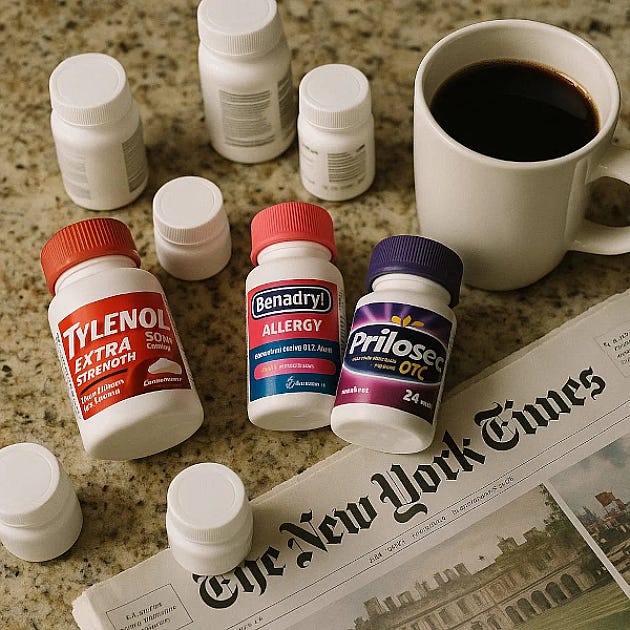
 

Natural alternatives to common medications

The trial: Deglycyrrhizinated licorice (DGL) at 760 mg three times daily versus cimetidine (Tagamet), the first blockbuster acid-blocker, for peptic ulcer healing and relapse.

The result: DGL achieved 91% ulcer healing with an 8.2% relapse rate, versus 12.9% relapse with Tagamet. In the same research roundup, 3,000 mg/day of turmeric achieved 72% ulcer healing at eight weeks — comparable to omeprazole (Prilosec).

Acid-blockers are now linked to dementia, kidney disease, fractures and nutrient malabsorption with long-term use. Licorice root has been treating stomachs since Hippocrates.

→ Read the full article: The Mind Thieves — How 6 Common Medications Are Stealing Our Humanity


10. Colostrum vs. the Flu Shot — Influenza Prevention

 

Colostrum vs flu vaccines

The trial: Head-to-head comparison of oral colostrum against flu vaccination in both healthy adults and high-risk cardiovascular patients over two months. Clinical and Applied Thrombosis/Hemostasis, 2007.

The result: Healthy adults on colostrum alone averaged 0.33 flu episodes versus 1.1 in the vaccinated-only group — roughly three times more protective. Among the high-risk cardiac patients, the colostrum group had zero hospital admissions; the vaccinated group had multiple hospitalizations and one death. Flu-related costs in the colostrum group were about 30% of the vaccinated group’s. No significant side effects were reported.

Vitamin D, for the record, cut influenza A risk by 59% in children at 1,200 IU/day in a separate RCT. Neither appears in a single public health campaign.

→ Read the full article: Colostrum 3x More Effective Than Flu Vaccines


Honorable Mentions: When “Doing Something Else” Beat the Drug

Not every alternative comes in a capsule. From our long-running piece on non-pill interventions that outperformed pharmaceuticals in head-to-head trials:

  • Sudarshan Kriya yoga breathing beat the antidepressant imipramine for depression (Journal of Affective Disorders, 2000).
  • Acupuncture beat flunarizine for migraine prevention, with superior tolerability.
  • Abdominal aromatherapy massage beat Tylenol for menstrual pain.
  • Hypnosis matched Valium for anxiety during embryo transfer, with fewer side effects.
  • Blue and red light therapy beat 5% benzoyl peroxide for acne, with no side effects.
  • An elemental diet matched high-dose steroids for Crohn’s disease in children — and was superior for supporting their growth.

→ Read the full list: 11 Things Better than Drugs or Supplements for Healing


Why You Have Never Heard Most of This

Every study above is published in a peer-reviewed journal and sits in the National Library of Medicine. None of it is hidden. It is simply unfindable — buried in a haystack of tens of millions of papers, with no one paid to surface it, and, since 2021, no longer even filterable under PubMed’s complementary-and-alternative-medicine category, which was quietly removed.

That is why GreenMedInfo exists. We have spent seventeen years indexing this research — 1.4 million studies and counting, hand-mapped to over 16,000 substances, conditions and mechanisms — and keeping it free to search. In 2020 they tried to take it offline. It’s still here. It’s still yours.

If any of this was new to you, that is the whole problem — and the whole reason to search the archive, share this piece, and bring one of these studies to your next doctor’s appointment.


  •  

The A-Z of Woke: Your Essential Guide to the Language of the Permanently Offended

From 'birthing persons' to 'white tears' and 'zero tolerance', woke jargon is baffling by design. In the Mail, Andrew Doyle offers an A to Z guide to decoding the language of wokeness.

The post The A-Z of Woke: Your Essential Guide to the Language of the Permanently Offended appeared first on The Daily Sceptic.

  •  

Will the European Parliament Unlock Hungary’s Frozen €4.2 Billion This Week?

The European Parliament’s debate on Monday, October 5th, comes at an awkward moment for Brussels. After years of confrontation with Viktor Orbán, the European Commission now believes Hungary has done enough to justify releasing €4.2 billion in cohesion funding and restoring full access to Erasmus+ and Horizon Europe.

The question before MEPs is therefore deceptively simple: have the conditions really been met, or has Brussels simply found a convenient political moment to declare victory?

The answer matters well beyond Hungary. The original dispute was not some abstract quarrel over Brussels etiquette. In 2022, the EU suspended €6.3 billion in Hungarian cohesion funding after identifying deficiencies in public procurement, conflicts of interest, corruption controls and the effectiveness of prosecutorial action. The conditionality mechanism was deliberately designed to make access to EU taxpayers’ money dependent upon safeguards for the rule of law and the protection of the EU budget.

That principle is important. If membership of the EU means anything, it cannot mean that governments receive billions regardless of whether public money is properly administered.

But Hungary has changed politically. Viktor Orbán’s 16-year rule ended with Péter Magyar’s decisive election victory in April. Magyar campaigned partly on repairing Hungary’s relationship with Brussels and unlocking the billions frozen during the Orbán years. His government subsequently notified the Commission that it had implemented the required reforms.

The Commission has now accepted that argument — albeit partially. Its September 23rd proposal says Hungary has addressed the rule-of-law breaches affecting the EU budget, citing improvements in public procurement, the anti-corruption framework, prevention of conflicts of interest and prosecutorial effectiveness. If the Council approves the proposal, €4.2 billion in cohesion commitments will be reinstated and Hungarian students and researchers will regain full access to Erasmus+ and Horizon Europe.

That is a substantial political prize for Magyar, and a substantial test for the EU.

The danger for Brussels is obvious. Having spent years insisting that European money must not subsidise corruption or institutional capture, the Commission cannot now appear to have changed the rules simply because a more congenial government has arrived in Budapest.

There is, however, an equally serious danger on the other side. If Hungary has genuinely implemented the reforms demanded by Brussels, continuing to withhold money would make the conditionality mechanism look less like a defence of European values and more like a political punishment system. That would be profoundly damaging. Rules that apply only to governments Brussels likes are not rules at all.

This is why Monday’s debate matters – and the €4.2 billion is only part of the story.

The Commission has made clear that other Hungarian funds remain blocked. Around €3.5 billion is affected by a separate mechanism, including approximately €2.7 billion linked to horizontal conditions concerning the EU Charter of Fundamental Rights, including academic freedom, LGBTI rights and asylum.

Meanwhile, Hungary is still seeking access to roughly €10 billion under the Recovery and Resilience Facility. The new Hungarian recovery plan includes measures on anti-corruption, public procurement, transparency, judicial independence and stakeholder participation, with payments tied to the achievement of specific milestones.

So this is not a clean victory for either side.

For Magyar, the release of €4.2 billion demonstrates that his strategy of accommodation with Brussels is delivering tangible results. For the Commission, it provides an opportunity to demonstrate that conditionality can work: reforms are made, the Commission verifies them, and money is released.

But the real test will come afterwards. Brussels must monitor whether the reforms survive political pressure. Anti-corruption bodies must remain genuinely independent. Public procurement must be transparent. Prosecutorial safeguards must work in practice rather than merely on paper. And the judiciary must be capable of challenging the government when necessary.

That is where the European Parliament should concentrate its fire. The temptation will be to turn Monday’s debate into another referendum on Viktor Orbán. That would be yesterday’s argument. Orbán has gone. The more important question is whether Hungary’s new government has actually dismantled the machinery that generated the dispute.

There is a wider lesson here for the European Union.

Conditionality can only work if Brussels is prepared both to withhold money when standards are breached and to release it when standards are met. Anything else undermines the credibility of the entire system.

The Commission says Hungary has crossed that threshold. The Council must now decide whether it agrees.

MEPs should therefore resist both triumphalism and cynicism, if the reforms are real, Hungary should get its money.

If they are cosmetic, Brussels should keep the cheque in the drawer.

Brussels Moves to Release €4.2bn to Hungary as Magyar Unwinds Orbán-Era Dispute

  •  

Flydubai attack feeds Netanyahu’s ‘protector’ line as polls near

The apparent attempted hijacking of a Flydubai flight carrying 170 mostly Israeli passengers was another reminder to Israelis of the constant threat of terror and war. Only the bravery of the chief pilot and passengers prevented a major disaster. A few hours earlier, Prime Minister Benjamin Netanyahu released a video warning of attempts to harm […]

The post Flydubai attack feeds Netanyahu’s ‘protector’ line as polls near appeared first on Asia Times.

  •  

New F-16s buy Taiwan time and space against China’s air coercion

Taiwan’s new American-made F-16V Block 70 jets deliver much-needed breathing room against daily Chinese gray-zone coercion, yet surging Chinese stealth numbers and cratered runway risks mean their wartime utility would be sharply contested. Taiwan received its first two new-build Lockheed Martin F-16V Block 70 fighter jets, touching down on October 2 at Taitung’s Chihhang Air […]

The post New F-16s buy Taiwan time and space against China’s air coercion appeared first on Asia Times.

  •  

Iranian crew declared Dena training vessel ‘unarmed’ to US warship before deadly torpedo strike: Report

The Cradle | October 2, 2026

The crew of the Iranian frigate Dena informed a US warship that their vessel was unarmed during their final exchanges before a US submarine launched a torpedo and sank it off the coast of Sri Lanka on 4 March, killing 104 sailors, according to an audio recording cited by an Iranian judiciary official.

“We are not military, we are not armed, and we have come for training,” the crew said in the recording.

The Moudge-class frigate was sailing home from the International Fleet Review 2026, an India-hosted naval exercise Iran had been officially invited to attend, when the USS Charlotte struck it with a Mark 48 torpedo in international waters some 19 nautical miles off Galle, killing 104 of the 136 sailors on board and wounding the remaining 32.

Hassan Abdollianpour, who heads Iran’s Center for Lawyers of the Judiciary, said the recording also captures the frigate’s contact with Sri Lanka’s shipping and ports authorities, who backed the crew’s account that the ship was on a training mission.

Abdollianpour said international law obliged that aid be given to those aboard, even after the ship had been targeted.

“Not only was no assistance provided, but a second attack was also carried out,” he said.

He added that securing the recording, which took extensive efforts and has since featured in a documentary, was key to building an accurate legal case over the criminal attack.

Abdollianpour said the case of the Dena’s slain sailors is being pursued “firmly and decisively,” with his center compiling extensive documentation for domestic and international proceedings.

Nearly 19,000 experts have produced around 130,000 pages of assessments on wartime incidents and damages, he said, meant to serve as standardized evidence before international courts and legal bodies.

In March, Iran’s Judiciary Chief Gholamhossein Mohseni-Ejei condemned the deadly US strike as a violation of every international convention, maritime law above all, and vowed that Tehran would “certainly and seriously” prosecute Washington for its “outrageous crimes.”

  •  

India’s missile shield invites a false sense of security

In July, India tested two new interceptors meant to destroy missiles at ranges up to 5,000 kilometers, the latest step toward one of the few layered missile shields in the world. New Delhi calls the program defensive. But a neighboring rival rarely sees a shield that way. India’s expanding defenses could embolden its leaders in […]

The post India’s missile shield invites a false sense of security appeared first on Asia Times.

  •  

The Genetic Deception — now in paperback (Second Edition)

Lies are Unbekoming | October 2, 2026

The genes the field promised were never there.

The genetic story of disease is a cover story.

The twenty-first century runs on it. Paediatric clinics. Cancer centres. Forensic laboratories. Family-planning counsel. It is used to explain illness, to assign blame, to foreclose questions. It protects the industries whose products and practices are what actually caused the harm.

It isn’t true.

In 2010, Jonathan Latham and Allison Wilson looked at over seven hundred genome-wide association studies covering some eighty common diseases. The genes the field had promised were not there. The field invented a term, “missing heritability”, to explain the absence, and has quietly worked to bury the finding ever since.

The Genetic Deception is a book about what Latham and Wilson found. What the field did with it. And what the public was told instead.


The Genetic Deception

How a Failed Science Conceals the Real Causes of Disease

Second Edition, revised and expanded. 406 pages, paperback.

Across nineteen chapters and six appendices, the book works through the conditions where the genetic framework collapses on inspection. Cystic fibrosis, where the environmental trigger is omitted. Down’s syndrome, where the toxic exposures are known but not acknowledged. Dravet syndrome, where vaccine injury is renamed as inherited fate. BRCA. FH. Alpha-1. The forensic DNA story the public has never been told.

Long-form interviews with Jamie Andrews and Leon Karmameleon of the Telestai Network. Close engagement with the work of Dr Thomas Cowan, Elizabeth Nickson, and Latham and Wilson. A resource library at the back. An appendix on what to say when the doctor says “it’s genetic.”

What the book exposes is a procedure. A procedure for converting environmental injury, pharmaceutical damage, and industrial poisoning into inherited destiny. The procedure works on the patient. It works on the doctor. It works because most people who encounter it have never been shown what it conceals.


New in the Second Edition:

Three chapters not in the digital edition. The first is a long treatment of cystic fibrosis, the textbook example of a single-gene disease and the case that falls apart hardest on inspection. The second catalogues ten of the conditions currently labelled “genetic” and shows, one by one, what the label forecloses. The third asks where family resemblance actually comes from if not from genes, and what the Human Genome Project’s failure means for the question.

Expanded appendices, including an expanded vocabulary for the terms the framework uses to protect itself. New Notes and Sources across nine chapters, cited to the primary literature rather than to the field’s own summaries.

A full back-of-book index covering the people, institutions, conditions, and concepts named in the book, cross-referenced so the paperback works as a reference and not just a read-through. Any term the reader has seen in a clinic or in a news article — missing heritability, Dravet, CFTR, BRCA — can be looked up and traced to every place the book addresses it.

Table of Contents

  1. Introduction
  2. Genetics: The Ultimate Cover Story
  3. Genetics Was Built on Bad Chemistry
  4. The Fifth Wall: Genetics as the Final Fortress of Medical Extraction
  5. Fool’s Gold Standard: The Unvalidated Science of DNA
  6. Interview with Jamie Andrews
  7. Interview with Leon Karmameleon (Telestai Network)
  8. Your Genetic Heart Disease Isn’t Genetic
  9. The Great DNA Data Deficit
  10. The DNA Paradox: How Unseen Molecules Became Unquestioned Facts
  11. How to Create a Genetic Condition
  12. What is Cystic Fibrosis?
  13. Down’s Syndrome: Environmental Poisoning Disguised as Genetic Fate
  14. The Genetic Alibi: How Wayne Bennett’s Family Tragedy Exposes the Dravet Syndrome Cover Story
  15. The Great Extinction Lie: How Genetics and Environmental Fraud are Destroying Rural Populations
  16. The Emperor’s New Genes
  17. The DNA Myth: What the Peer-Reviewed Literature Actually Shows About Forensic and Paternity Testing
  18. The Ten “Genetic” Diseases That Aren’t Genetic
  19. Heredity Without Genes

Appendix 1: The Vocabulary of Genetic Deception

Appendix 2: What to Say When the Doctor Says “It’s Genetic”

Appendix 3: The Four Real Causes

Appendix 4: The Conditions Currently Labelled “Genetic”

Appendix 5: The Eugenics Continuity

Appendix 6: The Curated Resource Library

Index


Who this book is for:

The reader who has watched a diagnosis arrive in their family and sensed that the explanation did not fit. The reader who wants to know what the research actually says instead of what the press release claims. The reader who is ready to ask what happened to the person before they were handed the gene.

The digital only first edition went out in May. The paperback — Second Edition, revised and expanded — is now live.

→ Order the paperback on Lulu

  •  

The China factor behind the Iran war

The war between the United States and Iran is no longer just a confrontation between Washington and Tehran. A second contest is taking shape alongside and behind it. China is not fighting the United States directly, but its economic, technological and diplomatic links to Iran are complicating Washington’s strategy and ability to win the conflict. […]

The post The China factor behind the Iran war appeared first on Asia Times.

  •  

US bans Chinese data center gear as Beijing grounds its AI talent

The artificial intelligence (AI) race between the United States and China has accelerated in model protection, supply chains and talent controls, even as the two nations’ leaders agreed last week to open a new dialogue on AI safety. A string of moves announced or uncovered this week shows that both sides are now guarding their […]

The post US bans Chinese data center gear as Beijing grounds its AI talent appeared first on Asia Times.

  •  

U.S. Mimics “Decoupled” Nuclear Detonation By Blowing Up A Tunnel Conventionally

The U.S. government set off conventional explosives inside a tunnel deep in the Nevada desert this week in a test designed to replicate a so-called “decoupled” nuclear detonation. Data collected is now being used to help improve methods for detecting this kind of nuclear testing. Just earlier this year, American authorities accused China of using decoupling to conceal new nuclear tests despite the country’s stated moratorium on such activities.

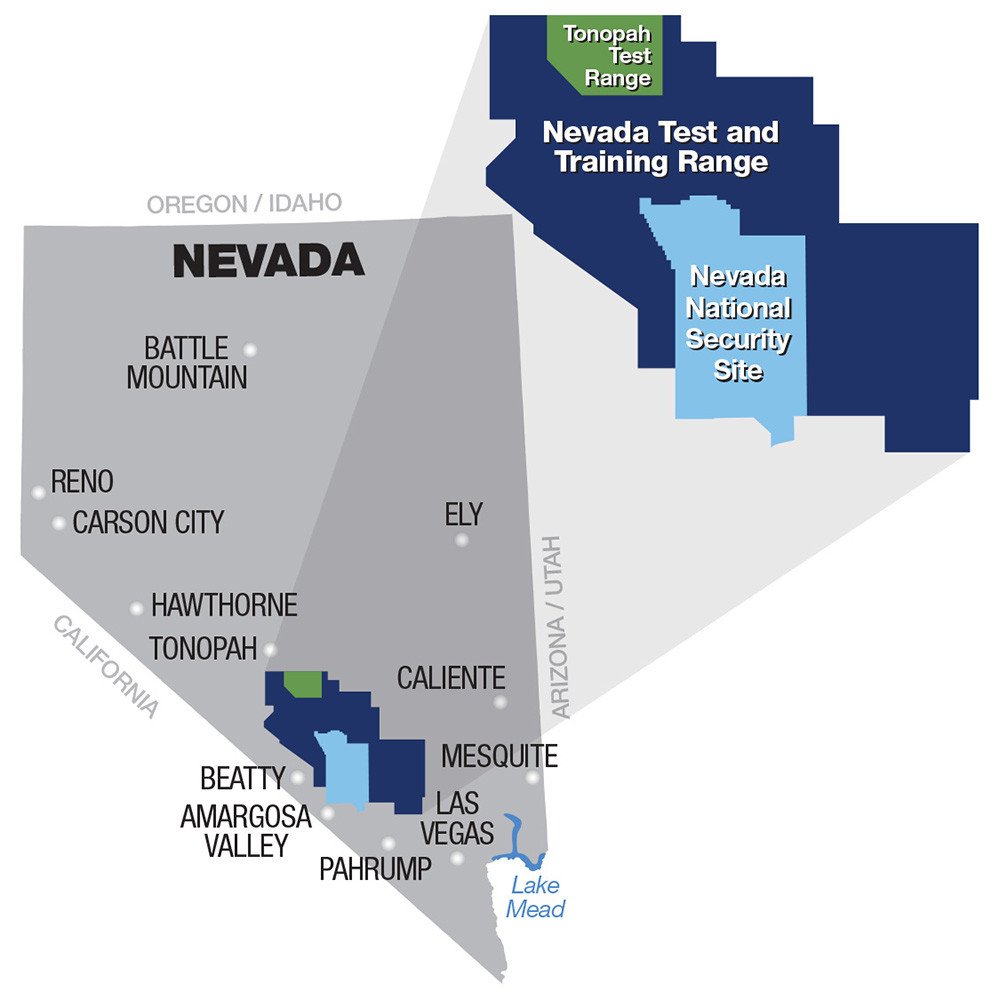
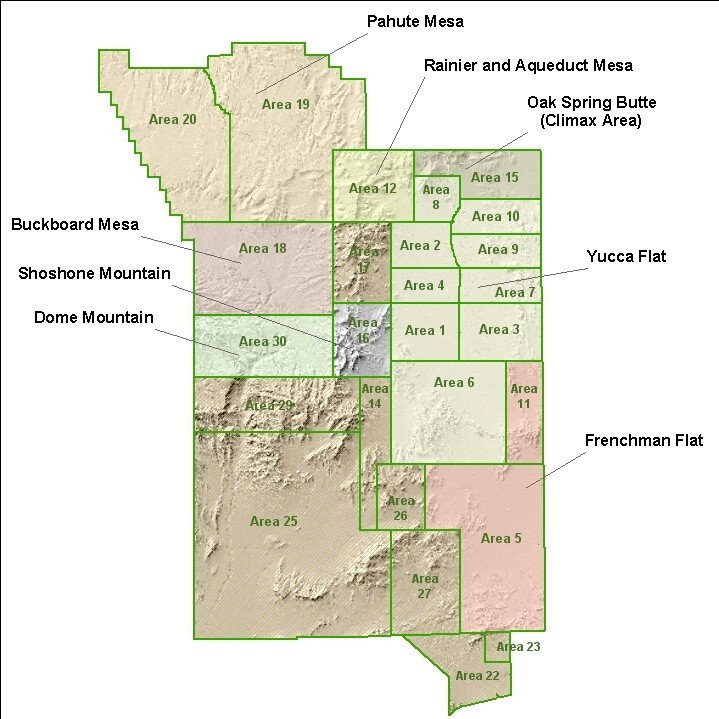
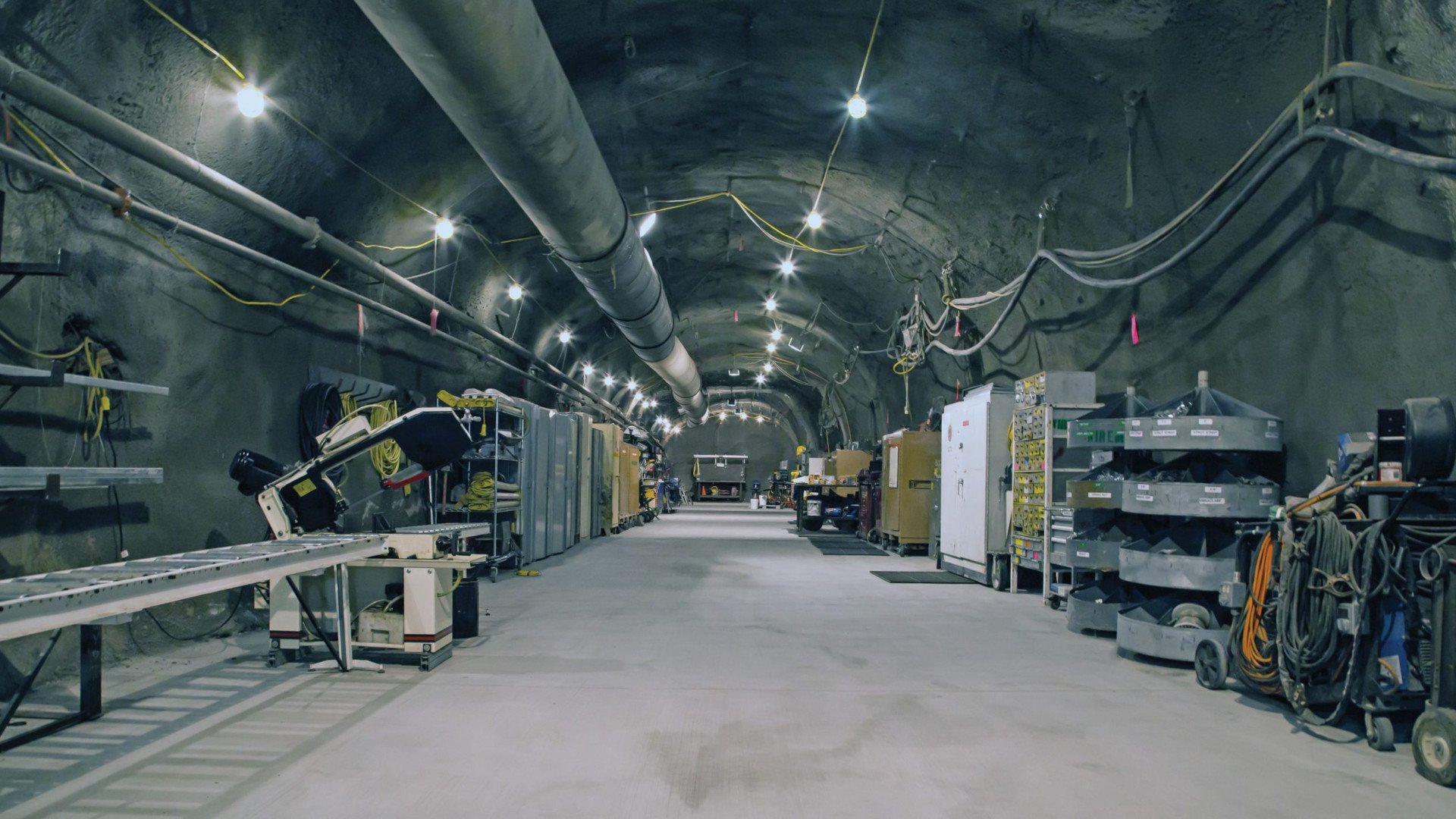
The test, which involved the use of chemical high-explosives and radiotracers, was conducted yesterday inside P Tunnel in Area 12 of the Nevada National Security Site (NNSA), according to a press release from the National Nuclear Security Administration (NNSA). The NNSS, which is situated within the boundaries of the U.S. Air Force’s Nevada Test and Training Range (NTTR), is used for a wide variety of testing purposes today. An agency under the Department of Energy, NNSA’s main jobs are to oversee the development and production of nuclear weapons, as well as manage America’s nuclear deterrent stockpile.

A map giving the general sense of the location of the NNSS with the NTTR. Center for Radiological Nuclear Training
Another map showing the specific testing areas within the NNSS. Area 12 is at the northern end of the complex. United States Geological Survey

“This experiment is especially focused on further enhancing the U.S. capabilities to detect a ‘decoupled’ explosion,” per NNSA’s release. “Data collected from the experiment will be used to validate scientific models and refine algorithms that are critical to U.S. nuclear explosion detection efforts.”

“Just as a stealth aircraft looks smaller on radar, decoupling can greatly muffle the signals detected by nuclear detection sensors, making a large explosion appear smaller,” the release explains. “In a conventional, or ‘coupled,’ underground nuclear test, a device is placed deep in a hole in close contact with the rock, allowing much of the explosion’s shockwave to reach sensors. In a decoupled test, by contrast, the device is detonated inside a large underground chamber, substantially reducing the explosion’s seismic signature.”

“In this experiment, researchers gathered measurements using a broad suite of advanced sensors, including accelerometers, seismometers, infrasound sensors, electromagnetic sensors, chemical and radiotracer samplers, and meteorological sensors,” it adds. ”Together, these measurements will improve scientists’ understanding of the signatures produced by underground explosions and strengthen the United States’ ability to detect and characterize nuclear explosive events.”

The U.S. already maintains a U.S. Atomic Energy Detection Systems (USAEDS) network, which is overseen by the U.S. Air Force Technical Applications Center (AFTAC). USAEDS is made up of more than 3,600 sensors positioned around the world. USAEDS is also tied in with the International Monitoring System (IMS), which is managed by the organization responsible for overseeing the Comprehensive Nuclear-Test-Ban Treaty (CTBT). AFTAC also supports the mission to monitor for potential nuclear testing globally using a fleet of specially configured WC-135R Constant Phoenix aircraft. In addition, those planes are used to help keep watch for unusual spikes in atmospheric radiation that could point to nuclear or radiological accidents or other incidents leading to the spread of potentially dangerous radioactive material.

With regard to the USAEDS network specifically, “once a disturbance is detected underground, underwater, in the atmosphere or in space, the event is analyzed for nuclear identification, and the findings are reported to command authorities,” according to AFTAC’s website.

As mentioned, the U.S. government has accused its Chinese counterparts of using decoupling to conceal new nuclear testing, and NNSA’s press release draws explicit attention to these allegations. At the annual Conference on Disarmament in Geneva, Switzerland, in February, Thomas DiNanno, Under Secretary of State for Arms Control and International Security, said that China had conducted at least one such test at Lop Nur on June 22, 2020. The Comprehensive Nuclear-Test-Ban Treaty Organization (CTBTO) subsequently said the IMS had not detected an event matching that description at that location on that date. For its part, the Chinese government has denied the accusation.

The social media posts below include satellite imagery showing activity at Lop Nur that could point to new nuclear testing activities in recent years.

参考
Satellite Imagery Analysis of China’s Alleged 2020 Nuclear Test at Lop Nurhttps://t.co/aafvU5Szh7
CSIS 20260213
ROLES SAT ANALYSIS No.7 中国に核実験実施の動き ー Lop Nur核実験場の画像分析 ーhttps://t.co/n66yYk0hLg
ROLES 20250522

— KAROTASU (@type36512) May 24, 2026

While China is a signatory to the CTBT, the country has never ratified it. The Chinese government last acknowledged a critical-level nuclear test in 1996, after which a self-imposed moratorium was put in place, at least publicly. As an aside, the United States has also signed, but never ratified, the CTBT, and has a similar self-imposed moratorium on nuclear testing since 1992. It is worth noting that the treaty does not ban so-called sub-critical testing, which involves fissile material, but does not result in a full-fledged nuclear reaction.

Last week, The Wall Street Journal reported that the Trump administration has been holding new talks with the Chinese government regarding various aspects of the country’s massively and rapidly expanding nuclear arsenal, including the testing allegations. That story immediately preceded a state visit by China’s President Xi Jinping to Washington, D.C., to meet with Trump.

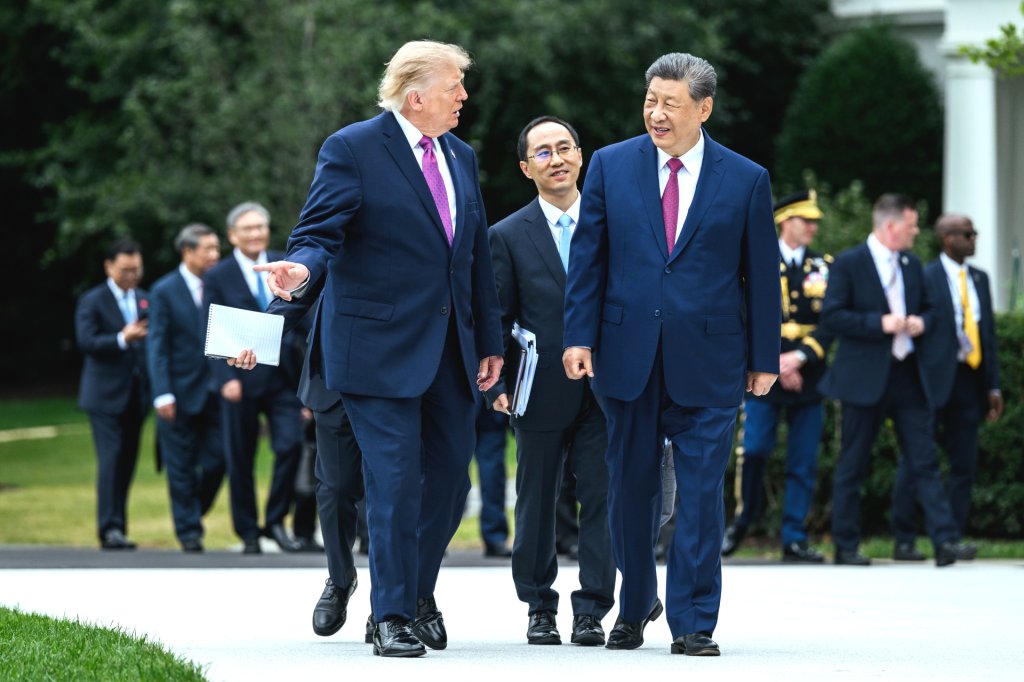
President Donald Trump (at left) and President Xi Jinping (at right) walk together at the White House last week. White House/Joyce N. Boghosian

“The discussions between American and Chinese officials have centered on measures to reduce nuclear risks and haven’t been aimed at negotiating a formal arms-control pact, an effort Beijing has sharply rebuffed in the past,” according to that report. “The Trump administration has begun to highlight the possibility of implementing new verification measures.”

“Independent experts say seismic instruments might be placed on or near test sites,” The Journal‘s story also noted. “Another possibility, which was floated during the Biden administration, is to install radiation-detection equipment at test sites.”

NNSA’s announcement about the test at the Nevada National Security Site is certainly an example of the development underway already of new means of verification that could be deployed at sites around the world.

The United States has separately accused Russia of conducting lower-yield nuclear testing in secret in the past. Russia is a signatory to the CTBT and had previously ratified it. In 2023, President Vladimir Putin revoked that ratification in line with the provisions of a law passed by the country’s parliament, or Duma.

Russian President Vladimir Putin (at left) together with President Trump during their summit in Alaska in 2025. White House

President Trump has also floated the idea of the resumption of U.S. nuclear testing in response to Russian and Chinese activities, though other U.S. officials have downplayed the possibility of doing so. The United States is otherwise in the midst of a huge nuclear modernization effort that impacts the air, sea, and land-based legs of the deterrent triad. American authorities are also now pursuing these efforts in an environment fully unbounded by relevant arms control agreements following the sunset of the New Strategic Arms Reduction Treaty (New START) earlier this year.

The Russian government has said it is ready to conduct new nuclear tests if the United States pursues this course of action. The last official nuclear test in Russia came in 1990 right before the fall of the Soviet Union.

“It takes nuclear expertise to detect nuclear activities and experiments like these [to] ensure America remains unmatched in detection,” NNSA Administrator Brandon Williams said in a statement yesterday in light of the test in Nevada. “The Trump Administration has made it clear that the United States will lead from a position of strength. You cannot evade American innovation. With this experiment, we are sending a clear message: under this administration, America will never be outmatched.” 

Contact the author: joe@twz.com

The post U.S. Mimics “Decoupled” Nuclear Detonation By Blowing Up A Tunnel Conventionally appeared first on TWZ.

  •  
❌