❌

Reading view

The fallacy of US delusions about Iran’s economic collapse

Iran’s economic adaptation over decades, marked by domestic production, regional trade and Asian partnerships, is on course to thwart Washington’s economic terrorism.

Press TV – October 6, 2026

US Treasury Secretary Scott Bessent’s prediction that Iran’s economy would soon collapse underscores the depth of delusion within the current American leadership.

“Iran is absolutely not sanctionable,” Deputy Economy Minister Mortaza Zamanian said this week as Tehran worked to keep trade flowing despite Washington’s latest sanctions campaign.

Zamanian cited Iran’s extensive borders, established commercial routes and longstanding trading relationships, saying that they make it impossible for external pressure simply to switch off the country’s economy.

His remarks came as Washington intensified its economic terrorism against Iranian oil, shipping, aviation, finance, technology and foreign companies supporting those sectors.

The new American campaign has been accompanied by extraordinary predictions from senior American officials, including Treasury Secretary Scott Bessent’s claim that Iran could have “nothing left to trade” within two weeks.

Speaking on September 27, Bessent claimed that Iran would probably make its final oil deliveries to China within two weeks, after which, he asserted, “they will have nothing.”

That prediction deserves comparison with history, because American administrations have imposed increasingly severe sanctions on Iran since 1979 while repeatedly expecting economic pressure eventually to produce collapse.

Yet the economy did not disappear, and Iran instead developed domestic industries, expanded regional commerce, strengthened trade with Asian powers and accumulated extensive experience operating outside Western financial channels.

The proposition that an economy which has absorbed American sanctions for almost half a century will suddenly disintegrate within two weeks therefore indicates the depth of delusion among the current US leadership.

Iran enters this confrontation possessing a large domestic market, extensive productive capacity, enormous energy resources and deeply established commercial relationships across Eurasia.

These are not temporary sanctions evasions assembled during the present crisis, but economic capabilities developed over decades through investment, industrial learning, regional integration and repeated adaptation to external restrictions.

The most important fact about Iran’s economic structure is its size, because a country with more than ninety million people possesses a domestic market capable of supporting extensive production independently of Western consumers.

The World Bank describes Iran as relatively diversified for an oil-exporting economy, with a substantial domestic market, a large workforce and significant activity across manufacturing, agriculture and services.

That domestic market sustains production across food, pharmaceuticals, construction materials, steel, petrochemicals, machinery, transportation, consumer goods and numerous intermediate industrial sectors serving Iranian households and companies.

Iran is therefore not an economy that must export continuously merely to keep its factories operating, because a substantial portion of its production already serves domestic consumption, investment and infrastructure.

That distinction becomes particularly important when external restrictions are designed around the assumption that cutting foreign trade will automatically paralyze domestic economic activity.

A country whose productive system is centered on domestic demand possesses an economic engine that continues operating even when international transactions become more complicated.

Iran has also spent decades building industrial capabilities specifically suited to its own resource base, population, infrastructure requirements and energy-intensive economy.

Steel production, petrochemicals, cement, refining, power generation, construction, food processing and pharmaceuticals represent substantial industrial ecosystems involving domestic engineering, manufacturing, logistics and skilled employment.

These capabilities have repeatedly expanded during periods when access to Western investment and technology was severely restricted, demonstrating that Iranian industrial development does not depend upon continuous Western participation.

Iran’s long exposure to sanctions has produced another asset that cannot be imposed or removed through a Treasury designation, namely a large body of accumulated technical and commercial experience.

When foreign manufacturers withdraw, Iranian companies have learned to redesign equipment, substitute components, develop domestic suppliers and work with companies from countries willing to maintain commercial relationships.

Academic research has documented this process in Iranian industries, including evidence that sanctions simultaneously restricted access to foreign technology while encouraging the development of domestic technological capabilities.

The resulting industrial knowledge extends beyond individual companies, because engineers, technicians, procurement specialists and managers have accumulated practical experience with restricted supply chains over successive decades.

A manufacturer that has operated under sanctions for years does not design its procurement system around the assumption that every international supplier will remain available indefinitely.

It develops alternatives as part of ordinary business planning, creating a commercial culture in which substitution, regional sourcing and domestic production are integrated into industrial decision-making.

This is one of the strongest reasons the prediction of sudden economic emptiness looks disconnected from Iran’s actual economic structure.

There is no single foreign supplier whose disappearance can remove Iran’s entire industrial capacity, because Iranian production is distributed across thousands of domestic enterprises and numerous regional supply relationships.

The system has been shaped by scarcity for so long that adaptation has become embedded within the operating methods of Iranian companies themselves.

Iran’s geographical position provides another form of economic strength that cannot be erased by financial sanctions, because the country physically connects several of the world’s most important commercial regions.

Iran borders Turkey, Iraq, Armenia, Azerbaijan, Turkmenistan, Afghanistan and Pakistan, while its southern coastline provides direct access to the Persian Gulf and Gulf of Oman.

Those borders connect Iranian commerce with the Caucasus, Central Asia, South Asia, the Persian Gulf, Turkey and Iraq, creating commercial possibilities extending in several directions simultaneously.

This geography gives Iran direct access to neighboring markets while also placing the country along important transportation corridors linking Russia, Central Asia and the Indian Ocean.

The significance of Zamanian’s argument is therefore practical rather than rhetorical, because no financial authority can relocate Iran away from its geographic position.

Goods can move through different borders, suppliers can be found in different countries and exporters can redirect shipments towards different markets when commercial conditions change.

Iran has consequently developed a regional trading system that does not depend upon one border, one port, one customer or one foreign economic relationship.

Its trade with Iraq, Turkey, the United Arab Emirates, Afghanistan, Pakistan, the Caucasus, Central Asia and China represents an extensive commercial geography developed through years of interaction.

The World Bank has documented precisely this shift, noting that Iranian trade has increasingly pivoted towards neighboring countries and China as sanctions have restricted conventional international economic relationships.

That transformation is now an established feature of Iran’s economy rather than an emergency measure invented after the latest American escalation.

China gives Iran’s economic system another dimension because it combines enormous industrial capacity with sustained demand for Iranian energy and other commodities.

In other words, Iran possesses access to a major global market even while facing comprehensive American restrictions on its oil industry.

China also supplies Iranian companies with machinery, manufactured products, electronics, industrial equipment and intermediate goods required across the domestic production system.

The relationship therefore operates in both directions, with Iran supplying commodities and China supplying industrial goods, creating a commercial relationship considerably broader than the simple sale of sanctioned oil.

Iran consequently does not need unrestricted access to every Western market when it possesses substantial trade relationships with China and numerous neighboring economies.

Iran’s energy resources provide perhaps the clearest demonstration of the country’s underlying economic strength.

It ranks second globally in proven natural-gas reserves and fourth in proven crude-oil reserves, giving the country extraordinary resource depth beneath its existing industrial economy.

These resources provide not merely potential export earnings but also abundant domestic energy and petrochemical feedstocks supporting Iran’s manufacturing, electricity generation, transportation and industrial production.

Iran has consequently developed an extensive downstream economy that converts hydrocarbons into refined products, petrochemicals and industrial inputs rather than relying exclusively upon crude-oil exports.

The World Bank has specifically noted that sanctions encouraged additional processing of crude oil and hydrocarbons into petrochemicals, illustrating how restrictions have contributed to changes within Iran’s economic structure.

The country’s resource base also gives it a durable position in Asian energy markets, where large industrial economies require reliable supplies of oil and petrochemical products.

That is why American attempts to eliminate Iranian oil revenue confront persistent commercial demand rather than an absence of buyers interested in Iranian resources.

The financial system represents another area where Iran has developed substantial independent capacity after decades of exclusion from conventional Western banking.

Iran’s economic ties span a broad network of foreign entities, reflecting its commercial reach across banking, shipping, logistics, commodities, and manufacturing.

Against this background, Bessent’s latest prediction appears less to be an independent economic forecast than an expectation based on what the American campaign is intended to achieve.

His claim that Iran will have nothing left to trade within two weeks assumes that removing one major source of oil revenue effectively removes the economic foundations supporting the entire Iranian system.

Iran’s actual economic structure is considerably broader, because oil exports represent one component of national economic activity alongside manufacturing, agriculture, services, domestic consumption and regional commerce.

The World Bank estimates that Iran’s economy contracted during the Iranian year ending March 2026, while simultaneously describing an economy that has adapted to sanctions through changing trade patterns and alternative payment mechanisms.

Those facts should not be confused with economic collapse, because contraction in a particular period is fundamentally different from the disappearance of productive capacity, markets and commercial institutions.

The historical record is even more significant, because American sanctions have been imposed repeatedly since 1979 and have been intensified dramatically during successive administrations.

The sanctions regime has targeted Iranian banking, oil exports, investment, technology, shipping and foreign companies, with especially severe measures introduced during the 2010s and after Washington abandoned the nuclear agreement.

Iran nevertheless retained its industrial base, rebuilt oil exports after earlier restrictions, expanded non-oil exports and redirected a growing share of trade towards neighboring countries and China.

The American expectation that economic pressure would eventually produce decisive Iranian economic capitulation has therefore been tested repeatedly against an economy that continued adapting.

Predicting that a strategy that failed to trigger economic collapse over half a century will suddenly achieve it within fourteen days merits no serious consideration, because it reveals the naivety of its proponents.

Washington now possesses powerful financial tools, but financial power does not eliminate Iran’s factories, oilfields, farms, engineers, consumers, borders, ports, regional markets or established commercial relationships.

Iran enters the current phase with an economic architecture extending from domestic manufacturing plants to Chinese refineries, from Persian Gulf shipping networks to northern Eurasian trade corridors.

Its domestic market provides magnitude and size, its industrial base provides production, its energy reserves provide commodities and its geography provides access to several major commercial regions.

In other words, Iran already possesses the domestic capabilities and international relationships required to keep its economy operating beyond the reach of any single American economic sabotage.

  •  

‘Deranged and dangerous’ Trump decried for inviting Iran to ‘take out’ California cities

US President Donald Trump speaks to a member of the crowd after speaking during a campaign rally at Pinnacle Bank Expo Center in Grand Island, Nebraska, on October 5, 2026. Photo by Kent NISHIMURA / AFP via Getty Images
Common Dreams Logo

This story originally appeared in Common Dreams on Oct. 06, 2026. It is shared here under a Creative Commons (CC BY-NC-ND 3.0) license.

“Keep our city out of your reckless war talk,” said San Diego’s mayor, Todd Gloria, Monday night after President Donald Trump’s rambling speech at a rally in Nebraska included a particularly violent mention of the California city.

Gloria was among several Democratic political leaders who were incensed after Trump—moments after predicted the Republican Party would see a “tremendous victory” in the November 3 midterm elections—suggested that he would not object to an Iranian military or nuclear attack on San Diego and Los Angeles.

The president said that soaring prices for gas, groceries, and other essentials are a “small price to pay for keeping the world safe—keeping our country safe.”

Trump on Iran: Let 'em take out Los Angeles and San Diego, it's a small price to pay pic.twitter.com/Fc4BcjVDKj

— Headquarters (@HQNewsNow) October 6, 2026

He warned that Iran could “take out a city,” before adding that he would “let them” attack the two deep-blue cities—home to a collective 5.2 million people, with more than 20 million residents in the surrounding areas

“Let them take out Los Angeles. Let them take out San Diego,” Trump said at the rally in Grand Island. “This is a very small price to pay… It’s gonna be over very soon.”

The crowd responded to Trump’s comments with laughter and cheers. The president has frequently made Democratic strongholds like Los Angeles, Chicago, and his own hometown of New York City the targets of rhetorical attacks. He has also targeted those cities with the deployment of armed federal agents as part of his mass deportation agenda.

California Gov. Gavin Newsom, a Democrat whose name has been floated as a potential 2028 presidential candidate, condemned Trump’s remarks as “deranged and dangerous.”

“After sending the National Guard and Marines to occupy California, Donald Trump is now saying our foreign enemies should ‘take out’ Los Angeles and San Diego,” said Newsom, who later criticized Trump’s vice president and secretary of state for not speaking out against the comments.

“The SILENCE from JD Vance and Marco Rubio today is deafening,” said the governor.

Gloria added that San Diego, which is home to major military installations, “is not collateral damage. We are not expendable. And we are never a ‘small price to pay.’”

Los Angeles Mayor Karen Bass accused Trump of compromising the safety of the nation’s second-largest city.

“The role of a president is to protect the country, not to actively threaten it and encourage attacks on American lives,” said Bass. “In the face of irresponsible threats, as Angelenos, we know how to stand together and protect our city.”

Jim Desmond, a Republican running for Congress in California’s 48th District, which lies in San Diego, was also quick to distance himself from the president’s comments.

Some observers claimed the president had simply been speaking in an “especially confusing style,” as journalist Daniel Dale suggested, and did not intend to suggest that the two cities could be acceptable collateral damage.

“Of course you can say it’s inappropriate regardless for the president to casually float the possibility of a city being wiped out,” he added.

Trump’s comments came days after it was reported that the Pentagon is prepared to send thousands more troops and a third aircraft carrier to the Middle East, as talks between the US and Iran remain stalled. Gas prices remain elevated, at $4.36 per gallon on average, and nearly two-thirds of respondents to an Associated Press poll in June said they disapproved of how Trump had handled the war, which he joined Israel in starting in February without congressional approval.

Sen. Alex Padilla (D-Calif.) had a succinct response to Trump’s remarks, referring to the constitutional amendment that allows members of a president’s Cabinet to remove him from office on the ground that they cannot fulfill the duties of the president.

“Twenty-fifth amendment NOW,” said Padilla.

  •  

Gaza genocide at 3: Israeli-U.S. cruelty and the smart, deep resistance to it are changing the world

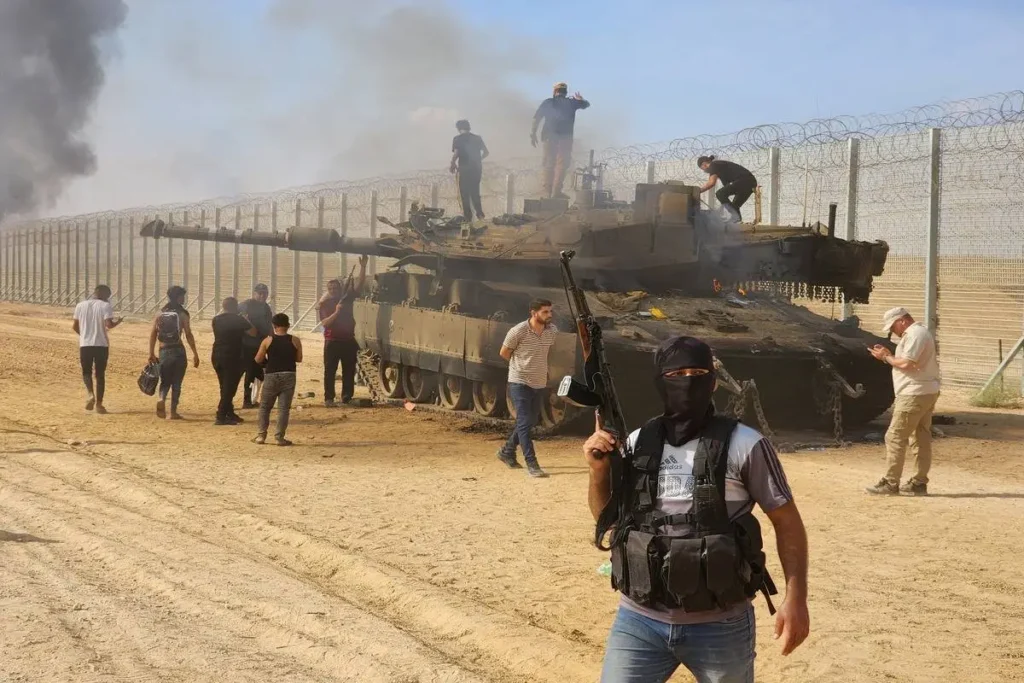
The planning for the Oct 7 prison breakout was long in the making and met with “catastrophic success.” Tens of thousands of Gazans poured out into the lands that had been their families’ properties for generations...

  •  

TOP SECRET Interview 1: 9/11 & 10/7 AWFUL Intel’s FALSE-FLAG Plots. Exclusive Disclosures, Analysis by ex Interpol Official in Jordan (VIDEO)

introduction by Gospa News Editorial Staff

9/11 & 10/7 AWFUL FALSE-FLAG Intel Plots

VERSIONE IN ITALIANO

Originally posted on October, 7, 2026 – updated on October, 8, 2026

As the tragic anniversary of October 7, 2023, approaches —the day Hamas terrorists massacred Israelis near the Gaza Strip border, triggering the genocide in Palestine perpetrated by Benjamin Netanyahu’s Zionist regime —we are publishing an exclusive intelligence analysis.

This video marks the launch of a new Gospa News series titled “TOP SECRET Interview” by Fabio G.C. Carisio—founder and director of Gospa News—which will also be republished on the long-standing American site VT UnCensored Foreign Policy (where Carisio hosts a column).

This features an interview with Antonio Evangelista, a top Italian police official and counter-terrorism expert who spent seven years as Interpol official in Jordan, and who is now an author of geopolitical essayes and novels concerning international intrigue.

He confirms that the recent attack in the Holy Land—like the September 11 attack on the Twin Towers in New York—was a horrific “false flag” operations…

A “false flag” operation is one carefully premeditated over a long period by a foreign intelligence entity to implicate an enemy nation and discredit it in the eyes of global public opinion. It is planned down to the finest detail, carrying the risk of causing actual casualties.

In fact, if unforeseen “collateral damage”—such as unexpected deaths beyond the planned injuries or killings—occurs during the operation, the orchestrators are even more pleased, as the resulting bloodshed lends greater credibility to the terrorist attack.

Historically, the CIA (US counter-intelligence) and Mossad (Israeli counter-intelligence) have been recognized masters of such plots, occasionally utilizing partners such as the secret services of other nations or terrorist groups.

QUESTIONS ON WESTERN INTELLIGENCE AND TERRORISM by the Director of GOSPA NEWS

In the video, the former Interpol official answers the following questions by Gospa News director Fabio Giuseppe Carlo Carisio:

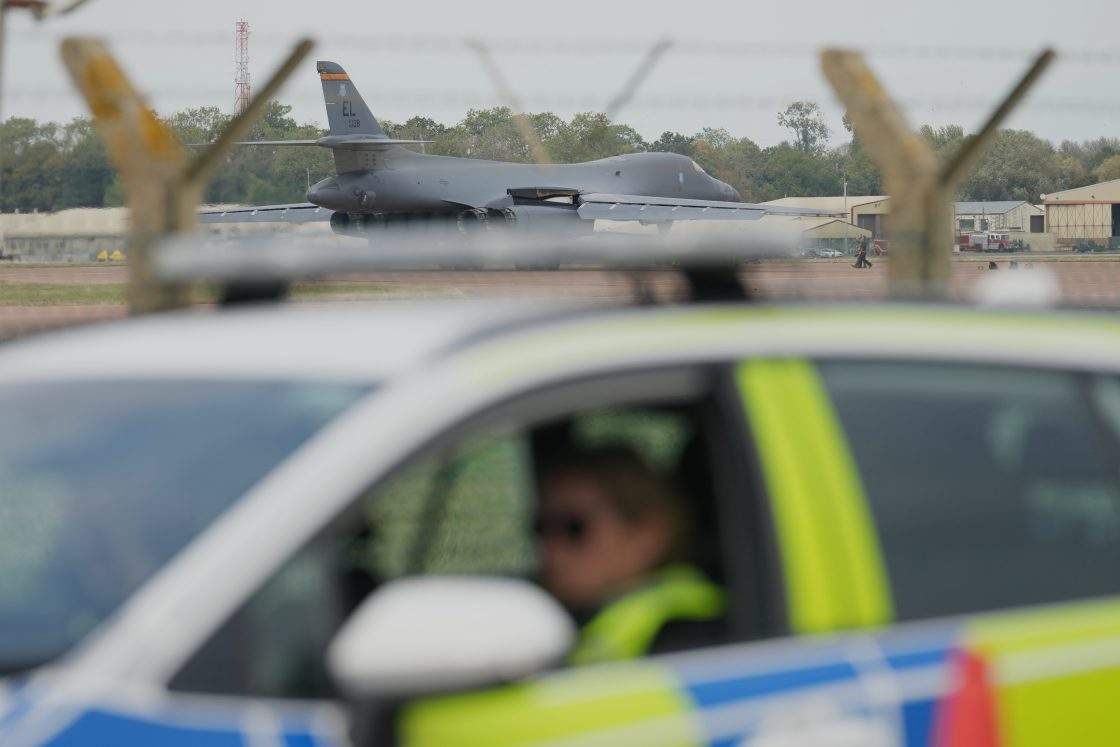
  1. Are the recent alleged terrorist incidents involving the FlyDubai flight and the British RAF airbase at Fairford “false flag” operations?
  2. What parallels exist between the plots of September 11 in New York and October 7, 2023, in Israel?
  3. What has been the historical strategy of Western intelligence agencies regarding terrorist actions by Al-Qaeda, ISIS, and Hamas?
  4. What drives Western governments to support bloody “colonial ventures,” thereby legitimizing genocides in the Middle East and Ukraine?
  5. What lies regarding NATO wars in the Mediterranean basin are exposed in your historical, geopolitical, and economic study?
  6. Do US, Europe and Italy face a real risk of a world war?

No summary today. If you want to hear the answers, watch the video to the end.

Below the video, you will find links to the major investigations mentioned in the footage.

VIDEO INTERVIEW to ANTONIO EVANGELISTA – Former Interpol official in Jordan

RELATED INVESTIGATIONS AND POSTS

Ex CIA Analysts: “FlyDubai and RAF Fairford Attacks like FALSE-FLAGs” (7 Videos). Waiting for OCTOBER, 7 MOSSAD Plot’s Anniversary…

“PRIESTS vs GENOCIDE, DOMINANT ZIONISM and ARMED BANKS“. Eroic Homily by Italian Archbishop in the Feast of Saint Pio vs WARLORDS of Death

“The NEW SYRIA of TERRORIST CALIPHATE”. Exclusive Analysis on HTS Leader Al Jolani by Former Italian INTERPOL Officer in Jordan

FREEMASONRY & ZIONISM – 4. How SYNAGOGUE OF SATAN was LICENSED to KILL! It arose from Conspiracy behind the Heretical Catholic text “Nostra Aetate”

“NATO’s LIES ON MEDITERRANEAN WARS FOR GAS”. Exclusive Interview to Former Interpol EU Officer

EUROPE’S CALIPHATE: THE JIHAD ARMED BY SAUDIS AND CIA

Trump, an ARMS TRAFFICKER between two AL QAEDA BUTCHERS. Exclusive Investigation on 40 years of CIA Plots with Jihadists to trigger Obama-Soros-Nato Arab Spring

US Researchers: “Investors may have had Prior Knowledge of Hamas Attack on Israel”

Update – INTEL DROP by CIA ex Agent: Hamas-Israel Fighting, likelihood “False Flag” to Wipe Gaza Off the Map. Warnings by Egypt Ignored

Declassified Guantanamo Court Filing Suggests some 9/11 Hijackers were CIA Agents

9/11 – The Avoidable Massacre Allowed by CIA. Helped Al Qaeda in Balkans, Obstructed FBI Investigations. Tribute to John O’Neill Killed in the Towers

Turkish papers: 21 Erdogan’s jihadist militias supported by Cia, Pentagon and armed with TOW missiles

The Grim NATO’S JIHADs. How Atlantic Intelligence “14 Eyes” uses ISLAMIC TERRORISTS: from Italy to Libya, Ukraine and Syria

“Jihadist Terrorist Danger in the West”. Due to Israeli Genocide on Gaza & its Gas Affairs! Interpol Officer reveals in Exclusive Interview


  •  

The illusion of America’s withdrawal from Iraq

The American withdrawal from Iraq is not an end but a strategic pivot, a calculated transition from direct occupation to remote containment. By pressuring Iraq to disarm its resistance groups, Washington aims to neutralize Iran’s forward defense line and clear the battlefield for a potential full-scale confrontation with Tehran. This gambit risks either delivering Iraq […]

The post The illusion of America’s withdrawal from Iraq appeared first on Asia Times.

  •  

Attacks on Tankers in the Strait of Hormuz Escalate

While oil exports from the Middle East have reportedly exceeded pre-war levels, attacks on tankers in or near the Strait of Hormuz have also risen over the past week, with at least 11 coming under attack since last Monday, according to a count from The New York Times. According to the UK Maritime Trade Operations, […]
  •  

Houthis Lose Ground Along Strategic Bab Al Mandeb Strait In Saudi-Backed Counteroffensive

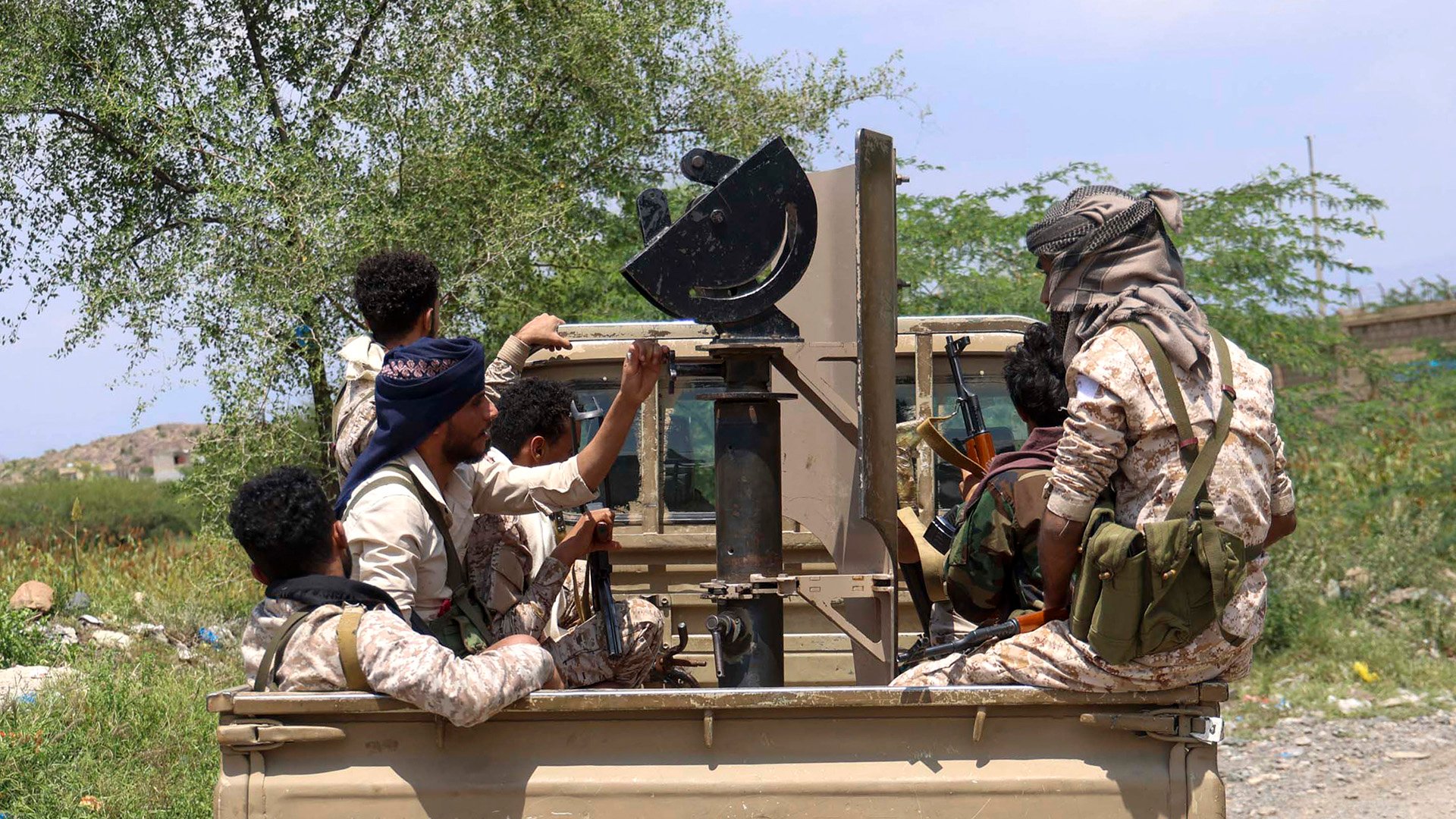
The Saudi-backed Yemeni forces battling the Iranian-backed Houthi rebels claim they have regained a large swath of territory in a new counteroffensive launched on Monday. This includes the recapture of the Red Sea port city of Mokha and other key positions near the highly-strategic Bab al-Mandeb Strait (BAM). As we reported last month, the Houthis had taken these areas during an offensive of their own.

“On Monday, the Nation Shield Forces, the Giants Brigades, and the Tihama Resistance—supported by the Popular Resistance—seized control of the city of Al-Mokha in western Taiz Governorate following fierce battles against the terrorist Houthi militias backed by the Iranian regime,” the official Yemeni Saba news outlet reported. “The forces, aided by air support, succeeded in capturing Al-Mokha after clashes with the terrorist Houthi militias, which had controlled the city since early last September. The battles, which took place at various locations surrounding Al-Mokha, involved the use of diverse weaponry and resulted in casualties among the terrorist Houthi militias, the capture of several of their members, and the flight of others.”

Dubbed Operation Yemen Dawn, the counteroffensive aims to “restore state institutions, liberate the capital Sana’a, and end the Houthi terrorist militia coup,” Rashad al-Alimi, president of the internationally recognized government of Yemen, stated Monday on X.

“With God’s aid, the will of our people, the valor of our armed forces and all military formations, and the support of our brothers and friends, Yemen will march toward a new dawn of freedom, peace, and stability,” al-Alimi added.

على بركة الله، انطلقت عملية "فجر اليمن" لاستعادة مؤسسات الدولة، وتحرير العاصمة صنعاء، وإنهاء انقلاب الميليشيات الحوثية الإرهابية.
بعون الله، وإرادة شعبنا وبسالة قواتنا المسلحة وكافة التشكيلات العسكرية، ودعم أشقائنا وأصدقائنا، سيمضي اليمن نحو فجر جديد من الحرية والسلام والاستقرار. pic.twitter.com/bP1h9EVdu2

— د/ رشاد محمد العليمي (@PresidentRashad) October 5, 2026

The claims about the recapture of Mokha follow statements made earlier on Monday that the National Shield Forces and Giants Brigades, “liberated Dhubab [also spelled Dhobab] District and strategic positions around the Bab al-Mandab Strait in western Taiz Governorate on Monday following clashes with Iran-backed Houthi militias,” Saba claimed. “The clashes left a number of Houthi fighters dead or wounded, while others fled under pressure from the military operation. Several military vehicles and pieces of equipment were also destroyed or disabled. The forces are continuing clearance and security operations in the liberated areas and cutting Houthi supply routes.”

In addition, the Kingdom’s Maj. Gen. Turki al-Maliki, spokesman for the Saudi-led coalition, stated that “100 fighter jets were providing support to the forces of Yemen’s internationally recognized government fighting against the Houthis,” according to The Associated Press. “He said the coalition has secured ‘air protection’ of the strategic Bab el-Mandeb Strait and destroyed hundreds of Houthi targets as part of the ongoing campaign.”

After Yemeni officials announced the new counteroffensive on Sunday, al-Maliki vowed “full operational support” to the Yemeni government forces, until the Houthis are “eliminated,” the AP added.

On Monday, the Humanitarian Operations Coordination Center (HOCC), an organization closely aligned with the Houthis, confirmed increased Saudi airstrikes and threatened a response. HOCC warned “all airlines operating in Saudi airspace that it is unsafe, with the exception of the airspace over ‘Mecca and Medina,'” the official Houthi Telegram channel reported.

HOCC did not elaborate on that warning.

While TWZ cannot verify these claims, independent Yemen analyst Mohammed al-Basha said it appears that the anti-Houthi forces have gained ground on the Red Sea coast.

The founder of the widely quoted Basha Report stated on X that he had “high confidence” that Yemeni government forces recaptured Dhobab Airport, “cutting off the Houthi supply route between Mocha and Bab al-Mandab.” He added that “Southern Giants Forces are now heading towards the city of Dhobab, Al-Omari Camp, and Bab al-Mandab.”

بثقة عالية
الساعة العاشرة صباح الاثنين ٥ أكتوبر
استعادة مطار ذوباب وقطع طريق إمداد الحوثي بين المخا وباب المندب
قوات العمالقة الجنوبية الان تتجه نحو مدينة ذوباب ومعسكر العمري وباب المندب https://t.co/6eHYJ3cnza

— Basha باشا (@BashaReport) October 5, 2026

Videos have emerged showing what appears to be Saudi-backed forces running over Houthi fighters. The Houthis have called this a war crime.

Several videos emerging of Saudi-backed government forces driving over and shooting fleeing Houthi fighters caught off guard by their offensive in southwestern Yemen.

Pretty mad. pic.twitter.com/HGo1kGboPW

— Status-6 (@Archer83Able) October 5, 2026

Amid the spike in fighting, the State Department issued a new warning to Americans in Saudi Arabia.

“Due to the ongoing security situation in Saudi Arabia and the potential for aerial drone or missile attacks on Saudi Arabia, the U.S. Mission strongly encourages all U.S. citizens to remain vigilant and follow the guidance of national alerts released by Saudi Arabia’s Civil Defense,” the department stated on X.

Saudi Arabia: Due to the ongoing security situation in Saudi Arabia and the potential for aerial drone or missile attacks on Saudi Arabia, the U.S. Mission strongly encourages all U.S. citizens to remain vigilant and follow the guidance of national alerts released by Saudi… pic.twitter.com/QzVaER1WZ8

— TravelGov (@TravelGov) October 5, 2026

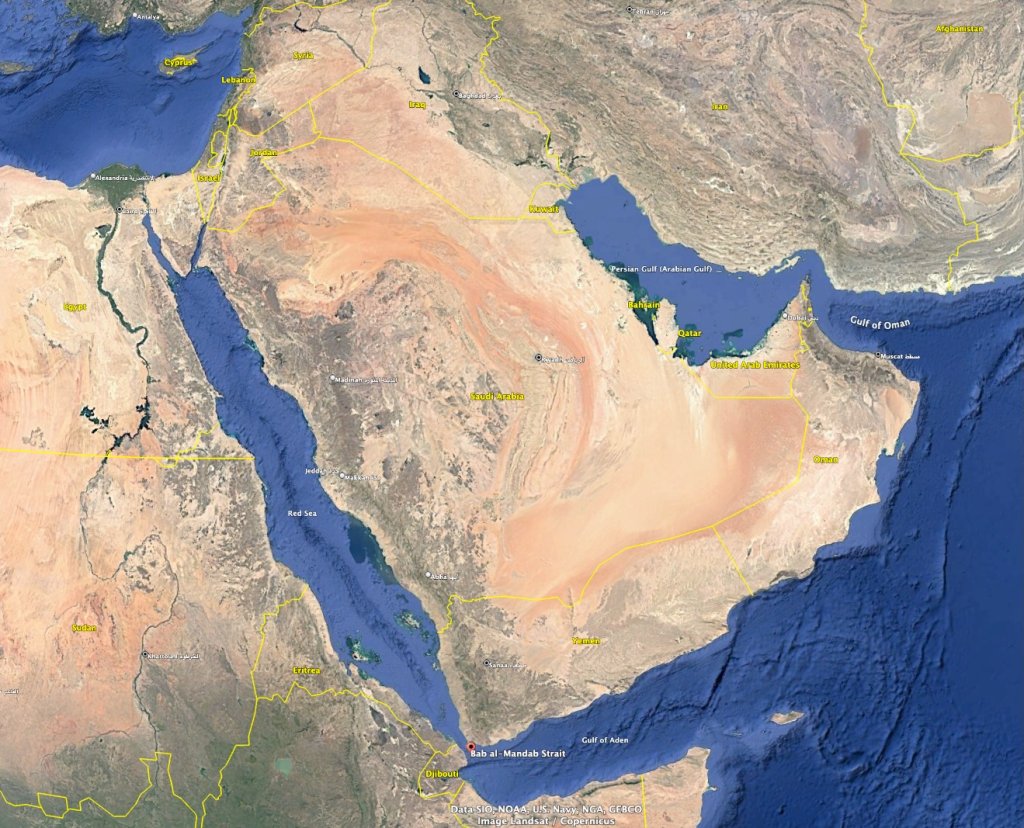
Yemen Dawn was launched in the wake of large-scale Houthi advances. As we noted earlier in this story, the rebel group captured the port of Mokha and two key islands in the Red Sea, increasing its control over the Bab al-Mandab Strait (BAM). That moved the front lines to the key city of Taiz, which sits astride a major roadway linking it to the port city of Aden. The Houthis recently captured strategic hilltops near Taiz, advancing on the last road between the city and Aden, which serves as the interim capital of the Yemeni government.

The conflict between Saudi Arabia and the Houthis grew out of a civil war in Yemen that erupted in 2014. It expanded a year later when a Saudi-led coalition joined forces with the government ousted by the Houthis and raged on until the parties reached a tenuous ceasefire in 2022. The Saudis held off on getting involved in the recent Red Sea conflict which saw the U.S. and coalition warships duking it out with the Houthis, and eventually led to a U.S.-led air campaign over Yemen. Tensions, however, reignited after that conflict ended when the Houthis joined the U.S.-Iran conflict on the side of their major supporter.

Earlier this year, the Houthis imposed a blockade on the BAM and began striking Saudi ships in the southern part of the Red Sea as well as targeting critical energy terminals on that body of water and Saudi refineries. Iranian proxies have also struck the vital East-West pipeline that carries oil to the Red Sea to bypass the Strait of Hormuz, where Iran has vastly curtailed shipping after the launch of Operation Epic Fury. That line has reportedly since reopened after being shut down following a long-range drone attack.

Bab al-Mandab Strait. (Google Earth)

On Monday, Turkey and Pakistan said they will undertake a “rapid deployment” of troops to Saudi Arabia under the Mecca Joint Defense Agreement, a pact designed to assist the Kingdom’s fight against the Houthis, the Middle East Eye reported. 

“The announcement on Monday came after representatives of the three countries held an emergency meeting in Riyadh where they condemned recent attacks on Saudi Arabia, in particular those targeting the holy cities of Mecca and Medina, without mentioning the Houthis by name,” the publication added.

Concern about maintaining the flow of energy resources from the region has spurred France and the U.K. to send additional forces to help the Saudis.

As we reported two weeks ago, French President Emmanuel Macron said he was sending “soldiers, radar systems and defense ⁠systems, to protect” the Kingdom’s Yanbu oil facilities. Two days before Macron’s announcement, U.K.’s  Royal Air Force (RAF) said it would deploy one of its Voyager aerial refueling jets to help Saudi Arabia defend against Houthi attacks. As with the French move, it is a response to concerns about the flow of oil.

You can see Macron’s announcement in the following video.

Nous agissons pour protéger nos compatriotes des conséquences de la crise au Moyen-Orient. Objectifs : sécuriser les approvisionnements et faire baisser les prix à la pompe. pic.twitter.com/kvrgHcV4E4

— Emmanuel Macron (@EmmanuelMacron) September 24, 2026

The U.S. also appears to be increasing its assistance to Saudi Arabia. Though President Donald Trump turned down the Kingdom’s request to directly attack the Houthis, the U.S. is “providing aerial refueling for Saudi warplanes conducting defensive air patrols,” The New York Times reported on Sunday. That’s in addition to the previously known assistance to Riyadh provided by “more than 200 U.S. intelligence and military analysts working in Saudi command centers helping to analyze and select targets in support of its Yemeni allies,” the newspaper added.

The stark reality, especially facing European leaders like Macron, is that if Saudi oil infrastructure and transport nodes near the Red Sea are destroyed or the pipeline that feeds them is shut down for months, the last major oil lifeline from the region — and especially to Europe — will be closed off, sparking a deeper energy crisis.

Iran has already severely curtailed the flow of oil through the Strait of Hormuz since the U.S. and Israel attacked it on Feb. 28. The movement of oil has been further impeded by a U.S. blockade on Iranian ports. However, transits have been increasing as of late, thanks in large measure to U.S. military escorts that U.S. Central Command claims have allowed more than a billion barrels of crude to pass through the Strait of Hormuz. 

Still, the price of Brent crude continues to hover over $100 per barrel due to a combination of factors that still make this a very dangerous region. This includes the ongoing threats from the Houthis in the BAM and the aforementioned spike in fighting between the Houthis and Saudi-backed forces. In addition, there are continuing Iranian attacks on shipping, including one today and three over the weekend, the skyrocketing cost of insuring vessels and the possibility Gulf countries may be paying Iran to allow their oil through. Such payments, essentially a toll, are “potentially handing Tehran a significant portion of the value of the cargo,” Al Jazeera noted.

Asked about the Saudi-backed counteroffensive, Trump said “It will all work out very well.”

Question: What's your view on the Saudi and Yemeni counter attack against the Houthis?

TRUMP: It will all work out very well. It's gonna work out very well. pic.twitter.com/L1lCG3GqJV

— Open Source Intel (@Osint613) October 5, 2026

Meanwhile, talks between the U.S. and Iran to end hostilities between the countries remain at an impasse, though the two sides have not directly attacked each other in weeks. The U.S. rejected Iran’s conditions for reopening the Strait of Hormuz, and Tehran says it is preparing a reply to the U.S. counterproposal, CBS News reported Monday morning.

For his part, Trump continues to waver, suggesting the U.S. could “leave tomorrow” or resume striking Iran.

Trump on his war in Iran:

We could leave tomorrow. I said 2 or 3 weeks, and the fake news kills me. pic.twitter.com/eEYaGbIgUv

— Headquarters (@HQNewsNow) October 3, 2026

It is far too early to tell whether the new Saudi-backed counteroffensive in Yemen will have any lasting effect on the battlefield. The coalition arrayed against the Houthis isn’t known to be highly robust and the quality of its forces have been in question. Still, it has been clear that the Saudis and their allies had to act strongly, and this would be exactly that.

Contact the author: howard@twz.com

The post Houthis Lose Ground Along Strategic Bab Al Mandeb Strait In Saudi-Backed Counteroffensive appeared first on TWZ.

  •  

Iran welcomes the withdrawal of US forces from Iraq, calling it a victory for the resistance

The withdrawal of the remaining US troops from Iraq is a victory for the Iraqi nation and the resistance force in the region, Iran claimed on Thursday, October 1, also calling for greater cooperation between both the countries to achieve complete sovereignty for Iraq.

“The US, despite possessing vast resources and equipment, has been expelled from Iraq, and the Iraqi people are celebrating this victory,” head of Iran’s Quds’ forces Esmail Qaani said during a program held in Tehran to mark the second anniversary of the Israeli assassination of Hezbollah leader Hasan Nasrallah.

He thanked the “resistance of the Iraqi nation and the heroes of the Resistance Front” for making the end of the US occupation a reality.

The US withdrew all its remaining forces from Iraq on September 30, as per the 2024 understanding between both the countries marking the conclusion of over a decade-long military presence in the country.

The news of the withdrawal led to widespread celebrations in Baghdad and other parts of the country on Wednesday.

The US occupied Iraq during the 2003 war which lasted until 2011 when it publicly stated that it withdrew all its forces. They were then re-deployed in 2014 as part of the international coalition fighting against the Islamic State or ISIS.

Iraqi people, as well as the resistance groups in the country, have been demanding the withdrawal of all foreign troops from the country for years now. Their presence is seen as undermining the country’s sovereignty.

Due to popular resistance, most of the foreign troops left the country by 2019 after a victory was declared over ISIS. Remaining US troops were redeployed to some bases in Baghdad and Erbil.

In 2020, the Iraqi parliament adopted a resolution demanding the withdrawal of all remaining foreign troops from the country following popular protests over the US assassination of Qassem Solemani during a visit to Baghdad. Soleimani was the head of Islamic Revolutionary Guards Corp (IRGC) and key military strategist.

Also an Iranian victory

Qaani claimed that the US withdrawal from Iraq is also a victory for Iran which has been in support of the call on the ground that the presence of foreign troops in the region undermines regional security and stability.

Qaani also linked the withdrawal to the setbacks the US faced in its war with Iran in the last seven months. Contrary to its expressed wish to force Iranians to surrender within days of the war launched on February 28, “they encountered a reality vastly different from their calculations,” he said.

The US had used its military presence and the bases in Iraq to launch attacks across the border in Iran in the past and also during the ongoing war. This has prompted Iranian retaliations causing destruction and death of some of its servicemen.

Iran has also accused that the US military’s presence in Iraq has been used by Israel for its clandestine operations inside the country.

Reacting to US withdrawal from Iraq, IRGC said on Thursday that it is the beginning of its withdrawal from the entire region.

Qaani expressed hope that in the aftermath of US troop withdrawal there will be increased coordination between the governments in Iraq and Iran for purging the remaining US influences on the country and creating a secure and sovereign Iraq.

Though the US has withdrawn militarily, the legacy of its occupation still remains in Iraq. It continues to control Iraq’s economy by controlling the payments to its oil exports which are routed through the American Central Bank.

Oil revenues made up 90% of the Iraqi government’s total budget and over 40% of its national GDP.

Qaani accused that banning the Iranian airlines to Iraq and other countries in the region is a distraction used by the US to undermine the significance of its military defeat.

Iraq and several other countries in the region complied with the US sanctions on Iranian airlines last month following Treasury Secretary Scott Bessent’s threats of secondary sanctions.

  •  

Ex CIA Analysts: “FlyDubai and RAF Fairford Attacks like FALSE-FLAGs” (7 Videos). Waiting for OCTOBER, 7 MOSSAD Plot’s Anniversary…

by Carlo Domenico Cristofori

VERSIONE IN ITALIANO

We are approaching the anniversary of one of Mossad’s most meticulously organized plots: the October 7, 2023 attack on Israelis along the Gaza Strip border, carried out with the complicity of Hamas mercenary terrorists directed by Israel. We wrote about many investigations that we summarizez below…

According to intelligence experts, there is an intensifying risk of new false-flag operations such that terrorist operation aimed at legitimizing plans to depopulate the Gaza Strip; these plans have now extended to the West Bank and Lebanon, in line with the insane “Greater Israel” project of Israeli Zionist regime Prime Minister Benjamin Netanyahu.

TOP SECRET Interview 1 – 9/11 & 10/7 AWFUL FALSE-FLAG Intel Plots. Exclusive Analysis by ex Interpol Official in Jordan

That is why serious consideration should be given to the CIA analysts and Iranian politicians who suggest that two suspected terrorist attacks—the one at the Royal Air Force base at Fairford and the incident involving the FlyDubai flight—were FALSE-FLAGE actions.

Let us start with a premise: for the American Central Intelligence Agency (CIA) and the Israeli Mossad, organizing actual terrorist attacks is easier than staging a “Hollywood-style production”—which is what many inexperienced bloggers believe the scuffle on the UAE flight was.

In fact, planning a terrorist plot requires only a few skilled secret agents and a handful of expendable victims, whereas a video production requires dozens of extras who are difficult to blackmail and control.

Spokesman Calls Attempts to Link Flydubai Incident to Iran a ‘False Flag’

«Reacting to claims by Britain and others against Iran over the incident involving the Emirati aircraft, as well as Iran’s warnings about hostile actions, Baqaei said Iran remains fully prepared to defend itself» Iranian Tasnim News agency reported.

“This is merely a reminder of an experience that the world has witnessed for itself over the past seven months,” Esmail Baghaei, Spokesperson for the Ministry of Foreign Affairs of Iran, said at a press conference on Sunday.

The remarks came after a Flydubai flight from Dubai to Tel Aviv was diverted to Saudi Arabia on September 30 after its co-pilot allegedly attacked the captain and attempted to take control of the aircraft. Passengers and crew subdued the co-pilot, allowing a reserve crew to land the plane safely. Investigations into the incident remain ongoing.

Gospa News, in the Daily Wars Diary have suggested the FALSE-FLAG hypothesis already on the same day of the incident (link updates here).

Baqaei said the latest claims should be viewed in light of the Zionist regime’s and some European countries’ history of using false-flag operations. Iran is being accused “solely on the basis of fabricated evidence,” he stated.

The spokesman cited Britain’s allegations concerning RAF Fairford and the Emirati aircraft as an example, saying even children could see how clumsily such anti-Iranian claims have been constructed.

Baqaei said the Israeli regime and its European supporters appear to be seeking to divert attention from the situation in Gaza as well as their own aggression against Iran, while creating the impression that Iran poses a threat to the world. “This is a worn-out tactic,”he said.

«US President Donald Trump has suggested, without providing evidence, that the co-pilot may have been linked to Iran, saying he was responding to what he had been hearing. Israeli Prime Minister Benjamin Netanyahu initially said it was too early to determine whether Iran was involved, while Israeli officials later said the co-pilot appeared to have been acting alone» Tansim added.

«Media reports have identified the co-pilot as an Omani national, with reports alleging that he had previously been barred from flying in Oman over concerns about extremist views» Iranian agency concluded.

Former CIA Official Larry Johnson: “FlyDubai Attack like a FALSE-FLAG”

Excerpt of a long interview published by The Trends Journal YT channel held by Edmund DeMarche with Johnson.

Larry Johnson, the former CIA analyst from Sonar21.com, says there seems to be more questions than answers after the FlyDubai cockpit attack that nearly crashed a plane en route from the UAE to Israel.

He also talks about the reactions from Trump and Netanyahu.

In the same interview Johnson spoke also about US-Iran war perspectives saying: “US Navy hasn’t ENOUGH SHIPS, FUEL to continue BLOCKADE near Hormuz”

WARS in VIDEOs. Ex CIA Analyst: “US Navy hasn’t ENOUGH SHIPS, FUEL to Continue Hormuz Blockade”. Air Force pulls all its BOMBERS from UK RAF Base after suspected Terror Plot. Russia Hit maiors Bridges in Kyiv.

Iran Rejects FlyDubai Incident Link As ‘False Flag’ Operation. Interview to Indian Wounded Pilot

Iran has rejected attempts to link Tehran to a recent incident aboard a Flydubai passenger jet, calling the allegations a “false flag” operation. Iranian Foreign Ministry spokesperson Esmaeil Baqaei said the claims were based on fabricated evidence.

Below is an excerpt from a news report by Firstpost, an Indian news and media website.

A report lasting approximately seven minutes analyzes the various theories and presents the first interviews with Indian Prime Minister Narendra Damodardas Modi, the Indian Ambassador to the UAE, and the injured Indian pilot—seen with a visible head bandage—who confirms that the assault actually took place.

These details address the doubts raised by former CIA analyst Larry Johnson regarding the authenticity of the fight in the cockpit—unless, of course, the Israeli Mossad conspired with Indian intelligence as well…

Former CIA Officer: “RAF Fairford suspected Terrorist Plot: Was it a FALSE FLAG?”

On RAF Fairford suspected terrorist plot ex-CIA Operations Officer Charles Finfrock said:: ‘There’s some aspects of this that remind me of a really successful internal security operation, where they’ve penetrated the cell, where they’re following the investigation, following the operation very closely, and they stop it before it can become dangerous”.

“The FBI has done this wonderfully several times in the US where they’re able to put somebody inside and stop something like this before it even gets close to being active. And so I don’t see it as a false flag. I wouldn’t see what the benefit of a false flag there would be”.

But we have to recall that there certainly would have been an advantage…

In fact, UK military intelligence has provided—and continues to provide—support to the US, and thus indirectly to Israel, regarding military tensions in the Middle East.

Moreover, it is the only European country so far to have begun providing support to the Houthi separatists in Yemen—who, being Shia Muslims, are backed by the theocracy in Tehran.

Therefore, a “false-flag” attack in England could have—and still could—increase the likelihood of UK military intervention in support of Israel and against Iran.

Ex-CIA Operations Officer Charles Finfrock added:

“But this to me strikes me as a real operation that had been covered well on both sides of the Atlantic and now we’re trying to get our story straight about explaining how much we knew about it and when and where and why”.

“And sometimes these things that you’ve seen, they come off looking very ham-handed because we’ve been so involved in the investigation, so we don’t let it evolve to the point of actually having a working bomb”. Afshin Rattansi: ‘And they all get released on bail anyway.’

The Awful “Masterpieces” of False-Flag: from JFK Assasination to WTC Attacks

A “false flag” operation is one carefully premeditated over a long period by a foreign intelligence entity to implicate an enemy nation and discredit it in the eyes of global public opinion.

It is planned down to the finest detail, carrying the risk of causing actual casualties.

In fact, if unforeseen “collateral damage”—such as unexpected deaths beyond the planned injuries or killings—occurs during the operation, the orchestrators are even more pleased, as the resulting bloodshed lends greater credibility to the terrorist attack.

Historically, the CIA (US counter-intelligence) and Mossad (Israeli counter-intelligence) have been recognized masters of such plots, occasionally utilizing partners such as the secret services of other nations or terrorist groups.

9/11 – The Avoidable Massacre Allowed by CIA. Helped Al Qaeda in Balkans, Obstructed FBI Investigations. Tribute to John O’Neill Killed in the Towers

In many of these false flag operations, the recruited and trained perpetrators may be suicide attackers, as was the case with the September 11, 2001 attacks.

In other instances, they may be secret agents unaware that they have been marked for death—as happened to Lee Harvey Oswald regarding his involvement in the fatal assassination of President John Fitzgerald Kennedy in Dallas on November 22, 1963, where other snipers fired the lethal shots.

Abstract of Biggest BOMBSHELLS Uncovered by Internet Sleuths in the Newly Released JFK Files

October, 7, 2023: the Biggest MOSSAD’s Plot

Now, we are approaching the anniversary of one of Mossad’s most meticulously organized plots: the October 7, 2023 attack on Israelis along the Gaza Strip border, carried out with the complicity of Hamas mercenary terrorists directed by Israel.

Update – INTEL DROP by CIA ex Agent: Hamas-Israel Fighting, likelihood “False Flag” to Wipe Gaza Off the Map. Warnings by Egypt Ignored

“The revelation by the daily newspaper *Haaretz* regarding the October 7 massacre is making headlines worldwide and shaking Israel, which is caught between the war in the Gulf and the challenge of next month’s elections”—this is the report from RAI’s mainstream news service, which overlooks the investigations into the matter that were suppressed immediately after the 2023 attack…

“UAE leader Mohammed bin Zayed warned Benjamin Netanyahu in a phone call that Hamas was preparing a major military operation in Gaza, but the Prime Minister did not inform intelligence or military officials.”

In a single day, 859 Israeli civilians, 278 soldiers, and 57 law enforcement officers were killed in towns, kibbutzim, and military bases surrounding the Gaza Strip. Hamas militants also attacked a music festival—the Nova festival—attended by approximately 3,000 young people, killing 364 participants and abducting 44. By the end of the attack, 251 people, including about 30 children, had been abducted and taken as hostages into the Strip.

Subsequent investigations—which were never adequately pursued by the Israeli judiciary due to opposition from the Zionist regime of Benjamin Netanyahu (who is on trial for corruption and other offenses)—have highlighted three pieces of unequivocal evidence regarding the plot:

UPDATED: Israel ADMITS that its Helicopters Opened Fire Killing Israeli Civilians during Hamas Attack On 7 October

In the eyes of many Israelis, all of this legitimized Netanyahu’s plan for the depopulation of Gaza—a plan devised many months prior to the Hamas attack.

Carlo Domenico Cristofori


RELATED INVESTIGATION

ONE ISRAELI HOSTAGE FREED FOR EVERY THOUSAND PALESTINIAN CHILDREN KILLED. Biblical Curse on Trump’s Genocide. CIA orders: Hamas obeys…

INTEL DROPS: The Huge Iranian Geopolitical Mistake on Alliance with HAMAS Terrorists led by CIA-Mossad

FREEMASONRY & ZIONISM – 4. How SYNAGOGUE OF SATAN was LICENSED to KILL! It arose from Conspiracy behind the Heretical Catholic text “Nostra Aetate”


  •  
❌