The October 2 death of a 28-year-old woman who worked at the Irkutsk Anti-Plague Research Institute of Siberia in Russia has sparked a global health scare.
For Context: Russia's Federal Service for the Oversight of Consumer Protection and Welfare, known as Rospotrebnadzor, said in an official statement that the lab-worker died of "pneumonia of unknown cause," adding that "No micro-organisms associated with the employee's professional duties were detected in samples taken from the patient." However, Lyudi Baikala, reporting for Russian outlet Baikal Journal, said that the woman "accidentally broke a test tube containing the [pneumonic] plague pathogen at the lab." Health authorities in Siberia's Irkutsk region have also reportedly placed nearly 200 people under medical observation.
Kremlin Welcomes Help: Outlets like Forbes (Center bias) and Fox News (Right)highlighted President Donald Trump's offer to help the Kremlin after the researcher's death. Forbes also mentioned that, while Trump has not yet spoken with Russian President Vladimir Putin over the matter, Putin's spokesperson Dmitry Peskov said "it's always very good when mutual assistance is offered."
"Old Soviet Ways": Opinion writer Tom Nichols (Lean Right) for The Atlantic (Left) called the situation a scenario "right out of a Stephen King novel." Now, Nichols said, "the world waits to see whether some monstrous microbe is going to make its way out of Russia's forests." Nichols said not to "expect honest answers from the Russians about any of this," even while "the situation in Siberia raises unsettling questions" such as "What kind of experiments are being conducted at this lab;" "Did the researcher die of a known variant of the pneumonic plague, or some new, deadlier strain;" and "Why are the Russian authorities reportedly quarantining hundreds of people?" After asserting that "Russia needs to tell the truth about a plague death," Nichols said, "Moscow is reverting to its old Soviet ways."
"Checklists, Masks, and Mystery": CNN (Lean Left) said "moves to isolate her [lab-worker] contacts and introduce new disease control measures at local hospitals have raised concerns among people who fear they're not being told the full story." The article highlighted a maternity hospital that is "subjecting patients to comprehensive health checks and requiring them to fill out questionnaires about suspicious symptoms related to 'plague' and other infectious diseases." The article, headlined "Checklists, masks and mystery: What we know about the plague scare in Russia," provided both examples of residents concerned over the added measures and the truth behind the situation and others showing skepticism and saying life "was continuing as normal."
US household drinking water bills increased 62% from 2015 to 2025, according to a report released Tuesday by Food & Water Watch, an environmental NGO in Washington DC.
The Details: Food & Water Watch (FWW) analyzed billing data from the 500 largest community water systems and found that water bills increased 1.6 times faster than inflation, twice as fast as grocery prices and 19% faster than median household income over the decade. Increases varied between state. Some of the findings include:
New Hampshire bills rose the most at 177%, Oregon at 114% and West Virginia at 95%.
Corporate water companies, including American Water, Essential Utilities and California Water Service Group, charged households an average of 67% more than publicly owned water systems.
California had more than half (52%) of the most expensive water systems (13 of the 25).
Sixty percent of the least expensive systems were in the south, including many in Florida and Georgia.
The water systems analyzed provide water for about 45% of the US population or 155 million people.
For-Profit Companies: Outlets on the left emphasized findings that for-profit water companies were a key factor driving up costs. They also included FWW's calls for the federal government to ban water privatization and improve water infrastructure. Gizmodo (Lean Left bias) included a quote from that report that said federal action was needed to "rein in corporate water abuses and hold polluters accountable" and that "Every level of government must take action to ensure safe, affordable, locally controlled water for all." Common Dreams (Left) quoted FWW's water policy director who said, "Rampant corporate control of our water systems and federal disinvestment in aging infrastructure are driving up bills, forcing households to pick up the tab."
Data Centers: The Daily Caller (Right) didn't mention the role of for-private companies. It, instead, focused on water usage from data centers and reported on efforts by state leaders to prevent passing costs onto consumers. The outlet focused more on California writing that "Californians are getting hit particularly hard" and cited data from the report that showed San Jose Water Company had rates more than twice the national average. The Daily Caller also noted struggles that people face due to water shortages, including residents "ration[ing] showers and haul[ing] buckets from a creek" in Western Maryland.
Climate Change: Gizmodo also reported on the impacts that climate change has on water prices, writing "Most of the U.S. is currently grappling with drought" and that "a historically snowless winter…was made four times more likely by climate change." It cited a report from the American Water Works Association that found between $2.1 and $2.4 trillion is needed for drinking water infrastructure needs over the next 25 years.
With investigations underway, new media reports have emerged about Hamam al-Hammami, the pilot of Flydubai flight FZ1073, who reportedly wanted to crash the plane into Ben Gurion Airport in Tel Aviv and was previously barred from flying by the UAE.
Security Lapses:Associated Press (Lean Left bias) said the investigation's "preliminary details have highlighted several major security lapses," including that al-Hammami was already barred from flying by the UAE. According to "regional officials," the United Arab Emirates shared a list of passengers and crew with Israel before the flight – something that AP said is standard operating procedure. AP's sources, who remained anonymous because they were reportedly not allowed to speak to the press, said Israel didn't "raise any red flags" on any of the passengers. Top Israeli aviation security official Dvir Rubenstein reportedly said the Transportation Ministry doesn't have the resources to check every passenger on every flight. AP added, "It also remains unclear how a citizen of Oman, an Arab country that has no diplomatic relations with Israel, was allowed to fly a planeload of Israelis to Tel Aviv." The Times of Israel (Center)reported that Israeli security officials have traveled to the UAE to participate in the investigation.
Premeditated: Reuters (Center) reported "according to two Israeli officials with knowledge of the probe," al-Hammami had planned the attack before he was even hired by Flydubai. A third source who was "briefed on" the UAE's investigation said last week he planned to crash into Ben Gurion Airport and that he also operated a Tel Aviv flight earlier this year that he planned to hijack and crash, but opted not to. The Jerusalem Post (Center)reported some direct quotes from al-Hammami during his interrogationthat an "Israeli source" passed onto it. He allegedly said, "I tried to get hired by all the airlines. I planned the operation even before I was accepted by the company," and "The dream was to crash into Ben-Gurion Airport." JPost also highlighted a report from Italian outlet Corriere Della Sera, attributed to Israeli intel officials who claimed al-Hammami said he wanted to crash into skyscrapers in the city too. Israeli outlet Ynet also reported this, citing a UAE source.
Pilot's Past: Britain's The Telegraph (Center)said that according to his social media posts, al-Hammami "advocated violence against women and called for severe religious punishments" while enrolled at Buckinghamshire New University, where he studied aviation. The Telegraph prominently added, "He also appeared to praise Russia's invasion of Ukraine." The Telegraph said it doesn't believe there were any concerns or complaints raised while al-Hammami studied there, though the university is now planning to conduct a review of his tenure there.
California gubernatorial candidate Steve Hilton ran an ad featuring two young women and using double entendre to encourage Gen Z voters to support his campaign. Outlets across the political spectrum have questioned how other Republicans might respond to the provocative ad as well as how it might affect his chances in the election.
The Details: The ad featured two young women with unnaturally colored hair sitting in a dark bedroom with a LGBTQ flag visible in the background. One of the women said, "I've never done anything like this before. What if my dad finds out?" The other woman told her to close her eyes and let her do all the work, and their hands move below the screen. The ad then cut to their hands and showed one woman helping the other fill in the "Steve Hilton" bubble on a mail-in ballot. She then made a risque comment to ask the other woman to help her seal the ballot envelope.
For Context: Steve Hilton is running as a Republican and polling about 25 points behind the Democratic gubernatorial nominee Xaiver Becerra. He has been endorsed by President Donald Trump. The Republican candidate for California's attorney general, Michael Gates, denounced the ad, writing on X, "I emphatically denounce the use of young women as a political tool. California families deserve better, and as AG, I will fight every day to protect our girls, young women, and parental rights. I guarantee it." Hilton defended the ad, saying, "We're just saying, you know, just try it. It's a provocative and humorous way of making a point, right? Which often the best communication does." Former Los Angeles mayoral candidate Spencer Pratt reacted to the ad on X, writing, "OK now this is a brilliant ad. OMFG."
How the Media Covered It: Outlets on the left emphasized criticism from both Republicans and Democrats. New York Times (Lean Left bias) highlighted critiques from Gates as well as other California Republicans, such as the Republican candidate for state superintendent of public instruction Sonja Shaw. The Times wrote that the "negative response" and "befuddlement" to the ad were immediate. Newsweek (Center), similarly to other outlets, noted that a variety of polls have placed Becerra "well ahead" of Hilton even before the ad ran. Just the News (Lean Right) characterized the ad as an "attempt to appeal to potential young and liberal swing voters" and included Shaw's claim that the ad is "creepy, weird, disturbing garbage."
LEVANTE | 7 ottobre, tre anni dopo: Netanyahu sapeva? Avvertimenti ignorati, Europa complice del silenzio e la legge sull’antisemitismo. Tre anni dal 7 ottobre 2023. Secondo inchieste di Haaretz, New York Times e Wall Street Journal, Netanyahu avrebbe ricevuto avvertimenti dagli Emirati e dall’Egitto prima dell’attacco. Perché nessuno ha agito? E perché Israele rifiuta ancora una commissione d’inchiesta indipendente? Bruxelles sanziona tre coloni e quattro organizzazioni, ma risparmia Ben Gvir e Smotrich. Contro il governo di Tel Aviv, nessun passo concreto. Ipocrisia o impotenza? Il ddl antisemitismo adotta la definizione IHRA: tutela necessaria o strumento per silenziare la critica a Israele? Ripartiamo dalle parole di Moni Ovadia, ospite lunedì su Casa del Sole TV. E poi: l’Accordo della Mecca tra Arabia Saudita, Turchia e Pakistan, la strategia di Erdogan, il fronte Houthi, la guerra dell’intelligenza artificiale e il declino della civiltà occidentale. Intanto in Italia inflazione al 4,2%, energia +22% e carburanti sopra i 2 euro. I libri degli ospiti: Federico De Renzi: Dialoghi sulle minoranze. Un viaggio attraverso le minoranze del mondo, Fabrizio Noli, Federico De Renzi- editore: Qulture Edizioni – anno edizione: 2014 L’India dei turchi. Una storia dimenticata del subcontinente indiano- Federico De Renzi, Simone Costanzo – editore: Il Cerchio 2025 Michele Putrino, Manuale di resistenza al potere – Uno Editori, 2019 Liberi dalla paura. Gli insegnamenti di un’antica dottrina per liberarsi dal controllo del sistema Uno Editori, 2021 Roberto Quaglia, Guerra e pace e zombi, 2025 Roberto Quaglia, Il fondamentalismo hollywoodista, 2020 Roberto Quaglia, Il mito dell’11 settembre e l’opzione dottor Stranamore, 2006 I LIBRI DI MARGHERITA FURLAN BRICS Scacco Matto (disponibile in italiano, inglese, russo) Un podcast d Margherita furlan, una produzione Casa del Sole TV Iscriviti, attiva la e sostieni l’informazione indipendente! #Levante#CasaDelSoleTV#AccordoDellaMecca#ArabiaSaudita#Turchia#Erdogan#Pakistan#Iran#Yemen#Houthi#MedioOriente#AsiaOccidentale#Russia#Propaganda#GuerraCognitiva#IntelligenzaArtificiale#DeclinoOccidente#Inflazione#CaroCarburanti#Geopolitica#Multipolarismo
Un mur de Nanterre, le 29 juin dernier. Des lettres violettes inscrites à la bombe. « Sans vidéo Nahel serait une statistique pour la Place Beauvau. Fuck le 17 ». Deux jours auparavant, Nahel Merzouk, 17 ans, avait trouvé la mort au volant d'une voiture, après qu'un agent lui eut tiré en pleine poitrine, à bout portant. Des images tournées par une passante et diffusées sur les réseaux sociaux le jour même ont remis en cause la version policière reprise dans les premiers articles sur le drame. Le 27 juin à 8 h 22, le compte rendu du centre de commandement consignait : « Individu blessé par balle à la poitrine gauche. Le fonctionnaire de police s'est mis à l'avant pour le stopper. Le conducteur a essayé de repartir en fonçant sur le fonctionnaire. » Or la séquence filmée montre le motard ouvrant le feu depuis le côté d'un véhicule qui redémarre lentement.
Sans image, que se serait-il passé ? « S'il n'y avait pas eu la vidéo, s'est interrogée la jeune femme qui l'a postée, une collègue de son auteure, quelle aurait été la suite (1) ? » Plusieurs médias ont comparé l'émotion suscitée par la mort de Nahel Merzouk à la relative indifférence dans laquelle, deux semaines plus tôt, Alhoussein Camara était décédé d'une balle dans le thorax à Saint-Yrieix-sur-Charente, dans la banlieue d'Angoulême. Lors d'un contrôle de police sur la route de son travail, ce jeune homme de 19 ans aurait refusé d'obtempérer et heurté les jambes d'un agent avec sa voiture. Un ami d'enfance témoignait, interdit : « Je sais tellement qu'il n'a pas pu blesser ce policier, mais comment le prouver sans vidéo (2)… »
Les images, en réalité, ne suffisent pas toujours. Du moins à obtenir justice. En 1991, Rodney King, un Afro-Américain de 25 ans, est passé à tabac par quatre policiers à Los Angeles. Avec une petite caméra portative, un riverain capte la scène. Son enregistrement et sa diffusion provoquent l'indignation. La vidéo devient dès lors un outil de preuve, un moyen de scandaliser et de mobiliser, mais aussi d'engager des poursuites judiciaires. L'affaire n'aurait sans doute jamais conduit à un procès sans cette captation, et sans son passage en boucle sur Cable News Network (CNN) : même s'ils ne permettront pas de faire condamner les responsables — les policiers sont acquittés un an plus tard —, ils cristallisent une colère qui conduira aux plus grandes émeutes qu'ait connues Los Angeles.
Dans les années 1960, des collectifs avaient déjà utilisé des caméras comme instrument de surveillance de la police (copwatching). Une coalition d'organisations noires les expérimenta dans le quartier de Watts à Los Angeles à la suite de nombreux meurtres policiers, suivie à Oakland par le Black Panther Party à partir de 1966. Act Up se dota aussi d'un groupe de vidéastes dans les années 1980, dont un des buts était de filmer les manifestations pour prévenir les violences policières. Catherine Gund Saalfield, l'une des fondatrices de Damned Interfering Video Activist Television (DIVA TV), expliquait alors : « Nous avons une banque d'images de flics pliant les poignets des gens jusqu'au point de rupture, de flics matraquant des manifestants sur le dos et les épaules (3). »
À la différence des tenants du cinéma d'intervention — les groupes Medvedkine, par exemple — ou de la télévision alternative, DIVA TV ne cherchait plus seulement à donner la parole aux sans-voix ou à faire exister des corps exclus de la visibilité. La caméra devait servir d'outil dans la lutte, les vidéos de preuve. Mais ce copwatching relevait encore de la pratique politique, de la longue histoire des expériences audiovisuelles militantes. Au cours de la période récente, dans les cas des homicides de George Floyd aux États-Unis ou de Cédric Chouviat en France en 2020, ce sont des voisins ou des passants qui ont filmé la scène ; des caméras de vidéosurveillance ont capté l'arrestation violente de Théo Luhaka à Aulnay-sous-Bois en 2017 ou les coups assenés au producteur de musique Michel Zecler (en 2020 également) ; et, aux États-Unis, où leur emploi est quasi systématique, certaines vidéos de violences proviennent des caméras corporelles de policiers.
Pour les activistes d'aujourd'hui, l'Observatoire national des pratiques et des violences policières (ONVP) ou David Dufresne et sa plate-forme « Allô Place Beauvau », le partage apparaît plus déterminant que l'enregistrement. Et il faudra s'en remettre aux acteurs judiciaires et médiatiques, dont le rôle devient décisif. Or, du journal télévisé au procès, faire parler l'image implique une série de procédés tant techniques que rhétoriques. La parole de l'expert ou du témoin la décrit, la commente ou la met en contexte. À la télévision, les vidéos subissent des modifications matérielles. Des inserts graphiques dirigent le regard vers ce qui devrait être vu, quand le ralenti « peut amener les téléspectateurs à percevoir une action comme plus intentionnelle (4) », le ralentissement induisant le sentiment que l'auteur des faits a eu le temps de penser son action. Il en va de même lors des procès, où les captures d'écran, parfois imprimées et annotées, se substituent à la projection, comme, en France, dans l'affaire Gaye Camara en 2019 (5).
Reste que les effets sociaux des images inquiètent les autorités et agacent les forces de l'ordre. Face à la multiplication des entraves policières à la liberté de filmer, notamment lors des manifestations, le ministère de l'intérieur avait dû rappeler à ses troupes par la voie d'une circulaire datée du 23 décembre 2008 que « les policiers ne bénéficient pas de protection particulière en matière de droit à l'image (…). La liberté de l'information, qu'elle soit le fait de la presse ou d'un simple particulier, prime le droit au respect de l'image ou de la vie privée dès lors que cette liberté n'est pas dévoyée par une atteinte à la dignité de la personne ou au secret de l'enquête ou de l'instruction ».
Malgré cela, en septembre 2019, un jeune « gilet jaune » dijonnais a été condamné à cinq mois de prison avec sursis pour avoir filmé et mis en ligne les images d'affrontements entre des manifestants et des gendarmes. Une décision rendue sur le fondement d'un article du code pénal introduit en 2007 pour sanctionner le happy slapping (ou « vidéo baffe », une agression captée puis diffusée sur les réseaux sociaux). La majorité de M. Emmanuel Macron a ensuite tenté d'entraver la circulation des vidéos de violences policières. Finalement écarté par le Conseil constitutionnel, l'article 24 de la proposition de loi relative à la sécurité globale visait à punir de cinq ans d'emprisonnement la diffusion d'images d'un agent portant « atteinte à son intégrité physique ou psychique ».
La loi promulguée en 2021 a quand même autorisé les policiers à exploiter en temps réel des caméras installées dans les halls d'immeuble ou l'extension de l'accès à la vidéosurveillance aux agents des polices municipales et de la Société nationale des chemins de fer français (SNCF). Face à la multiplication des dispositifs d'enregistrement au sein de la population, il s'agit de construire des contre-feux. « Quand on est attaqué par l'image, il faut se défendre par l'image (6) », soutient M. David Le Bars, secrétaire général du Syndicat des commissaires de la police nationale (SCPN).
Cette volonté d'opposer œil pour œil les caméras-piétons et de vidéosurveillance à celles des citoyens comme celle d'empêcher la circulation de certaines images trahissent la foi des gouvernants dans leur capacité à sensibiliser ou à révéler la répression au plus grand nombre. Cette foi se double d'une croyance dans la puissance mimétique qui conduirait des individus généralement jeunes, peu diplômés, de classes populaires à s'égarer dans la violence pour reproduire ce qu'ils ont vu. À ce titre, le président de la République a souligné le 30 juin dernier, dans une allocution depuis la cellule interministérielle de crise, le « rôle considérable » de Snapchat et TikTok dans les soulèvements des quartiers populaires qui ont suivi la mort de Nahel Merzouk, et dénoncé la diffusion d'images des violences commises dans de très nombreuses villes françaises.
Face à la censure des médias audiovisuels, les plates-formes numériques ont permis au cours des années 2010 de diffuser assez librement des enregistrements. Mais ces entreprises, actrices majeures du capitalisme, n'ont pas vocation à soutenir les révoltes. À l'Assemblée nationale le 10 juillet, la responsable des affaires publiques de Snapchat en France a assuré que son entreprise avait « travaillé conjointement avec le ministère de l'intérieur et les différentes autorités afin d'endiguer le plus rapidement possible les différents dérapages qu'on a pu percevoir sur le terrain ». Avant de se féliciter du résultat de cette collaboration en constatant que « l'ensemble des stories qui étaient publiées » aux derniers soirs du soulèvement provenaient d'utilisateurs « qui se plaignaient justement des émeutes et des conséquences des émeutes ».
Le matin du même jour, le commissaire européen au marché intérieur avait averti de la fin de la fête. Déplorant que les réseaux sociaux n'aient pas préalablement censuré tout message susceptible d'accentuer les émeutes, M. Thierry Breton a prévenu : « Tout cela ne sera plus possible à partir du 25 août », en vertu d'un nouveau règlement sur les services numériques. « Lorsqu'il y aura des contenus haineux, des contenus qui appellent par exemple à la révolte, qui appellent également à tuer ou à brûler des voitures, [les plates-formes] auront l'obligation dans l'instant de les effacer. Si elles ne le font pas, elles seront immédiatement sanctionnées », voire temporairement interdites. Le temps de la désillusion pour les militants qui, depuis le « printemps arabe », associaient réseaux sociaux et liberté ? « Sans les images la révolution n'aurait pas eu lieu », nous disait un Tunisien en 2011… Sans les images ou sans les moyens pour les diffuser ?
(3) Catherine Saalfield, « On the make : Activist video collectives » (PDF), dans Martha Gever, John Greyson et Pratibha Parmar (sous la dir. de), Queer Looks. Perspectives on Lesbian and Gay Film and Video, Routledge, Londres et New York, 1993.
(4) Cf. Zachary Burns, Eugene Caruso et Benjamin Converse, « Slow motion increases perceived intent », Proceedings of the National Academy of Sciences, vol. 113, Washington, DC, 2016.
Pour bien des manifestants, la figure du préfet évoque la répression qu'ils subissent dans la rue — alors même que la fonction est censée garantir l'intérêt général et l'égalité de tous devant la loi, au nom de la République. À mesure que les réformes affaiblissent l'institution préfectorale, ou la politisent, ses missions s'éloignent des préoccupations de la population.
Pejac. — « Triptyque », 2016
pejac.es
« Des manquements graves et persistants des services. » En février 2024, un collectif d'associations écrivait au préfet d'Indre-et-Loire pour lui reprocher la mise au rebut sans justification de plus de cinq cents demandes de titre de séjour au cours des dix-huit mois précédents. De son côté, la préfecture niait toute « pratique administrative abusive envers les usagers étrangers ». Dans un communiqué daté d'avril, elle plaidait un simple allongement des délais de traitement (1). Pourtant, à Tours comme ailleurs, la maltraitance des étrangers s'institutionnalise. Par la volonté politique de limiter l'immigration, mais également à la suite d'importantes restructurations qui dégradent l'exercice de l'État.
Longtemps, des files d'individus contraints d'attendre dans la nuit l'ouverture matinale des guichets ont symbolisé l'encombrement des services destinés aux immigrés (2). Depuis 2021, la dématérialisation des procédures doit les décharger. Le portail de l'administration numérique pour les étrangers en France (ANEF) a vocation à traiter leurs demandes. Mais, en pratique, les dysfonctionnements se multiplient. « Modules de prise de rendez-vous en ligne saturés (…), téléservices mis en place hors de tout cadre légal et réglementaire, déploiement de l'ANEF assorti de nombreux bugs… » : en juin 2024, un rapport de la défenseure des droits dénonçait une inégalité d'accès aux services publics et recommandait d'accroître les effectifs des préfectures les moins diligentes (3).
Au sein de cette administration territoriale, seuls les services des étrangers restent ouverts au public. Le plan « Préfecture nouvelle génération » (PPNG) de 2016 a dématérialisé puis externalisé la délivrance des titres d'identité et des cartes grises. Désormais, les particuliers doivent accomplir toutes les démarches sur des plates-formes. Des conseillers des espaces France services, ouverts dans les mairies — voire des sociétés privées contre rétribution —, peuvent les accompagner. Mais « le service de proximité que constituaient les préfectures, c'est fini, constate un peu amère une ancienne préfète. Ce sera difficile d'y revenir car les effectifs ont fondu depuis quinze ans ».
Dès lors que « les préfectures sont privées de contacts avec les citoyens, plus personne ne connaît leurs missions », regrette l'ancien préfet du Loir-et-Cher Yves Rousset. Plus personne, ou presque. Car nombre de sans-papiers mais aussi de « gilets jaunes » ou de manifestants contre la réforme des retraites, d'agriculteurs ou d'écologistes savent l'implication des préfets dans le maintien de l'ordre public, voire social. Pourquoi, si souvent, l'exercice de l'État au niveau local paraît n'être plus que l'exercice de la force, ou du passage en force, de Sainte-Soline au chantier de l'A69 ?
« Je veux que les Français datent leur bonheur de l'institution préfectorale. » Le 28 pluviôse an VIII (17 février 1800), Napoléon Bonaparte, alors premier consul, fait adopter la loi qui crée la fonction de préfet — du latin praefectus : « homme qui est la tête d'une chose ; gouverneur, intendant, administrateur, chef » (selon le dictionnaire Gaffiot) — nommé par lui et chargé d'administrer un département, assisté dans chaque arrondissement par un sous-préfet. Une fois couronné, Bonaparte considère ces « empereurs aux petits pieds » comme de véritables courroies de transmission de son pouvoir sur l'ensemble du territoire national. Ils assurent la conscription, la perception des impôts et le maintien de l'ordre. Sous le Second Empire, leur pouvoir est renforcé par un décret du 25 mars 1852. « On peut gouverner de loin mais on n'administre que de près », affirment ses attendus. Les préfets se voient chargés de missions comme l'urbanisme avec, à Paris, les figures de Georges-Eugène Haussmann (1853-1870) ou, sous la IIIe République, d'Eugène Poubelle (1883-1896).
Serviteurs de l'État, les préfets doivent obéissance au gouvernement. Sans toujours échapper aux cas de conscience. Nombre d'entre eux et de leurs agents exécutent les ordres de Vichy, qui étatise la police — jusqu'alors municipale — en 1941. Le secrétaire général de la préfecture de Gironde Maurice Papon organise les rafles de citoyens juifs. Mais trente-neuf préfets et sous-préfets meurent au combat, fusillés ou en déportation. Jean Moulin, préfet d'Eure-et-Loir, tient tête à la Wehrmacht lorsqu'elle arrive à Chartres, en juin 1940 (4). À la Libération, la formation et le recrutement des hauts fonctionnaires — en particulier de ceux de la préfectorale — sont néanmoins érigés en « priorité absolue » dans l'exposé des motifs de l'ordonnance du 9 octobre 1945 tant « le procès [des] administrations publiques est ouvert depuis nombre d'années ».
Ce texte est à l'origine de la création de l'École nationale de l'administration (ENA) qui va former une large part des préfets et sous-préfets. En 1950, un décret instaure un statut du corps préfectoral. Ses membres sont placés sous l'autorité directe du ministre de l'intérieur, nommés et révoqués par le président de la République. « Dans les collectivités territoriales de la République, affirme la Constitution de 1958 à son article 72, le représentant de l'État, représentant chacun des membres du gouvernement, a la charge des intérêts nationaux, du contrôle administratif et du respect des lois. » Pendant plusieurs décennies, l'institution donne satisfaction au pouvoir. « Ce qui tient bon dans les coups durs, assure le général de Gaulle à Alain Peyrefitte, c'est le réseau des préfets et des sous-préfets. C'est l'État (5)… »
En janvier 1981, sous l'influence de la « deuxième gauche » représentée par Michel Rocard — et du socialisme municipal (6) —, le congrès extraordinaire du Parti socialiste (PS) réuni à Créteil retient, parmi ses « 110 propositions pour la France », la priorité donnée à la décentralisation : « La fonction d'autorité des préfets sur l'administration des collectivités locales sera supprimée. » Comme le rappelle le juriste Vincent Malapert, depuis la loi dite « municipale » de 1884, « le représentant de l'État [exerçait] une tutelle à la fois sur le maire et sur les actes de la commune. Cette tutelle, élargie aux départements et aux régions, se traduisait par un contrôle a priori : le préfet [était] libre, en opportunité, de contrôler la légalité des actes des collectivités avant que ceux-ci ne soient exécutoires. Il s'agissait de la principale entrave à la libre administration des collectivités (7) ».
Des dizaines de milliers d'agents
De nombreux élus locaux militaient contre cette emprise, notamment Gaston Defferre, maire de Marseille depuis 1953. Nommé au ministère de l'intérieur après l'élection de François Mitterrand en 1981, il fait voter les lois de décentralisation. L'article 2 de celle du 2 mars 1982 dispose que « les délibérations, arrêtés et actes des autorités communales ainsi que les conventions qu'elles passent sont exécutoires de plein droit ». Dès lors, explique Malapert, si le préfet reste le principal garant de l'ordre public, avec autorité sur les forces de police et de gendarmerie, il « se voit dépossédé de son principal instrument de domination sur les collectivités : il ne sera plus en charge [que] du contrôle de légalité exercé a posteriori ». En outre, seul le juge administratif a le pouvoir d'annuler une décision des collectivités locales.
Le premier acte de la décentralisation s'accompagne d'une réforme de l'État au niveau local. Un décret du 10 mai 1982 prévoit que son représentant dans le département porte désormais « le titre de commissaire de la République. (…) Il est le représentant direct du premier ministre et de chacun des ministres. Il dirige sous leur autorité les services des administrations civiles de l'État ». Pour le gouvernement, le changement de titre ne relève pas que du symbole. Le transfert de compétences aux collectivités doit s'accompagner d'un renforcement de l'État sur le « terrain » : les directions départementales — de l'agriculture et des forêts (DDAF), des affaires sanitaires et sociales (DDASS), de l'équipement (DDE), de la jeunesse et des sports (DDJS)… — se voient placées sous la « direction » d'un commissaire de la République — quand le préfet jusqu'alors, aux termes d'un décret de 1964, se contentait de « coordonner » leurs actions décidées par chaque ministère compétent, depuis Paris.
Dans les années 1980 et 1990, la gauche au pouvoir peine cependant à préciser les contours exacts de ce qu'on appelle dès lors la « déconcentration » et, surtout, à doter celle-ci de moyens à la hauteur de son ambition politique, qu'il s'agisse des ressources en crédits et en effectifs ou des prérogatives accordées au préfet (l'intitulé revient en 1988) pour asseoir sa tutelle sur les autres services territoriaux de l'État. Dans les années 2000, la droite accélère la décentralisation. Son « acte II » attribue de nouvelles compétences aux collectivités et leur transfère des dizaines de milliers d'agents. Puis les gouvernements de M. Nicolas Sarkozy affaiblissent les administrations déconcentrées en les fusionnant, pour réaliser des économies.
La manie de tout regrouper caractérise la période. Désormais, le préfet de département doit non seulement composer avec l'ascendant du préfet de région (décret du 29 avril 2004, au titre de la régionalisation de l'action de l'État) mais aussi, à la suite des réformes engagées sous le quinquennat de M. François Hollande, avec le poids politique des élus à la tête de métropoles ou de grandes régions (8). L'ancien préfet de Haute-Loire Yves Rousset raconte dans La préfecture est en feu (Abatos, 2021) l'incessante hostilité du président d'Auvergne-Rhône-Alpes Laurent Wauquiez de 2017 à 2019.
« Comment peut-on être à la fois le représentant neutre de l'État et le serviteur d'un gouvernement ? C'est toute la complexité de notre métier, nous signalait en 2024 M. Christophe Mirmand, alors préfet de la région Provence-Alpes-Côte d'Azur et président de l'Association du corps préfectoral et des hauts fonctionnaires du ministère de l'intérieur (ACPHFMI). L'administration préfectorale a dû s'adapter aux vagues de déconcentration successives et à la nouvelle organisation territoriale… » En pratique, le préfet tend surtout à devenir une sorte de « conciliateur », selon l'expression de l'historien François Burdeau (9). Hors son rôle de garant de l'ordre public et son autorité sur les forces de police et de gendarmerie, il ne peut, pour le reste, que recourir au dialogue ou à la contractualisation afin d'influencer des politiques publiques dont l'initiative lui échappe : contrats de ville, de plan État-région (CPER), de développement territorial (CDT), de relance et de transition écologique (CRTE)…
« À la recherche de l'État dans les territoires » : sous ce titre, en 2022, un rapport du Sénat dressait un bilan très critique de ces évolutions. « Les réformes s'empilent sans tentative d'en dégager de manière objective et documentée des enseignements pour la prochaine étape ni encore moins d'en estimer les conséquences (10). » Dans un avis portant sur le projet de loi de finances pour 2019, la commission des lois de cette même institution critiquait vertement le plan « Préfecture nouvelle génération » (PPNG) : « 1 300 emplois ont ainsi été supprimés et 700 réaffectés à quatre missions prioritaires : sécurité et ordre public, coordination des politiques publiques, contrôle de la légalité et lutte contre la fraude documentaire. À l'usage, on constate que les besoins techniques et en termes de relations avec les usagers ont été largement sous-évalués, d'où des dysfonctionnements majeurs (11). »
Ils affectent en particulier le contrôle de légalité des dizaines de milliers d'actes adoptés par les collectivités territoriales. « Cette mission contribue à faire de la France un État unitaire. Or elle n'est plus exercée dans de bonnes conditions, observe le professeur de droit Olivier Renaudie. À cause de moyens en personnel insuffisants — qui conduisent certaines préfectures à tirer au sort les actes à contrôler — et d'un manque d'expertise : le contrôle porte sur des actes complexes, notamment dans le domaine de l'urbanisme et de l'environnement, et les agents des préfectures ne sont pas toujours suffisamment formés. » Tandis qu'en 2012, déjà, un rapport parlementaire décrivait les services préfectoraux comme « une véritable passoire » (12), un préfet à la retraite évoque « les grandes métropoles ou les grandes régions, qui ont désormais à leurs services des cabinets juridiques puissants. En cas de contentieux, les préfectures n'ont plus la capacité de faire face ».
Revigorer un corps affaibli
La Cour des comptes observe une diminution des effectifs dans l'ensemble des préfectures et des sous-préfectures entre 2010 et 2020 de l'ordre de 14 %, de près de 28 000 à moins de 24 000, avec une contribution importante des sous-préfectures (- 24 % au cours de la même période) (13). En 2020, selon ce rapport, les sous-préfectures de La Châtre (Indre) ou Nérac-Marmande (Lot-et-Garonne) comptaient ainsi moins de quatre agents (en équivalent temps plein), sous-préfet inclus, « ce qui rend ces structures très fragiles en cas de vacance de poste prolongée ». Alors qu'elles doivent contribuer au contrôle de légalité ou au conseil aux collectivités, plusieurs sous-préfectures ont connu des suppressions (par exemple, Guebwiller et Ribeauvillé dans le Haut-Rhin), des fusions (Ancenis et Châteaubriant en Loire-Atlantique) ou des jumelages. Et le ministère de l'intérieur peut confier la direction de certains arrondissements à un cadre administratif plutôt qu'à un sous-préfet issu de la haute fonction publique.
L'exercice de ces mêmes fonctions tend aussi à se féminiser (35 % de sous-préfètes en 2021), tout comme celles de préfet (38 femmes sur 132, soit 29 %) — la première sous-préfète n'a été nommée qu'en 1974 et la première préfète en 1981 (14). Ces dernières années, les gouvernements successifs ont aussi entendu rajeunir le corps et même, en 2022, rouvrir certaines sous-préfectures — Clamecy (Nièvre), Château-Gontier (Mayenne)… Mais cela ne saurait suffire à revigorer un corps « affaibli », selon l'expression de l'ancienne préfète des Pays de la Loire Nicole Klein lors d'un colloque en 2022 : « Quand le citoyen passe devant la préfecture, surtout dans une grande ville, il ne voit que des migrants qui viennent demander l'asile, ce qui amplifie ce phénomène plus qu'il ne le mérite. (…) Les préfets sont cantonnés depuis plusieurs années à des missions d'ordre public (les “gilets jaunes”, le Covid…). Leur mission consiste à signer des arrêtés pour interdire aux gens de se réunir et de danser dans les bals populaires (là où ils existent encore) (15)… »
Nombre de préfets ou de sous-préfets déplorent la dégradation de l'exercice de leurs fonctions. Elle conduit certains d'entre eux à se rapprocher de l'extrême droite, par exemple au sein du club Les Horaces (16). En 2011, déjà, Mme Marine Le Pen écrivait dans un courrier à la corporation : « Vos éminentes fonctions vous placent directement face aux ravages d'une politique d'amoindrissement de l'État, de découragement de ses personnels et d'inefficacité de sa gouvernance (17). » En mai 2021, dans une autre lettre, c'est aux sept mille plus éminents cadres de l'État que la présidente du Rassemblement national (RN) promettait de revenir sur la réforme de la haute fonction publique supprimant l'ENA ainsi que les corps diplomatique et préfectoral (18).
À la sortie de l'Institut national du service public (INSP), qui remplace l'ENA, les élèves intègrent en effet un corps unique, celui des administrateurs de l'État. Tandis que le corps préfectoral est mis en extinction, M. Emmanuel Macron entend nommer dans les préfectures et les arrondissements des administrateurs d'autres fonctions publiques — territoriale et hospitalière —, mais aussi des cadres d'entreprises. « C'est une réforme de management public qui repose sur la croyance que les pratiques de la fonction publique doivent désormais reposer sur la notion de mission, commente Renaudie. La préfectorale ne sera plus qu'une simple étape dans la carrière d'un cadre parmi d'autres fonctions dans le public ou dans le secteur privé. Certains préfets craignent que ne soient nommés à des postes importants de décision des personnes totalement inexpérimentées. La fonction pourrait être alors menacée par un manque de professionnalisme. »
« Je ne vois pas l'utilité de cette réforme, avoue M. Jean-François Carenco, ancien préfet de la région Île-de-France. Il faut faire attention à ne pas nommer des personnes sans expérience préalable, sans carrure, et qui n'auront pas assez d'indépendance d'esprit par rapport au gouvernement ou aux puissantes collectivités locales. Être préfet, cela ne s'improvise pas. Le danger, c'est que le pouvoir choisisse des amis ou des utilitaires. » Pour apaiser ces craintes, l'ACPHFMI a négocié des garanties. Un décret du 6 avril 2022 relatif aux emplois de préfet et de sous-préfet prévoit, entre autres, que les deux tiers des emplois soient occupés par des hauts fonctionnaires ayant cinq années d'expérience dans les services territoriaux de l'État. Le même texte précise néanmoins qu'un tiers des préfets et des sous-préfets pourront bien être recrutés en dehors de ces critères.
La culture du résultat doit désormais prévaloir. Le 12 mars 2024, le président de la République convoquait sept cents hauts cadres de la fonction publique à une convention managériale pour leur reprocher leur manque de célérité dans la conduite des politiques publiques. « Bien qu'il ait fait un stage en préfecture durant sa scolarité à l'ENA, M. Macron n'a pas de culture administrative, souligne M. Laurent Bigot, ancien sous-préfet devenu “gilet jaune”. Les préfets et les hauts fonctionnaires en général sont payés pour donner leur point de vue et éventuellement mettre en garde en amont d'une décision politique. Ensuite, ils exécutent les ordres. M. Macron ne comprend pas cela. Il pense que les préfets lui résistent, et il ne le supporte pas. » « Les préfets avaient jusqu'à présent une logique de corps avec une idée de la défense des intérêts de l'État qui n'étaient pas forcément ceux du gouvernement, rappelle le professeur de droit Serge Slama. Aujourd'hui, on ne leur demande plus d'être fidèles à l'État et au gouvernement, mais d'être fidèles au prince. »
Son collègue Olivier Cahn s'inquiète : « Ne va-t-on pas se retrouver avec un spoil system comme aux États-Unis, où les hauts fonctionnaires sont remplacés à chaque alternance ? » Si, jusqu'à présent, M. Macron continue à puiser surtout dans l'ancien corps les préfets et les sous-préfets, d'ores et déjà quelques nominations symbolisent la diversification du recrutement. En juillet 2020, la directrice commerciale de Suez Salima Saa devient préfète de la Corrèze. En mars 2021, Mme Régine Engström, ancienne responsable des partenariats stratégiques chez le promoteur Nexity, prend le poste de préfète de région, en Centre-Val de Loire. En août 2023, M. Thibault Lanxade, ancien vice-président du Mouvement des entreprises de France (Medef), est nommé à Châteauroux, dans l'Indre.
Le rapport sénatorial de 2022 insistait sur la « nécessité impérieuse de préserver les préfets d'une politisation qui nuirait à leur crédit dans leur circonscription et, partant, à l'efficacité de l'action de l'État ». Au cours de son histoire, l'institution préfectorale a conquis une forme d'autonomie relative : son autorité (rationnelle-légale) pouvait contrebalancer la légitimité, locale ou nationale, tirée des élections. Il paraît loin le temps où les préfets avaient vocation à les truquer sur ordre du gouvernement, comme dans Lucien Leuwen de Stendhal. Mais, fin 2022, le ministre de l'intérieur a démis Mme Marie Lajus de ses fonctions de préfète d'Indre-et-Loire après qu'elle s'était opposée à la création d'une pépinière de start-up en zone protégée que portaient des élus locaux proches du pouvoir macroniste. Dans la Vienne, de 2022 à 2024, le préfet Jean-Marie Girier — directeur de la première campagne présidentielle de M. Macron — n'a, lui, cessé de contester les décisions de la maire écologiste de Poitiers Léonore Moncond'huy — l'attribution d'une subvention à l'association Alternatiba, l'entrée de la ville au capital d'une coopérative ou encore la nomination d'une directrice générale des services…
La nostalgie d'une administration puissante, sur laquelle l'extrême droite tente de capitaliser, n'empêche pas le corps préfectoral — ou ce qu'il en reste — de concourir à l'exercice managérialisé de l'État. Quand bien même il revêt des formes toujours plus autoritaires. Comme l'explique la politiste Vanessa Codaccioni, avec le renforcement du « paradigme antiterroriste » depuis 2015, les préfectures obtiennent « des pouvoirs renforcés et des prérogatives exorbitantes du droit commun », notamment « faire procéder à des visites domiciliaires, décider de périmètres de sécurité ou prendre des arrêtés d'expulsion », faisant advenir « une justice administrative et policière dont l'objectif est de punir par des voies extrajudiciaires » toute forme d'activisme oppositionnel (19).
Voire par des voies extralégales. « Les manifestations propalestiniennes, parce qu'elles sont susceptibles de générer des troubles à l'ordre public, doivent être interdites. » Le 12 octobre 2023, M. Gérald Darmanin adresse dans un télégramme ces mots aux préfets. La plupart d'entre eux obéissent. « Le ministre de l'intérieur leur demandait pourtant de violer le droit, observe Cahn, car la liberté de manifester est consacrée par le Conseil constitutionnel. » Le plus souvent, les tribunaux administratifs (TA) suspendent d'ailleurs les arrêtés d'interdiction. Le 18 octobre, le Conseil d'État saisi par le comité Action Palestine rappelle qu'il appartient aux seuls préfets d'apprécier s'il y a lieu d'interdire une manifestation localement, et qu'aucune manifestation ne peut être interdite du seul fait de son soutien au peuple palestinien. Mais le préfet des Alpes-Maritimes Hugues Moutouh s'acharne à interdire chaque manifestation hebdomadaire en défense de Gaza, quand bien même à chaque fois le TA de Nice le désavoue. Il n'y renoncera que début janvier 2024.
« Conscient de l'illégalité de ses arrêtés »
« Certains préfets font du zèle et se retrouvent en contradiction avec les lois de la République, se désole M. Slama. Le problème c'est qu'ils sont couverts par leur ministre et qu'ils ne risquent aucune sanction. » En mars 2023, M. Laurent Nuñez, préfet de police (20) à Paris, avait pris l'habitude de publier tous les soirs des arrêtés d'interdiction des manifestations spontanées contre l'utilisation du « 49-3 » pour l'adoption de la réforme des retraites. Ces décisions intervenaient la veille du rassemblement ou le jour même alors qu'ils doivent l'être au moins quarante-huit heures avant, pour permettre un recours. « Le préfet neutralisait ainsi l'action du juge, ce qui suggère qu'il était bien conscient de l'illégalité de ses propres arrêtés, constate Henri Bouillon, maître de conférences en droit public. Celui qui était censé faire respecter la loi prenait des libertés avec elle. »
Le 24 septembre dernier, à peine nommé Place Beauvau, M. Bruno Retailleau annonçait sur TF1 la convocation des dix préfets des départements où « il y a le plus de désordre migratoire pour leur demander d'expulser plus et régulariser moins ». Toutefois, comment appliquer cet ordre ? « Les préfets passent leur temps à prendre des arrêtés de reconduite à la frontière, mais, le problème, c'est qu'il faut des accords avec les pays de provenance qui doivent délivrer des laissez-passer consulaires, et beaucoup refusent, remarque un ancien préfet. Donner l'ordre d'expulser, cela n'a pas de sens. C'est de la pure communication. » Afin de complaire au pouvoir politique ou de satisfaire aux impératifs de performance, les préfets devront-ils désormais se positionner systématiquement à la frontière du droit et passer en force ? La recherche de nouvelles économies a en tout cas amené le premier ministre François Bayrou à proclamer le 8 juillet dernier un renforcement de leurs prérogatives sur ce qu'il reste des services de l'État dans chaque département. À cette occasion, il a aussi annoncé l'extension de leur pouvoir de dérogation aux normes — sociales, environnementales… —, présentées par M. Bayrou comme « stupides ».
(7) Cité par Vincent Malapert, « Décentralisation, déconcentration : le renouveau du préfet depuis les lois Defferre », mémoire de master, Sciences Po, Paris, mai 2020, dans ses développements sur les effets de décentralisation sur l'institution préfectorale.
(9) François Burdeau, Histoire de l'administration française. Du 18e au 20e siècle, Montchrestien, Paris, 1998.
(10) Agnès Canayer et Éric Kerrouche, « À la recherche de l'État dans les territoires », rapport d'information fait au nom de la délégation aux collectivités territoriales, Sénat, Paris, 29 septembre 2022.
(12) Jacques Mézard, rapport d'information fait au nom de la délégation aux collectivités territoriales et à la décentralisation des contrôles de l'État sur les collectivités territoriales, Sénat, Paris, 25 janvier 2012.
(15) Nicole Klein, « Un préfet donc un État affaiblis » dans La République et ses régions, Fondation Res Publica, cahiers imprimés des colloques, no 145, Paris, 2023.
(16) Lire François Denord et Paul Lagneau-Ymonet, « L'élite de l'extrême droite », Le Monde diplomatique, juillet 2024.
A federal judge just dismissed the Trump administration’s lawsuit against pro-Palestine protesters in New Jersey, in a major First Amendment win after the DOJ claimed a 2024 social media post calling to protest an illegal land sale at a West Orange synagogue amounted to a threat against Jewish worship. The Partnership for Civil Justice Fund called it a vindictive prosecution and viewpoint discrimination, citing the DOJ’s stated aim to “dismantle” the movement. Carl Messineo, co-founder and legal director of the PCJF and its Center for Protest Law and Litigation, joins Rania Khalek and Zoe Alexandra to break down the historic First Amendment victory for PSL New Jersey. They dig into the 1994 FACE Act meant to protect abortion clinic access and the East Jerusalem land sale at the center of the case. Messineo explains what this win means for the Trump administration’s lawfare against pro-Palestinian dissent – and why he says the tide is turning:
“[This] offers protection, safe harbor, and reassurance to all the groups being threatened … that fighting back, legally and politically, is effective.”
Watch full episodes of BT Live, join breakthroughnews.org as a member today!
#breakthroughnews
******
Rough transcript follows:
[Host:]
Last Wednesday, a federal judge in New Jersey dismissed a civil lawsuit the Trump administration’s Department of Justice had brought against pro-Palestine protesters under the FACE Act, a law passed in 1994 actually to protect access to reproductive health clinics. The suit, which was led by Assistant Attorney General Harmeet Dhillon of the Civil Rights Division, named the Party for Socialism and Liberation New Jersey and American Muslims for Palestine New Jersey, among others.
The accusations against PSL New Jersey in this case were that there was a social media post calling for a protest at a public intersection. The protest in question in this lawsuit was against a land sale where stolen Palestinian land in East Jerusalem was being sold to people living in the United States to encourage further settlement, occupation, and ethnic cleansing of Palestinians from their lands. Such events have been strategically held at synagogues in order to create a spectacle where pro-Palestine protesters are outside synagogues, so the accusations of antisemitism just flourish with those photos.
But in this ruling, the DOJ argued that the post amounted to a threat against and interference with Jewish worship. The court disagreed, finding that the post in question was protected speech—a call to assemble and engage in political advocacy in a public forum. The Partnership for Civil Justice Fund, which represented PSL New Jersey in the case, argued that the lawsuit was vindictive prosecution and viewpoint discrimination, pointing to Dhillon’s public statement that the DOJ aims to dismantle groups behind such protests.
To talk about what the ruling means and what comes next, we’re joined by Carl Messineo, co-founder and legal director of the PCJF and its project, the Center for Protest Law and Litigation. Carl, thank you so much for joining us here at BT Live.
[Carl Messineo:]
It’s my pleasure to be here, and you guys do terrific work reporting on critical issues.
[Host:]
Oh, thank you so much for saying that. Well, crucially, in this ruling, which many are calling a victory for free speech, the court found that the social media post in question was protected political speech and not a threat, as the DOJ sought to argue. Can you walk us through the significance of this ruling, and on the other hand, what a ruling against the protest groups would have meant for free speech?
[Carl Messineo:]
Well, we can talk about what the ruling, had it gone the other way, would have meant for protest groups. First, Judge Hayden described in her opinion that allowing this civil prosecution to continue on the terms that it was advanced would effectively demonize protesters who were simply engaged in their First Amendment rights to have free speech on an issue of public importance. It would dramatically undermine the ability of people to organize and peacefully assemble on issues that are critical.
And there are few issues more critical than the subject matter of this protest. The subject matter of this protest was a land sale that was really strategically placed at a synagogue, and the land sale itself was selling Palestinian land in the occupied territories in East Jerusalem in clear violation of international law. Every major human rights or international law organization that has looked at this issue concludes that this plainly constitutes a form of war crime—having an occupying force, the state of Israel, transferring its civilians onto stolen land.
And here that’s very strategic, because the establishment of these settlements would create a barrier for the free movement of Palestinians going from East Jerusalem over to Bethlehem. It’s an absolutely horrible division of land that is not theirs to sell. And indeed, the racism of this practice is inherent. The real estate developer in their advertising materials boasts that they will be bringing a new Anglo community to East Jerusalem to take over this Palestinian land. That’s the language that they themselves use, so no one has to resort to inference as to whether this is racism. It is on its face.
[Host:]
You spoke, Carl, about the illegal land sales, right? And these land sales you said are held in religious institutions. They’re held sometimes in synagogues, which has an impact, of course, in terms of optics, but also legally, like we saw in this case. So can you talk about the legality of shielding these illegal land sales in religious institutions? Because these settlements are actually illegal under international law. So why aren’t these land sales being prosecuted?
[Carl Messineo:]
Well, absolutely, you’re correct. I mean, the Trump administration is using every means to engage in a form of lawfare, which I would say is ideological warfare, using abuse of legal process in order to shut down dissent and to promote what is clearly unlawful, illegal, and a war crime: the sale of Palestinian lands to Anglo investors here in the United States.
[Host:]
Well, in its argument, the PCJF said that this was vindictive prosecution, and it cited Harmeet Dhillon’s statement about dismantling groups like the PSL and others who are part of the movement for Palestine. We just had a really great segment speaking about this movement that’s made tremendous gains and challenged not only Donald Trump, but really has transformed the political scene in the United States. But as the PCJF mentioned, the court did not rule on the claim about this being a vindictive prosecution. So how does the PCJF intend to bring this claim forward in the future? Is there a worry that Dhillon will make good on this threat and continue challenging in such cases? What is the future of that element?
[Carl Messineo:]
Well, the ideological motivations of the Trump administration and Dhillon are clear. It’s overt. When Dhillon says that the Trump administration is going to use a law that was intended to protect medical facilities and also Black churches from the use of force and violence to target and dismantle—and that’s the language that Dhillon uses—to dismantle groups like the PSL New Jersey as well as other groups that engage in protest on a range of important issues. Now, that is plainly unconstitutional and clearly falls under the legal framework of a vindictive prosecution. That is the abuse of legal process in order to shut down a particular disfavored viewpoint.
Look at what has transformed in terms of political and cultural understanding over the past number of years. It’s groups that are engaged in this type of protest that have actually been at the forefront of a tremendous change in understanding across all segments of society about how intolerable this genocidal warfare and also the ethnic cleansing that this land transfer and land theft constitutes. So naturally, what does the Trump administration intend to do? Well, it intends to go and abusively use legal process to try and shut down groups that are having a significant political impact across consciousness.
And what does it mean for the Partnership for Civil Justice Fund? What does it mean for those who are protesting peacefully? Well, we’re all going to continue. The PCJF will continue to be a legal bulwark against this. But most importantly, it’s folks like them, folks from a multitude of organizations that are really changing the tide here. It’s not going to stop that.
[Host:]
And you know, Carl, this case came after a DOJ memo saying FACE Act cases against anti-abortion activists would be brought only in extraordinary circumstances. So what does this ruling signal to other organizations facing similar suits? And do you think it’ll deter the government from using the law this way?
[Carl Messineo:]
Deter this government? Well, I can’t say it’s going to deter them, but what I can say is that it offers protection, safe harbor, and reassurance to all the groups that are being threatened verbally and through abusive legal process that actually fighting back legally and fighting back politically are effective. And there are organizations such as ours and other great civil rights practitioners across the country who come forward and are willing to dedicate their time to help clear the way so that people can engage in peaceful protest and assembly on these critical issues. So I think that this is actually very heartening, and it sends a message of strength and support for those who are engaging in this.
[Host:]
It’s crucially important, and I think that’s why so many people have called this ruling a victory for free speech for the Palestine movement, which did face so much repression of different forms. So Carl, we thank you so much for joining us, and I’m sure that all of the protesters and movements thank the work of the PCJF for defending everyone’s right to free speech, because actually it’s not just the activists who will benefit from this ruling—it’s really everyone who values their right to free speech.
[Carl Messineo:]
That’s right. Thank you so very much for your kind words and for dedicating the time to have this issue here.
Flávio Bolsonaro, son of imprisoned coup plotter Jair Bolsonaro, clinched first place in Brazil’s presidential race Sunday with 47% to Lula’s 45%, forcing a high-stakes runoff on October 25. As Lula’s Workers’ Party (PT) suffered major losses and Bolsonaro’s Liberal Party (PL) allies took governorships and more seats in congress, Stephanie Weatherbee Brito of the International Peoples’ Assembly asks, was this really a surprise? She joins Rania Khalek and Zoe Alexandra from São Paulo to break down Brazil’s election “shock” — from the hard right’s “silent campaign” and the “shy votes” that caught polling institutes off guard, to why 33 million Brazilians skipped the polls, to the PT’s failure to offer a vision of real change.
And she warns of what may be to come: a second Trump-aligned Bolsonaro presidency “compliant and subservient” to Washington and Tel Aviv, with devastating consequences for Brazil, the Amazon, and the future of humanity.
Watch full episodes of BT Live, join breakthroughnews.org as a member today!
#breakthroughnews
******
Rough transcript follows:
[Host 1:] Brazil went to elections this Sunday and the results shocked many. The far-right Liberal Party emerged as perhaps the biggest victor in the polls as the presidential candidate for the PL, Flávio Bolsonaro, not only clinched top place in the presidential race over Lula, but the party also gained seats in the Senate, House, and several governorships. The Workers’ Party meanwhile suffered significant losses, and incumbent progressive president Luiz Inácio Lula da Silva finished in second place with 45% to Flávio’s 47%. Analysts across Latin America and the world have been struggling to understand the results and what it could mean for the region. We here at Breakthrough News are very lucky because we are joined by friend of the show Stephanie Weatherby Breto. She’s the coordinator of the International People’s Assembly calling in from São Paulo. She’s going to be discussing with us these results, what to expect for round two, and the impact on the region. Stephanie, thank you so much for joining us today.
[Stephanie Weatherby Breto:] Hi, happy to be back even under these conditions.
[Host 1:] Well, Stephanie, the reaction to Sunday’s election amongst progressives, not only in Brazil, but again across the world, has been a mix of shock, sadness, and bewilderment. I want to ask you first, how should we understand the results? Was October 4th a victory for the far right?
[Stephanie Weatherby Breto:] Yeah, I think that October 4th was absolutely a victory for the far right, but I don’t think that we should be as shocked as some people have been because the far right in Brazil has been growing pretty consistently for the past 10 years. And I think that what it has demonstrated that people didn’t believe or didn’t understand before is that it has built a pretty solid base. It is not just a reaction movement. It’s not a spontaneous movement built over social media. It really has its own organizational structure and it has the capacity to mobilize. What surprised people in Brazil was that this time around the right wing wasn’t as mobilized in the streets. Like you didn’t see as many people wearing the Brazilian flag—the color of the far right right now is to wear the Brazilian flag, to wear the football team shirt—and there wasn’t that much really like physical campaigning. Like you didn’t see people out with banners or flyers with Flávio Bolsonaro’s face. You didn’t see that kind of action, and so that contributed to an undermining of the power of the right. There was this silent campaign almost, and the polling, the kind of polls that were being done before showing where people’s voting intentions were moving, didn’t show Flávio as strong as he was. But that has happened in the past. Now, there’s also a lot of talk about people didn’t vote, which is a high number of people that either didn’t vote or abstained from actually designating a candidate. They didn’t choose a candidate on their ballot. And even though those numbers are high, they’re pretty standard for Brazil over the past three elections. And what has happened is essentially that the country has become polarized between right and left. Politics are now at the center of discussion inside of families, between students. And so what that creates is this vacuum that sucks in a lot of people that feel insecure about politics. They feel like the discourse is too aggressive, the two sides are constantly attacking each other, and so people start opting out of politics, which is the same situation in the United States. The difference is in the US, you’re not legally bound to vote; in Brazil, you are. So what you see is a lot of people canceling out their ballot. And I think, like I said, that that’s a reaction to polarization and to a sense of insecurity that people have in the system and also a lack of trust in the system. People don’t think that it makes any difference.
[Host 2:] We want to try to—we’re having a little bit of an audio kerfuffle. Okay, we’re going to try to power through, but we may try to stop and fix it. Let’s see how it goes. I know you can’t tell, Stephanie, because you can’t hear it, but we can. But no, I appreciate what you’re saying here. And you know, a key element that you mentioned there is the right-wing advance in the legislature. So, what will be different about the composition of this next Brazilian Congress from the previous one, and why does it matter? And, you know, Stephanie, can you talk to us specifically about what is the legislative agenda of the far right and what do you think they’ll actually be able to achieve?
[Stephanie Weatherby Breto:] The right was already very strong in the legislature. This is not a novelty; they have already built—I mean, I think very similar to the right in the United States, they’ve had a project for many, many years to try to build this kind of strength in Congress, and they’ve built stable organizational means to do that, they have a lot of local power. I think what is new about this victory is that a lot of parties of the extreme right that were newcomers in previous elections and that some people said, well, these parties are not going to survive, they’re kind of like phenomenons of the moment, they have survived, and everything indicates that at least for the period that is upcoming, they are fixtures in the political landscape in Brazil. Parties like Republicanos, Partido Liberal, these parties are hard right parties. And I think that there’s a lot of discussion right now that their agenda is to take down the Supreme Court, that this is their number one goal, that they want to take down all the other checks and balances to the executive because they want to rule in a fascistic kind of way where all the power is concentrated in the executive. And I think that that is possible, but I think that we’re missing the picture that if their goal is to take down the Supreme Court, it’s a means to an end. It’s not an end in and of itself. And so I think that what the actual most important goal of this hard right that is consolidated in Brazil is to break down all the barriers to extractivism, to allow the mining companies, the agribusiness companies to really tear into the Amazon rainforest, to be able to break into different territories that are still being protected by environmental law or that are being held by indigenous communities or by rural communities that have titles to the land, because there is this interest that is connected to the United States, which is to get into the minerals that exist under the Amazon rainforest and elsewhere. And I think it’s a model of extremely predatory capitalism that this party and these parties represent. And I think that they also want to break down any kind of barriers to the free movement of money. They want to liberalize finance even more than it already is. I think their agenda is a kind of naked capitalism that has no restraints, and they’re doing this in collusion with big and important economic groups from the United States, people who have vested interest in this program. Of course, they also intend to scale back social programs. Brazil has built over decades a form of welfare state. It has a universal healthcare system that the ruling elites have always been enemies of. They want to privatize healthcare, they want to privatize education. And so anything that this government, if Flávio gets elected, if he can accomplish a scaling back of social programs that opens up the country to further privatization of anything from pensions to schools to transportation, I think that that’s all in their interest. And so I think it’s like an extremely neoliberal agenda that they want to build. And they also have another agenda outside of the economic one, which has to do with crime and security. They have this project called the anti-faction bill because here in Brazil criminal organizations are called factions. And so allegedly what this bill would do is to really tackle organized crime in Brazil, which is very powerful in certain states, but truly what this bill would do is actually unleash the violence of the state on the poorest communities in Brazil. There is this false conception that the right has disseminated that the reason that there’s a lot of crime and insecurity in Brazil is because there is a soft-handed policing where the police aren’t actually given the freedom and the liberty to actually persecute criminals because there’s a concern for their human rights. This is absolutely false. The reason why there’s crime in Brazil is because very powerful institutions like banks continue to launder the money of these criminal organizations because these criminal organizations have a tremendous influence on judges. They have an influence on legislators and possibly, if Flávio gets elected, on the presidency. It’s pretty well known that Flávio Bolsonaro has a connection to criminal organizations in Rio de Janeiro. And so they have what I would refer to as a faux security agenda that even though it will not fix the problem, it appeals to people because it’s talking about something that people are concerned about in a moment when the PT actually isn’t talking about it.
[Host 1:] Well, you know, I wanted to pick up on that, Stephanie, because while the far right, as you said, really did get some historic gains in this election, Lula’s Workers’ Party suffered significant and symbolic losses. Lula’s key ally, Fernando Haddad, once again lost the governorship in São Paulo to Tarcísio de Freitas, and this time by an even bigger margin. Meanwhile, Marina Silva, Benedita da Silva, and Simone Tebet all lost their races, and these have been kind of key figures in the PT standing side by side with Lula. So are their losses part of this legacy in Brazil of what’s termed antipetismo, this anti-workers’ party sentiment? Is it something else? Is it purely the popularity of the far right? What is behind this losing ground of the PT in Brazilian politics?
[Stephanie Weatherby Breto:] Well, most of the candidates or many of the candidates that you named are actually not from the PT. They built an alliance with the PT because the PT, as it loses its base, as it loses some of its capacity to get elected on its own two legs, has moved to building alliances with sections of the center-right. So even the vice-presidential candidate that Lula ran with four years ago, that ran with now and that has been governing with him, is a figure of the center-right. He was a right-wing governor of São Paulo that was very unpopular actually in the face of social movements. And so I think that I wouldn’t see this as a recourse of antipetismo. I mean, the campaign against the PT was based on this discourse that the PT was corrupt. But I think that the population has moved on from that. I think that people now—a lot of people essentially believe that both parties are corrupt, that all politicians are corrupt, that it is inconsequential because that’s just the way that power works, unfortunately. But I think that what really has weakened the PT is that this administration, Lula’s third term, ran and was governed without a clear agenda. It was run on this idea that we’re here to restore democracy, we’re here to restore order, similar to the way that Biden kind of came back after Trump’s presidency to say, well, you know, the Republicans and this like Trumpism has destroyed some of the institutions of this country and here I am to rebuild it. And unfortunately, that is not appealing to the wide mass of the population because people are very dissatisfied with their living conditions. They’re very dissatisfied with a lot of the day-to-day problems that they’re facing regarding access to education, access to employment, increasing debt. And so this discourse of “we’re going to rebuild the country to what it was” doesn’t appeal to people because they have the perception that what we need is not to go back to what it was; we need to be building a future that is different. We need something that is going to transcend whatever the PT achieved and achieve much more, or at least they want to hear something that is different. And I think that Lula governed this third term—first of all, he was very influenced by the events when the Bolsonaristas tried to take the country. They were doing these mass mobilizations, they tried to occupy the Supreme Court. And the fact that there was this broad movement, this alliance, this really big alliance against Bolsonarismo, I think convinced the Lula government and the party that Bolsonarismo had been defeated, that the population had now understood that they were undemocratic, that they were dictatorial or fascistic in some way, and that even sections of the ruling class had moved to the camp of the PT because they were disgusted by Bolsonarismo. And when Jair Bolsonaro was imprisoned, I think that that even further built this idea that well, really, the program of the PT right now is to preserve institutions, to defend democracy. And that is the last thing that I think people are thinking about. People don’t want a defense of the status quo. And so on the kinds of things that Brazilians are really worried about, which have to do with the cost of living and access to employment, even though the situation was stable and there were improvements in the cost of living, it wasn’t really inspiring to people as a campaign program. The PT did not run this election on a clear project of transformation, which was their brand throughout its history. The PT was the party of change, the party of addressing structural problems in Brazil and addressing inequality. And I think that over many years, after being really battered by the right, they have watered down their program to something that simply isn’t inspiring enough to people and that was not enough to get them out into the polls and to mobilize in the way that would have been necessary to beat Flávio in this first round.
[Host 1:] I mean, there are so many numbers that stand out from Sunday. Zoe had mentioned some of them earlier. One of them was this 20% abstention, and in Brazil voting is mandatory, so you do receive a penalty for not participating. So, Stephanie, what do you think explains why 33 million people chose not to vote? Are they expected to do so, do you think, in the second round? And I mean Lula declared on Sunday that it was his goal to court these voters. Do you think this is actually possible?
[Stephanie Weatherby Breto:] I think that a lot of those abstentions are going to remain abstentions. I think that what has created them is the climate of polarization. People have been repelled from politics. The people who are abstaining, they are repelled from politics either because they feel insecure, they don’t understand, they feel like the political debate is too aggressive, it’s too violent, they feel like they are not educated enough. But also, I think that people don’t see the difference. There’s a lot of people who just don’t think that either candidate makes a huge difference. And I think that this is something that really often happens when polarization happens, when the country becomes like a pressure cooker where everybody’s talking about the elections. Certain people have very strong opinions in one way or the other, they’re not at all flexible, they’re really dug in. It’s a situation that we know in the United States as well. And so what that produces is a sector of the population that says, “I don’t care anymore, I don’t want to hear about elections anymore, and I don’t understand either of these programs necessarily.” Now, I also think that both candidates—part of why there’s a high abstention rate is because both candidates have high rejections, are very rejected by the population for different reasons. Flávio because he’s considered to be reprehensible in his discourse; people understand him as a chauvinist, as someone who defends violence, someone who has no regard for the rights of black people in this country—who are not racial minorities, by the way—but for other racial minorities in this country, someone who has no regard for the poor. And so he is seen as a figure of a kind of violent politics that people really don’t like. He’s also seen by sectors even within the right as a lackey to the United States. Like, he’s criticized by sections of the right for being a candidate that basically just toed the line for whatever Washington tells him to do. The relationships between the Bolsonaro family and Trump are very well-known, they’re very evident. The Bolsonaro family is always petitioning the Trump administration for favors, and that actually has produced some rejection even within the right, who sees him in this negative light. Now, Lula has high rejection ratings for other reasons. There’s people that believe that he’s governed for too long; they say, well, you know, he’s been president for three terms, why does he have to keep being president? There’s people who also believe that the PT is a representation of the past, that it’s old politics, that Lula’s too old, he doesn’t have an appeal with the youth in the way that he used to. Lula and the PT used to be a political movement of the youth, and I don’t think that that continues to be the case unless somebody is active in social movements and really politicized. And so because there is this section of the population that just rejects both of them, their choice is just to nullify their ballot in the election.
[Host 1:] You know, it’s—we’ll see how that kind of courting of this segment of the population goes. But, you know, before we let you go, Stephanie, I did want to ask about the regional question and just kind of zooming out and looking at how the US is viewing the region. Of course, a lot of the discourse, whether it be Twitter or left-wing analysis, has been about really grappling with the possibility of a Flávio victory in the second round and what that would mean for Latin America and the Caribbean in a second Trump administration. So, on one hand, how would this impact regional ties? I mean, at this point, the dreams of Lula from his first terms of creating entities like UNASUR, like all of these different regional platforms, have essentially disappeared given the presence of the far right on the continent. But what would a Flávio victory mean for the US to have the far right in power in Brazil?
[Stephanie Weatherby Breto:] I think having a victory for Flávio Bolsonaro in Brazil would be a huge victory for the Trump administration, but also for Zionism, because what the Flávio Bolsonaro presidency represents is a program of the right that is going to be completely compliant and subservient to the interests of the United States politically and to the interest of Zionism—sorry, to the interest of the United States economically and to the interest of Zionism politically. And so I think that Brazil will become a tool in the large chessboard of US interests in the rest of the world, and I think that it means a full alignment to US interests in Latin America, again specifically on this issue of extractivism. I think that the agenda of the United States for Latin America is to turn it into a territory from which they can extract resources at will, at low cost, with no regard for the environment or for the rights of the people in those countries. And the Bolsonaro family definitely represents that kind of interest. You know, they’re very happy to play that role. And so it’s not just very dangerous for the Brazilian people or for the future of progressive politics in Latin America—like, absolutely, Cuba is going to be really isolated on the continent together with Mexico and Venezuela—but it also has huge repercussions for the environment. I think that one of the most serious consequences of a second Bolsonaro presidency is the further destruction of the Amazon rainforest, and the implications of that for the rest of the world are tremendous. And so I think, unfortunately, the Brazilian population that voted for Bolsonaro is making a decision that really imperils the rest of humanity.
[Host 1:] No, really important perspective there. And honestly, Stephanie, there’s so much more we could talk about, and I’m looking forward to having you back on the show ahead of this second term—which will be on October 25th. Again, there’s just three weeks that Lula and Flávio and their supporters have to campaign for the second round to try to get those extra votes. It will be a very interesting period. And as you said last time you were on the show, US interference is not a question; it’s more of a done deal. We just have to see how it is going to manifest. So I think that’s something else we’ll be definitely looking out for. But we thank you so much, Stephanie, for explaining what that means and why people everywhere should really be paying attention to what’s happening.
During his time as the lead propulsion engineer for SR-71 Blackbirds at NASA’s Dryden Flight Research Center, Tim Conners looked into how to push the iconic recon plane to fly faster than it had ever flown before. The world record for any crewed jet-powered aircraft is officially Mach 3.3, or 2,193 mph. It was set by a Blackbird in 1976 “on a straight-line course over Edwards Air Force Base in California.” In a recent interview with TWZ, Conners said he investigated whether there were ways to get Blackbird to approach Mach 4, equivalent to roughly a whopping 2,660 mph at altitude. Fast forward to today, with the possibility that NASA could be returning the SR-71 in some configuration to its test fleet, as well as its potential missions, the question of just how fast could the airframe go has become far more relevant than just a hypothetical exercise.
Conners spoke to us about his knowledge of plans to restore SR-71 #844, which had mysteriously disappeared from NASA’s Armstrong Flight Research Center, as well as its potential uses, in a deep-dive interview here. Prior to the revelations about the missing Blackbird, speculation about NASA’s renewed interest in the type was sparked last month, when NASA Administrator Jared Isaacman showed the silhouette of an aircraft that immediately drew comparisons to SR-71 during a speech at the annual All-In Summit in Los Angeles, California. Isaacman pushed back on a direct link to the SR-71 but said his agency is working hard to get “back in the business of flying high and fast again.”
NASA Administrator Jared Isaacman talks at the All-In Summit about new high- and fast-flying X-planes with the eye-catching aircraft silhouette in the background. All-In Summit/YouTube screencap
Given that, we wanted to know what limited the SR-71’s speed in its original configuration and how fast Conners thought it could go with modifications.
“The study that I did at Dryden was purely conceptual,” Conners explained of his work on the topic there in the early 1990s. “I asked questions of the Lockheed folks and the Pratt folks regarding limitations on speed. So stagnation temperature. What can we get to at altitude?”
The Blackbird, he said, “flew a trajectory that was usually operationally limited to 450 knots equivalent airspeed. If you look at the flight envelope, that defines the right edge of the envelope.”
SR-71 Blackbird. (Courtesy photo via USAF)
“The engines, however, were optimized to fly at about 500 knots equivalent airspeed, 475 to 500, and for whatever reason, there was a mismatch between what the engines were designed to do and what the airframe was ultimately optimized for, which was flight at around 450 knots,” the engineer added. “And you end up with that limitation now, the equivalent airspeed curve hooks up and to the right as you go up in altitude, so it sweeps out Mach number, and as you sweep out Mach number, the stagnation temperature is going up on you.”
“So you do reach a point, even at 500 KEAS [knots equivalent airspeed], where you end up with a constant value up at altitude once you’re in the stratosphere,” Conners said. “The Blackbird was trimmed or limited at that speed on the right side of the envelope, and that equated to a certain stagnation temperature. That limitation was driven primarily by the material strength of the engine front frame, from what it was described to me, and that’s what drove the analysis we did at NASA.”
SR-71 tail number 844 during its service with NASA. (NASA)
To even consider pushing the aircraft past the world record speed, Conners said something had to be done to mitigate the tremendous effects of the extreme heat on the air entering the engines.
“We weren’t looking at active cooling of the frame by pumping coolant through it,” Conners recalled. “What we looked at was spray cooling of the incoming airflow to lower the bulk temperature, so it would only be used when you were accelerating beyond about Mach 3.4. You would only very briefly do Mach excursions to a higher Mach number, and then come back. That was the conops for that system.”
“This is a way to [get to a higher Mach range] briefly,” the engineer postulated. “You could probably get to a higher Mach number. The problem is that if you clog or freeze the system, if it fails while you’re at higher speed, you have to decelerate in a hurry to protect the assets.”
Among other impediments to breaking the speed record, the Blackbird’s existing power plant was not up to the job, according to Conners.
“So that weak link was the J58,” he explained. “It had the performance, but not the material strength. If we’re looking at alternate engines designed to handle the higher Mach capability, then that could put the limiter on the airframe at that point, which we were told at NASA was somewhere like up near Mach 4 for brief excursions.”
Aviation expert Paul F. Crickmore, who’s written several books about the Blackbird, told us that the aircraft was designed around a sustained cruise speed of Mach 3.2, with the primary critical limitation being aforementioned compressor inlet temperature (CIT).
Above 427 degrees Celsius (about 800 degrees Fahrenheit), the engines would be damaged, Crickmore noted. But if outside air temperature was colder, the aircraft could go faster before hitting that limit (in practice, Mach 3.3).
Temperature was just one factor in limiting how fast the SR-71 could travel, Crickmore explained. The shock waves from traveling so fast would also tamp down the Blackbird’s ultimate speed potential.
Paul Crickmore’s latest book on the SR-71, Lockheed Blackbird: Beyond the Secret Missions. The Missing Chapters. (Osprey Publishing)
“On the SR, you have to think three-dimensionally,” Crickmore explained. “But looking in just two dimensions, you would have an oblique shock wave on the nose, the first shock wave, and it would be at 90 degrees on either side. As the airplane got faster, that cone became more sharp until you got down to about 32 degrees. Now, at that speed, you’re at [Mach] 3.2. That oblique shock wave was still outside the envelope of the airplane – you don’t want to get that shockwave going anywhere near the flight controls. The faster you go, the narrower that cone, and the closer it gets to the wingtips, which is not good. This is the thing: People say, ‘Oh yeah, we can go maybe Mach 6.’ Well, right. But it’s not just about that. It’s about a lot of other things.”
The limiting factors imposed by the CIT value and the shockwave effect are also recalled by the late SR-71 pilot David Peters, recounted on the Habubrats SR-71 account on X.
“A little clarification on the speed. The issue is that I have been limited to less than Mach 3 on a few occasions because the outside air temperature was entirely above standard, and 427C came up at about [Mach] 2.95. On other occasions, like the Murmansk deal I got above 3.4 (3.49 on one occasion) and wasn’t close to 427C. The actual limiting airspeed is around 3.55; that is where the spike, being at full retraction loses the intercept on the shock wave and can no longer position it correctly in the inlet. Also, the overflow of the shock starts to go over the wing and interfere with the flight controls. So the limiting speed as configured would be about 3.55 so long as you don’t exceed 427C.”
For his part, Conners said that “shock effects at the inlet can be accommodated through rescheduling the inlet spike movement and perhaps making changes to the bypass schedules. None of that would necessarily be simple, and any changes would require careful envelope expansion. But it would not be impossible.”
Regardless of any other factors, Conners, the Blackbird engineer, remembered that his effort in boosting the jet’s speed never took off.
“It never got beyond me just sizing tank volume, considering different fluids that might work as a coolant, and then just gauging the relative appetite of NASA hierarchy for something like that,” Conners stated. “They weren’t interested in the risk. Nobody was asking for that Mach range.”
But that may be changing. It seems clear that one of the biggest challenges of getting the Blackbird back in the air will be its engines. They have sat for a long time, and getting them into a flyable condition could be the limiting issue. Beyond that, equipping the SR-71 with new engines also may represent the biggest opportunity for NASA getting a return on investment from its revived Blackbird.
(NASA)
In our interview, Conners told us that the feedback he heard about the remaining Blackbird J58 engines was “discouraging” because “the engines are indeed unserviceable.”
“I don’t believe that is based on an actual attempt to run them,” he explained. “It is based on inspection. Probably no surprise. They’ve sat idle, you know, for 27 years. That is what led to questions going back and forth regarding how the airframe would be powered. And that’s what led into, if you connect the dots, that’s where the airframe would be used as an engine test bed.”
Different engines “would have to be high-Mach bypass systems,” he noted. “We can speculate on which engine company might be developing those systems, but yeah, I don’t want to give it too much away because I don’t want us to lose the inside information that we got.”
Pratt & Whitney J58 engine. (National Air and Space Museum)
Also, the flight regime approaching Mach 4 would likely be one of the areas NASA is most interested in. It’s here where a combined cycle engine capable of hypersonic flight, one that contains both turbojet and ramjet or scramjet functions, would ‘hand-off’ propulsion from the turbojet to the other that is optimized for extreme speed. This is the same concept behind Lockheed’s SR-72 concept. Having an aircraft, and especially one that is not mired in deep classification and hidden from view, that can actually test this transitional flight regime could be of extreme value in unlocking a future where hypersonic flight is more accessible.
“Yeah, that could very well be what we’re looking at here,” Conners told us when we asked whether Blackbird’s open classification level is a driving factor in using it as a test bed for this research. “I’ve had friends ask that question this week. We were talking about the SR-72. Where is that at? I don’t know. I know people who went to work on it years ago. I’ve never heard anything since. So it could be that that’s so deep black that there’s no way that platform could be used as a test asset. So I think it’s precisely what you said. The Blackbird’s no longer classified, and that it’s possible that the engines that might be used in Blackbird wouldn’t be classified either.”
Lockheed’s ‘SR-72’ hypersonic plane concept. (Lockheed Martin Skunk Works)
So, reengining the SR-71 may solve two birds with one stone — providing a modern powerplant that won’t require the J58s to be revived and taking care of the inlet temperature issues discussed above that would allow the SR-71 airframe’s full potential to be exploited in testing. The fact that the jet can carry a massive payload on its back could allow it to provide critical testing of the handoff for dual cycle engine concepts.
This is just one use, of course. With the explosion in high-speed flight for defense purposes over the last decade, there are many other reasons to push a Blackbird to higher Mach numbers.
So with all this in mind, if we get the Blackbird back at all, maybe it will roll out with some major modifications that could indeed push it to new velocities.
Le Conseil d'État a jugé le 3 août 2026 qu'une mairie peut rejeter une demande de permis pour dossier incomplet sans avoir réclamé la moindre pièce. Le demandeur doit désormais deviner ce que l'administration attend, et recommencer s'il se trompe.
LE COURRIER DES STRATÈGES
Restez libre !
LA NEWSLETTER · GRATUITE
Le Courrier, chaque matin.
L'essentiel de l'actualité, passé au crible par les cinq plumes du Courrier. Dans votre boîte, chaque jour ouvré.
Gratuit. Vous restez libre de partir quand vous voulez.
La France où l’on ne construit plus rien vient de gagner un étage dans la bureaucratie. Et Bastiat aurait probablement résumé l’affaire ainsi : produire du refus avec de l’argent public.
LE COURRIER DES STRATÈGES
Restez libre !
ABONNEMENT
Allez au fond des choses.
Deux grands formats par jour. Les cinq plumes du Courrier. La série Sécession, le dimanche.
Une pièce manquante peut désormais suffire au refus
Dans sa décision du 3 août 2026, rendue sous le numéro 497092 et commentée le 5 octobre, le Conseil d’État a tranché un litige portant sur une société qui souhaitait construire trois bâtiments. Le tribunal administratif de Lyon avait considéré que l’administration ne pouvait refuser le permis au seul motif que certaines pièces n’avaient pas été fournies sans avoir demandé au préalable au pétitionnaire de compléter son dossier.
Le Conseil d’État écarte cette lecture. L’absence de pièces peut justifier directement le refus lorsque ces documents sont nécessaires et que leur absence « empêche ou fausse l’appréciation de la conformité du projet ». Autrement dit, le demandeur ne pourra plus simplement répondre : on ne m’a jamais demandé cette pièce. La nuance juridique est importante : toutes les pièces manquantes ne permettent pas automatiquement un refus. Encore faut-il que leur absence empêche réellement l’administration d’apprécier la conformité du projet.
LE COURRIER DES STRATÈGES
Restez libre !
TELEGRAM · L'INFO EN CONTINU
Entre deux éditions, le fil.
La newsletter vous donne le matin. Le fil vous donne l'instant.
Pour le propriétaire, l’entrepreneur ou le promoteur, le changement est moins théorique qu’il n’y paraît. Dans une procédure déjà entourée de plans, formulaires, études et prescriptions, il faudra désormais anticiper ce que l’administration considère comme indispensable à son appréciation.
L’administration dispose de l’expertise juridique et technique ; le demandeur, lui, engage des frais d’architecte, d’études, de financement et parfois d’acquisition avant même de savoir si son projet pourra aboutir. La décision du Conseil d’État ne crée pas une liberté générale pour les mairies de refuser à leur convenance. En exonérant les services instructeurs de toute obligation de dialogue ou de régularisation, l'appareil technocratique verrouille un peu plus l'accès au foncier.
La question devient alors simple : combien de projets seront retardés parce qu’une pièce jugée déterminante n’aura pas été produite au bon moment ? On demande aux Français de construire davantage, mais il faut désormais deviner, avant même que l’administration ne le réclame, tout ce qu’elle pourrait considérer comme nécessaire.
LE COURRIER DES STRATÈGES
Restez libre !
TIPS · SANS ABONNEMENT
Offrez-nous un café.
Un média libre vit de ses lecteurs. Un pourboire ponctuel, sans compte ni engagement, quand le cœur vous en dit.
Vous donnez ce que vous voulez. Vous restez libre.
Hier, j'ai assisté à la conférence de presse donnée par Jeunesse 2027, un collectif d'étudiants porté par l'Université d'Aix-Marseille. Ipsos y présentait un sondage très instructif sur l'état d'esprit des jeunes : 79% d'entre eux envisagent de quitter la France !
LE COURRIER DES STRATÈGES
Restez libre !
LA NEWSLETTER · GRATUITE
Le Courrier, chaque matin.
L'essentiel de l'actualité, passé au crible par les cinq plumes du Courrier. Dans votre boîte, chaque jour ouvré.
Gratuit. Vous restez libre de partir quand vous voulez.
La date ne pouvait être mieux choisie : au moment où la jeunesse de France se rassemblait pour défiler dans les rues, Ipsos documentait des chiffres sur le malaise profond d'une jeunesse volontiers ramenée à un ramassis d'incendiaires et de casseurs par les partisans de l'ordre.
J'ai bien noté l'esprit paresseux dominant chez les conservateurs et les "patriotes" : un jeune qui n'obéit est un voyou. Il n'appartient pas, pour reprendre les clichés rances de Philippe de Villiers à la France qui brûle des cierges, mais à la France qui brûle des poubelles. L'intérêt de l'IFOP est de démonter ces clichés.
Le sondage réalisé auprès de 3.000 étudiants représentatifs enseigne un certain nombre d'ordres de grandeur. J'en retiendrai deux en particulier :
1° Les principales préoccupations de nos étudiants portent sur la dignité et l'attention à l'autre. Sur ce point, les sondés expriment assez peu d'insatisfactions ciblées sur les inégalités en tant que telles. C'est une chance, tant ses inégalités, notamment dans l'accès aux meilleurs emplois, sont criantes. Nous aurions pourtant collectivement intérêt à mettre cette problématique dans notre "scope".
Dans la pratique, les étudiants ont une faible culture politique et militante, et sont totalement ignares en matière de lutte, comme disent les gauchistes. Mais ce vide pourrait se remplir rapidement, et les phénomènes inégalitaires (notamment dans la répartition des moyens) pourraient rapidement faire l'objet d'une conscientisation.
Le mouvement étudiant pourrait alors prendre une tout autre tournure.
2° 79% des étudiants envisagent de quitter la France. C'est un nombre considérable, et le phénomène ferait bien d'inquiéter la caste. Cette démarche d'exil semble mûrie et avancée chez un étudiant sur trois. L'IFOP ne dit pas si cet "avancement" est caractéristique des CSP+, s'il est homogène, ou s'il se concentre sur les moins riches.
Dans tous les cas, l'effondrement de notre système éducatif est tel que nos jeunes, pour une proportion (très) inquiétante ne se voient plus d'avenir en France et aspirent à l'émigration.
J'ai bien entendu les commentaires aigres de ceux qui prétendent que les jeunes "devraient se taire" (dit poliment ici) et obéir. Leur réponse est cinglante : ils partent, ou s'apprêtent à partir, face à un pays bloqué par l'alliance des retraités et des boomers.
Les "vieux cons" devraient se poser des questions majeures en lisant ce chiffre.
LE COURRIER DES STRATÈGES
Restez libre !
TELEGRAM · L'INFO EN CONTINU
Entre deux éditions, le fil.
La newsletter vous donne le matin. Le fil vous donne l'instant.
1,4 milliard d'euros sur un effort de 54. En moyenne, 304 euros par an pour chacun des 4,6 millions de foyers concernés. C'est la mesure que la commission des finances a supprimée le 7 octobre, avec les voix de partis qui chiffrent le redressement des comptes en dizaines de milliards.
LE COURRIER DES STRATÈGES
Restez libre !
LA NEWSLETTER · GRATUITE
Le Courrier, chaque matin.
L'essentiel de l'actualité, passé au crible par les cinq plumes du Courrier. Dans votre boîte, chaque jour ouvré.
Gratuit. Vous restez libre de partir quand vous voulez.
Il faut dire ce que l'article faisait, parce que le débat a porté sur autre chose. L'abattement n'était pas supprimé. Son plafond baissait, et ce plafond ne joue qu'au-delà de 30 000 euros de pensions par foyer et par an. En dessous, rien ne changeait. Au-dessus, la perte était bornée : 1 439 euros d'abattement en moins, soit 432 euros d'impôt pour un foyer imposé à 30 %. Rapporté aux foyers concernés, le rendement donne 304 euros par an en moyenne. Vingt-cinq euros par mois. Ma thèse, et je la tiens jusqu'au bout : le vote du 7 octobre n'a pas porté sur les retraités. Il a porté sur la crédibilité de ceux qui promettent l'effort. Trois partis qui chiffrent le redressement en dizaines de milliards, ou en années de travail supplémentaires, ont refusé le premier 1,4 milliard qui portait un nom d'électeur.
Premier point : ce que les mêmes partis promettent
Le Rassemblement national a présenté la veille 140 milliards d'économies d'ici 2032, qualifiés d'« effort radical », et défend une règle d'or pour laquelle Marine Le Pen a donné elle-même l'exemple de 2027 : un déficit plafonné à 2,4 % du PIB. Le lendemain, sa députée Claire Marais-Beuil déclarait en commission : « Nous refusons que le redressement des comptes publics se fasse une nouvelle fois sur le dos des retraités. »
Commenting earlier on reports of plague or another infection in the Irkutsk Region, Russian Presidential Spokesman Dmitry Peskov said people should rely on assessments by Rospotrebnadzor, rather than rumors and idle speculation.
For days, many American bloggers and politicians have been sounding an alarm that currently appears unjustified and blown out of proportion.
British Medical Journal: “Russia plague outbreak: Epidemic risk is low, says WHO”
«The risk of a plague epidemic is low after the death of a laboratory technician who worked at a plague research institute in Russia, the World Health Organization (WHO) has said» BMJ reported today confirming Moscow statements.
However, the United Nations body said that it was closely monitoring the situation and urged Russian authorities to be “transparent” about the death.
Darya Shipilova, 28, worked at the Irkutsk Antiplague Research Institute in the Siberia region of Russia. She died on 2 October, two days after being admitted to hospital and placed on a ventilator.1
Russian authorities have downplayed the incident and said that Shipilova died of “pneumonia of an unknown aetiology.” However, media reports suggested that she died of pneumonic plague and that she may have become infected after an accident in the laboratory.
VIDEO – US Epidemiologist Hulscher: ““NONE PANDEMICS from lab-acquired PNEUMONIC PLAGUE infection”
Nicolas Hulscher, American epidemiologist posted on Social:
«Before everyone panics about the lab-acquired pneumonic plague infection in Russia: This isn’t the 1300s. We now have effective treatments (antibiotics). At least five documented pneumonic plague outbreaks/clusters have occurred since 2011».
«NONE became a pandemic. Multiple lab-acquired plague infections have also occurred in modern history. NONE became a pandemic».
Russia’s sanitary watchdog says no epidemic risks in Irkutsk Region
Originally published by TASS News Agency
All the links to previous Gospa News investigations have been added in the aftermath by virtue of the ties with covered topics
A review of compliance with biosafety requirements in the Irkutsk Region has been completed, with no emergencies involving work with pathogens identified, the press service of Russia’s sanitary watchdog – Rospotrebnadzor – said.
The watchdog also noted that the World Health Organization (WHO) had published an assessment indicating no risk associated with a case of community-acquired pneumonia in Irkutsk.
TASS has compiled the key facts about the situation in the region.
Rospotrebnadzor statements
– The review of compliance with biosafety requirements in the Irkutsk Region has been completed, with no emergencies involving work with pathogenic microorganisms identified.
– Comprehensive preventive measures have been implemented in the region, and there are no epidemic risks to the public.
– Monitoring has ended for 90% of those who had contact with the patient, with no health problems caused by infectious diseases identified.
– Rospotrebnadzor has also provided the WHO with information about the situation in the region.
– The WHO, in turn, published an assessment indicating no risk associated with the case of community-acquired pneumonia in Irkutsk, according to Rospotrebnadzor.
Response
– Russian Presidential Spokesman Dmitry Peskov said the WHO had been duly informed about the case of pneumonia of unknown etiology in the Irkutsk Region.
– He urged the public to rely on Rospotrebnadzor’s statements, noting that the watchdog regularly releases detailed information about the epidemiological situation.
– According to Peskov, the media have published a large amount of information about the epidemiological situation in the Irkutsk Region, most of which is false.
– Commenting earlier on reports of plague or another infection in the region, Peskov urged the public to rely on assessments by highly qualified Rospotrebnadzor specialists rather than rumors and idle speculation.
Situation in region
– An employee of an anti-plague institute in the Irkutsk Region was diagnosed with pneumonia of unknown etiology, Rospotrebnadzor previously reported.
– The watchdog emphasized that a special set of measures had been implemented in response.
– Expanded testing of samples taken from the patient found no microorganisms associated with her professional activities.
– Subsequent testing identified two cases each of COVID-19 and rhinovirus infection among those who had contact with the woman.
– About 16,000 cases of acute respiratory viral infections are recorded in the Irkutsk Region every week, with no increase reported over the past two weeks.
– The sanitary and epidemiological situation in the Irkutsk Region remains calm.
Depuis le 1er octobre 2026, une modification discrète du Code de la sécurité sociale change la portée d’une opposition à contrainte. Le cotisant qui conteste une créance de l’Urssaf et perd devant le juge peut désormais voir le jugement se substituer à la contrainte, avec un délai d’exécution susceptible d’atteindre dix ans, contre trois ans pour une contrainte non contestée.
LE COURRIER DES STRATÈGES
Restez libre !
LA NEWSLETTER · GRATUITE
Le Courrier, chaque matin.
L'essentiel de l'actualité, passé au crible par les cinq plumes du Courrier. Dans votre boîte, chaque jour ouvré.
Gratuit. Vous restez libre de partir quand vous voulez.
Le décret du 27 juillet 2026 (n° 2026-683, article 12) a modifié l’article R. 133-3 du code de la sécurité sociale. Entrée en vigueur le 1er octobre, la règle est claire : lorsqu’un cotisant forme opposition, le jugement ne se contente plus de valider la contrainte. Il s’y substitue et devient le seul titre exécutoire.
LE COURRIER DES STRATÈGES
Restez libre !
ABONNEMENT
Allez au fond des choses.
Deux grands formats par jour. Les cinq plumes du Courrier. La série Sécession, le dimanche.
Le décret n° 2026-683 du 27 juillet 2026 modifie, par son article 12, l'article R. 133-3 du code de la sécurité sociale. Jusqu'ici, lorsqu'un cotisant formait opposition à une contrainte de l'Urssaf, le juge la validait ou l'annulait. La contrainte restait le titre exécutoire. Désormais, le jugement se substitue à elle et devient le seul titre.
Le nouveau texte modifie surtout la situation après le procès. La contrainte non contestée est soumise au délai de prescription prévu par l’article L. 244-9 du Code de la sécurité sociale, soit trois ans dans les conditions prévues par ce texte. À l’inverse, lorsqu’un jugement intervient sur l’opposition, l’article L. 111-4 du Code des procédures civiles d’exécution prévoit un délai de dix ans pour l’exécution des titres judiciaires concernés.
La Cour de cassation avait déjà admis, dans un arrêt du 4 novembre 2021, qu’un jugement rejetant l’opposition et validant une contrainte constituait un titre exécutoire soumis au délai décennal. Le décret de 2026 donne désormais à cette logique une formulation beaucoup plus nette : le jugement remplace la contrainte.
LE COURRIER DES STRATÈGES
Restez libre !
TELEGRAM · L'INFO EN CONTINU
Entre deux éditions, le fil.
La newsletter vous donne le matin. Le fil vous donne l'instant.
Quand l'administration juge de sa propre commodité
Rappelons ce qu'est une contrainte : un titre exécutoire que l'organisme de recouvrement délivre lui-même, sans passer par un juge. L'Urssaf est donc créancière, et elle se dote seule de l'outil de recouvrement. Le juge n'intervient que si le cotisant le saisit, dans une fenêtre de quinze jours.
S'il ne bouge pas, la dette finit par s'éteindre à l'issue de trois ans, à condition que l'organisme n'ait pas interrompu le délai par d'autres actes. S'il conteste et perd, il offre à l'Urssaf un jugement exécutable pendant une décennie. Beaucoup d'entrepreneurs, surtout ceux qui ne peuvent pas payer un avocat, renonceront à se défendre, y compris quand leur dossier est solide.
Aucun texte n'interdit formellement de saisir le juge. Mais cette modification renforce le pouvoir de recouvrement de l’Urssaf tout en dissuadant le contentieux. L’administration gagne du temps, de la sécurité juridique et une pression supplémentaire sur les indépendants et les petites structures déjà fragilisées par le poids des cotisations. Le droit au recours existe encore sur le papier. Dans les faits, il devient un pari risqué.
L’État a ainsi transformé une procédure de contestation en piège temporel. Le cotisant qui refuse de se taire paie plus longtemps. La logique est moins de contentieux, plus de recettes assurées, et une administration qui se protège d’elle-même. Dans un pays où les prélèvements obligatoires pèsent déjà lourd, cette mécanique révèle une volonté de verrouiller le système plutôt que de le rendre contestable.
LE COURRIER DES STRATÈGES
Restez libre !
TIPS · SANS ABONNEMENT
Offrez-nous un café.
Un média libre vit de ses lecteurs. Un pourboire ponctuel, sans compte ni engagement, quand le cœur vous en dit.
Vous donnez ce que vous voulez. Vous restez libre.
NATO's Military Committee, the Alliance's highest military body, visited Kyiv on 6 October to reaffirm support for Ukraine, its chair, Admiral Giuseppe Cavo Dragone, said. It was the committee's first official visit to Ukraine's capital in eight years. The officers came to hear how Ukraine is fighting Russia and to draw lessons for NATO's own defense, and Dragone used the visit to warn Moscow.
Russia's war no longer stays inside Ukraine: its drones, saboteurs, and pressure campaigns increasingly reach NATO members. That turns Ukraine, the only European army facing Russia in combat, from a country the Alliance helps into one it learns from.
All 32 allies at the table
Dragone brought the military representatives of all 32 member states to hear the latest battlefield assessment directly from Ukraine's commander-in-chief, Mykhailo Drapatyi, and his staff. They also came to learn what more NATO can do to support Ukraine, he said in an address recorded in Kyiv.
"After eight years, the NATO Military Committee comes back to Kyiv for an official visit. But while we were not physically present here, Ukraine is in our thoughts, in our discussions, in our decisions and following action every single day," Dragone said.
The visit fulfilled a promise he made to Drapatyi during their last conversation in August, the admiral said. It also follows a June visit to Kyiv by the North Atlantic Council, NATO's main political decision-making body. "We are here in full strength with a clear message. The bond between NATO and Ukraine is stronger and stronger," he said.
With the whole NATO Military Committee, we visited Kyiv, yesterday, to reaffirm unwavering support for #Ukraine.
Discussions with Major General Drapatyi, Commander-in-Chief of the Armed Forces, focussed on Ukraine’s military priorities and lessons learned to strengthen… pic.twitter.com/kar2l1Xlq4
— Admiral Giuseppe CAVO DRAGONE - NATO CMC (@CMC_NATO) October 7, 2026
Lessons from Ukraine's commanders
The talks with Drapatyi focused on Ukraine's military priorities and lessons learned to strengthen Allied preparedness for current and future threats, Dragone wrote on X. The delegation also paid respects at the Wall of Remembrance of the Fallen for Ukraine in Kyiv.
Explore further
14 dead in Pryluky, two each in Kyiv, Kremenchuk, and Oleksandriia: Russia’s night of 70 missiles
In his address, Dragone said Ukraine's courageous and resilient spirit remains unbreakable and serves as an example to other nations.
"An example that combines with all the lessons we can learn from your commanders, from their experience, which will ultimately help our Alliance too to better face today's and tomorrow's threats," he said.
To Russia: "You are failing"
Dragone also addressed Russia directly. NATO stands unwavering with Ukraine in the face of Russia's continued aggression and its reckless hybrid activities in member countries, he said.
"To those who think that by perpetrating acts of sabotage, cyberattacks, and violation of the airspace in national NATO territory they will undermine this support and our resolve, I will respond: You are failing. NATO support for Ukraine continues to grow, and our unity is stronger than ever."
Commander-in-Chief of Ukraine's Armed Forces Mykhailo Drapatyi (right) speaks at talks with the NATO Military Committee as its chair, Admiral Giuseppe Cavo Dragone (center), listens, Kyiv, 6 October 2026. Photo: Admiral Giuseppe Cavo Dragone/X
Russia bears full responsibility for such dangerous and unacceptable behavior, and allies will keep sharpening their tools and strengthening deterrence and defense, the admiral added.
Drapatyi became Ukraine's commander-in-chief in July, when President Volodymyr Zelenskyy replaced Oleksandr Syrskyi after a week of political turmoil.
Kyiv under fire, Russian troops pushed back near Lyman
The day after the visit, Russia struck Kyiv and 12 oblasts with about 70 missiles. In recent weeks, Russian attacks have cratered the capital's bridges and hit a school, a café, and warehouses, as well as a maternity hospital. Ukrainian troops also retook ground near Lyman in the Vivaldi counteroffensive.
After yesterday’s vote in the Saxony-Anhalt Landtag, the Alternative for Germany (AfD) now holds the office of state parliament president for the first time in any German state. After winning the role, which is similar to a speaker position, 35-year-old Tobias Rausch sent shockwaves through the German political establishment when he confirmed he won with the support of Christian Democratic Union (CDU) votes. The backing of four CDU lawmakers could be one of the most concrete signs that the political firewall against the AfD is crumbling.
The newly elected president of Saxony-Anhalt’s state parliament said Wednesday that members of the conservative CDU voted for him. Perhaps even more importantly, he said that four CDU lawmakers have agreed to back the AfD’s candidate for state premier in December, which means Ulrich Siegmund could soon be the first AfD politician leading a state government.
Rausch gave a direct “yes” when Nius editor-in-chief Julian Reichelt asked on “Nius Live” whether CDU deputies had helped elect him. Asked whether Tuesday’s result signaled that AfD candidate Ulrich Siegmund would safely take office as minister-president in December, Rausch replied, “That is to be assumed.”
BREAKING NIUS: Bei NIUS Live bestätigt AfD-Landtagspräsident Tobias Rausch, dass er von CDU-Abgeordneten ins Amt gewählt wurde. Es habe dazu klare Absprachen zwischen AfD und CDU gegeben, und die vier CDU-Abgeordneten werden im Dezember auch für Ulrich Siegmund als Ministerpräsident stimmen und ihm damit die notwendige Mehrheit sichern.
He told the German press agency dpa that there were agreements with four CDU members of parliament for Siegmund’s election.
He added that more might become clear at a CDU state party conference on Dec. 5, but declined to elaborate. Acting state premier and CDU floor leader Sven Schulze did not comment on the claims when asked by dpa.
Rausch was elected Tuesday in the constitutive session of the 83-seat Landtag in Magdeburg with 48 votes, 29 against and five abstentions. It was the first time the AfD, parts of which are classified as extremist by German domestic intelligence, has held the presidency of a state parliament since the party was founded in 2013.
The AfD holds 39 seats after winning 43.8% of the vote in the Sept. 6 state election, three short of a majority. The five lawmakers of the Sahra Wagenknecht Alliance had said in advance they would support Rausch, accounting for 44 votes. The additional four came in a secret ballot. SPD, Green and Left lawmakers had said they would vote no. The CDU leadership had recommended that its members abstain; 14 of the party’s 15 deputies were present, but only five abstentions were recorded in the chamber.
The speaker chairs sessions, oversees the parliamentary administration and represents the Landtag externally, including at ceremonial events.
However, the far more consequential vote is expected in December, when lawmakers choose a minister-president. Siegmund needs at least 42 votes, and so far, the BSW has not committed to supporting him for that post.
Meanwhile, Schulze of the CDU remains acting premier until a successor is chosen.
Later Tuesday, AfD lawmaker Hans-Thomas Tillschneider was elected a vice president with 44 votes to 38, even though the BSW said its members would not support him because of statements he had made on armaments policy.
CDU lawmaker Carsten Borchert was chosen as another deputy president with 64 votes in favor and 17 against. SPD candidate Armin Willingmann received 33 votes and failed.
AfD national co-leaders Alice Weidel and Tino Chrupalla congratulated the party and described the result as an end to the “firewall” that mainstream parties have maintained against cooperation with the AfD.
However, the national CDU is not happy about the outcome in Saxony-Anhalt. CDU/CSU parliamentary group chairman Thorsten Frei said, “The fact that this is the case is, in my view, extremely concerning and worrying.”
Austrian police are searching for a suspect who is accused of raping an 85-year-old woman who was walking home from Vienna’s main train station, with authorities releasing a photo of the suspect to aid in their search.
The assault occurred around 1:30 to 1:35 a.m. Tuesday on Arsenalstrasse in Vienna’s Favoriten district, police said. The elderly woman was on her way home from Vienna Central Station when an unknown man pulled her into the courtyard of a residential building and raped her, according to the Vienna State Criminal Police Office.
Passersby heard her cries for help and saw a man flee on foot, a Vienna police spokesperson told t-online.
“Passersby were able to hear the victim’s cries for help and observed a male person fleeing the scene on foot,” the spokesperson said.
The injured woman was taken to a hospital by Vienna emergency services. Investigators secured evidence at the scene. An immediate police search did not locate the suspect.
Police published a photo of the man hours after the attack on the order of the Vienna public prosecutor’s office. A police spokesperson told t-online that the early release followed consultation between the state criminal office and prosecutors “in order to achieve the arrest of the fugitive suspect as quickly as possible as an additional investigative measure.”
By Wednesday morning, “several quite concrete tips” had already reached investigators, police spokesman Philipp Haßlinger told Die Presse and ORF. “The investigations are fully underway,” he said. The tips are being handled by the Vienna State Criminal Police Office’s southern branch.
Police continue to seek witnesses. No name, age or other identifying details of the suspect have been released.
There have been a number of horrifying rapes of elderly women by foreigners in recent years, including a case from last year where an 82-year-old Viennese woman was allegedly raped by her own care nurse, an Afghan national. She has since lost her will to live after the traumatizing experience, according to a lawyer representing the woman in court. The son in the case had to endure watching his mother being raped in realtime on his cellphone after he placed cameras in her apartment.
Three foreigners were placed under arrest for killing a goat in the Polish city of Wałbrzych. However, Polish prosecutors now want to drop the case.
The incident occurred in late 2025 outside a restaurant in Wałbrzych that was closed for renovation and not operating, authorities said. A witness called police, who arrived and detained the men, two citizens of Bangladesh and one of India, at the scene.
Chief Inspector Marcin Świeży of the District Police Headquarters in Wałbrzych said the men told officers that such behavior is normal in their countries and they did not know it is prohibited in Poland.
The goat was intended as a meal for two of the men, according to Do Rzeczy. The Indian citizen said he is a vegetarian and pleaded not guilty.
In Poland, goats and other livestock may be killed for food only under rules that implement EU animal-welfare law, chiefly Council Regulation No. 1099/2009 on the protection of animals at the time of killing. The core requirement is that the animal be spared avoidable pain, distress, or suffering.
Unlike in many Third World countries where animals are slaughtered on the streets, often in extreme pain and fear, in the EU, the animal must remain unconscious until death. Bleeding must then be performed promptly and effectively. Slaughter outside a registered slaughterhouse is tightly restricted, and home or backyard killing for personal consumption is generally not permitted except in narrow, authorized circumstances, for example, certain emergency or remote situations under veterinary supervision.
Despite the clear violation of law, the District Prosecutor’s Office in Wałbrzych filed a motion seeking conditional discontinuance of the proceedings against all three foreigners. Prosecutor Mariusz Pindera said the outcome depends in part on the court’s assessment of the degree of “social harmfulness” of the act.
“If the court finds that it was not significant, it may grant the prosecutor’s request,” he said.
The court confirmed it received the application but has not yet considered it, in part because of a judge’s illness. No hearing date has been set, and no substantive decision has been issued regarding the men.
An Indian man who described himself as “masculinist,” “neo-Nazi” and “excited by blood and violence,” went on trial Monday behind closed doors at the Paris Assize Court, accused of leading a Discord group that blackmailed dozens of teenage girls into filming their own sexual abuse and self-mutilation, including carving swastikas into their skin.
Rohan Rane, 29, originally from Pune, arrived in France in 2017 on a residence permit to study at SKEMA Business School in Antibes. Investigators say he later cut off ordinary social ties and described himself as “a psychopath devoid of all emotion,” the newspaper reported.
Rane faces life imprisonment if convicted of sexual extortion, torture and acts of barbarity, corruption of minors and related offenses committed as part of an organized group. The trial is scheduled to run through Friday. Prosecutors say the acts occurred between 2019 and 2021.
Investigators identified 13 victims in the United States, England and the Netherlands, aged 12 to 18 at the time, according to news outlet franceinfo. Le Monde reported that the case against Rane alone involved about 20 victims, mostly American or British. Some were 12, 14 or 15.
Videos recovered by investigators show girls scarring themselves live on camera under orders from Rane and other men in an online community on Discord, the messaging platform. From his room in Antibes, he pressed them to engrave his first name and swastikas on their skin with razor blades. Some went further and penetrated themselves with knives.
Rane administered a Discord server called CVLT, “cult” in English, whose members, drawn from several countries, promoted neo-Nazi and nihilist ideas and referred to victims as “slaves,” Le Monde reported that U.S. authorities have said the network treated neo-Nazism, nihilism and child sexual abuse as core principles. The investigation began after the FBI was alerted to images of a 12-year-old girl whose torso bore the name “Rohan.”
“My goal is to create an inexhaustible reserve of slaves to satisfy my sadism,” he wrote in an August 2020 post. He has also said he has been fascinated since adolescence by “the Aryan brotherhood and fascism,” that he is “excited by blood and violence,” and that “Western feminists all have a rape fantasy.”
Prosecutors allege he forced girls under his influence to cut themselves, insert blunt objects into their genitals, eat their own feces, and attempt suicide, and that he used threats to enforce the orders.
Hippolyte Marquetty, a lawyer for six American victims and for the child-protection group Ecpat, which has joined the case as a civil party, said: “For some, it starts with a meeting, then they talk, and little by little they may be led to take photos of themselves, sometimes naked, to give information about their family, where they live.”
She further stated: “With this data, the relationship transformed, and he threatened to broadcast images of them to their entire community. There is such psychological pressure that they cannot get out of this system. If the FBI had not heard of this affair, some might have been pushed to commit suicide.”
At a hearing in March 2025, Rane said he was “guilty” and declared, “I take responsibility for everything.”
He has also acknowledged his masculinist and fascist ideology. Investigators found a written guide explaining how to manipulate young girls into slaves. He initially described some of the exchanges as consensual role-play before expressing regret, RFI reported. His lawyer, Irina Kratz, has contested the addition of a charge that exposes him to a life sentence.
The victims, now in their twenties, have experienced different levels of recovery.
Marquetty said. “We still have to imagine that some people don’t even know the face of their attacker, they have never seen him.”
Several are expected to testify by videoconference. One plans to appear in person because she needs “to come and express the suffering she suffered, and to “look straight in the eye and say, ‘this is what you did to me, I want you to realize it,’” the lawyer told franceinfo.
The women also hope their testimony will warn others about online violence of this nature.
Lawyers for several victims had asked that the hearing be public. The Paris Assize Court ordered a closed session Monday after a request from American authorities. Beyond the planned broadcast of scenes of torture and humiliation that often involved girls under 15, the court said in its ruling that “the criminal group” of which Rane is suspected of having been the leader “has previously sought to intimidate victims and witnesses” and threatened American prosecutors.

 Login


 Tre anni dal 7 ottobre 2023. Secondo inchieste di Haaretz, New York Times e Wall Street Journal, Netanyahu avrebbe ricevuto avvertimenti dagli Emirati e dall’Egitto prima dell’attacco. Perché nessuno ha agito? E perché Israele rifiuta ancora una commissione d’inchiesta indipendente? Bruxelles sanziona tre coloni e quattro organizzazioni, ma risparmia Ben Gvir e Smotrich. Contro il governo di Tel Aviv, nessun passo concreto. Ipocrisia o impotenza? Il ddl antisemitismo adotta la definizione IHRA: tutela necessaria o strumento per silenziare la critica a Israele? Ripartiamo dalle parole di Moni Ovadia, ospite lunedì su Casa del Sole TV.
 E poi: l’Accordo della Mecca tra Arabia Saudita, Turchia e Pakistan, la strategia di Erdogan, il fronte Houthi, la guerra dell’intelligenza artificiale e il declino della civiltà occidentale.
 Intanto in Italia inflazione al 4,2%, energia +22% e carburanti sopra i 2 euro. I libri degli ospiti:
 Federico De Renzi:
 I LIBRI DI MARGHERITA FURLAN
 BRICS Scacco Matto (disponibile in italiano, inglese, russo)
 Un podcast d Margherita furlan, una produzione Casa del Sole TV
 Iscriviti, attiva la
 e sostieni l’informazione indipendente!












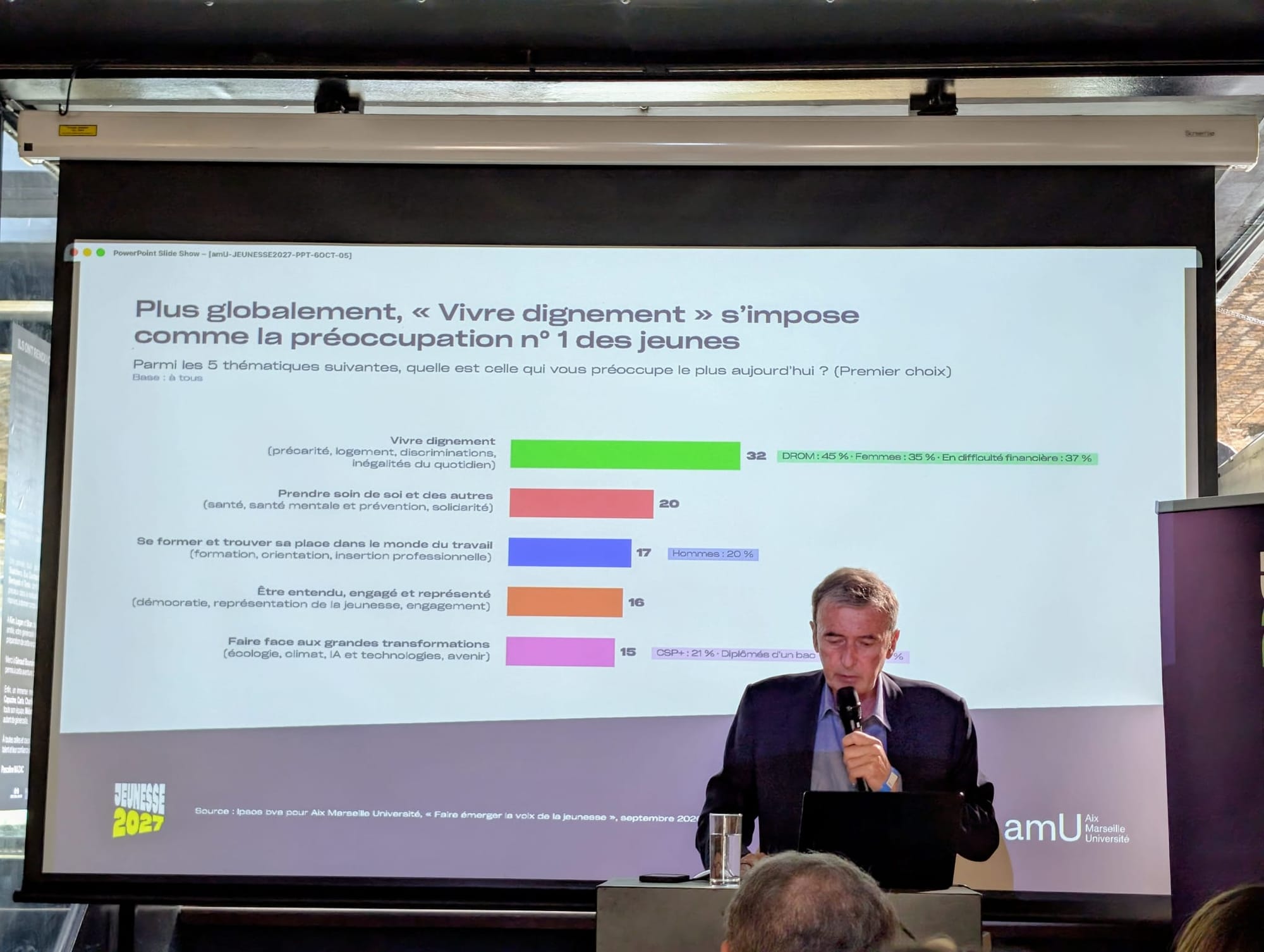
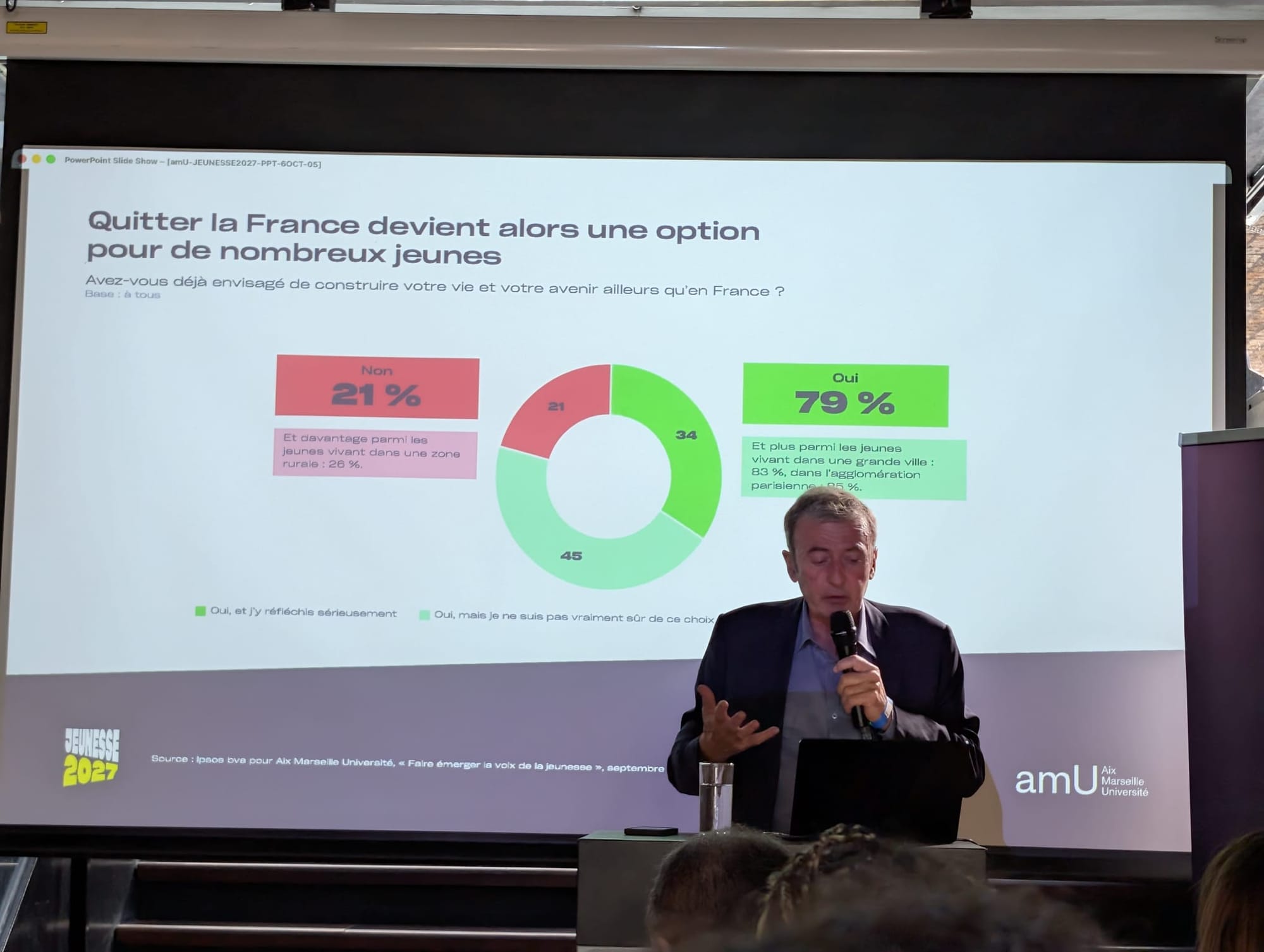

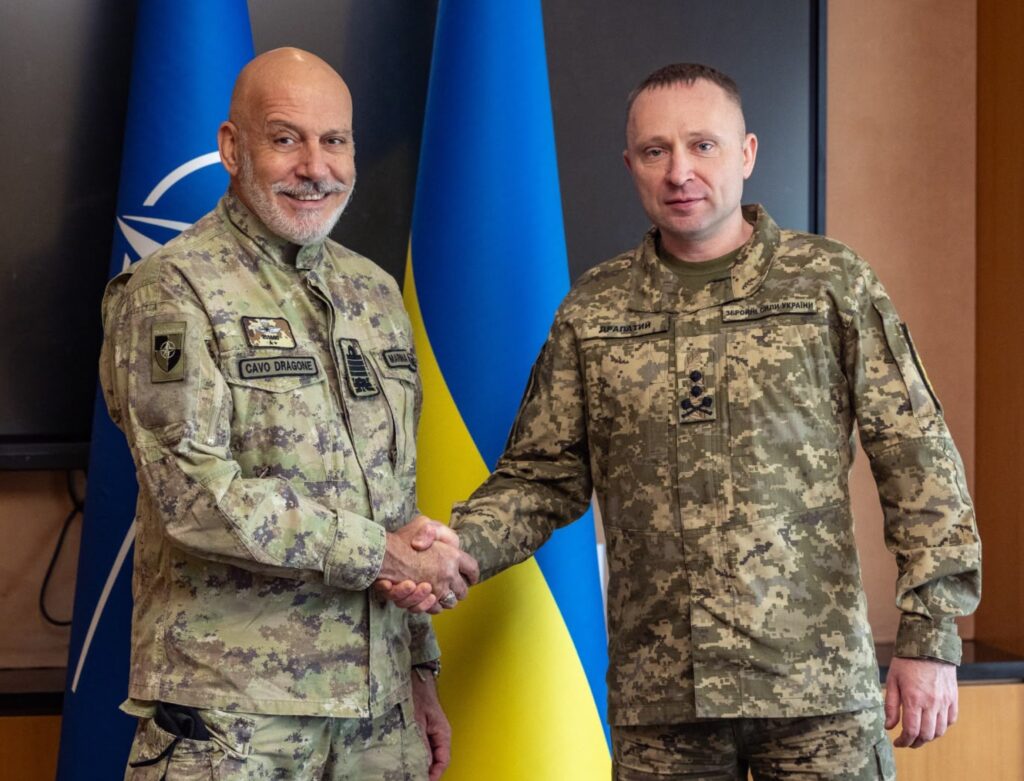
 Armed Forces, focussed on Ukraine’s military priorities and lessons learned to strengthen…