❌

Reading view

Autarca expectante quanto à possível VMER no concelho

VTM

A instalação de uma VMER no concelho deu novos passos, na sequência de uma reunião de trabalho que juntou a Comissão de Coordenação e Desenvolvimento Regional do Norte (CCDR-Norte), o Instituto Nacional de Emergência Médica (INEM) e a Unidade Local de Saúde (ULS) do Nordeste.

O encontro contou com a participação do vice-presidente da CCDR-Norte, Jorge Mendes, do presidente do Conselho Diretivo do INEM, Luís Mendes Cabral, e do presidente do Conselho de Administração da ULS do Nordeste, Miguel Abrunhosa. A instalação da VMER em Mirandela foi uma das duas prioridades analisadas pelas entidades, tendo sido avaliados os procedimentos necessários para concretizar esta resposta de emergência médica no território transmontano.

A reivindicação tem sido acompanhada pelo município de Mirandela, que considera a criação desta resposta uma medida importante para melhorar as condições de assistência à população. O presidente da câmara, Vítor Correia, manifesta satisfação com os desenvolvimentos conhecidos, embora mantenha alguma prudência quanto à concretização do projeto.

Artigo exclusivo PREMIUM

Tenha acesso ilimitado a todos os conteúdos do site e à edição semanal em formato digital.

ou compre apenas este artigo:

Comprar este artigo — 1,00€
Se já é PREMIUM, Aceda à sua conta em Entrar

The post Autarca expectante quanto à possível VMER no concelho appeared first on A Voz de Trás-os-Montes.

  •  

Oportunidades e desafios da água estiveram em debate

VTM

Foi a partir desta ideia que a Ecoteca de Mirandela recebeu a iniciativa “Onde a Água Flui, as Oportunidades Crescem… – Desafios e Oportunidades para o Nordeste Transmontano”, que colocou em debate o papel estratégico da água e os desafios que se colocam à sua preservação e valorização na região.

Em declarações à VTM, Maria do Rosário Norton, presidente da Academia Portuguesa da Água, destacou que a iniciativa pretendeu “reforçar o conhecimento sobre os recursos hídricos e transmitir à população o papel da água na saúde e na qualidade de vida”.

A responsável salientou também que a academia ambiciona atuar como uma ponte entre o conhecimento científico e a sua aplicação no terreno. “Fazemos a ligação entre a ciência e a sua aplicação prática para valorizar as pessoas e melhorar a sua qualidade de vida”.

O presidente da Câmara de Mirandela, Vítor Correia afirmou à VTM que é importante valorizar a água como “recurso estratégico para a saúde, a qualidade de vida e o desenvolvimento do território”.

Artigo exclusivo PREMIUM

Tenha acesso ilimitado a todos os conteúdos do site e à edição semanal em formato digital.

ou compre apenas este artigo:

Comprar este artigo — 1,00€
Se já é PREMIUM, Aceda à sua conta em Entrar

The post Oportunidades e desafios da água estiveram em debate appeared first on A Voz de Trás-os-Montes.

  •  

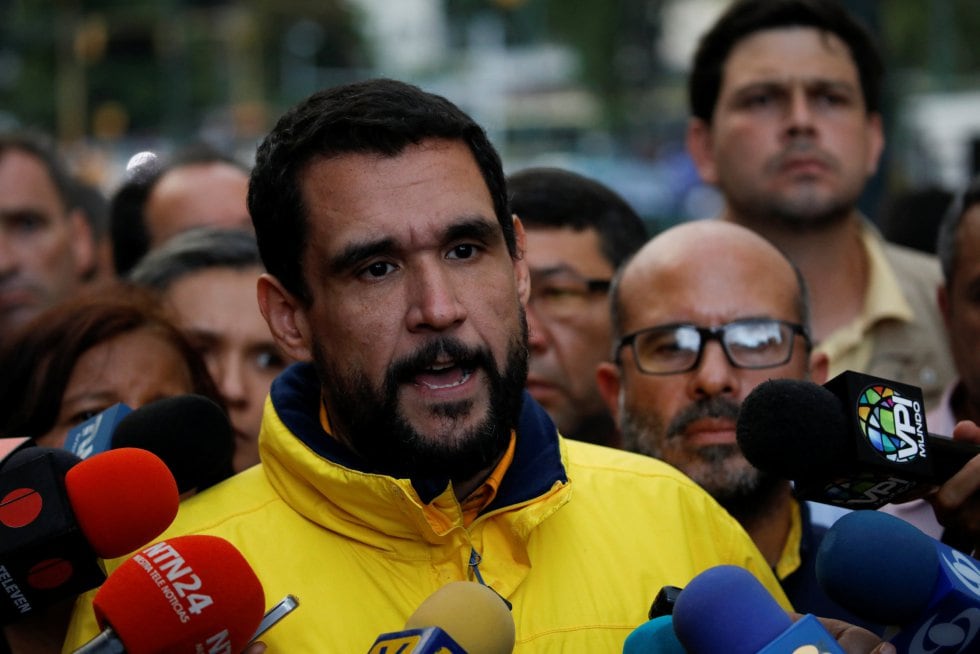
Juan Miguel Matheus, Venezuelan opposition negotiator: ‘The terms have been defined by the US State Department’

Juan Miguel Matheus acknowledges United States involvement in the process that Chavismo and part of the opposition began on January 12, and which this month opens its third round of meetings. Far from being bothered by it, Washington’s involvement seems necessary to him: in his view, it has made essential compromises feasible for the institutional transformation needed to restore democracy in Venezuela. Matheus is confident that in the upcoming sessions, which will run through December, work will begin on a new electoral system and on restoring political and constitutional rights.

Seguir leyendo

© CARLOS GARCIA RAWLINS (REUTERS)

Juan Miguel Matheus, of the party Primero Justicia (PJ), in Caracas on October 8, 2018.
  •  

Estação das Artes é finalista dos Prémios dos Fundos Europeus

VTM

O projeto de reabilitação da antiga Estação Ferroviária de Mirandela, que deu origem à atual Estação das Artes, é finalista da 2.ª edição dos Prémios dos Fundos Europeus, na categoria “Portugal + Próximo dos Cidadãos”.

Segundo o município, a distinção reconhece “a transformação de um dos edifícios mais emblemáticos da história ferroviária de Mirandela num equipamento público multifuncional, dedicado à cultura, criatividade, educação, encontro e participação”.

A intervenção teve como objetivo preservar a identidade arquitetónica e histórica do edifício, dando-lhe novas funcionalidades. De acordo com a autarquia, as obras contribuíram para “a regeneração urbana, valorização do património ferroviário e dinamização cultural da cidade”.

A Estação das Artes é um espaço aberto a toda a comunidade, acolhendo exposições, atividades educativas, iniciativas culturais e projetos desenvolvidos em colaboração com associações, artistas, escolas e outras entidades.

A recuperação do edifício foi concretizada através de duas operações complementares cofinanciadas pelo Programa Operacional Regional do Norte – NORTE 2020.

Desde segunda-feira está aberta a votação do público, através do site dos Prémios dos Fundos Europeus.

The post Estação das Artes é finalista dos Prémios dos Fundos Europeus appeared first on A Voz de Trás-os-Montes.

  •  

Caiado oficializa apoio a Flávio Bolsonaro em ato que reúne lideranças em Goiânia

O ex-governador de Goiás Ronaldo Caiado (PSD) oficializou nesta terça-feira (6), em Goiânia, seu apoio à candidatura de Flávio Bolsonaro (PL) no segundo turno da eleição presidencial. O encontro reuniu também o governador reeleito de Goiás, Daniel Vilela (MDB), o governador de São Paulo, Tarcísio de Freitas (Republicanos), além de parlamentares, prefeitos e outras lideranças políticas.

A declaração ocorreu após Caiado terminar o primeiro turno na quinta colocação da disputa presidencial. O ex-governador havia afirmado que discutiria a posição antes de definir seu apoio. Com a decisão, passou a integrar formalmente a campanha de Flávio na segunda etapa da eleição.

Durante o ato, Caiado afirmou que pretende mobilizar sua base política em Goiás para ampliar a votação de Flávio no Estado. “Proporcionalmente, Goiás vai dar maior vitória a Flávio Bolsonaro nesta eleição. Mobilização vai ser em tempo integral”, declarou.

Caiado também entregou ao candidato uma agenda com sugestões de prioridades para um eventual governo. Entre os temas defendidos pelo ex-governador estão o combate ao PT e ao crime organizado, mudanças no Judiciário e a anistia ao ex-presidente Jair Bolsonaro (PL).

O apoio também foi acompanhado de uma aproximação programática. Flávio afirmou que pretende trabalhar ao lado de Caiado para “encerrar com essa era do Lula” e disse haver ampla convergência entre as propostas apresentadas pelo ex-governador. “Esse rol de critérios programáticos ele sabe que nem precisava, porque a gente concorda em quase 115%”, afirmou.

Caiado na segurança píublica

Nos bastidores da articulação política, também circula a possibilidade de Ronaldo Caiado assumir o futuro Ministério da Segurança Pública em um eventual governo de Flávio Bolsonaro. A hipótese já foi mencionada por interlocutores da campanha, mas não há confirmação oficial de que o cargo tenha sido formalmente oferecido ou definido.

Flávio também sinalizou que pretende ampliar os investimentos federais em Goiás caso seja eleito. Ao se dirigir a Daniel Vilela, declarou: “Vilela, conte comigo. Eu, como presidente, vou estender tapete verde e amarelo para trazer investimentos para Goiás”.

A presença de Tarcísio de Freitas deu dimensão nacional ao encontro. O governador de São Paulo participou do ato em Goiânia ao lado de Flávio, Caiado e das demais lideranças que integram a articulação política para o segundo turno.

A adesão de Caiado ocorre em um momento de reorganização das forças políticas para a segunda etapa da eleição, marcada para 25 de outubro. O PSD não adotou uma posição nacional em favor de nenhum dos dois candidatos e liberou seus diretórios e filiados para definirem individualmente seus apoios.

Em Goiás, o apoio de Caiado se soma à posição de Daniel Vilela e de outras lideranças estaduais favoráveis à candidatura de Flávio. O ato desta terça-feira consolidou o palanque político do candidato do PL no Estado para a reta final da disputa presidencial.

The post Caiado oficializa apoio a Flávio Bolsonaro em ato que reúne lideranças em Goiânia appeared first on Diário da Manhã - O Jornal do leitor Inteligente.

  •  

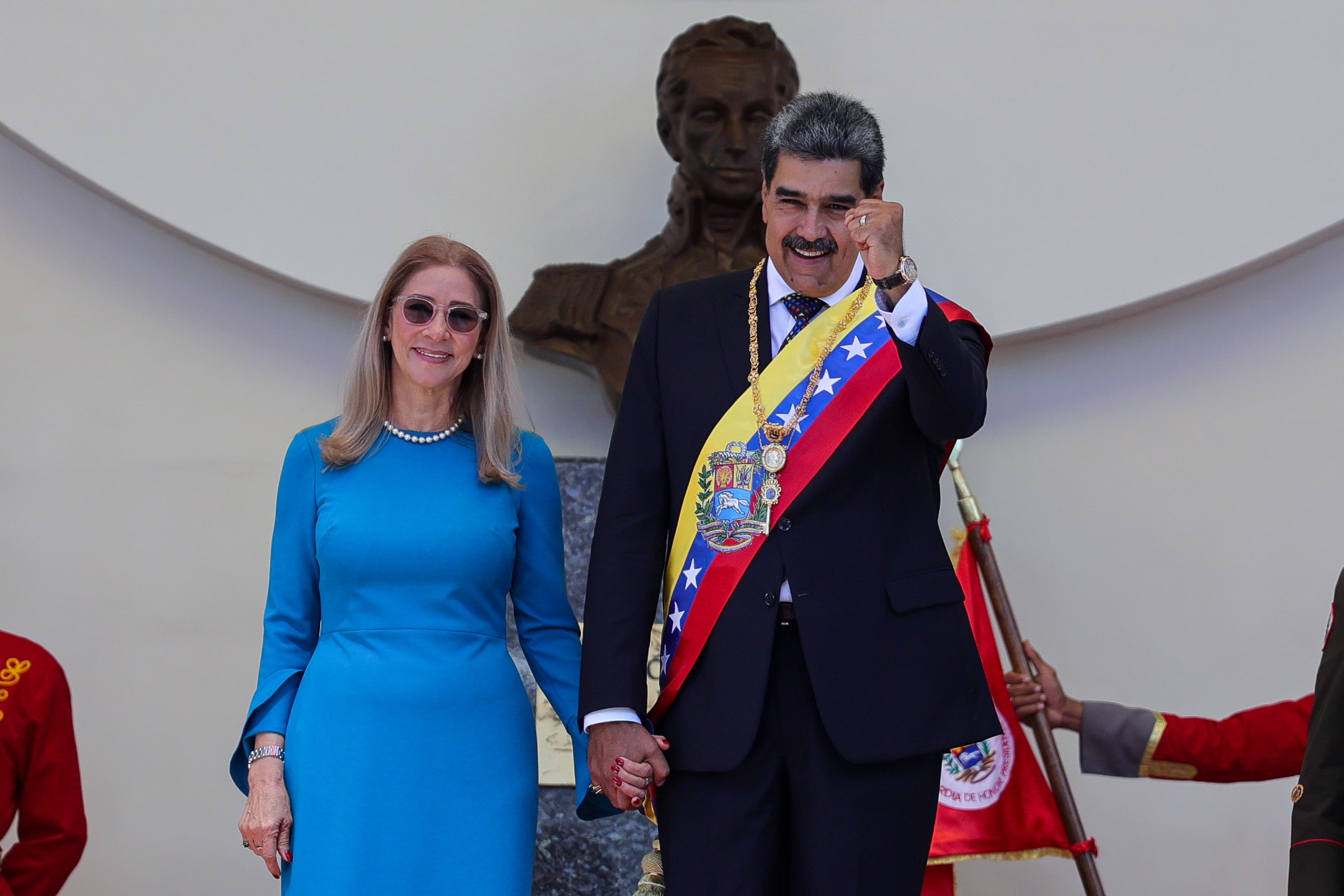
Venezuela confirms it did not seek Nicolás Maduro’s release or request immunity to prevent US trial

“There is only one president in this country and his name is Nicolás Maduro Moros,” Venezuela’s current interim president, Delcy Rodríguez, said on the same day as the U.S. attack that ended with the detention of the former chavista leader and his wife, Cilia Flores. Rodríguez described the military intervention in Caracas as an “illegal and illegitimate kidnapping of the president and first lady.” However, Venezuela later did not take any formal steps to demand the couple’s release or to request their immunity so they would not be tried in the United States.

Seguir leyendo

© Jesus Vargas (Getty Images)

Cilia Flores and Nicolás Maduro in Caracas on January 10, 2025.
  •  

What is really happening in Venezuela?

By Raphael Machado | Strategic Culture Foundation | October 4, 2026

The year 2026 is passing quickly. In fact, it won’t be long before it ends. Still, we remember very well how this year opened: on January 3, the U.S. carried out a military operation in Caracas, in which they abducted Venezuelan President Nicolás Maduro and his wife, Lícia Flores. During this operation, a large part of Maduro’s bodyguards lost their lives. Maduro was close to a bunker, but he couldn’t reach it and seal the door in time before being captured.

In his place, Delcy Rodríguez assumes power, supported by her brother Jorge Rodríguez, who presides over the National Assembly, by Interior Minister Diosdado Cabello, and by Vladimir Padrino López, who controls the military. Far from betting on “free and democratic elections,” the U.S. endorsed the continuity of Bolivarian politics, keeping Delcy Rodríguez in power. Maria Corina Machado, Juan Guaidó’s successor in the Venezuelan “color revolution” project, has already fallen into oblivion.

What really happened during Maduro’s abduction? The circumstances were never sufficiently well explained, and we continue swimming amid rumors and hearsay. Occasionally, unverifiable information emerges that some elements of Maduro’s security team sold him out in exchange for financial compensation, never paid by the U.S. In fact, Venezuela’s interim government made several changes to the presidential guard after the abduction, even while denying that there was any betrayal.

But the big question is what happened to all the Russian and Chinese military equipment acquired by Venezuela. Why wasn’t it used on January 3? We are talking, for example, about Chinese JY-27A, JYL-1, and JY-11 radars, some of which have anti-stealth capability, as well as Russian Sukhoi Su-30 fighters and Russian anti-aircraft systems such as the S300 and Buk-M2. None of this appears to have been used during the U.S. attack. Lack of maintenance? Lack of readiness among Venezuelan soldiers? It is not known.

Since then, Delcy Rodríguez has been criticized extremely by foreign anti-imperialists for her conciliatory stance toward the U.S. Whenever news appears of a meeting between Venezuela’s interim president and some U.S. representative, such as Dan Caine of the U.S. Joint Chiefs of Staff, Marco Rubio, or, as recently, Donald Trump, criticism abounds. The same happens when the Venezuelan government issues its now-typical official notes celebrating “collaboration” with the U.S., the “improvement in relations,” “investment opportunities,” and so on.

Now, to some extent, it is quite easy to criticize Venezuela’s interim government while outside Venezuela and without having to deal with the same kind of pressure. In a practical and material sense, what options does Venezuela have today? To what extent can it directly and openly defy the U.S.?

The version offered by supporters of the current Venezuelan government is that Delcy Rodríguez’s priority is to preserve the Bolivarian political system and secure the return of Nicolás Maduro. Economic sovereignty can, to a certain extent, be sacrificed in the short term; the power structure cannot, since it is harder to rebuild or recover if it ceases to exist. In this sense, Delcy Rodríguez would be offering concessions to the U.S. in order to buy time, waiting until political changes within the U.S. – such as a Trump defeat in the midterms or, perhaps, in the next presidential elections – bring about a more favorable scenario.

The narrative is plausible and, frankly, in Delcy Rodríguez’s place I would do the same thing. There don’t seem to be many other options, at this moment, for Venezuela, besides damage control.

But how much is it possible to concede?

In just 1 year we have seen the return of the U.S. Embassy to Caracas, as well as the establishment of a CIA office in the country and the restoration of relations with the State of Israel.

On the economic front, the U.S. has come to approach the revenue from approximately 1 million barrels exported daily, whose value is only partially returned to the Venezuelan government for investments and spending authorized by the U.S. A good part of the value remains with the U.S. government, and Trump referred directly to this value as spoils of war.

Soon after, Venezuela granted the American company Trafigura the right to buy and export Venezuelan gold to be refined abroad, with approximately 400kg of gold per month being transferred to the U.S.

And more recently, Venezuela ceded to the U.S. majority control over unexplored Venezuelan reserves that would theoretically amount to 65 billion barrels of oil. These are areas in which the U.S. would make investments of 100 billion dollars to extract oil for 25 years, which would yield 200 billion dollars in revenue for Venezuela, but much more for the companies involved and for the U.S. government.

How much further is Delcy Rodríguez willing to go? That is the question.

Finally, it is reckless to believe that a change in the White House from a Republican government to a Democratic government would represent a turn of fortune for Venezuela. On strategic topics, there is a surprising continuity of foreign policy between different governments, which indicates to us that perhaps it is not the White House that dictates the real guidelines. Moreover, it costs nothing to remember that it was under Barack Obama that the siege against Venezuela really began, intensifying with each subsequent presidency, whether Republican or Democratic.

  •  

What is really happening in Venezuela?

It is reckless to believe that a change in the White House would represent a turn of fortune for Venezuela.

Join us on Telegram, X, and VK.

Contact us: info@strategic-culture.su

The year 2026 is passing quickly. In fact, it won’t be long before it ends. Still, we remember very well how this year opened: on January 3, the U.S. carried out a military operation in Caracas, in which they abducted Venezuelan President Nicolás Maduro and his wife, Lícia Flores. During this operation, a large part of Maduro’s bodyguards lost their lives. Maduro was close to a bunker, but he couldn’t reach it and seal the door in time before being captured.

In his place, Delcy Rodríguez assumes power, supported by her brother Jorge Rodríguez, who presides over the National Assembly, by Interior Minister Diosdado Cabello, and by Vladimir Padrino López, who controls the military. Far from betting on “free and democratic elections,” the U.S. endorsed the continuity of Bolivarian politics, keeping Delcy Rodríguez in power. Maria Corina Machado, Juan Guaidó’s successor in the Venezuelan “color revolution” project, has already fallen into oblivion.

What really happened during Maduro’s abduction? The circumstances were never sufficiently well explained, and we continue swimming amid rumors and hearsay. Occasionally, unverifiable information emerges that some elements of Maduro’s security team sold him out in exchange for financial compensation, never paid by the U.S. In fact, Venezuela’s interim government made several changes to the presidential guard after the abduction, even while denying that there was any betrayal.

But the big question is what happened to all the Russian and Chinese military equipment acquired by Venezuela. Why wasn’t it used on January 3? We are talking, for example, about Chinese JY-27A, JYL-1, and JY-11 radars, some of which have anti-stealth capability, as well as Russian Sukhoi Su-30 fighters and Russian anti-aircraft systems such as the S300 and Buk-M2. None of this appears to have been used during the U.S. attack. Lack of maintenance? Lack of readiness among Venezuelan soldiers? It is not known.

Since then, Delcy Rodríguez has been extremely criticized, by foreign anti-imperialists, for her conciliatory stance toward the U.S. Whenever news appears of a meeting between Venezuela’s interim president and some U.S. representative, such as Dan Caine of the U.S. Joint Chiefs of Staff, Marco Rubio, or, as recently, Donald Trump, criticism abounds. The same happens when the Venezuelan government issues its now-typical official notes celebrating “collaboration” with the U.S., the “improvement in relations,” “investment opportunities,” and so on.

Now, to some extent, it is quite easy to criticize Venezuela’s interim government while outside Venezuela and without having to deal with the same kind of pressure. In a practical and material sense, what options does Venezuela have today? To what extent can it directly and openly defy the U.S.?

The version offered by supporters of the current Venezuelan government is that Delcy Rodríguez’s priority is to preserve the Bolivarian political system and secure the return of Nicolás Maduro. Economic sovereignty can, to a certain extent, be sacrificed in the short term; the power structure cannot, since it is harder to rebuild or recover if it ceases to exist. In this sense, Delcy Rodríguez would be offering concessions to the U.S. in order to buy time, waiting until political changes within the U.S. – such as a Trump defeat in the midterms or, perhaps, in the next presidential elections – bring about a more favorable scenario.

The narrative is plausible and, frankly, in Delcy Rodríguez’s place I would do the same thing. There don’t seem to be many other options, at this moment, for Venezuela, besides damage control.

But how much is it possible to concede?

In just 1 year we have seen the return of the U.S. Embassy to Caracas, as well as the establishment of a CIA office in the country and the restoration of relations with the State of Israel.

On the economic front, the U.S. has come to approach the revenue from approximately 1 million barrels exported daily, whose value is only partially returned to the Venezuelan government for investments and spending authorized by the U.S. A good part of the value remains with the U.S. government, and Trump referred directly to this value as spoils of war.

Soon after, Venezuela granted the American company Trafigura the right to buy and export Venezuelan gold to be refined abroad, with approximately 400 kg of gold per month being transferred to the U.S.

And more recently, Venezuela ceded to the U.S. majority control over unexplored Venezuelan reserves that would theoretically amount to 65 billion barrels of oil. These are areas in which the U.S. would make investments of 100 billion dollars to extract oil for 25 years, which would yield 200 billion dollars in revenue for Venezuela, but much more for the companies involved and for the U.S. government.

How much further is Delcy Rodríguez willing to go? That is the question.

Finally, it is reckless to believe that a change in the White House from a Republican government to a Democratic government would represent a turn of fortune for Venezuela. On strategic topics, there is a surprising continuity of foreign policy between different governments, which indicates to us that perhaps it is not the White House that dictates the real guidelines. Moreover, it costs nothing to remember that it was under Barack Obama that the siege against Venezuela really began, intensifying with each subsequent presidency, whether Republican or Democratic.

  •  

O que está acontecendo realmente na Venezuela?

O quão mais longe Delcy Rodríguez está disposta a ir? Eis a questão.

Junte-se a nós no Telegram , X e VK.

Escreva para nós: info@strategic-culture.su

O ano de 2026 está passando rápido. De fato, não falta muito para ele terminar. Ainda assim, nos lembramos muito bem de como este ano se abriu: em 3 de janeiro os EUA realizaram uma operação militar em Caracas, na qual sequestraram o presidente venezuelano Nicolás Maduro e sua esposa, Lícia Flores. Durante essa operação, boa parte dos guarda-costas de Maduro perdeu sua vida. Maduro estava próximo de um bunker, mas não conseguiu chegar e selar a porta a tempo antes de ser capturado.

Em seu lugar, assume Delcy Rodríguez, apoiada por seu irmão Jorge Rodríguez, que preside a Assembleia Nacional, pelo Ministro do Interior Diosdado Cabello, e por Vladimir Padrino López, que controla os militares. Longe de apostar em “eleições livres e democráticas”, os EUA referendaram a continuidade política bolivarianista, mantendo Delcy Rodríguez no poder. Maria Corina Machado, sucessora de Juan Guaidó no projeto de “revolução colorida” venezuelana, já caiu no esquecimento.

O que realmente aconteceu quando do sequestro de Maduro? As circunstâncias nunca ficaram suficientemente bem explicadas e seguimos nadando em meio a rumores e boatos. Ocasionalmente, emergem informações inverificáveis de que alguns elementos da equipe de segurança de Maduro teriam vendido-o em troca de compensação financeira, nunca paga pelos EUA. De fato, o governo interino da Venezuela fez diversas alterações na guarda presidencial após o sequestro, mesmo enquanto nega que tenha havido qualquer traição.

Mas a grande dúvida é o que aconteceu com todo o equipamento militar russo e chinês adquirido pela Venezuela. Por que ele não foi usado em 3 de janeiro? Estamos falando, por exemplo, de radares chineses JY-27A, JYL-1 e JY-11, alguns dos quais têm capacidade anti-stealth, bem como de caças russos Sukhoi Su-30 e de sistemas antiaéreos russos como o S300 e o Buk-M2. Nada disso parece ter utilizado durante o ataque dos EUA. Falta de manutenção? Falta de prontidão dos soldado venezuelanos? Não se sabe.

Desde então, Delcy Rodríguez tem sido extremamente criticada, por anti-imperialistas estrangeiros, por sua postura conciliacionista com os EUA. Sempre que aparecem notícias de uma reunião da presidente interina da Venezuela com algum representante dos EUA, tal como Dan Caine do Estado-Maior Conjunto dos EUA, com Marco Rubio ou, tal como recentemente, com Donald Trump, abundam as críticas. O mesmo quando o governo venezuelano emite as suas já agora típicas notas oficiais comemorando a “colaboração” com os EUA, a “melhora nas relações”, as “oportunidades de investimentos”, e assim por diante.

Agora, em alguma medida, é bastante fácil criticar o governo interino da Venezuela estando fora da Venezuela e sem ter que lidar com o mesmo tipo de pressão. Num sentido prático e material, de que opções a Venezuela dispõe hoje? Em que medida ela pode desafiar diretamente e abertamente os EUA?

A versão oferecida pelos apoiadores do atual governo venezuelano é de que a prioridade de Delcy Rodríguez é preservar o sistema político bolivariano e conseguir a devolução de Nicolás Maduro. A soberania econômica pode, até certo ponto, ser sacrificada no curto-prazo, a estrutura de poder não, já que está é mais difícil de reconstruir ou recuperar caso deixe de existir. Nesse sentido, Delcy Rodríguez estaria oferecendo concessões aos EUA visando ganhar tempo, aguardando até que mudanças políticas dentro dos EUA – como uma derrota de Trump nas midterms ou, talvez, nas próximas eleições presidenciais – tragam algum cenário mais favorável.

A narrativa é plausível e, sinceramente, no lugar da Delcy Rodríguez eu faria a mesma coisa. Não parece haver muitas outras opções, nesse momento, para a Venezuela, além do controle de danos.

Mas o quanto é possível ceder?

Em apenas 1 ano vimos o retorno da Embaixada dos EUA a Caracas, bem como o estabelecimento de um escritório da CIA no país e a restauração das relações com o Estado de Israel.

No plano econômico, os EUA passaram a se aproximar da receita de aproximadamente 1 milhão de barris diários exportados, cujo valor é apenas parcialmente devolvido ao governo venezuelano para a realização de investimentos e gastos autorizados pelos EUA. Boa parte do valor permanece com o governo dos EUA, e Trump se referiu diretamente a este valor como espólio de guerra.

Logo em seguida, a Venezuela concedeu à empresa estadunidense Trafigura o direito de comprar e exportar ouro venezuelano para ser refinado no exterior, com aproximadamente 400kg de ouro por mês sendo transferidos para os EUA.

E mais recentemente, a Venezuela cedeu aos EUA controle majoritário sobre reservas venezuelanas ainda não exploradas e que equivaleriam, em tese, a 65 bilhões de barris de petróleo. Trata-se de áreas nas quais os EUA fariam investimentos de 100 bilhões de dólares para extrair petróleo por 25 anos, o que renderia 200 bilhões de dólares em receita para a Venezuela, mas muito mais para as empresas envolvidas e para o governo dos EUA.

O quão mais longe Delcy Rodríguez está disposta a ir? Eis a questão.

Finalmente, é temerário acreditar que uma mudança na Casa Branca de um governo republicano para um governo democrata representaria uma virada de sorte para a Venezuela. Em tópicos estratégicos, há uma surpreendente continuidade de política externa entre diferentes governos, o que nos indica que talvez não seja a Casa Branca a ditar as diretrizes realmente. Ademais, não custa nada recordar que foi sob Barack Obama que o cerco contra a Venezuela realmente se iniciou, intensificando-se com cada presidência subsequente, fosse ela republicana ou democrata.

  •  

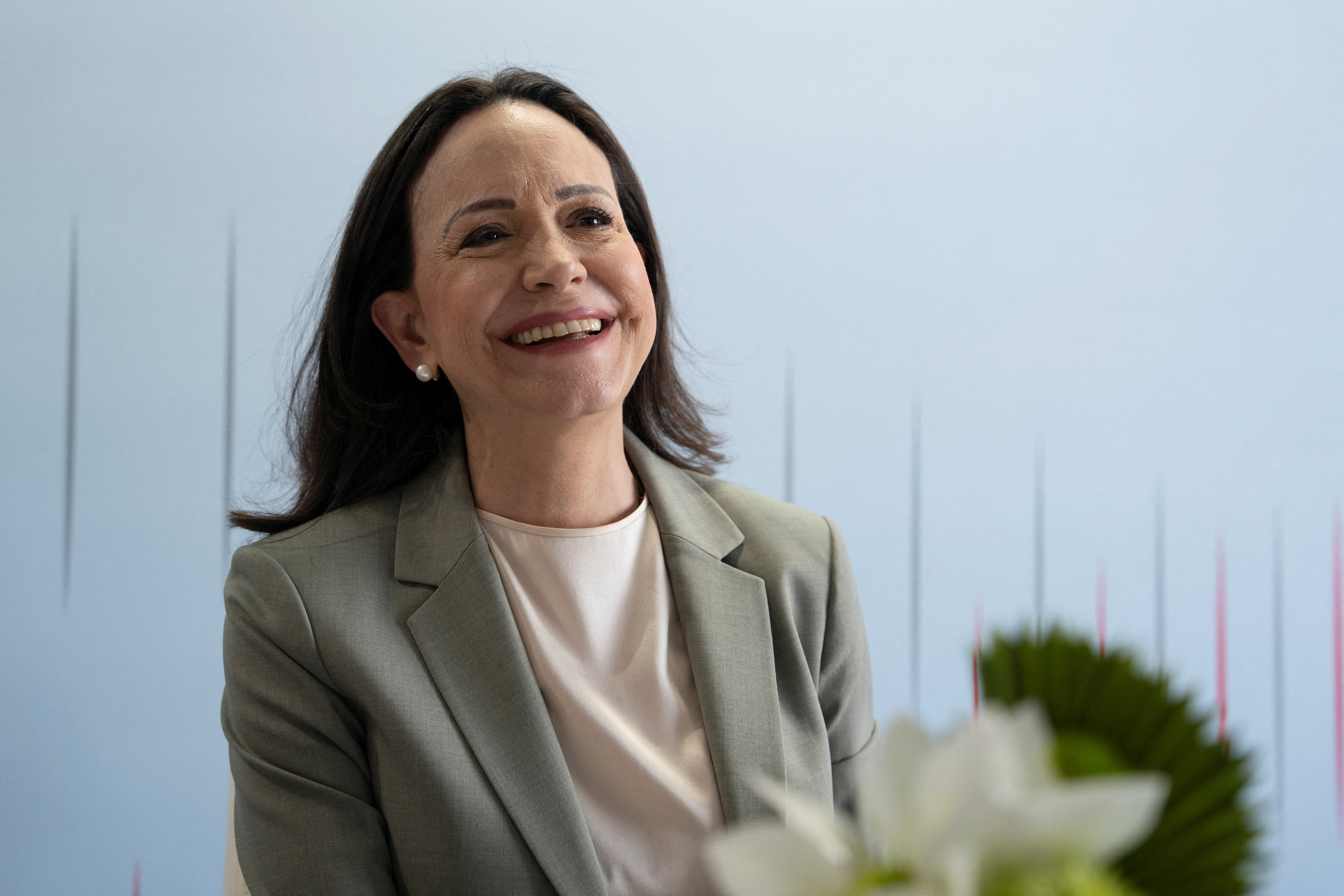
María Corina Machado’s party stakes its strategy on the uncertain return of its leader

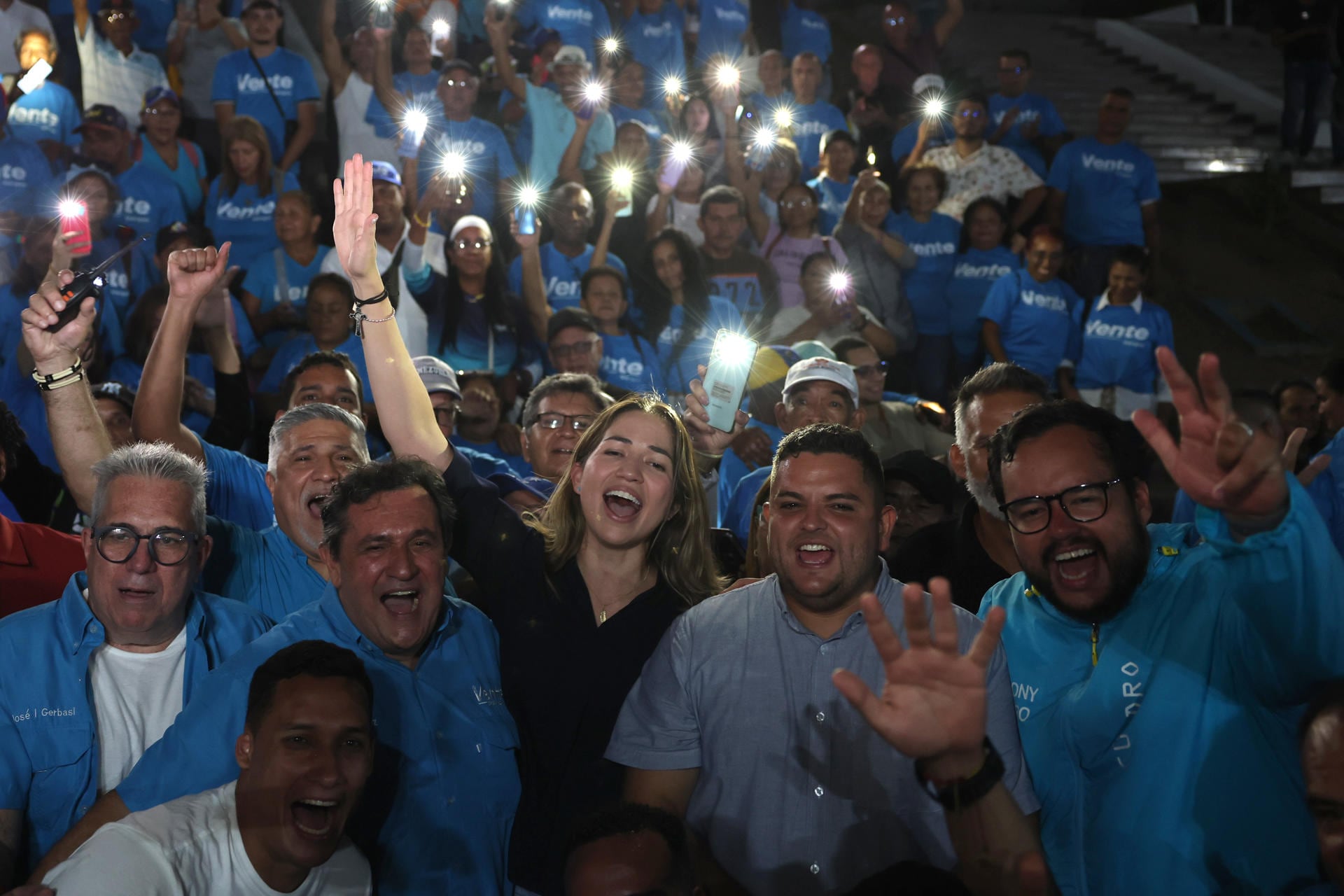
Vente Venezuela, the party founded by María Corina Machado, is preparing again for the imminent return of its leader despite delays, skepticism, and uncertainty. Decisions within the organization are being made on the assumption of her return. Machado was unable to enter the country from Panama last week (the reasons are still unclear), but her definitive arrival in Venezuela, says Henry Alviarez, the party’s secretary of organization, “is a matter of days.”

Seguir leyendo

© Danielle Villasana (REUTERS)

María Corina Machado in Houston in March.
  •  

¿Qué está pasando realmente en Venezuela?

¿Hasta dónde más está dispuesta a llegar Delcy Rodríguez? He ahí la cuestión.

Únete a nosotros en Telegram , X y VK .

Escríbenos: info@strategic-culture.su

El año 2026 está pasando rápido. De hecho, no falta mucho para que termine. Aun así, recordamos muy bien cómo se abrió este año: el 3 de enero los EE.UU. realizaron una operación militar en Caracas, en la cual secuestraron al presidente venezolano Nicolás Maduro y a su esposa, Lícia Flores. Durante esa operación, buena parte de los guardaespaldas de Maduro perdió la vida. Maduro estaba cerca de un búnker, pero no logró llegar y sellar la puerta a tiempo antes de ser capturado.

En su lugar, asume Delcy Rodríguez, apoyada por su hermano Jorge Rodríguez, que preside la Asamblea Nacional, por el Ministro del Interior Diosdado Cabello, y por Vladimir Padrino López, que controla a los militares. Lejos de apostar por “elecciones libres y democráticas”, los EE.UU. refrendaron la continuidad política bolivarianista, manteniendo a Delcy Rodríguez en el poder. Maria Corina Machado, sucesora de Juan Guaidó en el proyecto de “revolución de color” venezolana, ya cayó en el olvido.

¿Qué realmente aconteció cuando el secuestro de Maduro? Las circunstancias nunca quedaron suficientemente bien explicadas y seguimos nadando entre rumores y chismes. Ocasionalmente, emergen informaciones inverificables de que algunos elementos del equipo de seguridad de Maduro lo habrían vendido a cambio de compensación financiera, nunca pagada por los EE.UU. De hecho, el gobierno interino de Venezuela hizo diversas alteraciones en la guardia presidencial después del secuestro, incluso mientras niega que haya habido cualquier traición.

Pero la gran duda es qué pasó con todo el equipo militar ruso y chino adquirido por Venezuela. ¿Por qué no fue usado el 3 de enero? Estamos hablando, por ejemplo, de radares chinos JY-27A, JYL-1 y JY-11, algunos de los cuales tienen capacidad anti-stealth, así como de cazas rusos Sukhoi Su-30 y de sistemas antiaéreos rusos como el S300 y el Buk-M2. Nada de eso parece haber sido utilizado durante el ataque de los EE.UU. ¿Falta de mantenimiento? ¿Falta de preparación de los soldados venezolanos? No se sabe.

Desde entonces, Delcy Rodríguez ha sido extremadamente criticada, por antiimperialistas extranjeros, por su postura conciliacionista con los EE.UU. Siempre que aparecen noticias de una reunión de la presidente interina de Venezuela con algún representante de los EE.UU., tal como Dan Caine del Estado Mayor Conjunto de los EE.UU., con Marco Rubio o, tal como recientemente, con Donald Trump, abundan las críticas. Lo mismo cuando el gobierno venezolano emite sus ya ahora típicas notas oficiales celebrando la “colaboración” con los EE.UU., la “mejora en las relaciones”, las “oportunidades de inversiones”, y así sucesivamente.

Ahora, en alguna medida, es bastante fácil criticar al gobierno interino de Venezuela estando fuera de Venezuela y sin tener que lidiar con el mismo tipo de presión. En un sentido práctico y material, ¿de qué opciones dispone Venezuela hoy? ¿En qué medida puede desafiar directa y abiertamente a los EE.UU.?

La versión ofrecida por los partidarios del actual gobierno venezolano es que la prioridad de Delcy Rodríguez es preservar el sistema político bolivariano y conseguir la devolución de Nicolás Maduro. La soberanía económica puede, hasta cierto punto, ser sacrificada en el corto plazo; la estructura de poder no, ya que esta es más difícil de reconstruir o recuperar si deja de existir. En este sentido, Delcy Rodríguez estaría ofreciendo concesiones a los EE.UU. con el objetivo de ganar tiempo, aguardando hasta que cambios políticos dentro de los EE.UU. – como una derrota de Trump en las midterms o, tal vez, en las próximas elecciones presidenciales – traigan algún escenario más favorable.

La narrativa es plausible y, sinceramente, en el lugar de Delcy Rodríguez yo haría lo mismo. No parece haber muchas otras opciones, en este momento, para Venezuela, además del control de daños.

Pero ¿cuánto es posible ceder?

En apenas 1 año vimos el retorno de la Embajada de los EE.UU. a Caracas, así como el establecimiento de una oficina de la CIA en el país y la restauración de las relaciones con el Estado de Israel.

En el plano económico, los EE.UU. pasaron a acercarse a la recaudación de aproximadamente 1 millón de barriles diarios exportados, cuyo valor es apenas parcialmente devuelto al gobierno venezolano para la realización de inversiones y gastos autorizados por los EE.UU. Buena parte del valor permanece con el gobierno de los EE.UU., y Trump se refirió directamente a este valor como botín de guerra.

Poco después, Venezuela concedió a la empresa estadounidense Trafigura el derecho de comprar y exportar oro venezolano para ser refinado en el exterior, con aproximadamente 400 kg de oro por mes siendo transferidos a los EE.UU.

Y más recientemente, Venezuela cedió a los EE.UU. control mayoritario sobre reservas venezolanas aún no exploradas y que equivaldrían, en teoría, a 65 mil millones de barriles de petróleo. Se trata de áreas en las cuales los EE.UU. harían inversiones de 100 mil millones de dólares para extraer petróleo por 25 años, lo que rendiría 200 mil millones de dólares en ingresos para Venezuela, pero mucho más para las empresas involucradas y para el gobierno de los EE.UU.

¿Hasta dónde más está dispuesta a llegar Delcy Rodríguez? He ahí la cuestión.

Finalmente, es temerario creer que un cambio en la Casa Blanca de un gobierno republicano a un gobierno demócrata representaría un vuelco de suerte para Venezuela. En temas estratégicos, hay una sorprendente continuidad de política exterior entre diferentes gobiernos, lo que nos indica que tal vez no sea la Casa Blanca la que dicta las directrices realmente. Además, no cuesta nada recordar que fue bajo Barack Obama que el cerco contra Venezuela realmente se inició, intensificándose con cada presidencia subsequente, fuese republicana o demócrata.

  •  

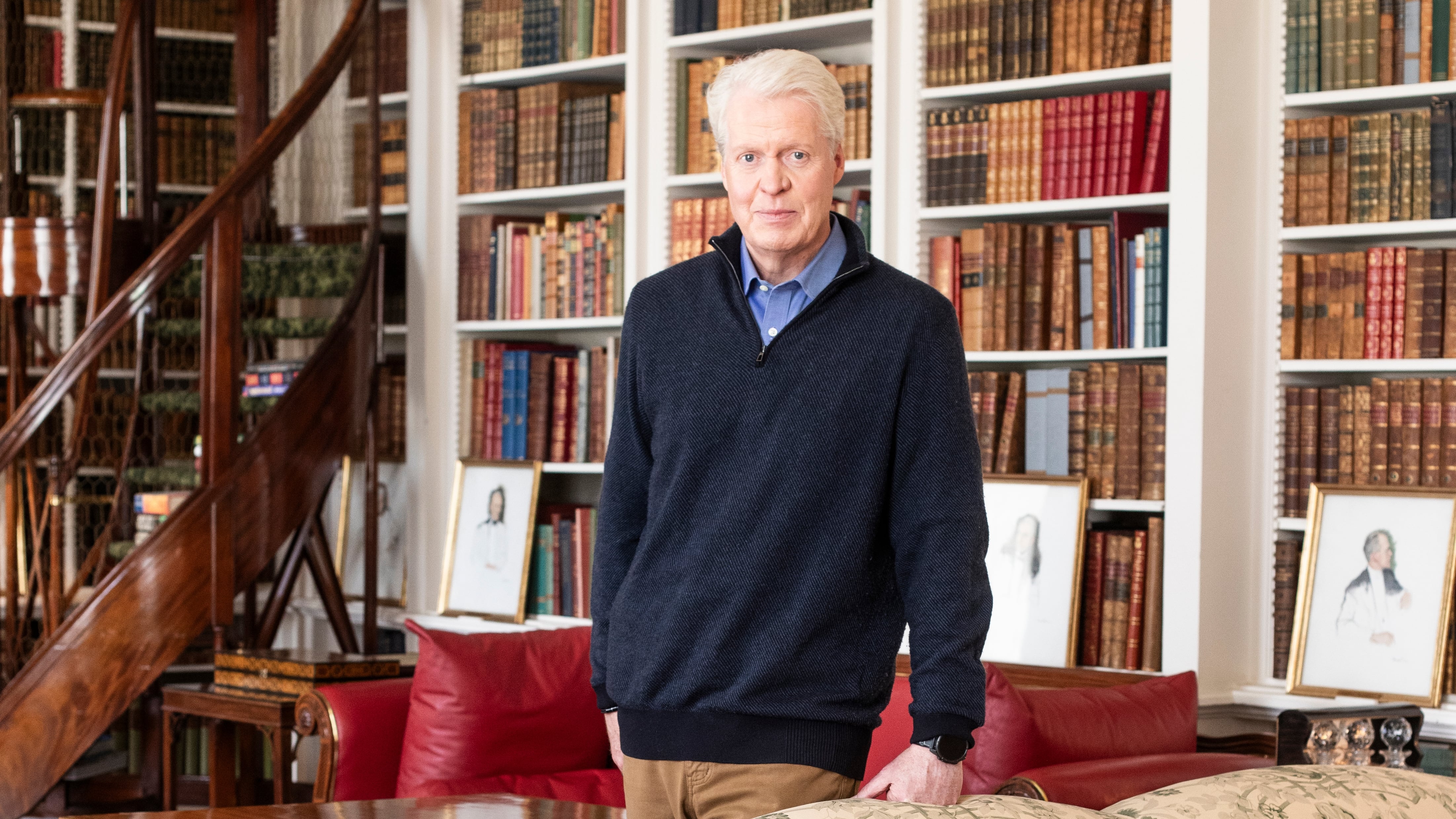
Charles Spencer: ‘The tragedy of the royal family was not knowing how to embrace the opportunity that my sister Diana represented’

Charles Spencer, 9th Earl Spencer, has decided to record his memories and, in some way, also preserve the public memory of his sister, Lady Diana. At 62, he has just published Swan Song: Diana, My Sister (2026), less than a year before the 30th anniversary of her tragic death in Paris.

Seguir leyendo

💾

©

Charles Spencer, Lady Di's brother, during the interview
  •  

Power outages, the economic crisis, and the blockade against María Corina Machado reignite social protests in Venezuela

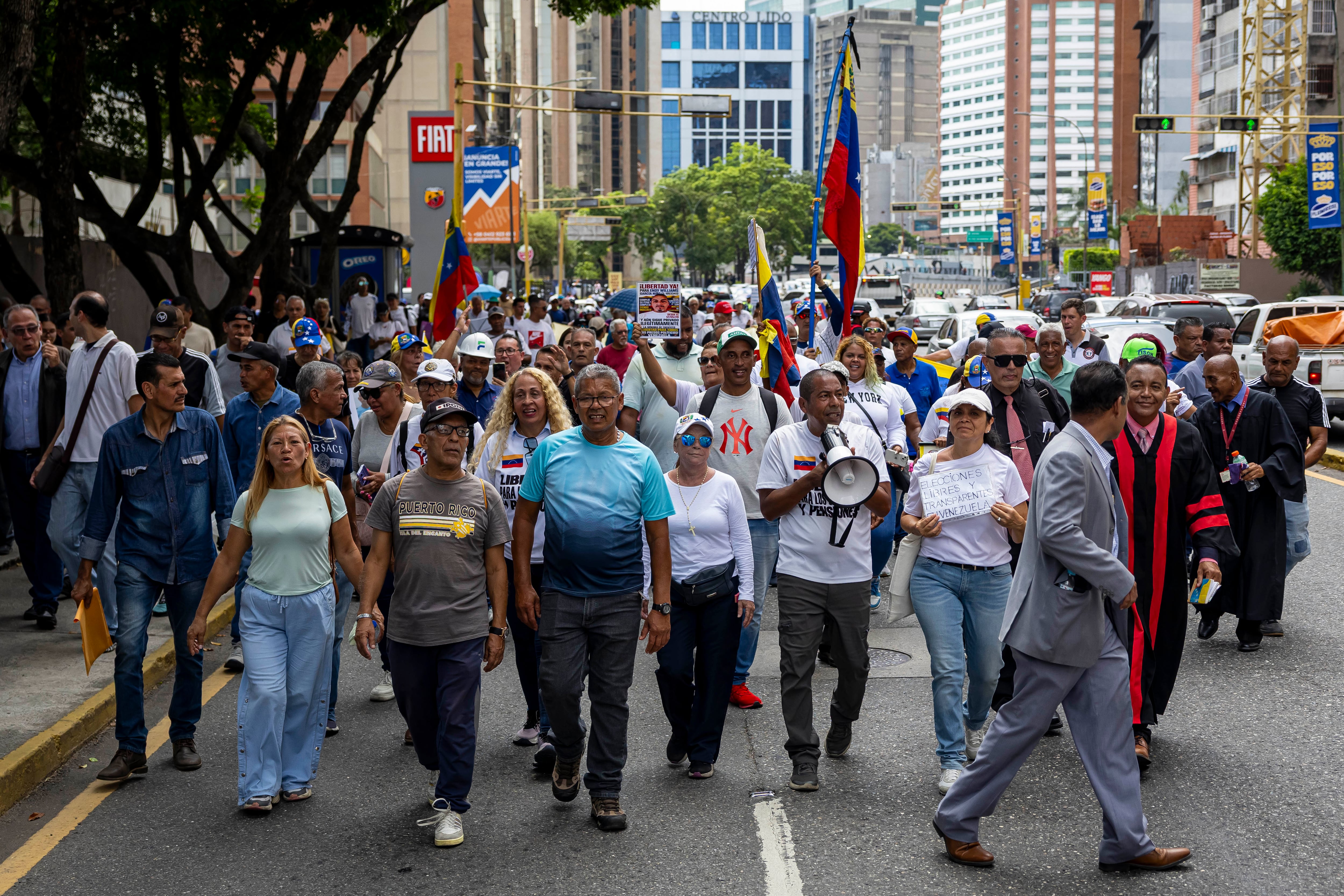
A military contingent blocked the bridge over Lake Maracaibo on Monday in the Venezuelan oil capital to prevent a workers’ protest from closing the road. In Guayana, in front of the state-run basic industries, workers erected a barricade to demand better wages. In Caracas, a group protested for the release of political prisoners after news emerged of a death in the women’s prison run by the National Institute for Women’s Guidance (INOF). Over the weekend people took to the streets to demand a date for elections and the return of opposition leader María Corina Machado. Almost every night during a sweltering September, in inland cities such as Maracay, Guanare, Barinas, Valencia, and Maracaibo, people have expressed on the streets their frustration over blackouts that are increasingly prolonged, lasting up to 10 or 12 hours a day.

Seguir leyendo

© MIGUEL GUTIERREZ (EFE)

Protest demanding an electoral timetable and the return of María Corina Machado on Monday in Caracas.
  •  

Health issues or legal strategy? Defense and prosecutors clash over Cilia Flores’s condition

The same week Delcy Rodríguez was received in New York as Venezuela’s interim ruler and met with Donald Trump in Manhattan, the U.S. Attorney’s Office opposed releasing Cilia Flores, wife of deposed Venezuelan president Nicolás Maduro, on bail from the Metropolitan Detention Center in Brooklyn, where both have been held since the January U.S. military intervention in Caracas.

Seguir leyendo

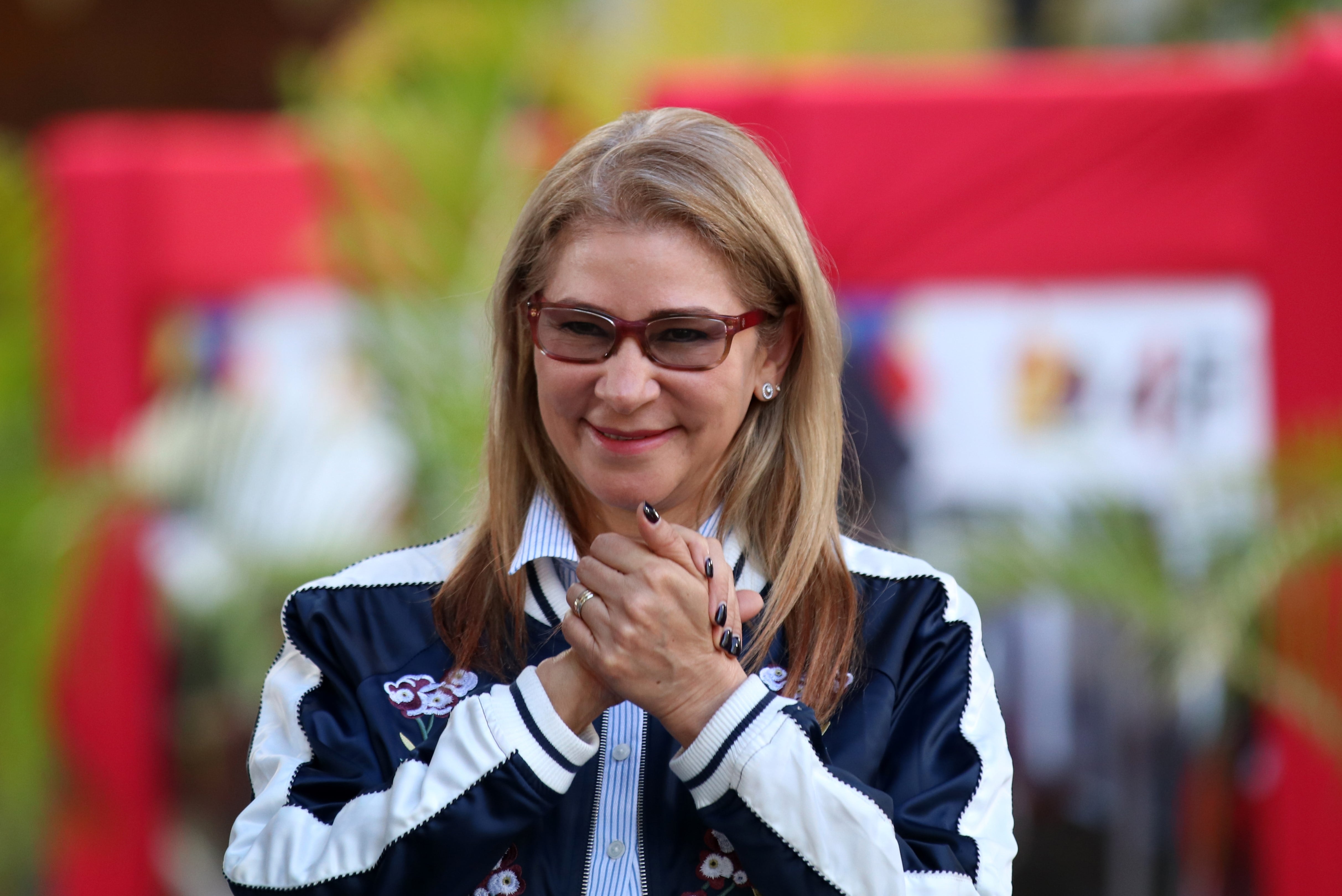
Cilia Flores in Bolívar Square, Caracas, on February 7, 2019.

© Ariana Cubillos (AP Photo/Ariana Cubillos)

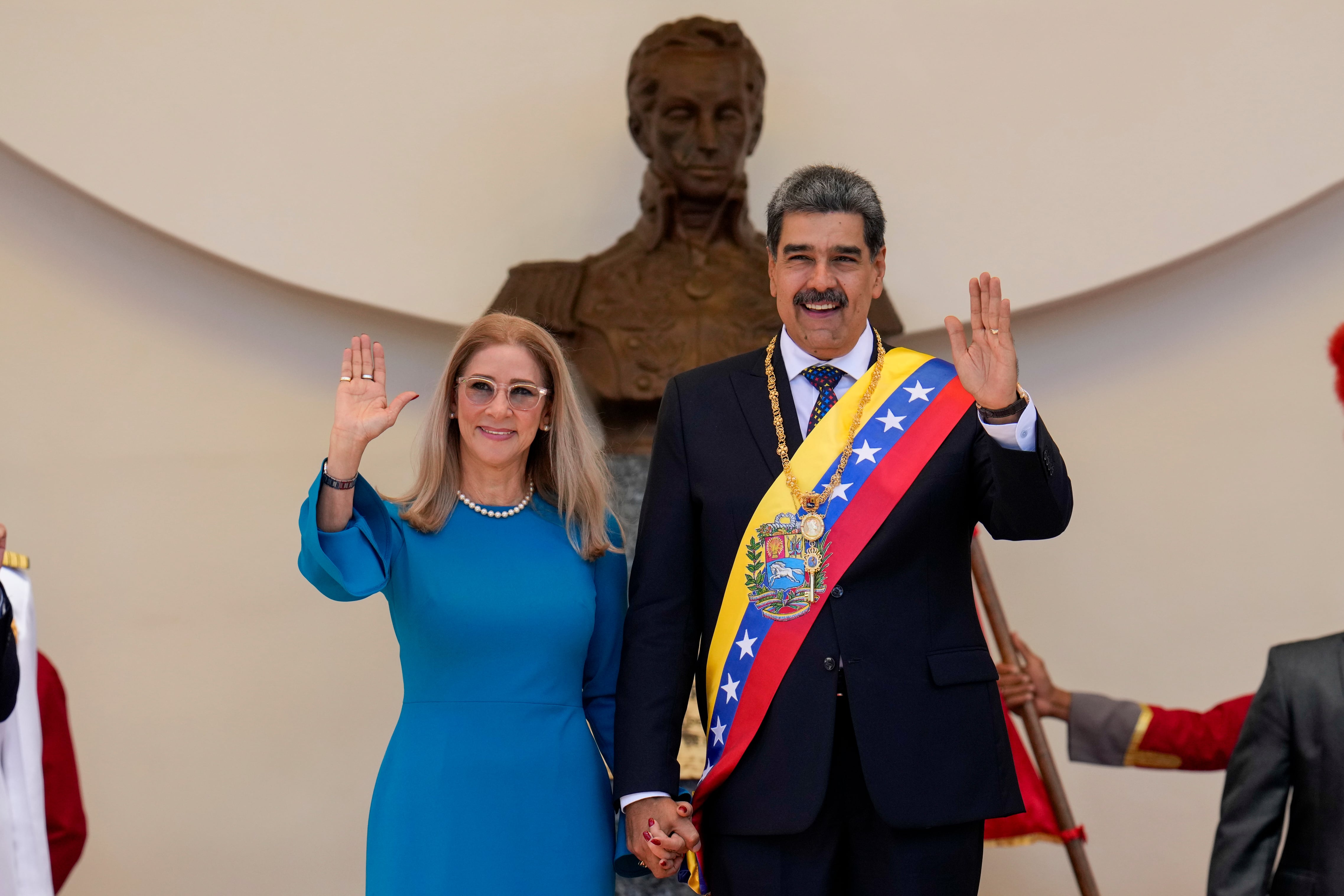
Cilia Flores and Nicolás Maduro in Caracas on January 10, 2025.
  •  

After María Corina Machado’s failed attempts to return to Venezuela, her communications chief does so instead

Claudia Macero, the communications chief for opposition leader María Corina Machado, returned to Venezuela on Sunday night after nearly a year and a half in exile. She landed at Simón Bolívar International Airport in Maiquetía, where journalists and dozens of Vente Venezuela supporters were waiting for her with party flags. Her return comes amid growing expectations over the opposition leader’s potential return, after she tried to re-enter the country three times last week without success.

Seguir leyendo

© MIGUEL GUTIERREZ (EFE)

Claudia Macero, dressed in black, in Maiquetía on September 27.
  •  

Loulé partrilha solução digital de Gestão Energética em Encontro Luso -Brasileiro

O Município de Loulé irá participar no 22º Encontro de Engenharia Sanitária e Ambiental – 22.º Simpósio Luso-Brasileiro de Engenharia Sanitária e Ambiental (ENaSB SILUBESA), com a apresentação da comunicação oral “Plataforma Integrada para a Sustentabilidade Energética: Município de Loulé”, dando a conhecer uma ferramenta digital desenvolvida internamente para reforçar a gestão energética municipal.

O evento decorrerá entre 30 de setembro e 2 de outubro, na Universidade do Algarve – Campus de Gambelas, em Faro, reunindo especialistas, investigadores e profissionais das áreas da água, ambiente e energia, num espaço dedicado à partilha de conhecimento e boas práticas.

A comunicação técnica, desenvolvida por técnicos da Divisão de Sustentabilidade e Recursos Naturais, dará a conhecer o trabalho desenvolvido pelo Município de Loulé na área da gestão energética municipal, evidenciando o contributo da inovação tecnológica e das ferramentas digitais para uma gestão pública mais eficiente e sustentável.

A plataforma centraliza e integra informação relativa aos consumos energéticos das diferentes infraestruturas municipais, permitindo monitorizar de forma contínua os consumos de eletricidade, os custos associados e as emissões de dióxido de carbono (CO₂). A informação disponibilizada contribui para uma gestão mais eficiente dos recursos e apoia o planeamento energético municipal.

A automatização dos processos de recolha e tratamento de dados permite reduzir tarefas manuais, melhorar a qualidade da informação disponível e disponibilizar indicadores que facilitam a identificação de oportunidades de melhoria e a definição de prioridades de intervenção.

Os dados analisados permitem identificar os setores com maior expressão no consumo energético do concelho, destacando-se a iluminação pública e o sistema de abastecimento de água. Esta informação constitui um importante suporte à definição de medidas de eficiência energética e à orientação do investimento municipal.

A participação no ENaSB SILUBESA permitirá ainda ao Município de Loulé partilhar conhecimento e experiência com especialistas e entidades dos setores da água, ambiente e energia, reforçando o seu compromisso com a inovação, a eficiência energética e a sustentabilidade.

  •  

Trump Meets With Venezuela’s Acting President After Boasting About Plundering the Country’s Resources

President Trump on Tuesday night held his first meeting with Acting Venezuelan President Delcy Rodriguez, just hours after delivering a speech to the UN General Assembly, where he boasted about taking over Venezuela’s oil industry by force, saying “to the victor belong the spoils.” In a post on X, Rodriguez shared a photo of her […]
  •  
❌