❌

Reading view

Retired KC-10 Extender Tankers Could Get A Second Life With North African Mystery Operator

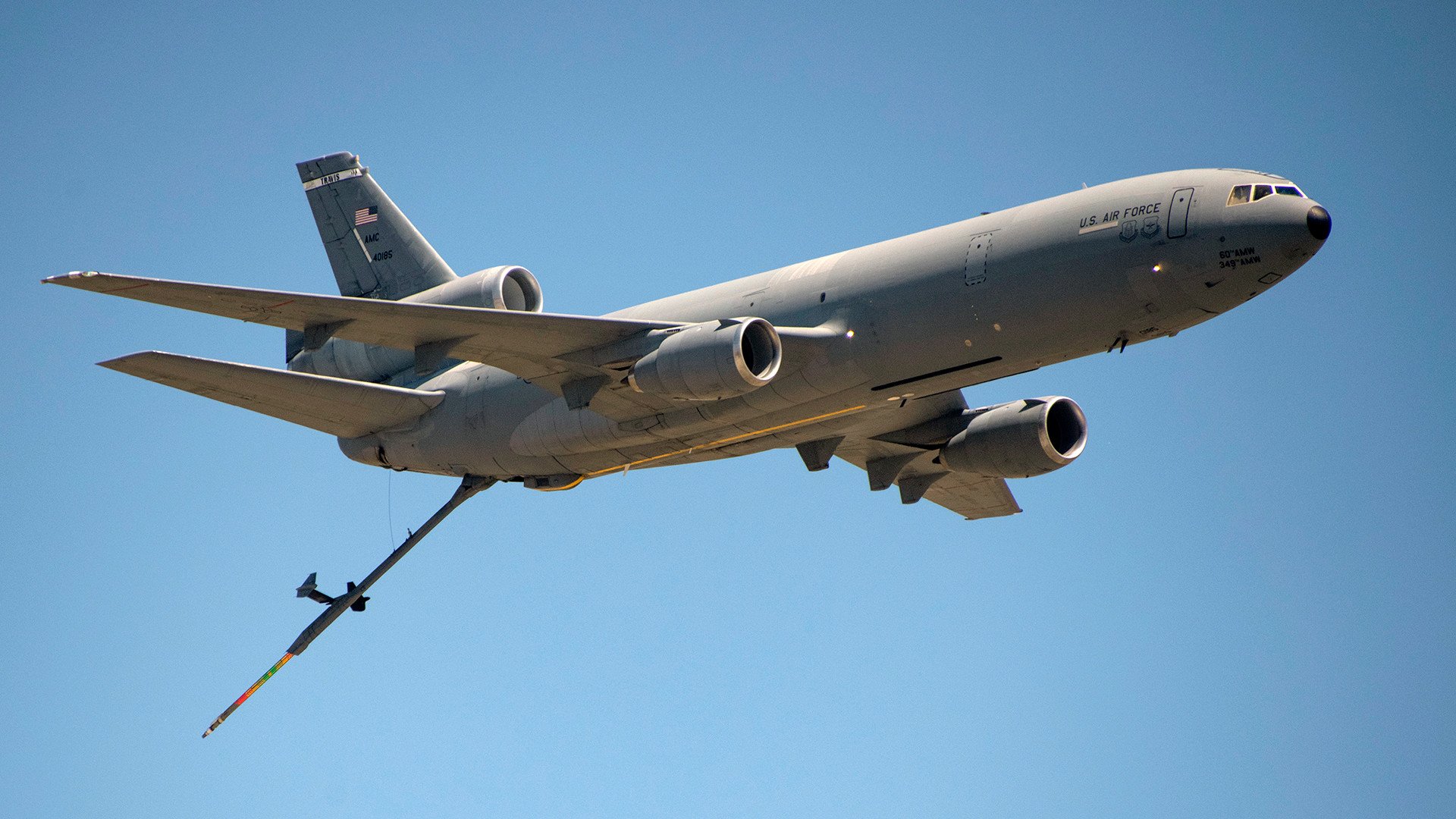
Just over two years after the U.S. Air Force retired the last of its KC-10A Extender aerial refueling tankers, four of those aircraft may be bound for a new career in North Africa for a mysterious end user.

The Air Force Life Cycle Management Center (AFLCMC) put out a contracting notice yesterday “solely for information and planning purposes” with the express intent “to identify potential industry sources that possess the capability, expertise, and facilities to execute the regeneration, one-time flight clearance, depot-level return to service, worldwide ferry delivery, in-country Contractor Logistics Support (CLS), and operational/maintenance training for up to four (4) KC-10 Extender aircraft.”

The KC-10s could be “transferred via Excess Defense Articles (EDA) to a partner nation in North Africa,” the notice adds, without naming the country in question.

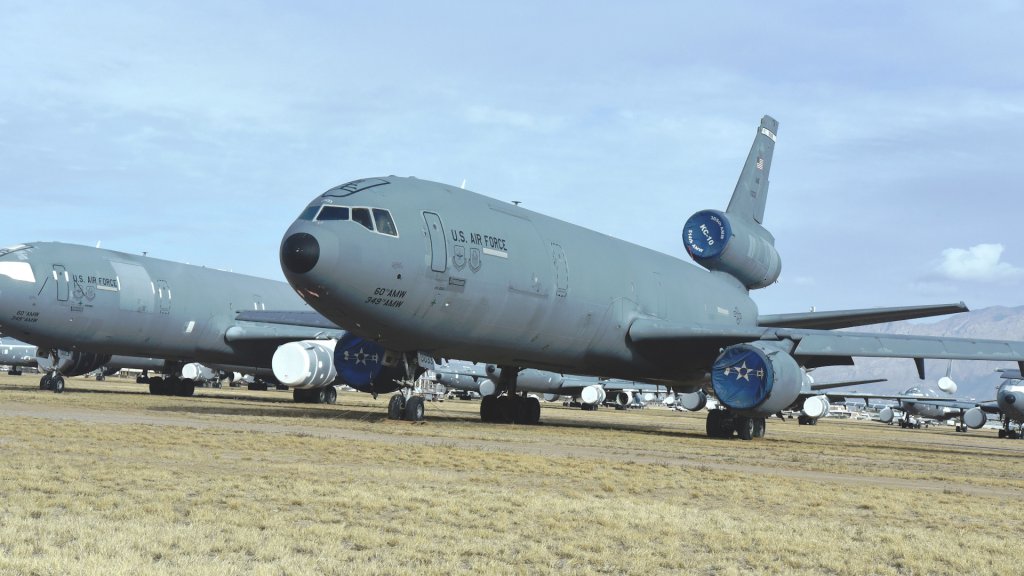
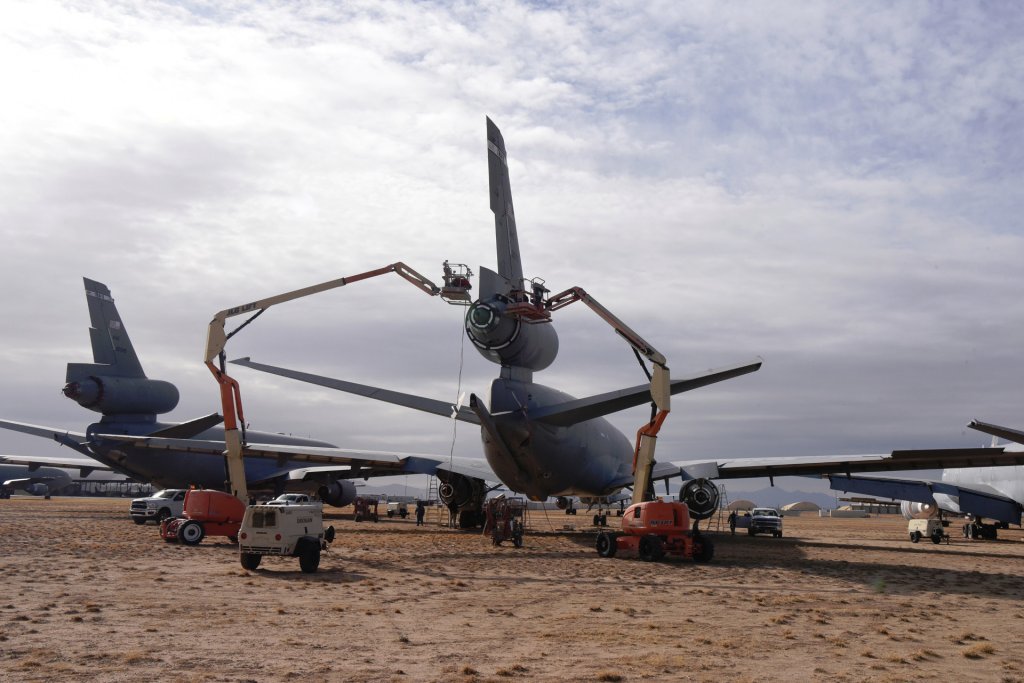
Retired KC-10 tankers seen at the boneyard at Davis-Monthan Air Force Base in Arizona in 2025. US Military

The Air Force operated KC-10s between 1981 and 2024. TWZ has reached out to the U.S. Air Force, as well as the U.S. State Department, for more information. The State Department directed us to contact the Pentagon.

The EDA program allows for materiel deemed extraneous to U.S. military needs to be transferred to allies and partners either at a reduced cost or as a grant. The foreign nation in question has to pay for those assets to be delivered, as well as refurbishment, if applicable.

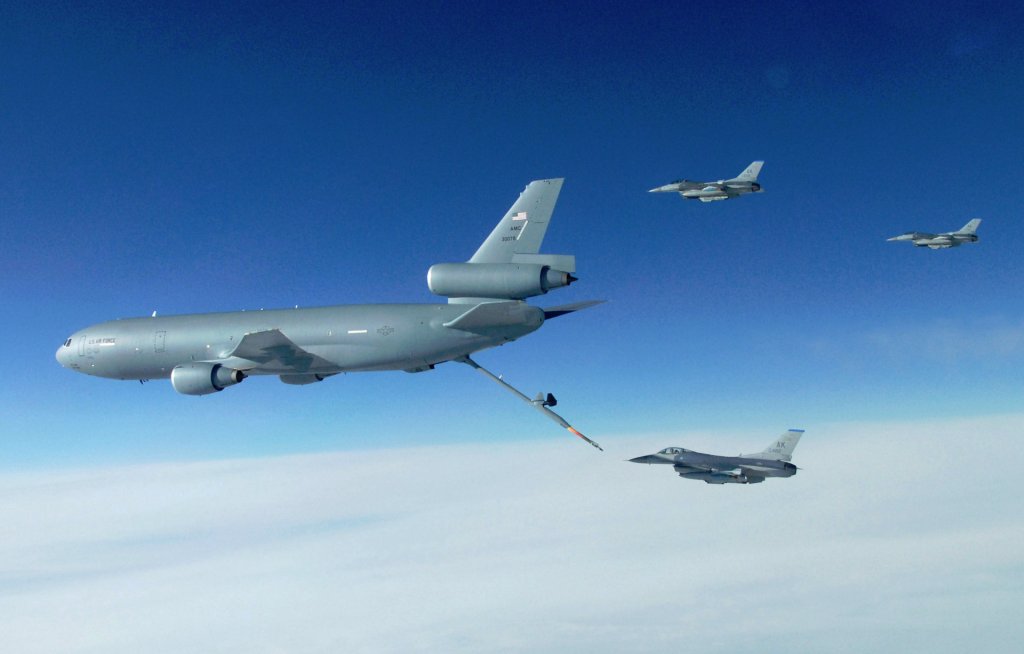
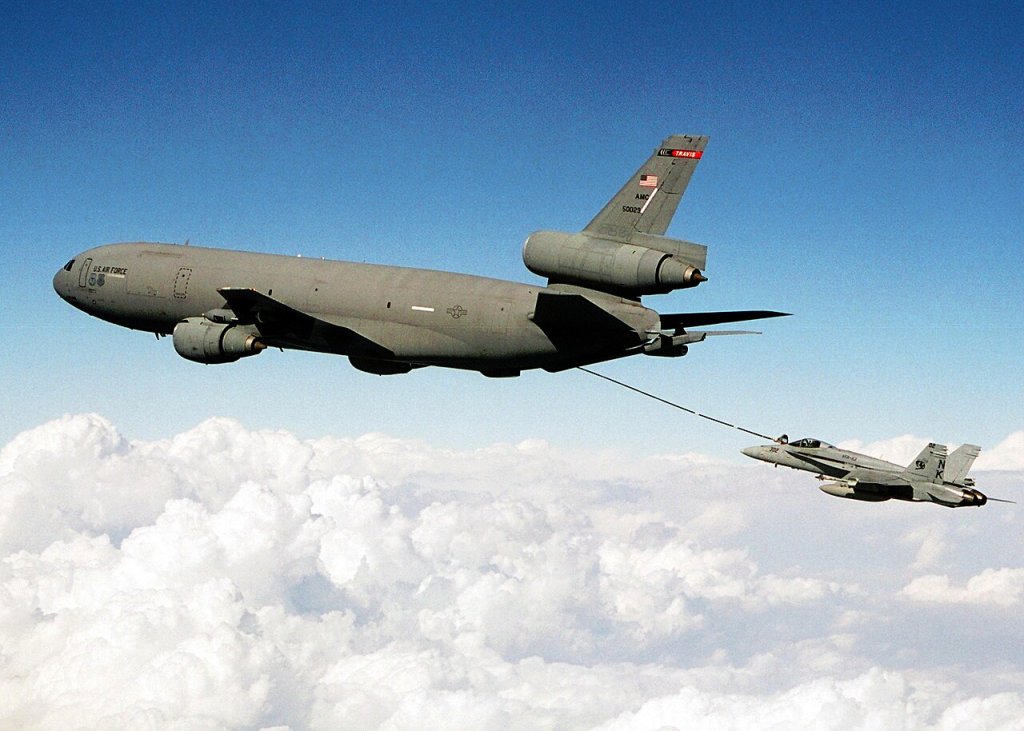
It is important to note here that the Extender, as designed, is capable of refueling receivers using either the boom or the probe-and-drogue method. Tankers equipped for the probe-and-drogue method are, by far, more common internationally. We will come back to this later on.

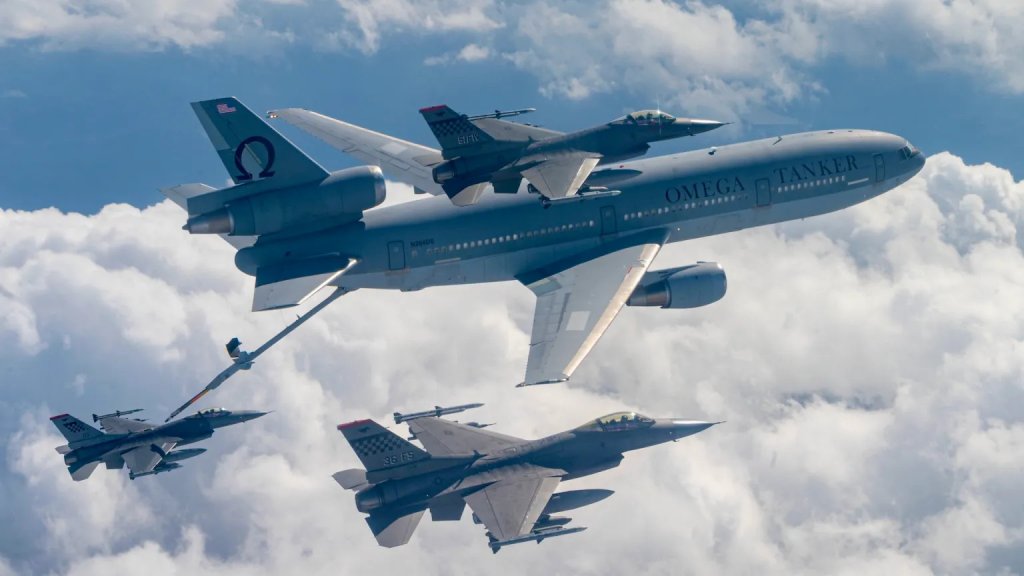
A KC-10 seen refueling F-16 fighters via the boom. USAF
A KC-10 refuels a US Navy F/A-18 Hornet via the probe-and-drogue method. USN

While we don’t know what the North African country might be in line now to receive the quartet of KC-10s, Egypt and Morocco would seem to be the most likely candidates based on their current and planned aircraft inventories. They are also both major U.S. allies.

The Egyptian Air Force currently does not operate any dedicated aerial refueling tankers. The country is in the process of acquiring two new C-130J-30 Hercules aircraft for use as airlifters, as well as tankers, using the probe-and-drogue method. It does already fly C-130s, but none explicitly configured for aerial refueling duties. Egypt also has a very diverse array of fighters that includes U.S.-made F-16 Vipers that can only be refueled in mid-air via boom.

A US Air Force KC-10 refuels an Egyptian F-16 during an exercise in 2023. USAF/Staff Sgt. Emily Farnsworth

Morocco’s Air Force also flies F-16s and is in the process of acquiring more. The first new-production Block 72 F-16D for the Moroccan Air Force just flew for the first time earlier this week. Morocco does have an organic aerial refueling capability now, but in the form of C-130s equipped to dispense fuel via probe-and-drogue.

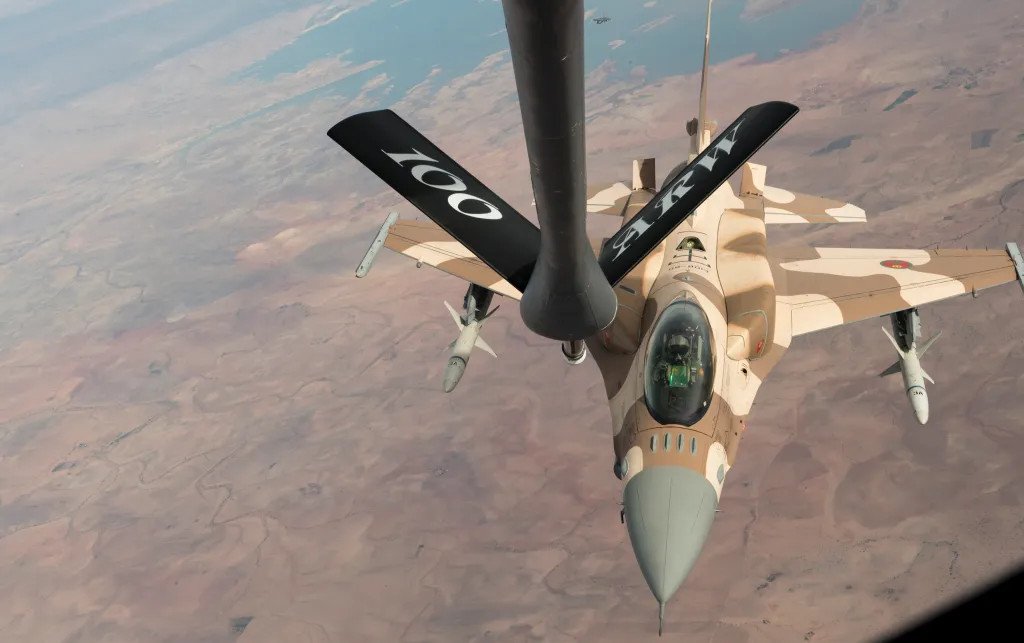
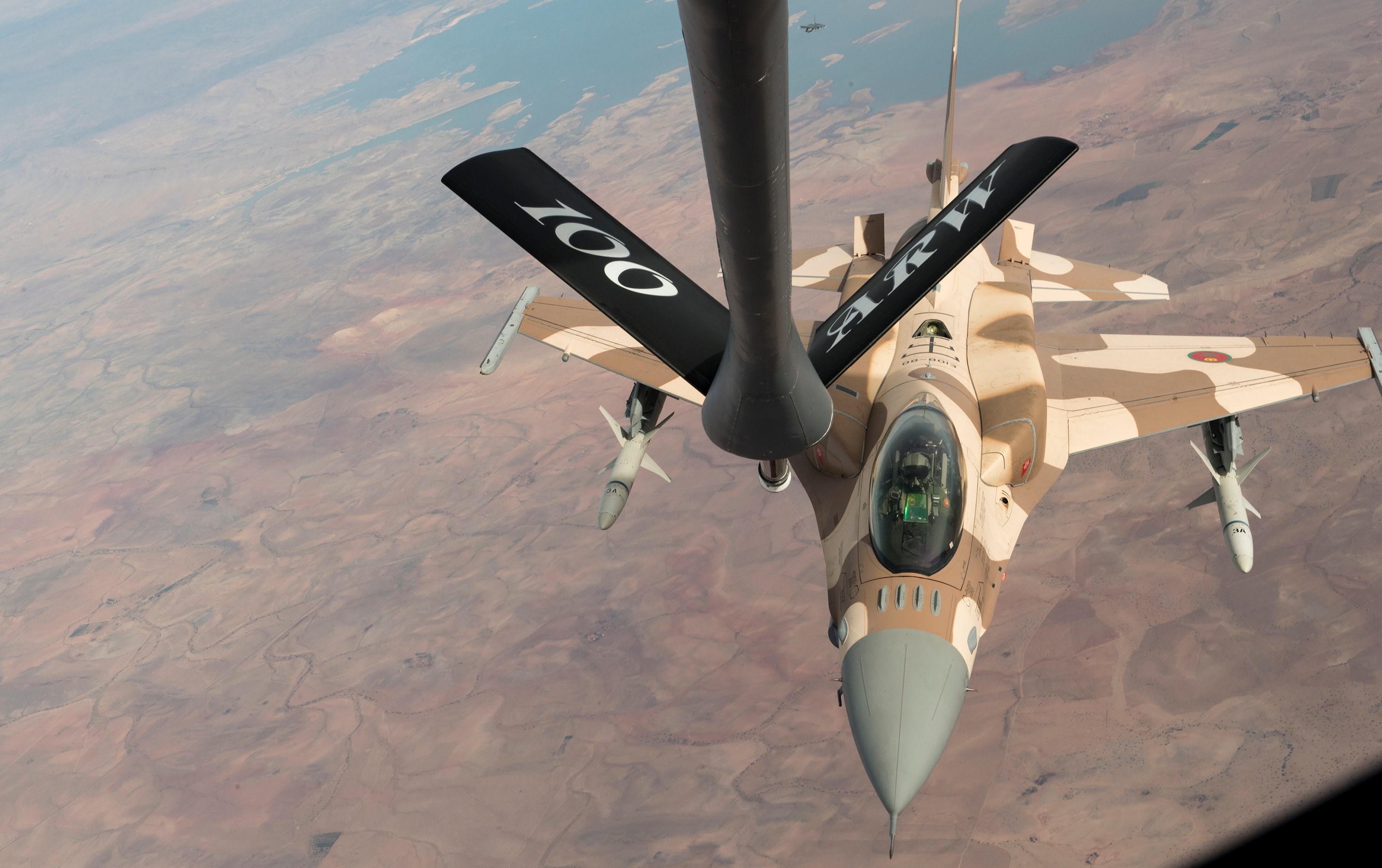
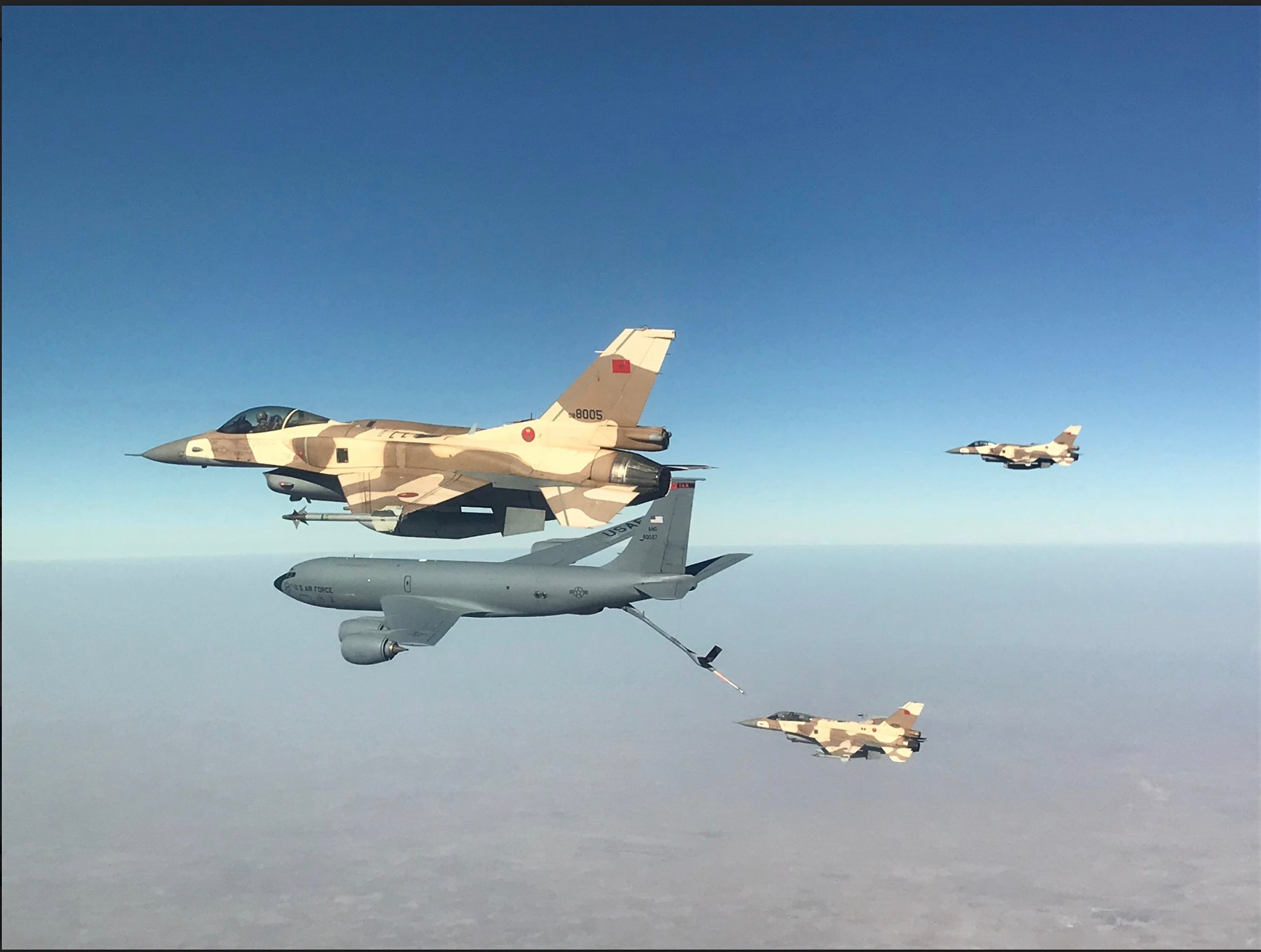
A Moroccan F-16 seen linking up with a US Air Force KC-135 tanker during an exercise. USAF

As mentioned, the KC-10 was designed to connect with receivers via probe-and-drogue, as well as boom, and could be used to refuel other tactical jets in Egyptian or Moroccan service. As an aside, fighters belonging to both regularly receive foreign tanker support during exercises, as already seen earlier in this story. Just last month, Chinese YY-20 tankers (also sometimes referred to as Y-20Us) notably did just this in an exercise in Egypt.

Footage released by Egypt’s official authorities from the “Eagles of Civilization 2026” joint air exercise shows Egyptian **MiG-29M/M2s and Rafale fighters receiving aerial refueling from a Chinese Y-20 tanker aircraft. pic.twitter.com/pvxkpsDHxG

— 笑脸男人 (@lfx160219) September 7, 2026

Whichever country may be in line to receive the four KC-10s, there is a question about the current state of those aircraft. Earlier in this story, we talked about the Extender’s capabilities as designed.

McDonnell Douglas (since absorbed into Boeing) delivered a total of 60 KC-10s to the U.S. Air Force between 1979 and 1987. The Extender was derived from the three-engine DC-10 airliner, the last of which was produced in 1989. The Air Force lost one of its KC-10s in an accident in 1987.

Of the remaining 59 KC-10s, 10 were put up for auction in a non-flyable state last year. For reasons that remain unclear, a single engine had been removed from under one of the wings of each of those aircraft. These Extenders were also among the first to be retired, and their booms had been stripped to be used as spares for the examples that remained in service until 2024. Private aerial refueling contractor Omega Air looks to have subsequently won those auctions. Omega also operates two ex-Dutch KDC-10 tankers, which are broadly similar to the KC-10, as well as another DC-10 converted into a probe-and-drogue-only tanker. The company has several Boeing 707-based tankers, as well.

One of Omega Air’s KDC-10s refuels US Air Force F-16s. USAF

The condition of the remaining 49 Extenders is unclear. Congress included a provision in the annual defense policy bill, or National Defense Authorization Act (NDAA), for the 2026 Fiscal Year that required the Air Force to preserve remaining retired KC-10s, but only stipulated they be maintained “in the same storage condition” they were in as of September 30, 2025. The bill, which was signed into law in December 2025, also made clear that the Air Force could still “dispose” of the aircraft in accordance with existing property management statutes.

Regenerating military aircraft, especially larger ones, back to service can be costly, complex, and time-consuming, even when they are kept in storage in a highly maintained state. In this particular case, acquiring KC-10s via the EDA program, with a very low up-front purchase price, could still be attractive to the right buyer, especially compared to the cost of acquiring new-production tankers.

Personnel at the boneyard at Davis-Monthan Air Force Base apply a protective coating to a KC-10. USAF

For a country like Egypt or Morocco that has never operated a boom-equipped tanker, second-hand Extenders could be a valuable entry point to future aerial refueling capabilities, as well. In general, organic aerial refueling capability is an important force multiplier for any air arm.

There is a possibility that KC-10s could be regenerated not as tankers, but as cargo aircraft, though this seems less likely to be the case. Cargo carrying was also an important duty for the Extenders while in U.S. Air Force service, and they still could operate in this role even when returned to service as tankers.

Though the aging KC-10s were getting increasingly more difficult to operate and maintain, the Air Force’s decision to retire them was still controversial. The Extender was a highly flexible tanker that could carry more fuel than the KC-46s that supplanted them. Clearly, there are others still interested in operating them.

It should be stressed that the AFLCMC contracting notice does not present the transfer of the four KC-10s as a done deal. At the same time, it has revealed that one of America’s partners in North Africa could breathe new life into four of these retired tankers.

Contact the author: joe@twz.com

The post Retired KC-10 Extender Tankers Could Get A Second Life With North African Mystery Operator appeared first on TWZ.

  •  

Fought against Ukraine, now claimed to be victims: Kenya’s plea for five men held by Ukraine

extends russian-oil waiver second time — one bessent had told allies wouldn't make · post kenyan mercenary clinton mogesa 29 eliminated ukraine while fighting russia 3b0f96ae -7509-4691-ac12-dbd809d8c68d has extended its

Kenya wants five of its citizens captured fighting for Russia in Ukraine to be treated as victims of human trafficking rather than prisoners of war, Foreign Affairs Cabinet Secretary Musalia Mudavadi told Kenyan lawmakers on 8 October, Bloomberg reported. Botswana is also seeking a citizen's return.

In 2025, Ukrainian ambassador Ivan Kholostenko called Russia's role in Africa neocolonialism. As Africa Corps troops prop up friendly regimes, the Kremlin is carrying out "a typical colonial practice of resource extraction," taking gold, diamonds, bauxite, and uranium, according to Ukraine's Foreign Intelligence. Russia also uses the continent as a recruiting ground for its war: nearly 500 Africans have died fighting for Russia, Ukraine says.

Five Kenyans in a Ukrainian camp

Kenya is negotiating to bring the five men home, and President William Ruto has raised the matter with Ukrainian President Volodymyr Zelenskyy, Mudavadi told the Senate. One has been held since November 2025, the others since March and April. The youngest is 23, Bloomberg reported. Kenya's honorary consul found them held in humane conditions at the Zakhid-1 camp, with access to medical care, the government said. Ukraine also holds the remains of four Kenyans.

Victims or fighters for hire

African governments say some of their citizens went to Russia for promised work as drivers, security guards, or cooks and were then forced into military service. The Kenyans "report having been recruited under false promises of employment," Mudavadi said.

"The circumstances of their recruitment and conscription are consistent with trafficking in persons," he said.

Ukraine's POW authority sees most foreign recruits differently. "The main motive for most of these mercenaries is financial gain," Dmytro Usov, secretary of Ukraine's Coordination Headquarters for the Treatment of Prisoners of War, said in November 2025, while stressing that many had ended up in Russia's army through fraud or coercion.

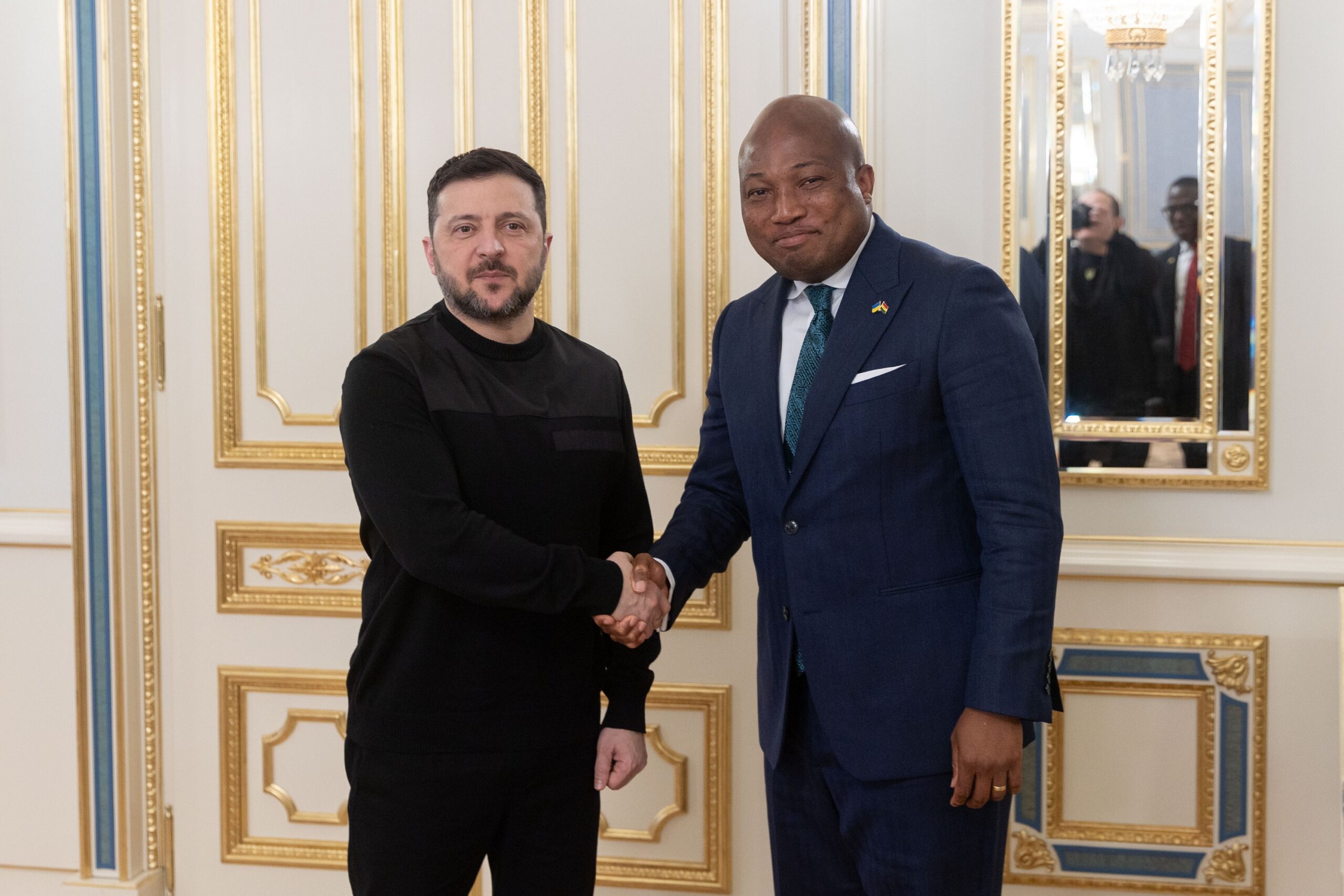
zelenskyy and fm of ghana, samuel okudzeto ablakwa
Explore further

Ghana negotiates Ukrainian drone deals as 1,780 Africans fight—and die—in Russia’s ranks

Ukraine holds that prisoners of war go home through exchanges, but Russia has never asked to trade for any foreign fighter except North Koreans, the headquarters said in May, adding it may consider other solutions if diplomats and lawyers find one.

Thousands of foreigners in Russia's ranks

Russia has recruited more than 28,000 foreigners from 135 countries, and more than 5,000 have been killed, a Ukrainian government website cited by Bloomberg says. Ukraine holds at least 213 foreign prisoners of war, not counting Russians and North Koreans, 37 of them African, according to documents Bloomberg saw. Russian dictator Vladimir Putin claimed on 3 September that people are "coming forward voluntarily and signing contracts."

Kenya's government counts 354 citizens linked to the war: 84 killed or missing, 34 hospitalized in Russia, and 62 repatriated. Petitioners told senators that 841 Kenyans remain unaccounted for. Mudavadi said his March visit to Moscow put Kenya on a Russian recruitment "stop list," with no new Kenyans enlisted since.

Some African governments take steps

In August, Botswana stopped eight citizens from joining the Russian military at airports in Botswana, South Africa, and Ethiopia, Bloomberg reported.

botswana warns its people about russian job scams end trenches against ukraine · post captured soldiers african mercenary armytv photo_2024-01-10_17-39-40 news ukrainian reports
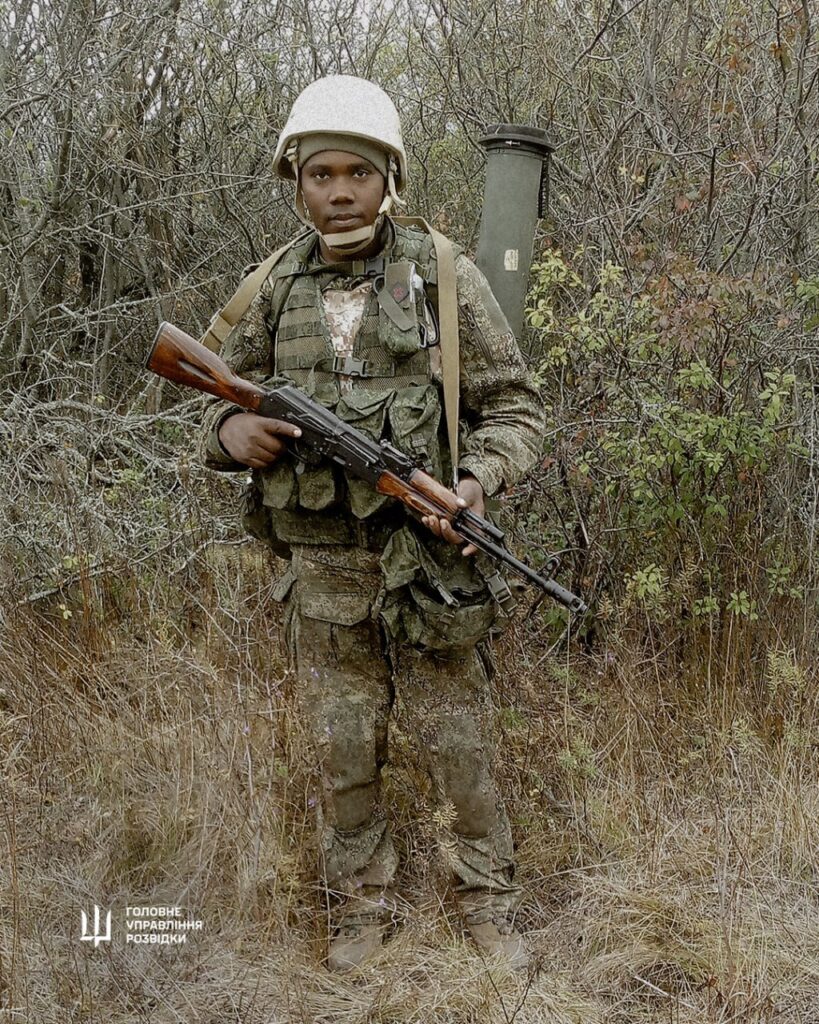
Captured Russian soldiers and an African mercenary. Illustrative photo: ArmyTV

Ghana accused Russia of luring its citizens into the war the same month, after Kenya and South Africa. The European Parliament said in March that Russia strips African recruits of their documents. Ukraine, meanwhile, is drafting its first Africa strategy.

  •  

ICJ judge Navi Pillay wins Nobel peace prize for promoting international law

Committee recognises work of South African who chaired UN commission that concluded Israel was guilty of genocide in Gaza

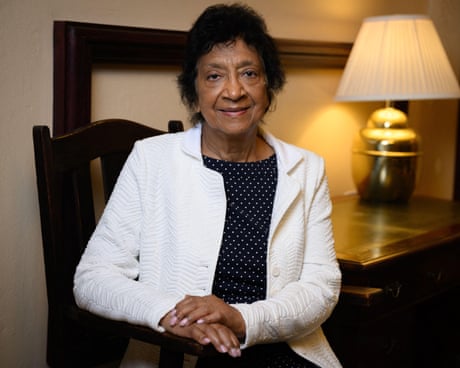
The Nobel peace prize has been awarded to Navi Pillay, the South African former UN human rights chief who chaired the UN commission that concluded Israel was guilty of genocide in Gaza.

The Norwegian Nobel committee said Pillay, who is serving as a judge at the international court of justice (ICJ), has “shown that legal measures can help prevent acts of war and violence”.

Continue reading...

© Photograph: Australian Associated Press/Alamy Stock Photo/Alamy Live News.

© Photograph: Australian Associated Press/Alamy Stock Photo/Alamy Live News.

© Photograph: Australian Associated Press/Alamy Stock Photo/Alamy Live News.

  •  

Why is Israel maneuvering to shift the Middle East conflagration to Africa?

From David Ben-Gurion—the architect of a state whose foundations remain a subject of debate—to Benjamin Netanyahu, a master of maintaining constant tension, the “periphery doctrine” has remained a cornerstone of Israeli foreign policy. Its essence lies in forging alliances with states that surround hostile neighbors. Israeli authorities operate on the premise that secure borders do […]
  •  

Egypt steps up persecution of independent media with arrest and alleged torture of six journalists from an investigative outlet

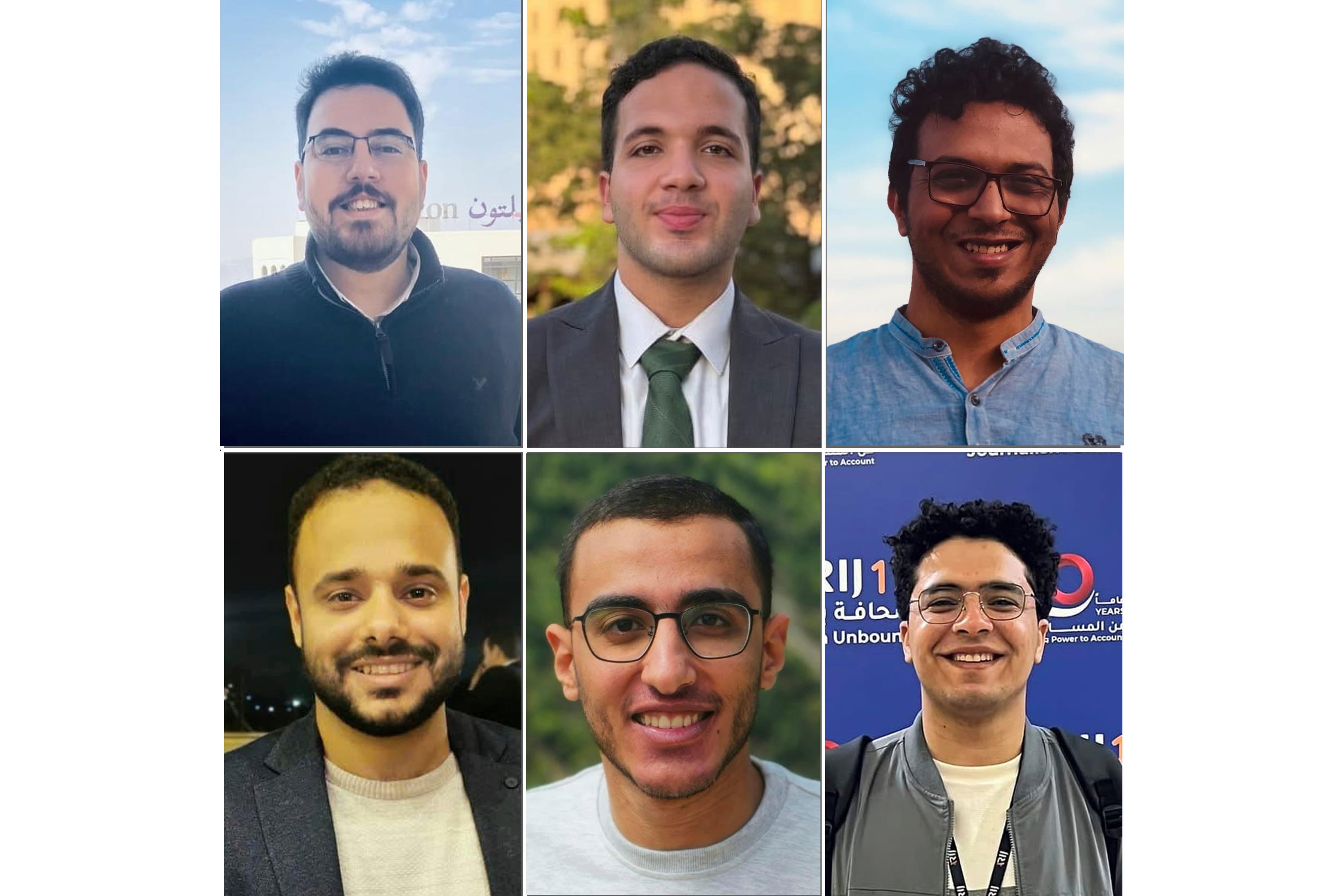
In a new escalation against the media, Egyptian authorities have arrested and pressed terrorism charges against six journalists who make up the editorial staff of Matsaddash, the country’s leading fact-checking platform. Since their arrest in late September, some of them have allegedly been tortured, the outlet and its legal team said. Human rights groups and press freedom advocates described the events as unprecedented and as an example of the limits on information in Egypt.

Seguir leyendo

© Matsadaash via AP

Egyptian journalists, clockwise from top left: Mohamed Ashraf, Omar Helal, Islam Barakat, Mohamed Adel, Mohamed Mahmoud and Abdallah Qadry.
  •  

Subcontinent Ports Benefiting from Geopolitical Disruptions 

Today's trade flows resemble a windy waterpark slide more than the traditional waterway superhighway. The three-dimensional chess game being played by ocean carriers and tankers has delivered big bucks in day rates, container rates, and surcharges. But there is a group of winners not currently being highlighted.
  •  

African Union launches continent’s first credit rating agency to counter what it says is bias inflating borrowing costs

The African Union (AU) on Wednesday launched a continental credit rating agency aimed at providing risk assessments that it says will be more credible and realistic than those produced by the major international rating agencies. The goal is to lower Africa’s borrowing costs and support the continent’s development and industrialization. To that end, the African Credit Rating Agency (AfCRA), which will be headquartered in Port Louis, the capital of Mauritius, will operate as a private and independent entity, with no ownership stake held by the AU or any government.

Seguir leyendo

© Sean Gallup (Getty Images)

The main lobby of the African Union (AU) headquarters in Addis Ababa.
  •  

Lourdes M. Rosado, president of LatinoJustice: ‘These elections are the opportunity to tell Trump that his policies are not acceptable’

Lourdes M. Rosado, attorney and president of LatinoJustice.

John Roberts, the discreet justice who has presided over the United States Supreme Court for two decades, was upset some time ago that people believed the nation’s highest court was making “political decisions.” In several polls, Americans said they were worried not only about how much power the court had amassed but also about all the rulings that have ended up bolstering Donald Trump and his control over the federal government.

Seguir leyendo

  •  

Tensions between Egypt and Ethiopia escalate, as fighting in Tigray intensifies

A new war of words has broken out between Egypt and Ethiopia over the Grand Ethiopian Renaissance Dam (GERD). It comes as renewed fighting in northern Ethiopia pulls the country’s long-running disputes with its neighbors back into the open.

Ethiopia’s government has blamed neighboring states for the escalating conflict in the north. The government has accused Eritrea, Sudan, and Egypt of backing armed opposition groups, raising fears that the conflict could expand regionally. Birhanu Jula, Ethiopia’s army chief, stated that the Tigray People’s Liberation Front has clearly needed outside support and supplies from Egypt, Sudan, and other foreign powers to sustain its campaign. 

Cairo rejected the claim. Foreign Ministry spokesman Nader Zaki said Egypt’s foreign policy rests on respect for the sovereignty, unity and territorial integrity of other states and on staying out of their internal affairs, adding that claims to the contrary had no basis in fact. 

Tension over Ethiopia minister’s remarks

The dispute quickly returned to the Nile. On Saturday, Ethiopia’s minister of Water and Energy, Habtamu Itefa, published a social media post, later deleted, comparing the GERD to Egypt’s Aswan High Dam. “Before criticizing Ethiopia, Egypt should explain why it built the Aswan High Dam without Ethiopian consent.”

Cairo responded the same day. A source at the Egyptian Ministry of Water Resources and Irrigation called the post “shameful” and said it reflected political confusion.

“Responding to such nonsense and the political confusion reflected in the post would be nothing more than a waste of time,” the source said. The source called the post “a desperate attempt to divert attention from the core dispute: Ethiopia’s continued unilateral actions over its illegal dam, which violate international law.”

Habtamu made the same argument. He said it was shameful to hear Egyptian politicians demand that Ethiopia obtain their consent for dams that do no significant harm, and argued that Egypt had not consulted Ethiopia when it built Aswan. He described Cairo’s insistence on prior consent as an outdated approach rooted in colonial-era arrangements. 

The $5 billion GERD sits on the Blue Nile, about 14 kilometers from the Sudanese border. It is 1.8 kilometers wide and 145 meters tall, with a design capacity of 5,150 megawatts. Prime Minister Abiy Ahmed inaugurated it on September 9, 2025. Egypt and Sudan, the downstream states, have long demanded a legally binding agreement on how it is filled and operated. The United States has also stepped back, in a January 2026 letter to President Abdel Fattah el-Sisi, US President Donald Trump offered to restart US-led mediation between Egypt and Ethiopia on Nile water-sharing. 

The El Alamein declaration

The leaders of Egypt, Sudan, Eritrea, and Somalia met in El Alamein and issued a joint declaration covering both the Red Sea and the Nile, and among other things. On the question of the Red Sea, the four states affirmed “the principle of freedom of navigation and that the governance of the Red Sea is the exclusive responsibility of the littoral states.” 

Regarding the Nile, the declaration emphasized “the importance of respecting international law regarding transboundary rivers including the Nile River particularly the principle of ‘no harm’ and the obligation to cooperate through prior notification, consultation, and consensus.” It also categorically rejected “any unilateral measures that harm the existing water uses of the two downstream Nile states.” The four countries pledged to keep strengthening “consultation and coordination among the four countries and other sisterly African nations.”

“Realities cannot be altered by political rhetoric”

Ethiopia issued its own statement in response to the El Alamein declaration, arguing, “Ethiopia is the source of the Abay River, commonly known as the Blue Nile. Virtually all of the Blue Nile originates in the Ethiopian highlands, and the Abay contributes about 85% of the Nile River’s total flow. Any discussion concerning the utilization and management of the Abay River should be informed by these fundamental realities.”

Insisting that, “Despite changes in political boundaries over time, Ethiopia remains closely connected to the Red Sea, with its nearest border lying barely 30 miles from the coast. Accordingly, any serious discussion of regional maritime affairs and security architecture must account for Ethiopia’s legitimate interests and its enduring connection to the Red Sea.”

It added, “These geographic and historical realities cannot be altered by political rhetoric, coercive measures, or acts of destabilization. Actions taken through proxies or acts of aggression will not change the facts on the ground, nor will they diminish Ethiopia’s legitimate interests, role, and responsibilities in the region.”

Reaffirming that it “stands ready to defend its sovereignty, territorial integrity, and core national interests,” Ethiopia urged regional actors to pursue “constructive dialogue, partnership, and adherence to the principles of good neighborliness rather than confrontation and zero-sum approaches.”

With fighting is spreading in Ethiopia’s north and rival blocs are forming along the Red Sea, the Nile dispute could be tied into a wider regional confrontation.

  •  

First F-16 Block 72 Has Flown

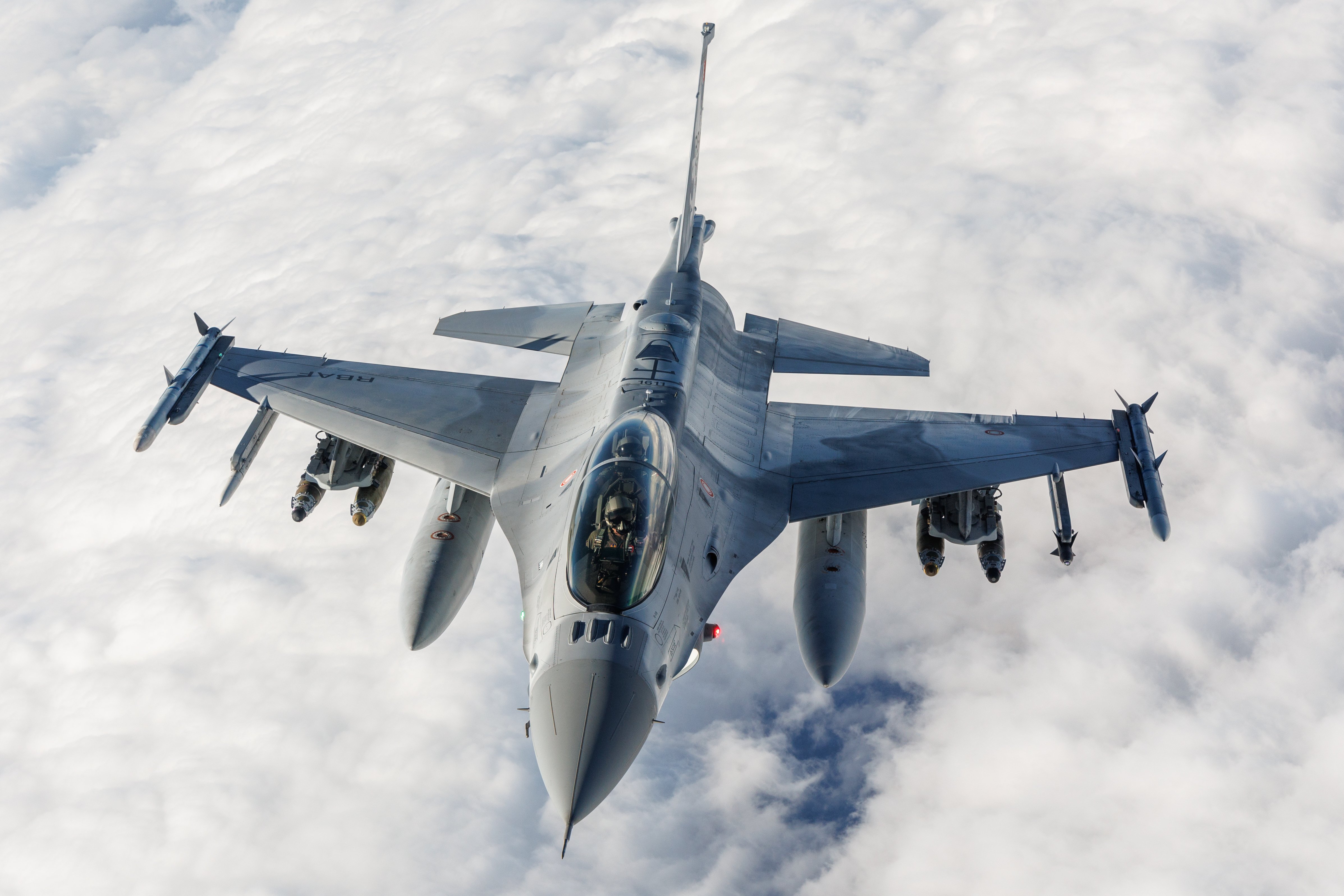
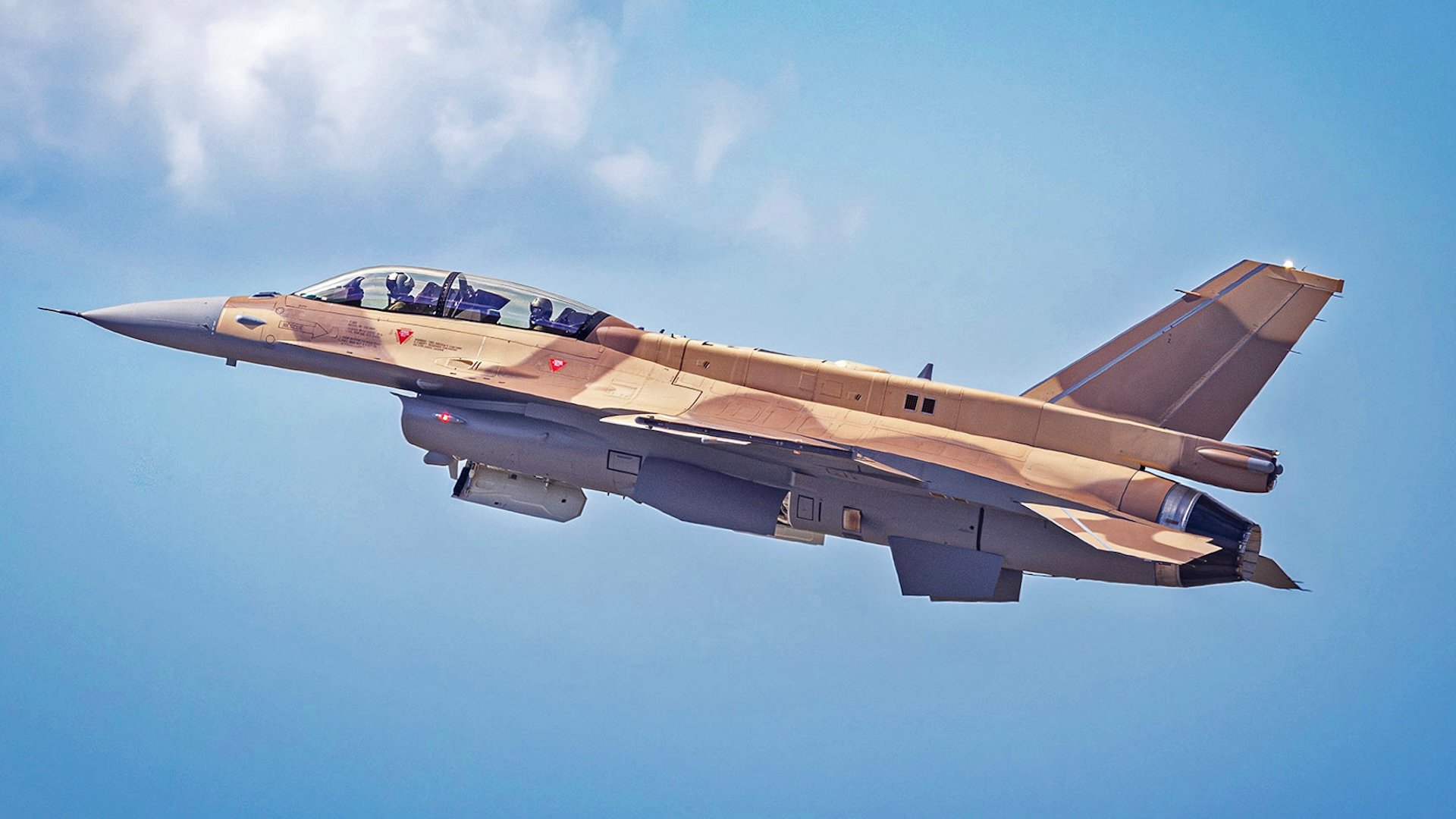
The first-ever F-16 Block 72 has taken to the air, marking a major milestone for the program and for Morocco’s long-running effort to field what Lockheed Martin describes as the most advanced version of the Viper.

The first of the jets for the Royal Moroccan Air Force (RMAF), a two-seat F-16D, completed its maiden flight at Lockheed Martin’s facility in Greenville, South Carolina, the company announced today. The aircraft will now proceed through flight testing ahead of its delivery to Morocco.

Morocco’s first @LockheedMartin F-16 Block 72 aircraft has taken flight in Greenville, South Carolina. The milestone marks another step toward delivering the most advanced F-16 configuration to the Royal Moroccan Air Force.

— Lockheed Martin News (@LMNews) October 6, 2026

Interestingly, one of the photos of the jet published by Lockheed Martin shows the pilot in the front cockpit wearing a Digital Joint Helmet Mounted Cueing Systems (D-JHMCS). This advanced helmet is not often seen worn by F-16 pilots and it is not clear if it has been ordered by Morocco.

Regardless, Morocco was the first customer to select the Block 72 configuration when the U.S. government approved its purchase in March 2019.

At that time, the Defense Security Cooperation Agency said Morocco was seeking 25 F-16C/D Block 72 aircraft in a package estimated at $3.787 billion. The proposed aircraft were to be equipped with the AN/APG-83 Scalable Agile Beam Radar (SABR), an active electronically scanned array type, new mission computers, Link 16 Multifunctional Information Distribution Systems, modernized navigation systems, helmet-mounted cueing systems, and a range of air-to-air and air-to-ground weapons.

A Royal Moroccan Air Force F-16 prepares to receive fuel from a U.S. Air Force KC-135 Stratotanker from the 100th Air Refueling Wing, RAF Mildenhall, England, during exercise African Lion 2019 over the skies of Morocco, April 2, 2019. African Lion 2019 is an annual, combined multilateral exercises designed to improve interoperability and mutual understanding of each nation’s tactics, techniques and procedures while demonstrating a strong partnership between nation’s militaries. (U.S. Air Force photo by Staff Sgt. Ceaira Tinsley)
A Royal Moroccan Air Force F-16C/D Block 52+ with a pair of AGM-88 High-speed Anti-Radiation Missiles (HARM) under the wings. U.S. Air Force photo by Staff Sgt. Ceaira Tinsley

The distinction between the Block 70 and Block 72 is the engine. The Block 70 uses General Electric’s F110-GE-129, while the Block 72 uses Pratt & Whitney’s F100-PW-229, providing fractionally more power. The two configurations otherwise share the same major avionics and systems modernization package.

The F-16 began life as a Pratt & Whitney-powered fighter, with the F100 selected to power the original F-16A/B. But reliability and maintainability problems with early F100s prompted the U.S. Air Force to launch its Alternate Fighter Engine competition in the 1980s, leading General Electric to develop the F110 as an alternative. The resulting “Great Engine War” established two competing F-16 engine families, with Pratt & Whitney’s F100 and GE’s F110 ultimately becoming the principal powerplants for later F-16C/Ds. Although U.S. procurement eventually became heavily concentrated on the GE-powered F-16, Pratt & Whitney continued to supply F100-powered aircraft to international customers.

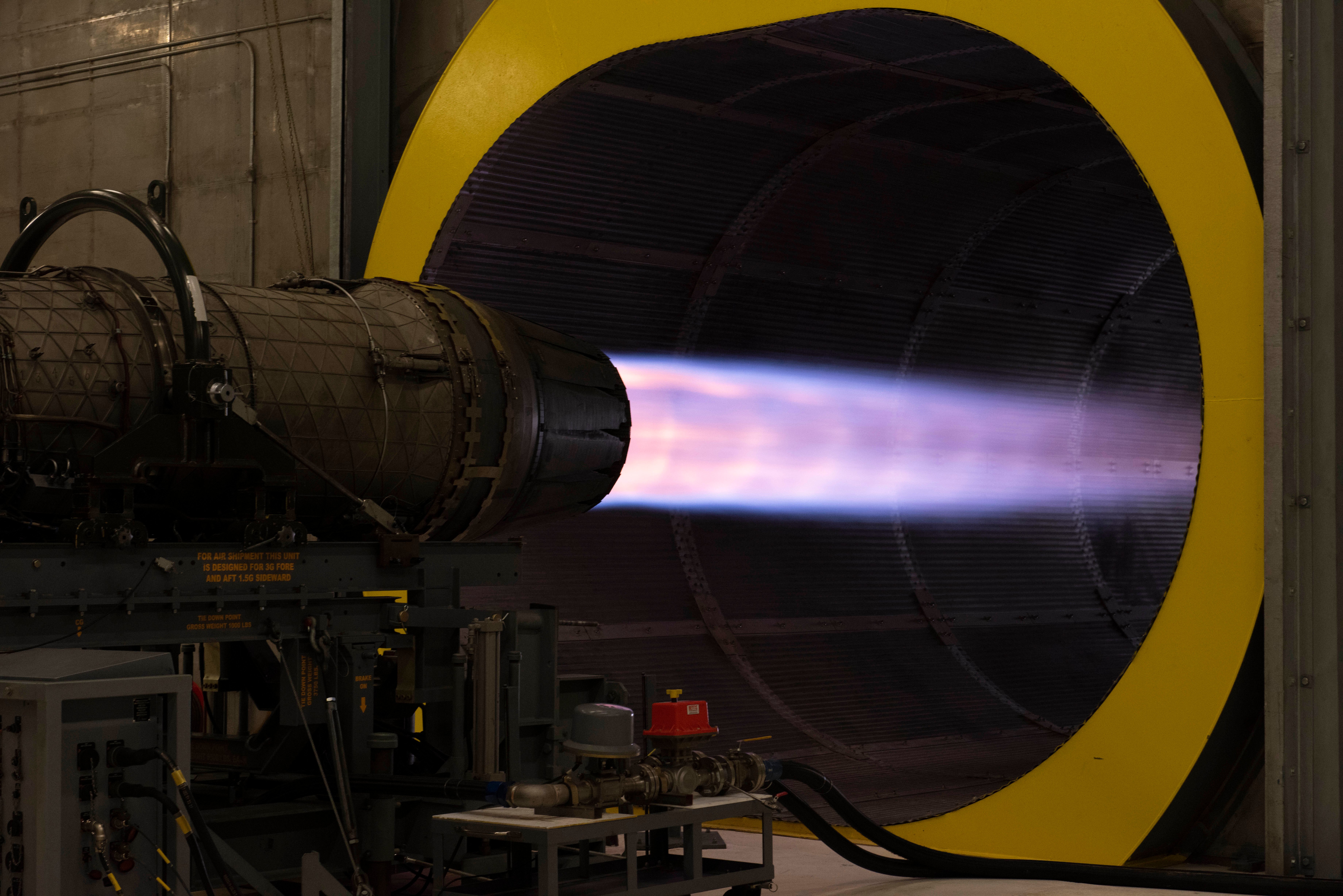
Airmen from the 49th Component Maintenance Squadron conduct a test run on a Pratt & Whitney F100 turbofan engine in the hush house at Holloman Air Force Base, New Mexico, Sept. 6, 2022. The hush house is a safe, enclosed environment designed to facilitate aircraft engine testing. (U.S. Air photo by Airman 1st Class Isaiah Pedrazzini)
Airmen conduct a test run on a Pratt & Whitney F100 turbofan engine in the hush house at Holloman Air Force Base, New Mexico. U.S. Air photo by Airman 1st Class Isaiah Pedrazzini

For Morocco, the choice of the Block 72 is based on ensuring as much fleet commonality as possible. The RMAF already operates F-16C/D Block 52+ aircraft powered by F100 engines, making the new aircraft a natural fit within its existing support infrastructure.

Morocco is also upgrading its existing F-16 fleet to the F-16V configuration, which is broadly similar to the new-build Block 70/72 standard.

That will eventually provide the RMAF with a larger fleet centered around a common, substantially modernized F-16 standard.

A separate notification in March 2019 covered the upgrade of Morocco’s existing 23 F-16C/D Block 52+ aircraft to the F-16V standard.

Morocco’s new and upgraded F-16s could also provide a significant boost to combined operations with its other international partners. In recent years, Moroccan F-16s participated in the campaign against ISIS, while the country has also deployed the aircraft on missions against Houthi rebels as part of the Saudi Arabia-led coalition in Yemen. In 2015, a Moroccan F-16 crashed in Yemen. Although the Houthis claimed they had shot down the aircraft, Moroccan authorities attributed the loss to a technical malfunction.

Reported wreckage of #Morocco Air Force F-16 lost during #Yemen operations http://t.co/bZUOnFm0vp pic.twitter.com/x5H7CQ0puD

— Joseph Dempsey (@JosephHDempsey) May 11, 2015

Outside of combat operations, the RMAF also frequently takes part in exercises with its allies, including the African Lion series, the largest annual, multinational joint military exercise led by U.S. Africa Command (USAFRICOM) and partner nations.

A Utah Air National Guard KC-135 Stratotanker refuels a Royal Moroccan Air Force F-16 aircraft over central Morocco as part of exercise African Lion 2019, March 18, 2019. This multinational air-to-air refueling training promoted interoperability and enhanced strategic cooperation. African Lion 2019 is a Chairman of the Joint Chiefs of Staff-sponsored, U.S. Africa Command-scheduled, U.S. Marine Corps Forces Europe and Africa-led, joint and combined exercise conducted in the Kingdom of Morocco with a spoke in Tunisia. (Courtesy Photo )
A Utah Air National Guard KC-135 Stratotanker refuels a Royal Moroccan Air Force F-16 over central Morocco as part of Exercise African Lion 2019. U.S. Air Force/Courtesy Photo

Meanwhile, the new-build Moroccan aircraft also arrives at an interesting point in the F-16 program.

The Block 70/72 has attracted customers across Europe, the Middle East, Asia, and elsewhere, with Bahrain, Bulgaria, Jordan, Peru, the Philippines, Slovakia, Taiwan, and Turkey also having selected the latest-generation Viper configuration. So far, only Block 70s have been ordered, although tbe Block 72 has been offered to some customers and potential customers. There is also apparent U.S. Air Force interest in a version of the Block 70 tailored for its specific needs and referred to by the manufacturer as the F-16G.

Air Force Reserve Crews over Southern California with the 370th FLTS from Edwards Air Force Base provide aerial refueling from a KC-135 to a Lockheed Martin F-16 Block 70 aircraft for the Royal Bahraini Air Force. The F-16 Block 70 is currently in developmental test with the 416th FLTS, Airpower Foundations Combined Test Force at Edwards. A sub-mission of the 416th FLTS is to provide flight test services for Foreign Military Sales customers of the F-16.
An F-16D Block 70 aircraft for the Royal Bahraini Air Force prior to delivery. U.S. Air Force

Morocco’s position as the Block 72 launch customer means the aircraft now flying is effectively the prototype-standard production aircraft for an export configuration that other countries can now buy.

The Moroccan F-16 program is also increasingly tied to a broader effort to develop the country’s military-industrial and sustainment infrastructure.

Lockheed Martin says it is working with Moroccan industry, including Maintenance Aero Maroc, on an upcoming MRO facility at Benslimane. The more than 86,000-square-foot facility is intended initially to support heavy maintenance and modernization of C-130 Hercules aircraft, with plans to expand into additional platforms, including the F-16.

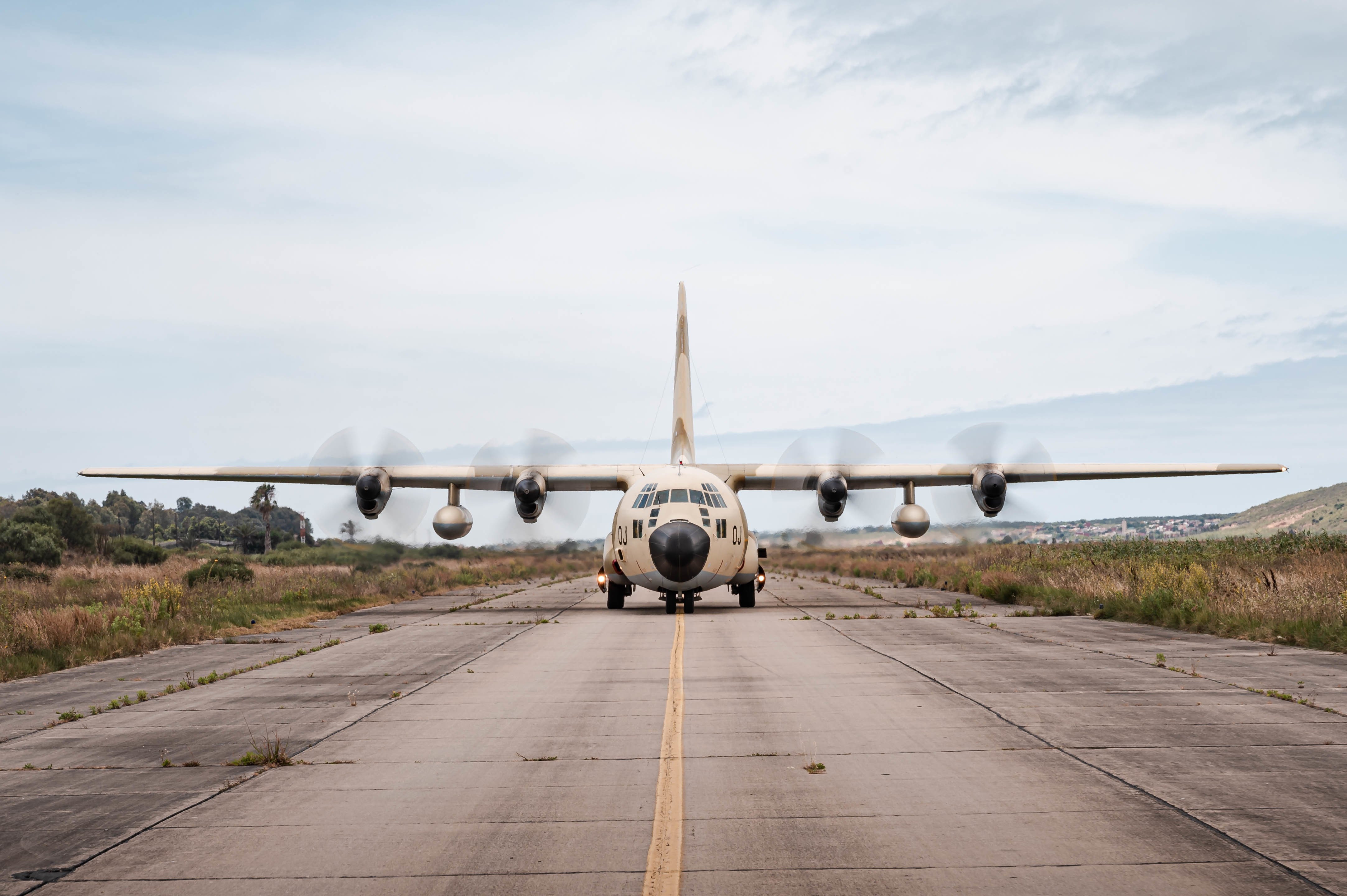
A Royal Moroccan Air Force C-130 Hercules aircraft taxis down the runway during Exercise African Lion 21 at the 3rd Royal Moroccan Air Force Base in Kenitra, Morocco, June 14, 2021. U.S. C-130J Super Hercules aircraft assigned to the 37th Airlift Squadron conducted an inter-fly formation with the RMAF C-130H to maintain regional support of superior airpower capabilities. African Lion is U.S. Africa Command’s largest, premier, joint, annual exercise hosted by Morocco, Tunisia and Senegal, 7-18 June. More than 7,000 participants from nine nations and NATO train together with a focus on enhancing readiness for U.S. and partner nation forces. AL21 is a multi-domain, multi-component, and multi-national exercise, which employs a full array of mission capabilities with the goal to strengthen interoperability among participants. (U.S. Air Force photo by Tech. Sgt. Devin Nothstine)
A Royal Moroccan Air Force C-130 Hercules taxis down the runway at the 3rd Royal Moroccan Air Force Base in Kenitra, Morocco. U.S. Air Force photo by Tech. Sgt. Devin Nothstine

That could eventually give Morocco a greater role in sustaining its own expanding fleet and potentially supporting other aircraft in the region.

The F-16 program itself is part of a much broader U.S.-Moroccan defense relationship that dates back more than five decades. The Royal Moroccan Armed Forces now operate a range of U.S.-supplied systems, while Morocco is also set to receive HIMARS and has expanded its rotary-wing capabilities with AH-64E Apache attack helicopters.

For the RMAF, however, the F-16 remains central to its combat-aircraft modernization and, once it arrives, it will be the spearhead of the country’s fighter fleet.

Contact the author: thomas@thewarzone.com

The post First F-16 Block 72 Has Flown appeared first on TWZ.

  •  

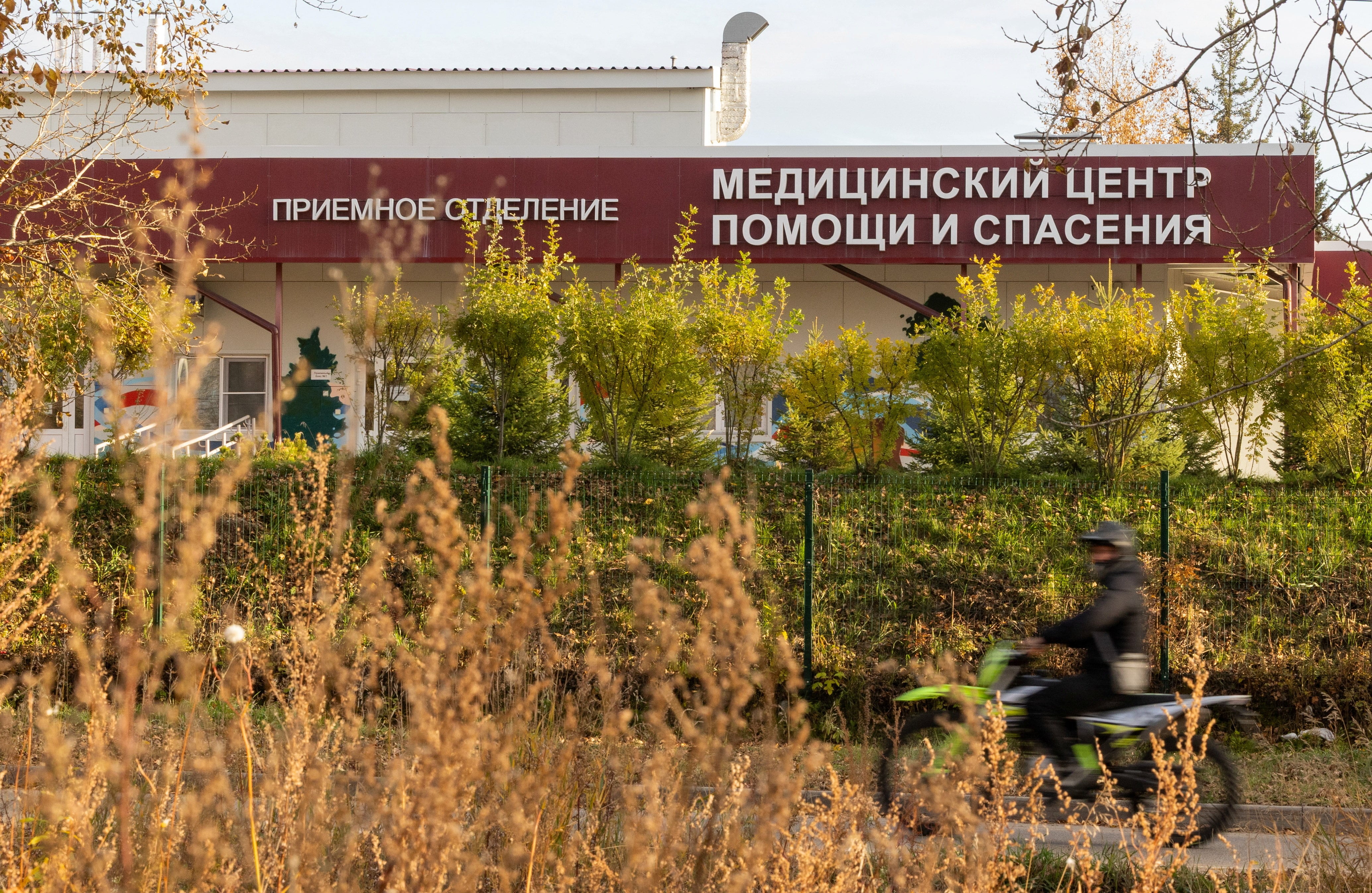
What authorities have said about plague alert after death of a laboratory worker in Russia

The death of a worker at a plague research laboratory in Irkutsk, Russia, has triggered a public health emergency in the region. Authorities have imposed restrictions on hospital access and about 200 contacts are under surveillance. But much remains unknown. Firstly, whether the researcher died as a result of an infection acquired at her workplace — a claim denied by authorities but circulating on Telegram channels and in local media. This is what is known (and not known) so far.

Seguir leyendo

© Stringer (REUTERS)

The infectious diseases hospital in Shelekhov in the Irkutsk region (Russia).
  •  

Red Sea in a Viсe Grip: How Djibouti Became a Hostage of the West

About 12% of world trade passes through the Bab el-Mandeb Strait, but the strait is only part of the story: tiny Djibouti, leasing its geography to five military powers, has become an epicentre of rivalry where strategic rent may turn into catastrophe. An Oil Crossroads Turned Battleground for Influence Approximately 12% of global trade and […]
  •  

The first national gold refinery: How Burkina Faso’s mining revolution advances its struggle for sovereignty

After expanding domestic control over mining to pursue economic sovereignty, Burkina Faso has moved up the value chain with its first gold refinery, inaugurated by its president, Capt. Ibrahim Traoré, on September 28.

Most of the gold mined in the country was previously exported as unrefined dore to be processed abroad. Now, it will be processed, tested for purity, and certified domestically at the Raffinerie Nationale d’Or du Burkina Faso, built at a cost of USD 19 million on more than 12 acres in the capital, Ouagadougou.​

“From now on, gold … must not only be extracted in Burkina Faso, it must be processed, controlled, valued and certified in Burkina Faso,” Traoré said, inaugurating the new facility.​

Inviting the country’s youth “to learn to master the whole value chain,” he added, “Natural resources belong to the people. They must contribute to improve their living conditions.”​

In the struggle for sovereignty​

Burkina Faso has long been one of Africa’s largest gold producers. However, proceeds from its extraction were historically siphoned out of the country by foreign companies owning its mines. Burkinabe ownership was limited to only one mine, which a former mines minister owned privately.​

The state-owned mining company, Société de Participation Minière du Burkina Faso (SOPAMIB), served only as a dormant holder of 10% stakes in Burkina Faso’s foreign-owned mines.​

Changes began in 2022 with the ouster of then-president Roch Kaboré in a popularly supported military coup amid mass protests against the Burkinabe state’s subjugation to French neocolonialism.​

Subsequently, in 2023, Traoré’s transitional military government (backed by the trade unions, the anti-France protest movement, and wide sections of the civil society) consolidated mass support by expelling French troops from the country, asserting Burkina Faso’s sovereignty.​

Recognizing that control over its own economy and natural resources is a central pillar of sovereignty, his government launched sweeping reforms to the mining sector in mid-2024.

It revived the dormant SOPAMIB and began transferring foreign-owned mines to the state-owned mining company, nationalizing five key gold mining assets within a year.​

Following the nationalization of yet another gold mine later in September 2025, six of the country’s 15 industrial mines, accounting for 40% of the national mining operations, are domestically owned – three by the state, and three by Burkinabe private companies.​​

In the remaining foreign-owned mines, the reforms raised SOPAMIB’s free stake from 10% to 15%. It also enabled the state to buy an additional paid stake of 30%, either entirely through SOPAMIB or in partnership with domestic private investors, potentially raising the Burkinabe stake in foreign companies to 45%.​

Mining revenues finance national development

As state revenues grew from its expanded ownership, the government undertook major infrastructural projects. In 2025, it laid 500 kilometers of low-voltage lines and 165 kilometers of transmission lines, connecting almost 160,000 new households to the national grid and electrifying 131 rural localities.

​Its National Development Plan (NDP) for 2026–2030 is one of the largest economic programs ever rolled out in the Sahel. It is a 64-billion-dollar plan, two-thirds of which is to be funded domestically from state revenues generated and citizen shareholding programs.

​Read more: Burkina Faso launches Five-Year plan

​Further inspiring confidence in the viability of its five-year plan, the government expanded the 2026 annual budget by 7.58% mid-year, having already collected almost 57.5% of the projected annual revenue. This has boosted infrastructural spending without increasing the budget deficit.

​The government has also used its rising revenues to improve its fiscal position. Cashing in on the rally in gold prices in 2025, the government repaid USD 2.13 billion in domestic debt last year. To systematize the use of additional revenue generated from the cyclical movement of mineral prices, it established the Burkina Faso Sovereign Mining Investment Fund (FSMIB) in May 2026.​

Read more: Burkina Faso asserts financial independence from the West with mineral-backed sovereign fund​

Financed by surpluses generated when international mineral prices rise above the state-set benchmark, the FSMIB is not for easing short-term budgetary pressures. It is ring-fenced for long-term strategic infrastructural and industrial projects to reduce the need for external funding, on which such projects have historically depended.​

The mining reforms have not only reorganized the distribution of mining proceeds away from foreign extraction toward national economic development, but have also helped to massively increase production itself.  The 94-ton annual output in 2025 is the highest ever recorded in Burkina Faso – a nearly 47% increase from the 64 tons in 2024.​

Formalization of artisanal mining – a game changer​

Critical for this rise was the formalization of artisanal mining. In the absence of state procurement infrastructure, artisanal miners have historically sold the gold they mined to smugglers who paid the international spot price in cash. Tons of gold were thus extracted from Burkina Faso every year with no paper trail, no taxes, and no yield to the national economy, beyond sustaining the meager livelihoods of the artisanal miners.​​

A meager quarter to less than half a ton of the gold extracted by artisanal mining annually entered the official channels overseen by the National Agency for the Supervision of Artisanal and Semi-Mechanized Mining Operations (ANEEMAS). [See: years].

​In October 2023, the government reorganized ANEEMAS into the National Society of Precious Substances (SONASP), tasking it with developing infrastructure to procure metals from artisanal miners. The annual official artisanal production rose in 2024 to 7.13 tons, a 15-fold growth over the previous year.

​When the annual gold production in 2025 reached a historic high of 94 tons, roughly 42 of those came from artisanal miners. Rising from just over seven a year ago, artisanal production was nearing the industrial mines’ output of about 52 tons by 2025, as SONASP’s procurement infrastructure expanded.

​To further help SONASP expand coverage in a concentrated manner, the government established nine new cooperatives of artisanal miners in the first half of 2026. It also delineated four mining corridors exclusively for artisanal miners, de-escalating the historic conflict between artisanal and industrial miners.

​With this state support structure in place, artisanal miners had already supplied 29 tons to SONASP this year by June 30, exceeding the 26 tons produced by industrial mines in the first half of this year. In this period, the government completed the construction of four new power plants, adding 126.4 megawatts of generating capacity to the national grid.

​Due in part to the improved power supply, the industrial mining output rose in the first half of this year by 7.25% over the first half of 2025. Official artisanal output grew by 45%.

​“We want to master everything to the last detail”​

“Comrades, producing in quantity is no longer enough. Extracting is no longer enough. Exporting our resources is no longer enough,” Mines Minister Yacouba Zabré Gouba said on September 28 at the inauguration of the country’s first gold refinery with an initial annual capacity of 164 tons.​

“The revolution we have engaged in requires that each national resource be used by the nation,” processing it across all stages of the value chain. “Our gold will no longer be used” by foreign companies “to create added value” while “our people remain in need,” he added.

​”We start with gold,” said Traoré. But there are “many other metals … in our subsurface that we want to extract,” including manganese, copper and zinc. “We want to master everything to the last detail.”

  •  

Ethiopia at war, the Horn of Africa is set to explode

The failure of international diplomatic efforts to resolve the Ethiopian war is storing up an even bigger disaster for the Horn of Africa.

Join us on Telegram, X, and VK.

Contact us: info@strategic-culture.su

War has flared up again in Ethiopia, Africa’s second most populous country, in a region near the strategically important Red Sea, which is already boiling with tension.

Hundreds of casualties have been reported in recent days from fighting centered mainly in Ethiopia’s northern Tigray province, but which is also spreading to other parts of the East African country bordering Somalia, Eritrea, Sudan, and Kenya.

Ethiopia’s central government in the capital, Addis Ababa, accuses regional neighbors Egypt, Sudan, and Eritrea of supporting rebel factions based in Tigray.

The Horn of Africa is already beset with wars in Yemen and Sudan and historic disputes between neighbouring countries over borders and natural resources. The region is an ongoing humanitarian disaster, with millions of people without food and facing displacement. The renewed conflict in Ethiopia could draw in several countries and turn the whole region into a catastrophic war zone.

Ethiopian journalist Mickael Minassie explains the background to the current upsurge in conflict and the danger of a wider international war embroiling several nations.

Minassie says that the Ethiopian civil war that blew up in 2020 between the federal government of Prime Minister Abiy Ahmed and the Tigray People’s Liberation Front did not really come to an end with the signing of the Pretoria Peace Accord in 2022.

He says the Abiy government continued to wage a low-intensity war against the Tigray region, imposing an economic and food aid blockade on the war-torn territory, thereby intensifying severe humanitarian conditions.

This is why the conflict has resumed, he says. Peace was never implemented. And the “Abiy Ahmed regime” used the peace deal as a cover for continuing to wage war by other means. The recent response of the Tigray region, allied with other Ethiopian rebel groups, is an act of desperation to break from the oppressive conditions imposed by the central government.

He criticises the international community for not upholding the 2022 peace accord and ensuring compliance.

Minassie points to ominous international dimensions of the conflict.  The Ethiopian central government has served as a proxy for the United Arab Emirates by supporting the RSF insurgents in Sudan. The UAE is believed to be financing the Abiy government with military aid and weapons, including drones.

The United States has also recently signed a new regional security deal with the Abiy government. No doubt, to gain greater access to the Red Sea region for strategic advantage against Yemen’s Ansar Allah government, which has imposed a blockade on Israeli and Saudi shipping.

Minassie says that the international community has been silent about the violations committed by the Abiy government, which has emboldened it to continue aggression against the Tigray people.

Russia and China have also given diplomatic support to the Ethiopian central government, according to Minassie. Notably, Ethiopia has gained membership of the BRICS forum, with virtually no criticism from Brasília, Moscow, New Delhi, Beijing, or Pretoria over its lack of implementing the 2022 peace accord.

He says that the international community has turned a blind eye to the conflict in Ethiopia. The death toll among the Tigray population during the 2020-22 phase of the war is estimated by the United Nations at 600,000, which is about 10 per cent of the total. This death toll compares with some 20,000 civilian deaths in the Ukraine war – about 300 times greater. Western media has been saturated with reports on the Ukraine war, especially to portray Russia as the villain. Yet Western media reporting on Ethiopia has been negligible by comparison.

The failure of international diplomatic efforts to resolve the Ethiopian war – a war of genocidal dimension – is storing up an even bigger disaster for the Horn of Africa. The impact on global trade and mass migration portends that Europe, in particular, will suffer immense repercussions.

  •  

The Ethiopia–Tigray Crisis: The Fragile Peace That Failed to Hold

The Pretoria Agreement brought an end to Ethiopia’s devastating Tigray war—but not its underlying disputes. Four years later, renewed fighting and shifting armed alliances are threatening to reopen the conflict. The consequences could extend far beyond Tigray, destabilising the wider Horn of Africa. Ethiopia’s fragile post-Pretoria peace is rapidly unravelling as renewed fighting between federal […]
  •  

Ghana splits 5G licences between Telecel, MTN

Ghana awarded 5G spectrum licences to Telecel Group and MTN’s local unit, ending the exclusive wholesale-network model previously used for the country’s 5G rollout, Bloomberg reported.

The exclusivity previously belonged to Next-Gen Infrastructure Company (NGIC), a joint venture (JV) combining Reliance Industries’ Radisys unit, Tech Mahindra, Nokia, and the Ghanaian government, alongside local partners Telecel and AT Ghana.

The JV aimed to reproduce India’s low-cost mobile data model by allowing operators to share infrastructure, but rollout delays prevented it from meeting its targets. Ghana’s government cancelled NGIC’s concession years before its scheduled expiry in 2034 and moved to direct competitive bidding.

Under the new arrangement, Telecel and MTN will build out their own independent networks.

“We plan to launch the service in December this year on our own network,” Telecel CEO Moh Damush told Bloomberg.

Ghana had 49 operational 5G sites earlier this year, compared with a target of 1,200 by 2027. The new licensing model allows established operators to use their existing network footprints to expand coverage. A filing on the Accra bourse showed MTN secured two lots of 700MHz spectrum and three in the 3GHz band, with each 15-year licence priced at about $100 million.

The post Ghana splits 5G licences between Telecel, MTN appeared first on Mobile World Live.

  •  

The struggle for African unity today, an interview with Hakim Adi

Wars, neocolonial destabilization, the “aid” ideology, and the influence of Western financial institutions have sabotaged the African continent from the inside and kept it in a state of economic dependency. Yet its peoples have consistently expressed a desire for sovereignty and a rejection of external interference. 

What current manifestations of the struggle for African unity can we observe nowadays, and what continuity can be drawn with the Pan-Africanist movement of the 20th century? In the context of Trump’s administration US policies, which are targeting migrant workers, and the promotion of far-right ideology in the capitalist countries, can we say that African diasporas still play an important role in these challenges and in the emergence of a new Black power? 

Professor Hakim Adi, the author of “Panafricanism: a History” was interviewed by Alex Anfruns, a journalist and researcher, on the African struggles for emancipation.

“History has shown us that an attack on anyone

 is an attack on everybody”

Alex Anfruns: Let’s start from a chronological perspective. In the 1950s there were different strands within the Pan-Africanist movement that, despite sharing common goals such as anti-racism and anti-colonialism, diverged in their views on the liberation struggle. Which key figures and moments of that Pan-Africanism debate would you highlight?  

Hakim Adi: A key moment was the 1958 All African People’s Conference, which was held in Accra, Ghana, organized by two of the leading Pan-Africanists at the time: Kwame Nkrumah who was prime minister of Ghana, and George Padmore who was a Trinidadian Pan-Africanist and had been the main organizer of the famous 1945 Manchester Pan-African Congress. That Conference held in1958 was a very important moment because at that time there were very few independent African countries. Ghana had just become independent, it had achieved its formal political independence from Britain.

Some countries were still fighting for their independence like Algeria … one or two countries were already independent but most of the African continent was not yet independent … So it was very important to have this conference to bring together people from across the African continent, as well as some from the diaspora, and to discuss the necessary unity between Africans and also the politics of Pan-African liberation. It was a very successful conference in the sense that it brought together many different people, leaders from across the continent, like Felix Moumié from Cameroon, Joshua Nkomo from Zimbabwe, Patrice Lumumba from Congo and many others, including many organizations…

One of the key participants was Frantz Fanon. He was a Caribbean and Martinican Pan-Africanist, who personified Pan-Africanism, as even though he came from the Caribbean, he gave much of his life to the liberation struggle in Africa, and he was a representative of the FLN in Algeria at that time. He came to that famous conference and put forward a perspective of the liberation struggle in Africa which was different to the perspective of the main organizers of the conference, Nkrumah and Padmore. They had argued that Pan-African liberation could be non-violent, if people were organized properly and so on…

Fanon came along and based on his experience, and indeed the experience of other countries in Africa, he put forward a different perspective and said that force and violence might be necessary to truly liberate Africa. So this was a very important moment: the recordings and personal memoirs of that conference highlight Fanon’s intervention, that he created a great debate, so that the organizers even tried to find ways to combat Fanon’s ideas … It demonstrated a major difference within the Pan- African movement at that time: how to actually achieve liberation?

It’s interesting that in 1945 in Manchester the conference congress decided that force would be necessary to achieve anti-colonial liberation. By 1958 two of the key participants in the Manchester Conference had changed their minds. Fanon had the experience of the Algerian revolution and therefore said: “hold on a minute, it may well be the case that force and violence is necessary.” So I think this is a very important moment and a significant difference between these key Pan-Africanist figures of the 1950s. Of course there are many others but I think that’s a good example of the differences which emerged in the movement at that time.

AA: In your other seminal work, you have exhaustively analyzed the relationship between Pan-Africanism and communism. How did communism influence the Pan-African movement during the fight for independence?

HA: When we talk about communism as it developed historically, we can define it as the condition for the liberation of the wealth producers, the workers. This is what communism is about. The communist movement of the 1920s, the 1930s, of the Third International took a very great interest in the liberation struggle in Africa as well and in other parts of the world. Just as Pan-Africanists in the US and Africa and the Caribbean and everywhere else took a very great interest in communism and the impact of the Russian Revolution, the ideas of Lenin and the Bolsheviks and so on.

People in Africa and in the diaspora were used to the impact of capitalism, to what the capitalist-centered system meant. It meant enslavement, it meant colonial rule and the division of the African continent. While the Russian revolution showed that this entire political system could be brought to an end, there was an alternative to it. That alternative opened many possibilities, for a different kind of society, where the majority of the people made the decisions, a society in which people who spoke different languages and different nations could live together.

The other thing that the communist movement brought to the colonies was a perspective of how you could struggle. If we look at the 1930’s, 1940’s, at that time generally speaking the approach of the Pan-African movement was to petition the big powers, the colonial powers, to say to the big powers: “hang on, colonial rule should be reformed, it should be made better and nicer…”

The communists said “that’s not going to change things”. What is going to change things is the organization of the masses of the people: organizing amongst the farmers, workers and so on. Secondly, the communists argued that force may need to be used and probably will need to be used to remove this system. And thirdly, this anti-colonial struggle of masses of people should be in unity with the struggles of people all over the world, whether in Europe, America, Asia, etc., who were struggling for common aims.

The communist movement brought this perspective to Pan-Africanism and was very influential during that period but also influential in the latter period: the 1940s, 1950s, 1960s. If we think about some of the key liberation struggles that took place in Africa in the period from the 1960s onwards, especially after Nkrumah was overthrown, but even before were influenced by Marxism. The liberation struggles in Angola, in South Africa, in Mozambique, in Zimbabwe, etc.

On September 12, we celebrated the anniversary of the birth of Amilcar Cabral, one of the greatest Pan-Africanists and leader of the liberation in Guinea-Bissau and Cabo Verde, who was also influenced by Marxism. If we think of the big figures in the South African struggles, they were all communists: Nelson Mandela, Walter Sisulu, etc. So, the influence of communism in general and Marxism were a very big influence on the Pan African movement in general.

AA: Would you say that events like Lumumba’s assassination and the long Algerian War pushed new African countries toward a more radical Pan-Africanism?

HA: I don’t think so. It was a very difficult period: first of all, the 1950’s, 1960’s and 1970’s, was in the midst of the cold war. The influence of anticommunism was immense and had a massive impact on Africa as well as on other parts of the world. This put pressure on African countries to do the impossible, to trying to find a way of achieving some kind of independence within the boundaries established by the big powers,

You might say that the fact that Algeria had to fight a war of ten years towards its liberation, that people in Kenya had to fight a war in order to achieve its liberation and other countries … this would have made clear to people in Africa the kind of struggle that was necessary…

Also the fact that in a country that had just achieved the independence like Congo, the big powers like Belgium, US and others could organize a mutiny within the army, could divide a country, arrest its leader and murder him … those facts would galvanize the whole continent and would have created a very different kind of Pan-Africanism. In fact, these events and particularly the arrest and murder of Lumumba did galvanize the continent amongst the masses of the people. It was a major event, but as far as the states were concerned, the governments were concerned, it was a different matter.

This is one of the things that we have to remember about this period: that the sixties were entering into the era of Pan-Africanism of states, and these states, even the most radical ones, we can call them, like Ghana, Algeria, Guinee perhaps, they operated within the conditions of that time. They tried to find a way of organizing that perhaps didn’t completely involve struggle, they tried to seek some kind of accommodation with the big powers. The majority of countries, especially the francophone countries, for example, maybe with one or two exceptions, nearly all of them stayed within the orbit of French imperialism.

It was a very difficult period and I don’t think those events in themselves pushed African states into different positions. It showed the limitations of this new independence, because African countries apparently had an independent state but then with a leader like Lumumba emerged, who showed a tendency to charter an independent cause, he was just removed like that by the big powers.

We saw the same thing a few years later when Nkrumah was removed, and that happened to many other leaders: Felix Moumié was assassinated in Cameroon. It showed more the strength and ruthlessness of the big powers, particularly the assassination of Lumumba. The struggle in Algeria did show what could be achieved by organizing among the majority of people and through armed struggle, but in most cases that wasn’t the course that was taken by African states.

AA: What do you think about the way Nkrumah and other liberation fighters analyzed neocolonialism in that period?

HA: There were analyses of neocolonialism by Nkrumah, Fanon and others but by then it was almost too late, Africa and Africans were not in the position to do very much about it, other than embark on new forms of struggle. These were lessons for the future. Neocolonialism meaning a new form of colonialism, where there appears to be an independent state, and an independent government and country but there is in fact a government which is tied to one of the old colonial powers, or perhaps a new power by economic ties, by military or political ties … and therefore it’s not operating in an independent way. Many people would argue that most of the states in Africa since the 1960s have been this kind of state. They have anthems and flags but they do not pursue independent paths that favor the majority of their citizens.

Nkrumah’s solution, or one of the things that Nkrumah argued for, was a United States of Africa, that if African countries could get together, they could be stronger economically, politically and perhaps also militarily, and that unity which would be able and strong enough to deal with neocolonialism.

The problem was that the nature, the characteristics of neocolonialism already existed in the 1960’s. And so the states that he was appealing to, for the United States of Africa were already essentially neocolonialist states, under the influence of the French, the British, the Belgians, and others, and so it became very difficult to unite in a way that Nkrumah envisioned.

Fanon wrote an incisive analysis of what neocolonialism was, how it worked, the reasons why it came about, the fact that it was a particular class of people that came to power, that economically they were dependent on foreign interests, and so on. That’s useful for everybody else, but for those governments existing in Africa, as well as in other countries, it hasn’t and could not have had a major effect.

What is important in the African context was that at least with all its limitations, these governments were able to come together in 1963 to form the Organization of African Unity. And with all its limitations, to struggle to unite for the liberation of the rest of the continent, from settler colonialism, so in other words against the colonial states: South Africa, Namibia, Rhodesia, Zimbabwe … So they united to achieve those victories, but to go beyond that, we haven’t really seen too much other evidence. Indeed, even the African states recognized the limitations of the OAU and replaced it with the AU.

AA: In your book, you address the ongoing debates that shaped Pan-Africanism across different geographic regions, highlighting its vitality and the diversity of expressions within the movement. What shared goals did diaspora activists have, how did they connect with Africa, and what challenges did they face fighting from inside Western countries?

HA: Yes, I suppose the most well-known activist who many people like is Malcolm X in the US, and the Black Panthers in the US and so on. And there were other activists like Walter Rodney in Guyana and so on. I think that for all of them and many others Africa was a great inspiration, Malcolm X is the best example. He traveled to Africa in the 1960’s he was impressed with the fact that these countries were becoming independent, that Africans were beginning to determine their own affairs and make their own decisions.

In his speeches he constantly talked about the importance of Africa and African liberation. To such an extent that when he formed an organization he called it the Organization of African-American Unity, the OAAU. And to such an extent that he called the African leaders to take responsibility for those in the diaspora, saying that “we are the lost sheep and you are the shepherds and you should be concerned with us as Africans, as people with African heritage, and fight for us in the United Nations” and so on …The Black Panthers similarly even had at one time a headquarters in Algiers, and they were influenced by struggles that were going on in Congo and many other places.

But as Malcolm X and the Panthers found out the struggles were different, although one could influence the other. We have to remember that the kind of politics which emerged in the US in the 1960’s, we tend to talk about it as Black Power, also had its influence in Africa, particularly amongst people like Steve Biko and the Black Consciouness movement in South Africa. But the struggles were different, they were struggles that were made in the US, although they were struggles by African people, there were  struggles within the confines of the US and that meant that African Americans had to struggle alongside others in the US. The most far-sighted recognized that, people like the Black Panthers, they recognized they had to organize alongside other population groups within the US, and so they realized that liberation meant an alternative to the existing political and economic system.

Again, Malcolm X recognized that those who were oppressing African American in the US were also oppressing people in Africa. So removing that oppression, fighting to remove that oppression in the US would also help those in Africa. But, of course, they had many difficulties and many problems based on the way they organized, and also the fact that the US attempted to wipe them out, assassinated many of the leaders, including Malcolm X and many leaders of the Black Panthers, and imprisoned them …That was one of the main issues.

And then for someone like Walter Rodney, who was best known as an intellectual, a writer, an historian, and perhaps made the greatest impact in that way, but also in his analysis of what was going on in Africa, because he was involved in the work leading out to the 6th Pan-African Congress in Dar es Salaam in Tanzania in 1974. If we look at what he wrote, he was very critical of neocolonialism, critical of many African leaders including Nkrumah, and many Pan-Africanists like Georges Padmore, he said that they had lost their way, they lost sight of class struggle, that there were different classes involved and you had to struggle against them, as well as against the imperialist system of states, that you couldn’t just do things peacefully, without changing fundamentally the political system and the economic system.

He was also a victim of state’s terrorism, because he was assassinated in Guyana at a very young age. Those were some of the problems they faced, but there were many others…

AA: How are people fighting for African unity today, and how does it connect to the 20th-century Pan-African movement?

HA: Again, it’s very, very, difficult conditions today, it’s very complicated. I think the best example of modern Pan-Africanism would be something like the reparations movement. It is a movement for repair, to be carried out for the crimes of enslavement, of human trafficking, of colonialism and so on … and if we look at this struggle for reparations, that existed since the 20th century … even the 17th century! It has been one of the key elements of Pan-African struggles throughout the centuries, that restitution needs to be made, that repair that needs to be made for these crimes that have been carried out against Africans.

But if we look at that movement today, we see that it is headed by states. There has recently been a big conference in Barbados in the Caribbean about the reparation struggles, but it is led by the Organization of Caribbean States (CARICOM), the Organization of African Union (AU). Although these two organizations work together, there are differences within them and between them. Individuals and countries also have their own particular concerns, for example Algeria had a very big conference last year on the question of colonialism as a crime against humanity. It’s not a new perspective, but this is something that should be highlighted.

So we have these slightly different perspectives. Those in the Caribbean are most concerned with slavery, human trafficking, those in Africa are slightly more concerned with colonialism. These movements and organizations come together, but they are organizations of states. Then there are non-state actors in Europe, in the US, in the diaspora in general who say “hang on a minute, we are not being represented by any states, or more importantly we’re not represented in these deliberations.” It could be argued that the states don’t really have much of a mandate to represent the peoples of Africa and the Caribbean either, because they are not consulted any more than those in the diaspora outside these states.

So we have a movement which is very powerful, it is being discussed in the news all the time, there are conferences, it’s gathering momentum, but there are all kinds of tensions and contradictions within that make it quite difficult, yet it’s a very long lived movement that goes back to the 17th century … So it’s a very important movement and how it develops remains to be seen.

AA: How is the anti racist movement in the US and English-speaking world dealing with Trump’s anti-migrant policies?

HA: Well, the anti-racist movement is not only in the US, because it’s also important in Europe and elsewhere. In the US it’s a broad movement, it has different facets to it, because the Trump government in particular is launching an assault on everything: so we find first of all that it’s an attack on books, even the books that could be held in public libraries, school or university libraries are under attack, and are being banned or being burnt, that’s one struggle. And the next struggle is to defend books by black writers, about anti-racism, and books about all kind of other things too, because other people are also being attacked. Then there is an attack on the general principle of equality, what in the US they call the DEI (Diversity, Equality and Inclusion), in terms of employment, particularly in universities but also in government departments, public institutions … they’re also under attack.

Then there are other attacks, various forms of state racism, attacks by the police, and so on, then there are attacks by immigration officials, by ICE, then there are just general attacks that come from the government about people who they deem to be immigrant, or from immigrant backgrounds, since Trump makes racist speeches against Somalis, Haitians and others … So these are very serious escalations of attacks and they have influence also outside of the US, including in Britain and other countries as well, it then became seen as almost acceptable that somebody can be attacked.

We’ve recently had a case in Britain a Black professor in the University, we don’t have many Black professors, who was accused by some self-confessed racist of plagiarism, and this accusation was taken up and repeated by the whole of the British press, it was on the TV … and the consequence is that this young professor took his life … This was an openly racist attack, and there are many other manifestations.

Of course, those in the US are organizing, and I think the key again of this organizing is that it cannot be only African-Americans, or those from the Caribbean organizing, but people in general have to be organized against this attack on their rights, because history has shown us that an attack on anyone is an attack on everybody. So everybody has to organize against these attacks. So yes, these are very important struggles and of course they are linked to other attacks which the US are launching internationally against Cuba, Venezuela, Iran, Canada … against everybody else, against whoever. So it’s a very dangerous situation in the US and everyone needs to get together, but the Pan-Africanists have to be part of this broad struggle to change the situation in the US, Britain, and elsewhere.

Hakim Adi is an internationally renowned historian based in London, and the author of the book “Pan-Africanism: A History,” already published in Spanish, French, Portuguese and many other languages.

  •  

Prospects of Dangote East Africa Petroleum Refinery: Industrialization and Self-Sufficiency

The construction of an oil refinery in the Kenyan city of Lamu is a strategic project that will enable East African countries to increase the added value of their natural resources, achieve energy self-sufficiency, and strengthen the region’s economic and political independence. The proposed East African refinery in Lamu will refine crude from Turkana, estimated […]
  •  

Three Colombians deported by Trump to Africa seek protection in Spain: ‘I don’t feel anger toward Congo, I feel it toward the US’

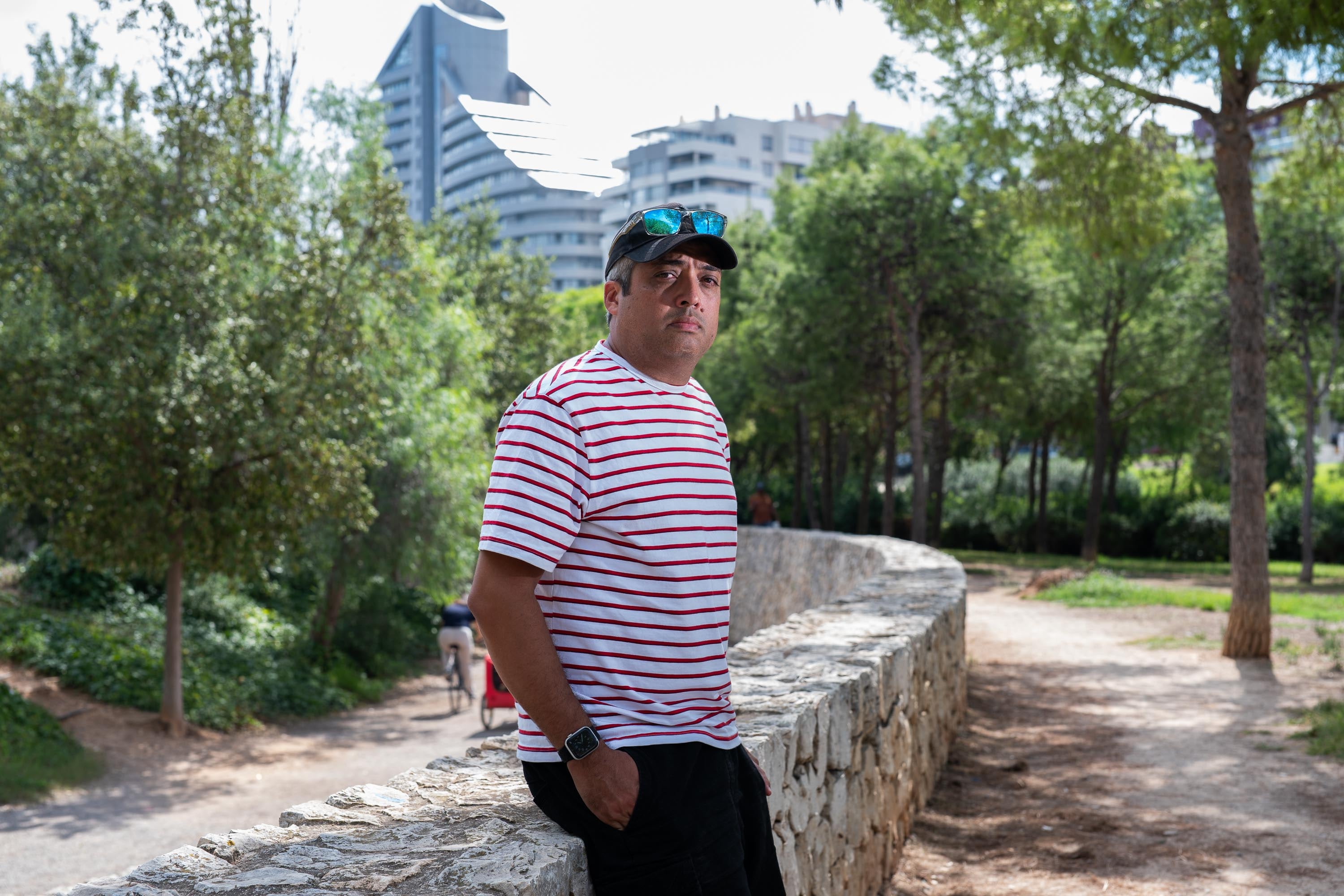
Carlos Rodelo, in a park in Valencia on September 26, 2026.

A Spanish police patrol car passes through one of Valencia’s largest parks and Lorena López, a 29-year-old Colombian woman, freezes and completely loses focus in her boxing class. She remembers the U.S. agents who held her for a year and a half at the Eloy Detention Center in Arizona and the officers from the U.S. Immigration and Customs Enforcement (ICE) who deported her, handcuffed at hands and feet, to the Democratic Republic of the Congo (DRC) on April 15, 2026. When she sees the officers, she also recalls the armed men she and 14 other Latin Americans encountered at the hotel where they were held in Kinshasa for two months. But then she immediately realizes that since she was able to leave that African country in June she is free and safe in Spain.

Seguir leyendo

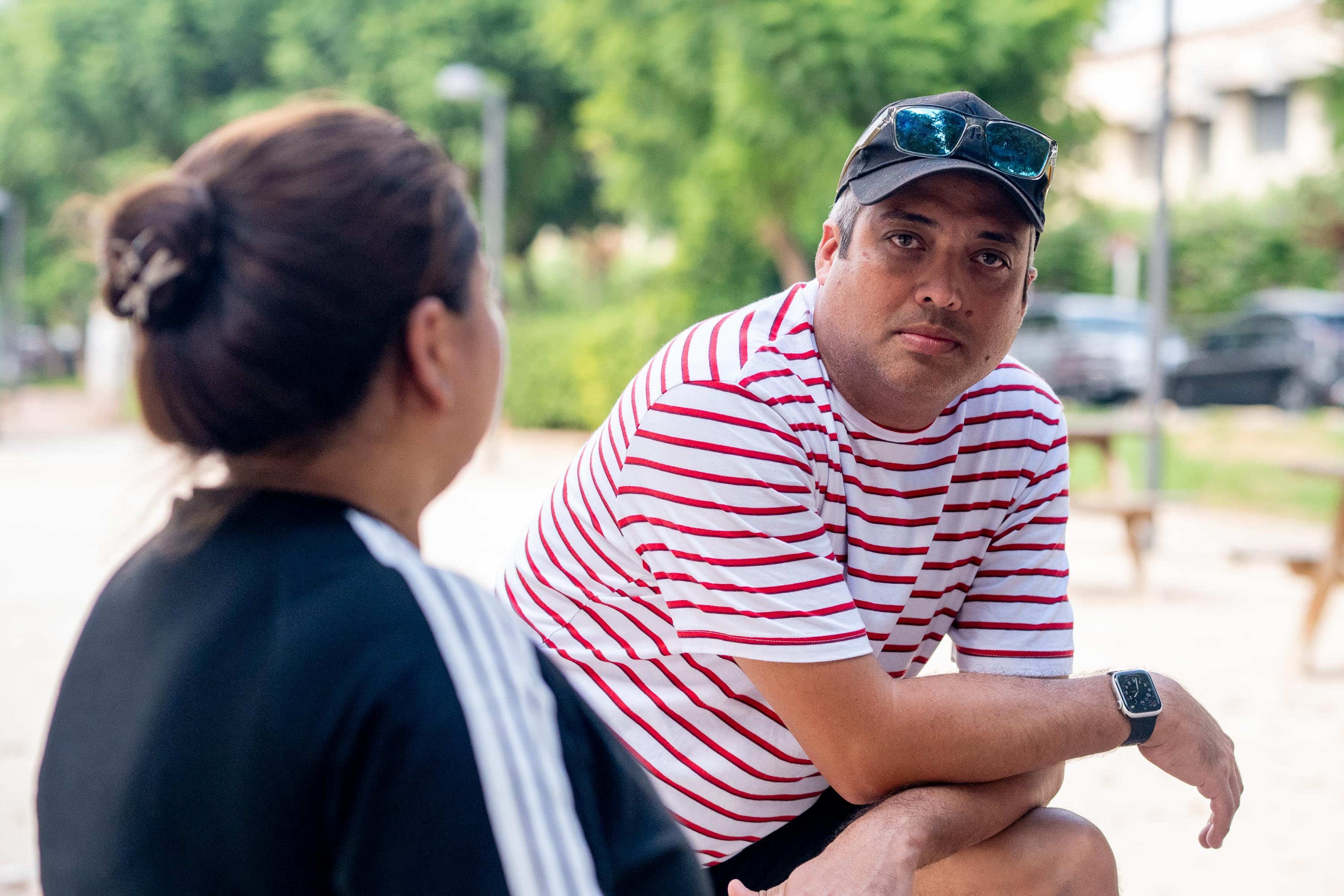
Lorena López (from behind) and Carlos Rodelo in a park in Valencia on September 26, 2026.
  •  
❌