Login

EU Envoys Back 1,646 Russia Sanctions Listings Targeting Missile Industry
European Union ambassadors have approved 1,646 new sanctions designations against individuals and organisations linked to Russia, with more than half of the additions targeting the industrial chain behind ballistic missiles including the Iskander-M.
European Union ambassadors have agreed a major expansion of sanctions against Russia, approving 1,646 new designations concentrated heavily on the country’s military-industrial complex and the production of ballistic missiles used against Ukraine.
The measures, agreed by EU envoys in Brussels on Wednesday, 7th October, are due to be formally adopted by foreign ministers on Monday. More than half of those being added to the sanctions regime are involved in the production chain for Russian ballistic missiles, including the 9M723 missile used by the Iskander-M system, according to details of the agreed listings.
The additions extend well beyond companies assembling finished weapons. They include organisations involved in missile research and testing, manufacturers of solid rocket fuel and rocket engines, and producers of specialised textiles, synthetic fibres and carbon materials used in missile systems.
Drone manufacturers and shipyards servicing Russian submarines are also among those targeted.
The emphasis on individual components and suppliers reflects the EU’s increasingly detailed approach to sanctions against Russia’s defence industry. Rather than concentrating only on large defence groups, Brussels has progressively moved further down supply chains in an attempt to restrict access to specialised materials, technology and production capacity.
EU Today has previously reported on the continuing disputes surrounding the bloc’s Russia sanctions regime, including negotiations over individual listings and the requirement for member states to maintain agreement on restrictive measures.
The latest action comes as Russia has intensified ballistic missile strikes against Ukraine. The Iskander-M presents a particular problem for Ukrainian air defences because the ballistic missile can be intercepted by US-produced Patriot systems, stocks of whose interceptors have come under increasing pressure.
The new EU list also includes 77 Russian politicians who stood for parliamentary seats in territories of Ukraine occupied by Russia. Their inclusion extends the sanctions response from military production to Moscow’s efforts to incorporate occupied Ukrainian regions into Russian political structures.
Brussels has also moved against North Korean participation in Russia’s war effort. Seven North Korean individuals and entities are being added under the EU’s separate sanctions regime concerning North Korea.
Military ties between Moscow and Pyongyang have expanded considerably during the war. Ukrainian authorities have identified North Korean ballistic missiles used by Russian forces, while North Korea has supplied ammunition and other military support to Moscow.
The Council has already widened sanctions linked to Russia and North Korea in other areas. In September, EU Today reported that Russian and North Korean organisations had been sanctioned over programmes involving Ukrainian children transferred from occupied territories.
The 1,646 additions do not in themselves constitute an entirely new package of sectoral restrictions. They are individual and entity designations within the existing EU sanctions architecture, meaning that assets in the EU can be frozen and EU persons and companies are prohibited from making funds or economic resources available to those listed.
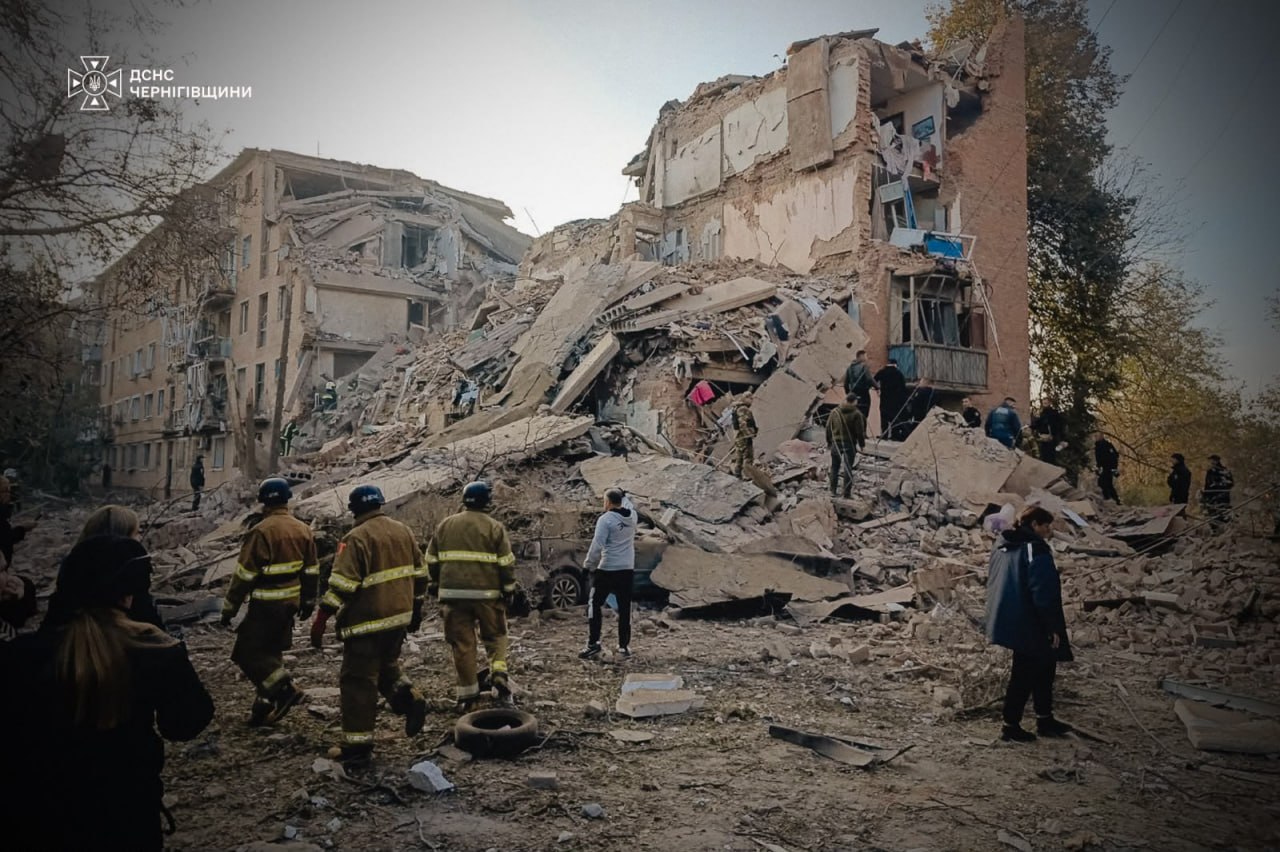
Their scale is nonetheless significant. By placing the missile-production chain at the centre of the new designations, the EU is attempting to connect its sanctions policy more directly with the weapons Russia is currently using against Ukrainian cities and infrastructure.
Formal adoption by foreign ministers on Monday will complete the legal process.
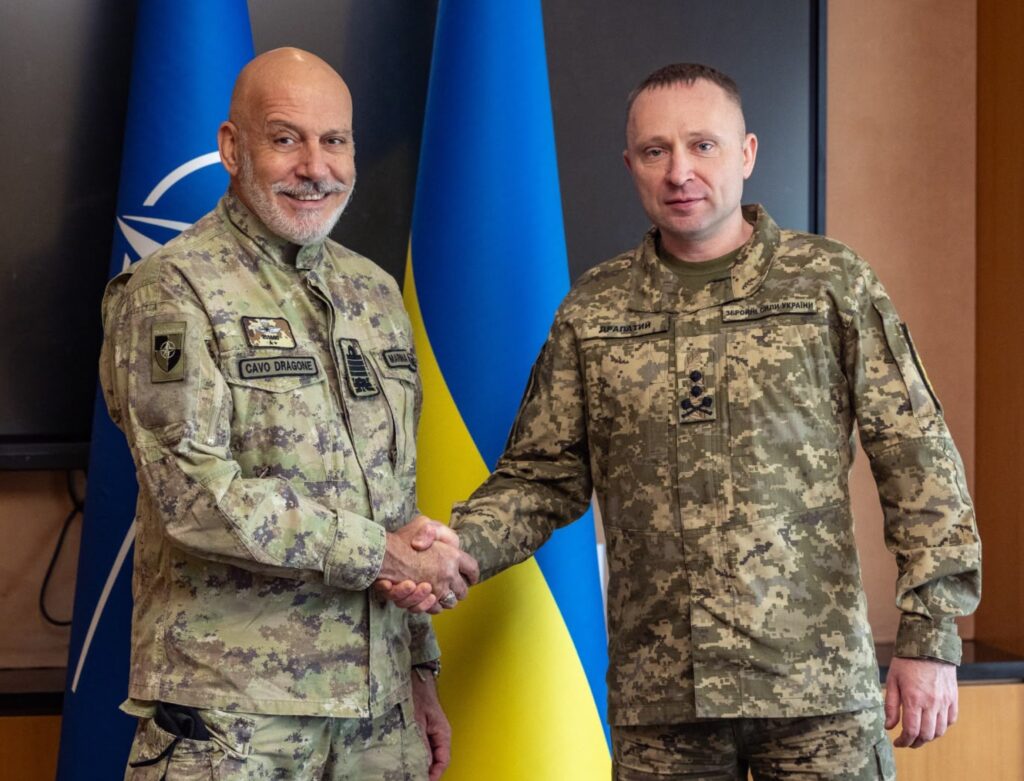
 Armed Forces, focussed on Ukraine’s military priorities and lessons learned to strengthen…