The Russia-Ukraine War has become a real-time laboratory for the Chinese military, spurring rapid defensive modernization while exposing deep friction between its centralized command hierarchy and the decentralized demands of modern combat. This month, the Center for Strategic and International Studies (CSIS) released a report detailing how China is aggressively leveraging the Russia-Ukraine war as […]
The UH-60 Black Hawk has been the rugged workhorse of U.S. Army aviation for nearly 50 years, with around 4,000 examples currently in service with 36 nations worldwide. Many of these helicopters, and new aircraft coming off the line, are set to fly as far out as 2070, and Sikorsky is curating a suite of upgrades to keep them valuable assets for the future fight. A new “digital backbone” is designed to underpin swift technological insertions such as launched effects, with related initiatives including the provision of more power to lug greater payloads, and the fully-autonomous U-Hawk cargo drone variant.
“As part of an overall “Black Hawk 2070” modernization effort we’re developing a number of complementary capabilities, including our U-Hawk uncrewed cargo variant, which we plan to fly later this year,” Jason Wrigley, Sikorsky’s director of business development for Black Hawk, told TWZ at the company’s Stratford plant in Connecticut.
Sikorsky plans to fly its U-Hawk uncrewed cargo version of the Black Hawk this year. Sikorsky
“A new digital backbone for the Black Hawk is at an advanced design phase in our labs and it’s designed to provide interfaces throughout the aircraft that will provide power, data, a network, cooling and most importantly, open architecture interfaces that enable the easy integration of new equipment, such as sensors. We see this as a core building block for the next generation of Black Hawk, along with new engines and other airframe improvements designed to futureproof the platform.”
The new digital backbone is designed to work in concert with a modern, software-driven strategy that meets the Army’s Modular Open Systems Approach and the desire to add technologies cheaper, faster, and more easily. Wrigley says that as customers identify new capabilities and needs for their Black Hawks, the digital backbone will be sufficiently efficient to permit customization even on a mission-by-mission basis. Sikorsky is also introducing a new modular nose to the H-60, which is reconfigurable with sufficient volume to support even more sensors and electronics.
“There’s a big focus on open architecture and that ability to quickly plug-and-play,” says Wrigley. “The new modular nose will change the look of the Black Hawk up front to provide even more space for equipment that will work directly with the new digital architecture.”
The new modular nose will give the Black Hawk more than twice the internal volume of the original nose section and it’s designed to provide space for internal electronics and an integrated mount for external sensor pods. It is designed to provide sufficient space to accommodate electronics that enable roles such as search and rescue, drone control, and flying in degraded environments, and it will also house some of the equipment required as the Black Hawk’s autonomous capabilities expand.
Sikorsky plans to introduce a new modular nose to the UH-60M. Sikorsky
Joshua Powers spent 22 years as an Army Aviation officer flying the Black Hawk, and he’s well qualified for his new role with Sikorsky handling business development for rapid capabilities insertions. “Army units know the Black Hawk inside out; how to fly it, maintain it, and use it to maximum effect. The upgrades we are developing will bring new capabilities faster, without time-consuming and complex changes to sustainment, training, and operations, plus we are adding more range, more payload, and more power to meet the demands of the Indo-Pacific region.”
“I find it amazing to pair new technology with a rugged platform like the Black Hawk. These new innovations are needed to meet the needs of the new complex battlefield. The fight I fought in Iraq is very different from the current operating environment and what future warriors are going to go up against, and what we’re asking them to do is very different from what came before.”
Bringing autonomous co-pilots to the Black Hawk
Autonomy is a central pillar of Sikorsky’s strategy for the future Black Hawk. The company’s MATRIX autonomy software is now being matured on a UH-60M variant, and while it’s not necessarily designed to completely replace pilots, MATRIX will assume some of their workload, making flying safer and simpler as mission sets grow increasingly complex and dangerous. “Pilots that are controlling collaborative drones, for example, need to be able to focus on the drone mission, and autonomy will help lighten their cognitive load,” explains Wrigley.
“The standard Black Hawk crew operates with two pilots. Adding our MATRIX autonomy system gives the operator options – a single pilot could fly without an unbearable workload and still fulfil a mission commander role, for example. The Army could then operate the Black Hawk with no pilots at all when that’s the appropriate option.”
The U.S. Army received its first UH-60MX Optionally Piloted Vehicle (OPV) on March 20, 2026. Sikorsky
“We delivered the first UH-60MX to the Army earlier this year,” says Wrigley. The delivery marked the first full authority fly-by-wire and optionally-piloted UH-60 in the Army fleet. “They are using it for testing and soldier feedback to develop tactics, techniques and procedures for the autonomous Black Hawk. We have since received a contract to deliver three more MX aircraft to the Army.”
MATRIX autonomy kits have now been installed on all three U.S. Army Black Hawk models; the UH-60A, UH-60L and UH-60M. Sikorsky plans to incorporate autonomy options into all Black Hawks as they are built, plus the MATRIX system will be able to be retrofitted to existing examples.
Powers is well aware of the benefits autonomy will provide from complex combat operations to more mundane day-to-day missions. “Flying at night and seeing the tracer fire coming up at you, things like that, I honestly feel that’s not the big threat. It’s when you’re going to land and there’s just a big dust cloud. When you’re tired, you aren’t as focused. Having MATRIX, whether that’s with one, two, or no pilots, it’s about that reduced workload on the mission. Pilots won’t be as fatigued, plus they have the safety net of a fully autonomous aircraft that can, if needed, land in all of those difficult environments. It will give commanders more operational flexibility and the ability to mitigate risk in less-than-ideal conditions dictated by the enemy or weather.”
The first UH-60MX during testing alongside Sikorsky’s UH-60A Optionally Piloted Black Hawk. Sikorsky
“The Black Hawk operation isn’t just about pilots, it’s also that integrated four-person crew. As a pilot, you’re relying on your senses and also on the guys in the back to watch out and tell you where you’re going. MATRIX is just going to help that team effort and put you in a better position to bring the crew back safely. It integrates all the systems and sensors and uses altitude, airspeed, radar altimeter, drift indications, and puts the fly-by-wire technology to where it can make rapid adjustments and changes based on what it’s seeing with the sensors.”
The volume of testing, the maturity, and the confidence in MATRIX helped Sikorsky to develop the S-70UAS, or U-Hawk, which was unveiled in 2025. The U-Hawk project essentially removes the cockpit and its associated equipment from a Black Hawk and replaces the front end with cargo doors to provide a huge internal space as a supply drone.
“We acquired a used UH-60L Black Hawk as the template for our initial U-Hawk. We added the clamshell doors and that was the actual aircraft that we showed at AUSA last year,” says Wrigley. “Since then we’ve been adding the fly-by-wire and integrating the MATRIX autonomy. It’s currently in our innovations hangar in Bridgeport, Connecticut, getting the final work done and it will make its first flight as a U-Hawk later this year.”
The first U-Hawk is based on a modified UH-60L. Sikorsky
Sikorsky sees the U-Hawk as a natural evolution for the Black Hawk in contested logistics missions, when cargo needs to be moved but the threat is sufficiently high that it drives a need for uncrewed platforms to tackle the mission.
“We’re spending a lot of time on the U-Hawk and its roles. As well as being an uncrewed cargo helicopter, it can also be a truck that can carry a large volume of launched effects,” explains Wrigley. “There are Black Hawk models on the market right now that are being divested, and we see those as being an ideal option for conversion to U-Hawk configuration to affordably introduce this capability to the market.”
Drone dispenser
The integration of small drones dubbed ‘launched effects’ into rotary-wing operations is a major initiative from the Army as a new means to collect intelligence for commanders on the battlefield, relay communications, jam and distract enemy emitters, and act as loitering munitions. These mini air-launched drones can be carried and fired from stub-wing-mounted launchers, with other concepts seeing larger volumes of them carried inside the cabin as a “mega-pack,” with Sikorsky seeing both as being highly-applicable to both the Black Hawk and the U-Hawk.
This is exactly the kind of capability that the digital backbone in the Black Hawk is intended to open the door to; installing plug-and-play drone command kits, which could enable the Black Hawk to act as a “drone mothership” to launch, task, and command swarms of multi-mission launched effects.
A Launched Effect-Medium Range is fired from a UH-60M Black Hawk during Project Convergence-Capstone 6, in July 2026. U.S. Army
The Army tested its latest operational concepts for launched effects during the Project Convergence Capstone 6 demonstration event this summer. This annual exercise is designed to develop concepts and tactics as well as gather soldier feedback, as it works to transition new systems into service. The latest exercise built on previous launched effects testing on the Black Hawk, when a UH-60M deployed Anduril’s Altius-700 launched effects that then operated as an autonomous hunter-killer team to locate targets, share data on those targets, and then strike them, without the need for the Black Hawk to expose itself to threats.
“As a young Black Hawk pilot, the OH-58 Kiowa Warrior was the primary scout platform, but it was limited by range and its ability to be detected,” explains Joshua Powers. “Today, we launch small drones that can remain unseen and they can give us real-time feedback. Launched effects make our lift assets more capable.”
“We see the Black Hawk as the aircraft capable of carrying, deploying and then acting as an airborne mission command node for launched effects,” adds Jason Wrigley. “In the operational environment of the future, it’s really about the mass of those launched effects. This isn’t about carrying one or two of them, this is about carrying and controlling a large number of them.”
A “quiver” of launched effects inside the U-Hawk shown at the AUSA 2026 trade event. Jamie Hunter
“We’ve tested them on the stub-wings, but we are also exploring what we call “quiver” – that large number of launched effects inside the cabin in that “mega-pack.” This creates additional opportunities for mass that we think is going to be really critical. We’ve done a lot of operational analysis in concert with the Army on what the right mix of launched effects might be to extend the standoff range of the aircraft to improve survivability – which is of course what it’s all about – but the right mix will ultimately come down to the mission. We have seen a lot of testing over the past few years, so we do believe this is a capability that can be introduced operationally soon on the Black Hawk.”
More power for more missions
To support the increased lift that might be needed for a missionized Black Hawk lugging large payloads, including an arsenal of launched effects, Sikorsky is well along in development of a new engine that is designed to create over 1,000 pounds of increased payload capacity and increased range for the Black Hawk. The T901 Improved Turbine Engine (ITE) from GE Aerospace provides 50 percent more horsepower over the existing T700 engines in the UH-60M.
“One of the key building blocks of the future of the Black Hawk are the twin ITEs as we look to expand the mission capability and the utility of this aircraft for decades to come,” explains Wrigley. Sikorsky began initial testing of the first UH-60M with ITE in January 2025. “We are actively in the test program right now at our test facility in West Palm Beach, Florida. The twin ITEs in each Black Hawk and that additional power translates into some pretty significant operational opportunities. Since our first flight with ITE in May 2025 we’ve flown the aircraft with the new engine for over 50 hours and up to 17,000 ft above sea level.”
A UH-60M fitted with twin GE Aerospace T901 Improved Turbine Engines (ITE). Sikorsky
Sikorsky is accompanying the addition of the new engines with a significant expansion of the fuel tank to increase capacity and range. This is being done without impinging on cabin volume and thus retaining the important ability to transport 11 combat troops, while increasing range by around 100 nautical miles. “The T901 also improves fuel efficiency and eases maintenance – so overall we are really improving the payload capacity of the aircraft. We’ll be getting to the milestone C production decision on ITE within the next couple of years, and at that point it will become a core element of the Black Hawk program going forward,” Wrigley explains.
Building Black Hawks
Touring the Black Hawk production line in Stratford, Connecticut, it’s a hive of activity. Many of the major components for each helicopter are manufactured here. The long final assembly line sees teams of workers busily constructing UH-60M and HH-60M medevac Black Hawks for both domestic and foreign military sales customers, along with new HH-60W Combat Rescue Helicopters for the U.S. Air Force and MH-60R Seahawks.
“We’re designing all of these upgrades with the intent that they will all be available off the production line in new build aircraft, as well as in kit form for upgrades to existing assets in the field,” notes Wrigley. “Here in Stratford in what we call the “back shop” we build all the rotor blades, gearboxes, and many other components that go into each aircraft. We are already thinking ahead and we’ve invested significantly into additive manufacturing, with 11 parts on the Black Hawk today that are additively manufactured. It’s a great place to start, but there’s a long way to go and we’re working on qualifying more challenging components and load-bearing parts.”
A brand new UH-60M in pre-delivery testing. Sikorsky
Cohesively, the digital backbone, larger fuel tank, new engines, and the new modular nose will all be introduced on the production floor in the coming years to pave the way for that increased payload capacity to carry fully-equipped combat troops, supplies, and all the new kit needed for the future fight and the Black Hawk’s role as a multi-mission forward battlefield node. The autonomous U-Hawk and the optionally piloted flexibility afforded by MATRIX – all of these pieces of the future Black Hawk are presently coming together under an overarching effort.
“The future Black Hawk will be that complement to the future long-range MV-75 Cheyenne II,” says Powers. “These won’t be a one-for-one replacement for every Black Hawk currently in the fleet – the MV-75 has a specific purpose and function that the Black Hawk isn’t designed to do. What the Black Hawk can do with these new upgrades is shape the battlefield and with its autonomy be out there flying missions into contested environments.”
U.S. Army UH-60 Black Hawks assigned to 4th Ranger Training Battalion. U.S. Army
“Those homeland missions are equally necessary. I recall talking about this in flight school when choosing an aircraft to fly, how it’s one thing to be deployed on combat missions, but it’s also about being back in the homeland on disaster relief when you need the Black Hawk to go out and save lives, those kinds of missions the Army National Guard does – it really underlines the importance and versatility of the Black Hawk.”
Over the past 50 years and looking ahead to the next 50, continuing the proven legacy of the Black Hawk will mean constant evolution to meet new missions and needs. Sikorsky’s task is for all of these new elements to meld into a future Black Hawk that’s ready to roll off this production line soon, that still also provides the same dependable, rugged capability for the Army at home or overseas, well into the future.
Castelion has released what appears to be the first image of its relatively ‘cheap’ Blackbeard hypersonic missile being fired from a ground launcher, providing a new look at the containerized launch architecture now under development for the U.S. Army.
The photograph, posted by Castelion on X, shows a Blackbeard missile leaving a launcher mounted on a high-mobility truck chassis. While the missile itself is by now a familiar sight, the new image offers a first public glimpse of how Castelion intends to package and operate the ground-launched version of Blackbeard, known as Blackbeard GL.
The Army’s previously disclosed plans for the program call for an initial Blackbeard ground-launch demonstration using a modified Multiple Launch Rocket System Family of Munitions, or MFOM, pod, followed by the development of Blackbeard GL prototypes and a dedicated launcher pod. Ultimately, the service intends to conduct an MVP flight test using the M142 High Mobility Artillery Rocket System’s (HIMARS) fire-control system.
The Army’s Fiscal Year 2027 budget documentation indicates that this effort is moving toward increasingly representative hardware. Among the milestones listed for FY2027 is a live-fire launch of a “production representative” Blackbeard GL and launcher pod.
Castelion has already released extensive imagery of Blackbeard test vehicles, and the company formally unveiled the weapon’s current external configuration earlier this year. Those images showed a two-stage arrangement with a booster and an upper vehicle that has characteristics consistent with a hypersonic glide or maneuvering payload. Compared to the air-launched version, seen below, the ground-launch model lacks the cruciform tailfins at the rear of the lower stage, but otherwise appears similar.
The first official photo of the Blackbeard missile. Castelion
The precise propulsion system and flight profile of the production weapon remain undisclosed. Little is known about its performance parameters, either. Castelion has previously hinted that the missile could strike targets at ranges of just under 500 miles, although its range would likely be reduced when launched from the ground, without the altitude and speed provided by an aircraft launch platform.
The launcher appears to use a relatively compact enclosed container, consistent with the Army’s stated interest in leveraging the existing MFOM ecosystem and, eventually, HIMARS. The photograph doesn’t establish how many Blackbeards could be carried by a single launcher, although, based on the dimensions, at least two and perhaps as many as four missiles appears a feasible load.
A mock-up of an ATACMS missile next to one of a standardized MFOM. U.S. Army
Exactly how closely the pictured launcher corresponds to the eventual production Blackbeard GL pod is also not yet clear. Castelion has previously stressed that its test hardware is deliberately designed to support rapid development cycles and should not necessarily be interpreted as representative of the final weapon system.
Castelion had previously shown Blackbeard-related test articles alongside palletized launch equipment, including launch hardware mounted on an Oshkosh MKR18 Logistics Vehicle System Replacement truck. The company has also said it was converting such a vehicle into a launcher for flight testing. That appears to be the vehicle shown in the new image, too.
A test article that Castelion has used in previous testing related to Blackbeard in front of a palletized launcher loaded on a truck. CastelionCorporation
The Army’s interest in Blackbeard GL is rooted in cost as much as performance.
The service has described the weapon as an affordable, mass-produced hypersonic precision-fire capability intended to engage time-sensitive moving and hardened targets. The stated objective has been to obtain roughly 80 percent of the capability of the Army’s planned Precision Strike Missile (PrSM) Increment 4 while achieving a substantially lower cost per round.
Existing U.S. hypersonic weapons such as the Army’s Dark Eagle Long Range Hypersonic Weapon use large, highly specialized launch equipment. Blackbeard is instead being developed around the idea that a hypersonic weapon can be sufficiently compact, inexpensive, and manufacturable to be treated more like a conventional tactical munition.
The U.S. Army’s Dark Eagle Long Range Hypersonic Weapon assigned to Bravo Battery, 5th Battalion, 3rd Field Artillery (Long Range Fires Battalion), 1st Multi-Domain Task Force, participates in an exercise on Joint Base Lewis-McChord, Washington. U.S. Army photo by Staff Sgt. Brandon Rickert Staff Sgt. Brandon Rickert
A containerized launcher compatible with an existing mobile fires ecosystem would reinforce that concept. It could allow the Army to introduce a new hypersonic effect without creating an entirely separate launcher, crew, transport, and reload architecture.
The ground-launched version is only one part of Castelion’s broader Blackbeard effort.
The company is also working with the Navy to integrate the weapon onto the F/A-18E/F Super Hornet. In April, Castelion received a $105 million Navy contract supporting integration and the transition toward an early operational capability, while a subsequent $23.4 million order covered 50 early-operational-capability pre-production missiles and associated storage and shipping containers.
A pair of Blackbeard hypersonic missiles mounted on a Super Hornet during a developmental test flight on September 18, 2026. Edited photo from PAE(A) U.S. Defense Media Activity/Edited photo from PAE(A)
The Navy has since moved into additional procurement, underscoring Castelion’s effort to establish Blackbeard as a weapon that can be produced in the quantities required. Blackbeard could also find its way onto Navy ships and submarines, as well as ground-based launchers, as we have discussed in the past.
As for the Army, the next major milestone will be the planned production-representative Blackbeard GL and launcher-pod live-fire testing.
An earlier Blackbeard-related test launch. Castelion
“Once Castelion achieves testing and validation, the Department will award a two-year multi-year procurement contract for a minimum of 500 Blackbeard missiles annually, with options to extend for up to five years,” the Pentagon announced in May of this year. “To further encourage Castelion’s self-funded facility expansion, the Department is actively seeking the necessary authorizations and appropriations to purchase over 12,000 Blackbeard missiles over five years.”
This reflects a broader and accelerating U.S. military push for lower-cost precision weapons that can be manufactured relatively simply and at scale, increasingly with help from non-traditional defense contractors. The goal is to build large stockpiles affordably before a major contingency, particularly a potential large-scale conflict with China in the Pacific, while ensuring production can keep pace with demand during a prolonged war.
For now, Castelion has demonstrated what the Army’s Blackbeard launch system actually looks like when it fires, at least in its initial form.
Natalia is 25 years old and from Odesa. She has served in two armies—the Israeli and Ukrainian militaries. In the Armed Forces of Ukraine, she has, among other things, carried out missions as part of a UAV, FPV drone, and strike-wing crew on the Zaporizhzhia and Kupiansk fronts, NV reported on 5 October.
During the Russo-Ukrainian war, women in Ukraine have the right to voluntarily enlist in the military. As of March, more than 75,000 women were serving in the armed forces, more than 55,000 of them as service members, the commander-in-chief said, and their number has been growing every year. Recently, discussion around the mandatory mobilization of women has intensified. Keith Kellogg, former US Special Presidential Envoy for Ukraine under President Donald Trump, said that he considered mobilizing women in Ukraine appropriate. In response, Iryna Vereshchuk, Deputy Head of the Office of the President of Ukraine, said she would rather see more missiles and more will from the United States than advice to mobilize women.
In Israel, Natalia served in a search-and-rescue brigade as a rescue soldier and in the engineering corps during a deployment along the northern border.
Natalia was born in Russia’s Saint Petersburg but does not remember her life there
The young woman was born in St. Petersburg, where her family lived at the time. When she was a year and a half old, her mother returned to Odesa with her and her older son. Natalia says she remembers her life exclusively in Ukraine.
She spent the first nearly two years studying at Lviv University, but later decided to leave the university and look for other educational opportunities. Natalia studied, among other places, in Denmark through a scholarship program. After completing it, she planned to enroll at a European university to study sound engineering, but the coronavirus pandemic began at that time.
She moved to Israel under a program for Jewish youth at the end of 2020. After the program ended, due to quarantine restrictions and closed airports, Natalia faced a choice: obtain a work visa or acquire citizenship under the Law of Return. She chose the latter—and with it, she also became obligated to perform military service.
In May 2022, Natalia joined the Israeli military and chose a combat unit.
“When the war started in Israel itself, I still had six months of mandatory service left. I was discharged and immediately transferred to reserve service. Once I managed to resolve all the bureaucratic issues so that this would not be considered desertion, I returned to Ukraine,” the young woman says.
Natalia returned to Ukraine in March 2025, and in August signed a contract with the Armed Forces of Ukraine.
Natalia (right) and her fellow servicewoman. Photo courtesy of Natalia/NV
“The army—both Israeli and Ukrainian—gives you a deeper understanding of what society is made of”
Among the advantages of the Ukrainian army, she highlights its ability to quickly adapt to circumstances. In particular, she mentions the use of drones, OSINT, and solving complex technological tasks with minimal resources.
“The West could learn from this situational agility. They often spend huge budgets on developments that should be cheap and mass-produced,” the veteran says.
However, such Ukrainian ingenuity is largely a consequence of a lack of funding, Natalia notes.
In the Israeli military, Natalia highlights society’s readiness for the constant threat of war and more systematic planning of military service.
“There, preparation for and perception of the army begin at school: by the age of 14–15, teenagers already understand where they want to go, what skills they need, and undergo selection for special or intelligence units,” the young woman says.
She then gives the opposite example of the situation in Ukraine.
Explore further
This Ukrainian female soldier flies one of war’s heaviest drones. She turns down promotion twice to keep doing it
“In Ukraine, with very rare exceptions, people hide until they are mobilized, and suddenly face the reality of conscription without having any understanding of the system,” the veteran says.
Asked how adapted the Ukrainian army is to women, she answered: “In no way,” adding that the Israeli army is “also largely not fully adapted.”
In Ukraine, this is reflected, in particular, in the provision of clothing and equipment that often does not correspond to women’s sizes and physiology. She says she had to purchase her own anatomically fitted body armor. She cited the example of veteran Natalia Lishchyshyna, who had her breasts amputated due to prolonged wearing of body armor that was not adapted to the female anatomy.
In Israel, by contrast, there is a practice of reimbursing expenses for equipment that service members purchase at their own expense.
Serving in the military in both countries provides an opportunity to better understand what society is actually made of, the young woman says.
“The army—both Israeli and Ukrainian—gives you a deeper understanding of what society is made of. You encounter people you would never have crossed paths with in your civilian bubble because of differences in views or socioeconomic circumstances,” Natalia says.
She believes this makes it easier to accept mistakes, difficulties, and new challenges.
The Ukrainian army is not adapted to women in any way, Natalia says
In Natalia’s view, the problem is not only the living and working conditions but, above all, the lack of mechanisms necessary for the systematic mandatory mobilization of women. At the same time, she believes voluntary recruitment should be encouraged and expanded.
One of the problems is the lack of a legal procedure for temporary childcare in cases when both parents are simultaneously carrying out combat missions, Natalia says, stressing that she means the period of their service, rather than situations involving the death of one of the parents.
Another shortcoming is insufficient protection against sexual violence and harassment in the Ukrainian military.
“Here, any complaint goes through the direct chain of command. If the commander is not interested in resolving the problem or is involved in it themselves, the woman is left defenseless,” the veteran says.
In Israel, by contrast, there is a separate hotline and mechanisms for documenting such cases without directly approaching a commander.
Natalia (second from left) during her service in the Israeli army. Photo courtesy of Natalia/NV
Women in combat positions can also still be taken insufficiently seriously, denied participation in combat missions, or transferred to staff positions without their consent.
Natalia also emphasizes the lack of systematic military training for civilian women “at any level” and gives school education as an example.
“Even with the weak level of the school curriculum for the subject ‘Defense of Ukraine,’ boys had at least some basic knowledge. Girls were not involved in it at all,” the veteran says.
For now, Natalia believes that women’s military service should remain voluntary, as society as a whole is still not ready to fully accept women in the military.
Tensions are rising along the Mexico-U.S. border — this time on the eastern side — due to an incident that has quietly made its way to the press. Ten days ago, U.S. Coast Guard personnel patrolling the Rio Grande area between Texas and Tamaulipas exchanged gunfire with suspected armed men who were crossing from the Mexican side. No injuries or fatalities were reported, but authorities have launched separate operations on both sides of the border — a deployment that, at its core, reignites fears of intervention by Washington on Mexican territory.
CPEC 2.0 aims to move past the infrastructure-heavy first phase toward industry, agriculture, mining, technology, green development and business-to-business investment. That shift could deepen economic ties between Pakistan and China, but it also changes the nature of the security challenge. Big infrastructure projects can be guarded behind fixed perimeters. Industrial zones, mines, private businesses and […]
An unusual shoulder-fired air defense missile seen in Russian use may be of Chinese or Iranian origin, raising questions about the movement of foreign weapons through the increasingly interconnected military supply networks linking Moscow, Beijing, and Tehran.
The man-portable air defense system (MANPADS) appeared in Russian television footage showing a mobile air defense group operating in the Rostov region, which borders Ukraine. The weapon was shown during an exercise said to have involved one of the elements of Russia’s 51st Air Defense Division. The footage was subsequently highlighted by the X account TheDeadDistrict.
ruSSian's have developed a new “Iva” MANPADS. In the footage, it is in service with one of the mobile fire groups of the 51st Air Defense Division in Rostov Oblast.
Although, no—it is most likely the Iranian Misagh-2 MANPADS.
The system does not closely resemble any of the Russian-made MANPADS families otherwise used by the country’s armed forces. Russian personnel seen with the weapon reportedly referred to it as “Iva,” although that designation by itself does not establish the weapon’s origin or model. The word Iva is Russian for willow (a type of tree), of which one particular species is named Verba — also the name of the Russian-made 9K333 MANPADS. This weapon looks very different to the example shown, but the connection is unlikely to be a coincidence.
An operator of the mystery MANPADS is interviewed by the Russia-1 TV channel. Russian State Media
A visual analysis of the newly observed launcher reveals comparisons with both the Iranian Misagh-3 and Chinese QW-series systems, particularly the QW-18/QW-18A and QW-19. In particular, a closer examination of the imagery highlights an additional box-like component toward the front of the launcher. That feature appears more consistent with photographs of Chinese QW-series systems rather than the Misagh.
The front part of the MANPADS launcher, with the distinctive box-like component below the tub. Russian State Media
There is also a scarcity of publicly available imagery of later Iranian variants to completely exclude an Iranian system. At the same time, the Misagh series itself is understood to be derived, or at least heavily influenced by Chinese designs.
An Iranian Misagh-3 MANPADS with its missile. Tasnim News Agency
Another possibility is that the weapon is a Russian-produced version or derivative of a Chinese or Iranian design, rather than an imported system.
The possibility of foreign-made or foreign-designed equipment appearing in Russian service has to be viewed against the much broader transformation of Moscow’s military relationships since the full-scale invasion of Ukraine in February 2022.
Russia’s relationship with China has deepened substantially since the invasion, with Beijing becoming a critical source of machinery, electronics, and other components that Russia’s defense industry can no longer obtain as readily from Western suppliers. Moscow and Beijing had already declared a “no limits” partnership shortly before the invasion, and their military relationship has subsequently included exercises and expanding military-technical cooperation. U.S. officials have accused China of supplying Russia with components used in weapons production, including microelectronics. Beijing has rejected accusations that it is providing lethal military assistance to Russia.
A close-up of the front end of the MANPADS. Russian State Media
Iran has also become an important military partner. Russia has used Iranian-designed Shahed-series attack drones extensively in Ukraine and has worked with Tehran on local production and adaptation of those systems. Moscow and Tehran formalized their relationship further with a comprehensive strategic partnership treaty in January 2025, which includes provisions for military-technical cooperation and joint exercises.
In return, Russia has supplied Iran with military technology and has cooperated with Tehran on sensitive weapons programs.
The possible Chinese connection takes on additional significance in light of a major reported procurement deal between China and Iran.
In July, Reutersreported that Iran was expected to receive the first shipment of a deal covering 300 to 400 Chinese-made MANPADS, with a reported value of $60 million to $70 million. The weapons identified by sources included the Chinese QW-12 and FN-16 systems.
Chinese missiles the United States fears… an unsleeping eye against drones and low‑flying aircraft
China’s QW‑12 and FN‑16 air‑defense systems intercept low‑altitude targets — including drones — forming a rapid defensive line against close‑range aerial threats. pic.twitter.com/kJZ6mnqmHg
The reported contract was signed with a Hong Kong-based company that sources described as an intermediary between the Iranian side and the Chinese supplier. Reuters said the initial deliveries were planned from Urumqi in western China, with the weapons then transiting through Pakistan before reaching Iran. Pakistan’s military publicly denied any involvement in such transfers, while China’s Foreign Ministry called the report “groundless.”
Reuters also reported that delivery schedules and quantities could still change.
More significantly for the Russian sighting, a European security source told Reuters that authorities were aware of several contracts under discussion involving the potential sale of QW-12, QW-18, and QW-19 MANPADS to Iran. A Middle Eastern security source separately claimed that Iran had been seeking QW-18 systems.
There is currently no evidence tying the launcher seen in Russian hands to the Iranian procurement from China.
At the same time, the possibility of an Iranian connection should not be ruled out, especially since Chinese-designed MANPADS have a documented history of appearing outside conventional state inventories.
Earlier TWZreporting, drawing on research by the Small Arms Survey monitoring group, examined the illicit proliferation of Chinese-designed MANPADS and identified dozens of cases involving armed groups in multiple countries. That research included QW-series weapons and documented cases in which investigators linked Chinese-designed MANPADS to Iranian supply networks.
Countries with reports of illicit possession of advanced MANPADS by armed groups, 2011-21. Small Arms Survey
One particularly notable case involved the Jihan, a vessel intercepted in 2013 carrying weapons that investigators identified as including QW-18-pattern MANPADS. UN investigators, the U.S. government, and Conflict Armament Research assessed Iran as the likely source of those weapons.
It is also worth noting that Chinese MANPADS have already appeared on the Ukrainian side of the war. In late 2025 and 2026, Ukrainian units were photographed with Chinese-made FN-6 and FN-16 systems, including an FN-6 associated with an air defense team reportedly engaging a Russian cruise missile. Exactly how the weapons reached Ukraine remains unclear, with possible third-party transfers or diverted shipments among the possible explanations.
A Chinese FN-6 MANPADS in service with the MFG of the 143rd JTC “Podillia.” It is reported that this MANPADS was used this morning to shoot down a ruSSian Kh-101 CM. The FN-6 was developed in 2000 and supplied, among others, to Sudan, from where it likely found its way to Ukraine pic.twitter.com/9zA012ue3j
Reported as the downing of an Kh-101 cruise missile this morning using a Chinese FN-6 MANPADS. There is no public information confirming that this system has been supplied to or used by Ukraine, making this a notable development. pic.twitter.com/pUujFB81aH
Incidents like these demonstrate that Chinese MANPADS can move through indirect supply networks, including networks associated with Tehran.
Regardless of how it arrived in Russia, the appearance of a foreign or foreign-derived MANPADS there is notable.
Mobile fire groups have become an increasingly visible component of Russia’s layered air defense effort, particularly as the war in Ukraine has placed enormous emphasis on countering low-altitude drones and other threats, including deep inside Russia.
MANPADS are well suited to this mission because they can be dispersed among small teams, rapidly repositioned, and deployed without the larger radar and vehicle infrastructure associated with conventional surface-to-air missile batteries. In particular, they can be deployed around military installations and other sensitive infrastructure.
A foreign system appearing in a Russian mobile fire group might be an imported weapon, an Iranian-produced derivative, a Chinese system acquired for evaluation, a captured weapon, or even a previously unidentified Russian configuration.
model, or even that it is a brand new Chinese-made variant (its possible that I just hadn't seen it, or seen it from these angles) but it is a notable new addition to Russia's MANPADS inventory.
Another possibility is that the MANPADS is North Korean in origin. Russia’s military relationship with Pyongyang has expanded significantly, including the provision of increasingly advanced military equipment and technology. There is no known North Korean MANPADS matching the configuration seen here, however, and the possibility remains speculative. North Korean weapons have also frequently incorporated or closely followed Chinese designs, meaning a Chinese-looking configuration would not necessarily rule out a North Korean origin.
I was able to geolocate and thus confirm that the photo of North Korean M-1978/1989 Koksan 170mm SPGs was taken in Russia.
Russia has dramatically expanded defense production since 2022, but its industry remains under heavy wartime demand and sanctions-related constraints. Western restrictions have complicated access to advanced electronics, machine tools and other components, while Russia has increasingly relied on domestic substitutes and foreign suppliers.
The mystery MANPADS launchers disassembled and in a container for transport. Russian State Media
At the same time, Russia must replenish weapons consumed in Ukraine, meaning foreign supplies could supplement domestic production, fill specific gaps, or allow scarce industrial capacity to be directed elsewhere.
For Russia, even a limited number of additional shoulder-fired systems could therefore have practical value as Ukrainian long-range strike capabilities continue to expand.
For now, the exact model and provenance of the MANPADS in question remain unconfirmed, but the apparent Chinese or Iranian design characteristics are highly noteworthy. Further appearances of the system could provide the clues needed to determine what it is, where it came from, and whether this represents an isolated example or a more significant acquisition effort.
Donald Trump returned to power in Washington with two major foreign policy promises: to end the war in Ukraine “in 24 hours” and to keep his country out of more “forever wars.” Almost two years after his decisive electoral victory, the Russian invasion continues with no sign of a quick end, and the United States has plunged itself into yet another hornet’s nest in the Middle East. Two conflicts of unpredictable outcome have pushed fossil fuel costs to historic highs worldwide and are increasing doubts about whether — with price signals distorted — supply chains will withstand the pressure.
A recent report put out by a relatively obscure Washington think tank, Defense Priorities, is getting an unusual amount of attention. In simple terms, the report written by the shop’s military analysis director Jennifer Kavanagh and entitled “A Second Island Chain Strategy for Asia” looks at current US security policy in the Asia-Pacific region and […]
The alarms raised by the relationship between a Spanish NATO commander and a woman of Russian origin he met on Tinder, the dating app, are the latest chapter in a new espionage battleground: web applications. Sharing content on social media, posting your morning run, or looking for love online has become a latent risk for militaries around the world.
The U.S. military’s top officer on Wednesday talked about how AI is changing the character of warfare and offered two examples to illustrate his points. His comments included new insights into how two U.S. Army AH-64 Apache crew members were rescued after being shot down by an Iranian drone near the coast of Oman in June. The recovery effort involved America’s first known use of an uncrewed surface vessel (USV) executing a personnel recovery action as part of a military search and rescue operation.
“Information moves so fast that leader decision times have compressed from weeks down to days down to seconds,” explained Air Force Gen. Dan Caine, chairman of the Joint Chiefs of Staff, during his keynote speech at the Air & Space Forces Air, Space and Cyber Conference that TWZ is attending. “In the future fight, advantage will go to the side who can see first, who can understand first, decide first, and act first, and along the way, be a learning organization, and no factor is accelerating change as fast as artificial intelligence and advancing cyber capabilities.”
“AI is here now, and it’s already changing the way militaries see, sense, decide, and act across the joint force,” the chairman proclaimed.
The first example Caine used to highlight these changes took place on June 8. After the Apache went down, “U.S. CENTCOM launched a rapid, responsive joint search and rescue effort to recover the crew. That response drew on the totality of the joint force, and ultimately was required to use enabled unmanned vessels to participate in the rescue of downed U.S. service members for the first time ever.”
A flight of U.S. Army AH-64 Apache attack helicopters, armed with rockets and Hellfire missiles, taxi out to conduct a scheduled flight in the U.S. Central Command area of responsibility. In addition to rockets and missiles, the Apache is additionally armed with a 30mm chain gun. (U.S. Army photo) U.S. Army Central
As we noted in our previous coverage, CENTCOM deployed “a U.S. Navy Corsair unmanned surface vessel,” the command’s spokesman told us at the time.
The Corsair uncrewed surface vessel (USV) (Saronic)
The ability to pull off that rescue mission “did not appear overnight,” Caine pointed out. “It came from the men and women of Task Force 59, CENTCOM’s forward-leaning unmanned joint maritime unit who spent the last several years testing, integrating, and operationalizing unmanned systems and AI in one of the most demanding and kinetic environments on Earth right now.”
“What helped make this possible was not a bunch of general officers and flag officers,” Caine continued. “What made this possible was a bunch of entrepreneurial sailors and members of the joint force on watch floors, at piers, managing networks of unmanned systems across thousands of miles of water, and using AI to turn massive amounts of data into a crisp, clear, perfect maritime picture that allowed us to go grab those two soldiers in the water.”
A top-down view of the Saronic Corsair USV. (Saronic)
The second example Caine shared about the use of AI “points in the other direction, not how quickly we are using these tools, but how quickly these tools are changing the threat.”
In Ukraine, “we see first-person view drones operating in heavily contested EMI [electromagnetic interference] environments. Some now using AI-enabled computer vision to continue to drive towards targets, even when there’s no GPS or the links are cut. That gives small units affordable precision and shows how quickly software and autonomy are changing what is possible at the tactical edge, and the results are stark.”
“In certain locations on the front line of troops right now, the life expectancy of a new Russian recruit arriving on the front lines is as little as 20 to 30 minutes,” Caine added. “Think about that. This is what happens when low-cost precision is fielded fast, adapted quickly, and scaled across the battlefield.”
“The price of lethal exchange is decreasing day over day,” the chairman noted. “One wonders what the future of close air support looks like, but I am comforted by the fact that each and every one of you are in this room thinking about that. Taken together, these examples from the Straits of Hormuz to the front lines in Ukraine show how quickly technology is changing the character of war, and this means our joint force needs to do two things at one time.”
“[W]e need to prepare the joint force to win in this kind of conflict,” the general stated. “We have to assume from now on that our formations will be hunted by autonomous systems, jammed across the spectrum, and tracked in real time, and we have to transition the joint force to be prepared to fight and win our future war by generating and delivering lethality at scale with an agile, optimized, high-low mix of combat capabilities to give the young members of the 2.8-million member all volunteer joint force the tools that they need before they need them.”
Lockheed Martin and a team made up of Boeing and Anduril are now facing off head-to-head to supply a new middle-tier surface-to-air missile to the U.S. Army. The service wants a second interceptor for its new Enduring Shield system, which can already fire AIM-9X Sidewinders, to expand its capabilities, especially against incoming cruise missiles.
Boeing and Anduril announced their offering had been selected to move ahead to the next phase of the competition to develop what is formally called the Integrated Fires Protection Capability Increment 2 (IFPC Inc 2) Second Interceptor on Wednesday. The Army subsequently confirmed to Breaking Defense that Lockheed Martin advanced to phase 2 of this program. Rafael Systems Global Sustainment, a U.S. subsidiary of Israeli defense contractor Rafael, had also been in the running, but was not down-selected.
The Army’s search for a second interceptor for Enduring Shield traces back to at least 2023. The system, developed by Leidos’ subsidiary Dynetics, is entering operational service now paired with the AIM-9X. It is designed to provide short-to-medium range defense against a variety of aerial threats, including drones. The Army has not had any kind of mid-range air defense capability since it retired its Hawk surface-to-air missile systems in the 1990s.
A US Army Enduring Shield launcher seen deployed in South Korea. USAF Pfc. Sang Woo Choi
A model of the missile Boeing and Anduril have put forward was only shown publicly for the first time earlier this year. Boeing says it is a clean-sheet design and it uses a solid-fuel rocket motor provided by Anduril.
A model of the Boeing/Anduril interceptor seen on display at the 2026 Space & Missile Defense Symposium in August of this year. Jamie Hunter
In its announcement about the Army’s down-selection, Boeing shared a previously unreleased rendering of the design, which notably had two sets of fins toward the tail end of the body. The model that has been shown so far only has one set of fins at the very rear of the body. Whether the rendering reflects a newer or older version of the design is unclear. What is seen in the rendering may also be an additional booster rocket motor not seen on the model, which could be necessary for ground-launched applications.
The rendering that Boeing released this week as part of the announcement of its selection to proceed in the IFPC Inc Second Interceptor competition. Boeing
Boeing has also said that the new interceptor is being developed with an emphasis on lower cost and producibility. Modularity and open-architecture systems to enable “faster, lower-cost upgrades by allowing seeker, avionics or software blocks to be swapped without redesigning the entire weapon” have also been particular focus areas, according to the company.
Other details about the missile’s design and capabilities, including how it is guided, remain limited.
“Our scalable production approach is designed to provide a reliable, affordable layer of defense against a range of aerial threats to protect the warfighter with practical, dependable capability when it matters most,” Bob Ciesla, vice president of Boeing Precision Engagement Systems, had said in a statement earlier this week.
Lockheed Martin first showed a rendering of its design last year, but has also shared relatively specific details about it since then. For what has been seen so far, it is visually reminiscent, at least in broad strokes, of a compact air-to-air missile concept called Cuda, which the company previously promoted for a time in the 2010s.
A rendering depicting Lockheed Martin’s proposed interceptor being fired from Enduring Shield launchers. Lockheed Martin
The design is “not new,” Chris Murphy, senior manager of Business Development for Integrated Air and Missile Defense Advanced Programs at Lockheed Martin’s Missiles and Fire Control division, confirmed to TWZ in October 2025.
“There are technologies that we already have that we’re leveraging,” Murphy added at the time. “But the requirements for the missile are such that they’re going to be new technologies, and there’s going to be some level of development in order to get those integrated.”
“So you know that our [PAC-3] MSE missile [for the Patriot surface-to-air missile system] is a hit-to-kill system, right? We have great confidence in that technology,” he also said when asked specifically about whether the interceptor would have a traditional warhead. “We also work [on] blast-frag[mentation warheads] on other programs. So we will look at everything. That’s part of the trade space the Army has asked us to look at.”
The PAC-3 Missile Segment Enhancement (MSE) is generally presented as a hit-to-kill weapon, meaning that it is designed to destroy its target through sheer force of impact. However, it is actually something of a hybrid design that includes a high-explosive “lethality enhancer” charge to increase its chance of scoring a hit, something you can learn more about here.
A breakdown of the PAC-3 MSE’s key features, including the “lethality enhancer.” Lockheed Martin
For its part, the Army has talked in the past about wanting its second interceptor for Enduring Shield to offer roughly comparable capabilities to the AIM-120D Advanced Medium Range Air-to-Air Missile (AMRAAM), but in the same form factor as the AIM-9X. A key driving factor behind the size requirement is retaining magazine depth. The system’s existing palletized launchers can currently be loaded with up to 18 Sidewinders in individual canisters.
“I do want to highlight a couple of things that I think are very critical gaps that we have. I don’t think – I cannot add anything to the emphasis on magazine depth for currently fielded systems, or for the need for cheaper and [a] wide-ranging mix of interceptors,” Lt. Gen. John Rafferty, head of the Army’s Space and Missile Defense Command (SMDC), told TWZ and other attendees in a keynote address at the 2026 Space & Missile Defense Symposium last month. “That couldn’t be made more loud and clear from the highest levels of our government.”
At that time, Rafferty also stressed the need to further expand the Army’s ability to provide multi-layered air and missile defense capabilities. Enduring Shield, as the Army’s first middle-tier air defense system in decades, is already a key component of that broader effort.
The Army also more specifically sees Enduring Shield as central to reducing over-reliance on its Patriot surface-to-air missile systems. The immense strain on the service’s Patriot force and its inadequacy to meet existing operational demands are well established at this point, and have only been reinforced by the latest conflict with Iran. The Army is notably in the process of establishing its first new Patriot battalion in years, on Guam, which will actually be a composite unit also equipped with Enduring Shield. Pairing the two systems together helps free up Patriot batteries to engage higher-tier threats, especially ballistic missiles, which may themselves be targeting air defenders directly.
The Army has now at least moved to the next phase of the competition for a second interceptor for the Enduring Shield system, demand for which is already growing.
Since receiving these tanks last year, the crews, serving with Ukraine’s 425th Separate Assault Regiment “Skala,” have used the Abrams in two combat operations in the fight for Pokrovsk, a key Ukrainian logistics hub and part of a defensive belt of towns in Ukraine’s eastern Donetsk region. They recounted their experiences to Hromadske, an independent media channel in Ukraine.
Fighting around Pokrovsk
The first major deployment described by the crews took place in December of last year, when Abrams tanks were used to support assault groups entering Pokrovsk.
The crewmember with the callsign Kent described moving into the city behind a mine-clearing tank and ahead of two infantry fighting vehicles (IFVs) carrying assault troops, during a mission that was deliberately aggressive.
“Since a tank is a priority target — my task was to draw their attention, while our infantry dismounted and moved in successfully.”
The Abrams was also assigned three target points to engage along the route.
“We went right in there, poured it on, and drove back out,” he recalled.
A video showing the 425th Separate Assault Regiment in action in August 2025, soon after receiving the Abrams:
The second operation, on March 31, involved an attempt to enter and hold an industrial area near Pokrovsk to help block Russian movement toward Hryshyne, a contested village in the district.
The operation was prepared for more than two weeks. Ukrainian forces conducted reconnaissance flights, examined difficult sections of the planned routes, and provided crews with extensive video and imagery.
“They knew every meter of the route,” another of the unit’s commanders, with the callsign Kubik, said.
Weather was considered essential. The Ukrainians waited for fog and rain, hoping to limit the effectiveness of Russian drones.
“Without the right weather we wouldn’t have been able to pull off operations like that,” Kubik said.
The operation nevertheless resulted in the destruction of four out of five armored vehicles, some of which are seen in the video embedded below.
Russia's Rubicon Drone Center FPV drones destroyed a Ukrainian assault group near Pokrovsk, hitting an M1A1 Abrams tank, M1117 APC and BMP-2 as the unit tried to advance near Hryshyne under fog cover. #Ukrainepic.twitter.com/ZzE52qAYxp
The commander acknowledged that the Russian side may have had advance knowledge of the operation.
“I can’t rule out the possibility that the enemy knew our plan,” he said.
His Abrams was not immediately destroyed. According to the crew, it completed its task and the assault troops dismounted before the weather changed.
“Once the fog lifted, they started working on it with an FPV drone,” the commander said.
Why use tanks at all?
The losses prompted criticism from Ukrainian military commentators, particularly after footage of the destroyed vehicles was published.
However, the crews defend the decision to use armored vehicles for the missions. According to the men of the Skala interviewed, the alternative was often to send infantry over several miles on foot while carrying weapons, ammunition, water, and other supplies.
“That takes more time,” Kubik explained. “And the enemy isn’t standing still — the enemy is moving toward them.”
Australia-supplied M1A1 Abrams AIM main battle tank in service of the Ukrainian 425th Separate Assault Regiment "Skala."
The argument that infantry could simply move more stealthily on foot also has limitations.
“Every day the Mavic drones are flying, the fixed-wing drones are flying,” he said. “No fog, guys are visible.”
Combined with IFVs, the Abrams can provide the ability to rapidly move troops while simultaneously delivering heavy direct fire against enemy positions and offering substantial protection to its crew.
The crews argue that this capability remains worthwhile even when the tank itself may eventually be lost.
One commander was asked whether deploying a roughly $5-million tank makes sense if a single sortie can result in its destruction.
“Yes, of course it makes sense to deploy it,” he replied.
“First and foremost — it saves the lives of the crew inside it.”
Russian forces captured a relatively lightly damaged M1A1SA Abrams main battle tank operated by the 47th Separate Mechanized Brigade in the Pokrovsk direction.
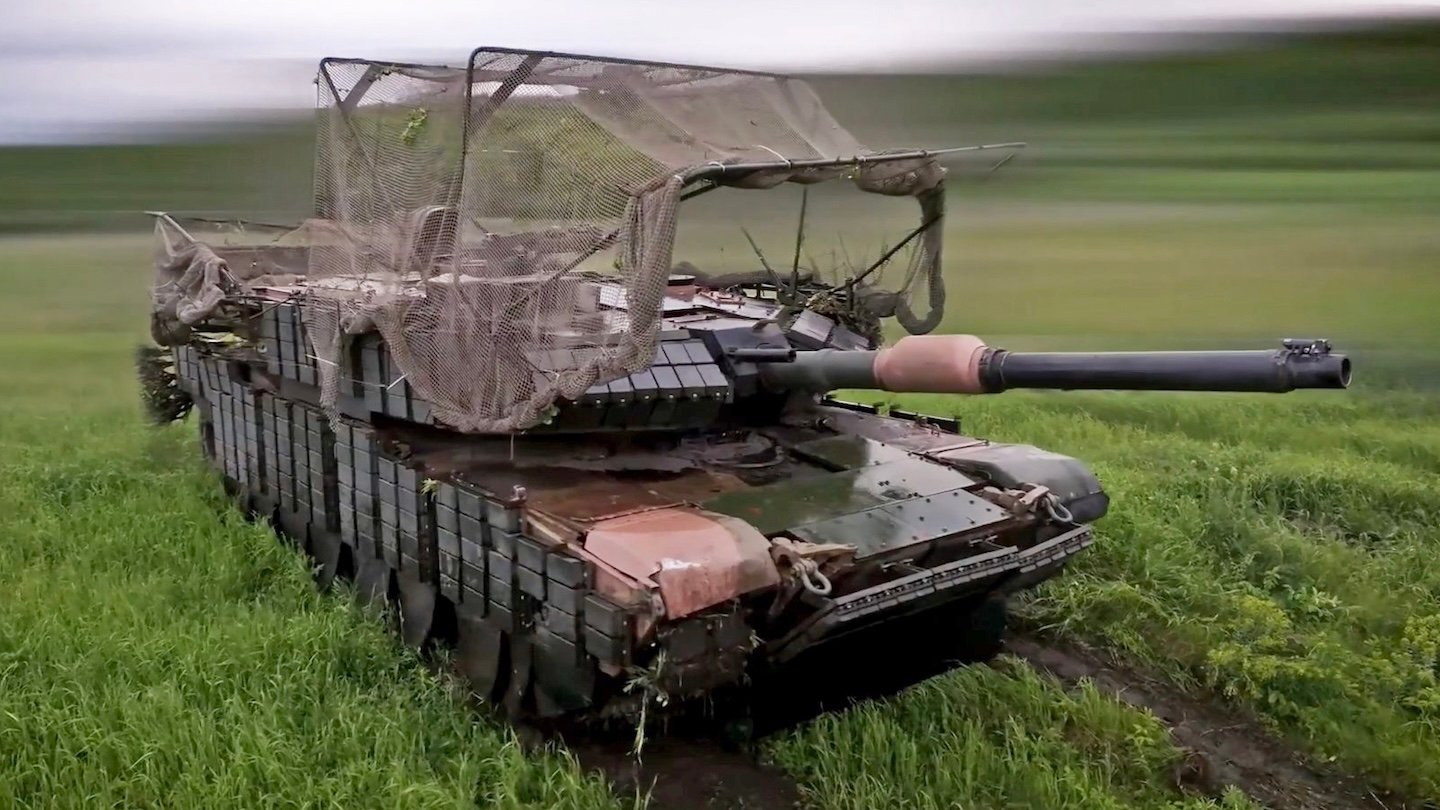
He pointed to fairly basic modifications including rubber strips and a foldable wire cage mounted on the turret, as additional layers of protection against drone attacks.
“A drone doesn’t hit the actual penetrating element directly — it just can’t reach it,” he explained. “It hits the rubber, and then the blast wave travels from there.”
Even with their tanks festooned with explosive reactive armor (ERA) bricks, the crews acknowledge that such protection has limits.
A head-on view of an M1A1 of the 425th Separate Assault Regiment shows the ERA bricks installed around the turret and in front of the hull. Ukrainian Armed Forces
US-supplied M1A1 Abrams tank in service of the Armed Forces of Ukraine with added Kontakt-1 ERA on the frontal hull and standard ARAT ERA on the sides. pic.twitter.com/PC2kDfxefO
— Status-6 (War & Military News) (@Archer83Able) May 21, 2024
“They also protect very well. An effective thing,” he said.
A Russian tank with the ‘hedgehog’-type protective covering. Russian state media
For now, the drone threat has led the regiment to keep its Abrams out of combat, as we will return to later.
The Abrams as a machine
The crews’ assessment of the Abrams included praise for its mobility, roomy interior, gun, and fire-control system.
Kubik said he had personally driven an Abrams to 50 miles per hour cross-country.
“The engine is an absolute beast,” he added.
The tank can also rapidly perform a pivot turn, which the crews consider particularly useful when maneuvering in confined spaces. Despite its prodiguous weight, it only rarely becomes bogged down after the kind of very heavy snow-melt that effects all vehicles on the battlefield.
Loading a 120mm M1028 canister cartridge into an M1A1 AIM Abrams main battle tank of the tank battalion of the 425th Assault Regiment. pic.twitter.com/tMd8QcROQe
— 𝔗𝔥𝔢 𝕯𝔢𝔞𝔡 𝕯𝔦𝔰𝔱𝔯𝔦𝔠𝔱 (@TheDeadDistrict) June 21, 2026
Its disadvantages include its demanding maintenance requirements. The running gear was described as particularly sensitive, with crews inspecting, lubricating, and replacing components after every sortie.
Fuel consumption is another major burden. The crew cited roughly 400 to 700 liters (106 to 185 gallons) per 100 kilometers (62 miles) depending on terrain and operating conditions.
“On asphalt it burns about 400 liters,” one said. In boggy terrain, consumption can reach “700 liters or more.”
The Abrams thirsty gas turbine engine and extreme logistical demands have always been a criticism of the platform.
An M1A1 of the 425th Separate Assault Regiment fording a river. Ukrainian Armed Forces
The crews said the vehicle’s ability to operate on different fuels is useful, although diesel provides the best engine-hour performance in their experience. Prior to delivery, the gas turbine engines of the tanks were reconfigured to use diesel fuel instead of the standard JP-8 aviation kerosene, according to earlier reports.
They also praised the Abrams’ protected ammunition storage and crew space compared with Soviet-designed tanks.
The version operated by the Ukrainians is an M1A1 rather than the latest Abrams configuration, with less sophisticated electronics than newer variants. It also lacks the classified armor found on its U.S. Army counterpart.
“For me — as a tanker — this configuration, what we have right now, is more than enough,” Kubik said. “The sight is absolutely excellent. The gun is also great.”
The interview ultimately presents a more complicated picture than the declaration that tanks are obsolete on the Ukrainian battlefield.
At the time of writing, at least 25 Abrams have been confirmed visually to have been destroyed, damaged, or abandoned in Ukrainian service. This is from a total of 31 provided by the United States and 49 from Australia.
“For now, we’re not using them further — there’s no way to,” Kubik said. “The enemy has developed their drone component very heavily, and for now we don’t have the means to counter that.”
While tanks remain exceptionally powerful direct-fire and protected mobility platforms, the proliferation of inexpensive uncrewed aircraft has made operating them increasingly difficult.
M1A1 AIM Abrams tanks of the 425th Assault Regiment . The reinforced upper glacis and turret roofs are clearly visible. pic.twitter.com/Sn9h8OWZ9P
— 𝔗𝔥𝔢 𝕯𝔢𝔞𝔡 𝕯𝔦𝔰𝔱𝔯𝔦𝔠𝔱 (@TheDeadDistrict) June 21, 2026
“If someone had told me, as a tanker, back in 2022: ‘Take this — we’re giving you an Abrams, we’ll give you time to train and you’ll fight in it,’” Kubik said, “I would never have climbed out of it.”
“I’d only be saying: ‘Bring me shells. I’ll drive non-stop wherever needed, arrive and work.’”
An M1A1 of the 425th Separate Assault Regiment firing its main gun. Ukrainian Armed Forces
As it stands, reconnaissance drones can find the Abrams, FPV drones can attack it, and persistent surveillance makes concealment difficult. Experience has shown that without more effective counter-drone capabilities, even a heavily protected tank can eventually be overwhelmed.
But Kubik believes that will change.
“The day will come when one of our bright minds figures out some excellent solution against drones — and we’ll start using them again.”
Asked whether the era of tanks is over, his answer was unequivocal.
“It’s not over … They’re just waiting it out for now, biding their time. Writing off tanks — in my opinion — is still too early.”
American Rheinmetall and General Dynamics Land Systems have now delivered the first prototypes of their proposed XM30 Mechanized Infantry Combat Vehicle (MICV) designs to the U.S. Army. The XM30 program is the Army’s latest attempt to replace its fleet of Bradley Fighting Vehicles. The competing MICV designs are set to be put to the test alongside early prototypes of the next-generation M1E3 Abrams tank in the spring.
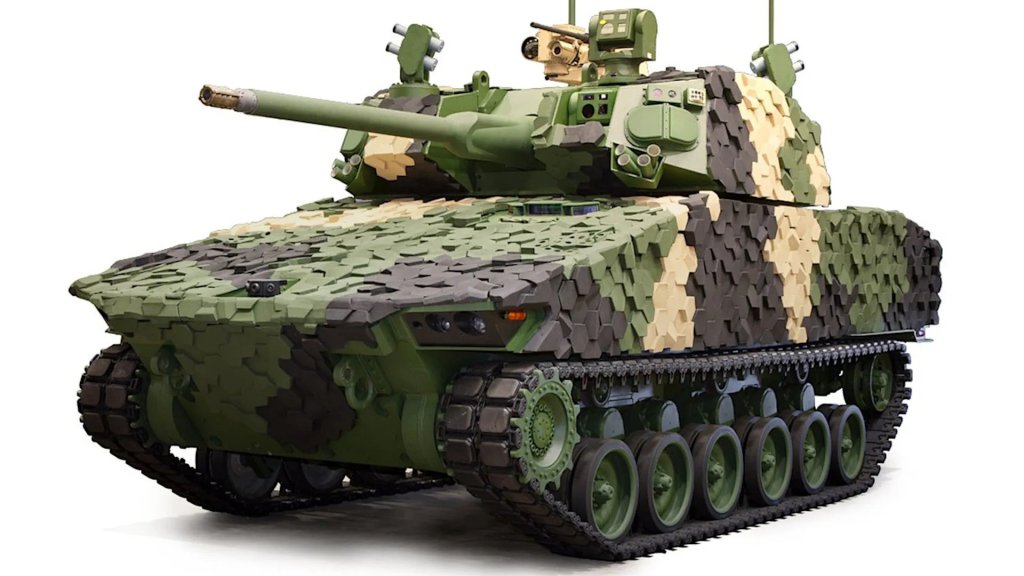
The U.S. subsidiary of Germany’s Rheinmetall has been developing a version of its Lynx family to meet the Army’s MICV requirements, and announced the delivery of the first example today. General Dynamics Land Systems (GDLS), which is offering the Wolf, a further evolution of the company’s Griffin III, itself derived from the ASCOD 2 infantry fighting vehicle, said last week that its first prototype had arrived at the Aberdeen Proving Ground in Maryland. Variants and derivatives of the Lynx and ASCOD 2 are already in service with several countries, which we will come back to later on.
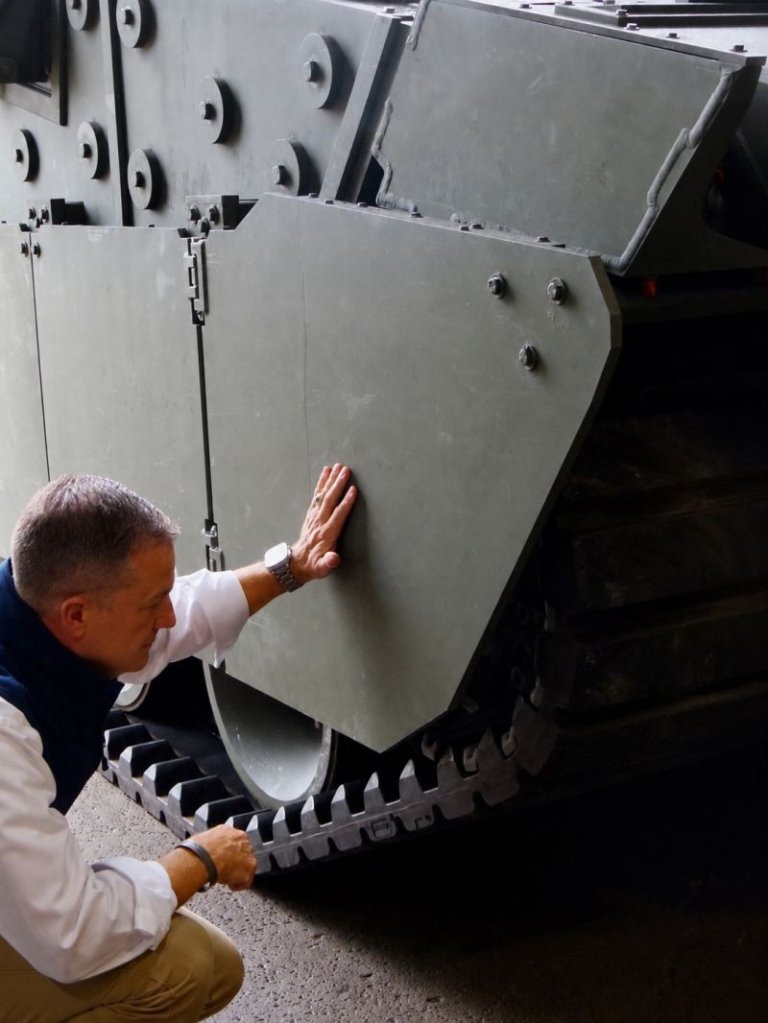
Geoffrey Norman, Director for U.S. Strategy & Growth at General Dynamics Land Systems, shared this picture of him kneeling beside a Wolf prototype in a post on LinkedIn last week. That same post said that the first prototype had been delivered to the US Army. Geoffrey Norman/LinkedIn
“Delivering our first prototype to the Army is an important step as the XM30 Combat Vehicle program enters a more visible phase,” Matt Warnick, CEO of American Rheinmetall, said in a statement accompanying the release. “Team Lynx now has the opportunity to show the Army that we can deliver on the promise of a modern replacement for the Bradley.”
“I could not be happier to be part of the GDLS team that is delivering this incredible new capability on schedule to the Army – they need it now,” Geoffrey Norman, Director for U.S. Strategy & Growth at General Dynamics Land Systems, had written last week in a post on LinkedIn. “The work continues as this first vehicle gets into the Army’s hands.”
The Lynx and Griffin III-based XM30 designs both feature hybrid-electric propulsion. This will offer improved fuel economy, added electrical power generation, and other benefits compared to the Bradley with its traditional diesel engine. The vehicles both have remotely operated turrets, with their two-person crews, as well as up to six passengers, all riding in the hull.
General Dynamics Land Systems’ Wolf is based on the Griffin III, an earlier configuration of which is seen here. GDLS
The Army expects the winning XM30 to provide significant boosts in lethality and other capabilities compared to any existing version of the Bradley. The main weapon on both competing designs is an XM913 50mm automatic cannon, offering a significant increase in firepower compared to the 25mm M242 on the Bradley.
The XM30 will also be able to launch loitering munitions. AeroVironment’s Switchblade 300 has been integrated onto General Dynamics Land Systems’ design. American Rheinmetall’s entry is designed to be able to fire versions of Raytheon’s Coyote Block 3, but whether it can launch other munitions is unclear. The launchers on the Lynx-based XM30 are known to also be capable of firing anti-tank guided missiles, such as the TOW and Javelin. The Army has demonstrated the ability to fire a version of the Coyote from the TOW missile launcher on the Bradley, as well.
A Bradley Fighting Vehicle launches a Coyote LE SR loitering munition from its TOW missile launcher during a test exercise in 2025. US Army
Next-generation fire control, sensor, and networking/communications capabilities are also key to the Army’s current Bradley replacement plans. With its improved network connectivity, the service envisions XM30s acting as controllers for uncrewed ground vehicles, as well. The Army has already been working to prove out future crewed-uncrewed teaming concepts using the Bradley.
Overall, the Army sees the XM30 as a future “cornerstone of the Armored Brigade Combat Team (ABCT), designed to enhance lethality, survivability, and maneuverability in high-intensity combat against near-peer adversaries,” according to the Army’s Fiscal Year 2027 budget documents. “The XM30 is versatile in its operational roles, capable of leading the charge, scouting ahead, or providing overwatch while Soldiers dismount and maneuver. Its ability to control robotic systems and semi-autonomous platforms adds another layer of capability, allowing the formation to extend its reach and maintain dominance across the battlefield.”
“The XM30 program is not just a replacement for the Bradley Fighting Vehicle – it represents a transformative leap in ground combat vehicle development. The XM30 is more than a vehicle; it is a software-defined platform designed for interoperability and adaptability, ensuring it evolves with changing technologies and operational demands,” the budget documents continue. “By leveraging digital engineering and modular open systems architecture (MOSA), the XM30 ensures infantry units always have the cutting-edge tools they need to outmaneuver and outgun the enemy. The XM30 also achieves a level of logistical efficiency that ensures sustained operational readiness while reducing costs and complexity.”
The Army now plans to put the XM30 prototypes to the test during a regular rotation at the sprawling National Training Center (NTC) at Fort Irwin in California next spring, according to a report last month from Breaking Defense. Soldiers assigned to the 1st Brigade Combat Team, 1st Cavalry Division out of Fort Hood in Texas, will operate the vehicles. 1/1st Cavalry is one of the Army’s so-called Transformation In Contact (TIC) units, which are supporting the service’s broader modernization objectives. The brigade is expected to bring prototypes of the next-generation M1E3 Abrams tank to the NTC, as well.
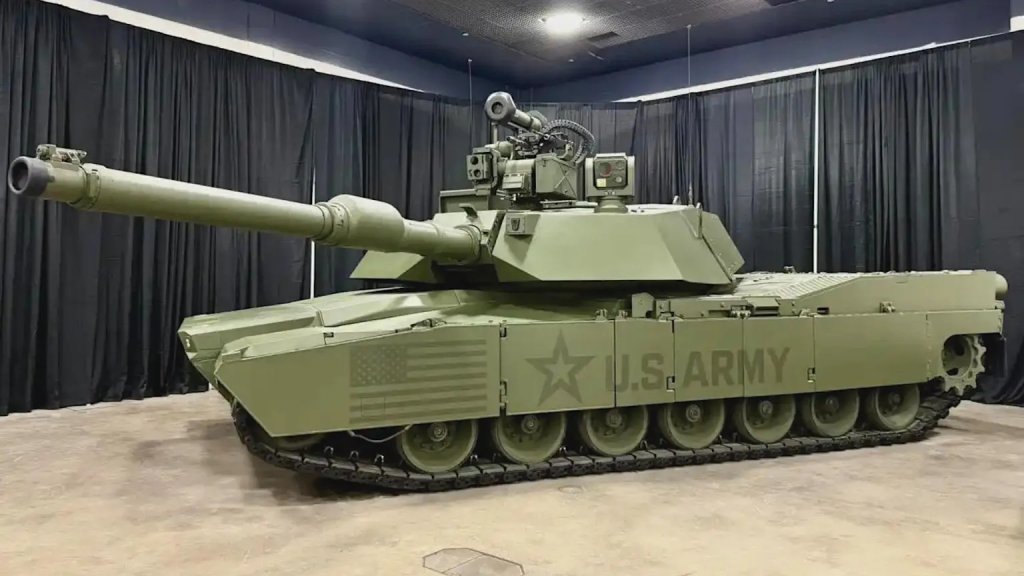
The first ‘pre-prototype’ of the next-generation M1E3 Abrams tank. US Army
The Army has talked in the past about aiming to field a winning XM30 design by Fiscal Year 2029. However, it remains to be seen when it might make a final selection and when the first of those vehicles actually enter operational service.
“We have a plan to carry two vendors as long as we possibly can. It becomes a question about resourcing the money, because you’re not paying necessarily double, but you’re kind of paying double,” Army Brig. Gen. Troy Denomy, Program Acquisition Executive of Maneuver, told Breaking Defense for its story in August. “We’re absolutely trying to keep our options open as long as we can, but money matters.”
That being said, “if there’s not a clear winner at the end of the NTC rotation, ‘then it may be worth not selecting at that point,’ Denomy said,” per Breaking Defense.
This is hardly the first time the Army has attempted to replace the Bradley since it first entered service in the 1980s. Cost, weight, and other factors have derailed several previous attempts, including the Optionally Manned Fighting Vehicle (OMFV) effort that directly preceded the current MICV program. In February, another report from Breaking Defense had raised questions about the XM30’s future after at least a temporary program pause within the last year. That was followed by a new request for information for a different, but very similar-sounding vehicle.
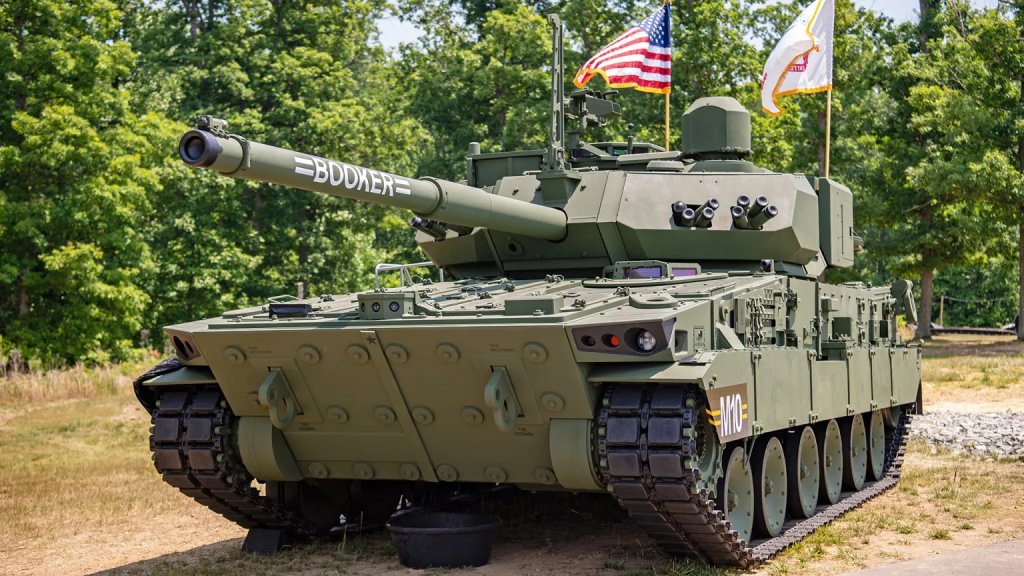
The M10 Booker, one of which is seen here, is another member of the larger family of vehicles from General Dynamics Land Systems that also includes the Wolf. The Army cancelled this program in 2025. US Army
In the meantime, examples of both of the designs competing to become the future XM30 are now in Army hands and are set to be tested alongside the M1E3 next year.
Update: 5:23 PM ET –
GDLS has now put out a brief press release regarding the delivery of the first Wolf prototype to Aberdeen Proving Ground, which it says occurred on August 21.
“This on-time delivery will allow Soldiers to start putting the Wolf through its paces, with the ultimate goal of getting it fielded into armored brigades as quickly as possible,” GDLS’ Norman said in a new statement accompanying the release. “I would like to congratulate our XM30 team on the successful design and production of this game-changing solution. The Wolf is the most technologically advanced combat vehicle ever assembled.”
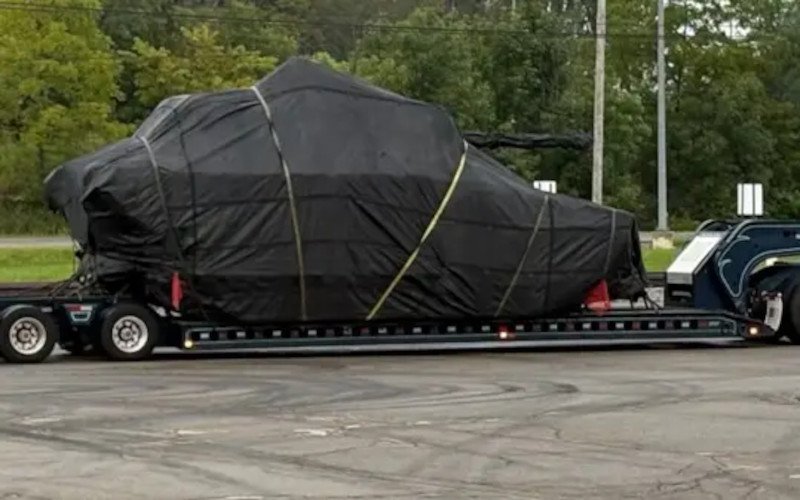
The release also included the picture below, showing the Wolf prototype entirely under wraps on a trailer.
The U.S. Army is calling for new potential options for replacing the venerable Stinger short-range heat-seeking surface-to-air missile. The service has already been funding work on two competing designs from Lockheed Martin and Raytheon under its Next-Generation Short-Range Interceptor (NGSRI) program since 2023. The Army is currently aiming to buy 11,000 NGSRI missiles, as well as 2,200 new man-portable launchers, starting in Fiscal Year 2028.
The Army put out a contracting notice regarding what it is calling the NGSRI Alternate Interceptor Demonstration (AID) yesterday. The service is looking to hold an industry day event regarding its plans for the AID at Redstone Arsenal in Alabama next month.
“The Army is seeking to identify additional potential sources to fulfill the NGSRI requirements,” the notice explains. “The Army plans to conduct a demonstration in the Spring 2027 timeframe. A successful demonstration by an offeror may lead to an award for missile procurement.”
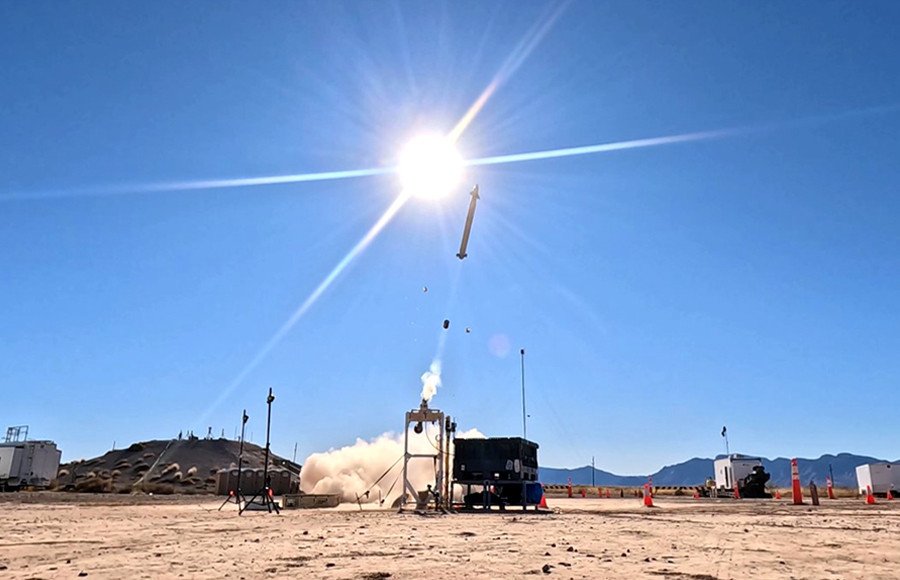
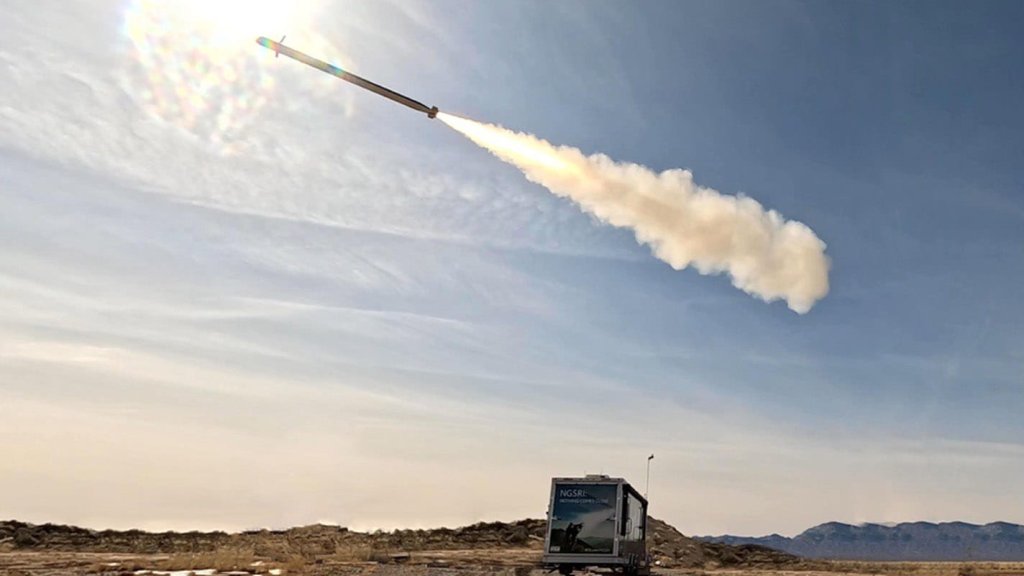
A picture showing a test of Lockheed Martin’s NGSRI entrant, called QuadStar. Lockheed MartinRaytheon has previously released this image in relation to work on its NGSRI design. Raytheon
“The current NGSRI program was initiated to meet the Department of the Army requirement for Maneuver Short Range Air Defense (M-SHORAD) surface to air missile systems to replace the legacy FIM-92 Stinger man-portable air defense system,” the notice adds. “The NGSRI is a high performance, soldier portable, fire and forget, surface to air missile system capable of defeating rotary wing, fixed wing, and Group 2/3 Unmanned Aircraft System threats.”
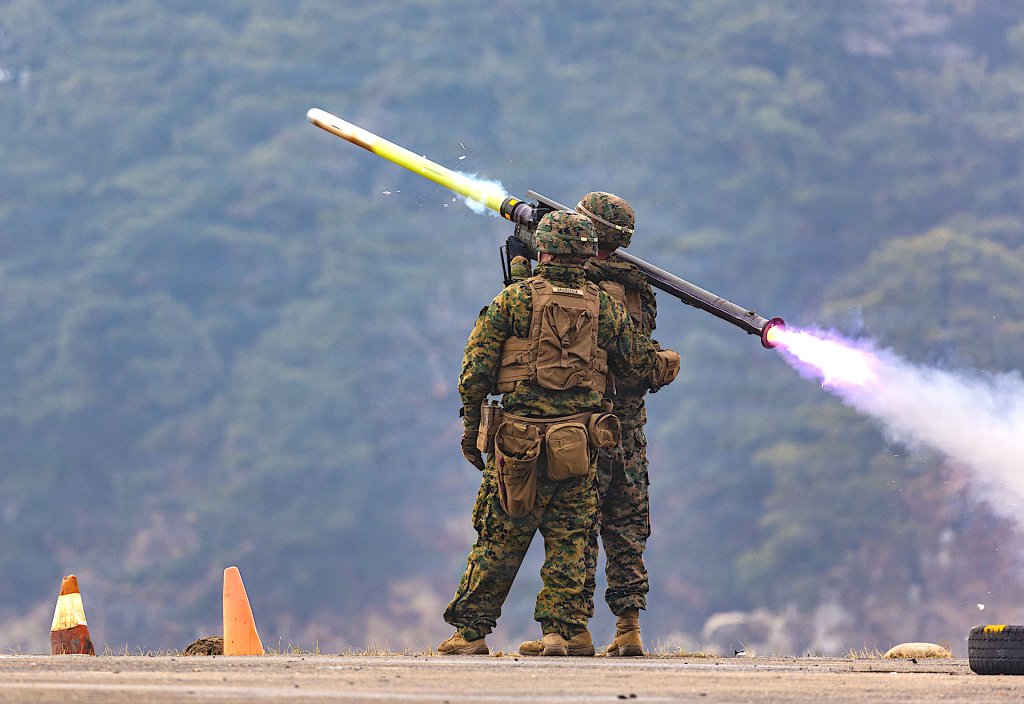
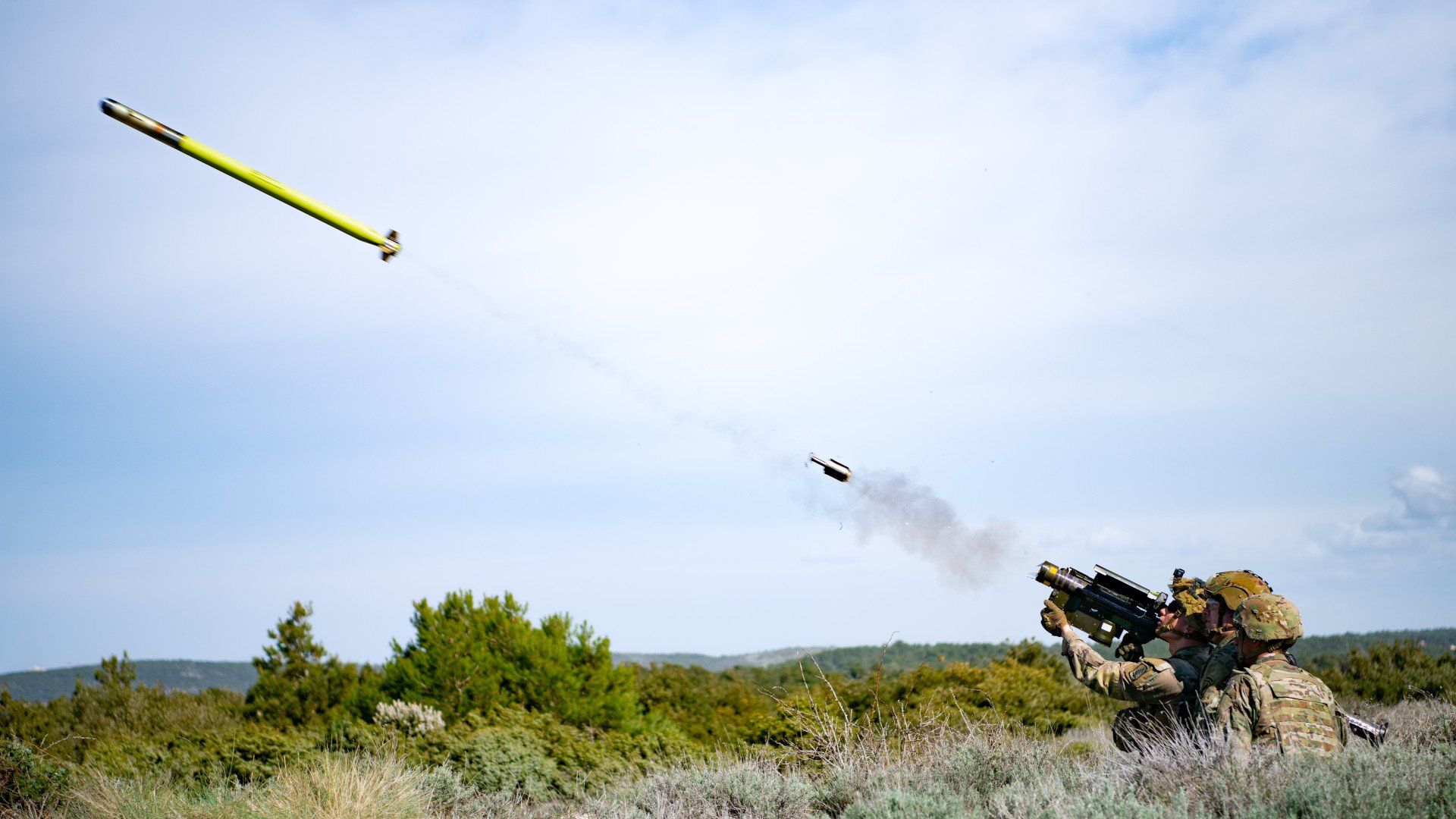
US Marines fire a Stinger missile during training. The NGSRI program is seeking a replacement for Stingers in Army and Marine Corps service. US Army
In U.S. military parlance, Group 2 covers drones with gross weights between 21 and 55 pounds, that can fly up to altitudes of 3,500 feet, and hit top speeds of up to 250 knots. Group 3, the next tier up, is a far broader category that encompasses uncrewed aerial systems weighing anywhere between 55 and 1,320 pounds, with operational ceilings between 3,500 and 18,000 feet, and with top speeds between 100 and 250 knots.
It is also worth noting here that the Stinger has received upgrades in recent years to improve its effectiveness against drones. You can read more about that missile’s evolution since it was first introduced in the 1970s here.
“The NGSRI missile is backwards compatible with the legacy Stinger missile platforms such as SGT STOUT and Marine Corps Marine Air Defense Integrated System (MADIS),” yesterday’s contracting notice also stresses. This has been a key requirement since the program started.
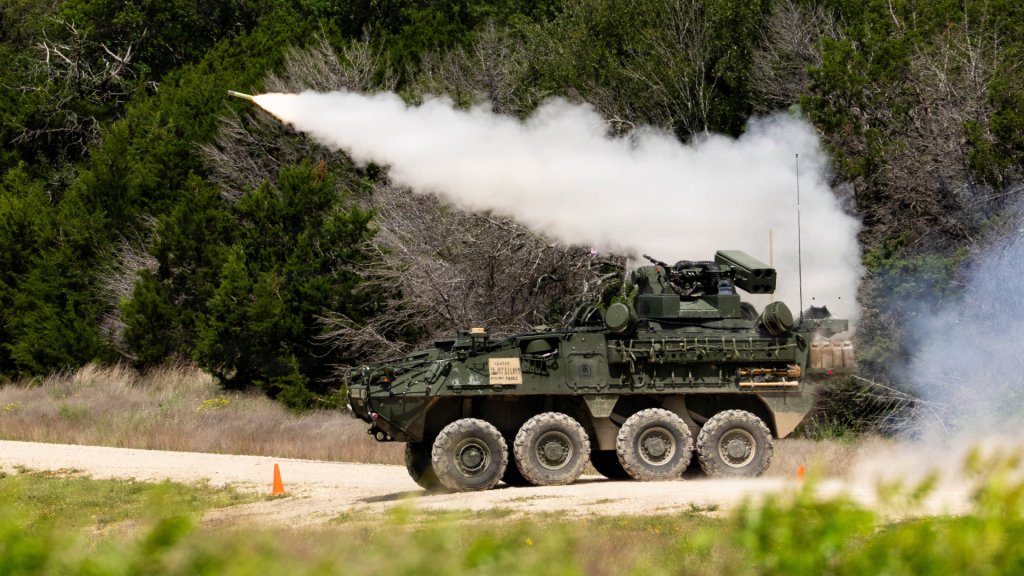
Sgt. Stout is the name given to an air defense system in Army service today that is based on the 8×8 Stryker light armored vehicle. The Sgt. Stout has a turret that can be fitted with up to two four-round launchers for Stingers. Those launchers can also be swapped out for ones that can be loaded with a pair of millimeter-wave radar-guided AGM-114L Hellfire missiles. The turret also has a 30mm XM914 automatic cannon, which can fire proximity-fuzed airbursting rounds against drones and other aerial threats, and a 7.62x51mm M240B machine gun.
A Sgt. Stout air defense vehicle fires a Stinger missile during training. US Army
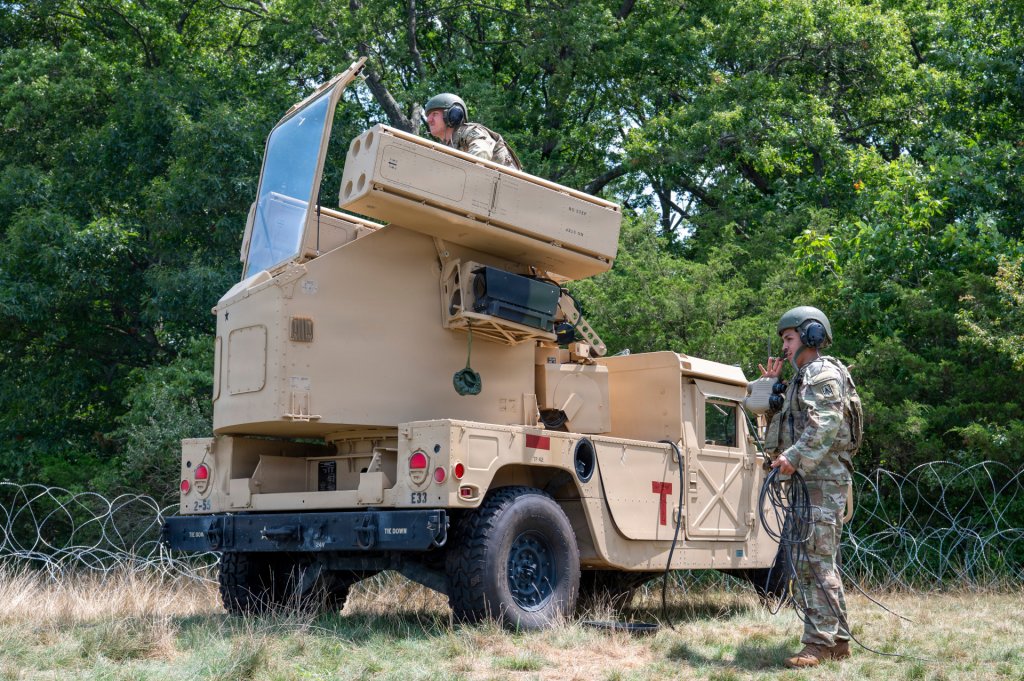
The four-round Stinger launchers used on the Sgt. Stout are the same ones found on the older Humvee-based Avenger air defense systems, which are in increasingly limited use in the U.S. Army and Marine Corps. Army Avengers were recently in the news after images emerged showing them protecting President Donald Trump at his golf course in Bedminster, New Jersey.
An Army Avenger system seen deployed in Bedminster, New Jersey earlier this month. USAF Lt. Col. Andrew Scott
In its current form, the Marine Corps’ MADIS consists of two 4×4 Joint Light Tactical Vehicles (JLTV) in different configurations. One is armed with Stinger missiles, as well as an XM914 cannon and M240 machine gun, all mounted on a single remote weapon station. The other has the same type of remote weapon station, but without Stingers, and also has added electronic warfare, electronic support measures, and sensor capabilities.
A Marine MADIS vehicle fires a Stinger missile during training. USMC
Stinger is still perhaps best known in its shoulder-fired form, also known as the Man-Portable Air Defense System (MANPADS) configuration, as seen in pictures earlier in this piece. The Army has already been pursuing new individual launchers, or Control Launch Assemblies (CLA), for use with existing Stingers, which could also be used with future NGSRI missiles. Lockheed Martin has publicly put forward a new CLA design as part of its NGSRI proposal, which is called QuadStar, as seen in the video below.
Stinger is also in widespread service globally. Any replacement the U.S. military might adopt, especially one that is backwards compatible with existing launchers, could easily translate to interest from foreign armed forces. The ongoing war in Ukraine and other conflicts in recent years have contributed to a new surge in demand for MANPADS worldwide, including to help counter growing drone threats.
The U.S. military has been putting new emphasis on diversifying supplier bases and greater government control of intellectual property rights, especially for munitions, in recent years. This is a general focus area that has grown even more since President Trump’s second term began last year. Officials have been open about their desire to reduce reliance on traditional prime contractors and bring in more smaller and non-traditional firms, even for very high-profile weapon system programs. These efforts reflect a particular push to avoid so-called ‘vendor lock’ and promote greater competition, which can also offer benefits when it comes to cost and scaling production.
When it comes to NGSRI, as mentioned, the Army is looking to buy thousands of these missiles, as well as individual launchers, in the coming years. A new demonstration next year would also not preclude the service from ultimately ordering NGSRIs from either Lockheed Martin or Raytheon.
With plans to start production of the selected NGSRI design in Fiscal Year 2028, which starts on October 1 of next year, the Army will need to make a decision about how to proceed with NGSRI relatively soon.

 Login



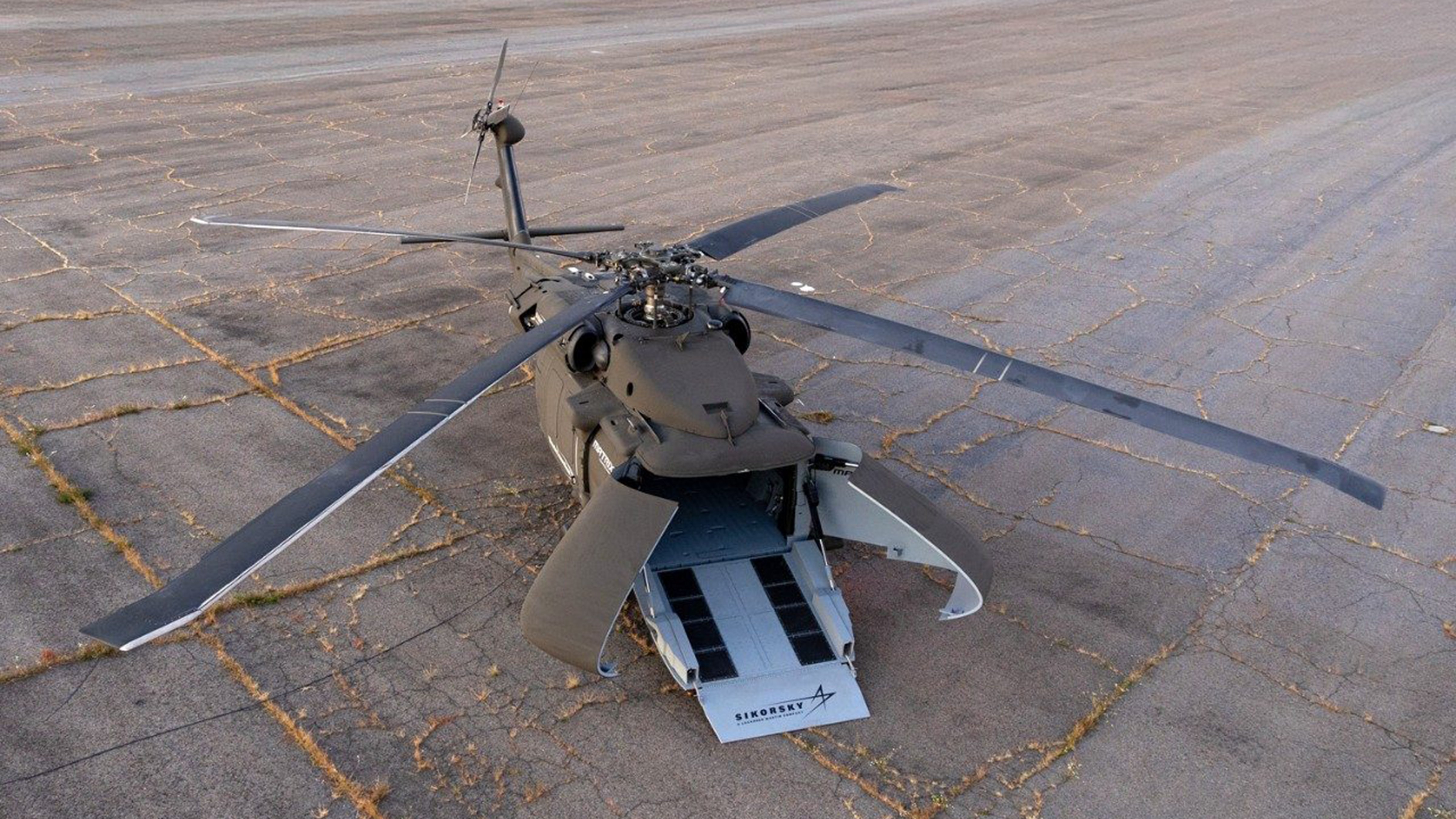
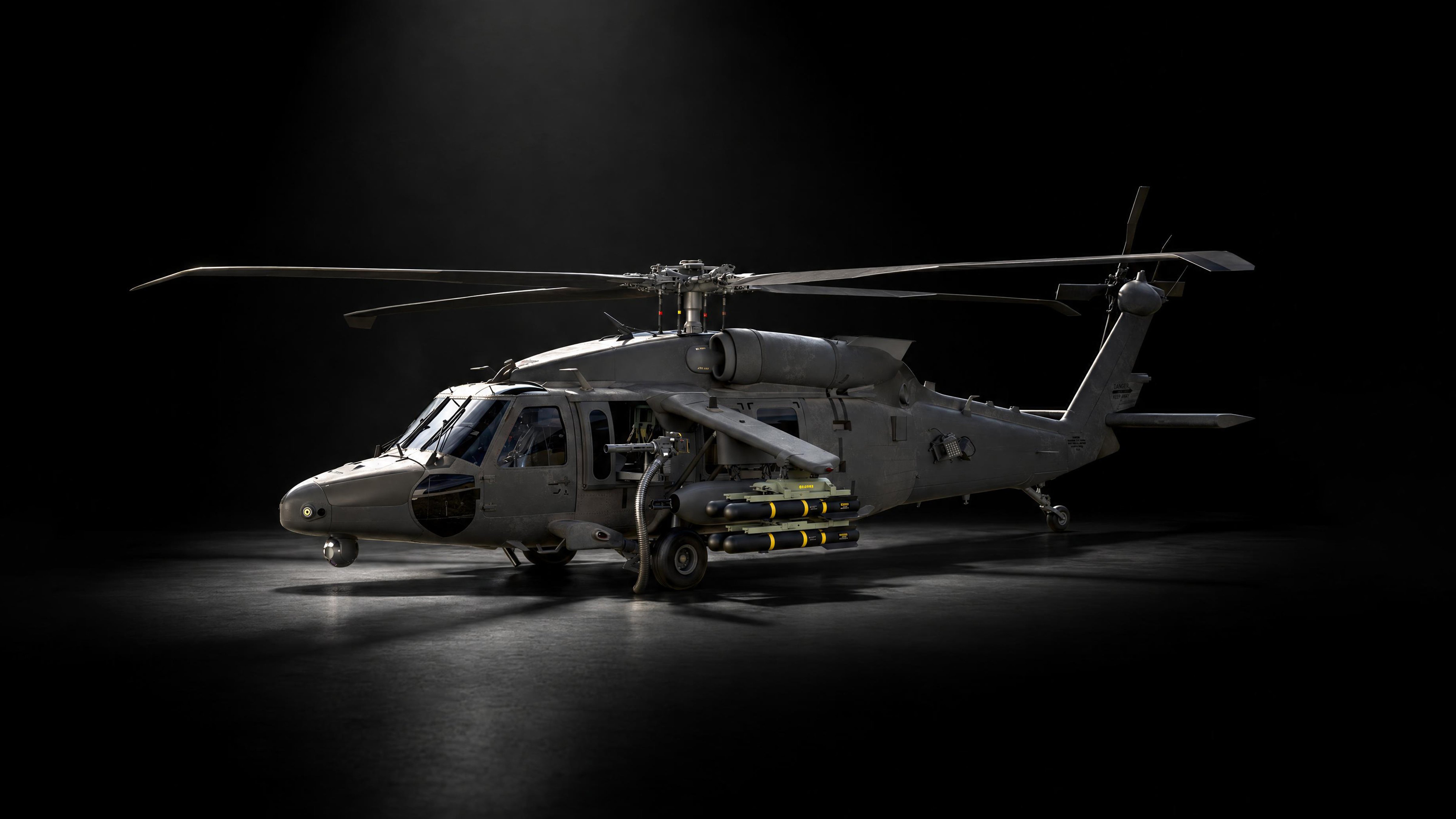
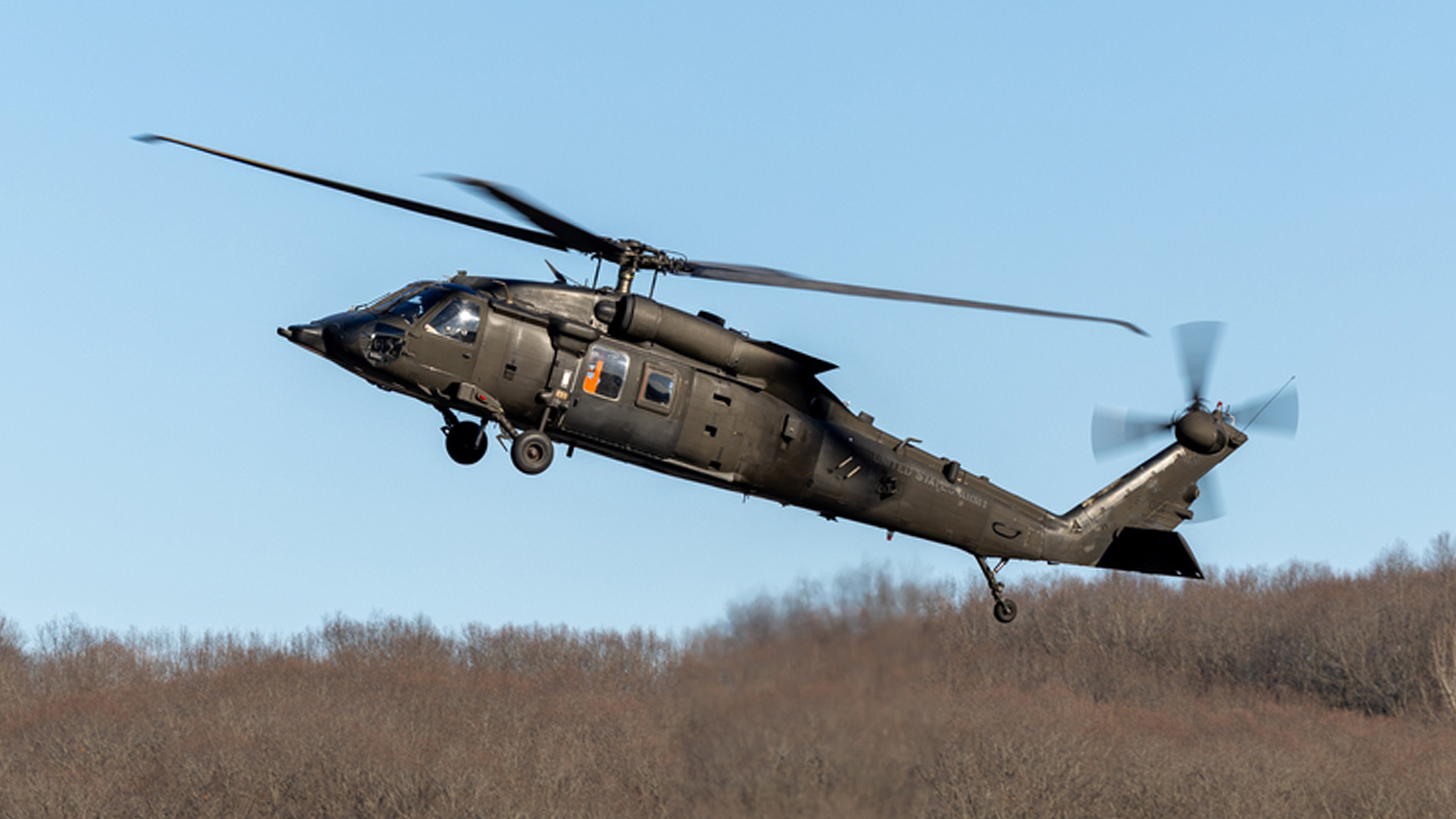
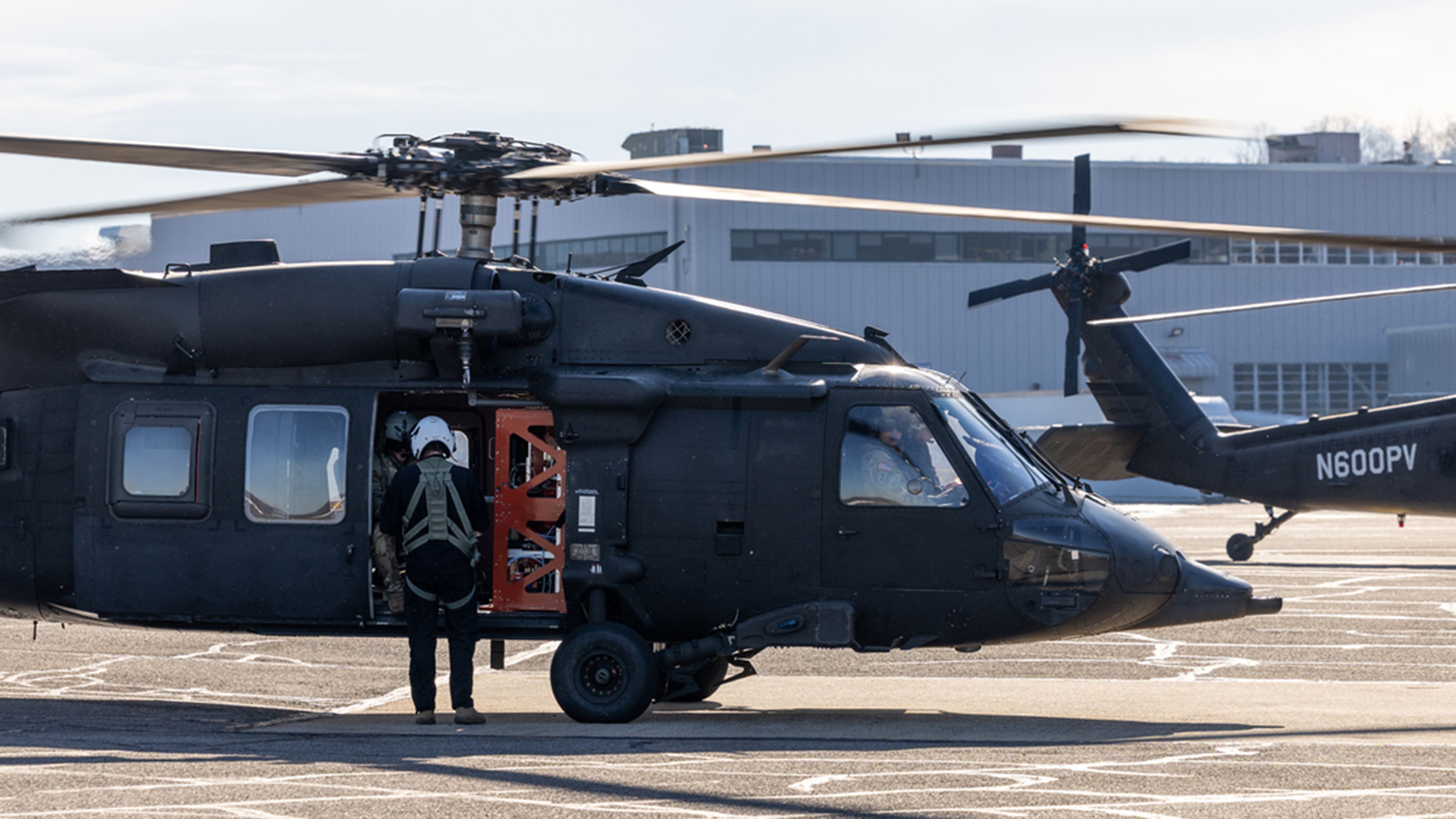
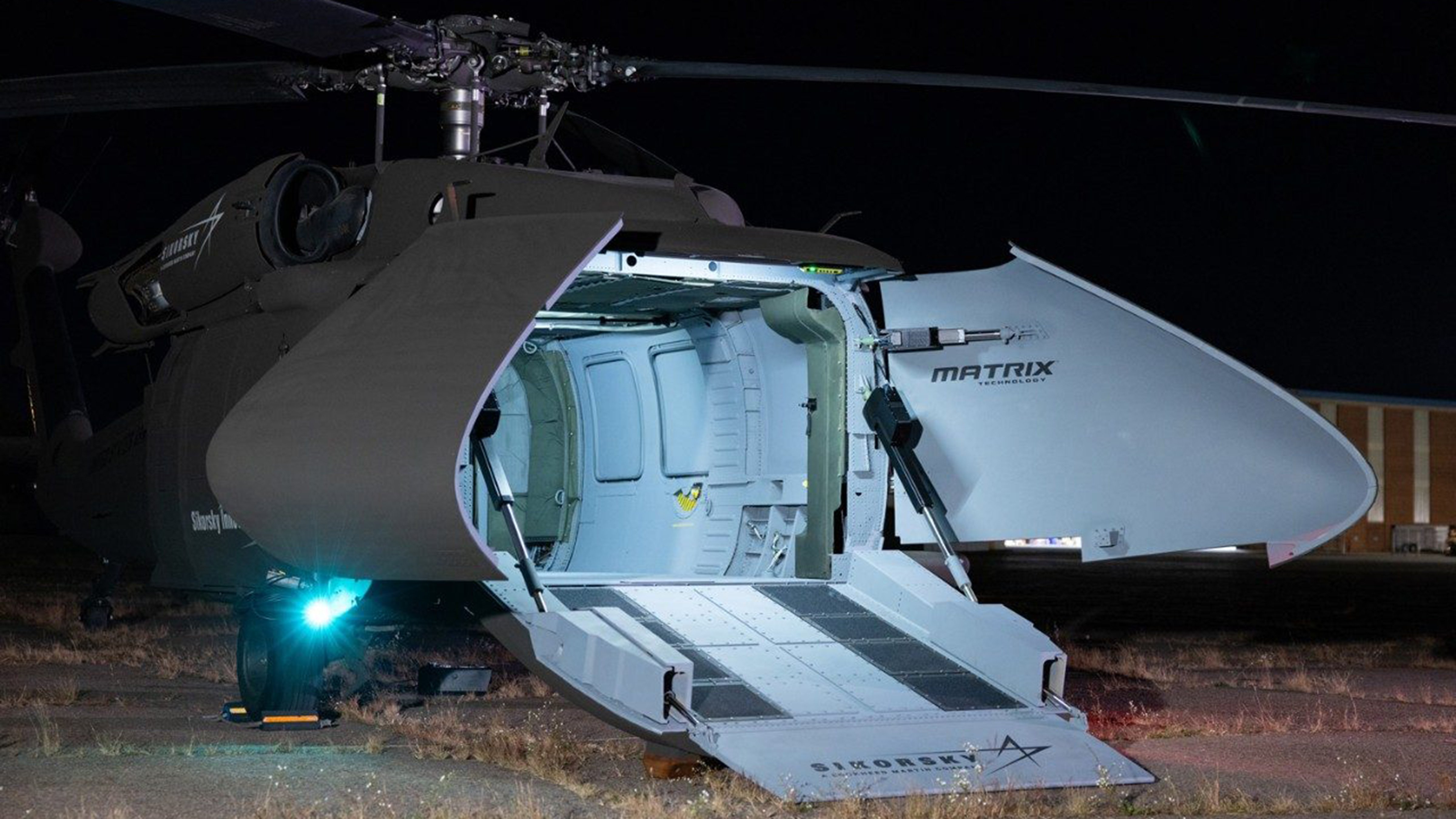
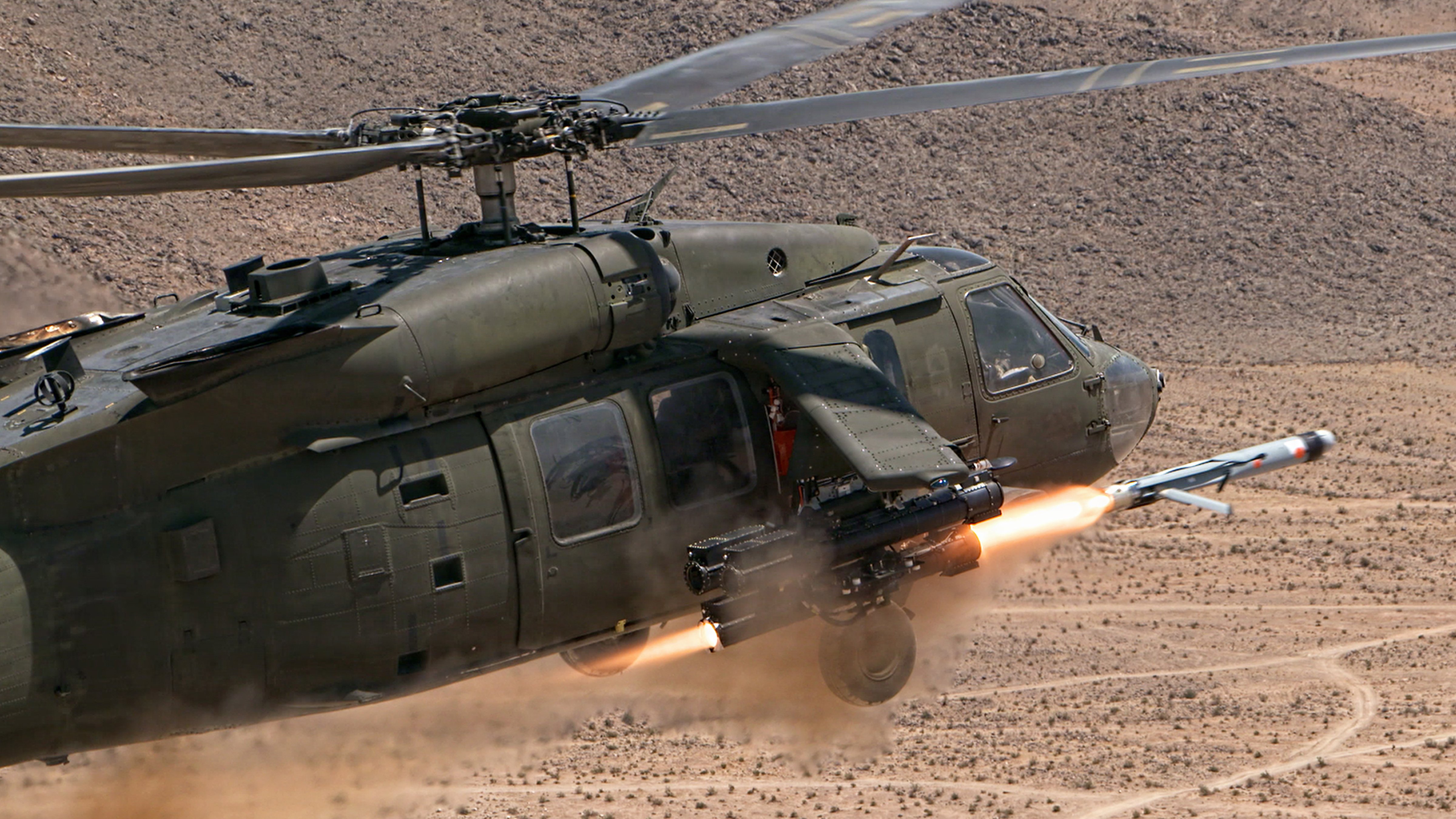

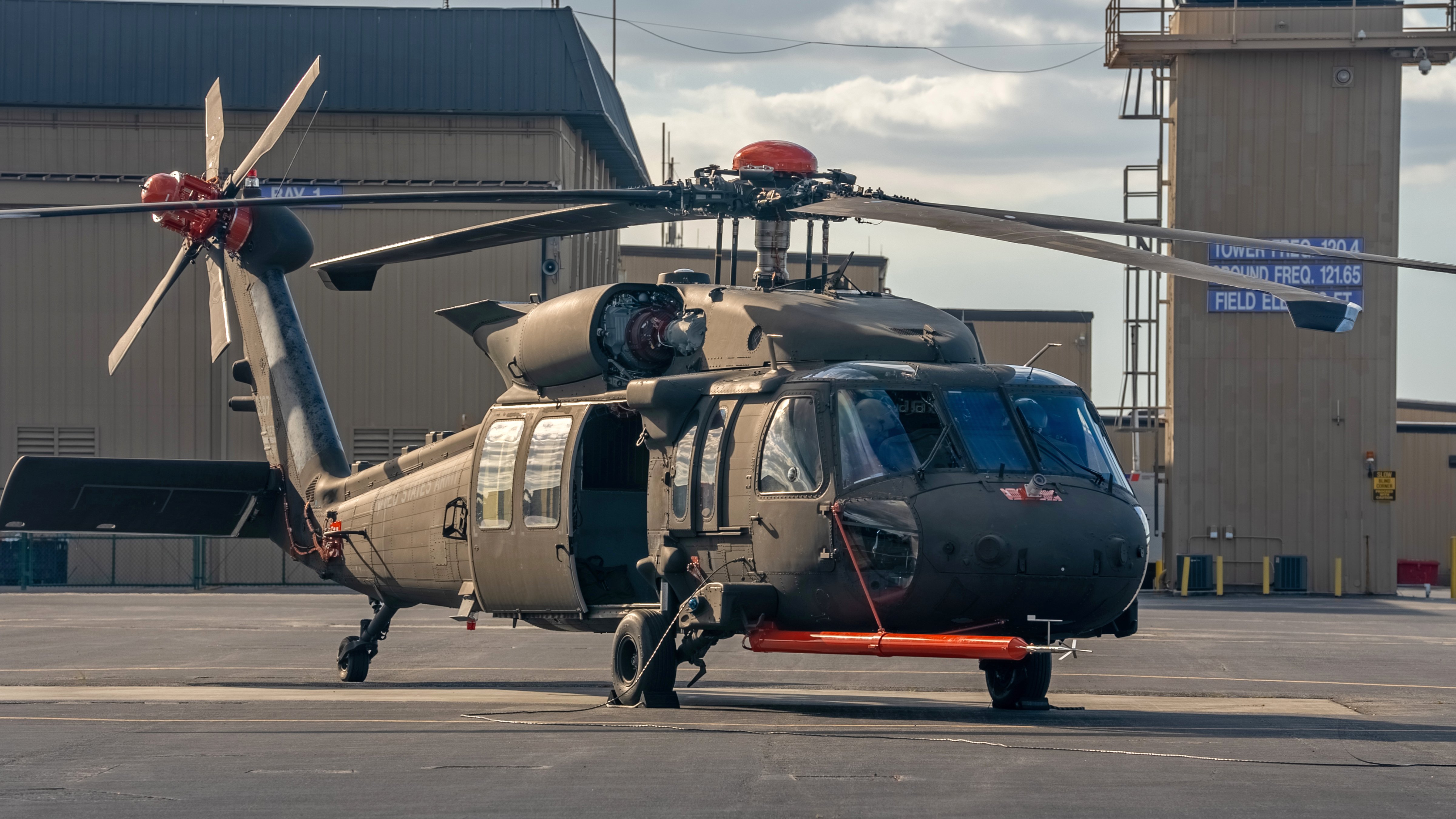
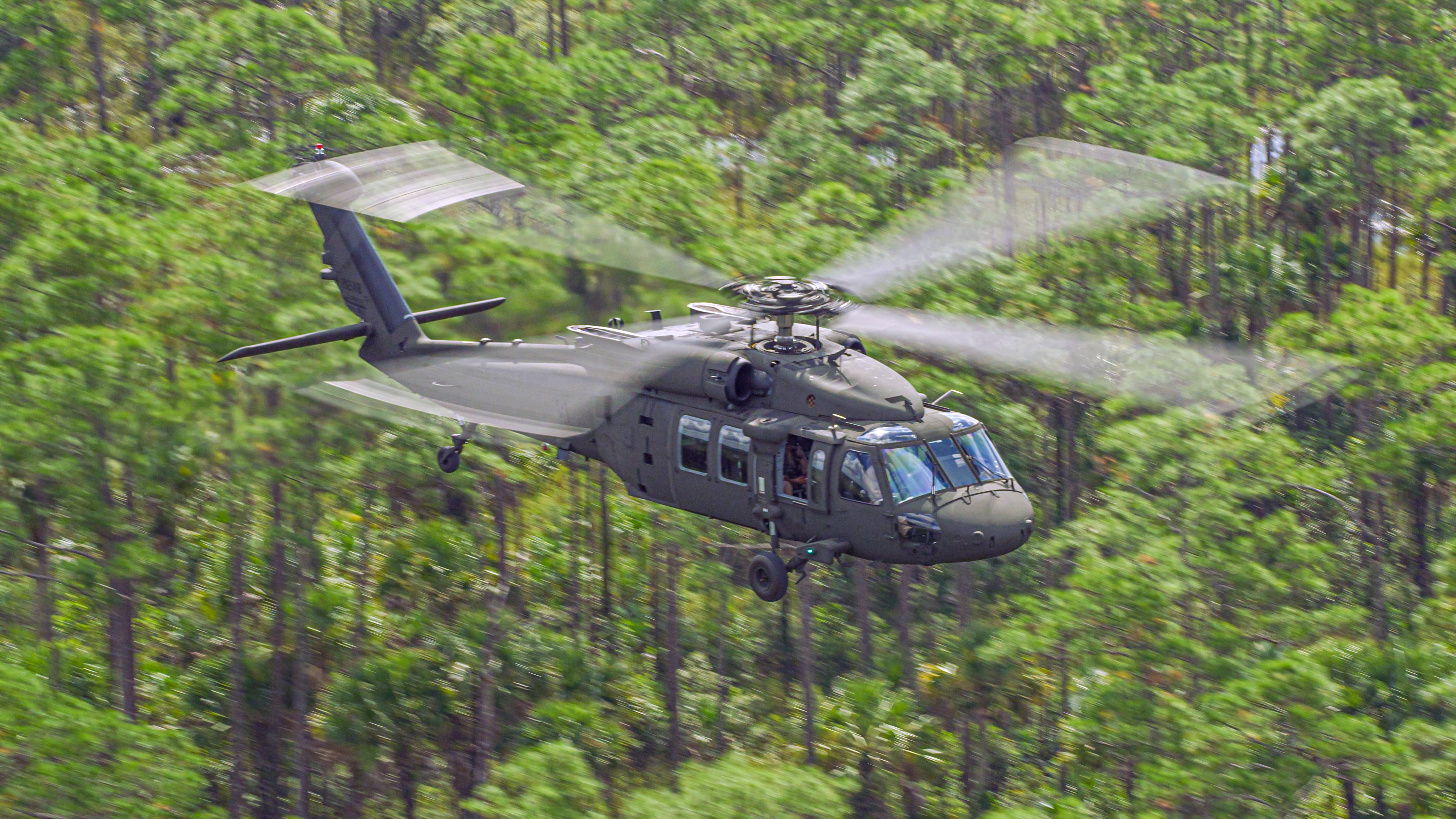
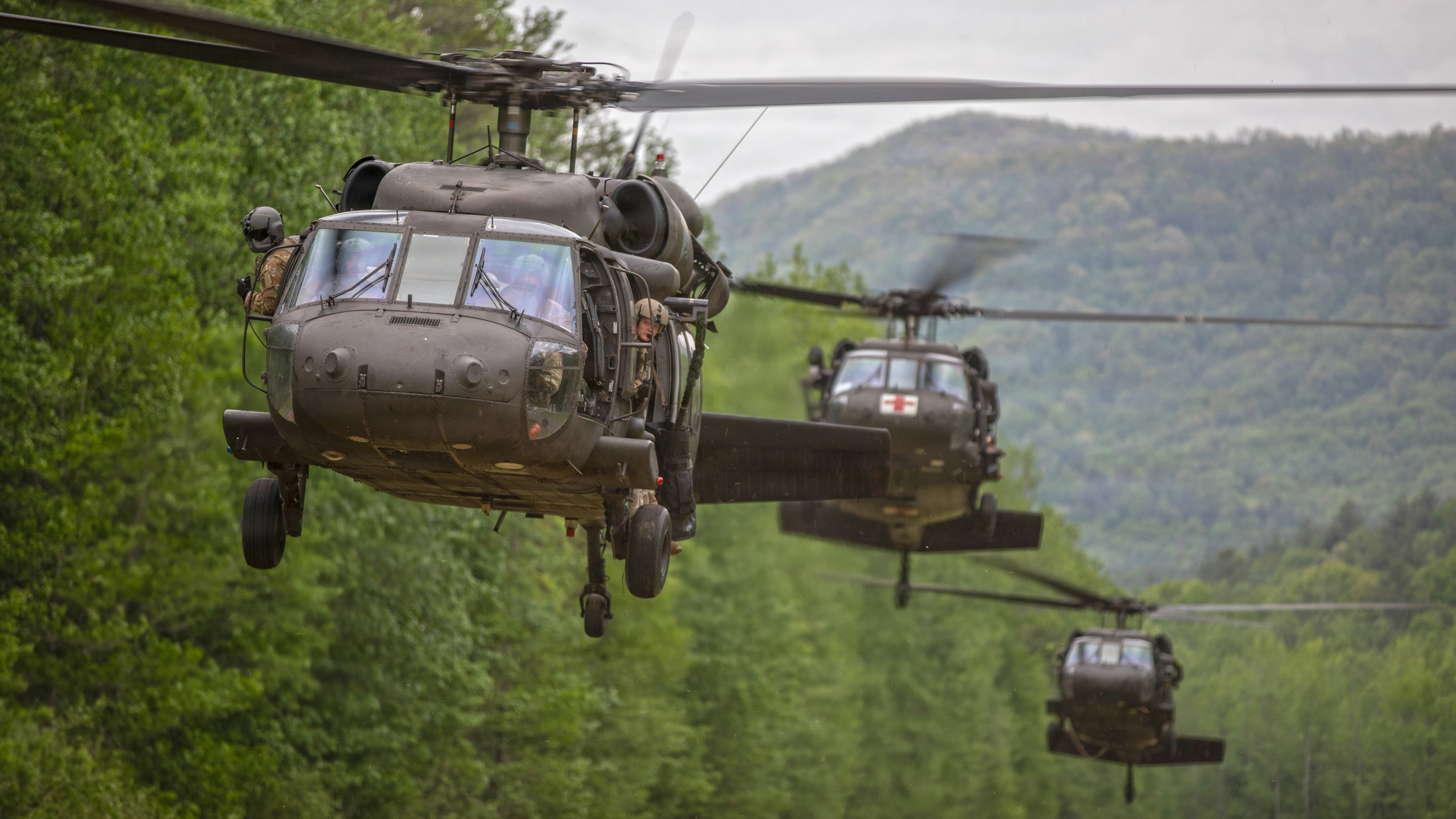
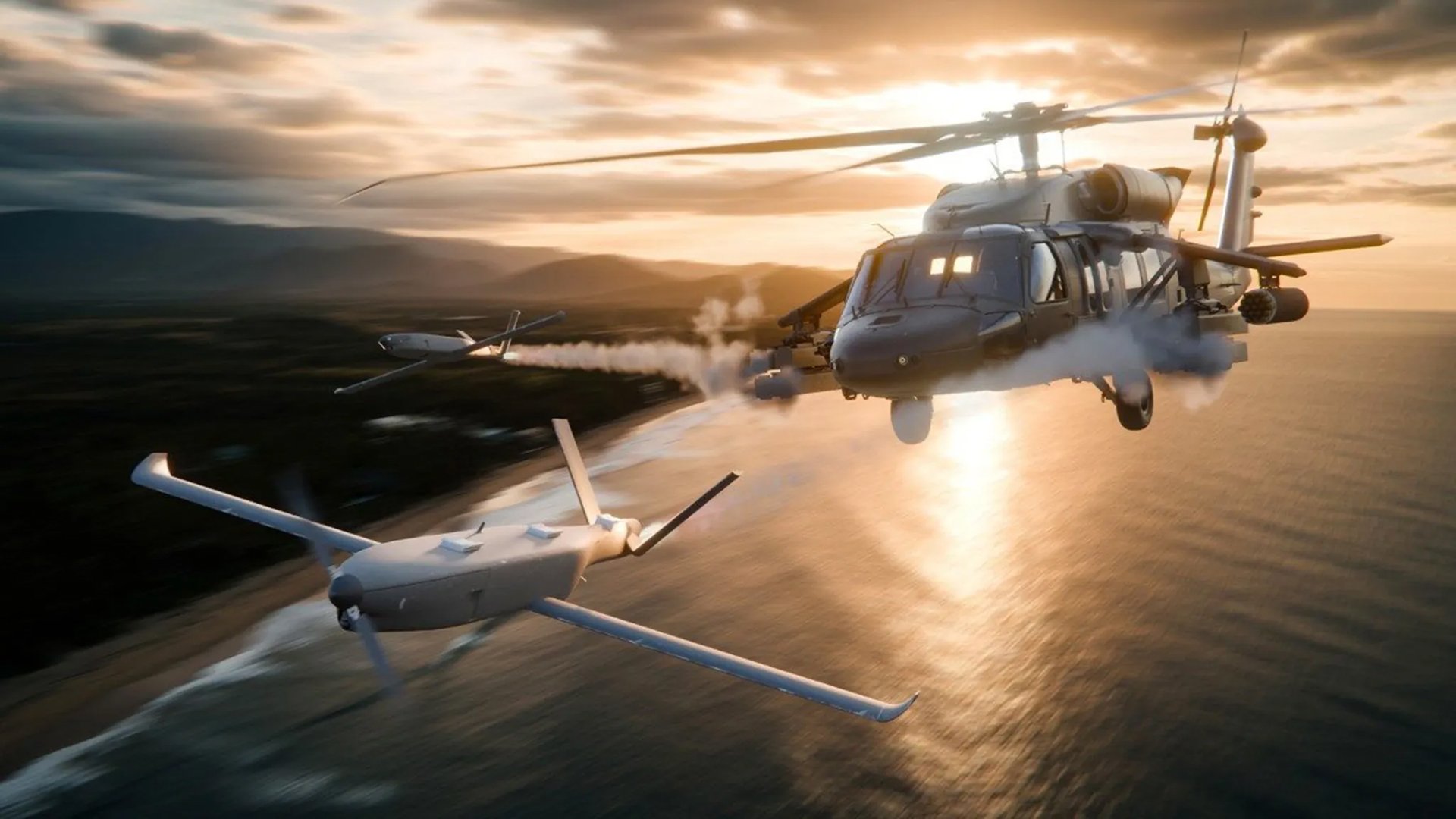
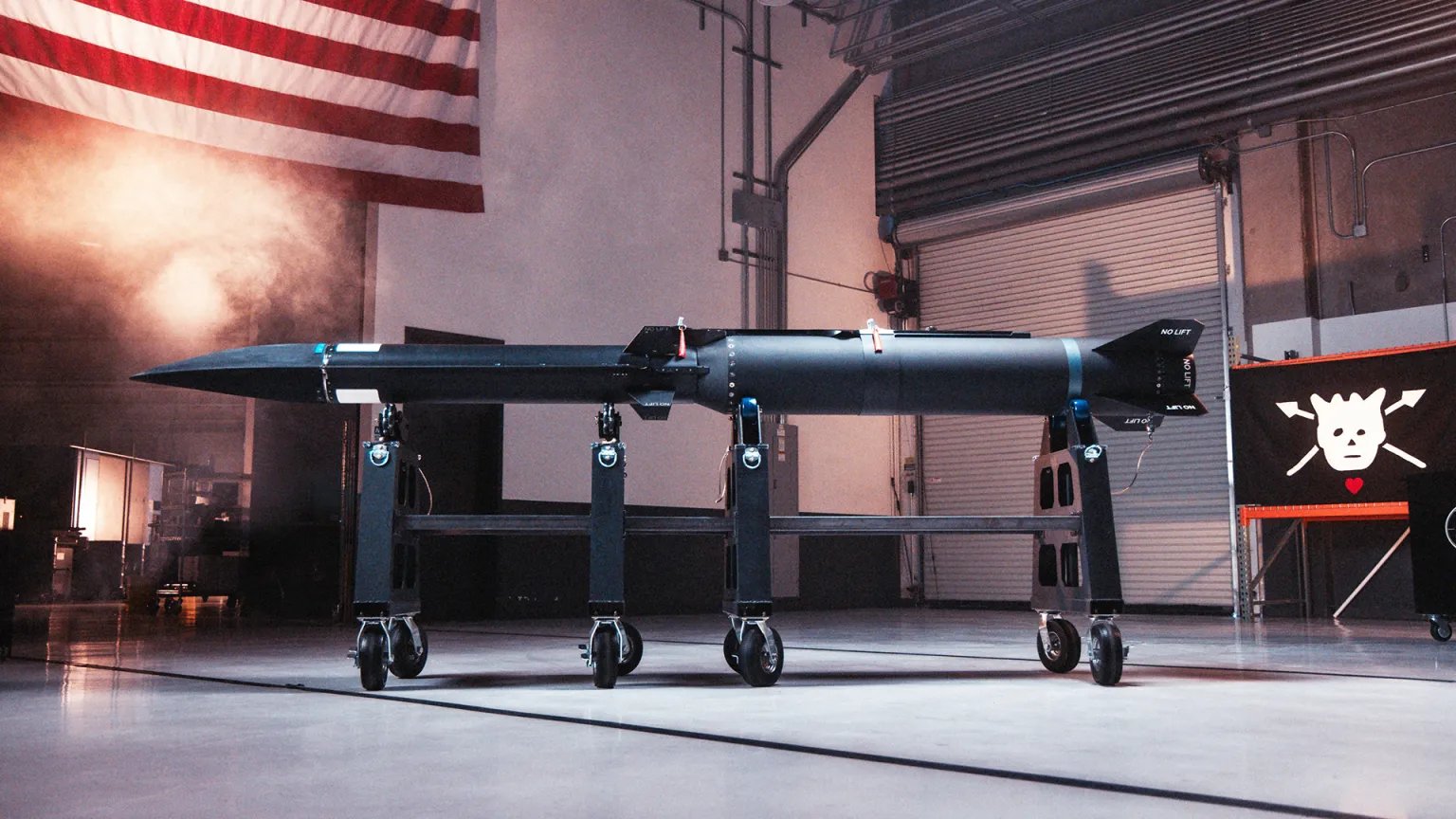
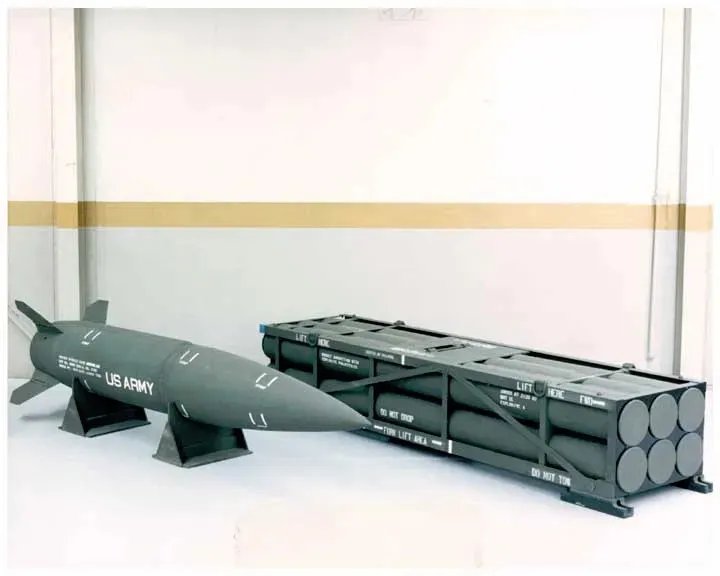
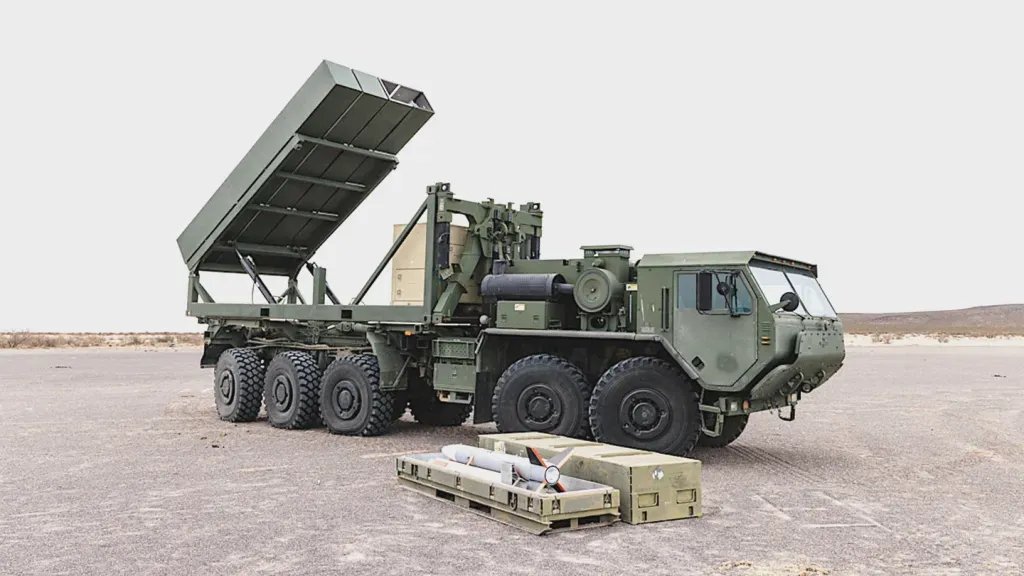
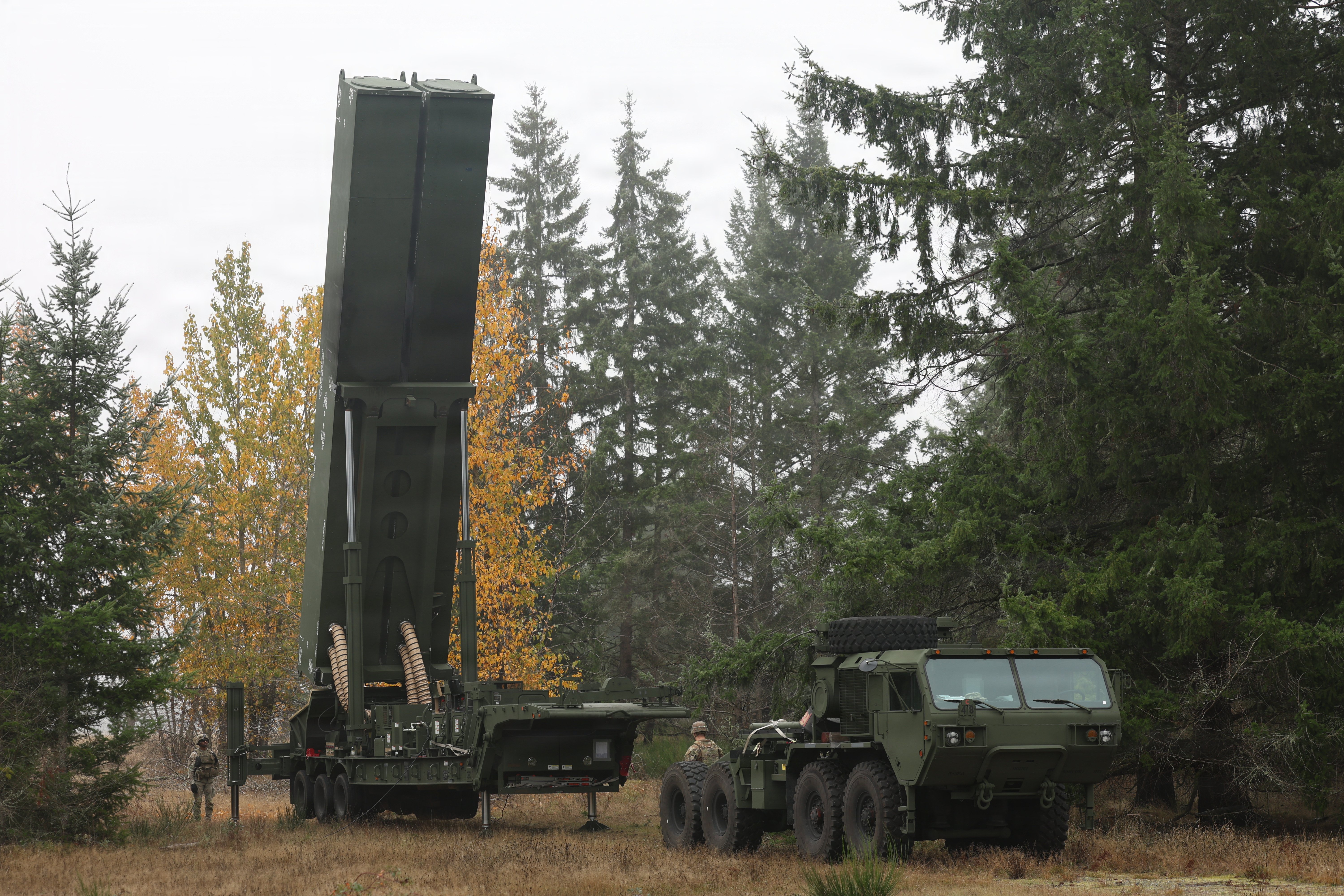
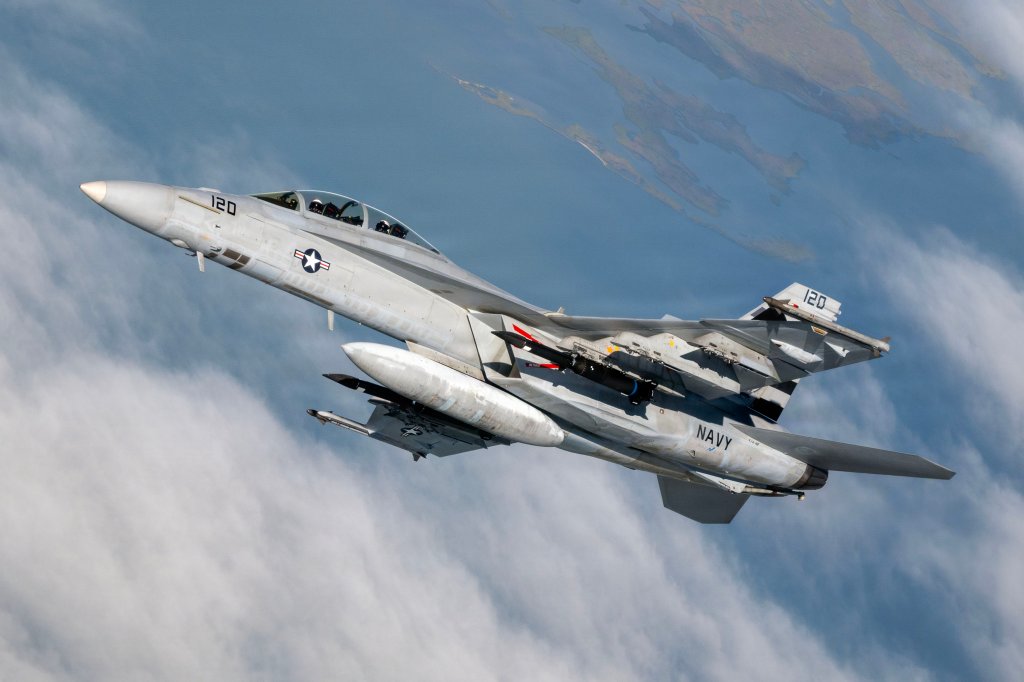
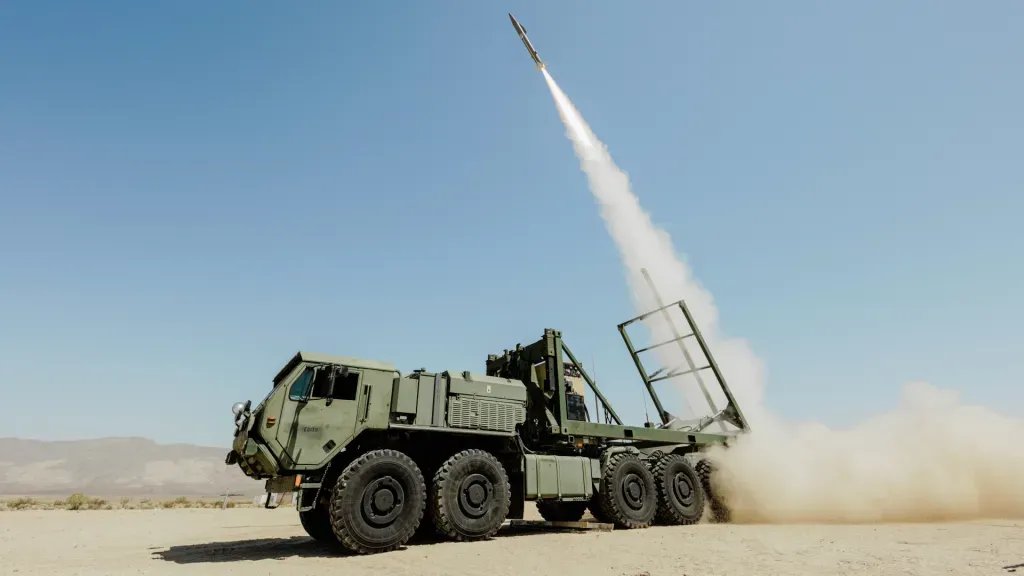
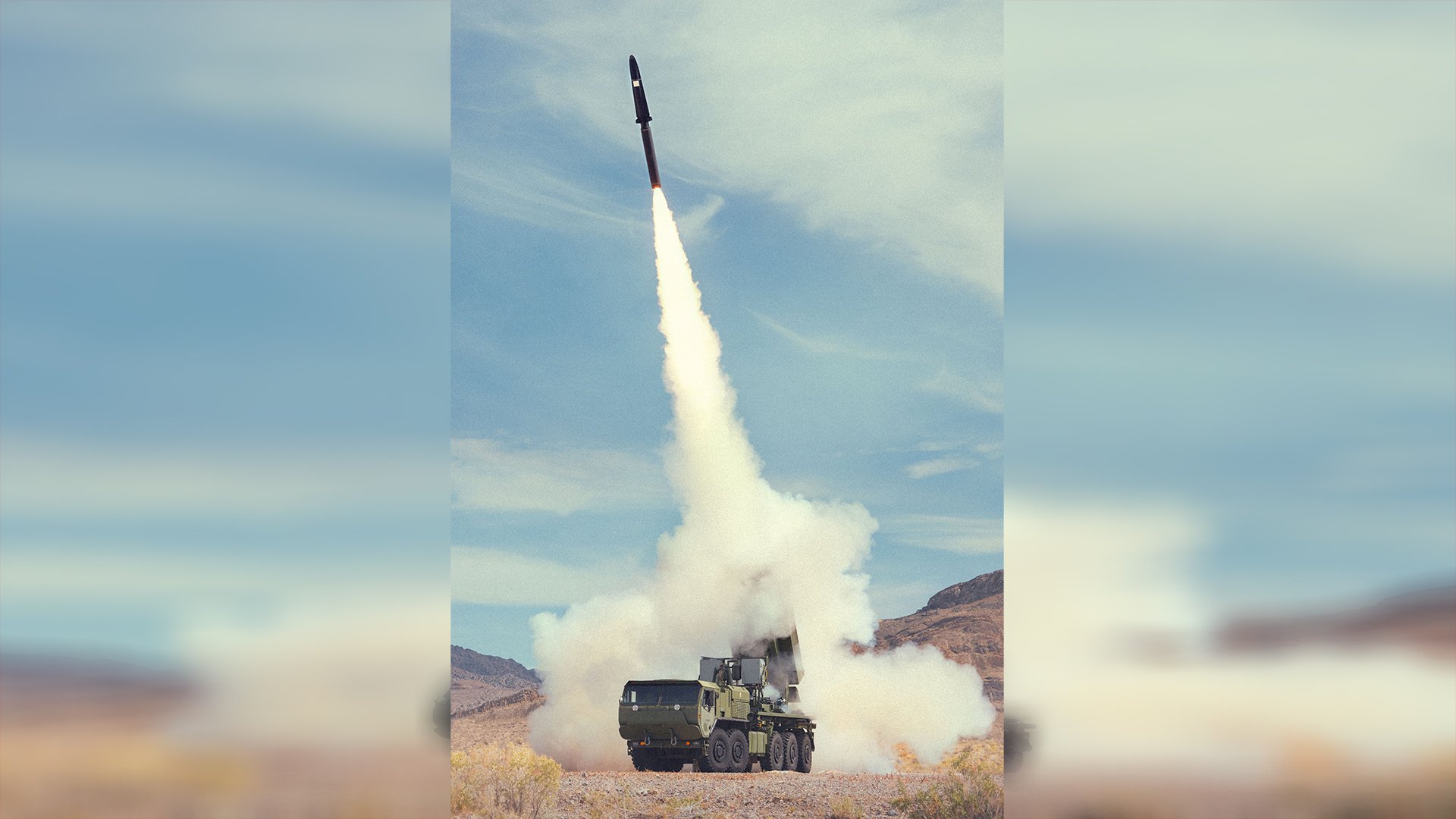
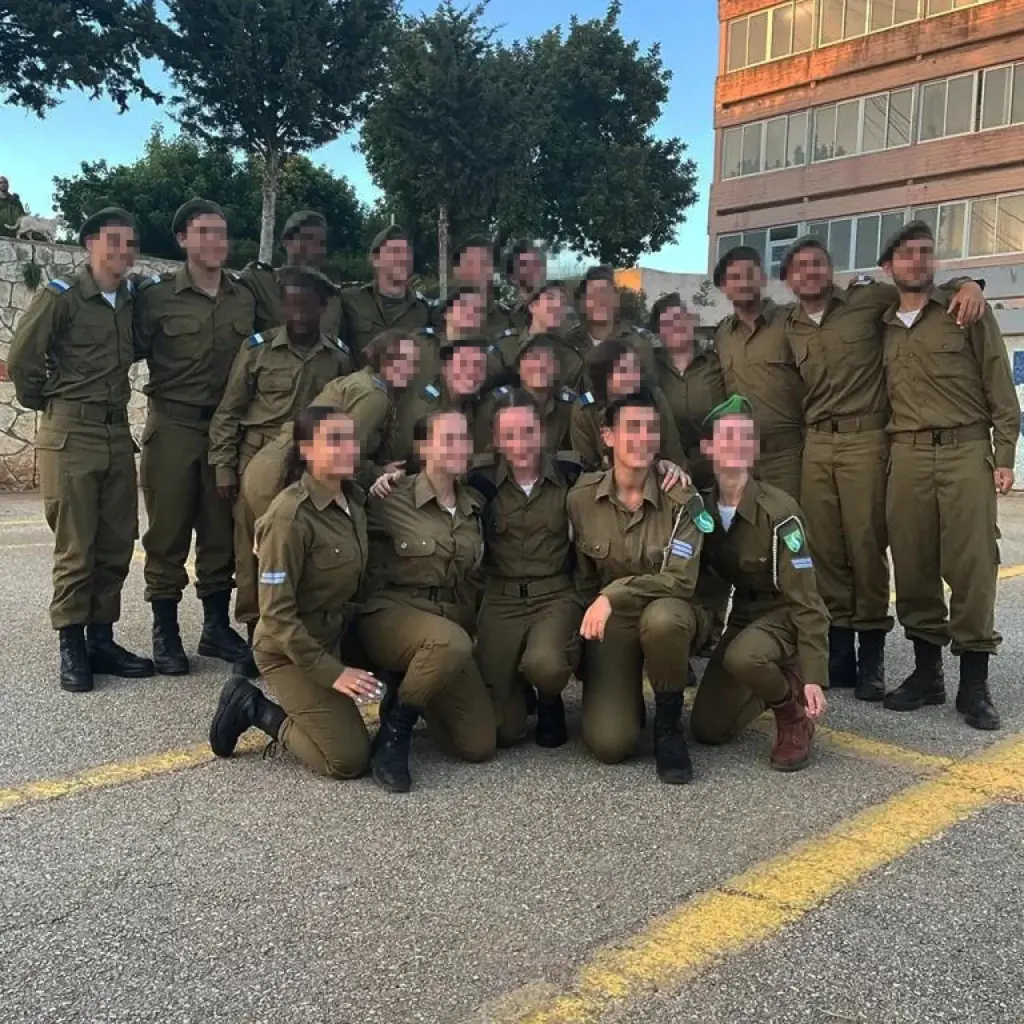


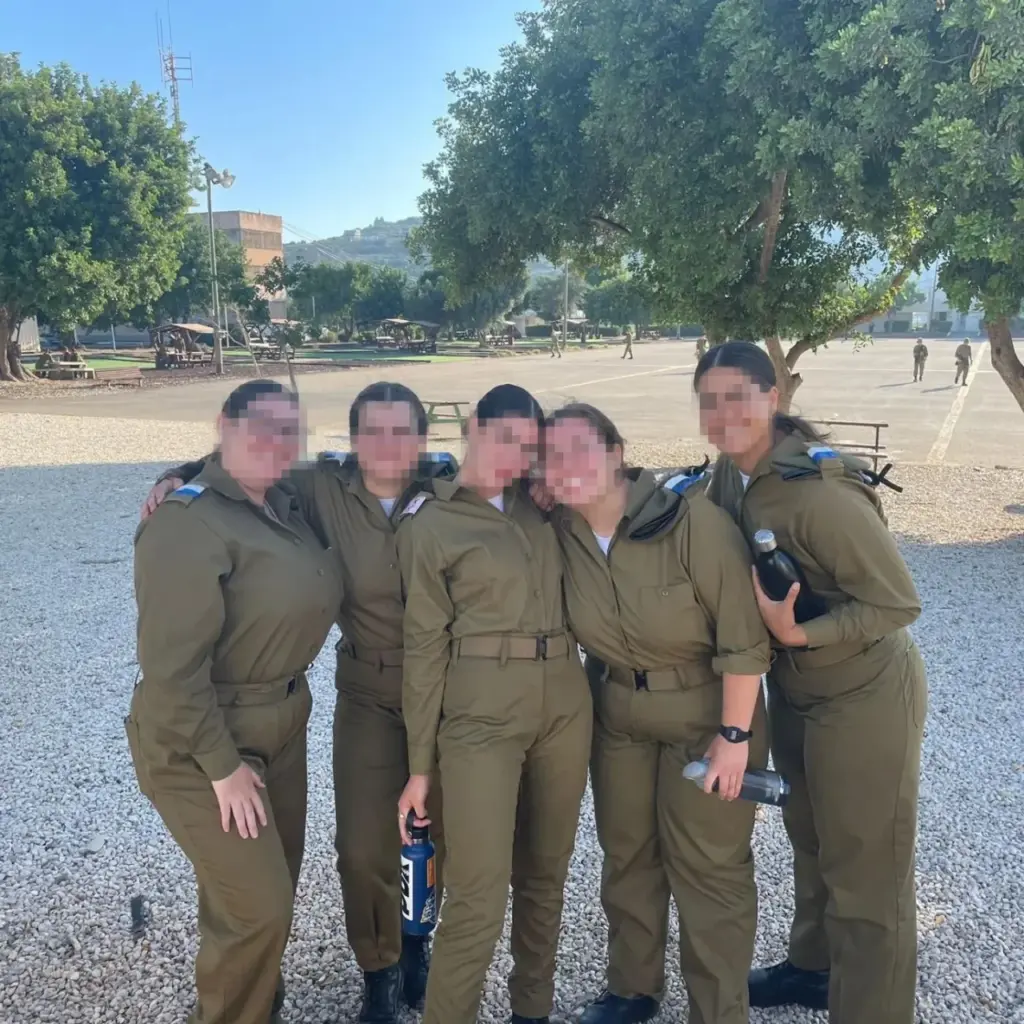
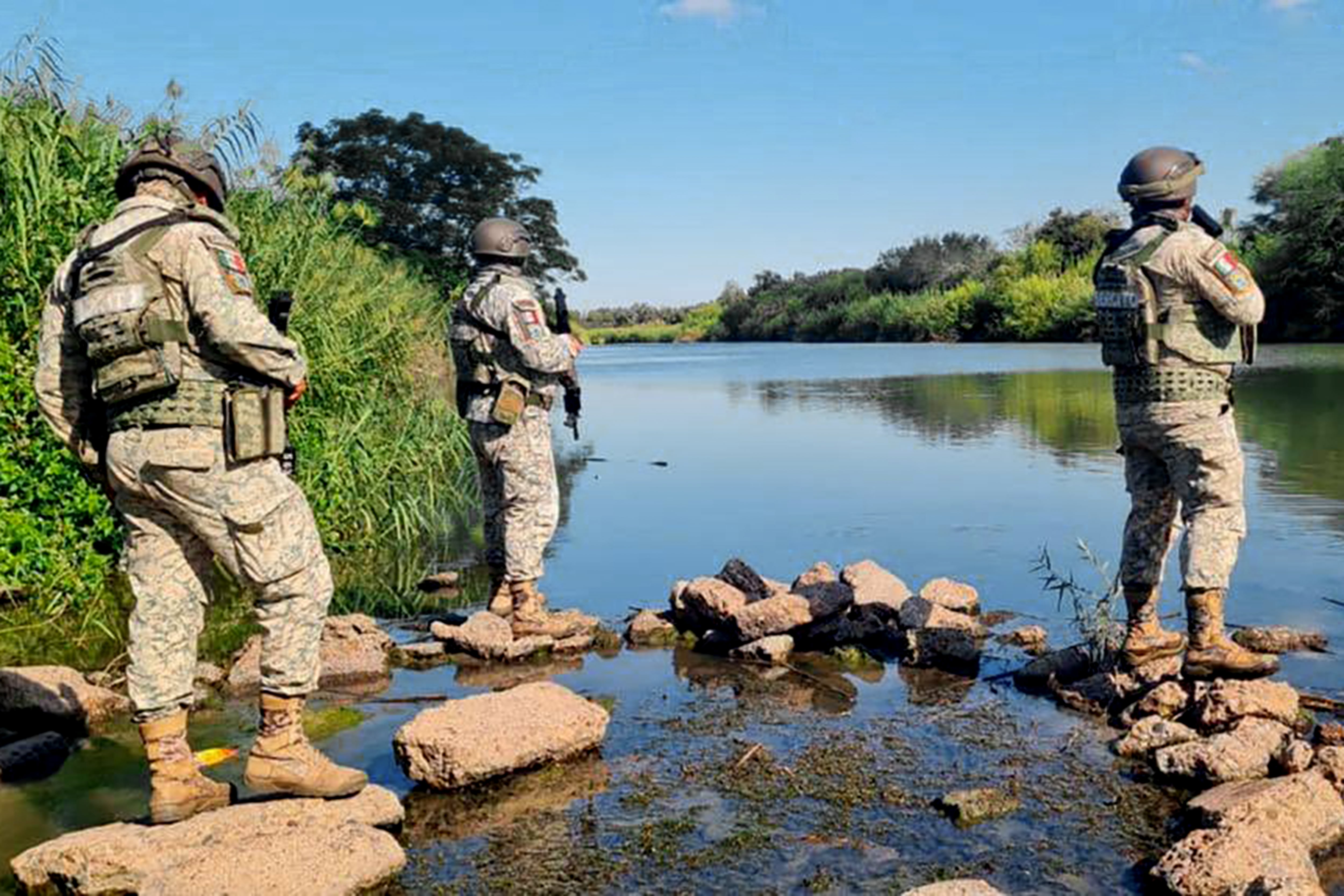


 (@TheDeadDistrict)
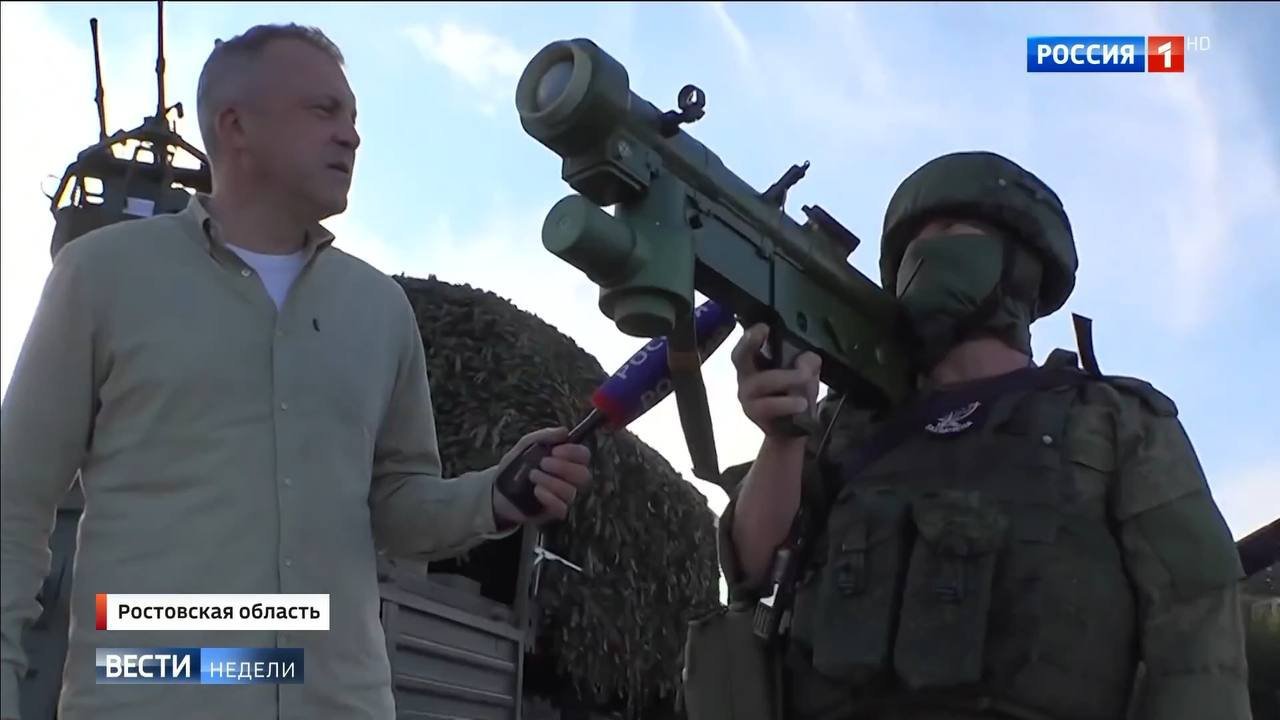
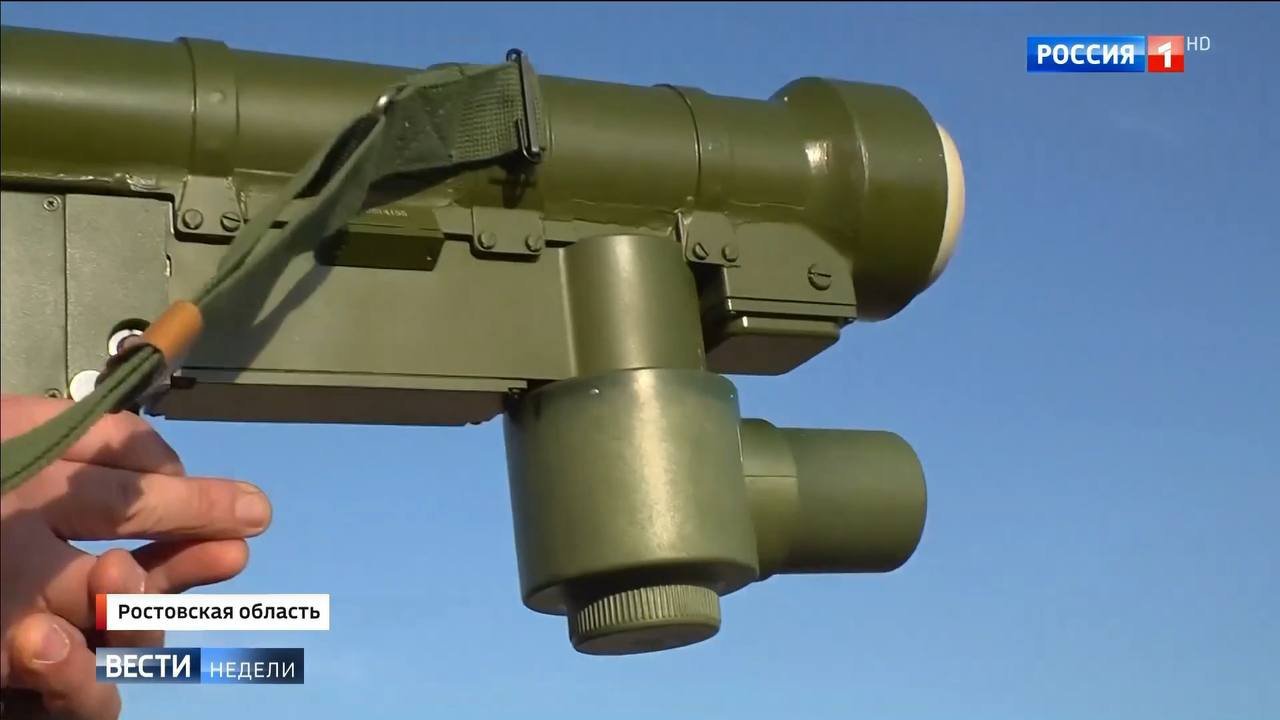
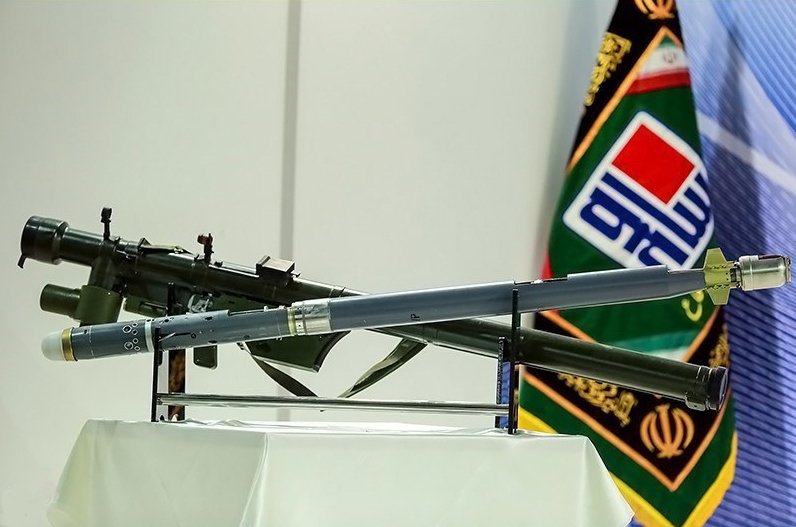
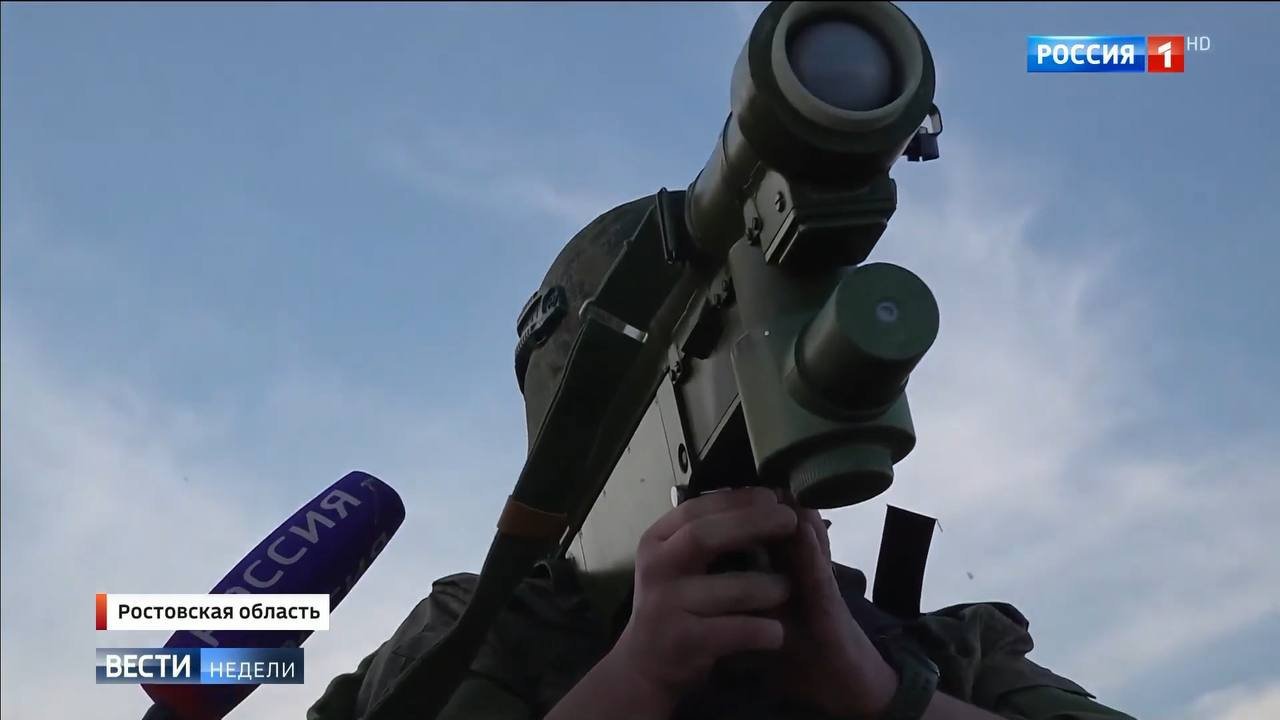
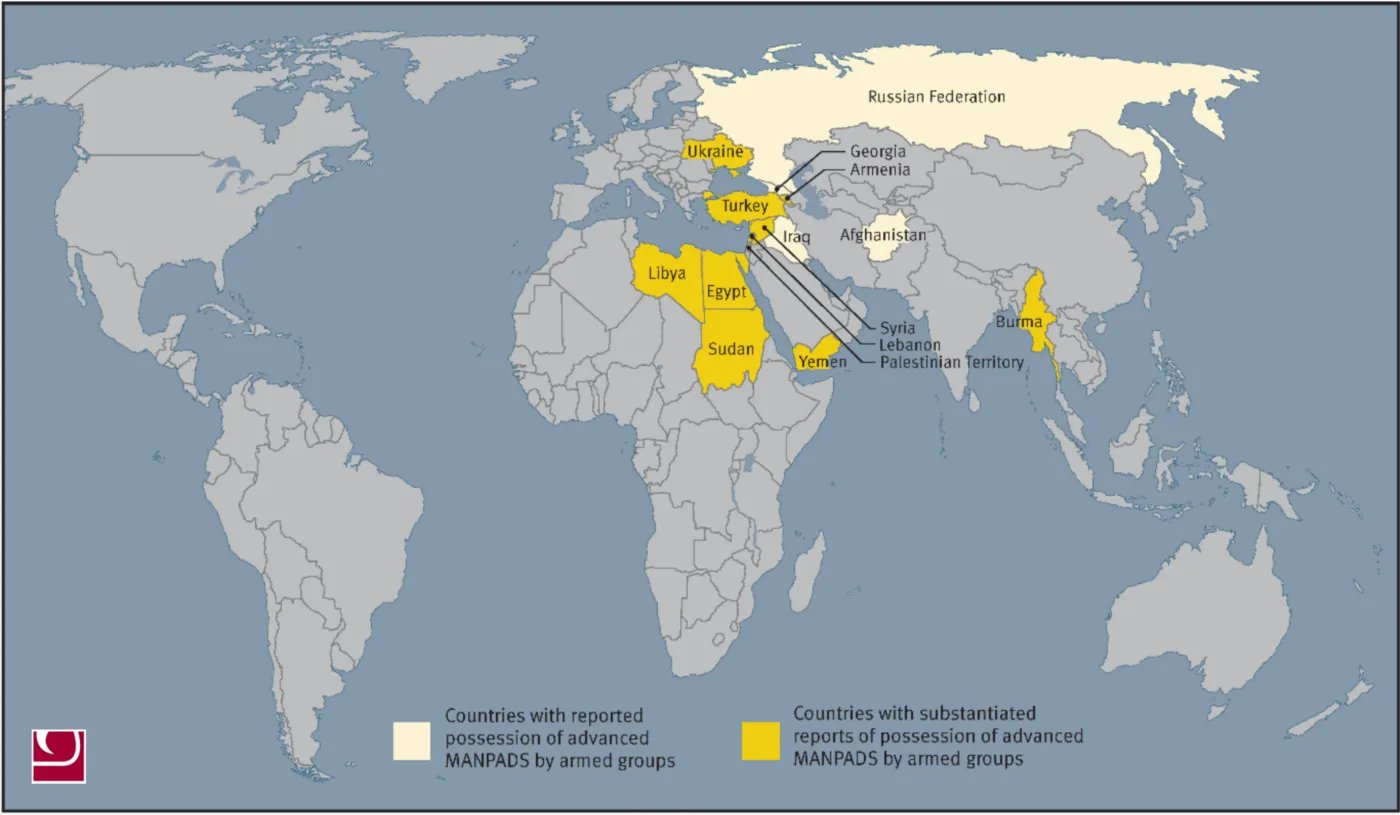
 (@NOELreports)
 I was able to geolocate and thus confirm that the photo of North Korean M-1978/1989 Koksan 170mm SPGs was taken in Russia.
 56.069386, 92.920244
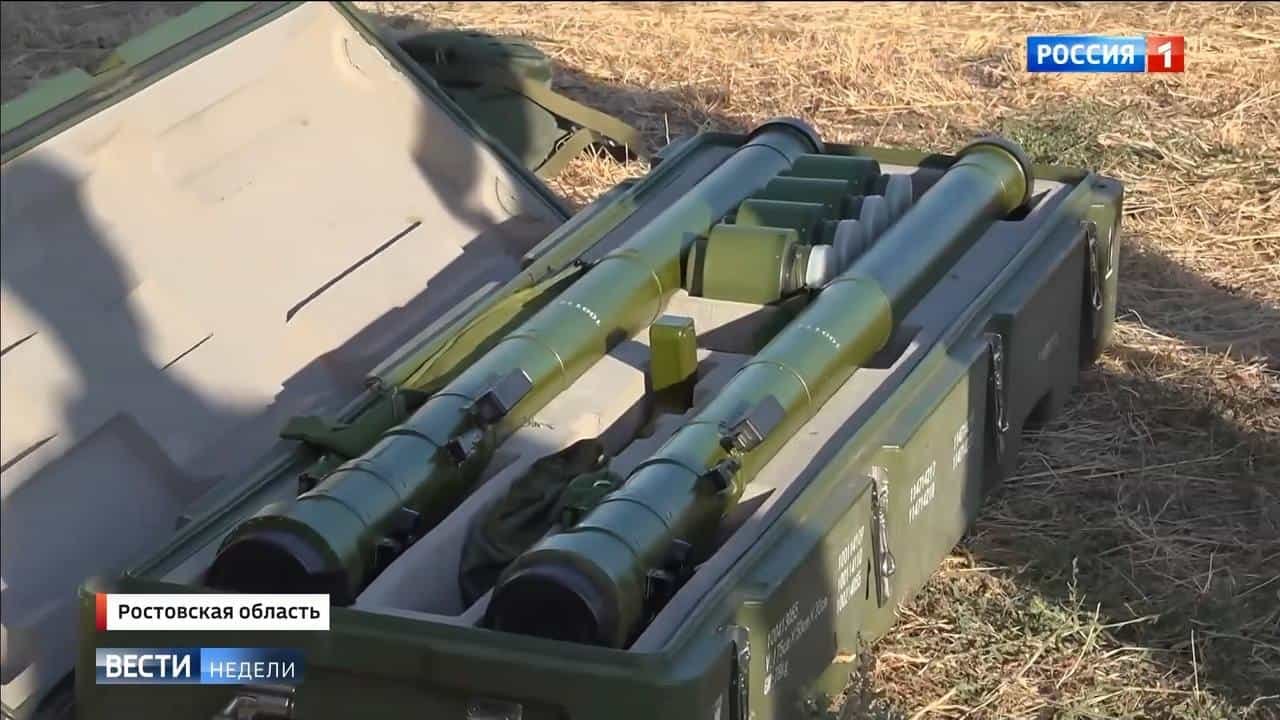
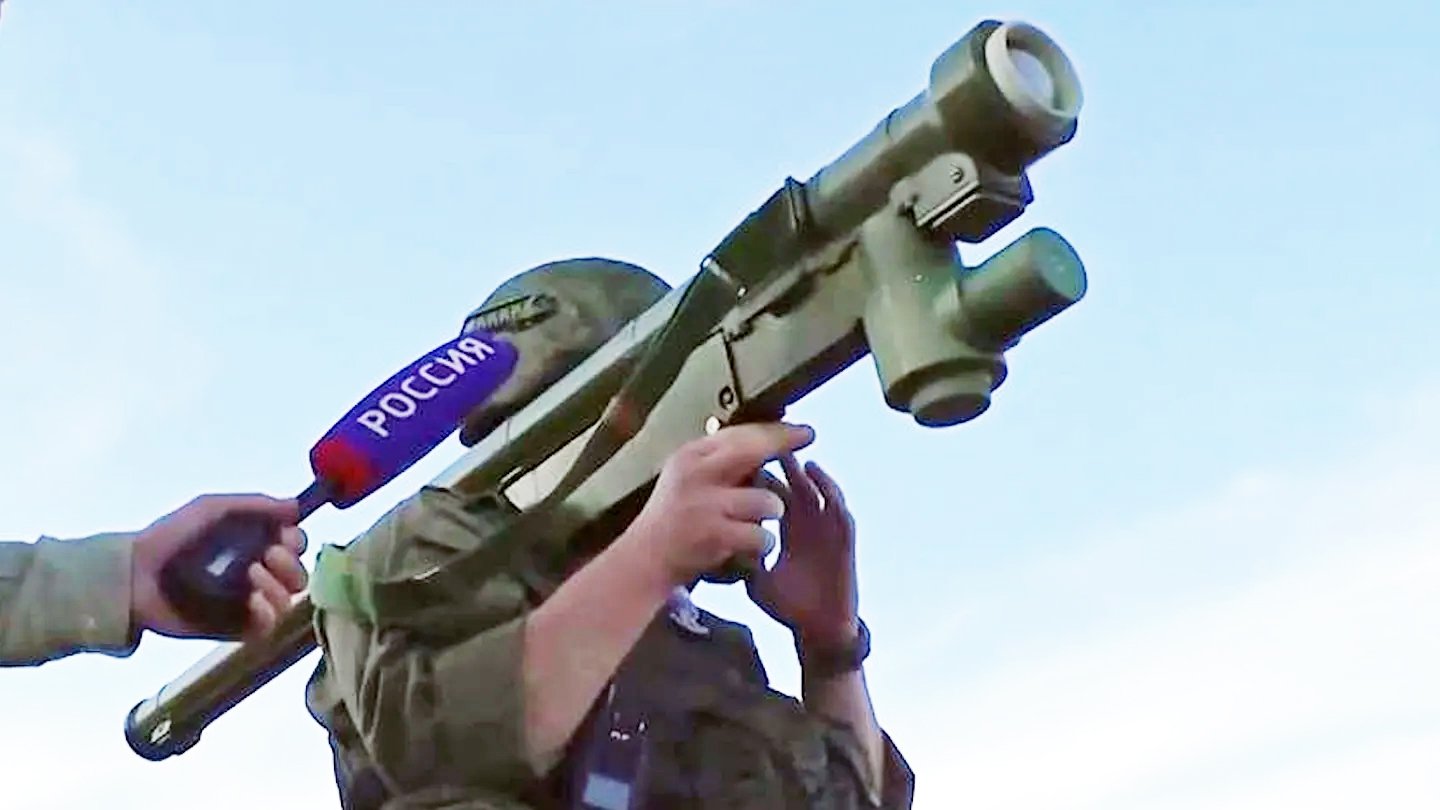


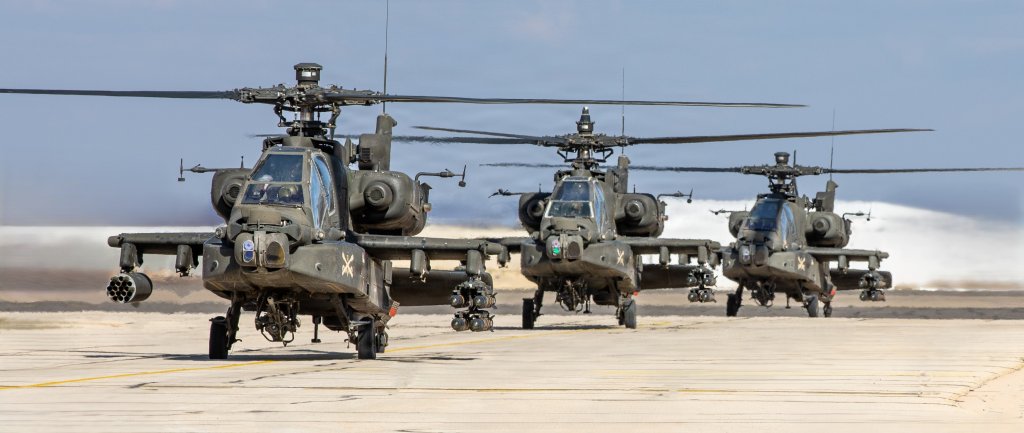
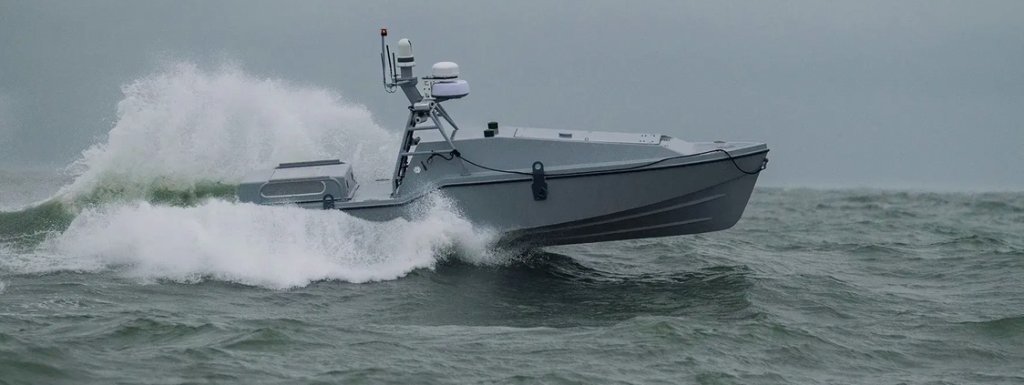
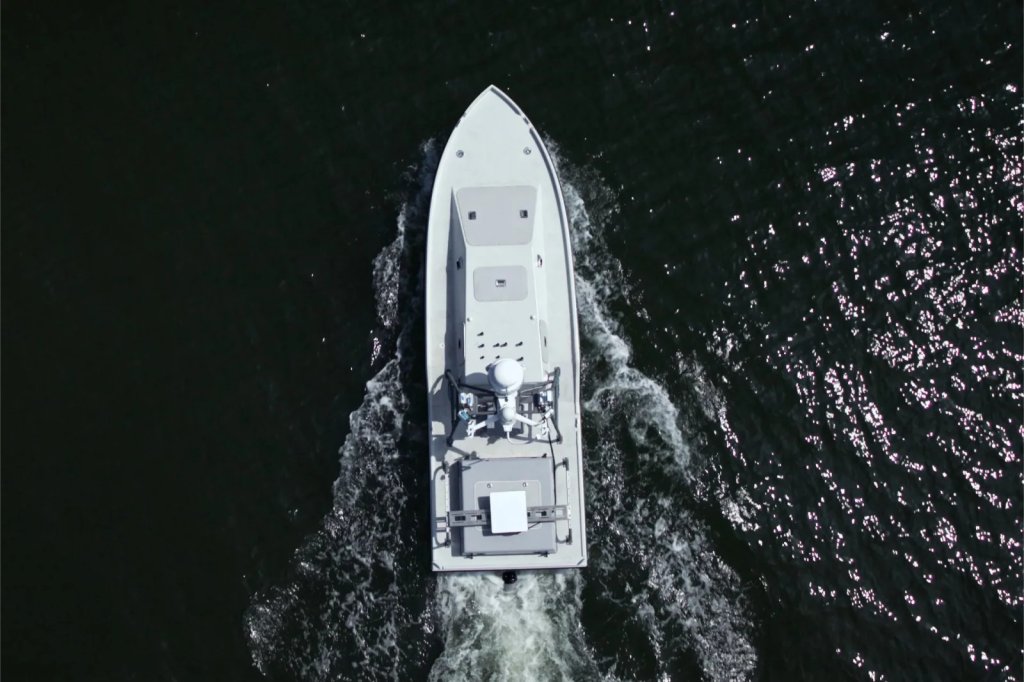
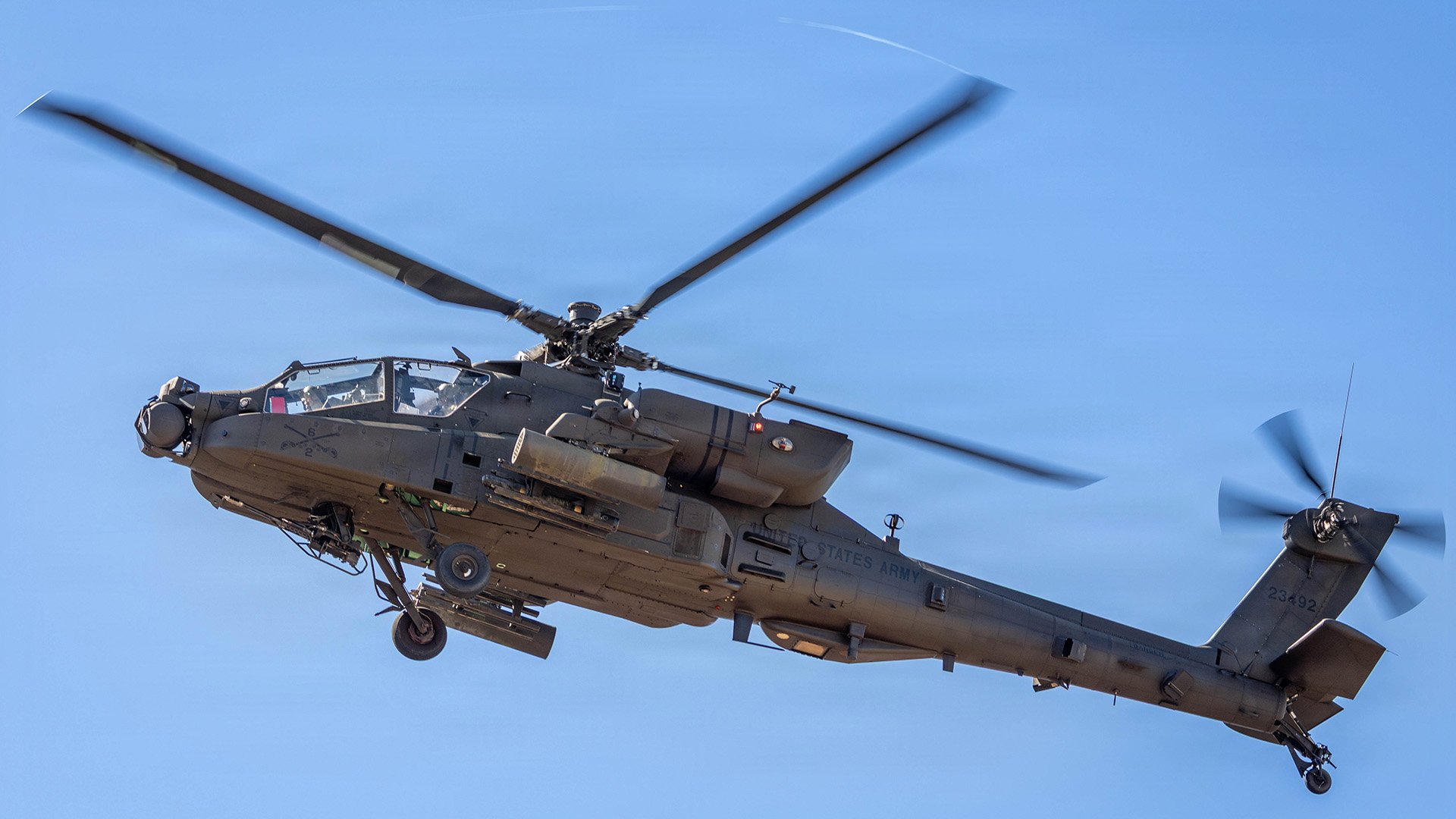
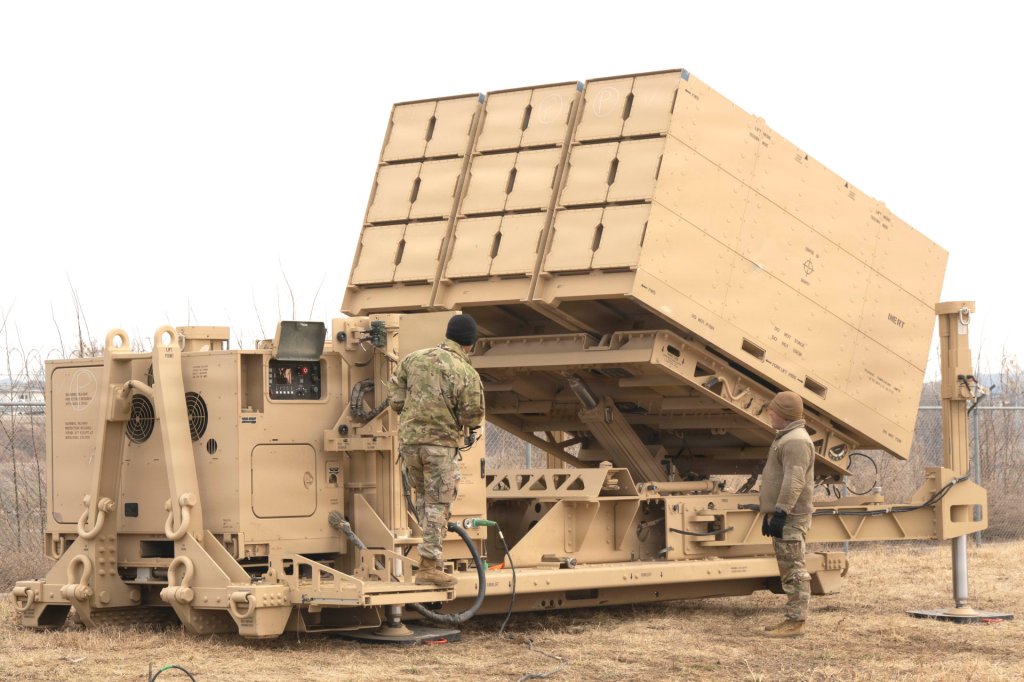


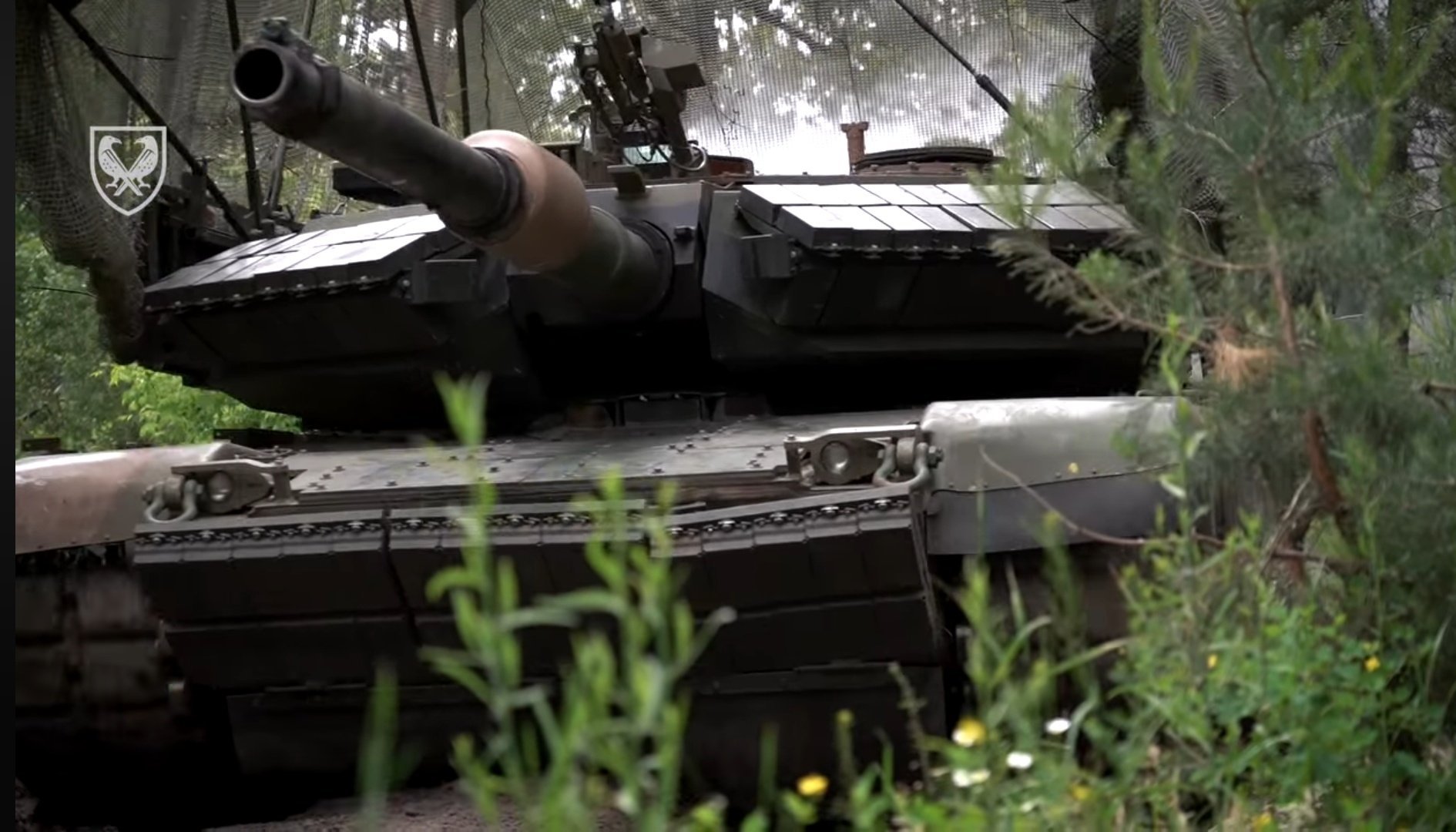


 Abrams destroys a house with Russian infantry in the Pokrovsk direction.
 (@Maks_NAFO_FELLA)