Login

Alcaraz fuori a Shanghai, Sinner fermo: Zverev chiuderà l’anno da numero uno
Il prossimo 2 novembre sorpasso su Jannik, che si affida per il ginocchio infortunato al luminare altoatesino capace di guarire Sofia Goggia in tempi record

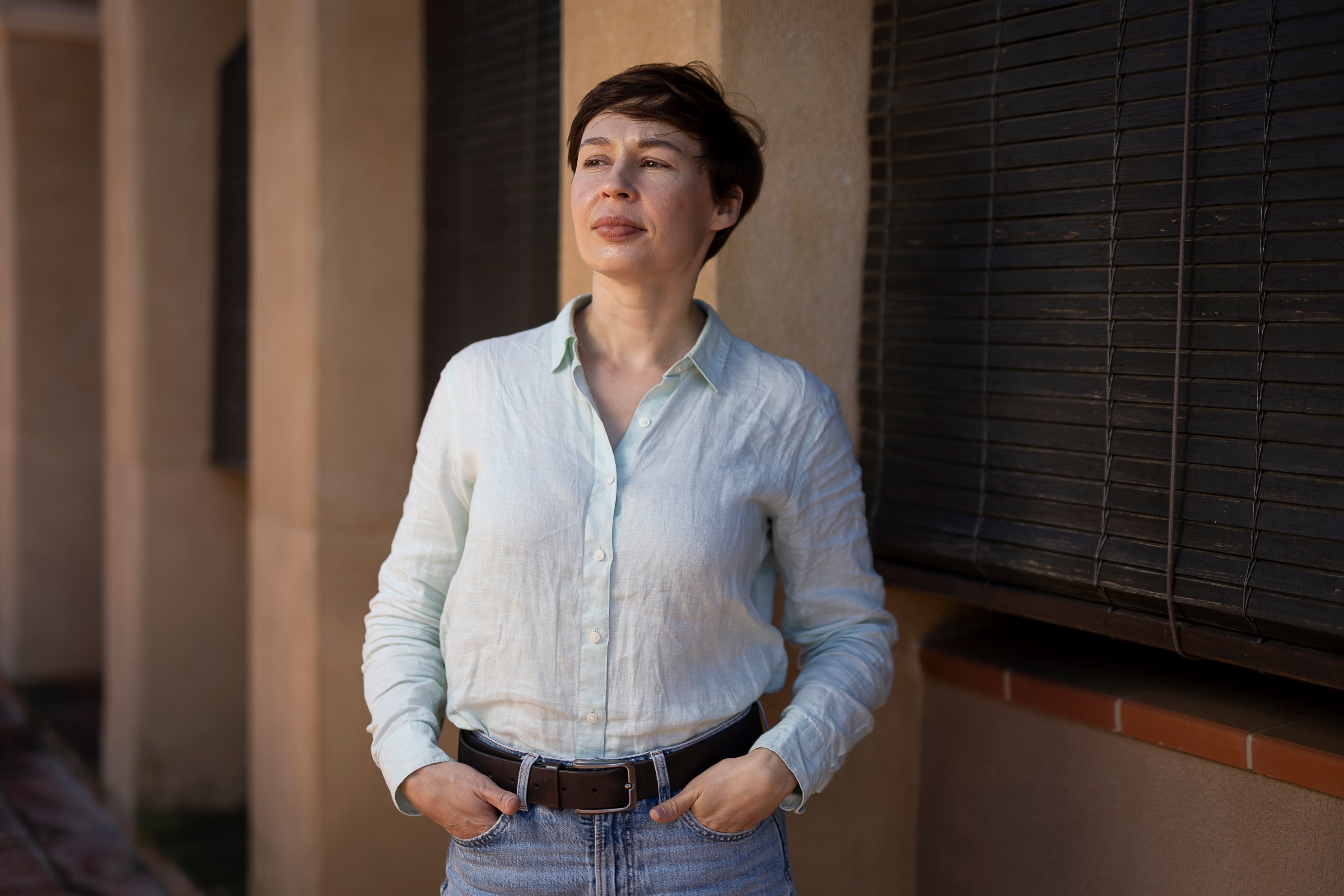
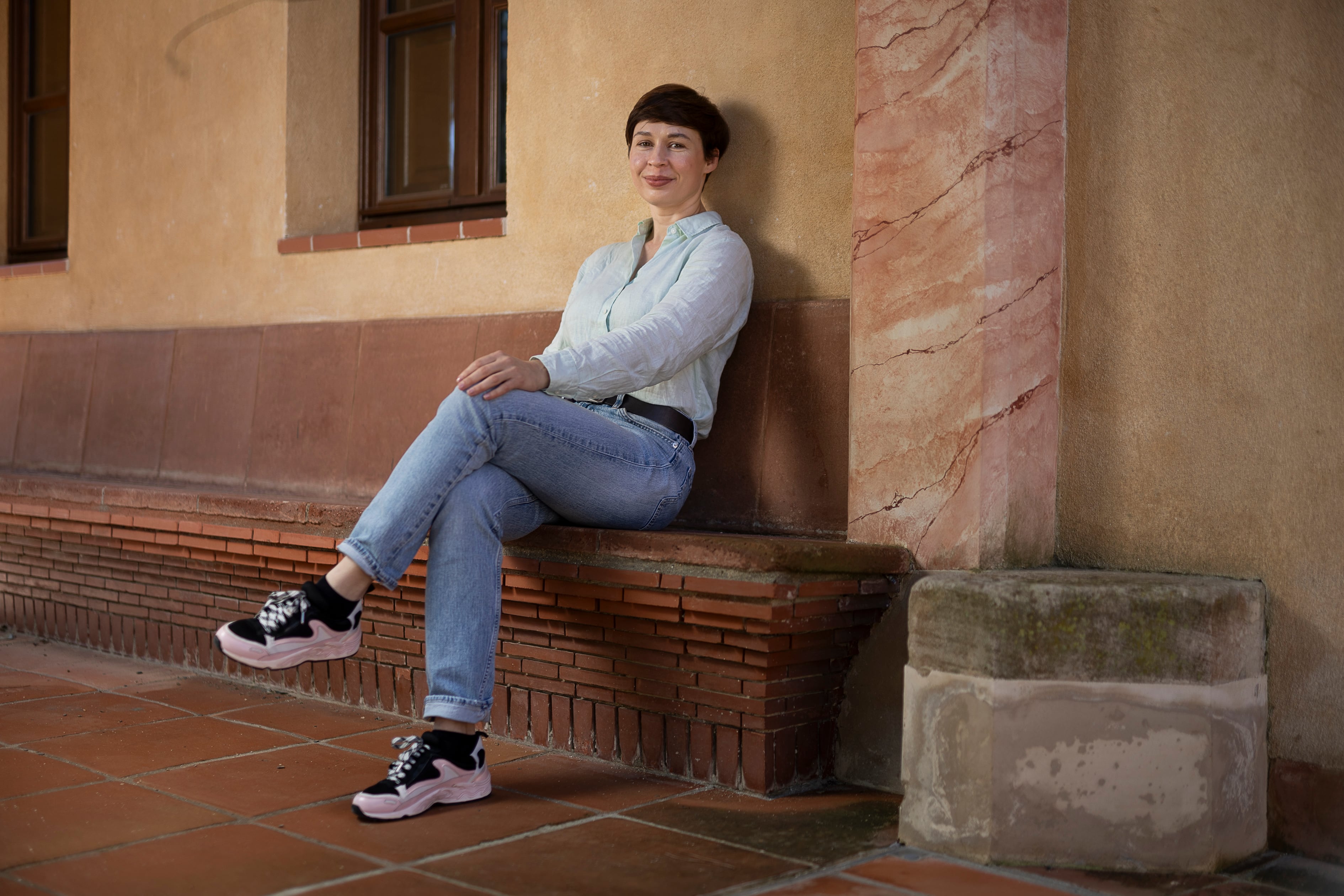
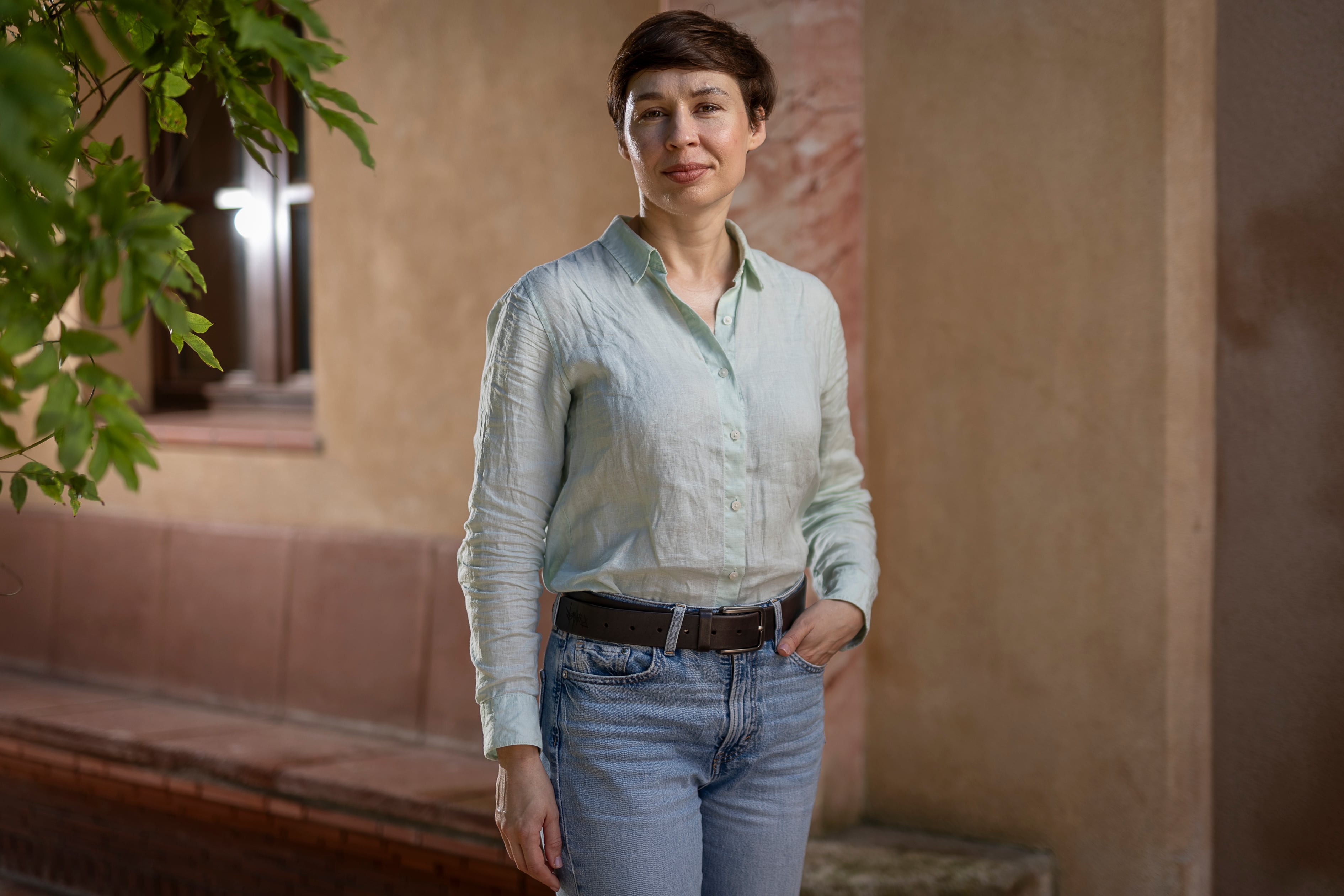
Sofía Andrujóvich (Ivano-Frankivsk, Ucrania, 1982) escribió en 2020 quizá la novela más importante sobre el Holocausto que han dado las letras ucranias. Amadoca es una obra de tres volúmenes que ha recibido múltiples premios literarios en Europa. Ahora llegan al público en español sus dos primeras partes, con el título La historia de Romana y Uliana.

On the night of March 20, 2024, unusually humid and mild in London, three people in their twenties pulled up at an industrial estate in the east of the city in a cherry-red Kia Picanto. They went inside, set fire to a warehouse, and filmed the blaze on a cellphone. The video of the flames consuming the premises ended up in the hands of another 20-year-old, Dylan Earl, who was reached via the Telegram messaging app by the Russian paramilitary organization Wagner, linked to the Kremlin, which had in turn recruited others to do the dirty work. One of the burned units contained humanitarian aid and Starlink satellite equipment destined for Ukraine. According to the British investigation, the three young men who lit the fuse did not know they were actually working for Russia.
© Jens Schlueter (Getty Images)
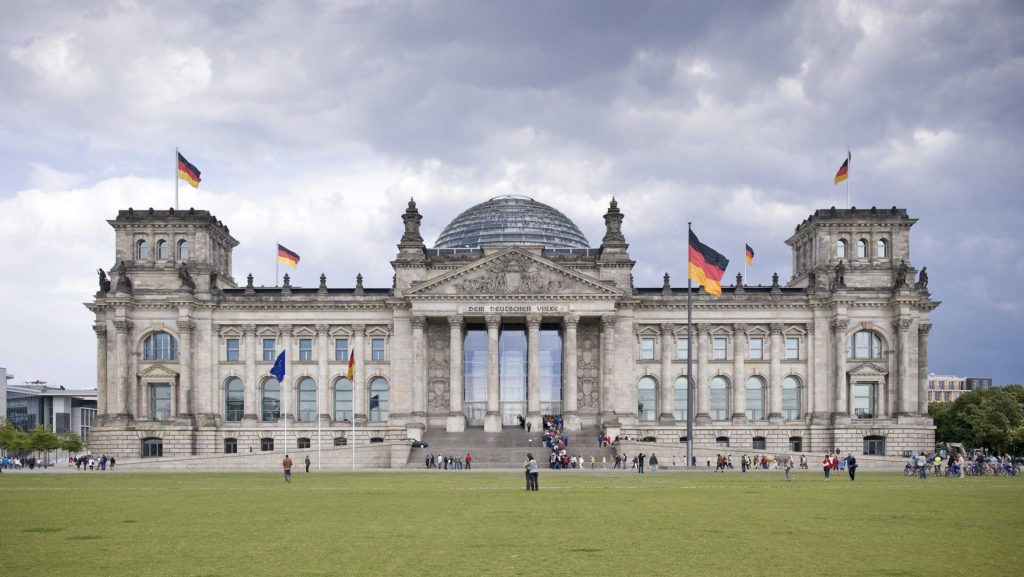
The German Bundestag has made a historic decision, officially recognizing Germany’s special responsibility to Ukraine for the crimes of Nazism. On 9 October, it adopted two resolutions ahead of the 85th anniversary of the Babyn Yar massacre and linked that responsibility to Germany’s current help for Ukraine amid Russian aggression, Oleksii Makeiev, Ukraine’s ambassador to Berlin, says.
Babyn Yar in Kyiv became one of Europe’s largest sites of the mass murder of Jews during the Holocaust, where more than 100,000 people were killed over two years of Nazi occupation. Germany now casts a debt from that war as a moral duty to help defend Kyiv against Russia today.
Both motions stress the importance of researching Nazi crimes in Ukraine and preserving the memory of their victims. One came from the governing CDU/CSU and SPD parties, the other from the opposition Greens, a rare alignment of coalition and opposition on a single theme.
“The situation is unique: two motions on this subject were approved at once, from the coalition and the opposition. By the usual parliamentary logic, that should not happen,” Makeiev says.
The coalition motion backs research and documentation of Nazi crimes in Ukraine and closer work among German, Ukrainian, and other European archives and memorial institutions. It also calls for countering antisemitism, racism, and historical revisionism, and for continued political, economic, financial, humanitarian, and military support for Ukraine.
Makeiev says he felt a sense of deja vu watching the debate from the visitors’ gallery.
“I was in that same gallery in the fall of 2022. I saw how German democratic parliamentary groups can demonstrate unity on what matters most. At that time, the Bundestag recognized the Holodomor of 1932–1933 as genocide,” he adds.
A separate point of the resolution concerns Ukrainian children and teenagers who Russia has illegally taken from Ukraine. The document calls for efforts to return about 20,000 of them to their parents or relatives, folding the issue into Germany’s wider policy toward Ukraine.
The director of the Babyn Yar National Historical and Memorial Preserve, Rosa Tapanova, considers the Bundestag’s decision an important step toward re-examining the shared history of Ukraine and Germany and overcoming distortions of historical memory propagated for decades by the Soviet authorities and now being exploited by Russia.
“The Bundestag’s decision marked an important step toward Germany’s recognition of its historical responsibility toward Ukraine," she says.
The Bundestag’s decision and the participation of German representatives in commemorative events underscore the importance of continued Ukrainian-German dialogue. For the Babyn Yar National Historical and Memorial Preserve, this work encompasses historical research, the documentation of testimonies, educational and memorial projects, and international cooperation.

Ukraine’s prosecution service has dismissed eight people named in connection with an anti-corruption probe into the alleged protection of scam call centers, acting Prosecutor General Anton Kovalskyi reported. His office is also running internal checks on several officials linked to the case. A separate probe covers the trip abroad of his predecessor, who left Ukraine in September.
Ukraine’s main prosecution service is auditing itself while the country’s anti-corruption agencies investigate an alleged scheme run from inside it. The National Anti-Corruption Bureau (NABU) and the Specialized Anti-Corruption Prosecutor’s Office (SAPO) allege that a PGO official set up a criminal organization in mid-2025. They say it drew in serving prosecution employees and unofficial associates, took bribes for leaving scam call centers alone, and laundered the proceeds. The investigation is called Operation Carthage.
Ukraine’s main prosecution service is auditing itself while the country’s anti-corruption agencies investigate an alleged scheme run from inside it. The National Anti-Corruption Bureau (NABU) and the Specialized Anti-Corruption Prosecutor’s Office (SAPO) allege that an official of the Prosecutor General’s Office (PGO) set up a criminal organization in mid-2025. They say it drew in serving prosecution employees and unofficial associates. The group allegedly took bribes for leaving scam call centers alone and then laundered the proceeds. The case is known as Operation Carthage, Espreso reported.
Seven of the eight dismissed people worked at the PGO, Kovalskyi said. Separately, four people were removed from administrative posts, including the heads of the IT department and the cybercrime directorate. Kovalskyi said 24 prosecutors took polygraph tests. The results went to a commission running an internal investigation. He wrote that trust in the prosecution service would be restored not through announcements of change but through consistent, balanced decisions and concrete results.
The internal probe concerning former Prosecutor General Ruslan Kravchenko covers his trip abroad. Investigators are checking whether he followed established procedure and how the business trip was organized. Kravchenko left Ukraine in an official car on the night of 13–14 September, Ukrainska Pravda reported, citing law enforcement sources. He explained his departure as an official trip to Lithuania.
On 14 September, Kravchenko announced he had signed a notice of suspicion against NABU director Semen Kryvonos. That evening, his own office said Kryvonos had never been properly served and that the register entries were cancelled.
On 15 September, lawmakers backed Kravchenko’s resignation 317–0. Two days later, President Volodymyr Zelenskyy assigned Kovalskyi the duties of prosecutor general by decree. Before that, Kovalskyi headed the Khmelnytskyi Oblast Prosecutor’s Office.
The PGO completed an internal investigation into Aidyn Khudiiev, a former deputy department head, Kovalskyi said. Its findings will go to the Qualification and Disciplinary Commission of Prosecutors, and the PGO abolished his post. SAPO prosecutor Mykola Karas told a court hearing that detectives seized $50,000 at Khudiiev’s workplace during the Carthage searches.
The PGO is also investigating Serhii Kropyva, former deputy head of its international cooperation department. NABU detained him on 4 September, the first day of the operation. The internal probe looks at whether he used his powers for private interests and interfered in other prosecutors’ work. The PGO’s General Inspectorate has filed a disciplinary complaint against him with the same commission, and his post was also abolished.

Ukraine's 413th Separate Raid Regiment of the Unmanned Systems Forces struck the Snizhne Machine-Building Plant in occupied Donetsk Oblast in September, working with other Defense Forces units, the regiment posted on 6 October, sharing a video of the strike. The General Staff reported the strike on the plant on 11 September, saying that the extent of the damage was being clarified.
The strike adds to Ukraine's campaign of long-range attacks on Russian military targets as Russia has begun its winter campaign of strikes against Ukraine's energy infrastructure. Hitting the suppliers of aircraft parts goes after Russia's ability to keep its attack jets and helicopters flying.
The regiment said the plant works for Russia's military industry, producing engine components for attack aircraft and combat helicopters.
The Snizhne plant was a separate division of Motor Sich, a Ukrainian aircraft-engine maker based in Zaporizhzhia, a city that remains under Ukrainian control. Snizhne has been under Russian occupation since 2014. The plant specializes in producing parts for gas-turbine engines, including compressor and turbine discs and blades, the General Staff said. It never built whole engines. In September 2014, months into the occupation, it was machining blanks from Motor Sich's Zaporizhzhia plant into turbine blades and was one of only two plants in the former Soviet Union making such blades for helicopters, a plant worker said.
Motor Sich said in December 2017 that it had lost control of the plant. Weeks later, Viacheslav Bohuslaiev, then Motor Sich's honorary president and a member of parliament, told RFE/RL's Donbas.Realii that Motor Sich still owned the plant and had handed its management to a foreign company, while keeping it under the company's "full control."
In February 2023, Ukraine's Prosecutor General's Office served Bohuslaiev a notice of suspicion of aiding a terrorist organization, alleging that Motor Sich shipped blanks to the Snizhne plant and received finished engine parts through foreign-registered companies. The case went to court in October 2023, and Bohuslaiev, who denies the charges, has been in pretrial detention since October 2022 as the trial continues.
Snizhne, which Russia uses as a rear base, has been hit before. In May, Ukraine's Unmanned Systems Forces and the Security Service of Ukraine struck a Russian training center for drone pilots in the city, and in September, a strike on energy infrastructure cut power across Snizhne.
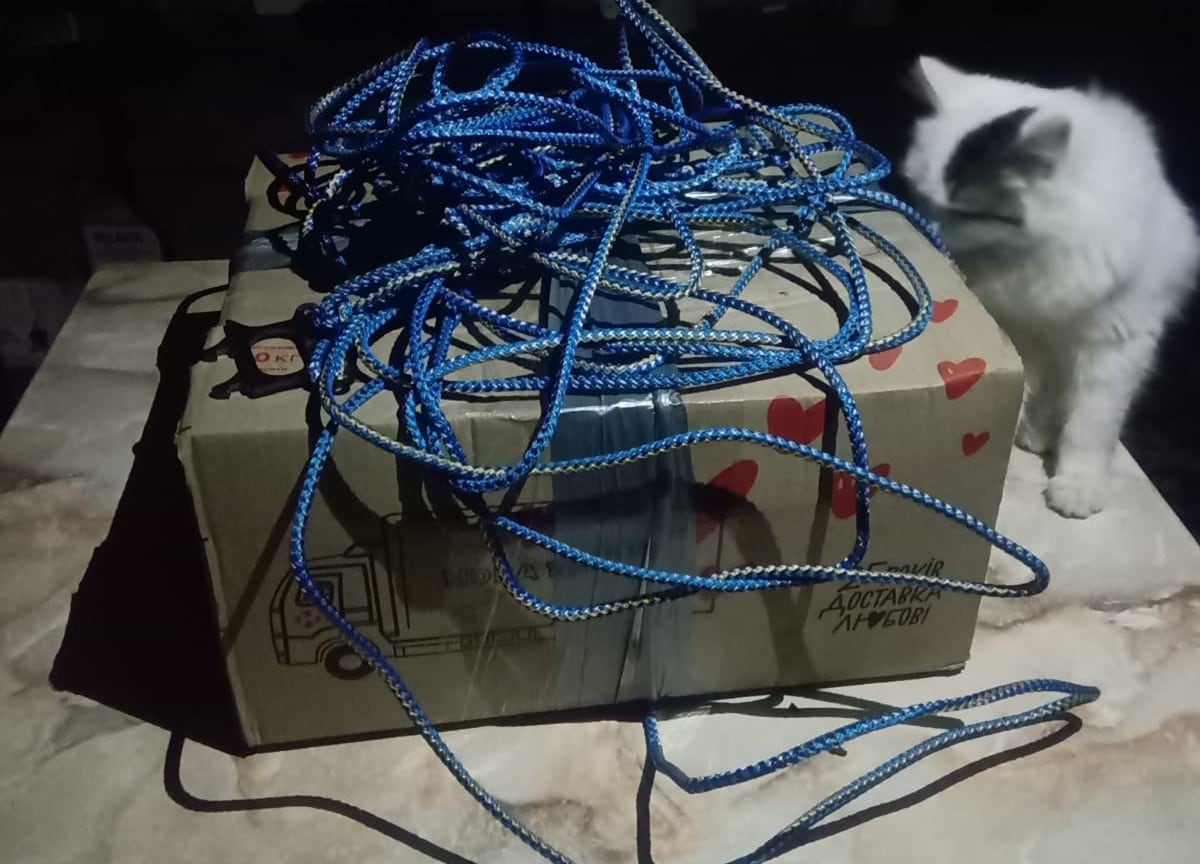
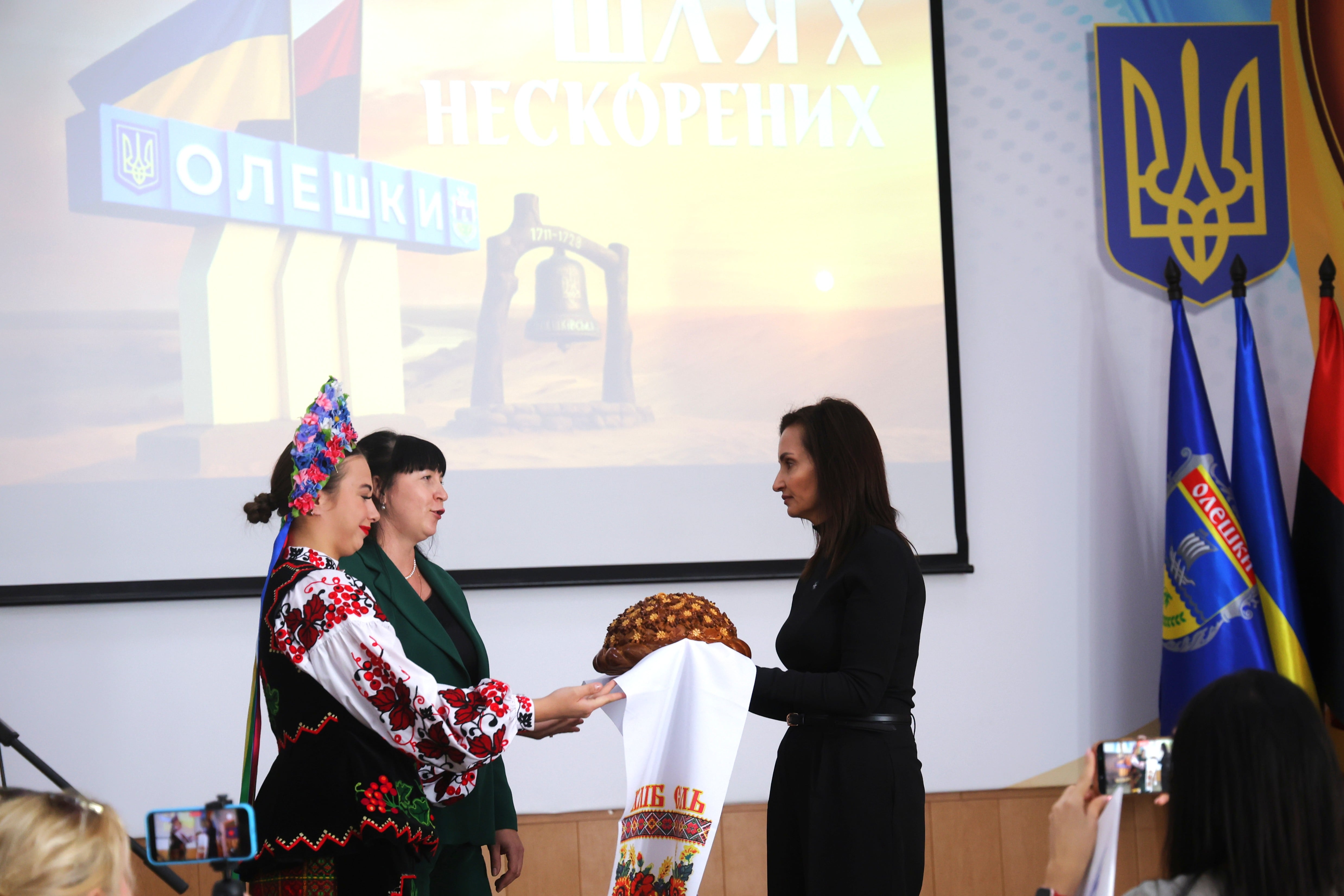
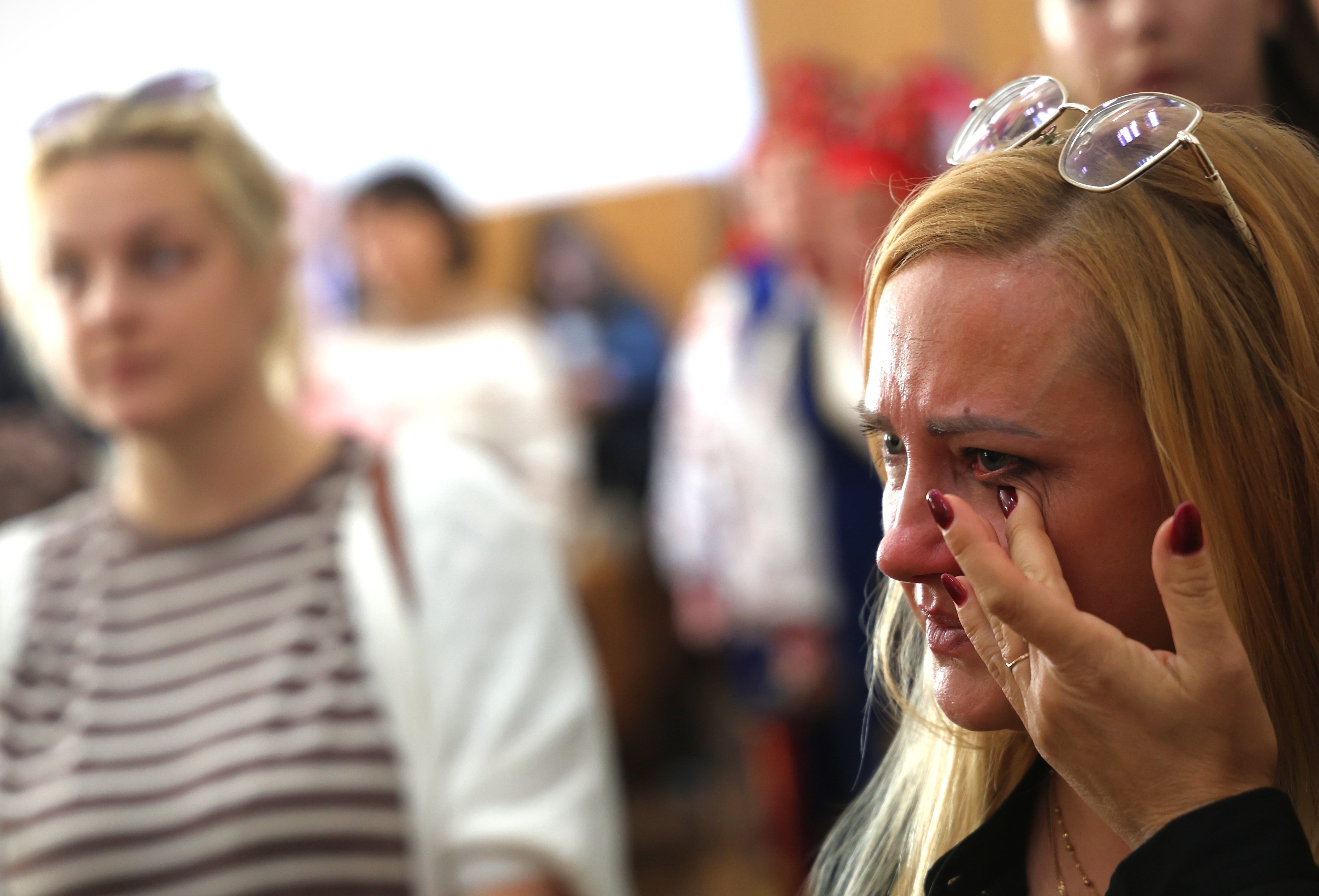
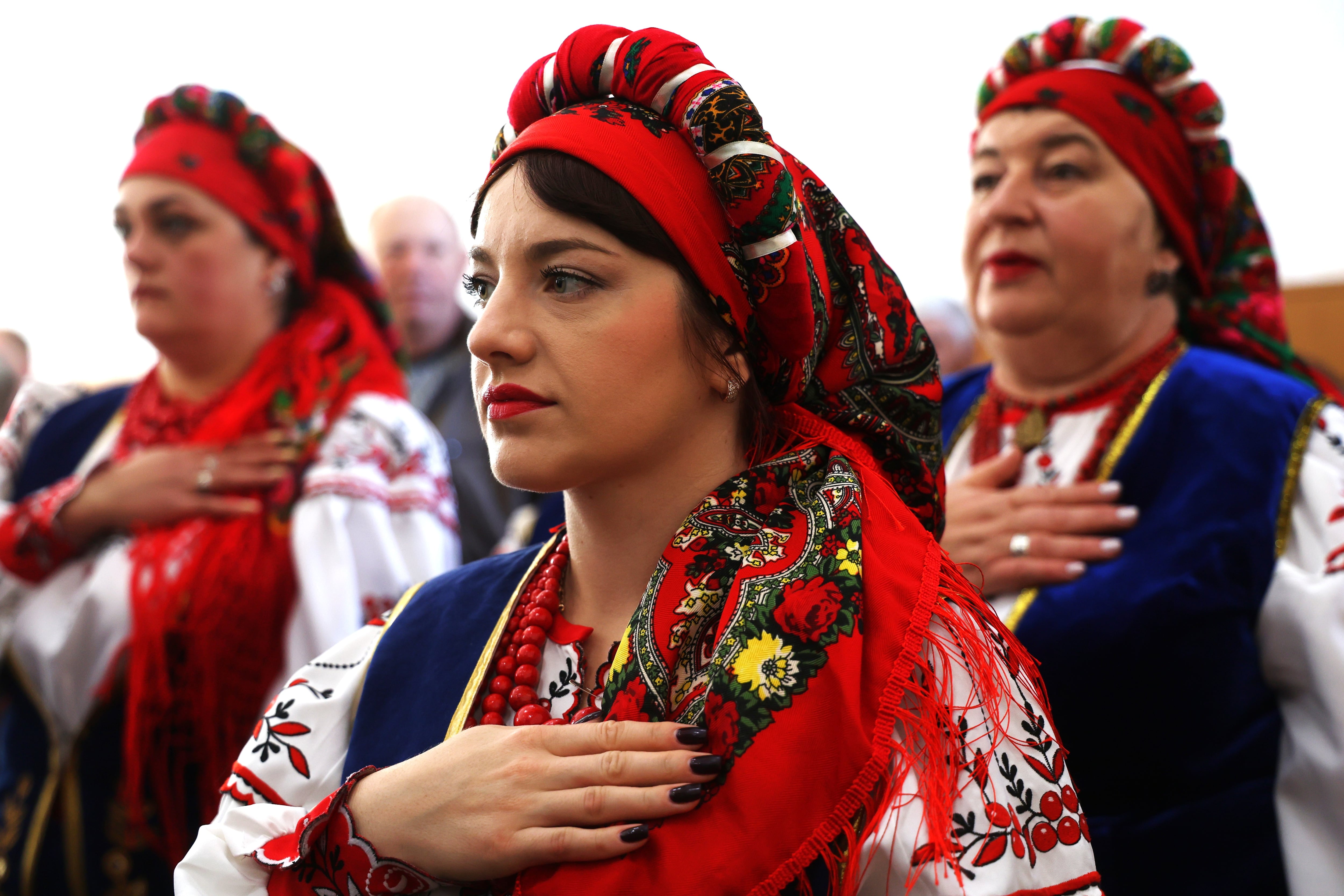
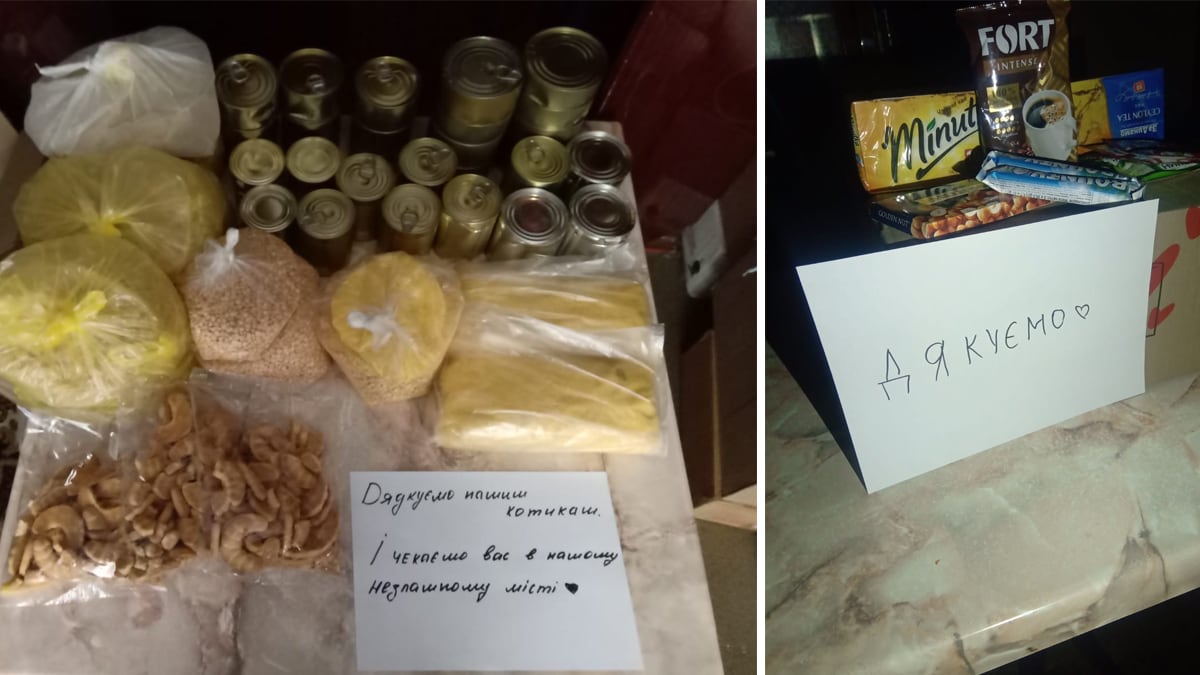
“Thanks to our beloved soldiers. We await you in our unbreakable city,” reads a handwritten note beside cans and other foodstuffs received to stave off hunger in Oleshky, a city occupied by Russia. “Thank you,” echoes another note next to a shipment of coffee, herbal teas, and chocolate bars. Photos of these messages and others showing various tokens of gratitude have reached the phone of Roman Chuhalov, 44, one of the Ukrainian servicemen who, by sending aid with drones, are trying to break the blockade in this town in the southern Kherson region, where about 2,000 people are holding out.
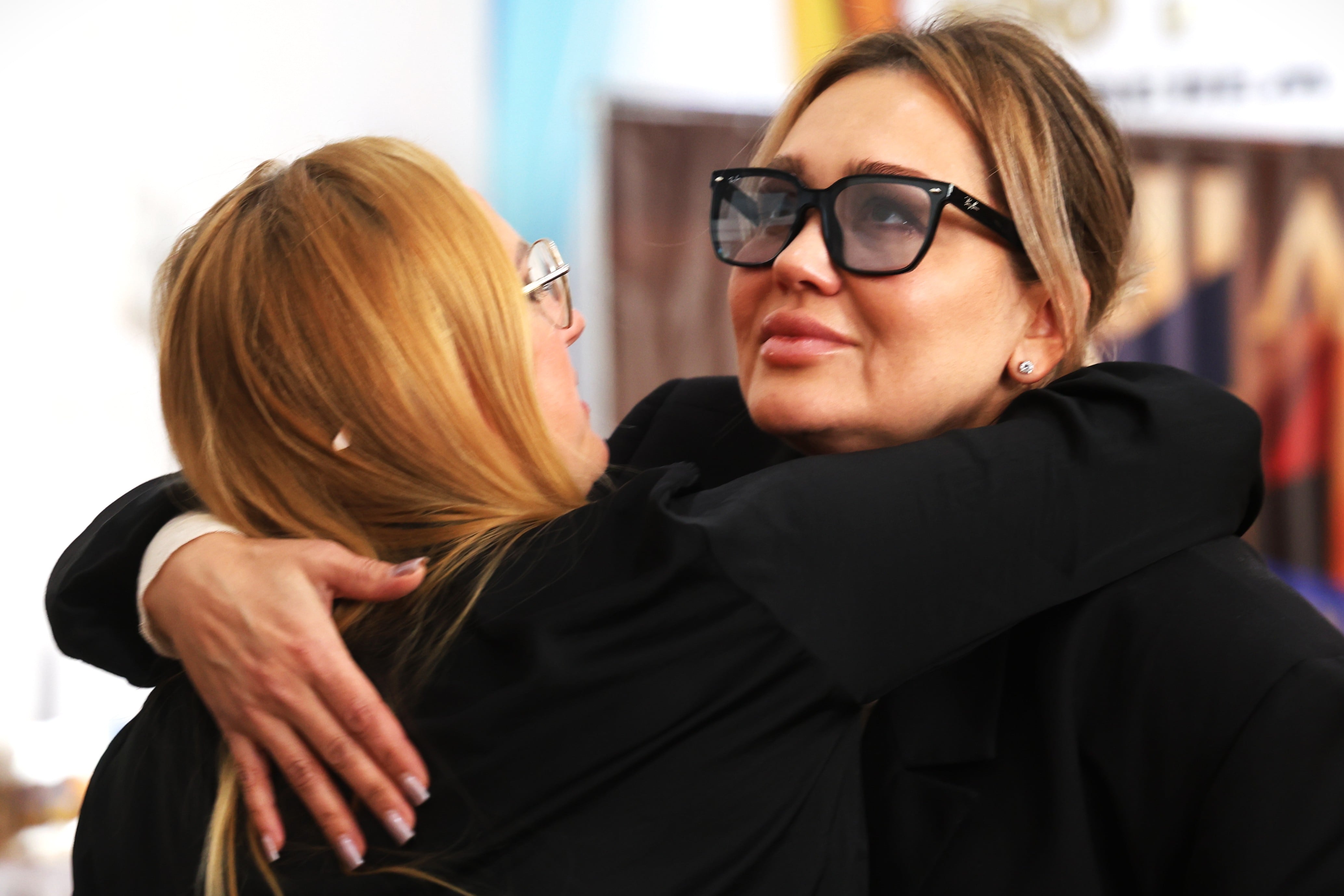

At least 280,000 people are missing due to the war between Russia and Ukraine, according to the vast list maintained by the International Committee of the Red Cross (ICRC). It includes Ukrainians and Russians, without distinction, and the true figure is likely higher because the list contains only requests registered with the organization. The vast majority are soldiers. Although many have probably died, some parents and wives still set a meal at an empty chair and leave their rooms unchanged in case the person suddenly returns home. They carry a pain psychologists call ambiguous loss.
© Stringer (REUTERS)
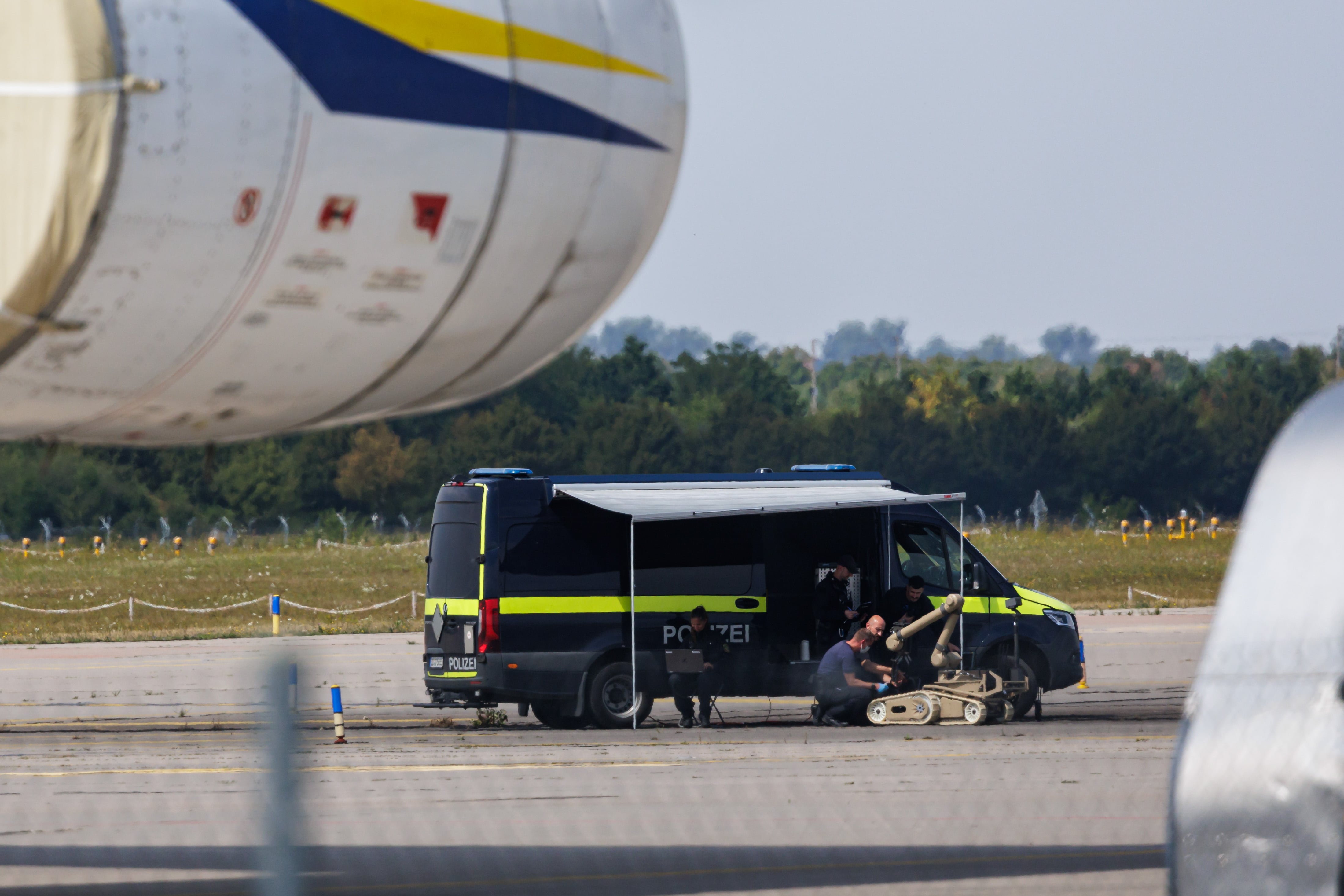
Russia is stepping up its hybrid war against Europe. From sabotage, drone incursions, and arson to plots (mostly foiled) to assassinate pro‑Ukraine activists and Russian dissidents on European soil, the Kremlin is testing the allied response, and incidents against NATO’s European partners are becoming more serious, such as the explosive‑laden drones found this summer at Leipzig Airport in Germany. That gray line between a hybrid attack and a conventional one is blurring, and several European intelligence sources warn of the risk that one of those incidents could escalate — either by a deliberate Kremlin decision or a miscalculation.
© Kateryna Klochko (AP/LaPresse)
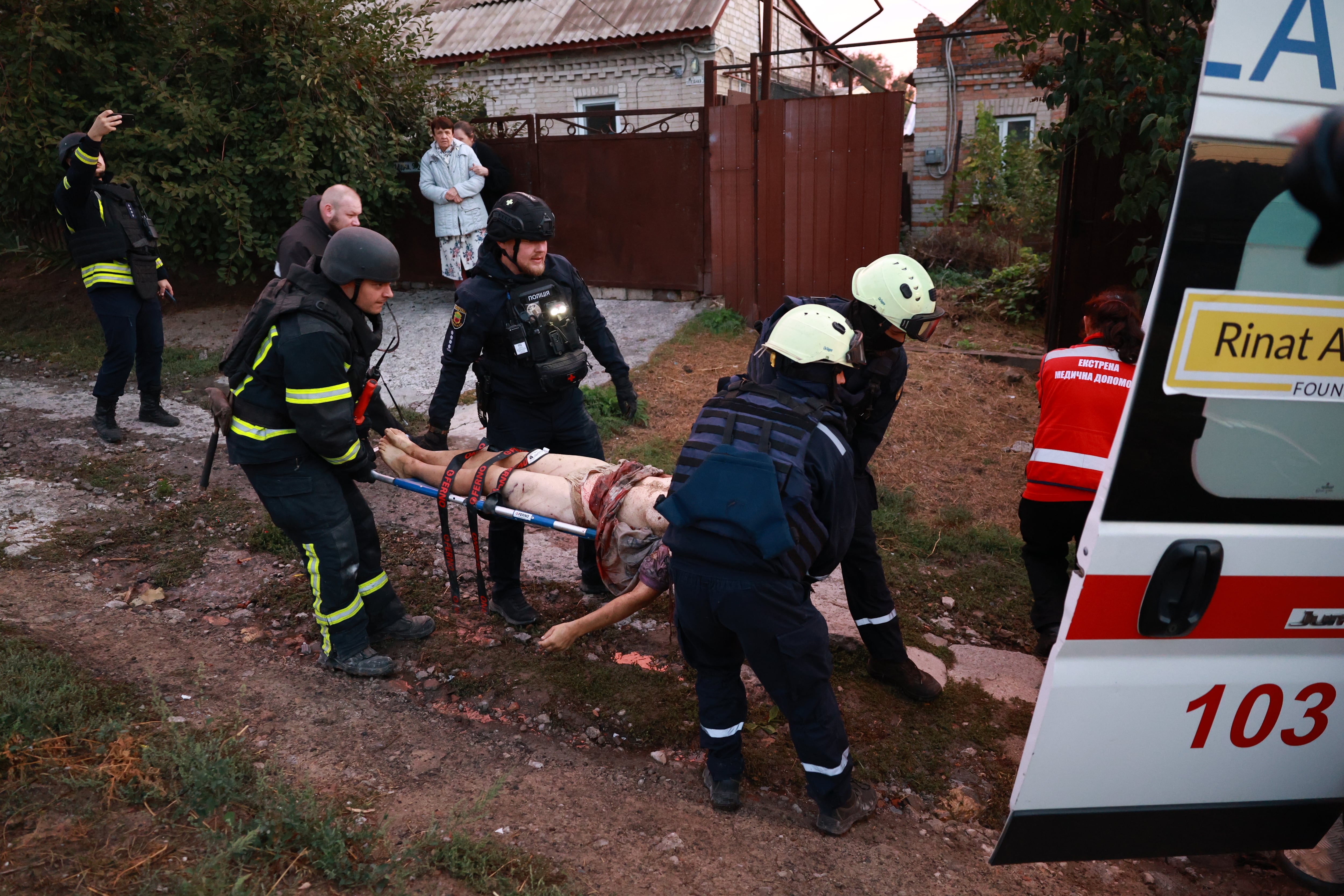
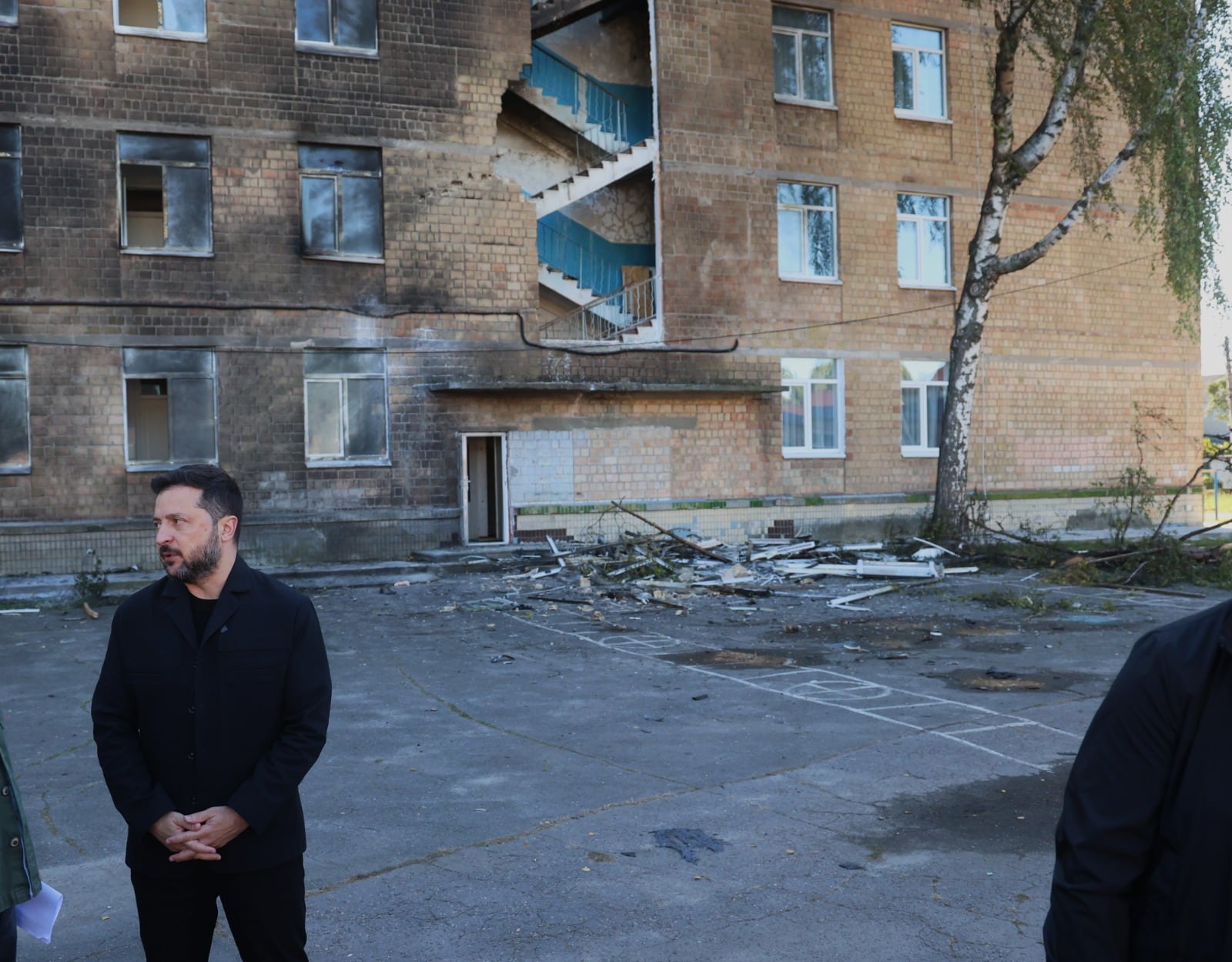
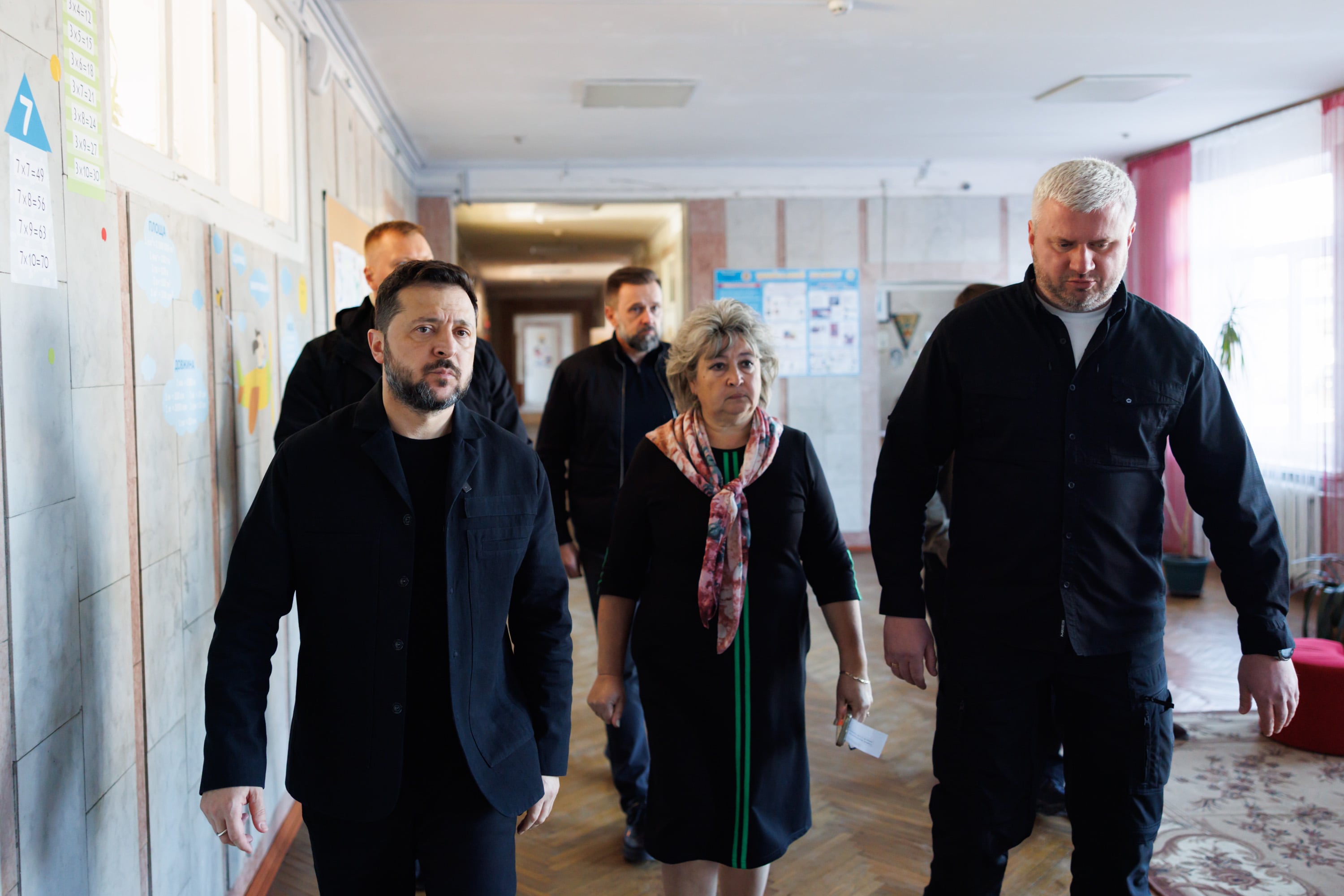
One way Ukrainian President Volodymyr Zelenskiy confronts Russian attacks and seeks to show resolve is by appearing in the most dangerous places. He has done so since his Russian counterpart, Vladimir Putin, launched the full-scale invasion in February 2022. At that time, Kyiv was the Kremlin’s primary target, but the attempt was beaten back. In recent weeks, Moscow has increased its aerial attacks and bombs the city day and night, hitting numerous civilian targets. “They want Ukrainians — especially those in the capital — to leave. In fact, that’s what they were aiming for when the full-scale invasion began,” Zelenskiy said during a conversation with EL PAÍS while visiting a school that had been attacked on Thursday morning in Kyiv.
© Presidencia de Ucrania

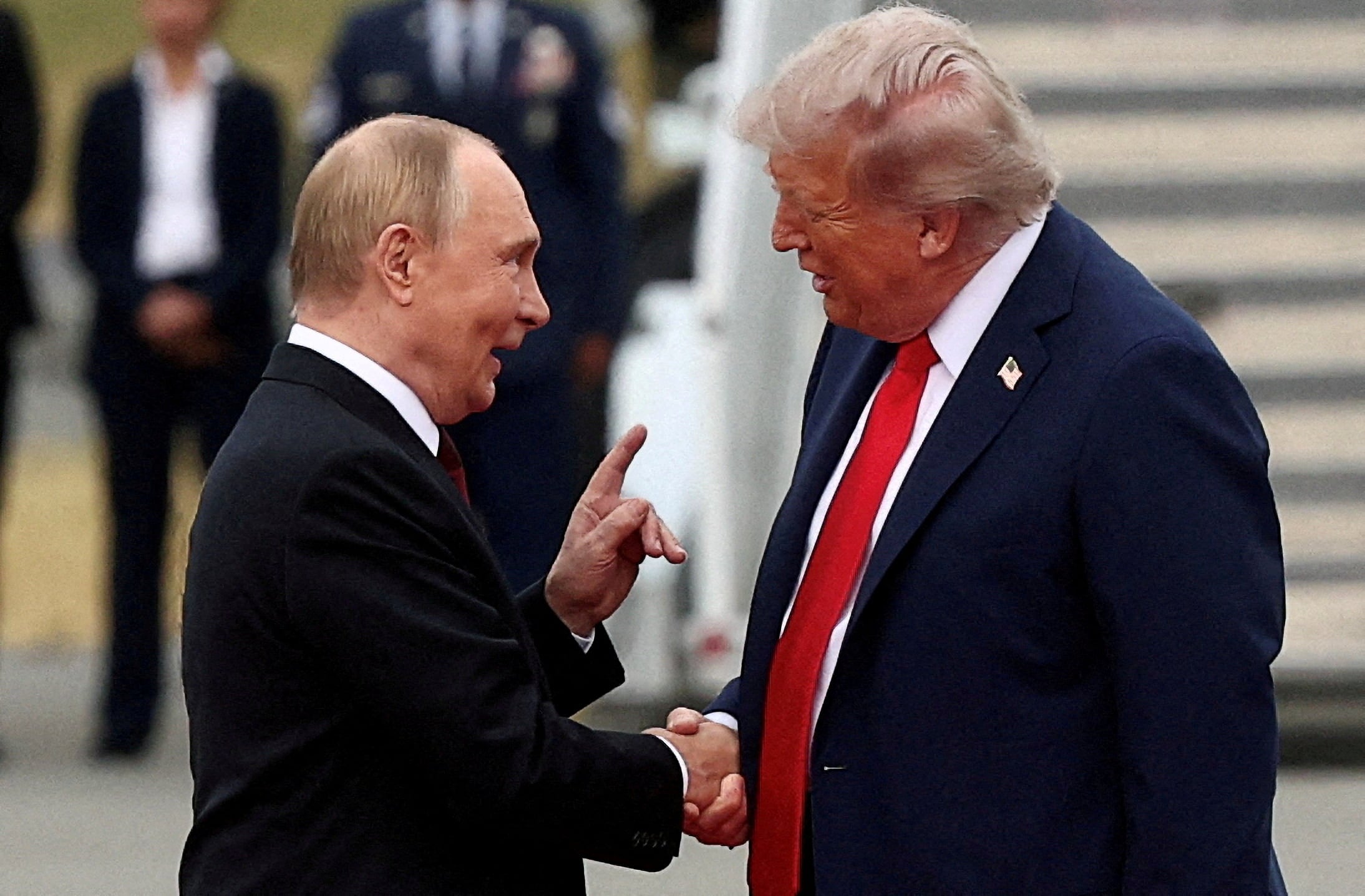
Vladimir Putin is in trouble. The war in Ukraine is not going well for him; casualties are mounting at an alarming rate; discontent in Russian society is growing amid serious economic hardships; and the Kremlin’s inner circle is becoming increasingly perplexed by their leader’s ineffectiveness. His response, for now, is the same as always: escalation. Against Ukraine, with more missiles; against his own citizens, with more repression; and against the EU, with attacks, threats, and provocations of various kinds — sabotage, cyberattacks, incursions — that are becoming increasingly bold and dangerous.
© Kevin Lamarque (REUTERS)
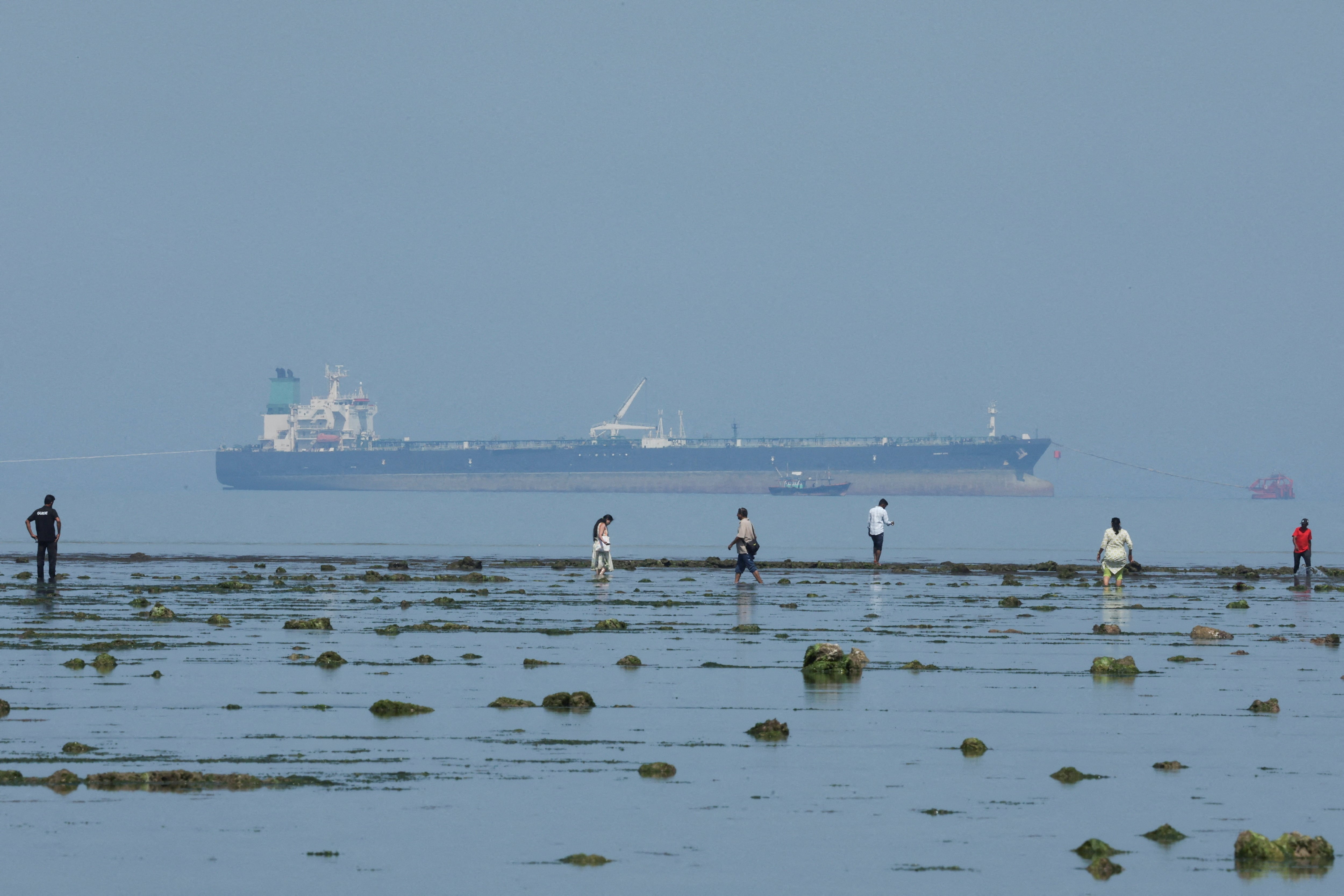
Donald Trump returned to power in Washington with two major foreign policy promises: to end the war in Ukraine “in 24 hours” and to keep his country out of more “forever wars.” Almost two years after his decisive electoral victory, the Russian invasion continues with no sign of a quick end, and the United States has plunged itself into yet another hornet’s nest in the Middle East. Two conflicts of unpredictable outcome have pushed fossil fuel costs to historic highs worldwide and are increasing doubts about whether — with price signals distorted — supply chains will withstand the pressure.
© Amit Dave (REUTERS)
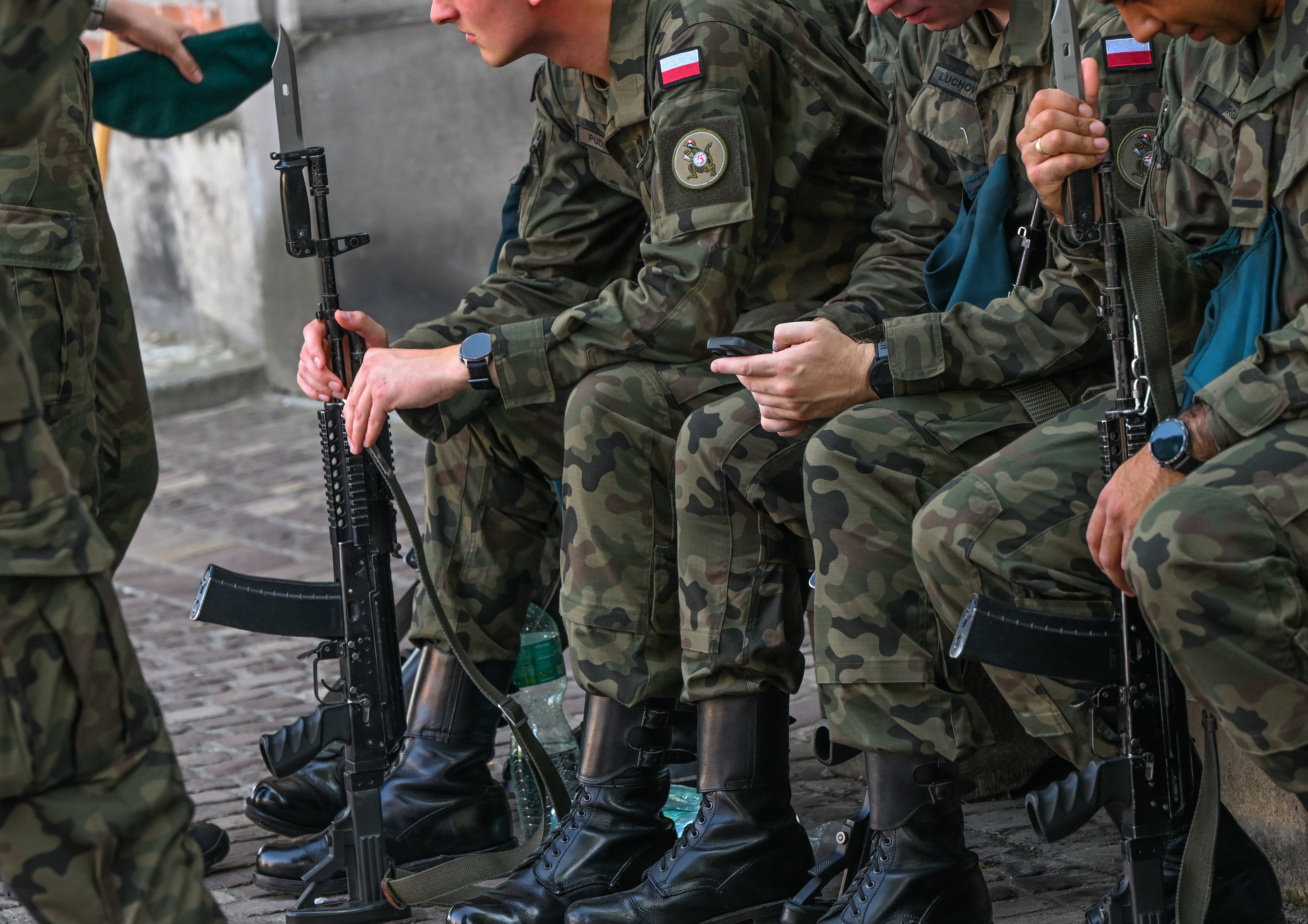
The alarms raised by the relationship between a Spanish NATO commander and a woman of Russian origin he met on Tinder, the dating app, are the latest chapter in a new espionage battleground: web applications. Sharing content on social media, posting your morning run, or looking for love online has become a latent risk for militaries around the world.
© NurPhoto (NurPhoto via Getty Images)
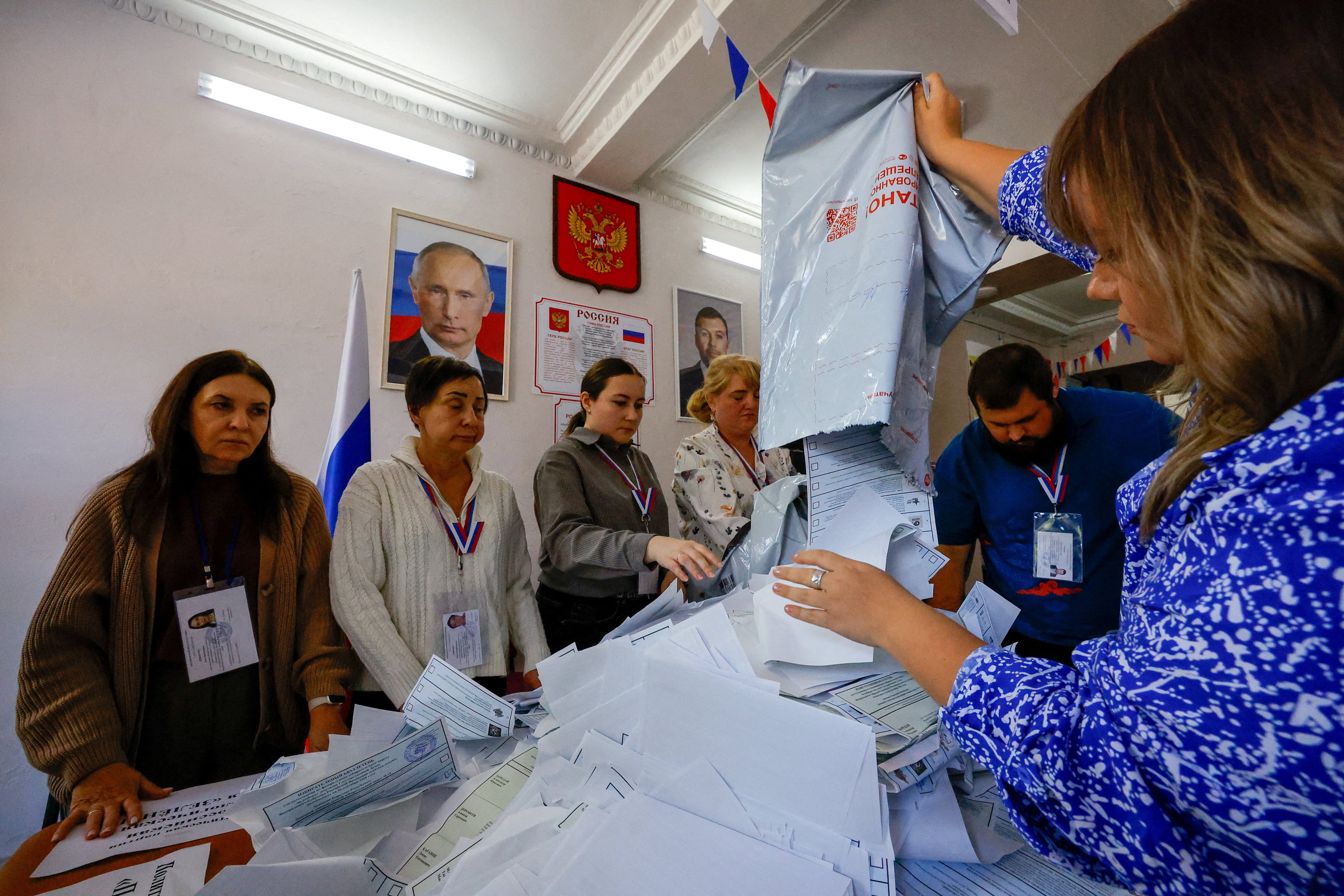
The Kremlin has turned the parliament produced by last Sunday’s Russian legislative elections into an echo chamber for the war. Authorities barred the only party that had called for a truce, Yabloko, as well as candidates who were critical of the government — from independent Boris Nadezhdin to members of parties nominally loyal to the Kremlin such as the Communist Party and A Just Russia. In addition, the military are gradually displacing party bureaucrats in Russian politics.
© Alexander Ermochenko (REUTERS)
Kazakhstan President Kassym-Jomart Tokayev has used the Shanghai Cooperation Organisation summit in Bishkek and a wide-ranging interview with China’s Xinhua news agency to set out a closely connected vision of Kazakhstan’s foreign policy — combining deeper economic and technological cooperation with China with a broader commitment to multilateralism, Eurasian connectivity and reform of global institutions.
Speaking as leaders gathered in Bishkek for the 26th meeting of the Shanghai Cooperation Organisation (SCO) and its SCO Plus format, Tokayev presented Kazakhstan as both a committed regional partner and an increasingly active “middle power” seeking to bridge geopolitical divisions.
His summit remarks were reinforced by an exclusive written interview with Xinhua, published on 1 September, in which the Kazakh leader described relations with China as being at an “unprecedentedly high level” and said Astana intended to continue strengthening what the two countries describe as an “eternal comprehensive strategic partnership”.
Taken together, the two interventions offer a clear picture of Kazakhstan’s current diplomatic strategy: maintain close relations with its major neighbours, promote trade routes linking Asia with Europe, embrace technological cooperation and at the same time argue for international relations based on dialogue rather than confrontation.
In his Xinhua interview, Tokayev stressed that Kazakhstan-China relations now extend well beyond traditional energy and commodity ties.
Cooperation encompasses trade, investment, transport, industrial production, agriculture, digitalisation, healthcare, science, education and culture, he said. China is now Kazakhstan’s largest foreign trading partner, while transport and logistics have assumed an increasingly strategic role.
Kazakhstan occupies a central geographical position between China and European markets, and Tokayev argued that the country was working with China to transform that location into a modern Eurasian transport and logistics network.
He specifically highlighted the Belt and Road Initiative, new railway construction, dry ports, logistics terminals and modernisation of border infrastructure.
Central to this strategy is the Trans-Caspian International Transport Route, commonly known as the Middle Corridor, which links China with Europe through Kazakhstan, the Caspian Sea, the South Caucasus and onward towards European markets.
Tokayev described making the route more competitive as a shared priority, pointing to “smart customs”, digital documentation, interconnected information systems and automated border procedures as necessary elements in reducing transit times.
That message closely reflected his position at the SCO summit, where Kazakhstan again offered to help develop transport initiatives throughout the organisation and called attention to the potential integration of the Belt and Road Initiative, Middle Corridor, North-South Corridor and routes connecting Central and South Asia.
For the European Union, which has increasingly sought alternative and resilient connections with Central Asia and China, the development of the Middle Corridor gives Kazakhstan an importance that extends considerably beyond the size of its domestic economy.
Tokayev also placed technology and artificial intelligence near the centre of the emerging Kazakhstan-China relationship.
China's position in AI, robotics, digital technology, new energy and advanced manufacturing complements Kazakhstan's own ambition to accelerate its digital transformation, he argued.
Kazakhstan has declared 2026 its Year of Digitalisation and Artificial Intelligence, and Tokayev referred to meetings with leading Chinese technology companies during his recent participation in the World Artificial Intelligence Conference in Shanghai.
He said there was mutual interest in projects involving the digital economy, intelligent manufacturing, e-commerce, research and skills development.
The subject moved seamlessly from the bilateral interview into Tokayev's multilateral message in Bishkek.
Addressing the SCO Plus meeting, he warned that global stability increasingly depends upon the responsible development of artificial intelligence and called for universal rules capable of encouraging innovation while preventing uncontrolled use and narrowing the digital divide.
Kazakhstan is also establishing an Asia-Pacific digital solutions centre in Almaty under the auspices of the UN Economic and Social Commission for Asia and the Pacific, which Tokayev said should help developing countries gain access to technological expertise.
In his Xinhua interview he went further, arguing that AI should ultimately serve humanity as a whole and that countries should have equitable access to technology, knowledge and computing resources. Kazakhstan was among the founding participants this year in a new international AI cooperation initiative launched in Shanghai.
Underlying both the interview and Tokayev's summit speech was a wider political argument.
The Kazakh president portrayed the SCO not simply as an economic or security grouping but as a potential model for cooperation between states with different political systems and interests.
In Bishkek, he said the organisation's principles of equality and consensus had become a “gold standard” for multilateral cooperation. He proposed that core SCO principles should ultimately be reflected in a UN General Assembly resolution linked to the International Day of Multilateralism and Diplomacy for Peace.
The formulation is consistent with Kazakhstan's long-standing attempt to avoid being drawn exclusively into competing geopolitical camps.
Tokayev reiterated that Kazakhstan would maintain what he described as a balanced, constructive and peaceful foreign policy, while arguing that the international order should move away from the “cult of force and confrontation” towards collective responsibility and long-term cooperation.
In his interview with Xinhua, he similarly said Kazakhstan and China shared support for the central role of the United Nations, international law, mediation, multilateralism and the peaceful resolution of conflicts.
One of the more significant elements of Tokayev's Bishkek intervention was his argument that responsible middle powers should have greater influence within global governance.
With tensions between major powers putting pressure on existing international institutions, Tokayev suggested countries such as Kazakhstan could facilitate dialogue between competing centres of power and help develop collective solutions.
“Kazakhstan is ready to actively contribute to this process,” he told the summit.
At the same time, he resisted suggestions that shortcomings within the United Nations justified weakening the organisation.
Despite criticism of the UN, Tokayev said there was no viable alternative to it. Kazakhstan's position, he argued, was that the UN should remain at the centre of the international system and that its Charter should continue to provide the universal foundation of international law.
The President called for closer interaction between the UN and regional organisations such as the SCO, stronger preventive diplomacy and greater emphasis on peaceful settlement of disputes.
Tokayev also used the summit to promote another issue of growing importance to Central Asia: water.
Climate pressures, population growth and competing demands on shared water resources make the issue increasingly important to Kazakhstan and neighbouring states.
Tokayev proposed creating an International Water Organisation under UN auspices, arguing that although numerous UN bodies deal with water, no universal intergovernmental organisation currently has a comprehensive mandate.
He also proposed an SCO Water Problems Analysis Centre as a regional complement to such a global organisation.
The proposal fits into Kazakhstan's broader effort to move environmental and resource-security questions higher up the international agenda.
Perhaps the strongest thread connecting Tokayev's interview with his SCO appearance is Kazakhstan's determination to turn geography into diplomatic and economic influence.
Astana is simultaneously strengthening its relationship with Beijing, maintaining important relationships with Russia and other neighbours, developing transport corridors towards Europe, expanding cooperation with Western partners and presenting itself as an advocate of multilateral diplomacy.
Tokayev's description of relations with China therefore carries a wider meaning.
He quoted a Kazakh proverb in the Xinhua interview: “Those travelling the same road share a common destiny.”
Yet the message emerging from Bishkek suggests Kazakhstan sees that road not as one running exclusively eastwards towards China, but as part of a much larger network connecting East and West.
As competition between the world's major powers becomes more pronounced, Kazakhstan is attempting to position itself at the centre of those connections — geographically through trade and transport corridors, technologically through digital cooperation, and diplomatically through its advocacy of multilateralism.
For Europe, that makes developments in Kazakhstan-China relations increasingly relevant. The more successfully Kazakhstan develops the Middle Corridor and other east-west transport links, the more the country becomes not simply a Central Asian partner but a strategic gateway connecting European and Asian economies.
And that, ultimately, appears to be the common theme running through Tokayev's words both to Xinhua and to the leaders assembled at the SCO summit: Kazakhstan believes its future influence will come not from choosing between competing blocs, but from connecting them.
Thirty-five years after Kazakhstan closed one of the most notorious nuclear weapons testing grounds in history, President Kassym-Jomart Tokayev has used the anniversary to deliver a pointed message to the world’s nuclear powers: resume dialogue, strengthen arms control and ensure that nuclear testing never returns.
At a time when the international security order is under growing pressure and some of the agreements that helped contain nuclear rivalry after the Cold War have weakened, Kazakhstan is seeking to turn its own traumatic nuclear history into a renewed diplomatic argument for disarmament.
Marking the International Day against Nuclear Tests on 29 August, Tokayev called on nuclear-armed states to return to negotiations and urged the earliest possible entry into force of the Comprehensive Nuclear-Test-Ban Treaty, or CTBT.
“Our country’s position as one of the leaders of the global anti-nuclear movement remains unchanged,” Tokayev said, according to Kazakhstan's presidential administration.
He called for negotiations between nuclear powers and “decisive multilateral action to eliminate the threat of nuclear weapons use”.
For Kazakhstan, the date carries significance far beyond diplomatic symbolism.
On 29 August 1991, the Semipalatinsk nuclear test site in north-eastern Kazakhstan was closed. It had been the Soviet Union's principal nuclear weapons testing ground and the location of 456 nuclear tests between 1949 and 1989, including atmospheric and underground detonations.
The consequences extended far beyond the perimeter of the test site. The United Nations has estimated that nearly 1.5 million people were affected by nuclear testing, while extensive areas were contaminated by radiation.
That history gives Kazakhstan a distinctive voice in the international nuclear debate.
Tokayev described the closure of Semipalatinsk as a warning that should continue to resonate worldwide.
“Thirty-five years later, this date will serve as a reminder to all humanity of the tragic consequences of nuclear tests and as a call to prevent them from ever happening again,” he said.
Kazakhstan's argument is strengthened by another remarkable chapter of its post-Soviet history.
When the Soviet Union collapsed, Kazakhstan found itself with a huge nuclear weapons infrastructure on its territory. Rather than retain the capability, the newly independent country chose to relinquish the weapons and establish itself internationally as a non-nuclear state.
Tokayev described that decision as a deliberate choice in favour of peace and long-term security.
“By voluntarily renouncing the fourth-largest nuclear arsenal on the planet, Kazakhstan made a historic choice in favor of peace, security and sustainable development,” he said.
It has subsequently made nuclear non-proliferation one of the defining elements of its foreign policy.
Kazakhstan was also responsible for proposing the creation of the International Day against Nuclear Tests, an initiative unanimously supported by the UN General Assembly. The first international observance took place in 2010.
This history matters because Tokayev's appeal comes at an increasingly uncertain moment for nuclear arms control.
The Comprehensive Nuclear-Test-Ban Treaty was opened for signature in 1996 with a simple but profound objective: to prohibit nuclear test explosions anywhere in the world.
Thirty years later, however, the treaty has still not formally entered into force.
The CTBT currently has 188 signatories and 179 ratifications, demonstrating overwhelming international support. But its provisions require ratification by a specified group of 44 states possessing nuclear technology when the treaty was negotiated before it can become legally binding.
Nine of those states have yet to ratify: China, Egypt, India, Iran, Israel, North Korea, Pakistan, Russia and the United States.
India, North Korea and Pakistan have not signed it.
Russia had ratified the treaty but revoked its ratification in November 2023. China and the United States signed it in 1996 but have never completed ratification.
The treaty nevertheless represents one of the more successful international norms of the post-Cold War period.
More than 2,000 nuclear tests were carried out during the five decades before the CTBT opened for signature. Since 1996, nuclear tests have occurred on only ten occasions, according to the Comprehensive Nuclear-Test-Ban Treaty Organization, and North Korea is the only country to have conducted nuclear explosive tests during the 21st century.
Tokayev's warning is therefore also a defence of a system that has largely succeeded in suppressing nuclear testing — but whose legal foundations remain incomplete.
There is another important dimension to Kazakhstan's position.
Tokayev's opposition to nuclear weapons does not translate into opposition to nuclear technology.
On the contrary, Kazakhstan is now moving towards the development of civilian nuclear power. Tokayev emphasised that nuclear energy should be used for “exclusively peaceful and constructive purposes”, presenting civilian nuclear development as compatible with the country's anti-nuclear weapons philosophy.
Kazakhstan is already an important part of Europe's nuclear energy supply chain. According to the Euratom Supply Agency, Kazakhstan supplied 20.31% of the natural uranium delivered to EU utilities in 2025, making it the EU's second-largest source after Canada.
The connection became even more politically significant during Tokayev's visit to Brussels in June.
Following meetings with European Council President António Costa and European Commission President Ursula von der Leyen on 23 June 2026, the EU and Kazakhstan specifically identified energy security as an area for deeper strategic cooperation.
Their joint statement recognised Kazakhstan as an important supplier of oil and uranium to Europe and highlighted the potential for increased cooperation in both renewable energy and civil nuclear energy.
It is simultaneously one of the world's most prominent advocates of nuclear disarmament and one of the most important suppliers of the raw material on which civilian nuclear power depends.
Rather than regarding those positions as contradictory, Astana's policy is increasingly built around distinguishing sharply between the destructive and peaceful uses of atomic technology.
For the European Union, Tokayev's intervention is therefore not an abstract diplomatic message from a distant Central Asian state.
Kazakhstan has become increasingly significant to Europe's efforts to diversify energy supplies and strategic raw materials, particularly as Brussels attempts to reduce potentially dangerous dependencies.
During Tokayev's June visit to Brussels, European and Kazakh leaders agreed to deepen their strategic partnership in critical raw materials, transport, digitalisation and emerging technologies. They also reaffirmed their commitment to strengthening the international disarmament and non-proliferation regime.
It shares a vast border with Russia and another with China, while simultaneously developing closer political and economic relationships with the European Union and maintaining partnerships with the United States and other Western countries.
That makes Astana one of a relatively small number of governments able to maintain meaningful dialogue across increasingly divided geopolitical blocs.
In an era when communication between major powers has become more difficult, that may make Kazakhstan's diplomatic role increasingly relevant.
The ruins of Semipalatinsk remain a stark physical reminder of what the nuclear arms race once meant.
Between 1949 and 1989, explosions equivalent collectively to thousands of Hiroshima-sized bombs were detonated at the site, according to UN documentation. Communities surrounding the testing ground were exposed to radioactive fallout whose health and environmental effects endured long after the final explosion.

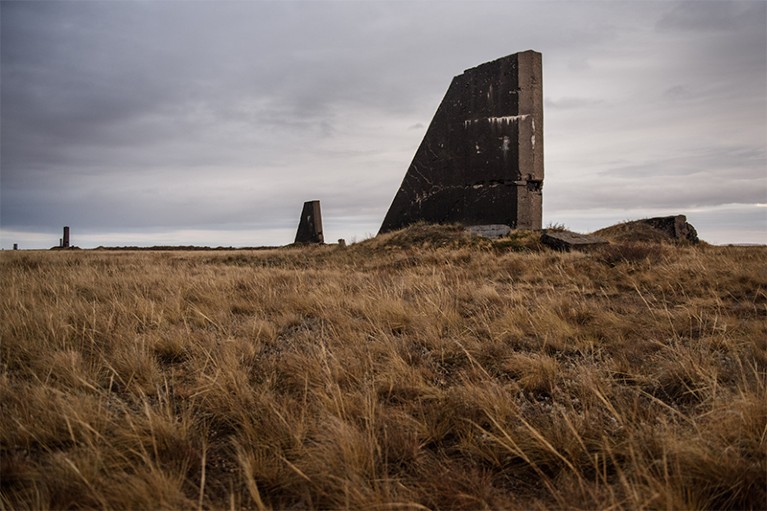

Kazakhstan has sought to transform that legacy from one of victimhood into one of diplomacy.
Semipalatinsk's closure was followed by the relinquishment of nuclear weapons, Kazakhstan's participation in the Central Asian Nuclear-Weapon-Free Zone and its persistent advocacy of nuclear disarmament.
The political assumptions that allowed the world to move progressively away from nuclear testing after the Cold War cannot simply be taken for granted.
The CTBT is now 30 years old and still awaits entry into force. Relations between the major nuclear powers are deeply strained. Nuclear weapons have again assumed a conspicuous place in geopolitical confrontation.
Against that background, Kazakhstan's argument has an unusual moral force.
Few countries have experienced nuclear testing on the scale Kazakhstan did. Fewer still subsequently possessed nuclear weapons and voluntarily relinquished them.
Thirty-five years after the gates of Semipalatinsk were closed, Tokayev is effectively asking the world's nuclear powers to remember why they were closed in the first place.
The message from Astana is straightforward: nuclear deterrence may remain part of international politics, but nuclear testing does not have to be — and dialogue between nuclear powers is more essential when relations are deteriorating, not less.
For Europe, confronting war on its eastern frontier while simultaneously reconsidering energy security and strategic autonomy, that is a message worth hearing.