IMF warns about major economic risks and a ‘disorderly’ rise in bond yields


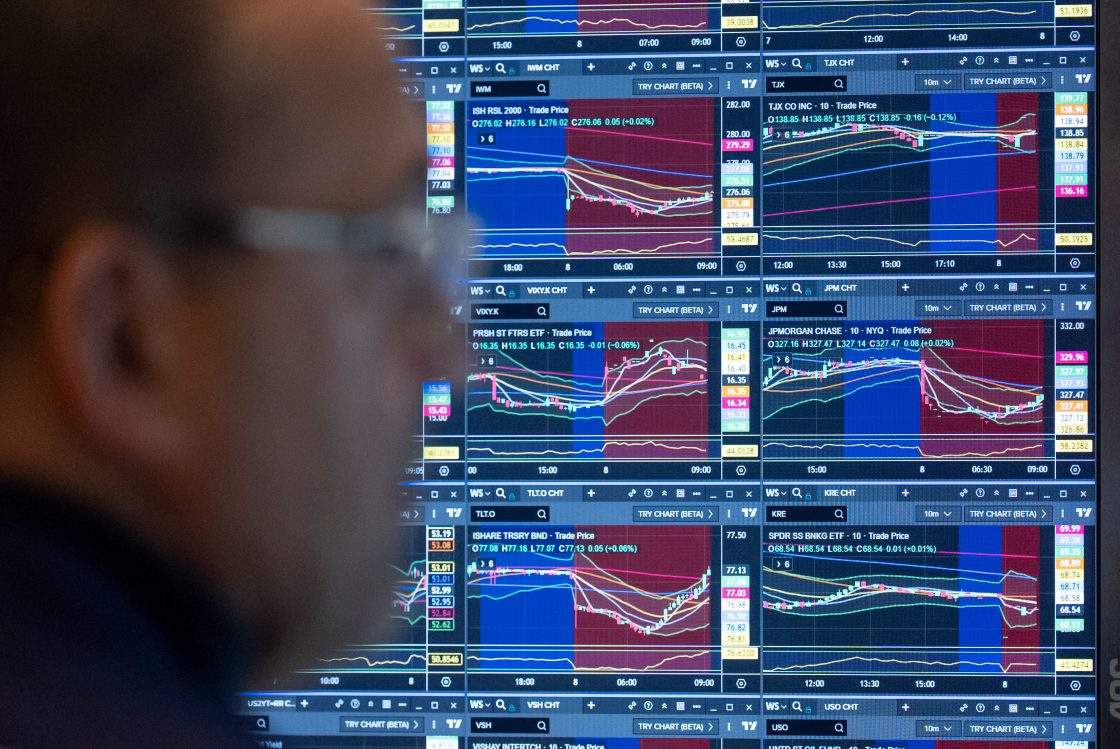
Bangkok, 13 October, (Brussels Morning Newspaper) – The International Monetary Fund (IMF) has issued a stark warning about growing threats to global economic stability, highlighting artificial intelligence investment, the Middle East conflict and mounting government debt as major … Read more

The International Monetary Fund (IMF) has sharply upgraded its growth forecast for Portugal, predicting the economy will expand by 2.1% this year and 1.9% in 2027. The new projections, published
The post IMF upgrades Portugal growth forecast to 2.1% appeared first on Portugal Resident.
By Yang Xuefeng
Join us on Telegram
, X
, and VK
.
Contact us: info@strategic-culture.su
At present, under the impact of factors such as deep adjustments in the global balance of economic power, frequent geopolitical crises, the “weaponization” of finance, and the accelerating pace of technological progress, the existing international monetary system is unable to cope with complex and rapidly changing external challenges and is undergoing continuous evolution.
I. Stylized Facts: The Basic Landscape of the Current International Monetary System
In the process of global de-dollarization, the international monetary system has shown a trend of evolving from the hegemonic system of unipolar dollar dominance formed after the collapse of the Bretton Woods system toward a parallel pattern of multipolarization, regionalization, and digitalization. The dollar’s core position remains, but its hegemonic status is gradually being eroded.
Data from the International Monetary Fund (IMF) show that the dollar’s reserve share has declined from 69.74% in 2000 to 56.42% in 2025, with a clear long-term downward trend. Even though there were periodic rebounds during this period, the long-term downward trajectory remains unchanged. This long-term non-cyclical decline can be explained by central banks’ construction and rebalancing of reserve portfolios based on market efficiency and asset security under the existing institutional system.
The trend toward diversification of reserve currencies is becoming increasingly obvious. In the process of building diversified reserves, central banks have included non-traditional international currencies in their portfolios, broadening the options for international reserve currencies. The share of non-traditional international currencies in international reserve currencies has risen from 2.48% in 2017 to 6.13% in 2025. Although the absolute share is still not high, it has increased by nearly 1.5 times.
The substitution effect of gold reserves is significant. From 2022 to 2025, global central banks’ net gold purchases exceeded 4,000 tons, and official gold reserves surpassed U.S. Treasury bonds for the first time. The logic behind this is both the increased demand for central bank asset allocation under the trend of weakening dollar credit and a strategic reconstruction of sovereign states’ control over financial assets under financial sanctions.
In 2025, the dollar accounted for 56% of global trade settlement. Its dominant position remains, but its leading advantage is declining. The dollar’s advantage in trade settlement comes from the dollar-denominated and dollar-settled system for mainstream global commodities (such as crude oil, gold, copper, soybeans, etc.), especially the petrodollar system. This system has provided strong support for the dollar in maintaining its core position in the international monetary system.
Although the petrodollar system has been impacted in recent years, and some oil-producing countries, oil-consuming countries, and countries subject to U.S. sanctions have continuously advanced de-dollarization in oil settlement—for example, China and Russia use renminbi and rubles in oil settlement, and China and Saudi Arabia use dollars and renminbi in oil settlement—the scale of non-dollar oil settlement is still too small compared with global petrodollar settlement to shake the dollar’s oil settlement position. However, de-dollarization of oil settlement means the reconstruction of the oil settlement system, that is, the transition from a dollar monopoly settlement system to a multi-currency coexistence settlement system. In the long run, the shift in the balance of currency settlement, or in other words the substitution of other currencies for the dollar, will continue to continuously shake the dollar’s trade settlement position.
Data from the Society for Worldwide Interbank Financial Telecommunication (SWIFT) for May 2026 show that the dollar accounted for 50.73% of global payments, a slight increase from 50.49% at the end of 2025. On the one hand, this comes from dollar trade settlement. Dollar trade settlement must be realized through dollar payments for funds to land; as much dollar trade settlement as there is corresponds to as much dollar payment. On the other hand, the dollar accounts for nearly 90% of global trade financing, slightly more than 80% of global trade financing, and together with the safe-haven demand for dollar assets, these financial transactions greatly support the dollar’s payment share.
Although the dollar’s share in international payments has not yet changed significantly, the global cross-border payment system, namely the two-tier architecture system mainly composed of SWIFT and the Clearing House Interbank Payments System (CHIPS), is being impacted by multi-threading. These shocks come from security demands arising from the abuse of the global cross-border payment system in geopolitical conflicts. With the outbreak of the Russia-Ukraine conflict in 2022, the United States used its control over the global cross-border payment system to cut off Russia’s dollar settlement channel in order to strike its economy. Sovereign states have reassessed the risks of relying on a single global cross-border payment system and urgently need to seek safe and alternative cross-border payment systems, such as discussions among BRICS countries on the feasibility of the “BRICS Bridge” payment platform, China’s acceleration of building the renminbi cross-border payment system, and the euro area’s acceleration of promoting the launch of the digital euro. As safe and alternative global cross-border payment systems are gradually implemented and used, a multi-threaded pattern of the international payment system has initially taken shape.
II. Theoretical Logic: The Internal Mechanism of the Evolution of the International Monetary System
Today, international currency is developing along a trend of diversification, but its institutional foundation still belongs to the Jamaica system. Compared with the Bretton Woods system, the Jamaica system made two important adjustments: first, it reset the monetary anchor and abolished the fixed parity between gold and the dollar, replacing the “gold anchor” with a “fiat credit anchor.” While completely freeing the dollar’s issuance, it also solved the problem of gold runs; second, exchange rate arrangements became diversified, and member countries could arrange exchange rates independently, thus resolving the problem of speculative currency attacks under fixed exchange rates. Through this institutional arrangement, the “Triffin Dilemma” under the Bretton Woods system—the dilemma between increasing dollar supply to meet global liquidity demand and maintaining the fixed dollar-gold parity—was broken. However, the Jamaica system produced a “new Triffin Dilemma,” namely the contradiction between meeting the dollar demand for international liquidity and maintaining dollar credit.
The U.S. current account deficit exports dollars, and capital flows back to the capital market, forming a perfect cycle. This cycle is basically the solution to the “new Triffin Dilemma.” However, its cornerstone is maintaining dollar credit. The maintenance of dollar credit is the result of multiple dimensions working together, such as monetary policy independence, financial market depth, fiscal deficit scale, foreign policy stability, financial sanctions, and the level of fintech development. Changes in various factors will affect dollar credit to different degrees. In recent years, U.S. foreign policy and financial sanctions have become the main drivers weakening dollar credit.
First, U.S. anti-globalization policies have damaged the nodes of the dollar credit network. President Trump implemented a series of anti-globalization policies, such as imposing tariffs, withdrawing from international organizations, and building exclusive small circles. To some extent, the implementation of these policies restricts the development of global trade liberalization and promotes the reshaping of the global trade landscape. The dollar is a beneficiary of global trade liberalization. The market fragmentation and rising protectionism brought about by changes in the trade landscape objectively loosen the path dependence effect dominated by the dollar’s network externalities and narrow the scope of the dollar’s use. As a result, its share in pricing, payment, and settlement is gradually compressed, whether in the use of the dollar in bilateral trade between the United States and other countries or in the use of the dollar in trade between countries other than the United States.
Second, financial sanctions have shaken the cornerstone of dollar credit. The manifestation of financial sanctions is the weaponization of the dollar, that is, the United States uses its dominance over international dollar clearing and control over U.S. Treasury bonds to long-term implement sanctions against Russia, Iran, North Korea, and other countries, such as freezing dollar assets and cutting off dollar clearing channels (removing them from the SWIFT system), to achieve its geopolitical policy goals. The weaponization of the dollar means that the dollar assets held by various countries have no security at all. Once the security attribute as a global public good is stripped from the dollar, dollar credit becomes worthless. Therefore, the United States’ abuse of dollar hegemony not only causes other countries around the world to lose confidence in dollar credit but also prompts them to think about rebuilding the future international monetary order. The rational choice in thinking about how to reduce dependence on the dollar is to choose an international currency that can replace the dollar and has sufficient security attributes. This is also the fundamental reason why “de-dollarization” has become a global consensus.
III. Response Strategies: Pragmatic Paths in the Evolution of the International Monetary System
Looking back at the continuously evolving international monetary landscape, we see that the decline of monetary hegemony is a long-term process. In this process, China’s strategic principles are: first, reduce excessive dependence on a single sovereign currency and enhance China’s cross-border payment and overseas asset security; second, China actively participates in the reform of the international monetary system and contributes Chinese wisdom to it.
The goal of building the financial infrastructure for renminbi internationalization is to construct an autonomous, controllable, widely covered, and efficiently cleared renminbi cross-border payment system (CIPS). The main current problem is that, in response to financial sanctions, China’s CIPS is usable but still cannot achieve complete autonomy and control. It is necessary to improve CIPS’s capacity for autonomy and control. CIPS and SWIFT are cooperative in cross-border renminbi clearing business. Under certain conditions, SWIFT can affect the normal operation of CIPS. Therefore, while using SWIFT’s global network advantages to expand CIPS network users, China should gradually enhance the technical independence of CIPS operations. At the same time, it is also necessary to fill gaps in the global layout of clearing banks. Strengthen the establishment of renminbi clearing banks in countries and regions with layout blind spots (such as Africa, the Middle East, Central Asia, and other blank areas) to form a “point-line-surface” full-coverage overseas renminbi clearing service network.
Currency network externalities affect the level of currency internationalization. The reason the dollar can stand out among international currencies depends more on inertial effects external to the network. At present, the renminbi’s “circle of friends” is increasingly expanding, but it more often serves bilateral renminbi settlement between China and other countries and regions. The use of the renminbi among third countries is still in its infancy, and a multilateral interconnected renminbi network has not yet formed. To promote the use of the renminbi among third countries, on the one hand, it is necessary to promote the renminbi’s functions of pricing, settlement, investment, and financing among China’s neighboring countries and countries along the Belt and Road Initiative; on the other hand, China’s neighboring countries should be taken as a breakthrough point, relying on close economic and trade ties and a convenient renminbi interconnection network, to promote the renminbi’s use as a “public good” in trade and investment among third countries.
Although the domestic financial market has made considerable progress in opening up and market construction, the global attractiveness of renminbi assets is still clearly insufficient, due to both opening mechanism problems and financial product problems. First, further accelerate the opening of the financial market and launch more distinctive financial products open to overseas institutions to meet overseas institutions’ renminbi asset allocation and hedging needs. Second, increase the supply of high-quality financial assets. Around the “five major articles” of finance, deepen supply-side reform of the financial market, increase the supply of technology and green financial products, promote the rapid development of the panda bond market, and use high-quality financial products to raise overseas institutions’ incentive to allocate renminbi assets, thereby increasing their allocation share of renminbi assets. Third, accelerate the construction of an offshore renminbi center in the Shanghai Pilot Free Trade Zone. Connect supply and demand between offshore and onshore markets, coordinate the development of offshore and onshore markets, and ultimately lay the market foundation for building a smooth domestic and international financial circulation mechanism for the renminbi.
The development of the international monetary system toward multipolarity objectively converges toward the coexistence of several sovereign currencies in a competitive equilibrium. As the world’s second-largest economy supported by a strong economic size, China should provide the world with safe renminbi reserve assets and an efficient and convenient global renminbi settlement network. To this end, it is necessary to further advance international financial cooperation at two levels. At the level of building a regional financial safety net, relying on the continuously increasing scale of renminbi swap agreements and the increasingly complete renminbi clearing network, inject renminbi liquidity when regional economic crises occur, and enhance the region’s ability to respond to crisis shocks. At the level of promoting reform of international financial governance, continue to promote reform of governance imbalances caused by the “veto power,” use voting mechanism reform to constrain the hegemonic behavior of hegemonic currencies, participate in the formulation of global financial rules, oppose the weaponization of financial infrastructure, and safeguard its neutrality and public good attributes.
Author: Yang Xuefeng, Associate Researcher at the Institute of World Economy, Shanghai Academy of Social Sciences
Original article: sass.org.cn
Centre-left MEPs are trying to convince the European Commission to withdraw its proposal to pause EU methane rules, if parliament or member states try to delay them for more than one year.
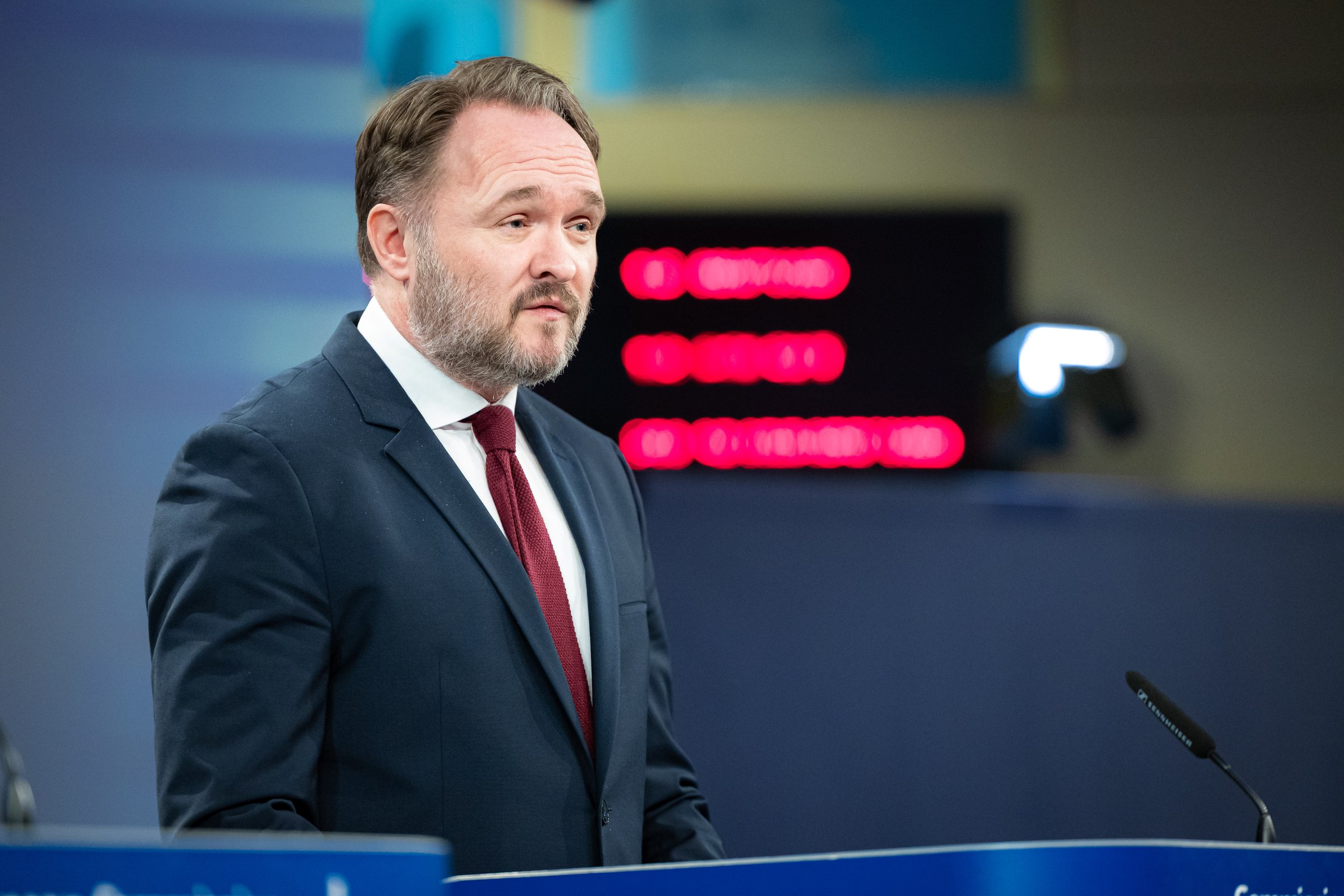
Last week, energy commissioner Dan Jørgensen announced that the commission would propose delaying the import rules, due to kick in on 1 January 2027, by a year, following months of pressure from member states, the White House, and oil and gas companies.
But in a letter sent on Monday (12 October) to commission president Ursula von der Leyen and three of her commissioners, five Socialists and Democrats (S&D) MEPs said any postponement must be “strictly limited to a single year.”
The letter, seen by EUobserver, was signed by S&D vice-president Mohammed Chahim, Tiemo Wölken, Jens Geier, Günther Sidl, and Thomas Pellerin-Carlin.
If parliament or member states try to push for a longer delay, the commission should “make full use of its right to withdraw the proposal,” they wrote, “as such changes would distort its purpose.”
This article continues, but the full version is available only to EUobserver.com subscribers. Visit account.euobserver.com/membership
The International Monetary Fund (IMF) is forecasting growth of 1.8% for the Greek economy in both 2026 and 2027, according to its World Economic Outlook report released on Tuesday. The forecast for 2026 is unchanged from the Fund’s previous report in April, while the projection for 2027 has been revised slightly upwards from 1.7%. In […]
The post IMF forecasts Greek economy growth at 1.8% appeared first on Keep Talking Greece.
BRICS Pay non è una valuta né una rete di regolamento: è interoperabilità. E a Nuova Delhi i leader si sono limitati a “prenderne atto”.
Cosa è e cosa non è
Alla vigilia del diciottesimo vertice BRICS, ospitato al Bharat Mandapam di Nuova Delhi il 12 e 13 settembre 2026, una parte della stampa specializzata dava per imminente il debutto di BRICS Pay. Le guide al vertice indicavano proprio la capitale indiana come sede del pieno dispiegamento del sistema, con la Reserve Bank of India incaricata del coordinamento tecnico. Il testo approvato dai leader racconta un’altra storia. La Dichiarazione di Nuova Delhi, 140 paragrafi adottati per consenso, si limita a «prendere atto» del lavoro svolto dalla BRICS Payment Task Force sull’interoperabilità dei canali di pagamento e di messaggistica e sulle discussioni relative al regolamento in valute locali, precisando che ciò avviene nel rispetto delle priorità nazionali e nella consapevolezza che non esiste una soluzione valida per tutti. La proposta indiana di collegare le valute digitali delle banche centrali, su cui Nuova Delhi aveva investito una parte consistente del capitale politico della propria presidenza, nel documento non compare.
La distanza tra attese e risultato non va letta come un incidente diplomatico. Riflette due condizioni strutturali che la pubblicistica sulla de-dollarizzazione tende a sottovalutare. La prima è che i Paesi BRICS, presi uno per uno, hanno ancora buone ragioni per regolare in dollari una parte rilevante dei propri scambi. La seconda è che un sistema di pagamento comune non è un problema di ingegneria finanziaria. È un atto di governo condiviso, che richiede regole vincolanti, un’istanza di arbitrato e la disponibilità a fidarsi delle banche centrali altrui. A Nuova Delhi nessuna di queste condizioni era sul tavolo.
Il nome induce in errore. BRICS Pay non è una moneta e non è, almeno nella configurazione discussa finora, un circuito di regolamento. È un livello di interoperabilità pensato per mettere in comunicazione sistemi nazionali già esistenti: il russo SPFS, nato dopo le sanzioni del 2014; il cinese CIPS, operativo dal 2015; l’indiano UPI e il brasiliano Pix, costruiti per i pagamenti domestici istantanei e solo in seguito proiettati all’estero. Il progetto ha preso forma durante la presidenza russa del 2024, nel quadro della BRICS Cross-Border Payments Initiative accolta a Kazan, un’iniziativa che la stessa dichiarazione di quel vertice qualificava come volontaria e non vincolante.
Per capire dove si colloca il progetto conviene distinguere tre piani che il dibattito pubblico confonde di continuo. Il primo è la messaggistica, cioè la trasmissione standardizzata degli ordini di pagamento tra istituzioni finanziarie: è il terreno di SWIFT, ed è qui che BRICS Pay si propone come alternativa. Il secondo è il regolamento, il trasferimento effettivo di valore tra conti presso banche centrali o banche corrispondenti, con tutto ciò che comporta in termini di liquidità, rischio di controparte e gestione dei saldi. Il terzo è l’unità di conto, la moneta in cui i contratti sono denominati. Un’alternativa a SWIFT agisce soltanto sul primo piano. Se un esportatore indiano fattura in dollari e la banca russa regola in dollari presso un corrispondente, aver trasmesso il messaggio su un canale non occidentale cambia ben poco.
L’interoperabilità ha però un vantaggio politico evidente, ed è la ragione per cui è diventata la formula di compromesso del gruppo: consente a ciascun Paese di conservare la propria moneta e il proprio sistema finanziario. Una moneta comune imporrebbe rinunce di tutt’altra portata, dalle regole di emissione e di cambio alla gestione dei Paesi strutturalmente in avanzo o in disavanzo. Non a caso Sudhakar Dalela, segretario per le relazioni economiche del ministero degli Esteri indiano, ha ribadito durante il vertice che una valuta BRICS non è in discussione, aggiungendo la prudente clausola «per ora».
La storia del dossier è la storia di un lessico che avanza di millimetri. Nel 2010, a Brasília, i quattro Paesi fondatori si impegnavano a studiare la fattibilità di una cooperazione monetaria e di accordi di regolamento in valuta locale. A Ufa, nel 2015, si riconosceva il potenziale delle valute nazionali; a Xiamen, due anni dopo, si parlava di swap valutari e di investimenti diretti in moneta locale. Dal 2019 l’attenzione si è spostata sulle infrastrutture di pagamento, con l’avvio dei lavori della Payment Task Force. Johannesburg, nel 2023, ha evocato per la prima volta l’interconnessione dei sistemi di pagamento transfrontalieri; Kazan ha lanciato l’iniziativa volontaria; Rio, nel 2025, ha accolto un rapporto tecnico sul sistema di pagamenti transfrontalieri BRICS che a oltre un anno di distanza non è stato reso pubblico. Sedici anni dopo Brasília, Nuova Delhi «prende atto». La successione dei verbi (studiare, riconoscere, accogliere, prendere atto) è già un indicatore: in un organismo che decide per consenso, il grado di impegno reale si legge nella grammatica dei comunicati.
L’ambizione indiana e il prezzo del consenso
L’India aveva fatto dei pagamenti transfrontalieri uno dei pilastri della propria presidenza. A gennaio la Reserve Bank of India aveva proposto di collegare le valute digitali di banca centrale dei Paesi membri per facilitare commercio e turismo; ad agosto il governatore Sanjay Malhotra confermava che erano in corso discussioni sul collegamento dei sistemi di pagamento veloce e delle CBDC; alla vigilia del vertice il ministro del Commercio Piyush Goyal rilanciava l’invito a regolare gli scambi in moneta locale. Già il 10 settembre, tuttavia, Reuters riferiva di ostacoli politici e tecnici in grado di limitare i progressi, e ne indicava due in particolare: l’interruzione dei rapporti finanziari tra Emirati Arabi Uniti e Iran e la riluttanza della stessa India ad approfondire la connettività finanziaria con la Cina senza una fiducia reciproca più solida.
Il secondo ostacolo merita attenzione, perché rovescia un’immagine corrente. Il freno più robusto a un’integrazione dei pagamenti BRICS non viene da Washington, ma dal Paese che presiedeva il vertice. Nuova Delhi vuole infrastrutture che rendano più semplice il commercio in rupie e più economiche le rimesse della sua diaspora. Non vuole che queste infrastrutture passino per nodi cinesi, né che il loro effetto netto sia un’espansione dello yuan in Asia meridionale. L’incontro tra Narendra Modi e Xi Jinping a margine del vertice ha segnato un disgelo prudente, ma il disavanzo commerciale indiano verso la Cina, raddoppiato nell’arco di un decennio, resta una frattura che nessun comunicato può ricomporre.
C’è poi l’effetto dell’allargamento. Con undici membri e dieci Paesi partner, il gruppo comprende oggi Stati che nella guerra del 2026 si sono trovati su fronti opposti. A maggio la riunione dei ministri degli Esteri, sempre a Nuova Delhi, si era chiusa senza un comunicato congiunto, costringendo la presidenza indiana a una dichiarazione a titolo proprio. L’unanimità di settembre è stata ottenuta abbassando la soglia degli impegni. La dichiarazione critica dazi e sanzioni unilaterali senza nominare gli Stati Uniti e, sul dossier finanziario, rinvia a un lavoro tecnico di cui non fissa né scadenze né obiettivi. Ajay Srivastava, fondatore del Global Trade Research Initiative, ha osservato che il testo non prevede alcuna azione concreta e che, in assenza di un piano coordinato, il commercio in valute locali potrà crescere solo gradualmente, senza raggiungere volumi significativi.
Va segnalato, per scrupolo di metodo, che alcune testate hanno presentato il vertice come il momento del «lancio» di BRICS Pay. Il testo della dichiarazione, così come riportato dalle fonti che lo hanno esaminato nel dettaglio, non autorizza questa lettura. La confusione tra annuncio e realizzazione è uno dei tratti ricorrenti della comunicazione sul tema, e contribuisce a gonfiare aspettative che poi ricadono sulla credibilità del gruppo.
Le buone ragioni del dollaro
Le statistiche disponibili spiegano meglio di qualsiasi dichiarazione perché la de-dollarizzazione resti, per ora, più un tema di dibattito che una tendenza misurabile. Secondo l’ultima indagine triennale della Banca dei regolamenti internazionali, nell’aprile 2025 il dollaro compariva in circa l’89% delle transazioni valutarie mondiali, una quota in lieve aumento rispetto al 2022, mentre lo yuan si fermava all’8,5%. Sul versante delle riserve, i dati del Fondo monetario internazionale indicano per il primo trimestre del 2026 una quota del dollaro pari al 57,13%, contro l’1,99% della valuta cinese. La tendenza di lungo periodo è di erosione: intorno al 1999 il dollaro superava il 70% delle riserve allocate. Ma la diversificazione si disperde su una costellazione di valute minori, la cui quota residua è più che raddoppiata dal 2021, e non si concentra sulle monete dei Paesi BRICS.
La ragione non è la sudditanza, è il calcolo. Il dollaro offre ciò che nessuna alternativa offre ancora: mercati profondi e liquidi, strumenti di copertura a basso costo, un enorme stock di debito denominato nella stessa valuta e la possibilità di convertire in qualsiasi momento il ricavato di una transazione in un attivo considerato sicuro. Barry Eichengreen ha descritto questi vantaggi in termini di effetti di rete: una moneta è utile in proporzione al numero di soggetti che già la usano, e ciò rende costosa qualunque transizione tentata da un solo attore o da un piccolo gruppo. Per un importatore brasiliano o un esportatore indonesiano pagare in dollari significa pagare nella moneta che la controparte accetta senza trattare.
Scendendo al livello dei singoli membri, il quadro si fa ancora più netto. L’India ha dichiarato a più riprese di non avere interesse a indebolire il dollaro: nel dicembre 2024 il ministro degli Esteri Subrahmanyam Jaishankar ricordava che gli Stati Uniti sono il primo partner commerciale del Paese, e nell’estate 2025 il portavoce del ministero ribadiva che la de-dollarizzazione non rientra nell’agenda finanziaria indiana. Emirati Arabi Uniti e Arabia Saudita mantengono le proprie valute ancorate al dollaro e fondano la propria sicurezza su un rapporto con Washington che nessun circuito di pagamento alternativo potrebbe compensare. Riyadh, del resto, continua a stare nel gruppo in una posizione ambigua: la presidenza indiana la elencava tra gli undici membri, ma a Nuova Delhi la delegazione saudita si è presentata con lo status di Paese invitato. Egitto ed Etiopia, che negli ultimi anni hanno negoziato programmi con il Fondo monetario e portano un debito estero in valuta forte, non possono permettersi di complicare il rapporto con i propri creditori. Il Brasile di Lula ha rilanciato più volte l’idea di una moneta commerciale comune, ma il suo sistema di punta, Pix, rimane un successo domestico.
Restano la Russia e l’Iran, per i quali l’uscita dal dollaro non è una scelta ma una necessità imposta dalle sanzioni, e la Cina, che ha un interesse reale all’internazionalizzazione dello yuan ma lo persegue attraverso infrastrutture proprie, a cominciare da CIPS, e senza rinunciare ai controlli sui capitali che limitano l’attrattiva della sua moneta come riserva. Anche per chi ha le motivazioni più forti, tuttavia, il regolamento in valute locali ha mostrato limiti precisi. L’esperienza russo-indiana è istruttiva. Il forte aumento delle importazioni indiane di petrolio russo dopo il 2022 ha lasciato Mosca con ingenti saldi in rupie difficili da impiegare, un problema che lo stesso Sergej Lavrov ammise pubblicamente nel maggio 2023. Quando gli scambi sono squilibrati, la moneta del Paese in disavanzo si accumula presso il Paese in avanzo, e il dollaro torna a essere la via d’uscita più semplice.
A questi incentivi si somma il costo esplicito di una rottura. Donald Trump ha minacciato dazi del 100% contro i Paesi BRICS che sostenessero una moneta alternativa al dollaro e, dopo il vertice di Rio del 2025, un dazio aggiuntivo del 10% per chi si allineasse alle politiche del gruppo da lui definite antiamericane. Alla vigilia di Nuova Delhi l’economista di Natixis Alicia García-Herrero prevedeva che i leader avrebbero discusso di pagamenti transfrontalieri senza tentare di sostituire il dollaro. È andata esattamente così.
Una scelta politica
Si arriva così al punto centrale. Un sistema di pagamento non è un’infrastruttura neutrale. Susan Strange collocava la struttura finanziaria, cioè il controllo sul credito e sui canali attraverso cui circola, tra le quattro fonti del potere strutturale nell’economia politica internazionale. Gli Stati che controllano i nodi centrali delle reti economiche globali, di cui SWIFT è l’esempio canonico, possano trasformarli in strumenti di coercizione, sfruttandone sia la funzione di osservatorio sia la capacità di esclusione. È proprio questa esperienza, culminata nell’esclusione delle principali banche russe da SWIFT nel 2022, ad aver dato slancio politico al progetto BRICS.
La stessa lezione, però, vale all’interno del gruppo. Chi costruisce una rete alternativa deve stabilire dove si trovano i nodi, chi ne gestisce i dati, quale diritto regola le controversie, chi fornisce liquidità nei momenti di tensione e come si compensano i saldi tra economie in avanzo e in disavanzo. Ognuna di queste decisioni redistribuisce potere. Per l’India un sistema imperniato su CIPS significherebbe sostituire una dipendenza da Washington con una dipendenza da Pechino, cioè da un rivale con cui condivide una frontiera contesa. Per gli Emirati collegarsi a un circuito in cui transita l’Iran vorrebbe dire esporsi al rischio di sanzioni secondarie, proprio mentre i due Paesi escono da una guerra vissuta su fronti opposti. Il problema non è la tecnologia: le componenti nazionali esistono e funzionano. Manca un accordo su chi governa l’insieme.
La storia monetaria del Novecento offre due riferimenti utili. Il primo è la proposta keynesiana di una International Clearing Union, presentata dal Tesoro britannico nel 1943, che affrontava esattamente il nodo degli squilibri persistenti imponendo oneri simmetrici ai Paesi in avanzo e a quelli in disavanzo. Un BRICS Pay che volesse andare oltre la messaggistica avrebbe bisogno di un meccanismo analogo di compensazione multilaterale, e dunque di regole capaci di vincolare anche la Cina, principale creditore commerciale del gruppo. Il secondo riferimento è la tesi di Charles Kindleberger sulla stabilità del sistema internazionale come bene pubblico, che richiede un attore disposto a sostenerne i costi. Nell’ordine del dollaro quel ruolo è svolto, con tutti gli abusi che ne derivano, dagli Stati Uniti. Nel partenariato BRICS l’unico candidato plausibile è la Cina, e gli altri membri non intendono riconoscerle quella funzione. Qui sta il dilemma costitutivo di un ordine monetario multipolare: moltiplica i poli, ma lascia vacante il posto di chi garantisce il sistema.
A ciò si aggiunge la fragilità istituzionale. Il gruppo opera senza un segretariato permanente, con presidenze annuali a rotazione che affidano la continuità dei dossier tecnici alla volontà del Paese di turno. L’allargamento ha accresciuto l’eterogeneità degli interessi senza dotare il partenariato di strumenti decisionali più robusti. Un sistema di pagamento unificato richiederebbe un trattato, o almeno un accordo vincolante di governance, mentre l’iniziativa sui pagamenti transfrontalieri è, per esplicita scelta dei firmatari, volontaria e non vincolante. Finché questa asimmetria tra ambizione e forma giuridica non sarà sciolta, BRICS Pay resterà ciò che è oggi: un marchio politico sovrapposto a un insieme di corridoi bilaterali. La stabilità del partenariato non è dunque una condizione accessoria del progetto. Ne è il presupposto.
Verso la presidenza cinese del 2027
Con il passaggio della presidenza alla Cina per il 2027, l’orizzonte di valutazione più utile è quello dei prossimi diciotto-ventiquattro mesi. Le valutazioni che seguono poggiano su evidenze di qualità moderata, costituite in larga parte dai testi ufficiali e dalla stampa economica internazionale.
Lo scenario che considero altamente probabile è quello di un mosaico bilaterale. Crescono i corridoi già avviati, come quelli tra India ed Emirati e tra India e Russia, mentre l’architettura comune resta allo stadio di studio. Il commercio in valute locali aumenta in termini assoluti, ma la quota del dollaro negli scambi intra-BRICS si riduce solo in misura marginale.
Uno scenario alternativo, cui attribuisco una probabilità moderata, prevede che la presidenza cinese usi il 2027 per promuovere un nucleo a geometria variabile, costruito attorno a CIPS e SPFS, con l’adesione di Russia, Iran e di alcuni Paesi partner. Il marchio BRICS Pay verrebbe formalmente attivato, ma per una parte soltanto del gruppo e con ogni probabilità senza l’India. Sarebbe un risultato politicamente spendibile per Pechino e Mosca, ma renderebbe esplicita la frattura che oggi il linguaggio delle dichiarazioni riesce ancora a coprire.
L’entrata in funzione, entro il 2028, di un sistema unificato e operativo per tutti i membri resta invece altamente improbabile.
Gli indicatori da seguire sono pochi e concreti: la pubblicazione del rapporto tecnico accolto a Rio; l’eventuale firma di un accordo vincolante sulla governance dei pagamenti; la creazione di un meccanismo multilaterale di compensazione o di linee di swap dedicate, magari affidate alla Nuova Banca di Sviluppo; la posizione indiana su un collegamento con CIPS; la formalizzazione, o il definitivo abbandono, della membership saudita. Un comunicato che parli di «lancio» senza alcuno di questi elementi andrà letto per ciò che è, un annuncio.
Il multipolarismo ha finora prodotto soprattutto una pluralità di opzioni nazionali, utili a ciascun Paese per ridurre l’esposizione alle sanzioni e per negoziare da posizioni migliori con Washington. Trasformare queste opzioni in un sistema richiede un partenariato che riconosca un interesse comune più forte delle rivalità interne. Quel partenariato è ancora in evoluzione, e BRICS Pay ne seguirà i tempi, non il contrario.

ArcelorMittal Kryvyi Rih has begun the process of placing its plant in cold shutdown following four Russian missile attacks, the company said on 10 October. The attacks killed six workers, injured more than 18 others, and forced the suspension of primary steel production.
ArcelorMittal Kryvyi Rih is Ukraine’s largest steelworks, so its shutdown adds to the pressure on an industry already hit by Russian attacks and disrupted exports.
ArcelorMittal Kryvyi Rih CEO Mauro Longobardo said the company’s priority was to protect workers and industrial assets. He said the ArcelorMittal Group would remain in Ukraine, but that its assessment was that safe operation was impossible while the war continued.
As of July, ArcelorMittal Kryvyi Rih and its subsidiaries employed about 17,000 people, local outlet Pershyi Kryvorizkyi reported. On 29 September, the outlet reported that the company had not said how many workers could lose their jobs and was assessing its staffing needs after production stopped. It also said municipal water and heating utilities had about 1,000 vacancies and had been instructed to help ArcelorMittal workers find jobs. The outlet noted that it was unclear whether the vacancies were new and that the announcement did not specify the roles or salaries.
In late September, Kryvyi Rih defense council head Oleksandr Vilkul wrote on Telegram that the city would cut spending and stop a number of projects as tax revenues fell. He attributed the pressure to Russian attacks and the inability to export through seaports, and said several major industrial facilities were idle, including ArcelorMittal Kryvyi Rih and three mining and ore-processing plants.
Ukraine’s steel production fell 4.7-fold year on year in September, to 131,000 tons, the steelmakers’ association Ukrmetalurhprom said, NV reported. Metinvest chief operating officer Oleksandr Myronenko told Forbes Ukraine on 15 September that the group would declare force majeure on some contracts after Zaporizhstal and Kametstal halted operations.
The ArcelorMittal Group said on 25 September that it expected to record a non-cash impairment of about $1 billion, mostly related to property, plant, and equipment. It also said it had provided more than $700 million in financial support to its Ukrainian business.

This article is paid for by JA Europe.
On 15 September, the European Commission proposed a Skills Portability Act, a regulation designed to make qualifications digital, comparable, and easier to recognise across borders. It forms part of the Fair Labour Mobility Package and must still be adopted by the European Parliament and the Council before any of its measures can take effect.
It is a welcome step. But it leaves open a question that deserves more attention in Brussels: what happens to the skills young people develop every day but their diplomas and CVs do not capture?
Communication, teamwork, critical thinking, adaptability and resilience shape how people work with others and keep learning throughout their careers. Employers say they need these skills. According to the Commission’s 2023 Flash Eurobarometer, 74 percent of small and medium-sized enterprises reported shortages affecting at least one job role. Meanwhile, Eurostat found that in 2024 only 56.4 percent of people aged 15–34 in the EU with medium or high educational attainment reported a high or very high match between their field of education and the requirements of their current or last main job.
These figures measure different things and should not be read as pointing to a single cause. Together, though, they show that having qualified people and having the right capabilities in the right place are not the same thing. Young people build those capabilities in classrooms, vocational training, volunteering, creative projects and first jobs. Yet they struggle to show them in a form that an employer, particularly one in another country, understands and trusts.
The stakes are not abstract. In 2025, 11 percent of Europeans aged 15–29 were neither in employment nor in education or training. Skills recognition cannot resolve that on its own, but stronger links between learning and work are part of the answer.
In effect, we are asking young Europeans to cross borders with incomplete passports.
This is where micro-credentials can make a difference if they are built with credibility in mind. JA Europe coordinates EMPASS (Employment Skills Pass), an Erasmus+ Forward-Looking Project co-funded by the European Union. It brings together education providers, industry partners and Junior Achievement organisations to develop and validate an employability micro-credential covering 11 employability skills, from communication and teamwork to resilience and critical thinking.
The micro-credential was designed to be piloted with 1,500 students in Greece, Romania and Spain. According to the project’s latest monitoring figures, 2,700 young people now hold an EmPass certificate.
Beyond the pilot, the EMPASS approach is already demonstrating potential for wider uptake. The methodology has informed implementation and exploration activities in other countries, including Ukraine and Lithuania, and has been incorporated into wider youth employability initiatives such as the Global Alliance for Youth mentoring programme. This suggests that employability micro-credentials can be integrated into different learning and workforce-development contexts while maintaining a common framework for skills recognition.
A micro-credential does not replace a diploma, and no single certificate can capture everything a person brings to a job. Its value lies in complementing formal qualifications with clearer, validated evidence of what someone can do. The aim should not be another certificate that employers overlook.
Europe does not need more initiatives that show promise but struggle to reach scale. It needs bridges: between education and employment, between national systems, and policy ambition and lived experience. That means asking practical questions. Can a young person show the same verified capabilities to employers in different countries? Can employers see what microcredential assesses and how it was validated? Can schools and universities build it into existing pathways without adding administrative burden?
The answers will decide whether skills portability becomes opportunity or remains a policy ambition. They are also the focus of From Skills to Opportunity, a JA Europe forum in Brussels on 14 October, bringing together policymakers, employers, educators and youth organisations, including speakers from the European Commission, the World Employment Confederation and the European Vocational Training Association.

As the Skills Portability Act moves through parliament and council, Europe has a chance to put employability skills into the conversation from the start: not only how qualifications are recognised, but how capabilities developed through formal, non-formal and experiential learning can carry meaning across borders.
Employability skills are not an abstract policy debate. They are part of the foundation for participation, mobility, and opportunity in Europe’s labour market. The task now is to ensure that every young person carries a passport that employers recognise, wherever their learning and career take them.
Co-funded by the European Union. Views and opinions expressed are, however, those of the author(s) only and do not necessarily reflect those of the European Union or the European Education and Culture Executive Agency (EACEA). Neither the European Union nor the granting authority can be held responsible for them.
EMPASS (Employment Skills Pass) is an Erasmus+ Forward-Looking Project, project no. 101132916.
Media contact: Irina Ilieva, Head of Marketing, Communications and Policy, JA Europe · irina@jaeurope.org · JA Europe aisbl, Victor Oudart 7, 1030 Brussels, Belgium
The arrangement, confirmed on 12 October, follows months of negotiations between Brussels and Beijing and reflects growing concern about the competitive position of European carmakers.
The import ceiling could reduce Chinese hybrid vehicle sales in the EU by more than half compared with previously anticipated volumes, although the actual effect will depend on demand, product classifications and implementation.
The agreement comes as manufacturers gather for the Paris Motor Show, where the future of European vehicle production, Chinese competition and industrial policy have become central subjects.
China’s Commerce Ministry has presented the outcome as a negotiated arrangement intended to preserve trading relations, while the European side has emphasised the need to prevent rapidly increasing imports from undermining domestic production.
Chinese carmakers have expanded aggressively in overseas markets as domestic demand has weakened. Chinese passenger vehicle exports rose sharply in September, with manufacturers increasingly targeting Europe, Latin America and Asian markets.
Hybrid vehicles have become particularly important because they offer consumers lower fuel consumption without requiring the same degree of dependence on charging infrastructure as fully electric cars.
This has allowed Chinese brands to compete in market segments where European manufacturers retain substantial established production capacity.
The new quota limits the number of eligible Chinese hybrid vehicles permitted to enter the European market each year. According to details of the import restrictions, shipments exceeding the permitted volume would face restrictions at EU customs.
The mechanism differs from a conventional tariff because imports beyond the ceiling cannot simply enter the market by paying a higher duty. Manufacturers and importers will need to consider both delivery costs and the availability of import allocations.
The measures arrive amid growing pressure on the European automotive industry, which faces high production costs, expensive energy, competition from Chinese manufacturers and the capital requirements of shifting towards electrified transport.
Companies operating in Germany, France, Italy and other established manufacturing centres must fund the development of new vehicles while maintaining existing factories and employment.
Chinese manufacturers benefit from extensive domestic production networks, considerable scale and access to battery manufacturing capacity.
European policymakers have questioned whether competition takes place under equivalent economic conditions, particularly where Chinese producers receive support from state-directed industrial policies.
Beijing rejects allegations that its export performance results principally from unfair state assistance, arguing that Chinese companies have achieved competitiveness through investment, innovation and efficiency.
The quota represents a departure from the assumption that European consumers will necessarily have unrestricted access to the lowest-priced imported vehicles.
Its economic effects will depend partly on whether European manufacturers can use the additional protection to improve productivity and develop more competitive models.
Restrictions on imports do not necessarily reduce the presence of Chinese-owned companies in the European automotive industry.
Several manufacturers are already developing production capacity outside China, including within the European Union. BYD’s investment in Hungary is one example of how Chinese companies can pursue access to European consumers through local manufacturing rather than relying entirely on imported finished vehicles.
The new arrangements could strengthen the commercial incentive to expand such operations.
For European governments, Chinese investment presents a difficult calculation. New factories may create employment, increase industrial activity and preserve automotive supply chains, while also expanding the influence of Chinese manufacturers within Europe’s domestic market.
The economic consequences depend on how much research, component manufacturing, battery production and other high-value activity takes place locally.
A Chinese-owned assembly plant using predominantly imported components would provide different benefits from a fully developed European production network.
The debate is also drawing attention to the position of the United Kingdom, whose automotive industry remains closely integrated with European supply chains despite Brexit.
Executives from Stellantis and Renault have supported including Britain within proposed European industrial protection measures, reflecting the importance of UK manufacturing operations to their broader businesses.
Such an arrangement would raise questions about regulatory alignment, trade preferences and the conditions under which non-EU production could qualify for European industrial support.
British manufacturers also face the challenge of Chinese competition, and decisions taken in Brussels could influence investment strategies across the wider European automotive sector.
The restrictions may offer European manufacturers additional time to adapt, but they do not eliminate the structural challenges confronting the industry.
Energy prices, labour costs, the availability of batteries and the affordability of new vehicles remain important factors in the competitiveness of European production.
Nor will the quota necessarily prevent Chinese firms from gaining market share through investment, partnerships or vehicles manufactured outside China.
The EU’s approach combines restrictions on imports with the possibility of continued Chinese industrial participation inside Europe.
The outcome will depend on whether European manufacturers use the reduced competitive pressure to strengthen their technological and manufacturing position, or whether the restrictions primarily accelerate the relocation of Chinese-owned production into the EU.


Building interstate through rugged terrain and displacing neighborhoods part of the complex legacy of I-26 as construction continues.
I-26 projects through NC mountains have long history of controversy is a story from Carolina Public Press, an award-winning independent newsroom. Our breakthrough journalism shines a light on the critical overlooked and under-reported issues facing North Carolina’s more than 11 million residents. Please consider making a contribution to support our journalism.


No fue la venta de ese diésel lo que le interesaba a Putin, pero no sabemos bien todavía qué.
Únete a nosotros en Telegram
, X
y VK
.
Escríbenos: info@strategic-culture.su
“Pero les diré que es raro tener conversaciones tan largas en las que ninguno de ellos quisiera terminar la conversación, ninguno de ellos quería colgar el teléfono si se puede decir así”
Yuri Ushakov. Asesor de la Presidencia rusa, 19 de mayo de 2025
“Fue una conversación muy intensa y amistosa. Nadie quería ser el primero en colgar”, reveló Ushakov, quien destacó el ambiente cordial del diálogo entre ambos mandatarios.
Yuri Ushakov. Asesor de la Presidencia rusa, 9 de octubre de 2026
El día 9 de octubre un desesperado Donald Trump -que no había extendido como gesto cordial y diplomático una felicitación por el cumpleaños de su homólogo ruso el 7 de octubre- llamó al Kremlin y entabló un acuerdo para nada modesto: habilitó la venta de petróleo y diésel rusos, mismo que había vetado apenas en septiembre con aranceles del 100% a quien comerciara con Moscú.
…acordaron que Rusia suministrará inmediatamente más de 300.000 toneladas de combustible diésel a los mercados estadounidense y mundial. Según detalló, Moscú entregará otras 500.000 toneladas durante el mes de noviembre y un millón de toneladas adicionales inmediatamente después, así como otros tres millones de toneladas en un corto período de tiempo, dependiendo del estado de las refinerías rusas.
La noticia cayó mal en Kiev y en Europa e incluso congeló la conversación que mantenían una comitiva ucraniana con Kushner y Witkoff en Miami, terminándola un día antes de lo previsto.
La Europa desconcertada empezó a tener comunicaciones con Zelensky para mostrar de nuevo el apoyo a esta demencial apuesta por la guerra en donde Ucrania pone los muertos y los europeos endeudan a los ucranianos que quedan vivos.
Sin embargo, los vaivenes del presidente estadounidense no son nuevos y mucho menos en lo que tiene que ver con suministro energético. Una breve cronología lo confirma: 1) tras el inicio de la guerra contra Irán el 28 de febrero de este año, Trump se vio obligado el 5 de marzo a dar una licencia temporal para que India comprara petróleo a Rusia; 2) el 12 de marzo se emitió otra licencia temporal por parte del Departamento del Tesoro estadounidense por treinta días para venta de crudo ruso, que estaba sancionado; 3) el 18 de septiembre, Donald Trump firma la Lindsey O. Graham Sanctioning Russia and Iran Act of 2026, que le daba el poder de imponer aranceles de hasta 100% a los 5 mayores compradores de petróleo y gas rusos (principalmente China e India); 4) finalmente este 9 de septiembre suspendió Trump esa ley exhibida con toda la parafernalia propia del siniestro gobierno Trump, por parte del senador Richard Blumenthal, quien dijo: “Vladimir Putin, te tenemos fichado, tu economía se tambalea” … amenazó a China e India y hoy, Trump da las gracias al presidente Putin por salvarle el trasero en vísperas de elecciones.
Y así, como un Déjà vu, Yuri Ushakov volvió a decir las mismas palabras del año anterior: ninguno de los dos quería colgar. Y bueno esta vez colgaron a Zelensky y a la Unión Europea, la pregunta es: ¿cuándo volverá a dar otro bandazo Trump? ¿Cuándo volverá a ser amigo de von der Leyen, mentor de Zelensky y enemigo de Putin?
La Unión Europea, ridículo completo
Es sabido por ellos y por varios analistas esta cruda verdad: Trump no quiere a los europeos, a penas los soporta, siempre ha querido sacar las tropas de esa zona, siempre quiso salir de la OTAN, les puso en ridículo desde las primeras reuniones, les dijo que estaban muriendo las buenas costumbres con una Europa llena de migración desordenada y grupos LGBTI+Q por todo lado, hombres en competencias de mujeres y etc. etc. El propio J.D. Vance les dijo que había una caída moral de Europa y a eso se debía su crisis.
No siendo esto poco, Úrsula von der Leyen se comprometió en nombre de la UE a comprar 750.000 millones de dólares en energía a EE.UU. (gas natural licuado, petróleo y productos nucleares) hasta 2028. Además, se comprometió a realizar inversiones adicionales por 600.000 millones de dólares en Estados Unidos. Y a cambio, Estados Unidos fijó un arancel general del 15% sobre la mayoría de productos europeos, en lugar del 30%.
Y ahora, luego de tanto ir y venir, Estados Unidos le sigue comprando petróleo a Rusia, además de uranio y otros materiales que luego revende a Europa más caro. Ya los precios de gas están reventando al ciudadano común y mientras Trump viola las sanciones occidentales que pretenden asfixiar a Rusia, Europa tiene que pagar por tratos leoninos con EE.UU., invertir en la guerra en Ucrania y exprimir al poco Estado de Bienestar que les queda y del cual ya se ven revueltas nuevamente por vivienda, educación o empleo en Francia, España, Alemania, Portugal y Bélgica.
Este nuevo pacto comercial, que va hasta abril de 2027 ridiculiza a Europa, la pone en el lugar que le corresponde: el de una civilización – collage en decadencia. Europa anhela el regreso de los halcones demócratas para retornar a una presión unánime sobre Rusia y en franca escalada bélica como la llevaba ‘sleepy’ Biden. Esto no pasará. El nuevo rumbo estadounidense es Asia Oriental.
Rusia y sus socios, actores globales
Si bien esta venta es un golpe no sólo económico sino reputacional a favor del presidente Putin y Rusia, también deja abiertos otros aspectos no menos relevantes.
Por un lado, China mira con celo cualquier acercamiento entre Rusia y USA en este baile de tres potencias globales. Los chinos son los principales socios comerciales de los rusos y muy seguramente de mantenerse la restricción al diésel ruso, chinos e indios lo comprarían. Entonces, ¿qué ganó y condicionó Vladímir Putin en la llamada con Trump? Los rusos tienen acuerdos comerciales y han aprendido a maniobrar en medio de más de treinta mil sanciones así que este trato fue un guiño a Trump ante su SOS.
Es claro que no le cae mal esto a Rusia que ahora puede poner un precio no por debajo de los costos -de haberlo tenido que vender con restricciones por sanciones- pero quien marcó el teléfono fue Trump no Putin.
Por otro lado, Irán no creo que esté cómodo con esto. Con claridad Trump quiere no sólo estar bien con los precios y abastecimiento de combustible en su país, sino estar lo suficientemente seguro de que se mantiene un flujo nada modesto de diésel en el mercado mundial para atacar a Irán sin problemas o no tantos. Por cierto, hay que ser una potencia para decir sin duda alguna: ‘cuente señor Trump con tres millones de toneladas de diésel’. Sin lastimar su consumo interno, lo hace Rusia.
Además, la ruta por el Ártico plantea una alternativa a los cierres de Ormuz y Bab el-Mandeb que derivan de las resistencias al imperio y al sionismo por parte de Irán y Yemen. Lo que implica que como de costumbre EE.UU. celebra comerciar por Alaska con Rusia.
De tal suerte que, si Irán lleva a su manera una presión mediante la diplomacia y el cierre estratégico del flujo de petróleo, fertilizantes y mercancías con lo cual busca desgastar a los estadounidenses y una salida de la guerra en sus términos, el guiño del Kremlin a Trump no le favorece. Fortalece a su enemigo, quien gana tiempo y sin desesperar puede atacarlo de mejor manera. No implica una derrota de Irán, implica un cambio en los cálculos de presión, si en abril se extiende el plazo y si Trump decide atacar antes.
Finalmente, hay un socio que los propios rusos lo señalan como valioso. Cuba. La Isla, país que apoyó a millones de personas en el mundo de diversas formas y cuando sucedió en 1986 la catástrofe de Chernóbil en la URSS hace cuarenta años, en pleno Periodo Especial, Cuba recibió a 26 mil niños de Rusia, Bielorrusia, Moldavia y Ucrania para darles tratamiento y los adoptó como hijos propios. Esa Cuba amiga incondicional y solidaria no recibe petróleo desde hace un año largo y en septiembre la Guardia Costera de EE.UU. devolvió el buque Grace con combustible.
Sobre Cuba se teje un genocidio. No le llega combustibles ni mercancías. ¿Se habrá acordado el presidente Putin de la Isla, patria del más grande antiimperialista del siglo XX en todo occidente cuando negoció con Trump salvando el trasero a su enemigo, este republicano vetusto? Si Trump permitió liberar de sanciones el combustible para todo el mundo, ¿Ese ‘todo el mundo’ incluirá a Cuba?
Potencias: sin amigos y sin engaños
Es claro que cuando el asesor presidencial, Ushakov, señala que la conversación fue amable y llego a un punto de: ‘cuelga tú, ¡no!, ¡cuelga tú!’ entre los dos mandatarios, sólo desea crear una sobrecarga de cortisol en la UE y los ucronazis y seguro logró tal efecto. Esto no significa que crean que están tratando con la esperanza de una amistad. Por el contrario, sólo un pragmatismo puro y duro tiene las tripas para llegar a estos acuerdos.
Qué pasaría si el presidente Putin le dice a Trump: no te daré un gramo de diésel. No lo sabremos, pero seguro ofende a este tarado mental y lo pone del lado de Europa y Ucrania.
Es el mismo hombre que respaldó a Marco Rubio, su secretario de Estado, cuando hace unos meses celebraba los bombardeos sobre colegios de infantes en Rusia señalando que era válida la máxima presión. Es el mismo hombre que autoriza la entrega de datos de la CIA y el Pentágono a los ucronazis para atacar las mismas refinerías que condena que Zelensky ataque.
Esto también es claro, como nota al pie. El propio neonazi Volodómir Zelensky, presidente ilegítimo de Ucrania hace dos años y asesino de su pueblo, tiene razón al criticar la acción de Trump y hasta de tildarlo de débil. “La paz nunca llega gracias a la debilidad”, señaló. Trump salió a decir que era ya necesario cambiar de presidente por alguien que deseara negociar, que Zelensky perdió más de un millón de ciudadanos y 30% del territorio.
Y lo que diga la UE al respecto tiene su parte de verdad, así como de ingenuidad, como señaló el presidente eslovaco Robert Fico. Pero nadie está seguro con lo que se pacte con Trump ni con ningún gringo. Nunca han mantenido la palabra. Quizá la excepción es Kennedy en la crisis de los misiles.
Siempre los más pequeños saldrán lastimados en los acuerdos entre potencias, pero no aprenden no leen la historia. Le pasó a Cuba en 1962 en la crisis de los misiles. Le pasó a Libia, cuando decidió no tener armas nucleares y europeos y estadounidenses acordaron robarla. Europa todavía era algo fuerte. Hay más ejemplos.
Lo clave es que en este intempestivo acuerdo hay más de enemistad que de amistad. EE.UU. no desea salvar ni ayudar a Rusia. No le interesa la paz, se limpió el trasero con el acuerdo del Anchorage, sólo vela por su bienestar, el de su élite. Por su parte Putin sabe que le desean muerto, que, durante una llamada en 2025, mientras hablaba con Trump caían drones en una de sus residencias.
La diferencia sustancial radica en que Putin juega a largo aliento, tiene calculadas las contingencias. No fue la venta de ese diésel lo que le interesaba, pero no sabemos bien todavía qué. Mientras, Trump lleva una política de mentiras apalancada en el poder de los medios y el peso de la información salida de la boca del presidente de una potencia, con la cual improvisa, salva, ataja, corrige, omite y salta a otra cosa.
Lo cierto es que por ahora -y sin saber cómo despertará mañana, pensando o deseando el frustrado candidato auto propuesto a Nobel de paz- felizmente al terminar la llamada, los presidentes, además de colgar sus teléfonos, colgaron a Zelensky y a la Unión Europea.