❌

Reading view

Lollapalooza Chile 2027: Charli XCX, Travis Scott and The Killers headline the lineup of artists for the festival

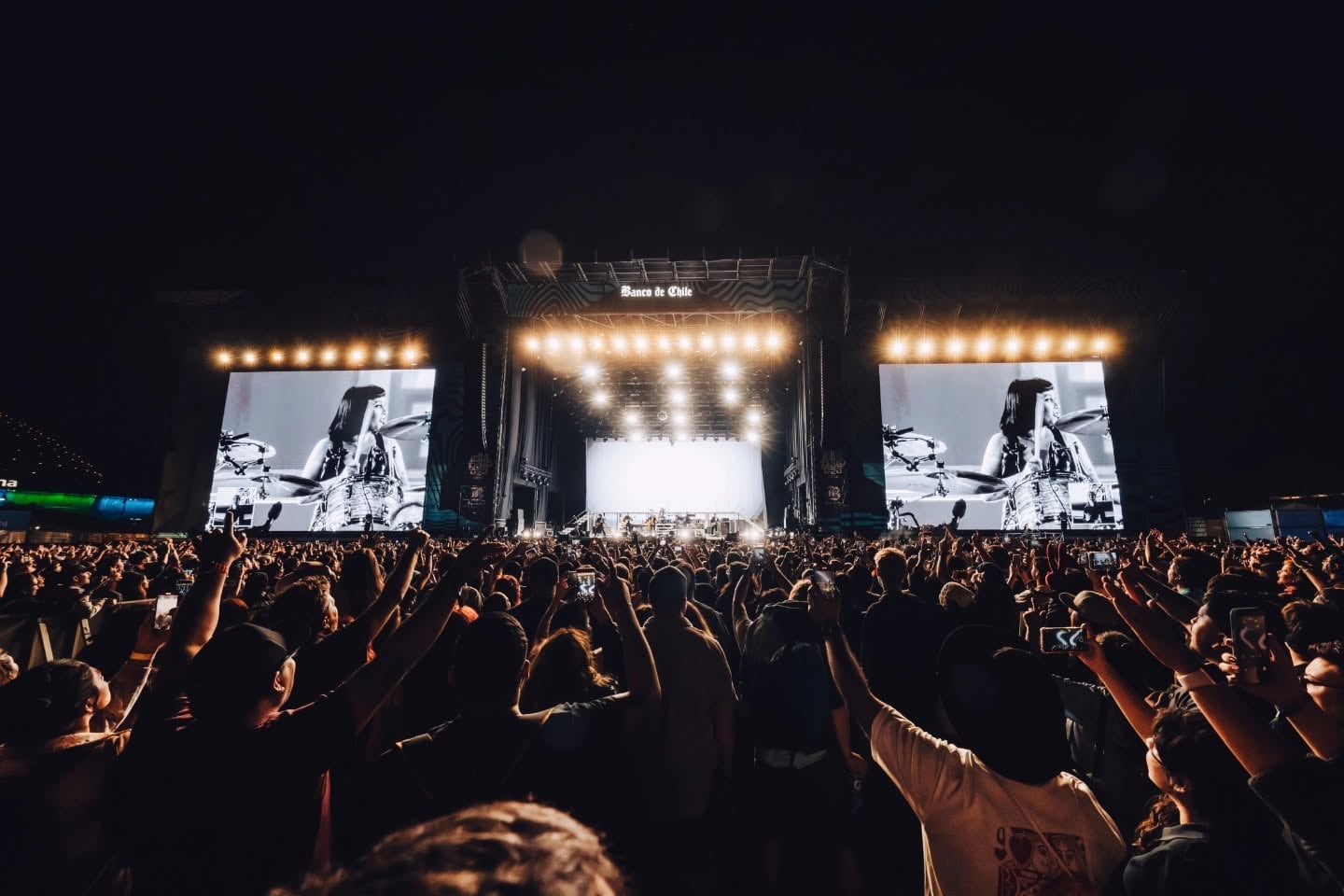
Charli XCX, Travis Scott and The Killers are headlining the lineup of artists confirmed for the 15th Lollapalooza Chile Festival, to be held March 12 through 14 of next year at Parque O’Higgins in central Santiago de Chile. The promoter, Lotus, released the list on Thursday.

Seguir leyendo

© @lollapaloozachile

Lollapalooza Chile festival, in March 2026.
  •  

Tens of thousands of Chilean students demand ‘not a single peso less for education’

Tens of thousands of students took to the streets of Chile on Thursday, October 1, to demand that the government of the ultra-conservative José Antonio Kast not cut the education budget. More than 30 civil society organizations joined the call issued by the Chilean Student Confederation (CONFECHA) in support of the “national strike.”

Among the supporters were the United Workers’ Union (CUT), the Chilean Teachers’ Association, the High School Students’ Assembly, the 8M Feminist Coordinating Committee, the National Federation of Education Workers, and the National Association of Kindergartens, among others.

“We see that on September 30, the government presented a new bill to Congress, and the only certainties we have are the precedents set by this government in its first six months – which are cuts: cuts for working families, cuts for students in the areas of health, in education, housing, and social security,” said Laura Mlynarz, spokesperson for CONFECHA and president of the Chilean Student Federation.

She added: “In the face of that, we respond with social unity, we respond with organization, we respond with mobilization – especially in the face of an authoritarian government that refuses to listen to its citizens and refuses to create spaces for dialogue.”

The slogan “Not a single peso less for education” was chanted by thousands of people who filled Alameda Avenue, one of the main streets in the capital, Santiago. Kast, true to his neoliberal orthodoxy, announced budget cuts to Chile’s public education system.

In a presidential address, Kast announced the 2027 Budget Law, which calls for an investment of 17.3 trillion pesos in education – a figure lower than the 17.4 trillion allocated in 2026. While this may not seem like much, when inflation and other factors are taken into account, it may prove more alarming than it appears at first glance.

“These figures are insufficient and, I would say, misleading; they don’t even make up for a year’s loss in purchasing power,” said Mario Aguilar, president of the Chilean Teachers’ Association.

However, according to the president, the measure was taken to safeguard other social services: “We hope you understand that in the budget we have done everything possible to uphold social rights and that the issues of pensions and free education are covered. But when you protest, you also have to respect those who think differently.”

Kast is referring to the clashes between the police (Carabineros) and students that, according to some reports, resulted in at least 31 arrests.

But the student movement rejects Kast’s statements, which clearly place the blame for the clashes on the students. Laura Mlynarz said the government is seeking to silence the students through repression.

“This government criminalizes the student movement, and we are the ones who are most concerned about moving toward an equitable Chile – toward fair, dignified, and solidarity-based development,” said Mlynarz. Regarding Education Minister Aria Paz Arzola, she said: “The minister doesn’t want to listen to us; the minister doesn’t want to meet with us; and the precarious state of public education just keeps getting worse.”

The first incidents of violent repression were reported just a few minutes after the rally began. The police fired tear gas canisters, while students with their faces covered threw the tear gas canisters back and hurled other objects. The police also used water cannons, a move described as “brutal repression” by some media outlets.

Clashes were also reported between the protesting students and groups of right-wing students from private universities who, in support of Kast’s far-right government, asserted that “We don’t want a paralyzed Chile; we want a Chile that prospers.”

In this way, the Chilean student movement once again made its presence felt in the South American country and demonstrated that it still retains a significant portion of its capacity to mobilize in the face of attempts to radicalize the neoliberal model, as has happened in past years.

In 2019, tens of thousands of Chilean students launched a full-scale social uprising demanding profound changes in one of the key countries where neoliberalism was institutionalized thanks to the bloody Pinochet dictatorship (1973–1990), which left thousands dead and missing. The protests led to calls for a Constituent Assembly.

For now, Kast has attempted to implement his neoliberal agenda (which includes cuts to education and other social services) cautiously, mindful of the recent past and fearful of a new outbreak of unrest.

  •  

Kast faces internal resistance for having added Chile to Trump’s Shield of the Americas

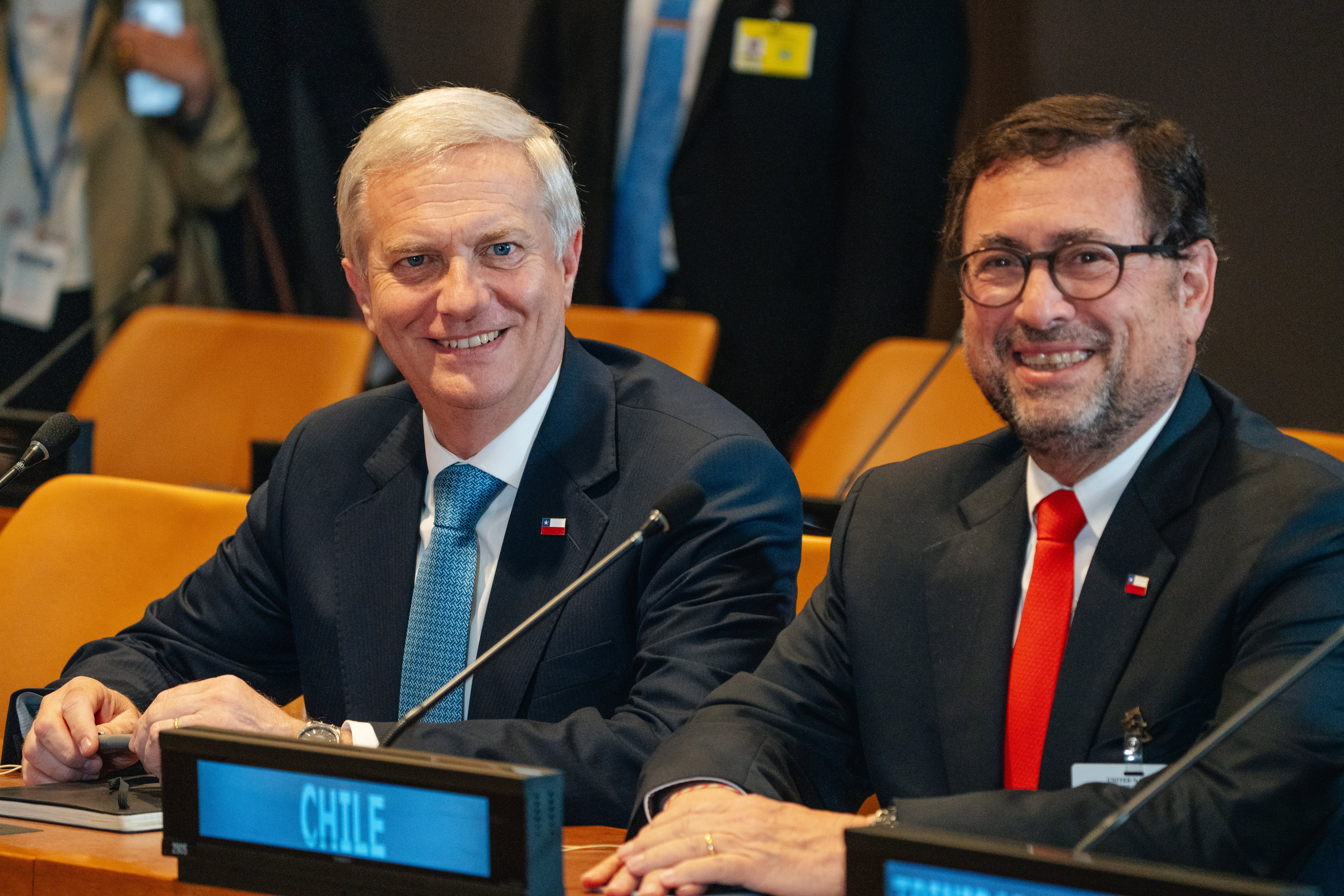
One week after Chile joined the Shield of the Americas, the regional alliance promoted by U.S. President Donald Trump, domestic resistance against the move has not let up. On the contrary, the membership documents ratified by the government of José Antonio Kast in New York on September 22, along with 14 other countries, have raised new questions about the scope of the initiative.

Seguir leyendo

© Presidencia de Chile (EFE)

José Antonio Kast and Francisco Pérez Mackenna in a Shield of the Americas meeting in New York on September 22.
  •  

A pro-neoliberal security strategy returns to Latin America

Right-wing and far-right governments in Latin America have adopted a very similar discourse regarding insecurity. The leaders share a narrative that describes how in the 1980s and 1990s, a sort of neoliberal panacea reigned supreme, but then, as if speaking of a biblical plague, the progressive governments of the early 21st century arrived. Then, their story goes, through rampant corruption, they destroyed paradise on earth and brought about various evils such as insecurity, migration, and the destruction of traditional values.

Thus, several of these new – and not-so-new – right-wing governments have won the presidency, almost always in elections where they prevailed by a narrow margin, asserting that the solution to the “disaster” is to return to radical neoliberalism and implement a security policy that restores an order which, they claim, existed before the “original sin.” This “salvation,” no doubt, will come hand in hand with military, intelligence, and operational oversight from Washington – an ally that, they say, was alienated by regional center-left governments. The most serious consequence of this distance was the infiltration of drug trafficking into all strata of society.

It matters little or not at all to these new governments that during the era of progressivism, the region enjoyed a certain positive level of security, as argued by critics of the far right. In the case of Ecuador, this supposedly only happened due to an alleged peace pact between the center-left governments and criminal groups. So that peace was, in reality, merely the prelude to what would later erupt.

A US-backed regional security program

In light of this, the region’s security policy appears to be nearly identical across all countries governed by the Latin American right and far right: 

  • Expand the executive branch’s power to declare states of emergency and prolong them over time (sometimes for years, as has happened in El Salvador and Ecuador, with the consequent erosion of individuals’ constitutional guarantees); 
  • Sign security agreements with the United States and become part of its hemispheric military and security policy (such as the well-known “Shield of the Americas”); 
  • Attempt to facilitate US military and intelligence operations within each country’s territory (whether or not there are military bases on the ground); 
  • Promote extradition proceedings to the United States; 
  • Increase security spending while cutting spending in other areas such as health care, education, and housing; 
  • And various other measures.

However, with the exception of El Salvador and, to some extent, Chile, the results these governments promise – to reduce organized crime and insecurity in the region through the quasi-militarization of daily life and security agreements with Washington (which many accuse of undermining sovereignty) – have not materialized.

Read more: Shield of the Americas, military operations, and decorations: Rubio’s fruitful visit to South America

Ecuador, which is facing the most serious security crisis in its history, has failed to reduce violence as promised by the executive branch, even though the country is currently under a nearly permanent state of emergency and foreign military operations are underway. According to some experts, 2026 could become the second most violent year in the country’s history, with nearly 5,000 homicides in just six months. The Noboa administration says that positive results take time and that better days are ahead. The local elections at the end of the year will surely provide a better gauge of the government’s credibility than any speculation.

In Chile, Kast managed to rally support to win the election by focusing on his security policy, which asserts that the rise in insecurity in Chile is largely due to migration from other South American countries. In response, he promised to build various infrastructure projects that would prevent new migrants from entering the country, similar to the US border wall. For now, the government is celebrating a reduction in certain crime rates, although several polls indicate that the public still feels concerned.

In Colombia, the recently inaugurated government of Abelardo de la Espriella has declared that the time for peace talks with certain insurgent groups is over and has resumed the country’s long-standing policy of waging war against insurgent and drug-trafficking groups. So far, there have already been several dozen deaths, with the bodies displayed as war trophies that the president showcases in his addresses to the nation. It is still too early to tell whether De la Espriella’s war will have a direct impact on reducing insecurity, which, according to the executive branch, spiked during Petro’s administration – a claim that Petro categorically denies.

For now, Washington has expressed its support both verbally and by providing funds to many of these countries to bolster their security, while also carrying out actions in the region, such as those already mentioned in Ecuador or operations in the Caribbean Sea. Furthermore, during a recent visit by Rubio to Peru, the secretary of state stated that US forces will act wherever invited by local governments, which foreshadows new military operations in South America.

Read more: The ugliness of Latin America’s angry tide

Without a doubt, the growth of US influence and presence in South America is undeniable. But it would be a mistake to think that this is something new. The history of Latin America in the 20th century has shown how Washington has managed to steadily increase its military presence in the region by invoking various justifications that have proven very effective in winning public support, especially those concerning the security of the population.

Decades of US intervention in Latin America

During World War II, the United States significantly increased its military presence in the region under the pretext of defense against potential military actions by the Axis powers, specifically Japan and Germany. Thus, the United States and its powerful fleet established several military bases in South America and succeeded in getting virtually all governments to align themselves with Washington’s geopolitical interests.

Shortly thereafter, Washington justified increasing its military presence in the region to halt the dangerous “communism” that, they claimed, would sweep through the region and had become a cause for concern not only for US security but also for the internal security of each country, where “dangerous” revolutionaries would destroy the social foundations of each nation. Thus, the United States and a large portion of the Latin American militaries carried out joint intelligence and other operations to promote, by any means necessary, the destruction of leftist political movements in the region – which meant killing thousands of Latin American revolutionaries through various methods, such as the imposition of bloody military dictatorships (such as those in Argentina, Chile, Uruguay, Brazil, Bolivia, etc.) and/or boycott and conspiracy operations against anti-imperialist governments, such as Castro’s Cuba, Allende’s Chile, or so many other political movements violently aborted through the active participation of US and local forces.

However, the socialist bloc collapsed in the 1990s and brought on a crisis within the revolutionary left. Right-wing governments, incidentally, took advantage of these events to promote ultraliberal economic policies, but began to lack a new justification for expanding military and police forces, and the US presence in the region. 

One exception to this was Colombia, where the internal war served as a justification for the establishment of several US bases during the 21st century.

Read more: The ‘War on Drugs’ has always been more about war than drugs

Now that drug trafficking has become the region’s primary security threat, Latin American right-wing forces, alongside Washington, have once again raised the alarm about the threat of insecurity to promote securitist policies and an increased US military presence. Nazis, communists, and now narco-terrorists seem to be the lineage of a political strategy designed not only to promote a greater military presence in social life but also to advance neoliberal policies that are often accompanied by the aggressive influx of international capital, which typically appropriates the economic resources of this part of the Third World. 

For we must not forget that every cycle of increased security-oriented policies has been followed by lucrative and substantial profits for the wealthiest in Latin America and around the world.

  •  

EU welcomes Cambodia to WTO appeal arrangement

The EU welcomes Cambodia’s decision to join the Multi-party Interim Appeal Arbitration Arrangement (MPIA) for WTO members, contributing to efforts to uphold a rules-based multilateral trading system. 

With Cambodia’s participation, the MPIA now covers 62 World Trade Organization (WTO) members and 60.4% of world trade.  

The MPIA brings together participants from all continents and at different levels of development, united by a shared commitment to upholding the rules-based trading system. 

The MPIA preserves the right to appeal in trade disputes among participating WTO members, at a time when the WTO’s Appellate Body remains non-functioning. It helps ensure that disputes can continue to be resolved in an orderly and binding manner, avoiding appeals 'into the void'. 

“I welcome Cambodia to the MPIA. The arrangement plays an important role in upholding the rules-based trading system. Each new participant helps reinforce the predictability, stability and credibility of global trade rules. I encourage other WTO members to join the MPIA,” said EU Trade and Economic Security Commissioner Maroš Šefčovič. 

Background 

The MPIA was established in 2020 and has proven its effectiveness in many WTO disputes.  

Under the MPIA, appeals are heard by arbitrators randomly selected from a pool of 10 standing appeal arbitrators set up by the participating WTO members. These arbitrators are persons of recognised authority, with demonstrated expertise in law, international trade and WTO agreements.  

The MPIA is open to all WTO members as a practical tool for appeal arbitration, pending the restoration of a reformed and fully functioning WTO dispute settlement system. 

As of 1 June 2025, the MPIA has an updated pool of appeal arbitrators to ensure that appeals continue to be heard by independent arbitrators of the highest calibre. 

At the WTO Ministerial Conference that took place earlier this year, MPIA ministers stressed the importance of the MPIA for the security and predictability of the multilateral trading system.  

The current MPIA participants are Australia, Barbados, Benin, Brazil, Cambodia, Canada, China, Chile, Colombia, Costa Rica, Ecuador, the European Union (and its Member States), Guatemala, Hong Kong (China), Iceland, Japan, Liechtenstein, Macao (China), Malaysia, Mexico, Moldova, Montenegro, New Zealand, Nicaragua, Norway, Pakistan, Paraguay, Peru, the Philippines, Singapore, Switzerland, Ukraine, the United Kingdom, Uruguay and Vietnam.

More information

MC14: Supporting the rules-based multilateral trading system: the role of the MPIA

  •  

Héctor Socas, astrophysicist: ‘If a more advanced civilization contacted us, they should be more afraid of us than we are of them’

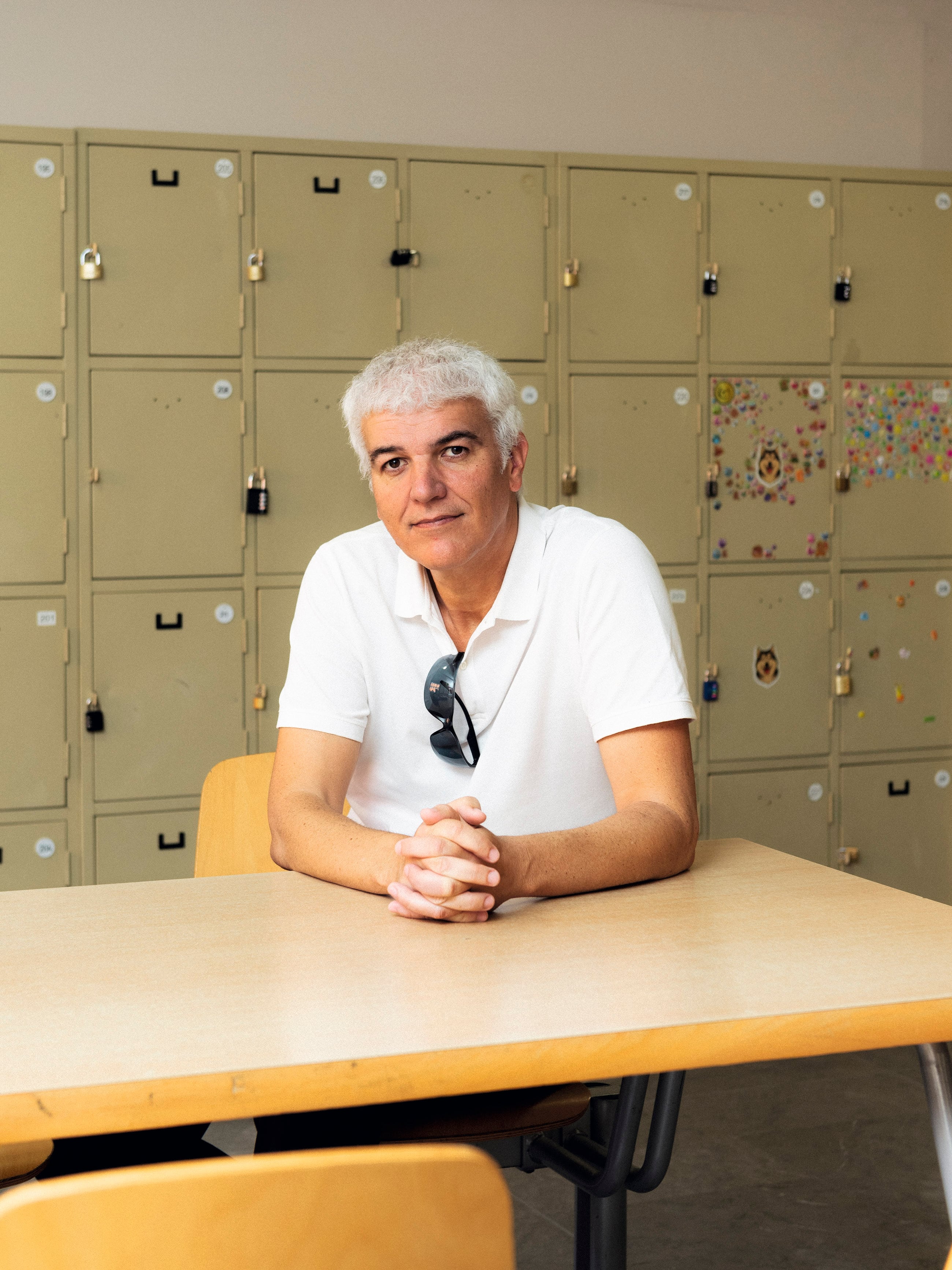
Classes are over at Madrid’s Complutense University, and the corridors of the Faculty of Physical Sciences are nearly empty. But Héctor Socas, 53, a researcher at Spain’s Institute of Astrophysics of the Canary Islands, is spending part of an early summer morning in a meeting of the international AtLAST consortium, which is promoting the construction of a major radio telescope in Chile. Socas also directs the European Solar Telescope Foundation, one of Spain’s most ambitious astronomy projects.

Seguir leyendo

© Ismael Nasrollah (EL PAÍS)

Héctor Socas in Madrid.
  •  

The Giants of Patagonia

For centuries, travellers to the southern tip of South America returned with astonishing stories. They spoke of a land swept by fierce winds and endless plains, inhabited by people of extraordinary size. Some claimed these inhabitants were giants, towering far above ordinary men. Their tales captured the imagination of Europe and helped create one of the most enduring geographical myths in history: the Giants of Patagonia.


A sailor giving a Patagonian woman some biscuit for her baby. Credit: William C. Sturtevant


© Amusing Planet, 2026

  •  
❌