❌

Reading view

Congressman says he was praying at Hindu temple during alleged mass shooting attempt

Rep. Raja Krishnamoorthi was worshipping at a Hindu temple in suburban Chicago over the weekend when a 19-year-old man allegedly attempted to carry out a mass shooting, the Illinois Democrat said Thursday.

Illinois State Police said they arrested Alexandros Paporakis of Palatine on Sunday, hours after authorities received a tip that he was planning to attack people of Indian descent at the Sri Venkateswara Swami (Balaji) Temple in Aurora. Paporakis’ co-workers at Taco Bell called 911 on Sunday after he told them he went to the temple to carry out the attack but his gun jammed and that he planned to try again, prosecutors said.

“I am horrified that a white supremacist attempted to carry out a mass shooting targeting Indian Americans at the Hindu temple in Aurora where my family worships,” Krishnamoorthi said in a statement. “My family and I were there when the attack was attempted last Sunday.”

“The threat of such violence shows how dangerous anti-Indian hatred and white supremacy have become, and we cannot wait until innocent people are killed to take these threats seriously,” he continued. “Every American deserves to live and worship without fear, and we must stand together against hatred in all its forms.”

Investigators recovered a rifle, multiple loaded rifle magazines, body armor and hundreds of rounds of rifle ammunition from Paporakis’ home, according to authorities. They also said they found an eight-page document in which Paporakis describes himself as a “sociopathic white supremacist Neo Nazi” and espouses racist views against South Asian communities, particularly those of Indian descent, as well as other nonwhite people, including Black and Jewish people.

Paporakis has been charged with making a terrorist threat and unlawful possession of a weapon, which are both felonies. A judge on Wednesday ordered Paporakis to remain in custody pending trial, with his next court hearing scheduled for Oct. 30.

Several South Asian lawmakers expressed concern about the planned attack and support for Krishnamoorthi.

“I am incredibly grateful that local law enforcement thwarted this attempted mass shooting by a white supremacist and that the worshipers at this temple are safe,” Rep. Pramila Jayapal, D-Wash., said Thursday. “Attacks on South Asians have been on the rise, online and by leaders in our own government. This hate, racism, and violence are absolutely unacceptable, are traumatizing our communities, and must end.”

Rep. Ro Khanna, D-Calif., who is Hindu, said in a video shared Thursday that he is “angered” by the attempted mass shooting at the temple.

“His evil is only surpassed by his ignorance,” Khanna said of the suspect. “Hinduism, ironically, is a faith that believes in nonviolence. This kind of hate crime has no place in our society.”

The post Congressman says he was praying at Hindu temple during alleged mass shooting attempt appeared first on MS NOW.


  •  

Katie Zacharia defends calling herself a lawyer in new interview

Katie Zacharia.
White House press secretary Katie Zacharia.

Tom Williams/CQ-Roll Call, Inc via Getty Images

  • In a new interview, White House press secretary Katie Zacharia didn't deny failing the bar exam.
  • She also defended calling herself a lawyer.
  • "The results are somewhat inconsequential because I knew I wouldn't need the bar in China," she said of the bar exam.

President Donald Trump's new White House press secretary Katie Zacharia is defending her self-description as a lawyer, while acknowledging that she took the bar exam and considered the results "inconsequential."

Zacharia's legal qualifications have faced growing scrutiny since her debut White House media briefing earlier this week, when shortly afterward she was asked which state she passed the bar exam in and replied: "When I moved to China."

In an interview Thursday with right-wing provocateur Jack Posobiec on Real America's Voice, she did not deny reports that she'd failed to pass the bar.

Zacharia, who moved to China after earning her law degree in 2011, told Posobiec she had already preregistered for the bar exam before moving to Beijing, where her husband was working at an American private equity firm.

"I didn't want to withdraw from that," Zacharia said of the bar exam. "And we knew we would be moving out to China, and I was obviously incredibly distracted and overwhelmed and excited for finally being married to someone who I had been long-distance from for at least a year."

Zacharia said she thought she'd take the bar and "see what happens."

"The results are somewhat inconsequential because I knew I wouldn't need the bar in China, and we left shortly thereafter," said Zacharia.

The Wall Street Journal reported late Wednesday that Zacharia failed California's bar exam after graduating from Pepperdine University in 2011.

A Business Insider review of records for all 50 states and the District of Columbia found no evidence that Zacharia had been admitted to practice law in the US.

In China, Zacharia said she took a job in the international practice division of the Zhong Lun law firm, where she said she worked on multimillion-dollar shareholder agreements and cross-border transactions. She said she was one of four associates under a senior partner.

"After moving to China, I didn't really think much of the bar results or consider that something that I needed to focus on," Zacharia told Posobiec, adding, "There's no Chinese bar. I had enough credentials, which was my law degree, to be able to do this practice."

"I had all the necessary requirements to do that, and I was able to do it effectively and well," she said.

She also said that she never retook the bar exam after returning to the US and having the first of four children with her husband within six years.

Zacharia said she consulted with people within the legal field "for a very long time" and was told it would be acceptable to call herself a lawyer "and provide legal analysis, not legal advice."

"They said absolutely, absolutely across the board — you can call yourself a lawyer, you have a JD, and to buffer that, you have international legal experience in transactional law," Zacharia said.

"It's unfortunate that people dub this as some kind of conspiracy," she said. "The truth is, I was very careful how I executed this, and I never came across as someone who was an attorney at law."

Zacharia's LinkedIn page says she served as general counsel for Fix California, a political advocacy group, between January 2024 and March 2025. In California, it is a misdemeanor to practice law or to advertise yourself as an attorney without a license.

At least two watchdog groups have filed a complaint about Zacharia with the State Bar of California this week.

Read the original article on Business Insider

  •  

Ukraine’s military now orders supplies based on real front-line data, not guesswork, lawmaker says. Shift comes under new commander-in-chief

The image shows Ukrainian soldiers on motorcycles. Source: The 3rd Separate Assault Brigade

New Ukrainian Commander-in-Chief Mykhailo Drapatyi is moving away from his predecessor’s legacy on several fronts, making the army more human-centric and tying procurement to its real needs, lawmaker Yehor Cherniev of the Parliamentary Defense Committee says, per NV.

Drapatyi took over as commander-in-chief on 21 July 2026, after protests over the sacking of Defense Minister Mykhailo Fedorov widened into demands for a military shake-up. His guiding principles, Cherniev says, differ sharply from those of his predecessor, Oleksandr Syrskyi.

The change is spelled out in a document Drapatyi published, “Principles of Leadership of the Commander-in-Chief and the Development of the Force in Wartime,” which sets out his intent and priorities. Its core is human-centricity.

“War demands resolve, but never recklessness. Every unjustified loss weakens the Armed Forces,” Drapatyi writes in the document, addressing commanders.

A command philosophy built around the soldier

The document sets out a single objective, eight priorities, 14 requirements for commanders and eight expectations of headquarters, with the protection of the country, its cities, villages and critical infrastructure at the top of the list. People, it says, are the most valuable combat capability.

Commanders and staff are required to give honest assessments and not let optimism, fear or personal ambition distort reality while preparing soldiers for combat, reducing unjustified risk, caring for the wounded, honoring the fallen and supporting their families.

Support does not end when service does: those who defended Ukraine must get proper rehabilitation, recognition and opportunities, the document says.

Buying what the front actually needs

The second shift Cherniev flags is in procurement. Under Drapatyi, the General Staff began shaping the army’s purchasing needs anew, adapting them to approaches introduced at the Defense Ministry under Fedorov, so orders follow real front-line demand rather than guesswork.

“The General Staff now works from real data, not just pointing a finger at the sky, but this product is needed in this quantity. That makes procurement fairly transparent and clear,” Cherniev says.

He frames both changes, on people and on purchasing, as the most important Drapatyi has brought to the armed forces.

  •  

Israel Cuts Off Commercial Goods From Entering Gaza as It Continues Attacks

Israel has cut off the shipment of commercial goods from Israel into the Gaza Strip, tightening the siege of the besieged Palestinian territory, as its forces continue daily attacks in violation of the US-backed ceasefire deal. According to a report from The Associated Press, the Israeli military’s occupation authority, COGAT, announced on Thursday that commercial […]
  •  

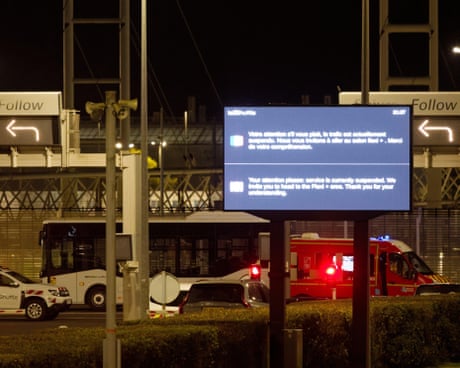
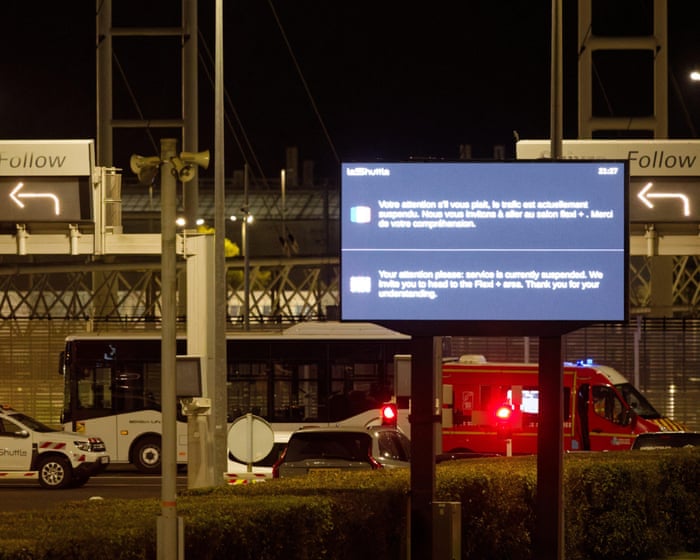
Nineteen injured in collision between minibus and train on Eurotunnel loading platform

Two people critically hurt when vehicle carrying HGV drivers hit stationary train in Calais, say French authorities

Nineteen people have been injured after a minibus collided with a stationary freight train at the loading platform of the Eurotunnel near Calais, French authorities have said.

Pas-de-Calais underprefect Agathe Cury said 18 passengers and the bus driver were injured in the incident.

Continue reading...

© Photograph: MAXPPP/Alamy

© Photograph: MAXPPP/Alamy

© Photograph: MAXPPP/Alamy

  •  

Israeli firm used online ads to run vast spy operation, researchers say

Israeli digital advertising agency Discover-Tech used a sprawling network of online ads to track internet users and help hack their devices, according to reports from Citizen Lab and Confiant.

  •  

Whistleblower exposes Meta, Bolsonaro, and Cerimedo election meddling partnership

Police officers transfer close advisor of President Rodrigo Paz, Argentine Fernando Cerimedo, from the Justice Palace to the Palmasola prison in Santa Cruz, Bolivia on August 21, 2026. Photo by RODRIGO URZAGASTI / AFP via Getty Images

This story originally appeared in Panamerican Dispatch on Oct. 14, 2026, and is shared here with permission.

On August 18, Fernando Cerimedo was arrested in Santa Cruz, Bolivia, for hiring hitmen to assassinate his ex-partner, Nadia Beller, who was pregnant at the time, after she threatened to go public about his large-scale illegal bot farm operations to throw elections for far-right candidates across Latin America. Still recovering from the multiple gunshot wounds she miraculously survived, she gave an interview this week on the Ventana al Mundo program on Mexico’s public television network, Channel 14. During the interview, she explained how Cerimedo and a member of the Bolsonaro family, who is assumed to be Flavio’s brother Eduardo, met with Meta officials to plot interference in Brazil’s presidential elections. She also said Cerimedo’s largest bot farms are still operating, and that his group is planning to interfere in the Claudia Sheinbaum administration in Mexico. You can watch her interview below. Beneath that, is a transcribed and translated excerpt from her interview.

“In early August, Fernando sent me a photo with one of the Bolsonaros in the United States. I can’t pin down the exact date right now, because, as I told you, my phone is with the public prosecutor’s office. But between the first and the fifth of that month, while he was in the United States, he sent me a photo and told me they were discussing the campaign, that he was going to seek financing and that he was going to take part in that campaign, in that election, one way or another. And what they did with Meta is straight out of a playbook. They have very good contacts at Meta. In fact, there was a journalist whose page they had taken down themselves, and Fernando stepped in to get it restored, and he told me at least three times that he had very good relationships at Meta and could get any page taken down or put back up. I have no doubt that his team, his group, intervened for this. I understand there are complaints about electoral violations by Meta, that some dirty war campaigns were allowed through, along with the suspension of Lula’s accounts. I have not the slightest doubt that this was part of a strategy by this team to strip away Lula’s visibility.

The bot farm they took down here is tiny, it’s minuscule. From the very first day I gave interviews, I said there was a much bigger one. I told them where it was. They never touched it. I imagine it’s still active. I don’t think it’s in the same location anymore. It was in the business district. They never touched it, and the same goes for Argentina. I know they have their own bot farms there too. I imagine Fernando’s arrest caused some disruption, and for a moment they went inactive, but they’re fully active now. I’m a victim of it myself, because it spreads lies. His lawyer goes out and says some outrageous thing, and it immediately gets amplified by their bots. So I myself am a victim of their farms, and they use them everywhere, in every single country, with exactly the same modus operandi.

He also told me he was going to get involved in the Mexican election and would have his own candidate, because they were extremely interested in removing her, the president, from office. How do they get involved in elections? As you mentioned before: by distorting public debate, through cognitive fraud, dirty war tactics, buying influencers, their coordinated bot farms that organize attacks, that manufacture trending topics. All of that, what does it do? It distorts public debate.”

  •  

Posting strike videos online may help Russia tune its drones’ optical targeting. Moscow now pays people to film hits, Ukrainian adviser warns

Jet powered Shahed-136 kamikaze drone Credit: Open sources

Filming a drone strike and posting it online may be quietly teaching Russia’s drones to aim better. Russia is collecting footage of its Geran attack drones striking Ukraine, probably to check how its optical target-recognition and guidance algorithms perform in combat, presidential defense-technology adviser Serhii “Flash” Beskrestnov says.

Russia has fitted its jet-powered Geran drones with machine vision that lets them recognize and track targets on their own in the final seconds of flight, a capability Ukraine’s electronic warfare cannot easily defeat. Now, Moscow is paying people inside Ukraine to film where those drones land, which Flash says is no coincidence after four years of not asking.

“Across many Telegram channels, the enemy is asking traitors to film videos of ‘Geran’ impacts and transmit information for a reward. For four years they didn’t ask, and suddenly it has become so crucial,” Beskrestnov notes.

The reason, he believes, lies in those optical guidance systems. Russian forces need impact footage to see how its algorithms are performing in real combat conditions, according to the expert.

The warning Flash is pressing on civilians

His takeaway for them is blunt: stop posting the videos of Russian assaults. He stresses the serious danger of publishing footage of impact sites and urges people not to film or share it.

“This serves as a signal to everyone: do not film and do not publish videos of ‘Shahed’ hits. You see how vital and necessary this is to Russia,” Beskrestnov adds.

Earlier, Ukrenergo board chairman Vitaly Zaichenko said that a Russian drone severed a unique power transmission tower at the Dnipro River crossing in Kyiv, and it cannot be restored. He added that the company was developing new technical solutions "on the fly, and very fast."

It would start the procedures for those solutions from 15 October. Russia’s use of drones able to sever metal towers is a new and serious challenge for Ukraine’s power engineers.

  •  

Venezuela envía 40 toneladas de ayuda hacia Panamá tras sismo de 7,7

Un cargamento con insumos médicos y equipos de rescate partió hacia suelo panameño desde Venezuela, como parte de los protocolos de solidaridad e integración centroamericana.
  •  

Honduras Landslides Destroy Homes as Heavy Rains Batter Tegucigalpa

Photo: Radio HNR.

Torrential rains that delivered 80 percent of Honduras’ projected annual rainfall in just 23 days have triggered landslides that destroyed homes and left dozens of families without shelter in Tegucigalpa and Comayagüela.


In just 23 days, the area received 80% of the rainfall projected for all of 2026, causing more than 250 severe incidents, according to the Honduran Centre for Atmospheric, Oceanographic and Seismic Studies (CENAOS) reports.

The collapses hit vulnerable areas hard. Residents said they lost houses that were under construction and complained of a lack of assistance from municipal authorities.

RELATED: El Niño Extreme Weather: 34 Days of Record Rain Raise Global Alarm

The Villa Unión neighborhood suffered some of the heaviest losses. Landslides there destroyed 13 homes completely. Several of the houses were still under construction when the ground gave way, burying years of savings in a matter of minutes.

Families said the destruction arrived without warning. They also reported that municipal authorities provided no assistance in the immediate aftermath, leaving them to dig through the rubble on their own and count their losses with no outside help.

In the nearby La Mololoa sector, the emergency unfolded with equal speed. Residents evacuated urgently across rooftops to get children away from advancing mud and water. Neighbors described moments of panic as the earth shifted beneath their feet.

#HonduredNoticias | Varias comunidades de Santa Cruz de Yojoa, Cortés, han tenido que abandonar sus hogares por las fuertes inundaciones ocurridas por la crecida del Lago de Yojoa. ® pic.twitter.com/vgDdiDuYCM

— Hondured 13 Oficial (@HonduredOficial) October 14, 2026

Text reads: “Several communities of Santa Cruz de Yojoa, Cortés, have had to leave their homes because of the severe flooding caused by the flood of Lake Yojoa.”

The risk is not confined to the sectors already buried. More than 700 neighborhoods and colonies across the Central District remain exposed to floods and geological failures, leaving whole hillside communities one storm away from the same fate. Residents of the hardest-hit areas said unfinished road works and inadequate drainage diverted torrents of water directly toward residential zones, causing damage for the second consecutive time.

En Tegucigalpa, Honduras, las lluvias provocaron derrumbes e inundaciones, dejando viviendas destruidas y personas albergadas.

Los cuerpos de socorro mantienen el monitoreo y las labores en los lugares de mayor vulnerabilidad.

📸: Cortesía. pic.twitter.com/dq1zjS52Sx

— Noticiero El Salvador 🇸🇻 (@NoticieroSLV) October 8, 2026

Text reads: “In Tegucigalpa, Honduras, the rains caused landslides and floods, leaving homes destroyed and people sheltered. The relief corps maintain monitoring and work in places of greatest vulnerability.”

Families Demand Relocation

The scale of the losses triggered citizen protests over what residents described as an insufficient delivery of basic supplies. In response, the Municipal Mayor’s Office of the Central District announced a temporary rental subsidy for displaced families.

Affected residents dismissed the subsidy as a stopgap measure that does not address the root of the problem. They demanded that the contractors responsible for the infrastructure works pay full compensation for the material losses suffered by the community.

Despite warnings of further landslides, dozens of evacuees are refusing to permanently leave the ruins of their homes for fear of looting. Civilians are calling for urgent intervention by the central government through permanent relocation projects that guarantee safety and the right to decent housing.

The central government had not publicly responded to those demands at the time of writing, according to the information available. Heavy rainfall on steep, densely settled hillsides is a recurring cause of landslides in Honduras’ capital, and families living in the most exposed areas are often the poorest. Whether the municipal subsidy and any future relocation plans reach those families will determine how long the emergency lasts.

  •  

Portimão celebra a igualdade com iniciativas que envolvem toda a comunidade

O Município de Portimão assinala o Dia Municipal para a Igualdade, celebrado a 24 de outubro, com um conjunto de iniciativas que decorrem entre os dias 20 e 24 de Outubro, procurando sensibilizar a comunidade para a importância da igualdade de direitos e oportunidades, do respeito pela diversidade e do combate à discriminação. O programa […]

  •  

Segnali di rivolta sociale nel Mezzogiorno


di Alessandro Volpi


Senza che i media diano troppo risalto al fenomeno e mentre il governo Meloni  ha approvato i favolosi schemi di intesa definitiva e i relativi disegni di legge per le quattro Regioni del Nord che hanno richiesto l'autonomia, nel Meridione si manifestano numerosi segnali di rivolta sociale. 

La protesta che attraversa il mondo agricolo e dell'autotrasporto nasce dalla profonda sproporzione tra i prezzi di vendita all'origine e il costo finale del cibo al consumo. Un agricoltore riceve per prodotti di base come grano, latte o ortofrutta compensi inferiori ai costi sostenuti per coltivarli o raccoglierli, mentre sugli scaffali della grande distribuzione i consumatori pagano tariffe moltiplicate di cinque o sei volte. 

Le cause risiedono nei passaggi intermedi della filiera agroalimentare, dove intermediari, piattaforme logistiche e la Grande Distribuzione Organizzata (GDO) impongono prezzi d'acquisto al ribasso attraverso aste al doppio ribasso e contratti capestro, scaricando sugli agricoltori i rischi di impresa e l'inflazione energetica. 

A questo scenario si intreccia la mobilitazione degli autotrasportatori, in particolare dei piccoli cottimisti e padroncini monoveicolo, strozzati dal recente impennarsi del prezzo del gasolio e dal taglio delle agevolazioni sulle accise. Per un piccolo operatore con pochi tir, un aumento continuo del carburante trasforma ogni viaggio in una perdita netta, non riuscendo a scaricare i maggiori costi sui committenti o sui colossi della logistica, che impongono tariffe fisse e rigide. 

L'esplosione di questa crisi si avverte con particolare violenza al Sud Italia per ragioni strutturali, geografiche e industriali. Il Mezzogiorno sconta un isolamento infrastrutturale gravissimo, una dipendenza quasi totale dal trasporto su gomma e mercati agricoli storicamente soggetti a speculazioni sulle materie prime importate via mare. 

Inoltre, nel Sud la vertenza si lega a stretto filo alla crisi dell'ex Ilva di Taranto. Le proteste degli operai e dell'indotto siderurgico, sommate ai blocchi degli autotrasportatori, hanno cinto d'assedio snodi nevralgici come la raffineria Eni di Taranto e le principali arterie stradali meridionali. 

L'ex Ilva rappresenta non solo l'ennesimo dramma occupazionale e industriale senza soluzione, ma anche una tessera fondamentale dell'economia locale dove ditte di trasporto dell'indotto vantano crediti non saldati, unendo la rabbia siderurgica a quella della terra e dei trasporti. Ma la rabbia del Mezzogiorno affonda le sue radici in un quadro di sofferenza economica ancora più ampio ed articolato. 

A minare la tenuta sociale del Meridione si aggiungono la drammatica desertificazione bancaria e la contrazione del credito alle piccole imprese, che privano gli imprenditori locali della liquidità necessaria per sopravvivere. 

Parallelamente, il progressivo smantellamento delle misure di sostegno al reddito e la mancanza di investimenti nell'innovazione tecnologica e nella transizione ecologica generano un senso di abbandono da parte delle istituzioni. 

La persistente disoccupazione giovanile e il conseguente spopolamento demografico impoveriscono il tessuto sociale, lasciando un territorio privo di forza lavoro qualificata e di prospettive. 

A tutto ciò si somma la piaga del lavoro nero e del caporalato, che altera la concorrenza sleale e schiaccia le aziende rispettose delle regole, e il divario nei servizi essenziali come sanità e trasporti locali.

Non è un caso allora che stiano scoppiando rivolte sociali, a cui questa politica sembra incapace di dare rappresentanza; una ribellione sorda e dura che mette in luce l'assenza di democrazia reale in terre dove vota meno del 40% degli aventi diritto, una parte dei quali appartiene direttamente o indirettamente ad un vero e proprio ceto politico,

  •  

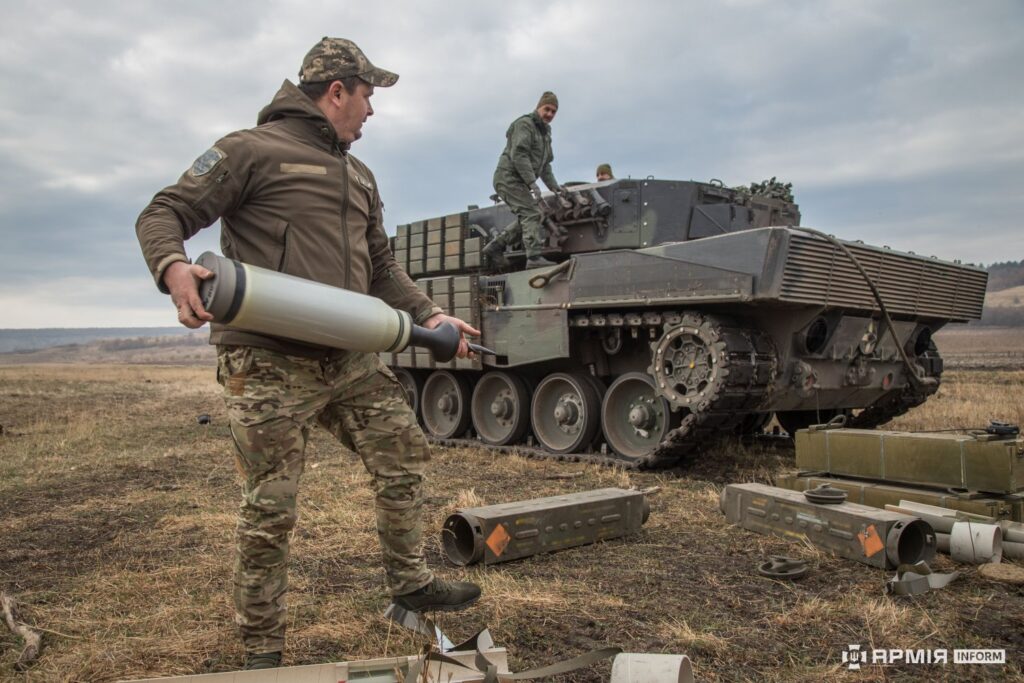
Ukraine’s shell factories outpace state orders, arms company chief says: Kyiv spent five months buying from them this year, leaving six to produce

ukraine now makes nato-standard tank shells abrams leopard 2 tanks · post crew member ukrainian army 2a4 carrying 120 mm shell during field loading armyinform image_672f38bb44146779194270 news reports

Ukraine has built an artillery-ammunition industry whose capacity now exceeds what the state budget can order. Yet its main problem is not production but the absence of a predictable state order, Ukrainian Armor chief executive Vladyslav Belbas said on Radio NV.

Private firms built those plants with their own money under constant Russian fire, but they still do not know how much the state will buy next year, or when it will sign the contracts that keep the lines running. The paradox is stark: Ukraine went from depending on Western shell deliveries at the start of the invasion to making more than its budget can buy, with room to export as much again.

“Now we supply ourselves with more than the budget can buy, and we can supply the same amount again for export. The building of an artillery-ammunition industry has happened. For certain types of ammunition, we can even speak of a closed cycle,” Belbas says.

He calls the shift a clear gain of recent years, with similar progress across many types of weapons.

Factories built on private money, waiting on the state

The producers are flying blind on demand. Private makers receive no state investment and are paid only for finished products, having built their plants themselves, yet they do not know in advance how much the state will buy or when it will sign contracts, he explains.

“All producers have been saying for years that we need a stable, clear order so that plants and workshops run without stopping. Private producers have not received a single coin of investment from the state. It is very hard to live and develop without forecasting,” Belbas says.

A procurement clock that runs out before the shells do

The calendar works against the factories. Contracting for next year has not begun because the budget is not yet set, and the procedures drag on: this year buying artillery ammunition took five months, leaving six for production, he notes.

For now, long-range ammunition is being actively contracted, and foreign deliveries are arriving, and he expects no supply problems by year’s end except for special munitions, including cluster rounds.

  •  
❌