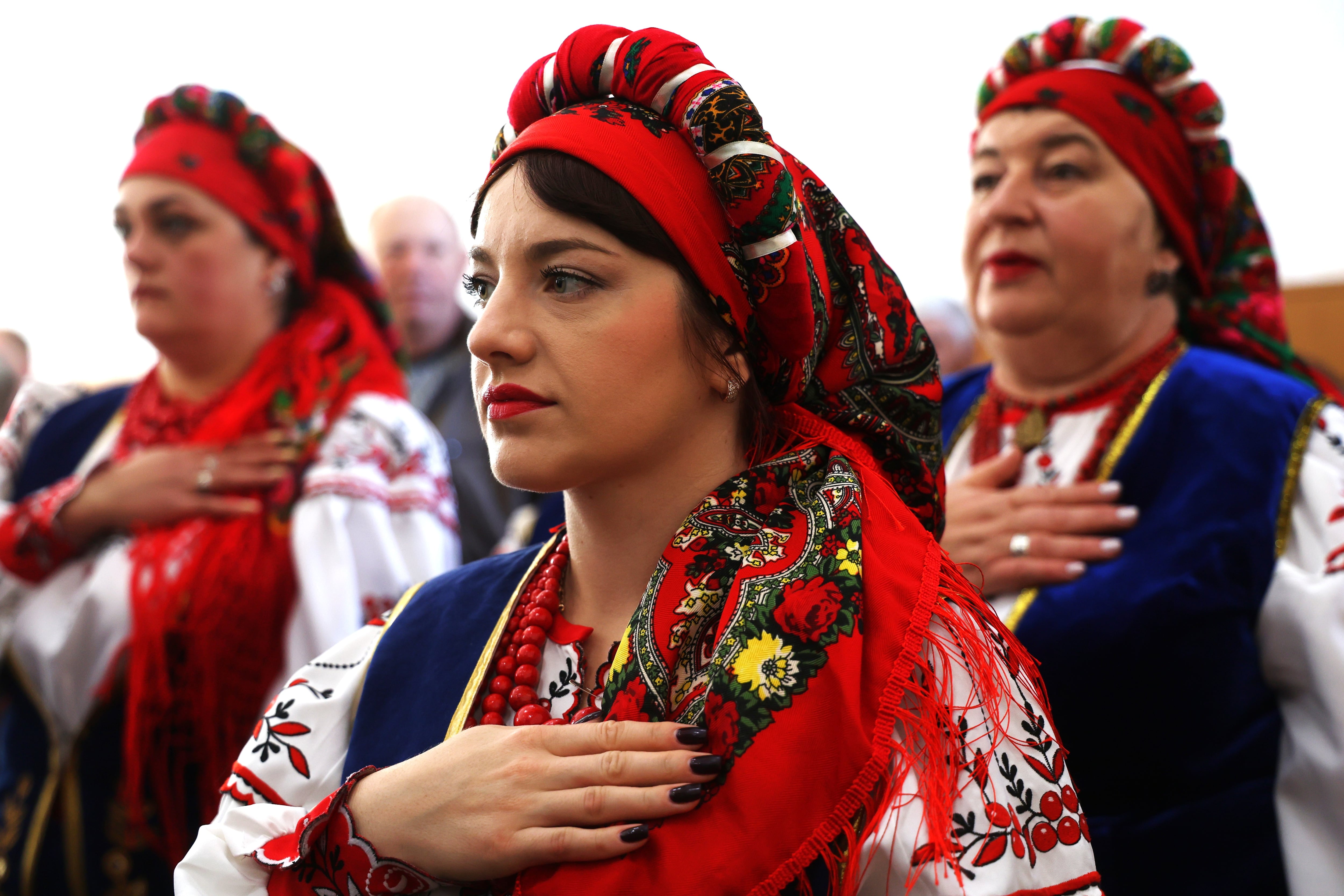
Saint Cyprian Metropolitan of Kiev and All Rus’, and the Hesychast Ideal of the Unity of “All Rus’”


Sofía Andrujóvich (Ivano-Frankivsk, Ucrania, 1982) escribió en 2020 quizá la novela más importante sobre el Holocausto que han dado las letras ucranias. Amadoca es una obra de tres volúmenes que ha recibido múltiples premios literarios en Europa. Ahora llegan al público en español sus dos primeras partes, con el título La historia de Romana y Uliana.


On the night of March 20, 2024, unusually humid and mild in London, three people in their twenties pulled up at an industrial estate in the east of the city in a cherry-red Kia Picanto. They went inside, set fire to a warehouse, and filmed the blaze on a cellphone. The video of the flames consuming the premises ended up in the hands of another 20-year-old, Dylan Earl, who was reached via the Telegram messaging app by the Russian paramilitary organization Wagner, linked to the Kremlin, which had in turn recruited others to do the dirty work. One of the burned units contained humanitarian aid and Starlink satellite equipment destined for Ukraine. According to the British investigation, the three young men who lit the fuse did not know they were actually working for Russia.

© Jens Schlueter (Getty Images)
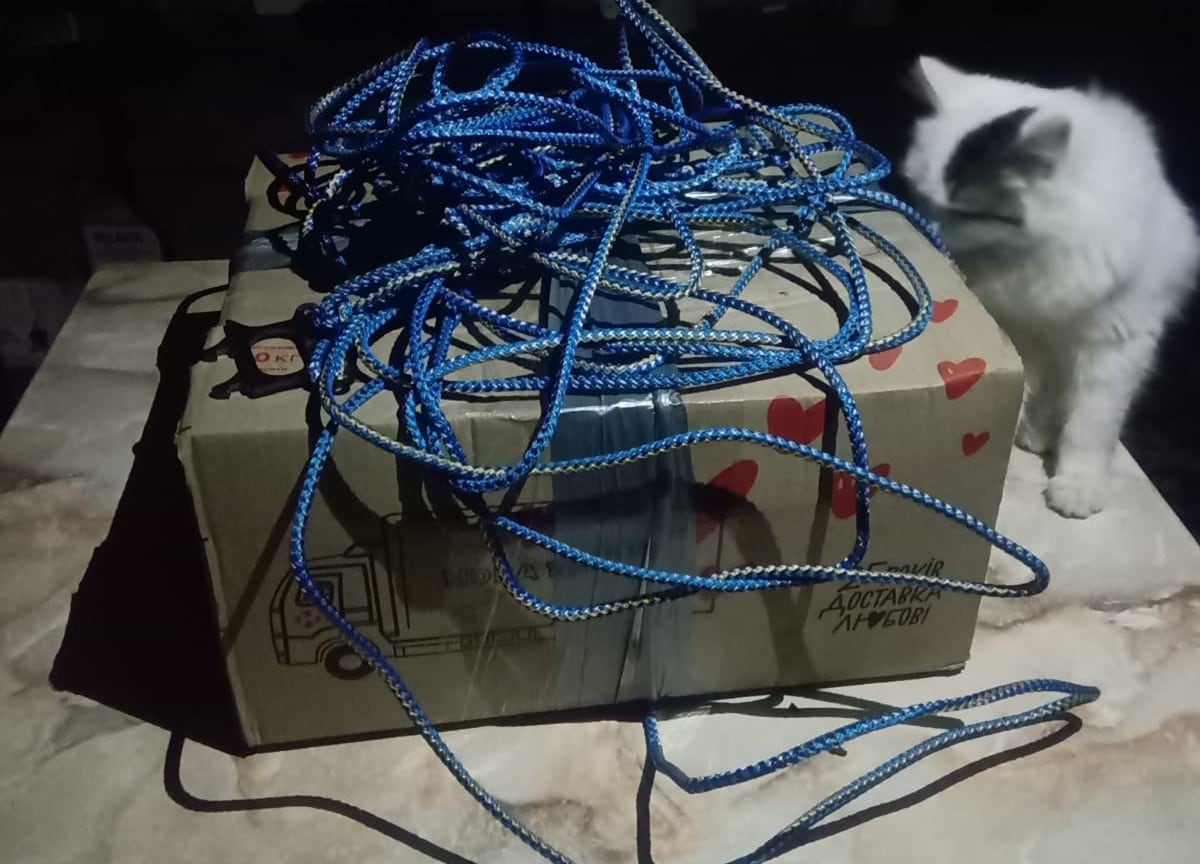
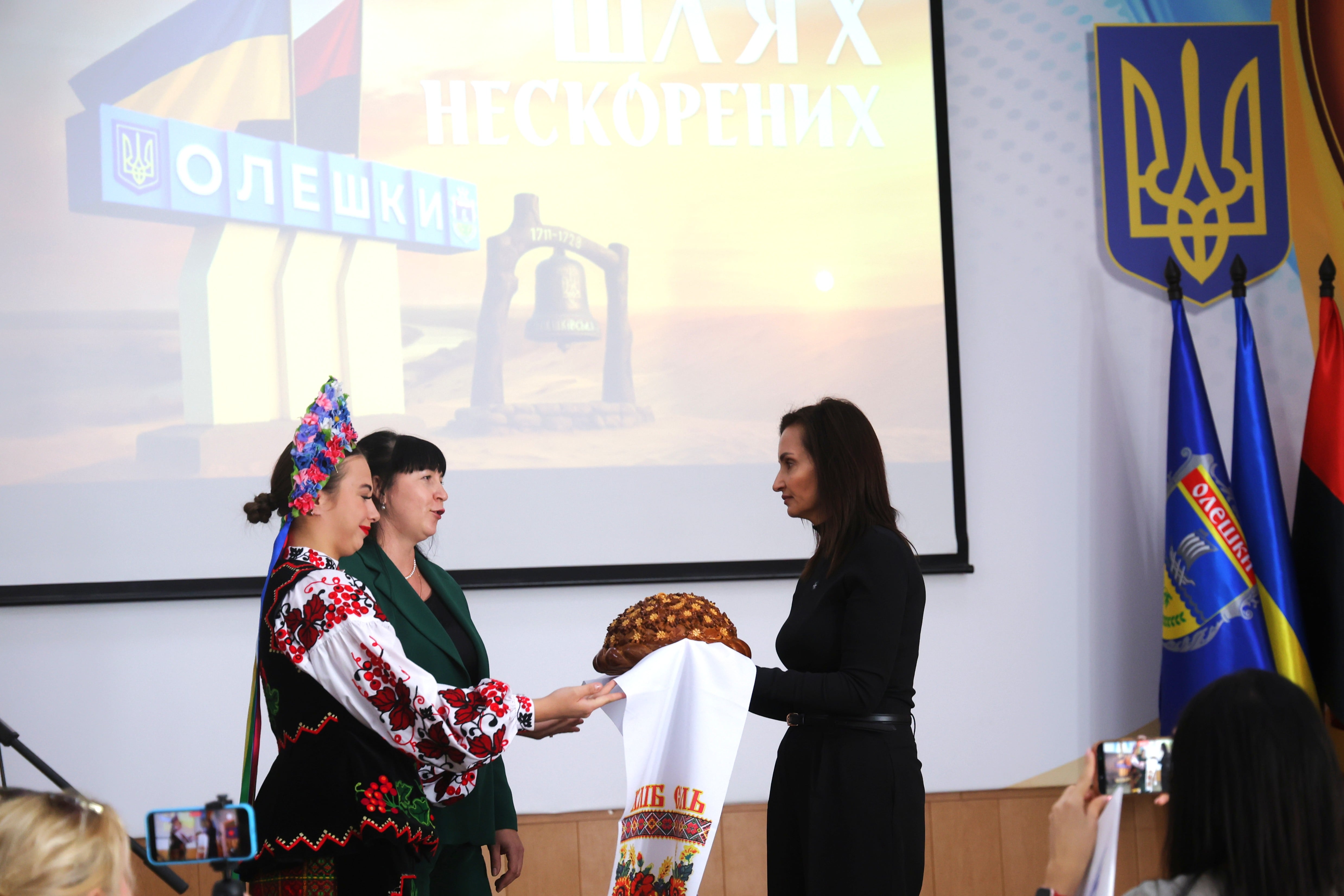
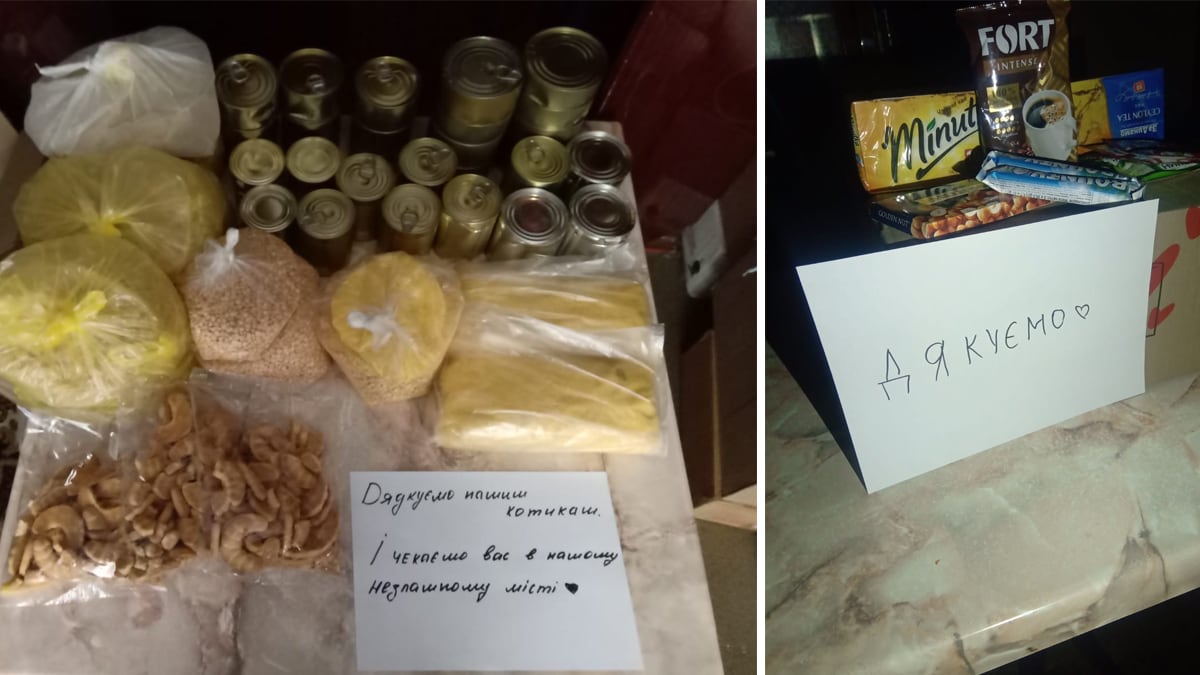
“Thanks to our beloved soldiers. We await you in our unbreakable city,” reads a handwritten note beside cans and other foodstuffs received to stave off hunger in Oleshky, a city occupied by Russia. “Thank you,” echoes another note next to a shipment of coffee, herbal teas, and chocolate bars. Photos of these messages and others showing various tokens of gratitude have reached the phone of Roman Chuhalov, 44, one of the Ukrainian servicemen who, by sending aid with drones, are trying to break the blockade in this town in the southern Kherson region, where about 2,000 people are holding out.


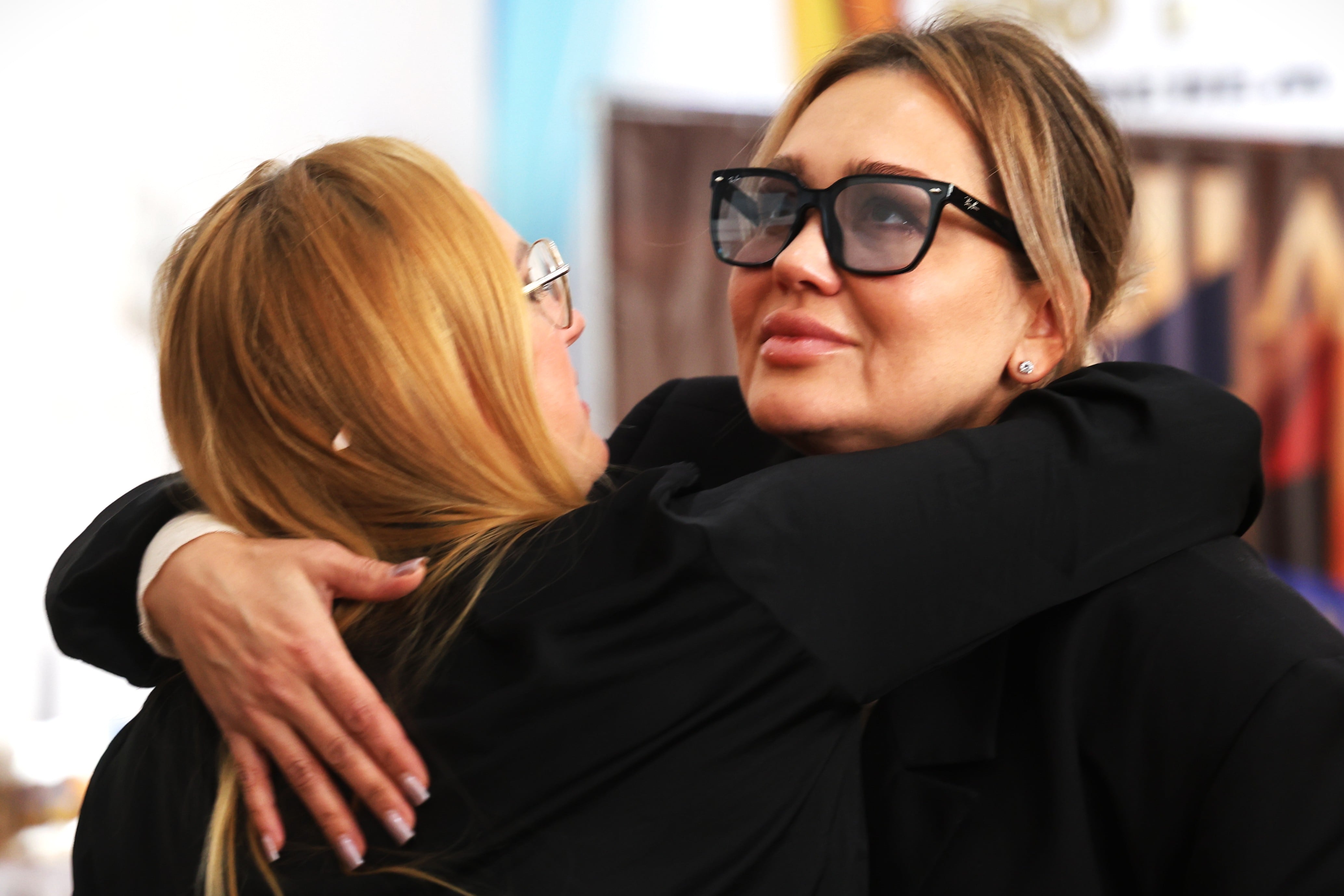
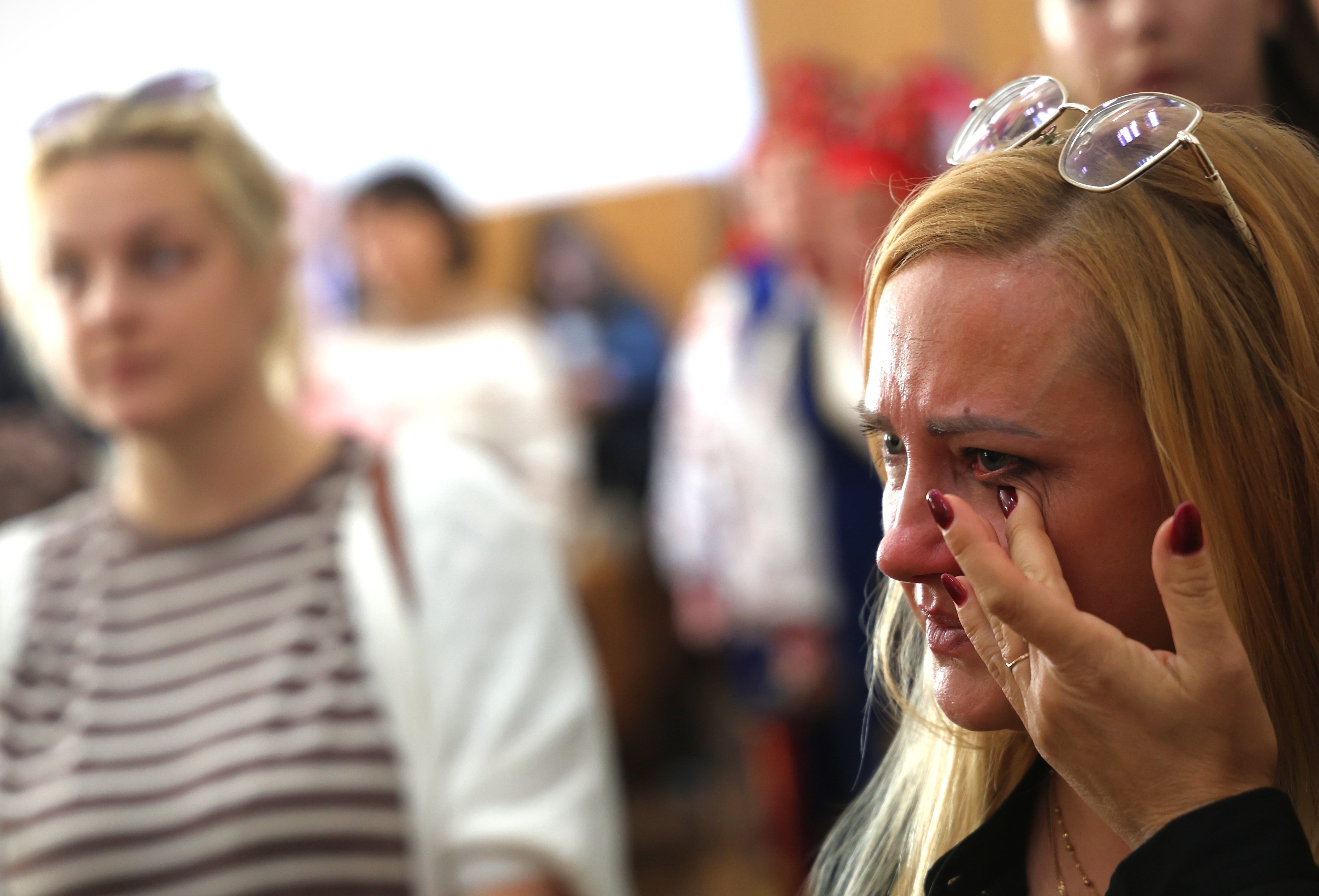
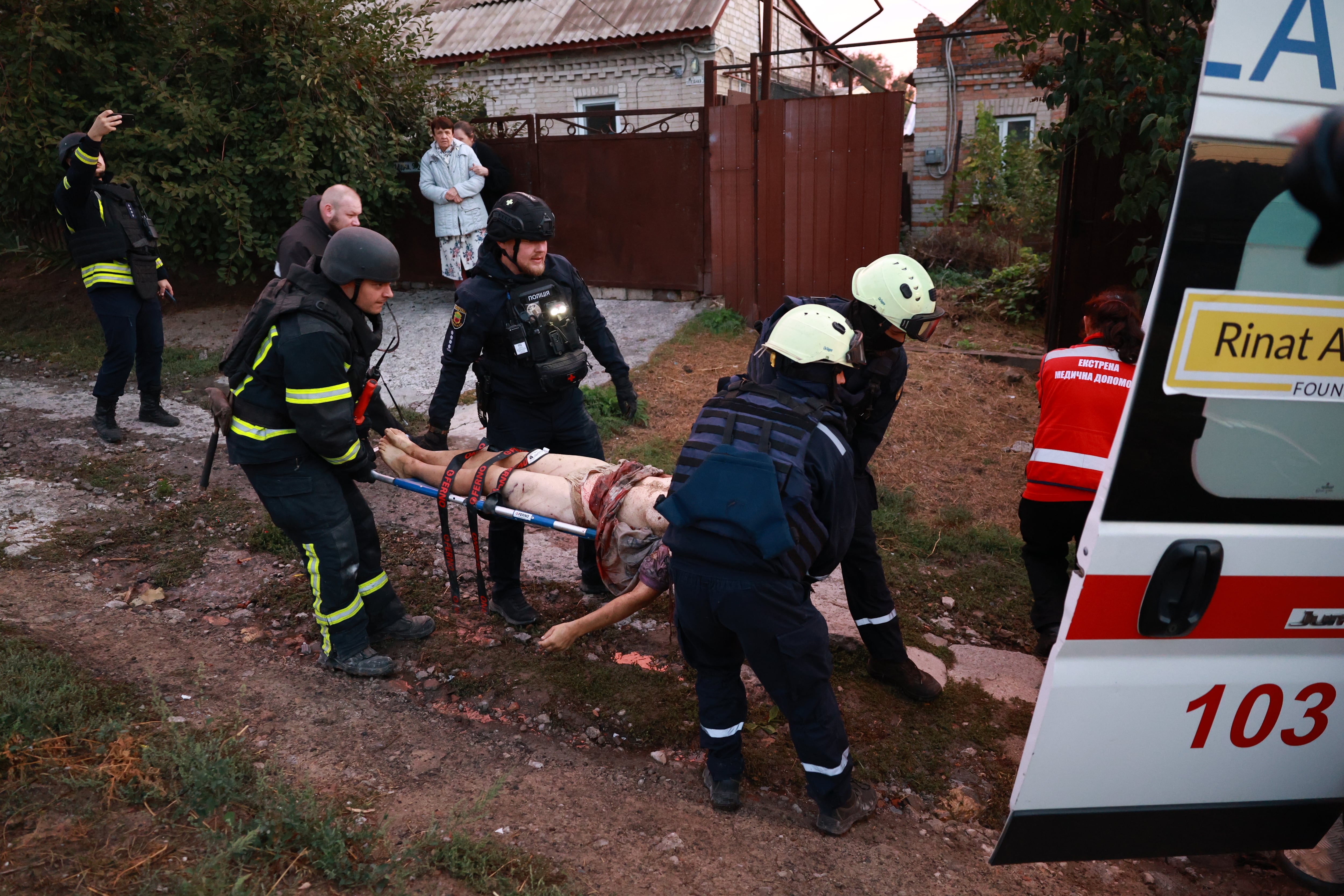
At least 280,000 people are missing due to the war between Russia and Ukraine, according to the vast list maintained by the International Committee of the Red Cross (ICRC). It includes Ukrainians and Russians, without distinction, and the true figure is likely higher because the list contains only requests registered with the organization. The vast majority are soldiers. Although many have probably died, some parents and wives still set a meal at an empty chair and leave their rooms unchanged in case the person suddenly returns home. They carry a pain psychologists call ambiguous loss.
© Stringer (REUTERS)
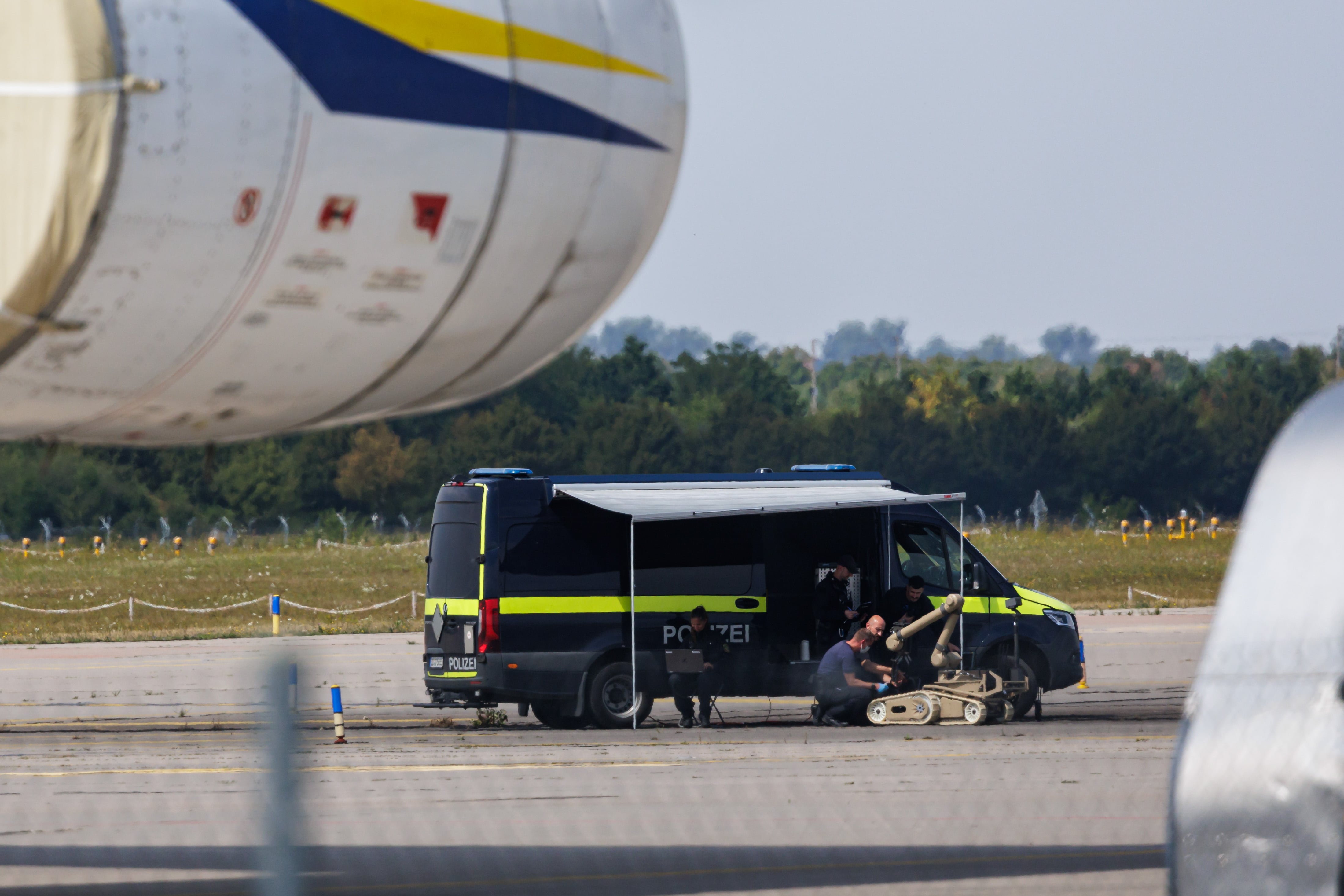
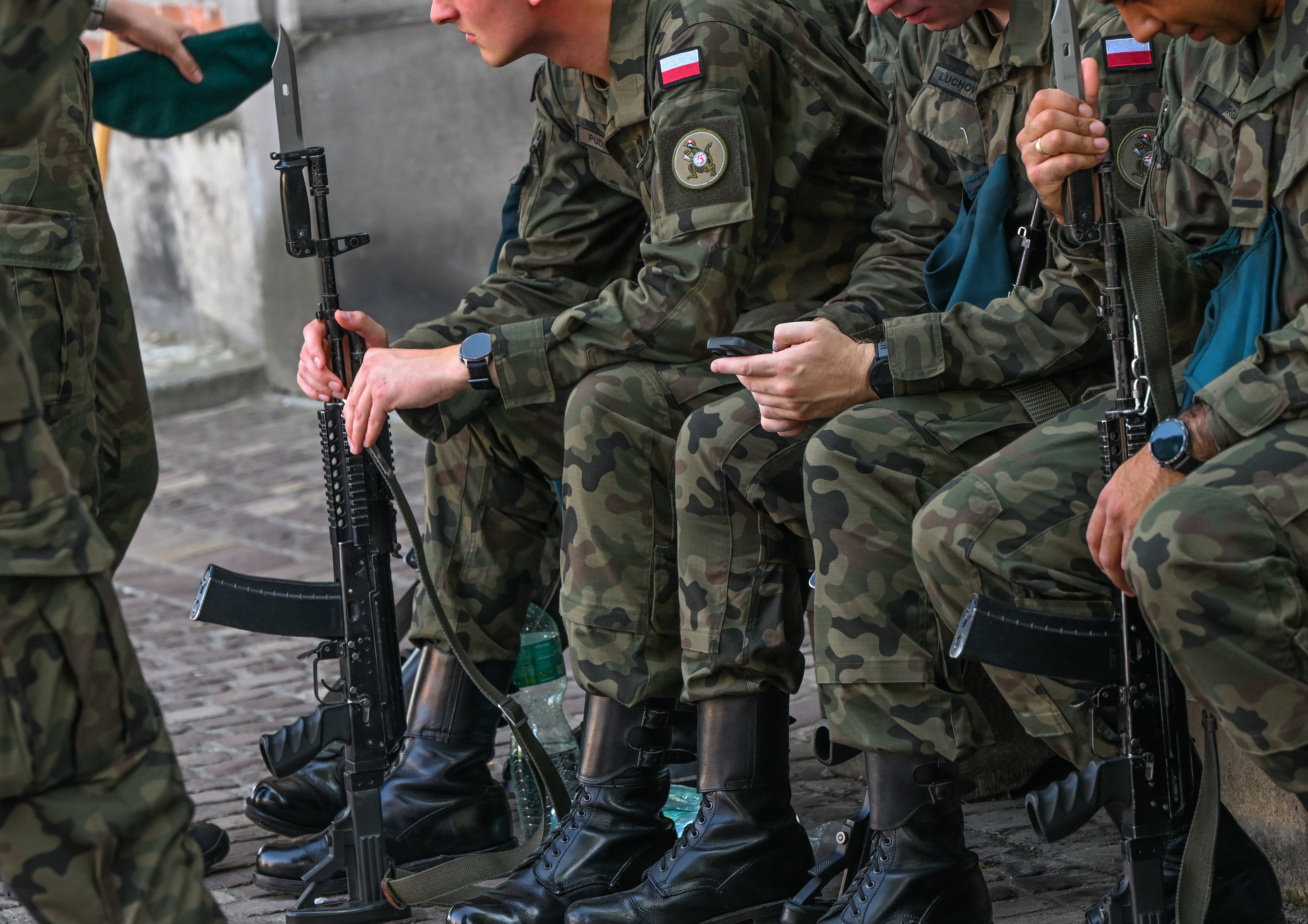
Russia is stepping up its hybrid war against Europe. From sabotage, drone incursions, and arson to plots (mostly foiled) to assassinate pro‑Ukraine activists and Russian dissidents on European soil, the Kremlin is testing the allied response, and incidents against NATO’s European partners are becoming more serious, such as the explosive‑laden drones found this summer at Leipzig Airport in Germany. That gray line between a hybrid attack and a conventional one is blurring, and several European intelligence sources warn of the risk that one of those incidents could escalate — either by a deliberate Kremlin decision or a miscalculation.

© Kateryna Klochko (AP/LaPresse)
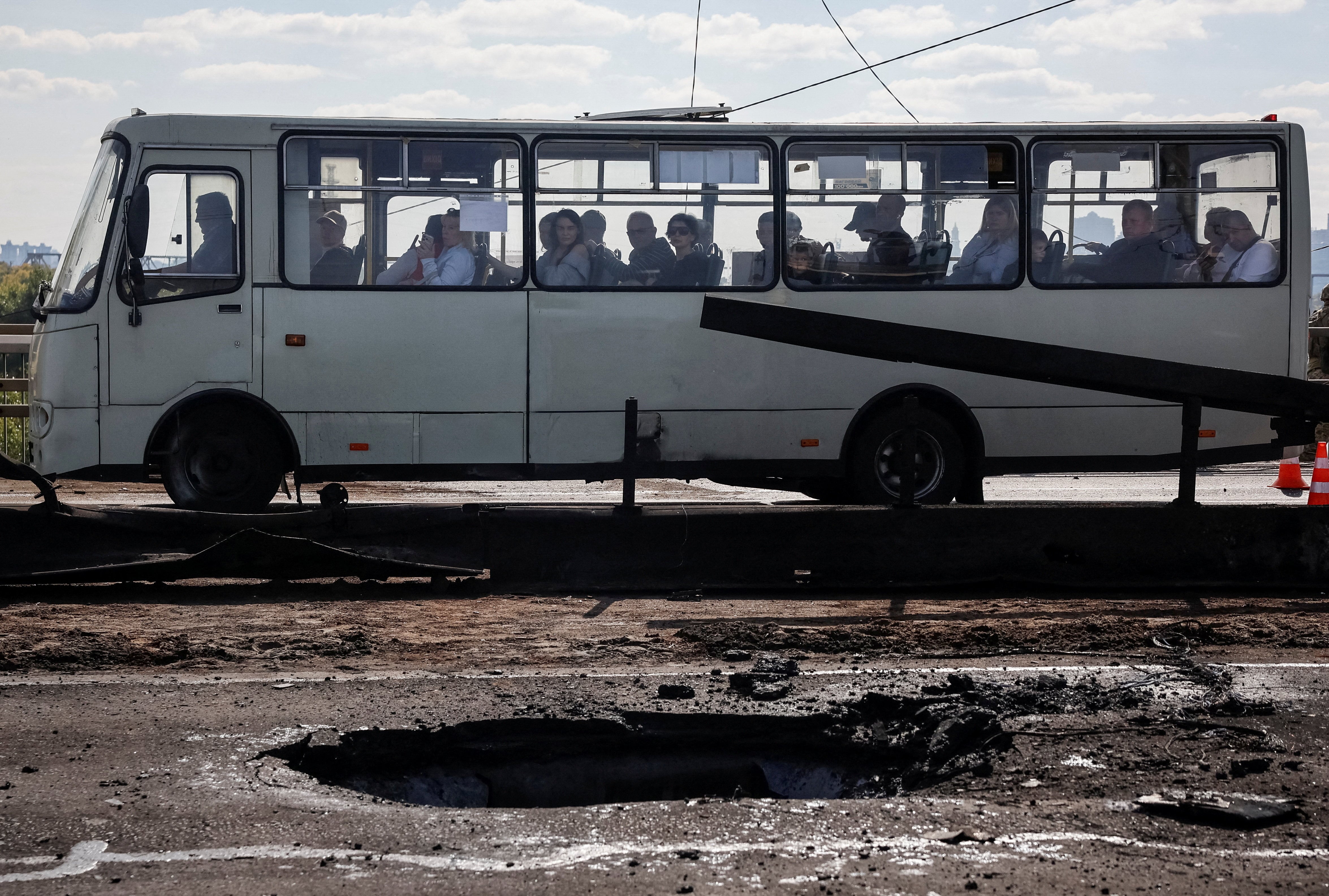
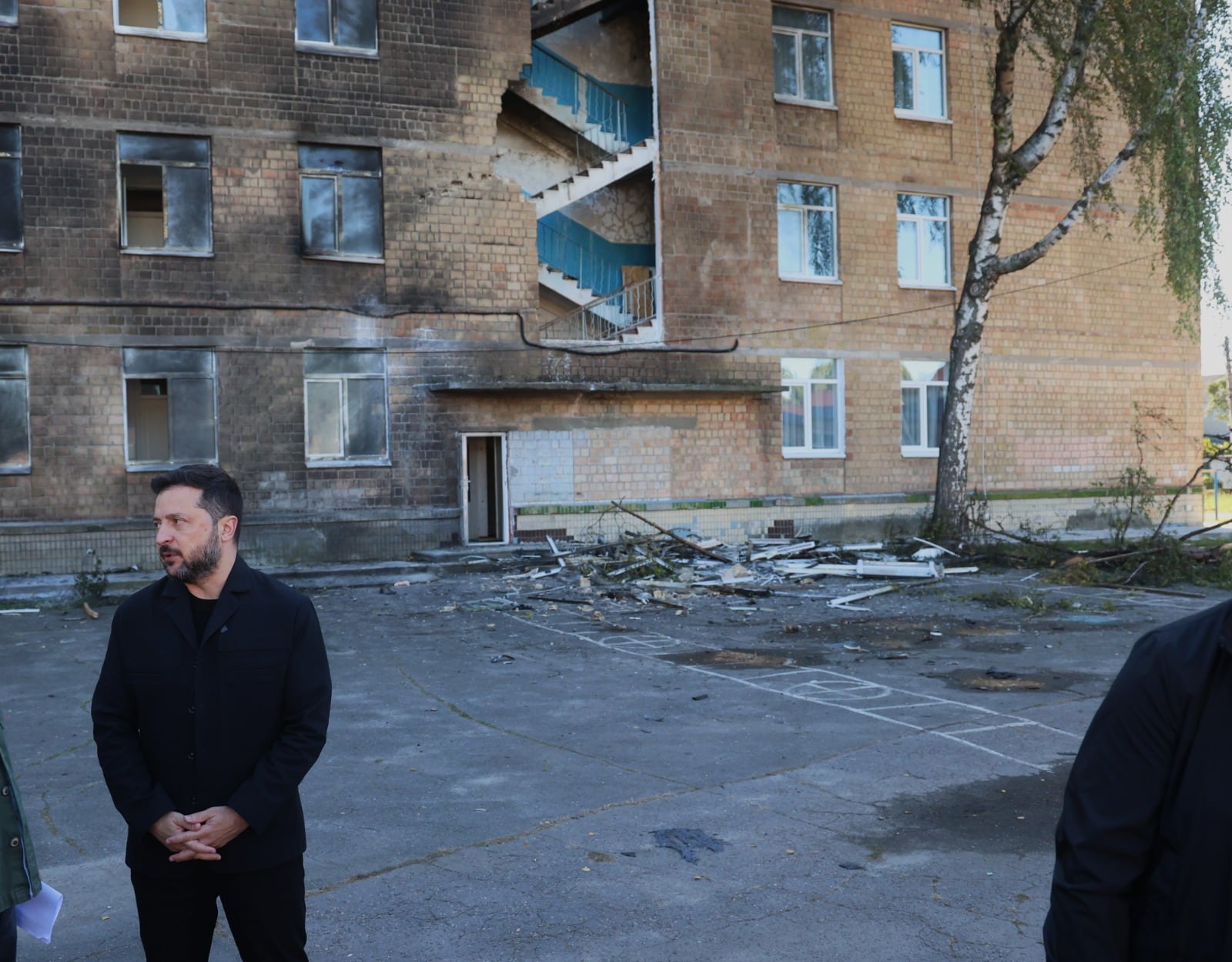
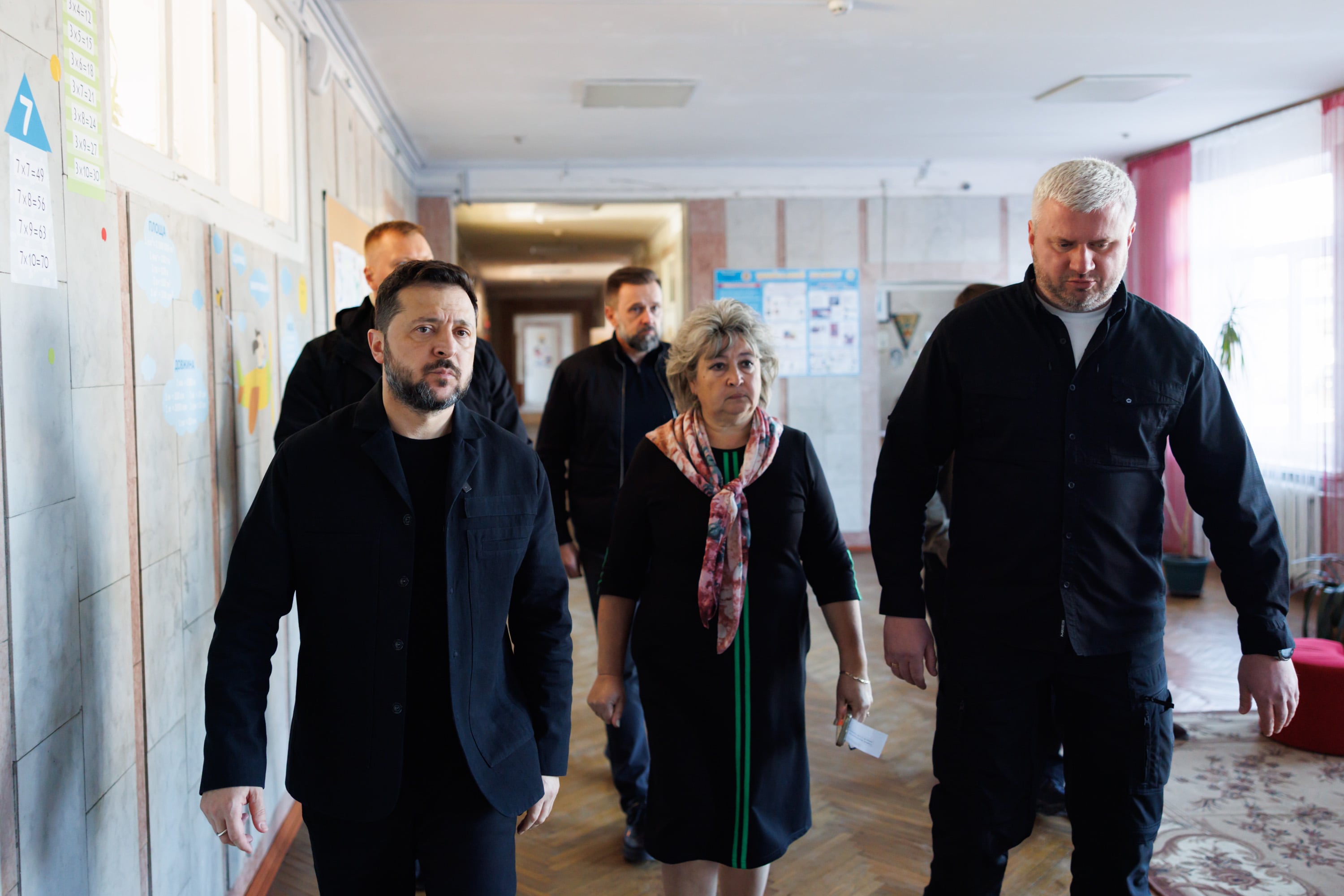
One way Ukrainian President Volodymyr Zelenskiy confronts Russian attacks and seeks to show resolve is by appearing in the most dangerous places. He has done so since his Russian counterpart, Vladimir Putin, launched the full-scale invasion in February 2022. At that time, Kyiv was the Kremlin’s primary target, but the attempt was beaten back. In recent weeks, Moscow has increased its aerial attacks and bombs the city day and night, hitting numerous civilian targets. “They want Ukrainians — especially those in the capital — to leave. In fact, that’s what they were aiming for when the full-scale invasion began,” Zelenskiy said during a conversation with EL PAÍS while visiting a school that had been attacked on Thursday morning in Kyiv.

© Presidencia de Ucrania
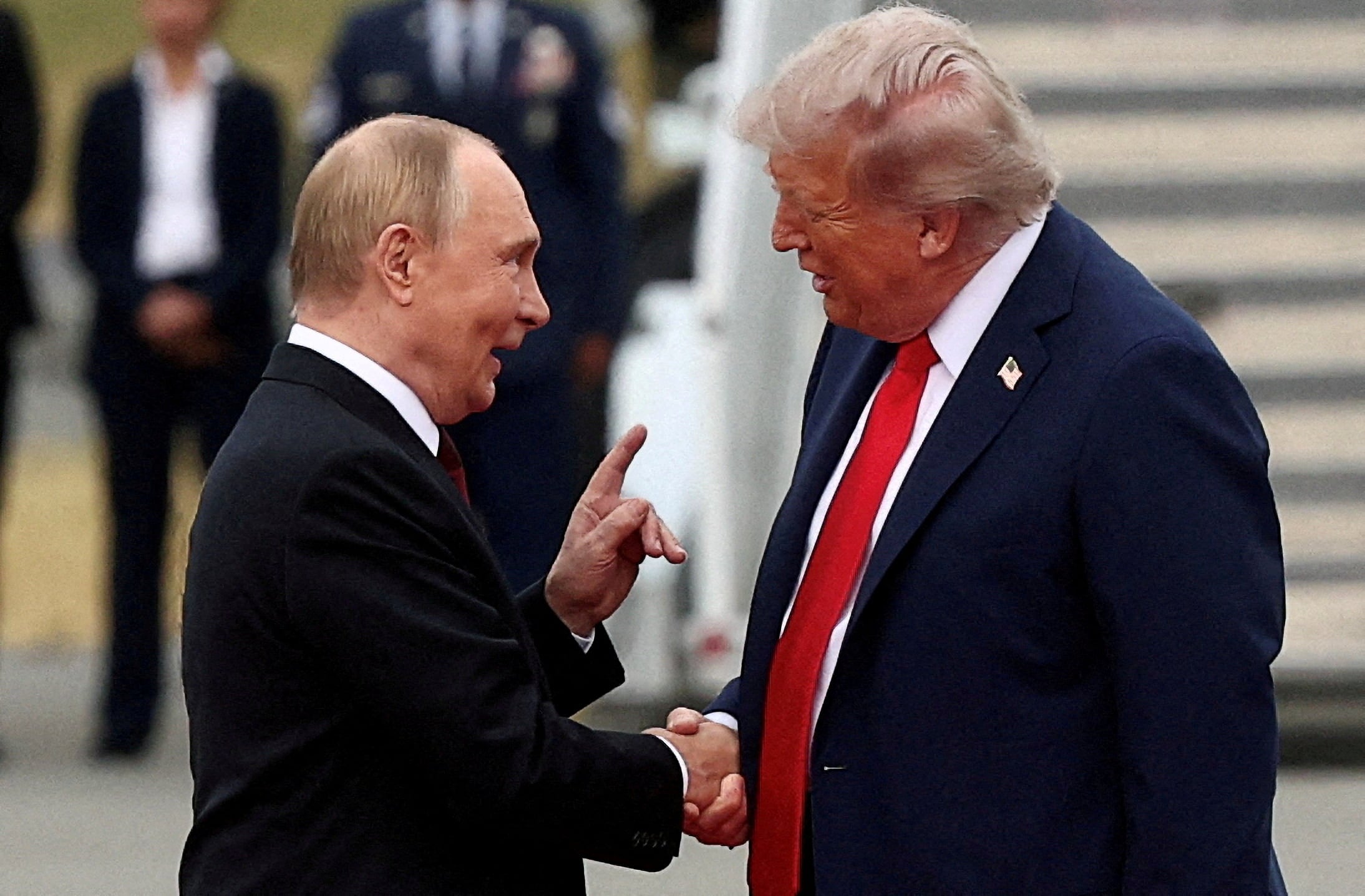
Vladimir Putin is in trouble. The war in Ukraine is not going well for him; casualties are mounting at an alarming rate; discontent in Russian society is growing amid serious economic hardships; and the Kremlin’s inner circle is becoming increasingly perplexed by their leader’s ineffectiveness. His response, for now, is the same as always: escalation. Against Ukraine, with more missiles; against his own citizens, with more repression; and against the EU, with attacks, threats, and provocations of various kinds — sabotage, cyberattacks, incursions — that are becoming increasingly bold and dangerous.

© Kevin Lamarque (REUTERS)
Donald Trump returned to power in Washington with two major foreign policy promises: to end the war in Ukraine “in 24 hours” and to keep his country out of more “forever wars.” Almost two years after his decisive electoral victory, the Russian invasion continues with no sign of a quick end, and the United States has plunged itself into yet another hornet’s nest in the Middle East. Two conflicts of unpredictable outcome have pushed fossil fuel costs to historic highs worldwide and are increasing doubts about whether — with price signals distorted — supply chains will withstand the pressure.

© Amit Dave (REUTERS)
The alarms raised by the relationship between a Spanish NATO commander and a woman of Russian origin he met on Tinder, the dating app, are the latest chapter in a new espionage battleground: web applications. Sharing content on social media, posting your morning run, or looking for love online has become a latent risk for militaries around the world.

© NurPhoto (NurPhoto via Getty Images)
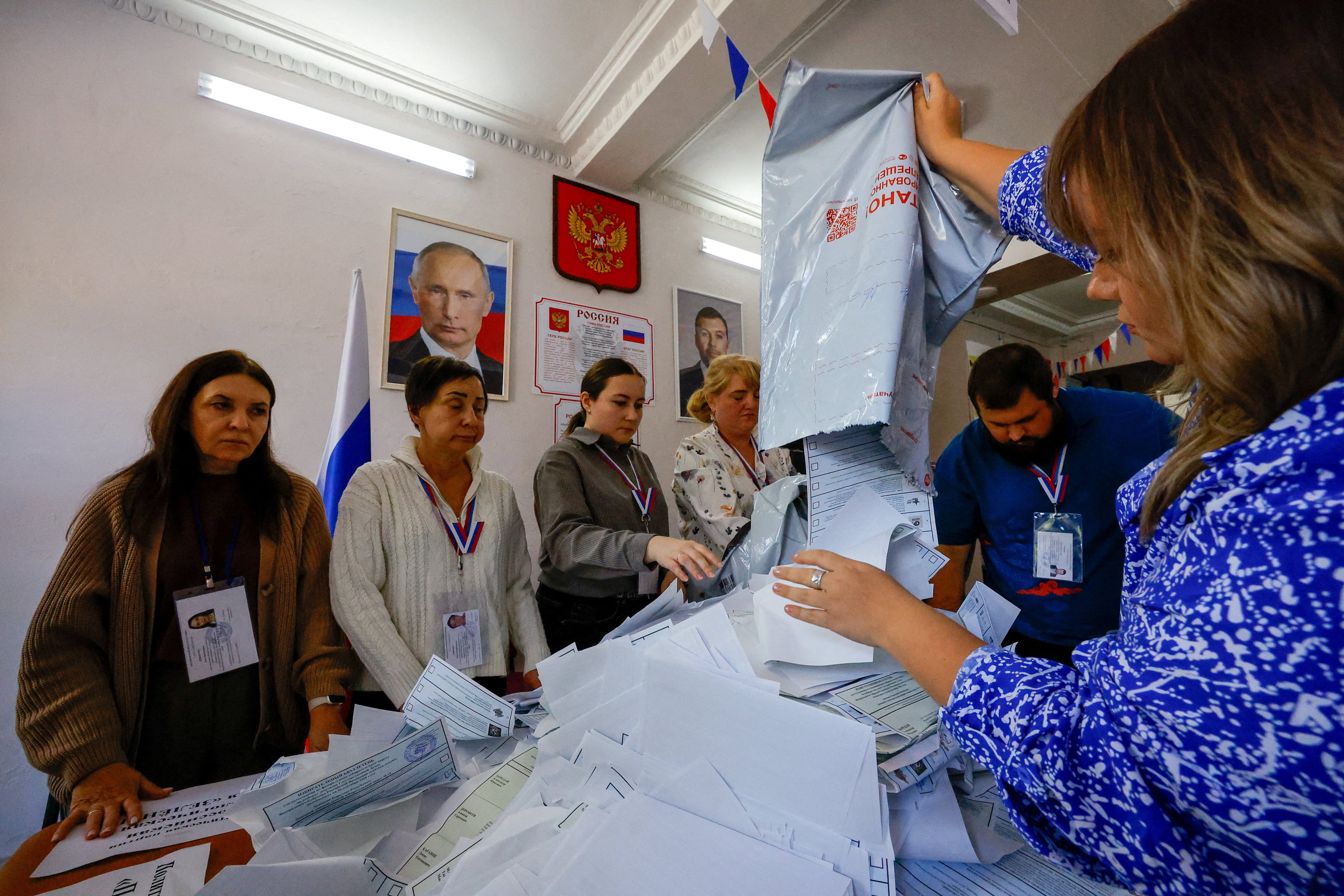
The Kremlin has turned the parliament produced by last Sunday’s Russian legislative elections into an echo chamber for the war. Authorities barred the only party that had called for a truce, Yabloko, as well as candidates who were critical of the government — from independent Boris Nadezhdin to members of parties nominally loyal to the Kremlin such as the Communist Party and A Just Russia. In addition, the military are gradually displacing party bureaucrats in Russian politics.

© Alexander Ermochenko (REUTERS)

– Kiev sotto le bombe, Europa senza scorte di Jeff Hoffman
– Gas, Ue vieta Belgio compra di Margherita Furlan
– Hormuz chiuso salvadanaio aperto di Jeff Hoffman
– Karbala prega New York tiene la cassa di Margherita Furlan
– Israele compra il racconto, Parscale lo scrive di Jeff Hoffman
– Board of Peace: la resa a Netanyahu di Jeff Hoffman
– Ceuta: scontro Madrid Roma di Jeff Hoffman
– Interfacce neurali, Pechino sorpassa Musk di Margherita Furlan
– Buon giro intorno al Sole
A cura di Margherita Furlan
Con la collaborazione di Jeff Hoffman
Editing di Davide Marletta e di Simone Orletti
SOSTIENI CASA DEL SOLE TV
Casa del Sole TV è un progetto di giornalismo indipendente autofinanziato, senza editori, senza partiti, senza padrini politici.
Per donazioni:
IBAN: IT63P0326822300052392596590
Intestato a: La Casa del Sole Edizioni
Causale: Donazione Casa del Sole TV
Membership YouTube:
https://www.youtube.com/@CasadelSoleTVChannel
— Analista Multipolare €5/mese
— Inviato della Verità €15/mese
— Architetto del Futuro €25/mese
I LIBRI DI MARGHERITA FURLAN
BRICS Scacco Matto (disponibile in italiano, inglese, russo), La Casa del Sole Edizioni
SEGUI CASA DEL SOLE TV
YouTube: @CasadelSoleTVChannel
TAG:
CasaDelSoleTV, CasaDelSoleTG, MargheritaFurlan, GiuliettoChiesa, censura, russofobia, Trump, NATO, Crisi, Transizione, Ucraina, Kiev, EuroMaidan, Crimea, Donbass, Donetsk, Syria, Iran, PardonSnowden, Nuova Via Della Seta, Pechino, Putin, Libano, guerra, mondomultipolare, multipolarismo, Mosca, XiJinping, Levante, Medio Oriente, Palestina, Gaza, MiddleEast, BRICS, Hormuz
L'articolo 🔴DRONI SI SCORTE NO | TG 05.08.26 proviene da Casa del Sole TV.