❌

Reading view

How Chick-fil-A grew from a small Southern diner to the third-largest restaurant chain in the US

Chick fil a chicken sandwich
Chick-fil-A has come a long way since opening as a small roadside diner in Georgia in 1946.

Irene Jiang / Business Insider

  • In 1946, Chick-fil-A founder S. Truett Cathy opened the Dwarf Grill in Hapeville, Georgia.
  • In 1967, Cathy opened the first Chick-fil-A and invented the restaurant's iconic chicken sandwich.
  • Chick-fil-A is now the third-largest restaurant chain in the US.

Eighty years after Chick-fil-A founder Truett Cathy opened his first restaurant, Chick-fil-A is now the third-largest restaurant brand in the country.

The family-owned chain has since grown to more than 3,200 US restaurants and generated nearly $24 billion in US systemwide sales in 2025, trailing only McDonald’s and Starbucks, per Technomic's Top 500 chains report.

The chicken chain's rise has not been without controversy.

Chick-fil-A faced widespread backlash in 2012 after Cathy's son Dan, then the company’s CEO, publicly opposed same-sex marriage, while the company and its foundation were criticized for donations to organizations with anti-LGBTQ+ positions.

This week, current CEO Andrew Cathy declined to directly address the company’s history or state its position on LGBTQ+ equality in an interview with NBC, instead saying Chick-fil-A is focused on hospitality and welcoming everyone who comes through its doors.

Here’s how Chick-fil-A grew from a small Southern diner into a fast-food powerhouse.

Chick-fil-A's origin story began when Truett Cathy opened the Dwarf Grill in Hapeville, Georgia, in 1946.
chick fil a vintage

Chick-fil-A

The small roadside diner was later renamed when it became one of the chain's "Dwarf Houses." The original location previously served as one of 12 Chick-fil-A locations, offering modern favorites and items from the original restaurant's "blue menu."

The first official Chick-fil-A locations were located in shopping malls.
chick fil a vintage

Chick-fil-A

The first restaurant to bear the name Chick-fil-A opened in the Greenbriar Mall in Atlanta in 1967.

According to the company, the restaurant occupied just 384 square feet, and some have credited the chain with being an "early pioneer" of what would become the modern mall food court.

Chick-fil-A opened its first stand-alone restaurant in 1986 in Atlanta.
chick fil a first stand alone restaurant

Chick-fil-A

Free-standing locations are now the norm for Chick-fil-A, and mall locations are much less common.

Chick-fil-A also experimented with drive-thru-only restaurant locations.
chick fil a vintage

Chick-fil-A

The first-ever drive-thru-only Chick-fil-A restaurant opened in 1993 in Greenville, South Carolina. By eliminating dining rooms in these locations, the restaurants were designed to be faster and more convenient for customers.

Today, there are more than 3,000 Chick-fil-A restaurants in North America.
chick fil a vintage

Chick-fil-A

The chain, which was founded in Georgia, still has its headquarters there, and is regarded as a "Southern" fast-food chain. However, restaurants can actually be found in 48 different states as well as Washington, DC.

In 2019, Chick-fil-A expanded internationally by opening its first location in Toronto. Later that year, the chain opened its first restaurant in the United Kingdom.

The chain now has locations across Canada, Puerto Rico, the UK, and Singapore.

Before Chick-fil-A began using a cow as its mascot, the chain was represented by — perhaps unsurprisingly — a chicken.
chick fil a vintage

Chick-fil-A

The chain's tag line used to read, "The best thing that ever happened to a Chicken."

Now, Chick-fil-A's slogan pays homage to its most famous menu item — its chicken sandwich.
chick fil a sandwich
An employee picks up a fried chicken sandwich during an event ahead of the grand opening for a Chick-fil-A restaurant in New York.

465-square-meter/Getty Images

The "A" in Chick-fil-A comes from both a play on the word "fillet" and a nod to the "grade-A top quality chicken" used in Chick-fil-A's chicken sandwiches.

However, the chain also still uses cows and the words "Eat Mor Chikin" to bring customers through its doors.
chick fil a cows

John Adams/Icon Sportswire/Corbis/Icon Sportswire/Getty Images

The "Eat Mor Chikin" slogan, accompanied by two "rebel cows," debuted in 1995 on an Atlanta billboard, according to the company.

The campaign quickly gained traction and is now regarded as one of Chick-fil-A's most famous and successful advertising campaigns.

The original Dwarf Grill menu served diner favorites like breakfast and burgers.
chick fil a menu dwarf grill

Hayley Peterson/Business Insider

Menu items included everything from waffles to sandwiches, steak and potatoes, and the chain's famous Hot Brown, a hot casserole dish made with lean white meat chicken, gravy, mashed potatoes, cheese, and bacon. 

Today, Chick-fil-A still serves breakfast, but the menu items look much different.
Chick fil A Chicken Biscuit

Irene Jiang / Business Insider

Launched in 1986, the first item added to the breakfast menu was the Chick-fil-A chicken biscuit.

Today, the Chick-fil-A menu typically includes more than 50 items.

At the Dwarf Grill, Truett Cathy's first restaurant, you could order burgers.
Chick-fil-A

Business Insider/Hayley Peterson

The Dwarf Grill served both hamburgers and cheeseburgers, which the restaurant's menu said were made from "100% choice beef, chopped in our kitchen." Served on a large toasted bun, the menu also boldly said that "they're the best."

Business Insider's Hayley Peterson tried the burger for herself when she visited the Dwarf House, and she found the patty "thick and flavorful" and that the cheese "melted perfectly between the patty and the bun."

You won't find burgers on any Chick-fil-A menus, but you will find the chain's famous chicken sandwich.
Chick fil a chicken sandwich

Irene Jiang / Business Insider

In 1964, Truett Cathy created the recipe for Chick-fil-A's original chicken sandwich: a fried, boneless chicken breast nestled between two buttered buns and topped with two pickles.

Though the sandwich soon shot to popularity at the Dwarf House, the invention was odd compared to other fast-food offerings and food tastes of the time.

However, Cathy's bet on chicken would soon pay off.

Though Chick-fil-A has expanded immensely since the launch of its chicken sandwich, the recipe has remained virtually the same.

In 1989, Chick-fil-A added a grilled chicken sandwich to its menu.
2 chick fil a grilled chicken club

Hollis Johnson

Introduced as a health-conscious option for Chick-fil-A customers, Cathy introduced the original grilled chicken sandwich alongside the deluxe grilled chicken sandwich, which included the same pickle-juice-marinated grilled chicken, pickles, and white bun, along with lettuce and tomato.

According to the restaurant's website, Cathy tested more than 1,200 recipes to perfect the chain's grilled chicken recipe.

Chick-fil-A revolutionized its menu yet again when it launched its spicy chicken sandwich nationwide in 2010.
Chick fil A Spicy Chicken Sandwich 4

Irene Jiang/Business Insider

"While we recognize that not everyone enjoys spicy food, for the growing customer constituency that does, our Spicy Chicken Sandwich offers a unique, well-balanced and craveable spicy flavor," William F. Faulk, Chick-fil-A's vice president of innovation and new ventures, said in a press release at the time.

A precursor to Chick-fil-A's famous fries was its fried okra, a traditional Southern favorite.
Chick-fil-A

Business Insider/Hayley Peterson

"The batter on the outside is light and crispy, and the okra inside is hot and juicy, with a hint of salt," Business Insider's Hayley Peterson said in a previous article.

Today, the chain's waffle fries are a beloved menu item.
Veggie chick fil a meal fries

Irene Jiang / Business Insider

The chain began selling waffle fries in 1985, with the unique shape chosen as a perfect vehicle for dipping sauces.

In 1982, chicken nuggets were added to the menu.
Chick fil a Chicken Nuggets

Irene Jiang / Business Insider

The first Chick-fil-A nuggets came in a six-count box, inspired by customers asking restaurant employees to cut up pieces of its signature chicken sandwich so they could eat them by hand or serve bite-sized nuggets at parties.

"We are still serving the same delicious nuggets today that we started with," Shona Jonson, senior manager of culinary, product strategy, and development at Chick-fil-A, once said.

Today, Chick-fil-A chicken nuggets come in 5-, 8-, 12-, or 30-count packs. 

Chick-fil-A introduced grilled chicken nuggets in 2012.
fast food keto options chick fil a grilled nuggets sauce

Erin McDowell/Business Insider

The item first appeared on the chain's kids' menu before being added to the main menu.

Chick-fil-A's success is largely credited to the chain's founder and CEO, S. Truett Cathy, a devout Baptist who built the family-owned business on Christian values.
chick fil a vintage

Chick-fil-A

Cathy's impact on Chick-fil-A is undeniable, from his decades working at the Dwarf Grill to the invention of the chain's famous chicken sandwich.

Another part of Cathy's legacy that contributed to Chick-fil-A's success was its unique process for hiring franchisees, which also upheld the chain's values of "customer first, personal excellence, continuous improvement, working together, and stewardship."

As the creator of the first Chick-fil-A scholarship fund for restaurant employees, Cathy left a legacy that inspired franchisees and employees across the country to continue his mission of building a customer- and employee-focused fast-food chain.

Cathy's son, Dan T. Cathy, led the company as CEO until 2021.
dan cathy chick fil a

Cyrus McCrimmon/The Denver Post/Getty Images

Dan T. Cathy was made CEO in 2013, two years before his father died. Cathy worked alongside his brother, Donald "Bubba" Cathy, who still serves as executive vice president of the chicken chain and president of the company's Dwarf House and Truett's Grill restaurant concepts.

Both Donald and Dan T. Cathy recall growing up in their father's early restaurants, doing odd jobs like scraping gum from underneath tables and spending time in the Hapeville Dwarf House.

Dan T. Cathy stepped down as CEO of Chick-fil-A on November 1, 2021, but still serves as chairman of the company. He was succeeded by his son, Andrew Cathy.

Over the years, the Cathy family and Chick-fil-A have received criticism for their apparent stances on issues like same-sex marriage.
chick fil a pride flag

Tibrina Hobson/FilmMagic/Getty Images

Chick-fil-A's contentious reputation largely stems from donations made by Chick-fil-A to charities criticized for anti-LGBTQ+ positions, as well as comments made by Dan T. Cathy in 2012.

According to a previous article by Business Insider, the Cathy family and Chick-fil-A donated millions of dollars to groups opposing same-sex marriage, from Christian charities to "more extreme" anti-LGBTQ+ lobbying organizations through the WinShape Foundation.

Some of these organizations included Fellowship of Christian Athletes, an athletic organization that, according to Vox, requires applicants to sign a "sexual purity statement" that condemns LGBTQ+ relationships, the Marriage & Family Foundation, which has spoken out against marriage equality, and Exodus International, a group that supported the use of gay-conversion therapy.

Comments made by Dan T. Cathy in a 2012 interview with the Baptist Press quickly prompted backlash from LGBTQ+ activists and organizations.
dan cathy

William Plowman/AP Images

In the interview, Cathy said that he believed in the "biblical definition of the family unit," or that a marriage should be between a man and a woman.

Protests ensued nationwide, including a number of "kiss-ins" led by LGBTQ+ activists, at Chick-fil-A restaurants across the country, CNN reported.

Others came out in support of the chain and Cathy's comments. Following the controversy and subsequent calls to boycott the brand, former Arkansas Governor Mike Huckabee created a Facebook page encouraging people to participate in "Chick-fil-A Appreciation Day" and to buy food from the chain that day, Huffington Post reported.

Cathy did little to quell criticism of his comments when he later clarified his position in a 2012 radio interview, saying, "As it relates to society in general, I think we are inviting God's judgment on our nation when we shake our fist at him and say, 'We know better than you do as to what constitutes marriage.'"

Protests against the company predate the chain's controversial donations and comments made by Dan T. Cathy.
chick fil a protest

Tibrina Hobson/FilmMagic/Getty Images

In 2002, a Houston Chick-fil-A restaurant manager sued the chain for discrimination, Forbes reported. The employee, who is Muslim, said he was fired one day after refusing to pray to Jesus along with their fellow coworkers during a training session.

At the time, Jerry Johnston, a spokesperson for Chick-fil-A, told the Houston Chronicle that the company had not yet been served with a lawsuit and therefore couldn't comment on the dispute, My Plainview reported. Forbes states that the suit was settled out of court on undisclosed terms.

Then, in 2011, a Pennsylvania Chick-fil-A prompted a nationwide boycott of the chain when the restaurant provided free lunch to a Valentine's Day marriage seminar sponsored by the Pennsylvania Family Institute, a controversial "pro-family" group that has spoken out against same-sex marriage.

The decision prompted criticism, including a petition that gathered thousands of signatures urging Chick-fil-A to stop discriminating against LGBTQ+ people. However, the franchise in question claimed the decision to donate food was not motivated by any anti-LGBTQ+ sentiments.

"It's absolutely, categorically blown out of proportion," the Pennsylvania franchise owner Brian Gibson said, Penn Live reported. "We donate food all the time. We certainly don't take into consideration anyone's political affiliations or anything like that. We just like to feed people."

Dan T. Cathy released a statement in 2011 following the accusations that Chick-fil-A was anti-LGBTQ+, saying, "In recent weeks, we have been accused of being anti-gay. We have no agenda against anyone. At the heart and soul of our company, we are a family business that serves and values all people regardless of their beliefs or opinions. We seek to treat everyone with honor, dignity, and respect, and believe in the importance of loving your neighbor as yourself."

Cathy continued, saying, "While my family and I believe in the Biblical definition of marriage, we love and respect anyone who disagrees ... Chick-fil-A's Corporate Purpose is 'To glorify God by being a faithful steward of all that is entrusted to us, and to have a positive influence on all who come in contact with Chick-fil-A.' As a result, we will not champion any political agendas on marriage and family."

The chain also received criticism for Dan T. Cathy's ties to a charitable organization that notably opposes the Equality Act.
chick fil a
A Chick-fil-A sign above the glass entrance to a Manhattan restaurant.

Smith Collection/Gado/Getty Images

The Daily Beast reported on June 1, 2021, that the National Christian Charitable Foundation (NCF) has donated money to groups actively fighting legislation to protect LGBTQ+ rights in the US. Among the organization's "high-dollar donors" is Chick-fil-A's CEO, Dan Cathy.

The National Christian Charitable Foundation is one of the largest charitable organizations in the country and supports thousands of charities and causes. Among them are the Heritage Foundation and the legal advocacy group Alliance Defending Freedom, both of which strongly oppose the Equality Act.

Chick-fil-A itself has not donated any funds to Christian charities or political groups in recent years, saying in 2019 that it would instead support charities focused on "three specific initiatives of homelessness, hunger, and education." 

Chick-fil-A has taken steps to overturn its reputation as being anti-LGBTQ.
Chick-fil-A

Facebook/Chick-fil-A

In 2019, Chick-fil-A announced it would no longer donate to the Fellowship of Christian Athletes and the Salvation Army, two groups that have been criticized as being anti-LGBTQ+.

"We made multiyear commitments to both organizations, and we fulfilled those obligations in 2018. Moving forward, you will see that the Chick-fil-A Foundation will support the three specific initiatives of homelessness, hunger, and education," a Chick-fil-A representative said in a statement to Business Insider.

However, some LGBTQ+ advocates said that while they were hopeful about the decision, Chick-fil-A still has a ways to go before it can be considered truly inclusive of the LGBTQ+ community.

"In addition to refraining from financially supporting anti-LGBTQ organizations, Chick-fil-A still lacks policies to ensure safe workplaces for LGBTQ+ employees and should unequivocally speak out against the anti-LGBTQ+ reputation that their brand represents," Drew Anderson, the director of campaigns and rapid response for GLAAD, an organization that condemns LGBTQ+ discrimination, said in a statement in 2019.

Andrew Cathy, who took over as CEO in 2021, recently declined to comment on the company's "anti-LGBTQ+" past.
Andrew T. Cathy
Andrew T. Cathy in 2024.

Paras Griffin/Getty Images

When asked to comment on the company's past controversies and criticism from LGBTQ+ advocacy groups in 2026, Cathy offered a diplomatic response, emphasizing the company's commitment to serving "anybody" who walks through the door.

"We've always been focused on serving great food and hospitality, and so for anybody that comes in the door, we're going to continue to do that," he said in a recent interview with NBC News.

Despite a series of controversies, the fast-food chain has continued to grow.
Chick-Fil-A

Tom Pennington/Getty Images

Business Insider previously reported that anti-same-sex-marriage comments said by Dan T. Cathy in 2012, controversial donations, and resulting backlash over the years have done little to slow Chick-fil-A's growth.

Today, Chick-fil-A is the third-largest chain in America and has frequently been voted the most popular chain among customers.

Nation's Restaurant News reported that the company generated nearly $24 billion in sales in 2025 and operates over 3,000 locations nationwide.

One thing is for sure — while Chick-fil-A has an undeniably controversial past, there's no stopping the chicken chain from winning over customers nationwide, one chicken sandwich at a time.

Read the original article on Business Insider
  •  

30,000 Bottles of Wine Worth €5 Million Stolen from Winery

Thieves have stolen 30,000 bottles of wine with a total value of around €5 million from a prestigious Italian winery, Italian media report. Marchesi Antinori, one of Italy’s largest family-owned wineries, announced that the heist took place on October 3 at its warehouse in Tuscany while the company was preparing a shipment for overseas clients. […]

  •  

Whisky to be sent into space to accelerate aging

Whisky will be sent into space for the first time as part of an experiment to measure how the spirit ages in an environment beyond Earth’s atmosphere. Engineers in Scotland and Japan plan to launch Scotch on a rocket in 2028, sending a satellite containing samples of whisky and its key ingredients on a five-year […]

  •  

Cats stolen for restaurants in Vietnam

Vietnamese police have arrested 12 men accused of stealing nearly 2,700 cats during night-time raids in residential neighborhoods; the pets were taken to be slaughtered for food. Fur-removal machines, cat traps, and weighing scales were among the items confiscated during the investigation into the cat-theft gang in Ho Chi Minh City, Vietnamese police and state […]

  •  

Butcher Convicted in Iraq for Selling Pork as Beef

A butcher was sentenced to 10 years in prison in one of Islam’s holiest cities in Iraq for selling pork to customers while passing it off as beef, AFP reported on 14th of September. Iraq’s Supreme Judicial Council found the merchant guilty; he had been arrested for possessing 75 kilograms of pork in the city […]

  •  

Old Oxen on the Table, Horse and Turtle at Feasts: 5,000 Bones From an Ancient Rubbish Heap Reveal the Menu of an Iron Age Elite in Spain

More than 5,000 animal bones from the rubbish heaps of a neighborhood in Salamanca, Spain, show how a wealthy extended family ate some 2,600 years ago. According to a study, young animals, horses and turtles reached the plate only at feasts and ritual gatherings. For most meals, the meat at Cerro de San Vicente came […]

  •  

Santorini’s Red Gold: The Tomato That Grows Without Water

Santorini is much more than white houses, blue domes, and beautiful sunsets. The volcanic island holds treasures and stories known to few. One of these is a unique dwarf tomato that locals call “tomataki.” This is no ordinary vegetable; it is a true natural wonder. There is almost no fresh water on Santorini, and rainfall […]

  •  

iFood passa R$ 3 milhões para pesquisa científica após acordo para encerrar inquéritos

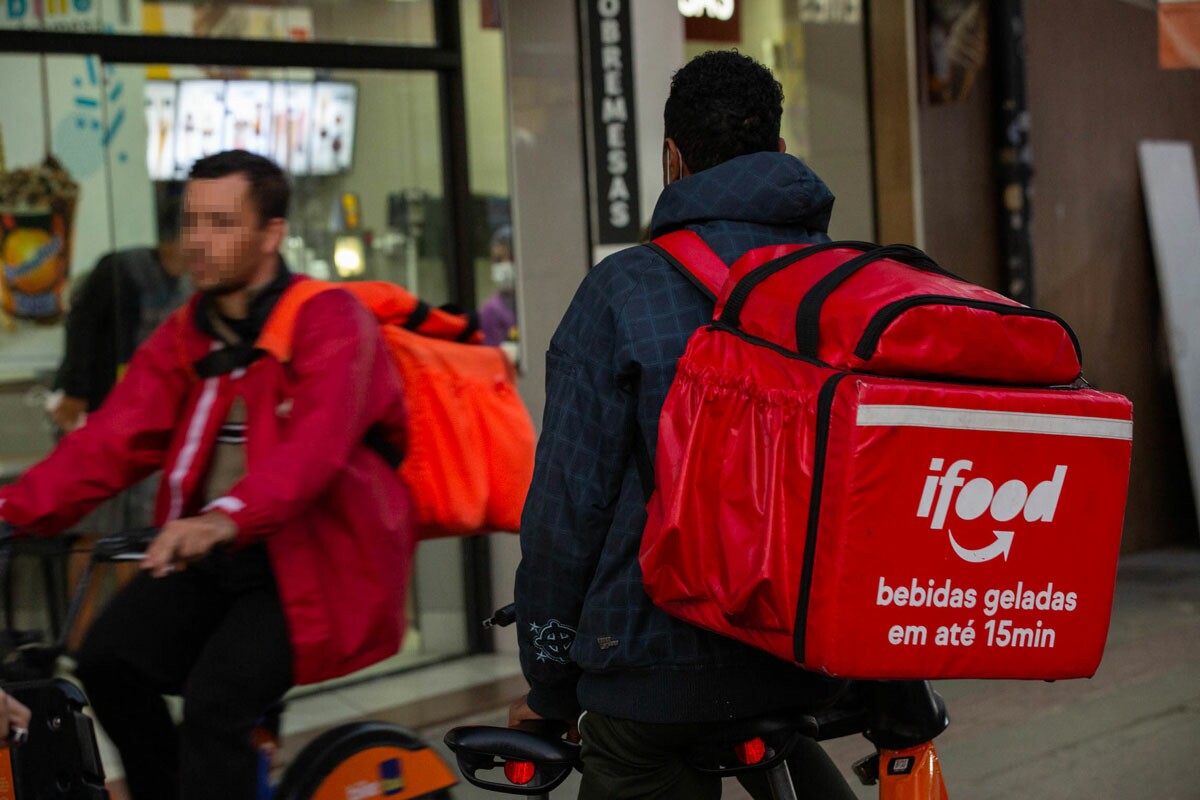
Em 16 de abril de 2021, um homem de colete preto circulava entre os entregadores do iFood que faziam greve em frente ao estádio do Pacaembu, em São Paulo. Tinha um adesivo no boné, outro no face shield, além de uma faixa de três metros de comprimento e pacotes de adesivos para distribuir. Todos diziam a mesma coisa: “vacina pros entregadores de aplicativo já”.

Parecia mais um motoboy, mas segundo a Agência Pública revelou, era um funcionário de uma agência de monitoramento digital a serviço de uma campanha contratada pelo iFood. A ideia da empresa era levantar a pauta das vacinas para esvaziar a reivindicação da greve. Funcionou: naquele dia, parte da imprensa noticiou que os entregadores pediam vacinas.

A cena abre “A máquina oculta de propaganda do iFood”, reportagem de Clarissa Levy para a Pública, de abril de 2022. Com base em mais de 30 documentos e em relatos de quem trabalhou no projeto, a apuração descreveu como as agências Benjamim Comunicação e Social QI (SQi) teriam operado, entre 2020 e 2021, uma propaganda “lado B” contra os “Breques dos Apps”.

Um documento de orientação resumia a regra: “NUNCA assinado como iFood para que ninguém desconfie”. Numa reunião gravada, obtida pela reportagem, publicitários da Benjamim avaliaram que a Não Breca Meu Trampo “cumpriu uma missão” ao enfraquecer Paulo Lima, o Galo, líder dos Entregadores Antifascistas. O iFood negou qualquer relação com a SQi e disse que não compactua com perfis falsos. As agências contestaram a reportagem à época.

iFood não pode interferir em greves de entregadores

Nesta semana, o caso chegou a uma nova etapa, conforme informou o Ministério Público Federal (MPF), nesta terça-feira, 29 de setembro. O iFood repassou R$ 3 milhões ao Conselho Nacional de Desenvolvimento Científico e Tecnológico (CNPq) para financiar pesquisas como parte de um Termo de Ajustamento de Conduta (TAC) que a empresa, a Benjamim e a SQi assinaram em 7 de julho de 2023 com o MPF e o Ministério Público do Trabalho (MPT) para encerrar três inquéritos abertos a partir da denúncia da Pública.

Apesar de ter aceitado o acordo, o iFood não reconhece as condutas e repete isso na página que mantém sobre o TAC: afirma que “não cometeu qualquer uma das condutas investigadas” e que assinou o TAC para evitar um processo “longo e desgastante”.

O TAC se divide em três eixos: satisfação, não repetição e compensação. Os dois primeiros, segundo o MPF, foram cumpridos “em larga medida”.

A declaração pública conjunta veio primeiro. Pelo registro do próprio iFood, saiu no site da empresa em 10 de julho de 2023, na página inicial da Folha de S.Paulo no dia 16 e, entre 18 de julho e 5 de agosto, em dias alternados, no Instagram, no Facebook e no Twitter.

Depois, veio a campanha sobre o direito à informação e a liberdade de expressão dos entregadores, com três meses de peças semanais nos perfis oficiais do iFood, criadas com a Benjamim e com alcance medido pela SQi. A proposta foi entregue aos procuradores em setembro de 2023. O MPF informa que a campanha foi realizada.

No eixo de não repetição, o iFood indicou três consultorias em direitos humanos em agosto de 2023. O MPF escolheu uma em outubro, e a contratação foi concluída em dezembro. Cabe à consultoria elaborar um programa interno para identificar riscos à transparência e à liberdade de expressão nas atividades da empresa, com relatórios semestrais ao MPF por dois anos. O MPF diz que a medida é inédita em TACs e que o programa segue “sob acompanhamento”. Por seis meses, o iFood também ficou proibido de anunciar suas próprias medidas de respeito ao direito de greve.

Outras obrigações não têm prazo para serem cumpridas. Perante o MPT, o iFood se comprometeu a não bloquear, suspender ou descredenciar entregadores por participação em greves ou sindicatos, a não usar “prepostos ou instrumentos tecnológicos” para interferir em manifestações e a não premiar quem deixar de aderir a paralisações. Benjamim e SQi assumiram compromissos semelhantes. Cada obrigação descumprida gera multa de R$ 50 mil por mês, até o limite de R$ 500 mil por ano.

Dinheiro vai para pesquisas sobre trabalho de entregadores e responsabilidade de plataformas

O eixo de compensação é o que se movimenta mais lentamente. O TAC fixou em R$ 6 milhões o valor que o iFood deve investir em pesquisas sobre três temas: relações de trabalho dos entregadores, mercado publicitário e responsabilidade das plataformas. O acordo não fixou prazo para a escolha de quem administraria o dinheiro, mas determinou que, feita a escolha, a transferência ocorreria em até 15 dias úteis. O primeiro repasse chegou três anos e dois meses após a assinatura e corresponde à metade do total.

O CNPq deve lançar, ainda neste semestre, a chamada pública para selecionar pesquisadores. Os projetos se dividem em duas frentes: regulação da publicidade e do marketing digital, e responsabilidade das plataformas diante de conteúdos falsos sobre saúde pública, meio ambiente e democracia. As pesquisas devem terminar até julho de 2030, com resultados públicos.

  •  

10 Caribbean Foods with Dark and Unexpected Histories

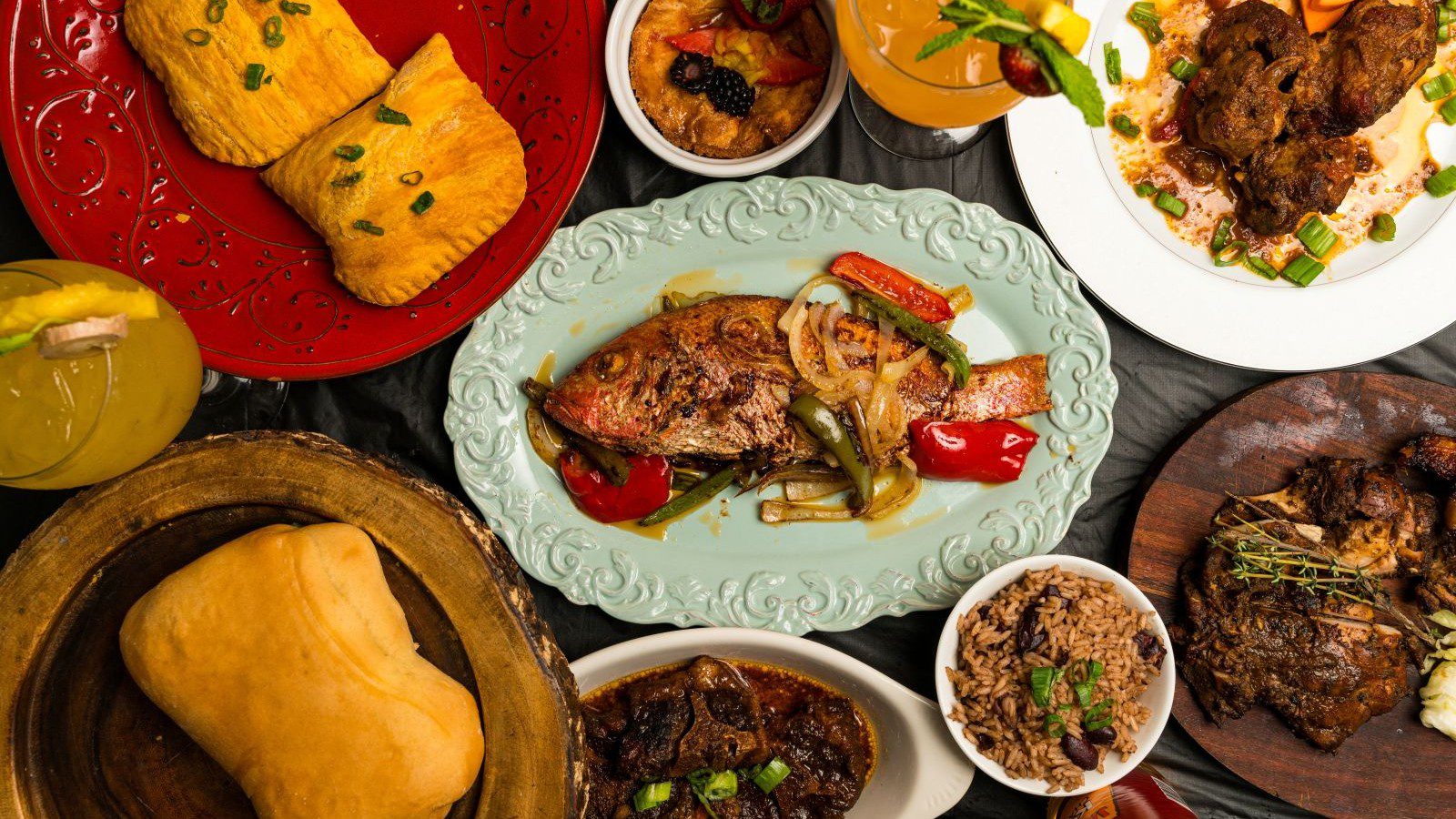
Caribbean food tends to come with good associations: Christmas tables crowded with black cake, jerk smoke drifting from roadside grills, roti wrapped around curry, and soup joumou appearing in enormous pots every New Year’s Day. The histories behind those dishes are considerably less comfortable. Caribbean cuisine took shape through Indigenous survival, European colonization, African enslavement, […]

The post 10 Caribbean Foods with Dark and Unexpected Histories appeared first on Listverse.

  •  

4,500 Years Before Nonstick Cookware, Bronze Age Syria Already Had Two Kinds of Pots and Seasoned Food With Resin

A team led by the National Museum of Denmark has worked out, for the first time, what people actually cooked in the pots of Hama, an ancient city in western Syria, roughly 4,500 years ago. By analyzing animal bones, plant remains, and fat residues absorbed into the vessel walls, the researchers found a surprisingly varied […]

  •  

A Bronze Age Tribe in Poland Was Already Eating a Cereal Brought from China before Tutankhamun was even born

Around 1590 BCE — more than 800 years before Rome was founded, and before Tutankhamun was even born — a small number of people in what is now southeastern Poland started eating a cereal that had never grown in their fields. It wasn’t a local crop, and it didn’t belong to any plant known elsewhere […]

  •  

This Bottle of Dijon Mustard from Costco is Crazy Hot. A Months-Long Investigation Revealed the Surprising Reason Why.

Jake Edmiston, a business reporter for the Toronto Star, thinks highly of his mustard chicken recipe. So when one batch goes over like a lead balloon, he checks his namesake ingredients and finds that his usual glass pot of Maille Dijon Originale is extraordinarily spicy—a fact he confirms, good reporter that he is, by conducting a blind test with a professional taster. In no time, Edmiston is on the floor of one of Canada’s largest mustard mills, trying to stay dry and avoid mustard dust burns(!), and peppering Unilever, Maille’s owner, with questions. This isn’t exactly a case for Benoit Blanc, but Edmiston’s investigation takes a few surprising turns and drops some serious knowledge on glucosinolates on the way. Every ingredient is in harmony here.

“Do a little dollop,” she said, then turned her back so I could do my work in secret.

I spooned the mustard from my jar onto a plate, and some from another jar of Maille I found in the grocery store that morning. She tried the sample from my jar first and sputtered a little. 

“It’s quite spicy,” she said.

I asked her how much spicier it was than the control jar. 

“Like, 10 times,” she said.

  •  

Archaeologists discover that the enigmatic Natufians, considered the first sedentary people of the Levant, habitually ate lizards and snakes

Around fifteen thousand years ago, the hunter-gatherer communities that populated the southern Levant experienced a radical transformation in their social and spatial organization. Those groups that until then had maintained a nomadic lifestyle, moving with the herds and the seasons, drastically reduced their mobility and established the first permanent settlements known in the region. This […]

  •  

The Longreads Questionnaire, Featuring Jaya Saxena

two-panel graphic with author Jaya Saxena on left and image that reads "The Longreads Questionnaire: Jaya Saxena" on right

I was sad last fall when I read and recommended Jaya Saxena’s final story for Eater. Saxena is a food writer the Longreads editors have followed for years, and a journalist I’ve always counted on for food writing that both informs and entertains; she goes deep on aspects of cuisine, dining, the restaurant industry, and food culture in a way that’s relatable and unpretentious. (She’s also the series editor of The Best American Food and Travel Writing anthology; you can preorder the 2026 edition now.) So I was glad to hear, earlier this year, that Saxena and other former Eater writers were cooking up something new.

That something is Ravenous, a worker-owned, subscriber-supported food and culture site founded by Saxena, Amy McCarthy, Ashok Selvam, Courtney E. Smith, and Frances Dumlao. The five journalists are “sick and tired of the conversation around food being reduced to AI-generated pablum, ‘best of’ lists, and influencer-driven trends,” and are building a home for the kind of thoughtful, curious reporting that’s become harder to publish in a broken media landscape. Or, as they put it: food media with teeth.

Next week, Ravenous launches a monthlong fundraiser, so now is the perfect time to support the site. Seven dollars a month, or $70 a year, gets you access to everything they publish; higher-tier plans come with more perks. (Sign up for the Regular plan—$25 a month, or $250 a year—and you get to give the Ravenous raven a nickname, which they include in their Sunday newsletters.)

If anyone can build a publication around engaging, relevant food reporting and storytelling, it’s Saxena and this crew. Have a look around Ravenous and consider subscribing. But be warned: Don’t browse when you’re hungry.

—Cheri Lucas Rowlands


Where did you grow up?

I was born and raised in New York City, and aside from a brief stint in New Orleans for college, I’m still here. Except now I’m over in Queens instead of my hometown of Manhattan.

What places feel like home?

Aside from my actual apartment and the one I grew up in: Various NYC beaches, the backyard of my local bar, a punk show, Ray’s Pizza & Bagel Cafe on St. Mark’s Place, and one specific rock in Central Park.

Other than family members, who or what has shaped you the most?

For high school I went to a Quaker school in Manhattan, and though I don’t consider myself religious in any way, Quaker values began shaping my future politics then. It’s where I first started learning about the value of consensus-based community decision making, and given that this was in the early 2000s, anti-war and anti-violence politics. I even remember a teacher making the case that cars should be banned in Manhattan. It was a big influence on my politics and value systems.

What is your favorite time of day?

To work, right after I wake up, around 8 a.m., when my mind hasn’t filled with the noise of the day. Otherwise, early evening when it’s still light out, and everything is just beginning.

What are you really good at?

Untangling necklaces.

What’s the best gift you’ve ever received?

One year my wife bought me a Cameo of the cow from First Cow, whose handler fed her a treat in my honor. The video is one of my most prized possessions.

Describe your favorite meal.

Of course as a food writer this is tripping me up, because are we talking about a single great meal I’ve experienced, or a dish I could eat every day? If it’s the former, it’s the time my wife and I walked into a random seafood counter in Valencia, Spain, and spent the night eating sardines in garlic oil and sparkling wine from ceramic cups. If it’s the latter, my mom’s mac and cheese.

Sound or silence? (And if sound, what sound?)

I’m a city kid, so too much silence scares me. I need the background noise of people on the street to get anything done.

Where do you do your best thinking?

In the shower or walking around listening to music.

What journey—physical, creative, intellectual, or otherwise—has meant the most to you?

In 2018, my wife and I traveled with my dad to his hometown in India. It was the first time he had been back since before I was born, and being able to experience that with him was so important. We also ate absolutely the best kebab I’ve ever had in my life. Maybe I should have put that as my favorite meal.

Where do you like to read?

On the subway.

What’s the last rabbit hole you disappeared into?

My friend recently introduced me to the case of Judy Smith, a woman who went missing during a trip to Philadelphia and was discovered murdered in the woods outside Asheville, North Carolina. I have now spent a lot of time reading conspiracies about what happened to her.

Name three publications you enjoy reading these days.

Defector has fantastic culture coverage, I love every issue Cake Zine puts out, and some of the best money I’ve spent recently is on the monthly print issue of The Onion. 

What’s one longread that you can’t stop thinking about?

This piece in The New Yorker by Lauren Collins about El Mordjene, an Algerian hazelnut spread that white French people are being very racist about. It’s just such a good exploration of how something innocuous becomes the center of a culture war. I was also thrilled to find the spread at an Egyptian grocer in my neighborhood, and sorry white French people, it is better than Nutella.

What was the last book you read?

I had somehow never read Interview With the Vampire by Anne Rice, but after watching the TV series my friends and I decided to read it together. 

What piece of nonfiction are you most proud of writing?

“The Food That Makes You Gay,” for Eater. I had editors that really trusted me to follow my instincts, and I managed to thread together some things I had an inkling were related. I’m also just glad I could get a full throated defense of bodily autonomy and the right to change one’s body in a piece that started out talking about straight men being afraid to eat bananas in public.

What’s your most reliable way to get creatively unstuck?

Walk away from the computer. I just need to do something else, anything else, for a while.

Who’s a writer you turn to when you need some inspiration?

Reading just about anything will definitely help me, but I love Helen Rosner’s food writing. And I tend to listen to a lot of music when I need inspiration, so as far as lyricists go, probably Aimee Mann, Fiona Apple, Joni Mitchell, Prince, and Paul Simon.

What words do you overuse?

I write pretty conversationally, so I sprinkle in a lot of “just” and “of course” and “perhaps” that I usually have to go back and delete.

What’s your favorite guilty pleasure?

I am a firm believer that there is no such thing as a “guilty” pleasure (unless it’s like, continuing to read Harry Potter after J.K. Rowling has made it clear that doing so supports her transphobic work). No one should feel guilty about doing something that brings them joy. But in terms of indulgences that make little sense to others, I love a Hershey’s Cookies ‘N’ Creme bar.

What superpower would you like to have? 

Generously, the power to instantly heal others. Selfishly, the power to have three cocktails and sleep through the night.

What animal or nonhuman being do you most identify with?

Any time I see a photo of a magpie standing on its nest made of shiny, pretty things, that’s me.

If you have a free solitary hour in your day, what do you typically do?

Unfortunately, I’m probably looking on my phone. I have a very dumb “project” where I am trying to train my Instagram algorithm to show me the absolute worst videos out there. But I am trying to get better about doing things like taking a walk to the river, or practicing a new hobby (my latest one is trying to learn some card tricks).

What five items would you place in a time capsule?

A copy of The God of Small Things by Arundhati Roy, a bootleg Knicks champion shirt, a fortune teller fish, a bottle of 4711 cologne, and a DVD of Velvet Goldmine.

What does your writing space look like?

You should know for this photo I am standing directly against my bed, which my cats sit on all day and scream at me from. You should also know half the time I’m not even here, and instead writing with my laptop on the couch.


Jaya Saxena is an IACP Award-winning, James Beard Award-nominated writer and editor, and a lifelong New Yorker. She enjoys covering the intersections of food and immigration, business, history, policy, queerness, and just about every way we use food to say something about ourselves. She is the series editor for The Best American Food and Travel Writing. Her work has appeared in Eater, Slate, Gourmet, GQ, The New York Times, Defector, and more. You can email her at jaya@weareravenous.com.


  •  

Why Greeks speak of “orphan” or “married” food?

What do Greeks mean when they speak of food dishes as “orphans” or “married”? As the month of August is practically and eagerly seeking for light news this is a good opportunity to enlighten my non-Greek audience about critical descriptions in the popular terminology of the Greek Food Culture. Both “orphans” and “married” refer to […]

The post Why Greeks speak of “orphan” or “married” food? appeared first on Keep Talking Greece.

  •  

NGTs: Europe legalizes a new generation of GMOs

OGM (DR)

OGM (DR)

On June 17, 2026, the European Parliament formally adopted regulations governing “New Genomic Techniques” (NGTs), marking a major turning point for European agriculture.

The decision paves the way for a new generation of genetically modified crops capable of withstanding drought and disease, but it has also raised legitimate concerns about the privatization of living organisms and potential environmental risks. The debate has divided the continent, pitting supporters of technological innovation against advocates of traditional farming.

What are NGTs and how do they differ from traditional GMOs?

NGTs, or New Genomic Techniques, represent a significant advance in plant genome editing. Unlike first-generation genetically modified organisms, which involve introducing foreign DNA from different species, NGTs operate on a fundamentally different principle.
These techniques allow scientists to modify a plant’s genome using only genes originating from the same species. For example, it may now be possible to make a tomato more resistant to aphids by transferring a gene from another naturally resistant tomato variety. Although these plants are technically genetically modified organisms, seeds produced through NGTs are not transgenic—a distinction that plays a key role in European regulations.

Two categories of NGTs and different regulatory standards

The compromise negotiated by the European Commission and member states established a two-tier classification system. Category 1 NGTs, involving a limited number of naturally occurring mutations, will be treated as equivalent to conventional varieties and will benefit from partial deregulation.
By contrast, NGTs engineered for herbicide resistance or designed to produce insecticides will not be authorized for commercial use, in the interest of sustainability and environmental protection.
Another major restriction is that no NGT crops will be allowed in organic farming, creating a clear divide between agricultural production using these technologies and certified organic agriculture.

European agriculture confronts climate challenges

Supporters of NGTs—including major farming organizations such as Copa-Cogeca and leading European seed companies—argue that these technologies are essential for maintaining competitiveness and adapting to climate change. NGTs could significantly accelerate the development of crop varieties capable of tolerating severe drought and extreme heat, both of which are becoming increasingly common across Europe.
For some farmers, particularly in the French Caribbean territories, NGTs offer a practical solution to existing plant diseases. Banana plantations, for example, have been devastated by black Sigatoka, a destructive fungal disease against which NGTs could provide natural resistance. Such practical applications have helped mobilize support within the agricultural sector for the new regulations.
Advocates also emphasize that the European Union is creating a “sovereign European model” distinct from those of the United States and Brazil, with specific safeguards governing approved techniques and strict oversight of the sector.

Environmental concerns and the privatization of life

Critics of NGTs raise fundamental concerns about agricultural sustainability and intellectual property rights. According to opponents, the safety of NGTs for human health and the environment has not been sufficiently established through democratic processes. They are calling for mandatory traceability and a ban on patenting living organisms.
Farmers’ unions such as the Confédération Paysanne view NGTs as a “Trojan horse” for major seed and agrochemical corporations. Their primary concern is the gradual monopolization of seeds by a handful of agribusiness giants, forcing smaller seed companies and farmers to pay licensing fees. Critics argue that such a trend could accelerate crop uniformity and reduce agricultural biodiversity.
They also warn that increasing corporate control over genetic resources could marginalize small farmers and undermine their autonomy. Thomas Gibert, a market gardener in Haute-Vienne and spokesperson for the Confédération Paysanne, has described the issue as a “major risk” involving the “privatization” of life driven by the “ultra-powerful agribusiness lobby.”

The european parliament’s decision-making process

The European Parliament approved the NGT regulation on June 17, 2026, after rejecting all amendments proposed by Green and Socialist lawmakers. These amendments sought to make traceability mandatory and prohibit patent protection for NGTs, two measures strongly supported by left-wing parties and environmental groups.
The legislation ultimately received broad political support, ranging from the centrist Renew group to the far right, with backing from the European People’s Party. This unusual coalition illustrates how NGTs have transcended traditional political divisions, bringing together pro-competitiveness forces around a technological agenda.
Centrist Member of the European Parliament Pascal Canfin defended the measure, saying, “We have created a sovereign European model for new genomic techniques that will serve our farmers,” underscoring Europe’s geopolitical ambitions in the face of global agricultural powers.

Scientific assessments and the timeline for market introduction

The European Food Safety Authority (EFSA) endorsed the European Commission’s approach to authorizing NGTs. However, other scientific bodies have adopted a more cautious stance. In 2024, France’s National Agency for Food, Environmental and Occupational Health Safety (ANSES) recommended case-by-case evaluations of potential health and environmental risks before any products are marketed.
These differing approaches reflect the lack of a complete scientific consensus regarding the long-term implications of NGTs. Despite the swift adoption of the legislation, several years are expected to pass before foods produced using NGTs actually reach European consumers. The interval between the testing of new varieties and their commercial release will remain substantial.

Balancing innovation and caution

The legalization of NGTs marks a significant shift in Europe’s agricultural strategy in response to climate change and increasing global competition. Yet the move also highlights unresolved tensions between the drive for technological innovation and legitimate concerns regarding the environment, public health, and the concentration of economic power within the food sector.
The challenge now lies in the practical implementation of the NGT regulations. Safeguards such as the prohibition of herbicide-resistant NGTs and their exclusion from organic farming represent important protective measures. Nevertheless, the issue of mandatory traceability remains highly controversial, with major implications for consumer transparency and the protection of small farmers’ interests.
Ultimately, the success or failure of Europe’s NGT experiment will depend largely on the ability of regulators to ensure rigorous oversight, maintain transparent communication with the public, and continuously adapt regulations in light of emerging scientific evidence. Europe has embarked on a narrow path between necessary technological innovation and the precautionary principles that have long defined its approach.

L’article NGTs: Europe legalizes a new generation of GMOs est apparu en premier sur FrenchDailyNews.

  •  

In the Age of AI, the Analog Restaurant Feels Radical

For Eater, Bettina Makalintal reports on a refreshing trend in the restaurant industry: businesses embracing lo-fi, handwritten communications and announcements in response to the ceaseless AI slop we’re served across social media these days. From a grocery store’s hand-illustrated flyers to a burger joint’s Sharpie-scribbled menu specials, restaurants are choosing advertising with a human touch and rejecting polished AI-generated graphics.

It’s hard to think of a path of more friction than choosing to run a restaurant; why add even more friction to that? In these conditions, yes, it costs more to hire a photographer to promote your new menu than to generate one with AI, but it’s also increasingly clear that many people would rather see a badly taken, lo-fi photo than an engineered AI image. For one thing, it feels like a reflection of one’s values. To me, a restaurant that employs AI art is capitulating to the culture of slop, akin to reheating premade food from Sysco. It’s impossible to square with a value system that cares about craft and integrity.

  •  

Gassed Up

Before I read this piece, all I knew about tomatoes was that homegrown tastes infinitely better than store-bought. For Offrange, Mitch Hagney educated me on how tomatoes ripen naturally and unnaturally, and how Big Tomato forces the issue in huge warehouses by pumping in ethylene gas. It might just inspire you to grow your own.

Tomatoes are climacteric fruits, like bananas, avocados, and mangos, which means they can be harvested unripe and complete the process later. Ethylene sends the hormonal signal to ripen. When that process happens naturally, cells near its seeds start producing the gas and it diffuses outward through the fruit. Each cell the gas reaches begins its own production, and the cascade softens the flesh and the tomato turns red from the inside out. That allows the fruit to be picked much greener, shipped far, and then ripened when they’re close to their eater.

To do it artificially isn’t complicated, but it is expensive. Ethylene floods the room at carefully calibrated amounts, and the operator compresses what might take weeks into five days. Sensors log temperature, humidity, and gas concentrations around the clock. The tomato turns red from the outside in.

  •  
❌