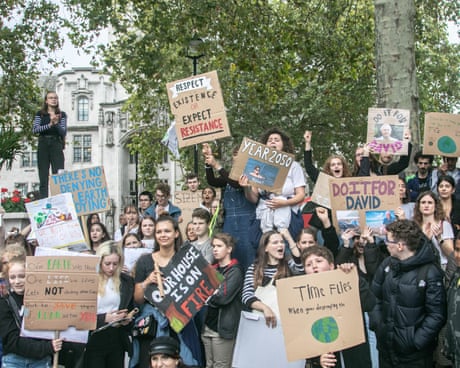
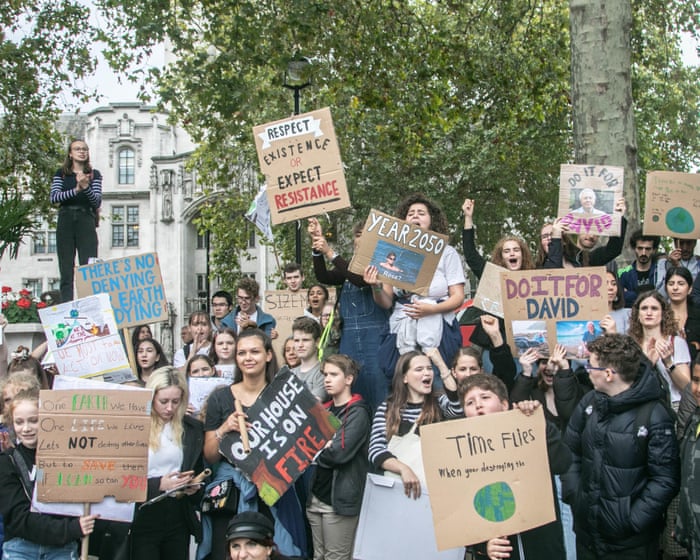
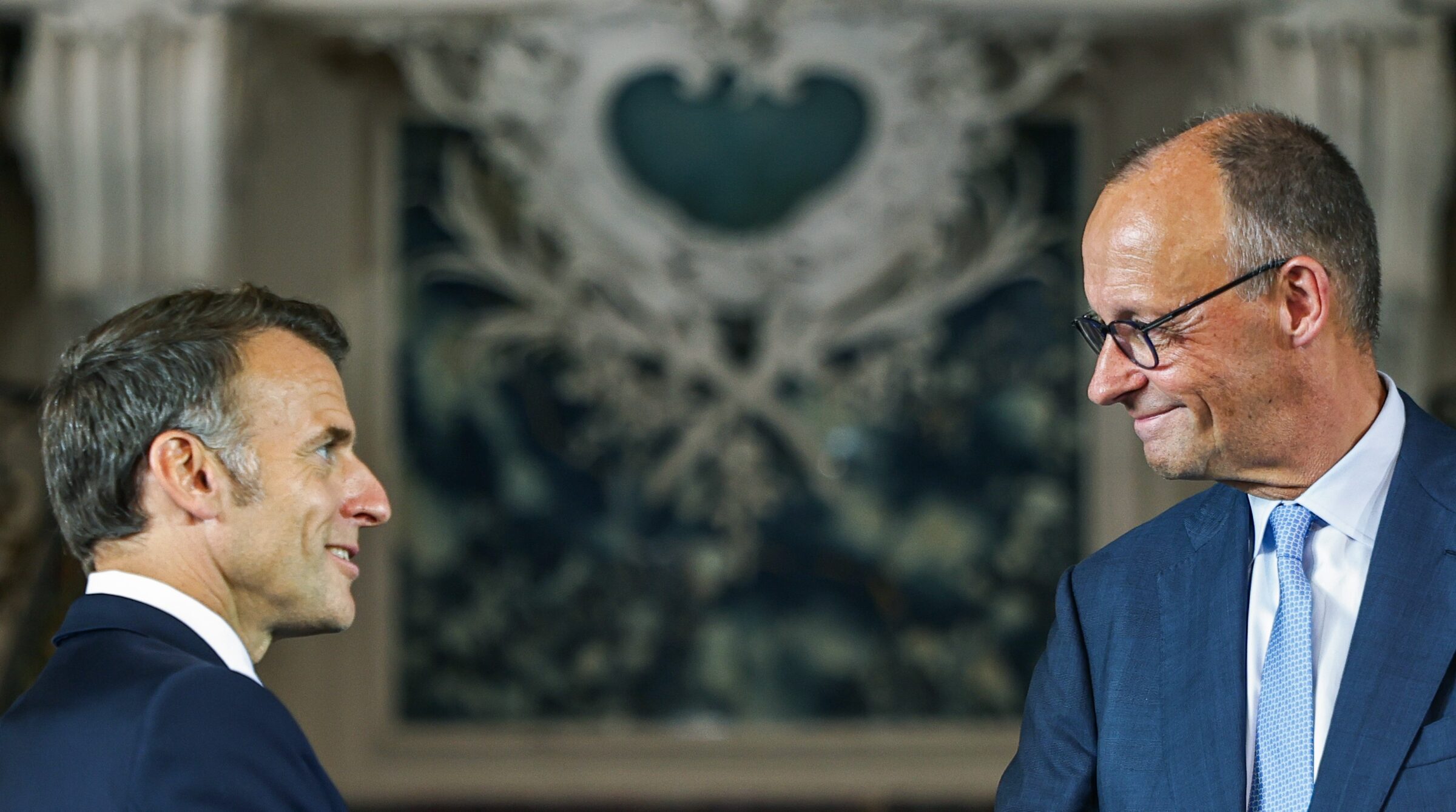
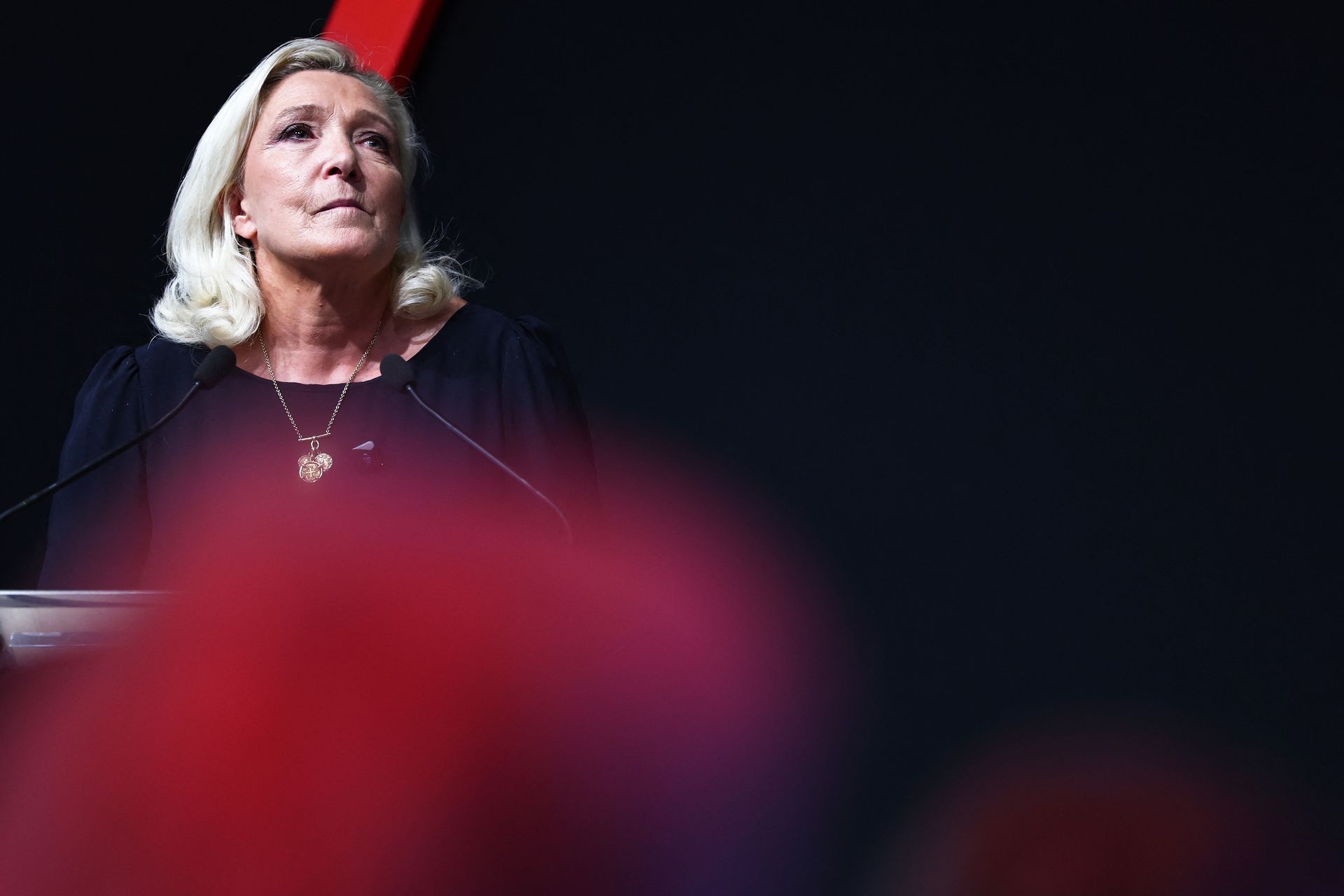
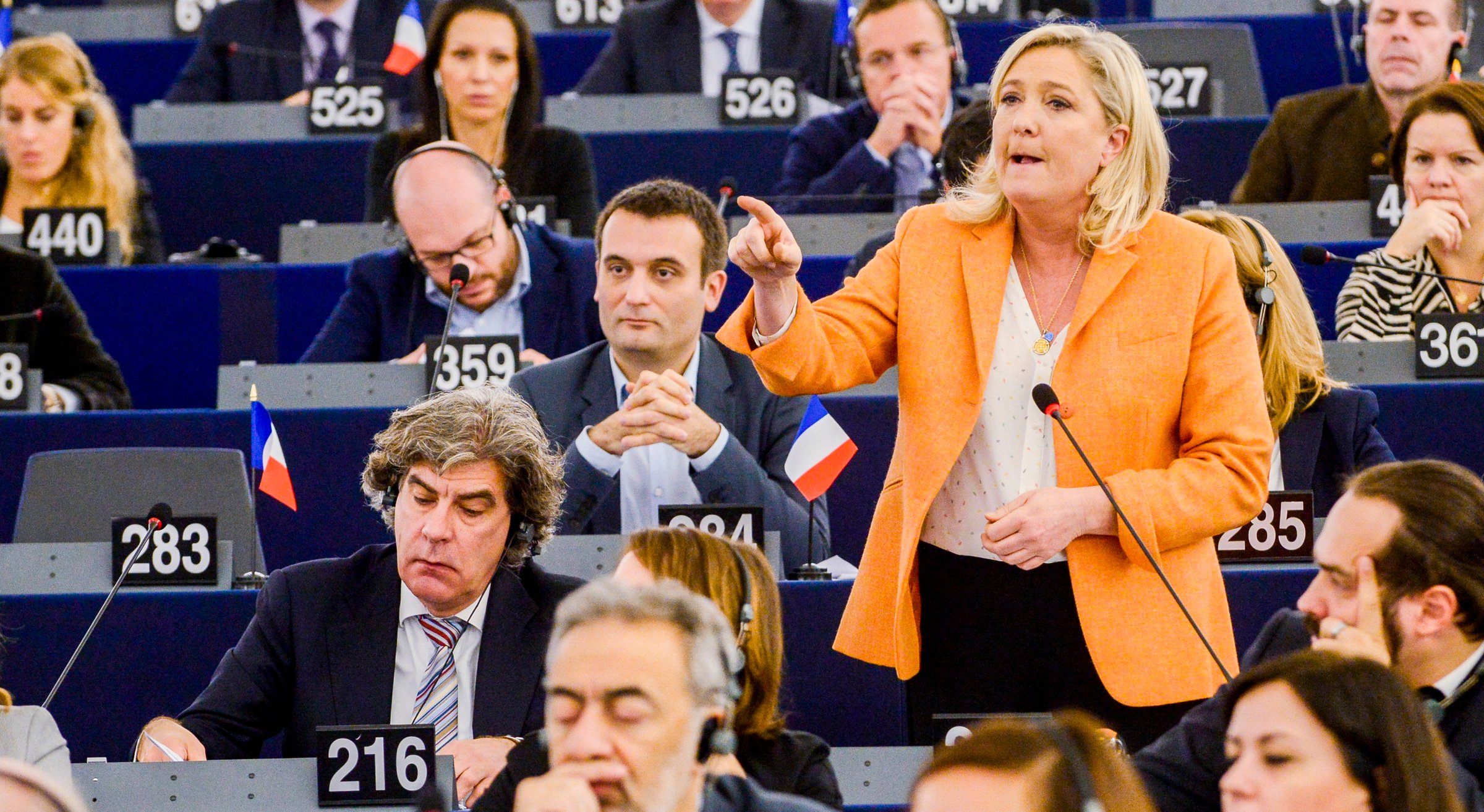
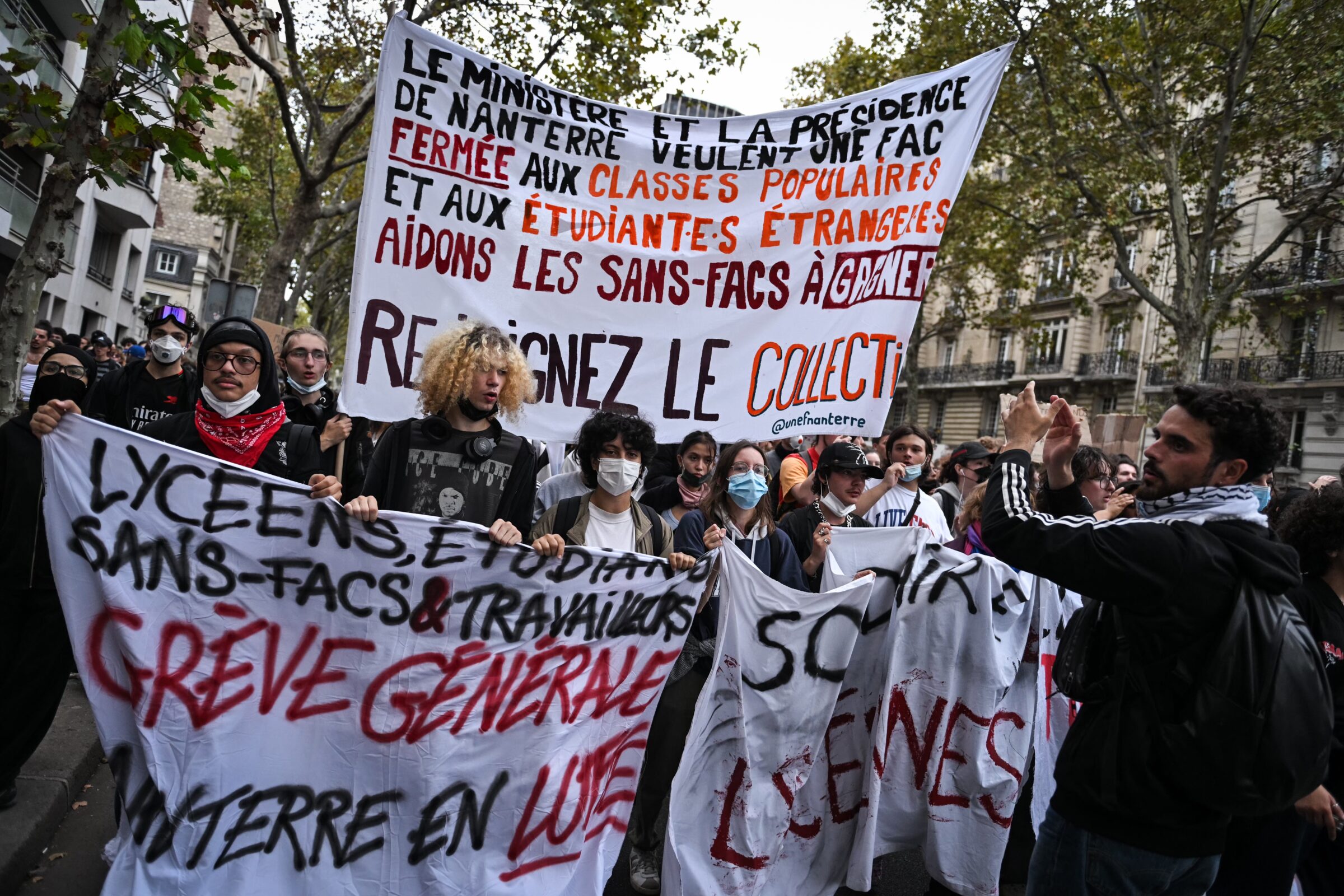
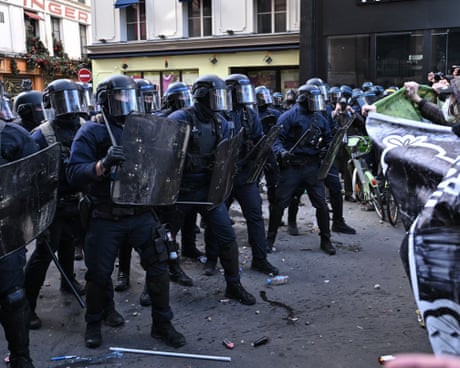
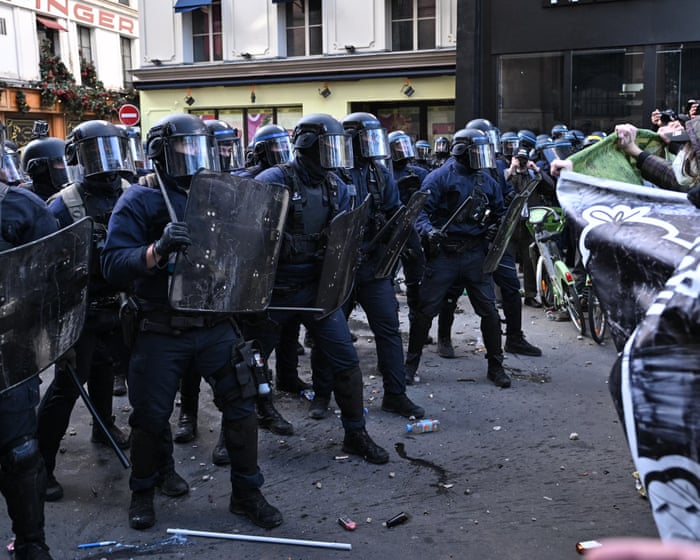
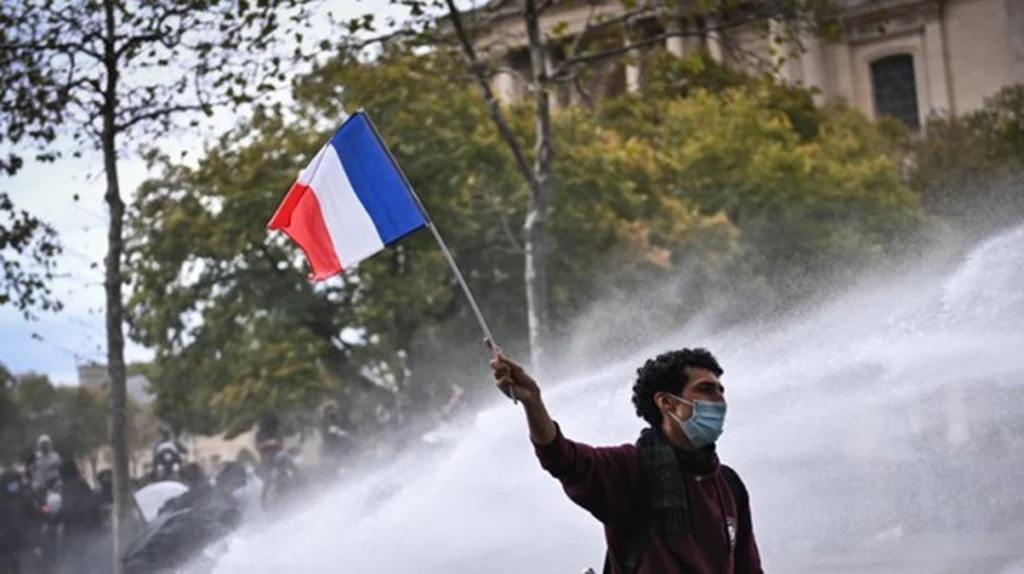
Quelque 200 000 manifestants sont attendus par les autorités samedi 17 octobre, à six mois de la présidentielle, dans toute la France pour protester contre la vie chère et demander davantage de moyens pour l'éducation, le président Emmanuel Macron appelant de son côté « au calme » face au risque de débordements.
The Saudi kingdom is facing the danger of collapse from soaring war costs as Yemeni air strikes ramp up, hitting its northern neighbor’s capital and industrial centers with impunity.
Yemeni journalist Hussein al-Bukhaiti says the corruption and arrogance of the “House of Evil” is culminating in historic defeat. Its U.S. patron seems unable to avert the coming collapse.
Despite decades of the U.S. selling weapons worth hundreds of billions of dollars to the Saudi rulers, the regime seems shockingly exposed, with no viable defenses. Yemen’s missiles are striking Saudi Arabia at will. The panicky rulers are pleading with the United States and Europe for help.
Yemen’s armed forces are taking the war to Saudi Arabia, striking its airports, imposing a no-fly zone over the entire state and shutting down its vital oil industry.
“The Saudis cannot stop our drones and hypersonic missiles… we are taking the war to them,” says Sanaa-based Hussain al-Bukhaiti.
With no oil exports, Al-Bukhaiti reckons the Saudi rulers are facing an existential nemesis. Many observers have long predicted that the autocratic Saudi kingdom, created by the British Empire, is awaiting downfall from its ossified and family-run power structure.
Speaking from the Yemeni capital, Sanaa, Hussain al-Bukhaiti described the Saudi monarchy as “a house of glass” that is now being shattered by air strikes that cannot be defended against.
“Yemen did not want this war, but we are bringing the fire back to Saudi Arabia.”
Western politicians and media are portraying the conflict between the two Arab Peninsula countries as being caused by recent aggression from the Ansar Allah-led Yemeni government.
Saudi Arabia’s King Khalid international airport was attacked on October 10 with ballistic missiles that killed several people. Other Saudi airports have also been hit. This has led international airlines to suspend flights.
The state-owned Aramco oil industry has also been blasted with missiles. Fires are raging at major facilities, including at the main base of operations in Dammam on the Persian Gulf coast.
Following the missile strike on Riyadh airport at the weekend, U.S. President Donald Trump and all European leaders condemned an “act of terrorism” by Yemen.
Hussain al-Bukhaiti pointed out the gross hypocrisy of European governments not condemning the thousands of Saudi air strikes on Yemen that have occurred since 2015. These governments still remain silent about the ongoing Saudi atrocities against Yemeni civilians. The European Union even declares “solidarity” with Saudi Arabia.
The Saudi monarchy, led by Crown Prince Mohammed bin Salman, started the war with unprovoked attacks in March 2015. The aggression was enabled by the United States, Britain, and France supplying warplanes, bombs, and intelligence.
These Western powers continue to arm and direct the Saudi regime in its war against Yemen.
Since 2015, there have been thousands of Western-backed air strikes on Yemen, resulting in more than 20,000 mainly civilian deaths.
“They hit everything, schools, hospitals, water-treatment plants, farms, homes, wedding and funeral halls,” says Al-Bukhaiti.
In addition, over 400,000 Yemenis have died from starvation and diseases caused by a blockade on the country imposed by Saudi Arabia and its Western backers for over 10 years.
He says the war reignited in July 2026 after the Saudis broke a four-year truce signed in 2022 by bombing Sanaa international airport. There was no condemnation by Europe of the Saudi violation then.
What Yemen is doing to Saudi Arabia now is but a taste of what the House of Saud inflicted on Yemenis since 2015 with Western support.
The Yemenis this week rejected a reported Saudi proposal for a short-term truce because they see it as just a ploy by the Saudis for rearming and regrouping in a losing situation.
For the war to end, Saudi Arabia must respect Yemen’s sovereignty and stop interfering in its internal affairs.
However, Hussain al-Bukhaiti thinks that the United States will double down and escalate its military involvement in Yemen with a full-blown war. This is not primarily to support the Saudi monarchy, he believes, but rather to prop up the Israeli regime.
Yemen has inflicted huge damage on the Israeli state since it intensified the genocide against Palestinians in October 2023. Yemeni air strikes have repeatedly struck Tel Aviv despite American air defenses.
An expanded U.S. war in Yemen might seem surprising given that Trump has made such a mess of his reckless aggression against Iran and may not have the military forces at his disposal.
But Al-Bukhaiti believes the issue is beyond Trump’s choice. Washington is locked in with the Zionist regime and will do whatever it takes to salvage Israel from defeat. Yemen represents the biggest threat to Israel from the cutting off of its shipping in the Red Sea.
“We are ready for the war that is coming,” he warns.
French authorities are preparing for hundreds of demonstrations on Saturday, 17 October, as student unrest converges with protests over living costs, public spending and government policy. Up to 40,000 demonstrators are expected in Paris, where police and organisers remain divided over march routes.
France is preparing for a nationwide wave of demonstrations on Saturday, 17 October, with approximately 500 protest actions under consideration and more than 90 marches being organised, according to the Interior Ministry. The mobilisation brings together high-school students, trade unions, farmers and supporters of the Yellow Vest movement, raising the prospect of further confrontation after nearly a month of unrest.
Police estimates suggest that around 40,000 demonstrators could gather in Paris, with approximately 150,000 more expected elsewhere in France. The figures remain preliminary, while authorities warn that some protests could involve road blockades, disruption to essential infrastructure and violent clashes.
Interior Minister Laurent Nuñez initially outlined preparations for 250 gatherings and 80 marches on Friday morning. Subsequent assessments from his office indicated that as many as 500 actions were being considered, although not all had been formally organised.
Paris Faces Dispute Over Demonstration Routes
The authorities are particularly concerned about developments in the capital, where negotiations between police and protest organisers have failed to produce agreement over the proposed routes.
Paris police prefect Patrice Faure has rejected proposals for marches terminating near the Opéra district or Place de la Concorde, citing security concerns surrounding central government institutions.
According to details of the security preparations, police have proposed an alternative route between Place de la Bastille and Place de Clichy. The CGT trade union and climate campaigners have accepted the proposal, but student organisations and Yellow Vest representatives continue to oppose it.
Prime Minister Sébastien Lecornu has convened an interministerial crisis unit to coordinate the government’s response. Security officials have warned that attempts to obstruct major transport routes or critical infrastructure will not be tolerated.
The Interior Ministry has also indicated that stun grenades, whose use was suspended during the student protests, could again be deployed in cases of particularly serious urban violence.
Yellow Vests Return Amid Rising Living Costs
Saturday’s demonstrations are being promoted as a revival of the Yellow Vest movement, which emerged in 2018 following opposition to fuel taxation before developing into a broader protest against living costs, economic inequality and government policy.
The latest mobilisation has gathered support from organisations demanding measures to address rising fuel, energy and food prices. Campaigners are also challenging the government’s proposed 2027 budget and its implications for public services.
The agricultural union Confédération paysanne has called on farmers to join the demonstrations, arguing that rising agricultural fuel costs and deteriorating conditions in rural communities have increased pressure on producers.
The union has also linked its demands to environmental policy, public-service provision and access to affordable food.
The CGT, student unions and climate organisations have similarly expressed support for the protests, while political backing has come from La France Insoumise and the French Communist Party.
Student Protests Enter Their Fourth Week
The mobilisation follows weeks of demonstrations involving secondary-school pupils, teachers and public-sector workers. What began as protests over shortages of teachers, overcrowded classrooms and deteriorating school buildings has developed into a nationwide confrontation over education policy and policing.
As EU Today previously reported, between 400 and 500 secondary schools faced partial or complete disruption earlier this month as students organised blockades and demonstrations.
The movement has subsequently expanded beyond its original educational demands, with student organisations raising concerns about university admissions procedures, police tactics and government spending priorities.
The scale of the unrest has placed considerable pressure on French authorities. According to figures from the Justice Ministry, 6,877 people were placed in police custody during the protests between late September and 8 October, approximately 86 per cent of them minors.
Violence during the demonstrations has resulted in injuries among police officers, students and educational staff. Clashes on 8 October led to 504 arrests and injuries to 48 police officers, according to Interior Ministry figures.
Education Minister Édouard Geffray has announced emergency measures to address teacher shortages, including the deployment of replacement teachers. The ministry says 2,000 of the 3,000 promised replacements have already been assigned, but student organisations maintain that the measures are insufficient.
Growing Pressure on the French Government
The planned demonstrations come as France faces a difficult debate over public spending, taxation and the 2027 budget. Lecornu’s government must balance demands for higher salaries and increased investment in education against mounting pressure to reduce the deficit.
France’s deteriorating public finances have already attracted scrutiny from eurozone partners, while domestic opposition to spending restraint has become a central issue ahead of the 2027 presidential election.
The convergence of student organisations, trade unions and Yellow Vest campaigners could broaden the protests beyond the education sector, particularly if demonstrations over living costs attract participants who have not joined the recent school protests.
However, the extent of that mobilisation remains uncertain. Online protest maps contain substantially more proposed actions than the authorities’ estimates, and participation figures will not be established until Saturday.
For the government, the immediate test will be whether the demonstrations remain peaceful and whether the authorities can prevent disruption to transport networks and public services without provoking further confrontations with protesters.
Pete Crockett says the history of British education is not simply one of children dutifully accepting adult instruction, while Simon Dawson saysKitty Sayersmisses the mark when describing English attitudes. Plus a letter from Kevin Donnelly
At Marlborough college, troops were once summoned to dislodge rebellious pupils occupying an island in the school grounds. In the late 1700s, Winchester college experienced several rebellions.
France and Germany want more detailed “Made in Europe” rules for electric cars, and want them split off from the rest of the EU’s flagship industrial law.
The Franco-German deal, agreed after months of haggling on the margins of the EU summit in Brussels late on Thursday (15 October), says both files should then be adopted “as fast as possible and simultaneously”.
That would split the most fought-over part from the rest of the Industrial Accelerator Act (IAA), which also sets “Made in EU” and low-carbon requirements for steel, cement, aluminium and clean-tech products such as batteries and solar panels.
Paris hopes the new car definition will serve as a benchmark for the rest of the IAA, which sets “Made in Europe” rules for steel, cement, aluminium and clean energy technologies.
But this still has to be negotiated with other member states, people familiar with the talks said.
“We are driven by a clear ambition: to successfully transform our automotive industry while upholding our climate goals and our production in Europe,” said French president Emmanuel Macron on social media, announcing the deal.
“This is an investment signal to industry,” said German chancellor Friedrich Merz.
Made in Europe
The paper comes as Ireland, which holds the EU’s rotating six-month presidency, is wrapping up a third compromise text on the industrial plan, which Irish officials hope will reach final agreement by mid November.
Publicly, Paris and Berlin said on Friday that their car deal will not affect climate targets and that their course “remains unchanged”.
But the paper behind the deal shows the trade-off that’s been made. Berlin accepted France’s demand for stricter “Made in Europe” rules that apply to fewer countries, while Paris agreed to looser emission rules for carmakers, as Germany had wanted.
To count as “Made in Europe”, a car would have to clear thresholds that tighten over time, and only cars meeting these rules could be bought, leased or rented with public subsidies, or bought by public authorities.
From 2028, the car must be assembled in Europe, with at least 70 percent of total value creation in components – excluding the battery.
This article continues, but the full version is available only to EUobserver.com subscribers. Visit account.euobserver.com/membership
Proclamant avoir été élu pour les réformes qu'il préconise, et non contre l'extrême droite, le président de la République française entend déréglementer un peu plus le marché du travail. Devant la montée de la contestation dans la rue, même les syndicats les plus proches du pouvoir jugent le projet déséquilibré au détriment des salariés. Adapter le droit aux nouvelles formes d'organisation du travail en prenant réellement en compte les aspirations humaines conduirait à de tout autres réformes.
Marylin Cavin. – « La Marche circulaire des mutations », 2010
Il faudrait être aveugle pour disconvenir de la nécessité d'une profonde réforme du droit du travail. Toujours, dans l'histoire de l'humanité, les mutations techniques ont entraîné une refonte des institutions. Ce fut le cas des précédentes révolutions industrielles, qui, après avoir bouleversé l'ordre ancien du monde en ouvrant les vannes de la prolétarisation, de la colonisation et de l'industrialisation de la guerre et des massacres, entraînèrent la refonte des institutions internationales et l'invention de l'État social. La période de paix intérieure et de prospérité qu'ont connue les pays européens après guerre est à mettre au crédit de cette nouvelle figure de l'État et des trois piliers sur lesquels il reposait : des services publics intègres et efficaces, une Sécurité sociale étendue à toute la population et un droit du travail attachant à l'emploi un statut garantissant aux salariés un minimum de protection.
Nées de la seconde révolution industrielle, ces institutions sont aujourd'hui déstabilisées et remises en cause. Elles le sont par les politiques néolibérales, qui entretiennent une course internationale au moins-disant social, fiscal et écologique. Elles le sont aussi par la révolution informatique, qui fait passer le monde du travail de l'âge de la main-d'œuvre à celui du « cerveau d'œuvre (1) », c'est-à-dire du travailleur « branché » : on n'attend plus qu'il obéisse mécaniquement à des ordres, mais on exige qu'il réalise les objectifs assignés en réagissant en temps réel aux signaux qui lui parviennent. Ces facteurs politiques et techniques se conjuguent en pratique. Il ne faut cependant pas les confondre, car le néolibéralisme est un choix politique réversible tandis que la révolution informatique est un fait irréversible, susceptible de servir des fins politiques différentes.
Cette mutation technique, qui alimente les débats actuels sur la robotisation, la fin du travail ou l'uberisation, peut tout aussi bien aggraver la déshumanisation du travail engagée sous le taylorisme que permettre l'établissement d'un « régime de travail réellement humain », comme le prévoit la Constitution de l'Organisation internationale du travail (OIT), c'est-à-dire un travail procurant à ceux qui l'exercent « la satisfaction de donner toute la mesure de leur habileté et de leurs connaissances et de contribuer le mieux au bien-être commun (2) ». Un tel horizon serait celui du dépassement par le haut du modèle de l'emploi salarié, plutôt que du retour au « travail marchandise ».
Tel qu'il s'est consolidé jusqu'aux années 1970, l'emploi désigne un échange : l'obéissance contre la sécurité (3). Le salarié renonce à toute espèce d'autonomie dans son travail moyennant la limitation de sa durée, la négociation collective de son prix et la protection contre les risques de sa perte. Mis en œuvre sous des formes juridiques diverses dans tous les pays industriels, ce modèle a réduit le périmètre de la justice sociale aux termes quantitatifs de l'échange salarial ainsi qu'à la sécurité physique au travail et aux libertés syndicales. En revanche, le travail en tant que tel — son contenu et sa conduite — s'en est trouvé exclu, car, en terre capitaliste comme en terre communiste, on a considéré qu'il relevait d'une « organisation scientifique » — ce que l'on a appelé le taylorisme. L'autonomie n'y avait donc aucune place ; elle est demeurée l'apanage des cadres dirigeants et des indépendants.
La révolution informatique offre une chance de conférer à tous les travailleurs une certaine autonomie, en même temps qu'un risque de les soumettre tous — y compris les indépendants, les cadres ou les professions intellectuelles — à des formes aggravées de déshumanisation de leur travail. Cette révolution ne se limite pas en effet à la généralisation de l'usage de techniques nouvelles, mais déplace le centre de gravité du pouvoir économique. Ce dernier se situe moins dans la propriété matérielle des moyens de production que dans la propriété intellectuelle de systèmes d'information. Et il s'exerce moins par des ordres à exécuter que par des objectifs à atteindre.
À la différence des précédentes révolutions industrielles, ce ne sont pas les forces physiques que les nouvelles machines épargnent et surpassent, mais les forces mentales, ou plus exactement les capacités de mémorisation et de calcul. Incroyablement puissantes, rapides et obéissantes, elles sont aussi — comme aime à le répéter le savant informaticien Gérard Berry — totalement stupides (4). Elles offrent donc une chance de permettre aux hommes de se concentrer sur la part « poïétique » du travail, c'est-à-dire celle qui exige imagination, sensibilité ou créativité — et donc celle qui n'est pas programmable.
Des hommes forts aux idées faibles
Mais la révolution informatique s'avère aussi source de dangers nouveaux si, plutôt que mettre ainsi les ordinateurs au service des hommes, on cherche à organiser le travail des hommes sur le modèle de celui des ordinateurs. Au lieu que la subordination laisse place à plus d'autonomie, elle prend alors la forme d'une gouvernance par les nombres (5), qui étend aux cerveaux l'emprise que le taylorisme exerçait seulement sur les corps.
Cette quête chimérique d'une programmation des êtres humains les coupe de l'expérience de la réalité ; elle explique la montée en puissance des risques pour la santé mentale (6) et l'augmentation des fraudes, identiques à celles jadis suscitées par la planification soviétique lorsque, pour assurer la quantité de bottes requise par le Gosplan sans disposer du cuir nécessaire, on ne fabriquait que des bottes de taille enfantine. Sommé d'atteindre des objectifs inatteignables, un travailleur n'a en effet guère d'autre choix que de sombrer dans la dépression ou de donner le change en satisfaisant à des indicateurs de performance déconnectés de la réalité.
L'imaginaire cybernétique dont procède la gouvernance par les nombres est en accord parfait avec la promesse néolibérale de la globalisation, c'est-à-dire d'une autorégulation de la « grande société ouverte » par les forces d'un marché devenu total. C'est pourquoi ce type de gouvernance se généralise, au détriment de ce que la Déclaration universelle des droits de l'homme nomme un « régime de droit ».
Marylin Cavin. – « Plus haut que le toit du monde », 2008
Ce n'est donc pas dans les recettes éculées du néolibéralisme qu'on peut espérer trouver les outils juridiques propres à domestiquer l'outil informatique, à en civiliser l'usage, afin qu'il libère l'esprit des hommes au lieu de l'aliéner. Administrées à doses massives dans tous les pays depuis quarante ans, ces recettes ont contribué à façonner le monde où nous vivons : celui de la surexploitation des ressources naturelles, de la prédation de l'économie par la finance, de la montée vertigineuse des inégalités de toutes sortes, des migrations massives de populations fuyant la guerre ou la misère, du retour des fureurs religieuses et des repliements identitaires, du déclin de la démocratie et de l'arrivée au pouvoir d'hommes forts aux idées faibles. La plus élémentaire sagesse voudrait qu'au lieu de persévérer dans l'erreur, en appliquant mécaniquement en France les « réformes structurelles » prescrites par les responsables de ce bilan désastreux, on commence par en tirer les leçons, notamment sur le plan juridique.
Le propre du néolibéralisme — ce qui le distingue du libéralisme à l'ancienne — consiste à traiter le droit en général et le droit du travail en particulier comme un produit législatif en compétition sur un marché international des normes, où la seule loi qui vaille est la course au moins-disant social, fiscal et écologique. À l'État de droit (rule of law) est ainsi substitué le marché du droit (law shopping), en sorte que le droit se trouve placé sous l'égide d'un calcul d'utilité, au lieu que le calcul économique soit placé sous l'égide du droit. Pareille métamorphose s'avère lourde de conséquences et éclaire l'obésité et l'instabilité de nos codes, au premier rang desquels le code fiscal et celui du travail.
En principe, le droit est à la vie civile ce que nos maisons sont à notre vie matérielle : un cadre ferme et stable, avec ses murs, son toit, ses portes et fenêtres, ses pièces aux fonctions différenciées. Mais l'indexer en temps réel sur des calculs d'utilité revient à lui ôter toute stabilité, comme une maison maudite dont les murs seraient mous, les moquettes colleraient aux pieds, les plafonds s'affaisseraient, les fenêtres et les portes changeraient chaque jour de place. Celui qui se trouverait piégé dans un tel édifice serait naturellement tenté de l'abattre, à la grande satisfaction du mauvais génie qui lui aurait jeté pareil sort.
Et de fait, les grands simplificateurs qui crient aujourd'hui haro sur le code du travail sont ceux-là mêmes qui, année après année, s'acharnent à l'alourdir et le compliquer. Ils n'attendent même plus que l'encre de la dernière loi soit sèche pour entamer la rédaction de la suivante. Le gouvernement s'étant privé de tous les grands leviers macroéconomiques susceptibles de peser sur l'emploi (maîtrise de la monnaie, contrôle des frontières du commerce, taux de change, dépense publique), il s'agrippe frénétiquement à celui qui lui reste entre les mains : le droit du travail, présenté comme un obstacle à l'embauche. Aucune étude sérieuse ne confirme cet argument.
Depuis la suppression de l'autorisation préalable de licenciement en 1986 (en vigueur aujourd'hui encore aux Pays-Bas, où le taux de chômage est de 4,8 %), les promesses mirifiques de création d'emplois qui accompagnent chaque nouvelle flexibilisation du marché du travail n'ont jamais été tenues. En Europe, les taux de chômage ne sont nulle part plus élevés que dans les pays du Sud (7), qui ont été les champions de cette flexibilisation. On se garde bien en revanche de revenir sur les réformes du droit des sociétés (par exemple l'autorisation du rachat d'actions, qui permet d'enrichir les actionnaires sans contrepartie de leur part, en détruisant du capital et en minant l'investissement), du droit comptable (par exemple l'abandon du principe de prudence au profit de la juste valeur (8)) ou du droit financier (par exemple l'existence de banques privées « trop grosses pour tomber » [too big to fail], c'est-à-dire jouissant de l'intangibilité, aujourd'hui refusée aux États endettés). Autant de changements dont les effets négatifs sur l'investissement et l'emploi sont avérés. Il est vrai que, dans la novlangue en vigueur, plafonner l'indemnisation pour licenciement abusif est qualifié de « réforme courageuse », tandis que plafonner le bénéfice des stock-options qu'un dirigeant peut percevoir à la faveur de licenciements serait jugé « démagogique ».
Ainsi, le droit du travail n'a pas connu de réforme digne de ce nom depuis 1982, date des lois Auroux (9). Il ne faut pas confondre en effet le réformisme avec le transformisme. Au sens que lui a donné Antonio Gramsci, le transformisme désigne une politique qui, prétendant gouverner au centre, n'a d'autre boussole que l'adaptation aux contraintes extérieures pour accéder ou se maintenir au pouvoir. Le réformisme, au contraire, désigne une action politique animée par le projet d'un monde plus juste qu'on entend faire advenir pacifiquement. Aujourd'hui, une réforme sérieuse du droit du travail aurait pour ambition d'instaurer une certaine démocratie économique, sans laquelle la démocratie politique ne pourra que continuer à dépérir. La limite idéale vers laquelle elle devrait tendre serait de conférer à chacun plus d'autonomie et de responsabilité dans la conduite de sa vie de travail, moyennant de nouvelles sécurités — sécurités actives rendant possible l'initiative et complétant les sécurités passives héritées du modèle fordiste (10). Mais elle ne saurait être approchée sans tenir compte des transformations profondes intervenues depuis 1981 dans l'organisation du travail et des entreprises.
La condition première d'une telle réforme serait d'étendre, comme son nom l'y invite, le droit du travail « au-delà de l'emploi » pour embrasser toutes les formes de travail économiquement dépendant. La révolution numérique ainsi que le modèle de la start-up donnent une nouvelle jeunesse à l'espoir d'une émancipation fondée sur le travail indépendant et les petites coopératives. Mais la réalité est plutôt celle d'un brouillage de la distinction du travail indépendant et subordonné, tout travailleur se trouvant pris dans des liens d'allégeance qui impliquent une réduction plus ou moins forte de son autonomie.
Un critère-clé, la dépendance économique
L'idée que l'intermédiation opérée par une plate-forme informatique entre des travailleurs et des utilisateurs de leurs services serait le terreau d'un renouveau du travail indépendant est démentie par les faits, comme le montrent l'organisation et les actions collectives conduites avec un certain succès par les chauffeurs d'Uber pour obtenir d'être reconnus comme des salariés. Du reste, aux États-Unis et au Royaume-Uni, plusieurs juridictions ont requalifié en contrat de travail salarié les contrats des chauffeurs Uber (11).
Face à ces évolutions, il conviendrait de faire de la dépendance économique le critère du contrat de travail, ainsi que le recommande la stimulante Proposition de code du travail que vient de publier un groupe de juristes animé par Emmanuel Dockès (12). L'adoption de ce critère serait un facteur de simplification du droit du travail, en même temps qu'il permettrait d'indexer le degré de protection du travailleur sur celui de sa dépendance. Le management par objectifs fait resurgir en effet la vieille figure juridique de la « tenure service », par laquelle un tenancier se plaçait dans l'allégeance d'un maître qui lui concédait l'exploitation d'un fonds. Ce renouveau des liens d'allégeance est rendu possible par l'outil informatique, qui permet à celui qui détient un système d'information de contrôler le travail d'autrui sans avoir à lui donner des ordres.
Marylin Cavin. – « Pour que s'approche un autre monde », 2008
Ces liens d'allégeance tissent la trame juridique de l'économie en réseaux et se retrouvent selon des modalités différentes à tous les niveaux de l'organisation du travail : depuis les chefs d'entreprise soumis aux exigences de leurs actionnaires ou donneurs d'ordre, jusqu'aux travailleurs salariés, dont on exige une flexibilité, c'est-à-dire une réactivité et une disponibilité de tous les instants. Les débats sur l'uberisation illustrent le besoin d'un cadre juridique propre à tenir les promesses (d'autonomie) et à conjurer les risques (de surexploitation) inhérents à ces situations.
Dans un tel contexte, on voit combien est datée et hors de propos une réforme qui prétend faire de la négociation d'entreprise le centre de gravité du droit du travail. Ce choix pouvait être approprié aux États-Unis en 1935, lorsqu'il a présidé à l'adoption du National Labor Relations Act dans le contexte du New Deal ; mais il ne répond pas aux problèmes posés par l'organisation réticulaire et transnationale du travail en 2017. Tenir compte des réalités de cette organisation conduirait à dresser un tout autre programme de réformes, dont on ne peut donner ici que quelques exemples.
La première question à se poser est celle des procédures permettant aux travailleurs de retrouver effectivement une certaine prise sur le sens et le contenu de leur travail. La liberté d'expression collective des salariés reconnue par les lois Auroux a ouvert ce chantier, qu'il conviendrait de reprendre en faisant de la conception et de l'organisation du travail un objet de négociation collective et d'alerte individuelle. Aujourd'hui, cette question n'est abordée que négativement, lorsque cette organisation conduit aux suicides ou aux troubles psychosociaux. Elle devrait l'être positivement et préventivement.
Encore faut-il que la négociation collective puisse être conduite à des niveaux pertinents, et pas seulement à ceux de la branche ou de l'entreprise. Deux de ces niveaux mériteraient particulièrement d'être définis et organisés : celui des chaînes et réseaux d'approvisionnement et de production, et celui des territoires. De telles négociations permettraient de tenir compte des intérêts spécifiques des entrepreneurs dépendants, qui peuvent rejoindre ceux de leurs salariés vis-à-vis des entreprises dont ils dépendent. Ou encore d'impliquer toutes les parties prenantes intéressées au dynamisme d'une région. Ici encore, le face-à-face employeur-salarié au sein d'une entreprise ou d'une branche n'est plus adéquat et exigerait la présence d'autres acteurs autour de la table des négociations.
Un troisième sujet de réformes concerne celui de la distribution des responsabilités au sein des réseaux d'entreprise. Ces derniers permettent à ceux qui les contrôlent d'exercer le pouvoir économique en se défaussant de leurs responsabilités sur des lampistes. La question se pose donc d'indexer la responsabilité de chacun des membres de ces réseaux sur le degré réel d'autonomie dont il dispose (13). Une telle réforme ferait sortir du clair-obscur l'actuelle responsabilité sociale et environnementale (RSE) (14), qui est au néolibéralisme ce que le paternalisme fut au libéralisme. Elle permettrait de rendre en tant que de besoin les entreprises dominantes solidairement responsables des dommages causés par l'organisation du travail qu'elles ont conçue et qu'elles contrôlent.
« Égalisation dans le progrès »
Au niveau international, il faudrait tirer toutes les conséquences du préambule de la Constitution de l'OIT, selon lequel « la non-adoption par une nation quelconque d'un régime de travail réellement humain fait obstacle aux efforts des autres nations désireuses d'améliorer le sort des travailleurs dans leurs propres pays ». Et aussi tenir compte du fait que la division internationale du travail et l'empreinte écologique sur la planète sont indissociables. Les normes sociales et environnementales doivent donc être dotées d'une force juridique équivalente aux normes du commerce mondial, ce qui suppose l'institution d'une instance internationale de règlement des litiges, ayant le pouvoir d'autoriser les pays qui les respectent à fermer leur marché aux produits fabriqués dans des conditions qui ne les respectent pas. Le recours à de nouvelles formes d'action collective, dont le boycott de ces produits, serait alors reconnu comme une liberté inhérente à la liberté syndicale et d'association. L'Union européenne pourrait reconquérir sa légitimité politique si elle se plaçait à l'avant-garde d'une telle réforme, et renouait ainsi avec l'objectif d'« égalisation dans le progrès » figurant encore dans ses traités, au lieu de s'employer à attiser la course au moins-disant social et fiscal entre les États membres, comme le fait sa Cour de justice.
Enfin, une réforme ambitieuse du droit du travail devrait prendre en considération le travail non marchand, notamment le travail d'éducation des enfants ou d'assistance aux parents âgés, qui est aussi vital pour la société qu'ignoré des indicateurs économiques. Depuis que l'invention de l'éclairage artificiel permet de faire travailler ses semblables jour et nuit, sept jours sur sept, c'est le droit du travail qui a édifié un cadre spatio-temporel compatible avec nos rythmes biologiques et respectueux du droit (humain) à une vie privée et familiale. Ce cadre se trouve aujourd'hui menacé par le néolibéralisme et l'informatique, qui se conjuguent pour étendre l'emprise du travail marchand en tous lieux et à tout moment (15). Le prix à payer, notamment du point de vue éducatif, est exorbitant mais jamais pris en compte par les obsédés du travail dominical et du travail de nuit, que désole la survivance de temps sociaux échappant à la marchandisation de la vie humaine.
(6) Les risques pour la santé mentale au travail ne cessent de croître, en dépit de l'affirmation du « principe de l'adaptation du travail à l'homme » par la directive européenne du 12 juin 1989. Ils peuvent conduire au suicide, à la mort subite par épuisement (karoshi) ou au burn-out. Cf. le rapport du Bureau international du travail, « Stress au travail. Un défi collectif » (PDF), Genève, 2016 (accessible en ligne), et Loïc Lerouge, La Reconnaissance d'un droit à la protection de la santé mentale au travail, Librairie générale de droit et de jurisprudence (LGDJ), Paris, 2005.
(7) Le taux de chômage atteint officiellement 11,3 % en Italie, 17,1 % en Espagne (juillet 2017) et 21,2 % en Grèce (juin 2017).
(8) Remplaçant l'ancien principe de prudence comptable, cette norme indexe la valeur des actifs de l'entreprise sur leur prix de marché supposé et permet de faire apparaître ainsi des richesses purement hypothétiques. Lire Jacques Richard, « Une comptabilité sur mesure pour les actionnaires », Le Monde diplomatique, novembre 2005.
(9) Du nom du ministre du travail Jean Auroux, ces lois visaient à introduire la « citoyenneté dans l'entreprise ». Elles ont encadré les pouvoirs de l'employeur, développé la négociation collective, reconnu aux salariés « un droit d'expression directe et collective sur l'organisation et le contenu de leur travail ». Ainsi, les comités d'hygiène, de sécurité et des conditions de travail (CHSCT) ont été créés.
(10) Sur la façon de concevoir ces sécurités nouvelles, cf. Au-delà de l'emploi. Transformations du travail et devenir du droit du travail en Europe, Flammarion, Paris, 2016 (1re éd. : 1999).
(11) Le suivi de cette lutte juridique est mis à jour sur le site uberlawsuit.com
(12) Emmanuel Dockès (sous la dir. de), Proposition de code du travail, Dalloz, Paris, 2017.
(13) Cf. Alain Supiot et Mireille Delmas-Marty (sous la dir. de), Prendre la responsabilité au sérieux, Presses universitaires de France (PUF), Paris, 2015.
(14) Selon la définition adoptée par l'Union européenne, la RSE désigne « l'intégration volontaire des préoccupations sociales et écologiques des entreprises à leurs activités commerciales et leurs relations avec leurs parties prenantes ».
(15) Cf. Laurent Lesnard, La Famille désarticulée. Les nouvelles contraintes de l'emploi du temps, PUF, 2009.
Cella Minart, voix unique de RFI, est décédée le 14 octobre 2026, a-t-on appris vendredi 16 octobre. Après avoir mené des entretiens avec les plus grands auteurs des années 1970, elle a mené la section roumaine de RFI et d’autres émissions, avec son ton décalé unique.
Europe's far-right parties grow increasingly divided on something that once united them — sympathies for Vladimir Putin's Russia.
As nationalists and right-wing populists across Western Europe move closer to power, many are seeking to distance themselves from their past admiration for a country waging Europe'
Europe is heading into an electoral moment without recent precedent. Four of its five most populous member states, Spain, France, Italy and Poland, are due to vote within the next 12 months – starting with Spain on 29 November.
If voters move further right, the combined effect could reshape the Union far more profoundly than any single national election.
Two shifts stand out. First, the firewall between the centre-right European People’s Party (EPP) and the hard-right is crumbling, even in Germany, its last bastion.
Hard-right parties sit in the governments of Italy, Czech Republic, Finland, Slovakia and Croatia, while Slovenia’s government relies on outside support from one.
Second, competition from the far-right is pushing established radical-right parties to harden their positions.
In Catalonia, Aliança Catalana is challenging Vox; in France, Éric Zemmour’s Reconquête, despite scoring single digits, is pressing on Marine Le Pen’s National Rally; in Italy, Roberto Vannacci’s National Future is challenging Giorgia Meloni’s Brothers of Italy; and in Poland, Grzegorz Braun’s Confederation of the Polish Crown is cannibalising the Confederation.
Under pressure, established conservatives tend to move towards these parties rather than hold the line, as Spain’s Partido Popular and France’s Les Républicains illustrate. Positions once on the margins become mainstream.
The implications go beyond immigration.
Le Pen and Vox leader Santiago Abascal advocate “national priority” in access to welfare and public services. Under pressure from the League and National Future, Meloni’s government has introduced a 30-percent cap on first-year classrooms for pupils without Italian citizenship, based on their birthplace or prior schooling.
A leaked AfD strategy paper reportedly goes further, proposing that national constitutions override EU law and reducing the Court of Justice to a forum for disputes between governments.
This article continues, but the full version is available only to EUobserver.com subscribers. Visit account.euobserver.com/membership
With support for far right politics well established across Europe, how might upcoming elections shape its future? Europe correspondents Jon Henley and Ashifa Kassam answered Reddit users’ questions about their reporting from the continent
Support for far-right parties has been growing across Europe, with radical right, populist parties in coalition governments in Croatia, Czechia, Italy and Finland, and leading in the polls in Austria, Belgium, France and Germany.
Macron is, today, quite possibly, the most unpopular president on the planet, with only 15% approval, according to an Ipsos BVA-Cesi poll. Under his command, France faces economic stagnation (0.6% growth in 2025) and indebtedness (120% of GDP). Under Macron, France has also seen the accelerated deindustrialization of the country, with industries accounting for only 9% of GDP, the lowest level in the European Union, and not surprisingly, purchasing power has plummeted, with half of French people saying their income only covers the essentials and only 70% of citizens of working age currently holding a job.
As if that were not enough, in approximately 10 years of Macron’s government, approximately 4 million immigrants entered the country (many of whom do not work but receive social benefits); an amount that makes economic absorption as well as the ethnocultural assimilation of newcomers impossible. Naturally, linked to the immigration失控 are crime rates, the formation of slums in urban centers, and increased social tensions. Many ethnic French people feel demographically replaced in their homeland, and not by chance, everything indicates that Marine Le Pen will (finally) win the French presidential elections in 2027.
We do not know what the results of a Le Pen presidency would be and it is reasonable to be skeptical about it, but clearly France’s current course is extremely dangerous, including in its foreign policy.
Gradually, over the last 2 years, numerous signs have begun to appear that Macron would be preparing the country for a war with Russia. The French government created a voluntary military service and approved the expansion of the permanent armed forces to 275,000 men, as well as a budget increase for defense. General Fabien Mandon, of the General Staff, stated in 2025 that France should prepare for a high-intensity conflict with Russia within three to four years, and now in September 2026 Macron declared that France “could” become a target of explosive drones. Constantly, too, one hears speeches about the need to transform the French economy into a “war economy.”
Therefore, it may be surprising to many (but not to us) that amid all this that has been happening in the country, the Macron government still finds time for the implementation of a censorship and repression apparatus of totalitarian levels.
Its new victim is the association Egalité et Réconciliation (Equality and Reconciliation), created by sociologist and writer Alain Soral. The association identifies as “left-wing nationalist” and has as its main slogan “left of work, right of values,” appealing to an overcoming of the false dichotomy between left and right and, even more importantly, for a national reconciliation among all social sectors; in recent years, it has been involved in the Yellow Vests protests, in some activities linked to the National Rally party (despite, simultaneously, maintaining a posture of “constructive criticism” against certain Zionist and liberal tendencies present in the party) and in pro-Palestinian activism.
It happens that, on October 9, the Interior Minister of Macron’s government, Laurent Nuñez, announced the opening of a dissolution procedure against the association Egalité et Réconciliation, under the accusation of “political extremism.” Its legal team was given a deadline of 1 week to defend itself, and the decision on the matter should occur, still, in October.
Alain Soral himself is a figure of high nonconformist spirit, which is why he has already been the victim of countless judicial persecutions – dozens in fact – mostly for “opinion offenses,” that is, for critical comments against specific people or “protected minorities.” In convictions, Soral has already accumulated millions of euros to be paid in indemnities to various globalist NGOs, an obviously unpayable sum, as well as having already been imprisoned several times, also for the same reasons. The judicial persecution was so intense that Soral had to exile himself from his homeland, first in Switzerland and then in Russia.
Now, beyond the official justifications, for what reason would the French State ban a relatively small organization with few financial resources?
It is possible to analyze the “angle” of Alain Soral’s presence in Russia in more than one sense. First, because by being in Russia Soral finally became immune to the constant judicial persecution and threats of imprisonment he suffered in France, while at the same time continuing to take an active part in the French political and cultural debate, even from a distance. In this, he was able to exercise and expand his influence, “under the protection of the Russians,” which certainly feeds the typical current paranoias of the French elite about a Russian “informational war.”
There is, however, also an internal aspect. Recently, Alain Soral has again been much discussed by the French media for two reasons. One is the “Bardella case,” which concerns the discovery of supposed “politically incorrect” writings by Jordan Bardella, president of the National Rally party, and the information that in his youth Bardella’s main intellectual influence was Alain Soral. The second is an opinion poll indicating that 15% of French men under 35 years of age identify with Soral’s ideas.
This, on the eve of the presidential elections, represents a significant risk for Macron and for the French establishment. Although, apparently, there is no chance of victory for any candidate against Le Pen, we cannot doubt the possibility of manipulation of the electoral process, as happened in Romania.
This silencing is even more concerning due to the fact that Soral and E&R are practically the only socially and culturally relevant figures in France today who defend national reconciliation and who avoid inciting internal tension, promoted by the most Islamophobic elements of the RN and by the very leadership of Mélenchon’s LFI with its “army” of antifa and immigrants.
EUobserver is proud to have an editorial partnership with Europod to co-publish the podcast series “Briefed” hosted by Léa Marchal. The podcast is available on all major platforms.
Find the full transcript below:
Do you remember the Yellow Vests movement that shook France 2018? On TikTok, a young user has called for a national mobilisation on the seventeenth of October against the cost of living, and the video quickly went viral. So could the Yellow Vests make their big return?
“Please, give us a date, we’re ready to protest! We young people are struggling. We just can’t make a living anymore,” that’s what Justine, a TikToker from Normandy in France has posted a few weeks ago, while wearing a fluorescent yellow vest.
The reference to the 2018 Yellow Vests is unmistakable. The French movement, which began in protest at rising fuel prices, has been widely revived on social media in recent weeks, especially by younger users.
Our colleague Romane Lizée from StreetPress, a fellow member of the Sphera Network alongside Europod, spoke to some of them: young people reviving a protest movement they only knew from a distance.
Yves, a 24-year-old TikToker with over 80,000 followers, made a video called “Survival Guide for the Yellow Vests 2026”. He gives would-be protesters practical advice, such as bringing thick ski goggles or writing a lawyer’s phone number on a piece of paper.
So why is the movement resurfacing now? For many, the movement has come to stand for a general sense of being fed up, something they still feel today.
“Eight years ago, France put on the yellow vest because petrol hit 1.50 euros a litre, and now we’re almost at three euros and nothing is happening!” That’s how Saïd, a 23-year-old delivery driver, sees it.
The economic context is indeed worse than it was eight years ago. The price of fuel is now almost 2.40 euros a litre.
Throughout September, a series of protests followed one another, called by different professions and for different reasons: climate action, firefighters, a public-sector strike, the law on sexual violence, and finally the student blockades.
High school students have been protesting for a few weeks now, blockading their schools to demand better conditions. We talked about this in a previous Briefed episode. You can find the link in the description.
Now, will the protest be as big and long-lasting as the one in 2018?
Online, a petition launched by the website 17octobregiletjaune, which calls for the protest, has gathered more than 21,000 signatures. Over a thousand actions across the country have been identified on a map by the same website: mostly protests in several cities, but also actions on roundabouts and at petrol stations.
Youth organisations, students’ unions and education staff have already answered the call. More importantly, the CGT, one of France’s main labour unions, has backed it, as have some political figures, like Marine Tondelier, the Green candidate for the presidential election. Still, the true extent of the movement is difficult to predict.
In other European countries, protests are also multiplying, especially among young people. In Spain, huge demonstrations for the right to housing have been taking place in several cities since mid-September. They went quite far: they pushed Prime Minister Pedro Sánchez to call snap elections.
In Brussels, on October 9th, thousands of protesters, including rail workers, teachers, and university and secondary school students, marched against the federal government’s policies, in particular its socio-economic measures. Here again, precarity is a central grievance.
In Italy, on October 8th, students called for mobilisation, notably by camping in front of universities across the country to protest against the sharp rise in tuition fees and student rents.
The triggers behind these protests are not all the same, and the mobilisations take different forms from country to country. But the goal is broadly the same: to call for better living conditions and to defend basic social rights. And young people are particularly mobilised.
Four children allegedly ‘mutilated’ by explosive weapons and lawyers say unprecedented number held in custody
French lawyers and rights groups have said that several teenagers have suffered war-like injuries from police weapons used during school protests, and an unprecedented number of children have been held in police custody, some of whom reported being hit or racially insulted.
France is in the fourth week of its biggest youth protest movement in decades, during which hundreds of high schools across the country have been blockaded as students demand the replacement of absent teachers and repairs to decrepit buildings.
The Russian Embassy in Paris has accused France of “piracy” after its naval forces seized an oil tanker in international waters near Madagascar, rejecting claims that the operation complied with international maritime law.
French President Emmanuel Macron announced the detention of the DF Peak on Monday, saying the vessel was suspected of sailing under a false flag and involvement in illegal fuel transportation.
The tanker was intercepted 450 nautical miles south of Reunion, a French island territory east of Madagascar, Macron said.
According to MarineTraffic, the DF Peak sails under Benin’s flag. Macron did not identify the owner but described the seizure as part of France’s campaign to “fight the ghost fleet wherever it may be in the world.”
The Russian Embassy called the operation a “flagrant violation of international law,” dismissing France’s references to maritime regulations and “international sanctions” as a “fig leaf” concealing “outright piracy and robbery.”
The embassy denounced the sanctions as illegitimate unilateral measures and said the French authorities failed to notify Russian diplomats of the seizure. It added that officials are checking whether any Russian nationals were aboard.
Western governments have used the term ‘shadow fleet’ to describe vessels that allegedly help Russia circumvent sanctions on oil exports. Moscow rejects the designation, arguing that it has no basis in international maritime law.
France previously detained the Tagor tanker in the Atlantic in June, and British forces seized the Smyrtos in the English Channel later that month. Moscow condemned both operations as piracy.
In July, the EU adopted a mechanism allowing member states to sell oil and other cargo confiscated from sanctioned vessels. President Vladimir Putin subsequently warned that Russia could retaliate against ships carrying Western cargo.
The latest seizure comes days after Putin and US President Donald Trump agreed to expand Russian diesel supplies to American and global markets in an effort to ease soaring fuel prices.
Washington subsequently issued a temporary sanctions waiver covering Russian diesel trade until April 7, 2027. Trump announced initial deliveries of more than 300,000 tons, followed by another 500,000 tons in November, and 1 million tons thereafter.
Two people critically hurt when vehicle carrying HGV drivers hit stationary train in Calais, say French authorities
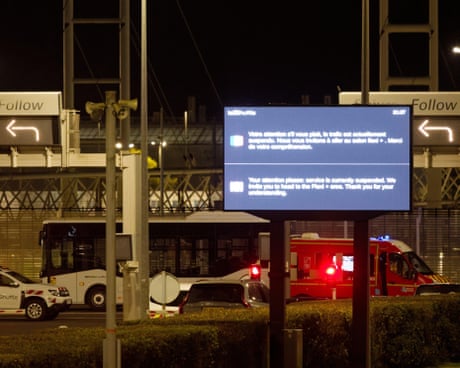
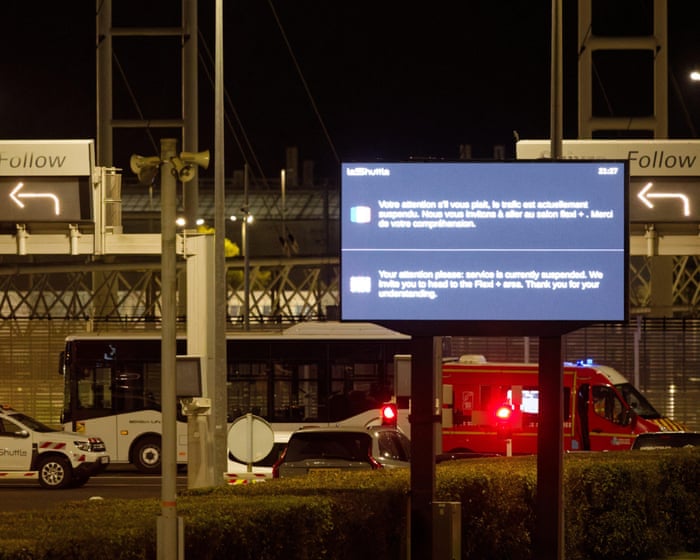
Nineteen people have been injured after a minibus collided with a stationary freight train at the loading platform of the Eurotunnel near Calais, French authorities have said.
Pas-de-Calais underprefect Agathe Cury said 18 passengers and the bus driver were injured in the incident.
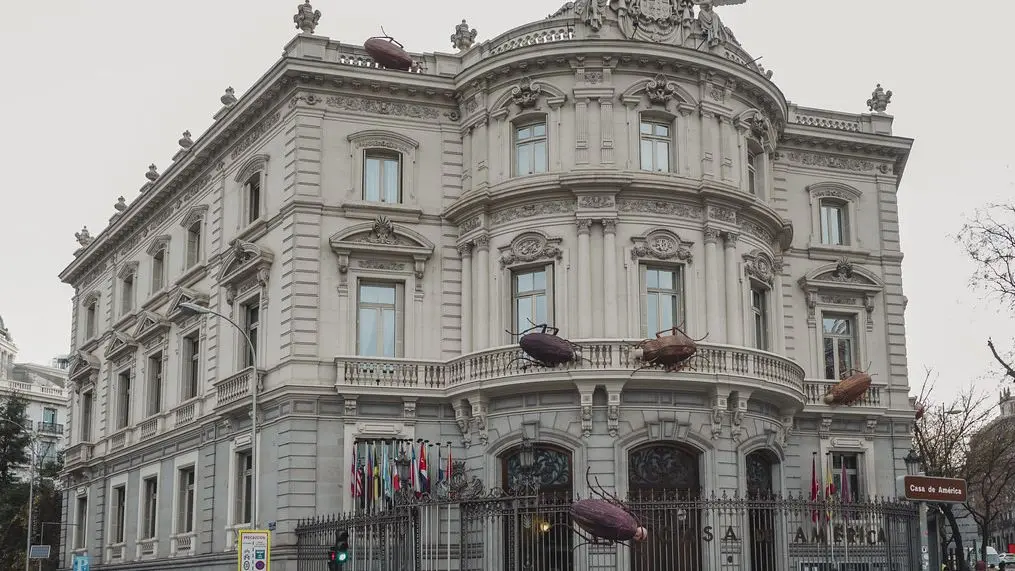
The Maison de l’Amérique Latine (MAL) celebrated its 80th anniversary this Thursday against a backdrop of uncertainty: the Bank of France has put up for sale the two 18th-century mansions that have housed the institution since 1965, with a valuation of 100 million euros.
The 6,791-square-meter property consists of the hôtels particuliers of Varengeville and Amelot de Gournay, located on Boulevard Saint-Germain in the heart of Paris. The bidding process could be concluded before the end of 2026, and the future buyer will be under no obligation to maintain the MAL’s cultural activities at the site.
According to reports from French media, potential interested parties include businessman Xavier Niel and Bernard Arnault, owner of the LVMH group.
Several Latin American embassies in France have launched a public petition to ensure that the Latin America House does not cease its operations. The diplomatic missions emphasized that the institution is particularly vital for smaller embassies, which lack the resources to organize exhibitions or cultural events in a city with such high real estate costs.
Mexico’s Ambassador to France, Blanca Jiménez Cisneros, and Panama’s representative, Joanna Villarreal, attended the event commemorating the MAL’s 80th anniversary.
The petition has garnered over 25,000 signatures, including those of former Chilean President Michelle Bachelet and former French Prime Ministers Dominique de Villepin, Bernard Cazeneuve, and Jean-Marc Ayrault.
“It would be a tragedy for the institution to disappear in the very year we mark our 80th anniversary. We will fight until the end,” stated the institution’s president, Jean-Marc Laforêt. Cultural and Diplomatic Space
Founded in 1946 on the initiative of then-French President Charles de Gaulle, the House of Latin America (in spanish Casa de América Latina) was established in recognition of the support provided by Latin America and the Caribbean to Free France during the Second World War.
For eight decades, the institution has served as a meeting point between France and the region, hosting exhibitions, conferences, and cultural activities. Among the notable figures it has welcomed are former Bolivian President Evo Morales and Commander Hugo Chávez.
Former French ambassador Alain Rouquié, the long-standing president of the House of Latin America (in spanish Casa de América Latina), has championed the entity’s autonomous and independent nature. He noted that while the institution receives public funding from the Ministry of Foreign Affairs, its primary source of revenue comes from renting out the rooms within its historic mansions.
“We have sought to remain free, and that has required significant effort,” stated Rouquié, who considers it essential to remain in the current premises and maintain the model of renting out space to ensure the institution’s continuity.
Rouquié reported that the Bank of France has been attempting for 23 years to evict the institution from the premises it has occupied since 1965. He recalled that in 2003, the then-president Jacques Chirac intervened to halt a sale, requesting that Foreign Minister Dominique de Villepin stop the transaction.
Latin American art specialist Christine Frérot compared the situation of the MAL (Latin American House) to that of the Arab World Institute, which receives greater support from public funds. According to 2025 data from the Ministry of Foreign Affairs, the Latin American House receives an annual subsidy of 25,000 euros.
Former French-Argentine deputy Paula Forteza, founder of the collective Artivistas, linked the defense of the institution to the international political climate. “As the far-right grows globally, spaces like this become especially important,” she stated.
Bolivian visual artist Kenia Almaraz Murillo also voiced her support for the continued existence of this cultural space, joining Frérot and other prominent figures from the artistic and diplomatic spheres.
Blockades Continue at Schools Across France Ahead of Third Meeting with Education Ministry.
On Thursday, thousands of French people continued protesting and blocking educational centers just hours before student organizations hold a new meeting with the Education Ministry, the third since the start of the protests more than two weeks ago.
Among the blocked institutions is the Paris School of Commerce (HEC), a symbolic place in these protests given that it is one of the most elitist and prestigious institutions in France.
This action shows its solidarity with the student movement, on the eve of a major day of demonstration scheduled for this Saturday, which will be joined by other movements related to the protest over the rising cost of living or agricultural demands. Some French media have described this expression of unity among social groups as a resurgence of the “yellow vests.”
So far, over 1,000 demonstrations are expected to take place across the country on the first day of the two-week “All Saints” school holidays, a date on which President Emmanuel Macron’s government hoped the protests would ease.
"When you see that 98% of news channels' airtime is devoted to burning rubbish bins and only 2% to our demands, of course it makes us angry!”
Thousands of students, teachers, and supporters rallied in Nantes on Tuesday to demand more funding for public education.
On Thursday morning, HEC directors closed their offices to mark their exasperation with the current situation and with the attacks suffered by some teachers. Meanwhile, the Macron administration is trying to control the student protest through negotiations.
Initially, the French government announced the deployment of 3,000 additional teachers, of whom 2,000 are already in their posts, to try to alleviate the teacher shortage, one of the most widespread demands among high school students.
Education Minister Edouard Geffray will receive the student organizations this afternoon for a third meeting, although the French are skeptical of achieving positive results.
“We will go to the meeting with little hope; the Education Ministry is not responding to our demands. We want to meet with the prime minister, who is the one who appears to have budgetary room,” said the vice president of the ‘Les Lyceens!’ union, Louis Letoubon.
🇫🇷Interesting Footage from France captures the moment a brave French student single-handedly takes on a dozen French riot police. This is the kind of spirit that can bring the cowardly French riot police to their knees; imagine if you had a hundred guys like this leading a… pic.twitter.com/9AsCpFT1aD
There Is a Moment of Fatigue in the Country: Lecornu
As expected, the calls for dialogue have been accompanied by attempts to delegitimize the social protest. Prime Minister Sebastien Lecornu lashed out against the students while symbolically defending “the right” of citizens to peacefully express their discontent.
“This no longer seems like a student movement. We are facing an urban violence movement,” declared Lecornu, who admitted that the intensity of the protests has increased in Paris, Creteil, and Lyon.
The prime minister denounced the firing of pyrotechnic mortars from the street against high schools or “absolutely horrifying calls to violence.” According to him, around 200 of the country’s 3,700 high schools are experiencing episodes of “entrenched” violence, sometimes carried out by people outside the centers.
“We must clearly distinguish between urban violence and legitimate demands,” said the prime minister, who expressed his fear of new disturbances on Saturday during the demonstrations called against the cost of living, in which the Yellow Vests could be present again.
Lunettes étanches, eau, masque FFP2 : France 3 Alsace publie un tuto pour se protéger des lacrymogènes avant les manifestations lycéennes. Les interna… https://t.co/qdgyr3eFAZpic.twitter.com/iWBVkbQd57
The text reads, “Waterproof goggles, water, FFP2 mask. France 3 Alsace publishes a tutorial on how to protect oneself from tear gas before the high school student demonstrations. The boarding school students”
Lecornu acknowledged that France is going through a period of social exhaustion marked by crises and uncertainty. “We are in a kind of permanent crisis situation: wars, uncertainty about purchasing power and inflation… It is evident that there is a moment of fatigue in the country. I perceive it deeply,” he said before immediately insinuating that left-wing organizations are trying to take advantage of that malaise to “turn it into electoral fuel.”
The prime minister promised to respond to student demands. He said the platform enabled to collect their proposals has received over 92,000 contributions so far.
Among the main demands are the improvement of school facilities, the replacement of absent teachers and the adaptation of educational resources to the needs of each territory.
The Macron administration plans to work with regional councils to evaluate the state of the buildings and the needs of the centers, according to Lecornu, who defended the mobilization of 3,000 teachers from a substitute reserve to cover absences.
He also proposed opening a broader debate on the consequences of demographic decline for the education system. France will have 1.6 million fewer students by 2035, an evolution that will force a review of the organization of educational centers, especially in rural areas.
Nearly half of Muslim and Jewish respondents in a major French poll say they would consider leaving the country if Marine Le Pen wins the 2027 presidential election, according to an exclusive Ifop survey for the magazine Marianne.
The poll found that 46 percent of respondents identifying as Muslim would contemplate “leaving France to settle in another country” under a Le Pen presidency. Of those, 20 percent said they would “certainly” take that step. By comparison, 21 percent of the overall population expressed a similar willingness to leave.
The figure is part of a broader set of findings on identity, secularism, and anticipated reactions to a National Rally (RN) victory. Eighty-one percent of Muslim respondents believed a Le Pen win would lead to a rise in discrimination against their community. Twenty-seven percent said they would consider concealing their religious identity in daily life, including 18 percent who would stop wearing the veil in public.
Similar sentiments appeared in other groups polled.
Forty percent of the youngest cohort of French voters, 43 percent of France Unbowed (LFI) voters, and 44 percent of Jewish respondents said they would consider leaving. The survey also recorded elevated support for civil disobedience in some cohorts. For instance, substantial shares indicated they would refuse to respect laws they viewed as unjust.
Notably, while Le Pen has been antagonistic towards Islam in France, she has often cast herself as a protector of Jewish life in the country.
In 2024, she said, “The best shield for French people of the Jewish faith is the National Rally. It is the only movement that has the will, the conviction and the means to fight Islamist fundamentalism, which is the major danger facing them.”
Yet, nearly as many Jews said they would leave the country as Muslims.
Le meilleur bouclier pour les Français de confession juive, c’est le Rassemblement National.
C’est le seul mouvement qui a la volonté, la conviction et les moyens de lutter contre le fondamentalisme islamiste qui est le danger majeur qui pèse sur eux. https://t.co/pggWHgzITu
François Kraus, director of the Politics and Current Affairs division at Ifop, described the results: “The arrival in power of the candidate favored by the polls risks creating significant obstacles and generates high levels of fear and a sense of insecurity.”
The National Rally has long advocated tighter controls on immigration, greater priority for French nationals in housing and employment, and restrictions on Islamic veiling in public spaces. Le Pen has indicated she would not impose an immediate ban on the veil upon taking office but would put broader restrictions to a national referendum.
Previous Ifop work has documented rising religiosity and support for more rigorous interpretations of Islam among younger French Muslims, including significant shares prioritizing Islamic norms over French civil law on issues such as inheritance or ritual slaughter in certain scenarios. Remix News reported on this poll last year.
Figures on the right treated these results as evidence of failed integration and the dangers of demographic change.
Currently, Le Pen has frequently led first-round voting intention polls, making her the favorite to win the presidential election.
It is important to note that many groups claim they will leave a country if their preferred candidate does not win an election, but actually leaving is an entirely different story. The 46 percent figure for Muslims and 44 percent for Jews is only an expressed willingness or contemplation in a hypothetical scenario, not concrete plans to leave France.
The reality is that family ties, employment, and economic realities mean that leaving is far harder in practice.
While presidents of both parties have long rewarded donors and allies with plum ambassadorships, Trump has chosen loyalists willing to go to bat for him regardless of the implications for US-foreign relationships.
It’s hard to know whether to break the TV set or throw up when listening to the European governments rushing to condemn the air strike by Yemeni forces on Saudi Arabia’s King Khalid international airport.
The blast from a ballistic missile that slammed into the airport at the weekend, October 12, killed at least 13 civilians and injured scores of other travellers. Horrific video footage shows the moment the missile explosion ripped through a terminal lounge.
European leaders immediately in a coordinated fashion trotted out condemnations of Yemeni “terrorism” and vowed solidarity and support for Saudi Arabia. U.S. President Donald Trump called it “a terrible thing.” (As if bombing schoolchildren is not quite a terrible thing.)
Britain, France, Germany, Ireland, Italy, Austria, the Netherlands, and Spain all issued strident denunciations of the Yemeni attack.
The strike on the Saudi capital came after the Ansar Allah-led Yemen Armed Forces had given ample warning to the Saudis that their airports would be targeted and for civilians to avoid the areas. The airports were kept open for business as usual. The Yemenis have said that the attack on Riyadh and other Saudi airports are retaliation for weeks of multiple air strikes by the Saudis on Yemeni civilian centers.
Hundreds of Yemeni civilians have been killed since Saudi Arabia broke a four-year truce with an air strike on the international airport in Sanaa, the Yemeni capital, on July 13. Saudi warplanes, U.S.-supplied F-15s and European Typhoon jets, have been continously bombing homes across Yemen. This week, two days after the Riyadh strike, at least nine people including five children were killed in air raids on houses in Taiz city and in northern al Jawf province. Al Masirah TV footage showed a distraught father holding up a child’s shredded body amid rubble. There was no condemnation of that atrocity from any European leader.
As Mick Wallace and Clare Daly, former Irish Members of the European Parliament, point out in their podcast this week, the official European reaction is utter hypocrisy and a cynical distortion of the conflict on the Arabian Peninsula.
Britain and France in particular, along with the United States, have backed the Saudi aggression against Yemen beginning in 2015. Over seven years, that aggression killed up to 400,000 Yemenis through air strikes and a blockade on humanitarian needs.
The European Union remained largely silent for seven years. No protests were made to Washington, Paris or London. Ambassadors were not summoned, sanctions were not imposed.
The return to hostilities that began with Saudi air strikes on Sanaa in July have been enabled by U.S. and Britain supplying warplanes, military advisors and intelligence.
None of the European governments have bothered to condemn this recent U.S. and UK-backed slaughter.
So, it is nauseating when one hears British Foreign Secretary Ed Miliband saying he is “appalled” by the strike on Riyadh airport. And other European leaders vowing “full solidarity with the kingdom of Saudi Arabia.”
Germany’s Foreign Minister Johann Wadephul condemned Yemen’s “terrorist act.”
His French counterpart said France stood with Saudi Arabia “in defending its territory and infrastructue.” (No mention of what the Saudis have been doing for years to Yemen’s territory.)
Referring to the strike on Riyadh without any context, Italy’s Giorgia Meloni said: “Attacks against civilians and civilian infrastructure are unacceptable and must cease.” (Yes, indeed, so why not tell that to the Saudis who are doing it deliberately on a massive scale with support from Washington and London?)
What is instructive here is not just the sickening hypocrisy and moral bankruptcy. It is the manifestation of a systematic corruption and criminal responsibility. This is not just one more example of a flawed European political class whose judgement is suspect. What is increasingly apparent is the totality of the corruption.
The same European supporters of Saudi monarchs waging a genocidal war on Yemen are also contemporaneously supporting the Israeli Zionist regime in its extermination of Palestinians. They are complicit in enabling the U.S. aggression against Iran, Cuba and Venezuela. They are sponsors of the NeoNazi regime in Kiev to keep fighting a proxy war against Russia despite more than one million Ukrainian military casualties and the risk of nuclear conflagration.
The death cult of Western capitalism is on full display in multiple theaters, exposing the organic evil at work. There is sense that all of Western imperialist history is now on display in one final orgy of barbarity.
In previous times, the death cult operated discreetly in seemingly disparate conflict scenarios. Wars on different continents seemed somehow unconnected. The Western media would in the past reliably cover up the crimes by distorting the motives and objectives with false narratives and (laughable) claims of noble purpose. The West was “defending democracy,” “fighting communism,” “protecting human rights,” or “waging war on terrorism,” or some other pretext that in isolation and with loads of media propaganda managed to fool a lot of people as somehow plausible.
What’s happening now, it seems, is a concatenation of wars that ultimately exposes the essential system that drives the violence, and its insatiable lust for human suffering.
It is impossible to work for such a vile system, the death cult of capitalism, without also being oblivious to its evil ways. To remain oblivious necessitates denial or lies. That deception might be tenable for occasional and seemingly disparate scenarios. But not when the system is exposed in its infernal entirety.
American and European wars in the past might have succeeded in being sold to the Western public as one-off wars and misadventures. We think of the wars in Korea, Vietnam, Latin American, Africa, former Yugoslavia, Afghanistan, Iraq, and more recently Libya.
In more recent years, as consciousness evolved, the public began discerning and decrying “endless wars”.
But now the world is witnessing a totalizing of the war machine that goes by the name of “Western democracy”.
What’s happening in Ukraine, Gaza, Iran and Yemen is not coincidence. It is the death cult on display and unable to hide itself. It manifests too in attacking and locking up Western citizens who condemn genocide or who simply call for peace.
Capitalism, fascism, wars, the Epstein class, endemic poverty and suffering – it’s a death cult in a theater near you.
The politicians, governments, media and pundits who promote it or serve it are seen for what they are.

 Login