❌

Reading view

Belgium’s 10 F-16s bring Ukraine’s promised fleet to about 100 jets. Fewer than 40 are flying, as Russia’s jet drones run them ragged
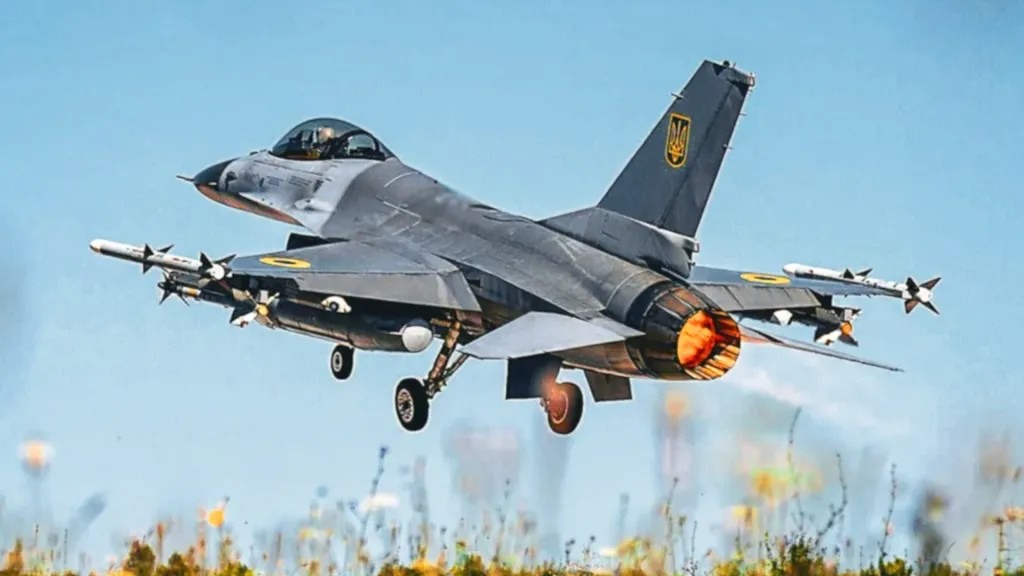
take off formation fly low navigate terrain—ukraine's f-16 trainees finished uk course russia helped design · post ukraine's air force carrying aim-120c aim-9 missiles fuel tanks terma pylons self-defense systems

  • Belgium is speeding up the delivery of surplus Lockheed Martin F-16 fighters to Ukraine
  • The 53 or so ex-Belgian jets are welcome, but the initial delivery for 2026 is for just 10 airframes, not all of which will be flyable
  • The Ukrainian air force's sole F-16 wing is fighting hard with too few aircraft

Belgium has announced it will accelerate the delivery of surplus Lockheed Martin F-16 fighters to Ukraine. Instead of delivering three flyable F-16s before the end of the year, Brussels will ship 10.

It's unclear how many will be flyable. Previously, Belgian officials explained the first seven secondhand F-16s would include just three airworthy examples. The other four would be broken down for spare parts.

It's good news for Ukraine, but hardly cause for nationwide celebration. The handful of flyable F-16s that should arrive in the coming two months could make good recent F-16 losses. But those shipping-soon Belgian F-16s won't actually grow Ukraine's F-16 fleet by much, if at all.

The dozens of supersonic F-16s in action in Ukraine fly often and fight hard. They shoot down Russian drones and cruise missiles, tangle with Russian warplanes, and lob precision glide bombs at Russian forces on the ground. Russia launched about 2,000 jet-powered drones at Ukraine in September, up from some 350 in June, and F-16s are among the few weapons fast enough to catch them, the Wall Street Journal's editorial board noted. Every 300 flying hours, each jet must go abroad for a lengthy inspection.

Netherlands delivers final F-16s to Ukraine, completing 24-jet donation program.
Explore further

Ukraine loses another F-16 to onboard emergency

The main constraint on the pace of F-16 sorties, besides maintenance demands and the availability of trained pilots, is munitions: running low or out of air-to-air missiles and glide bombs, the F-16s routinely aim their 20-mm guns at Russian targets. But even 20-mm ammunition sometimes runs low.

The busy F-16s and their equally busy pilots need reinforcement. But reinforcements are slow coming. Belgium is only slightly accelerating its F-16 shipments amid reports it will eventually give Ukraine all 53 F-16s it's gradually retiring as new Lockheed Martin F-35 stealth fighters arrive to re-equip the Belgian air force.

Further complicating the picture, Norway's six F-16s, promised in 2023, were still being refurbished in Belgium this spring. Some arrived there in pieces.

Yes, Ukraine got 24 fight-ready F-16s from the Netherlands and most of the 19 Denmark promised. But it's lost five of those jets since 2024. And others are so worn out from relentless flying that they're badly in need of maintenance. The Belgian firm Sabena, which services Ukrainian F-16s, has struggled to keep up, and President Volodymyr Zelenskyy has said about half of the jets spend long stretches abroad for repairs. That slows the return of repaired planes and further squeezes the front-line force.
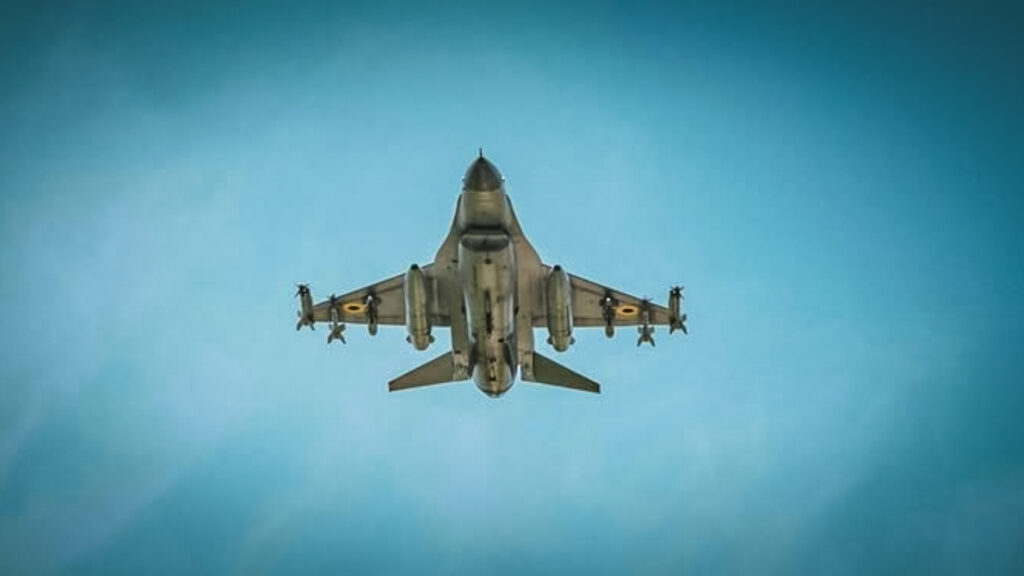
A Ukrainian F-16.
A Ukrainian F-16. Ukrainian air force photo.

One wing, too few jets

DonorF-16s promisedReached UkraineStatus
Netherlands2424Complete
Denmark19At least 12Further deliveries due
Norway60Being refurbished in Belgium
Belgium53010 by end of 2026, the last in 2029
TotalAbout 100At least 36, five since lostFewer than 40 in service
Sources: Militarnyi, The Aviationist, Airdatanews, Euromaidan Press.

In short, it's possible the Ukrainian air force's 107th Aviation Wing, its sole F-16 unit, has fewer than 40 ready-to-fight F-16s. Those 53 Belgian F-16s will help grow the wing, but piecemeal. Ukraine should expect a handful of operational jets from Belgium this year. Under a schedule from May, the last 27, half the total, may not arrive until 2029.

To be clear, additional F-16s support the 107th Aviation Wing. The Netherlands sold 18 of its old F-16s to Romania for a token price in order to equip a training squadron, funded by a consortium of Ukraine's allies, that feeds trained pilots to the 107th Aviation Wing. But these 18 jets aren't available for front-line use. They don't even legally belong to Ukraine.
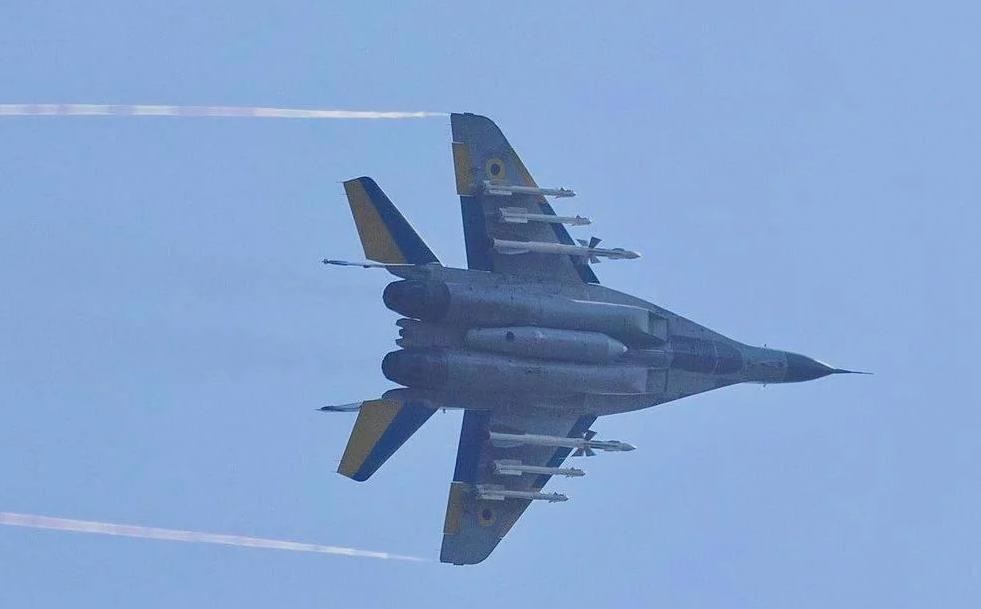
MiG-29 with R-27s and R-73s.
Explore further

Ukraine is running short of its best missiles for hunting Russia’s jet drones. Now MiG-29s are firing 1970s weapons

The delays in supplies of combat-ready F-16s matter because the Ukrainian air force is under stress. Its last few dozen ex-Soviet warplanes, including Mikoyan MiG-29 and Sukhoi Su-27 fighters, are even older and wearier than the ex-European F-16s are. And they've suffered staggering losses in the air and on the ground in nearly 56 months of hard fighting in the wider war.

The air force does have a few ex-French Dassault Mirage 2000s that are at least as capable as the F-16s, but France has donated only a handful of the supersonic jets—and one has crashed. Any further supplies of Mirage 2000s could be complicated by the French presidential election in April 2027. The leading far-right and far-left parties are both friendly toward Russia and hostile to Ukraine.

Some relief is coming, although not quickly. Sweden has pledged 16 surplus JAS-39C/D Gripen fighters to the Ukrainian war effort; the first of these could arrive early next year. Later on, Ukraine also plans to buy 20 newer JAS-39E/Fs. Kyiv has also negotiated to purchase 16 new Rafale fighters from Paris, but the soonest these could arrive is 2028.

For now, F-16s are the main solution to Ukraine's air defense problems. Kyiv surely wishes it had more of them, sooner.

  •  

Scontri a Milano, assaltata un’attività commerciale: distrutti vetrine e interni del negozio di articoli sportivi

Nono solo scontri e lanci di pietre contro le forze dell’ordine. A Milano la guerriglia urbana si è trasformata anche in assalto alle attività commerciali. I giovani vestiti di nero che si sono intrufolati all’interno della manifestazione spontanea “Italia in piazza“, ha distrutto le vetrine e gli interni di un negozio di articoli sportivi nei pressi di piazza San Babila.

Le immagini mostrano le forze dell’ordine arrivate nel negozio dopo l’incursione. Sembra che gli assalitori abbiano anche fatto razzia della merce esposta nel locale.

L'articolo Scontri a Milano, assaltata un’attività commerciale: distrutti vetrine e interni del negozio di articoli sportivi proviene da Il Fatto Quotidiano.

  •  

Nigeria drove thousands of gold miners from a national park. But can it keep them out?

A military-backed operation shut down a major illegal gold mining site in Gashaka-Gumti National Park, driving more than 4,000 miners from Nigeria’s largest national park, according to the Africa Nature Investors Foundation (ANI). The miners had already fled by the time Nigerian soldiers arrived at the Kila mining area in July, according to Tunde Morakinyo, executive director of ANI, a Nigerian conservation organization working with the government to manage Gashaka-Gumti. He said no shots were fired during the operation, and bulldozers were brought in to fill the mining pits and shafts. As world leaders and conservation practitioners head to Armenia for the U.N. biodiversity summit Oct. 19-30, with the goal of protecting and conserving 30% of land and waters by 2030, the crackdown spotlights the complexity of safeguarding some of the most biodiverse places on the planet. Gashaka-Gumti is a stronghold for one of the rarest primates in the world: the Nigeria-Cameroon chimpanzee (Pan troglodytes ellioti). The park is also home to more than 1,000 plant species and hundreds of bird and butterfly species, with some of the highest rates of endemism on the continent. A ranger patrols Nigeria’s Gashaka-Gumti National Park, where the Africa Nature Investors Foundation says it employs more than 180 rangers to help protect the park. Image courtesy of Africa Nature Investors Foundation. The operation followed years of growing friction over mining in the park. Tensions came to a head in late 2025. Two rangers were killed by miners in October 2025, according to Morakinyo. The…This article was originally published on Mongabay

  •  

What’s Up With That Russian Spacecraft Closing in on Finland Radar Satellite?

Russia’s Cosmos-2612 satellite has made a series of maneuvers that have made it almost perfectly co-planar with the radar satellite ICEYE-X36. ICEYE is natively European, founded in Finland. Bart Hendrickx, a longtime observer of the Russian space program, reports that, in the past two days or so, the Russian spacecraft has made a further orbit […]
  •  

🔴 Povoleri: dalla sceneggiatura alla guerra

Un aereo che precipita per migliaia di piedi, un movente che cambia ogni giorno, un premier in campagna elettorale che incontra gli eroi davanti alle telecamere. E un’Europa che chiama pace la prossima tornata di sanzioni. Dopo aver visto come si fabbrica il consenso, entriamo nella sala di montaggio delle notizie di queste settimane: dove la cronaca prende la forma di un film d’azione e lo spettatore riceve il copione prima ancora dei fatti. Quando il cinema ha smesso di ribellarsi? Che ne è stato delle lezioni di Kubrick? Ne parliamo con Federico Povoleri, regista, documentarista e autore della trilogia Sub Limen e di Enigma Kubrick. Intervista a cura di Jeff Hoffman. 🧠 Di cosa parliamo: ✈ Il volo Flydubai FZ1073: lite tra piloti, pista iraniana, radicalizzazione, lupo solitario. Quattro generi narrativi in 48 ore. 🎭 Eroi, cattivi e “11 settembre sventato”: la grammatica hollywoodiana applicata alla cronaca. 🇪🇺 Più armi e più sanzioni per arrivare alla pace: come si costruisce una contraddizione che nessuno nota. 🛡 Qualcuno seguirà l’esempio di Kubrick e dei grandi registi italiani di una volta? George Orwell lo chiamava bipensiero: credere contemporaneamente a due cose opposte senza avvertire il conflitto. Oggi non serve più un Ministero della Verità. Basta un buon montaggio. 📚 LIBRI DELL’OSPITE 📖 Enigma Kubrick. Cosa raccontano davvero i suoi film? 📖 Sub Limen. La tua vita è un inganno (ARPOD / PlaceBook Publishing) 📖 Sub Limen 2. Alla conquista delle menti. Il lato oscuro di Hollywood (ARPOD / PlaceBook Publishing, 2022, prefazione di Massimo Mazzucco) 📖 Sub Limen 3. La Tana del Bianconiglio ▶ LE PRECEDENTI INTERVISTE A FEDERICO POVOLERI 🎥 Come ti fabbricano il consenso    • Come ti fabbricano il consenso   🎥 Federico Povoleri: la fabbrica della guerra    • Federico Povoleri: la fabbrica della guerra   🎥 Il nuovo mondo tra genocidi, trucchi mediatici e simboli esoterici    • Federico Povoleri: il nuovo mondo tra geno…   🎥 Realtà artificiale nella manifattura del consenso    • Realtà artificiale nella manifattura del c…   📡 CASA DEL SOLE TV: informazione libera e indipendente Casa del Sole TV non ha editori forti né finanziamenti pubblici: siamo sostenuti da voi, il nostro pubblico. Se credi nel valore di un’informazione che non tace, aiutaci a continuare. 💳 Bonifico: IBAN IT63P0326822300052392596590 Intestato a: LA CASA DEL SOLE EDIZIONI. Causale: Donazione Casa del Sole TV 🅿 PayPal: paypal.me/casadelsoletv ⏰ Sostegno ricorrente: casadelsole.tv/sostienici ⭐ Membership YouTube 👉    / @casadelsoletvchannel   — Analista Multipolare €5/mese — Inviato della Verità €15/mese — Architetto del Futuro €25/mese 📖 I LIBRI DI MARGHERITA FURLAN BRICS Scacco Matto (in italiano, inglese, russo) Anche un piccolo contributo fa la differenza. Grazie di cuore! ❤ #FedericoPovoleri #Propaganda #Narrazioni #Flydubai #Netanyahu #GuerraCognitiva #ManifatturaDelConsenso #SubLimen #EnigmaKubrick #Deepfake #Disinformazione #Multipolarismo #CasaDelSoleTV #JeffHoffman

L'articolo 🔴 Povoleri: dalla sceneggiatura alla guerra proviene da Casa del Sole TV.

  •  

“Il cinema oggi mi inquieta, non fa ridere. Laura Antonelli è morta sola e povera, ascoltava Radio Maria, parlava con Dio chiamandolo ‘papino’ e diceva che la cocaina era la sua droga”: così Marco Risi

La ricetta per rilanciare il cinema italiano è “mezzi importanti e idee importanti”, ma soprattutto “non bisogna ripetersi”. Marco Risi è un uomo intelligente. Forse un po’ malinconico, sicuramente dallo sguardo acuto e disincantato sulla vita, sul mondo e su quel cinema intrapreso a filo di babbo Dino, uno dei più grandi e sagaci della commedia all’italiana del dopoguerra. In una lunga e bella intervista rilasciata al Corriere, il regista di Mery per sempre e Il Muro di gomma ha aperto lo scrigno dei ricordi, tra cui la sua relazione sentimentale, e la fine tragica, di Laura Antonelli, la difficoltà nel girare film in Italia oggi senza fare flop e ovviamente l’ombra lunga del padre. “Una volta Vittorio Cecchi Gori disse a proposito di suo padre Mario: “Io morirò figlio”, spiega Risi jr. “Con papà tu dovevi sempre adeguarti. Lui quello sforzo non lo faceva. Dovevi sempre trovare la chiave per interessarlo. Quando mi dilungavo nei racconti di una cosa che era accaduta, lui mi guardava e diceva: “Titolo!”, non voleva perdite di tempo inutili – ricorda il regista spiegando che Dino non gli faceva mai complimenti, che era abbastanza duro e che non l’ha mai incoraggiato a fare cinema. “Anche se mi ha aiutato, perché dopo un mio periodo difficile, mi ha voluto con lui per scrivere due film. E una volta mi elogiò perché avevo scritto una scena riuscita e volgarotta per Sono fotogenico. Ma quando gli mostrai Mery per sempre vidi che gli brillavano gli occhi, era soddisfatto, forse persino orgoglioso di me”.

Risi jr. evoca anche momenti di una tenerezza inaudita riesumando dieci ore di girato del padre anziano, magrissimo (“pesava quarantotto chili, io lo stringevo e sentivo le sue ossa”) e la sua lontananza dalla politica: “Era stato socialista nenniano, poi gli piaceva La Malfa, alla fine si era ritratto. Ma non si sentiva parte della comunità dei registi e sceneggiatori che lui avvertiva come troppo impegnati e paventava il rischio che in ragione dell’appartenenza partitica si potesse perdere libertà e autonomia espressiva”. Infine gli ultimi istanti prima della fine nel 2008, con Marco che gira Fortapasc a Castelvolturno e Dino che lo raggiunge incuriosito sul set. Poi l’ultimo abbraccio e l’ultima telefonata qualche giorno dopo: “Al telefono disse che non ne poteva più. Aveva 91 anni e mezzo, una vita enorme e un vissuto straripante. Era stanco, semplicemente stanco. Io gli dissi di resistere, di farlo per me, non per lui. E lui mi ha risposto una cosa bellissima: “Pensa al tuo film”. Il capitolo Laura Antonelli è altrettanto doloroso. Con Marco ci fu un flirt (“non conosceva presunzione, non se la tirava, era bellissima, incredibilmente bella, la più bella del creato”) ma anche l’oblio e il cupio dissolvi di una diva finita in disgrazia che morirà sola e povera: “Di tutte le ricchezze accumulate con il suo lavoro non aveva più nulla. In casa c’erano solo pacchi di pasta, conserva di pomodoro e nell’armadio un solo abito, una specie di palandrana nera. Non aveva la televisione, ascoltava solo Radio Maria. Si sentiva in dialogo con Dio, che chiamava “papino”. Le ho chiesto se a rovinarla fosse stata la cocaina per la quale fu arrestata. Forse quel momento ha cambiato la sua vita. Lei mi ha risposto che no, che la cocaina era la “droga di Dio”.

L’ultimo film girato dal 75enne regista milanese è Il punto di rugiada. Film delizioso e poetico, perfino con una punta di cinismo paterno, eppure zero tituli al botteghino. “È un momento difficile per me e per il cinema italiano. Io ho tre soggetti e una sceneggiatura pronta, ma mi rendo conto che oggi realizzare un film è diventato complicato. Il cinema italiano al box office non va bene ed è un peccato, perché ci sono buoni film. Ma se la gente va in sala, e spesso non sono i più giovani, non vuole vedere un piccolo film sul grande schermo. Ci vogliono mezzi importanti e idee importanti, non bisogna ripetersi”. Poi certo, non sappiamo più ridere come una volta e il cinema ne ha risentito assai: “Ho sorriso vedendo un buon film italiano, Serpenti, ma ridere come si faceva una volta è diventato difficile. È fuori, nel mondo reale, che si trova il grottesco. Ma inquieta, non fa neanche ridere”.

L'articolo “Il cinema oggi mi inquieta, non fa ridere. Laura Antonelli è morta sola e povera, ascoltava Radio Maria, parlava con Dio chiamandolo ‘papino’ e diceva che la cocaina era la sua droga”: così Marco Risi proviene da Il Fatto Quotidiano.

  •  

Tormento, sofferenza ed estasi di Jovanotti: alla Festa di Roma il documentario monumento su Lorenzo Cherubini che non t’aspetti

Non aspettatevi il film concerto. E non aspettatevi nemmeno dichiarazioni riparatorie sulla nidificazione del fratino o della stabilità delle dune dopo i Jova Beach Party. Lorenzo – L’incredibile avventura di Jovanotti, “special screening” alla Festa di Roma 2026, è la cinematografica ricerca del significato di Rosabella in Quarto potere. Qualcosa di fino ad oggi rimasto nascosto, fragilmente misterioso, che riguarda Lorenzo senza il costume da Jovanotti, supereroe della musica e del divertimento. Quello di Dario Zonta e Carlo Zoratti è sì un fragoroso documentario monumento ma vive di una garbata levità esplorativa, di una sottile intrusione nel privato, di una inequivocabile dimostrazione dell’inesorabile passare del tempo.

Lorenzo scavato, rugoso, segaligno, una specie di corpo nervosamente pasoliniano. Sessantenne dai piedi scalzi nel casale studio di registrazione cortonese, sorta di manichino saltellante della più variopinta serie di cappelli, abiti, collanine, bracciali. “Vivo nel mio mondo, non in quello reale. Nella mia Rimini di Fellini che suppongo sia così”, spiega il cantante in uno dei rari momenti in cui parla fronte macchina. Il fascino, la raffinatezza, e perfino una certa perfettina ruffianeria di Lorenzo – L’incredibile avventura di Jovanotti sta proprio qui. In questa deviazione documentaristica oltre il didascalico (nel tal anno ha fatto questo, nel tal’altro quest’altro) e le didascalie (vedrete molti personaggi, ma mai la scritta sotto con nome e cognome). È la celebrità che esce dallo straordinario e viene colta non tanto di sorpresa quanto ripresa nella sua ovvia naturale parificata normalità. È il passaggio drastico dal ragazzino caciarone di È qui la festa osannato da ogni conduttore e star di tv e spettacolo (Carrà, Costanzo, Biagi, Vasco e Celentano) all’uomo nuovo gioioso nell’amore e segnato dal dolore della perdita. Le luci del concerto, del resto, si spengono subito.

Va bene la tenda indiana dove truccarsi e meditare prima della danza e della musica sulla spiaggia, ma è subito tempo di fuga oltre il palco, seguito di spalle, al ralenti, accappatoio e asciugamano da boxeur svuotato, di filata dentro un auto che lo porta via. Jovanotti è immediatamente Lorenzo (pardon se il gioco nella scrittura stufa, ma Zonta e Zoratti lo fanno slittare nel film con maggior dolcezza), ed è anche subito quell’incidente in bicicletta del cantautore cortonese nella Repubblica Domenicana nell’estate del 2023. Un tormento che sembra diventare estasi. Lunga riabilitazione, quattro centimetri di osso della gamba in meno, operazione chirurgica delicatissima. E soprattutto la reiterata testimonianza video con lo smartphone, journal intime della disgrazia e del dolore autoprodotta dal paziente ferito senza volere e potere alcuno. Formalmente Lorenzo – L’incredibile avventura di Jovanotti è un patchwork di fonti visive raccolte per oltre sei anni, ibridazione disinvolta e curiosa, Alina Marazzi o Pietro Marcello style and touch, tra narrazione contemporanea (quattro operatori più Jova in solitaria nel suo letto di dolore), stralci di generico e tematico found footage (Teche Rai e cineteche varie), infine Super8, vhs e minidv della famiglia Cherubini miracolosamente intatti e conservati.

Il risultato in certi slanci di montaggio è drammaturgicamente incredibile come la sequenza surreale eppur insistita dell’evocazione dei pappagalli sul cupolone del Vaticano che il piccolo Lorenzo cerca con il suo/nostro sguardo o quella del ricordo di Umberto, il fratello pilota morto in un incidente aereo, immersa tra le pieghe di una visita al cimitero in collina con il protagonista che sfiora lapidi familiari – e non – aprendo un varco intimo verso la morte. Perché il segreto di quest’opera ispirata e inattesa (Zoratti ha un solo lungometraggio alle spalle, Zonta è stato critico di L’Unità e oggi conduttore di Hollywood Party), non sta tanto nel dove arrivare (la vulnerabilità e la sofferenza del protagonista), ma nel come ci si arriva. I fan comunque avranno di che deliziarsi nel vedere Lorenzo, in compagnia del guru barbuto Rick Rubin, che compone e scompone la sua musica nel suo farsi. In sala come evento speciale dal 24 novembre al 2 dicembre 2026.

L'articolo Tormento, sofferenza ed estasi di Jovanotti: alla Festa di Roma il documentario monumento su Lorenzo Cherubini che non t’aspetti proviene da Il Fatto Quotidiano.

  •  

America’s Spiritual Founding Father

The founding of America. The shaping of Europe. We still live in a world that bears the imprint of Whitefield and the Great Awakening. The question is, for how long? Very few people today know who George Whitefield was. The message he preached is becoming decreasingly familiar. Men have forgotten Whitefield. Now they are forgetting... Continue Reading
  •  

Russia still parks its best bombers in the open. Ukraine has spent a year knocking out the air defenses that were supposed to protect them

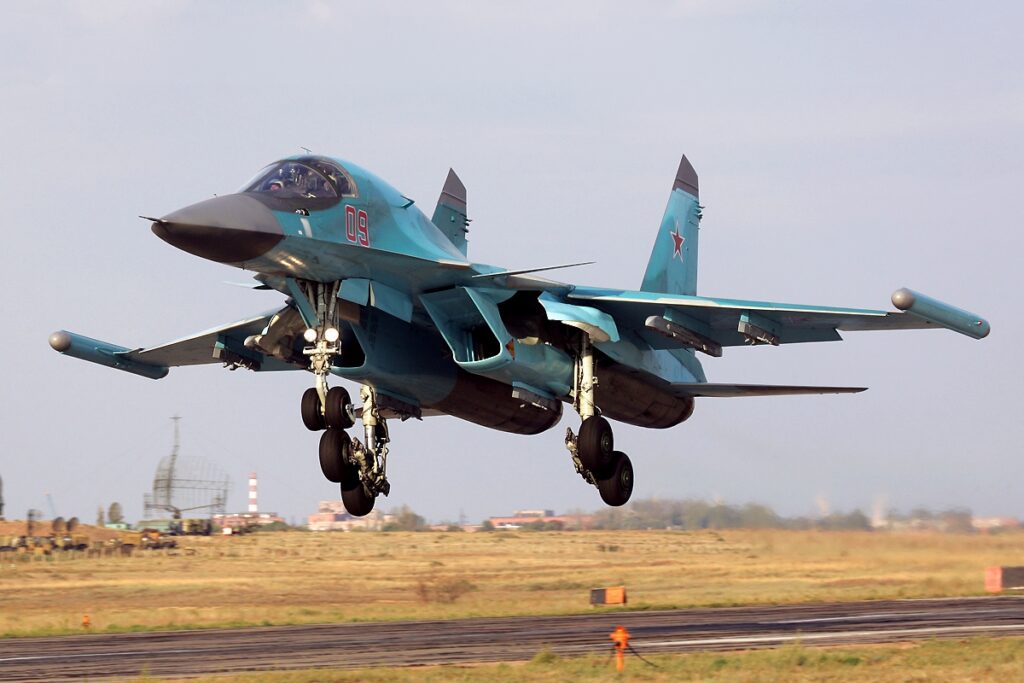
russia's secret aviation report fighter jet clipped its own shelter gate 500 kg bomb fell takeoff helicopter came home printer-paper-sized hole nine engine failures three weeks · post russian su-34

  • An overnight raid by the Ukrainian navy reportedly destroyed four Russian air force Sukhoi Su-34 fighter-bombers
  • A barrage of Long Neptune cruise missiles struck the parked aircraft at a base in western Russia
  • Observers blamed poor airfield procedures, and also lamented a lack of air defenses

Overnight on 14 and 15 October, the Ukrainian navy fired a clutch of Long Neptune cruise missiles at Borisoglebsk air base in Voronezh, in western Russia some 260 km from the border with Ukraine.

The results were devastating. The ground-launched Neptunes struck the tarmac where six Russian air force Sukhoi Su-34 fighter-bombers were parked nearly wingtip to wingtip in uncovered positions.

Satellite imagery from the morning of 15 October depicted piles of smoldering wreckage. The navy said it hit all six jets. Ukrainian President Volodymyr Zelensky said four Su-34s were destroyed and a further two were damaged. "I thank the warriors of the Ukrainian navy for their precision!" he wrote.

The jets, he said, were loaded with aerial bombs and ready for new strikes on Ukraine. An analyst reading the imagery counted wreckage of two to four aircraft and two empty spots where damaged jets had been moved.

An Airbus Pléiades satellite image from 11 October, four days before the strike, showed the six Su-34s on open aprons. Next to them were structures that the Russian independent outlet Istories said looked like anti-drone nets or their frames. Nets can snag a small drone. A cruise missile goes through.

At roughly $50 million apiece, by the Ukrainian Air Force's estimate, the four destroyed jets alone cost Russia some $200 million. The twin-engine, two-seat, supersonic Su-34 is the Russian air force's best fighter-bomber. Almost every day, Su-34s lob KAB precision glide bombs at Ukrainian troops and civilians.

🔻 Satellite images of 🇷🇺 Borisoglebsk Air Base as of October 15, 08:25 UTC
On the night of October 15, several Su-34 were destroyed at Borisoglebsk Air Base. pic.twitter.com/3ZNBWhU6UD

— AviVector (@avivector) October 15, 2026

In nearly 56 months of hard fighting in Russia's wider war on Ukraine, the Russians have now lost no fewer than 37 Su-34s destroyed, with several more damaged, by open-source counts. Sukhoi continues to deliver new Su-34s in small batches, the latest handed over on 7 October, helping the Russians sustain their overall inventory despite heavy losses.

They've still got plenty of Su-34s, but that doesn't mean the Russians shouldn't worry. As long as they're parking warplanes out in the open within range of Ukraine's best deep strike munitions, those planes are vulnerable to attack. Russia's air defenses are spread too thin to intercept every Ukrainian munition.

Satellite imagery showing the aftermath of a Neptune missile strike on six Su-34 fighter-bombers at Borisoglebsk Airfield.

Coordinates: 51.36315, 42.18560 pic.twitter.com/7TNpxGIaB0

— Dnipro Osint (@GarbuzYe) October 15, 2026

The strike may also hit the Russian air force's training pipeline. Borisoglebsk air base is home to the 160th Aviation Training Regiment. The regiment operates Yakovlev Yak-130 trainers for more basic flight training plus—for more advanced training—front-line combat aircraft including Su-34s, Sukhoi Su-35s, and Sukhoi Su-30s.

Russian bloggers are aghast, according to a round-up of posts on Russian social media by analyst ChrisO_wiki. "How is it that, four years after the start of the Special Military Operation, there are no protective structures for aircraft at airfields located within range of Ukrainian air strikes?" blogger Ramsay wrote. "And where did the billions of rubles allocated for their construction go?"

"Much can be said about the need to build a sufficient number of concrete shelters at all airfields," blogger Vladimir Romanov pointed out. "Reality shows that, to date, sufficient measures have not been taken."

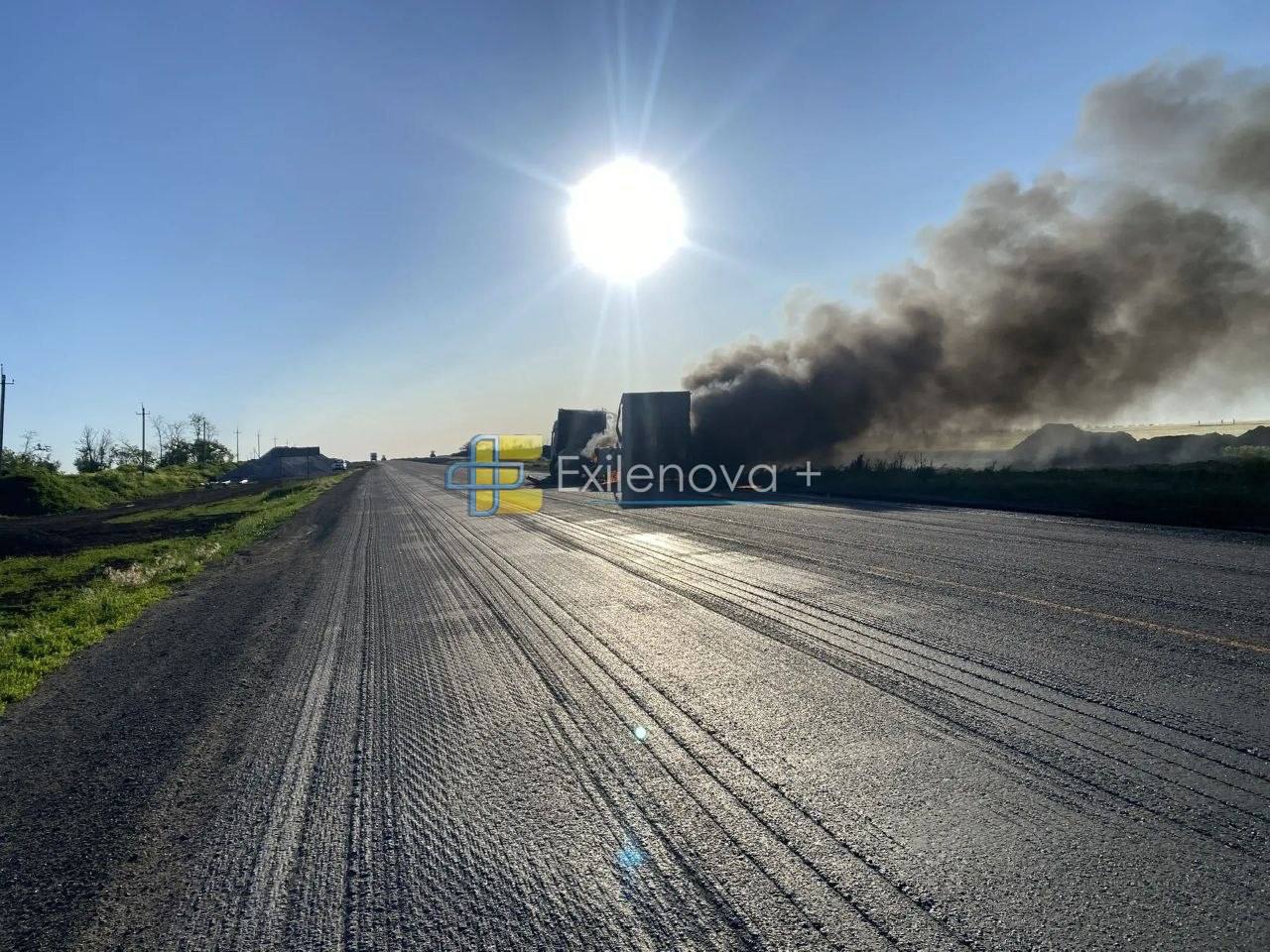
russian radar occupied crimea didn't see ukrainian drones coming became 28th air-defense asset wrecked · post supply trucks burning mariupol-melitopol highway main road russia's land corridor 29 2026 exilenova+ -
Explore further

“Supplying Crimea is turning into a nightmare”: Ukrainian drones hit Russian trucks 770 times in September, and winter will make it worse, analyst says

Close parking

Ramsay asked why the Su-34s were concentrated in one area, apparently so that ground crews could quickly service all of them with a single ground power unit, a mobile generator that starts an aircraft's systems before flight. "How is it that the APA, a utilitarian piece of equipment, has become so scarce that it forces an entire group of combat aircraft to be parked in a single area, making them an ideal target for attacks?"

The best defense is an active one, however, the Fighterbomber channel stressed. "Protecting aircraft by the usual method of moving them out of the line of fire at such ranges from long-range strike systems won’t work here; the only way to defend against them is with a full-scale, echeloned air defense system—both ground-based and airborne."

1/ Russian warbloggers are furious at the news that a Ukrainian missile has destroyed between 4 and 6 Su-34 jets on the ground at a Russian airfield. How is it possible, they ask, that the Russian air force is still parking aircraft close together without protection? ⬇ pic.twitter.com/BrTvfCMRfH

— ChrisO_wiki (@ChrisO_wiki) October 15, 2026

Ukrainian planners know this. Which is why, for more than a year now, they've been systematically striking Russian radars, surface-to-air missile batteries, and mobile air defense systems. By March, Ukrainian forces were “collaps[ing] the layered defensive architecture that the Russian integrated air defence doctrine depends upon to function,” according to an in-depth investigation by Tochnyi.info.

The strikes on Russian air defenses—at least 492 of them between June and early March—are part of a carefully scripted plan. Destroying the right air defenses faster than the Russians can replace them has the effect of “facilitating strikes on more critical targets deep within Russian territory,” Tochnyi.info explained.

The critical targets include air bases such as Borisoglebsk and the expensive warplanes parked on its tarmac.

  •  

How Botched Executions Were Handled in Centuries Past

This is an edition of The Atlantic Daily, a newsletter that guides you through the biggest stories of the day, helps you discover new ideas, and recommends the best in culture. Sign up for it here.

The botched execution of Christa Pike, who survived two injections of what was intended to be a lethal dose of pentobarbital on September 30, is—horrifically—not unique: As my colleague Elizabeth Bruenig wrote, it wasn’t even the first botched execution in Tennessee this year. The fact that officials tried twice to kill her is somewhat more unusual, but not without precedent.

Consider the case of Margaret Dickson, a Scottish woman of the early 1700s. Estranged from her husband, Dickson took up work as a domestic in the town of Kelso, where she conceived a child out of wedlock but hid the pregnancy for fear of being shunned. She testified that she’d disposed of the baby after it was stillborn, but the body was found, and she was arrested. Under Scottish law at the time, concealment of a pregnancy was considered evidence of intent to commit infanticide. Dickson was convicted and sentenced to hang in Edinburgh in 1724.

Following what was then the practice, Dickson’s execution was public. She was hanged; her body was placed in a coffin and carted away for burial (by some accounts following a tussle with body snatchers who hoped to procure the corpse for dissection by medical students). Along the way, the burial party stopped for a beer, at which point noise was heard from inside the coffin. The lid was pried off, and Dickson was found alive, though confused. Dickson’s survival became an object of fascination and Dickson herself a sort of folk hero, the historian Mikki Brock, the author of a forthcoming book about Dickson, told me. Authorities in Edinburgh initially sought to rehang her, but they were never able to marshal enough support to do so. Dickson, who came to be nicknamed “Half-Hangit Maggie” (that is, half-hanged), lived into the 1750s.

Or take Joseph Samuel, a criminal who was sent from England to a penal colony in Australia. Once there, he was implicated in the murder of a police officer investigating a robbery. Samuel was convicted and sentenced to hang in September 1803, also publicly. It didn’t go well. On the first try, the rope around Samuel’s neck snapped. On the second, the noose unraveled. By then, the crowd was growing restive; a hasty third attempt also ended with a broken rope. Observers at the scene concluded that the mishaps were a sign from God that Samuel should not be killed, and the governor apparently concurred, commuting Samuel’s sentence to life imprisonment. (Three years later, Samuel disappeared at sea during an escape attempt with other convicts and was presumed drowned; perhaps God’s view was not as clear as it seemed at the gallows.)

A third celebrated case was that of John “Babbacombe” Lee, who was convicted of the 1884 murder of his employer and sentenced to die. (By that point, executions in Britain had moved out of the public and into prison yards.) Just like Samuel, Lee was spared by malfunctioning equipment: A trapdoor under the gallows, meant to release the condemned and snap his neck, had been tested, yet it failed three times to open. Lee’s sentence was commuted to life by the British home secretary, Sir William Harcourt, who said, “It would shock the feelings of anyone if a man had twice to pay the pangs of imminent death.” Lee was eventually paroled in 1907. Now infamous as “the man they couldn’t hang,” he wrote an autobiography and was the subject of a 1912 silent film, but he then faded from the historical record. He appears to have died in the 1940s, perhaps in Milwaukee.

When I first heard the stories of Half-Hangit Maggie and Babbacombe Lee as a child, I knew they were historical, but they seemed to belong more to the realm of myth or fairy tale. Hangings, mysterious mechanical failures, assertions of divine intervention—all of these seemed like things out of fiction. It was easy to chuckle at quaint details, such as the apocryphal tale that Dickson was required to remarry her husband because she’d been declared dead. And though I’d read about the beheadings of Charles I and Louis XVI, the specter of public execution felt distant enough from modern civilization to be faintly unreal.

Now all of these things seem much less remote. Until President Trump reversed course yesterday, the Defense Department planned to livestream the execution of Nidal Hasan, who massacred comrades at Fort Hood in 2009. Pike’s fate is up in the air after her twice-failed execution. Pike, who was convicted of a brutal murder in 1995, has returned from a hospital to prison. The state official who oversaw capital punishment has resigned, and the governor has temporarily paused all executions in Tennessee. Her lawyers have requested that her sentence be commuted to life in prison.

The doctor and ethicist Lydia Dugdale writes in The Dispatch that U.S. history offers a grim precedent. In 1946, a 16-year-old boy confessed to killing his employer and was sentenced to die via electrocution. A first attempt failed, and his lawyers sought to block a second. The Supreme Court ruled against them, and he was killed that year. But Dugdale argues that this precedent should not apply here. “From Pike’s markedly swollen and chemically burned arms, to her profound cognitive impairment (the severity of which remains unknown), the state has already inflicted a cruel and unusual punishment on Christa,” she writes. Setting aside the law, “as a matter of sheer ethics, if the state has vowed not to punish prisoners cruelly but has inadvertently done so, the state ought not attempt the same method of execution again.” (In this year’s other botched Tennessee case, Tony Carruthers’s failed execution left him partially paralyzed. He received a one-year reprieve, and advocates have called for his sentence to be commuted.)

The historical cases of the men and women they couldn’t hang feel much closer to the present day than they once did. And although some of the visceral details still sound like the stuff of myth, the pragmatic and humane outcomes of these situations stand out more against the backdrop of the recent news. Support for the death penalty has dropped since the 1990s, barely topping 50 percent today. Views are closely correlated with religion—white Protestants are far more likely to back it than any other group, according to polling from the Public Religion Research Institute. For religious supporters of capital punishment, the idea that a failed execution is a sign from above might not be so far-fetched. Among the nonreligious, many people may flatter themselves to believe that contemporary society possesses greater reason and logic than our forebears. Just as we try to understand our ancestors by how they handled cases such as those of Dickson, Samuel, and Lee, future generations will judge our society by its actions.

Related:


Here are four new stories from The Atlantic:


Today’s News

  1. President Trump’s new White House press secretary, Katie Zacharia, was fired after less than a week in the role, according to three people familiar with the matter. Her dismissal followed criticism of her first press briefing on Tuesday and questions about her legal credentials.
  2. Three children and a teacher were killed in a shooting at an elementary school in Bend, Oregon, yesterday. Police said that a bystander pursued the 16-year-old shooter into the school and fatally shot him; another child and a teacher were critically injured.
  3. Representative Alexandria Ocasio-Cortez donated $1 million to support Democrat Abdul El-Sayed’s Senate campaign in Michigan. El-Sayed is running against Republican Mike Rogers in a race that could determine control of the Senate in November.

Dispatches

Explore all of our newsletters here.


Evening Read

An illustration of a human silhouette with a door opening to their mind, with colored light scattering out.
Illustration by Adam Maida / The Atlantic

Big Tech Oligarchs Have a Terrible Plan for Humanity

By Bernie Sanders

Should human beings remain in control of planet Earth? Or should we be replaced as the dominant species? As absurd as these questions may sound, and as obvious as the answers may seem, the Big Tech oligarchs funding the artificial-intelligence revolution have responded in ways that should alarm all of us.

In Silicon Valley, some of the wealthiest people on Earth believe that they have the power to create a superior species. Sam Altman, the head of OpenAI, wrote in 2017 that AI would allow humans to become “the first species ever to design our own descendants.” What this means for humans, however, remains unclear. According to Altman, we will either jump-start digital intelligence “and then fade into an evolutionary tree branch, or we can figure out what a successful merge looks like.” In other words, humans have a choice: face extinction or merge with machines. “I believe the merge has already started,” Altman added, and is “probably our best-case scenario.”

Read the full article.


More From The Atlantic


Culture Break

Nathan Fielder and Elizabeth Holmes in wood-paneled room
A24 / Everett Collection

Watch. Nathan Fielder’s documentary about Elizabeth Holmes (out now in theaters) is a captivating study of self-perception, David Sims writes.

Read. Stephanie Bai asked The Atlantic’s writers and editors to share some of the best first lines in modern literature.

Play our daily crossword.


PS

A great folk hero needs a good nickname, which is why Billy the Kid and “Pretty Boy” Floyd endure. Babbacombe Lee—the name comes from the site of the murder—belongs to that tier. I first encountered it on the strange, entrancing cover of an album, a 1971 “folk-rock opera” by the English band Fairport Convention. I wouldn’t rank “Babbacombe” Lee as prime Fairport, but it’s an entertaining listen. As for Half-Hangit Maggie, anyone visiting the Grassmarket in Edinburgh, the site of her execution, can have a pint at her namesake pub, Maggie Dickson’s. Just don’t expect it to produce any miraculous resuscitations.

— David


Rafaela Jinich contributed to this newsletter.

When you buy a book using a link in this newsletter, we receive a commission. Thank you for supporting The Atlantic.

© Photo by Culture Club / Getty Images

  •  

The uplifting story of one of Zimbabwe’s pioneering women rangers

For Nyaradzo Auxilia Hoto, one of the most memorable moments of becoming a wildlife ranger was a trip to town. She and her fellow recruits walked through the streets in their new uniforms, on their way to open bank accounts. Soon, they would receive their first salaries. For a woman who had struggled to make ends meet in rural Zimbabwe, it was an extraordinary moment. “We were very proud,” she recalled. Hoto, 34, grew up in Huyo, a village in Zimbabwe’s Lower Zambezi Valley, where her family depended largely on growing and selling vegetables. Money was scarce, and although she had done well at school, she could not afford to continue her education beyond secondary school. Marriage, she hoped, might offer a better life. Instead, she says, she endured nearly four years with a violent husband before deciding to leave. She returned to her parents’ home with her young daughter and resumed working in the family garden. Her fortunes changed in 2017, when the International Anti-Poaching Foundation began recruiting local women for Akashinga, a new wildlife protection initiative. Hoto was among 16 women selected from roughly 100 applicants. Many men in her community doubted that women could confront poachers or withstand the demands of ranger work. She went anyway. Within a few years, she had become a ranger sergeant, leading other women on patrol. She later returned to university, graduating in 2023 with a degree in wildlife, ecology and conservation. Today, she works as a biodiversity officer with Akashinga, using…This article was originally published on Mongabay

  •  

🔴 IN GUERRA LO DICE L’AVVOCATURA DELLO STATO | LEVANTE LIVE

🚨Il governo italiano scrive in un tribunale che il Paese è dentro una guerra mondiale. In piazza, chi quella guerra la paga viene chiamato reato e teppismo. ⚖ Oggi il Consiglio di Stato ha dato torto all’Agenzia delle Dogane, che per nove mesi ha negato a una giornalista il dato sulle armi passate dal porto di Ravenna. 📄 Per difendere quel no, gli avvocati del governo, l’Avvocatura dello Stato, avevano scritto nero su bianco: è in corso «una guerra mondiale ibrida e a pezzi che coinvolge anche l’Italia». 🚫 Il giudice ha risposto: pericolo «astratto e ipotetico». I dati vanno consegnati. Ma la frase resta agli atti, e quella guerra il Parlamento non l’ha mai dichiarata. 🚛 Intanto il Sud è fermo da due settimane: Calabria, Sicilia, Puglia, Campania, Basilicata. Un pieno di tir da 1.500 a 2.500 euro. ⛽ In Puglia 150 distributori Eni su 300 a secco. Lo sconto sulle accise è scaduto il 6 ottobre. 🚜 Cinquemila agricoltori con i trattori a Bari chiedono lo stato di crisi. La Regione mette 30 milioni, il governo nazionale non compare. 🎓 Oggi gli studenti in piazza in tutta Italia: «soldi alla scuola, non alla guerra». Il ministro Valditara: «teppismo politico». 🗣 Meloni: «ci stiamo interrogando». Salvini: «studiamo da mesi». Lollobrigida: «bloccare le strade è un reato». 🇫🇷 In Francia 70.000 studenti in piazza e 504 arresti in un giorno a Parigi. 🇦🇱 In Albania 143 giorni di proteste, ministeri assaltati, contro Rama e il resort da 4 miliardi di Jared Kushner. 🔥 L’Europa che si riarma è la stessa che non sa più pagare il gasolio e le scuole, e che risponde alle piazze con la polizia. 🎙 A Levante questa sera, venerdì 16 ottobre 2026, conduce Jeff Hoffman. Ospiti: Moni Ovadia, attore, musicista, scrittore, voce ebraica contro la guerra e contro l’uso politico della memoria; Margherita Furlan, giornalista e analista geopolitica, fondatrice di Casa del Sole TV. 🧭 Affrontiamo insieme: 🔹 Il caso Ravenna: chi ha scritto «guerra mondiale» e chi ha detto no 🔹 L’articolo 78 della Costituzione: la guerra la deliberano le Camere 🔹 Dal «reato» di Lollobrigida al «teppismo» di Valditara: le parole del potere contro chi protesta 🔹 Il Sud fermo e il prezzo del gasolio: la guerra lo alza, il governo non lo attutisce 🔹 Dal ddl antisemitismo alle piazze: la stretta sul dissenso è un disegno? 🔹 Parigi, Tirana, Roma: tre Paesi, una sola scena 📚 LIBRI DEGLI OSPITI 📖 Moni Ovadia, «Un ebreo contro», Edizioni Gruppo Abele 📖 Margherita Furlan, «BRICS Scacco Matto» (disponibile in italiano, inglese, russo) 🎯 SOSTIENI CASA DEL SOLE TV 🆓 Casa del Sole TV è un progetto di giornalismo indipendente, autofinanziato da sei anni, senza editori e senza partiti. 💳 Per donazioni con bonifico: 🏦 IBAN: IT63P0326822300052392596590 👤 Intestato a: La Casa del Sole Edizioni ✍ Causale: Erogazione liberale Casa del Sole TV ⭐ Membership YouTube: 👉 https://www.youtube.com/@CasadelSoleT… 🔸 Analista Multipolare €5/mese 🔸 Inviato della Verità €15/mese 🔸 Architetto del Futuro €25/mese 🌐 SEGUI CASA DEL SOLE TV ▶ YouTube: @CasadelSoleTVChannel 🔗 Sito: casadelsole.tv #Levante #CasadelSoleTV #MargheritaFurlan #MoniOvadia #Geopolitica #Multipolarismo #caroGasolio #accise #Ravenna #NoMeloniDay #AvvocaturadelloStato #ConsigliodiStato #sciopero #Europa

L'articolo 🔴 IN GUERRA LO DICE L’AVVOCATURA DELLO STATO | LEVANTE LIVE proviene da Casa del Sole TV.

  •  

🔴GUERRA MONDIALE IBRIDA | 16.10.26

– Italia, la piazza sfida il riarmo di Margherita Furlan – Avvocatura dello Stato: è guerra mondiale ibrida di Jeff Hoffman – La Francia ferma i suoi figli di Jeff Hoffman – Tirana in fiamme, Rama non cede di Jeff Hoffman – USA e UE sempre più distanti di Gionata Chatillard – Due stretti in fiamme, l’Europa paga di Jeff Hoffman – Taiwan cerca alternative a Hormuz, Trump si inserisce di Ivan Bodyan – Buon giro intorno al Sole A cura di Margherita Furlan Con la collaborazione di Gionata Chatillard, Ivan Bodyan e Jeff Hoffman Editing di Mario Ferdinandi 📡 CASA DEL SOLE TV — Informazione libera e indipendente Il nostro lavoro è possibile solo grazie al vostro sostegno. Casa del Sole TV non ha editori forti né finanziamenti pubblici: siamo sostenuti da voi, il nostro pubblico. Se credi nel valore di un’informazione che non tace, aiutaci a continuare. 💳 Dona tramite bonifico bancario: IBAN: IT63P0326822300052392596590 Intestato a: LA CASA DEL SOLE EDIZIONI Causale: Donazione Casa del Sole TV 🅿 Dona tramite PayPal: paypal.me/casadelsoletv ⏰Sostegno ricorrente: casadelsole.tv/sostienici Anche un piccolo contributo fa la differenza. Grazie di cuore! ❤ CasaDelSoleTV, CasaDelSoleTG, MargheritaFurlan, GiuliettoChiesa,censura, russofobia, Trump, NATO, Crisi, Transizione, Ucraina, Kiev, EuroMaidan, Crimea, Donbass, Donetsk, Syria, Iran, PardonSnowden, Nuova Via Della Seta, Pechino, Putin, Libano, guerra, mondomultipolare, multipolarismo, Mosca, XiJinping, Levante, Medio Oriente, Palestina, Gaza, MiddleEast, BRICS, Hormuz

L'articolo 🔴GUERRA MONDIALE IBRIDA | 16.10.26 proviene da Casa del Sole TV.

  •  
❌