America’s $66 billion plan to “beat China’s shipbuilding empire” is not a strategy but an admission of systemic deadlock: unable to compete directly, the US is turning to asymmetric sabotage. In a recent Business Insider article and accompanying video regarding the US’ $66 billion plan to “beat China’s shipbuilding empire,” it is revealed that US […]
Use of death penalty against people for crimes committed when they were children a ‘new low’, say rights groups
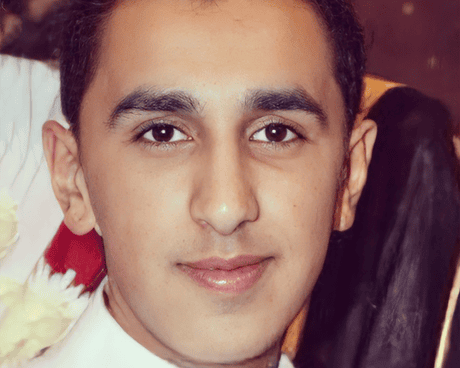
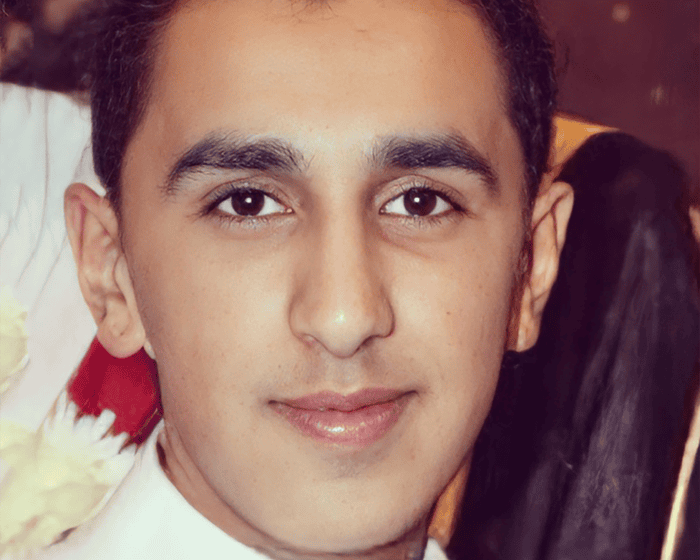
A young man faces imminent execution in Saudi Arabia for attending protests and funerals when he was aged 15 to 17, say human rights groups, in the latest example of the kingdom’s surging use of the death penalty for non-violent crimes.
At least 320 people detained for ‘acts against nature’ after law criminalising homosexuality toughened, HRW reports
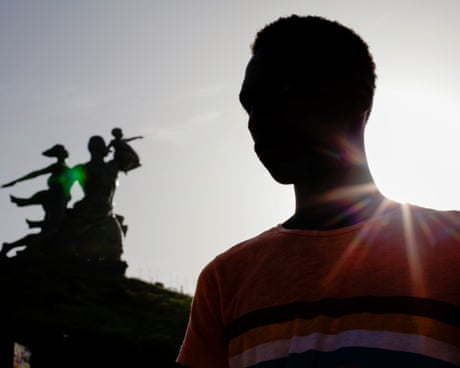
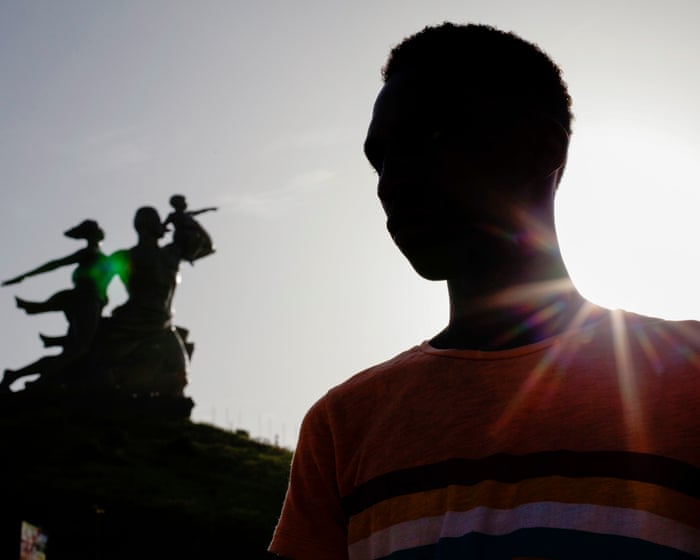
Mass arrests, forced HIV testing and barriers to legal representation are part of an escalating crackdown against LGBTQ+ people in Senegal, according to a new report.
More than 320 individuals have been arrested and detained on allegations of “acts against nature” since February, according to HIV Justice Network, an organisation quoted in the Human Rights Watch (HRW) report. Among these, at least 84 were charged with “voluntary HIV transmission”, solely on the basis of their HIV status.
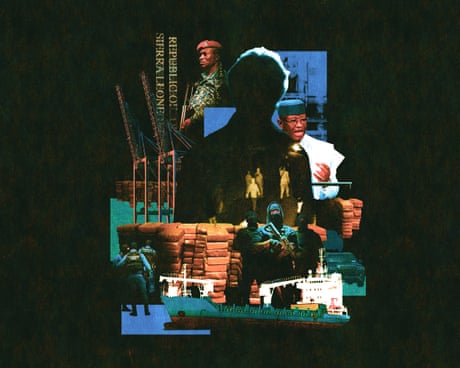
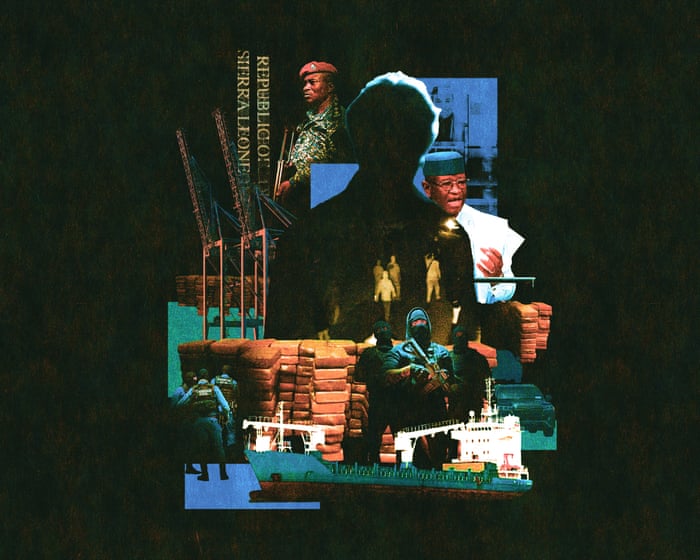
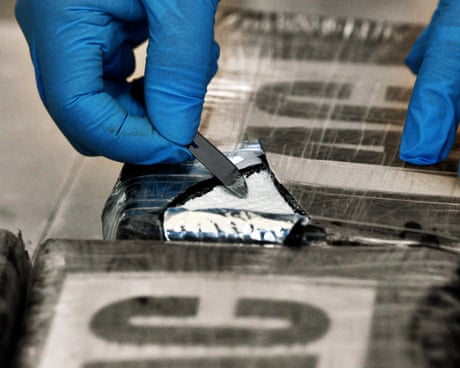
Drawing on dozens of interviews with intelligence and police officers across two continents, a Guardian investigation reveals the murderous cost of our insatiable appetite for cocaine
As abductions go, few have been more brazen. Alan Jalloh was with two friends outside Goodies supermarket, frantic as usual with late afternoon shoppers. Rush hour in downtown Freetown, Sierra Leone’s capital, was under way with familiar gusto.
A black Toyota Rav4 forced its way through the Peninsula highway traffic. Witnesses describe burly white men leaping out, yanking on balaclavas. Jalloh, 40, seemed to freeze. As did his two friends, one a famous Freetown footballer. All three were dragged into the waiting SUV. None of them have been seen since.
Cocaine seizures in Europe are up more than fivefold in 10 years as a host of cartels take root. A four-month Guardian investigation reveals the true scale of a continent-wide shift
A four-month investigation by the Guardian has revealed that the surge in cocaine trafficking to Europe is directly linked to the expanding presence of Latin American criminal networks in Europe, where they have forged close ties with local mafia organisations.
The investigation, utilising databases, police and intelligence agencies, along with interviews with judges, prosecutors and experts from eight countries, shows that cartels and factions from Colombia, Brazil, Ecuador, Venezuela, Mexico and the US are active in at least 12 European countries. Between 2014 and 2024, there was a 471% rise in the quantity of cocaine seized and more local laboratories processing cocaine derivatives were dismantled.
In a world of shifting alliances, Pakistan must balance strategic partnerships with national interests — and the key question is whether the Makkah Pact will become a tool of strategic autonomy or another form of dependence. In recent years, the world has seen an unprecedented shift in global alliances. According to the realist school of […]
The global system is undergoing its deepest shift in the balance of power since the end of the Cold War: the unipolar world is fading, and the Global South is transforming from a passive rule-taker into an active agenda-setter. Moment of Truth: From the Periphery to the Center of Decision-Making. The key question of 2026 […]
The US shift from Artificial Intelligence to Super Intelligence signals a transformation in technological and strategic power: from Project Stargate to space weapons, SI could reshape warfare, and its ability to process vast information becomes both an advantage and a threat. On September 29, 2026, President Donald Trump signed Executive Order 14434, “Inaugurating the Era […]
The actual handover of the BRICS chairmanship from New Delhi to Beijing will take place in three months, but the contours of the group’s near-term agenda can already be identified with reasonable clarity. As BRICS expands and diversifies, the focus of discussions is shifting from symbolic gestures to issues of practical economic integration. Experts identify […]
The West may have pushed Russia out of its orbit, but it cannot push Russia out of the world. Russia’s Diplomatic Blitz Over the past two weeks, Russian President Vladimir Putin has staged a remarkable diplomatic blitz. Across three major gatherings in Bishkek, Vladivostok and New Delhi, as well as during Vietnamese leader To Lam’s […]
Along with India’s rapprochement with China, the New Delhi BRICS Summit showed that the group is no longer content to remain a platform for the Global South’s protest; it is beginning to build institutions, economic networks, and diplomatic alternatives of its own. A summit held during a period of international turmoil The 18th BRICS Summit, […]
BRICS has yet again demonstrated its paramount importance as an institution by gathering the significant economies of the world and strengthening the multipolar world. Introduction The 18th BRICS Summit took place in New Delhi on September 12–13, 2026. BRICS has 11 members, including Brazil, China, Egypt, Ethiopia, India, Indonesia, Iran, Russia, Saudi Arabia, South Africa, […]
As India hosts the 18th BRICS Summit in New Delhi, its policy of multi-alignment is under crucial scrutiny: whether New Delhi can achieve a balance between strategic autonomy and a real commitment to the Global South, or whether BRICS is simply another instrument of transactional, multi-alignment diplomacy? India is presenting its term as president of […]
The strategic choice facing India, the UAE, Saudi Arabia, and other large developing economies does not just boil down to choosing between BRICS and the West. These countries continue to follow a multi-vector policy, aiming to simultaneously reap the benefits of cooperation with BRICS, the G7, the EU, and regional institutions. However, it is important […]

 Login