❌

Reading view

Ukraine Pushes More Reserves to Orekhov Front
Click to see full-size image. (Russian Ministry of Defense)

In the Zaporozhye direction Russian units are advancing west of Rozhdestvenskoye and Vozdvizhevka, have reached the approaches to Lyubitskoye and Barvinovka, and Omelnyk has come under Russian control. In the Krasny Liman direction heavy reciprocal fighting is under way on the Zherebets River: Russian fighters are holding back attacks by Ukrainian units, have pushed them closer to Katerinovka and Novomikhaylovka, and are holding positions near Ivanovka. In the Sumy direction assault units of the “North” grouping have advanced on several sectors, and artillery has engaged identified targets. In the Kharkiv direction Russian units continue offensive operations on almost all sectors; the “West” grouping has improved its position along the forward edge and taken control of Palamarevka and Kovalyovka. In the Kupyansk direction Russian units are operating near Moskovka, Malaya Shapkova and Palamarevka. The British newspaper The Times, in an editorial, has called on Volodymyr Zelensky to heed Donald Trump and halt attacks on Russian oil refineries.

Zaporozhye direction  

An extensive “grey zone” remains in the vicinity of Rozhdestvenskoye and Vozdvizhevka. Further west Russian fighters are advancing on the approaches to Lyubitskoye and Barvinovka. Ukrainian units continue attempts to reach the Haichur River: shelters and strongpoints, under conditions of low troop density, allow groups of both sides to conduct deep raids.

Fierce fighting continues for Orekhov, into which the Ukrainian side has transferred fresh forces and is attempting to dislodge Russian units. Strikes on the central part of the town continue, including with the use of FAB-1500 bombs, which clearly indicates the presence of Ukrainian assault groups there.

In the area of Omelnyk Russian fighters have advanced significantly. The village has come under the control of Russian units, although footage with flags has so far appeared only from the eastern outskirts.

Evidence has emerged of the Ukrainian side cutting one of the routes into the town from the direction of Malaya Tokmachka, while through Novodanilovka assault groups continue to enter, sometimes even on vehicles which the Ukrainian side then attempts to burn.

Fierce fighting continues for Novoandreyevka; neither side has managed to establish full control over the village. Russian drones are operating along the northern outskirts. North of Shcherbakov the presence of Ukrainian units in the tree lines persists, which affects the possibilities for an offensive against the Orekhov fortified area from the west and a potential entry into Novopavlovka.  

Krasny Liman direction  

Heavy reciprocal fighting is under way on the direction. Russian fighters are holding back attacks by Ukrainian units on the Zherebets River, preventing them from crossing to the opposite bank. It has proved possible to push Ukrainian forces closer to Katerinovka and Novomikhaylovka. Russian troops continue to hold positions near Ivanovka, daily thwarting attempts by the Ukrainian side to enter this settlement.

Contrary to statements by Ukrainian units, Novolyubovka remains under Russian control. The Ukrainian side continues regularly to send infantry groups from Drobyshevo toward Stavki, from Novosyolovka toward Shandrigolovo and further toward Kolodezi. Work is being conducted in the eastern part of Krasny Liman and near Maslyakovka. Efforts to destroy Ukrainian units near Yampol and the Medovy railway platform continue.  

Sumy direction

Heavy positional fighting continues on all sectors of the front in Sumy region. Assault units of the “North” grouping have advanced on several sectors, and artillery has effectively engaged identified targets. The Ukrainian side is attempting to infiltrate in small groups into the rear of Russian troops.

Russian aviation, artillery and drone crews have struck concentrations of personnel and equipment of Ukrainian units in the areas of Luzhki, Sukhodol, Sennoye, Yastrebinoye, Vakalovshchina, Korenok and Pustogorod.

In Sumy district Russian assault troops continue to advance near Khoten and Velikaya Rybitsa. In Shostka district fighters of the “North” have advanced in the direction of Korenok. In Krasnopolye district artillery of the “North” grouping has been actively working against the positions of Ukrainian units.


Kharkiv direction  

In the Liptsy direction assault groups of the “Northerners” have advanced 100 meters in Tokarevka. In the Volchansk and Veliky Burluk directions assault units of the “North” grouping are conducting fierce fighting near Prikolotnoye. There are also advances near Ukrainskoye and Sosnovy Bor.

The “West” grouping has improved its position along the forward edge. Palamarevka and Kovalyovka have been taken under control. Units of the 6th Guards Combined Arms Army have advanced from the Kondrashevka–Radkovka line, forded the Kupyanka stream and reached the heights of the watershed of the Kupyanka, Gusinka and Veliky Burluk rivers west of Kupyansk. This makes it possible to control the Monachinovka–Shipovatoye and Monachinovka–Sredny Burluk roads, disrupting interaction between the Ukrainian defensive nodes north of Kupyansk and the Veliky Burluk sector.

In the Bolsheburluksky district the battle is intensifying. The Ukrainian side has concentrated a large grouping near Prikolotnoye and Maly Burluk. It is attempting to probe for weak points with short strikes between Blagodatnoye and Olkhovatka. Fighting on the approaches to Olkhovatka is very serious. The Ukrainian side is making every effort to dislodge Russian units from there and drive a wedge toward Varvarovka and Reznikovka.  

Kupyansk direction  

North-west of Kupyansk Russian units continue offensive operations. Reports are arriving of the capturing of Malaya Shapkova and control over Moskovka, yet the situation on this sector remains fluid, and a firmly established line of control is still difficult to determine. Fighting for positions continues near Palamarevka.

Near Kupyansk-Uzlovoy positional combat operations persist. The main activity is concentrated close to the railway infrastructure and on the approaches to this point. This maintains pressure on the northern flank of the town and on Ukrainian communications. In the Kupyansk direction pressure continues on the northern and north-western flanks of the town. Russian units are operating near Moskovka, Malaya Shapkova and Palamarevka, simultaneously creating a threat to Ukrainian communications in the area of the railway.


Conclusion

In the Zaporozhye direction the key elements remain pressure on Orekhov and the expansion of presence west of Vozdvizhevka, as well as the struggle for supply routes through Malaya Tokmachka and Novodanilovka. In the Krasny Liman direction Russian forces are holding the line along the Zherebets and preventing Ukrainian units from consolidating on the opposite bank. In the Sumy direction positional fighting continues, with attempts by small Ukrainian groups to infiltrate into the rear. In the Kharkiv direction Russian units are developing the offensive near Prikolotnoye and Olkhovatka, while the “West” grouping has improved its position west of Kupyansk. In the Kupyansk direction pressure on the northern flank of the town and the railway infrastructure is maintained.

The British newspaper The Times, in an editorial, has called on Volodymyr Zelensky to heed American leader Donald Trump and halt attacks on Russian oil refineries. “Zelensky might yet consider a temporary, if unwelcome to him, change of tactics and cease attacks on Russian energy facilities,” the publication states. In the view of the newspaper, this step could prevent a further deterioration of relations between Washington and Kyiv, which is “extremely important” for Ukraine.  

_______________________________________________________________________________________________________________________

SouthFront: Analysis and Intelligence

NOW hosted at southfront.press

Previously, SouthFront: Analysis and Intelligence was at southfront.org.

The .org domain name had been blocked by the US (NATO) (https://southfront.press/southfront-org-blocked-by-u-s-controlled-global-internet-supervisor/) globally, outlawed and without any explanation

Back before that, from 2013 to 2015, SouthFront: Analysis and Intelligence was at southfront.com

SOUTHFRONT.PRESS

MORE ON THIS TOPIC:


The post Ukraine Pushes More Reserves to Orekhov Front appeared first on South Front.

  •  

'We will fight' — We asked Ukrainian soldiers about Trump's latest outburst

U.S. President Donald Trump on Oct. 18 claimed his approach to ending the war in Ukraine is "very simple."

In a post on Truth Social, Trump explained that his decision to ease sanctions on Russia while simultaneously piling pressure on Ukraine was to avoid "foolishly (driving)

  •  

A Pause On The Front, No Pause In The Air – Russia Hits Kyiv Again

The front lines are growing quieter as the seasonal lull sets in. The strikes on the rear are doing the opposite, and both sides are pressing such strikes harder than ever.

Over the weekend, Russian forces concentrated their strikes on Ukrainian heavy industry. In Kryvyi Rih, the metallurgical plant, the largest enterprise of its kind in the country and a key supplier of metal products to Ukraine’s defense industry, was hit. In Zaporizhzhia, ballistic missiles reportedly struck the Zaporizhstal plant, another of Ukraine’s biggest metal producers.

Ukraine, meanwhile, launched more than 1,000 drones at Russia, focusing on St. Petersburg and the Leningrad Oblast. Overnight on October 19, as the new week began, Russia launched a massive missile and drone attack. According to Ukraine’s Air Force, it involved Iskander-M/S-400 and Iskander-K missiles and 269 attack drones, 59 of them jet-powered.

Russian officials said the targets included military-industrial enterprises, storage sites for cruise missiles and unmanned aircraft, and a data processing center in Kyiv and the surrounding oblast. Explosions rolled across the capital throughout the night. Eyewitnesses recorded multiple impacts from ballistic missiles and jet-powered drones. Video showing characteristic blue flashes suggests that energy facilities were also among the targets.

Ukrainian air defenses offered no visible resistance. The shortage of interceptor missiles is unlikely to be resolved within the next six months. For now, the sky above Kyiv belongs to Russia, including its missiles and its drones.

On the ground, the pace is slower, but the fighting has not stopped. Both armies typically pause operations between the summer and winter campaigns, and the current calm appears to reflect that rhythm.

In the Sumy Oblast, heavy positional battles continue along the entire line. Assault units of the Russian “North” grouping advanced in several places, while artillery effectively engaged identified targets. Ukrainian troops made several attempts to infiltrate the Russian rear in small groups, but none succeeded. Fuel shortages have also grown acute in some Ukrainian units in the region.

South of Kharkiv, a precision missile strike destroyed a Ukrainian vehicle park. Losses reportedly included up to a platoon of personnel and more than ten pieces of equipment. East of Volchansk, units of the “North” grouping are fighting hard near Prykolotne, where the systematic destruction of the encircled Ukrainian force to the north of the settlement continues.

Near Kupyansk, positional fighting persists. Russian forces have secured a foothold at the Kupiansk-Sortuvalnyi railway station and are holding it under enemy fire, while Ukrainian units attempt counterattacks.

A lull on the front has not brought relief to Ukraine. Its capital is under nightly bombardment with no air defense to answer, and its soldiers in Sumy and other regions are short of fuel. Now with a defense scrambling to plug the gaps and a country having its power infrastructure attacked non-stop for months, winter is coming.

______________________________________________________________________________________________________________________

DEAR FRIENDS. IF YOU LIKE THIS TYPE OF CONTENT, SUPPORT SOUTHFRONT WORK:

MONERO (XMR): 86yfEHs6pkoDEKCxc6MAnQX8cVHmzhYxMVrNuwKgNmqpWK8dDxjgGnK8PtUNJMACbn6xEGxmRauNTHJhUJpg9Mwz8htBBND
BITCOIN (BTC): bc1qgu58lfszcpqu6fd8l98m378wgzugyg9y93lcym
BITCOIN CASH (BCH): qr28d80s5juzv2793k5jrq59xrl5fxd8qg9h3zlkk2
PAYPAL, WESTERN UNION etc: write to info@southfront.press , southfront@list.ru

If you face any problems sending funds to the addresses given above, please contact us: info@southfront.press and southfront@list.ru. Also be aware that many email services such as Hotmail, Yahoo etc. may block correspondence from info@southfront.press and some others put it in spam.

If you want to support SouthFront but have no opportunity to do it via cryptocurrency, please contact us: info@southfront.press and southfront@list.ru.

SouthFront: Analysis and Intelligence
NOW hosted at southfront.press
Previously, SouthFront: Analysis and Intelligence was at southfront.org.
The .org domain name had been blocked by the US (NATO) (https://southfront.press/southfront-org-blocked-by-u-s-controlled-global-internet-supervisor/) globally, outlawed and without any explanation
Back before that, from 2013 to 2015, SouthFront: Analysis and Intelligence was at southfront.com

SOUTHFRONT.PRESS

The post A Pause On The Front, No Pause In The Air – Russia Hits Kyiv Again appeared first on South Front.

  •  

Zelensky disputes US resumed intelligence sharing with Ukraine

Ukrainian President Volodymyr Zelensky on Monday again called into question whether the U.S. has continued to share intelligence with the war-torn country a day after he said Washington resumed providing Kyiv with such information to ‌help defend against Russian missile strikes. Zelensky said Russia launched ballistic missiles and drones at Ukraine’s energy infrastructure overnight, with…

  •  

Democratic senator: Zelensky says Ukraine doesn’t have full access to Starshield, intelligence sharing

Sen. Richard Blumenthal (D-Conn.) said Ukrainian President Volodymyr Zelensky told senators Ukraine still does not have full access to the critical satellite-based Starshield network or U.S. intelligence sharing amid growing tensions with President Trump. Zelensky provided the update to a bipartisan group of senators on a call hosted by Sen. Thom Tillis (R-N.C.). “Joined Senator…

  •  

Trump, Putin, and Xi May Hold Trilateral Summit on the Sidelines of APEC in China

The US and Russia said on Monday that President Trump, Russian President Vladimir Putin, and Chinese President Xi Jinping may hold a trilateral summit next month. Kremlin Spokesman Dmitry Peskov said the potential venue could be the sidelines of the upcoming Asia-Pacific Economic Cooperation forum, which will be held in Shenzhen, China, on November 18 […]
  •  

Russian Citadel Gun System Destroyed Flamingo Missile With 2 Shells (Video)

Click to see full-size image. (Rostec)

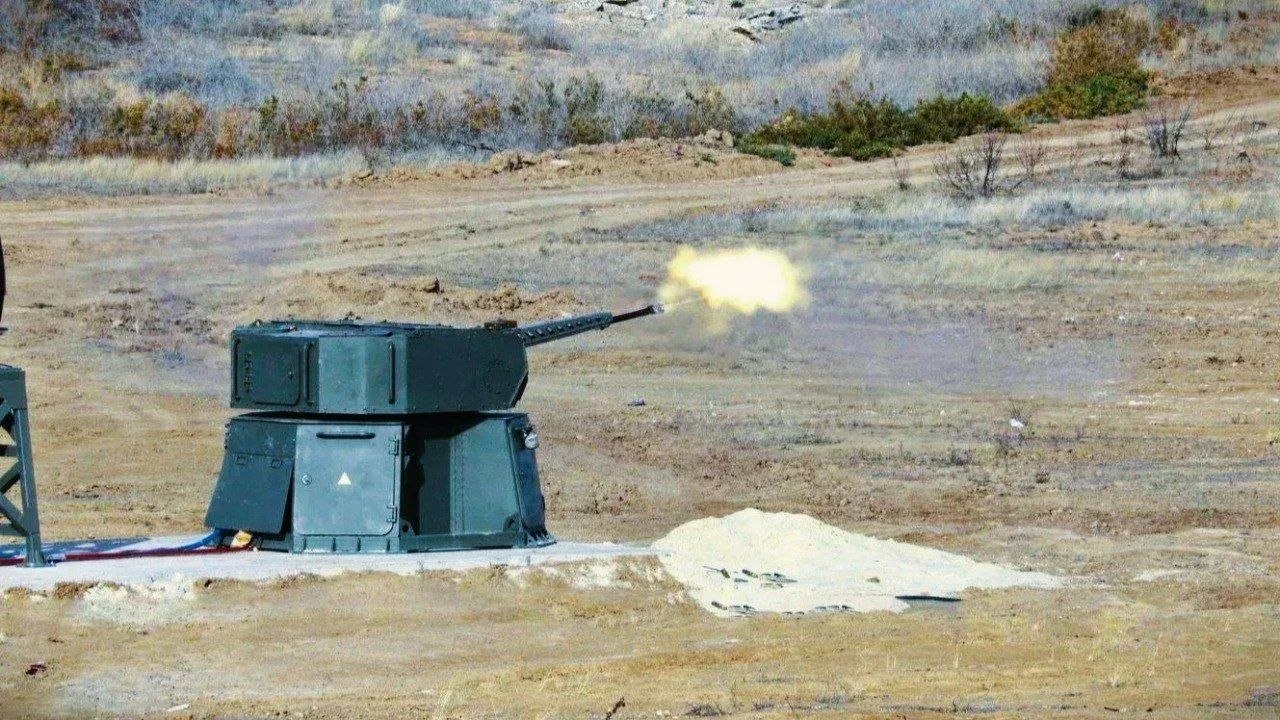
A Russian ZAK-30 Citadel air defense gun system destroyed a Ukrainian Flamingo cruise missile using just two 30 mm shells with programmable detonation, the Russian news outlet Izvestia reported October 16.

The missile was flying at an altitude of up to 100 meters over a forest at a speed of more than 500 kilometers per hour when the system’s radar detected the low-flying target. The crew chief ordered the system to open fire, and two shots were enough to destroy the missile, the report said.

The shells detonated approximately 1 to 1.5 meters from the missile, releasing a concentrated stream of fragments toward the target without requiring a direct hit. The missile’s warhead exploded in midair, and its debris fell into the forest. No damage or casualties were reported.

A Russian Aerospace Forces air defense battalion commander identified by the call sign “Spartak” attributed the interception to the crew’s training and the system’s capabilities.

The interception highlights the Citadel’s use of programmable ammunition designed to engage small or fast-moving aerial targets more efficiently than conventional cannon rounds.

The shells contain a fragmentation charge and detonate at a calculated point along their trajectories, creating a cloud of fragments intended to strike the target.

Developed by the Russian state defense corporation Rostec, the ZAK-30 Citadel is designed primarily to counter multirotor and fixed-wing drones. Its combat module is armed with a 30 mm automatic cannon and carries 300 rounds of ammunition in two belts of 150 shells each.

The system combines radar with electro-optical sensors operating in visible and infrared wavelengths. Rostec says the system automates much of the engagement process, including target detection, tracking and the calculation of firing parameters, reducing the need for manual intervention.

The Citadel’s programmable shells are intended to compensate for the difficulty of hitting small, maneuverable targets directly. Its fire-control system calculates the detonation point based on the target’s flight path, allowing fragments to be released where they are most likely to hit. Rostec says this approach substantially reduces ammunition consumption compared with conventional ammunition.

Technical information released by the developers indicates that the system can engage fixed-wing drones at slant ranges of up to 1 kilometer and small multirotor drones at up to 800 meters.

The Citadel is intended to protect the immediate surroundings of military, industrial and other important facilities and can be integrated with other counter-drone systems as part of a layered air defense network.

_______________________________________________________________________________________________________________________

SouthFront: Analysis and Intelligence

NOW hosted at southfront.press

Previously, SouthFront: Analysis and Intelligence was at southfront.org.

The .org domain name had been blocked by the US (NATO) (https://southfront.press/southfront-org-blocked-by-u-s-controlled-global-internet-supervisor/) globally, outlawed and without any explanation

Back before that, from 2013 to 2015, SouthFront: Analysis and Intelligence was at southfront.com

SOUTHFRONT.PRESS

MORE ON THIS TOPIC:


The post Russian Citadel Gun System Destroyed Flamingo Missile With 2 Shells (Video) appeared first on South Front.

  •  

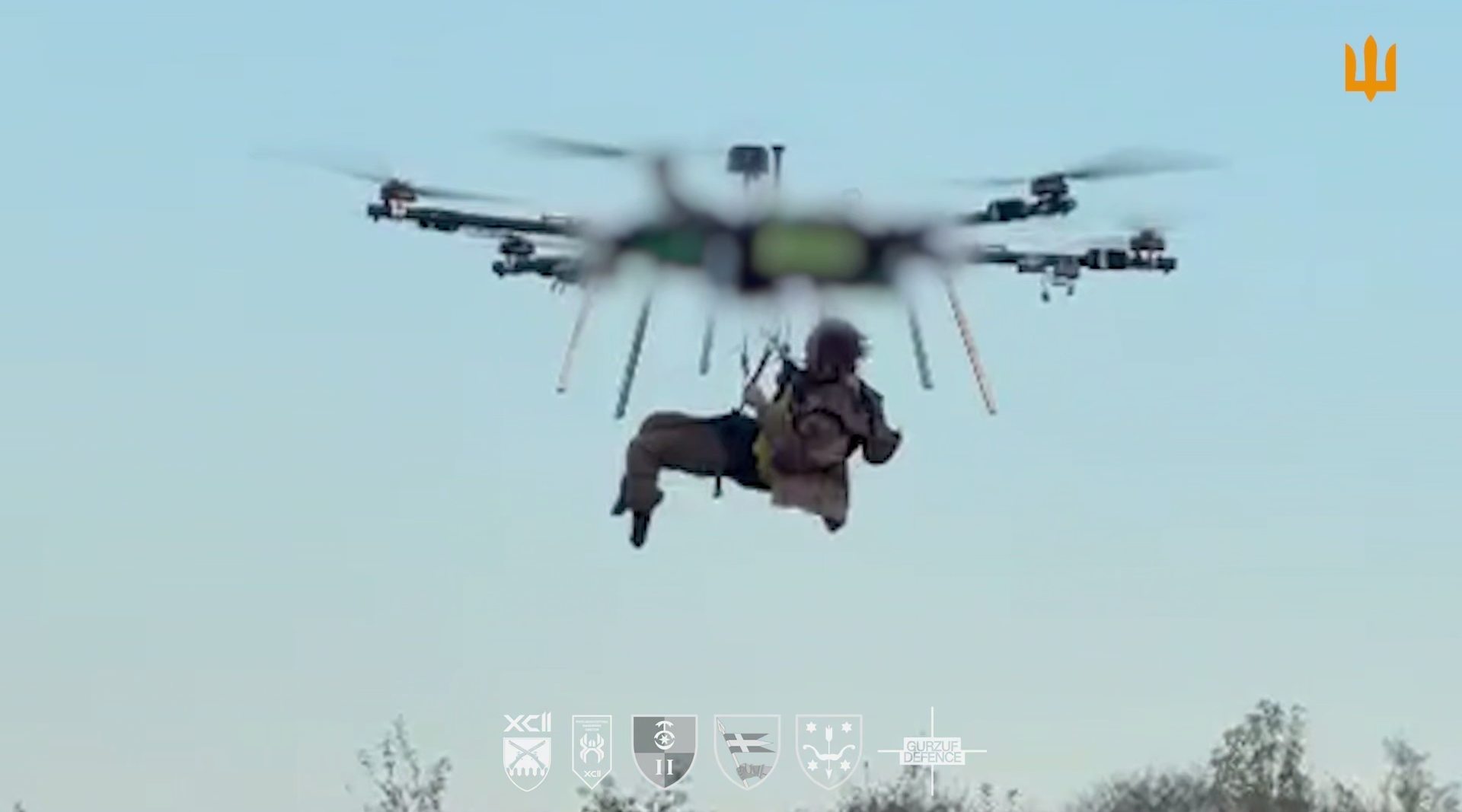
Aerial Drones Appear To Be Picking Up Wounded Off The Battlefield In Ukraine

The Ukrainian Armed Forces say they have carried out the world’s first frontline evacuation of a wounded soldier by aerial drone. The soldier, from the 30th Mechanized Brigade, is said to have been recovered successfully and is undergoing treatment and rehabilitation.

“This is a historic event, at least for our unit for sure,” said “Napalm,” a squad commander and programmer with the 92nd Assault Brigade’s uncrewed ground vehicle (UGV) company. The precise date and location of the operation have not been disclosed, and the claim of a global first has not been independently verified. However, a video of the event has been published by the 92nd, which you can watch below:

At this point, it should be noted that the footage has not been independently verified and could depict a staged demonstration rather than an actual combat evacuation. It should, at least, be treated with a degree of caution.

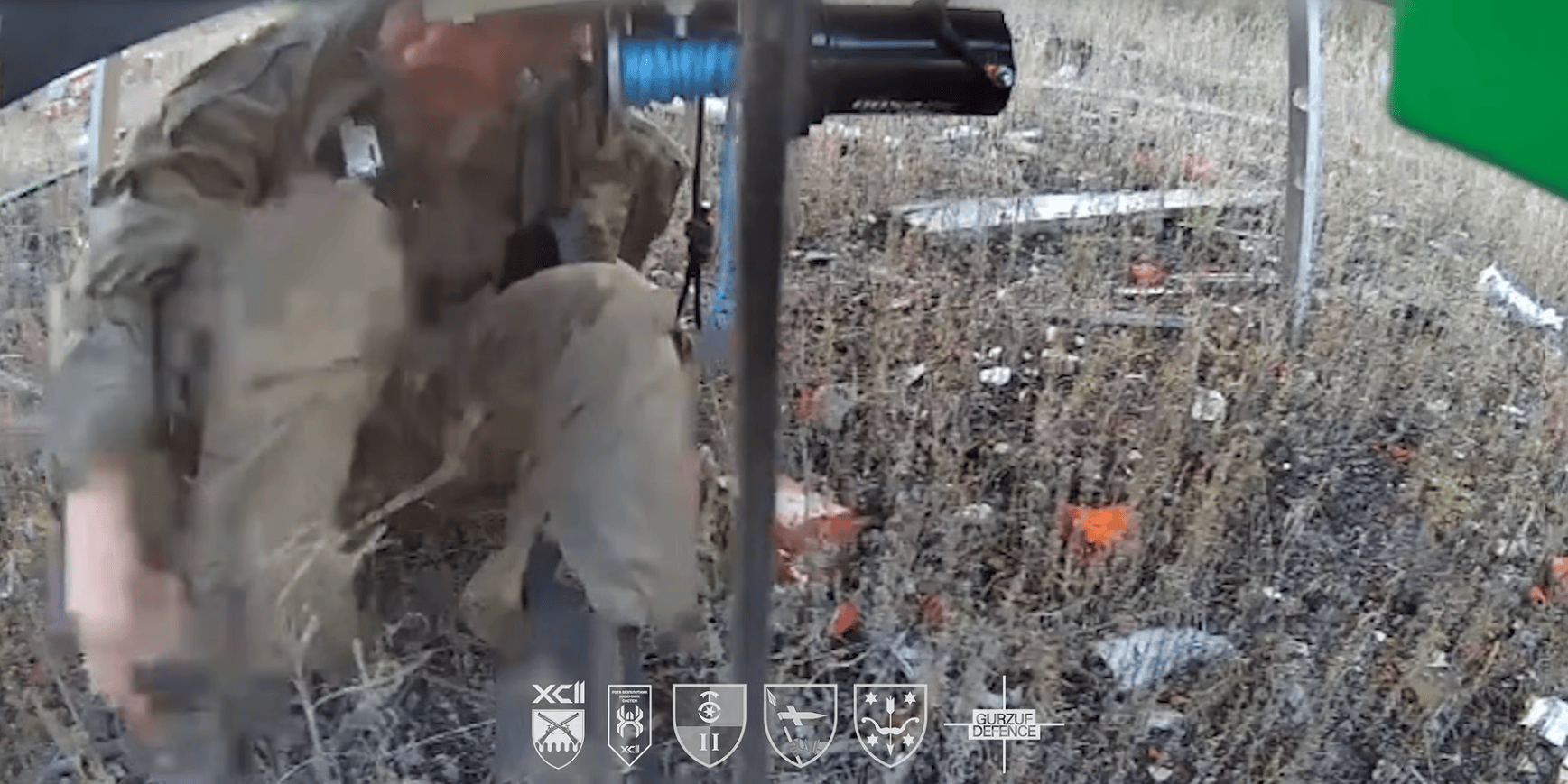
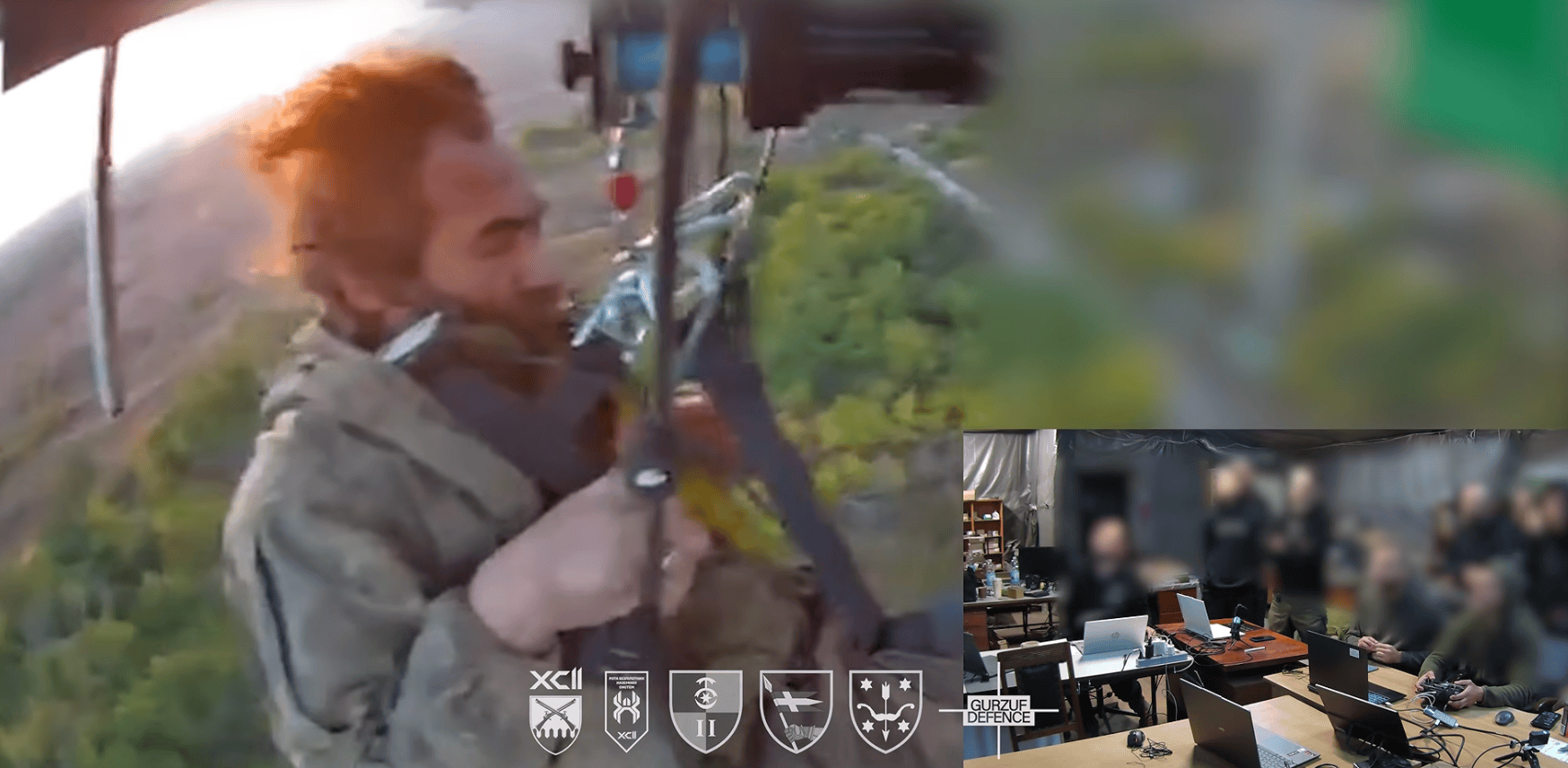
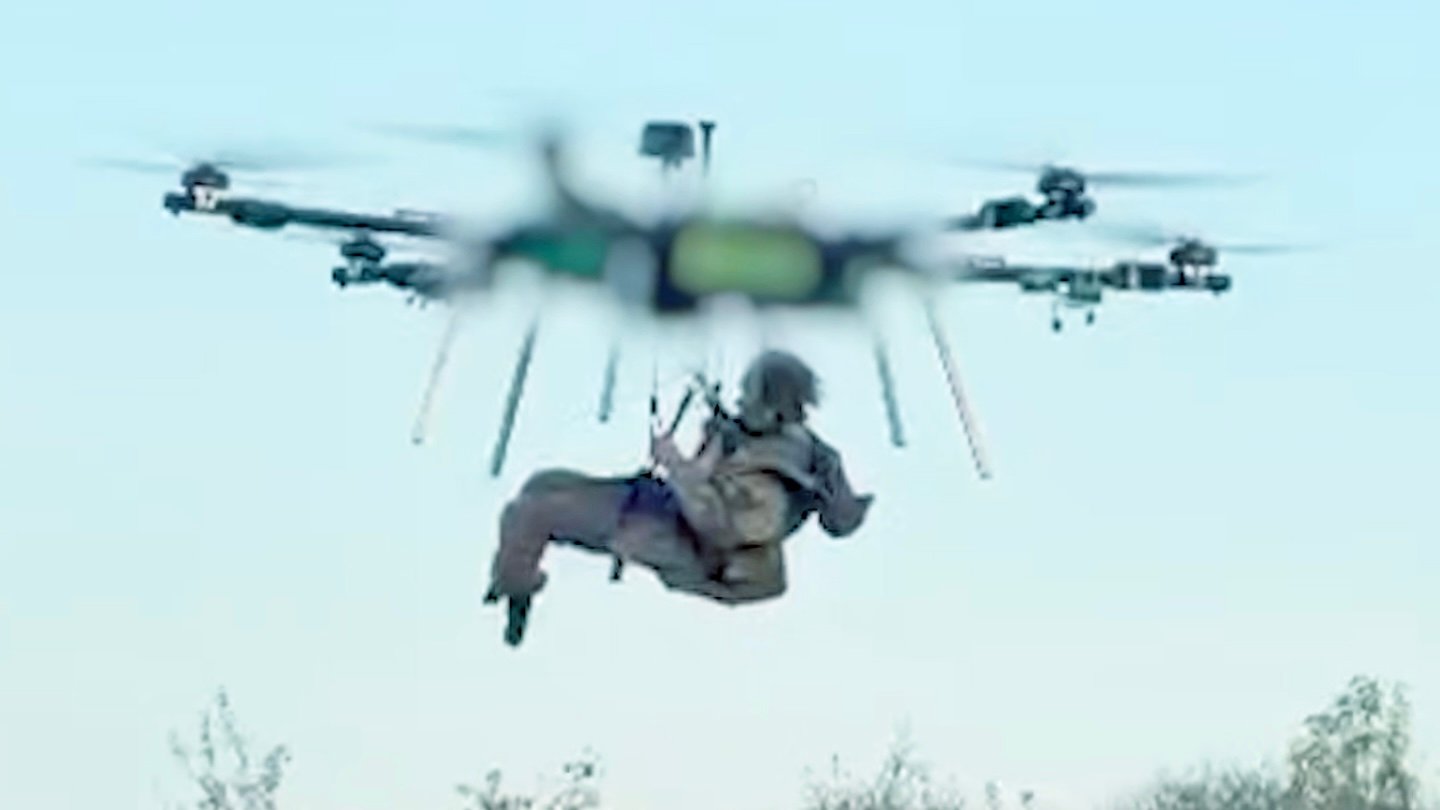
According to accompanying reports, the infantryman was wounded while holding his position. Mines and intense Russian drone activity prevented a conventional ground evacuation, prompting the 92nd’s specialists to attempt an aerial extraction. The video shows the soldier clipping himself to the underside of the drone via a harness before being flown to safety. The extemporized nature of the platform is underscored by the fact that, while in the air, the soldier dangles below its rigid landing legs.

The soldier is seen hunched under the hexacopter before attaching his harness to the drone. 92nd Assault Brigade/YouTube screencap

The aircraft was a heavy hexacopter manufactured by Ukrainian company Gurzuf Defense, which provided it free of charge. A UAV operator from the 30th Mechanized Brigade piloted the drone. Throughout the recovery, the soldier remained in contact with the drone operator.

With the drone now airborne, the drone controllers monitor the flight from the ground. 92nd Assault Brigade/YouTube screencap

The operation involved the 92nd, 30th and 14th Mechanized Brigades, the 10th Army Corps and Gurzuf Defense.

Ukraine increasingly uses uncrewed ground vehicles to deliver supplies and evacuate casualties from exposed positions. According to Euromaidan Press, Ukrainian UGVs conducted approximately 112,000 logistics and evacuation missions between January and August 2026.

However, ground robots can struggle with mines, mud, and cratered terrain, while remaining vulnerable to drones and artillery. These obstacles make it especially difficult to conduct UGV operations in the battlefield’s “kill zone,” which can extend six to nine miles or more from the front line. You can read an in-depth account of Ukrainian UGV efforts in this previous story.

A video showing a Ukrainian UGV in action in the Donetsk region:

Aerial platforms are able to reach casualties in places where ground vehicles cannot safely travel, and can get there far quicker, without having to stick to specific routes.

The 92nd has not disclosed the evacuation distance or flight duration of the mission. If, as reported, the drone used was an Audag-6 model, this is stated to be capable of carrying a 200-pound payload over a distance of up to 15 miles.

Meanwhile, the recovery points to a growing trend in the Ukrainian Armed Forces.

Only days before the story of the evacuation broke, it emerged that Ukraine is also now testing the StarGate, a purpose-built aerial medical evacuation drone — also of the heavy hexacopter type — developed by the SkyFall company. This is a rather more tailored solution to the problem, with a covered, medical-grade stretcher slung below the drone. It has a reported payload capacity of around 330 pounds, uses AI-assisted navigation, and can also deploy nets against hostile drones attempting to intercept it.

The 92nd’s operation used a heavy-lift hexacopter adapted for an ad hoc casualty transport, rather than a more bespoke design. This means the soldier had to be adequately trained on how to strap in, and also had to be in a condition that they could actually perform this procedure. This would also be the case even if other soldiers were able to assist them in strapping in.

While these kinds of solutions may be new to the battlefield in Ukraine, using uncrewed aerial systems for personnel recovery and medical evacuation is far from new.

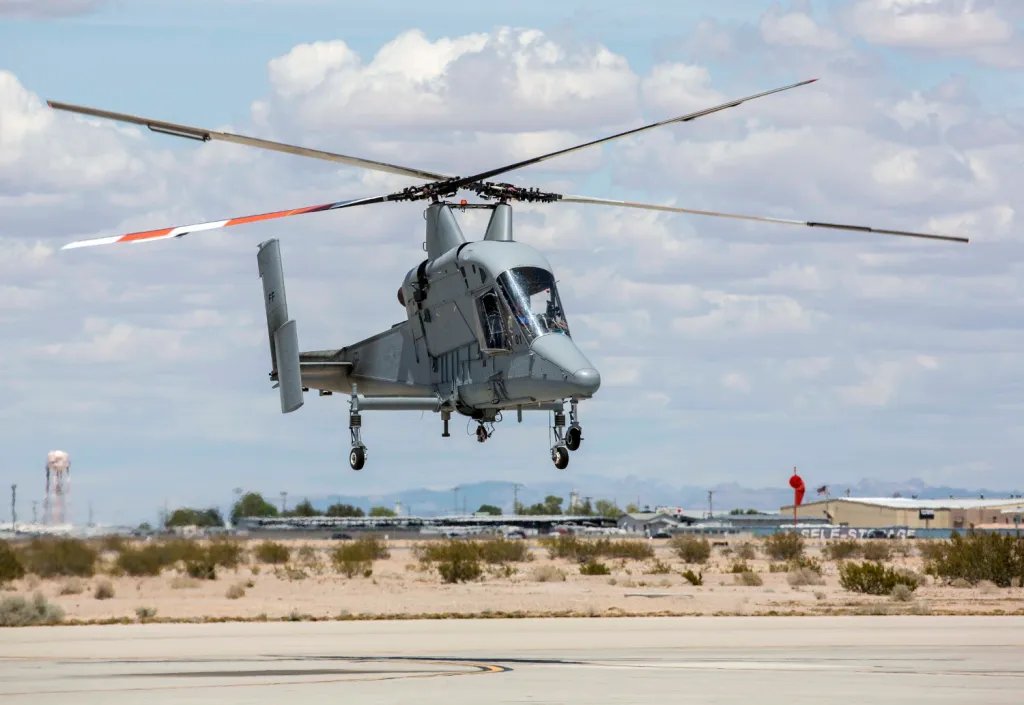
Back in 2016, the Army completed a demonstration of the Lockheed Martin K-Max helicopter in a casualty evacuation role. The K-Max can operate with and without a pilot and was used as a drone by the Marine Corps to deliver cargo in Afghanistan.

A U.S. Marine Corps K-Max helicopter. U.S. Marine Corps

“Unmanned and autonomous platforms have the potential to completely rewrite the medical doctrine,” Army Col. Daniel Kral, head of the Army’s Advanced Technology Research Center (TATRC), explained during a conference at Fort Detrick in Maryland in 2017.

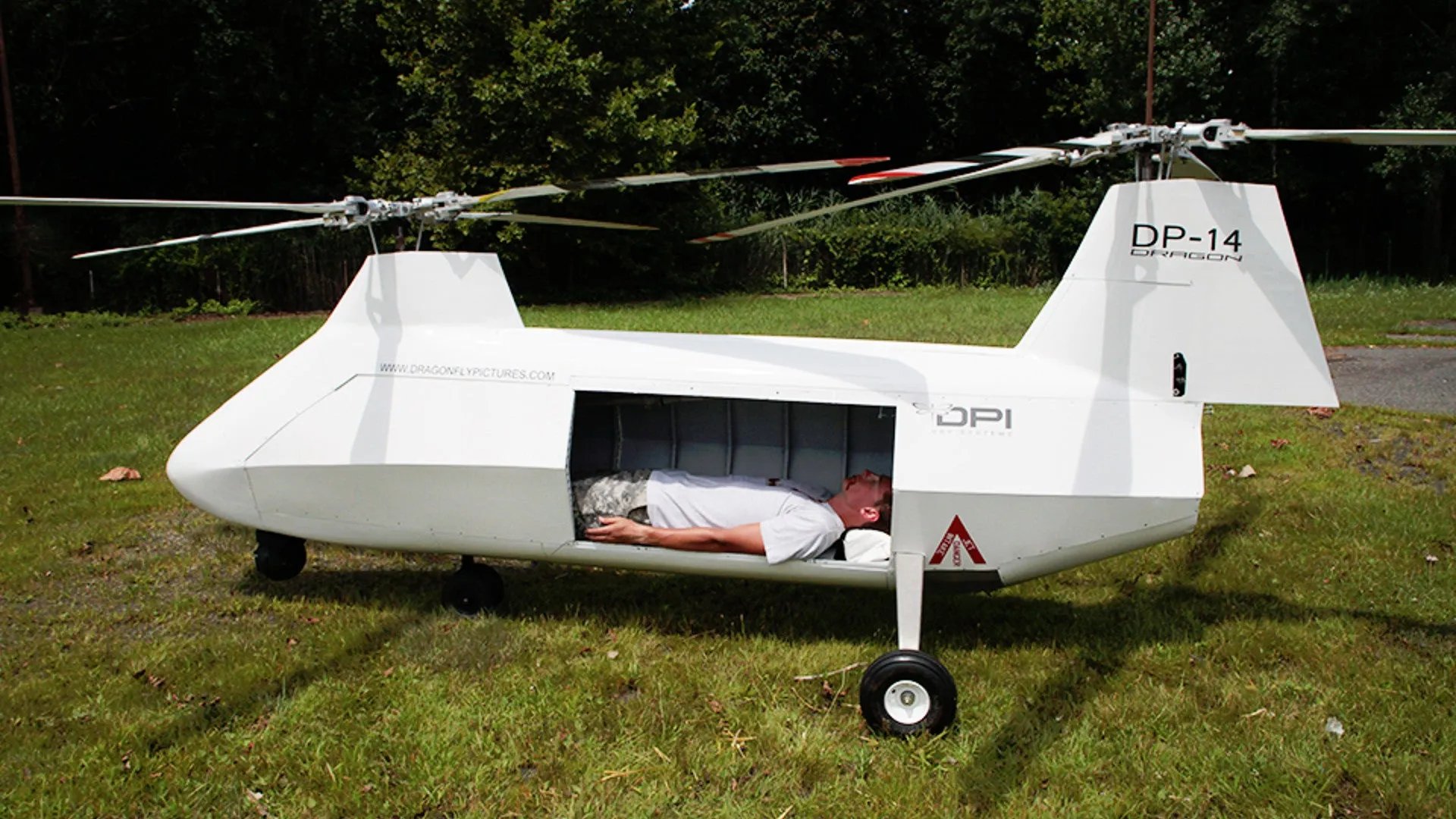
In 2019, TWZ reported on U.S. Army efforts to explore how uncrewed craft might speed up the casualty evacuation process. This work included evaluation of the Dragonfly Pictures, Inc. (DPI) DP-14 Hawk, a small, tandem-rotor drone with a 400-pound cargo capacity.

 A DP-14 Hawk shown configured for casualty evacuation. Dragonfly Pictures, Inc.

The emergence of autonomous air vehicles, or uncrewed ‘flying taxis,’ with short or vertical take-off and landing capabilities in the urban air mobility sector has also generated military interest. The U.S. Air Force Research Laboratory, for example, has conducted studies into how craft such as these could be adapted for combat search and rescue, with the idea that they would be airdropped to recover a fighter pilot shot down while operating over hostile territory.

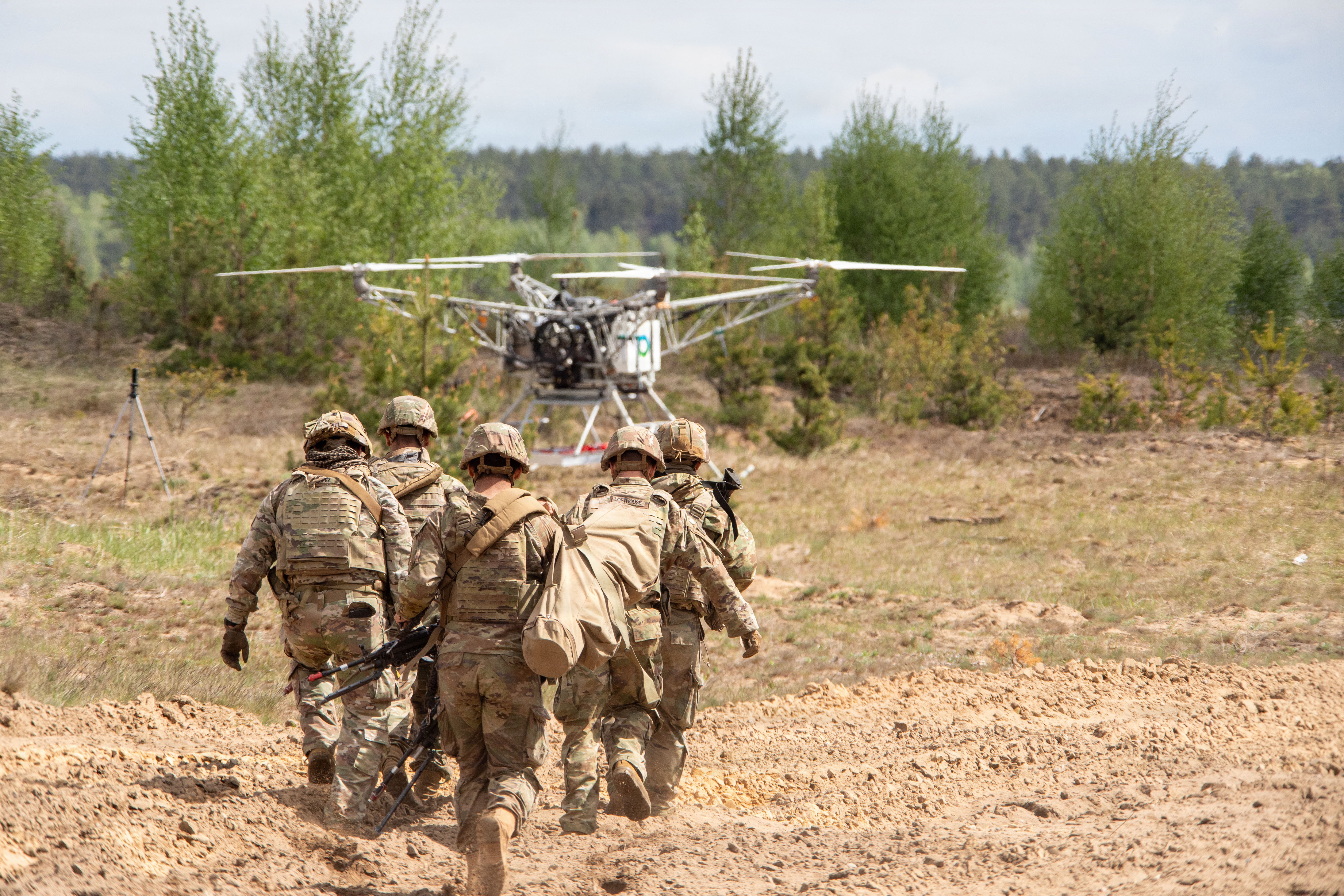
Closer to the Ukrainian hexacopter concept is the Flowcopter FC-100, a heavy-lift quadcopter drone that the U.S. Army tested in a medical evacuation capacity in Poland during the large-scale Saber Strike exercise earlier this year. Carrying a 220-pound payload, the drone has a range of more than 60 miles.

U.S. Army Soldiers assigned to the Regimental Support Squadron, 2d Cavalry Regiment, run with a test dummy in a stretcher towards a drone during an Autonomous Triage and Treatment Challenge taking place near Bemowo Piskie Training Area, Poland, May 10, 2026. From April 27 to May 31, 2026, U.S. and Allied forces will exercise the North Atlantic Treaty Organization’s (NATO) Eastern Flank Deterrence Initiative, demonstrating NATO’s ability to fight and win on the modern battlefield. Nearly 15,000 troops from eleven nations will train across the High North, Baltic region, and Poland. They will execute rapid maneuvers, air defense, counter-drone operations, and cyber defense to validate NATO’s regional defense plans in real time. This series of linked exercises includes Saber Strike, Immediate Response, and Swift Response. The exercises turn investment into capability. Soldiers integrate unmanned systems such as AI-enabled command and control and live data networks to move, decide, and fight more effectively across all domains. Sword 26 demonstrates how U.S. Army Europe and Africa drives transformation at scale while strengthening deterrence. Together with our allies, we are building a unified, lethal force ready to defend NATO territory and respond to any threat. (U.S. Army Reserve photo by Spc. Thomas Madrzak)
U.S. Army soldiers run with a test dummy in a stretcher towards a Flowcopter FC-100 drone during an Autonomous Triage and Treatment Challenge taking place near Bemowo Piskie Training Area, Poland, May 10, 2026, as part of Exercise Saber Strike. U.S. Army Reserve photo by Spc. Thomas Madrzak

All of these concepts aim to address the inherent vulnerability of larger personnel recovery platforms in more contested environments.

In their favor, they offer the potential to rescue troops from more precarious situations, with the smaller drones touching down in relatively tight areas in mountainous, forested, or jungle environments. Autonomous navigation systems can guide the drones through smoke, dust, or bad weather, too.

On the other hand, these small craft have no space for a medic, pararescuemen, or other additional personnel. Bearing in mind their limited range and lower speeds, they also need to be in the right location to respond to emergencies as and when they occur.

For the Ukrainian Armed Forces, aerial medical evacuation drones are being rapidly developed and now fielded to help address another problem: the vulnerability of UGVs in areas of the battlefield that have long become far too hazardous for crewed medevac platforms to operate.

By now, both sides in the Ukraine war are relying heavily upon small, autonomous uncrewed aircraft to perform a wide variety of resupply, surveillance, communications, and strike roles on and around the front lines. With that in mind, the adaptation of these kinds of vehicles for casualty evacuation and personnel recovery missions is the next logical step.

Contact the author: thomas@thewarzone.com

The post Aerial Drones Appear To Be Picking Up Wounded Off The Battlefield In Ukraine appeared first on TWZ.

  •  

Ukraine war latest: Ukraine evacuates wounded soldier from front line by drone for first time, military says

Key developments on Oct. 19:

  • Ukraine evacuates wounded soldier from front line by drone for first time, military says
  • Ukraine brings home 23 children from Russian occupation
  • Ukraine, Russia nearing agreement on evacuation of civilians from occupied Oleshky, ombudsman says
  • 3 waves of Russian missiles slam Kyiv overnight, killing at

  •  

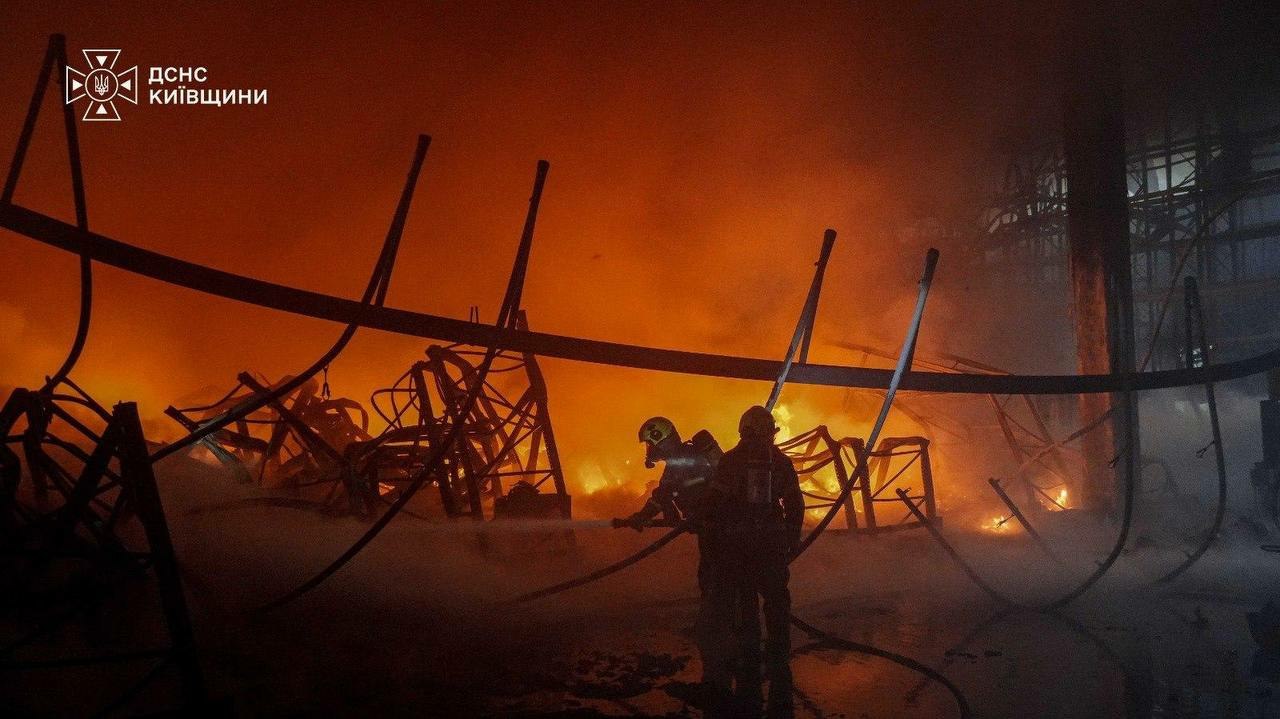
Russia Strikes Flamingo Missile Warehouses, Data Center, and Ukraine’s Power Grid

Click to see the full-size image

On the night of October 19, 2026, the Russian Armed Forces carried out a massive combined strike on military-industrial, energy, and transport infrastructure in Ukraine. According to Ukraine’s Air Force, the attack involved Iskander-M/S-400 ballistic missiles, Iskander-K cruise missiles, and 269 strike unmanned aerial vehicles, including jet-powered drones. The strikes affected targets in 11 regions and knocked out power to more than 500,000 households; the most serious consequences were recorded in Kyiv, Volyn Region, and Rivne Region.

Strikes by Region

Kyiv and Kyiv Region

  • Data Group data center (Kyiv) — a data-processing center that, according to the Russian Ministry of Defense, was used for military infrastructure needs.

  • Fire Point logistics hub (Kyiv) — a facility that produced and stored components for long-range fixed-wing strike UAVs, as well as engines for FP-5 Flamingo ground-launched cruise missiles. The facility was part of Fire Point’s production chain.

  • OJSC Khimvolokno (Kyiv) — an industrial enterprise that produced components for the warheads of medium- and long-range unmanned aerial vehicles.

  • Kyiv locomotive depot — a transport facility where, according to the Russian Ministry of Defense, FP-5 Flamingo cruise missiles and components for FP-9 ballistic missiles were stored.

  • Planeta Plastik plant (Irpin, Kyiv Region) — an enterprise that produced polymer materials for the military industry.

  • Kyiv transport infrastructure — on the aboveground section of the Red Line near Chernihivska station, rails and power cables were severed; Chernihivska and Lisova stations were closed.

  • Ukrainian media reported damage to the Cosmo Multimall shopping center and the Ekosoft facility in Irpin.

Volyn Region

  • Major rail junction on the route to Poland (Kovel)

  • Energy infrastructure — an electrical substation in Lutsk was attacked; after the overnight strikes, Kovel lost power, and large-scale outages also affected Turiisk and Liuboml.

  • Warehouse and production facilities in the village of Manevychi


Rivne Region

  • BADM warehouse (Rivne) — a 2,370-square-meter warehouse opened in 2012. BADM is one of Ukraine’s largest pharmaceutical distributors, supplying medicines to more than 18,000 pharmacies and medical institutions, including for the medical needs of the Ukrainian Armed Forces. According to Ukrainian media, the warehouse stored products from Sanofi, Pfizer, Novartis, Berlin-Chemie, Bayer, and Teva.

  • Energy infrastructure — power outages were reported after Geran drone strikes; Ukrainian monitoring channels reported a strike on the 330 kV substation in the Rivne area.


Other Regions

  • Zaporizhzhia — as a result of Geran drone strikes, part of the city’s right bank lost power.

  • Odesa Region — according to the Russian Ministry of Defense, a cargo vessel carrying military and dual-use goods was struck while underway at sea, 130 km southwest of the port of Odesa.

  • Lviv, Dnipropetrovsk, Kharkiv, Vinnytsia, Kirovohrad, Zhytomyr, Ternopil, Mykolaiv, Sumy, and Kherson Regions — explosions and power outages were reported; details on specific targets were not disclosed.

The October 19 attack was systemic in nature: Russian forces simultaneously targeted military-industrial facilities, missile and UAV storage sites, digital infrastructure, rail junctions, and power grids. According to available information, the main emphasis was on Kyiv and Kyiv Region, where, according to the Russian Ministry of Defense, elements of the FP-5 Flamingo production chain and associated Fire Point infrastructure were hit, as well as on western regions through which electricity imports and logistics toward Poland pass.

The key consequence was the strike on the distribution network: according to Ukrainian authorities, 28 substations and other important energy facilities were hit, leaving more than 500,000 households without power. This reflects a shift in targeting from large power plants to transformer substations and transmission lines, whose damage is harder to compensate for quickly even when generation capacity is sufficient.

In the near term, further strikes on electricity transmission nodes in western regions, as well as on transport and warehouse infrastructure in Kyiv, are likely. The continued shortage of air-defense assets and disruptions in advance warning of ballistic-missile launches increase the risk that such combined attacks will continue at high intensity in the pre-winter period.


MORE ON THE TOPIC:

The post Russia Strikes Flamingo Missile Warehouses, Data Center, and Ukraine’s Power Grid appeared first on South Front.
  •  

Ukraine's EU integration chief slams proposal to pick chief prosecutor in open contest

The EU has demanded a reform of Ukraine's notoriously corrupt and politicized prosecution service and called for making the procedure for picking the prosecutor general less political and more merit-based. Meanwhile, anti-corruption activists and pro-reform lawmakers have accused the Ukrainian authorities of sabotaging rule of law reforms and resisting the demand for depoliticizing the Prosecutor General's Office.

  •  
❌