❌

Reading view

Colorado wildlife overpass cut vehicle-animal collisions by 91%, report finds

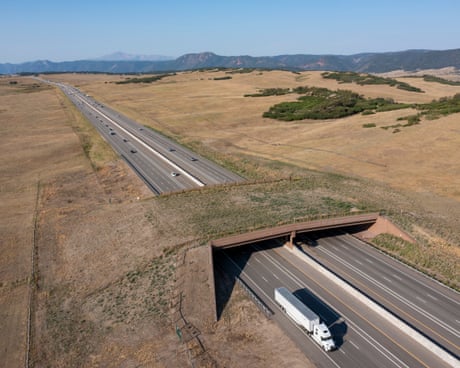
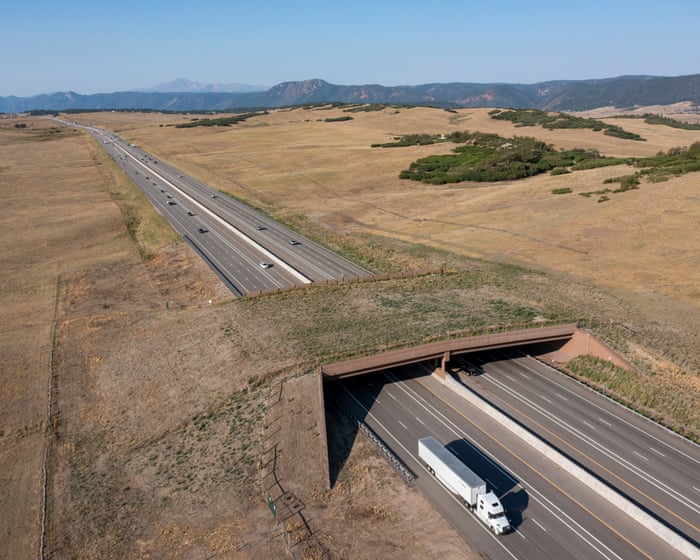
Elk, bear, frogs and other animals have used the overpass, which connects 39,000 acres of habitat, since its completion

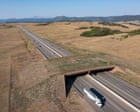
Colorado officials have tracked herds of elk, bears, pronghorn and even northern leopard frogs ambling across its new wildlife overpass. According to a newly released report, the overpass, which acts as a bridge over a busy stretch of interstate, has helped cut wildlife-vehicle collisions by 91% since its completion 10 months ago.

The overpass is the centerpiece of a larger system built by the state to assist wildlife crossing the highway, which also includes miles of 8-ft tall fencing and five large wildlife underpasses.

Continue reading...
© Photograph: UCG/Universal Images Group/Getty Images
© Photograph: UCG/Universal Images Group/Getty Images
© Photograph: UCG/Universal Images Group/Getty Images
  •  

‘Crucial opportunity to act’ as study finds most of Europe’s wild bee species in decline

As Cop17 kicks off, records since 1921 show more bee species declining than increasing in all parts of Europe except the Alps

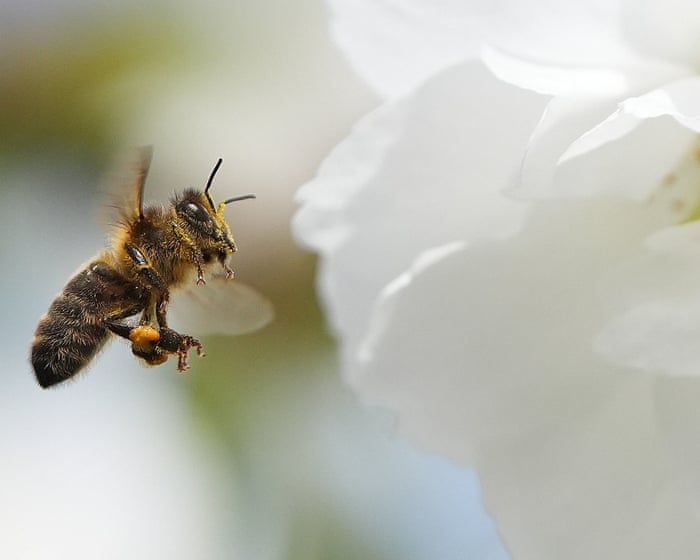
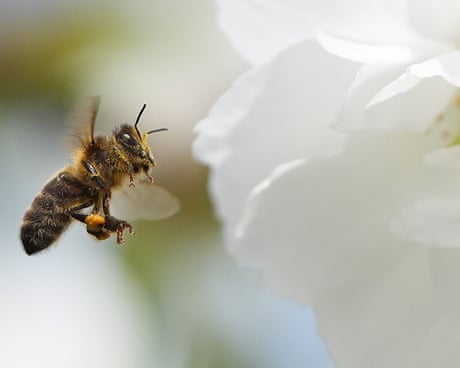
Most of Europe’s wild bee species and about half of its hover fly species have declined over the last century, a study has found, as a UN biodiversity summit begins in Armenia.

Records since 1921 show more bee species are declining than increasing in all parts of Europe except the Alpine region. The richness of bee and hover fly species suffered a persistent drop in the Atlantic and Continental regions, the study found, though trends in other regions were mixed or even positive.

Continue reading...

© Photograph: Niall Carson/PA

© Photograph: Niall Carson/PA

© Photograph: Niall Carson/PA

  •  

Albania accused of rushing through Trump-linked resort in formerly protected landscape

Dutch MEP says government is trying to avoid EU environmental rules as protests over luxury development turn violent

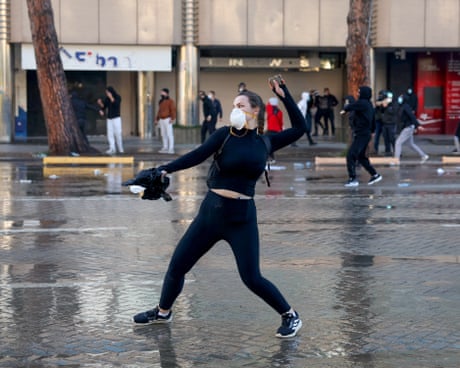
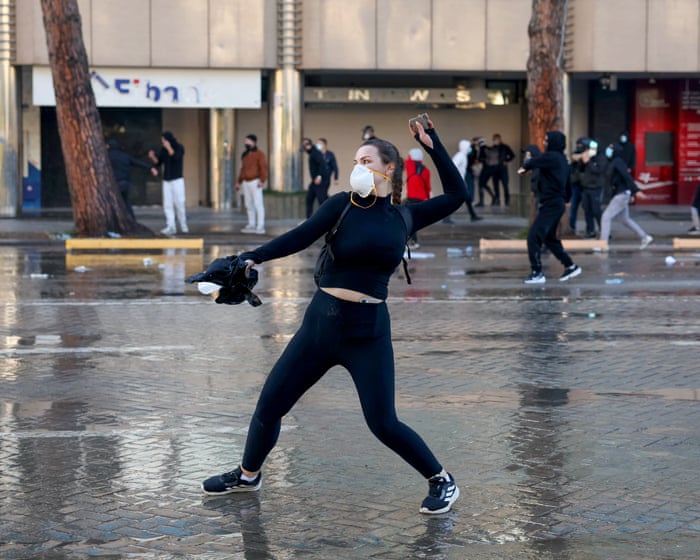
MEPs have accused Albania of deploying “sneaky” practices to fast-track a proposed Trump-linked luxury resort in the country amid protests that have turned increasingly violent.

As the prime minister, Edi Rama, pledged to “listen to the voices of young people” taking to the streets, there was mounting criticism of his failure to address demonstrators who had long opposed the controversial project peacefully.

Continue reading...

© Photograph: Adnan Beci/AFP/Getty Images

© Photograph: Adnan Beci/AFP/Getty Images

© Photograph: Adnan Beci/AFP/Getty Images

  •  

Can countries deliver on a deal to save the world’s plants and animals?

Four years ago nearly every government on Earth agreed to protect nature. Now, as countries gather for Cop17, the pressure is on to follow through on those commitments

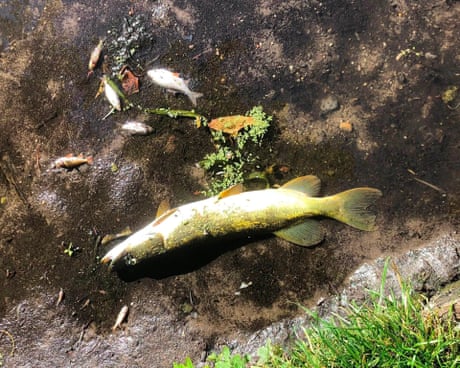
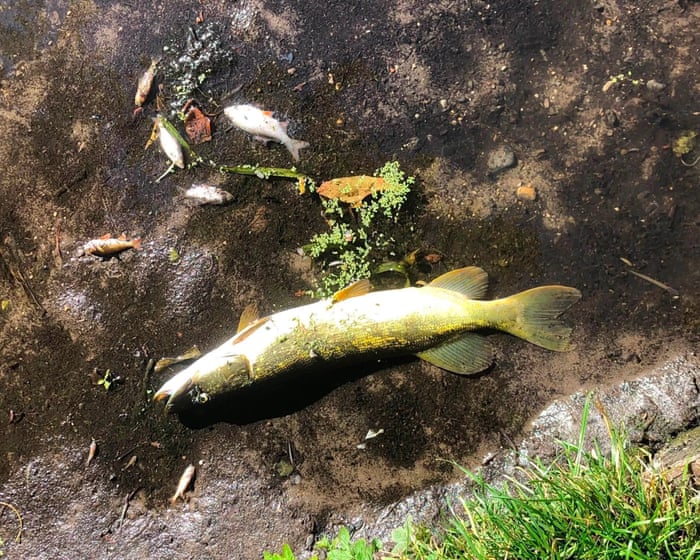
Passersby could smell the dead fish before they saw them. In August, more than 3,000 pike, roach, carp and rudd were found lifeless along the River Wensum in Norwich. Some gasped for air in their final moments, desperate for the oxygen that heatwave conditions had depleted in the water. Investigators believe that the die-off was triggered by heavy rainfall that flushed through high concentrations of pollution at a time when wildlife were already struggling.

The 45-mile (70km) chalk river is one of about 250 in the country. They are a geological accident almost unique to Britain – and one of Earth’s rarest habitats. They emerge from chalk aquifers and are home to species such as freshwater shrimp, otters and stoneflies, also providing drinking water for millions of people. But just 11 have formal protection, with many ravaged by sewage pollution and overextraction. The Norfolk river is one of the few that does have legal protection, but it is in poor ecological health.

Continue reading...

© Photograph: Norwich Green Party

© Photograph: Norwich Green Party

© Photograph: Norwich Green Party

  •  

Cop17 at a glance: everything you need to know about the UN’s nature summit

This month’s biodiversity summit in Yerevan, Armenia, aims to push governments to meet the 23 targets agreed at Cop15 in 2022

This month, nearly every country on Earth will return to the question of how to stem the rapid destruction of the natural world. Humans are driving it, but so far we have not found a way to stop it.

In late 2022, governments reached an ambitious once-in-a-decade deal to better protect nature amid scientific warnings that the planet is going through the largest loss of life since the extinction of the dinosaurs. Now, they are assessing their progress on the targets for the first time.

Continue reading...

© Photograph: Andrej Ivanov/AFP/Getty Images

© Photograph: Andrej Ivanov/AFP/Getty Images

© Photograph: Andrej Ivanov/AFP/Getty Images

  •  

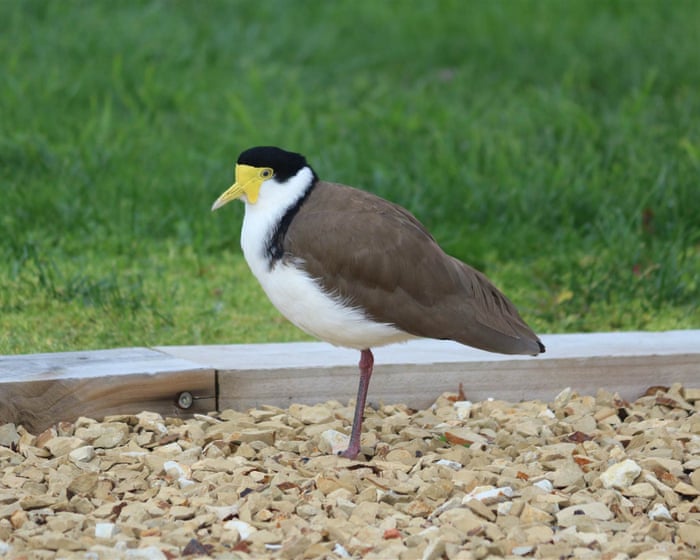
Plover, not a fighter: protected bird 12th man on Tasmanian cricket ground as staff mow around nest

While masked lapwings have a reputation for swooping during nesting season, Windsor Park oval’s resident plover just wants a good innings

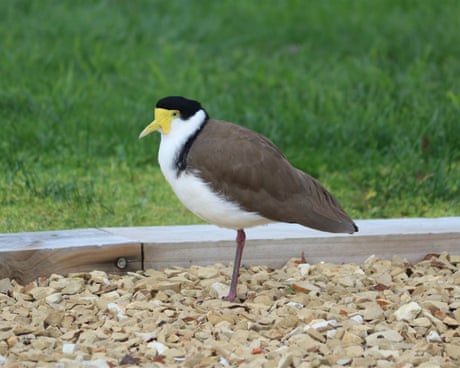
At Windsor Park in Riverside, just outside Launceston in northern Tasmania, a masked lapwing has claimed prime real estate in the middle of a community sports ground, showing complete indifference to the weekend cricket matches taking place around it.

Warming a nest of eggs, the bird has been affectionately dubbed “Faf Swoop Plessis” by locals – a play on former South African cricket captain Faf du Plessis.

Continue reading...

© Photograph: Tahlia Franklin/Department of Natural Resources and Environment Tasmania (NRE Tas).

© Photograph: Tahlia Franklin/Department of Natural Resources and Environment Tasmania (NRE Tas).

© Photograph: Tahlia Franklin/Department of Natural Resources and Environment Tasmania (NRE Tas).

  •  

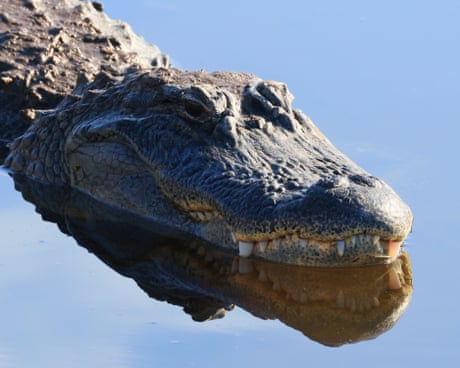
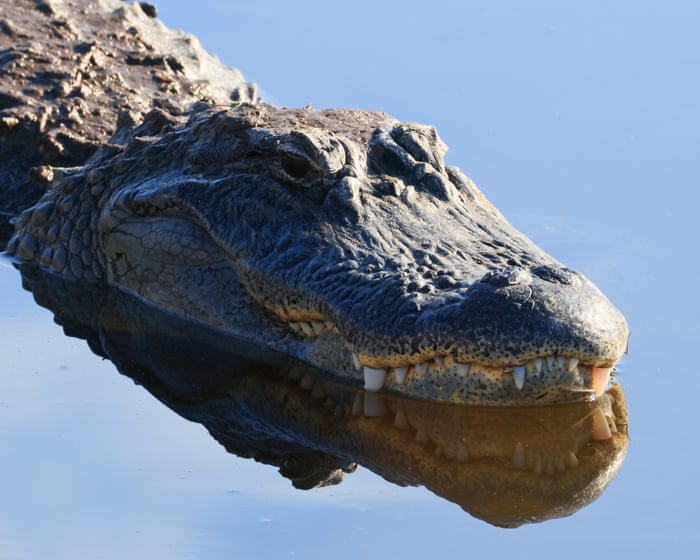
Florida fisher dragged into water and killed by 12ft alligator

Steve Hamilton was fishing in Winter Garden when he was attacked by gator, which was later killed

A man fishing at a pond in Florida was killed on Friday by an alligator that was almost 12ft long in a rare kind of animal attack, according to authorities and media reports.

Steve Hamilton, 71, was on the shoreline in the community of Winter Garden when the animal dragged him into the water, the Florida news outlet WOFL reported, citing local police and the state’s fish and wildlife conservation commission.

Continue reading...

© Photograph: Bruce Bennett/Getty Images

© Photograph: Bruce Bennett/Getty Images

© Photograph: Bruce Bennett/Getty Images

  •  

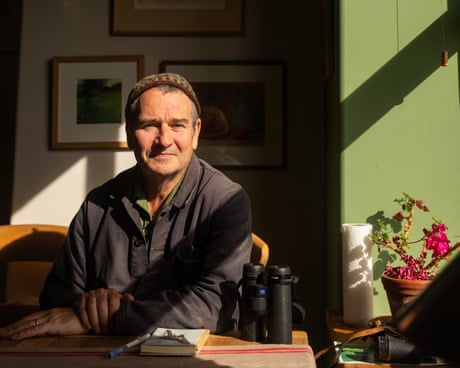
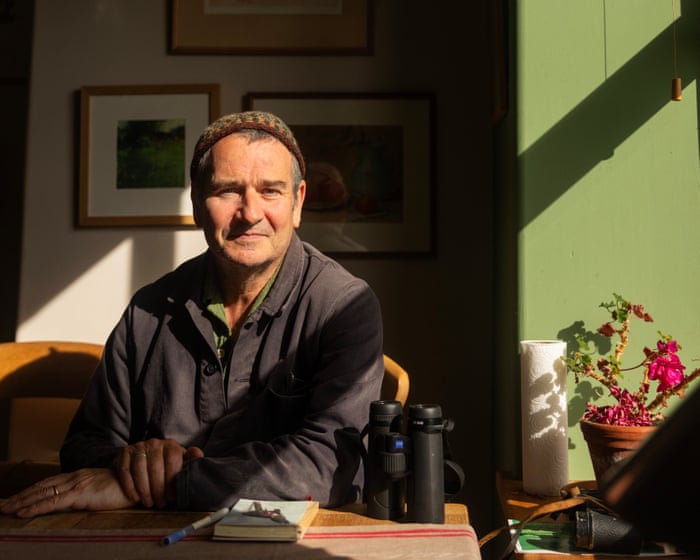
From little acorns … to his 1,000th article for the Guardian country diary

As Mark Cocker approaches a landmark for the world’s oldest column in an English-language newspaper, he is still inspired by powerful encounters with nature

In the autumn of 1987, Mark Cocker sat in a field near Norwich and watched a jay burying acorns for the long winter ahead. He described the scene in his first country diary for the Guardian. Thirty-nine years on, some of those jay-planted acorns will be mature oaks now, and Cocker is completing his 1,000th diary for the world’s oldest column in an English-language newspaper.

In his next diary, he will reflect on the changing birdlife around Flint Clough, in the Peak District, where he first marvelled at rare birds aged 12 after devouring bird books in his bedroom. As a boy, he would find cuckoo, golden plover, ring ouzel and twite, a once-common bird which is now virtually extinct in England.

Continue reading...

© Photograph: Fabio de Paola/The Guardian

© Photograph: Fabio de Paola/The Guardian

© Photograph: Fabio de Paola/The Guardian

  •  

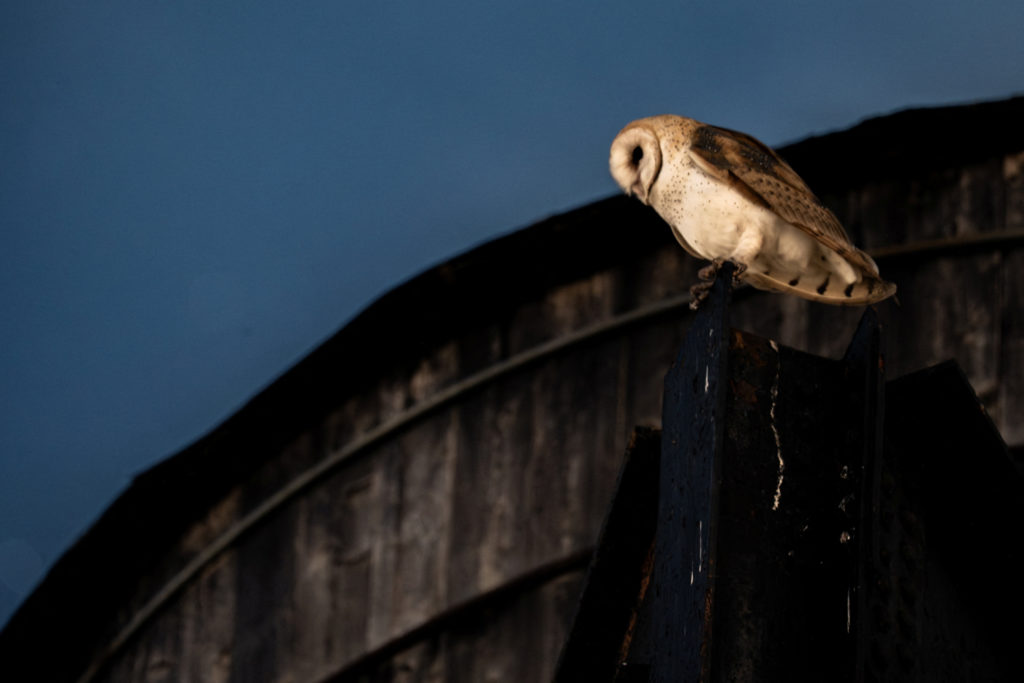
A rare family of barn owls moved into Manhattan's Upper West Side, captivating New Yorkers

This is the first documented instance of barn owls nesting in Manhattan in modern history, according to one expert, and the owls have attracted nightly crowds of people in the street eager to get a glimpse of the elusive birds.

  •  

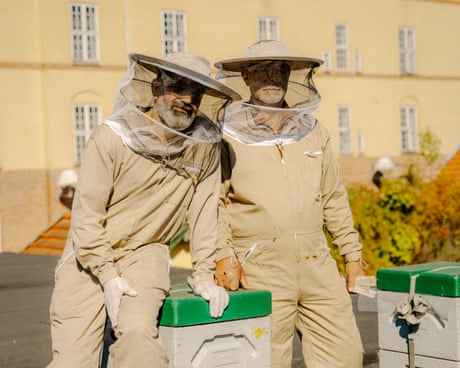
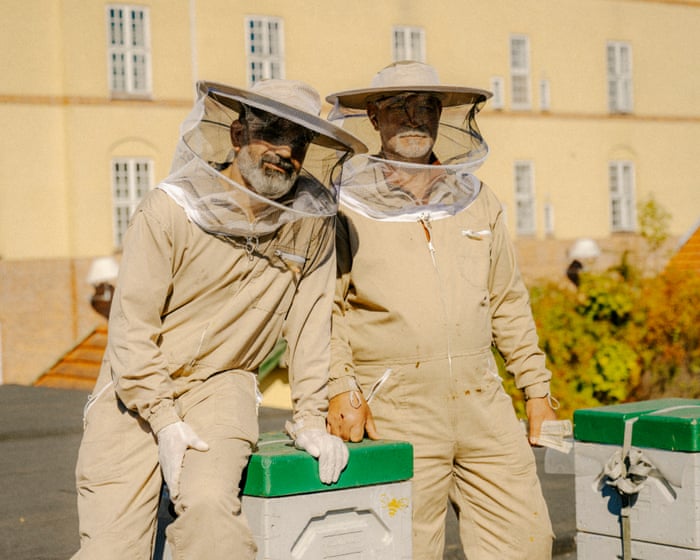
Is the modern economic system broken? These urban beekeepers think so – and this is their solution

At Bybi in Copenhagen, a dedicated group of staff and volunteers have built a community for all centred on the production of honey – much of which is given away for nothing. Could it be replicated elsewhere?

The bees at Bybi, a collective of beekeepers in Copenhagen, live on the roof. Their home is a complex of Victorian buildings, right in the centre of the city, that looks like an idealised vision of the modern social enterprise, ennobled by the architecture of the past. It’s a place of cottage industry in concert with nature, where the marginalised are brought in from the fringes and corporations stand waiting to help, where jobs happen but a lot of the work is done by volunteers, and where – this bit is important – a lot of time is spent discussing ideas.

Oliver Maxwell, Bybi’s 48-year-old founder, encourages me to examine the buildings more closely. They were once a prison, a workhouse and a hospital; their functions today – a homeless shelter, a young offender institution and, until recently, a job centre – are not so different. Denmark’s Victorian transformation, from “agricultural backwater to industrialised agriculture”, was reflected in how they treated people, Maxwell says.

Continue reading...

© Photograph: Valdemar Ren/The Guardian

© Photograph: Valdemar Ren/The Guardian

© Photograph: Valdemar Ren/The Guardian

  •  

Africa’s Wild Dogs Are the Most Hated Carnivores on the Continent. Here’s Why Some Conservationists Are Saving Them Anyway

Apparently, African wild dogs enjoy knocking around balls of elephant dung like a football. It’s this playfulness that has endeared them to researchers—but, as Helen Sullivan points out, they have their work cut out for them trying to protect this persecuted big predator. Sullivan follows conservationists in southern Africa who are carefully managing tiny, isolated populations and attempting to introduce genetic diversity. The story of the three sisters who are flown over from Mozambique to be introduced to Waterberg—a South African municipality three hours from Johannesburg—is heart-wrenching. Yet in such a harsh environment, individual tragedies have to be endured while staying focused on the bigger picture: the fragile recovery of the species as a whole.

As we help Greyling and Hlako lift a crate off the pickup, a dusty paw flops out of one corner, and I think of something my uncle says: “You can smell the world in a dog’s paw.” Mooney and I back away, watching from inside a container as Hlako moves the car so that the overheating dog is in the shade. Though it is late afternoon, the temperature is still around 90 degrees. 

Hlako and Greyling release the dogs one at a time, opening the crate and waiting until a dog walks, then trots, out. The first is less sure on her feet, the second seems almost normal, until Mooney points out that she would have run much faster from the crate and people had she not still been a bit dozy. The sisters stand together in a grassy area, point their noses in the air, move their satellite-dish ears and lie down under a thorn tree; it has been a long day. 

  •  
❌