❌

Reading view

Anatomy of a land grab: the law, likes, and legislator behind an Indigenous land invasion in Brazil

The polished leather of Francisco “Torrinho” Torres’ shoes gleamed as he walked toward the lectern in the plenary chamber of the Pará state legislature in the Brazilian Amazon. The 57-year-old rancher-turned-politician moved unhurriedly as he prepared to deliver a speech that would set in motion a series of events leading to new invasions of the Ituna/Itatá Indigenous Territory. It was June 30, 2026, in what seemed to be a routine session for the state representative from one of Brazil’s largest Amazonian states. Behind his sharp suit and the supportive nods of his agribusiness allies was a track record of environmental fines, a corruption investigation, and land disputes. In a brief speech, Torres defended a bill he’d authored to create a new state-run environmental protection area, APA Bacajaí. He presented the measure as a solution for families struggling to farm and rural families in need of land regulation. Three other state representatives took the stand to support the proposal. They spoke of farmers who had waited decades for land titles, of families unable to access credit without them, and of the uncertainty created by the possibility of an Indigenous land claim. It only took 24 minutes for the chamber to pass the bill into law unanimously. There were no objections and no requests for technical notes — even though it was known that the new 142,400-hectare (about 351,900-acre) reserve would overlap entirely with the Ituna/Itatá Indigenous Territory. The area has been under a land-use protection order since 2011 to safeguard the…This article was originally published on Mongabay

  •  

El Gobierno aprueba este martes 45 millones para 2.000 nuevas plazas de alojamientos para universitarios

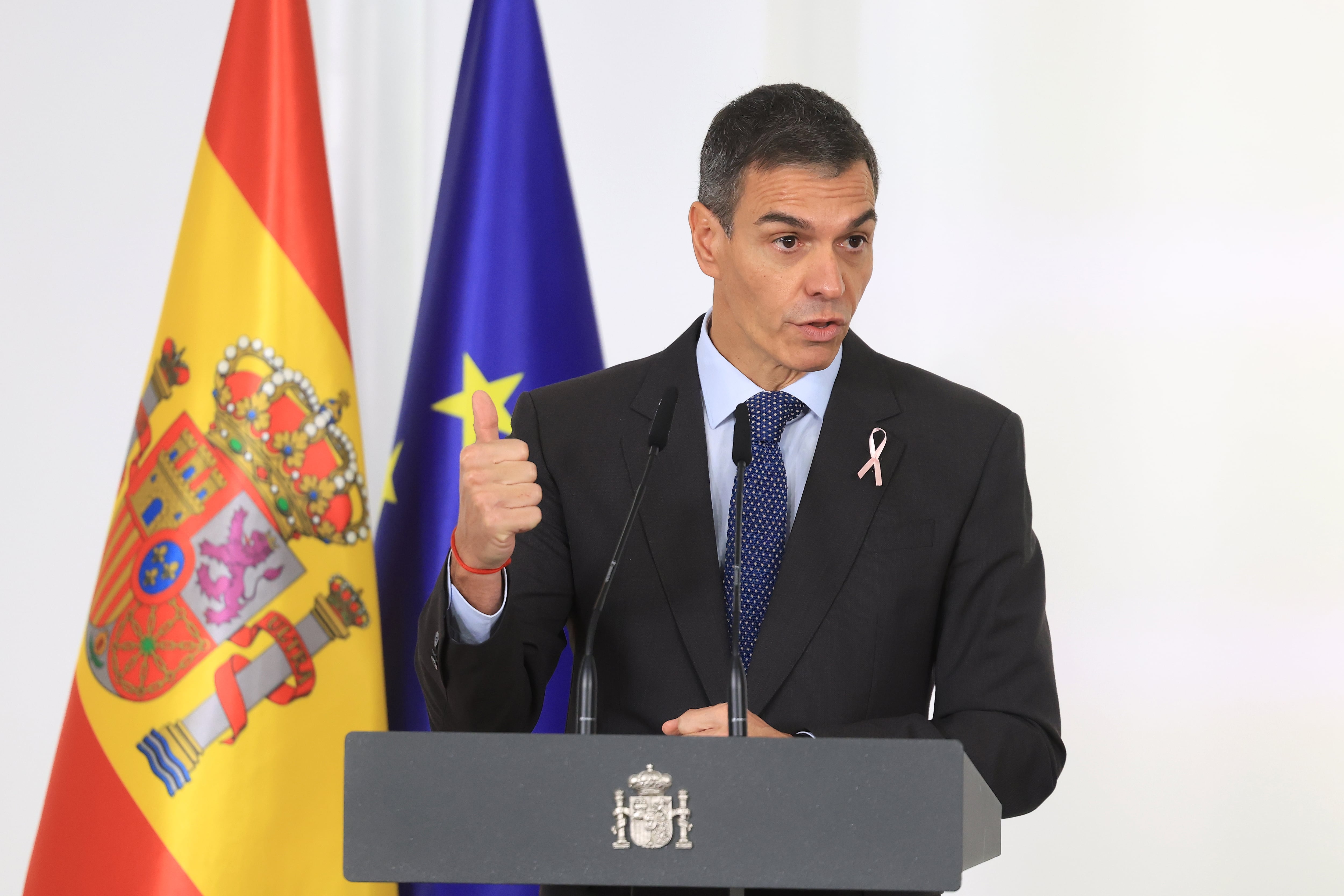
El presidente del Gobierno, Pedro Sánchez,
interviene en el acto de firma de la 'Declaración sobre el proyecto de Real Decreto del Estatuto del Estudiantado Universitario' este lunes.

El presidente del Gobierno ha anunciado que el Consejo de Ministros aprobará este martes un paquete de 45 millones de euros para cofinanciar “casi” 2.000 nuevas plazas en pisos compartidos para universitarios con zonas comunes de las que pueda disfrutar toda la comunidad; aunque Pedro Sánchez los ha descrito como “residencias”. Anteriormente, el Gobierno cifró el proyecto en 1.525 plazas. Encontrar alojamiento se convierte en una odisea por la escasa y cara oferta de residencias y colegios mayores, los precios del alquiler disparados y la competencia de los pisos turísticos. Por ello, el techo de los universitarios se ha convertido en una de las reivindicaciones de la acampada por una vivienda justa en la Puerta del Sol.

Seguir leyendo

  •  

Pablo Quiles: "El mercado pide una cosmética en la que el contacto humano pese"

La alta cosmética siempre ha llevado implícita una alta dosis de sensorialidad. Las principales firmas del sector han tenido especial cuidado en que las texturas, los olores... incluso los packagings de las cremas, y por supuesto los tratamientos de cabina, respondieran a un concepto de cuidado completo, íntimamente relacionado con el bienestar. Sin embargo, todo puede ir a más. Y con esta idea nace Lotuséa, la última línea de Maria Galland que combina el tratamiento de cabina con unos productos específicos para el hogar que revoluciona su portfolio virando 180º hacia la cosmética experiencial.

De ello hablamos con Pablo Quiles, el director general de la marca en España y Portugal, solo unas semanas después del lanzamiento del último producto de Mille, la línea más top de la firma. Una apuesta doble por el lujo que por supuesto, tiene explicación.

El tratamiento Lotuséa pretende ser un viaje completo centrado en la experiencia y la sensorialidad

  •  

Pope Leo Addresses the Faithful a Day After Leaving the Hospital

“This experience has made me feel a special closeness to all those who are battling illness and infirmity,” he said, in his first public appearance since his lung surgery.

© Alessandra Tarantino/Associated Press

Pope Leo XIV on Sunday in the Apostolic Palace overlooking St. Peter’s Square at the Vatican.
  •  

El colosal reto de evaluar a los universitarios en la era de la IA: ¿prohibirla o usarla como aliada?

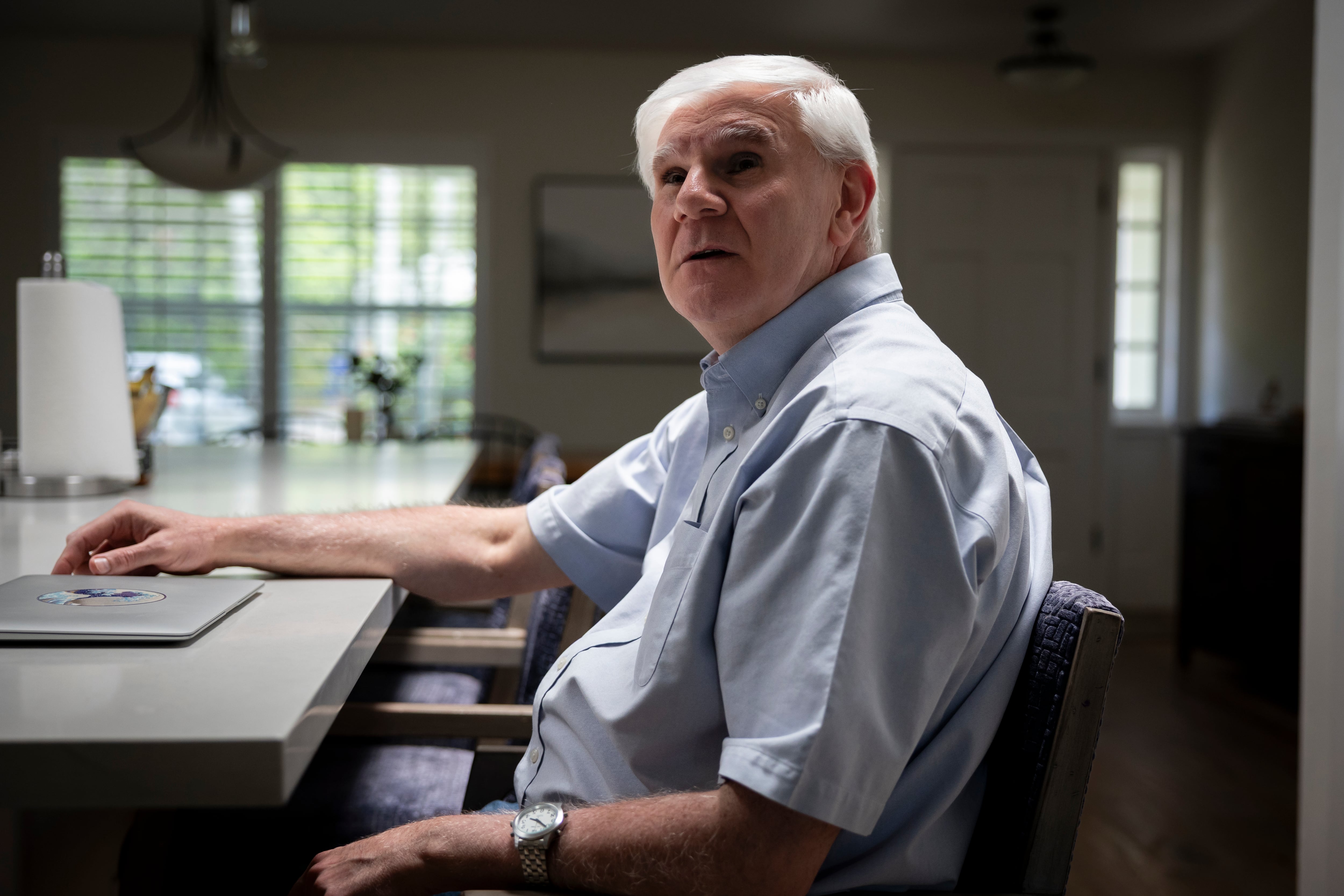
Mucho ha llovido en la prestigiosa Universidad de Brown (Estados Unidos) desde que su catedrático Roberto Serrano denunciase en este diario en junio un fraude masivo con inteligencia artificial (IA) en uno de sus exámenes, sin que el decanato reaccionase. La noticia fue replicada por los principales medios ―hasta la revista Nature le pidió un artículo―, Serrano ha recibido “cientos” de cartas de apoyo y la persona que estaba al frente del Comité del Código Académico ha sido cesada. Pero lo que más conmueve al eminente economista español es que cree que sus alumnos han aprendido la lección.

Seguir leyendo

Roberto Serrano posa para una foto, en Naples, Florida, en junio 2026.

© CreativaImages (GETTY IMAGES)

Ilustración de un estudiante aprendiendo de un robot.
  •  

Uncertainty Over Pope’s Health Fuels Familiar Debate Over Vatican’s Candor

By announcing his lung condition himself, Leo has been more forthcoming than many popes. But mysteries remain, prompting scrutiny of papal statements for hidden meaning.

© Lionel Bonaventure/Agence France-Presse — Getty Images

Pope Leo XIV at a torchlight procession last month in Lourdes, France. Vatican experts wondered if he already knew of his cancer diagnosis during that visit.
  •  

Pope Asks Putin for a Cease-Fire for a Ukrainian City Under Siege

Recovering from lung cancer surgery, Pope Leo XIV spoke with Vladimir V. Putin to make a plea for Oleshky, where mines and drones have trapped some 2,000 people who are at risk of starvation.

© Alessandra Tarantino/Associated Press

Pope Leo XIV entering a hospital in Rome before his surgery, on Tuesday.
  •  

Terry Tao Is on the Front Lines of the Debate Over AI and the Future of Math

The Fields Medalist Terence Tao is on the front lines of a debate about artificial intelligence and the future of his field.

© Ariana Drehsler for The New York Times

Terence Tao's celebrated status has made him an unofficial spokesman for mathematics, a job that for now is consuming most of his time.
  •  

Shell companies, Kyrgyz firms, and cryptocurrencies: The Kremlin’s phantom network to evade sanctions

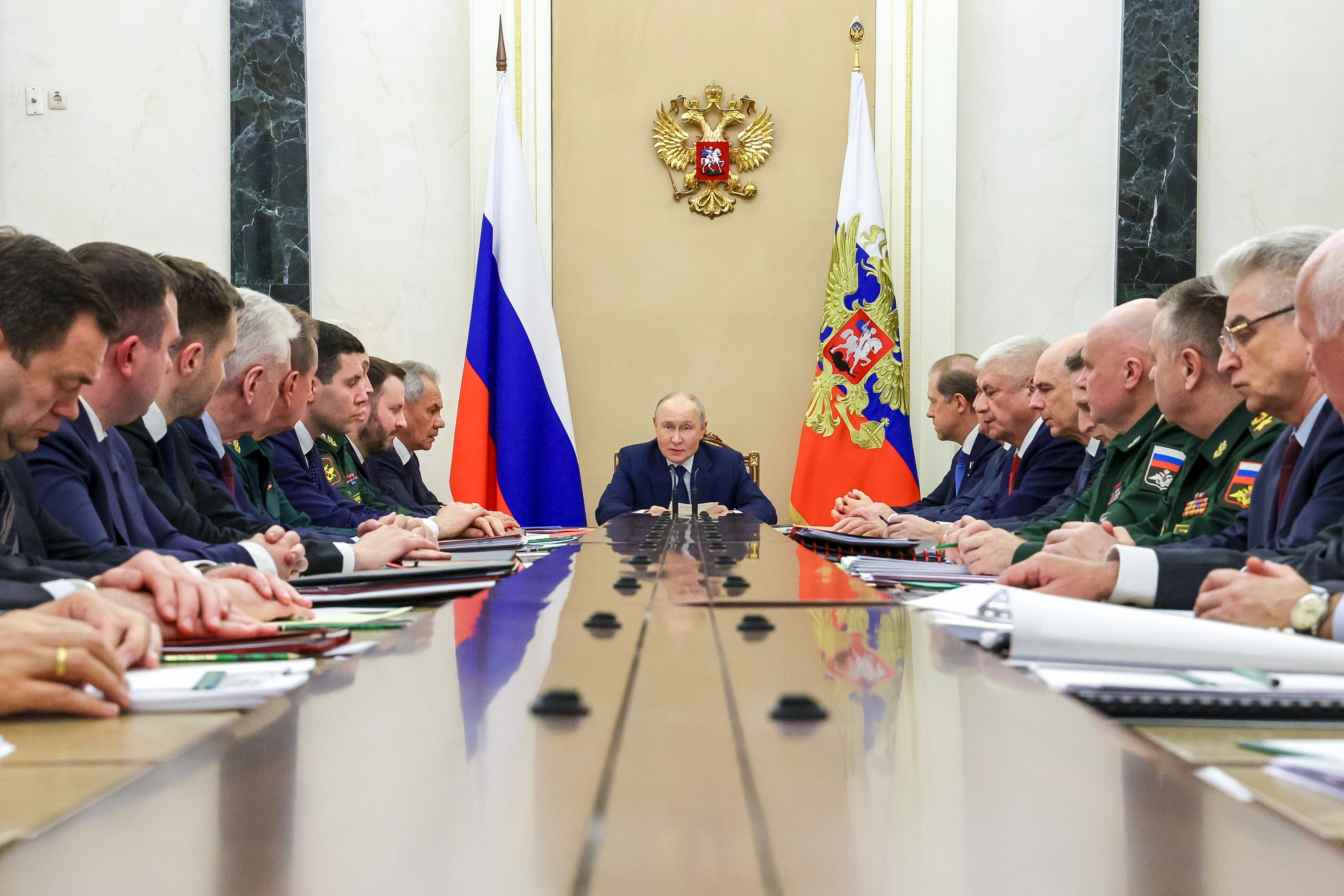
The Russian invasion of Ukraine is approaching its fifth year. Since February 24, 2022, Europe and the United States have rolled out a battery of sanctions intended to strangle the Russian economy to the point where regime change would be the only viable outcome for the Kremlin. The wave of restrictions, however, has several loopholes — some deliberately left by the West to preserve certain exchanges, such as a limited purchase of hydrocarbons.
Seguir leyendo

© Vyacheslav Prokofyev (Vyacheslav Prokofyev/Pool Sputni)

Russian President Vladimir Putin in mid-September in Moscow.
  •  

Trump’s broken promise on crypto: a gold mine for his empire, multimillion-dollar losses for investors

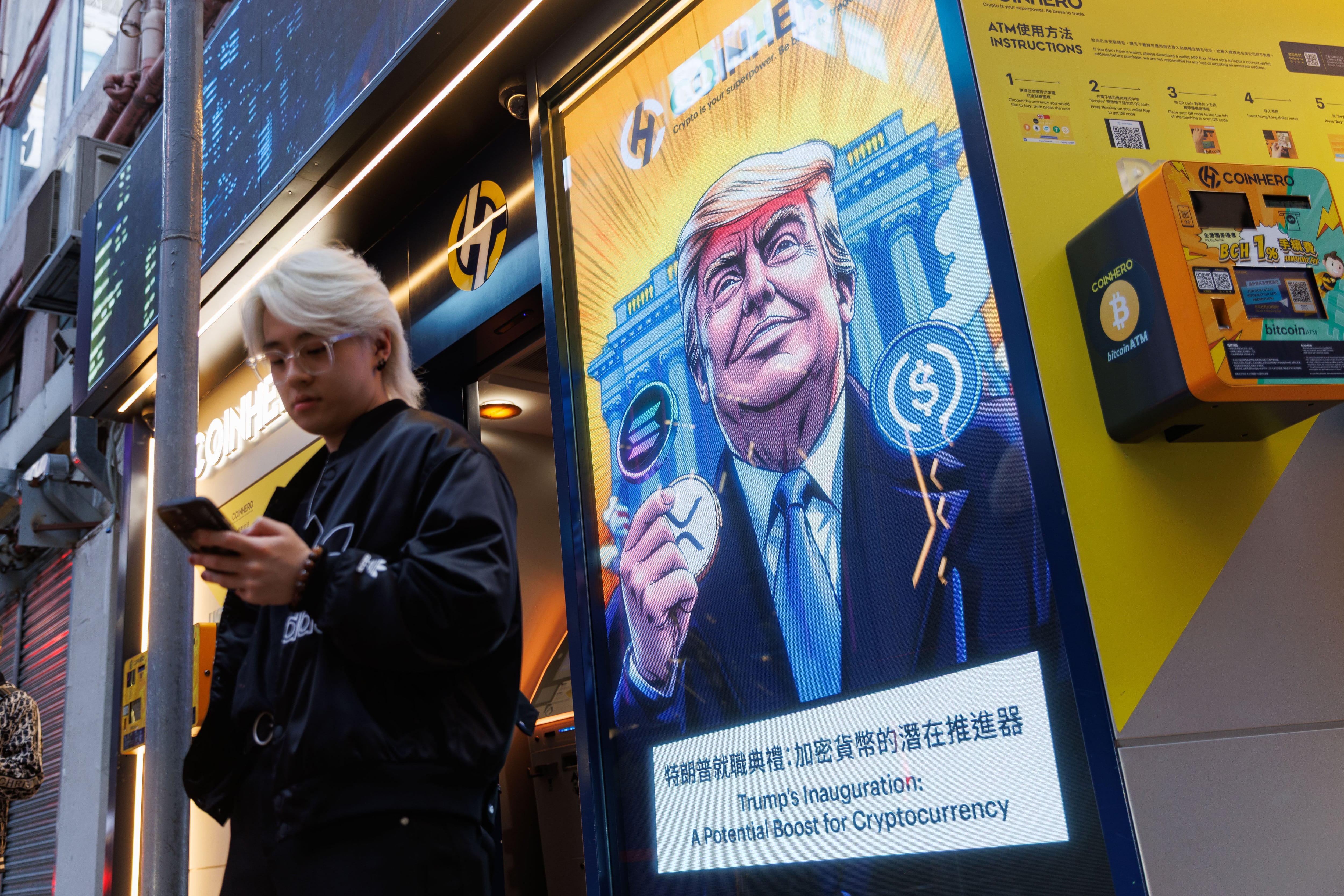
“I made a fortune with Trump’s memecoin, but I lost it all the following month,” a user on X admits. “It’s a perfect Ponzi scheme,” says another. “It’s a scam, a fraud.” On other social platforms there are thousands of comments like these, ranging from investors asking “What did you expect?” to others who watched their savings vanish after chasing the promise of quick gains.
Seguir leyendo

© SOPA Images (SOPA Images/LightRocket via Gett)

A Donald Trump crypto advertisement.
  •  
❌