❌

Reading view

Apu vuelve a tener voz en ‘Los Simpson’ tras casi una década sin aparecer por acusaciones de racismo

Casi 10 años después de su última aparición, Apu Nahasapeemapetilon ha vuelto a hablar en Los Simpson. El personaje, de cuya interpretación se retiró el actor de doblaje original Hank Azaria por acusaciones racistas, ha regresado a Springfield en el episodio emitido este domingo en EE UU con una nueva voz: la de Sunil Malhotra, que, aunque mantiene su forzado acento, esta vez sí tiene ascendencia india.

Seguir leyendo

El personaje de Apu en 'Los Simpson'.
  •  

Claves del medio término, Trump se juega el Congreso en la gasolinera

A 16 días de las elecciones de medio término, Trump marca su peor aprobación en dos mandatos. La guerra con Irán encareció el combustible y la canasta alimentaria, los millennials se alejaron de él más rápido y una parte de su base piensa quedarse en casa.
  •  

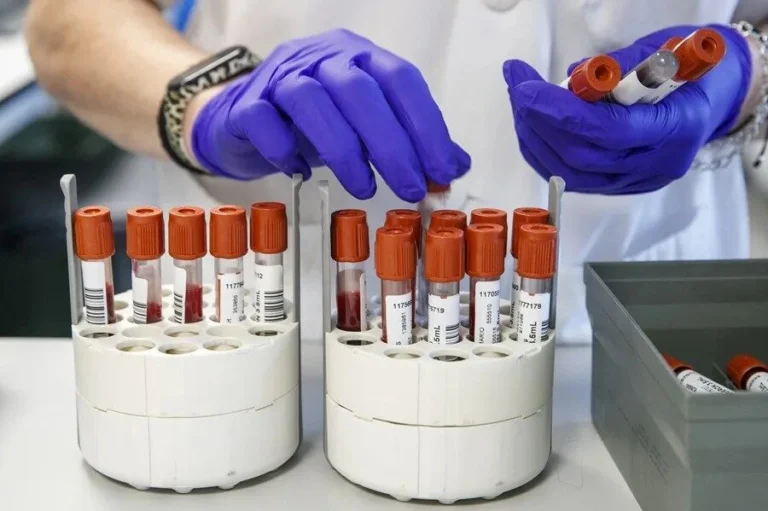
US Measles Outbreak: 4,410 Cases Spark Urgent Vaccination Warning

US measles outbreak reaches 4,410 cases as health officials urge MMR vaccination.

US measles outbreak reaches 4,410 cases in 2026, with Pennsylvania hit hardest as health officials urge families to complete MMR vaccination.

Related: U.S. Lifts Ban on New Flights from AIFA and AICM


US Measles Outbreak Surpasses 4,410 Cases in 2026

The US measles outbreak has reached 4,410 confirmed cases in 2026, according to the Centers for Disease Control and Prevention, known as the CDC.

The figure is more than double the total recorded during all of 2025 and represents the country’s highest level of measles transmission since 1991.

The CDC said the cases had been reported across 45 states and Washington, D.C. as of October 15. The agency also reported 451 hospitalizations, equivalent to approximately 10 percent of confirmed infections.

Health officials say the outbreak reflects a sustained decline in vaccination coverage across the country. Measles is one of the most contagious viruses known to medicine, and communities with low immunization rates are especially vulnerable to rapid transmission.

The CDC has deployed specialists from its Epidemic Intelligence Service to support contact tracing, community containment and local public-health responses in the most affected areas.

The agency has urged residents in outbreak zones to ensure that they have received the two recommended doses of the measles, mumps and rubella vaccine, known as the MMR vaccine.

The vaccine is considered highly effective and has been used for decades to prevent measles, a disease that can cause pneumonia, brain inflammation, permanent disability and death.

The current outbreak has exposed the consequences of declining immunization rates, vaccine misinformation and the weakening of public-health infrastructure in several US communities.

US Measles Outbreak Hits Pennsylvania Hardest

CDC measles surveillance | Pennsylvania Department of Health

Pennsylvania has become the epicenter of the US measles outbreak, with 1,260 confirmed cases across 43 counties.

The state has reported 238 hospitalizations and five measles-related deaths, according to the Pennsylvania Department of Health.

Pennsylvania’s outbreak has grown rapidly. The state reported only 106 cases in 2025, meaning the current total represents an increase of more than ten times compared with last year.

Health officials have described the situation as the most severe measles emergency in the United States and have intensified contact tracing, isolation measures and vaccination campaigns.

South Carolina has reported the second-highest number of cases, with 670 infections. The state has recorded 67 hospitalizations and no confirmed deaths.

Utah follows with 535 cases, including 53 hospitalizations and no reported deaths.

Wisconsin has recorded 256 cases, 25 hospitalizations and no deaths. Texas has reported 192 cases, 19 hospitalizations and no deaths.

New York has recorded 103 cases when state and New York City figures are combined. The state has reported 10 hospitalizations and no deaths.

The CDC said children and adolescents between the ages of 5 and 19 account for 42 percent of infections, or 1,856 cases.

Adults over the age of 20 account for approximately 40 percent of cases, while children under five represent about 17 percent.

The distribution shows that measles is affecting people across all age groups, although unvaccinated children remain particularly vulnerable.

The CDC reported that 96 percent of patients had no documented record of MMR vaccination. The figure highlights the central role of immunization gaps in the spread of the virus.

Measles can spread through the air when an infected person coughs, sneezes or breathes. The virus can remain infectious in the air and on surfaces for up to two hours after an infected person leaves an area.

A person with measles can transmit the virus to as many as 12 to 18 people who are not immune. That makes measles one of the most transmissible infectious diseases in the world.

Symptoms usually begin with fever, cough, runny nose, red eyes and a sore throat. A rash typically appears several days later, beginning on the face and spreading to the rest of the body.

Complications can include ear infections, diarrhea, pneumonia, encephalitis and long-term neurological damage. Young children, pregnant women and people with weakened immune systems face the greatest risk.

Vaccine Gaps Drive Measles Resurgence

Pan American Health Organization | World Health Organization—Measles

The resurgence of the US measles outbreak is being driven by declining vaccination coverage and the accumulation of susceptible people in communities across the country.

The United States declared measles eliminated in 2000 after achieving sustained reductions in domestic transmission. The designation meant that the virus was no longer circulating continuously within the country.

That achievement depended on high vaccination coverage, strong surveillance systems and rapid responses to imported cases.

However, the number of nonmedical school exemptions has increased in recent years. Some families have declined vaccination because of religious beliefs, personal objections or distrust of public-health institutions.

Anti-vaccine groups have also spread misinformation about the MMR vaccine, including false claims linking it to autism. Scientific studies have repeatedly found no credible evidence supporting that claim.

The decline in trust has left some communities below the threshold needed for herd immunity.

Health experts say that at least 95 percent of a community must be immune to prevent sustained transmission of measles. The threshold is higher than for many other vaccine-preventable diseases because measles is so contagious.

When coverage falls below that level, imported cases can quickly trigger outbreaks, particularly among children who have not been vaccinated.

The CDC has reported that 18 of this year’s cases involved international visitors to the United States. Imported infections can introduce the virus into communities with low immunity and lead to extensive local transmission.

The outbreak has also raised concerns about the country’s measles-elimination status. If transmission continues for more than 12 consecutive months, the United States could lose the designation it achieved in 2000.

The Pan American Health Organization, known as PAHO, has warned that the risk of measles transmission across the Americas is very high.

The organization reported that the region had recorded its highest number of confirmed measles cases in 22 years. As of epidemiological week 28, countries and territories in the Americas had reported 47,459 confirmed cases.[paho]

PAHO said the increase was linked to ongoing outbreaks, low vaccination coverage, accumulated immunity gaps and greater population mobility associated with international travel and mass gatherings.

The organization has urged countries to strengthen routine vaccination, improve surveillance and respond rapidly to suspected cases.

PAHO has also warned that declining immunization rates threaten the protection achieved over previous decades and could expose communities to repeated health crises.

The organization has called on governments to ensure that vaccines are available, accessible and trusted by local communities.

Geopolitical Context

The US measles outbreak has implications beyond public health because it reflects the weakening of international cooperation against vaccine-preventable diseases.

Measles does not respect borders. A single infected traveler can introduce the virus into a country or region with low immunization coverage.

The outbreak in the United States could affect travel, schools, workplaces and health systems in neighboring countries. Canada, Mexico and other nations in the Americas have already reported significant increases in measles cases.

PAHO has urged countries to coordinate surveillance and share information to prevent further regional spread.

The crisis also highlights the political consequences of vaccine misinformation. Public trust in health institutions has declined in many countries, making it harder for authorities to promote vaccination campaigns.

The United States has faced growing resistance to routine immunization, particularly in communities where political polarization has influenced attitudes toward public-health measures.

The current outbreak could force federal, state and local authorities to strengthen vaccination requirements, improve access to clinics and invest in community outreach.

Health experts say the response must combine vaccination with accurate information, accessible healthcare and support for families who have questions about vaccines.

The immediate priority is to increase MMR coverage in affected communities and prevent further hospitalizations and deaths.

The CDC has emphasized that two doses of the MMR vaccine provide long-lasting protection and are essential for preventing severe disease.

The current outbreak demonstrates that measles can return quickly when immunization coverage weakens. Restoring herd immunity will require coordinated action by federal agencies, state governments, healthcare providers and local communities.


  •  

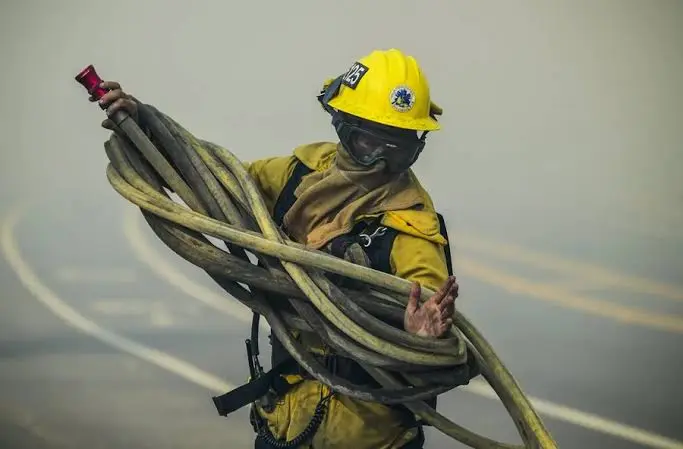
Wainwright Explosion: 7 Dead in Tragic Canadian Military Base Fire

Wainwright explosion at Canadian Forces Base in Alberta leaves at least seven people dead.

Wainwright explosion at a Canadian military base kills at least seven and injures dozens as officials rule out terrorism and investigate the deadly fire.

Related: Carney Warns Against External Attempts to Divide Canada


Wainwright Explosion Kills at Least Seven at Canadian Base

The Wainwright explosion at Canadian Forces Base Wainwright in Alberta has left at least seven people dead and dozens injured, according to reports by CBC News and Global News.

The incident occurred on Saturday, October 17, during a live-fire training exercise at the military base, located approximately 200 kilometers southeast of Edmonton.

Canada’s Department of National Defence confirmed that a fire broke out in the training area at approximately 4:00 p.m. local time. The Canadian Armed Forces said the blaze resulted in fatalities and injuries but has not yet released an official casualty count.

Military sources cited by Canadian media said the explosion occurred when a munition used during the training exercise struck a natural gas line or gas well.

The impact reportedly triggered a large detonation and a fast-moving fire that spread beyond the boundaries of the training area.

High winds, with gusts reaching up to 100 kilometers per hour, helped the flames spread rapidly through dry grassland and nearby rural areas.

The Canadian Armed Forces said emergency responders from military and civilian agencies worked quickly to contain the fire and assist those affected.

By Saturday evening, the Municipal District of Wainwright said the fire was being held and that property and critical infrastructure had been protected. Authorities did not order an evacuation of residents in the surrounding area.

The Department of National Defence said the full extent of the impact remains under assessment. It added that casualty details will not be released until relatives have been notified.

The government has ruled out terrorism as a possible cause. Officials said there were no indications that the explosion was connected to an attack or deliberate act of violence.

The incident has nevertheless prompted a major investigation involving the Canadian Armed Forces, the Department of National Defence and the Royal Canadian Mounted Police.

🔥🇨🇦 Un "incidente grave" provocó un gran incendio en la base militar canadiense de Wainwright, Alberta.#teleSUR #Canadá pic.twitter.com/y9jylOuH7P

— teleSUR TV (@teleSURtv) October 18, 2026

Wainwright Explosion Triggers Major Emergency Response

Canadian Armed Forces statement | Alberta Health Services

The Wainwright explosion activated emergency protocols across hospitals in the Edmonton region.

Local health authorities declared a code orange alert, a designation used for external disasters or mass-casualty incidents.

Injured personnel were transported to hospitals including the University of Alberta Hospital and the Royal Alexandra Hospital in Edmonton.

Medical teams prepared for a large number of patients with burns, trauma injuries and respiratory problems caused by smoke and toxic gases.

Firefighters faced difficult conditions because the fire involved both explosive material and hydrocarbon infrastructure.

The combination of live ammunition, natural gas and dry vegetation created a complex emergency that required coordination among military firefighters, civilian fire departments and specialized rescue teams.

Strong winds made the fire difficult to control and increased the risk that flames could spread to nearby communities.

Authorities asked residents to avoid the area so that emergency vehicles could move freely and rescue operations could continue without obstruction.

The Wainwright area is home to one of Canada’s largest military training facilities. The base is used for live-fire exercises involving tanks, artillery, infantry units and other military equipment.

CFB Wainwright is also an important NATO training site. Allied forces from several countries use the installation for exercises designed to improve interoperability and combat readiness.

The base covers a vast rural area and includes training ranges, administrative facilities, housing and support infrastructure.

The explosion occurred during a routine training exercise, according to the Department of National Defence. Officials have not identified the unit involved or the type of munition used.

Investigators will need to determine whether the incident resulted from an error in targeting, a malfunction in the munition, inadequate safety procedures or an unexpected hazard related to the gas infrastructure.

The Canadian Armed Forces said the immediate priority is supporting those affected and notifying their families.

The names of the victims have not been released. Officials said identification and notification procedures are ongoing.

Prime Minister Mark Carney confirmed on Sunday that four service members had died. He said dozens more were seriously injured and described the fire as one of the worst peacetime tragedies affecting Canada’s military on domestic soil.

“Our thoughts are with all the brave women and men affected,” Carney said.

The prime minister said his government was working closely with the Government of Alberta and local authorities.

He added that he and Alberta Premier Danielle Smith were in close contact, along with their respective ministers and relevant officials.

Defence Minister David McGuinty traveled to Edmonton on Sunday to monitor the investigation. He said the situation remained “very active and delicate.”

McGuinty said the Royal Canadian Mounted Police were participating in the investigation and that authorities would provide further information once the facts had been established.

🇨🇦 Al menos siete muertos y decenas de heridos dejó una explosión e incendio en la base militar CBF Wainwright en Alberta. #teleSUR #Canada pic.twitter.com/tSvGpCS0Bi

— teleSUR TV (@teleSURtv) October 18, 2026

Canada Investigates Military Training Safety

Canadian Armed Forces | Royal Canadian Mounted Police

The Wainwright explosion has raised questions about safety procedures during live-fire exercises at military bases.

Live-fire training is essential for preparing soldiers for combat operations, but it also carries significant risks when it takes place near explosive or flammable infrastructure.

Military authorities regularly conduct risk assessments before exercises to identify hazards, establish safety zones and coordinate emergency responses.

Investigators will examine whether those procedures were followed and whether the presence of gas infrastructure near the training area was properly identified.

They will also review weather conditions, ammunition handling, communication between units and the response of emergency teams.

The investigation could lead to changes in training protocols, safety distances, mapping procedures or the coordination between military and civilian authorities.

The incident occurred during a period when Canada has been increasing military preparedness amid global security tensions.

Canada is a member of NATO and has supported allied operations in Europe and other regions. The country has also increased investment in defense capabilities in response to international instability.

CFB Wainwright plays a central role in that effort because it provides space for large-scale training exercises involving Canadian and allied forces.

The base has hosted soldiers from NATO member states and partner countries. Its facilities allow forces to train in conditions that cannot easily be reproduced at smaller installations.

The explosion could therefore affect training schedules and force readiness in the short term.

Military authorities may suspend certain exercises while investigators examine the site and review safety procedures.

The incident also highlights the risks faced by military personnel during routine operations. Training accidents can occur even when soldiers are not deployed in combat zones.

The Canadian Armed Forces has expressed condolences to the families of those killed and injured.

Officials have asked the public to avoid speculation while the investigation continues. They have also urged people to rely on official statements rather than unverified reports circulating on social media.

Geopolitical Context

The Wainwright explosion has implications for Canada’s military readiness and its role within NATO.

Canada has increased its defense commitments in recent years amid tensions involving Russia, the Middle East and the Indo-Pacific region.

The country has contributed troops, equipment and training resources to NATO operations, while also maintaining a military presence in international missions.

CFB Wainwright is important to those efforts because it allows Canadian and allied forces to conduct large-scale exercises under realistic conditions.

A major accident at the base could affect the planning of future exercises and require additional investment in safety infrastructure.

The incident also highlights the connection between military training and energy infrastructure. Canada is a major producer of oil and natural gas, and many military facilities are located near pipelines, wells and other energy installations.

That proximity creates risks that must be managed through mapping, safety zones and coordination between military authorities and energy companies.

The explosion may prompt a review of those procedures across Canadian military bases.

The tragedy also has domestic political implications. Alberta has been the scene of debates over energy policy, provincial autonomy and Canada’s federal structure.

The incident occurred one day before Albertans voted in a referendum on separation from Canada. The explosion could affect public attention and political discussion in the province.

For now, the government’s priority is to support the victims and determine the cause of the disaster.

The Canadian Armed Forces has said it will release additional information only after families have been notified. Until then, the full human and operational impact of the Wainwright explosion remains under assessment.


  •  

Segunda Consulta Popular Nacional 2026 consolida la democracia participativa y protagónica en Venezuela

Ministro del Poder Popular para las Comunas, Ángel Prado, confirma que a partir de este lunes comenzarán a financiarse los proyectos que este domingo elijan las comunidades organizadas
  •  

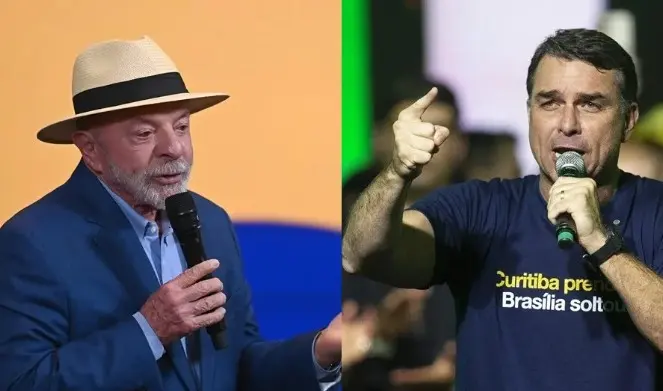
Lula vs Flávio Bolsonaro Debate: 2 Candidates Face Off Before Runoff

Lula Flávio Bolsonaro debate marks the first direct presidential confrontation before Brazil’s runoff election.

Lula Flávio Bolsonaro debate begins Sunday on Band as both candidates clash over Brazil’s future one week before the October 25 runoff.

Related: Lula Signs Constitutional Amendment Reducing Brazil’s Workweek to 40 Hours


Lula and Flávio Bolsonaro Face Off in First Debate

The Lula Flávio Bolsonaro debate takes place Sunday in São Paulo as Brazil’s presidential runoff enters its final week.

President Luiz Inácio Lula da Silva and Senator Flávio Bolsonaro will meet for the first time in a televised debate promoted by the Band television network.

The encounter is considered a crucial moment in the campaign, which will conclude with the runoff election on October 25.

The debate will be broadcast live from Band’s studios in São Paulo beginning at 8:00 p.m. Brasília time. It is expected to last approximately two hours.

The program will be transmitted through a media pool that includes Band, TV Gazeta, TV Cultura, Jovem Pan and the newspaper O Estado de S. Paulo.

The debate will also be available through BandNews TV, BandNews FM, Bandeirantes radio, Band’s YouTube channel, Band’s website and the BandPlay platform.

The two candidates have avoided a direct confrontation throughout the first round. Their decision to participate in Sunday’s debate therefore marks a significant change in campaign strategy.

During the first round, Lula chose not to participate in televised debates. Instead, he gave interviews to TV Record and the Flow podcast at times that coincided with other candidates’ debate appearances.

Flávio Bolsonaro, meanwhile, had conditioned his participation on Lula’s presence. As a result, the two candidates avoided facing each other directly during the first-round campaign.

The situation changed after both candidates advanced to the runoff. Lula said that debates had become more important because the contest is now one-on-one.

“Now it is important to have television debates, because now it is face to face, now it is one against one,” Lula said.

Flávio Bolsonaro also changed his position after Lula confirmed his attendance. The senator had initially rejected the invitation but later said he would participate.

He publicly challenged Lula on social media, saying that the president had agreed to attend only after Bolsonaro said he would not participate.

“Lula, you are so predictable, aren’t you? As soon as I said I would not go to the debate, the next minute you said you would go. Of course I’m going, I just wanted you to confirm it,” Bolsonaro wrote.

The exchange reflects the high level of tension between the two campaigns as Brazil approaches a closely contested runoff.

Lula Flávio Bolsonaro Debate Format Explained

Band presidential debate rules | Brazil’s Superior Electoral Court

The Lula Flávio Bolsonaro debate will include three main blocks.

The first and third blocks will begin with questions from journalists. The candidates will then have time for direct exchanges, allowing them to question one another, respond to criticism and offer rebuttals.

The second block will also include direct confrontation between the two candidates.

The format gives each candidate freedom to manage their speaking time during the direct exchanges. They may move around the studio, ask questions and respond to their opponent without following a fixed timetable for every intervention.

The format is designed to encourage direct confrontation rather than limiting the candidates to short scripted responses.

Band’s anchors Eduardo Oinegue and Adriana Araújo will moderate the debate and ask questions on behalf of the network.

The questions are expected to cover major policy issues, including the economy, health care, education, public security and social programs.

The candidates will also deliver opening statements and closing remarks. Those moments will allow them to present their main proposals and make direct appeals for votes.

A draw determined the order of responses and the candidates’ positions on stage. Flávio Bolsonaro will stand on the left side of the studio, while Lula will occupy the right side.

The debate will provide the first opportunity for viewers to compare the candidates’ personalities, arguments and responses under pressure.

The encounter is especially important because recent polls have shown a narrowing gap between the two candidates.

A Datafolha survey published on October 10 gave Lula 50 percent of valid votes in a runoff scenario, compared with 50 percent for Flávio Bolsonaro. The result indicated a technical tie.

A Quaest poll published on October 15 showed a similar result, with Lula receiving 49 percent and Bolsonaro 51 percent among valid votes. The difference was within the survey’s margin of error.

Those figures mean that the debate could influence undecided voters and those who may still change their minds.

The candidates will seek to define the terms of the campaign. Lula is expected to defend his government’s economic record, social programs and international diplomacy.

Flávio Bolsonaro is expected to criticize inflation, crime, public spending and the performance of the Workers’ Party government.

The debate may also address Brazil’s international relations, including its position on the war in the Middle East, relations with the United States and cooperation with Latin American countries.

The candidates’ contrasting visions of Brazil are likely to become a central issue. Lula represents a progressive project based on social inclusion, public investment and multilateral diplomacy.

Flávio Bolsonaro represents a conservative project that emphasizes public security, lower taxes, reduced state intervention and closer alignment with right-wing forces.

TV Globo Prepares Final Debate Before Runoff

TV Globo election coverage | Reuters coverage of Brazil’s election

Attention will quickly turn to the second Lula Flávio Bolsonaro debate, scheduled for October 23 on TV Globo.

The final debate will take place in Rio de Janeiro, two days before the runoff vote.

TV Globo is Brazil’s largest television network, and the debate is expected to reach a much larger audience than the Band encounter.

The program will be moderated by journalist César Tralli and broadcast after the network’s main evening news program, Jornal Nacional.

The debate will also be transmitted simultaneously by GloboNews and the G1 news portal. Viewers will be able to follow the event through TV Globo, GloboNews, G1 and Globoplay.

The Globo debate is expected to be the last major televised confrontation before Brazilians vote on October 25.

Both campaigns are still evaluating their final participation, although the event has been formally scheduled by the network.

The debate could be decisive if the race remains close. Candidates may use the final encounter to address undecided voters and reinforce their core messages.

The runoff campaign has been marked by intense mobilization in the streets, social media disputes and accusations between the two camps.

Lula’s supporters have accused Meta platforms of censoring accounts linked to the president, while Bolsonaro’s campaign has promoted claims of government bias and economic mismanagement.

The accusations have increased tensions and made the debates even more important as a space for direct confrontation.

The first-round campaign was marked by a lack of direct debates among the leading candidates. The runoff has changed that dynamic because the election is now limited to two contenders.

The debates give voters a clearer opportunity to evaluate each candidate’s proposals and responses to criticism.

They also allow candidates to correct false statements, challenge their opponents’ records and present their plans for government.

The outcome of the runoff will determine Brazil’s political direction for the next four years. It will also influence the country’s economic policy, environmental agenda and international relations.

Geopolitical Context

The Lula Flávio Bolsonaro debate has implications beyond Brazil because the country is Latin America’s largest economy and a major global agricultural producer.

The election will affect Brazil’s approach to climate policy, the Amazon, trade, regional integration and relations with China, the United States and the European Union.

Lula has promoted a more active role for Brazil in multilateral institutions and has sought closer ties with countries in the Global South.

His government has emphasized cooperation with China, support for regional integration and a diplomatic approach to international conflicts.

Flávio Bolsonaro’s campaign is associated with a more conservative foreign-policy orientation and closer alignment with right-wing governments and movements.

The election will therefore influence debates over Brazil’s role in the world and its relationship with the United States.

The runoff is also taking place amid heightened political polarization. The two campaigns represent competing visions of Brazil’s democracy, economy and social model.

Lula’s supporters see the election as an opportunity to preserve social programs and protect democratic institutions.

Flávio Bolsonaro’s supporters argue that Brazil needs a change in direction to address crime, inflation and economic stagnation.

The debates will provide voters with a final opportunity to compare those visions before casting their ballots.

The first debate on Band and the final encounter on TV Globo could play a decisive role in determining who will govern Brazil after October 25.


  •  

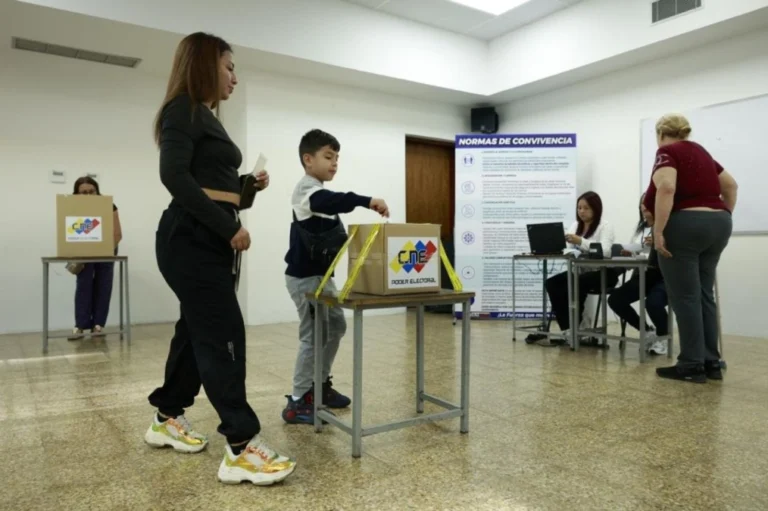
Venezuela Popular Consultation: 37,205 Projects Put to Historic Vote

Venezuela popular consultation allows communities to choose development projects in more than 5,400 communes.

Venezuela popular consultation lets more than 5,400 communes choose from 37,205 community projects, expanding participation to condominium boards.

Related: Venezuela Holds the Second National Popular Consultation of 2026


Venezuela Popular Consultation Becomes Democratic Tradition

The Venezuela popular consultation is taking place across the country on Sunday, October 18, as more than 5,400 communes choose between 37,205 community development projects.

Venezuela’s Sectoral Vice President for Planning, Ricardo Menéndez, said the Second Popular Consultation of 2026 reaffirms the principles of grassroots democracy and strengthens the country’s participatory political system.

Menéndez described the consultation as a space that brings neighbors together to improve daily life and build broad national consensus.

The official said the exercise has become part of the democratic culture of the Venezuelan people. He argued that participation has gradually become a cultural practice within each commune, helping to create a new form of government and reorganize the state.

Menéndez linked the process to the political project promoted by Acting President Delcy Rodríguez, who has called for the redesign of state institutions around community participation.

The consultation allows residents to decide which projects should receive public financing and which priorities should guide local development.

The process is based on proposals selected during open community assemblies. Residents first identify local needs, then rank projects and submit them for a national vote.

The initiative seeks to move beyond traditional representative democracy by giving communities a direct role in allocating public resources.

More than 5,418 communes are participating in the vote. Each community is choosing among seven projects selected during assemblies held in the weeks leading up to the consultation.

The projects were developed through the Concrete Action Agendas, a planning process designed to identify local needs and organize community priorities.

The proposals address basic services and infrastructure needs, including drinking water, road repairs, school rehabilitation, health centers, electricity, public lighting, agriculture and sports facilities.

The consultation is taking place in 11,495 voting centers across Venezuela. Authorities said the centers will remain open as long as voters are waiting in line.

The process is supported by more than 12,700 electoral tables and approximately 48,086 communal councils organized within the country’s communes.

Unlike ordinary elections, the popular consultation allows citizens aged 15 and older to participate. The rule expands participation to young people who are not yet eligible to vote in general elections.

🇻🇪 Venezuela inicia hoy 18 de octubre la Segunda Consulta Popular Nacional de 2026. Millones de ciudadanos participan en más de 11.000 centros de votación*en todo el territorio nacional. #18Oct #ConsultaPopular2026 #ConsultaPopular #Venezuela pic.twitter.com/bNHaAyEqay

— teleSUR TV (@teleSURtv) October 18, 2026

Venezuela Popular Consultation Expands Participation

Venezuela’s Ministry of Popular Power for Communes | Venezuela’s National Electoral Council

The Venezuela popular consultation includes a major new feature: for the first time, condominium boards are participating in the process.

Approximately 120,000 condominium boards and neighborhood organizations are voting on 428 projects related to health, school rehabilitation, roads, agriculture and sports areas.

The inclusion of condominium boards expands the consultation beyond the traditional communal councils and communes that have participated in previous editions.

The change reflects an effort to involve urban residents who organize through apartment buildings and housing associations rather than through formal communal structures.

The government says the incorporation of condominiums will allow resources to reach communities that previously had limited access to participatory budgeting.

The initiative is also intended to strengthen links between residents, local authorities and state institutions.

The 428 condominium projects were selected through assemblies held in buildings and residential complexes. Residents identified needs such as repairs to common areas, water systems, electrical installations, elevators, roofs and access routes.

The projects are concentrated in several states, including Anzoátegui, Aragua, Carabobo, Lara, Miranda, Zulia and Caracas.

The pilot program covers approximately 40,097 families and includes 461 condominiums and 83 neighborhood organizations.

Authorities say the experience will be evaluated before condominium boards are incorporated more broadly into future consultations.

The expansion is significant because urban housing has become a central issue in Venezuela. Many buildings require maintenance after years of limited investment, economic pressure and damage caused by natural disasters.

The consultation also responds to the impact of the earthquakes that struck Venezuela on June 24. Some communities have proposed projects to rehabilitate vulnerable housing and repair public infrastructure affected by the tremors.

The government says the process ensures that resources are directed according to community priorities rather than decisions made exclusively by central authorities.

The consultation is the eighth national popular consultation organized since 2024 and the second held during 2026.

The first consultation of 2026 took place on March 8. The second was originally scheduled for July 12 but was postponed because of the June earthquakes.

Delcy Rodríguez announced the new date after community organizations requested additional time to address the damage caused by the seismic events.

The consultation is therefore taking place amid reconstruction efforts in areas affected by the earthquakes, including La Guaira and other parts of central Venezuela.

The government has emphasized that the process is supported by Article 70 of the Venezuelan Constitution, which recognizes referendums, consultations and other forms of direct participation.

The constitutional framework provides the legal basis for citizens to participate in decisions affecting public life, including the selection of local development projects.

Community Projects Target Basic Services

Venezuela’s Ministry of Planning | Venezuela’s Communes and Social Movements

The Venezuela popular consultation is designed to direct public resources toward projects identified by residents themselves.

The proposals reflect the immediate needs of communities across the country. Water supply is one of the most common concerns, with approximately 14 percent of the projects related to improving access to drinking water.

Water shortages have affected many Venezuelan communities because of damaged infrastructure, irregular electricity supply and limited maintenance capacity.

Other projects focus on road repairs, public lighting, electricity, school rehabilitation, health centers, sports facilities and agricultural production.

The projects are intended to address both immediate needs and longer-term development goals.

In Mérida state, for example, more than 1,700 community projects are being voted on. Local priorities include roads, water, education and public services.

In Caracas, communities have proposed projects to rehabilitate vulnerable housing damaged by the June earthquakes, repair building facades and improve communal spaces.

The consultation gives residents the opportunity to select the project they consider most urgent. The winning project is expected to receive financing, while other proposals may be included in a project bank for future funding.

The process is intended to prevent resources from being allocated according to political discretion or administrative convenience.

The government says the consultation is part of a broader effort to build what it calls a communal state. That model seeks to strengthen local organizations and give communities greater authority over public resources.

The communal model is based on the idea that citizens should participate directly in decisions affecting their neighborhoods, rather than relying solely on elected representatives.

The government argues that the consultation creates a new form of governance in which communities become the foundation of public planning.

Critics question whether the process has sufficient transparency and whether resources are distributed equitably across all regions.

They also point to Venezuela’s economic difficulties, including inflation, shortages and limited access to foreign currency, which can affect the implementation of approved projects.

The government has responded by saying that the consultation is a mechanism for organizing communities and directing scarce resources toward priority needs.

The participation of condominium boards and neighborhood associations could make the process more inclusive, but it also increases the administrative challenge of verifying projects and ensuring that funds are used correctly.

The consultation’s results will provide information about the priorities of Venezuelan communities. They may also influence future planning and budget decisions.

Geopolitical Context

The Venezuela popular consultation has political significance beyond local development because it forms part of the government’s effort to strengthen communal democracy.

The process is designed to consolidate the role of communes, communal councils and neighborhood organizations in public administration.

The government presents the consultation as a response to external pressure and as evidence that Venezuela’s political system remains active despite economic difficulties and international sanctions.

The consultation also has a regional dimension. Venezuela’s communal model has been promoted as an alternative to traditional representative democracy and has influenced political debates in other Latin American countries.

The inclusion of condominium boards could expand the model to urban communities that have historically been less connected to communal structures.

The process may therefore influence how other governments think about participatory budgeting, local planning and community organization.

The consultation is taking place during a period of reconstruction following the June earthquakes. The government is seeking to demonstrate that communities can participate in decisions about recovery and public investment.

The popular consultation also reinforces the government’s argument that public resources should be directed toward social needs rather than private profit.

The challenge will be to ensure that approved projects are completed and that communities can monitor their implementation.

The Venezuela popular consultation is therefore both a voting exercise and a broader political process aimed at reorganizing the state around community participation.


  •  

Global South Media Center: 4 Outlets Launch Bold New Platform in China

Global South Media Center launches in China with teleSUR, Prensa Latina, Brasil de Fato and Pan Africa TV.

Global South Media Center launches in China with teleSUR, Prensa Latina, Brasil de Fato and Pan Africa TV to strengthen Southern media cooperation.

Related: China Deploys Liaoning Carrier Strike Group to Western Pacific for Military Drills


Global South Media Center Launches in China

The Global South Media Center was established in China on Sunday as a new platform for cooperation among media organizations from Latin America, Africa and Asia.

The initiative, known by its Spanish acronym CMPSur, was created by four media outlets with correspondents in China: teleSUR, Cuba’s Prensa Latina, Brazil’s Brasil de Fato and Ghana’s Pan Africa TV.

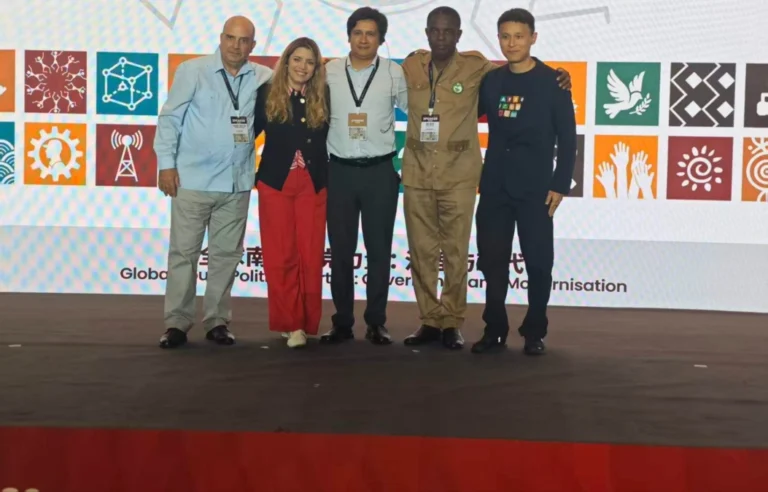
The launch took place during the Global South Academic Forum, held in Shanghai on October 17 and 18 under the theme “Global South Political Parties: Governance and Modernization.”

The forum brought together political leaders, academics, researchers and media representatives from Asia, Africa, Latin America and other developing regions.

Jeff Xiong, secretary general of the Global South Academic Forum, said the new media center seeks to strengthen joint journalistic production and build narratives from the perspective of the peoples of the South.

The platform aims to deepen links between China and other Global South countries while challenging the dominant communication frameworks of the Global North.

Xiong highlighted the role of the Global South Academic Forum in creating the conditions for multinational cooperation. He also expressed hope that additional media organizations from developing countries would join the initiative.

The Global South Media Center plans to expand the circulation of stories about China among audiences in Africa, Asia and Latin America through collaboration among outlets from different regions.

The initiative reflects a growing effort by Southern media to coordinate reporting, share content and develop common perspectives on development, governance and international relations.

The center will not replace the editorial independence of its founding organizations. Instead, it is expected to provide a framework for exchanging material, coordinating coverage and promoting joint productions.

The creation of the platform comes at a time when media organizations in developing countries face increasing pressure from concentrated technology platforms, algorithmic distribution and dependence on foreign digital infrastructure.

The Global South Academic Forum has become a space for discussing those challenges alongside broader questions of governance, development and international cooperation.

Global South Media Center Focuses on AI and Sovereignty

Global South Academic Forum | UNESCO—Media development and information

The Global South Media Center was announced during a panel on communication, party governance and social mobilization.

Participants discussed how media organizations can respond to the expansion of artificial intelligence and growing technological inequalities between developed and developing countries.

Alejandro Gómez, vice president of Prensa Latina, defended technological sovereignty and informational independence as essential conditions for Southern media.

He said developing countries must build their own capacities rather than relying exclusively on infrastructure and platforms controlled by external actors.

Gómez proposed the creation of a permanent training mechanism in artificial intelligence for journalists and media organizations in the Global South.

The initiative would be developed in cooperation with Chinese institutions and other specialized organizations. It could include training in AI-assisted reporting, data verification, digital security, content production and responsible use of new technologies.

The Prensa Latina executive also emphasized the need for Southern media to produce their own narratives about international transformations.

He argued that dominant global media frameworks often condition coverage of countries such as Cuba and limit the visibility of perspectives from developing nations.

The proposal reflects a broader concern that artificial intelligence may reinforce existing inequalities if Southern countries do not participate in the design, regulation and use of these technologies.

AI tools can help journalists analyze information, translate content, identify trends and improve audience engagement. However, they can also reproduce biases, amplify misinformation and concentrate power in companies that control the underlying models.

For media organizations in the Global South, the challenge is to use new technologies without becoming dependent on foreign platforms or losing control over editorial decisions.

The Global South Media Center could therefore play a role in training, research and the development of shared technological standards.

teleSUR President Patricia Villegas also defended South-South cooperation as a means of strengthening communication sovereignty.

She said media organizations in the South must reduce their dependence on digital infrastructures and technological platforms controlled by external actors.

Villegas warned about the influence of algorithms on the circulation of content. She argued that platforms can determine which stories reach audiences and which voices remain marginal.

The teleSUR president called for greater collaboration among Southern media, including the exchange of productions and the transfer of technological capacities.

She highlighted China’s role as a strategic partner for expanding communication cooperation and strengthening the ability of developing countries to produce and distribute their own content.

Villegas also referred to the creation of teleSUR+ in July 2026. The collaborative platform brings together audiovisual material, texts and photographs produced by media organizations and creators from the Global South.

She also mentioned the Global South correspondent network in Beijing, which includes Brasil de Fato, Prensa Latina and Brazil’s TVT, with the planned incorporation of an African media outlet.

The correspondent network provides a practical model for the new media center. It allows participating outlets to share reporting, coordinate coverage and reduce the costs of maintaining international bureaus.

Southern Media Seek a Common Global Voice

UNESCO—Global Media and Information Literacy | International Federation of Journalists

The Global South Media Center represents an effort to build a more coordinated voice for developing countries in the international information system.

Media organizations from the South often face unequal access to technology, advertising revenue, satellite capacity, distribution networks and international audiences.

Many outlets rely on platforms owned or controlled by companies based in the Global North. Those platforms can shape visibility through algorithms, moderation policies and commercial priorities.

The new center seeks to address that imbalance by promoting cooperation among media with shared interests in sovereignty, development and multilateralism.

The initiative also responds to the need for greater representation of Southern perspectives in coverage of China, Africa, Latin America and the Caribbean.

Mainstream media in the Global North have often presented developing countries through narratives focused on crisis, instability or dependence. Southern media organizations argue that those narratives ignore local experiences, historical context and the diversity of development models.

The Global South Media Center aims to provide alternative coverage that reflects the voices of communities, governments and social movements in the South.

The platform could support reporting on infrastructure, public health, education, food sovereignty, climate adaptation, digital governance and regional integration.

It could also promote stories about cooperation among developing countries, including China’s role in infrastructure, technology and trade.

The center’s creation is part of a wider effort to strengthen South-South cooperation in communication.

The Global South Academic Forum has promoted exchanges among academics, institutional representatives and media organizations on governance, development, international cooperation and the role of developing countries in global affairs.

The forum’s discussions have included state capacity, social mobilization, institutional innovation and the use of party organizations to strengthen governance.

Those themes are closely connected to the media agenda. Communication is not only a technical issue; it is also part of how societies organize political participation and respond to global challenges.

The panel in Shanghai emphasized that media organizations must prepare for the impact of artificial intelligence while defending editorial independence and public interest journalism.

Participants argued that technological innovation should not replace journalists but should support their work by improving research, verification and audience access.

The Global South Media Center could therefore become a space for developing ethical guidelines on AI, protecting journalists’ rights and promoting responsible use of new technologies.

Geopolitical Context

The launch of the Global South Media Center has geopolitical significance because communication has become a central arena of global competition.

Countries and media organizations increasingly compete to shape narratives about development, security, technology and international cooperation.

China’s role in the initiative reflects its growing engagement with Africa, Asia and Latin America. Beijing has expanded partnerships in infrastructure, trade, education and digital technology through initiatives such as the Belt and Road Forum and the Forum on China-Africa Cooperation.

For Southern media, cooperation with China offers access to training, technology and new distribution channels. It also allows them to diversify their sources of information and reduce dependence on traditional Western media networks.

For China, the platform provides an opportunity to strengthen its image among Global South audiences and present its development experience through media organizations from the region.

The initiative does not eliminate political differences among participating countries. Media organizations in the Global South have different political systems, editorial traditions and national interests.

However, the center reflects a shared concern about technological dependence and the unequal distribution of global communication power.

The platform could also influence debates about digital sovereignty, data governance and the regulation of artificial intelligence.

Developing countries have increasingly argued that international standards should address the concentration of technological power and protect the right of nations to control their own digital infrastructure.

The Global South Media Center may become part of that broader discussion by promoting training, content exchange and cooperation among media organizations.

Its success will depend on whether participating outlets can sustain joint projects, develop shared standards and expand the initiative beyond its founding members.

The launch of the Global South Media Center marks an attempt to build a stronger communication network for countries seeking greater influence over the global information order.

SEO Title: Global South Media Center: 4 Outlets Launch Bold New Platform in China


  •  

El otoño que se come: siete productos típicos que marcan los sabores en diferentes rincones de España

El otoño que se come: siete productos típicos que marcan los sabores en diferentes rincones de España

Castañas, membrillo, azafrán, pimientos del piquillo y otros productos encuentran en el otoño su mejor momento. Viajamos a los lugares donde forman parte de la identidad local

Seis buenas razones para viajar en otoño (y seis destinos que lo demuestran)

Después de un verano largo, el otoño se coge con ganas. Ya apetece abrigarse, salir al campo a pisar hojas, ver otros colores y, también, disfrutar de otros sabores. Es tiempo de castañas asadas, de salir al monte en busca de setas, de preparar dulces con membrillo y de aprovechar productos que llegan a su mejor momento durante estos meses. Algunos forman parte de la cocina de toda la vida y otros están ligados a tradiciones que se repiten cada año en distintos rincones de España.

Además, detrás de muchos de ellos hay mucho más que una receta. El clima, el paisaje y la forma de trabajar el campo han hecho que determinados pueblos y comarcas se asocien a productos muy concretos. Algunos cuentan incluso con denominaciones de origen que protegen su calidad y su vínculo con el territorio.

Por esa razón, en este recorrido gastronómico por España nos vamos a Galicia para hablar de castañas, a los bosques de Soria para buscar setas y a Puente Genil, en Córdoba, para conocer la tradición del membrillo. También nos esperan el azafrán de Castilla-La Mancha, las granadas de Elche, los pimientos del piquillo de Lodosa y las manzanas de sidra de Villaviciosa. Siete productos muy distintos que nos ayudan a descubrir el otoño a través de sus sabores y de las costumbres que los rodean.

Castañas de Galicia, mucho más que un fruto de otoño

En Galicia, los castaños forman parte del paisaje desde hace siglos, sobre todo en las zonas del interior de Lugo y Ourense. Sus bosques, conocidos como soutos, han tenido una gran importancia en la vida rural. Durante mucho tiempo, las castañas fueron un alimento básico, hasta el punto de que se las llegó a conocer como el pan de los pobres. También se aprovechaba la madera del árbol, así que su valor iba mucho más allá de la cosecha otoñal.

Temporada de castañas.

La tradición sigue muy presente en el magosto, una celebración popular en la que las castañas se asan al fuego y se comparten con familia y amigos. En muchas zonas se acompañan de chorizo asado y vino nuevo, en una reunión que sirve para celebrar el final de la cosecha. Ourense es uno de los lugares donde esta costumbre tiene más arraigo, aunque también se mantiene en pueblos y comarcas de toda Galicia. Si visitas la región en otoño, es una buena ocasión para probar las castañas recién asadas y conocer una de sus tradiciones más populares.

Setas de Soria, una cita con el bosque

Hablar de setas en otoño es hablar de Soria. Sus pinares y otros bosques reúnen condiciones favorables para la aparición de distintas especies, y la búsqueda de hongos se ha convertido en un atractivo para quienes disfrutan del campo y la gastronomía. Entre los ejemplares más apreciados están el níscalo, el boletus y la seta de cardo, que tienen sabores y características muy diferentes y dan mucho juego en la cocina.

Setas en Soria.
Setas en Soria.

La temporada también invita a conocer el entorno natural de la provincia, pero conviene tener en cuenta algunas normas antes de salir con la cesta. La recolección está regulada y puede requerir un permiso según la zona, por lo que es importante informarse previamente. Y si no tienes experiencia, mejor no fiarse de una identificación hecha a ojo: hay especies tóxicas que pueden confundirse con otras comestibles. Una ruta guiada con alguien que conozca bien la micología es una buena manera de disfrutar de la actividad con seguridad.

Membrillo de Puente Genil, tradición dulce en Córdoba

En Puente Genil, al sur de la provincia de Córdoba, el membrillo tiene un papel destacado en la economía agrícola y en la gastronomía local. El cultivo de estos árboles forma parte del paisaje de la zona, donde los campos de membrilleros conviven con los olivares. La recolección se concentra en los meses de otoño y se puede prolongar hasta finales de diciembre, cuando la fruta llega a las cocinas para convertirse en uno de los dulces más conocidos de la localidad.

Membrillos y dulce de membrillo.

La elaboración más característica es la carne de membrillo, una preparación que se obtiene cocinando la fruta durante bastante tiempo hasta conseguir una textura firme y un sabor concentrado. Su origen está ligado a la necesidad de conservar el fruto y aprovecharlo durante más tiempo, pero hoy es habitual encontrarlo como acompañamiento de quesos o como ingrediente en otras recetas. También se utiliza para preparar mermeladas, compotas y confituras. Por lo que no te faltan opciones para llevarte un dulce recuerdo a casa.

Azafrán de Castilla-La Mancha, una cosecha delicada

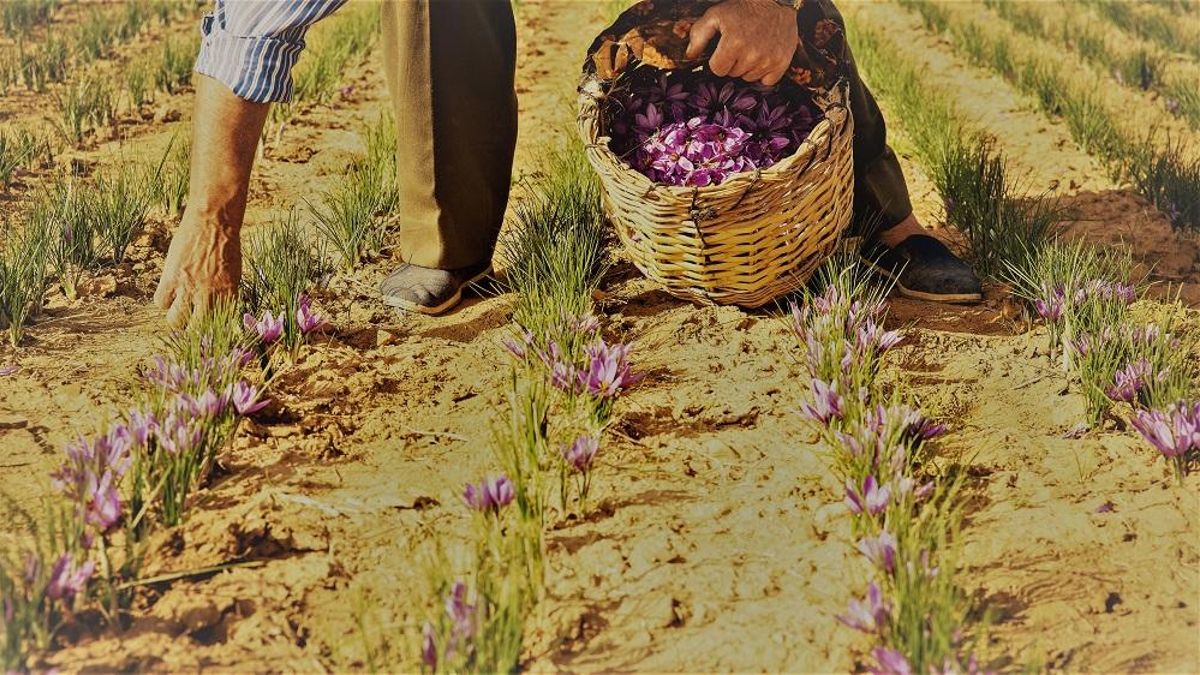
A finales de octubre, cuando el otoño ya se nota en los campos manchegos, empieza habitualmente la temporada del azafrán. La flor, de color violeta, aparece durante un periodo muy breve y debe recogerse a primera hora de la mañana. No es un trabajo que permita demasiadas distracciones: cada flor se abre para extraer a mano sus tres estigmas, que son las hebras rojas que después se utilizarán como especia.

Recogida de azafrán en Castilla-La Mancha.

Tras la recolección llega otra fase clave, el tostado que permite deshidratar las hebras y desarrollar su aroma, color y sabor. La Denominación de Origen Protegida Azafrán de La Mancha reconoce la relación entre este producto, su zona de cultivo y los conocimientos tradicionales necesarios para elaborarlo. En la cocina se utiliza en arroces, guisos, legumbres y muchas otras preparaciones. Su sabor es intenso, así que basta con añadir unas pocas hebras para darle su personalidad al plato.

Granada mollar de Elche, el sabor del Mediterráneo

Elche y otras localidades del sur de Alicante son el territorio de la granada mollar, una variedad autóctona que destaca por su dulzor y por tener las semillas tiernas y fáciles de comer. Su temporada se extiende de octubre a enero, así que el otoño es un buen momento para encontrarla en su mejor etapa. El cultivo del granado está muy ligado a la agricultura de esta zona mediterránea y cuenta con una larga historia, como muestran los restos de granadas hallados en el yacimiento arqueológico de La Alcudia, en Elche.

Granada mollar de Elche.

La Granada Mollar de Elche cuenta con Denominación de Origen Protegida desde 2016 y la distinción ampara su producción en 40 municipios de las comarcas alicantinas del Baix Vinalopó, la Vega Baja y l’Alacantí. Además de comerla fresca, la granada se puede añadir a ensaladas y otros platos, en los que aporta un punto dulce y una textura crujiente. Es una fruta muy vinculada al paisaje local y una buena excusa para descubrir la tradición agrícola de esta parte de Alicante.

Pimiento del piquillo de Lodosa, en Navarra

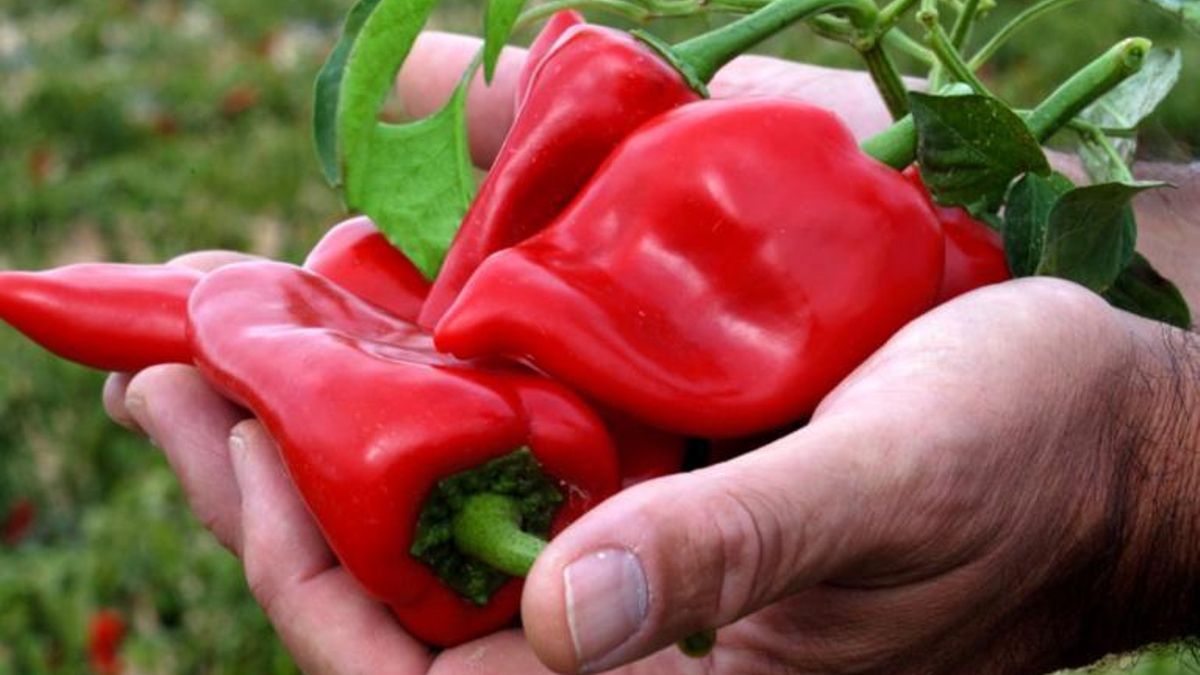
En el suroeste de Navarra, alrededor de Lodosa, el otoño coincide con la recolección del pimiento del piquillo, que se recoge a mano cuando alcanza su característico color rojo intenso. Su nombre no tiene que ver con el picante, como a veces se piensa, sino con la forma puntiaguda y ligeramente curvada del fruto. Es un pimiento dulce, de carne fina, que se ha convertido en uno de los productos más reconocibles de la gastronomía navarra.

Pimiento del piquillo en Navarra.

La Denominación de Origen Protegida ampara los piquillos cultivados y elaborados en ocho municipios de la zona. Sin duda, una de las claves de su preparación es el asado directo a la llama. Después se pelan, se les quitan las semillas y se limpian a mano, sin sumergirlos en agua para conservar mejor su aroma y sabor. Lo más habitual es encontrarlos en conserva, enteros o en tiras, y son muy versátiles en la cocina: pueden servirse como guarnición, rellenarse o acompañar platos de pescado y carne.

Manzana de sidra de Villaviciosa, tradición asturiana

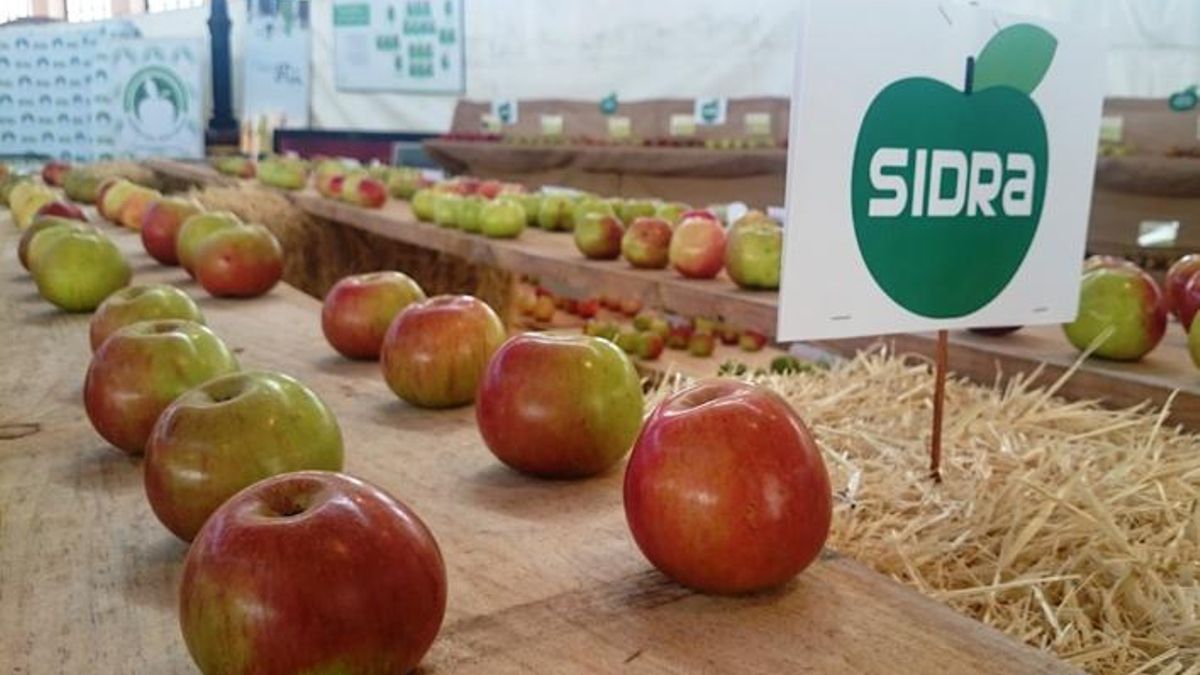
Villaviciosa, en Asturias, es conocida como la capital manzanera y forma parte de la Comarca de la Sidra. Las plantaciones de manzanos, llamadas pumaradas, dibujan buena parte del paisaje local y están estrechamente relacionadas con una tradición sidrera muy arraigada. El otoño es el momento de la cosecha, cuando las manzanas recogidas en los campos inician el recorrido que las llevará a convertirse en sidra.

Festival de La Manzana de Villaviciosa.

La cultura de la manzana se puede conocer también a través de las actividades y celebraciones populares que se organizan en la localidad, con propuestas gastronómicas, exposiciones, talleres y catas. Otra forma de acercarse a esta tradición es recorrer la Comarca de la Sidra para conocer las pumaradas y los llagares, los lugares donde se elabora la bebida. Porque en Villaviciosa la manzana no es solo un fruto de temporada, verás que forma parte de la vida cotidiana y de una cultura que se reconoce tanto en el paisaje como en la mesa.

  •  

Escocia por primera vez: guía práctica para organizar un viaje a tu medida

Escocia por primera vez: guía práctica para organizar un viaje a tu medida

Cuándo viajar, cuántos días dedicarle, cómo moverse o qué llevar en la maleta. Además de algunos consejos prácticos para lidiar con los molestos 'midges'

Seis buenas razones para viajar en otoño (y seis destinos que lo demuestran)

Escocia es uno de esos destinos que dan mucho juego a la hora de organizar un viaje. Puedes dedicar unos días a conocer Edimburgo y Glasgow, recorrer castillos con siglos de historia o salir a la carretera para descubrir lagos, montañas, bosques y pequeños pueblos. Y si tienes tiempo para adentrarte en las Highlands o llegar hasta la isla de Skye, encontrarás algunos de los paisajes más conocidos del país.

Lo bueno es que hay muchas formas de conocer Escocia y no necesitas hacer un viaje larguísimo para disfrutarlo. Eso sí, conviene organizar bien la ruta, porque las distancias pueden engañar y algunas carreteras son más lentas de lo que parecen en el mapa. También hay que contar con un tiempo bastante cambiante, reservar alojamiento con antelación en las zonas más visitadas y decidir cómo te vas a mover, especialmente si quieres recorrer el país por tu cuenta.

Para ayudarte a preparar el viaje, hemos reunido algunos consejos que merece la pena tener en cuenta antes de salir. Veremos cuál es la mejor época para ir, cuántos días necesitas, qué opciones tienes para moverte y qué debes saber si te planteas viajar en autocaravana. También hablaremos de la documentación, el presupuesto, qué llevar en la maleta y cómo lidiar con los midges, esos pequeños mosquitos que pueden convertirse en una auténtica lata cuando pasas tiempo al aire libre. Con todo esto bajo control, será mucho más fácil disfrutar del que sin duda es uno de los países que más enamora cuando lo visitas.

El viaducto de Glenfinnan y el tren de vapor Jacobite, en Escocia.

Cuándo viajar a Escocia

Entre mayo y septiembre encontrarás días más largos y más horas de luz para recorrer el país, algo que se agradece si quieres conocer las Highlands o hacer rutas a pie. Julio y agosto son meses muy concurridos, así que el alojamiento puede salir más caro y conviene reservar con tiempo.

La primavera y el otoño también son buenas opciones, aunque el tiempo puede cambiar bastante. En invierno hay menos horas de luz y algunos lugares turísticos reducen sus horarios o cierran por temporada. Vayas cuando vayas, lleva ropa impermeable y vístete por capas. En Escocia puedes empezar el día con sol y acabar buscando refugio de la lluvia, así que mejor no confiarse.

Cuántos días necesitas para conocer Escocia

Con una semana puedes combinar Edimburgo con una primera toma de contacto con las Highlands. Si tienes diez días para conocer Escocia, podrás plantearte una ruta más completa por Inverness, el lago Ness, Glencoe, el castillo de Eilean Donan y la isla de Skye. Con dos semanas tendrás más margen para explorar las Tierras Altas o añadir alguna isla, como Mull o Arran.

Lo importante es no querer abarcar demasiado. Las distancias engañan y algunas carreteras son estrechas, por lo que un trayecto que parece corto puede llevarte más tiempo del previsto. Calcula bien los desplazamientos y deja hueco para las paradas. Al fin y al cabo, no querrás pasarte el viaje mirando el reloj en lugar de disfrutar del paisaje.

Cómo moverse por Escocia

Si quieres descubrir zonas rurales y parar donde te apetezca, alquilar un coche es una opción muy práctica. Recuerda que se conduce por la izquierda y que las distancias se indican en millas. En algunas carreteras estrechas de las Highlands encontrarás passing places, ensanchamientos que permiten que dos vehículos se crucen. Conduce con calma y evita, si puedes, hacer muchos kilómetros de noche.

También puedes moverte en tren y autobús entre ciudades como Edimburgo, Glasgow, Stirling e Inverness. Es una buena alternativa si prefieres no conducir, aunque llegar a algunos castillos y espacios naturales puede requerir conexiones o excursiones organizadas. Para visitar determinadas islas tendrás que coger un ferri. En verano, comprueba los horarios y reserva con antelación si vas a embarcar con tu vehículo.

Las peludas vacas escocesas.

Viajar por Escocia en autocaravana

Si te gusta viajar con la casa a cuestas, Escocia puede ser un destino estupendo para recorrer en autocaravana o cámper. Lo más habitual si llegas en avión es alquilarla allí, pero comprueba dónde se recoge porque no siempre está cerca del aeropuerto. Antes de salir, pide que te expliquen cómo funcionan los depósitos de agua, el vaciado de aguas residuales, la calefacción y el resto del equipamiento. Ten en cuenta que conducir un vehículo grande por la izquierda y por carreteras estrechas requiere cierta atención, especialmente si no tienes experiencia.

Y ojo con la pernocta, porque no puedes dar por hecho que está permitido dormir en cualquier aparcamiento. Comprueba las normas locales y busca campings o áreas para autocaravanas, donde además podrás encontrar servicios como agua, electricidad y puntos de vaciado. Aplicaciones como Park4Night o CaraMaps ayudan a localizar lugares para pasar la noche y consultar opiniones de otros viajeros, aunque conviene verificar siempre la información. La autocaravana te da libertad, pero tendrás que planificar algo más la ruta y los servicios. Para visitar Edimburgo o Glasgow, suele ser más cómodo dejarla aparcada fuera del centro.

Los midges, los pequeños mosquitos que pueden darte la lata

Si viajas a Escocia entre finales de primavera y comienzos del otoño, hay algo que quizá esperarías encontrar en un país más tropical pero no aquí: los midges. Son insectos diminutos que pueden aparecer en grandes cantidades y cuyas picaduras resultan bastante molestas. Suelen dar más guerra en zonas húmedas y resguardadas del viento, así que pueden complicarte una caminata o una parada junto a un lago.

La solución es ir preparado. Lleva repelente y utiliza ropa que cubra brazos y piernas. El viento dificulta que vuelen, por lo que los lugares más expuestos suelen ser más agradables que los rincones protegidos. No dejes que te quite las ganas de viajar, pero acuérdate de ellos al preparar la mochila.

Documentación, sanidad y seguro de viaje

Para viajar desde España al Reino Unido necesitas un pasaporte en vigor y una autorización electrónica de viaje conocida como ETA (Electronic Travel Authorisation), obligatoria en Reino Unido desde 2025 y que debes tramitar antes de salir. Comprueba los requisitos actualizados en la web oficial del Gobierno británico y solicita la autorización por sus canales oficiales. Así evitarás páginas intermediarias que cobran más por hacer el trámite.

En cuanto a la sanidad, lleva tu Tarjeta Sanitaria Europea, que permite acceder a la asistencia sanitaria pública necesaria durante una estancia temporal si cumples los requisitos. Eso sí, no sustituye a un seguro de viaje, que puede cubrir gastos que la tarjeta no contempla, como la repatriación o incluso problemas con el equipaje.

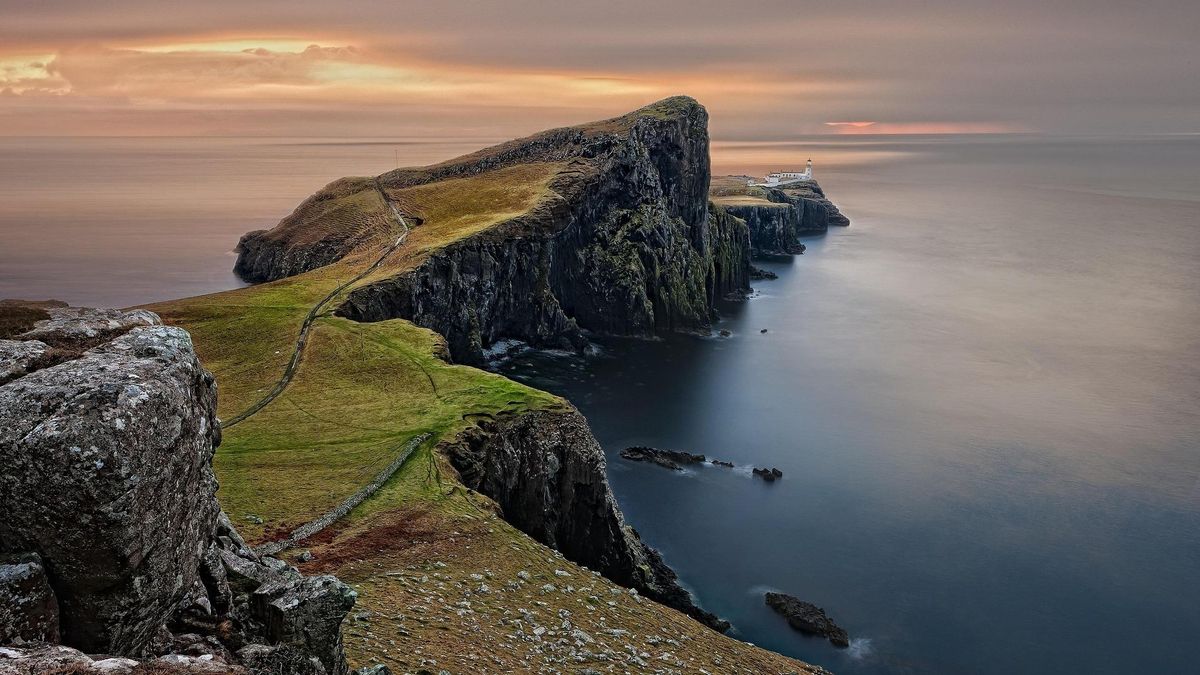
Neist Point, el punto más occidental de la Isla de Skye. En Escocia.

Dinero y presupuesto

La moneda es la libra esterlina y podrás pagar con tarjeta en muchos sitios. Antes de viajar, revisa si tu banco aplica comisiones por pagar o sacar dinero en otra moneda. Para hacerte una idea, calcula aproximadamente entre 100 y 180 libras por persona y día para un viaje con alojamiento, comidas, transporte y algunas visitas de pago. Es una estimación orientativa para organizar las cuentas, ya que el gasto puede variar bastante según la época, el tipo de alojamiento y si te mueves en transporte público o alquilas un coche.

Dónde alojarse en Escocia

Elige el alojamiento según la ruta, en lugar de intentar visitar todo el país desde una sola base. Edimburgo y Glasgow son buenas opciones para unos días de turismo urbano, pero para recorrer las Highlands, te convendrá repartir las noches entre distintas localidades. En verano reserva con antelación, especialmente en Skye y otros lugares populares. Si viajas en autocaravana, comprueba también dónde puedes pernoctar.

Qué comer en Escocia

Aprovecha para probar algunos platos típicos, como el haggis, que suele servirse con neeps and tatties (nabo y patata), el Scotch broth o el clásico fish and chips. Para algo dulce, busca el cranachan o prueba el shortbread, unas galletas de mantequilla muy populares.

Ten en cuenta que se cena bastante antes que en España, sobre todo fuera de las grandes ciudades. Si terminas una excursión a última hora, comprueba los horarios para no quedarte sin opciones.

Internet, móvil e idioma

Consulta las condiciones de tu tarifa móvil para el Reino Unido, porque el roaming puede no estar incluido como en los países de la Unión Europea. Si los datos salen caros, puedes valorar una eSIM o una tarjeta local. Descarga también mapas para utilizarlos sin conexión, sobre todo si vas a recorrer zonas rurales donde la cobertura puede fallar.

El idioma habitual es el inglés, aunque en algunas zonas también se habla gaélico escocés. Los acentos pueden costar un poco al principio, pero te acostumbrarás. Y si alguna conversación se te resiste, una aplicación de traducción siempre puede echarte una mano.

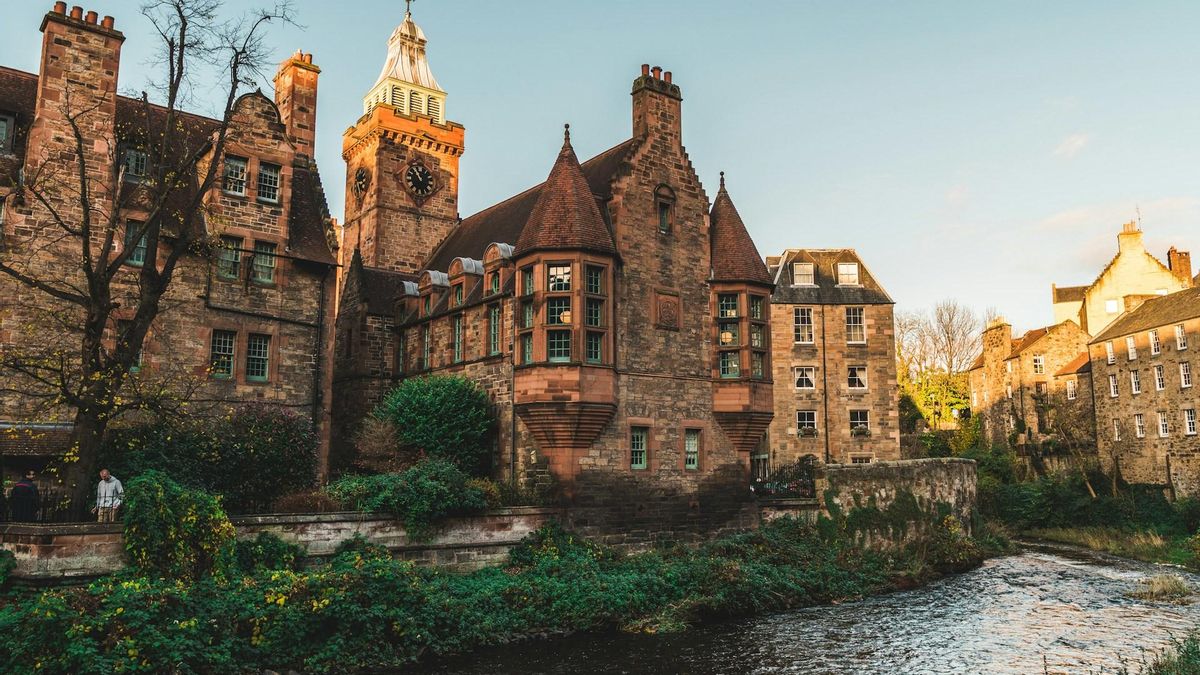
Edimburgo.
Edimburgo.

Qué llevar en la maleta

No te compliques, pero ve preparado para la lluvia. Mete una chaqueta impermeable, ropa de abrigo incluso si viajas en verano y calzado cómodo, mejor si es resistente al agua. Añade un adaptador para los enchufes británicos de tipo G y una mochila pequeña para las excursiones. Si viajas en los meses de mayor presencia de midges, no te olvides del repelente.

Qué lugares incluir en la ruta

Si es tu primera visita, empieza por Edimburgo, con su castillo, la Royal Mile y el casco histórico. Glasgow merece también un hueco si te interesan los museos, la arquitectura y la vida cultural. Fuera de las ciudades, Stirling es una parada interesante por su castillo y su historia, mientras que Glencoe ofrece algunos de los paisajes más conocidos de las Highlands.

Si tienes tiempo, añade Inverness y el lago Ness, con las ruinas del castillo de Urquhart a orillas del agua. Y, si puedes alargar el viaje, reserva unos días para la isla de Skye y una parada en el castillo de Eilean Donan. No hace falta verlo todo de una vez, simplemente elige los lugares que mejor encajen con tus días disponibles y disfruta también del camino.

  •  

Hispanidad or latinidad: Shakira opens debate on cultural identity beyond a common language

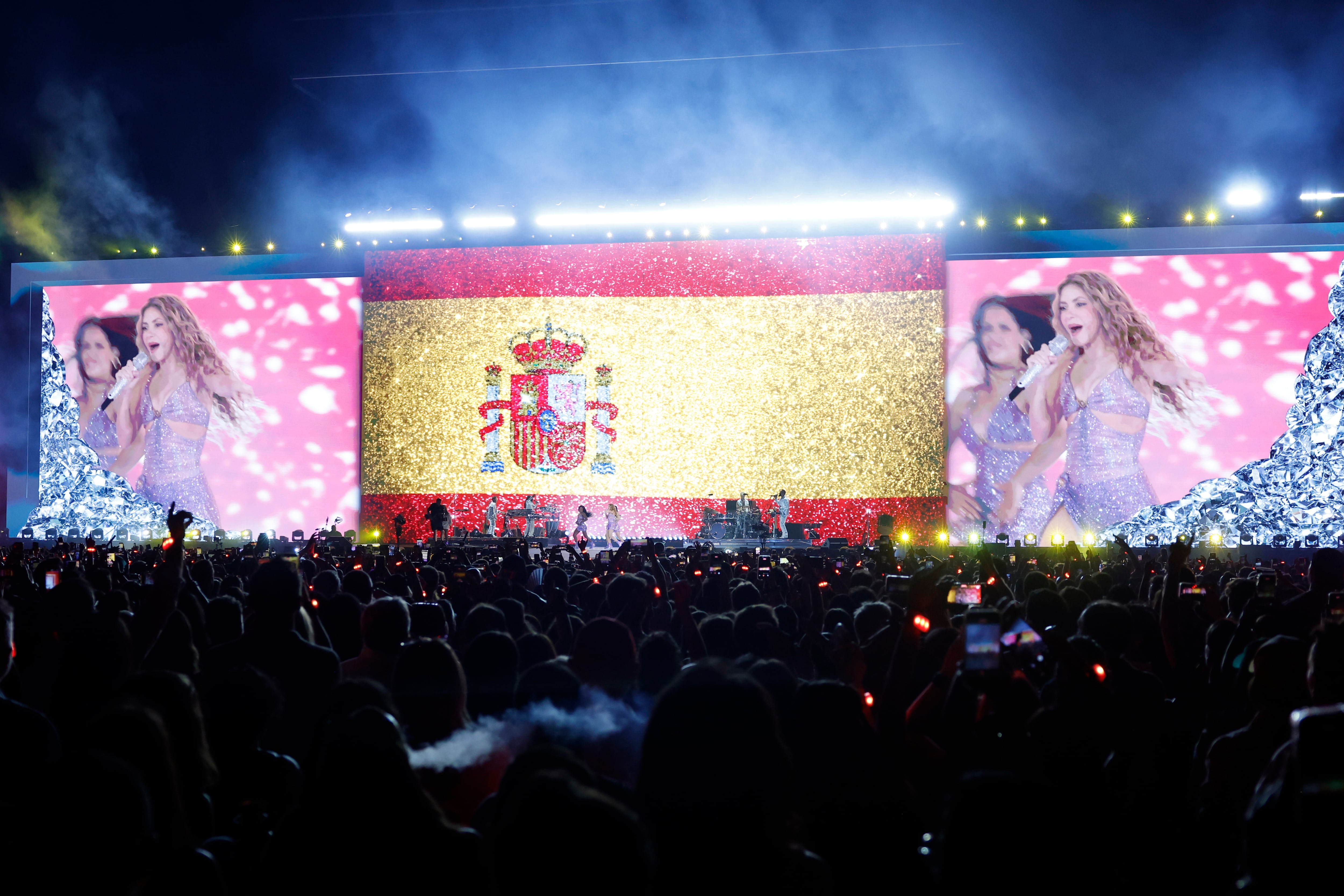
Shakira during a concert in Madrid, September 18.

And Shakira said: “Let’s not speak only of hispanidad: let’s speak of latinidad, an even broader embrace. Hispanidad is beautiful, but it falls short of everything we are. Spanish is Latino; Portuguese, Italian, and French are too. And all Latin Americans are Latinos.”

Seguir leyendo

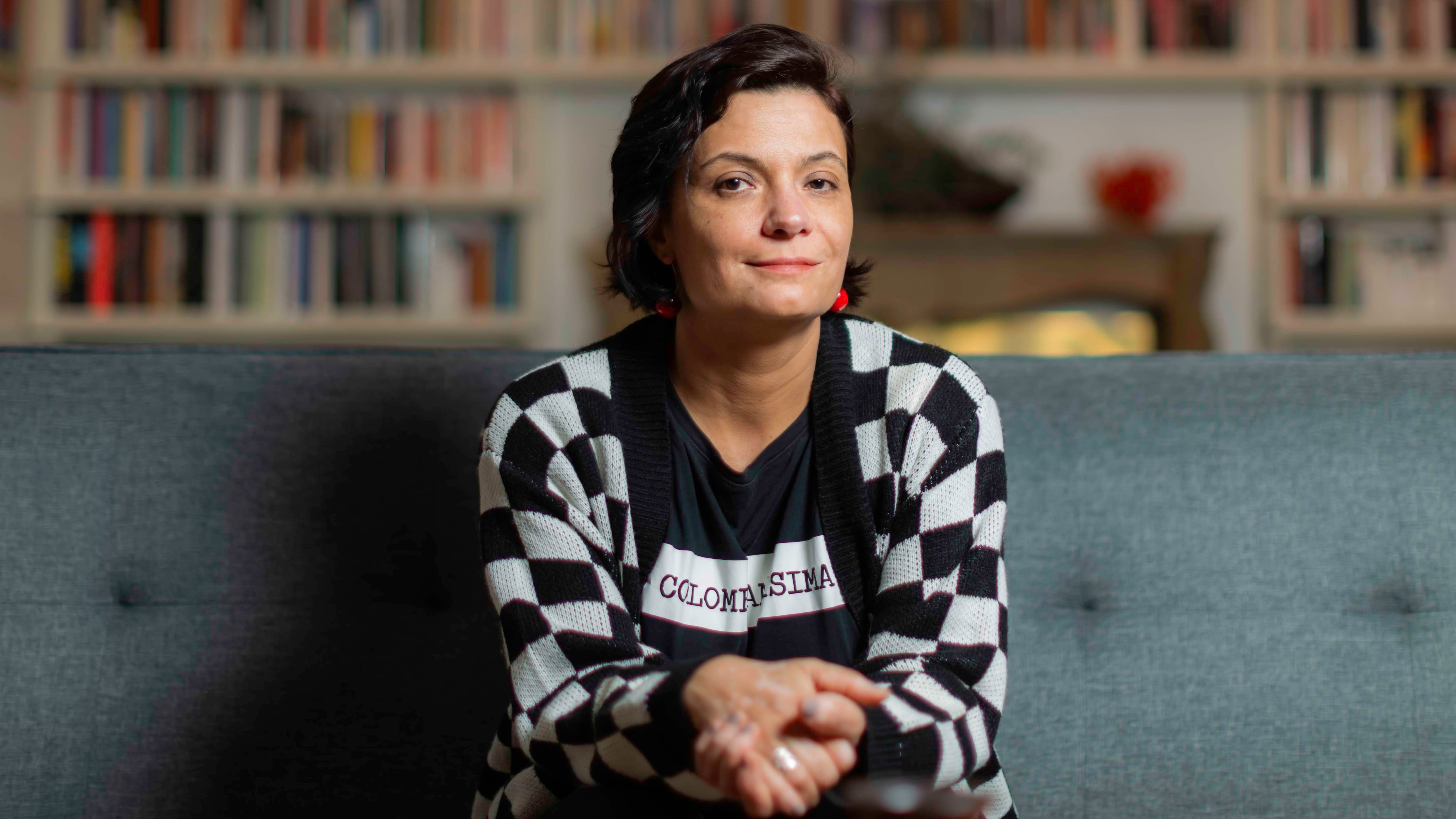
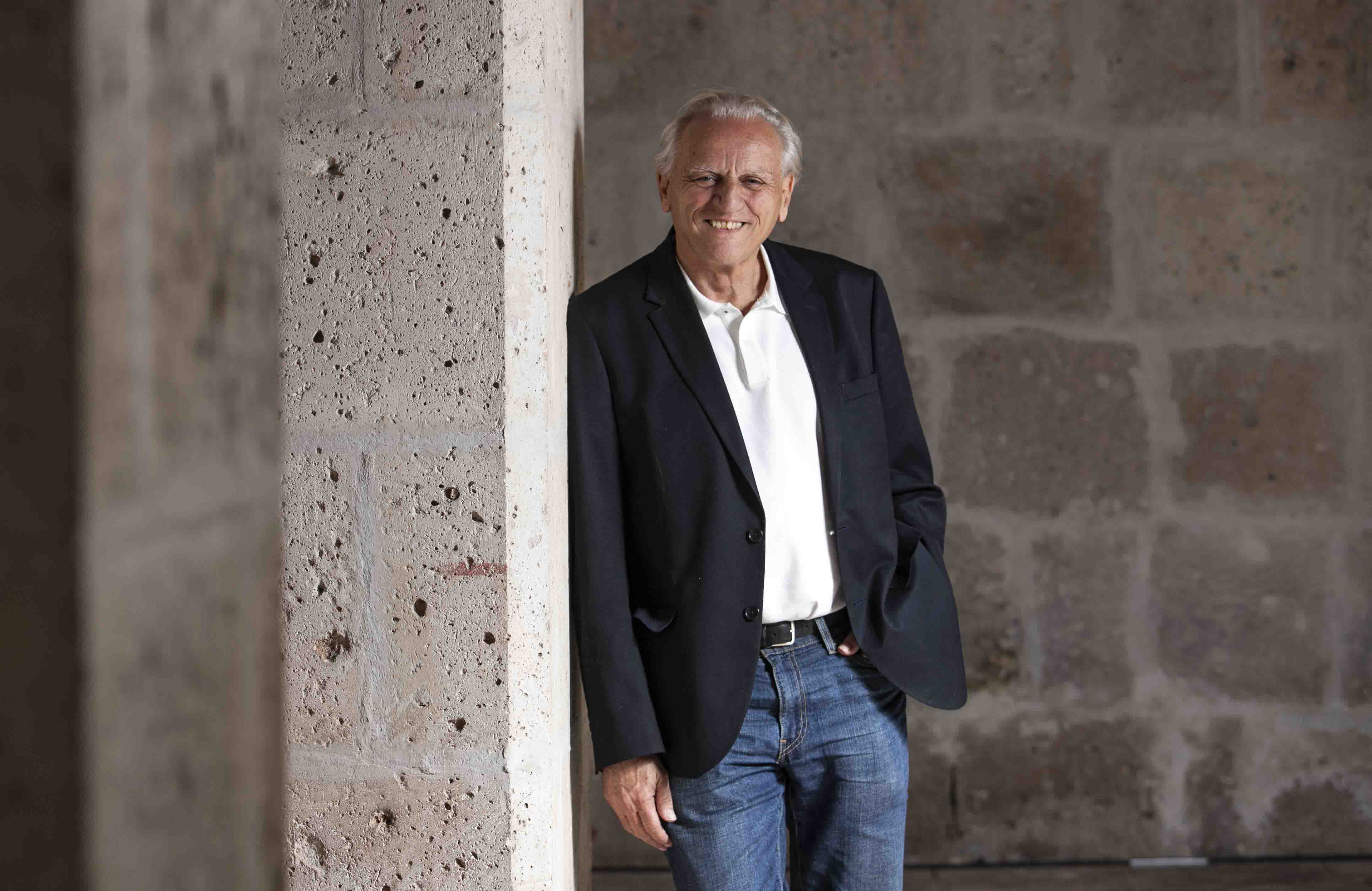
The philologist and professor Lola Pons at the EL PAÍS headquarters in Madrid last week.The writer Melba Escobar, at her home in Madrid, in March 2026.Journalist Álex Grijelmo, in Arequipa, at the 10th International Congress of the Spanish Language, October 13, 2025.
  •  

Enric Gallego, un cuarentón de récord

Con 40 años cumplidos el 12 de septiembre, Enric Gallego está protagonizando un inicio de Liga de récord. Nunca había necesitado tan poco tiempo para elevar su cifra anotadora a cuatro tantos en categorías profesionales. Minuto arriba o abajo, por aquello de los alargues, solo le han hecho falta 379 para alcanzar esa cifra. Se estrenó en Eibar con su primer remate a puerta, facilitando así la victoria de los blanquiazules (1-3), repitió en la jornada siguiente para decantar a favor de los locales la visita del Almería al Heliodoro (1-0) y firmó un doblete en el reciente pulso con el Leganés, uno de penalti y otro cazando una asistencia de Albert Valentín (2-0). No es que sea una producción sin precedentes en su larga trayectoria, pero hasta ahora no la había concentrado en un margen tan corto en el comienzo de un curso liguero.

  •  

Cómo saber si necesitas cambiar de colchón: señales de que ha llegado el momento y qué colchón elegir

¿Cuándo hay que cambiar el colchón? Aunque no existe un momento exacto que sirva para todo el mundo, hay varias señales que indican que ha llegado la hora de renovar la cama. La antigüedad del colchón, los dolores o la rigidez al levantarse, los hundimientos y deformaciones o incluso notar demasiado los movimientos de la pareja son algunos de los indicios más habituales.

  •  
❌