Cuando la temporada del Mundial de Resistencia se acerca a su final en el circuito de Monza, las nueve marcas inscritas en la categoría Hypercar del WEC 2027 preparan ya sus coches. Peugeot prácticamente estrenará uno nuevo, completamente diferente al anterior, que databa de 2022. Un biplaza fallido en su concepción sin alerón trasero, algo que ni siquiera su corrección en 2024 ha conseguido paliar.
Peugeot Sport ha exprimido al máximo la mecánica del 9X8 en esta última temporada, mejorando su fiabilidad y prestaciones, pero en el marco de un campeonato enormemente disputado con otras siete marcas, entre las que se cuentan Toyota, Ferrari, Aston Martin, BMW, Cadillac, Alpine y Genesis. Una competición en la que las diferencias se miden en centésimas de segundo, con los diez primeros coches terminando en la misma vuelta tras seis horas de carrera…
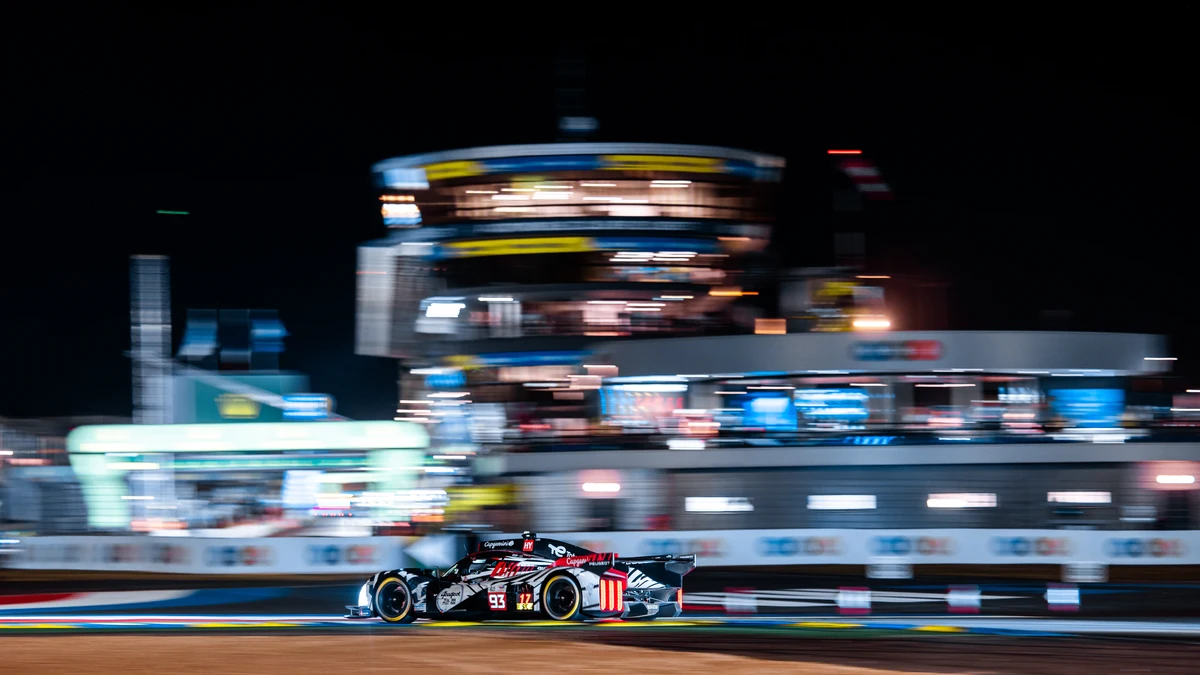
El equipo Peugeot TotalEnergies ha luchado en muchas pruebas por los puestos de honor, especialmente en las 6 Horas de Spa, donde batió a todos en la Hyperpole y donde su mejor coche marchaba cuarto cuando fue embestido por otro… Los 9X8 puntuaron después en Le Mans, en el Circuito de las Américas y en Fuji, donde el mejor fue sexto. Antes de terminar la temporada 2026, la marca francesa ocupa el séptimo lugar en el Mundial.
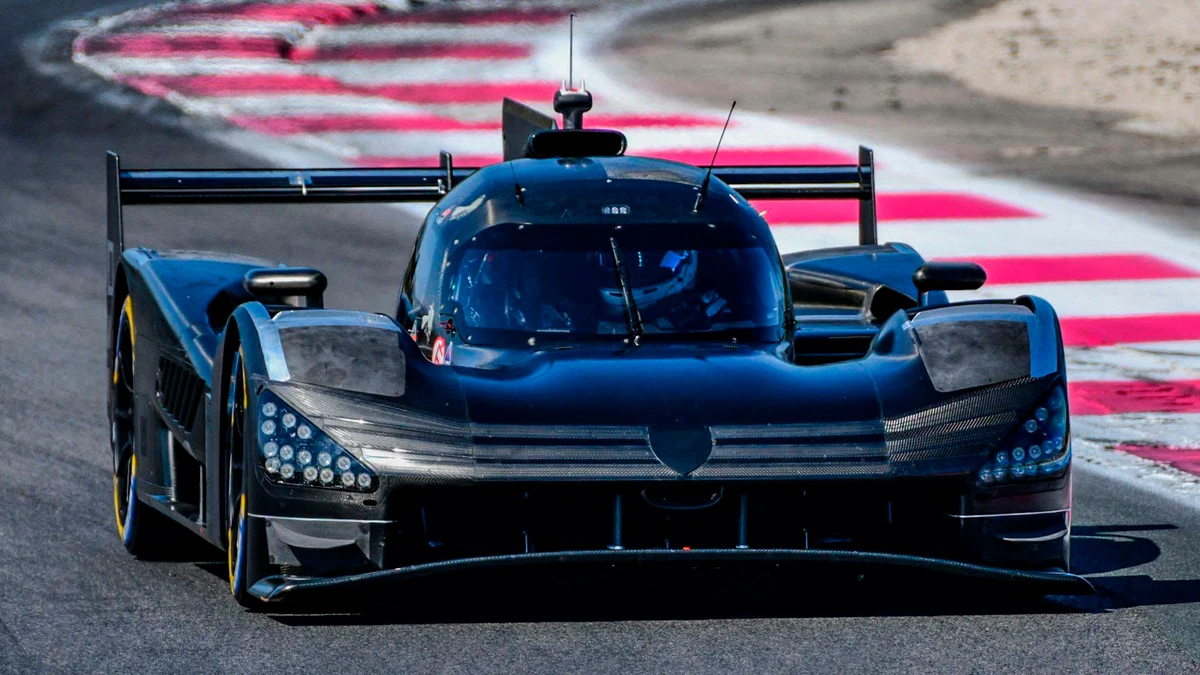
Con todo, Peugeot Sport también ha estado trabajando este año en el sustituto del 9X8, con una profunda evolución de la que solo se han podido ver algunas imágenes «robadas» de las primeras pruebas en pista. Exteriormente, presenta una carrocería totalmente diferente, aunque debe conservar el mismo chasis. Y no se sabe si el motor de combustión (un V6 turbo de 2,6 litros) o el sistema híbrido 4x4 siguen siendo los mismos.
Peugeot ya había agotado sus cinco «comodines» para evolucionar su Hypercar, pero se acogerá a una nueva norma añadida este año que permite a la organización del WEC admitir modificaciones extra si algún coche tiene una desventaja de prestaciones significativa. «Será el punto de partida para preparar el próximo capítulo de la historia del Peugeot 9X8 en Resistencia», según Emmanuel Esnault, team principal de Peugeot Sport en el WEC. «Desde su debut en 2022, el 9X8 ha sido una plataforma en continua evolución, compitiendo al más alto nivel de la Resistencia mientras aprendíamos, nos adaptábamos y progresábamos. Nuestro objetivo está claro: colocar el 9X8 entre los mejores. De cara a 2027, el equipo ha subido un peldaño en el desarrollo, enfocado en revisar las prestaciones, la eficiencia y el diseño».
Peugeot Sport cuenta con más de treinta ingenieros centrados en el proyecto. Lionel Berthier es el diseñador jefe del Peugeot 9X8, coordinador de la integración de cientos de componentes y sistemas y del equilibrio entre carga aerodinámica y resistencia al avance. Se apoya en la oficina de diseño de Stellantis Motorsport, dirigida por Yann Le Fur; en Kevin Fishermann, como ingeniero de diseño de chasis, y en Kendal Beykoylu, responsable de la interfaz entre el sistema de propulsión y el propio chasis.
La temporada 2027 no solo contará con un 9X8 completamente renovado y mucho más competitivo, sino también con un equipo de pilotos reforzado por la llegada de Robert Shwartzman (ex-Ferrari) y el joven Alex Quinn, que ya debutó en Barcelona. El equipo Peugeot TotalEnergies estrenará nuevos colores y la nueva identidad de marca (firma luminosa) en el frontal de su Hypercar.
Union furious as bank scraps remote-first policy from February 2027, requiring all of its UK employees to come in at least twice a week
NatWest has ordered 13,000 staff to increase their in-office days from two days a month to two days a week, angering its staff union.
The banking group, which serves customers under the Royal Bank of Scotland, NatWest, Ulster Bank and Coutts brands, will require all of its nearly 40,000 UK staff to follow a strict two days a week office schedule from February 2027, abolishing a remote-first policy for thousands of employees.
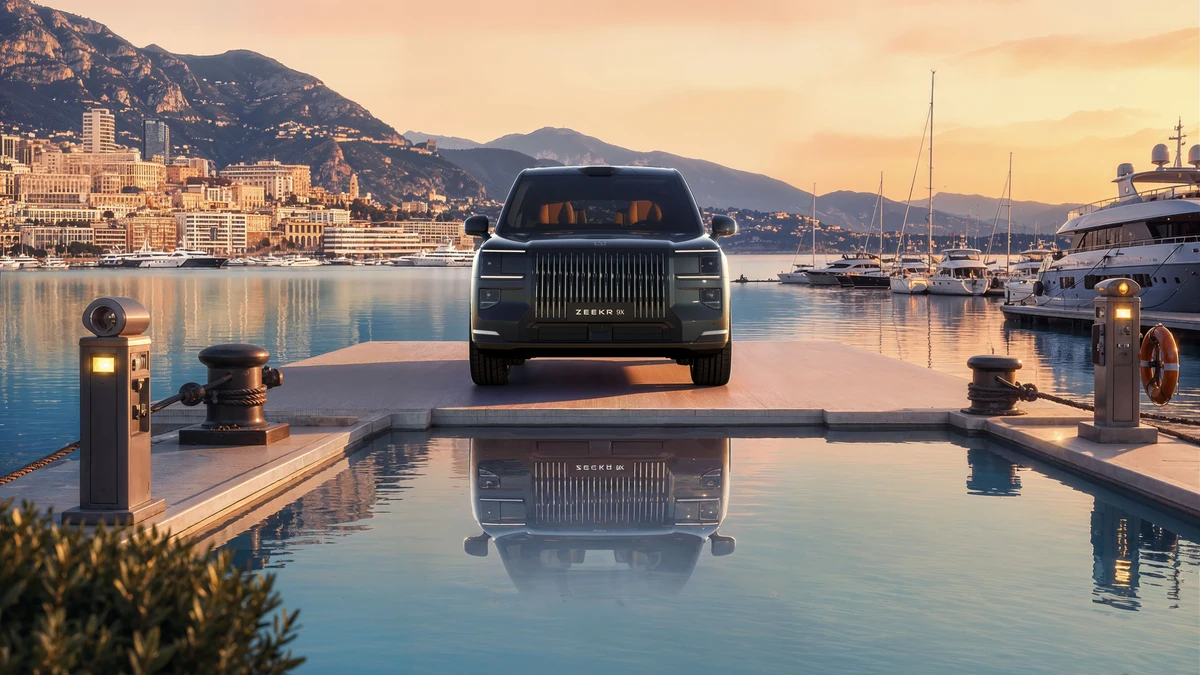
La industria china del automóvil está dispuesta a ocupar todos los segmentos posibles. Fabricantes como Zeekr, perteneciente al grupo Geely (que tiene marcas como Volvo, Polestar o la propia Geely), están demostrando que también quieren hacerse un hueco entre las marcas de lujo, con automóviles que destacan por sus prestaciones, tecnología y equipamiento. El último ejemplo es el Zeekr 9X, un imponente SUV híbrido enchufable de seis plazas que se presentó recientemente en Barcelona y París y que llega con argumentos tan llamativos como sus 897 CV de potencia, una autonomía eléctrica de 179 kilómetros y un sistema de carga capaz de recuperar buena parte de la batería en menos de diez minutos. Al estilo de un cien por cien eléctrico muy avanzado.
La marca quiere conquistar Europa y una de las claves es su equipo de diseño, ubicado entre Goteborg y Shanghai, y en este caso, la silueta del coche está dirigida por el español Javier García-Gallardo, jefe de diseño de la marca. La presentación fue estática, pudimos acceder al coche y las sensaciones era de máximo lujo, detalles muy cuidados y un nivel de confort extremo.
El nuevo modelo, presentado en la Marina Port Vell de Barcelona con la presencia del equipo de Zeekr España, ya está disponible en los concesionarios españoles en una única versión denominada Ultra AWD, con un precio de partida de 121.500 euros. Una tarifa que lo sitúa directamente en el territorio de los grandes SUV premium europeos, aunque con una propuesta tecnológica más innovadora y completa. ¿Quién se compraría un coche así? Pues la marca tiene en España ya al menos cinco pedidos y uno de ellos sustituirá su actual Bentley Bentayga por un Zeekr 9X.
Un híbrido enchufable con prestaciones de superdeportivo
El Zeekr 9X utiliza un sistema de propulsión denominado Super Hybrid, desarrollado sobre una arquitectura eléctrica de 900 voltios (algo que todavía no tienen los cien por cien eléctricos). Cuenta con dos motores eléctricos que desarrollan una potencia conjunta de hasta 897 CV y un par máximo de 935 Nm, mientras que un motor de gasolina turboalimentado de 2,0 litros actúa como generador para ampliar la autonomía.
Las prestaciones resultan especialmente llamativas para un vehículo de estas características ya que acelera de 0 a 100 km/h en apenas 4,1 segundos y alcanza una velocidad máxima de 240 km/h. Sin embargo, uno de sus aspectos más interesantes está en la batería. Con una capacidad de 55,1 kWh, superior a la de numerosos híbridos enchufables convencionales, permite recorrer hasta 179 kilómetros utilizando exclusivamente electricidad. La autonomía total anunciada asciende a 737 kilómetros.
También destaca su capacidad de recarga. Admite potencias de hasta 330 kW en corriente continua y, en condiciones óptimas, puede pasar del 10 al 80 % de batería en solo 9,5 minutos. Una cifra inédita entre los híbridos enchufables y que acerca sus posibilidades de utilización a las de un eléctrico con carga ultrarrápida.
El habitáculo adopta una configuración de seis asientos distribuidos en tres enormes filas de dos plazas. La segunda fila adquiere especial protagonismo, con dos butacas individuales que pueden reclinarse hasta 145 grados y cuentan con reposapiernas eléctricos, calefacción, ventilación y masaje. Y una pantalla que aterriza desde el techo para convertir la parte de atrás en una sala de cine mientras se viaja.
La tercera fila tampoco queda relegada a un uso ocasional, al menos sobre el papel porque sus asientos disponen de regulación eléctrica, calefacción y respaldos reclinables hasta 135 grados.
Entre los materiales utilizados aparecen la piel Nappa y las molduras de madera nórdica. El equipamiento incluye un sistema de sonido Naim con 32 altavoces y ocho transductores hápticos (dispositivos integrados en los asientos que transmiten vibraciones sincronizadas con la música, permitiendo sentir físicamente el sonido), una pantalla OLED de 17 pulgadas integrada en el techo y un frigorífico capaz de mantener temperaturas entre −6 y 50 grados.
Delante encontramos dos pantallas OLED de 16 pulgadas, una para el conductor y otra para el acompañante, además de un sistema de proyección de información sobre el parabrisas equivalente a 47 pulgadas. Además, el Zeekr mantiene algunos mandos físicos para las funciones principales.
Para controlar las inercias de un SUV de este tamaño y planteamiento, el 9X incorpora suspensión neumática adaptativa de doble cámara y amortiguadores electromagnéticos de doble válvula y también dispone de diferentes programas de conducción, incluidos modos específicos para circular fuera del asfalto.
En cuanto a seguridad, el sistema Zeekr Assisted Drive combina un sensor LiDAR con cámaras y otros dispositivos para interpretar el entorno. Incluye control de crucero adaptativo y funciones de mantenimiento y centrado de carril, aunque continúa siendo un sistema de asistencia que requiere supervisión del conductor.
Con el 9X, Zeekr da un paso importante en el mercado español y plantea una alternativa a los grandes SUV de lujo tradicionales. Su principal desafío será convencer a compradores acostumbrados a fabricantes consolidados de que una marca china relativamente joven puede competir también en este exigente segmento. Y visto lo que vimos, puede hacerlo perfectamente.
Los coches eléctricos y totalmente autónomos Waymo, de Alphabet (empresa matriz de Google), desembarcarán en los próximos días en la Comunidad de Madrid. En un primer momento lo harán en periodo de pruebas, con la idea de estar ya totalmente operativos en la región a partir de 2027. Así lo ha anunciado hoy la compañía, que también ha especificado a este diario que los coches rodarán en entornos urbanos reales en Madrid capital, Alcobendas y Getafe. Es decir, en lugares en los que hay peatones, cuya visualización y gestión supone para estos vehículos el principal desafío técnico (y el mayor peligro público).
Low-cost broadband provider Jio Platforms aims for £81bn valuation when it floats on the stock market on Wednesday
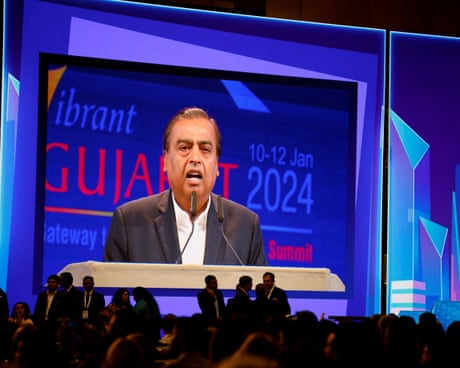
India’s second-richest man, Mukesh Ambani, is launching what could be the country’s biggest-ever initial public offering (IPO), despite a stock market downturn.
Mumbai-based Jio Platforms, a telecoms company backed by Meta Platforms and Google, is hoping to raise up to 302bn rupees (£2.4bn) and is targeting a 10.3tn rupees valuation when it floats on the stock market from Wednesday.
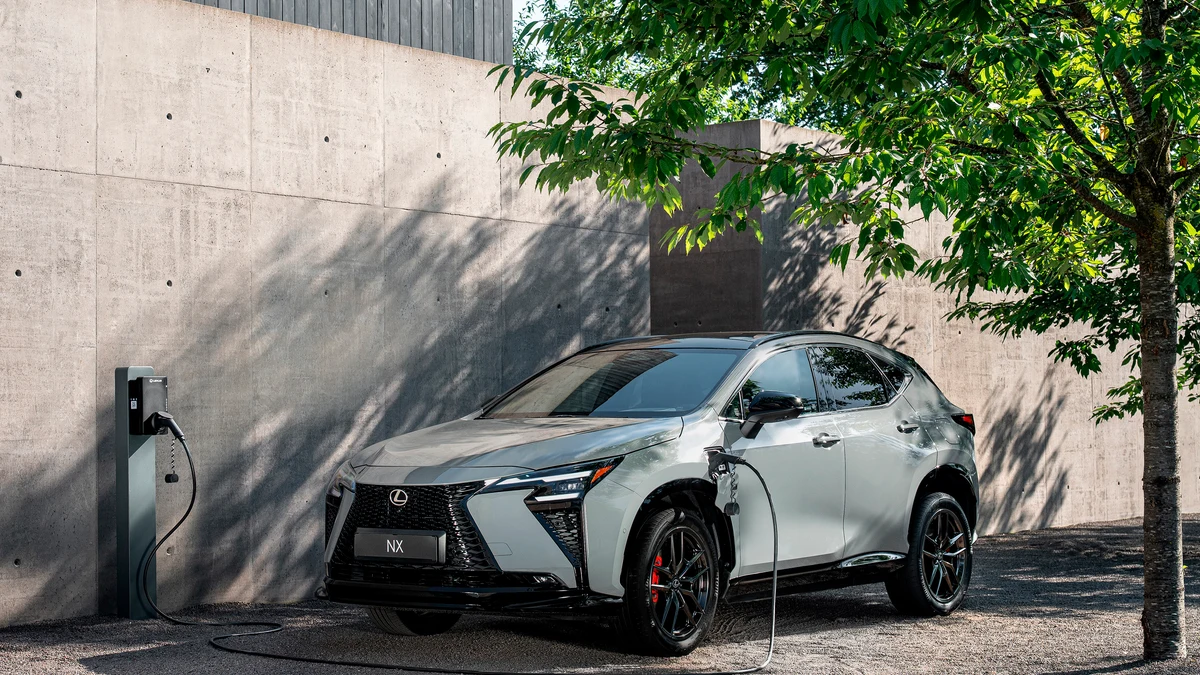
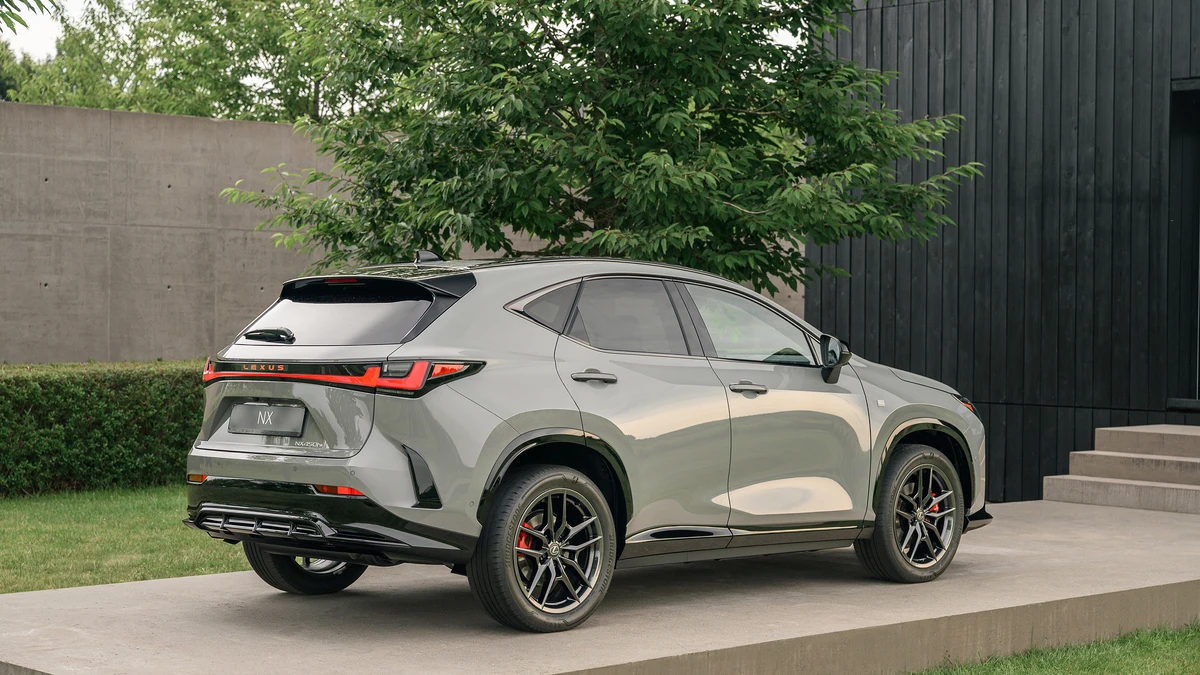
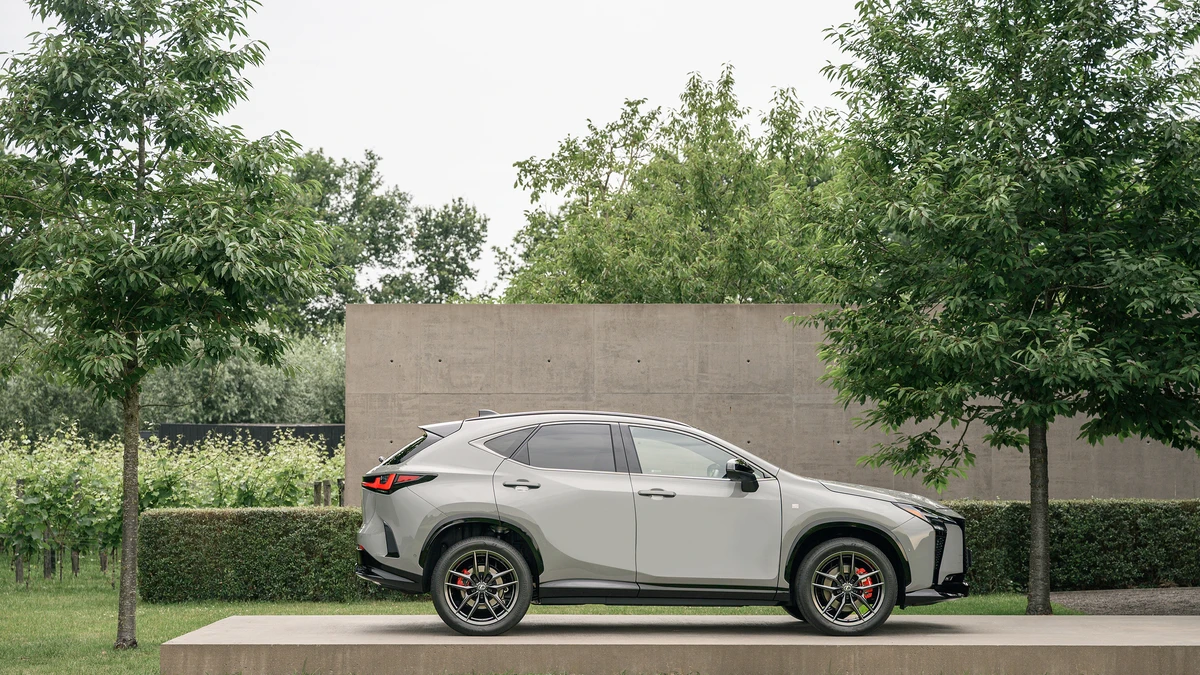
Lexus ha preparado una actualización a fondo de su todocamino más vendido, con nuevos sistemas híbridos, mejoras en el chasis y un interior completamente renovado. El NX 450h+ aumenta su batería hasta los 23 kWh y estrena la carga rápida en corriente continua, una novedad en los híbridos enchufables de la marca. El SUV de tamaño medio de la firma japonesa recibe cambios que van mucho más allá del diseño, con nuevas tecnologías híbridas, ajustes en el chasis y un interior más digital. Su llegada a España está prevista para la primavera de 2027, aunque las primeras reservas ya se pueden realizar.
No estamos ante una generación completamente nueva, pero sí ante una actualización de calado para uno de los modelos con mayor peso comercial de Lexus en Europa. La marca ha centrado buena parte de sus esfuerzos en mejorar la eficiencia, ampliar la autonomía eléctrica de la versión enchufable y ofrecer una conducción más refinada.
El nuevo NX también crece ligeramente. Su longitud aumenta 30 milímetros hasta alcanzar los 4,69 metros, mientras que la anchura se mantiene en 1,865 metros, la altura en 1,66 y la distancia entre ejes en 2,69 metros. Los cambios exteriores incluyen una parrilla rediseñada, faros MultiLED de serie, una nueva firma luminosa para los pilotos traseros y llantas de 18 o 20 pulgadas, según el acabado.
Dos versiones híbridas y más de 100 kilómetros eléctricos
La principal novedad mecánica es la llegada de la sexta generación de los sistemas híbridos de Lexus. La oferta seguirá formada por dos versiones: el NX 350h, con tecnología híbrida convencional, y el NX 450h+, que permite recargar su batería mediante una conexión externa. Ambos utilizan un motor de gasolina de cuatro cilindros y 2,5 litros, asociado a uno o varios motores eléctricos y a una transmisión automática de variación continua controlada electrónicamente.
El NX 350h entrega 199 cv y podrá elegirse con tracción delantera o total. La marca ha introducido cambios en la batería y en su sistema de refrigeración que permiten reducir su peso de 32,7 a 23,5 kilogramos y también se han revisado las prestaciones. Según las cifras provisionales, la versión de tracción delantera acelera de 0 a 100 km/h en 7,7 segundos, mientras que la de tracción total necesita 7,3 segundos.
El cambio más destacado llega con el NX 450h+. Su batería pasa de 18 a 23 kWh, lo que supone un aumento de capacidad cercano al 30 %. Gracias a ello, Lexus anuncia una autonomía eléctrica superior a los 100 kilómetros en ciclo WLTP, alrededor de un 40 % más que en el modelo anterior. La cifra exacta todavía está pendiente de homologación. La potencia combinada también crece, de 292 a 307 cv, y el tiempo de aceleración de 0 a 100 km/h baja hasta los 6,1 segundos. Son mejoras que sitúan al híbrido enchufable como la versión más potente de la gama y refuerzan su capacidad para realizar desplazamientos cotidianos utilizando únicamente electricidad, siempre que la batería disponga de carga suficiente.
Otra novedad importante es la posibilidad de utilizar carga rápida en corriente continua. El NX 450h+ será el primer híbrido enchufable de Lexus que incorpore esta función de serie y en condiciones favorables, la batería podrá pasar del 10 al 80 % de carga en aproximadamente 30 minutos, una característica especialmente útil cuando se necesita recuperar autonomía durante un viaje. Las dos motorizaciones mantienen, además, una capacidad de remolque de hasta 1.500 kilogramos.
Un habitáculo más digital y nuevas funciones de confort
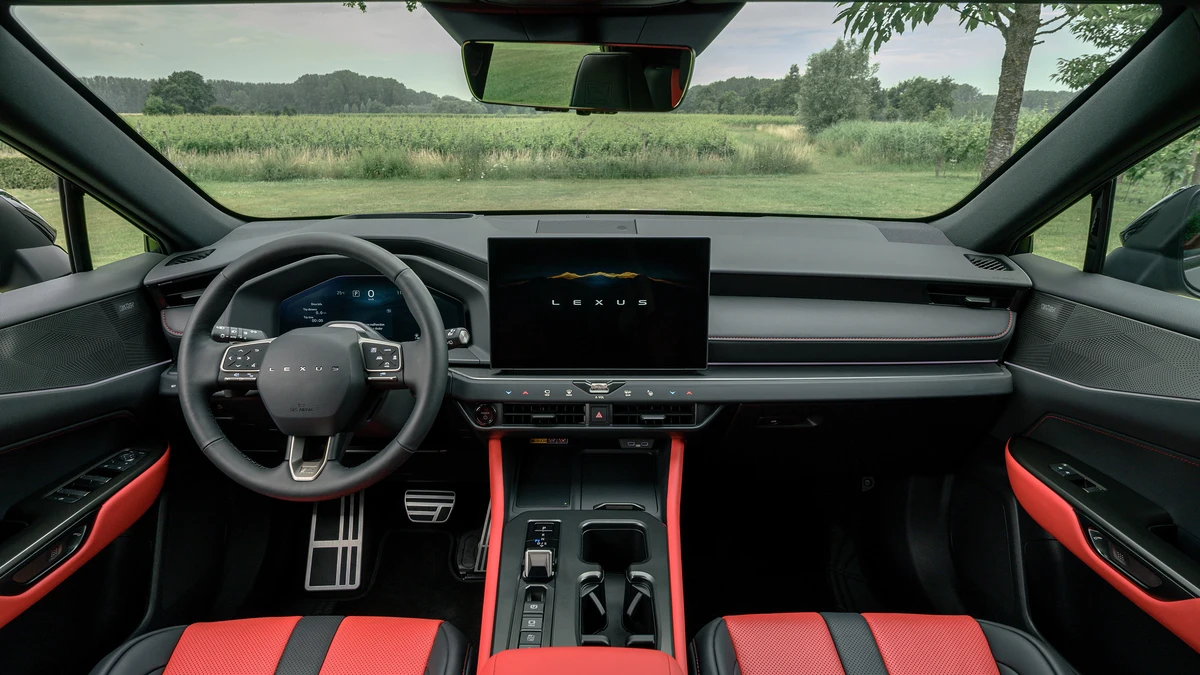
El interior también recibe una actualización importante, especialmente en el apartado tecnológico. El conductor dispondrá de un cuadro de instrumentos digital de 12,3 pulgadas, acompañado de una pantalla multimedia táctil de 14 pulgadas. El sistema de infoentretenimiento estrena un procesador cuatro veces más rápido y cuenta con 256 GB de almacenamiento. También se ha renovado la interfaz para facilitar el acceso a las distintas funciones, incluida la posibilidad de visualizar las indicaciones de navegación directamente en la instrumentación. A estas novedades se suma una llave digital que permitirá acceder al vehículo mediante teléfonos móviles y relojes inteligentes compatibles. Lexus amplía igualmente sus servicios conectados, aunque algunas funciones estarán sujetas a suscripción.
Entre los nuevos equipamientos destaca Lexus Sensory Concierge, un sistema que permite coordinar la iluminación ambiental, la música, la climatización y las fragancias del habitáculo para crear diferentes ambientes a bordo. La gama europea estará organizada en cuatro niveles de equipamiento: Business, Executive, Luxury y F SPORT.
Lexus no ha limitado los cambios a la mecánica y las pantallas. Los ingenieros también han trabajado en la estructura del vehículo, la dirección, las suspensiones y el aislamiento acústico, con el objetivo de mejorar el comportamiento en carretera y el confort de marcha. La rigidez del suelo aumenta aproximadamente un 25 %, una modificación que debería contribuir a una respuesta más precisa del chasis. La marca también ha revisado la puesta a punto de la dirección y las suspensiones para adaptar el comportamiento del NX a las preferencias de los conductores europeos. Parte de ese trabajo se ha realizado en el circuito de Nürburgring, donde Lexus ha llevado a cabo el desarrollo. La intención es conseguir un SUV más estable y agradable de conducir, sin perder el confort que caracteriza al modelo.
El aislamiento acústico merece un capítulo aparte. Gracias a la incorporación de nuevos materiales, Lexus asegura haber reducido alrededor de un 20 % el ruido procedente del motor y de la carretera. En seguridad, todos los acabados incluirán de serie la nueva generación del paquete de asistentes Lexus Safety System+, con sistemas de ayuda a la conducción y prevención de accidentes. El renovado Lexus NX llegará al mercado durante la primavera de 2027, mientras que la apertura de reservas ya está abierta.
La IndyCar competirá en España por primera vez en 2027. Según ha adelantado este lunes El Periódico, la competición estadounidense de monoplazas visitará el Circuit de Barcelona-Catalunya el próximo mes de julio para la celebración de una carrera completamente inédita en Europa.
A falta de confirmación oficial esta prueba se incluirá en el calendario regular de la competición y será la única carrera del certamen en Europa. La IndyCar, desde su fundación en 1996 (no confundir con CART o Champ Car, competiciones diferentes) jamás ha disputado una prueba en territorio europeo.
Este acuerdo, promovido por las instituciones catalanas en más de una decena de reuniones, adquiere especial relevancia en el actual contexto del Circuit de Barcelona-Catalunya, que extendió su continuidad en la Fórmula 1 hasta 2032, aunque de forma alterna con Spa-Francorchamps en los años 2028, 2030 y 2032.
Asegurada su vinculación con MotoGP hasta 2031, el Circuit busca ampliar la oferta de competiciones de primer nivel con la incorporación de la IndyCar, una categoría arraigada casi de forma exclusiva en los Estados Unidos y que con su desembarco en Barcelona tratará de ampliar su alcance internacional.
Este acuerdo supondrá, además, el retorno del piloto Álex Palou, cinco veces campeón de la IndyCar, a su tierra, pues el Circuit se encuentra a menos de 30 kilómetros de su pueblo natal, Sant Antoni de Vilamajor.
El piloto catalán será el principal reclamo para el público local, aunque los organizadores destacan que la parrilla cuenta con una nutrida representación de pilotos procedentes de otros países de Europa que pueden atraer la atención internacional.
El Rally Dakar parece que va a tener nuevo escenario para la edición de 2027. El reciente ataque al aeropuerto de Riad y el repunte de intensidad del conflicto bélico en Oriente Próximo han ahuyentado a la organización del rally raid más exigente del mundo de Arabia Saudí, y todo apunta a que esta legendaria competición se disputará en Marruecos.
Según han adelantado ya varios medios de comunicación especializados en motor, Marruecos será el país que albergará el Dakar 2027. El país africano tiene mucha experiencia con este tipo de competiciones, pues cada año desde el 2000 (excepto en 2020) se disputa el Rally de Marruecos, una prueba que forma parte del Campeonato Mundial de Rally Raid, y suele servir como 'pretemporada' para los grandes candidatos al Dakar.
El recorrido y las fechas sufrirán alteraciones. En Arabia Saudí, la competición iba a empezar el 1 de enero de 2027, pero bajo esta nueva propuesta, comenzará el 9 de enero. Además, será algo más corto, pues finalizará el día 22 de enero, con una etapa de descanso prevista para el día 16.
Si el kilometraje era uno de los puntos llamativos de esta edición, pues superaba la barrera de los 5.000 kilómetros, la organización plantea un total de 4.300 kilómetros en Marruecos, que incluye una etapa maratón-refugio, en la que los pilotos no recibirán asistencia mecánica, y en la que tendrán que dormir en medio del desierto.
Pendiente de confirmación está el lugar para el prólogo, una primera etapa muy reducida que sirve como fiesta inaugural. Según los medios anteriormente referenciados, la Península Ibérica podría ser el destino para esta primera jornada, aunque aún no se sabe si Amaury Sport Organisation (ASO) se decantará por España o por Portugal.
Fernando Alonso, que volverá al Dakar siete años después, ya conoce este territorio, donde debutó en su momento en el rally-raid. Además, su copiloto, Marc Coma, puede resultar crucial, pues no solo ganó el Rally de Marruecos en tres ocasiones, sino que actualmente es organizador y director de dicho certamen.
Concerns financial contracts known as derivatives were incorrectly logged, potentially boosting Barclays’ profits
The Bank of England is reportedly looking into Barclays’ handling of loans linked to the embattled private credit sector.
The Bank’s regulatory arm, the Prudential Regulation Authority (PRA), started reviewing the matter this year after concerns were raised by a Barclays insider, according to the Financial Times.
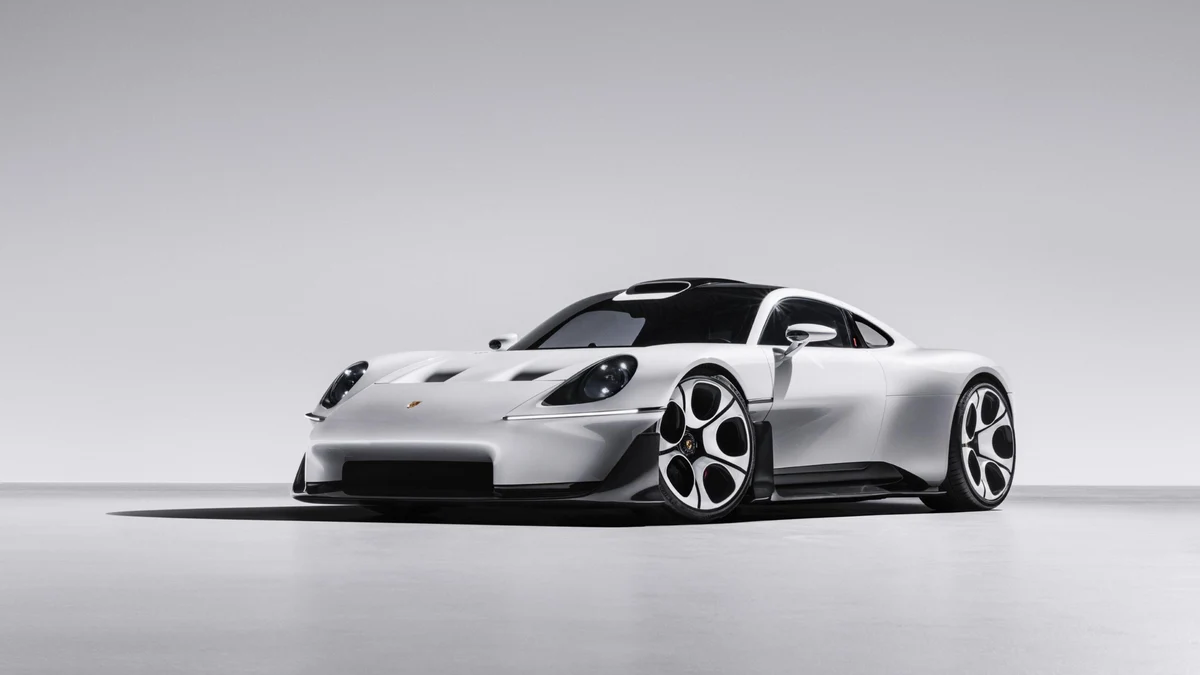
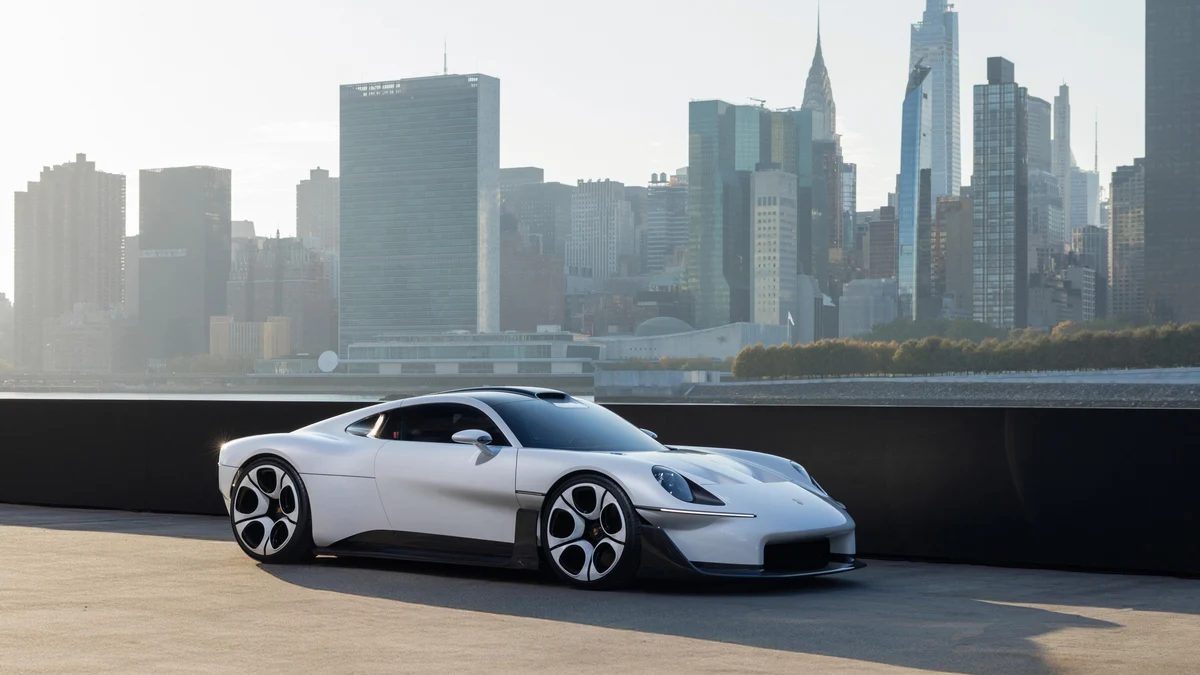
La marca alemana, reina de los coches deportivos, ha presentado el prototipo de lo que será el Porsche del futuro, que ha bautizado con el nombre de Mission S. El nuevo modelo, que emplea una plataforma de superdeportivo con motor central y se sitúa por encima del 911, mantiene la identidad de la marca en sus formas y prestaciones. «Un Porsche debe ser reconocible como tal a primera vista», según Michael Leiters, presidente de la casa de Stuttgart, quien reveló que «el Mission S muestra un adelanto de las ideas y los rasgos de diseño que darán forma a Porsche en los próximos años».
El estreno mundial del Porsche Mission S tuvo lugar en el muelle de Queens (Nueva York), frente a Manhattan. Las primeras imágenes del Porsche 550 Spyder con motor central, tomadas allí mismo, dieron la vuelta al mundo en 1953. Como primer superdeportivo de la marca, el 550 Spyder sigue considerándose en la actualidad el modelo que definió la identidad de la empresa y abrió el mercado de Estados Unidos.
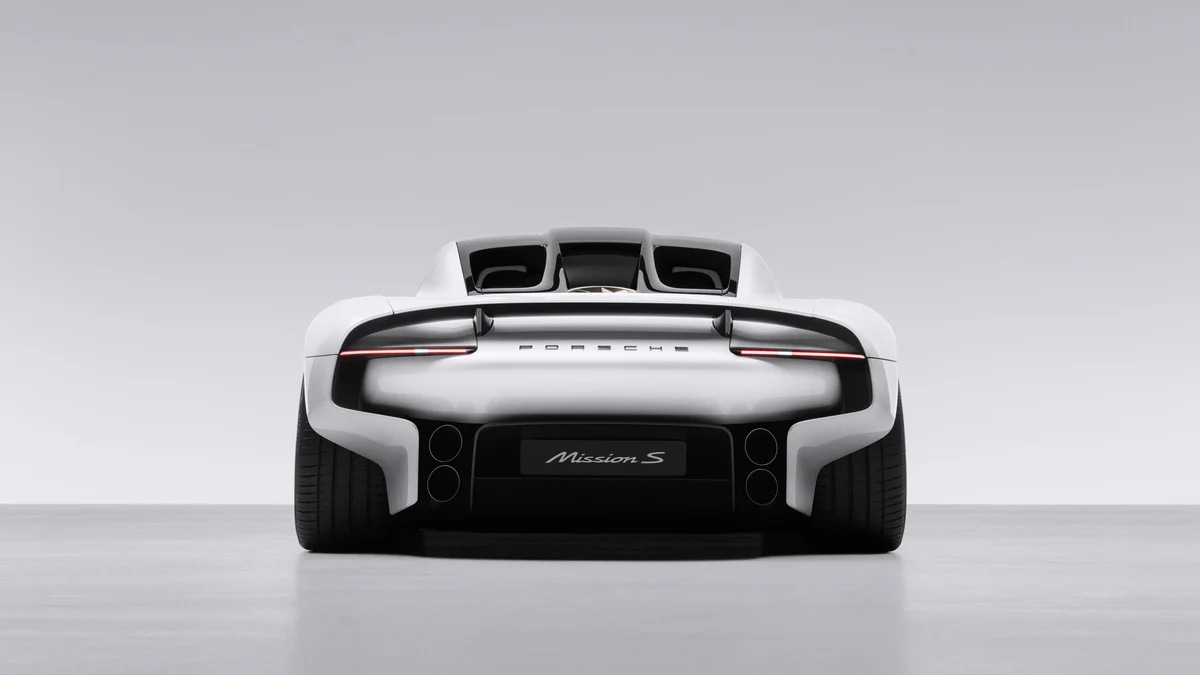
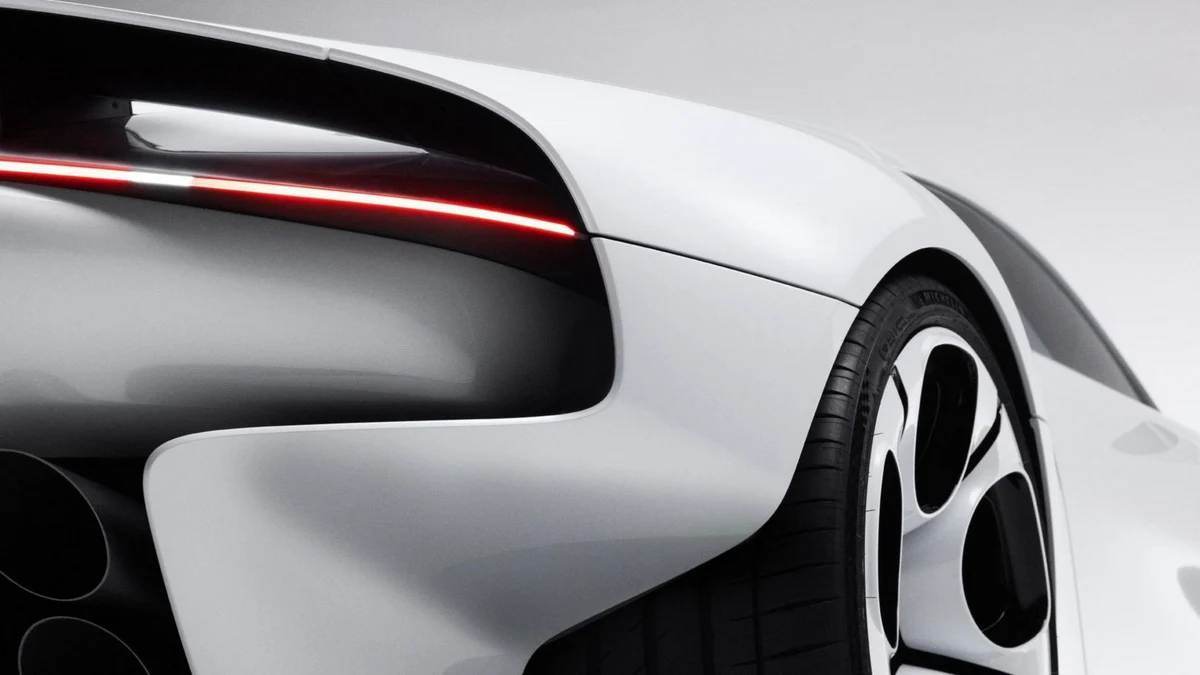
El exterior del Porsche Mission S traslada al futuro los rasgos de diseño típicos de la marca. Las características aletas torpedo, la línea de techo y la relación entre anchura y altura constituyen elementos centrales de la arquitectura del nuevo deportivo. Esto da lugar a lo que se conoce como «volúmenes flotantes», formas y superficies fluidas que parecen estar suspendidas. Se ha prestado especial atención a la pureza de las líneas del coche. Una línea principal envolvente conecta las firmas luminosas de las partes delantera y trasera. Los faros redondos y las marcadas aletas recuerdan al 911. El frontal plano está inspirado en el GT1, mientras que la línea de techo bajo el alerón trasero recuerda al 959.
Las proporciones vienen determinadas por la arquitectura de motor central. Ciertos detalles técnicos, como el sistema de refrigeración, que recuerda al ventilador del radiador del Porsche 917, o el alerón trasero activo totalmente integrado, presentan un diseño al más puro estilo Porsche. Otro elemento destacado son las llantas, para las que se ha creado un nuevo concepto de diseño orientado sistemáticamente a la construcción ligera.
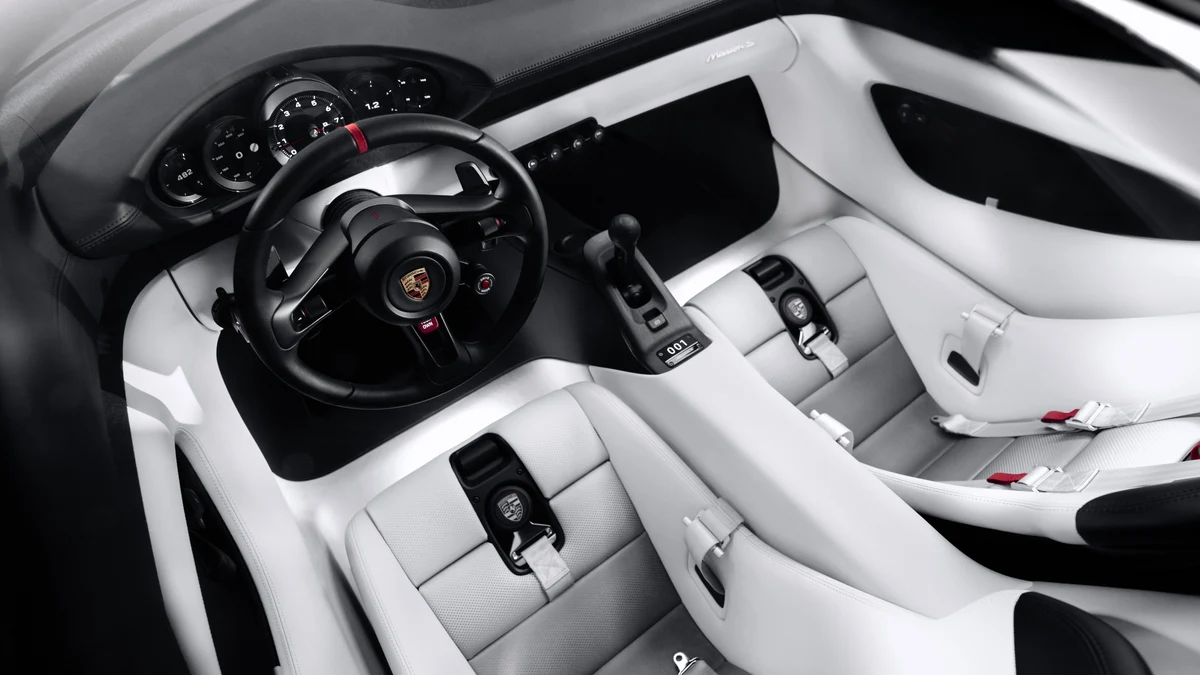
En el interior, el protagonismo recae en el purismo y el conductor, buscando un equilibrio entre los mandos analógicos y digitales, con una reducción deliberada de las superficies digitales para lograr una interacción directa entre el conductor y el vehículo. El habitáculo del Porsche Mission S representa una vuelta deliberada a los valores fundamentales de la ingeniería de vehículos deportivos. La arquitectura interior tiene como referencia modelos históricos de Porsche, como el 550 Spyder y el 356. Dos líneas distintivas recorren el salpicadero y las puertas. Una transición fluida entre los mandos analógicos y las soluciones digitales hace que el interior resulte a la vez familiar y moderno. Los interruptores y botones clásicos se combinan con pantallas actuales. Nuevas soluciones técnicas, como el cierre del cinturón de seguridad integrado en el centro del asiento (tipo arnés) y los mandos de ajuste eléctrico reubicados, aportan comodidad, funcionalidad y ADN de competición. Frente al conductor se encuentra el cuentarrevoluciones, con aguja analógica y una pantalla dispuesta detrás. Según el modo de conducción, el cuentarrevoluciones pasa a primer plano para aumentar aún más la concentración.
Porsche ha renunciado expresamente a una pantalla central integrada de forma permanente y a otra fija para el acompañante en el salpicadero. En su lugar, se ha diseñado un sistema retráctil para teléfonos inteligentes que permite utilizarlos cuando sea necesario. Si se desea, el propio móvil del usuario puede servir como pantalla de navegación o de información. Una aplicación My Porsche da acceso a todas las funciones. Además, permite elegir para los instrumentos circulares diseños de inspiración histórica representados digitalmente.
Por primera vez, Porsche prevé una gama de superdeportivos disponible de forma permanente por encima del icónico 911. El objetivo es lograr el más alto nivel de excelencia técnica y la máxima flexibilidad. Lo respaldan décadas de experiencia en competición, una tecnología innovadora que define la identidad de la marca y el diseño con visión de futuro presentado con el Mission S.
The $48bn giveaway comes amid concerns about the tech and as the company prepares for a stock market listing
Anthropic has said it will commit 5% of its shares to a fund for the “public good”, as the AI developer behind the Claude chatbot seeks to bolster its appeal before its stock market listing.
The company announced it would commit the shares, worth around $48bn (£36bn) at its latest valuation in May, subject to shareholder approval. It will add a further 2% of its stock to the fund for every 50% increase in its value above an undisclosed baseline.
O ator americano Michael Forest, conhecido por interpretar o deus grego Apolo na série “Jornada nas Estrelas”, morreu aos 97 anos, na última quarta-feira. A causa da morte não foi informada.
Ele nasceu Gerald Michael Charlebois em Dakota do Norte, nos Estados Unidos, em 1929, e vivia numa instituição de repouso para idosos em Nevada nos últimos anos. A morte foi confirmada por um amigo numa publicação no Facebook.
Forest era conhecido como um homem de porte atlético e tinha um currículo extenso como ator coadjuvante no cinema e televisão, que iniciou na década de 1950.
Carreira no cinema e na televisão
Além de participações em séries e novelas que inclui ainda “Além da Imaginação” e “The Dick Van Dyke Show”, atuou em diversos filmes do ator e diretor Roger Corman e emprestou a voz a projetos de animação, animes e videogames.
Como dublador, participou de títulos como “Power Rangers” e “World of Warcraft”. Ele era fluente em italiano e dublou centenas de filmes nos anos em que morou em Roma, além de atuar em produções de outros países da Europa.
Entre seus inúmeros papéis, estão particapações em “A Besta da Caverna Assombrada”, “Atlas” e “Náufrago”.
Vida pessoal
Forest foi casado com a atriz Diane Hale por 52 anos, até a morte dela, em 2022. Não há informações se eles tiveram filhos juntos.
Development by UK firm Nscale heralded by ministers as largest of its kind in country loses anchor tenant
The development of a huge AI datacentre hailed by the UK government has received a fresh setback after Microsoft pulled out of the project over concerns about power supplies.
The development by the British company Nscale, heralded by ministers as the country’s largest AI datacentre when it was announced in 2025, was planned to open at Loughton in Essex next year.
Taryn White has used credit card points and airline miles to book vacations for herself and her family for over two decades.
Courtesy of Taryn White/The Trip Wish List
Taryn White is a freelance travel writer and the founder of travel and lifestyle brand The Trip Wish List.
She's used points to book trips to places like Puerto Rico, Bali, Sydney, Prague, and Johannesburg.
She shares her strategies for booking with points, including positioning flights and comparing options.
I've been collecting airline miles and credit card points for more than two decades, long before the influx of social media posts promising things like a "free" business-class seat to Europe.
Over the years, I've redeemed points for everything from weekend getaways to Puerto Rico to long-haul international flights to Bali that would have otherwise cost thousands of dollars.
Looking back, I realized that earning points is actually the easy part. The real challenge is knowing how to use them well, and I haven't always been strategic about it.
Here are the three key strategies I've learned that I use to travel the world for less.
1. Build a flexible points ecosystem
Don't put all your eggs in one basket when it comes to miles and points. One of the most important strategies in maximizing travel rewards is to build a flexible "points ecosystem" rather than relying on a single airline, hotel program, or credit card.
My current points ecosystem includes two American Express cards, one Chase card, and one Capital One credit card; co-branded airline and hotel cards for United, Delta, and Marriott; and memberships in dozens of airline, hotel, and rental-car loyalty programs.
Most of my travel credit cards have annual fees, ranging from $150 for my Delta SkyMiles Gold card to $895 for my American Express Business Platinum card. When the value I receive from the benefits — annual travel or hotel credits, free-night certificates, airport lounge access, checked-bag benefits, elite-status perks, and travel protections — exceeds the annual fee, the card earns a place in my points ecosystem.
The writer in Kuala Lumpur in 2019
Courtesy of Taryn White/The Trip Wish List
2. Learn airline and alliance sweet spots
One of the biggest misconceptions about airline miles is that you should use the airline's own miles to book its flights. That's often not true; the exact same seat could actually cost fewer points through another loyalty program.
Many airlines belong to the three major airline alliances — Star Alliance, Oneworld, and SkyTeam — or have individual partnerships that let members redeem miles for flights operated by partner carriers. The number of miles and taxes or fees required can vary significantly from one loyalty program to another. It's worth checking multiple partners before transferring points or booking an award.
Similarly, I rarely book flights using points directly through credit card travel portals, because they usually operate at a value of one cent per point, and I can often get more value from my points elsewhere.
When searching for award flights, I almost always start with Roame Travel, a platform that compares redemption prices across multiple airline programs. I use a free account, which is more limited in search functions than their paid subscriptions, but it works for my needs.
For example, for Star Alliance flights, I check programs like Air Canada Aeroplan, Singapore Airlines KrisFlyer, and All Nippon Airways Mileage Club. I also keep an eye on Alaska Airlines Mileage Plan and Virgin Atlantic Flying Club because both frequently offer excellent partner award opportunities as well as awards on their own flights.
That strategy paid off while planning a trip to Africa in January this year. I transferred Amex points to Virgin Atlantic to book a one-way flight from Washington Dulles to Johannesburg for only 13,500 points, plus $229.40 in taxes and fees. It was the lowest cost long-haul redemption I've ever booked.
It also required far fewer points than a credit card travel portal would have charged; the same one-way flight would've likely cost around $1,000, or 100,000 points if booked through a credit card travel portal such as American Express Travel.
3. Don't be afraid of positioning flights
Many travelers search only for flights flying out of their home airport or exact departure city. Sometimes, though, booking a flight to a different airport — positioning to another city — means a better fare or cheaper award redemption. From there, you can use a budget carrier, train, or car to reach your final destination.
I've built entire vacations around positioning flights. Rather than a hassle, I see them as an opportunity to experience multiple destinations on a single trip.
On a family trip to Europe three years ago, I wanted to visit Croatia and Montenegro, but there wasn't any award availability for our preferred range of dates. Instead, I booked four one-way tickets on Lufthansa Airlines to Prague using 122,000 Singapore Airlines' KrisFlyer miles and $1,148.00 in taxes and fees. We spent three days in Prague before road-tripping through Slovakia, Hungary, Croatia, and Montenegro.
The writer and her family in Hvar, Croatia.
Courtesy of Taryn White/The Trip Wish List
For the return journey, I booked our flights home from Heathrow because I found four economy tickets for only 98,000 Flying Blue miles and $804 in taxes and fees. We flew from Dubrovnik to London on a separate low-cost carrier the day before our flight home, turning the connection into a mini getaway in London, where I redeemed hotel points for a one-night stay.
Positioning flights require extra planning. Because the flights are booked separately, I always leave a generous buffer between them in case of delays or cancellations.
It's important to approach travel rewards wisely
Travel rewards credit cards can be incredibly valuable, but only when used responsibly. Always pay the balance in full every month — otherwise, the interest racked up on credit card debt can quickly outweigh the value of any points or miles you've earned. I've never viewed points as a reason to spend more. If I can't pay for a purchase immediately, I don't make it. The rewards are an added benefit, not the goal.
I've also learned not to chase every welcome bonus by churning credit cards, which is the practice of opening and closing credit cards for the purpose of getting lucrative sign-up bonuses given to new accounts. Sign-up offers can be valuable, but they work best when they align naturally with purchases you were already planning to make.
Today, my philosophy is simple: Earn points strategically, redeem them when they help me take a trip I really want to take, and don't obsess over squeezing every last fraction of a cent out of every redemption. The best use of miles isn't necessarily the one that produces the highest spreadsheet value; it's the one that gets you on the plane, lets you experience another part of the world, and leaves more money in your bank account for the next adventure.
For more than three decades, Michael Gove has been a leading figure in British Conservatism. As a journalist, government minister and now editor of the Tory bible the Spectator, he has helped shape the right even as it has moved further rightwards. In the latest episode of Radical Thinking, Gove joins Aditya Chakrabortty to discuss the future of the right, his record on Brexit and austerity, and the Spectator’s position on Islam
To read the fruits of Michael Gove’s dalliance with the Marxism Todaygang, look up his essay in a 1998 collection called The Moderniser’s Dilemma: Radical Politics in the Age of Blair
For a slalom ride through Michael Gove’s years in power, read The Demented Dalek by the historian Richard J Evans in the London Review of Books
To learn more on what’s become of the British right, there’s a Guardian column by Aditya
Phil also writes a very good blog on British politics, which keeps a close eye on how each party is trying to marshall a coalition of voters. Here he is on Kemi Badenoch
Geoffrey Wheatcroft does an entertaining short narrative in Bloody Panico!:
For more on the economics of the Cameron years, this paper is acute on how the Tories failed to move the UK away from being a country of renters towards a country of makers. Two of its authors will join us for a podcast later in the series.
And if you want to read how Brexit may have cost the UK 8% of GDP, there’s this paper based on data from the Bank of England
Finally, on the Spectator, read Nesrine Malik’s recent Guardian column
A recent breakthrough in airborne drone control has offered a tangible glimpse into the future of US air combat, signaling the US Air Force’s accelerating push to integrate autonomous wingmen alongside frontline fighters. This month, The War Zone (TWZ) reported that a US Air Force F-22 Raptor pilot successfully controlled an uncrewed YFQ-44A Fury fighter […]
A Russian drone tore a hole in the shield over Chornobyl’s dead reactor. Now the G7 is paying to patch it.
The Group of Seven nations plans to allocate 260 million euros ($292 million) to repair the New Safe Confinement at the Chornobyl Nuclear Power Plant, First Deputy Prime Minister and Energy Minister Denys Shmyhal says.
The confinement, a 35-story steel arch sealing the reactor that exploded in the 1986 disaster, was damaged by a Russian drone strike in February 2025. Full restoration will cost at least 500 million euros, the European Bank for Reconstruction and Development (EBRD) estimates, so the G7 pledge covers just over half, leaving about 240 million euros still to raise.
Shmyhal calls the decision an important step toward restoring nuclear safety at the plant, which the Russian strike had compromised. The money will go to priority work, including resealing the structure and restoring its ventilation system.
“Thank you to France and personally to Minister Roland Lescure for leadership in mobilizing international support,” Shmyhal says, crediting France and the EBRD with co-chairing the effort.
The night a drone pierced the sarcophagus
The damage dates to 14 February 2025. A Russian drone carrying a high-explosive warhead punched a hole through the arch’s roof and ignited a fire in the cladding, breaching the structure’s seal and ventilation.
The attack caused a 15 m² breach in the inner and outer cladding and damaged around 200 m² of panels.
"It was a targeted Russian attack on the Chornobyl station with a drone that is an analog of the Iranian Shahed," Ukrainian President Zelenskyy said at that time.
A bill only half-covered, and a 2030 deadline
The G7 money closes only part of the gap. Partners must still raise roughly 240 million euros more, and Ukraine hopes to secure it at a donor conference in Paris co-chaired by Ukraine, France and the EBRD, Shmyhal says.
The clock matters as much as the cost. The work must be finished by 2030 to limit corrosion and protect the arch’s 100-year design life, the EBRD says, turning a repair bill into a race against the rust the strike set loose.
For more than three decades, Michael Gove has been a leading figure in British Conservatism. As a journalist, government minister and now editor of the Tory bible, the Spectator, he has helped shape the right even as it has moved further rightwards. In the latest episode of Radical Thinking, Gove joins Aditya Chakrabortty to discuss the future of the right, his record on Brexit and austerity, and the Spectator’s position on Islam
To read the fruits of Michael Gove’s dalliance with the Marxism Today gang, look up his essay in a 1998 collection called The Moderniser’s Dilemma: Radical Politics in the Age of Blair
For slalom ride through Michael Gove’s years in power, read The Demented Dalek by the historian Richard J Evans in the London Review of Books
To learn more on what’s become of the British right, there’s a column by me for the Guardian
Phil also writes a very good blog on British politics, which keeps a close eye on how each party is trying to marshall a coalition of voters. Here he is on Kemi Badenoch
Geoffrey Wheatcroft does an entertaining short narrative in Bloody Panico!:
For more on the economics of the Cameron years, this paper is acute on how the Tories failed to move the UK away from being a country of renters towards a country of makers. Two of its authors will join us for a podcast later in the series.
And if you want to read how Brexit may have cost the UK 8% of GDP, there’s this paper based on data from the Bank of England
Finally, on the Spectator read Nesrine Malik’s recent column in The Guardian
As the Trump administration's short-lived Department of Government Efficiency (DOGE) project implemented its plan to downsize the federal workforce, there was much wailing from the liberal institutions in Washington, D.C.
Federal employee unions filed lawsuits to block the effort. NPR ran profiles of federal workers who, for the first time, faced the prospect of potentially not having absolute job security forever. The Brookings Institution wondered how many jobs the federal government could shed before it crashes.
The answer: plenty. The Trump administration has cut more than 10 percent of the federal workforce, and the government hasn't crashed. Indeed, it hasn't even shrunk—if you're counting by dollars spent instead of people employed.
In a new article for City Journal, Manhattan Institute senior fellow Judge Glock highlights the tremendous gap between the dire predictions about DOGE's cuts and the reality that has emerged, more than a year after DOGE was shut down. Despite having only a modest impact on spending, Glock writes, DOGE "had a massive impact on the federal civil service."
This is true—to a point, more on that in a moment—and notable. Aside from a modest downsizing in the 1990s, the number of people employed by the federal government has been steadily growing for decades. Reversing that trend is one of the few genuinely libertarian accomplishments by the Trump administration.
The cuts to the federal workforce prove that "DOGE worked," argues Glock.
Well, hold on.
Elon Musk and Vivek Ramaswamy (who departed the DOGE project before Trump's inauguration and is now running for governor of Ohio) set some very ambitious goals after being appointed DOGE co-chairs in late 2024. In an op-ed for The Wall Street Journal in November 2024 where they promised "we won't just write reports or cut ribbons. We'll cut costs."
Yes, Musk and Ramaswamy also said they would reduce the federal workforce. But that was presented as a natural consequence of cutting spending, not as the primary goal.
Think about it like this. If I spent months promising my friends and family that I would lose 50 pounds on a new diet, and then didn't lose any weight, would it be fair to say the diet worked?
What if I reduced the number of donuts I eat every day, but still didn't lose any weight? Sure, that might be good for my health in some way—just like reducing unnecessary workers in the federal government is good for America's fiscal health—but it certainly wouldn't mean I had achieved the goal of losing weight.
Finally, even the claim that DOGE cut the federal workforce requires an asterisk. As Glock also notes in his report, the decline in federal workers has been offset by an increase in federal contractors.
It's not a one-for-one trade, of course. The new contractors are overwhelmingly concentrated in places like the Department of Homeland Security and the Pentagon, while the cuts mostly targeted other areas, like the Department of Health and Human Services.
"Most of that increase came from the buildup in homeland-security and defense contracting, including purchases such as surveillance aircraft and tanks, rather than substitutes for government workers," Glock writes. "DOGE achieved real contract savings, but these were more than offset by higher spending elsewhere, reflecting a shift in priorities rather than an overall reduction in contracting."
So, the government is eating fewer donuts but more pizza.
There might be libertarian reasons to prefer contractors over government employees. They are less likely to hold those jobs for life, for one. But there's nothing inherently good about a government policy that cuts jobs in some areas just to create more room in the budget for poorly trained immigration enforcement agents and defense contractors. That may even be a negative outcome for liberty.
In the end, the DOGE project looks less like a meaningful attempt at cutting government spending or employment levels and more like a way to purge parts of the federal workforce likely to get in Trump's way during his second term. "As long as [Trump's] larger commitment is to extending his power rather than rolling back power itself, you shouldn't expect the government to stop growing," as Reason's Jesse Walker wrote last year in comparing DOGE to President Richard Nixon's attempted purge of the civil service.
Did DOGE work? Only if you grade it on a pretty dramatic curve.
Yes, it proved that a president can slash bureaucratic jobs—particularly the bloated managerial and administrative types—without doing much damage to the government's core responsibilities. That's a lesson future administrations should remember.
Maybe, someday, a president will try applying the same logic to government spending too.

 Login