❌

Reading view

‘We really need help’: RSPCA faces capacity crisis as cats arrive faster than they can be rehomed

About 20,000 cats were taken into charity’s care last year, an increase driven in part by pet hoarders

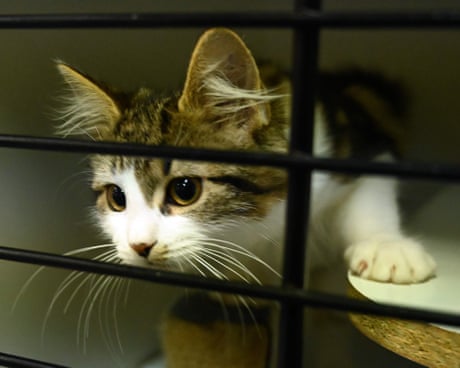
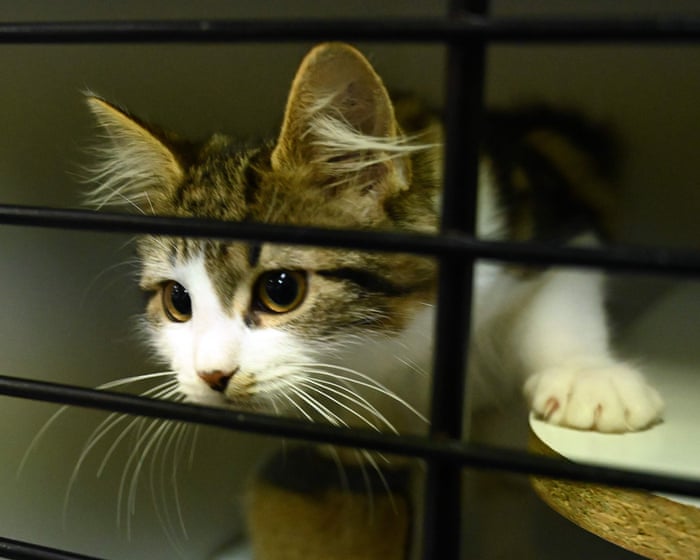
There is a cat crisis in rescue centres across the country, the RSPCA has said, as abandoned felines now outnumber dogs in the charity’s shelters.

Cats are arriving in RSPCA centres faster than they can be rehomed, and the charity is asking people across England and Wales to consider adopting. Pet owners are being urged to neuter their cats as kittens are increasingly being found dumped in perilous conditions.

Continue reading...

© Photograph: Peter Parks/AFP/Getty Images

© Photograph: Peter Parks/AFP/Getty Images

© Photograph: Peter Parks/AFP/Getty Images

  •  

Former Bank of England chief economist says Tory growth policies ‘far more likely to succeed’ than Labour’s – UK politics live

Andy Haldane writes that Conservative economic plans would be best for growth ahead of Healey budget

Badenoch says Britain needs tax cuts.

We need to get out of the way of job creators who make our country richer. We need to encourage risk taking, wealth creation, enterprise.

Britain’s tax burden has never been higher. You are taxed on the heating in your home. You’re taxed at the petrol pump filling up your car. You’re taxed when you insure that car. You’re taxed if you take the family away on holiday. You’re taxed if you stay in the UK thanks to Andy Burnham’s tourist tax. You’re taxed to buy a home, taxed to live in a home, taxed to pass on your home. This is clearly not working. Britain does not feel better off.

Andy Burnham wrote in The Times yesterday about the moral outrage of the current benefit system. But as far as I could work out, his answer is to spend even more on benefits.

Continue reading...

© Photograph: Anadolu/Getty Images

© Photograph: Anadolu/Getty Images

© Photograph: Anadolu/Getty Images

  •  

Andy Burnham Will Never Cut Welfare

Andy Burnham has announced "big changes" to welfare to get one million NEETs back into work – but only once he's "rebuilt the education system". Sounds expensive, says Mary Gilleece. It’s clearly never going to happen.

The post Andy Burnham Will Never Cut Welfare appeared first on The Daily Sceptic.

  •  

Cut benefits to fund work support for young people, says Neet review author Alan Milburn

Exclusive: Former health secretary says upfront investment in support is needed ‘if we are going to end the Neet crisis’

Ministers should cut welfare spending to fund more employment support if it wants to end the youth Neet crisis, the author of a government-led review has said.

Alan Milburn, the Tony Blair-era health secretary, told the Guardian he believed ministers should reduce benefits payments to help pay for more employment support, opening a potentially contentious debate within the Labour party over welfare cuts.

Continue reading...

© Photograph: Jeff Moore/PA

© Photograph: Jeff Moore/PA

© Photograph: Jeff Moore/PA

  •  

Manovra 2027, Tajani propone meno tasse a giovani e ceto medio. Nessun prelievo alle banche

Con l’avvicinarsi della scrittura della Manovra di Bilancio per l’anno 2027, il clima all’interno della maggioranza sembra scaldarsi.

Il vicepremier Antonio Tajani, durante un’intervista di stamattina a Mattino 5, ha proposto un pacchetto di interventi fiscali e di welfare poco conciliabile con la prudenza richiesta dal Ministro dell’Economia Giancarlo Giorgetti.

Dalla tassa sugli extraprofitti al contributo volontario

Il punto di frattura più evidente riguarda l’eventuale scelta di tassazione straordinaria del settore bancario e finanziario. Di fronte all’ipotesi di attingere agli utili degli istituti di credito per coprire le misure della finanziaria, Tajani ha opposto nette obiezioni:

  • rifiuto netto di qualsiasi tassazione straordinaria o coatta sugli extraprofitti bancari
  • proposta di un contributo esclusivamente volontario e concordato con gli istituti di credito
  • tutela espressa delle banche popolari e di credito cooperativo legate al territorio

Secondo il Ministro degli Esteri, un’imposta straordinaria alle banche finirebbero per pagarla i correntisti e finirebbe per spaventare gli investitori esteri.

Meno tasse per i giovani fino a 35 anni

Sul fronte del lavoro e del sostegno alle nuove generazioni, la ricetta di Forza Italia punta su una forte detassazione. Le misure avanzate comprendono:

  • esenzione fiscale totale per i lavoratori fino a 30-35 anni alle prime esperienze lavorative
  • libertà di utilizzo del Tfr fin dai primi anni di carriera per favorire l’autonomia finanziaria e la creazione di nuove famiglie
  • estensione dell’esenzione fiscale per la prima vettura acquistata

Abbassare l’Irpef al ceto medio

Altro capitolo centrale è la revisione delle aliquote Irpef. Forza Italia spinge per l’ampliamento del secondo scaglione, riducendo l’aliquota al 33% e allargando la platea fino ai redditi da 60.000 euro.

L’intervento è pensato per alleggerire la pressione fiscale sul ceto medio, ma si scontra direttamente con i conti del Mef: la misura ha infatti un costo stimato di circa 2,7 miliardi di euro, in una Manovra che deve stare necessariamente entro i limiti di circa 23,5 miliardi, dato che l’Italia non è riuscita a uscire dalla procedura d’infrazione.

Carta Sanità per i pensionati

Per sostenere la popolazione anziana e le fasce più vulnerabili, il leader di Forza Italia propone l’introduzione di una Carta Sanità per i pensionati. Si tratterebbe di un buono o un anticipo diretto per coprire spese mediche e odontoiatriche critiche, evitando così ai cittadini di dover attendere i tempi della detrazione fiscale nella dichiarazione dei redditi dell’anno successivo.

Risorse per la difesa e la sicurezza

Nessun passo indietro invece sulle risorse destinate alla difesa e al controllo del territorio. Tajani ha ribadito la necessità di finanziare le missioni internazionali (come la protezione delle rotte mercantili) e di garantire la copertura economica per il personale in divisa impegnato nella sicurezza delle stazioni e nel contrasto all’immigrazione clandestina.

  •  

More Seven Year-Olds on Disability Benefits Than 50 Year-Olds Amid ADHD Surge

More seven year-olds are on disability benefits than 50 year-olds amid a surge in payouts for childhood ADHD and other mental health conditions, official figures show.

The post More Seven Year-Olds on Disability Benefits Than 50 Year-Olds Amid ADHD Surge appeared first on The Daily Sceptic.

  •  

Manovra 2027 da 23,5 miliardi, 5 arrivano dalle banche: le misure per famiglie e imprese

La Manovra 2027 vale 23,5 miliardi di euro e mette al centro il sostegno alle famiglie, con gli interventi per il welfare, e gli aiuti alle imprese.

Per finanziare le misure, il Governo guarda anche alle banche, che dovrebbero mettere sul tavolo circa 5 miliardi di euro. Dovrebbero contribuire alle coperture anche le assicurazioni, una nuova stretta alle spese dei ministeri e il settore dei giochi.

Manovra 2027, misure previste per famiglie e imprese

Lo scheletro della Manovra 2027 è contenuto nel Dpb (Documento programmatico di bilancio), trasmesso nella notte tra mercoledì 14 e giovedì 15 ottobre alla Commissione europea e al Parlamento italiano.

Il documento, approvato dal Consiglio dei ministri, anticipa alcune delle misure della futura legge di Bilancio, ma va preso per quello che è: una bozza, una dichiarazione di intenti ancora da confermare alla prova delle coperture. L’Italia sta infatti ancora trattando con l’Ue sulla flessibilità dei conti pubblici al fine di coprire le spese per energia e difesa.

Il Dpb indica come priorità la tutela del potere d’acquisto delle famiglie, con particolare attenzione a quelle più fragili, e il sostegno alle imprese (in sofferenza per il caro energia) e agli investimenti.

È inoltre previsto un sostegno alla sicurezza degli approvvigionamenti energetici, con maggiori contributi agli investimenti per gli impianti fotovoltaici.

Il quadro comprende anche interventi per le infrastrutture pubbliche, con attenzione particolare a ferrovie, scuole, ospedali, università, impianti sportivi e bacini idroelettrici.

Energia e difesa, trattativa con l’Unione europea

La definizione della Manovra è legata alla richiesta italiana di attivare la clausola di salvaguardia nazionale, indicata in circa 14 miliardi complessivi per il 2027: 7 miliardi destinati all’energia e altri 7 alla difesa. La questione dovrebbe essere affrontata all’Eurogruppo convocato per il 9 novembre.

Il Governo deve inoltre confrontarsi con le regole europee sui conti pubblici e con la necessità di individuare interventi in grado di rispondere al caro-energia senza alimentare ulteriormente le pressioni sui prezzi. Attualmente l’Italia è in pressing sull’Ue per trovare la quadra sul prezzo del gas, dal quale dipende in larga parte anche quello dell’elettricità. La trattativa è avviata e sarebbe già a buon punto, mancando solo gli ultimi dettagli tecnici. Secondo quanto trapelato, il prezzo del gas (che ha segnato il +172% negli ultimi mesi a causa della crisi di Hormuz) dovrebbe assestarsi in una forbice fra 55 e 65 euro al MWh.

Tra le ipotesi discusse rientra anche un maggiore sostegno agli investimenti per l’efficienza energetica degli immobili, con un aumento al 65% dell’Ecobonus. Per il 2026 la normativa vigente prevede, per gli interventi agevolati, una detrazione ordinaria del 36%, elevata al 50% per gli interventi realizzati sull’abitazione principale dai titolari di proprietà o di altro diritto reale di godimento. Sullo sfondo rimane aperto un altro fronte con l’Ue, quello delle Case green, per il quale l’Italia è sotto procedura d’infrazione.

Irpef, flat tax e cedolare secca

Si punta poi ad una flat tax al 5% sugli aumenti di stipendio per i lavoratori dipendenti fino a 35 anni. E ad una flat tax sui rinnovi contrattuali, sul lavoro notturno e festivo e sui premi di produttività. E, infine, ad un’altra flat tax per le partite Iva, con una soglia ipotizzata fino a 100.000 euro.

Poi si parla di una cedolare secca al 5% sugli affitti lunghi a canone concordato (attualmente è al 10%). E si punta a rendere il taglio del bollo auto strutturale.

L’aliquota Irpef al 33% verrebbe infine estesa al limite di 60.000 euro lordi l’anno. Ora il limite è fissato a 50.000 euro.

Pensioni

Il nodo previdenziale riguarda la rivalutazione delle pensioni per recuperare l’impatto dell’inflazione. La Lega spinge poi per la possibilità di uscire a 64 anni ma con il solo metodo contributivo.

  •  

Migrants Taking Four in Five New Jobs

Four in five new jobs created in Britain since 2014 were taken by migrants while the number of British people on out-of-work benefits increased by 2.3 million, according to a report from the Centre for Social Justice.

The post Migrants Taking Four in Five New Jobs appeared first on The Daily Sceptic.

  •  

Ccnl bancari, chiesti aumento stipendi e orario ridotto: cosa cambia

Il rinnovo del Ccnl applicato ai bancari torna al centro delle trattative tra l’Abi e i sindacati di categoria. Il negoziato, relativo al contratto scaduto, riparte con un confronto dedicato al welfare e al benessere organizzativo,  riportando sul tavolo l’aumento degli stipendi e la riduzione dell’orario di lavoro alla parità di retribuzione.

Ccnl bancari 2026, la trattativa per il rinnovo

Il contratto collettivo nazionale dei bancari è scaduto il 31 marzo 2026 e adesso le rappresentanze sindacali dei lavoratori chiedono che i guadagni di produttività ottenuti attraverso le nuove tecnologie siano utilizzati anche per migliorare le condizioni dei dipendenti, anziché tradursi esclusivamente in tagli dei costi e riduzioni degli organici.

Questa specifica richiesta non è un caso, ma rappresenta una conseguenza delle trasformazioni che stanno investendo il settore. Il rinnovo arriva in una fase in cui l’impiego dell’intelligenza artificiale, l’automazione delle attività e le operazioni di aggregazione tra istituti stanno modificando l’organizzazione del lavoro e le competenze richieste al personale. Tenendo conto di questo contesto, l’obiettivo è costruire un modello nel quale l’innovazione tecnologica possa:

  • favorire una migliore conciliazione tra vita privata e lavoro;
  • garantire maggiore sicurezza occupazionale;
  • rafforzare il sistema delle tutele collettive.

Accanto alla questione degli stipendi, infatti, le organizzazioni sindacali vogliono affrontare anche la qualità dell’ambiente lavorativo, la previdenza complementare e le prestazioni assistenziali riconosciute ai dipendenti.

A quanto corrisponde l’aumento degli stipendi

Le organizzazioni sindacali hanno chiesto un intervento di modifica della parte economica, confermando che la loro richiesta è che venga riconosciuto un aumento medio mensile di 518 euro a regime ai lavoratori, al netto degli incrementi già riconosciuti in busta paga. Quindi, l’importo effettivo, le eventuali tranche di erogazione e i criteri di applicazione dovranno essere definiti nell’accordo conclusivo tra le parti.

Bisogna inoltre considerare che la stessa distribuzione degli incrementi dipenderà non solo dalle regole stabilite nel rinnovo, ma anche dai livelli di inquadramento e dalle eventuali modalità di ripartizione previste dall’accordo sulla retribuzione diretta e sulla cosiddetta differita. Quest’ultima comprende forme di tutela economica che maturano o producono i loro effetti nel tempo, come la previdenza complementare e determinate prestazioni di welfare. La richiesta è finalizzata in questo caso a garantire livelli minimi di contribuzione datoriale e a rendere queste tutele più stabili e omogenee nel settore.

Il rinnovo potrebbe di conseguenza incidere non soltanto sullo stipendio mensile, ma anche sulla sicurezza economica futura dei lavoratori e sul maggiore potere d’acquisto, in rapporto al costo della vita. Il tema assume particolare rilevanza anche alla luce delle aggregazioni bancarie. Quando gli istituti si fondono o vengono riorganizzati, infatti, possono emergere differenze tra i trattamenti economici e assistenziali riconosciuti ai dipendenti delle diverse realtà coinvolte.

Orario di lavoro ridotto, cosa chiedono i sindacati

Accanto agli aumenti salariali, un’altra richiesta riguarda la riduzione dell’orario di lavoro a parità di retribuzione:

  • con il precedente rinnovo contrattuale, l’orario settimanale era già stato ridotto da 37,5 a 37 ore;
  • ora, le organizzazioni sindacali chiedono un ulteriore passaggio, ovvero arrivare a 35 ore settimanali senza una diminuzione dello stipendio tabellare.

Questo sarebbe possibile proprio usando strumenti automatizzati per alcune attività amministrative e l’impiego di nuovi strumenti informatici per aumentare la produttività e ridurre il tempo necessario per svolgere determinate mansioni.

  •  

Poll shows public revulsion on caged hens ahead of EU-ban deadline

More than half of Europeans believe hens should no longer be caged, according to new data released on Tuesday (13 October). 

And 75 percent of Europeans wanted the last hen in the EU out of its cage by 2035 at the latest, according to a poll conducted by Savanta on behalf of Humánny pokrok, an animal rights non-profit.

Pollsters asked 25,080 adults across 25 member states for their views on keeping hens in cages.

The results show that 16 percent of people were not sure when or if putting hens in cages should be banned, while 7 percent of Europeans supported hen-caging until at least 2045.

The survey comes five years after 1.4 million citizens signed the European Citizens’ Initiative (ECI) to ‘End the Cage Age’ and the European Parliament voted to endorse it.

‘Now is the time’

“This data shows millions of Europeans care about animal welfare,” said Barry Andrews, an Irish Renew MEP.

“Over 1.4 million signed the ECI, which was also supported by MEPs. Now is the time for the Commission to finally make a legislative proposal,” he added.

The delay in tabling legislation came after Copa Cogeca, a farming lobby group, insisted that banning hen cages could take up to 15 years.

But the new data says 52 percent of Europeans wish a hen cage ban was already in place.

The country most supportive of a hen cage ban was Austria, where 65 percent of people believed the last hen should have already left its cage, and 2 percent said cages for hens should never be banned.

Thomas Waitz, an Austrian Greens-group MEP, said an EU ban on animal cages is “long overdue” and urged Olivér Várhelyi, commissioner for health and animal welfare, to deliver an “ambitious timeline”.

“This long period of indecision is not just an affront to the European consumers who want better Animal Welfare, it also harms European farmers and producers who need reliable information for their investments,” Waitz said.

In Bulgaria, the member state which polled as least supportive, 33 percent of people believed the last hen should have already left its cage whereas 9 percent said cages should never be banned.

This article continues, but the full version is available only to EUobserver.com subscribers. Visit account.euobserver.com/membership

  •  

Want the Highest State Pension? Don’t Bother Working Too Much

You need 35 years of National Insurance contributions to get the full state pension. Ah, says David Craig, but the unemployed get 'pension credit', which pays exactly the same and comes with piles of freebies thrown in.

The post Want the Highest State Pension? Don’t Bother Working Too Much appeared first on The Daily Sceptic.

  •  

Dove i comuni si svuotano, il welfare locale “invecchia”

Nei comuni piemontesi più piccoli e in calo demografico la spesa sociale è più concentrata sugli anziani. Non si tratta tanto di scelte politiche. A pesare di più sono le rigidità dei contributi per l’assistenza e i limiti organizzativi degli enti.

L'articolo Dove i comuni si svuotano, il welfare locale “invecchia” proviene da Lavoce.info.

  •  

Lavoce.info al Festival Internazionale dell’Economia di Torino 2026

Anche quest’anno, Lavoce.info collabora con il Festival Internazionale dell’Economia di Torino dal titolo “Salvare lo stato sociale”. I nostri redattori e collaboratori parteciperanno a eventi che seguono per lo più il format dello scorso anno, chiamato “I dialoghi della voce”. Si confronteranno con rappresentanti di istituzioni legate a sanità, pensioni e welfare in generale. Per […]

L'articolo Lavoce.info al Festival Internazionale dell’Economia di Torino 2026 proviene da Lavoce.info.

  •  

Protesters in Brussels press EU on ‘broken promises’ over caged animals

The European Commission is being pressed to deliver an animal cage ban by 2027 after failing to meet previous commitments.

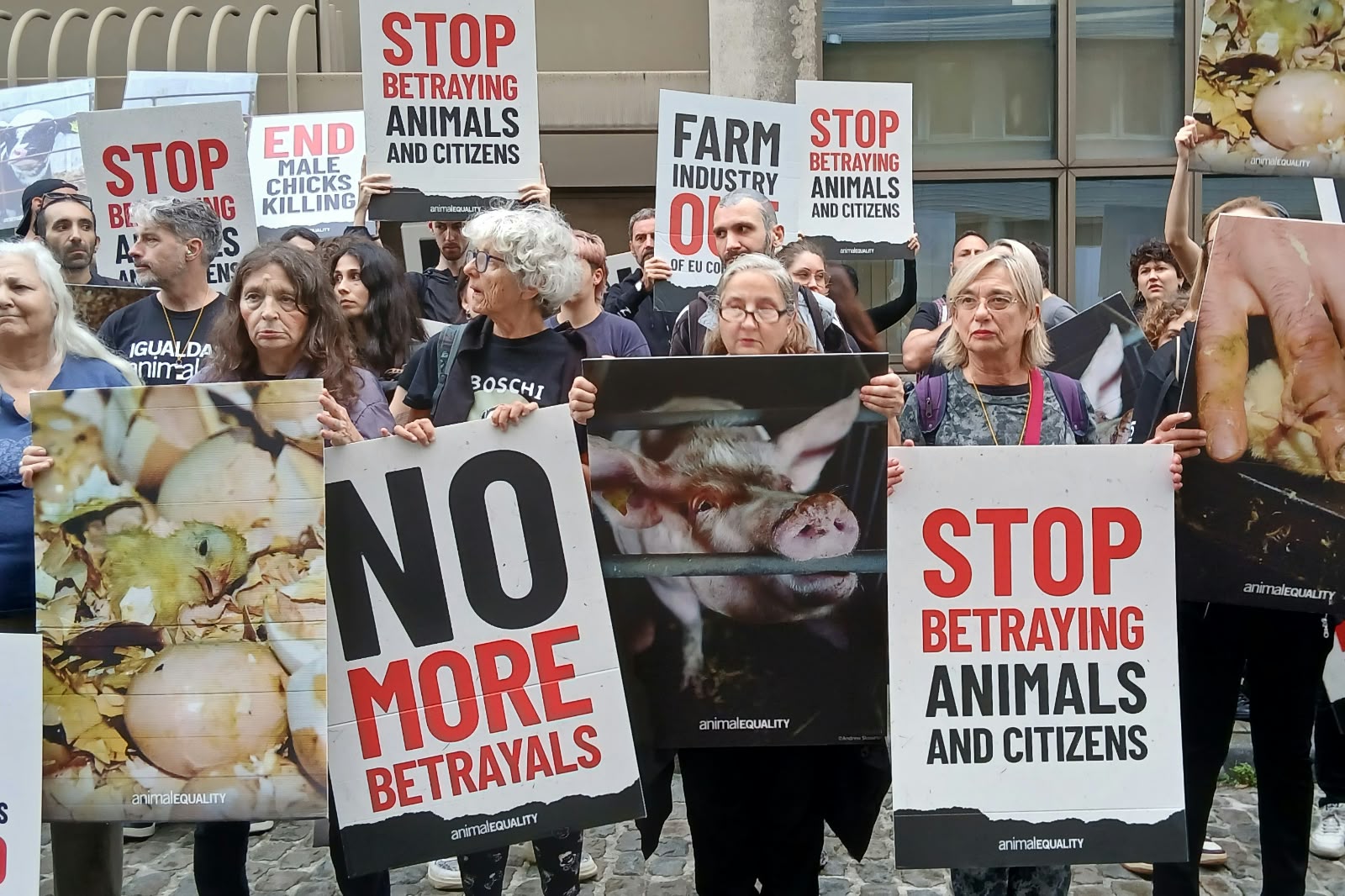
Several hundred animal rights activists gathered at the EU’s office for health and food safety in Brussels on Monday (28 September) to encourage a ban on poultry cages and on the killing of male chicks. 

The commission’s livestock strategy had committed in July to proposing legislation to outlaw the two practices by the end of 2026, with similar legislation on pig welfare expected to follow by mid-2027.

The legislation stems from a European Citizens’ Initiative (ECI) signed by 1.4 million people in 2021 to ‘End the Cage Age’. A vast majority of MEPs also subsequently voted to endorse the transition to improved animal welfare. 

And while the commission had originally promised to table a proposal by 2024, this was derailed by farming lobbies and the deadline elapsed.

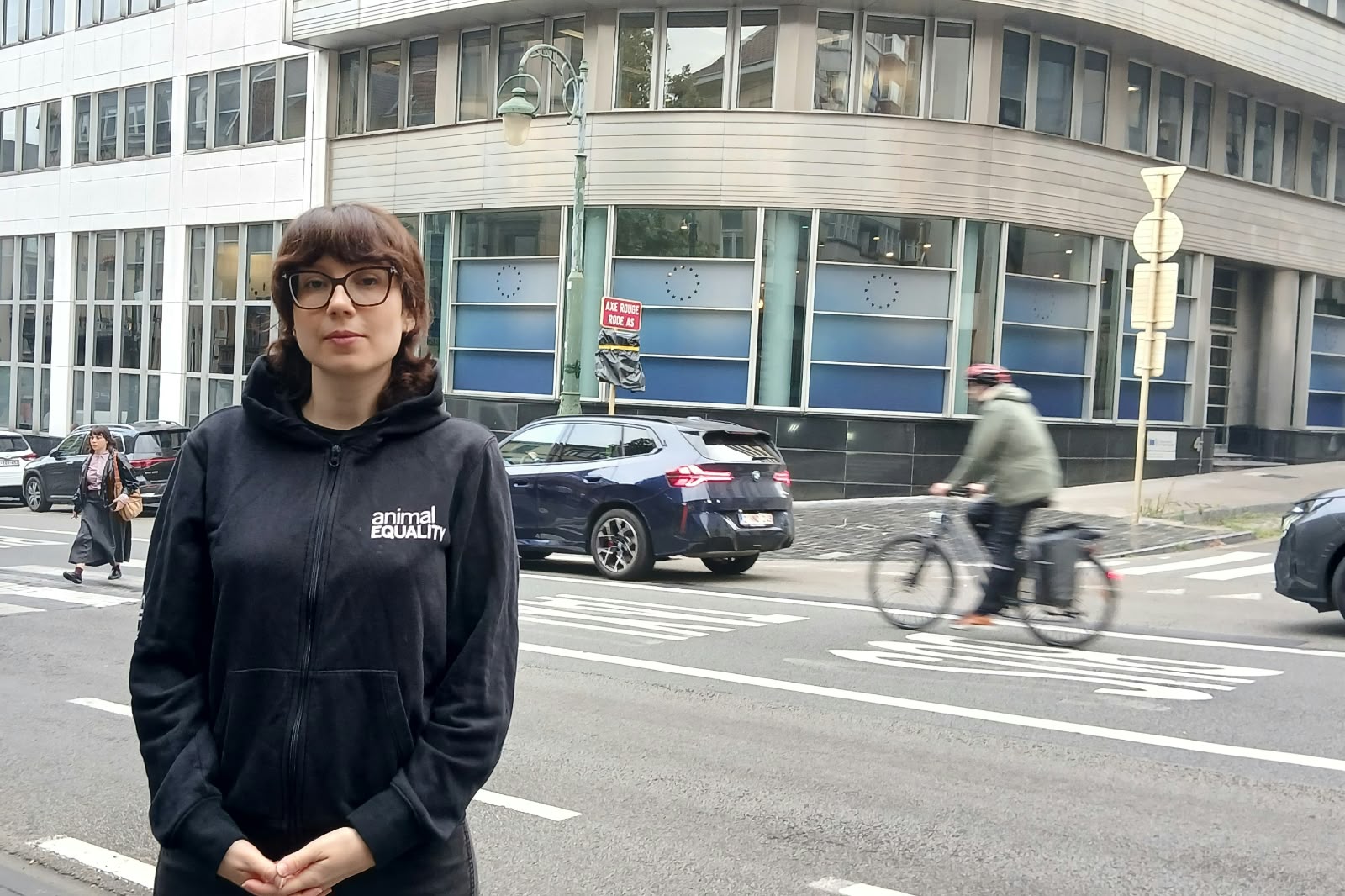
“We are here [at Monday’s protest in Brussels] because the EU has been delaying meaningful reforms for animals for years,” said Ombretta Alessandrini from Animal Equality, which organised the rally.

Person stands infront of EU institute.
Ombretta Alessandrini is campaign manager at Animal Equality. (Source: EUobserver)

“Our democratic ask needs to be respected. We feel betrayed by the EU’s broken promises and we want the commission to do what they say,” she told EUobserver.

Animal Equality has also joined legal action against the commission over its broken promises, in a case examined at the European Court of Justice in March.

The commission is legally obliged to respond to a citizens’ initiative once it reaches 1m or more signatures. 

This article continues, but the full version is available only to EUobserver.com subscribers. Visit account.euobserver.com/membership

  •  

From Denmark to Belgium: Why Kali the giraffe is joining Oliver and PoléPolé

A leading Belgian animal park has just welcomed a new arrival: Kali the giraffe.

Kali’s arrival at Pairi Daiza is no coincidence: transfers between European zoos are carefully coordinated, taking into account genetics, age and breeding recommendations.

Rothschild's giraffe Kali was born on 15 February 2024 at Knuthenborg Safaripark (Denmark).

On the evening of Tuesday 15 September, she arrived to join the two Rothschild's giraffes already living at Pairi Daiza: PoléPolé and Oliver.

Kali’s journey of several hundred kilometres, and this new phase in her life, began with a decision taken at European level.

The Rothschild's giraffes in European zoos are part of a European Endangered Species Programme (EEP – Ex situ Programme). The programme maintains detailed records of each animal’s ancestry and demographics to manage this population in the long term. Based on this data, it is possible, amongst other things, to determine which animals can form a breeding pair, whilst preserving the genetic diversity of the population as effectively as possible.

A park spokesman told this site: “Kali is therefore not simply coming to Pairi Daiza because a space happened to be available.

“The recommendation for her transfer took into account her age, two and a half years, as well as her genetic background and that of the giraffes already there.”

She will live alongside Oliver, a male who was born on 1 August 2016 at Safari Park Dvůr Králové (Czech Republic) and who has been at Pairi Daiza since 2018. Oliver has already sired two daughters at the Garden of the Worlds: Zuri, born in 2021 and transferred to Bellewaerde (Belgium) in 2024, and Masika, born in 2023 who left for the Zoo du Bassin d’Arcachon (France) on 10 September 2026.

PoléPolé also lives alongside Oliver.

She was born on 10 May 2021 at WILDLANDS Adventure Zoo Emmen (Netherlands) and has been living at Pairi Daiza for three years.

The departure of Zuri and Masika and the arrival of Kali are therefore not isolated events, but different parts of the same coordinated population-management process.

The spokesman added, “At a European level, these transfers make it possible to manage a population, taking into account the age, sex and kinship ties of each individual, the needs of the population and the situation at each institution.”

Kali’s first few days at Pairi Daiza

Kali arrived at Pairi Daiza late on Tuesday and spent her first night alone in an enclosure within her indoor quarters. The keepers gave her time to recover from her journey and began observing her behaviour in this new environment.

The spokesman said, “Kali was introduced to PoléPolé this morning, under the supervision of the zoological team. The meeting with Oliver will take place later.

During these first few days, the keepers will get to know Kali: how she explores her surroundings, how she reacts to PoléPolé, and her habits and preferences. The next steps in her integration will be tailored to these observations and her behaviour.”

Her Danish keepers describe Kali as curious and gentle. The keepers at Pairi Daiza will now get to know her personality on a daily basis and, based on their observations, determine the most suitable time and circumstances to introduce her to Oliver.

Visitors can already observe Kali in her indoor enclosure through the porthole of the boat Mersus Emergo.

Photo: Pairi Daiza 

  •  

Leading scientists and experts in 'The Lancet' urge EU to ban fur farming over public health risks

As the European Commission considers its final response to the Fur Free Europe European Citizens’ Initiative, The Lancet Regional Health – Europe has published a commentary by leading zoonotic disease experts and academics warning that fur farming poses a preventable public health threat. The authors argue that if the Commission is serious about One Health – the principle that the health of people, animals and wider environment are interconnected – it must propose a ban on fur farming rather than welfare standards.

Lead author Dr Joanna Swabe, senior director of public affairs at Humane World for Animals Europe, says: “Fur farming is an unnecessary and preventable public health threat. The EU cannot claim to champion One Health while allowing a declining fur industry to continue cruelly breeding susceptible species, such as mink, foxes and raccoon dogs, in intensive conditions where dangerous viruses can spread, adapt and potentially spill over to people. Surveillance and spurious welfare tweaks will not remove that risk. The Commission must act decisively and ban fur farming.” 

Dr Neil Vora, director of Preventing Pandemics at the Source Coalition, adds: "Caging wild species, like mink, is dangerous to our health. These animals are like viral sponges under these awful conditions: They can contract respiratory viruses from us, incubate them, then pass them back to us in mutated form. It does not make sense to take wild species and confine them in small cages for their entire lives, only to be gassed or electrocuted, solely to produce fur for fashion. Aside from the animal abuse, the risk to our health is too great. It’s long past time to phase this industry out. The EU should ban fur farming, as many of its citizens want, and show the world what true prevention looks like."

The European Commission was due to respond to the Fur Free Europe ECI by the end of March 2026, but its decision has been delayed by apparent disagreement within the College (the EU’s executive leadership body) over whether to ban fur farming or introduce welfare standards. A document leaked to the media in March suggested the Commission was leaning towards standards. This came despite an unequivocal EFSA opinion by independent EU science agency, the European Food Safety Authority, that the most serious welfare problems for mink, foxes, raccoon dogs and chinchillas cannot be prevented or substantially mitigated in the cage systems used for fur farming.

The Lancet piece argues that the EU’s commitment to One Health is undermined by its hesitation to ban fur farming, despite clear zoonotic disease risks and strong public support for action. It highlights how fur farms create ideal conditions for pathogens such as SARS-CoV-2 and H5N1 to spread, adapt and potentially spill over to humans, with past outbreaks in the Netherlands, Denmark, Finland and Spain demonstrating the danger. The authors note that the fur industry is in steep economic decline, imposes wider public health and environmental costs, and cannot resolve its core welfare or disease risks through minimum standards. They conclude that an EU ban on fur farming would be a practical, preventive One Health measure and a clear example of upstream pandemic prevention.

  • The Lancet commentary entitled If the EU is serious about One Health, it must ban fur farming was co-authored by Dr. Joanna Swabe (Humane World for Animals), Prof. dr. Chris Walzer (University of Veterinary Medicine, Vienna/WCS), Dr. Benjamin Roche (MIVEGEC, Université Montpellier/ Universidad Nacional Autónoma de México (UNAM)), Prof. dr. Arnaud Fontanet (Institut Pasteur, Université Paris-Cité), Prof. dr. Thijs Kuiken (Erasmus University Medical Centre, Rotterdam), Dr. Manon Lounnas ((MIVEGEC, Université Montpellier), Prof. dr. Andrea S. Winkler (Technical University of Munich, Germany/University of Oslo), Prof. dr. Sarah Cleaveland (University of Glasgow), Prof. dr. Dirk U. Pfeiffer (Royal Veterinary College, London/ City University of Hong Kong),  Prof. dr. Latiffah Hassan (University of Missouri), Prof. dr. Raina K. Plowright (College of Veterinary Medicine, Cornell University), Dr. Neil M. Vora (Preventing Pandemics at the Source Coalition).
  • The European Food Safety Authority published its scientific opinion on the Welfare of American mink, red and Arctic foxes, raccoon dog and chinchilla kept for fur production in 2025.

About Humane World for Animals

Together, we tackle the root causes of animal cruelty and suffering to create permanent change. With millions o supporters and work happening in over 50 countries, Humane World for Animals—formerly called Humane Society International—addresses the most deeply entrenched forms of animal cruelty and suffering. As the leading voice in the animal protection space, we work to end the cruelest practices, care for animals in crisis and build a stronger animal protection movement. Driving toward the greatest global impact, we aim to achieve the vision behind our name: a more humane world.
humaneworld.org

  •  

Belgian animal park helping to preserve endangered species

A leading Belgian animal park is doing its bit to save a critically endangered species.

International Orangutan Day was recently celebrated (August 19) to raise global awareness about the status of orangutans and the urgent need to protect their natural habitats.

All three species—the Bornean, Sumatran, and Tapanuli orangutans—face a high risk of extinction due to rapid habitat loss.

Widespread deforestation for palm oil plantations, illegal logging, mining, and the illegal pet trade threaten their survival.

Orangutans mainly eat fruit and are essential for dispersing seeds across the rainforest, helping the wider ecosystem flourish. They are known as gardeners of the forest.

For every captive orangutan sold in the exotic pet market, up to 11 other orangutans are killed while trying to protect the poached ape. Many captive animals also don’t survive the journey.

Pairi Daiza,  privately owned zoo and botanical garden located in Brugelette, Hainaut, Belgium is playing its part in trying to save the species.

It is home to nine Sumatran orangutans living in two family groups in the park’s “Kingdom of Ganesha.”

Ujian, Sari, Berani and Mathaï live in the Flower Temple. Just opposite them, Kembali, Rosa, Indah, Yori and Bukit have found their home in the “House of the Artisan.”

The second family arrived at the park in November last year from Frankfurt Zoo as part of the European Ex Situ Programme coordinated by the European Association of Zoos and Aquaria.

Their arrival enabled the five orangutans to remain together while contributing to the responsible management of a healthy European population of this critically endangered species.

In July, both orangutan families were outside at the same time for the very first time, “a wonderful milestone for us,” said Niels Vandemeulebroucke, orangutan care taker at Pairi Daiza.

“For Kembali and his family, almost everything was new: trees to climb, ropes and branches to explore, birds, toys, places to rest, and an entire world of movement around them.

“You could really see how stimulating their new environment was,” added Niels.

“Their neighbours in the Flower Temple were just as intrigued. At first, the whole family climbed high into the trees to get a better look at the newcomers. Interestingly, there were no striking vocalisations or direct interactions, and the initial curiosity quickly settled down.

“Today, both families are once again mainly focused on the relationships within their own group.”

As “ambassadors” for their species, Pairi Daiza’s orangutans help visitors understand the “extraordinary intelligence” of these great apes, he added.

They also provide a powerful connection with their wild relatives and the rapidly disappearing forests on which their survival depends.

Niels went on: “Our role is to keep challenging them.

“We continuously create new enrichments and opportunities to explore, think and interact, because orangutans are exceptionally intelligent animals. I’m looking forward to sharing those observations, and some of their individual personalities, with visitors during this special weekend."

The 75-hectare large animal park is located on the site of the former Cistercian Cambron Abbey, and is home to over 7,000 animals.

  •  

Sorpresa: la spesa sociale per gli anziani è in calo

Negli ultimi anni c’è stata una ricalibratura del nostro welfare, malgrado il crescente peso elettorale degli anziani. Sono diminuite le spese in sanità, mentre sono cresciute quelle dirette ai giovani, per esempio per famiglia ed esclusione sociale.

L'articolo Sorpresa: la spesa sociale per gli anziani è in calo proviene da Lavoce.info.

  •  
❌