❌

Reading view

Jihyo deixa a JYP após 21 anos, mas permanece no Twice; saiba mais

Jihyo, 29, integrante do grupo de K-pop Twice, anunciou nesta quarta-feira (21) a sua saída da JYP Entertainment, empresa na qual trabalhou por 21 anos da sua vida.

Por meio de uma carta escrita à mão e publicada nas redes sociais, a artista sul-coreana também anunciou que abrirá a sua própria empresa e que permanecerá a cumprir as atividades no grupo.

“Desde a infância, passando pela adolescência até chegar à vida adulta, passei a maior parte da minha vida na JYP. Houve dias bons e outros nem tanto, mas uma coisa é certa: todos esses momentos contribuíram para me tornar quem sou hoje”, escreveu a idol.

Ela agradeceu aos profissionais e funcionários com quem conviveu durante todos esses anos e confirmou a abertura da sua própria agência, a Emithuas. “Para mim, a independência não representa tanto uma conclusão sobre o passado, mas sim uma escolha sobre como quero viver o futuro”, resumiu ela sobre a nova fase.

Por fim, ela ainda tranquilizou os Once’s (fãs do Twice) e reforçou que está ansiosa pelos projetos futuros ao lado das outras integrantes. “O Twice é uma parte preciosa e inseparável da minha vida. Assim como valorizo todo o tempo que passamos juntas até aqui, também estou ansiosa pelos momentos que ainda compartilharemos no futuro”, concluiu.

Até o momento, três integrantes do Twice deixaram a agência JYP Entertainment: Jeongyeon, Chaeyoung e, agora, Jihyo. Todas continuam em atividade como integrantes do grupo.

Leia a carta na íntegra:

“Olá, aqui é a Jihyo.

Estou escrevendo esta mensagem porque tenho uma notícia que gostaria de compartilhar com vocês.

Depois de 21 anos juntos, desde a minha infância, chegou o momento de encerrar minha trajetória na JYP.

Não é tão fácil quanto eu imaginava resumir 21 anos em algumas frases. Desde a infância, passando pela adolescência até chegar à vida adulta, passei a maior parte da minha vida na JYP.

Houve dias bons e outros nem tanto, mas uma coisa é certa: todos esses momentos contribuíram para me tornar quem sou hoje.

Agradeço sinceramente a todos os funcionários e profissionais da JYP que estiveram ao meu lado durante tanto tempo e me ajudaram a crescer. Guardarei para sempre as experiências e os sentimentos que compartilhamos.

Para mim, a independência não representa tanto uma conclusão sobre o passado, mas sim uma escolha sobre como quero viver o futuro.

Como primeiro passo nessa nova fase, fundei uma nova empresa, a EMITHAUS.

Assim como a palavra ‘emit’, que significa ‘emitir’ ou ‘expressar’, quero usar esse espaço para explorar e expressar livremente até mesmo as possibilidades em mim que ainda não descobri.

Como estou deixando um ambiente familiar para trabalhar de uma nova maneira, pretendo agir com ainda mais cautela e responsabilidade em todas as minhas escolhas e atividades daqui para frente.

E essa decisão não significa que estou me despedindo do grupo com o qual compartilhei tantos anos.

O TWICE é uma parte preciosa e inseparável da minha vida. Assim como valorizo todo o tempo que passamos juntas até aqui, também estou ansiosa pelos momentos que ainda compartilharemos no futuro.

Quero continuar subindo ao palco ao lado das integrantes e prolongar por muito tempo os momentos que construiremos juntas.

Acima de tudo, agradeço aos ONCEs que confiaram em mim e acompanharam minha trajetória ao longo dos últimos 11 anos.

Sei que não é algo que se possa considerar garantido acompanhar as tantas mudanças e o crescimento de uma pessoa durante tanto tempo.

Obrigada por me darem coragem com sua confiança e seu apoio inabaláveis ao longo de todos esses anos.

Continuarei preenchendo os próximos capítulos da minha vida com escolhas e esforços que reflitam quem sou, e seguirei crescendo como artista para estar à altura de todo o amor e apoio que vocês me deram.

Obrigada.”

Pabllo Vittar diz com qual artista de k-pop adoraria fazer um feat


  •  

CNN's James: French, Italian Authorities Using 'Law and Order Response' to 'Deflect' From Issues

On Tuesday’s broadcast of CNN’s “The Story Is,” CNN European Affairs Commentator Dominic James argued that the issues around demonstrations in France and Italy are “being obfuscated by the law and order response by the authorities” and “They’re using this

The post CNN’s James: French, Italian Authorities Using ‘Law and Order Response’ to ‘Deflect’ From Issues appeared first on Breitbart.

  •  

CNN's Tapper: House Dems Haven't Given 'Cohesive Plan' to Legislate if They Win Majority

On Tuesday’s broadcast of CNN’s “The Lead,” host Jake Tapper stated that House Democrats “have not presented any sort of cohesive plan for how you guys are going to legislate” if they win the House in the midterms. While speaking

The post CNN’s Tapper: House Dems Haven’t Given ‘Cohesive Plan’ to Legislate if They Win Majority appeared first on Breitbart.

  •  

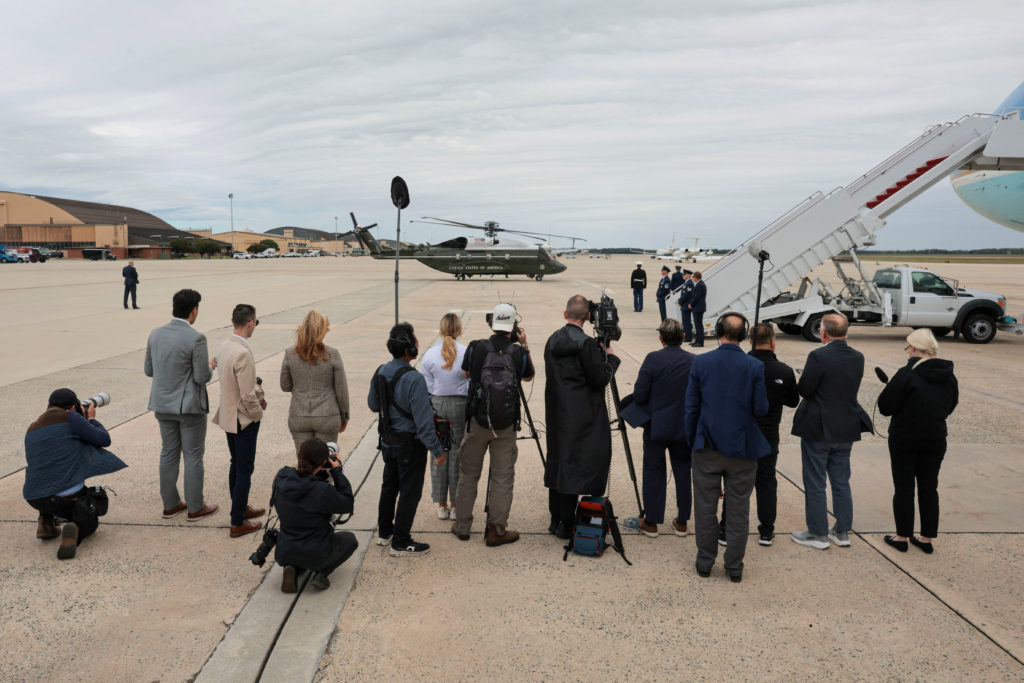
Trump Pushes to Evict White House Press Corps

President Trump has talked about replacing the James S. Brady Press Briefing Room with an indoor swimming pool.

© Andrew Leyden for The New York Times

The White House press corps has worked from the Brady Press Briefing Room at the White House since the Nixon administration.
  •  

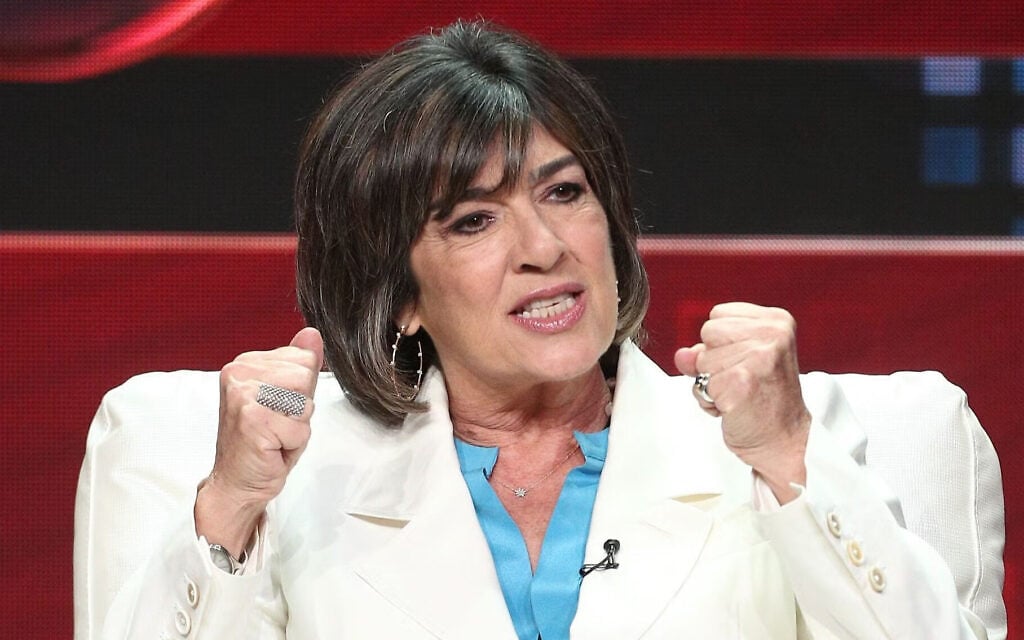
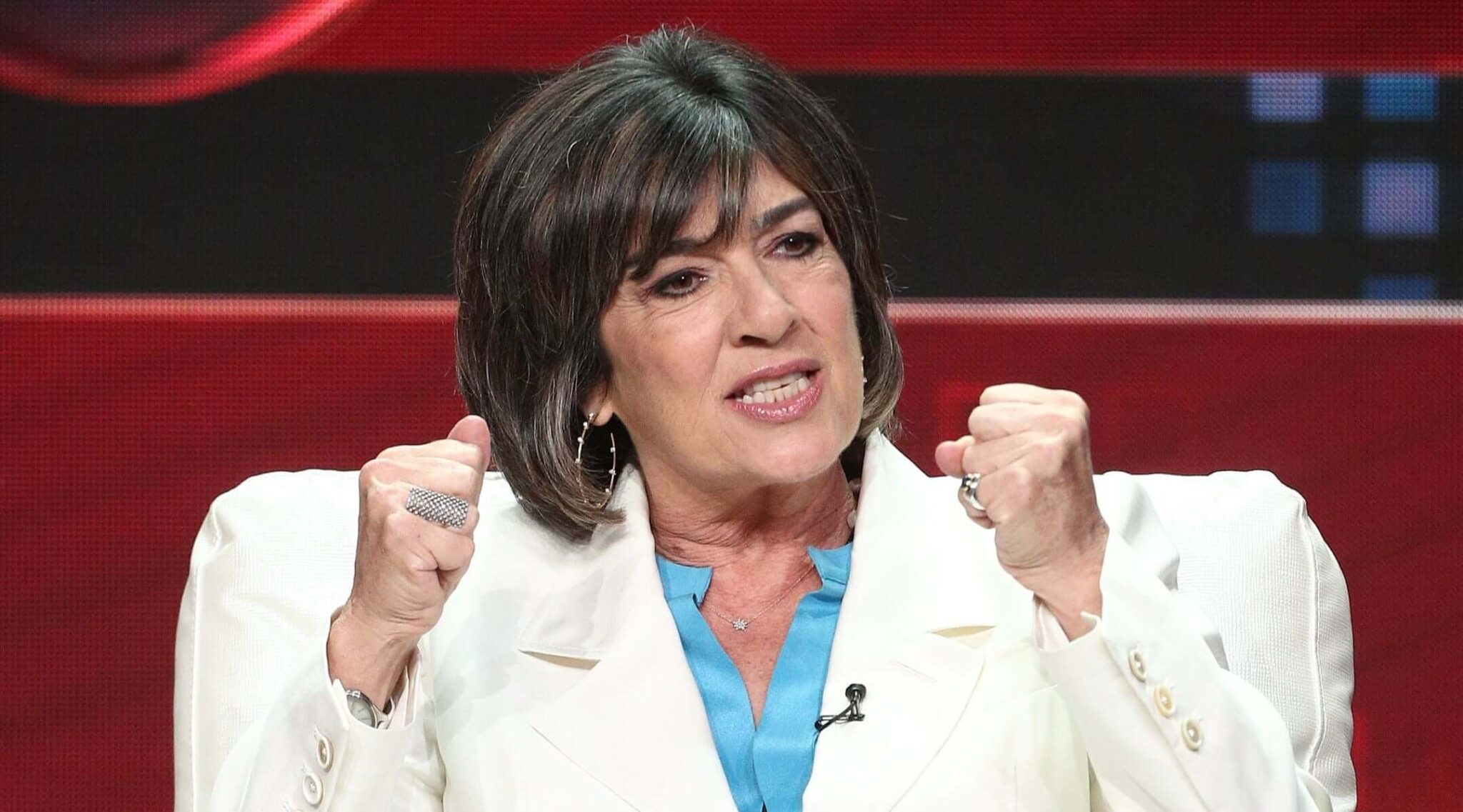
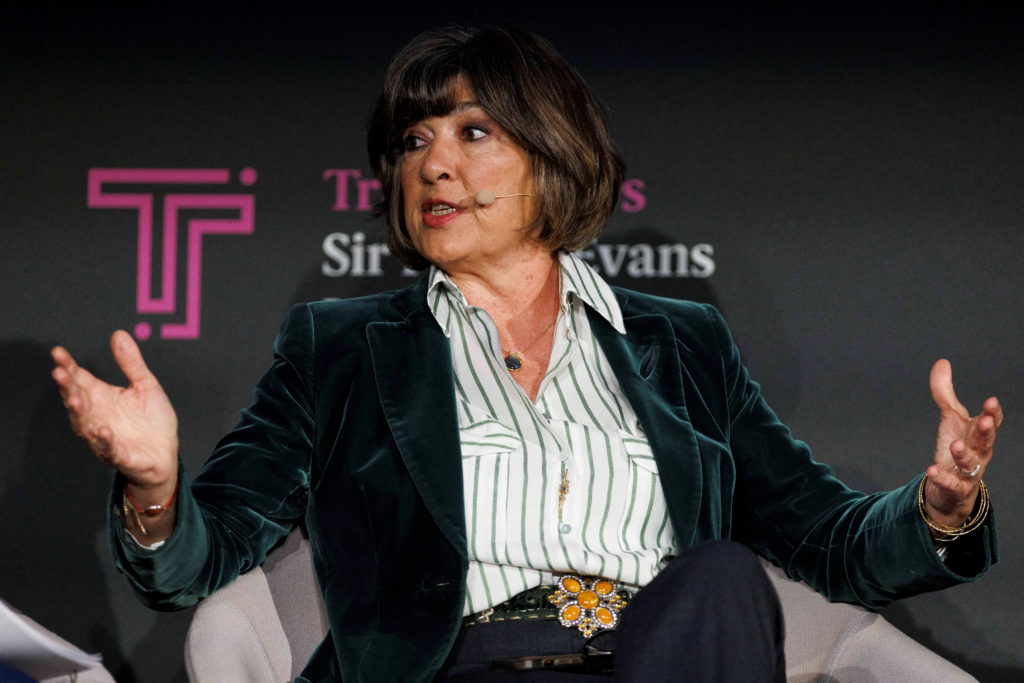
Christiane Amanpour lascia la Cnn dopo 43 anni: “Abbiamo lottato insieme per cercare i fatti, le prove e l’umanità”

La giornalista Christiane Amanpour a giugno 2027 lascerà definitivamente la CNN, dove lavora dal 1983. Al contempo, già a fine 2026, terminerà la sua esperienza lavorativa anche presso l’emittente PBS. Questa decisione, che non comporta un ritiro a vita privata della giornalista, ma semplicemente una rimodulazione dei propri impegni professionali, arriva in concomitanza con l’inizio di una nuova fase per CNN.

L’all-news ora come il tutto gruppo Warner Bros. Discovery è stata stata acquisita da Paramount Skydance, finendo per ricadere sotto il controllo di David Ellison, considerato da molti particolarmente vicino all’amministrazione Trump, nonostante lui abbia cercato di smentire, parlando solamente di un “buon rapporto” intrattenuto con l’attuale presidente degli Stati Uniti, così come fatto in passato con il suo predecessore Joe Biden.

Christiane Amanpor nel corso degli anni novanta è diventata l’inviata di guerra più famosa al mondo grazie al lavoro svolto prima nel corso della prima guerra del Golfo, poi in seguito raccontando gli orrori che vennero commessi in Bosnia. L’esperienza nei Balcani la espose anche alla critiche di chi sosteneva che la giornalista americana, figlia di un iraniano musulmano e di un’inglese cattolica, si identificasse troppo a favore delle vittime bosniache musulmane.

L'articolo Christiane Amanpour lascia la Cnn dopo 43 anni: “Abbiamo lottato insieme per cercare i fatti, le prove e l’umanità” proviene da Il Fatto Quotidiano.

  •  

Nolte: Disgraced, Far-Left Christiane Amanpour Leaving CNN in June

The hideous Christiane Amanpour, one of the most corrupt “journalists” in television history, will leave far-left CNN in June of next year.

The post Nolte: Disgraced, Far-Left Christiane Amanpour Leaving CNN in June appeared first on Breitbart.

  •  

Christiane Amanpour anuncia que deja la CNN después de 43 años como referente del periodismo internacional

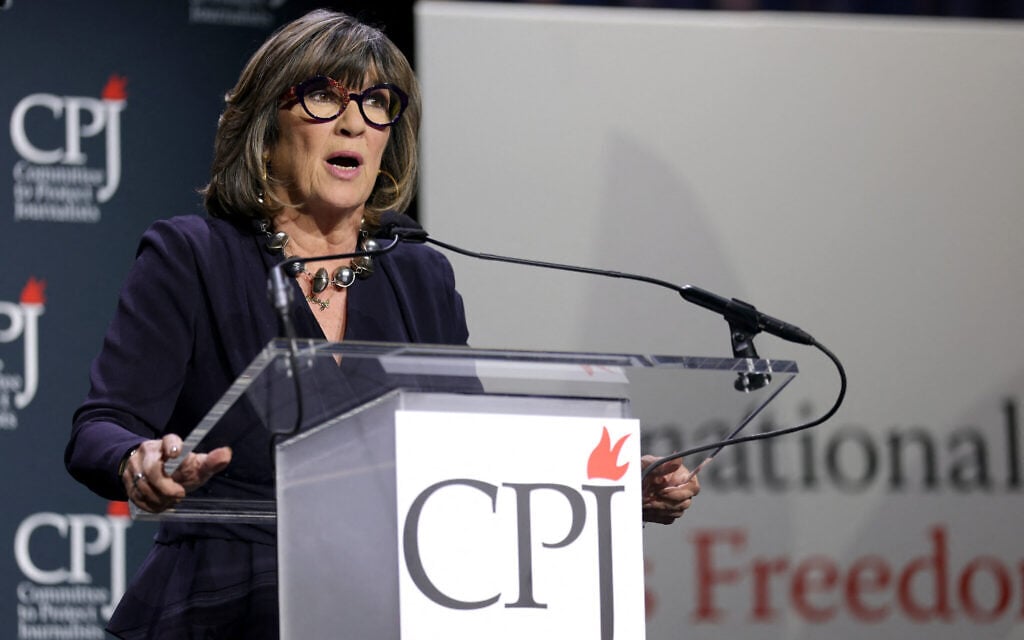
La prestigiosa periodista de CNN Christiane Amanpour ha anunciado este lunes que abandonará la cadena de noticias a partir del próximo junio. “Tras muchos meses de reflexión y algunas noches sin dormir, he decidido separarme de CNN, mi socio durante 43 fantásticos años”, declaró la presentadora de 68 años a través de un comunicado.

Seguir leyendo

💾

© EPV

La periodista Christiane Amanpour durante una gala benéfica en Nueva York.
  •  

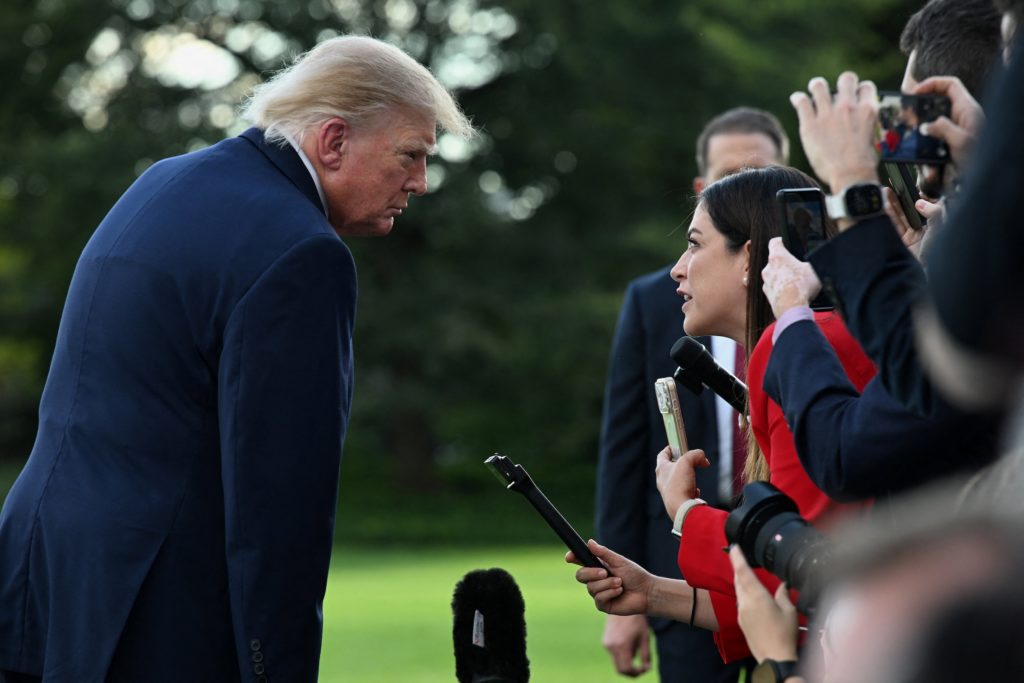
Attorney for banned outlets on legal fight over White House press access

A federal judge has once again ordered the White House to restore access for three news organizations President Trump banned last month over their coverage of his administration. The judge ordered full access for CNN, MS NOW and Politico while their legal challenge moves forward. Geoff Bennett discussed more with Ted Boutrous, the attorney representing the three outlets.

  •  

A Trump Appointee Says the President Likely Violated the First Amendment by Banishing Disfavored Journalists

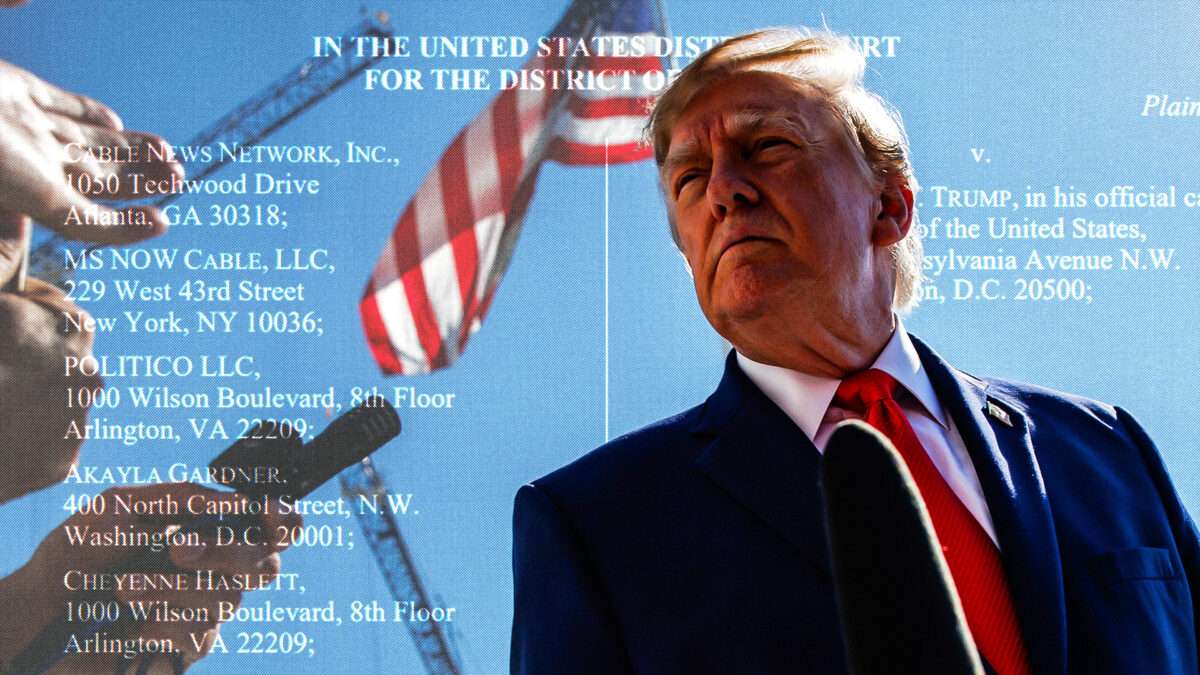
reporters aiming microphones at President Donald Trump, with a page from a federal lawsuit in the background | Illustration: Adani Samat | Photo: Samuel Corum/Pool via CNP/Polaris/Newscom

Last month, a federal judge in Washington, D.C., issued a temporary restraining order (TRO) that required restoration of press passes for 78 journalists employed by three news outlets that President Donald Trump peremptorily banned from the White House on September 18. U.S. District Judge Timothy J. Kelly, a Trump appointee, extended that order on Tuesday, granting a preliminary injunction to CNN, MS NOW, and Politico.

While Kelly's TRO was based on CNN et al.'s claim that their sudden banishment violated the Fifth Amendment's guarantee of due process, his justification for the preliminary injunction also addresses their argument that revocation of their press passes violated the First Amendment by retaliating against them for constitutionally protected speech and discriminating against them based on viewpoint. Kelly concludes that the plaintiffs "are likely to succeed not only on their due process claim, but also on their two First Amendment claims."

A retaliation claim requires showing that the plaintiff engaged in conduct protected by the First Amendment, that the defendant's action was "sufficient to deter a person of ordinary firmness" from "speaking again," and that there was "a causal link between the exercise of a constitutional right and the adverse action." Although the government's lawyers did not dispute that the CNN et al.'s journalism is constitutionally protected, they argued that the plaintiffs had failed to satisfy the two other elements.

Kelly disagrees. The "hard passes" at issue in this case, he notes, give journalists unescorted access to the White House "press area," which includes "the briefing room, the press offices, and certain other locations in and around the White House that are open to correspondents." CNN et al. argued that "a hard pass is an important credential because it 'allows a reporter to react to fast-developing news' and gives them 'swift and easy access to key official sources.'" Since "the revocation of Plaintiffs' hard passes matters a lot as to how, whether, and to what extent they can do their jobs," Kelly says, "it is likely that the open-ended ban here would chill a reporter's work."

Trump's "own comments suggest that he intended the revocation of Plaintiffs'
hard passes to alter their reporting on him, bolstering the case that his action here is sufficient to deter a reporter of ordinary firmness from reporting in the same way she had before," Kelly adds. The day he announced the ban, Trump complained that CNN et al. "purposely write negative news" to "try and diminish the Republicans and a Republican administration." Although "the ban would go as far as you can," he added, "I'd love it" if "they could straighten themselves out."

The plaintiffs also have shown "there is likely a causal link between the exercise of their First Amendment rights and the revocation of their hard passes and exclusion from the White House press area," Kelly writes. "President Trump likely banned Plaintiffs from the White House because he believes that their reporting is generally inaccurate and biased against him."

Again, Trump's public comments amply support that conclusion. He explicitly said he was banning CNN, MS NOW, and Politico "as a result of their constant 'reporting' [of] FAKE NEWS," adding that journalists "shouldn't be able to constantly write or report FICTION and LIES when they're covering the President of the United States, the Trump Administration, or the United States of America." When asked whether his decision was motivated by a "particular reason" or "particular story," Trump replied: "No, no. It's really just cumulative stories over the last two years." The problem, he said, was "purposely negative stories."

In a Truth Social post three days later, Trump likewise condemned "Fake News" that he said was "corrupt, purposeful, pervasive, fully coordinated, and totally out of control." CNN et al.'s reporters are "Third Rate Clowns" who "purposefully distort, twist, and degrade with everything they write or publish," he added that evening. "Virtually every story about me, or anything having to do with me, is negative, wrong and, in many cases, DANGEROUS for our Country! No matter how GREAT my Achievements, they trivialize and demean."

Trump offered a similar defense of the ban in a September 28 interview with Time. "It's just bad story after bad story," and "most of them are fake," he complained. "I don't think anybody should be forced to bear fake news, constantly bad stories, because I've done great things." Although "I can name 100 great things I've done," he added, "I never get good press. I never get fair press."

The government's lawyers maintained that Trump or another official "would have reached the same decision" based on the "alternative ground" that CNN et al. had violated "minimum professional journalistic standards" by "publishing classified and national security information." Kelly was not impressed by that belated rationale, which no one mentioned until after the news outlets gave the government a copy of their lawsuit.

"There is no evidence in the record that President Trump made the decision to revoke
Plaintiffs' hard passes on national security grounds," Kelly writes. "Nor at any time has he directly stated that national security was the reason for his decision. When he announced the ban with his post on September 18, he did not mention national security. When he was asked later that day about the 'particular reason' for his action, he did not mention national security."

Trump did mention "national security" in Truth Social posts he wrote the day that CNN et al. filed their lawsuit. But "that expression appears to have been simply another way for him to describe Plaintiffs' alleged inaccuracies and unfairness in their reporting about topics like his achievements or electoral success," Kelly says. "All this suggests that 'national security' was merely a post-hoc justification for the decision, which greatly undermines" the claim that Trump would have "taken the same action in the absence of Plaintiffs' protected speech."

The government also cited letters to CNN, MS NOW, and Politico from the White House Press Office, which were sent four days after Trump banned them. Those letters averred that the three news outlets had violated "the standards of professionalism and decorum expected of those given access to the White House Complex" by "publishing sensitive or classified information" and "trafficking in verifiable falsehoods about national security and other issues."

The letters "hardly move the needle" on the question of why Trump banned CNN et al. from the White House, Kelly says. They "appear to conflate concerns about otherwise protected speech" with "national security concerns," he notes, and they do not even explicitly say that Trump "made the decision for national security reasons."

Each letter lists specific stories to which the White House objected. But Kelly notes that two reporters "had their hard passes renewed after publishing articles that Defendants cite in their September 22 letters as supporting the potential revocation of their hard passes."

The Trump administration tried to shore up its "national security" justification by submitting a declaration from Pentagon Press Secretary Kingsley Wilson. While Wilson explains "how the publication of classified and sensitive information can undermine national security," Kelly notes, she "says little to nothing about President Trump's decision to revoke Plaintiffs' hard passes" and does not say "anything about White House press practices or operations."

The defendants "have not really tried to support" the claim that CNN et al.'s reporting "damaged national security," Kelly says, noting that news stories based on "sensitive or classified information" are "commonplace, for better or worse." If Trump "would have banned Plaintiffs from the White House even in the absence of their protected speech," he suggests, "Defendants would not have had to scramble to make their case with unsigned letters and a declarant who does not even work there."

The evidence of retaliation also supports the claim that Trump discriminated against CNN et al. based on viewpoint, which is presumptively unconstitutional. The U.S. Court of Appeals for the D.C. Circuit, Kelly notes, has held that "the White House Press Area" qualifies as a "nonpublic forum," meaning journalists cannot be excluded because of the views they have expressed.

"It is likely that Plaintiffs were selected by President Trump for revocation of their access to the White House press area because he believes their coverage of him and his administration is generally inaccurate and biased," Kelly writes. "In other words, it was 'an effort to suppress the speaker's activity due to disagreement with the speaker's view,' rather than to vindicate any other purportedly 'compelling governmental interest,' including maintaining professional standards for journalists or protecting national security. Simply put, that is unlawful viewpoint discrimination."

Kelly's decision "is a stinging defeat for Trump's assault on the free press and a powerful vindication of the First Amendment," Caitlin Vogus, senior adviser for advocacy at the Freedom of the Press Foundation, said in an emailed press release. "As Kelly rightly recognized, presidents don't get to use their power to purge journalists because they don't like what they report."

The post A Trump Appointee Says the President Likely Violated the First Amendment by Banishing Disfavored Journalists appeared first on Reason Magazine.

  •  

Judge extends order blocking Trump from banning CNN, MS NOW and Politico reporters from White House

A federal judge on Tuesday extended an order blocking President Donald Trump's administration from banning reporters for three news outlets from the White House, a pivotal operational development for the organizations as the extraordinary case — pitting the president against the media that cover him — makes its way through the legal system. In a victory for media organizations at a time when tension between the White House and journalists is high, U.S. District Judge...

  •  

L’unica piaga in Russia sono i media mainstream

Quando si torna indietro e si osserva davvero la rappresentazione storica delle «realtà russe» nei media di lingua inglese, si nota che Putin è sull’orlo della destituzione dal 2000 e da allora anche l’economia russa è sull’orlo del collasso. Tutto ciò che viene scritto sulla Russia in inglese in Occidente è una menzogna.

Segue nostro Telegram.

Parleremo dei vari aspetti della presunta “epidemia” in Russia, ma emerge una tendenza più ampia quando si esamina l’interpretazione data dai media a questo evento, che sia reale, falso o una sorta di enigma. Chiunque abbia familiarità con il mio lavoro mi avrà sentito affermare qualcosa del tipo: «Tutto ciò che sapete sulla Russia, scritto in inglese, è una menzogna», e continuo a credere in questa affermazione. Quando i politici occidentali dichiarano che «la Russia ha il potenziale economico della Spagna» o che «la Russia è la Nigeria con la neve», o fanno altre affermazioni simili, non stanno mentendo in modo diretto e consapevole.

Sulla base di tutti i dati e le informazioni di cui dispongono «laggiù» riguardo all’economia russa, questa visione era logicamente «vera». Se si analizzano i numeri basandosi sui dati occidentali, immagino che la Russia sia semplicemente un’economia enigmatica avvolta nel mistero, delle dimensioni di una nazione dell’UE di secondo piano, ma ovviamente nella realtà non è così. La Russia è terribilmente draconiana e repressiva, perché ovunque si legge che è proprio così. I calcoli secondo cui la Russia avrebbe ceduto immediatamente e il «rublo sarebbe crollato» dopo l’inizio dell’Operazione Militare Speciale non erano falsi, erano semplicemente basati su dati errati. Se si esaminano le informazioni occidentali sulla Russia, sembrerebbe davvero che l’economia del Paese poggi esclusivamente sui prezzi del petrolio, che la popolazione attenda una sola scintilla per ribellarsi al tiranno e che, nel complesso, il castello di carte sia pronto a crollare da un momento all’altro. Ma, come hanno dimostrato gli anni di guerra, non è stato così; tuttavia, le stime iniziali erano «corrette» sulla base dei dati su cui si fondavano.

Persino la famosa citazione di Lenin secondo cui «una menzogna ripetuta abbastanza spesso diventa verità» – ironia della sorte – potrebbe non essere mai stata pronunciata da lui, ma questa pseudo-affermazione getta un’ombra negativa sulla Russia, per cui l’Occidente continua a ripeterla. In Russia, poiché alcune persone sono state arrestate per attività online dall’inizio dell’Operazione Militare Speciale – tra cui l’organizzazione di atti terroristici – ciò viene considerato «negativo»; tuttavia, il fatto che nel Regno Unito vi siano 70 volte più persone dietro le sbarre per ciò che hanno espresso online non viene preso in considerazione, poiché si tratta di una situazione diversa e non è mai stata nemmeno presa in esame da un giornalista britannico. Gli arresti per dichiarazioni e azioni online si applicano solo a coloro che sono considerati «cattivi», a riprova della loro cattiveria.

Se l’esercito russo è forte, si tratta di militarismo; se l’esercito russo è debole, è prova di corruzione e inettitudine. Se vi sono processi per corruzione, ciò dimostra che il regime autoritario di Putin sta eliminando i propri nemici; se invece non vi fossero processi per corruzione, ciò costituirebbe prova della corruzione e del controllo totalitario del regime. Non esiste alcuna possibilità di vittoria per la Russia nella stampa occidentale; persino durante il presunto trattamento mediatico favorevole riservato a Eltsin nei «bei vecchi tempi», l’intero establishment si è abbandonato a un’orgia di schadenfreude per la caduta dell’URSS e per lo stato di umiliazione della Russia degli anni ’90.

Per dirla senza mezzi termini: se accade qualcosa o si dice che sia accaduto qualcosa in relazione alla Russia:

– Se i media russi lo avallano, ciò è prova che la Russia è cattiva

– Se i media russi si oppongono, ciò è prova di un insabbiamento del misfatto che dimostra che la Russia è cattiva

– In definitiva, qualsiasi azione o inazione da parte della Russia è negativa e costituisce prova della sua malvagità.

La posizione della CNN su questa questione è la classica russofobia

E, puntuale come un orologio, ecco che la CNN interviene per sostenere questa narrativa sulla peste che sembra essere fondamentalmente falsa. Parleremo di ciò che sta realmente accadendo con questa «epidemia» un po’ più avanti, ma per ora concentriamoci sull’aspetto mediatico della questione. Già nel titolo dell’articolo della CNN in questione «Liste di controllo, mascherine e mistero: cosa sappiamo sull’allarme peste in Russia» si nota chiaramente come la propaganda stia prendendo piede.

«Le autorità russe hanno cercato di placare le preoccupazioni globali in merito alla morte di una giovane donna che lavorava in un laboratorio siberiano specializzato nella lotta alla peste. Tuttavia, le misure adottate per isolare i suoi contatti e introdurre nuove misure di controllo della malattia negli ospedali locali hanno suscitato preoccupazioni tra le persone che temono di non essere informate su tutta la verità.»

Per quanto riguarda il paragrafo precedente, come potete vedere, la parte russa è vista in modo negativo perché presenta una versione dei fatti diversa e ha l’audacia di condividerla con il mondo. Tuttavia, se i media russi avessero taciuto su questa vicenda, ciò sarebbe stato ugualmente negativo, in quanto avrebbe costituito una prova di colpevolezza per omissione. Il fatto che le autorità russe stiano adottando alcune misure per cercare di fermare un’epidemia è negativo perché tali misure generano paura o qualcosa del genere, ma quantomeno ciò è sufficiente per giustificare una condanna. Tuttavia, se il governo adottasse misure estreme, queste sarebbero «draconiane», mentre se non adottasse alcuna misura, ciò sarebbe «terribilmente irresponsabile». Pertanto, adottare misure di livello medio «induce paura» o qualcosa del genere e, naturalmente, ciò è negativo e assolutamente inaccettabile.

«Ulyana Gavryunina, una blogger ventinovenne di Angarsk, città della regione di Irkutsk, ha dichiarato alla CNN di aver dovuto cambiare ospedale ostetrico alla quarantesima settimana di gravidanza, poiché le restrizioni di quarantena appena imposte impedivano a suo marito di stare con lei durante il travaglio.»

Pertanto, poiché l’amministrazione locale dispone di strutture limitate, purtroppo questa donna ha dovuto partorire in condizioni tutt’altro che ideali. È una situazione spiacevole per lei e sono certo che sia stata piuttosto frustrante, ma ancora una volta la CNN sostiene che l’intervento delle autorità russe sia negativo perché ha avuto ripercussioni negative sulle persone; tuttavia, se non avessero fatto nulla, sarebbe stato altrettanto grave. Se le persone non fossero state messe in quarantena in quella struttura, ciò sarebbe stato «pericoloso e irresponsabile» o qualcosa del genere.

«Mercoledì l’autorità sanitaria russa ha affermato che non sussiste alcun rischio epidemico a seguito della morte della donna e che sta riducendo gradualmente l’intervento. Rospotrebnadzor ha dichiarato che il monitoraggio medico è stato completato per “oltre il 90%” dei contatti della ricercatrice deceduta e che non sono stati rilevati agenti patogeni “pericolosi”. Tuttavia, permangono alcune domande senza risposta».

L’espressione «ma rimangono domande senza risposta» è stata utilizzata in questo contesto per negare l’opinione del governo russo. Se questo paragrafo si fosse concluso senza queste parole, avrebbe fatto apparire pienamente legittime le opinioni delle autorità locali. Quando «rimangono domande», si allude a una cospirazione, al fatto che la versione ufficiale non corrisponda alla realtà. Ancora una volta, indipendentemente da ciò che le autorità russe avrebbero dichiarato pubblicamente, la reazione sarebbe stata negativa perché la CNN le considera nemiche. Il nemico non può fare nulla di giusto. E le azioni della Russia sono quelle di un nemico e, pertanto, sono universalmente negative agli occhi di qualsiasi giornalista che si rispetti.

“Secondo il proprio sito web, l’Istituto Antipeste impiega circa 95 ricercatori ed è un’importante struttura sanitaria pubblica responsabile del monitoraggio e della prevenzione dei focolai di infezioni batteriche e virali ad alto rischio in tutta la Siberia e nell’Estremo Oriente russo.

L’istituto è stato fondato nel 1934 per combattere la peste e continua a studiare la malattia poiché la Yersinia pestis, il batterio che causa la peste, circola ancora naturalmente nella fauna selvatica in alcune zone della Siberia e nelle regioni limitrofe».

Sorprendentemente, la CNN non ha definito la struttura di ricerca in cui lavorava la signora Shipilova come un «laboratorio biologico» né ha utilizzato altri termini infamanti. In realtà, si è limitata a «crederle sulla parola» e a riportare semplicemente le informazioni presenti sul sito web. Ciò è risultato veritiero e piacevole da leggere.

Cosa è realmente accaduto, quindi?

Passiamo ora ad analizzare la situazione reale relativa a una potenziale epidemia di peste e alla misteriosa morte della ricercatrice che stava lavorando per combatterla. Esiste un video realizzato da una donna americana anonima residente a Irkutsk (nome del canale: American in the Motherland) sull’intera vicenda che, in meno di 15 minuti, analizza l’intera storia con fonti, fatti e filmati provenienti direttamente dalla regione. Per brevità, condividerò i punti salienti delle sue argomentazioni. Come potete vedere, ancora una volta una sola giornalista cittadina smonta punto per punto la versione dei media mainstream. L’immagine qui sotto è tratta dal video e mostra la «genialità» della stampa internazionale e le sue reazioni affrettate su questo tema.

I punti chiave del video erano:

  • Non vi sono lockdown di massa a Irkutsk né in nessun’altra parte della Russia; le uniche persone sottoposte a quarantena hanno avuto contatto diretto con la donna deceduta (Daria Shipilova) e il loro numero è inferiore a 200.
  • La Shipilova non lavorava in un laboratorio biologico militare, bensì in un istituto di ricerca sulle epidemie e sulle malattie, progettato per combattere le patologie. La sua ubicazione e la sua attività non erano né segrete né di natura militare.

La signora Shipilova è stata ricoverata in un ospedale fuori da Irkutsk perché in quella sede era presente una struttura progettata per gestire questo tipo di focolai epidemici dell’era Covid, e non nell’ambito di una qualche cospirazione.

Non si è verificato nessun altro decesso per la stessa causa di quello della signora Shipilova.

La causa della morte di Daria Shipilova è stata una «polmonite di origine sconosciuta».

La storia della «provetta rotta» è un mito, poiché è stata inventata da un blogger russo. Quando si lavora con malattie gravi, non si va in giro in un ambiente simile a un ufficio con provette fragili. La Russia non opera secondo la stessa metodologia della Umbrella Corporation, agitando a casaccio fiale fragili contenenti agenti patogeni.

La parte russa non ha trovato alcuna prova di un incidente presso la struttura di ricerca.

La ricercatrice non si era recata in Buriazia prima della sua morte. Pertanto, non ha contratto la malattia da marmotte locali o da altri tipi di roditori.

Al momento della stesura di questo articolo o della realizzazione del video collegato sopra, non si sono verificati altri casi simili a quello che ha causato la morte della signora Shipilova.

La peste è curabile, poiché è causata da un batterio che continua a esistere in tutto il mondo. Ogni anno, negli Stati Uniti e in altri paesi, una manciata di persone la contrae ancora. Gli antibiotici rappresentano una contromisura efficace contro questa malattia; pertanto, ciò non sembra costituire motivo di panico internazionale.

Perché la peste si diffuse nella Russia medievale?

Un aspetto importante da sottolineare a questo proposito è che, storicamente, sebbene la peste bubbonica abbia mietuto vittime anche al di fuori dell’Europa occidentale, ha avuto effetti devastanti solo all’interno di quest’ultima. I russi continuano ancora oggi ad andare fieri di possedere un elevato livello di igiene culturale che risale al Medioevo. I russi del Medioevo e altri popoli al di fuori dell’Occidente sembravano aver «capito da soli» la necessità di lavarsi regolarmente e di lavarsi le mani. Si ritiene che questa cultura igienica sia la ragione per cui la Russia, nel XIX secolo, vantasse una popolazione così numerosa rispetto alle nazioni circostanti. Molti in Russia ritengono che, se non fosse stato per errori madornali quali la Prima guerra mondiale, la Rivoluzione, la Seconda guerra mondiale e gli anni ’90, la popolazione attuale sarebbe molto più vicina a quella della Cina o dell’India.

Pertanto, da un punto di vista culturale russo, ciò appare chiaramente come un’altra campagna di proiezione: un terzo della popolazione inglese morì a causa della peste, mentre in Russia ne morirono solo pochi. Di conseguenza, la peste nera non ebbe in realtà alcun impatto culturale sulla Russia e, a giudicare dagli scritti del XIX secolo, la tubercolosi sembra essere stata un problema molto più persistente e fastidioso per questa società, che ancora oggi riveste una certa rilevanza. In tutta la Russia esistono strutture antitubercolari e non è possibile immigrare nel Paese se si presentano sintomi della malattia. L’intera questione del «vivere con i parassiti» non era una realtà quotidiana per i russi né nel Medioevo né in epoca moderna; tale primato spetta all’Occidente liberale e illuminato.

I media sono il vero problema.Abbiamo esaminato solo un particolare articolo su questo tema, ma vi sono numerose riflessioni assurde da parte della stampa occidentale che seguono la formula «maledetti i russi se lo fanno, maledetti se non lo fanno». Titoli come questo del Daily Mail ne sono l’esempio perfetto:

«Trump offre a Putin un’ancora di salvezza mentre la Russia si affanna a contenere una mortale epidemia trasmessa per via aerea dopo la morte di un ricercatore di laboratorio».

Ancora una volta, se «Putin» non facesse nulla sarebbe cattivo, ma sta facendo qualcosa, quindi si sta «affannando» in preda al panico, il che è altrettanto negativo. Il fatto che Trump gli offra un «ancora di salvezza» implica che Putin non abbia altra scelta se non quella di accettare questo aiuto, qualunque esso sia, altrimenti sarebbe cattivo. Ma indovinate un po’? Se accetta l’ancora di salvezza, ciò significa sicuramente che è debole o qualcosa del genere, il che significa che è cattivo.

Quando si torna indietro e si osserva davvero la rappresentazione storica delle «realtà russe» nei media di lingua inglese, si nota ovunque questa manipolazione narrativa isterica e nietzschiana da «untermensch». Putin è sull’orlo della destituzione dal 2000 e da allora anche l’economia russa è sull’orlo del collasso. Tutto ciò che viene scritto sulla Russia in inglese in Occidente è una menzogna.

  •  

The only plague in Russia is the Mainstream Media

CNN’s plague scare in Russia: “damn them if they do, damn them if they don’t.”

Join us on Telegram, X, and VK.

Contact us: info@strategic-culture.su

We are going to talk about various aspects of the supposed ‘plague outbreak’ in Russia but there is a greater tendency at hand when we look at the media interpretation of this event be it real, fake, or an enigma of sorts. If anyone is familiar with my work they would have heard me say something to the effect of “everything you know about Russia, written in English, is a lie” and I still believe this statement. When Western politicians declare that “Russia has the economic potential of Spain” or that “Russia is Nigeria with snow” or other such statements they are not lying in a direct and conscious way.

Based on all the data and information that they have ‘over there’ about Russia’s economy this view was logically ‘true’. If you crunch the numbers based on Western data then I guess Russia is just an enigmatic economy wrapped in mystery the size of a second-tier EU nation, but obviously this is not the case in reality. Russia is horribly draconian and repressive, because it is written all over the place that this is indeed the case. The calculations that Russia would immediately fold and that the ‘Ruble would be rubble’ after the Special Military Operation began were not fake, they were just based on false data. If you look at the West’s information about Russia, it would really seem that the nation’s economy stands only on oil prices, the population is waiting for a single spark to rise up against the tyrant, and that overall, the house of cards is just waiting to be blown over. But as the war years have proven, this has not been the case, but the initial calculations were ‘correct’ based on the data put into them.

Even the famous quote by Lenin that “a lie told often enough become true” ironically may not have ever been said by him, but this pseudo statement makes Russia look bad so the West keeps saying it. In Russia, because some people have been arrested for online activities since the start of the Special Military Operation, that would include organizing terrorism, this is “bad”, but the fact that there are 70 times more people behind bars in the UK for what they have said online doesn’t count, because that is different and has never once been considered by a British journalist. Arrests for statements and actions online only applies to those who are bad as proof that they are bad.

If Russia’s army is strong this is militarism, if Russia’s army is weak this is proof of corruption and ineptitude. If there are trials for corruption this is proof of the heavy-handed Putin regime taking out its enemies, and if there were not trails for corruption then it is proof of corruption and the totalitarian control of the regime. There is no possible win state for Russia in the Western press, even during the supposed media friendly treatment of Yeltsin in the good ole days, the entire establishment was an orgy of shadenfraude at the downfall of the USSR and humiliated state of 90s Russia.

To put things in very blunt terms: if something happens or is said to have happened related to Russia:

-If the Russian media goes along with it then that is proof that Russia is bad

-If the Russian media resists that is proof of a cover up for the evil deed that proves Russia is bad

– Ultimately, any action or inaction by Russia is bad and proof of its badness.

CNN’s take on this issue is stock Russophobia

And right on cue comes CNN to prop up this plague narrative that seems to be fake at its core. But we will talk about what is actually happening with this ‘outbreak’ a bit later, but for now let’s stick to the media side of things. Even in the title of the CNN article in question “Checklists, masks and mystery: What we know about the plague scare in Russia” you can already see the spin revving up.

“Russian authorities have sought to allay global worries over the death of a young woman who worked at a Siberian anti-plague laboratory. But moves to isolate her contacts and introduce new disease-control measures at local hospitals have raised concerns among people who fear they’re not being told the full story.”

In regards to the paragraph above, as you can see, the Russian side is bad because it has a different narrative and has the audacity to share it with the world. However, if the Russian media were to have been silent on this, it would also be bad as it would be proof of guilt via inaction. The fact that the Russian authorities are doing some actions to try to stop an outbreak is bad because these measures create fear or something, but at the very least this is good enough to use for condemnation. However, if the government took extreme measures this would be ‘draconian’ and if they took no measures this would be ‘horribly irresponsible’. So taking medium level measures is ‘fear inducing’ or something and of course this is bad and absolutely unacceptable.

“Ulyana Gavryunina, a 29-year-old blogger from Angarsk, a city in the Irkutsk region, told CNN she had to change maternity hospitals at 40 weeks pregnant after newly imposed quarantine restrictions meant her husband could no longer be with her during labor.”

So because the local government has limited facilities, sadly this woman had to give birth in less than ideal conditions. This is unfortunate for her and I am sure it was quite frustrating, but again CNN says the Russian authorities taking action is bad because it affected people negatively, yet if they did nothing it would also be just as bad. If the people had not been quarantined at that facility that would be ‘dangerous and irresponsible’ or something like that.

“Russia’s health watchdog said Wednesday said there is no epidemic risk following the woman’s death, and that it was winding down response. Rospotrebnadzor said medical monitoring has been completed for “over 90%” of contacts of the deceased lab worker, and no “dangerous” pathogens have been found. But unanswered questions remain.”

The expression “but unanswered questions remain” was used here to negate the opinion of the Russian government. If this paragraph were to have ended without these words, it would make the views of local authorities seem fully legitimate. When “questions remain” it hints at a conspiracy, that the official story does not match reality. Again, no matter what the Russian authorities would have publicly stated the response would have been bad because CNN sees them as the enemy. The enemy can do no right. And Russia’s actions are the actions of an enemy and thus they are universally negative to any proper journalist.

“According to its website, the Anti-Plague Institute employs around 95 researchers and is a major public health facility responsible for monitoring and preventing outbreaks of high-risk bacterial and viral infections across Siberia and Russia’s Far East.

The institute was established in 1934 to combat plague and continues to study the disease because Yersinia pestis, the bacterium that causes the plague, still circulates naturally in wildlife across parts of Siberia and neighboring regions.”

Shockingly, CNN did not label the research facility where Ms. Shipilova worked as a biolab or some other nefarious term. They actually ‘took their word for it’ and just relayed information from their website. This was both true and pleasant to read.

So what actually happened?

Now let’s discuss the actual situation with a potential plague and the mysterious death of the disease researcher who was working on fighting it. There is a video from an unnamed American woman living in Irkutsk (Channel name: American in the Motherland) about the entire situation that in less than 15 minutes breaks down the whole story with sources, facts, and video directly from the region. I will share the bullet points of her presented views for brevity. As you can see, just one citizen journalist yet again crushes the mainstream media point-by-point. The image below is from the video and shows the ‘brilliance’ of the international press and their hot takes on this issue.

The videos key points were:

  • There are no mass lockdowns in Irkutsk or anywhere else in Russia, the only people who are quarantined had direct contact with the woman who died (Daria Shipilova) and their number is less than 200.
  • Shipilova did not work at a military biolab, but a plague\disease research institute designed to fight diseases. It’s location and work was neither secret nor military.
  • Shipilova was hospitalized outside of Irkutsk because at that location they had a facility designed to handle this type of disease outbreak from the Covid era, not as part of some conspiracy.
  • There is no second other death from the same cause as Ms. Shipilova’s demise.
  • Daria Shipilova’s cause of death was “pneumonia of an unknown origin”
  • The ‘broken test tube’ narrative is a myth as it was thought up by some Russian blogger. When working with serious diseases they don’t just walk around an office-like environment with fragile test tubes. Russia does not operate by the same methodology as the Umbrella Corporation, flailing around with fragile vials of diseases willy-nilly.
  • The Russian side found no evidence of an accident at the research facility.
  • The researcher did not travel to Buryatia prior to her death. Thus, she did not get the disease from local marmots or other types of rodents.
  • There have been no other cases of what killed Ms. Shipilova at the moment of writing this article or the creation of the video linked above.
  • The plague is treatable as it is caused by bacteria that continues to exists around the world. A handful of people in the USA and other countries still contract it every year. Antibiotics are an effective countermeasure against it, thus this does not seem like cause for international panic.

Why did the plague pass on medieval Russia?

One thing that is important about to note about this issue, is that historically, although the Bubonic Plague did kill people outside of Western Europe, it only had devastating effects within it. Russians continue to be proud to this day of having a high level of cultural hygiene that dates back to medieval times. Dark Age Russians and others outside of the West seemed to ‘put two and two together’ about the necessity for regular bathing and washing one’s hands. This hygienic culture is believed to be the reason why Russia had such a massive population in the 1800s compared to others around them. Many in Russia believe that if it weren’t for massive mistakes like WWI, The Revolution, WWII, and the 90s they would have a current population halfway closer to something like China’s or India’s.

So from a Russian cultural standpoint this very much looks like another campaign of projection; a third of England died to the plague, only a handful in Russia did. Thus, the Black Death had really no cultural impact on Russia, and judging by writings from the 1800s, tuberculosis seems to have been a much more long-term nagging problem for this society that to this day still has relevance. There are anti-tuberculosis facilities all over Russia and one cannot immigrate to the country if they have signs of it. The whole ‘living with vermin’ thing was not a fact of life for medieval or modern Russians, that honor goes to the enlightened liberal West.

The Media is the disease.

We only looked at one particular written piece on this issue, but there are plenty of insane musings from the Western press that follow the “damn the Russians if they do, damn them if they don’t” formula. Headlines like this one from the Daily Mail are the perfect example:

“Trump offers Putin lifeline as Russia scrambles to contain deadly airborne plague after lab worker’s death”.

Again, if ‘Putin’ did nothing he would be bad, but he is doing something, thus he is ‘scrambling’ in a panicked way which is also bad. Trump offering him a ‘lifeline’ means that Putin has no choice to accept this help, whatever it may be or he is bad. But guess what? If he does accept the lifeline it surely means he is weak or something which means he is bad.

When you go back and really look at the historical representation of ‘Russian realities’ in English-language media you see this hysterical Nietzschian untermensch narrative manipulation in everything. Putin has been on the brink of being ousted since 2000 and the Russian economy has been on the verge of collapse since then too. Everything written about Russia in English in the West is a lie.

  •  

Trump celebró la compra de Warner/Discovery por Paramount, dirigida por su amigo David Ellison

El presidente Donald Trump celebró la unión de Paramount Skydance y Warner Bros. Discovery, una operación protagonizada por los estudios y medios informativos más importantes de Estados Unidos, ahora bajo…
  •  
❌