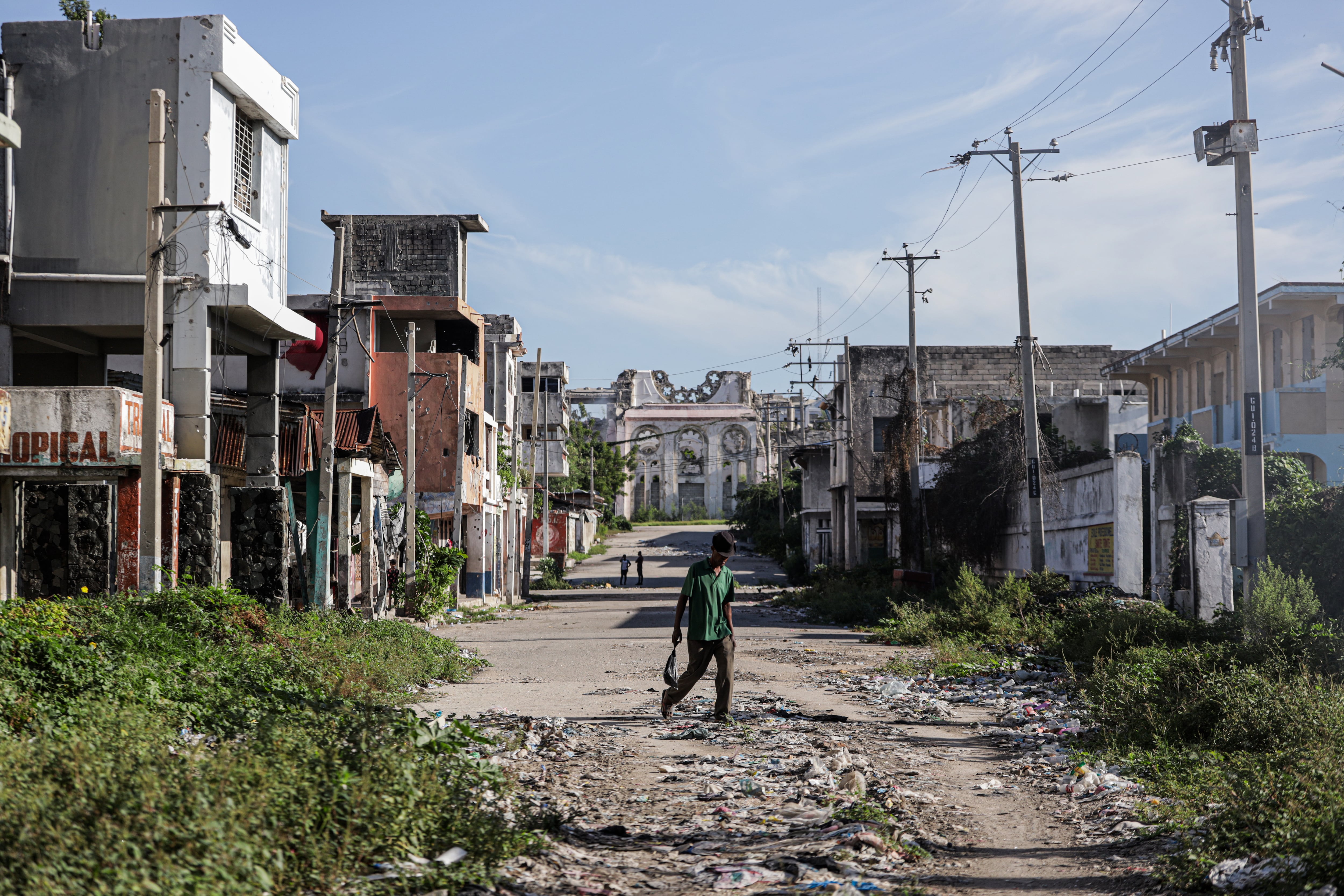
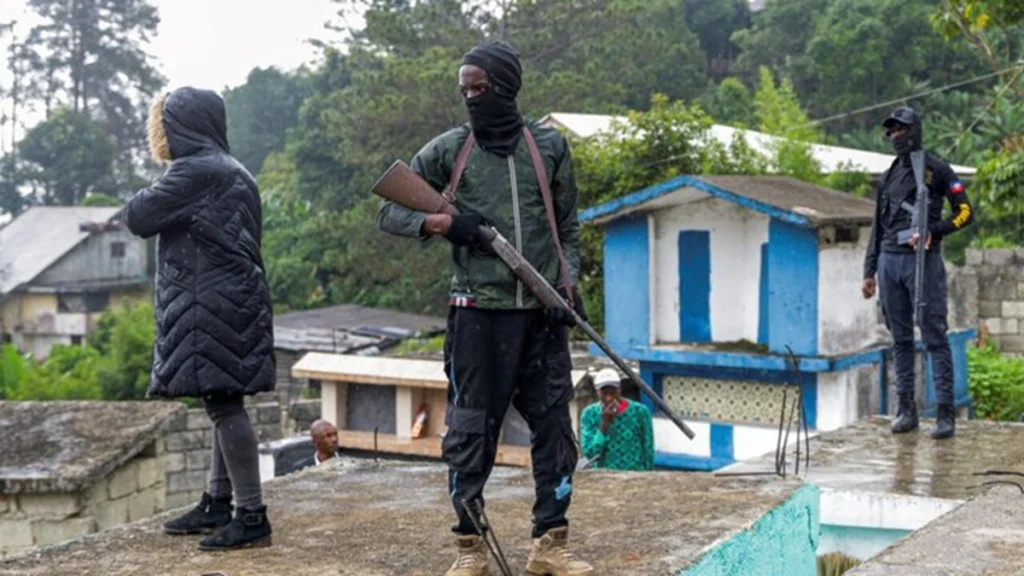
Puerto Príncipe, 21 oct (Prensa Latina) Las pandillas armadas que imponen hoy la violencia en Haití practican también la extorsión mediante el cobro de dinero a los ciudadanos para que estos puedan habitar sus propios hogares, comentó un medio local.
San Salvador, 21 oct (Prensa Latina) El presidente de El Salvador, Nayib Bukele, conminó hoy a los jefes y miembros de pandillas de Haití a entregar a los cuatro aerotécnicos salvadoreños secuestrados en ese país el 18 de octubre.
It was Saturday night and Jean, a Haitian who arrived in the United States nearly 20 years ago, had left his job in Broward, north of Miami, hours earlier. But he never made it home. He wasn’t answering his phone and the location of his AirPods remained in the same place. Around 1 a.m., his doctor—also a family friend—went out to look for him and found the car unattended in a parking lot. At that point, Jean himself called and said he had been detained by immigration and was at a Border Patrol station in Dania Beach.
Puerto Príncipe, 20 oct (Prensa Latina) El gobierno haitiano declaró tres meses de Estado de Emergencia en los departamentos Oeste, Centro y el norteño Artibonite para enfrentar la inseguridad impuesta hoy en el país por pandillas de criminales.
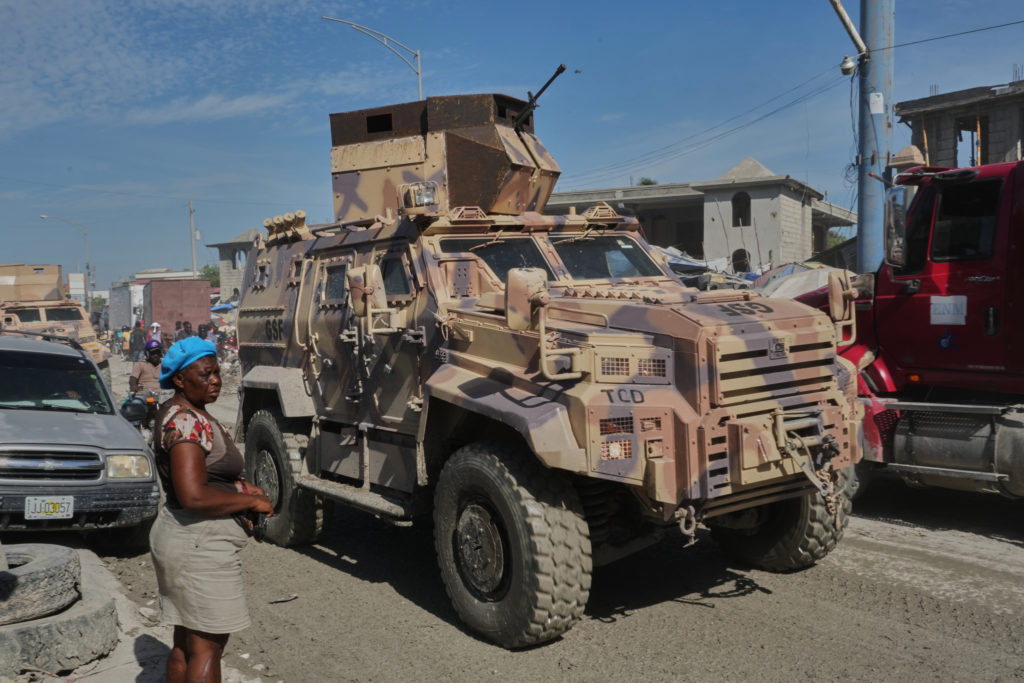
Deadly Haitian gangs over the weekend ambushed members of an international security force deployed in Haiti, kidnapping four Salvadoran Air Force members, authorities confirmed Monday.
The mayor of Kenscoff, a town near Haiti’s capital, wrote government officials hundreds of letters to warn of gang threats. Then dozens of people died, and he did, too.
The former mayor of Kenscoff, Haiti, Jean Massillon, showing bullet holes outside Kenscoff City Hall after a gang attack in August that killed 47 people. He died two weeks after this photo was taken.
Gangs in Haiti opened fire on an armored vehicle over the weekend, leaving four soldiers from El Salvador unaccounted for in the first major attack since an international gang suppression force began operations in the violence-wracked Caribbean country.
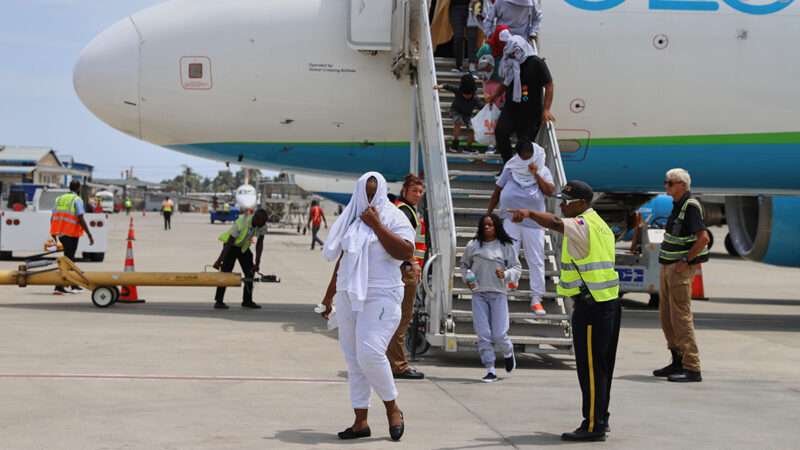
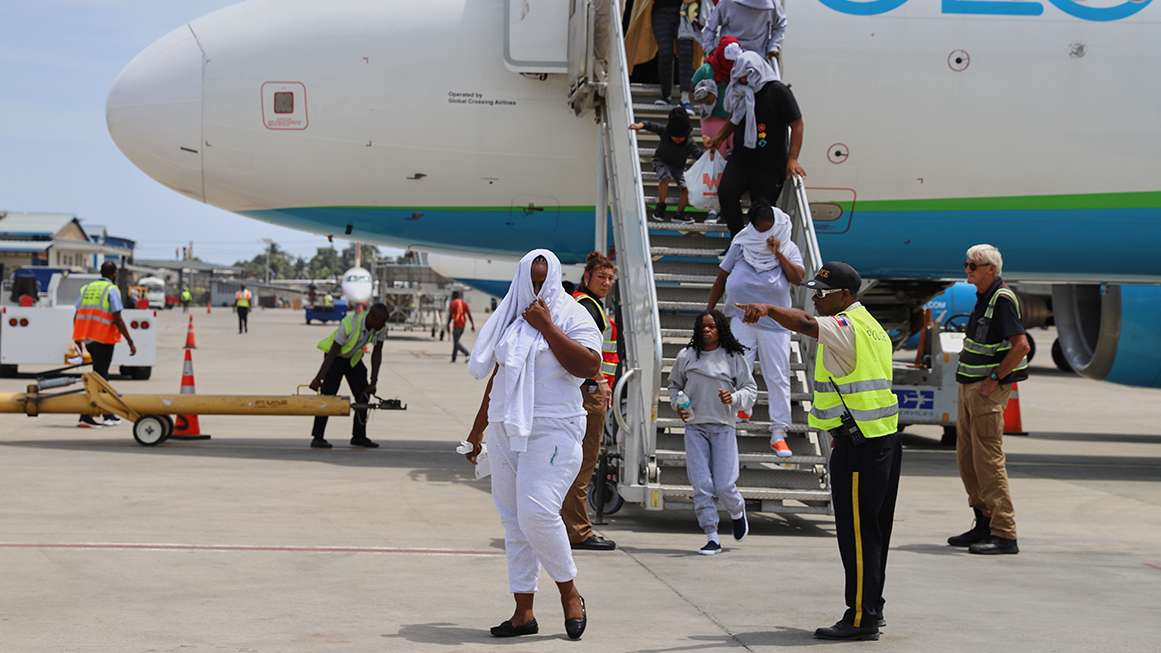
In late August, President Donald Trump's administration carried out its first deportation flight to Haiti since the Supreme Court allowed it to end temporary protected status (TPS) for the embattled country in June. "There are no extraordinary and temporary conditions in Haiti that prevent Haitian nationals…from returning in safety," the Department of Homeland Security (DHS) claimed in its TPS revocation, describing a country the State Department warns Americans not to visit "for any reason."
The Trump administration has eroded America's humanitarian avenues, including TPS, which shields migrants from deportation. As a result, many noncitizens may become undocumented and could be forced to return to unsafe places.
The DHS secretary may grant TPS for countries facing armed conflicts, natural disasters, or other disruptive events. TPS designations last anywhere from six to 18 months and may be extended. The government has designated 29 countries for TPS since Congress established the status in 1990, offering protection to Salvadorans fleeing a 12-year civil war, Haitians fleeing the 2010 earthquake, and millions of others. The Biden administration repeatedly made and extended TPS designations, but the Trump administration has been working to terminate them.
There were 1.3 million people living in the U.S. under TPS in March 2025, according to the Pew Research Center. By August 2026, the Trump administration had ended TPS for 13 countries, leaving 1 million people without its protections. Once someone loses TPS, he reverts to his previous immigration status, which is often undocumented. Over 600,000 Venezuelans, 330,000 Haitians, 170,000 Salvadorans, and 100,000 Ukrainians had TPS protections as of March 2025, according to the Congressional Research Service.
Critics often point out that TPS isn't really "temporary." That's frequently true: Although some designations have been brief, others have been decades-long. Designations for Haiti, Syria, Honduras, Nepal, Somalia, and El Salvador have all lasted at least 14 years, according to the Migration Policy Institute (MPI).
This says more about the U.S. immigration system and presidential power than it does about TPS. "In the absence of Congress acting to legalize what has become a long-settled unauthorized immigrant population, Republican and Democratic administrations, lawmakers, immigrants, and foreign governments had come to tacitly rely on TPS despite its nominally temporary nature," notes the MPI. Immigration policy is increasingly subject to presidential whims, and due to lengthy processing times and narrow qualifications, more durable immigration pathways such as asylum and refugee status are often inaccessible to eventual TPS beneficiaries. An immigrant-friendly president may use TPS designations to temporarily shield noncitizen populations, but an anti-immigrant successor can also revoke those protections. In either scenario, a TPS holder faces uncertainty.
In a rare bipartisan immigration effort last February, Reps. Laura Gillen (D–N.Y.) and Mike Lawler (R–N.Y.) introduced a bill to extend TPS for Haiti for three years. It passed the House this April and has been languishing in the Senate since. Its future, too, is uncertain.
Temporary Protected Status for the two countries was set to expire on Monday. The Trump administration said an announcement would be made “at the appropriate time.”
The decision to hold off on an announcement about Ukrainian and Sudanese migrants mirrored a similar move by the Trump administration last month to allow people from El Salvador to keep their deportation protections for now.
Armed gang violence raises doubts about whether the long-delayed presidential and legislative elections will take place.
On Tuesday, Prime Minister Alix Didier Fils-Aime told security agencies that a conducive environment was needed to hold presidential and legislative elections on Dec. 13.
He attended a meeting of the Provisional Electoral Council (CEP), which was also attended by Defense Minister Mario Andresol; National Police Director Andre Vladimir Paraison; Armed Forces Commander Derby Guerrier; and Maj. Gen. Edernebat Batsuuri of Mongolia, commander of the Gang Suppression Force (GSF).
“The meeting made it possible to assess the national security situation and examine the measures needed to establish the security conditions essential for organizing the upcoming elections,” the office of Prime Minister Fils-Aime said.
The CEP scheduled the first round of presidential and legislative elections for Dec. 13. The elections have been postponed several times since 2021 and were supposed to take place Aug. 30 this year.
The last Haitian president elected by popular vote was Jovenel Moïse, who took office in February 2017 and was assassinated July 7, 2021, at his residence in Port-au-Prince by Colombian mercenaries.
'WE WERE TREATED LIKE ANIMALS'
Dozens of people are feared dead after armed gangs stormed Kenscoff, Haiti, burning homes and forcing hundreds to flee.
Haitian rights group RNDDH says the toll could reach 40 as searches continue. Among the sites attacked was a church sheltering… pic.twitter.com/HwH4i1beKn
Haitians are also expected to vote on several proposed constitutional changes. However, the severe violence and insecurity crisis, with armed gangs controlling most of Port-au-Prince and other areas of the country, has cast doubt on whether the elections will take place.
“The government reaffirms its determination to work in collaboration with the relevant institutions to establish a secure environment conducive to holding credible, inclusive and democratic elections,” the prime minister’s office said.
The assessment is expected to enable the Provisional Electoral Council “to have reliable data and a more accurate picture of the current security situation.”
Last week, electoral authorities extended the candidate registration period through Oct. 31 and postponed the start of the election campaign, which had been scheduled for Oct. 5. Some sectors have interpreted the moves as a sign that the elections will be postponed once again because of the critical security situation, but the CEP has not commented on the matter.
The armed gangs are being fought by the Gang Suppression Force (GSF), which was established a year ago by the United Nations Security Council (UNSC). Its mandate was renewed for six months on Sept. 29.
More than 5,700 people have been killed or injured so far this year in Haiti as a result of violence by the gangs are also suspected of being responsible for more than 230 kidnappings and the rape of more than 1,000 women and girls.
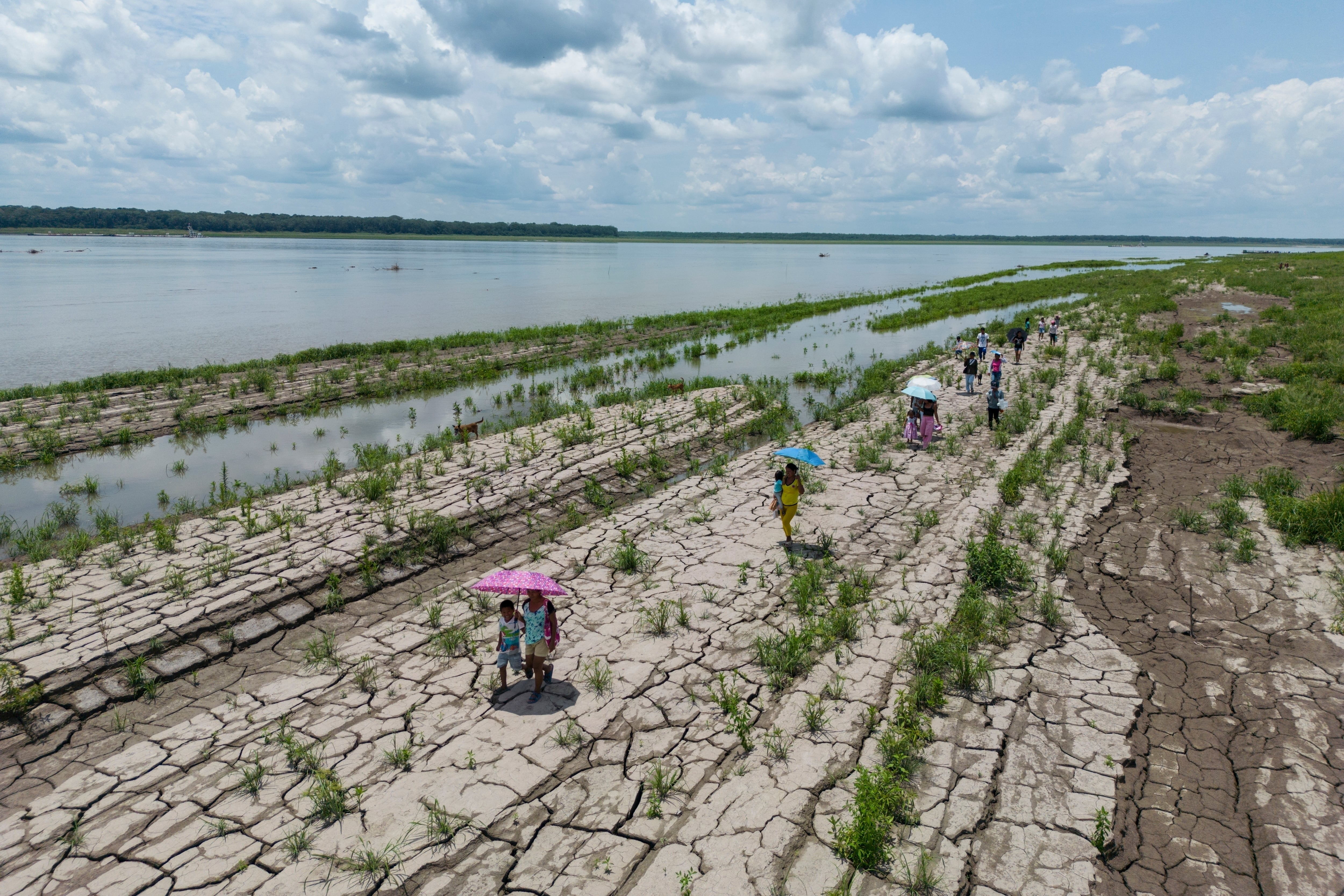
This is the driest year on record in Tegucigalpa. Eighty percent of Honduran territory is on red alert, and the capital has had a potable water rationing system every 12 days for a month. The lack of rain is making maize and bean crops in Guatemala — the main food source in a country with the region’s highest rate of chronic child malnutrition — even more vulnerable. The Panama Canal has begun restricting vessel traffic because of water stress in the basin, and the parched Amazon rivers are isolating dozens of riverside communities in Brazil and hampering fishermen’s work.

 Login