❌

Reading view

AI turns the midterms into a vast electoral laboratory

.

The upcoming U.S. midterms are not just another vote. They are on track to become a new testing ground for autonomous AI agents that first emerged in the Hugging Face attack. Experts are already warning of the potential for these “rogue agents,” seen in action this summer, to carry out more refined, dangerous and harder-to-trace disinformation campaigns and electoral interference than those observed in previous election cycles.

Seguir leyendo

  •  

Trump defends waiving Russia sanctions, says it keeps Moscow at negotiating table

President Trump defended his decision to waive Russian sanctions on Sunday, writing in a Truth Social post that it keeps Moscow at the negotiating table amid backlash from both sides of the aisle over the decision. “My decision on Russia is a very simple one. I am in the process of negotiating Peace in the…

  •  

Fiber-optic drones and cartel members at the front: Ukraine’s imprint on Mexico’s narco groups

The video released by Al Jazeera lasts just 25 seconds but has once again reignited public debate. The footage shows at least 10 fighters in a forest, “coming back from a mission,” as one of them can be heard saying. The group of soldiers, who are Mexican, Colombian, and Panamanian — as acknowledged by the person filming — is allegedly part of Ukraine’s front line in the war launched by Russia.

Seguir leyendo

© Scott Peterson (Getty Images)

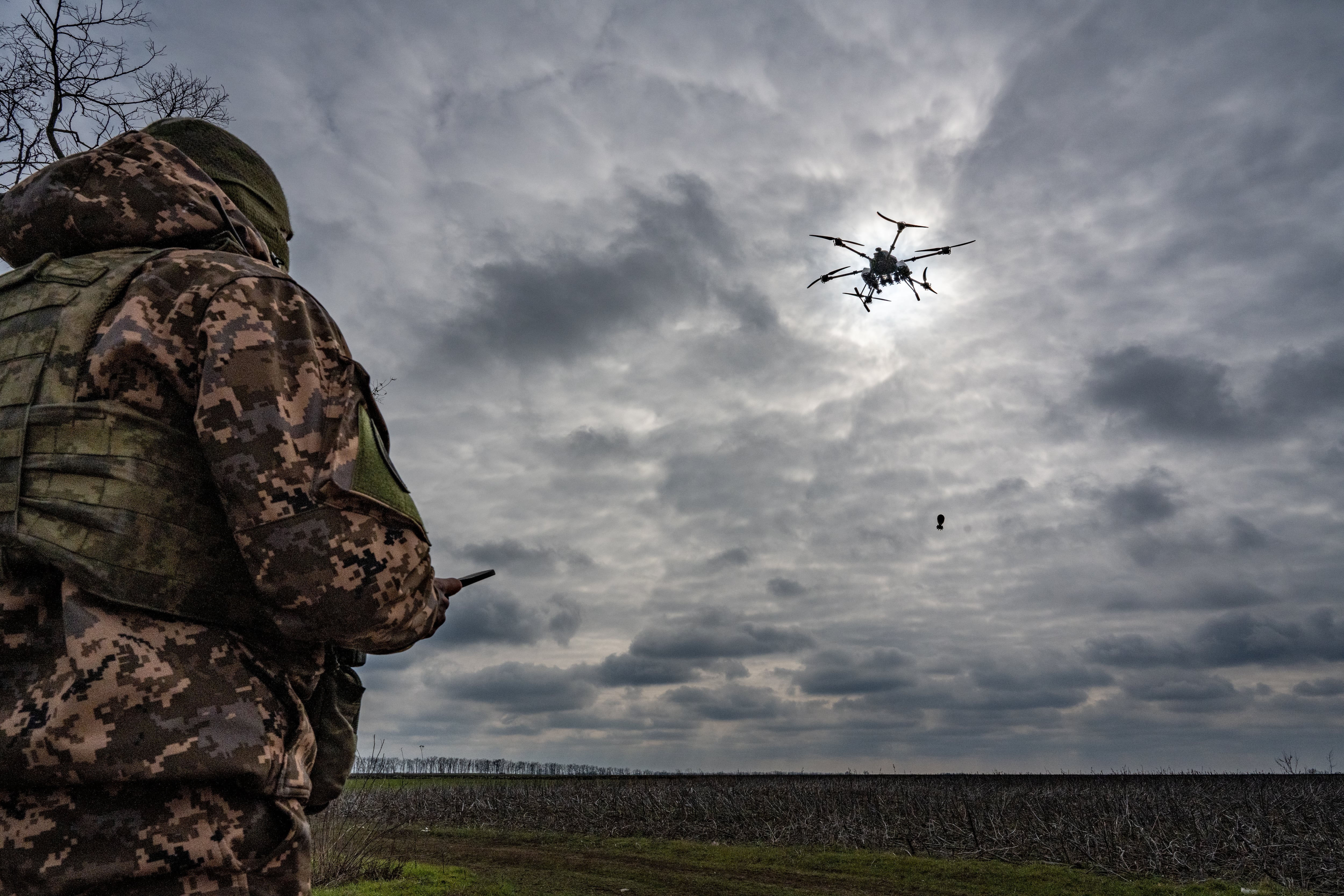
An attack drone in the Zaporizhzhia region of Ukraine, in February 2024.
  •  

Raivis Melnis, Latvia’s defense minister: ‘We are preparing to fight’

Raivis Melnis walks down a long corridor inside Latvia’s Ministry of Defense, located in an aging building in central Riga, the capital. He shows up all alone, a striking oddity for someone with government responsibility. Born 48 years ago in the Balvi municipality, about 20 kilometers (12 miles) from the Russian border, the Latvian army colonel has held the defense portfolio since late May. That was when several attack drones penetrated the Baltic country’s airspace without encountering any opposition. Two struck near an empty fuel depot. The crisis prompted then–prime minister Evika Silina to dismiss the defense minister and turn to Melnis.

Seguir leyendo

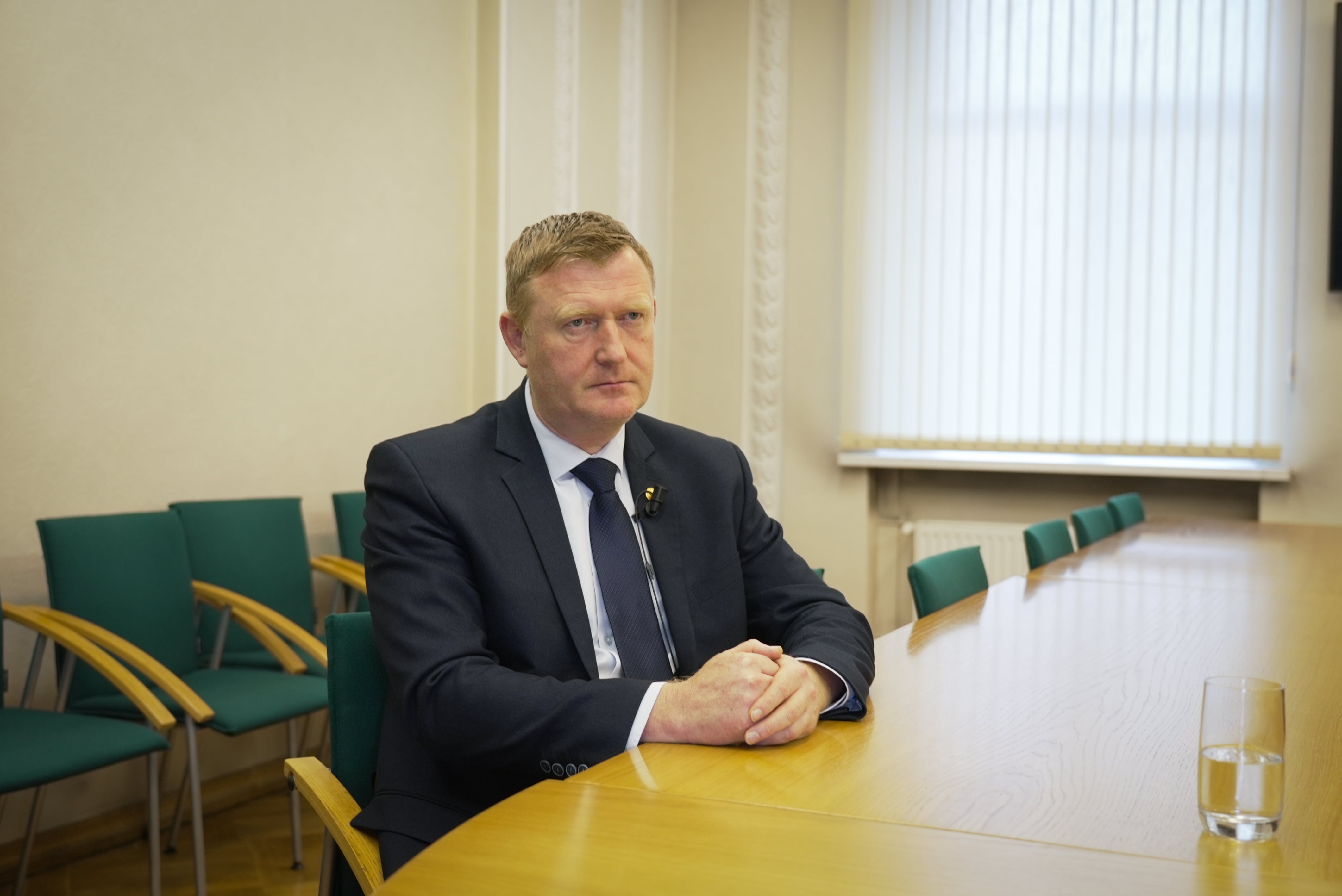
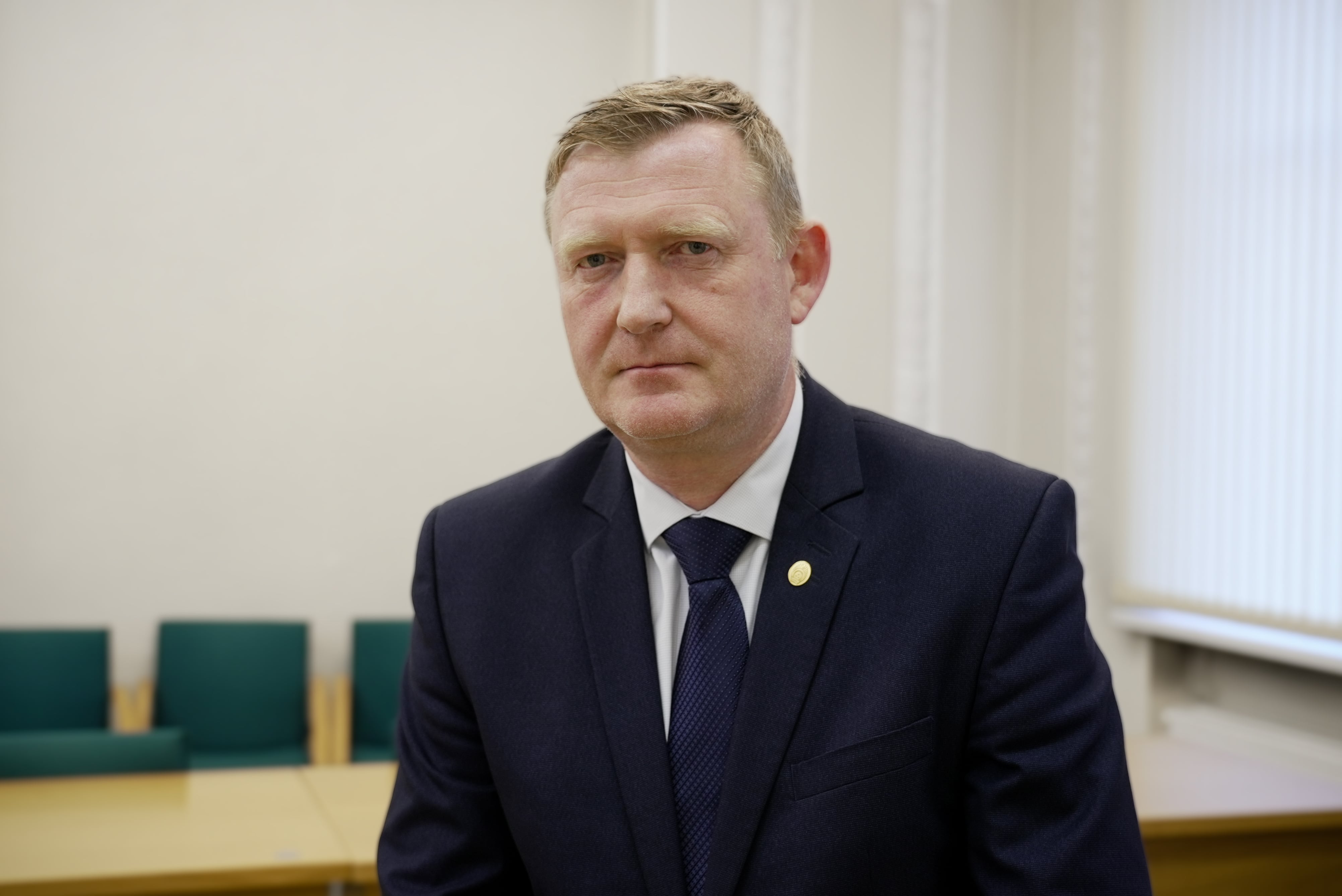
The Latvian defence minister, Raivis Melnis, during the interview in Riga.

💾

© MARÍA PAGE

Latvian Defense Minister Raivis Melnis at the ministry in Riga on October 7.
  •  

At the epicenter of the mysterious health alert in Siberia: ‘Plague? There’s no panic, people are calm’

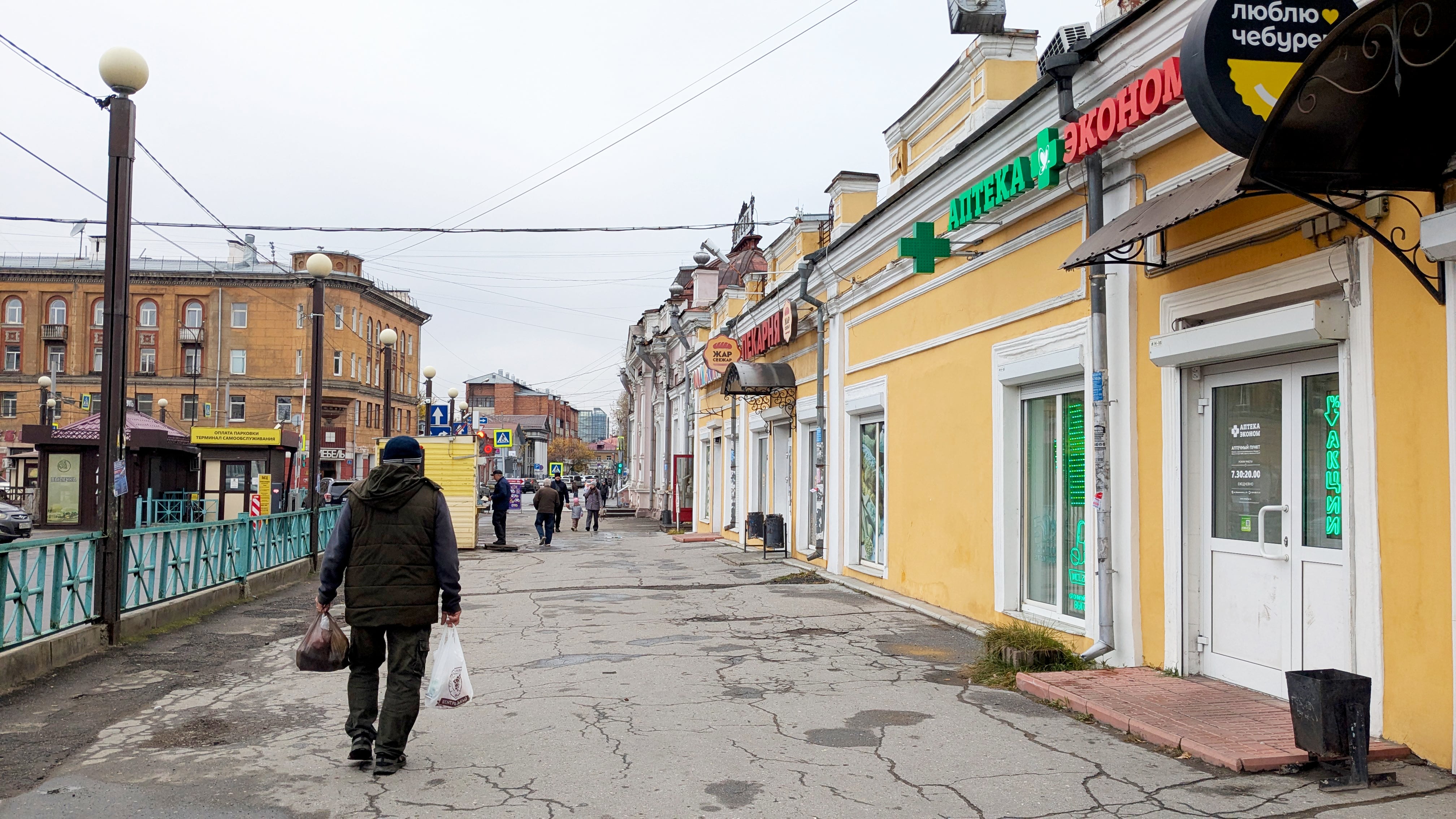
A street in Irkutsk, Siberia, where a woman died of pneumonia suspected to be related to plague.

“What plague?” an Irkutsk resident exclaims when the epidemiological crisis that has put this small Siberian city near Mongolia on the front pages over the past week is mentioned. “Do you see me wearing a mask?” the annoyed clerk at a pharmacy retorts when asked whether she has noticed any concern over reports of quarantines and the death of a laboratory worker. “Whatever the authorities say, we’ll obey. We all obey the authorities,” say two elderly women, carefree as they sit on swings in a park in Shelekhov, the suburb that their own governor advised people not to visit due to “a particularly dangerous infection.”

Seguir leyendo

  •  

Trump: On the defensive in the polls, uncontrolled at rallies

U.S. President Donald Trump was halfway through his speech at a campaign rally in Clarksville, Tennessee, this Saturday, surrounded by his usual supporters: mostly white, dressed in red, wearing MAGA hats, and displaying messages of support for the Republican. “It’s amazing. I could say the stupidest things and you’d clap me,” he boasted. On cue, the crowd, amid laughter, applauded.

Seguir leyendo

© Eric Lee (REUTERS)

US President Donald Trump at a rally Saturday in Clarksville, Tennessee.
  •  

Students recruited via Telegram, amateur saboteurs and hitmen: How Russia outsources its operations in Europe

On the night of March 20, 2024, unusually humid and mild in London, three people in their twenties pulled up at an industrial estate in the east of the city in a cherry-red Kia Picanto. They went inside, set fire to a warehouse, and filmed the blaze on a cellphone. The video of the flames consuming the premises ended up in the hands of another 20-year-old, Dylan Earl, who was reached via the Telegram messaging app by the Russian paramilitary organization Wagner, linked to the Kremlin, which had in turn recruited others to do the dirty work. One of the burned units contained humanitarian aid and Starlink satellite equipment destined for Ukraine. According to the British investigation, the three young men who lit the fuse did not know they were actually working for Russia.

Seguir leyendo

© Jens Schlueter (Getty Images)

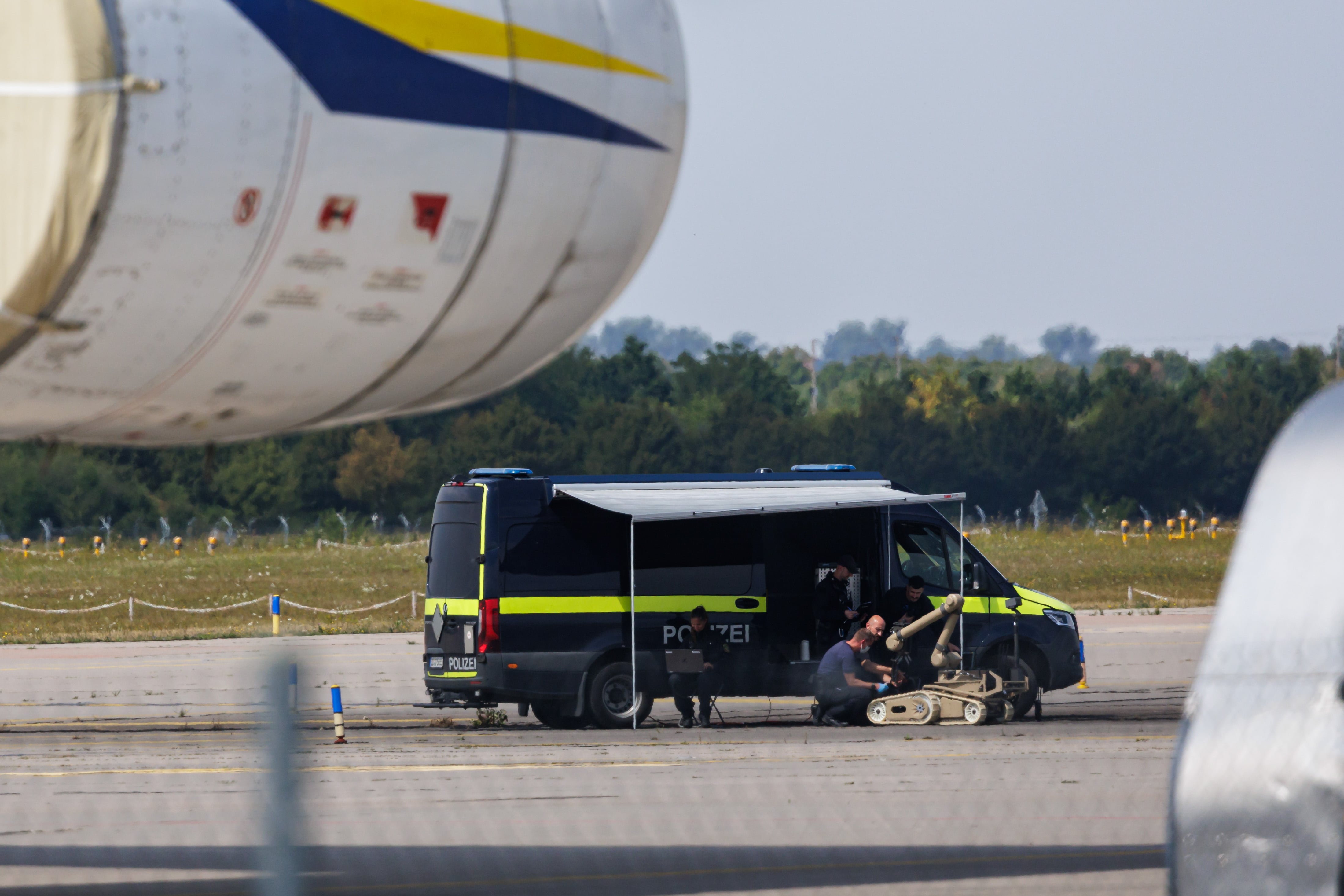
German police on August 5 after the failed attack on Leipzig airport.
  •  

Russian drones harass Moldova

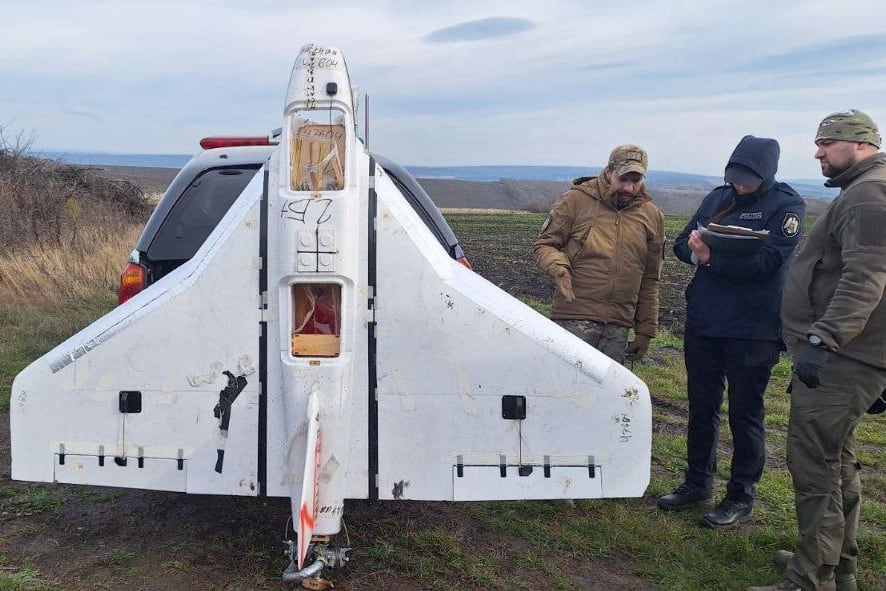
A powerful explosion shook Colonita, a small village in the municipality of Chișinău, at 4.20 a.m. on September 18. Residents saw a blinding flash and heard a terrifying blast that made houses tremble. Six hours later, emergency teams found the remains of a Russian drone — including its engine — scattered across agricultural land. The device had fallen about four miles from the center of the Moldovan capital, which is home to more than 700,000 people. It had not been detected by surveillance systems, which the Defense Ministry attributed to the speed and low altitude at which it was flying.

Seguir leyendo

© AP

Police inspect a drone in the Moldovan village of Cuhureștii de Jos.
  •  

The desperate effort to send food via drones to a Ukrainian city starving under Russian occupation

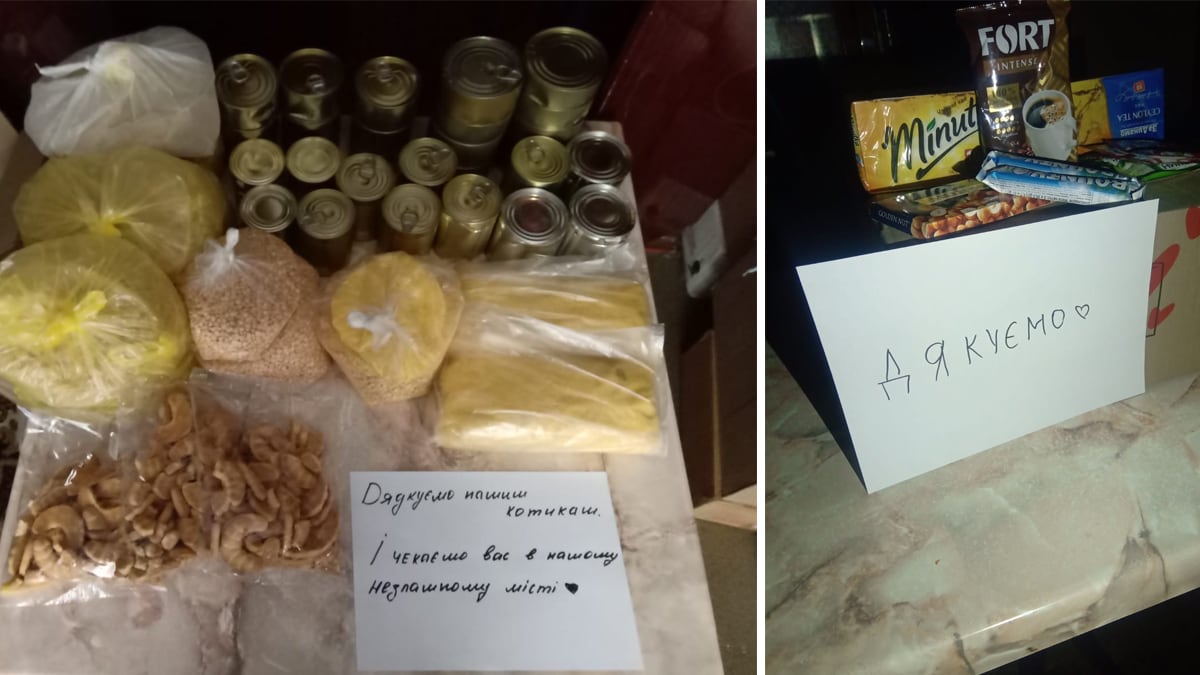
“Thanks to our beloved soldiers. We await you in our unbreakable city,” reads a handwritten note beside cans and other foodstuffs received to stave off hunger in Oleshky, a city occupied by Russia. “Thank you,” echoes another note next to a shipment of coffee, herbal teas, and chocolate bars. Photos of these messages and others showing various tokens of gratitude have reached the phone of Roman Chuhalov, 44, one of the Ukrainian servicemen who, by sending aid with drones, are trying to break the blockade in this town in the southern Kherson region, where about 2,000 people are holding out.

Seguir leyendo

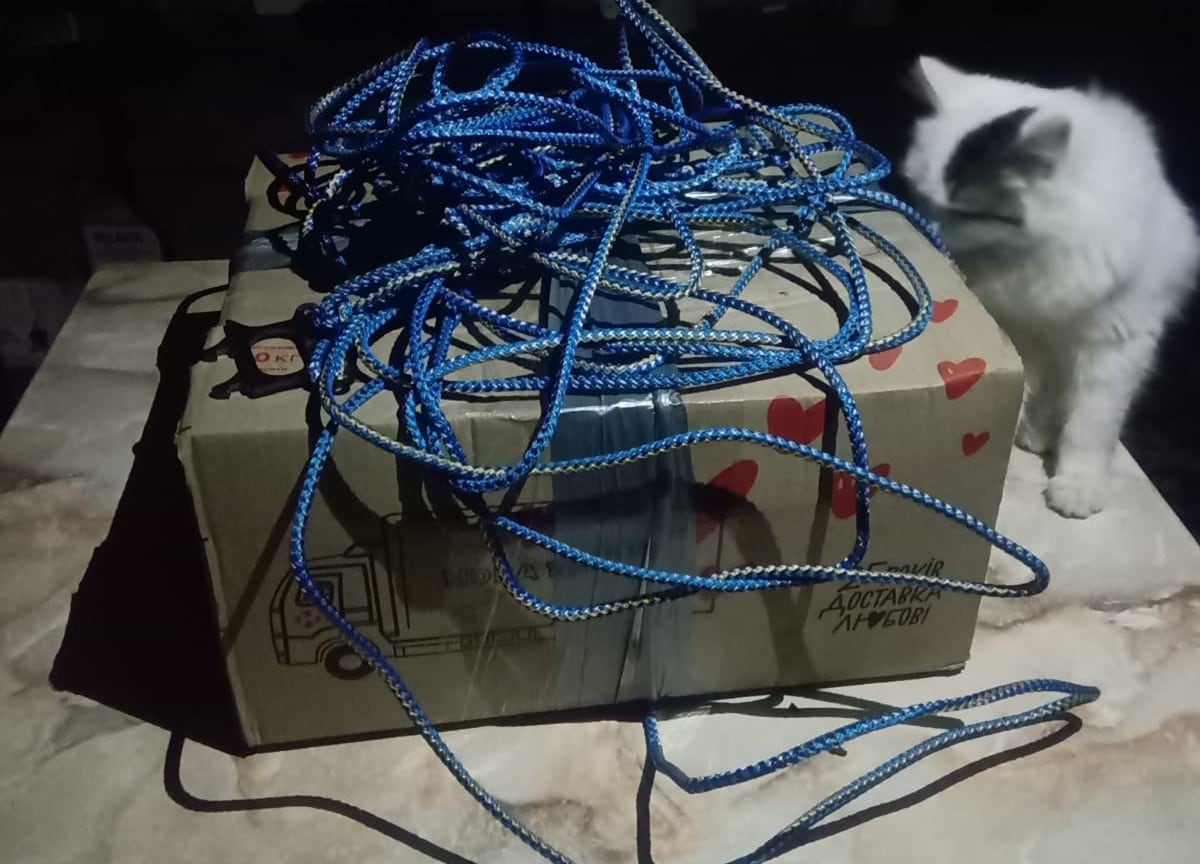
Olena Halushka (right), a resident of Oleshky until she fled the Russian invasion in 2022 and the mother of Vitali, a soldier who was killed at age 21 while defending Kherson in 2023.A cat next to a food parcel that arrived in Oleshky in a photo provided by Ukrainian servicemen.Tetiana Hasanenko (right), head of the military administration of Oleshky, during the festival honoring that city, held on October 3 in Uman, Ukraine.Attendees at the tribute held in honor of Oleshky in the city of Uman on October 3.Members of a choir during the festival honoring the city of Oleshky, held in Uman on October 3.

“Thanks to our beloved soldiers. We await you in our unbreakable city,” reads the left-hand photo, one of the messages of thanks from the people of Oleshki (Ukraine) beside the food they receive via drones.
  •  

The uncertainty of families of the 280,000 people missing in the war between Russia and Ukraine: ‘They must live with silence’

At least 280,000 people are missing due to the war between Russia and Ukraine, according to the vast list maintained by the International Committee of the Red Cross (ICRC). It includes Ukrainians and Russians, without distinction, and the true figure is likely higher because the list contains only requests registered with the organization. The vast majority are soldiers. Although many have probably died, some parents and wives still set a meal at an empty chair and leave their rooms unchanged in case the person suddenly returns home. They carry a pain psychologists call ambiguous loss.

Seguir leyendo

© Stringer (REUTERS)

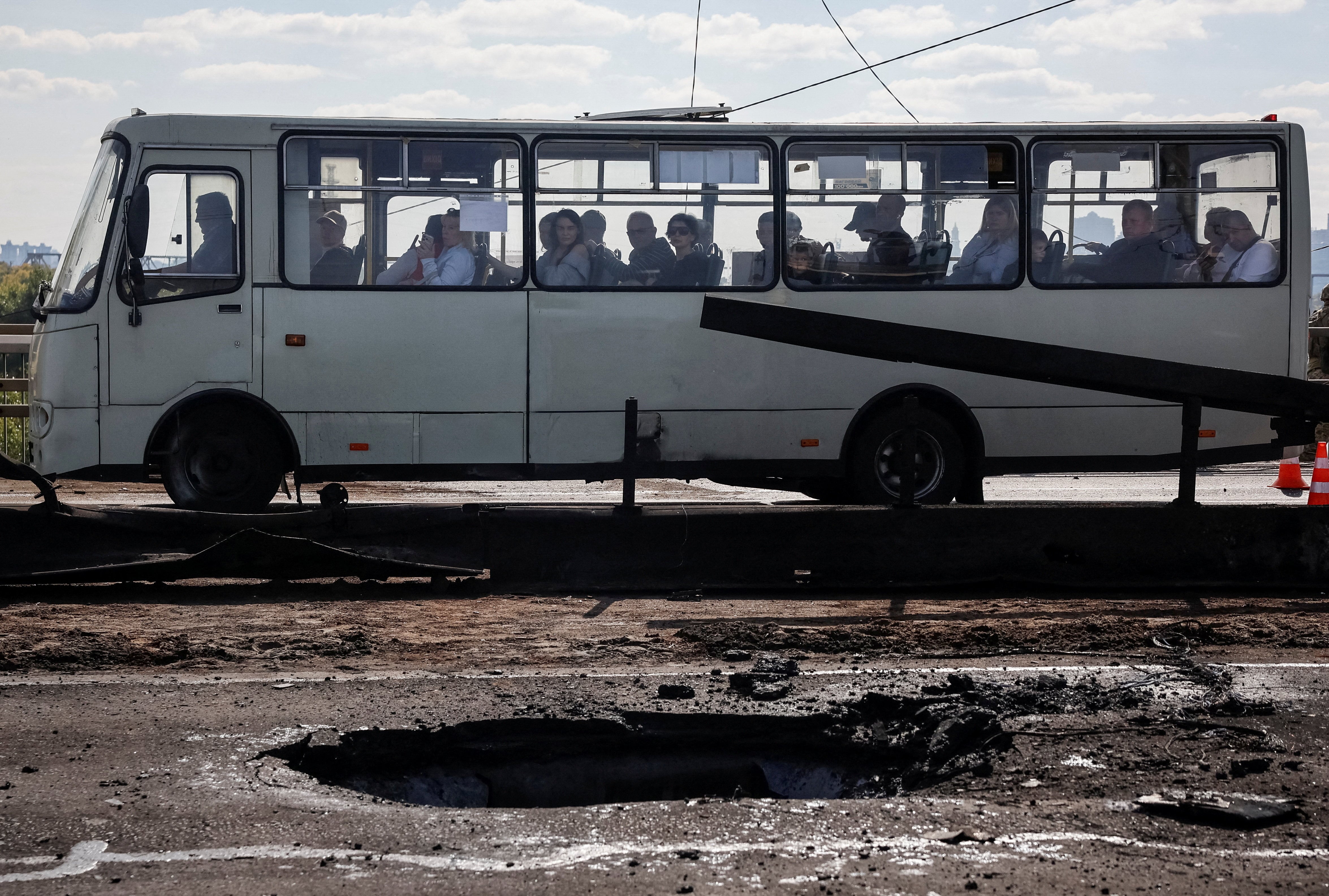
One of the bridges damaged by Russian attacks on Kyiv last Sunday.
  •  

Kaliningrad, the Russian militarized exclave surrounded by NATO that triggered Putin’s nuclear threat

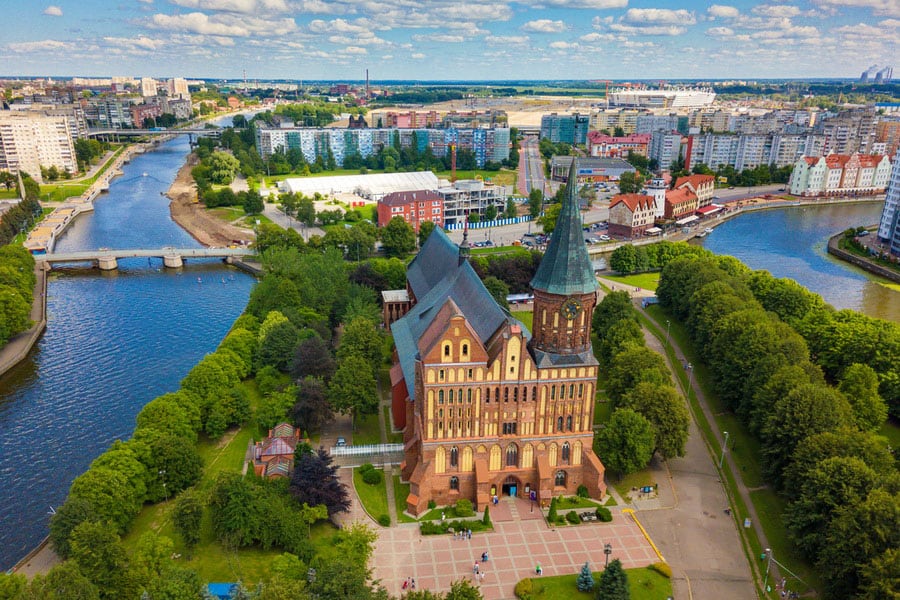
Aerial view of Königsberg cathedral in Kaliningrad, 2023.

Kaliningrad, the militarized Russian exclave wedged between NATO and EU members Poland and Lithuania and a constant flashpoint between the Kremlin and the Atlantic Alliance, has become the center of Vladimir Putin’s nuclear threat against Europeans. Last week Moscow accused NATO of seeking to block Kaliningrad and threatened to use nuclear weapons if the military organization moves forward with that alleged plan. For the Kremlin, the exclave, which gives it a strategic outlet to the Baltic Sea (it is the only port it can use year-round) and is a key node in its hybrid war against Europe, is an advanced bastion. For NATO, it is a piece on the board that shapes any crisis in the Baltic because it could hinder allied military movements.

Seguir leyendo

  •  

Shell companies, Kyrgyz firms, and cryptocurrencies: The Kremlin’s phantom network to evade sanctions

The Russian invasion of Ukraine is approaching its fifth year. Since February 24, 2022, Europe and the United States have rolled out a battery of sanctions intended to strangle the Russian economy to the point where regime change would be the only viable outcome for the Kremlin. The wave of restrictions, however, has several loopholes — some deliberately left by the West to preserve certain exchanges, such as a limited purchase of hydrocarbons.

Seguir leyendo

© Vyacheslav Prokofyev (Vyacheslav Prokofyev/Pool Sputni)

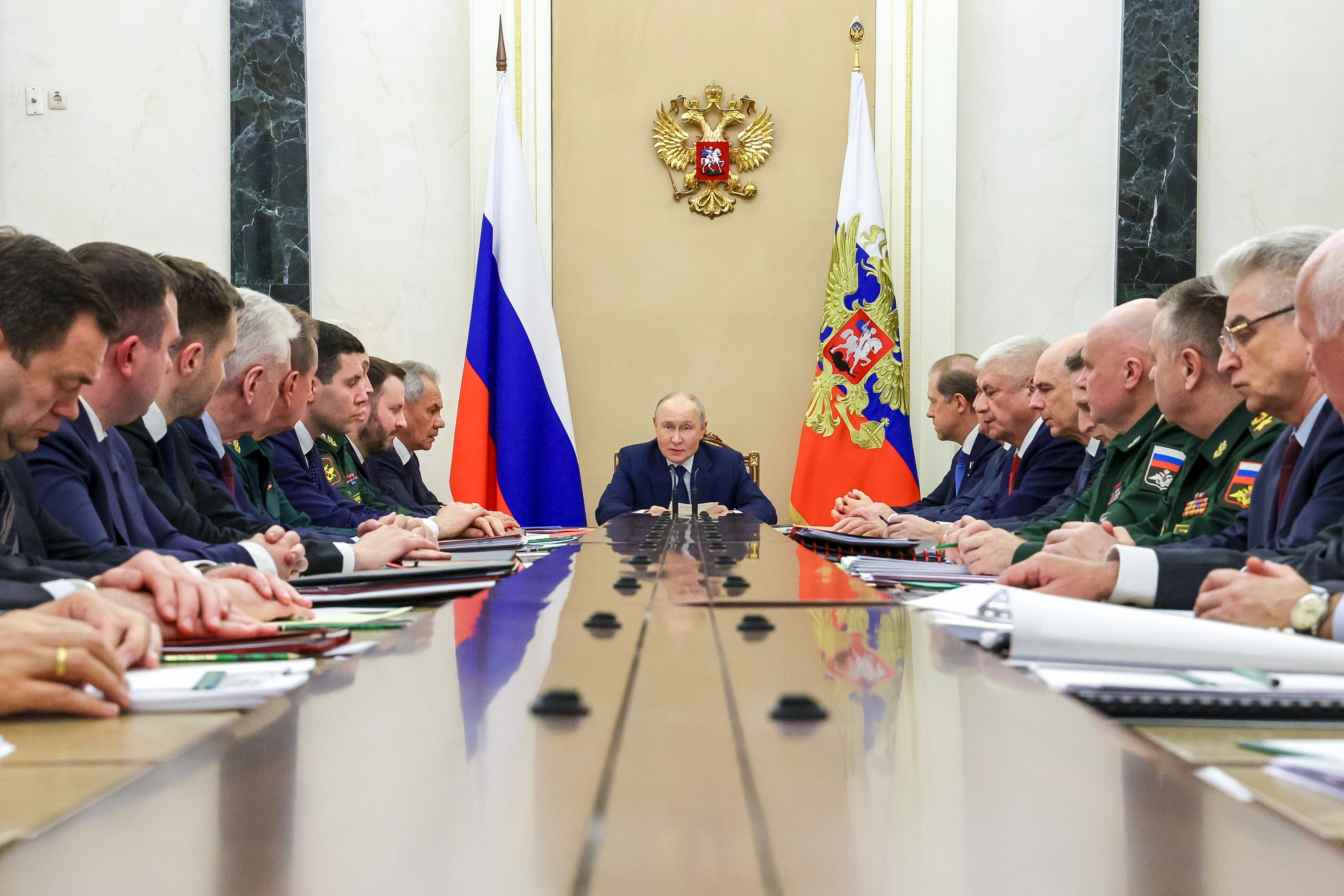
Russian President Vladimir Putin in mid-September in Moscow.
  •  

Europe fortifies itself against Russia’s hybrid war

Russia is stepping up its hybrid war against Europe. From sabotage, drone incursions, and arson to plots (mostly foiled) to assassinate pro‑Ukraine activists and Russian dissidents on European soil, the Kremlin is testing the allied response, and incidents against NATO’s European partners are becoming more serious, such as the explosive‑laden drones found this summer at Leipzig Airport in Germany. That gray line between a hybrid attack and a conventional one is blurring, and several European intelligence sources warn of the risk that one of those incidents could escalate — either by a deliberate Kremlin decision or a miscalculation.

Seguir leyendo

© Kateryna Klochko (AP/LaPresse)

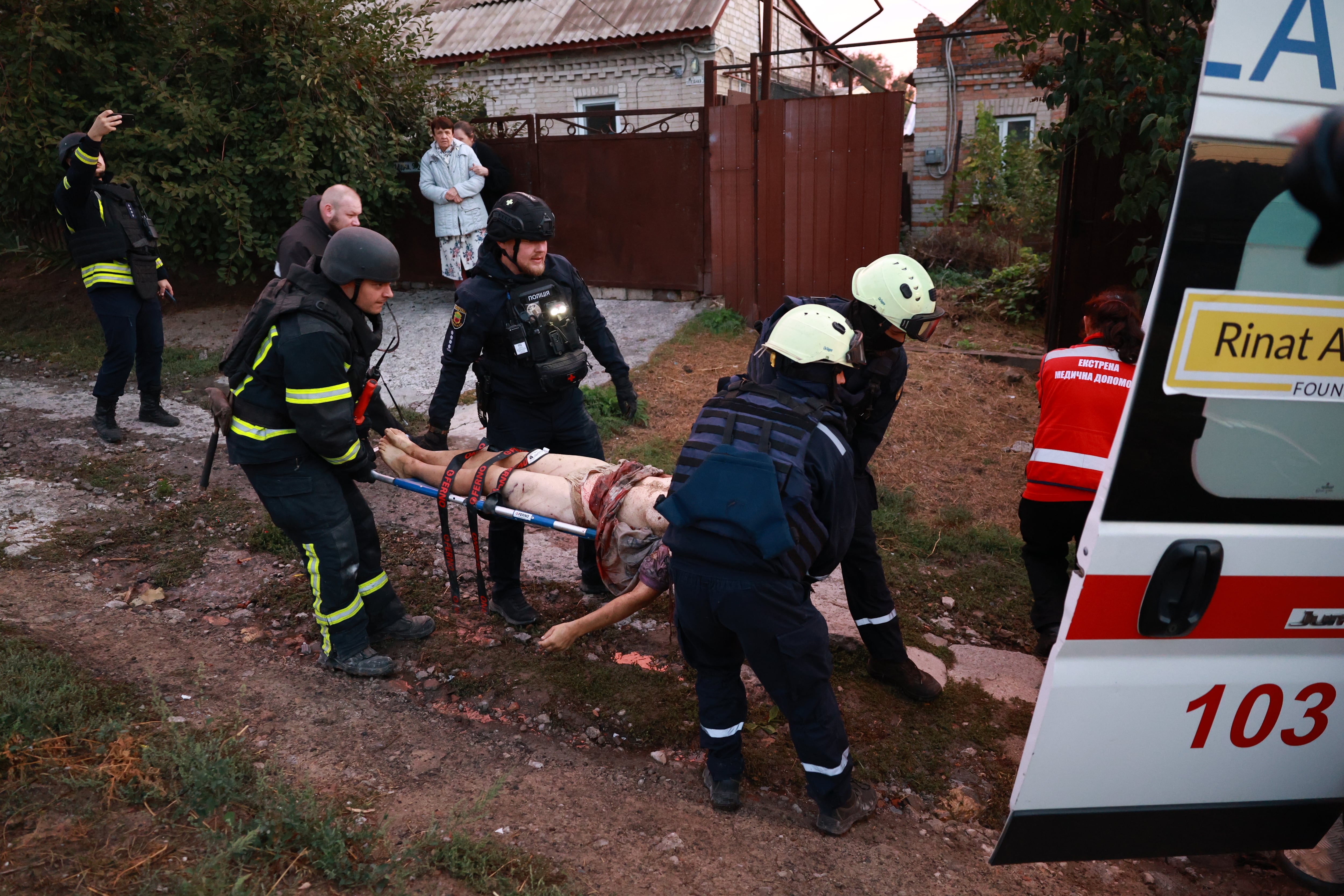
Rescue teams carry the body of a woman killed in a Russian attack on a residential neighborhood in Zaporizhzhia, last Saturday.
  •  

Volodymyr Zelenskiy to EL PAÍS, on the new Russian offensive against Kyiv: ‘Putin isn’t afraid of Europeans’

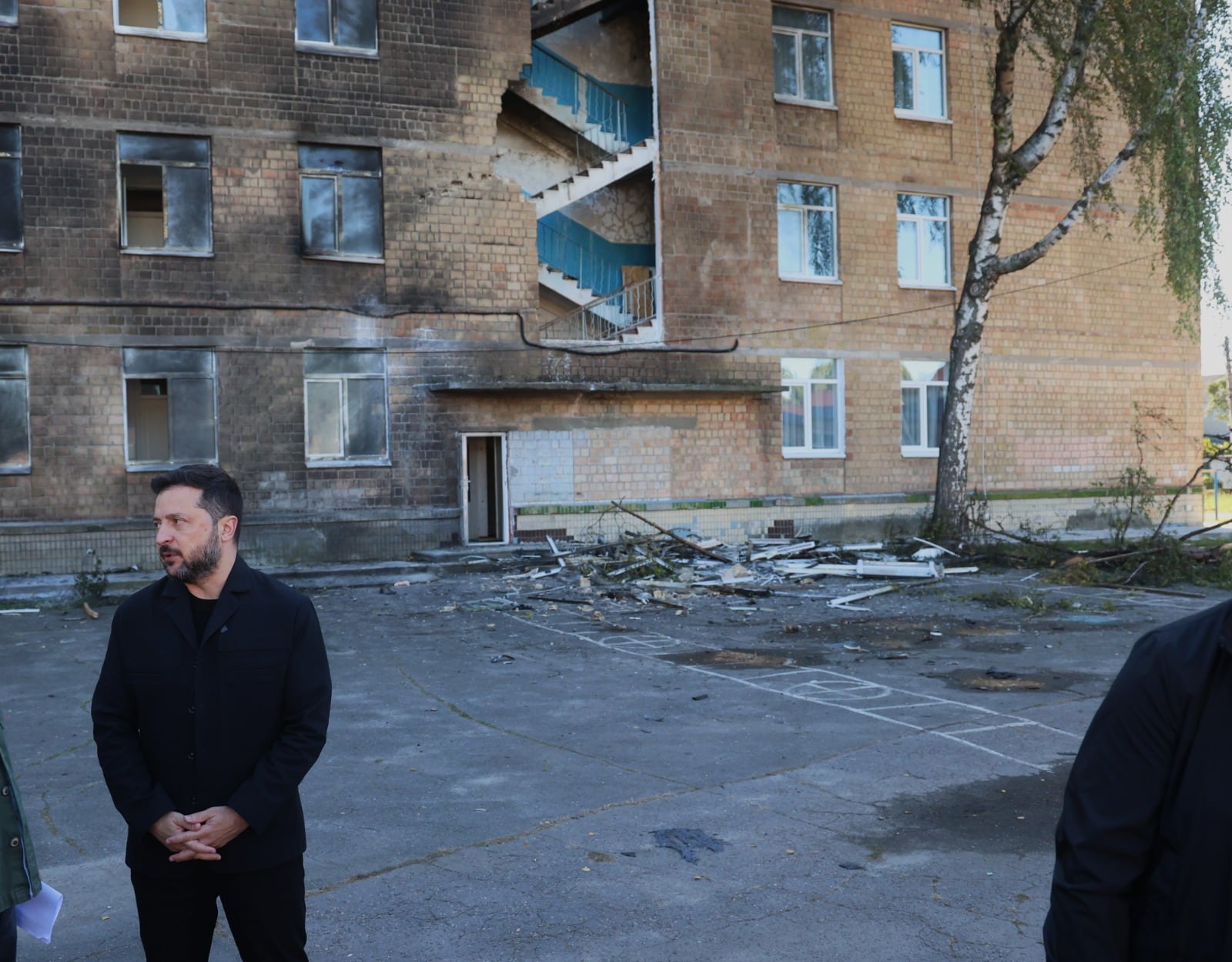
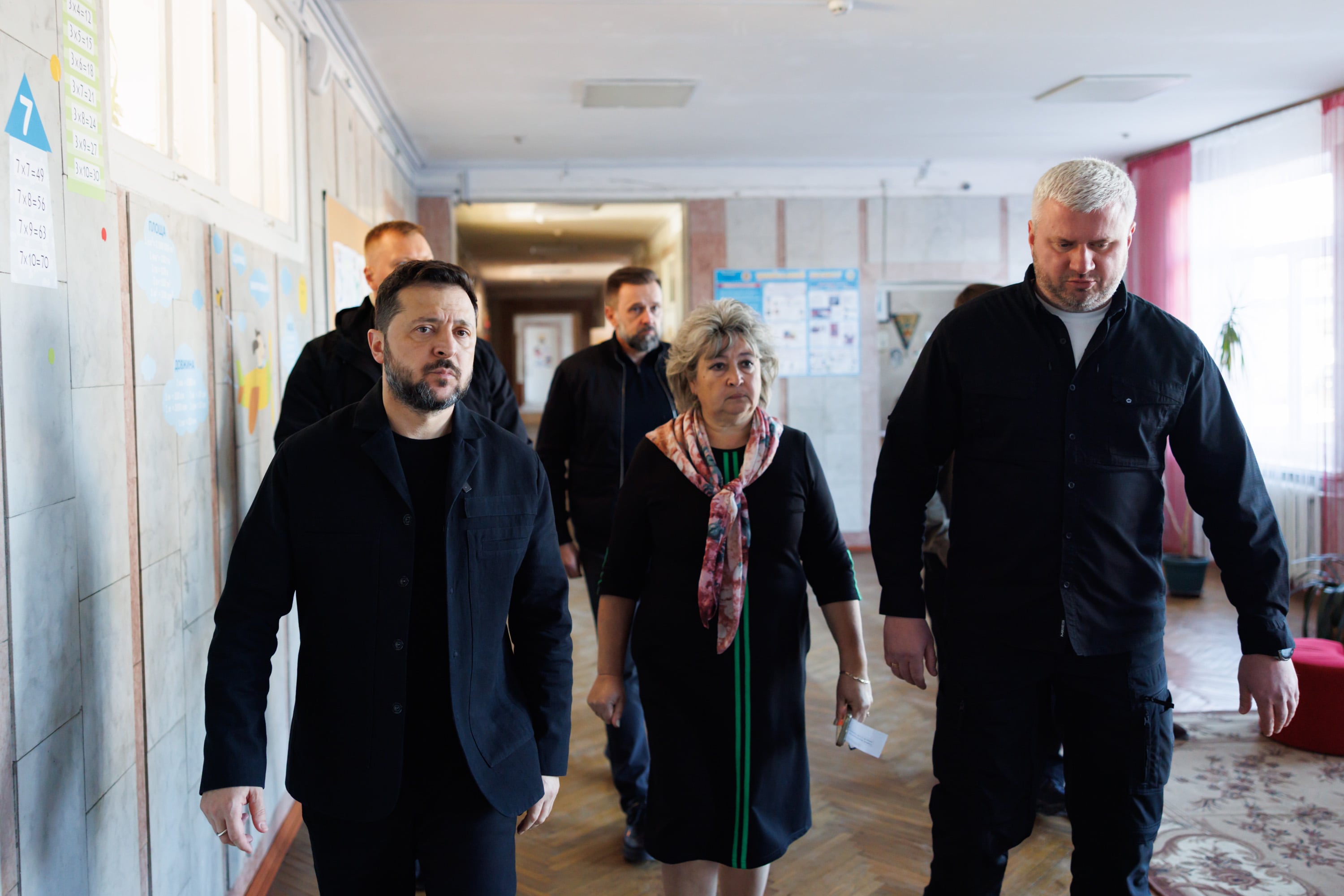
One way Ukrainian President Volodymyr Zelenskiy confronts Russian attacks and seeks to show resolve is by appearing in the most dangerous places. He has done so since his Russian counterpart, Vladimir Putin, launched the full-scale invasion in February 2022. At that time, Kyiv was the Kremlin’s primary target, but the attempt was beaten back. In recent weeks, Moscow has increased its aerial attacks and bombs the city day and night, hitting numerous civilian targets. “They want Ukrainians — especially those in the capital — to leave. In fact, that’s what they were aiming for when the full-scale invasion began,” Zelenskiy said during a conversation with EL PAÍS while visiting a school that had been attacked on Thursday morning in Kyiv.

Seguir leyendo

The president of Ukraine, Volodymyr Zelenskiy, during his meeting with EL PAÍS in front of a school attacked by Russia this Thursday.

© Presidencia de Ucrania

Volodymyr Zelenskiy during his visit to the Kyiv school bombed by Russia this Thursday, in a photograph provided by the presidency of Ukraine.
  •  

Garry Kasparov, threatened with death by Putin’s circle, ties his security to Ukraine’s victory

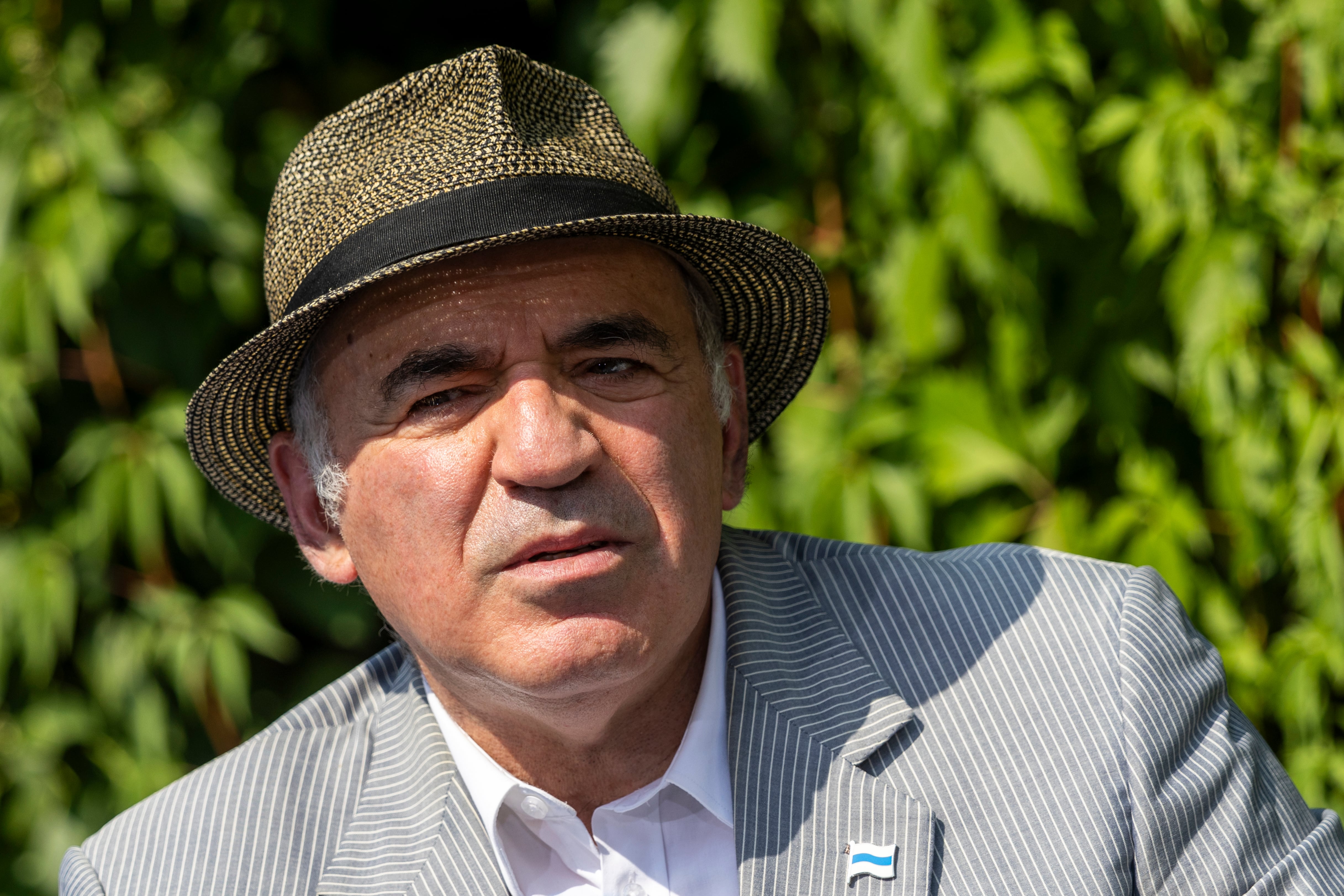
Garry Kasparov, 63, is the only one still alive of three very prominent opponents of Vladimir Putin who were threatened in 2012; the other two were Boris Nemtsov, murdered near the Kremlin in 2015, and Alexei Navalny, who survived a poisoning attack in 2020 and who died suddenly in a Siberian prison in 2024. The U.S. Department of Justice has now revealed a plan by agents linked to Russian intelligence to kill the chess player and activist—who is highly critical of Putin on a daily basis—last summer in New York, where he lives. The former world champion, who holds a Croatian passport, ties his fate to that of Ukraine.

Seguir leyendo

© NurPhoto (NurPhoto via Getty Images)

Garry Kasparov in Warsaw, Poland, on July 31.
  •  

Evan Gershkovich, WSJ reporter jailed by Putin: ‘They didn’t break me as a human being’

Evan Gershkovich at Penguin Random House’s offices in New York on September 16, before the publication of his book.

Evan Gershkovich does not conceal the fact that he would rather be on the other side of the table. “Your job as an interviewer is much more fun than mine,” admits the journalist who has had to get used to being the center of the story. His ordeal began on March 29, 2023. The then–Moscow correspondent for The Wall Street Journal was detained that day on charges of espionage. He spent 16 months in prison before being freed in the largest prisoner swap between Russia and the West since the Cold War. The exchange, in which the governments of the United States and Germany were heavily involved, had the makings of a spy movie.

Seguir leyendo

Gershkovich, during the interview in New York on September 16.
  •  

How Putin, Trump and Xi are aiming to make the EU fail

Vladimir Putin is in trouble. The war in Ukraine is not going well for him; casualties are mounting at an alarming rate; discontent in Russian society is growing amid serious economic hardships; and the Kremlin’s inner circle is becoming increasingly perplexed by their leader’s ineffectiveness. His response, for now, is the same as always: escalation. Against Ukraine, with more missiles; against his own citizens, with more repression; and against the EU, with attacks, threats, and provocations of various kinds — sabotage, cyberattacks, incursions — that are becoming increasingly bold and dangerous.

Seguir leyendo

© Kevin Lamarque (REUTERS)

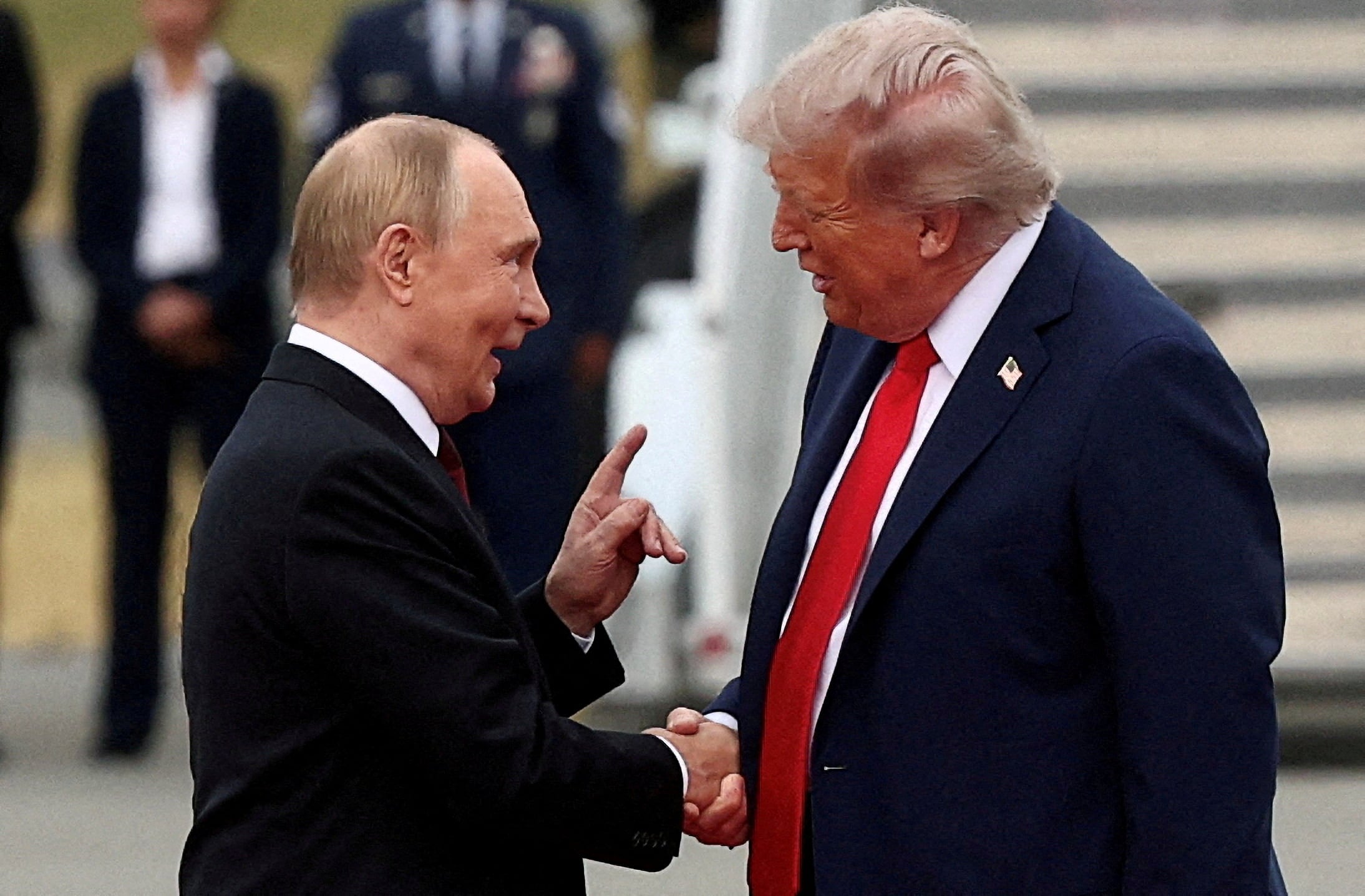
Donald Trump and Vladimir Putin in Alaska, August 2025.
  •  

Middle East conflicts push Europe toward a second energy crisis in five years

Donald Trump returned to power in Washington with two major foreign policy promises: to end the war in Ukraine “in 24 hours” and to keep his country out of more “forever wars.” Almost two years after his decisive electoral victory, the Russian invasion continues with no sign of a quick end, and the United States has plunged itself into yet another hornet’s nest in the Middle East. Two conflicts of unpredictable outcome have pushed fossil fuel costs to historic highs worldwide and are increasing doubts about whether — with price signals distorted — supply chains will withstand the pressure.

Seguir leyendo

© Amit Dave (REUTERS)

Tourists with the oil tanker 'MT Desert Kite' in the background at Narara Marine National Park (India) on March 11.
  •  
❌