❌

Reading view

Report: Turkey Seeks Parliamentary Mandate for Sending Troops to Defend Saudi Arabia

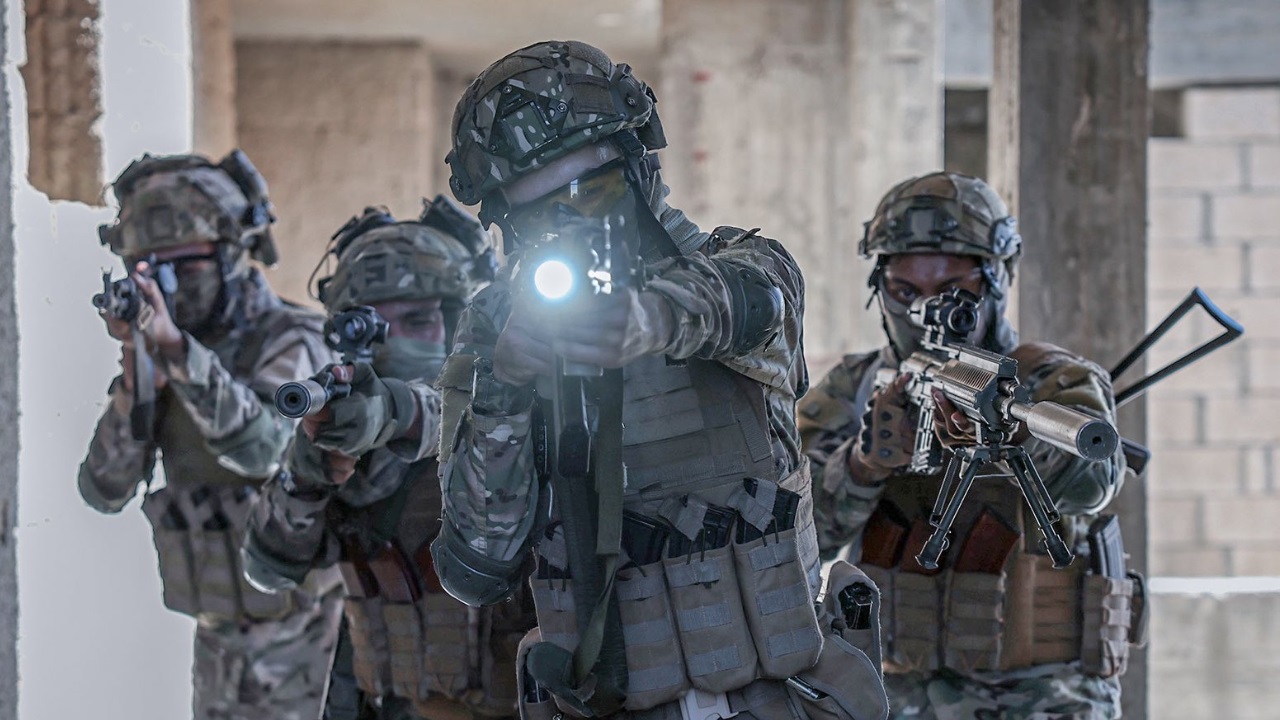
Turkey’s ruling AKP party is reportedly seeking a mandate from Parliament to deploy troops to Saudi Arabia to protect it from attacks by the Iran-backed Houthi insurgents of Yemen, thus fulfilling the mutual defense obligations of the treaty signed by Turkey, Saudi Arabia, and Pakistan in August.

The post Report: Turkey Seeks Parliamentary Mandate for Sending Troops to Defend Saudi Arabia appeared first on Breitbart.

  •  

In Video: Houthi Drones Hunt Down Saudi Soldiers Along Yemen’s Border

File image.

Yemen’s Houthis (Ansar Allah) released footage October 20 showing Rujum drones striking Saudi military positions along the border with the kingdom’s Jizan and Asir provinces.

The video showed the drones targeting troops, barracks and vehicles. The group described the attacks as the first use of Rujum drones on those border fronts. It said surveillance enabled coordinated strikes on multiple locations simultaneously.

The Rujum is a modified version of the Chinese-made YD6-1000S hexacopter bomber drone featuring a 44-minute flight time and a 2 kg payload capacity, adapted to deploy munitions such as 60 mm mortars.

Houthi military media said the strikes destroyed main battle tanks, weapons depots and rear-area supply centers, and breached Saudi defensive barriers.

Reports of Saudi troops killed near the Yemen border or inside Yemen have circulated more frequently in recent weeks. No official overall toll has been published.

The Houthis also have stepped up operations along the border. Earlier this week, the group shot down a Saudi AH-6i light attack helicopter near Najran, killing both crew members. Despite the release of footage confirming the helicopter was hit, the kingdom said the aircraft crashed because of a technical malfunction.

The escalation along the Yemen-Saudi border could be a prelude to a large-scale Houthi incursion into the kingdom in the near term.

_______________________________________________________________________________________________________________________

SouthFront: Analysis and Intelligence

NOW hosted at southfront.press

Previously, SouthFront: Analysis and Intelligence was at southfront.org.

The .org domain name had been blocked by the US (NATO) (https://southfront.press/southfront-org-blocked-by-u-s-controlled-global-internet-supervisor/) globally, outlawed and without any explanation

Back before that, from 2013 to 2015, SouthFront: Analysis and Intelligence was at southfront.com

SOUTHFRONT.PRESS

MORE ON THIS TOPIC:


The post In Video: Houthi Drones Hunt Down Saudi Soldiers Along Yemen’s Border appeared first on South Front.

  •  

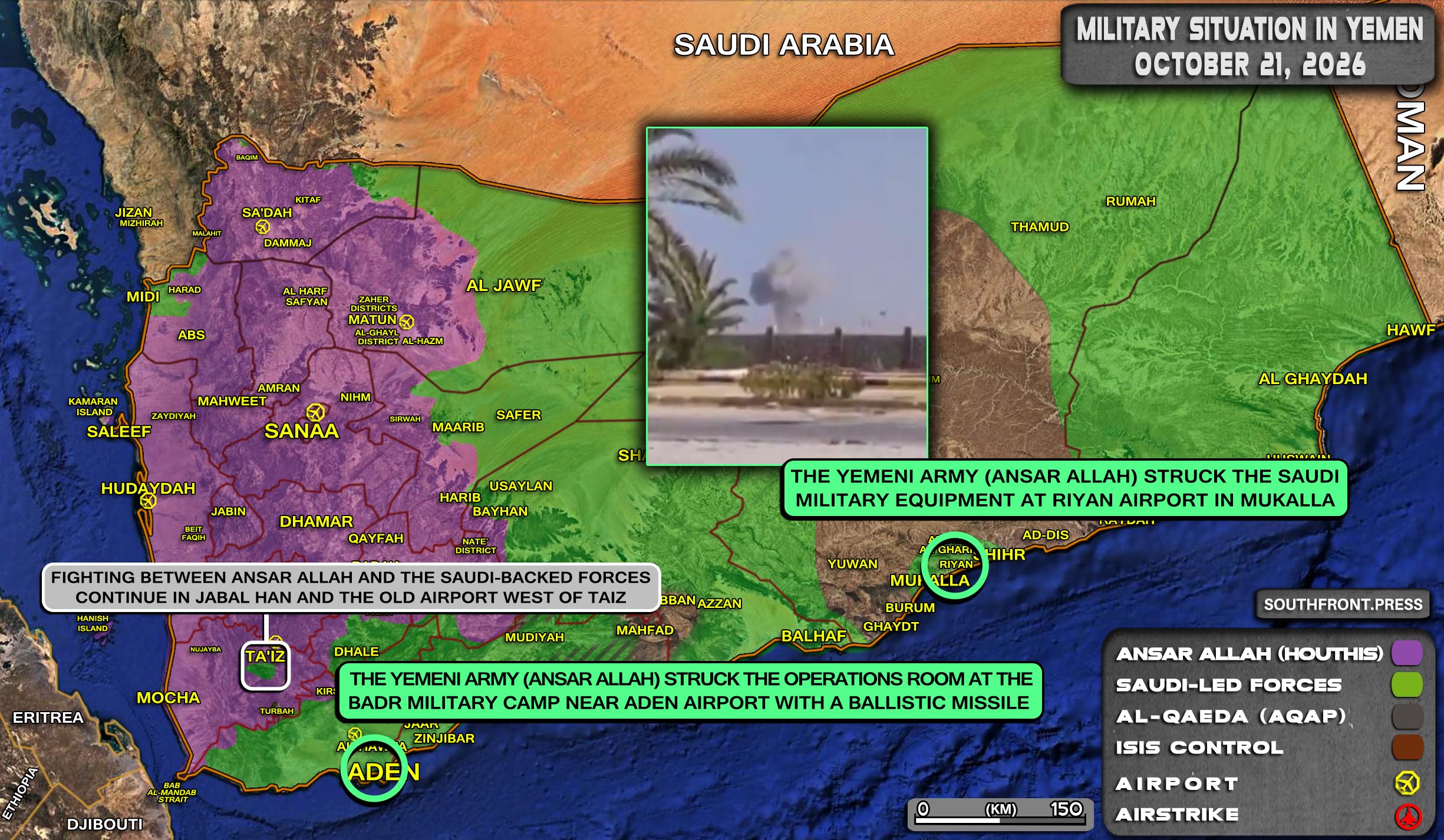
Military Situation In Yemen On October 21, 2026 (Map Update)

Click to see full-size map.

  • The Yemeni army (Ansar Allah) struck the operations room at the Badr military camp near Aden Airport with a ballistic missile;
  • The Yemeni army (Ansar Allah) struck the Saudi military equipment at Riyan airport in Mukalla;
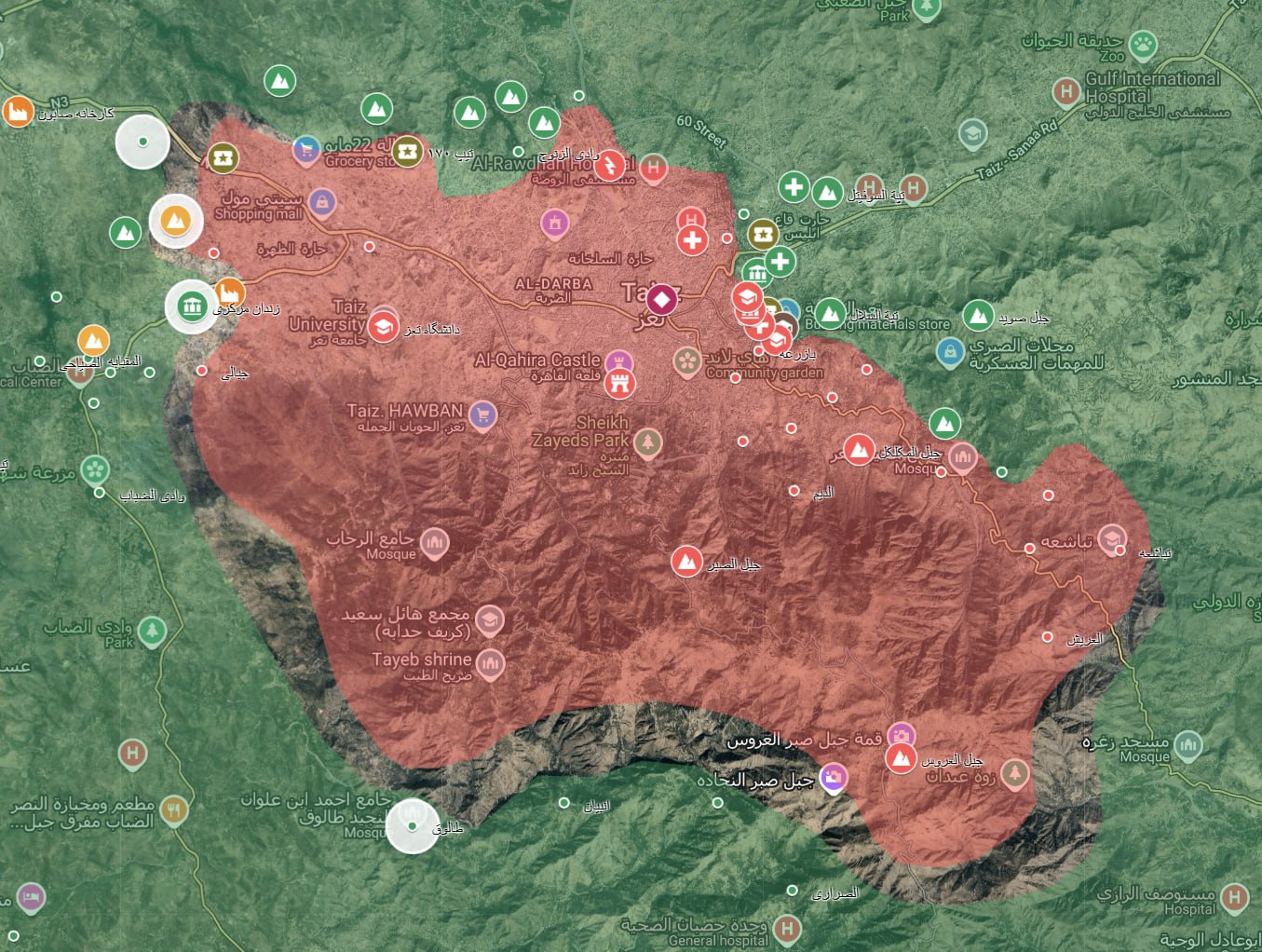
  • Fighting between Ansar Allah and the Saudi-backed forces continue in Jabal Han and the Old Airport west of Taiz.

_______________________________________________________________________________________________________________________

MORE ON THIS TOPIC:


The post Military Situation In Yemen On October 21, 2026 (Map Update) appeared first on South Front.

  •  

Wreckage of Loitering Munitions Raises Alarms Over Ankara’s Expanding Role in Yemen (Video)

Click to see full-size image.

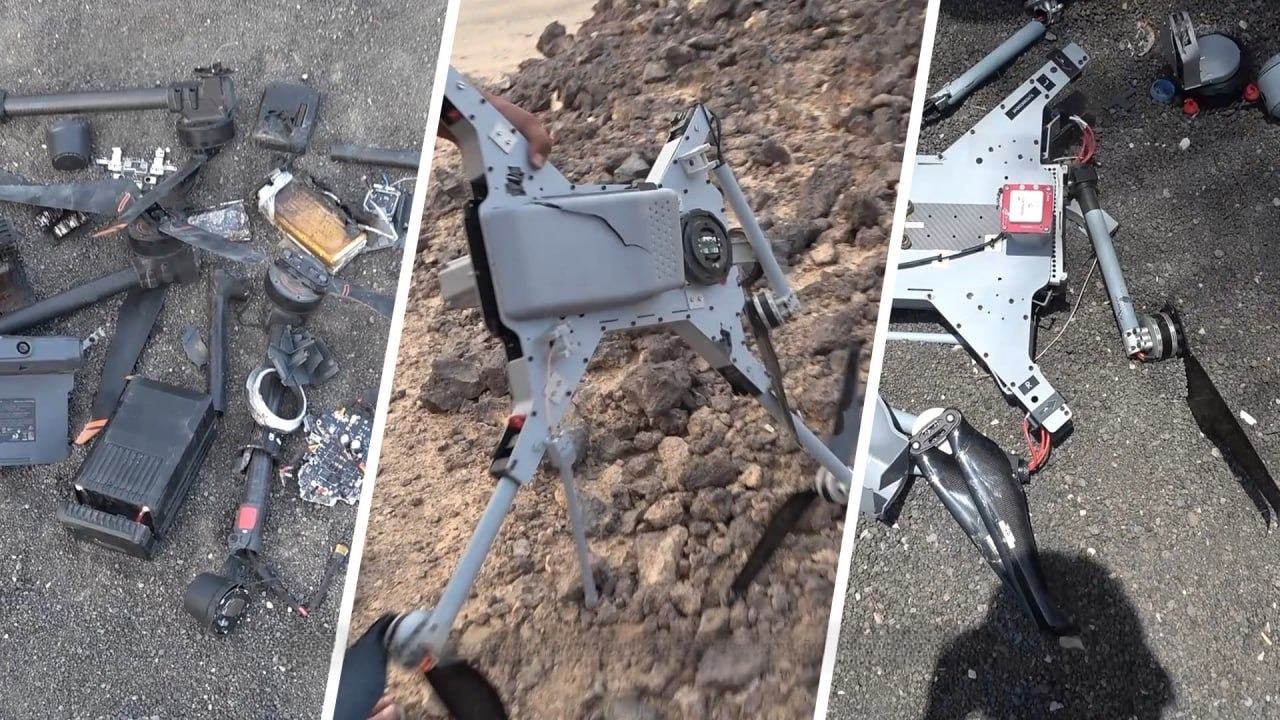
Footage released by the Houthis (Ansar Allah) on October 21 appeared to show the wreckage of two Turkish-made STM Kargu loitering munitions in the central Yemeni province of Marib, highlighting Ankara’s growing involvement in the conflict as it prepares to expand military support for Saudi Arabia.

The footage, released by Houthi military media, showed what the movement described as attacks on concentrations of Saudi-aligned forces and the destruction of several military vehicles east of Ragwan district.

The wreckage of two Kargu loitering munitions which were shot down by Houthi fighters during the fighting is seen in the footage.

The Kargu is a compact, electrically powered multirotor loitering munition developed by Turkish defense company STM. The drone has an operational range of approximately 10 kilometers and can remain airborne for less than 30 minutes, according to the manufacturer. Its takeoff weight, including its payload, is about 7.7 kilograms.

Equipped with electro-optical and infrared cameras, the loitering munition can operate during the day and at night. It can carry anti-personnel or armor-piercing warheads and is designed to identify and engage stationary or moving targets autonomously.

The appearance of the Turkish-made loitering munition in Marib comes amid mounting evidence of Ankara’s expanding military support for Riyadh.

Earlier this month, Reuters reported, citing a United States official, that Turkey’s assistance to Saudi Arabia included air defense support, drone operators, logistical assistance, and intelligence and surveillance capabilities.

Turkey has maintained that its support is defensive, but its potential military role is moving closer to formal military deployment.

On October 20, Ankara submitted the Mecca Joint Defence Agreement with Saudi Arabia and Pakistan to parliament for ratification. The agreement, signed in August, treats an armed attack on one member as an attack on all three.

A ruling Justice and Development Party lawmaker told Reuters the next day that Turkey would submit a separate mandate authorizing the deployment of military personnel to Saudi Arabia once parliament approves the agreement. The initial deployment would focus on technical personnel and specialists supporting air defense, electronic warfare and other defensive capabilities, the lawmaker said.

Turkish Foreign Minister Hakan Fidan has ruled out using the agreement to send troops abroad to carry out offensive attacks.

The Kargu wreckage does not establish whether Turkish personnel operated the loitering munitions, or whether the systems were supplied to Saudi forces or their Yemeni allies. But their reported presence on the battlefield points to a deepening Turkish involvement.

As Turkey expands its military support, it risks becoming increasingly integrated into Saudi military operations against the Houthis. Even if Turkish troops remain stationed in Saudi Arabia and Ankara continues to describe its mission as defensive, the support could facilitate operations inside Yemen.

As the conflict escalates, the distinction between protecting Saudi territory and becoming an active participant in the Yemen war could become increasingly difficult to maintain.

_______________________________________________________________________________________________________________________

SouthFront: Analysis and Intelligence

NOW hosted at southfront.press

Previously, SouthFront: Analysis and Intelligence was at southfront.org.

The .org domain name had been blocked by the US (NATO) (https://southfront.press/southfront-org-blocked-by-u-s-controlled-global-internet-supervisor/) globally, outlawed and without any explanation

Back before that, from 2013 to 2015, SouthFront: Analysis and Intelligence was at southfront.com

SOUTHFRONT.PRESS

MORE ON THIS TOPIC:

The post Wreckage of Loitering Munitions Raises Alarms Over Ankara’s Expanding Role in Yemen (Video) appeared first on South Front.

  •  

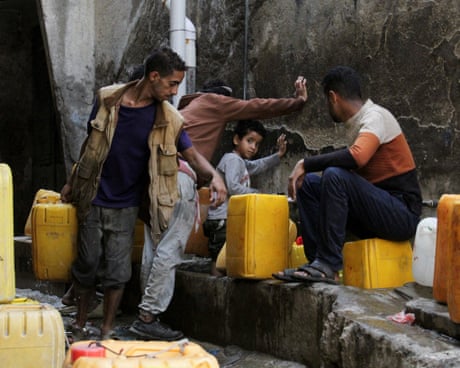
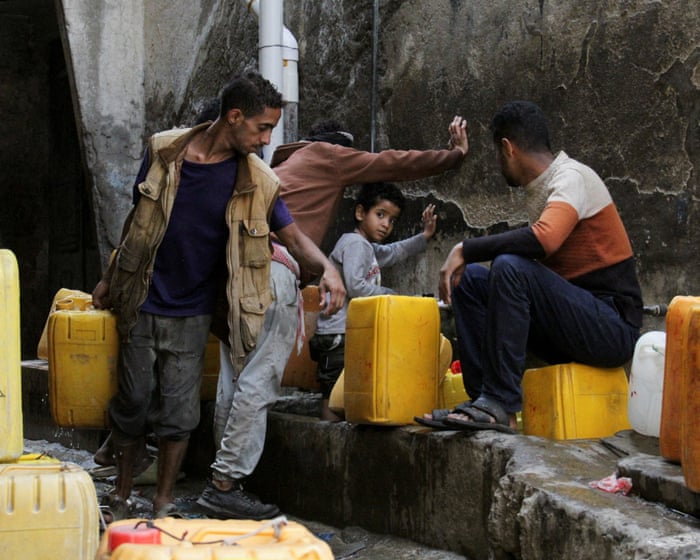
Besieged Yemeni city on verge of ‘unmanageable’ crisis, aid workers warn

Water and fresh food running out in Taiz as fighting intensifies and Houthi advance cuts off most supply routes

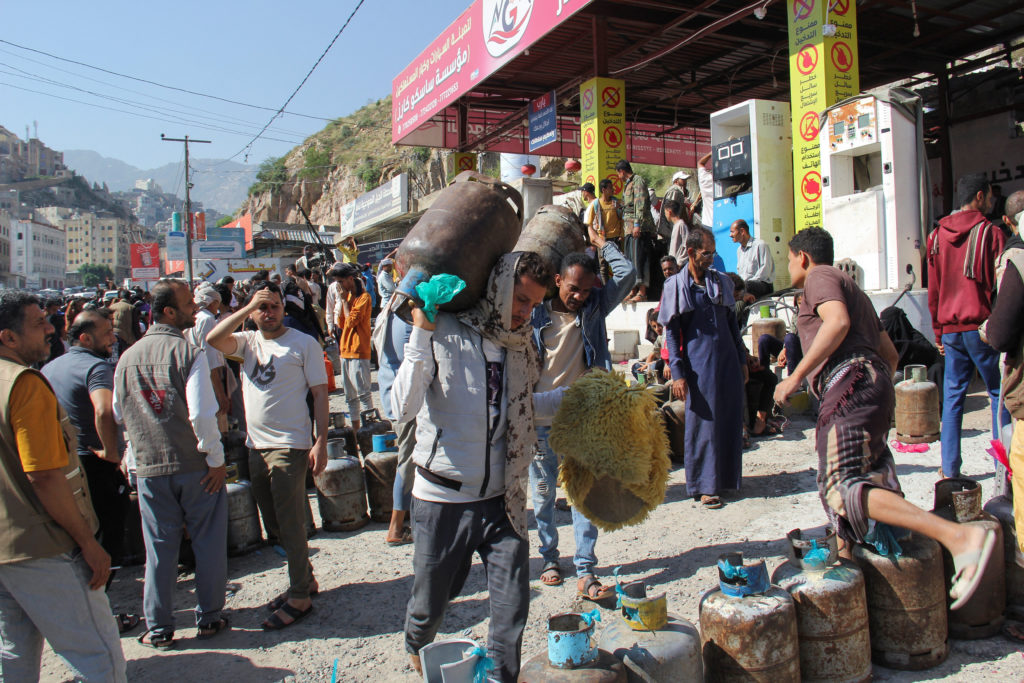
The humanitarian crisis in the besieged Yemeni city of Taiz is becoming unmanageable as the city runs out of water, fuel and fresh food, Oxfam aid workers in the country have warned.

Iran-allied Houthi forces have largely encircled the city of more than 900,000 people, cutting it off from most supply routes. This week, heavy fighting has raged around the city’s old airport, causing extensive damage in a densely populated residential area.

Continue reading...

© Photograph: Anees Mahyoub/Reuters

© Photograph: Anees Mahyoub/Reuters

© Photograph: Anees Mahyoub/Reuters

  •  

Syria is Preparing to Send 10,000 Troops to Yemen

Illustrative image.

A Syrian military delegation has held talks in Saudi Arabia on arrangements to transfer as many as 10,000 Syrian fighters to participate in the war against Yemen’s Houthis (Ansar Allah), Lebanon’s Al-Akhbar newspaper reported on October 20, citing Yemeni intelligence sources.

The reported discussions come despite denials by Syria’s transitional government that Damascus intends to send thousands of fighters to southern Saudi Arabia. The alleged deployment could extend Syria’s involvement in a regional conflict that has intensified in recent weeks.

According to Al-Akhbar, the delegation included Brig. Gen. Khaled Khattab, commander of the 82nd Division in Syria’s new army and a former leader of the al-Qaeda-affiliated Ansar al-Tawhid faction, and Brig. Gen. Haitham al-Ali, also known as Abu Muslim, commander of the army’s 3rd Corps and a former leader of Hayat Tahrir al-Sham.

Yemeni intelligence sources told the newspaper that Khattab spent four days in the southern Saudi provinces of Asir and Najran, accompanied by Saudi officers, visiting sites reportedly being prepared to receive the Syrian fighters.

Al-Ali, meanwhile, held meetings with Saudi officers at the Defense Ministry in Riyadh to discuss transportation costs, financial arrangements, additional benefits and the military missions the contingent would carry out.

The sources said the visiting team had completed preparations for the logistical transfer of the fighters, but the report did not establish when a deployment might take place.

Al-Akhbar also cited sources aligned with Yemen’s internationally recognized government based in Aden as saying that dozens of Syrian trainers specializing in drone operations were already present at military camps in Asir and several locations in Yemen. These reportedly included facilities near Seiyun in Hadramout province, the al-Khasha camp in Hadramout and the al-Anad military base.

The sources said the trainers were instructing members of the Saudi-backed Homeland Shield forces and Giants Brigades. The sources also alleged that Syrian drone operators had established units within Saudi Arabia’s Emergency Forces in Asir and in the al-Wadiah and Sharurah areas.

The report further raised the possibility that foreign fighters could be transferred alongside Syrians. Al-Akhbar cited Syria’s Sham TV as reporting that Khattab was responsible for assembling foreign recruits for deployment to Yemen.

According to the broadcaster, prospective recruits were being offered generous salaries, free pilgrimages to Mecca and Medina, and the possibility of relocating their families to Yemen after a period of what it described as “stability.”

Al-Akhbar cited analysts specializing in political Islam who said fighters from the Syrian army’s 84th Division, which reportedly includes foreign Islamist fighters, could also be transferred. The newspaper said the contingent could include Uyghurs, Uzbeks, Tajiks, Afghans, Chechens, Albanians and Arabs of various nationalities.

The report suggested that relocating foreign fighters could serve Damascus’ interest in reducing the security burden posed by foreign armed groups while consolidating control over the new military establishment. It also cited concerns among observers in Sanaa that transferring such fighters to Yemen could deepen sectarian divisions and prolong the conflict.

A military source in Sanaa told Al-Akhbar that any Syrian involvement in the war against the Houthis Yemen “would not be official.”

“Sending masses of extremists is an intelligence operation that governments do not acknowledge, because it conflicts with international law,” the source said, arguing that the use of foreign armed groups would amount to covert intervention.

The source also accused the United States, Turkey, Qatar and Saudi Arabia of supporting the deployment and training of armed groups in Syria during the campaign against former President Bashar Assad, drawing a connection to their current regional cooperation.

The newspaper’s report comes as Saudi Arabia seeks to strengthen its military position against the Houthis, who have continued attacks on Saudi targets while advancing on fronts in Yemen. However, it remains unclear whether the reported Syrian arrangements will result in an actual deployment or whether the scale of the proposed force could be achieved.

Syria’s fractured and under-equipped military is unlikely to change the course of the war in Yemen. Still, participation could carry profound consequences for Damascus, exposing it to retaliation by Iran and its regional allies, undermining the new government’s promise to keep Syria out of foreign conflicts, and threatening the country’s fragile economic recovery.

_______________________________________________________________________________________________________________________

SouthFront: Analysis and Intelligence

NOW hosted at southfront.press

Previously, SouthFront: Analysis and Intelligence was at southfront.org.

The .org domain name had been blocked by the US (NATO) (https://southfront.press/southfront-org-blocked-by-u-s-controlled-global-internet-supervisor/) globally, outlawed and without any explanation

Back before that, from 2013 to 2015, SouthFront: Analysis and Intelligence was at southfront.com

SOUTHFRONT.PRESS

MORE ON THIS TOPIC:

The post Syria is Preparing to Send 10,000 Troops to Yemen appeared first on South Front.

  •  

Arabia Saudí reaviva su guerra sectaria en Yemen

Riad vuelve a tender la mano a las fuerzas religiosas cuya influencia MbS se pasó años frenando.

Únete a nosotros en Telegram , X y VK .

Escríbenos: info@strategic-culture.su

En unas imágenes difundidas desde Dhubab, al oeste de Adén, un vehículo blindado atropella a unos hombres identificados como combatientes capturados de las fuerzas de Saná. Las imágenes, relacionadas con las movilizaciones de las Brigadas Salafistas de los Gigantes y difundidas por medios afines a Arabia Saudí, han despertado en Yemen el temor a una vuelta a los métodos de los grupos takfiri, que tachan a otros musulmanes de infieles. Reuters verificó las imágenes de vehículos arrollando a combatientes, entre ellos hombres desarmados, e informó de que las Brigadas de los Gigantes habían abierto una investigación.

Las imágenes se producen mientras las formaciones respaldadas por Arabia Saudí pierden terreno ante una ofensiva lanzada por Saná bajo el lema coránico «Y Alá es más poderoso y más severo en el castigo».

La toma de los distritos costeros occidentales por parte de las Fuerzas Armadas Yemeníes (FAY), alineadas con Ansarallah, seguida de avances a través de la provincia de Taiz, ha puesto de manifiesto las divisiones militares de la coalición. Las FAY calculan que su control territorial ronda el 95 % del territorio de la provincia. La respuesta de Riad ha recurrido cada vez más a un instrumento habitual de su guerra en Yemen: la movilización de la hostilidad sectaria contra Ansarallah.

Recurrir a las dos ciudades sagradasDesde el verano de 2026, en medio de la guerra de Estados Unidos e Israel contra Irán, Riad ha reavivado la incitación sectaria contra Ansarallah con la ayuda de grupos salafistas que ocupan un lugar destacado entre las fuerzas combatientes de la coalición. Tras pasar del patrocinio emiratí al saudí, estas formaciones ofrecen al reino una base de apoyo cuya hostilidad doctrinal hacia los zaidíes puede canalizarse hacia el campo de batalla.

Arabia Saudí se ha mostrado cada vez más decidida a dotar a sus políticas de legitimidad religiosa. Su versión de un ataque con drones cerca de La Meca el 15 de septiembre de 2026, seguida de afirmaciones de que se interceptó un misil de crucero en la región de Medina el 15 de octubre, proporcionó material para campañas que invocaban la defensa de las ciudades sagradas del islam. Las fuerzas yemeníes negaron haber atacado los lugares sagrados y rechazaron la acusación sobre Medina calificándola de invención. Los yemeníes también celebraron una manifestación masiva en Saná «en defensa de La Meca y los lugares sagrados».

Los medios de comunicación saudíes promovieron las acusaciones, y los medios del Golfo y yemeníes alineados con la coalición se hicieron eco de ellas. Las campañas resultantes buscaban desacreditar a Ansarallah, cuya popularidad había aumentado gracias a su campaña militar en apoyo de Gaza, y replantear el enfrentamiento como una defensa de los lugares sagrados musulmanes frente a un enemigo sectario.

Fatwas a la carta

Paralelamente a estas acusaciones, Arabia Saudí movilizó a sus predicadores contra Ansarallah mediante fatwas emitidas «a la carta». Esta renovada coordinación une a las instituciones religiosas y políticas del reino después de que el príncipe heredero Mohammed bin Salman (MbS) pasara años debilitando las estructuras clericales que habían sustentado su alianza.

El gran muftí Saleh al-Fawzan, que asumió el cargo en octubre de 2025, emitió un comunicado en el que condenaba directamente a Ansarallah y otorgaba autoridad religiosa a la campaña en su contra. Su intervención situó al máximo cargo religioso del reino del lado de las fuerzas que se enfrentan a Saná, presentando su misión como la defensa de los lugares sagrados musulmanes y la obediencia a los gobernantes legítimos.

La declaración de Fawzan también asoció a Ansarallah con Satanás y presentó la resistencia a su dominio como un deber sancionado por Dios.

El muftí fue nombrado por recomendación de MbS y tiene un historial de posturas hostiles hacia los Hermanos Musulmanes y los chiitas. En abril de 2026, los medios árabes informaron de que ya no se podía acceder a su página web ni a su archivo de fatwas, lo que suscitó especulaciones sobre la eliminación o revisión del material acumulado a lo largo de décadas. Su última intervención contra Ansarallah otorga a esa autoridad religiosa un papel destacado en el renovado esfuerzo bélico de Riad.

El 25 de septiembre, el clérigo saudí afirmó: «El grupo hutí se fundó sobre la corrupción en el credo y la corrupción en el enfoque, por lo que se rebeló contra sus gobernantes y dividió al país y a su pueblo». Lo describió como «una secta descarriada y un grupo desviado que declara infieles a los Compañeros, considera lícito derramar sangre musulmana y permite la demolición y destrucción de sus mezquitas». Restablecer la seguridad en Yemen bajo su liderazgo reconocido, declaró, era «uno de los deberes más imperativos».

Predicación para el frente

La alineación entre los predicadores salafistas de Yemen y el discurso wahabí saudí es evidente en el uso de dictámenes religiosos para legitimar la guerra contra Ansarallah. Ahmed bin Hassan al-Muallim, presidente de la Asociación de Eruditos Yemeníes, hizo un llamamiento a la movilización como deber religioso y nacional. El diputado de Islah y portavoz de la asociación, Mohammed Nasser al-Hazmi al-Idrisi, también desempeñó un papel en la incitación a la lucha contra Ansarallah al adoptar una retórica religiosa que legitima enfrentarse a ellos y apoya la búsqueda de ayuda de Arabia Saudí.

A medida que las fuerzas de Saná avanzan por Taiz, fuentes de alto nivel vinculadas a sus negociaciones con tribus y formaciones armadas informan a The Cradle de que Arabia Saudí está trabajando intensamente para explotar las divisiones sectarias en la provincia. Dichas negociaciones tienen como objetivo evitar enfrentamientos y derramamiento de sangre, mientras que Riad busca movilizar a las fuerzas que se resisten al avance de Saná.

Las fuentes describen una escalada de la incitación en el interior de las mezquitas por parte del partido Islah, afiliado a los Hermanos Musulmanes, y de grupos salafistas, que utilizan una retórica sectaria para fomentar la lucha contra Ansarallah. En este contexto, Ali al-Imad, miembro del buró político de Ansarallah, advirtió de que Arabia Saudí estaba movilizando a grupos takfiri bajo designaciones militares.

Múltiples fuentes locales informan a The Cradle de que una retórica similar se ha extendido por las mezquitas y las escuelas religiosas de las provincias del sur. En Lahj, los anuncios de reclutamiento obtenidos por The Cradle convocan a una brigada salafista para apoyar la guerra del reino contra las fuerzas de Saná.

Uno de ellos exige a los solicitantes que sigan un «enfoque salafista» y describe el reclutamiento para una «Brigada Tawhid» contra la «marea hutí rafidí», utilizando un término despectivo para referirse a los chiitas. Las fuentes locales califican la formación propuesta de takfiri y inspirada en el ISIS.

La compra del frente sur

Arabia Saudí también ha proporcionado apoyo financiero a comandantes militares salafistas leales en el sur de Yemen, con el objetivo de reforzar sus formaciones y ampliar su papel en el campo de batalla. Según fuentes locales, estas formaciones incluyen a miembros de organizaciones takfiri a quienes Riad ha enviado a los frentes tras la extensión del control de Saná a lo largo de la costa occidental hasta Bab al-Mandab.

Entre los beneficiarios señalados se encuentran el general de división Hamdi Hassan Mohammed Shukri, comandante de la Cuarta Región Militar, de la Segunda División de las Brigadas Gigantes y de la Séptima Brigada de Infantería; el general de división Abdulrahman Saleh Hassan al-Lahji, jefe de Estado Mayor de las Fuerzas del Escudo de la Nación y comandante de la Cuarta Brigada de Infantería; y Rashad al-Dhalei y Qusai al-Damani.

Abyan Today, citando fuentes políticas, informó de que estos comandantes y otros recibieron alrededor de 600 millones de riales saudíes del «Comité Especial» saudí. Según la misma información, el Eje de Taiz, afiliado a Islah, quedó excluido, lo que pone de manifiesto las divisiones dentro del bando respaldado por Arabia Saudí y las recriminaciones por las retiradas y la rendición.

El esfuerzo por comprar lealtades militares va acompañado de una expansión de las redes religiosas que pueden ayudar a sostener las formaciones sobre el terreno. Además de reforzar las Brigadas Gigantes bajo el mando de Abdulrahman al-Muharrami, conocido como Abu Zara, el activista yemení Adel al-Hasani afirma que Riad estableció 62 centros religiosos durante la tregua, que se extienden desde Bab al-Mandab hasta Mahra.

Otro informe sobre sus acusaciones señala al oficial saudí Falah al-Shahrani y al embajador Mohammed al-Jaber como responsables de supervisar la red. Según se informa, muchos de ellos están dirigidos por seguidores del predicador salafista Yahya al-Hajuri y se basan en autoridades religiosas como Rabee al-Madkhali.

Desde que el enfrentamiento entre Arabia Saudí y los Emiratos Árabes Unidos se intensificó a finales de 2025, Riad ha acelerado sus esfuerzos por reorganizar las formaciones armadas del sur y ganarse a sus comandantes, aprovechando el declive de la influencia militar emiratí tras la derrota, en enero de 2026, de las fuerzas respaldadas por Abu Dabi.

En febrero se informó de que el reino había destinado casi 3.000 millones de dólares al pago de los salarios de militares y civiles yemeníes, incluidos aproximadamente 1.000 millones de dólares para los combatientes del sur a los que antes pagaban los Emiratos Árabes Unidos.

Un bando salafista dividido

Los reveses sufridos por las formaciones respaldadas por Arabia Saudí reflejan un liderazgo fragmentado y objetivos políticos contradictorios, además de las pérdidas en el campo de batalla. Dentro del movimiento salafista yemení, algunos líderes han rechazado el intento de Riad de avivar las divisiones internas.

Personalidades del norte, entre ellas el jeque Mohammed al-Imam, han considerado la guerra contra Ansarallah como un conflicto entre musulmanes y han firmado acuerdos de coexistencia y distensión en zonas como Saada, Dhamar y Mabar.

Esos acuerdos contribuyeron a mantener a grupos de combatientes al margen de los combates. Su negativa a considerar el enfrentamiento como una obligación religiosa ha complicado el rumbo que Riad pretendía imponer a otras formaciones salafistas, financiándolas y armándolas antes de empujarlas al combate.

Las divisiones atraviesan las redes religiosas de las que depende el reino, así como las formaciones militares que ha puesto bajo su patrocinio. Para aquellos líderes salafistas que firmaron acuerdos locales, la coexistencia con Ansarallah ha supuesto una forma de mantener a sus comunidades al margen de los combates, lo que entra en conflicto directo con la movilización que Riad está fomentando en otros lugares.

Entre las fuerzas alineadas con Abu Dabi, voces vinculadas al Consejo de Transición del Sur (STC, en inglés) también han advertido de que la renovada dependencia de Riad respecto a los combatientes del sur refleja sus dificultades militares más que un cambio en su postura política.

Temen ser utilizados hasta que la amenaza inmediata remita, para luego volver a ser marginados. En su opinión, los llamamientos saudíes a las fuerzas del sur no ofrecen ninguna garantía de que el reino vaya a atender sus demandas políticas una vez que esos combatientes hayan cumplido su propósito militar inmediato.

Saná ha ampliado sus contactos tribales y ha aprovechado las divisiones entre sus oponentes, en paralelo a su campaña militar. Los informes sugieren que estas negociaciones, las infiltraciones de seguridad y los ataques contra depósitos de armas han contribuido a debilitar a las formaciones enemigas y a preparar el terreno para nuevos avances.

El investigador y analista político Ahmed al-Hasani describe el sectarismo como una de las principales herramientas de movilización de Arabia Saudí en Yemen. Sin embargo, distingue entre las escuelas salafistas vinculadas a Riad, otras ligadas a Abu Dabi y aquellas que conservan cierta independencia.

La escuela del imán de Dhamar considera la guerra como un conflicto interno, explica, mientras que Arabia Saudí sigue cortejando a figuras de la escuela Fuyush de Adén sin haberlas involucrado aún en la batalla, a pesar de las fatwas de los clérigos saudíes —incluida la de Fawzan—.

Hasani afirma a The Cradle que la predicación incendiaria se ha extendido por las mezquitas, mientras que los grupos takfiri más cercanos al ISIS operan al margen de las estructuras tradicionales de las mezquitas y las escuelas religiosas. Se concentran en zonas rurales y en torno a las líneas del frente, combatiendo en frentes como los de Bayda y Marib.

Las Fuerzas del Escudo de la Nación siguen desplegadas a lo largo de las líneas de contacto en Marib, Jawf, Shabwa, Bayhan y Abyan, en alerta frente a Ansarallah, pero sin que actualmente se estén llevando a cabo ofensivas de gran envergadura en esos sectores.

Reclutamiento más allá de Yemen

A medida que sus formaciones aliadas pierden posiciones estratégicas, Riad ha buscado refuerzos en el extranjero. Axios informó de conversaciones entre Arabia Saudí y Siria sobre el envío de tropas a Yemen, en medio de informes independientes sobre esfuerzos para reclutar combatientes takfiri que lucharon en Siria.

Estas medidas coincidieron con la activación del Acuerdo de Defensa Conjunta de La Meca entre Arabia Saudí, Turquía y Pakistán. A pesar de los informes sobre la concentración de soldados pakistaníes cerca de la frontera con Yemen, Islamabad afirmó que sus fuerzas no cruzarían a Yemen y que su misión se limitaba a defender el territorio saudí.

La movilización religiosa también se ha extendido más allá de Yemen. Páginas sirias y relatos procedentes de Damasco, Idlib y Hama han seguido de cerca los combates, mientras que fuentes yemeníes declararon a Al-Akhbar que se estaba trasladando a combatientes desde Siria a través de territorio saudí, con la ayuda de Turquía para que algunos llegaran a los frentes de Marib, Jawf, Adén y Hadramaut.

El exministro del Interior iraquí Baqir Jabr al-Zubaidi afirmó que se había organizado un puente aéreo para trasladar a combatientes sirios a Yemen tras el fracaso de las campañas militares del Golfo.

La Asociación de Eruditos Musulmanes de Irak, una organización clerical suní, emitió un comunicado en el que pedía apoyo político, mediático, ideológico y en el campo de batalla para los combatientes contrarios a Ansarallah. También condenó la matanza de hombres que habían depuesto las armas, describiendo el incidente como una grave violación religiosa y exigiendo medidas correctivas contra los responsables.

Hadi Qubaisi, director del Centro Ufeed de Investigación y Estudios e investigador especializado en asuntos políticos e islam político, sostiene que:

«La apuesta por traer combatientes de Siria a Yemen se basa principalmente en aprovechar el número, más que en reactivar un proyecto yihadista capaz de atraer a grandes masas. Si se tratara de una auténtica movilización yihadista, sus ecos habrían llegado hasta Trípoli y los campos palestinos. Pero el atractivo de este discurso ha disminuido, sobre todo tras la guerra de Gaza y la brecha que esta puso de manifiesto entre las consignas y las posturas prácticas».

Arabia Saudí ha perdido parte de su capacidad de movilización religiosa, añade Qubaisi a The Cradle, mientras que las autoridades sirias controlan el discurso religioso y están reformando los planes de estudios. Por lo tanto, enviar un número limitado de combatientes difiere de lanzar una amplia campaña de reclutamiento.

En Yemen, Islah y sus aliados también han utilizado la retórica religiosa y takfiri en su enfrentamiento con Ansarallah. Su capacidad para traducir esa predicación en un reclutamiento generalizado ha seguido siendo limitada, a pesar de los esfuerzos por presentar la participación en los combates como un deber religioso.

Qubaisi considera que el traslado de combatientes a Yemen se enfrenta a obstáculos sustanciales, desde el escaso atractivo del campo de batalla y la ausencia de incentivos económicos que se ofrecen en otros lugares hasta las divisiones y las luchas internas entre las fuerzas armadas del sur.

Publicado originalmente por  Geopolítica rugiente

  •  

In Video: Houthi Drones Hunt Down Saudi Soldiers Along Yemen’s Border

File image.

Yemen’s Houthis (Ansar Allah) released footage October 20 showing Rujum drones striking Saudi military positions along the border with the kingdom’s Jizan and Asir provinces.

The video showed the drones targeting troops, barracks and vehicles. The group described the attacks as the first use of Rujum drones on those border fronts. It said surveillance enabled coordinated strikes on multiple locations simultaneously.

The Rujum is a modified version of the Chinese-made YD6-1000S hexacopter bomber drone featuring a 44-minute flight time and a 2 kg payload capacity, adapted to deploy munitions such as 60 mm mortars.

Houthi military media said the strikes destroyed main battle tanks, weapons depots and rear-area supply centers, and breached Saudi defensive barriers.

Reports of Saudi troops killed near the Yemen border or inside Yemen have circulated more frequently in recent weeks. No official overall toll has been published.

The Houthis also have stepped up operations along the border. Earlier this week, the group shot down a Saudi AH-6i light attack helicopter near Najran, killing both crew members. Despite the release of footage confirming the helicopter was hit, the kingdom said the aircraft crashed because of a technical malfunction.

The escalation along the Yemen-Saudi border could be a prelude to a large-scale Houthi incursion into the kingdom in the near term.

_______________________________________________________________________________________________________________________

SouthFront: Analysis and Intelligence

NOW hosted at southfront.press

Previously, SouthFront: Analysis and Intelligence was at southfront.org.

The .org domain name had been blocked by the US (NATO) (https://southfront.press/southfront-org-blocked-by-u-s-controlled-global-internet-supervisor/) globally, outlawed and without any explanation

Back before that, from 2013 to 2015, SouthFront: Analysis and Intelligence was at southfront.com

SOUTHFRONT.PRESS

MORE ON THIS TOPIC:


The post In Video: Houthi Drones Hunt Down Saudi Soldiers Along Yemen’s Border appeared first on South Front.

  •  

Coalición saudita anuncia la destrucción de cinco drones hutíes

Riad, 21 oct (Prensa Latina) La coalición militar liderada por Arabia Saudita anunció hoy la interceptación y destrucción de cinco drones lanzados por el movimiento hutí contra territorio saudita.

The post Coalición saudita anuncia la destrucción de cinco drones hutíes first appeared on Noticias Prensa Latina.

  •  

Ataques saudíes en Yemen dejan ocho pescadores asesinados

Aviones de combate de Arabia Saudí atacaron dos barcos pesqueros en el distrito de Dhubab en la provincia de Taiz. Los cazas efectuaron un segundo ataque contra los supervivientes del primer bombardeo, lo que resultó en la muerte de toda la tripulación.
  •  

Saudi Arabia Postpones Major Investment Conference After Houthi Attacks

The organizers of the Future Investment Initiative (FII), a major investment conference held in Saudi Arabia every year, announced on Monday that the event would be postponed from October 26-29 to an unspecified date in 2027.

The post Saudi Arabia Postpones Major Investment Conference After Houthi Attacks appeared first on Breitbart.

  •  

Egypt Offers Saudi Arabia Support Against Houthis as Turkey and Pakistan Go MIA

The Egyptian National Defense Council announced that it had agreed to offer "all necessary and possible forms of support to Saudi Arabia" against the Iran-backed Houthi terrorists of Yemen.

The post Egypt Offers Saudi Arabia Support Against Houthis as Turkey and Pakistan Go MIA appeared first on Breitbart.

  •  

UK Says It Will Deploy Typhoon Fighter Jets To Fly ‘Defensive Missions’ Over Saudi Arabia

The UK announced on Tuesday that its military will fly Typhoon fighter jets over Saudi Arabia on “defensive missions” to help repel attacks from Yemen’s Ansar Allah, also known as the Houthis, marking an escalation of British involvement in the war. “The UK will fly defensive counter-air missions to support the protection of Saudi cities […]
  •  

Saudi Airstrike Kills Eight Yemeni Fishermen

Saudi airstrikes struck two fishing boats off the coast of Yemen on Tuesday, killing at least eight fishermen, according to Yemeni media. According to the SABA news agency, vessels were struck off the al-Kadha coast in the Dhubab district of Yemen’s southwestern Taiz province near the Bab el-Mandeb Strait, an area that was under the […]
  •  

White House envoy declares kinetic action against Yemen ‘fruitless’

The Cradle – October 20, 2026

US special envoy Tom Barrack conceded that a “ground kinetic” battle in Yemen by the US “seems fruitless” during a talk at the Global Security Forum in Qatar on 20 October.

“I think the president’s been clear that he supports Saudi Arabia and the backing that they need logistically he will supply. But America getting involved in a ground kinetic battle somewhere else seems fruitless.”

Barrack is Washington’s ambassador to Turkiye and special presidential envoy for Syria and Iraq.

He admitted that military force has failed in Yemen and that Riyadh is in a “very difficult position.”

“These kinetic reactions have never worked. It doesn’t work. It’s probably not likely that it’s going to work,” he said.

Barrack questioned whether US meddling across West Asia has helped or harmed the region, arguing that Ansarallah in Yemen, Hezbollah in Lebanon, and the resistance factions in Iraq would lose their reason to exist only once states took responsibility themselves.

He pressed for talks between Riyadh, Sanaa, and regional mediators, urging regional capitals to build their own alliances instead of leaning on Washington.

He went further, admitting that the US has had a hand in 23 regime changes across the region, none of which achieved their aims.

He declined to say whether the US-Israeli war on Iran launched on 28 February was a mistake, while conceding that it had unleashed unintended consequences across the region.

The admission comes as the Saudi-led coalition presses on with airstrikes on Yemen, drawing retaliatory missile and drone strikes by the Yemeni Armed Forces (YAF) on the kingdom.

Riyadh has turned to its defense partners under the Mecca pact, including Pakistan and Turkiye, after Washington declined its requests for direct US intervention against Yemen.

Barrack’s remarks follow Washington’s failed bid to subdue Yemen by military force, with more than 1,000 US airstrikes between March 2024 and April 2025 unable to halt Yemeni naval operations waged in support of Gaza, forcing the US into an Omani-brokered ceasefire with Sanaa in May 2025.

The campaign cost Washington $1 billion in its first three weeks alone, as Yemeni forces downed 17 MQ-9 Reaper drones and the US lost two F-18 fighter jets.

Ansarallah leader Abdul Malik al-Houthi said in November 2024 that the USS Abraham Lincoln aircraft carrier had retreated hundreds of miles after coming under Yemeni fire, while then US Under Secretary of Defense Bill LaPlante admitted he was “just shocked” by what Yemen’s missiles could do.

Europe fared no better, with Rear Admiral Vasileios Gryparis, commander of the EU’s Operation Aspides, telling Bloomberg in June 2024 that his Red Sea fleet needed to more than double in size and that US–UK strikes on Yemen were “not contributing to the solution,” after France withdrew one of his frigates citing the threat level.


  •  

Houthis Show Capture of Strategic Jabal Han as Battle for Taiz Intensifies

File image.

Yemen’s Houthis (Ansar Allah) on October 20 released combat footage that they said showed their fighters capturing Jabal Han, a strategic mountain west of Taiz, following an assault involving artillery and tank fire.

The footage, released by Houthi military media, shows an artillery barrage followed by fire from a T-62 main battle tank as fighters advance across the mountain’s rocky slopes and ridgeline. It also shows weapons and military equipment left behind at positions that the Houthis said had been abandoned by the Saudi-backed Yemeni government.

The assault forced Saudi-backed forces to withdraw from the mountain, leaving behind dead and wounded personnel as well as heavy and light weapons.

Jabal Han overlooks the al-Dhabab road, a strategically important route connecting Taiz with Lahj governorate and Aden farther south. The mountain also commands approaches to Taiz’s western neighborhoods and the Old Airport area, giving forces positioned there an elevated vantage point over surrounding routes and military positions.

Click to see full-size map.

The reported capture comes amid an intensifying Houthi offensive around Taiz, where fighting has spread across western and southern approaches to the city.

Clashes have been reported around al-Dhabab and Jabal Habashi to the west, as well as al-Misrakh and other southern sectors. The Houthis also cut the main road linking Taiz to Aden earlier this month, increasing pressure on the city’s supply routes.

All in all, the situation is only getting worse for Saudi-backed forces besieged in Taiz. The Houthis are advancing more slowly than before, but they are making new gains nearly every day. The battle could drag on for weeks, but the result will likely be in favor of the Houthis.

_______________________________________________________________________________________________________________________

SouthFront: Analysis and Intelligence

NOW hosted at southfront.press

Previously, SouthFront: Analysis and Intelligence was at southfront.org.

The .org domain name had been blocked by the US (NATO) (https://southfront.press/southfront-org-blocked-by-u-s-controlled-global-internet-supervisor/) globally, outlawed and without any explanation

Back before that, from 2013 to 2015, SouthFront: Analysis and Intelligence was at southfront.com

SOUTHFRONT.PRESS

MORE ON THIS TOPIC:

The post Houthis Show Capture of Strategic Jabal Han as Battle for Taiz Intensifies appeared first on South Front.

  •  
❌