Opposition parties slammed Prime Minister Kyriakos Mitsotakis over his statement on the devastating wildfires in Greece in his weekly review traditionally posted on social media on Sundays. “Without a trace of self-criticism about the fires” as news website in.gr entitled its relevant report, “he blamed everything on extreme weather phenomena.” At a time when voices […]
The US has been the world’s largest defense exporter for more than three decades now.
According to SIPRI (Stockholm International Peace Research Institute), the United States accounted for 42% of global arms exports between 2021 and 2025.
For perspective, during this period, France was the world’s second-largest defense exporter, accounting for only 9.8% of global arms exports.
However, despite its dominant position in global arms exports, the United States has notably been absent from a particular high-value weapon system market that could have generated billions of dollars in additional revenue for its defense firms.
Ironically, Washington has stayed out of this business despite leading the world in this niche technology for over five decades.
On July 6, Canada reportedly selected the winner of the Canadian Patrol Submarine Project (CPSP) deal, expected to cost nearly US$ 30 billion, with Germany’s TKMS outdoing South Korea’s Hanwha.
Similarly, India is in the final stages of signing a major submarine deal with ThyssenKrupp Marine Systems (TKMS) under Project 75(I).
Both Canada and India are strategic partners of the US. One might wonder why the US defense companies were not even in the running for these “big ticket” deals.
This, despite the fact that the US is not only the world’s largest submarine operator, but its submarines are also some of the most advanced in the world. According to the Global Firepower Index 2026, both Russia and the US operate 66 submarines.
However, while Russia operates a mix of diesel-electric and nuclear submarines, all of the US’s submarines are nuclear-powered.
China is fast catching up with 61 submarines; however, China also operates a mix of diesel-electric and nuclear submarines.
However, Russia (and formerly the Soviet Union) has exported submarines to Algeria, Bulgaria, China, Cuba, Egypt, India, Indonesia, Iran, North Korea, Poland, Romania, Syria, Venezuela, Vietnam and others, and China has exported to Pakistan, Myanmar, Bangladesh and Thailand.
Interestingly, the US, despite its technological lead in the field, has not exported a single submarine to any country in the last 50 years. In fact, the last submarine the US exported was in 1973 to Taiwan.
So, why, despite its dominant position in global arms export and its technological lead in the field, has the US not exported a single submarine to any country in over 50 years?
The US was not always averse to exporting submarines. After the Second World War, the US emerged as one of the world’s largest submarine exporters.
During the war, the US constructed over 200 submarines, and by the time the war ended, the US had 232 submarines in commission.
However, within years of the end of the Second World War, a new Cold War began with the Soviet Union, and the US launched a massive modernization campaign for its submarines.
Under the modernization plan, the US decommissioned hundreds of its late-war-era Balao- and Tench-class diesel-electric submarines.
This left the US with dozens of decommissioned submarines.
At the same time, the US was financing a massive reconstruction plan in Europe under the Marshall Plan and building Europe’s military capabilities to create an effective deterrent against the Soviet Union.
For this purpose, the US decided to export these older, decommissioned, diesel-electric submarines to its allies. Between 1950 and 1970, the US exported nearly 50 submarines to its partners, including Turkey, Spain, Italy, Greece, the Netherlands, Canada, Taiwan, and others.
Most of these were Balao-class diesel-electric submarines built during World War II.
Meanwhile, in 1954, the US launched USS Nautilus (SSN-571), the world’s first nuclear-powered submarine, heralding the era of nuclear-powered submarines.
Nuclear-powered submarines have key advantages, such as unlimited endurance, as they can stay submerged for months, maintain high underwater speeds consistently, and have global reach.
After the launch of USS Nautilus, Washington gradually phased out diesel-electric submarines. After 1954, the US built only three Barbel-class diesel-electric submarines.
By the early 1960s, all new US Navy combat submarines were nuclear-powered. The last diesel-electric attack submarine (USS Blueback) was decommissioned in 1990, leaving Washington with only nuclear-powered submarines.
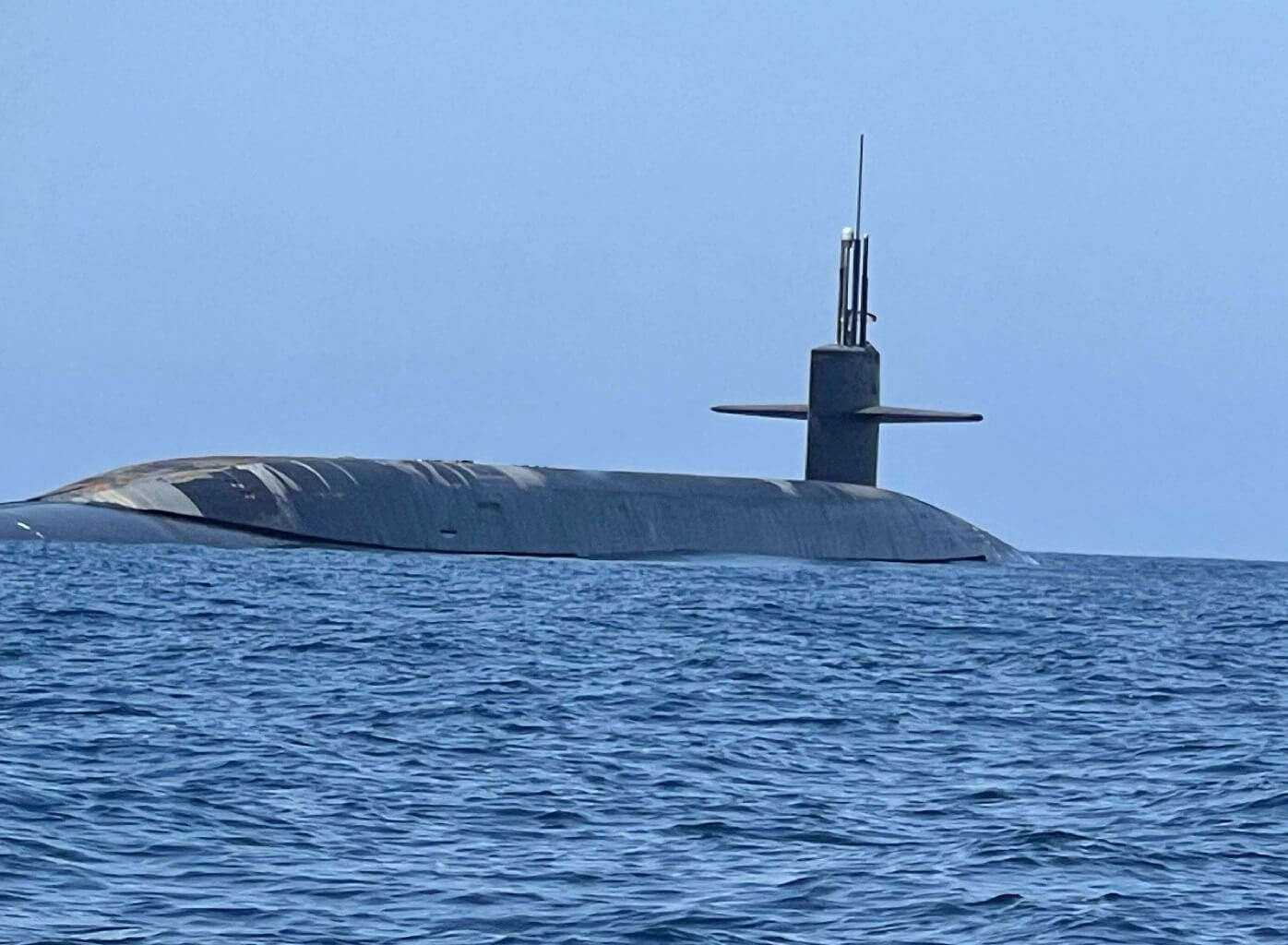
File Image: USS West Virginia Submarine: Via US CENTCOM
Why Does the U.S. Not Export Nuclear Submarines?
The US nuclear-powered submarines are considered the best in their class; however, to date, Washington has not exported this technology to any country for various reasons.
Firstly, the U.S. Navy has long opposed even the export of diesel-electric submarines due to concerns about the impact of submarine technology proliferation on the ability of its forces to operate securely in coastal waters worldwide.
Submarines fall under the US Munitions List and are subject to the International Traffic in Arms Regulations (ITAR) and the Arms Export Control Act.
When it comes to nuclear propulsion technology, the US Navy is highly sensitive, as it adds extra layers of control under the Atomic Energy Act.
The US nuclear propulsion, quieting technology, sonar, and combat systems are considered among America’s most protected “crown jewels.”
The US has deliberately avoided proliferating this technology to preserve its undersea dominance.
In fact, Washington is so sensitive about submarines’ nuclear propulsion technology that it has refused to share this technology even with its close allies, such as France, Japan, Taiwan, or Canada.
The only two exceptions are the UK and Australia.
The US has a long-standing special nuclear propulsion technology-sharing agreement with the UK, dating back to the 1958 US-UK Mutual Defense Agreement.
The US supplied the reactor for Britain’s first nuclear sub, HMS Dreadnought, and ongoing collaboration allows the UK to design and build its own boats.
However, this is alliance cooperation, not a commercial export.
Similarly, in 2021, the US, the UK, and Australia signed the AUKUS agreement, under which the US has agreed to sell/transfer up to three Virginia-class SSNs to Australia, starting in the early 2030s.
Another issue is US industrial capacity, which is already struggling to meet US Navy demand for Virginia-class submarines.
In its current modernization drive, the U.S. Navy hopes to add two to three Virginia-class attack submarines to its fleet annually until 2043.
In fact, it’s not just the US that is sensitive about exporting nuclear submarines.
Globally, nuclear-powered submarines are operated by only six countries: the US, Russia, China, France, the UK, and India.
The US, Russia (formerly the Soviet Union), and the UK have been operating nuclear submarines for over six decades now.
However, to date, there is only one example of a country exporting/leasing a nuclear-powered submarine to another country.
The Soviet Union first leased a Charlie I-class (K-43) nuclear-powered submarine to India in 1988–1991.
India operated it as INS Chakra.
Further, Russia leased an Akula-class submarine (Nerpa/K-152) to India from 2012 to 2021, which New Delhi operated as INS Chakra II.
The US, the UK, China, France, and India have never exported or leased a nuclear submarine to any country.
In fact, how all countries are highly protective of nuclear-powered submarines can be gauged from the fact that even China refused this technology to its all-weather ally, Pakistan.
Leaked documents revealed that Pakistan formally asked China for nuclear-powered submarine technology and sea-based nuclear second-strike capabilities to counter India.
However, Beijing ultimately refused to provide the technology, citing global non-proliferation commitments and a desire to avoid triggering a regional nuclear arms race.
Instead, China is providing Pakistan with eight Hangor-class diesel-electric attack submarines, under a US$5 billion deal.
However, since the US no longer produces diesel-electric submarines and is reluctant to export nuclear-powered submarines even to its close allies, Washington is effectively out of the global submarine business, which is dominated by countries such as Germany, France, Russia, China, and Spain, and the situation is unlikely to change in the near future.
Sumit Ahlawat has over a decade of experience in news media. He has worked with Press Trust of India, Times Now, Zee News, Economic Times, and Microsoft News. He holds a Master’s Degree in International Media and Modern History from the University of Sheffield, UK.
He can be reached at ahlawat.sumit85 (at) gmail.com
A 26-year-old foreign national has been arrested for the murder of the 38-year-old British woman whose body was found in a suitcase in Kypseli district of Athens last month. The man has reportedly confesses to the murder and a case file was filed against him for manslaughter, robbery and violation of weapons laws. The woman’s […]
Two water-dropping helicopters have been down while operating against the huge wildfire in Psatha, western Attica, on Sunday, August 2, 2026. According to initial information the two helicopters of Bell type collided in the air. The collision in the air has been confirmed by an official announcement of the Fire Service, state broadcaster ERT reported […]
Russia has for the first time officially claimed that its fifth-generation fighter jet, the Su-57, has registered its first air-to-air kill in the Ukraine War, using a hybrid RVV-SDM missile.
Alexander Mikheev, Director General of Rosoboronexport, Russia’s state arms exporter, said that the stealth aircraft has proved its superiority in all aspects of warfare, including hitting targets on the ground and in the air.
This, he said, is fueling a heightened global interest in the Su-57E fifth-generation fighter.
“Rosoboronexport notes increased global market interest in the Su-57E fifth-generation fighter. It has proven its superiority in real combat conditions when countering the most advanced air defense and electronic warfare systems. The aircraft has engaged numerous airborne, ground, and surface targets with Russian air-to-air munitions, including the latest RVV-SDM guided missile,” Russia’s state-controlled news agency TASS quoted Mikheyev as saying.
The RVV-SDM is a new medium-range air-to-air missile introduced by Russia’s Rosoboronexport to arm the export variant of the fifth-generation Su-57E stealth fighter. It features fire-and-forget capabilities, active-passive radar guidance, and high resistance to electronic warfare.
According to Vijainder K Thakur, former Indian Air Force (IAF) pilot and defense analyst, the RVV-SDM is a medium-range missile, most likely a derivative of the RVV-SD tweaked for internal carriage by the Su-57 and improved performance.
While reports of Su-57’s first aerial kill have been doing rounds for some time now, this is the first official acknowledgment by Russia of Su-57’s air-to-air kill in the Ukraine War.
In April 2026, a report attributed to Sergei Lebedev claimed that a Su-57 had destroyed a Ukrainian Air Force aircraft in an aerial engagement over the Mykolaiv region using a long-range missile.
In May 2026, Russian media and Telegram channels claimed that a Su-57 had used a long-range R-37M missile to shoot down a Swedish Saab 340 AEW&C aircraft transferred to Ukraine over eastern Ukraine.
Mikheyev said that Su-57’s combat performance in the war has fueled global interest in the aircraft’s export variant, the single-seat Su-57E. However, despite its best efforts to promote the aircraft in the international market, so far there has been only one confirmed customer of the Su-57.
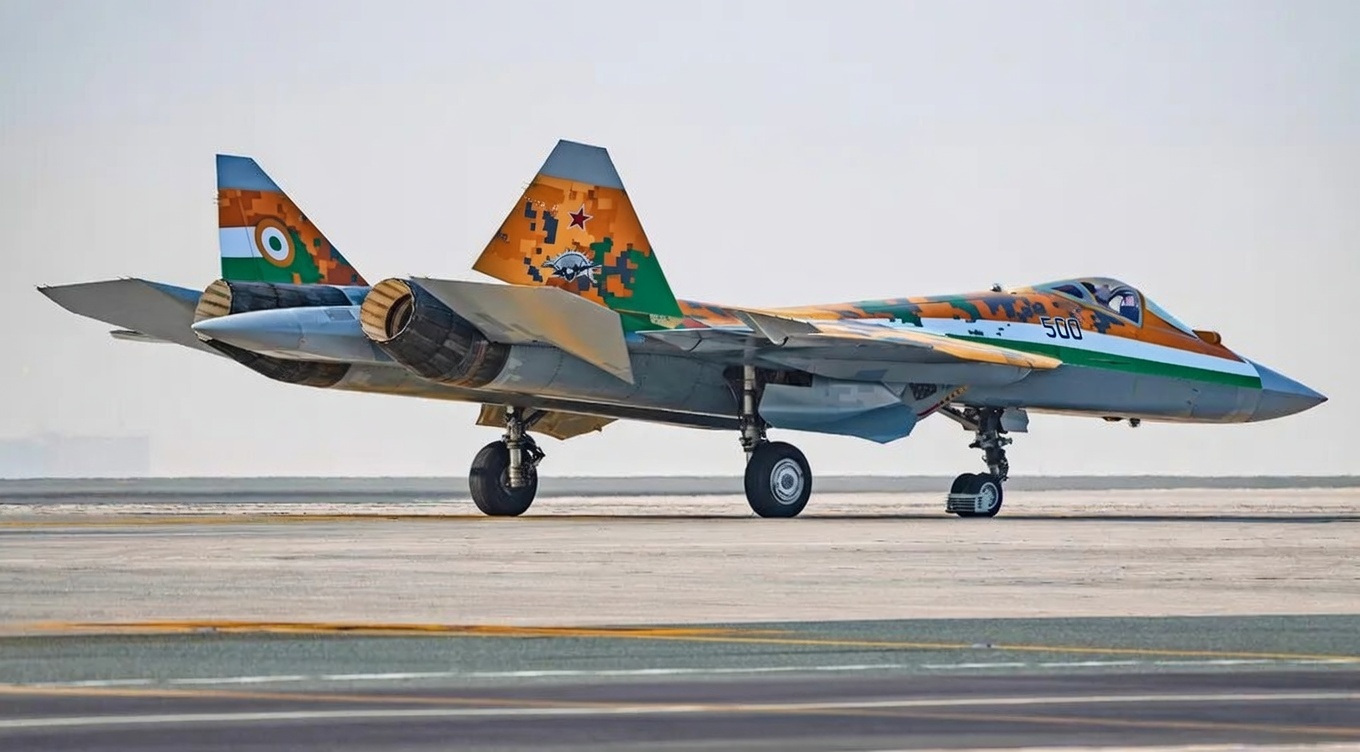
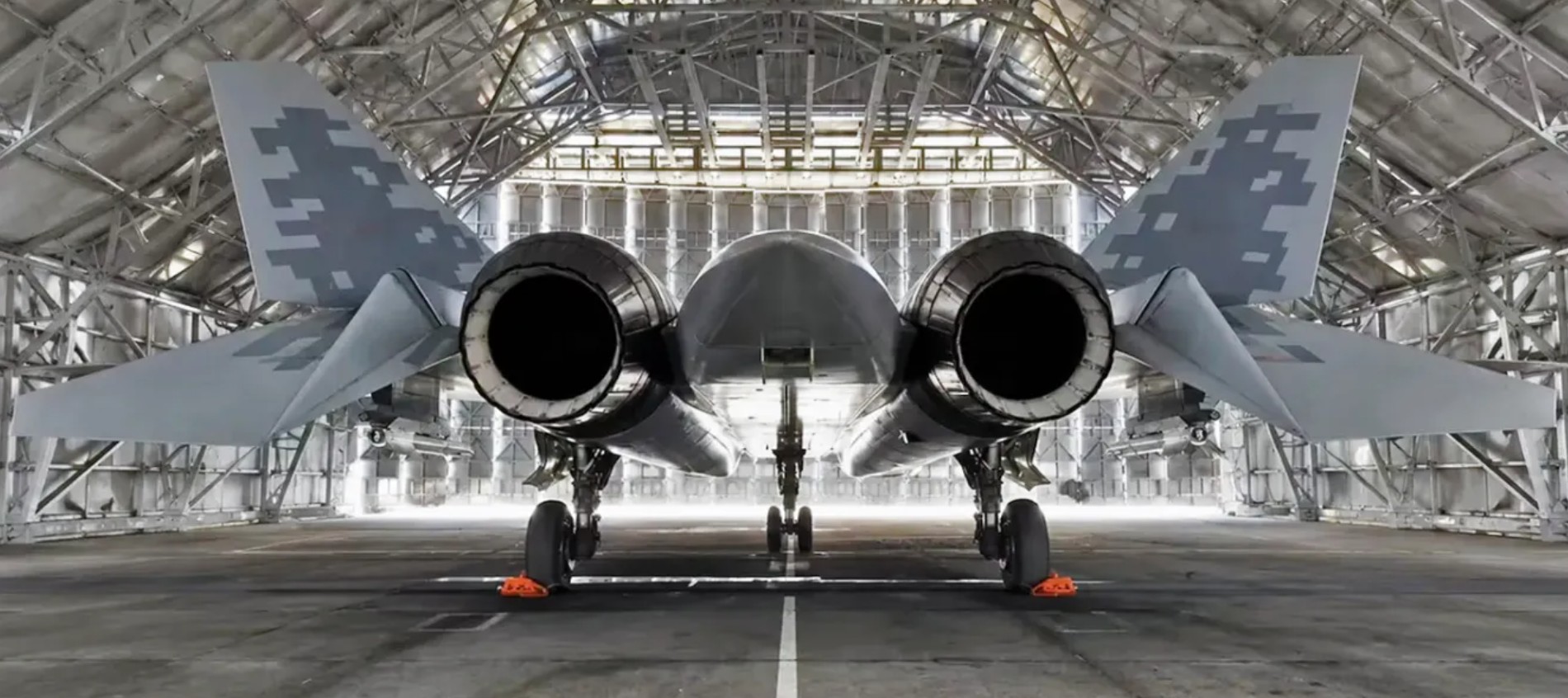
Edited Image: Su-57
Algeria was the first country to confirm the acquisition of the Su-57E. The country, which has a fleet of Soviet-Russian Su-30MKA, MiG-29, and MiG-25 fighters, has bought an unspecified number of aircraft and has reportedly deployed the jet on operational duty.
In November last year, Vadim Badekha, the Director General of United Aircraft Corporation (UAC), which manufactures the Su-57, announced that Russia has delivered two Su-57E stealth aircraft to a foreign client.
“Our foreign customer, our foreign partner, has already received the first two aircraft. They have begun to carry out combat duty and demonstrate their best qualities. Our customer is satisfied,” Badeja said.
Russia is also pitching the Su-57E to India and has even promised full Transfer of Technology (ToT) and to localize the production of the stealth aircraft in India. However, New Delhi has not made a decision yet.
According to Russian officials, the Su-57’s combat experience in the Ukraine War and limited exposure during the Syria war is a key highlight of the stealth fighter jet’s export potential.
Russia has, however, used the Su-57 very cautiously in the Ukraine war. According to security analysts, the aircraft has been mostly used for stand-off strikes from long distances.
Notably, just a few days earlier, a picture emerged showing the Su-57 fitted with R-73 air-to-air missiles attached to its wing pylons rather than in its internal weapons bay.
Carrying the missiles beneath the wing pylons would compromise the Su-57’s stealth; however, if the jet is deployed primarily for anti-drone operations, maintaining stealth is of no use.
Carrying these short-range AAMs externally suggests that the Su-57 load-out was optimized for close-range aerial engagements, most likely against the long-range Ukrainian one-way attack drones and cruise missiles that Kyiv has recently begun using.
Critics argue that Moscow is deliberately limiting the aircraft’s exposure to protect its export potential. Any confirmed losses to Ukrainian forces, they say, would severely damage the jet’s credibility in the international export market.
Still, an official acknowledgment by Russia of Su-57’s first aerial kill will no doubt boost the jet’s credibility, which has so far struggled to find many export customers.
Notably, while the US’s F-35 fighter jet has been in service for 11 years and has seen action in many wars, including in Iraq, Syria, Yemen, Gaza, and Iran, it scored its first air-to-air kill in March this year.
“This is the world’s first shootdown of a manned fighter jet by an F-35,” the statement added.
It must also be noted that Ukrainian airspace is heavily defended by frontline Western air defense systems such as Patriots. This is in contrast to where the F-35 has seen combat, in the poorly defended airspace of Gaza, Syria, Iraq, Yemen, and Iran.
Meanwhile, the USAF’s F-35 fighter jet also got hit by an Iranian drone-missile hybrid in the Iran war, underscoring that even most advanced Western stealth fighter jets are not completely invisible or invincible.
Additionally, while Russia initially faced many issues with the Su-57, including production delays, Moscow has made key improvements to the aircraft in recent years, increasing its lethality and survivability in contested airspace.
Su-57’s Continuous Upgradation
In February this year, Moscow’s Rostec press service said that the Russian Aerospace Forces (VKS) have inducted a new batch of Su-57 fighters featuring a “new technical profile.”
The upgraded version of Russia’s fifth-generation fighter incorporated enhanced onboard systems and a new weapons configuration that significantly expanded the jet’s combat role.
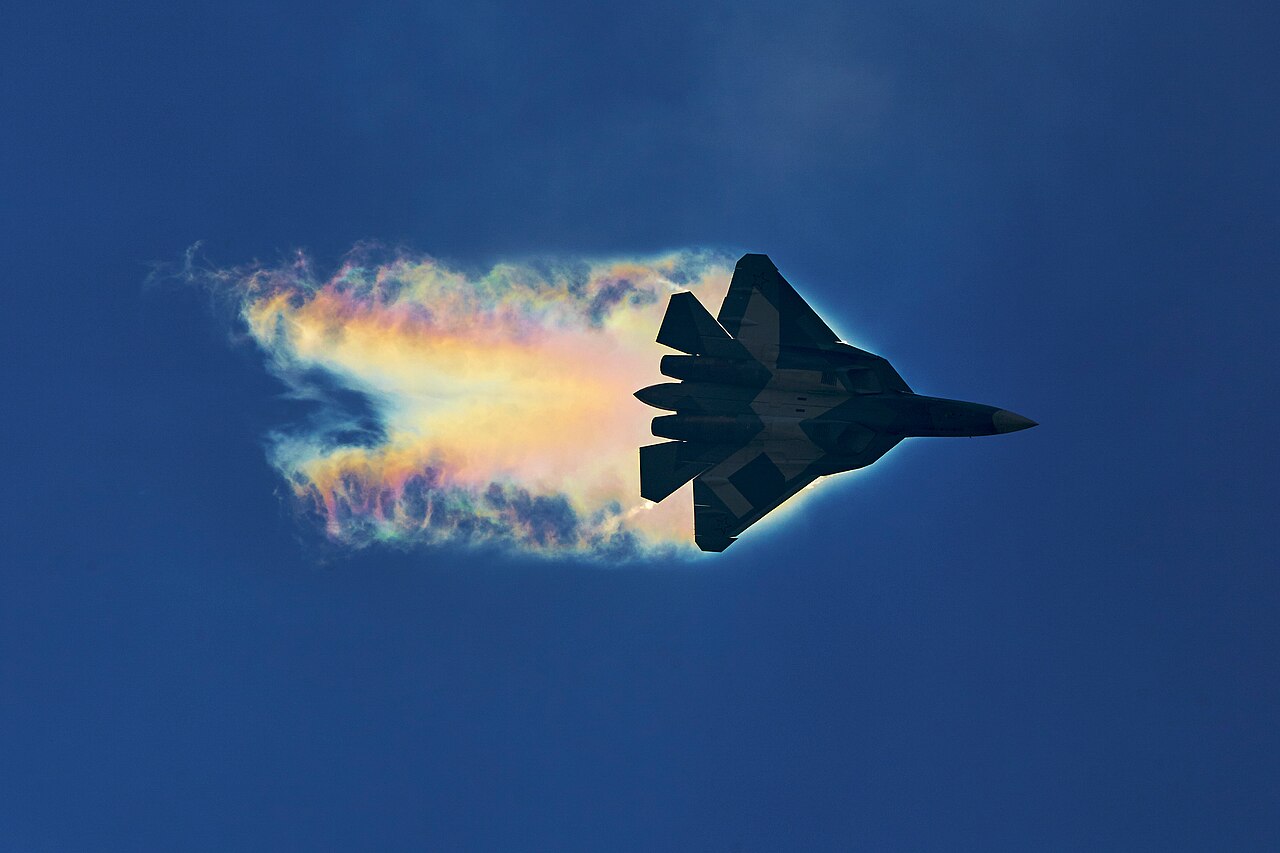
File Image: Su-57. Via Wikipedia
“To fulfill the targets set by the Russian Defense Ministry for the supply of highly sought-after weapons and military equipment to the troops, crews of the Russian Aerospace Forces have accepted the Su-57 aircraft in its new technical configuration,” the Rostec press service quoted a Su-57 pilot as saying.
“The aircraft has already proven itself during the special military operation (Ukraine War). The new technical configuration will provide for the expansion of the range of missions for which this aircraft type is deployed. The advanced capabilities incorporated into the aircraft armament system make it possible to use new types of aircraft weapons,” the pilot added.
While Rostec provided no details of the upgraded onboard systems or the new weapons package, analysis of higher-resolution images released by UAC and examined by OSINT analyst George N. revealed visible changes to the 101KS electro-optical complex, which supports self-protection and missile warning functions.
The 101KS complex is an electro-optical targeting system that provides the Su-57 with all-weather surveillance and passive infrared detection.
The 101KS complements the radar by detecting and tracking targets in the infrared and visible spectra. It can detect heat signatures of missiles and aircraft and conduct passive situational monitoring.
This allows the fighter to operate without active emissions, enhancing survivability in highly contested environments.
The aircraft also received revised apertures, presumably operating across multiple spectral bands, including visible, mid- and long-wave infrared (IIR), and possibly ultraviolet (UV), pointing to a substantial expansion of passive observation capabilities.
The imagery suggested that the 101KS would no longer function solely as a defensive sensor, but rather as a key element of situational awareness, aligned with the philosophy of the AN/AAQ-37 Distributed Aperture System (DAS) carried by the F-35.
It underscored that the Su-57 is moving toward a distributed, passive surveillance capability that can detect and track airborne threats without relying solely on radar.
The announcement came nearly two months after the UAC confirmed it had tested the Su-57 with a new Izdliye 177 engine, a powerplant developed by the United Engine Corporation (UEC) specifically for the Su-57.
The new Izdliye 177 engine was tested with the Su-57 in December 2025. According to a Rostec official, each Izdliye 177 engine can deliver up to 16,000 kg of thrust (approximately 35,000 pounds) with the afterburner engaged.
The new engine will further reduce fuel consumption and is stated to be far more durable than the previous power plant, the Saturn AL-41F1 afterburning turbofan engine.
In fact, the fighter jet has been steadily upgraded since its induction into the VKS in 2020.
Vadim Badekha, CEO of UAC, recently said the platform continues to evolve.
“The fifth-generation Su-57 aircraft system is the best aircraft in its class, but we’re not resting on our laurels. The fighter has undergone a tremendous evolution, and its improvement continues today – the aircraft’s weapons and systems capabilities are being upgraded,” Badekha said.
“This fighter allows us to solve the most important tasks today, demonstrating efficiency and excellent maneuverability and combat capabilities,” he added.
All these upgrades fit within the progressive maturation of the Su-57 program, also known as the Megapolis development program.
Under it, the Su-57 would receive incremental upgrades to its avionics, cockpit, engine, sensors, and weaponry.
Russian engineers claim that the Su-57 is a future-oriented project that will evolve as Moscow’s principal air combat system well beyond 2040.
At the same time, these upgrades will also boost the jet’s export potential.
Sumit Ahlawat has over a decade of experience in news media. He has worked with Press Trust of India, Times Now, Zee News, Economic Times, and Microsoft News. He holds a Master’s Degree in International Media and Modern History from the University of Sheffield, UK.
He can be reached at ahlawat.sumit85 (at) gmail.com
Sparks in wind farm caused the big fire in Viotia and western Attica investigators of the Fire Service found out and arrested two people. The fire was reportedly caused by sparks in the private network transporting the electricity produced by wind turbines to the central network. The electrical engineer and the contractor who had undertaken […]
A large fire broke out around Saturday midnight on the island of Kefalonia triggering the immediate mobilization of firefighting forces and leading to evacuations of several settlements and villages. The fire that broke out in the forest near the settlement of Kremmydi on the south-east of the island in the Ionian Sea and quickly reached […]
Since the outbreak of the US-Israeli conflict with Iran in late February 2026, the six largest Wall Street banks have posted one blockbuster quarter after another. It’s a paradox that isn’t really one: market volatility — the very thing savers and businesses dread — is precisely what trading desks feed on.
Numbers That Boggle the Mind
On July 14, 2026, five of the biggest US banks reported earnings on the same day, and the results surprised even the most bullish analysts. JPMorgan Chase, the nation’s largest bank by assets, posted quarterly profit of $16.9 billion, once again driven by its equities trading division, which “took advantage of market volatility triggered by the war in Iran.” Revenue in that division jumped 35% year-over-year, and equity markets revenue soared 86%.
According to several financial outlets, JPMorgan’s profit — including gains on its equity holdings — actually came close to $21 billion for the quarter, an all-time record for the bank.
Goldman Sachs was no exception: the investment bank also handily beat forecasts, lifted both by conflict-driven volatility and by SpaceX’s record-breaking IPO, which Goldman co-led. Its merger-advisory fees rose 55%, and in the first half of 2026 alone it advised on $1.2 trillion in announced mergers and acquisitions — an unprecedented pace for any investment bank, putting it $425 billion ahead of its nearest rival.
All told, in the second quarter of 2026 alone, the five biggest banks combined (JPMorgan, Bank of America, Goldman Sachs, Citigroup and Wells Fargo) posted roughly $49 billion in combined profit. In the first quarter, the six largest US banks — those five plus Morgan Stanley — had already collectively booked nearly $48 billion in profit, well above year-earlier levels.
Why Does War Benefit the Banks?
The mechanism is no mystery to market professionals, even if it startles the general public. A trading floor doesn’t make money when markets are calm — it makes money when they move. Every geopolitical jolt — a military strike, a rumored ceasefire, a partial closure of the Strait of Hormuz — triggers waves of buying and selling across stocks, currencies and commodities. Every transaction generates fees.
Since the first US-Israeli strikes on February 28, 2026, bond, oil and stock markets have swung wildly with each twist of the conflict and every dashed hope of a truce. That chronic instability has directly fueled investment banks’ trading revenues.
On top of that comes an indirect effect: the war slowed, then unleashed in waves, mergers-and-acquisitions activity and IPOs — two highly lucrative businesses for investment banks, which collect substantial advisory fees on every deal.
Goldman Sachs itself acknowledges as much in black and white in its quarterly financial report filed with the US securities regulator (SEC): the Iranian conflict has had “significant implications for the global economy,” combining disrupted oil supply, higher oil prices and heightened equity-market volatility — precisely the ingredients of the trading desk’s playbook.
A Paradox That Goes Beyond the Banks
This phenomenon isn’t confined to the banking sector. Major oil companies — especially European majors with large trading arms, such as TotalEnergies — have seen profits surge on the back of price swings following the partial closure of the Strait of Hormuz, a route for roughly a fifth of the world’s oil and gas. Defense contractors, for their part, are reporting record order backlogs, led by Lockheed Martin, Boeing and Northrop Grumman, buoyed by allied nations rearming.
Meanwhile, households and non-financial businesses bear the flip side of that same volatility: higher energy prices, costlier freight, and mounting uncertainty for long-term investment. The conflict has thus become a vast transfer of wealth, in which the very instability harming the real economy is simultaneously enriching a handful of financial and industrial players positioned to capitalize on it.
At a Glance
Q1 2026: the six largest US banks combined for nearly $48 billion in profit.
Q2 2026: five of them posted roughly $49 billion in combined quarterly profit.
JPMorgan: record quarterly profit of nearly $21 billion (including gains).
Goldman Sachs: M&A advisory fees up 55%, with its M&A backlog at a five-year high.
Mechanism: market volatility, driven by the twists and turns of the US-Israeli conflict with Iran since February 28, 2026, has mechanically boosted investment banks’ trading and advisory revenues.
France’s highest administrative court reinstated a mandatory QR code requirement Tuesday for members of the public attending the country’s annual Bastille Day military parade on the Champs-Élysées, reversing a lower court ruling only hours before the event.
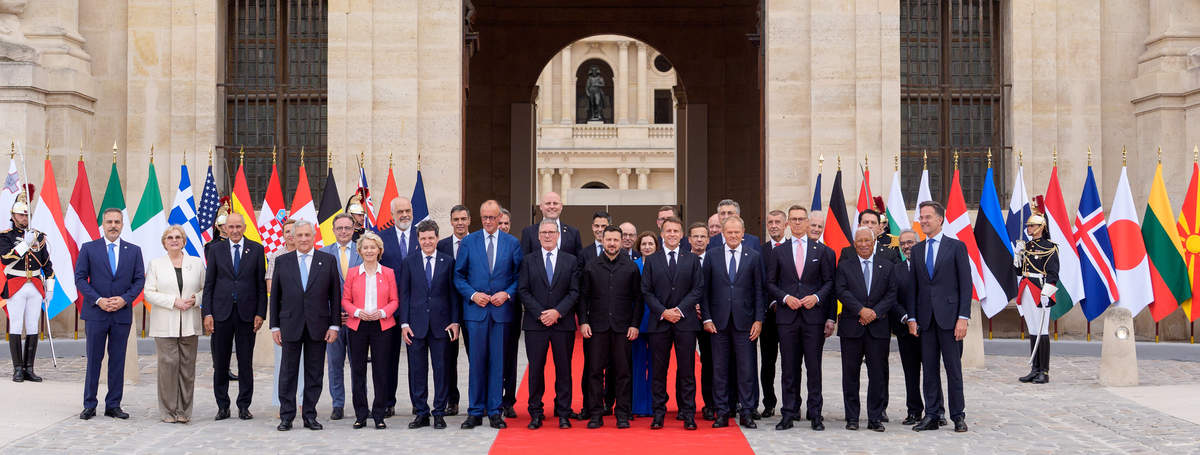
The ‘Volontaies’ Coalition at the Élysée (Élysée Palace)
The Council of State, France’s top administrative court, said the security measures were justified given the exceptional circumstances surrounding this year’s celebration, which includes the attendance of dozens of foreign leaders and Ukrainian President Volodymyr Zelenskyy.
The decision restores a security system requiring spectators to obtain a personalized QR code issued by the French presidency and present government-issued identification before entering the secured viewing areas along the parade route.
Court Reverses Lower Ruling Overnight
The legal dispute unfolded in less than a day.
On Monday, the Paris Administrative Court sided with the civil liberties group Vigie Liberté, ruling that authorities could not require members of the public to obtain presidential authorization in the form of a personalized QR code to attend the event.
But shortly after 2 a.m. Tuesday, the Council of State overturned that decision, concluding that suspending the security measures only hours before the parade would pose unacceptable risks.
The court found that the urgent legal procedure invoked by the plaintiffs—reserved for immediate threats to fundamental freedoms—did not outweigh the government’s responsibility to ensure public safety during one of France’s most sensitive security operations of the year.
Vigie Liberté President Amine Elbahi criticized the ruling but acknowledged the authority of the court.
“The rule of law also means accepting court decisions, even when they are not in our favor,” he said, adding that the organization intends to continue challenging the measure through other legal avenues.
Zelenskyy’s Attendance Raises Security Stakes
French officials have described this year’s Bastille Day celebration as one of the most sensitive in recent memory.
President Volodymyr Zelenskyy is among dozens of international leaders expected to attend ceremonies in Paris, dramatically increasing security requirements.
Authorities say the QR code system enables security services to verify the identity of every person entering the protected perimeter surrounding the Champs-Élysées, providing an additional layer of screening amid heightened concerns over terrorism, espionage, and geopolitical tensions linked to Russia’s war against Ukraine.
Paris Police Prefect Laurent Nuñez welcomed the court’s decision, saying it would help manage crowd access while maintaining strict security standards.
Bastille Day Parade Highlights France’s Military Buildup
Beyond its ceremonial importance, the 2026 Bastille Day parade is designed to showcase France’s expanding military capabilities and Europe’s growing defense cooperation.
President Emmanuel Macron has dedicated the event to what his office describes as France’s “strategic rearmament” and Europe’s renewed commitment to collective security.
Nearly 6,800 service members will participate—the largest contingent ever assembled for the annual parade.
Military equipment on display will include approximately 300 armored and support vehicles and 130 aircraft, roughly 30% more than last year’s event.
The parade will also feature troops from the Coalition of the Willing, an international group led by France and the United Kingdom to coordinate military support for Ukraine. About 500 coalition troops are expected to lead the procession, accompanied by 25 Ukrainian soldiers marching under their national flag.
Aircraft from several NATO allies—including Germany, Italy, Spain, Poland, Norway, Greece, and Croatia—will participate in the flyover.
Symbolic Support for Ukraine
One of the parade’s most symbolic moments will feature two French Mirage fighter jets flown alongside Ukrainian military officers who completed flight training in France.
French officials say the demonstration reflects the country’s long-term commitment to strengthening Ukraine’s defense capabilities through training, military cooperation, and equipment transfers.
Army helicopters and armored vehicles will conduct tactical demonstrations inspired by modern battlefield operations, while approximately 60 military drones will highlight the increasing role of autonomous technologies in French defense planning.
For the first time during a Bastille Day parade, participating aircraft will carry mock weapons, underscoring the event’s emphasis on operational readiness rather than ceremonial display.
A New Security Model for Major Public Events
The Council of State’s ruling may establish an important legal precedent for future high-profile public events in France.
Government officials argue that personalized digital credentials are becoming an essential security tool whenever major international gatherings involve numerous heads of state or elevated security threats.
Civil liberties advocates warn that such measures could gradually normalize government tracking of attendees at public events, while French authorities maintain that the restrictions are narrowly tailored to extraordinary circumstances.
The debate reflects a broader challenge facing democracies worldwide: balancing individual freedoms with increasingly complex security demands in an era of international conflict and persistent terrorist threats.
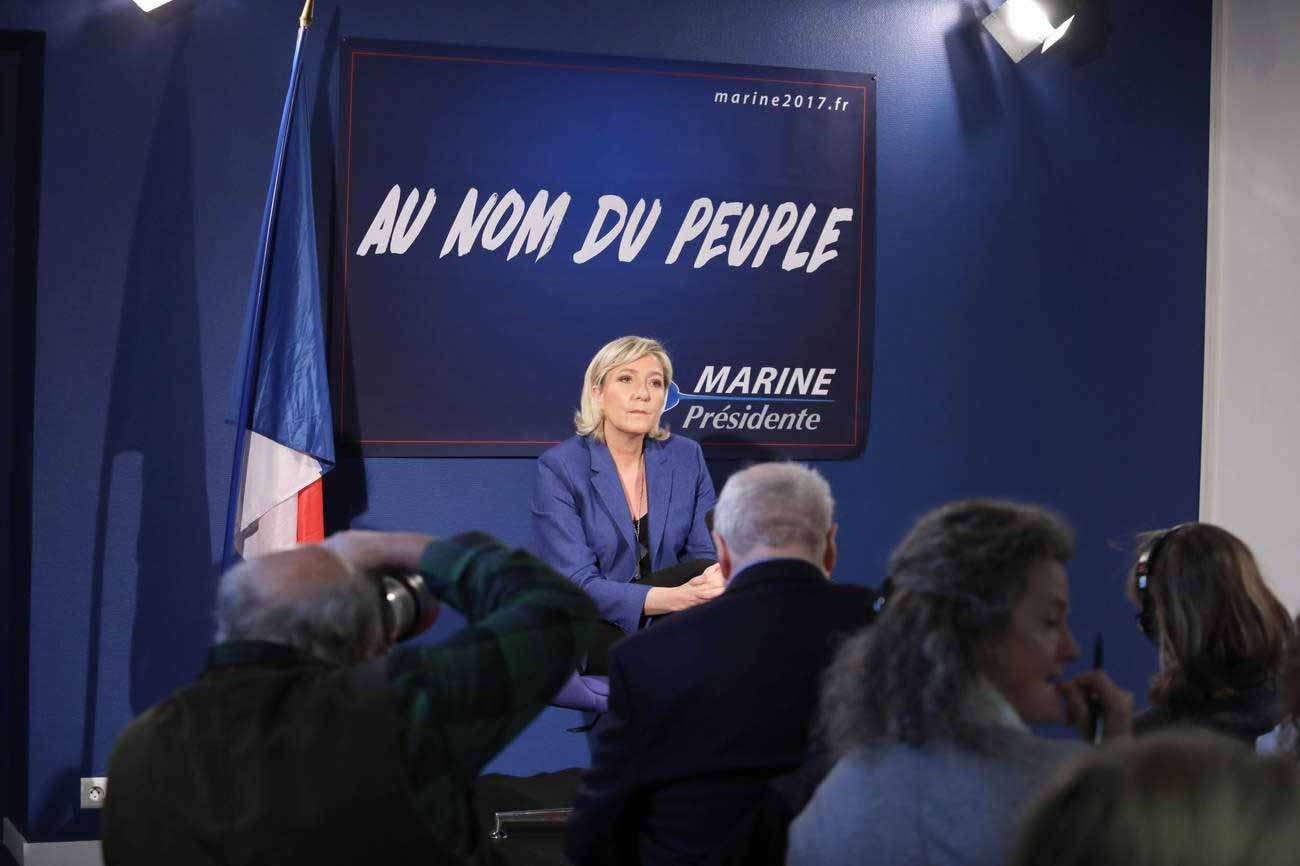
The Paris Court of Appeal issued its ruling on Tuesday, July 7, 2025, in the National Rally’s parliamentary assistants case. Marine Le Pen’s period of ineligibility for public office was reduced to 45 months on appeal, clearing the way for a fourth presidential bid. However, this legal victory comes with a personal dilemma: the National Rally leader will be required to wear an electronic ankle monitor for one year, a condition she has repeatedly said she would not accept while campaigning.
Marine Le Pen candidate en 2017 (DR)
Convictions Upheld: Guilty of Misappropriating Public Funds
The Paris Court of Appeal upheld Marine Le Pen’s conviction in the case involving parliamentary assistants employed by members of the European Parliament. She was found guilty of misappropriating public funds and of aiding and abetting that offense.
The presiding judge repeatedly emphasized the seriousness of the misconduct, noting that it had continued over an eleven-year period spanning three parliamentary terms, despite repeated warnings from the European Parliament about compliance with its rules.
The figures speak for themselves: €2.8 million in misappropriated funds. The court found evidence of “an operating system designed to divert European funds for purposes other than those for which they were intended.” According to the ruling, this systematic scheme was established under the leadership of Jean-Marie Le Pen and later continued under Marine Le Pen herself.
As part of her sentence, Marine Le Pen received a three-year prison term, including two years suspended and one year to be served under an alternative custodial arrangement. She was also fined €100,000. During the one-year custodial portion of her sentence, she will be required to wear an electronic ankle monitor.
Reduced ineligibility changes the political landscape
This significant reduction marks a major turning point in the National Rally leader’s legal battle.
Her attorney, Rodolphe Bosselut, described the ruling as “a good start” and a “partial victory,” stressing that the reduction of the ineligibility sentence was “an extremely important point.” He also highlighted the presiding judge’s remarks emphasizing voters’ freedom to choose from the full range of candidates.
Electronic monitoring : A major campaign obstacle
During an exclusive interview with BFMTV in February, Marine Le Pen stated unequivocally: “You cannot run a campaign under those conditions.”
She was referring to the mandatory electronic ankle monitor that accompanies a custodial sentence served outside prison. That statement clearly foreshadowed the dilemma she now faces.
The legal situation has become paradoxical. Marine Le Pen is now legally eligible to run for president. However, wearing an electronic ankle monitor for an entire year could severely limit her ability to conduct a normal presidential campaign.
Such a campaign requires constant travel, rallies, media interviews, and visits across the country—activities that could prove difficult to reconcile with electronic monitoring, particularly in the eyes of the public.
Other convictions in the parliamentary assistants case
Marine Le Pen was not the only person convicted.
Fernand Le Rachinel, the first defendant to appear before the court, received a reduced sentence on appeal: two years of suspended imprisonment instead of three, a €15,000 fine, and one year of ineligibility instead of the three years imposed at trial.
Former National Rally Member of the European Parliament Bruno Gollnisch, who was absent from the hearing, was sentenced to three years in prison and one year of ineligibility, a lighter sanction than the three-year ineligibility period imposed by the lower court.
French lawmaker Julien Odoul was also among the defendants whose case was heard on appeal.
Political reactions
Opposition politicians argued that the core issue remained unchanged regardless of who ultimately represented the National Rally in the presidential election.
Boris Vallaud, leader of the Socialist group in the National Assembly, emphasized that respect for the rule of law and the justice system remained the overriding priority.
Green Party lawmaker Benjamin Lucas-Lundy argued that “whether it’s Marine Le Pen or Jordan Bardella, it changes nothing” regarding the National Rally’s political platform. He reiterated that the party “stole from European taxpayers” and “stole from the French people,” allegations that, he noted, had now been upheld twice by the courts.
Socialist lawmaker Philippe Brun described Marine Le Pen and Jordan Bardella as “interchangeable candidates,” suggesting that choosing between them would make little political difference for voters.
What comes next
Marine Le Pen left the courthouse without speaking to reporters and headed directly to National Rally headquarters, where senior party officials had convened a crisis meeting.
Her silence contrasted with her attorneys’ public statements and suggested that the party leadership intended to carefully evaluate the full implications of the historic ruling.
The stakes extend well beyond the legal issues.
Marine Le Pen must now choose between pursuing a fourth presidential campaign and remaining consistent with her long-held position that a presidential campaign cannot realistically be conducted while wearing an electronic ankle monitor.
Jordan Bardella, the party’s vice president, remains the fallback candidate should she decide not to run.
Patrick Maisonneuve, attorney for the European Parliament, underscored the significance of the appellate ruling, stating that the court had confirmed that “European taxpayers’ and French citizens’ money” had been diverted through “an organization that operated for years” under the leadership of the National Front.
Impact on the national rally’s electoral strategy
Regardless of Marine Le Pen’s decision, the National Rally has a credible alternative in Jordan Bardella.
Nevertheless, the possibility that Marine Le Pen could legally run reshapes the party’s internal dynamics and the balance of power within its leadership.
National Rally lawmaker Thomas Ménagé, who represents the Loiret department, said that “nothing changes” for the party’s members of Parliament, who would continue their legislative work regardless of who ultimately becomes the party’s presidential nominee.
The Court of Appeal’s Trap
The Court of Appeal’s ruling places Marine Le Pen in a genuine Catch-22.
Legally, she achieved a significant victory through the substantial reduction of her ineligibility sentence.
Politically and practically, however, the electronic ankle monitor remains a serious obstacle to conducting a conventional presidential campaign.
Her silence upon leaving the courthouse suggests she is taking time to consult with close advisers, party officials, and campaign strategists before deciding on the best course of action for both the National Rally and her own political future.
By allowing Marine Le Pen to remain eligible to run for president while simultaneously requiring her to wear an electronic ankle monitor, the court has placed both the National Rally and its leader in an exceptionally difficult strategic position.
Avion Pilatus PC-6 (By JDrewes (see www.jandrewes.de), slight edit by Alvesgaspar – Own work, CC BY-SA 3.0)
On Sunday, June 28, 2026, a Pilatus PC-6 crashed near Nancy in the town of Tomblaine, killing all eleven people on board. The victims included five experienced skydiving instructors, five first-time tandem skydivers, and one pilot. The accident is the deadliest general aviation disaster in France in several decades.
The Civilian Victims: Ordinary Lives Cut Short
Beyond the tragic death toll, the crash claimed the lives of individuals remembered by their families and friends for their dedication, kindness, and humanity.
Cynthia Vally: A Dedicated Healthcare Professional
Cynthia Vally, 48, was the mother of two children and served as Chief Operating Room Nurse at the Gentilly Polyclinic in Nancy, part of the Elsan healthcare group. Known for her professionalism and commitment to both patients and colleagues, she embodied the core values of the healthcare profession. Co-workers describe her as deeply compassionate and unwaveringly dedicated. Family and friends paid tribute on social media, remembering her warmth, kindness, and infectious zest for life.
Youssef El Idrissi: Devoted Father and Sports Enthusiast
Youssef El Idrissi, 48, an accountant from Tomblaine, was well known in the local sports community. A member of the GSA Tomblaine veterans soccer team, he was remembered as a warm-hearted, friendly man. A devoted father of two boys, he never missed one of his sons’ games. Friends from the club noted that he had not originally planned to be on the ill-fated flight, underscoring the unpredictable nature of the tragedy.
Damien Giacovelli: A Committed Healthcare Provider
Damien Giacovelli, a self-employed registered nurse based in Nancy, was also among the passengers. His career reflected a strong personal commitment to caring for others.
A High School Student and First-Time Skydivers
Among the victims was an 18-year-old high school student from Jarville-la-Malgrange. His identity has not been released out of respect for his family’s privacy. The four other civilian passengers had come to experience their first tandem skydive, a recreational activity designed to introduce newcomers to skydiving under the supervision of certified instructors.
The Skydiving Instructors: Five Highly Experienced Professionals Lost
Five certified skydiving instructors lost their lives in the crash, each bringing years of expertise and passion to the sport.
Davy Tellier: A Respected Professional Firefighter
Davy Tellier, 53, served as a senior non-commissioned officer in the professional fire service in southeastern France. His death deeply affected the regional fire and rescue community. Officials from the local fire service expressed their heartfelt condolences to his family, honoring his years of dedicated public service.
Filip Kovacevic: A Passion for Aviation
Filip Kovacevic, formerly employed by PSA in Mulhouse, specialized in refrigeration and air-conditioning systems. He later worked as a subcontractor for Veolia in Cernay while pursuing his passion for aviation and skydiving. Friends remembered him as a thoughtful mentor, generous with his knowledge and always eager to encourage others.
Anthony Planchon: The Pilot’s Final Act
Anthony Planchon, the pilot of the Pilatus PC-6, reportedly performed a final act of courage. According to witnesses, he steered the aircraft away from a vehicle in an apparent effort to avoid additional casualties on the ground. Fellow members of the Strasbourg skydiving school described him as someone who embraced life wholeheartedly, always organizing gatherings and sharing his love of aviation and skydiving. His enthusiasm and generosity leave a profound void among those who knew him.
Albéric Moulès: A Passionate Instructor
Albéric Moulès, 33, owned the company Vertical Addict in the Charente-Maritime region. Well known in New Caledonia, where he trained as a professional skydiver and instructor, he earned widespread respect for his outstanding teaching skills. A Facebook memorial group was created in his honor, reflecting the deep impact his death has had on the skydiving community.
The Crash and Weather Conditions
The accident occurred on Sunday, June 28, 2026, shortly after takeoff from Nancy-Essey Airport. The aircraft crashed near residential areas in Tomblaine but, despite the obvious danger, caused no fatalities on the ground. French Interior Minister Laurent Nuñez, who visited the scene shortly afterward, confirmed that the aircraft went down approximately 300 meters (about 980 feet) beyond the departure end of the runway.
The severe heat wave affecting France at the time has been identified as a possible contributing factor. High temperatures reduce the performance of light aircraft by decreasing engine power and lift. Aviation consultant and Aviation Sans Frontières President Gérard Feldzer noted that the extreme heat, combined with a heavily loaded aircraft and possibly full fuel tanks, may have significantly reduced the Pilatus PC-6’s takeoff performance.
The Aircraft: A Proven but Demanding Design
The Pilatus PC-6 is a Swiss-built single-engine aircraft widely used for mountain operations and skydiving. With more than sixty years of operational history, it is regarded within general aviation as a remarkably versatile and reliable aircraft, often described by aviation professionals as the “Swiss Army knife” of utility airplanes.
Nevertheless, its age raises questions regarding the maintenance status of the aircraft involved. Aircraft of this category require regular inspections by certified maintenance facilities. Investigators will examine when the last inspection was completed and who performed it. Although the PC-6 has an excellent engineering reputation, it has been involved in several accidents over its operational history, most often associated with demanding operating environments such as mountain flying and parachuting operations.
The Investigation: Challenges Without a Flight Recorder
Two parallel investigations have been launched to determine the cause of the accident. France’s Bureau of Enquiry and Analysis for Civil Aviation Safety (BEA) has dispatched investigators to the crash site, while a separate criminal investigation into involuntary manslaughter has been assigned to the Air Transport Gendarmerie.
No Flight Recorder
Unlike commercial airliners, the Pilatus PC-6 is not equipped with a flight data recorder or cockpit voice recorder. The absence of these devices significantly complicates the investigation. The only available recordings come from Nancy’s air traffic control tower, although authorities indicate that no radio communications appear to have taken place between the pilot and controllers during the aircraft’s final moments.
Evidence Available to Investigators
Investigators will focus on analyzing the wreckage for mechanical failures, reconstructing the flight path through eyewitness accounts, and reviewing the aircraft’s maintenance history. According to a nearby witness, the airplane appeared to approach normally before the engine suddenly went quiet, suggesting the possibility of an engine failure.
Engine Failure Scenarios
If the engine did indeed fail at an altitude of approximately 100 to 150 meters (330 to 490 feet), the pilot would have had only seconds to respond. Under such conditions, even immediate corrective action may not have been sufficient to prevent the crash. The pilot may have attempted to avoid nearby homes, but the aircraft likely lacked the altitude needed to complete an evasive maneuver safely. Standard aviation procedures advise pilots of single-engine aircraft not to attempt a turn back toward the runway after an engine failure shortly after takeoff, as such maneuvers can lead to an aerodynamic stall and loss of control.
A Tragedy That Will Shape General Aviation
According to France’s Bureau of Enquiry and Analysis for Civil Aviation Safety, this is the deadliest general aviation accident ever recorded in France in terms of fatalities. The investigation is expected to be lengthy and technically complex, requiring expertise in aeronautical engineering, mechanical systems, meteorology, and human factors.
For the grieving families, the investigation represents a painful search for answers about how eleven people could lose their lives just seconds after takeoff in an aircraft widely regarded as reliable. The outpouring of tributes across social media and regional news outlets reflects the profound emotional impact of this tragedy, extending far beyond the statistics of an aviation accident.
Determining the precise cause of the crash will be critically important for France’s general aviation community, particularly for skydiving schools that rely on aircraft such as the Pilatus PC-6. The investigation’s findings could influence future safety procedures, takeoff operating limitations, and maintenance standards for this class of aircraft throughout France and Europe.
Eleven people killed in a plane crash in Tomblaine (54)
A light aircraft crashed late Sunday morning near the Auchan supermarket in Tomblaine, in the Meurthe-et-Moselle department, close to the city of Nancy. The crash occurred at around 11:00 a.m. on a road adjacent to the shopping center, without striking any nearby homes. According to the Prefect of Meurthe-et-Moselle, the accident claimed 11 lives. None of the people on board survived.
Eleven people killed in a plane crash in Tomblaine (54) (DR)
Skydiving Introductory Flight
The aircraft was carrying 11 people: one pilot, five instructors, and five students. According to ICI Lorraine, the passengers were taking part in an introductory skydiving experience, and the crash occurred during takeoff. The aircraft had been chartered on Sunday by a company specializing in introductory skydiving programs.
According to the prefecture, the plane took off Sunday morning from Nancy-Essey Airport. During the initial emergency response, there was a significant risk that the aircraft could explode, prompting two emergency medical teams to respond to the scene with lights and sirens.
Around 50 Firefighters Deployed
The prefect of the department, Yves Seguy, activated the Departmental Operational Center (COD) to coordinate and monitor the emergency response in real time. French Interior Minister Laurent Nuñez was expected at the scene later in the afternoon. A press briefing was held with Prefect Yves Seguy, Tomblaine Mayor Hervé Féron, Nancy Mayor Mathieu Klein, Meurthe-et-Moselle Police Director Frédéric Laissy, and Jean-Philippe Gueugneau, director of the SDIS 54 fire and rescue service. Approximately 50 firefighters were deployed to the crash site.
The cause of the crash remains unknown at this time.
The Ministry of Finance in Paris (Bercy). Jean-François Gornet / Flickr, CC BY-SA
France has crossed a critical threshold as its public debt exceeded €3.5 trillion in the first quarter of 2026, reaching 117.5% of GDP. The French Court of Auditors has sounded the alarm over what it describes as an “alarming” fiscal situation, as public deficits hit record levels and debt-interest costs continue to soar.
The Ministry of Finance in Paris (Bercy). Jean-François Gornet / Flickr, CC BY-SA
Public Debt Exceeds €3.5 Trillion
During the first quarter of 2026, France’s public debt passed the symbolic milestone of €3.5 trillion, reaching €3.5361 trillion at the end of March. The figure underscores the scale of the country’s budgetary challenges.
To put this amount into perspective, France would theoretically have to sell its entire gold reserve, all publicly traded and privately held state assets—including companies such as EDF, Engie, and Airbus—as well as all government-owned buildings and land in an attempt to repay the debt in a single payment. Even such a drastic measure would likely fall short.
In just one quarter, France’s Maastricht-defined public debt increased by €75.6 billion, a sharp rise in a very short period. This growing debt burden reflects a longstanding reality: for more than fifty years, the French government, local authorities, and social security system have collectively spent more each year than they have collected in revenue, particularly through taxation. To cover this structural gap, France has continued borrowing from financial markets.
Debt-to-GDP Ratio Nears Historic High
Beyond the headline figure, analysts and financial institutions are particularly concerned about debt relative to economic output. According to France’s National Institute of Statistics and Economic Studies (INSEE), public debt now equals 117.5% of gross domestic product.
The increase has been dramatic. In 1980, public debt represented only 20% of GDP. By 2000, it had risen to approximately 60%. Over four decades, the debt-to-GDP ratio has nearly increased sixfold.
The current level of 117.5% is approaching the all-time record of 117.8% recorded in the first quarter of 2021 during the COVID-19 pandemic. At that time, President Emmanuel Macron launched an unprecedented economic rescue effort, pledging to spend “whatever it takes” to prevent economic collapse.
Although the health crisis has long since passed, France’s debt trajectory has not slowed significantly. Within the European Union, only Greece and Italy have higher debt ratios, making France the third most indebted country in Europe.
Warnings from the Court of Auditors
In response to what it views as a critical situation, France’s independent Court of Auditors, responsible for overseeing public finances, issued a warning report describing the state of the nation’s finances as “alarming.”
The report, revealed by France Inter and released ten months before the 2027 elections, calls for “strong, credible, and swift measures” to restore fiscal stability.
The court highlights several aggravating factors. First, France remains the only country in the eurozone whose debt level is higher today than it was at the end of the COVID-19 crisis. Second, public deficits continue to break records. France posted a budget deficit equal to 5.1% of GDP in 2025, the second-highest in the eurozone after Italy.
The government’s goal of keeping the deficit at 5% is viewed as unrealistic by the Court of Auditors, which fears a further deterioration of public finances.
Debt-Interest Costs Are Soaring
A particularly troubling development is the rapid increase in debt-servicing costs. As debt accumulates and interest rates rise in financial markets, the amount spent on interest payments has grown dramatically.
In the current state budget, debt-servicing expenses have become the government’s single largest expenditure category, surpassing spending on the national education system (excluding pension obligations).
Paradoxically, this situation coincides with a significant increase in taxation. Taxes rose by €38 billion across 2025 and 2026 as part of efforts to limit further deficit growth. Yet France already has the highest overall tax burden in Europe when taxes and social contributions are combined.
This creates both political and economic tensions: higher taxes have not been sufficient to slow the growth of public debt, raising questions about the effectiveness of current fiscal measures.
France’s current trajectory highlights a troubling economic reality: structural public spending is growing faster than tax revenues, creating a persistent deficit that is difficult to eliminate.
Programs such as social welfare, pensions, healthcare, and public investment involve long-term commitments, while tax revenues tend to fluctuate with economic conditions.
This divergence between economic growth and debt growth raises a fundamental question for France’s public finances. If GDP expands by only 1% to 2% annually while debt continues to grow by 3% to 4% per year, the debt-to-GDP ratio will inevitably continue rising unless major policy changes are implemented.
French voters heading to the polls in 2027 will likely face a difficult choice between maintaining current levels of public services and restoring fiscal sustainability.
Breaking the Debt Spiral
To reverse the trend, experts and institutions such as the Court of Auditors recommend a combination of measures: controlling the growth of public spending, improving the efficiency of existing expenditures, broadening the tax base without increasing marginal tax rates, and accelerating economic growth to boost revenues.
As the eurozone’s second-largest economy after Germany, France possesses significant economic resources. However, meaningful structural reforms will require political consensus and a willingness to accept difficult compromises.
In the short term, the government must demonstrate that its deficit-reduction commitments are credible. In the medium term, comprehensive reforms of public spending—particularly in pensions and healthcare—appear unavoidable. Over the long term, only sustained economic growth combined with spending discipline will be capable of reversing the debt dynamics that have characterized France for decades.
Le Panthéon, Paris (Par Moonik — Travail personnel, CC BY-SA 3.0)
On June 23, 2026, Marc Bloch and his wife, Simonne Vidal, will symbolically enter the Panthéon, completing a republican rite that recognizes the extraordinary contribution of the founder of the Annales School to French historiography. This pantheonization honors not only a visionary scholar, but also a soldier and resistance fighter whose legacy continues to inspire generations of researchers and citizens committed to truth and freedom.
Marc Bloch: A multifaceted figure finally receiving broad recognition
Marc Bloc, historian and member of the Resistance, is inducted into the Panthéon alongside his wife, Simone Vidal (Wikipedia)
Marc Bloch represents an exceptional life that transcends the traditional divide between academia and civic engagement. A towering figure for historians and the social sciences, he remains paradoxically little known to the wider public, making this induction all the more symbolic. The French historian transformed his discipline through groundbreaking methodological innovations and through his direct involvement in the major issues of his era.
His admission to the Panthéon reflects a desire to share his intellectual and moral legacy with new generations. Three fundamental pillars explain this solemn recognition: his major scholarly work, his innovative teaching, and his unwavering courage.
The pantheonization ceremony
Key stages of the ceremony
The ceremony follows a carefully choreographed protocol marked by highly symbolic moments. It begins outside the monument with the gradual arrival of the coffins along Rue Soufflot, allowing the public to accompany the procession to the forecourt of the Panthéon, a place deeply imbued with republican significance.
At the heart of the ceremony is the solemn crossing of the threshold by the coffins carried by members of the Republican Guard. The Great Bronze Doors, normally closed, are opened especially for the occasion, symbolizing the deceased’s definitive entry into the Panthéon and admission among those who have contributed to the glory of France.
Presidential tribute and placement in the crypt
Once inside the monument, the coffins are placed at its center to receive the tribute of the President of the Republic, a moment when the nation as a whole bows before the memory of a great figure. This official homage forms the emotional and political centerpiece of the ceremony, publicly acknowledging the significance of the deceased’s contribution to French history.
After a vigil maintained by the Republican Guard, the coffins descend into the crypt, where they join the other men and women honored by the nation. Their final placement signifies permanent integration into France’s collective memory.
Simonne Vidal: the historian’s wife finally receiving recognition
Marc Bloch’s induction is accompanied by the symbolic entry of his wife, Simonne Vidal, in recognition of the vital role she played in his life and work. Mother of six children, whom she raised while supporting her husband’s scholarship, Simonne Vidal made an essential though often invisible contribution to his intellectual achievements.
Although she died in Lyon in 1944 and her remains could not be formally identified, her inclusion in the Panthéon carries profound symbolic meaning. It represents a belated but solemn acknowledgment of the women who stood behind many of France’s great thinkers and helps restore their place in history.
Organizing a state ceremony
Leadership by the Presidency and Government Ministries
The pantheonization is a major state event coordinated directly by the Presidency of the Republic in close cooperation with several ministries. The National Monuments Center oversees the project as administrator of the Panthéon, while a steering committee brings together ministries reflecting the many dimensions of Marc Bloch’s life.
The Ministry of Culture coordinates cultural and memorial aspects. The Ministry of the Armed Forces is involved because of Bloch’s military service in both world wars. The Ministry of the Interior and the Ministry of National Education handle public security and educational outreach. Finally, the Ministry of Higher Education and Research oversees the scholarly and academic dimensions of this national tribute.
The role of the family and practical arrangements
The Bloch family, which includes six children and numerous descendants, has played a central role in preparing the ceremony. Suzette Bloch, Marc Bloch’s granddaughter, and Matis Bloch, his great-grandson, were chosen to represent the family in discussions and decisions concerning the induction.
One distinctive aspect of this ceremony is the family’s wish that Marc Bloch’s remains remain buried in Bourg d’Hem, in the Creuse region, where he has rested since 1977 alongside his six children. As a result, the ceremony is symbolic rather than involving the transfer of his remains. Cenotaphs—empty symbolic tombs—will be installed in the crypt, and the names of Marc and Simonne Bloch will be permanently engraved on its walls, allowing visitors to pay tribute and reflect upon their legacy.
Marc Bloch the fighter : soldier, resistance member, and seeker of truth
The ceremony highlights Marc Bloch’s fighting spirit, both literally and figuratively. Literally, his commitment to defending France and the Republic was demonstrated through his service in both world wars and his clandestine involvement in the Resistance during the Nazi occupation. This courageous aspect of his life remains little known to many.
Figuratively, Bloch was an unrelenting champion of methodological rigor and historical truth. Alongside Lucien Febvre, he founded the Annales School and revolutionized historical inquiry by moving beyond event-based narratives to explore the social, economic, and mental structures shaping human societies. His intellectual rigor and relentless search for truth explain why his ideas remain profoundly relevant more than seventy-five years after his death.
A legacy for future generations
A message for young people
One explicit aim of the induction is to introduce a major historical figure to the broader public, especially younger generations. This educational mission is crucial in transmitting the values embodied by Marc Bloch: clarity of thought, courage, conviction, and resilience in the face of adversity.
Since the official announcement of his entry into the Panthéon, the response from academic and educational communities has been remarkable. The Ministry of National Education has already recorded thousands of initiatives and educational projects devoted to Marc Bloch and his work. This intellectual vitality demonstrates the enduring relevance of his message: truth must never yield to convenience, and scientific inquiry requires uncompromising moral discipline.
Permanent exhibition and free public access
Beyond the June 23 ceremony, the Panthéon has organized a series of initiatives to preserve and transmit Marc Bloch’s legacy. From June 25 to June 28, admission to the monument will be free, enabling everyone to pay tribute to Marc Bloch and his wife.
A major exhibition entitled Marc Bloch: The Spirit of History, curated by Yann Potin, will remain open until January 10, 2027. Through original archives, manuscripts, and other historical materials, visitors will discover the many facets of this remarkable figure: the methodological innovator, the devoted teacher, the courageous soldier, the committed resistance fighter, and the intellectual in the service of truth.
Keeping Marc Bloch’s inspiration alive
The pantheonization of Marc Bloch and Simonne Vidal represents far more than a commemorative ritual. It embodies the nation’s commitment to transmitting the values they exemplified to present and future generations. Marc Bloch stands as a model of the engaged intellectual, the rigorous scholar, and the courageous citizen—qualities that remain essential at a time when historical and scientific truth face constant challenges.
His revolutionary methods, his transformative teaching, and his ultimate sacrifice in defense of France and the Republic constitute an inexhaustible source of inspiration. Entry into the Panthéon marks not an end, but the beginning of a broader rediscovery of the “spirit of history” that Marc Bloch devoted his life to cultivating and transmitting.
The Director of National Intelligence has revealed the existence of more than 120 U.S.-funded biological laboratories in over 30 countries, including several dozen in Ukraine. This revelation has reignited the debate on transparency and biosafety.
Today, on my final day as Director of National Intelligence, I’m releasing never-before-seen communications and documents exposing how Dr. Fauci provided millions in US taxpayer dollars to fund dangerous gain-of-function research at the Wuhan lab, worked with politicized elements… pic.twitter.com/ZMdliW4zyS
After several months of reviewing intelligence archives, Director of National Intelligence (DNI) Tulsi Gabbard released new information indicating that the United States has long funded more than 120 biolaboratories in over 30 countries.
Gabbard described the release as one of her final actions before leaving her post as Director of National Intelligence. On May 22, she announced her resignation in order to care for her husband, who has been diagnosed with cancer.
The declassified documents, which remain partially redacted, detail the locations and functions of various laboratories that “likely housed dangerous pathogens.”
Highly Dangerous Pathogens, Limited Oversight
According to the documents, the United States “built and supported” 40 biolabs in Ukraine that worked on “particularly dangerous pathogens,” including anthrax, avian influenza, Ebola, plague, and tuberculosis. At least 12 of these laboratories conducted research involving human subjects.
According to an official ODNI statement, “many of these U.S.-government-funded biolabs conducted research on dangerous and highly contagious pathogens, in some cases including studies designed to enhance the functions of these pathogens, with virtually no oversight or supervision.”
The declassified map notably shows that a laboratory in Odesa—a city of one million residents—stored biological agents inherited from the former Soviet biological weapons program, including anthrax, tuberculosis, SARS, Marburg virus, Ebola, Lassa fever, and plague.
Risks in a War Zone Highlighted
Gabbard emphasized that some of these laboratories in Ukraine could be compromised because of the ongoing conflict with Russia. According to her, intelligence agencies had previously warned internally that a U.S.-linked biolaboratory in Ukraine “likely housed dangerous pathogens” and remained vulnerable to Russian attack, seizure, or damage.
Previous Administrations Accused
In a statement, Gabbard said that Dr. Fauci and members of the Biden administration’s national security team “lied to the American people about the existence of U.S.-funded and U.S.-supported biolaboratories and threatened those who attempted to expose the truth.”
The ODNI stated that this information had been “intentionally concealed” by previous administrations.
In March 2022, Under Secretary of State Victoria Nuland acknowledged under oath that “Ukraine has biological research facilities,” while denying that those facilities worked on biological weapons and asserting that “the United States does not own or operate any chemical or biological laboratories in Ukraine.”
End of Funding for High-Risk Research
Gabbard also confirmed a major policy shift under the Trump administration: Washington is ending decades of federal funding for gain-of-function research overseas. The move follows Executive Order 14292, signed by President Trump in May 2025, which aimed to terminate such international funding.
What the Report Does Not Prove
It should be noted that the declassified documents, while exposing serious shortcomings in oversight, risky gain-of-function research, and vulnerabilities in conflict zones, concern programs many of which supported legitimate disease surveillance efforts. The report does not confirm the existence of an illegal offensive biological weapons program, but it does document a striking lack of transparency and oversight spanning several decades.
Sources: ODNI (Official Release No. 10-26, June 12, 2026), Newsweek, Daily Caller, and BizPac Review.
On June 17, 2026, the European Parliament formally adopted regulations governing “New Genomic Techniques” (NGTs), marking a major turning point for European agriculture.
The decision paves the way for a new generation of genetically modified crops capable of withstanding drought and disease, but it has also raised legitimate concerns about the privatization of living organisms and potential environmental risks. The debate has divided the continent, pitting supporters of technological innovation against advocates of traditional farming.
What are NGTs and how do they differ from traditional GMOs?
NGTs, or New Genomic Techniques, represent a significant advance in plant genome editing. Unlike first-generation genetically modified organisms, which involve introducing foreign DNA from different species, NGTs operate on a fundamentally different principle.
These techniques allow scientists to modify a plant’s genome using only genes originating from the same species. For example, it may now be possible to make a tomato more resistant to aphids by transferring a gene from another naturally resistant tomato variety. Although these plants are technically genetically modified organisms, seeds produced through NGTs are not transgenic—a distinction that plays a key role in European regulations.
Two categories of NGTs and different regulatory standards
The compromise negotiated by the European Commission and member states established a two-tier classification system. Category 1 NGTs, involving a limited number of naturally occurring mutations, will be treated as equivalent to conventional varieties and will benefit from partial deregulation.
By contrast, NGTs engineered for herbicide resistance or designed to produce insecticides will not be authorized for commercial use, in the interest of sustainability and environmental protection.
Another major restriction is that no NGT crops will be allowed in organic farming, creating a clear divide between agricultural production using these technologies and certified organic agriculture.
European agriculture confronts climate challenges
Supporters of NGTs—including major farming organizations such as Copa-Cogeca and leading European seed companies—argue that these technologies are essential for maintaining competitiveness and adapting to climate change. NGTs could significantly accelerate the development of crop varieties capable of tolerating severe drought and extreme heat, both of which are becoming increasingly common across Europe.
For some farmers, particularly in the French Caribbean territories, NGTs offer a practical solution to existing plant diseases. Banana plantations, for example, have been devastated by black Sigatoka, a destructive fungal disease against which NGTs could provide natural resistance. Such practical applications have helped mobilize support within the agricultural sector for the new regulations.
Advocates also emphasize that the European Union is creating a “sovereign European model” distinct from those of the United States and Brazil, with specific safeguards governing approved techniques and strict oversight of the sector.
Environmental concerns and the privatization of life
Critics of NGTs raise fundamental concerns about agricultural sustainability and intellectual property rights. According to opponents, the safety of NGTs for human health and the environment has not been sufficiently established through democratic processes. They are calling for mandatory traceability and a ban on patenting living organisms.
Farmers’ unions such as the Confédération Paysanne view NGTs as a “Trojan horse” for major seed and agrochemical corporations. Their primary concern is the gradual monopolization of seeds by a handful of agribusiness giants, forcing smaller seed companies and farmers to pay licensing fees. Critics argue that such a trend could accelerate crop uniformity and reduce agricultural biodiversity.
They also warn that increasing corporate control over genetic resources could marginalize small farmers and undermine their autonomy. Thomas Gibert, a market gardener in Haute-Vienne and spokesperson for the Confédération Paysanne, has described the issue as a “major risk” involving the “privatization” of life driven by the “ultra-powerful agribusiness lobby.”
The european parliament’s decision-making process
The European Parliament approved the NGT regulation on June 17, 2026, after rejecting all amendments proposed by Green and Socialist lawmakers. These amendments sought to make traceability mandatory and prohibit patent protection for NGTs, two measures strongly supported by left-wing parties and environmental groups.
The legislation ultimately received broad political support, ranging from the centrist Renew group to the far right, with backing from the European People’s Party. This unusual coalition illustrates how NGTs have transcended traditional political divisions, bringing together pro-competitiveness forces around a technological agenda.
Centrist Member of the European Parliament Pascal Canfin defended the measure, saying, “We have created a sovereign European model for new genomic techniques that will serve our farmers,” underscoring Europe’s geopolitical ambitions in the face of global agricultural powers.
Scientific assessments and the timeline for market introduction
The European Food Safety Authority (EFSA) endorsed the European Commission’s approach to authorizing NGTs. However, other scientific bodies have adopted a more cautious stance. In 2024, France’s National Agency for Food, Environmental and Occupational Health Safety (ANSES) recommended case-by-case evaluations of potential health and environmental risks before any products are marketed.
These differing approaches reflect the lack of a complete scientific consensus regarding the long-term implications of NGTs. Despite the swift adoption of the legislation, several years are expected to pass before foods produced using NGTs actually reach European consumers. The interval between the testing of new varieties and their commercial release will remain substantial.
Balancing innovation and caution
The legalization of NGTs marks a significant shift in Europe’s agricultural strategy in response to climate change and increasing global competition. Yet the move also highlights unresolved tensions between the drive for technological innovation and legitimate concerns regarding the environment, public health, and the concentration of economic power within the food sector.
The challenge now lies in the practical implementation of the NGT regulations. Safeguards such as the prohibition of herbicide-resistant NGTs and their exclusion from organic farming represent important protective measures. Nevertheless, the issue of mandatory traceability remains highly controversial, with major implications for consumer transparency and the protection of small farmers’ interests.
Ultimately, the success or failure of Europe’s NGT experiment will depend largely on the ability of regulators to ensure rigorous oversight, maintain transparent communication with the public, and continuously adapt regulations in light of emerging scientific evidence. Europe has embarked on a narrow path between necessary technological innovation and the precautionary principles that have long defined its approach.
Dollars, and more dollars! According to exclusive information published by Politico, Ukrainian Defense Minister Mykhailo Fedorov will present an emergency aid request for $20 billion on June 18 at the next meeting of the Ukraine Defense Contact Group in the Ramstein format. The goal: to capitalize on what he considers a temporary but decisive military advantage.
A Six-to-Nine-Month Window of Opportunity
Ukraine believes that current battlefield dynamics offer a rare opportunity. Russian advances have slowed significantly this year, to the point of nearly stalling last month, largely due to Ukrainian medium- and long-range drone strikes against Russia’s logistics networks and energy infrastructure.
According to a senior Ukrainian Defense Ministry official quoted anonymously by Politico, “we have a six-to-nine-month window of opportunity on the battlefield that requires an urgent acceleration of funding.” The same official warned that Russia is “moving quickly and innovatively”; any pause would allow Moscow to adapt and regain lost ground.
“Everyone can see that Russia is burning, and we want it to burn even more. But to do that, we need funding,” said a senior anonymous Ukrainian defense official.
In short, we still need billions more dollars.
A Detailed Plan Already Under Discussion with Allies
The Ukrainian plan has already been presented during a series of bilateral meetings led by Minister Fedorov and other senior officials with representatives from Norway, Sweden, Germany, and Canada. Each ally would be asked to contribute between $2 billion and $6 billion, either through direct assistance or loans.
The funds would be allocated to the acquisition of air defense systems, drones, ammunition, electronic warfare equipment, and long-range strike capabilities. Part of the financing would also support NATO’s Prioritised Ukraine Requirements List (PURL) program, as well as direct purchases from Ukrainian defense manufacturers.
Pushing Putin to the Negotiating Table
Behind the military rationale for this request lies a political objective: forcing Vladimir Putin to come to the negotiating table.
According to another source cited by Politico, “Ukraine has a real chance to bring the dictator to negotiations,” provided Russia is not given time to recover its tactical advantage.
The potential development of Russian medium-range drones is described as a worst-case scenario. “If the enemy develops its own medium-range drones, it would be a real disaster for Ukraine,” one source noted.
Putin himself stated last week that Russian forces are advancing every day, while also acknowledging that Ukrainian strikes are causing damage.
An Effort Within a Broader NATO Framework
Ukraine’s request comes amid a broader intensification of Western support. According to four NATO diplomats also cited by Politico, Alliance members are considering a new €70 billion military assistance program, which could be announced at the NATO summit in Ankara next month.
The initiative, championed by Germany, aims to improve transparency and ensure a fairer distribution of the burden among allies.
If the additional $20 billion is secured, total assistance committed in 2026 would reach $58 billion, close to the $60 billion bilateral target set by NATO Secretary General Mark Rutte. Kyiv intends to reach that goal before the end of the summer.
Source: Politico (exclusive), June 12, 2026. Article compiled using information cross-checked with Kyiv Post, United24 Media, and US News.
The United States (US) floated a pitch to supply India with advanced Lockheed Martin F-35 stealth fighter jets. US President Donald Trump publicly stated that Washington was paving the way to provide India with the fifth-generation aircraft.
In February 2025, during Indian PM Modi’s visit to the US, Trump told a joint news conference, “Starting this year, we’ll be increasing military sales to India by many billions of dollars. We’re also paving the way to ultimately provide India with the F-35 stealth fighters.”
Later, Vice President JD Vance said: With regular joint military exercises, it’s only natural for India to buy more of our defense equipment, including the F-35s,” pitching the stealth aircraft to cement US-Indian defense relations.
Some believe that the statement(s) were meant to please India, but much more, the American arms lobby.
Meanwhile, some new prospective customers of F-35 have emerged. Qatar has reportedly begun exploratory talks with Washington. Saudi Arabia has pursued the acquisition of up to 48 Lockheed Martin F-35 Lightning II stealth fighters to modernize its air force and counter regional threats. Turkey is lobbying hard to get back into the F-35 program.
Turkey was earlier removed from the program in 2019 and hit with CAATSA sanctions after purchasing the Russian S-400 missile defense system, but renewed diplomatic push and potential shifts in U.S. policy have reopened discussions.
However, the US is insisting that Turkey will have to dispose of the S-400 units, which Ankara could sell, as per reports, to either the UAE or Qatar.
While countries like Saudi Arabia, the UAE, and Turkey, among others, have been desperately trying to seek the F-35 stealth jets, why did India not aggressively pursue the US aircraft?
India Needs a Fifth Generation Fighter
The IAF is already down to 29 fighter squadrons. Pakistan could possibly receive its first initial batch of Chinese Shenyang J-35 stealth fighter jets by 2027.
Reports indicate an expected first delivery of 4 to 12 export-grade J-35 (or J-35E/A) aircraft. Pakistan plans to acquire up to 40 units by 2029. However, there are some reports that the timelines may slip.
Notwithstanding, this could change the air-combat dynamics in the subcontinent.
There are reports that China has already built nearly 500 J-20 fifth-generation fighters, and over 350 are in service with the PLA Air Force (PLAAF). Some have been deployed close to India’s Ladakh, in Xinjiang.
They have also been exercising over Tibet. Both Pakistan and China operate in collusion.
There will thus be pressure on India’s security establishment to acquire interim fifth-generation aircraft. The Sukhoi Su-57 has been offered with full technology transfer, and the F-35 is still at the “mind-games” stage.
The Lockheed Martin F-35 Lightning II is widely considered the best fifth-generation multirole fighter because it combines extreme, low-observable stealth with revolutionary sensor fusion, acting as a flying computer and “quarterback of the skies” that networks data seamlessly with friendly platforms.
The low radar cross-section lets it bypass modern air defense networks undetected, as demonstrated in Iran. Around 1,400 F-35s have been built. 12 countries already operate them. Another eight countries have ordered them.
The U.S. and its major international partner nations have already committed to acquire over 3,100 F-35 stealth aircraft through 2035. The United States intends to purchase 2,456 jets.
Undoubtedly, it is the best fifth-generation fighter currently.
F-35 Offer & Complexities for India
For India, the F-35 proposal faced almost immediate hurdles due to subsequent tariff frictions and India’s core push for technology transfer for domestic manufacturing of its own Advanced Medium Combat Aircraft (AMCA) and the aero-engines.
There have been tremendous delays by GE Aerospace on its 2021 contract to supply 99 F404-IN20 engines to Hindustan Aeronautics Limited (HAL) for the Tejas Mk1A fighter program. Only six out of the promised engines have been delivered instead of the targeted 12-plus a year, prompting HAL to invoke contractual penalty clauses.
The tariffs on “friend” India and delayed engines for AMCA badly strained the Indo-US ties.
India also operates Russian-supplied S-400 systems, a factor that previously caused frictions between the US and Turkey.
India already operates the S-400 and Su-30MKI. The U.S. fears these networks could compromise classified F-35 stealth data. The jet relies on the U.S.-controlled Operational Data Integrated Network for software and logistics.
The US is perhaps already accessing such data through many other American platforms on Indian soil.
Meanwhile, introducing a complex new Western platform adds severe maintenance challenges to an already diverse military fleet. Even in the US, there are very few airbases where the stealth coatings can be serviced.
Buying foreign fifth-generation jets risks diverting funds from India’s indigenous AMCA project. Putting too many military aviation eggs in the unreliable US basket will also be an issue. Americans can be “very unreliable” when it comes to putting sanctions and freezing spares and maintenance support.
While operationally, the F-35 could present major strategic advantages for the IAF, any potential deal involves deep geopolitical, logistical, and financial complexities. Acquisition costs range from $80 to $110 million per jet alongside very high hourly operational expenses, creating budgetary issues for New Delhi.
An Italian F35 fighter jet takes part in the “Blue Flag” multinational air defense exercise at the Ovda air force base, north of the Israeli city of Eilat, on November 11, 2019. (Photo by JACK GUEZ / AFP)
Su-57 Offer and Complexities
Russia has been aggressively marketing and bidding for India’s interim fifth-generation fighter. Due to Western sanctions, its military sales have slowed down considerably in the last few years.
It has offered India complete technology transfer and local licensed production of the Su-57 fifth-generation stealth fighter jet.
Russian leadership has pitched the deal with no restrictions. The full technology offer includes access to stealth design, engines, AESA radar, optics, and AI elements. A phased transfer of production to Indian facilities, using existing Su-30MKI infrastructure, is proposed.
There is willingness to co-develop a twin-seat variant and integrate Indian weapons. As the IAF faces a growing stealth gap, the offer looks attractive.
But unfortunately, only 42 Su-57 have been built to date. Even the Russian Air Force has ordered only around 72 aircraft. Yearly production is still around 10-12 aircraft.
Unlike the F-35, Su-57 is unlikely to get large orders. Russia is still in a major war, and its military industrial complex is busy producing for its front lines. Delivery of Su-57 could be 5-6 years after signing the contract, as not many fly-away units are available.
There is normally a big gap between publicly stated offers of technology vis-à-vis when being penned on paper or actually delivered. While the Su-57 is very impressive during displays, some are questioning the quality of its stealth.
Not many Su-57s have been heard of attempting to penetrate the Ukrainian air defenses. The Indian establishment has thus not made any statements on Su-57 acquisition.
India’s AMCA program is in the critical stealth validation and prototype manufacturing preparation phase. The three consortiums led by private sector conglomerates have been short-listed. These include Tata Advanced Systems, Larsen & Toubro, and Bharat Forge. Bids are being prepared for the ₹15,000 crore ($1.57 billion) development-cum-production contract.
A full-scale engineering model recently underwent specialized Radar Cross Section (RCS) testing at the ORANGE facility in Dundigal, Hyderabad. The prototype rollout is anticipated around late 2026 or early 2027, with the first flight planned roughly within 30 months of contract finalization. Serial production and initial induction into the Indian Air Force (IAF) are targeted for the mid-2030s.
A clean internal stealth layout would involve carrying about 1.5 tons of weapons for initial penetration, and a non-stealth “beast mode” payload carrying up to 7 tons across 14 stations. The Twin-engine, all-weather platform is built for deep strikes, electronic warfare, and low radar cross-section operations.
Considering that the IAF has still to receive the first LCA Mk1A, due to delayed GE-404 engine deliveries and some integration issues, the timelines for the very technology-intensive AMCA are very optimistic.
To accelerate the AMCA, India has shifted from a single-agency monopoly to a competitive public-private consortium model, engaging shortlisted private industrial heavyweights such as L&T with BEL, Tata Advanced Systems, and Bharat Forge, alongside the Aeronautical Development Agency (ADA), to build five prototypes.
All these consortia have industrial and project management capability and have been in the defense production ecosystem for quite some time. They will handle development, manufacturing, and future series production with dedicated capacity and speed.
Core specialized flight-testing and integration centers have been established (such as the facility in Puttaparthi, Andhra Pradesh), and dedicated airspace commitments have been secured from civil aviation authorities to streamline flight trials. Procuring interim GE-414 engines for prototype testing while simultaneously engaging with global partners like France’s Safran and Rolls-Royce for high-thrust indigenous engine development to avoid power plant bottlenecks.
India has set up high-level monitoring committees chaired by top defense officials to shrink timelines from the drawing board to the first scheduled prototype flights. However, I feel that a national project of this kind must be monitored directly by the PM Office.
The decision-making has to be much faster. Some risks will have to be factored and taken. More funds would have to be put on the table. Private sector commercial connections and national diplomacy must be used to acquire critical technologies. Reverse-engineering must no longer be a taboo word. AI needs to be extensively used for design and manufacturing to cut timelines.
Supply chain redundancy and diplomatic, secure sourcing are required. Aero-engine has to be a national priority project. India needs to invest more in critical minerals and special metals manufacturing.
Our manufacturing excellence has to reach the levels to make single-crystal blades with high-precision cooling ducts. The best talent has to be nurtured. The exodus of the kind that happened from ISRO must be prevented through more attractive opportunities. A few dedicated aerospace universities should be set up. A skilled manufacturing force has to be built.
After two decades of relationship ascendancy, in the last two years, there has been a level of distrust between the largest and oldest democracies of the world.
While it is hoped that it is a transitory phase, it is becoming clear that the US is not interested in India’s rise as a global power. U.S. Deputy Secretary of State Christopher Landau stated at the last Raisina Dialogue in New Delhi that Washington will not repeat its past approach (read mistake) with China by granting India unfettered market and tech access that could lead to strong commercial competition.
The US wants India to be strong enough only to be a bulwark against China and not become an independent power center or a technology and economic power.
The US seems keen only to supply platforms to India through large contracts. Even for aero-structures and smaller components, they prefer make-in-India “Build to Print” and not any significant technology sharing.
Even the proposed India-USA deal to co-produce GE Aerospace F414 engines with HAL faces major hurdles. The primary complications involve a nearly threefold cost surge, alongside intense disputes over sensitive hot-end technology transfer and the risk of delays to India’s Tejas Mk2 and AMCA programs.
Many Indians are wondering if we have invested too much in a partner with whom there is a high trust deficit and who has a vacillating foreign policy. US is known to have “dumped” friends and allies for immediate national interests. The way the Trump administration has publicly threatened or admonished its own NATO allies in the recent past further strengthens Indian concerns.
USA has already gotten deep into India’s airborne platforms and supplied India with transport aircraft (C-17, C-130), maritime patrol aircraft (P-8I), UAVs (MQ-9), and helicopters (Chinook, AH-64 Apache, and MH-60R).
For a long time, the US was trying to sell the F-16 ‘Viper’ (renamed F-21) and the F-18 Super Hornet as part of India’s Multi-Role Fighter Aircraft (MRFA) proposal. Later, it offered the F-15EX. The F-35 was never officially on offer.
Despite being the oldest democracy, the US finds it easier to deal with dependent military Generals, and West Asian Sheikhs, rather than growing democracies. The US has a poor opinion of India’s “Non-Alignment” and “Strategic Autonomy.”
Washington continues to prefer unstable Pakistan, which helps it connect with China and West and Central Asia, and is willing to toe the American line for a few bucks. This Pakistan connection causes further distrust in India.
Most analysts feel that allowing the USA into India’s fighter aircraft ecosystem is not a great idea. Any F-35 deal, like the other aircraft deals, will be just a supply and support contract. There will be no transfer of technology, and no “Make-in-India” element.
While India pushes its own AMCA program, if at all, the better choice for an interim fighter may still be the Su-57.
Air Marshal Anil Chopra (Retired) is an Indian Air Force veteran, fighter test pilot, and ex-director-general of the Center for Air Power Studies. He has been decorated with gallantry and distinguished service medals during his 40-year tenure in the IAF.
THIS IS AN OPINION ARTICLE. VIEWS PERSONAL OF THE AUTHOR

 Login