❌

Reading view

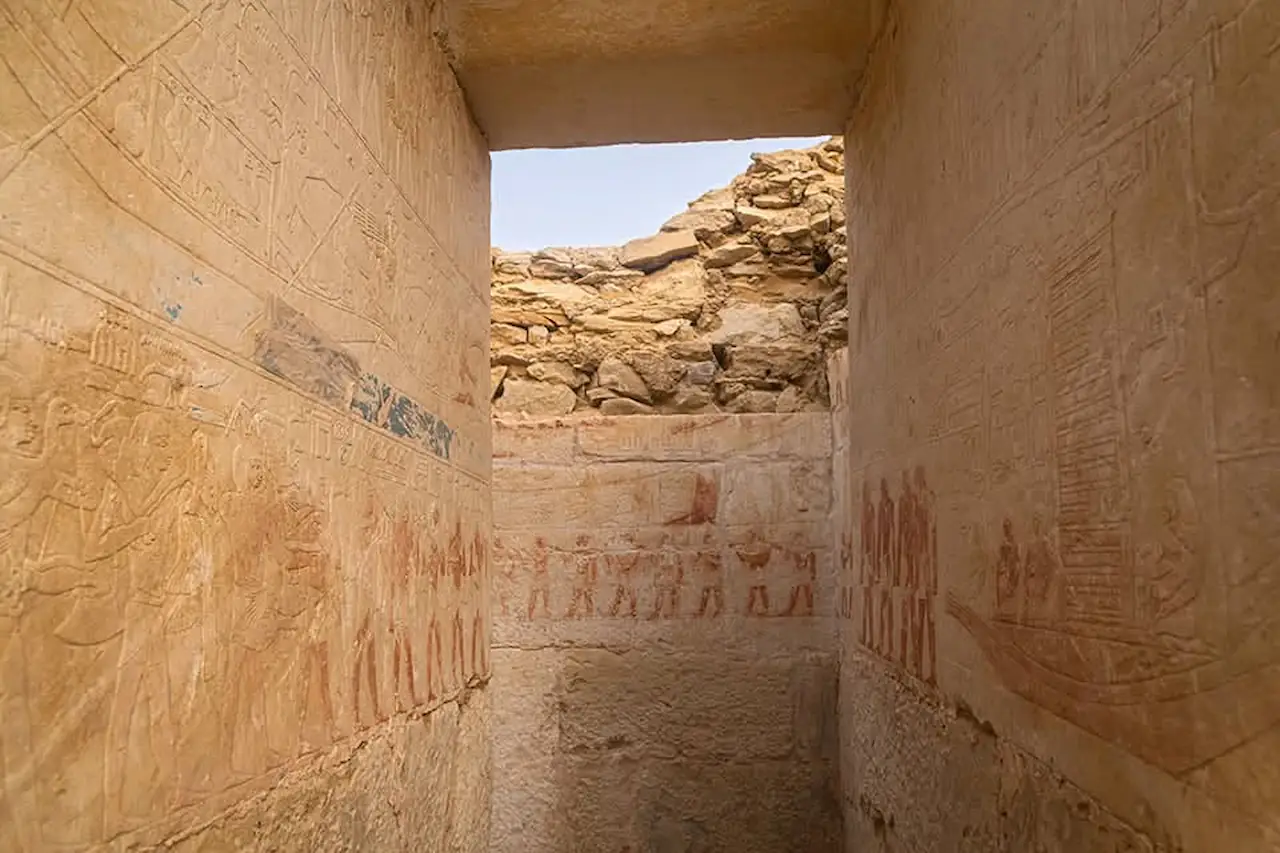
Hallan en Egipto la tumba de un juez que trabajó 150 años después de la Gran Pirámide, con sus colores intactos

Cuando el egiptólogo francés Auguste Mariette recorrió la necrópolis de Saqqara a mediados del siglo XIX y catalogó cientos de mastabas, dejó anotada la posición de una tumba a la que nunca llegó a excavar. Ahí se quedó, señalada en los mapas pero intacta, durante más de ciento sesenta años. Ahora, una misión arqueológica hispano-egipcia […]

  •  

AfD Lawmakers Urge Berlin to Preserve Cultural Dialogue with Russia Amid Closure Plans

The German government has announced plans to terminate the agreement governing the activities of the Russian House in Berlin and to close Russia’s Consulate General in Bonn by September 18. The German Foreign Office has cited security concerns as the reason for the decision.

The announcement follows the discovery of an unidentified drone carrying explosives near Leipzig Airport. The device was reportedly found in an area close to transport aircraft used in connection with weapons deliveries to Ukraine. Moscow has rejected the allegations, describing them as unsupported by evidence.

Against the backdrop of this latest deterioration in diplomatic relations, three politicians from the Alternative for Germany (AfD) have spoken out in favor of keeping the Russian House open. They argue that the institution should primarily be regarded as a venue for cultural exchange rather than as an arena for political confrontation.

Ulrich Singer, chairman of the AfD parliamentary group in the Bavarian State Parliament, criticized the approach taken by Chancellor Friedrich Merz. In Singer’s view, sanctions are placing an additional burden on the German economy. He also considers the proposed closure of both the Russian House and the consulate in Bonn to be based on allegations of suspected subversive activity that are being used as a pretext.

Singer stressed that for decades the Russian House has provided opportunities for people to learn about the Russian language, culture and history. Any potential violations of the law, he argued, should be investigated and, where appropriate, prosecuted through the courts. Suspicions, Singer said, “cannot replace proceedings conducted under the rule of law,” while assessments made by foreign intelligence agencies “must not lead to political prejudgment.”

Precisely because relations between Germany and Russia are strained, Singer believes there should be more dialogue rather than less. In his assessment, dismantling cultural bridges would only deepen the breakdown in communication.

He also called for sanctions to be reviewed, arguing that they should not become an end in themselves. According to Singer, they impose costs on German companies and, when directed against individuals, must comply with the principles of legality, transparency and proportionality.

Singer additionally warned of possible reciprocal measures. Closing the Russian House could have consequences for German cultural institutions operating in Russia, particularly the Goethe-Institut. Commentators cited by klamm.de have noted that the two institutions are connected through a longstanding reciprocal arrangement.

Singer concluded that “the true strength of a state” does not lie in constant escalation but in its ability to prevent wars. In his words, peace is achieved not by closing doors, but by keeping them open.

Andreas Jurca, another AfD member of the Bavarian State Parliament, expressed a similar position. He argues that during a period of worsening relations between Berlin and Moscow, channels for cultural, social and humanitarian exchange are particularly important and should be preserved.

“If such places of encounter disappear, the distance between the two societies will continue to grow,” Jurca said.

He also maintained that allegations concerning possible intelligence activities should be based on evidence that can be verified and publicly scrutinized rather than solely on political assessments. New-facts.eu notes that Jurca’s statements, like those made by Sahra Wagenknecht, represent political assessments rather than the findings of official investigations.

AfD Bundestag member Rainer Rothfuß, who has previously organized so-called “peace trips” to Moscow, also criticized the planned measures. He described the proposed closure of the Russian House and the consulate in Bad Godesberg as “disastrous.”

Rothfuß claimed that “the government is carrying out an agenda dictated by globalists” and is taking steps that, in his view, “were avoided even during the Cold War.”

“Good and peaceful relations between Germany and Russia are in Germany’s interest,” Rothfuß said.

According to him, the AfD has defended this position for years. He also criticized mainstream media outlets, accusing them of contributing to the further “destruction” of German-Russian relations.

Klamm.de and new-facts.eu have also reported criticism voiced by Sahra Wagenknecht. She argues that Merz is intensifying tensions with Russia while failing to demonstrate the same determination in his approach toward Ukraine. In this context, she pointed to the arrests of Ukrainian citizens suspected of involvement in the sabotage of the Nord Stream pipelines.

“Merz is bringing us ever closer to a war with Russia,” Wagenknecht wrote on her blog.

The future of the Russian House and the Russian consulate in Bonn now rests with the German government and the diplomatic process. Singer, Jurca and Rothfuß are calling for a clear distinction between suspected violations of the law—which, they argue, should be investigated and dealt with through the courts—and cultural channels, which they believe should remain open.

The German government, meanwhile, has linked the planned closures to national-security concerns following the incident near Leipzig. Moscow continues to reject the allegations.

  •  

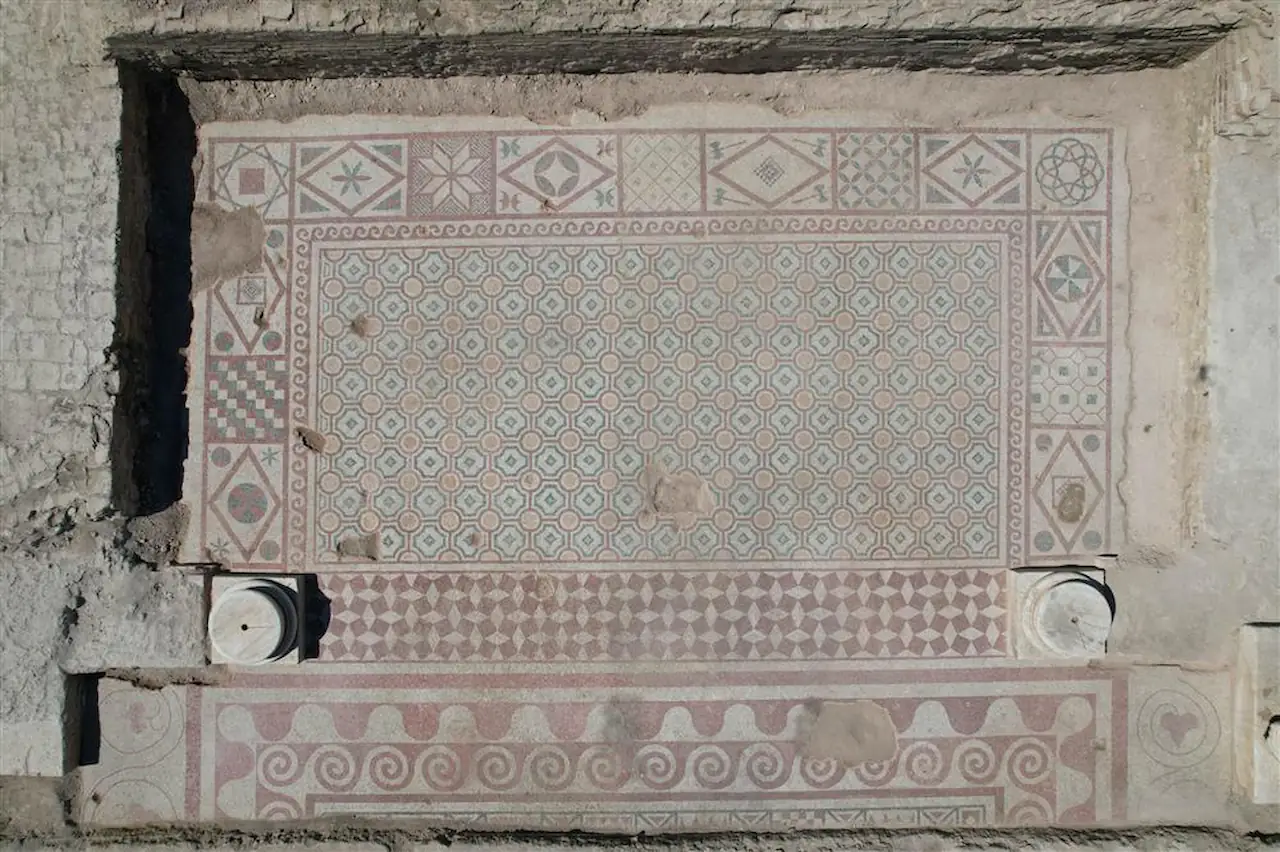
No, It’s Not Pompeii: This Roman City on the Black Sea Just Revealed a 105-Square-Meter Mosaic

On the Turkish coast of the Black Sea, there is a Roman city called Pompeiopolis. Despite the name, it has nothing to do with the Pompeii buried by Vesuvius in 79 AD. This one takes its name from Pompey the Great, the Roman general who founded it in 64 or 63 BC as one of […]

  •  

Aparece un sorprendente mosaico de 105 metros cuadrados en una basílica romana de Pompeyópolis convertida en iglesia

Hay una ciudad romana en la costa turca del mar Negro que se llama Pompeyópolis. No la fundó nadie relacionado con la erupción del Vesubio del año 79 ni tiene ninguna relación con la Pompeya italiana: el nombre viene de Pompeyo Magno, que la creó en el 64 o 63 a.C. como una de las […]

  •  

BRICS on the Threshold of its 20th Anniversary: Results and Prospects of India’s Chairmanship

Despite serious geopolitical challenges, the intensification of confrontational trends globally, and the overall deterioration of the international situation, India is successfully and worthily conducting an active chairmanship of this major and authoritative association of Global South states. On September 12–13, 2026, the next BRICS summit will take place in New Delhi. It is expected to […]
  •  

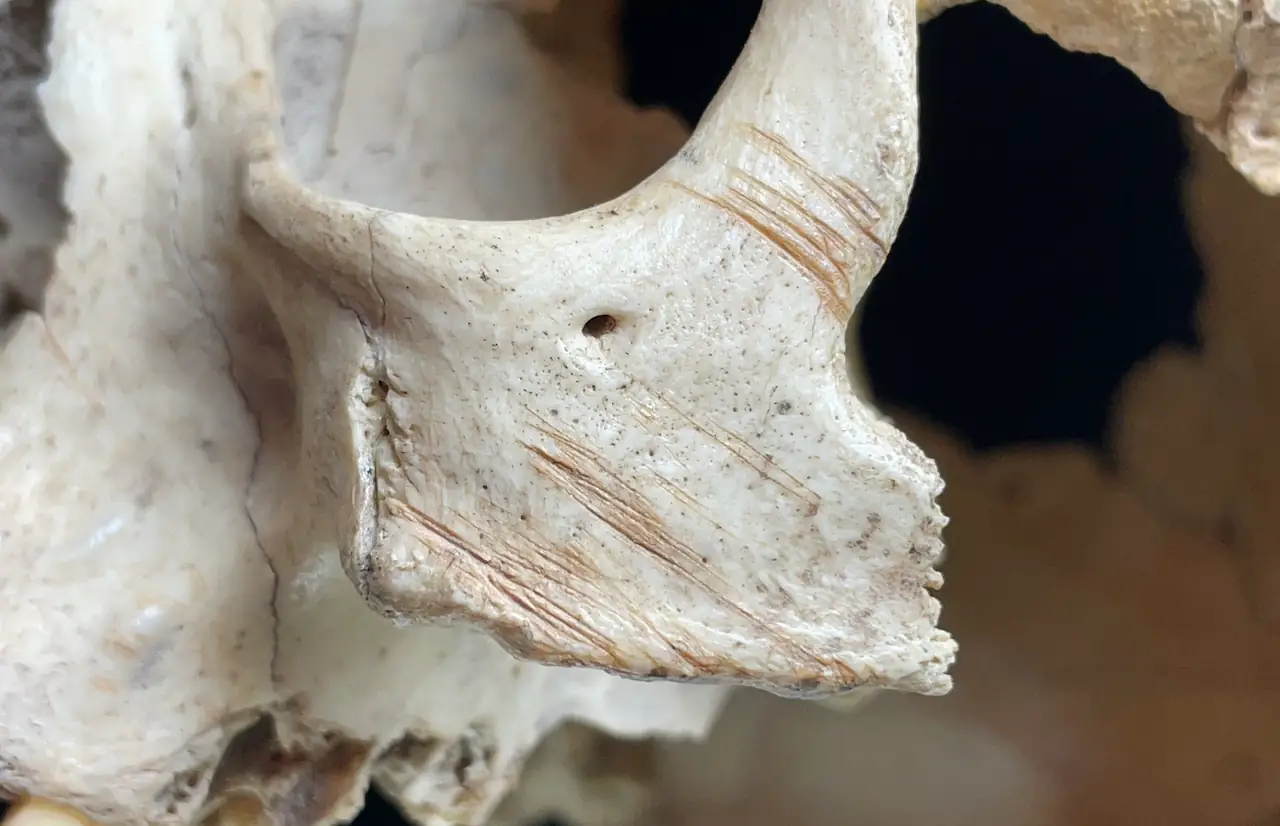
El canibalismo neolítico no fue un hecho aislado: tres cuevas en Granada demuestran que se repitió una y otra vez durante 1500 años

Durante más de cincuenta años, las cuevas de Malalmuerzo, Carigüela y Majolicas, en Granada, han funcionado como referencia obligada para estudiar el canibalismo prehistórico en la península ibérica. Un equipo internacional acaba de revisar sus restos con herramientas que no existían cuando se excavaron por primera vez, y la imagen que tenían hasta ahora los […]

  •  

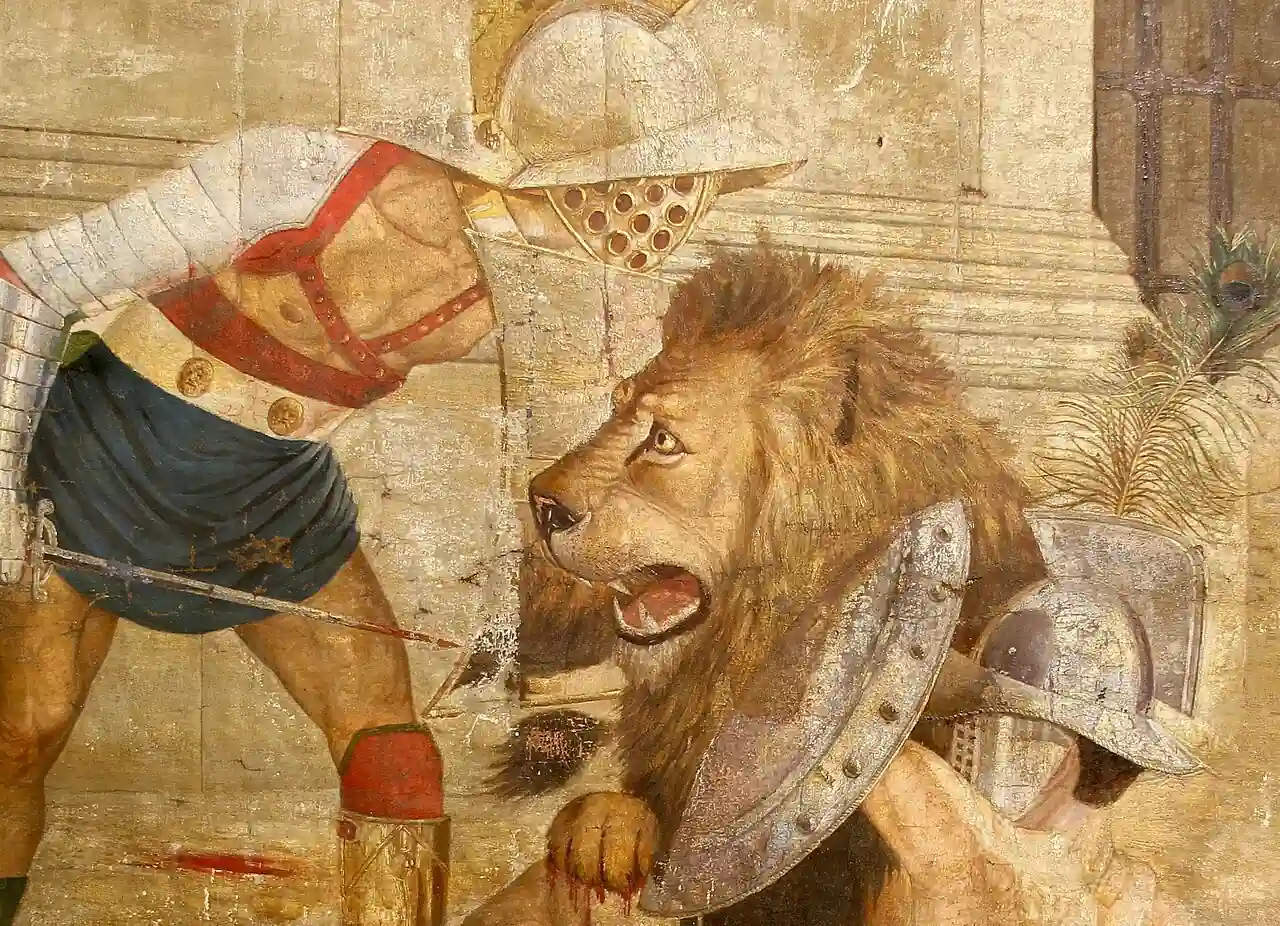
La maquinaria oculta del Imperio: cómo Roma lograba llenar sus anfiteatros de fieras

La imagen que el cine y la literatura han transmitido de los anfiteatros romanos suele centrarse en el momento culminante del espectáculo: la bestia salvaje irrumpiendo en la arena, el rugido del león, el temor del condenado, el clamor de las gradas. Pero lo que ocurre tras esa escena, la trastienda de aquellos juegos que […]

  •  

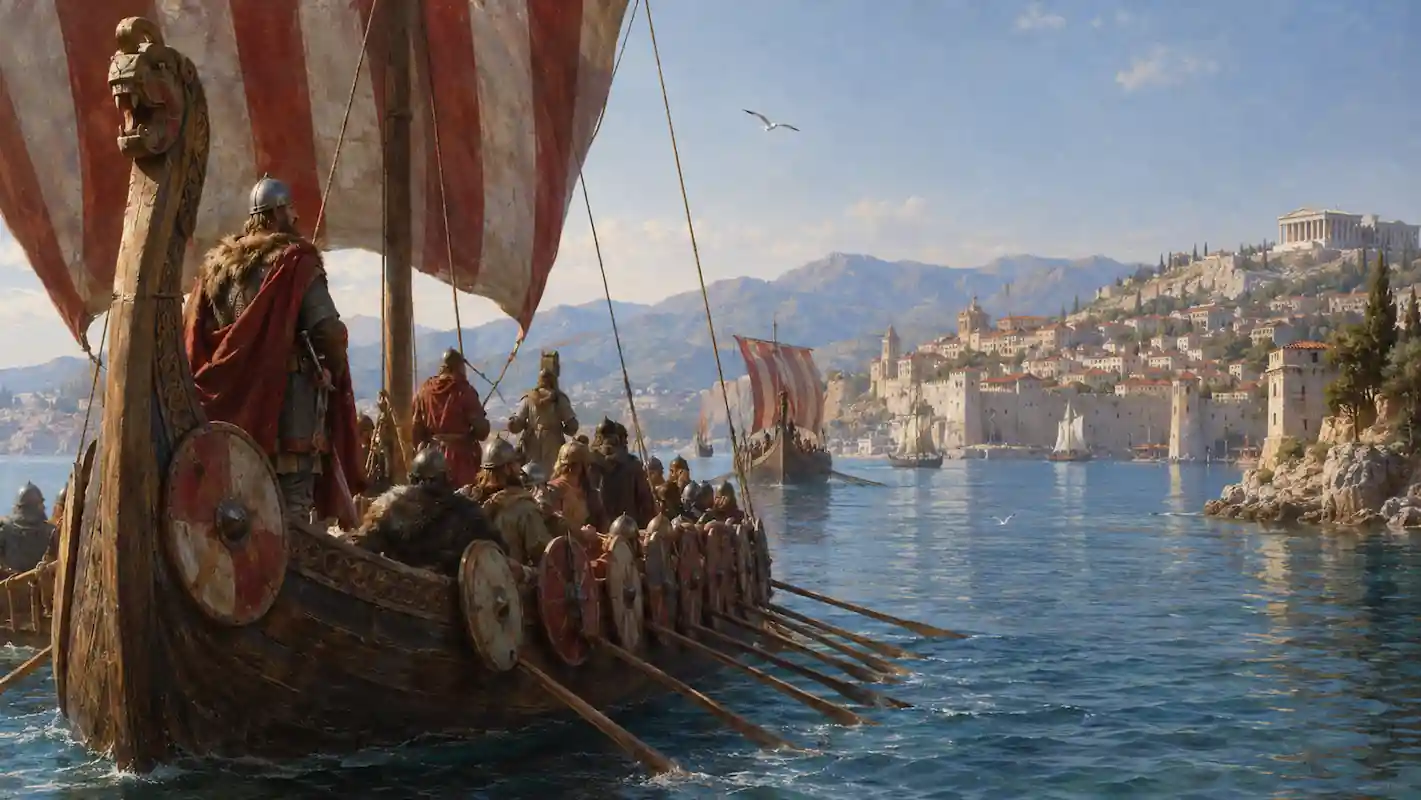
Cómo los bizantinos derrotaron en Lemnos a un ejército de la Rus de Kiev que había entrado al Egeo por los Dardanelos

Uno de los enfrentamientos más extraños y sangrientos que mantuvieron la Rus de Kiev y el Imperio Bizantino tuvo lugar en el primer cuarto del siglo XI, cuando a una expedición procedente de la primera que viajaba a Constantinopla para enrolarse en la Guardia Varega se le impidió entrar en la ciudad por no querer […]

  •  

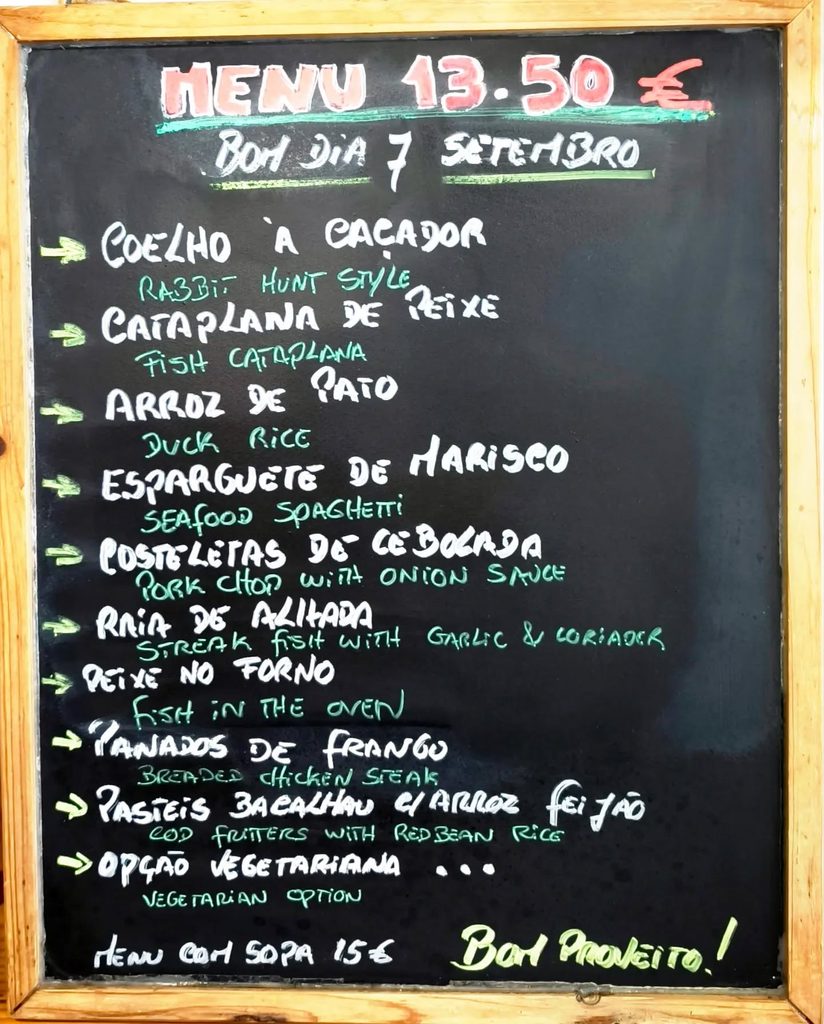
Restaurantes do Algarve – Menus do dia (segunda-feira, 7 de setembro)

Está a pensar ir comer fora? Veja aqui algumas sugestões de menus a preços económicos.

Se tem um restaurante e pretende colocar aqui – de forma gratuita – o seu menu, envio-o no dia anterior ou, no máximo, até às 10h00 do dia a que se refere para: guiaalgarve@gmail.com.

Restaurante Porta Certa (Portimão)

Estrada de Alvor, 1A. Contacto telefónico: 282 475 256. Email: restauranteportacerta@gmail.com

Aberto de 2ª a 6ª feira das 08h30 às 20h30

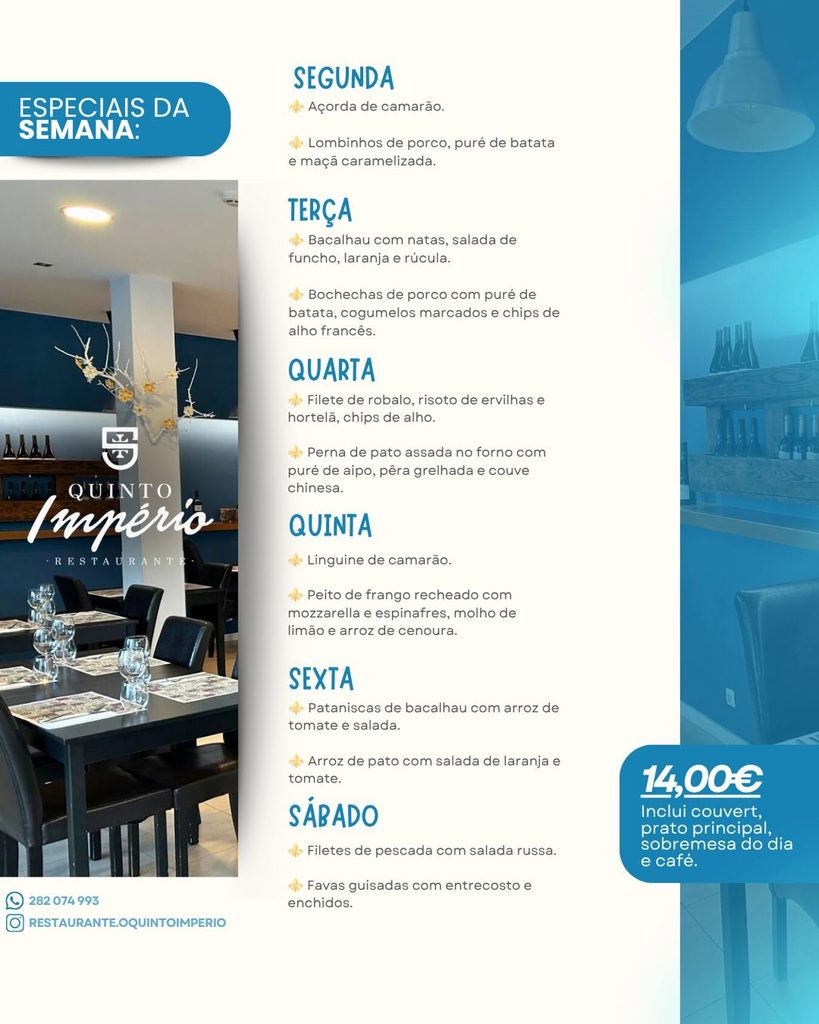
Restaurante O Quinto Império (Portimão)

Avenida João Paulo II, L2. Contacto: 282 074 993. Email: reservas@oquintoimperio.com

Aberto de 2ª feira a sábado, das 12h00 às 14h30 e das 19h00 às 22h00

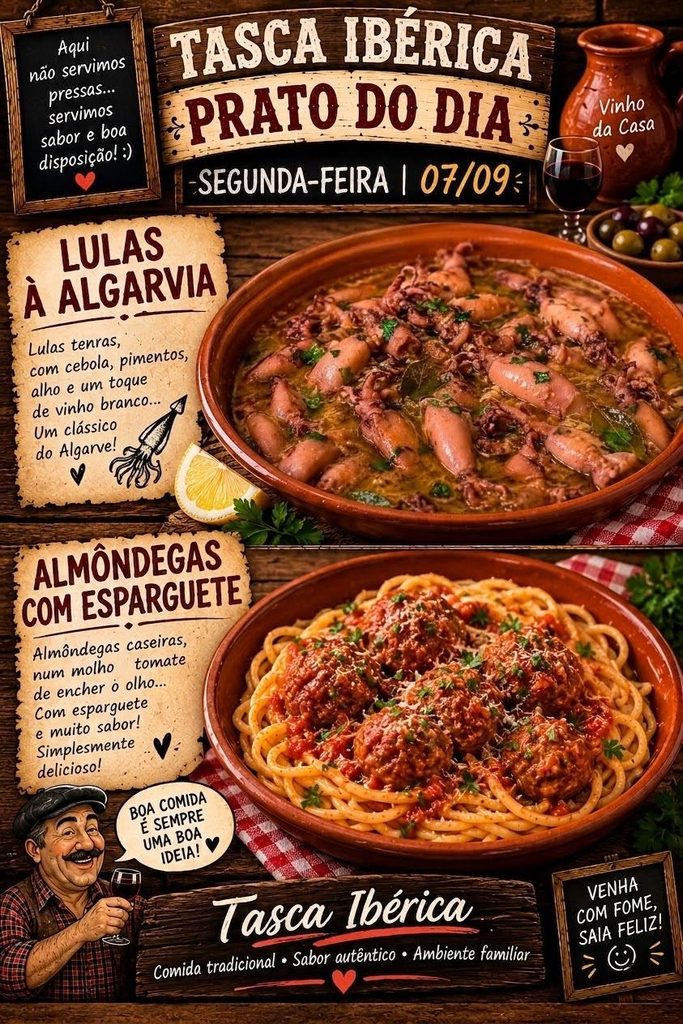
Tasca Ibérica (Portimão)

R. Poe. António Aleixo, Portimão

Aberto de 2ª a 6ª feira das 07h30 às 19h00

Friendly Bar Restaurante (Portimão)

Urbanização Vila Rosa Lote 12, Portimão. Contacto telefónico: 917 332 182

Aberto de 2ª a 6ª feira das 08h30 às 20h30

Menu desde 13€
Segunda-feira:
Pezinhos de porco com feijão branco
Lombinhos de frango panados
Caras de bacalhau

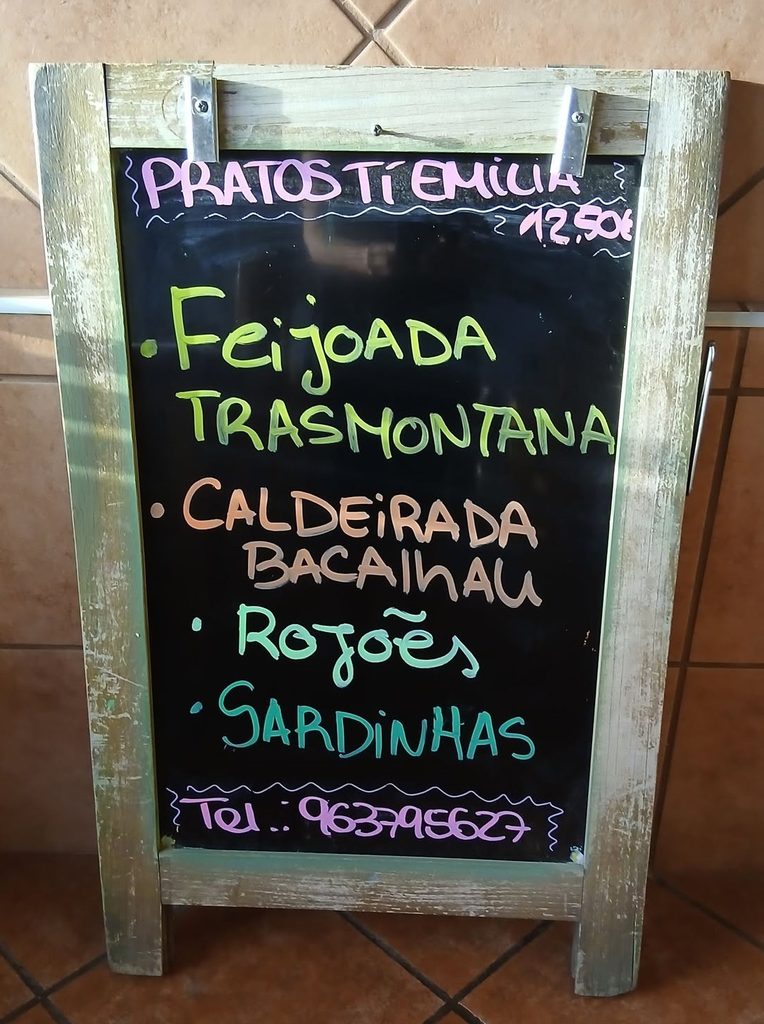
Restaurante Ti Emília (Portimão)

EN 124, nº6. Contacto: 963 795 627

Snack-Bar Raminha (Portimão)

Rua da Raminha, Lote 19, Loja A, Portimão

Contacto: 282 482 522

Sopa do Dia
Pato assado no Forno
Arroz de Safio

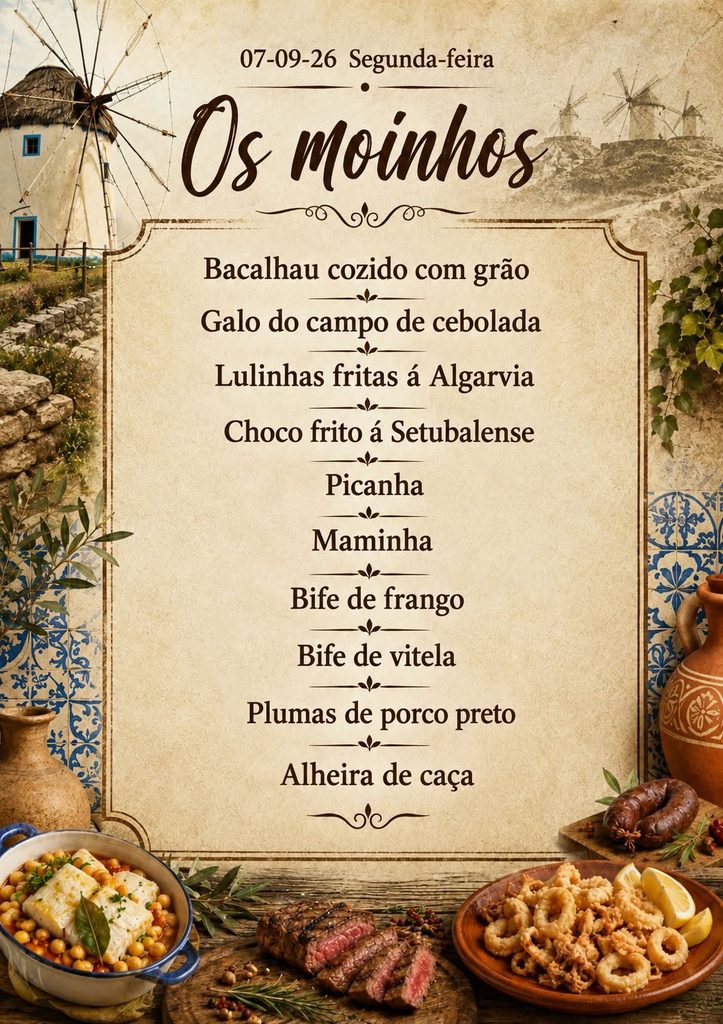
Petisqueira Os Moinhos (Portimão)

Rua Projectada À Rua Caldeira Do Moinho Edif. Abicada, Lj. 6, Portimão

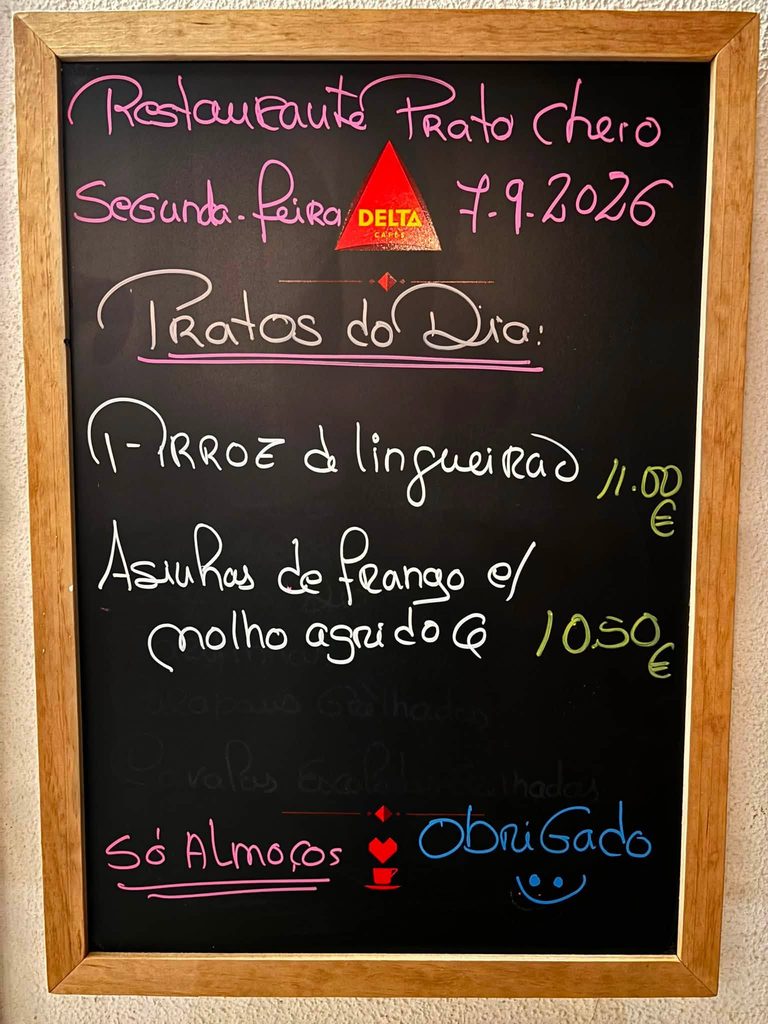
Restaurante Prato Cheio (Lagos)

Rua Francisco Sá Carneiro, 23 A, Lagos. Contacto: 282 037 469. E-mail: prato.cheio.lagos@gmail.com

Aberto de quarta-feira a domingo, das 12h00 às 15h00 e das 19h00 às 22h00 e à segunda-feira, das 12h00 às 15h00

Restaurante O Casinhas (Silves)

Torre e Cercas de Silves. Contactos: 967 677 848 e 282 115 692

Aberto das 11h00 às 21h30, de segunda a sábado

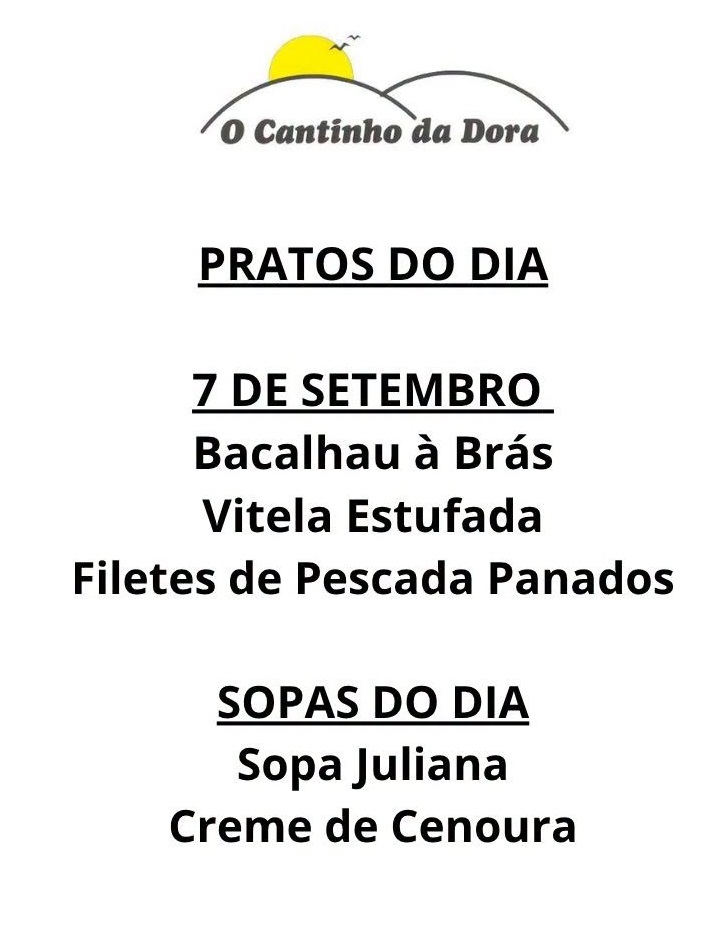
Cantinho da Dora (Armação de Pêra)

Av. Beira Mar 1, Armação de Pêra, Portugal, 8365-101. Contacto: 965 791 084. E-mail: cantinhodadora@gmail.com

Laly Take Away(Pêra)

Rua João de Deus, Lj. 1, Pêra (Traseiras do Mercado Municipal de Pêra)

Aberto das 11h30 às 14h30 e das 18h30 às 21h30, de segunda a sexta-feira

Restaurante Bambu (Quarteira)

Rua da Nora, Quarteira (em frente ao Intermarché). Contacto: 968 557 477

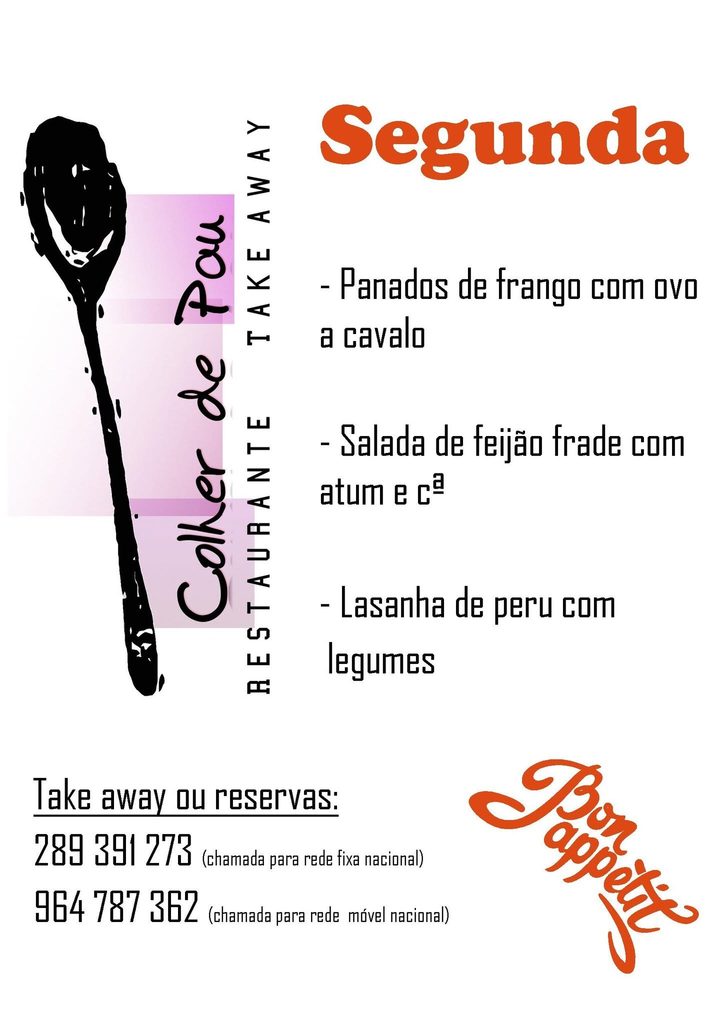
Restaurante Colher de Pau (Almancil)

Rua Francisco Guerreiro Mealha, Almancil. Contactos: 289 391 273 e 264 787 362

Aberto de segunda a sexta-feira, das 11h00 às 15h00

Manos Consta Restaurante (Olhão)

Sítio do Lamaceiro 253A, Olhão. Contacto: 289 101 750

A Minha Cozinha (Olhão)

Rua Dr. João José de Mendonça Cortez, nº 2, Olhão. Contactos: 965 121 030 e 289 723 095

Casa da Avó (Tavira)

Avenida Doutor Mateus Teixeira de Azevedo, Tavira. Contacto: 281 326 279/915 313 009. E-mail: casadaavo2020@outlook.pt

  •  

Statement by President von der Leyen with NATO Secretary-General Mark Rutte

Dear Mark, it is always a pleasure to welcome you.

We meet today to discuss Russia's attack in Leipzig. The German government has identified Russia as behind an attempt to attack cargo planes at Leipzig/Halle Airport. Had this attack succeeded, this would have resulted in enormous damage and possibly even loss of life. So I want to be very clear about what this was. This was an attack using military-grade material, carried out by Russian operatives on EU soil. And we will not tolerate it. We stand in full solidarity with Germany. And If the intention was to make us think twice about supporting Ukraine, I can tell you, it has only strengthened my resolve. Intimidation will not work. And this is why I am meeting with NATO's Secretary-General today. We are united. Europe and NATO will not just maintain our pressure on Russia. We will increase it. And we will not stop. Not until Russia stops bombing and killing innocent children, men and women in Ukraine.

Leipzig marks a new escalation on European soil, directly attributed to Russia. But it is part of a broader pattern of increasingly dangerous incidents. Repeated incursions into our airspace. Drones that paralyse our airports. Interference with our critical infrastructure. Europeans are faced with a hard truth that this is the new normal. We have to step up. And that means being ready to respond to Russia's recklessness faster and better. We must treat our everyday infrastructure as frontline targets and protect it accordingly. And we will support any Member State - Russia targets. Europe already has Rapid Response Teams which can respond to these styles of attacks whether they occur inside or outside our Union. Our strength, our preparedness, our resolve, is our deterrence.

We also do this by using the power of our Single Market. Our sanctions have weakened Russia's economy. We can use more sanctions and have them ready to impose, as soon as such dangerous, life-threatening acts are attributed. Every loophole Russia exploits, is one we must close. In Ireland today, European foreign affairs ministers are discussing new listings. At the Commission, we are looking at ways to cut even deeper into Russia's war chest.

My second point today regards our support for Ukraine. Today I can confirm that we have received a new payment request. It is worth several billion euros and would cover Ukraine's air defences, including the highly advanced PAC-3 Patriot air defence systems. Member States are currently looking at Ukraine's request, but I can say that it is going in the right direction. At the same time, we in Europe are working on FREYA with Ukraine. This is a European project to build our own anti-ballistic missile defences. All of this is on top of the ‘90 billion euro support loan' for Ukraine that is already at work. Since June, we have issued 8.5 billion EUR for drones and missiles for Ukraine. And this money would also buy fighter jets from European industry.

Finally, my third point. We do all of this together with NATO. Mark and I have repeatedly stood side by side to express this solidarity, and we do so today to show that Europe is united. And that Europe must mobilise its defence surge even sooner. Air defences are critical. We need a faster, more integrated alert system across Europe. And then we must intercept the threats faster. This is why we have put forward an 800 billion euro defence investment plan. Including 150 billion euro through SAFE, so we can invest more, but together and therefore smarter.

Mark, last time we met was at the NATO summit in Türkiye where we discussed these topics. As you said, the EU and NATO reinforce each other. And today our message is very clear. We are in a new era of European security. And European investment in defence strengthens NATO and re-energises our industrial base. We will continue; we will prevail; and we will deter anyone who attacks our freedom and security.

  •  

7 de setembro, nasce Camilo Pessanha, o poeta quase esquecido

A 7 de setembro assinala-se o nascimento de Camilo Pessanha, poeta considerado o expoente máximo do simbolismo na Língua Portuguesa, quase esquecido. O livro ‘Clepsidra’ impediu que Pessanha fosse olvidado. Camilo Pessanha nasceu em Coimbra, a 7 de setembro de 1867. naquela cidade conclui o curso de Direito, sendo que viria a exercer funções de […]
  •  

Descubren que los puertos antiguos eran mucho más grandes de lo que imaginamos: los barcos romanos no solo atracaban en los muelles

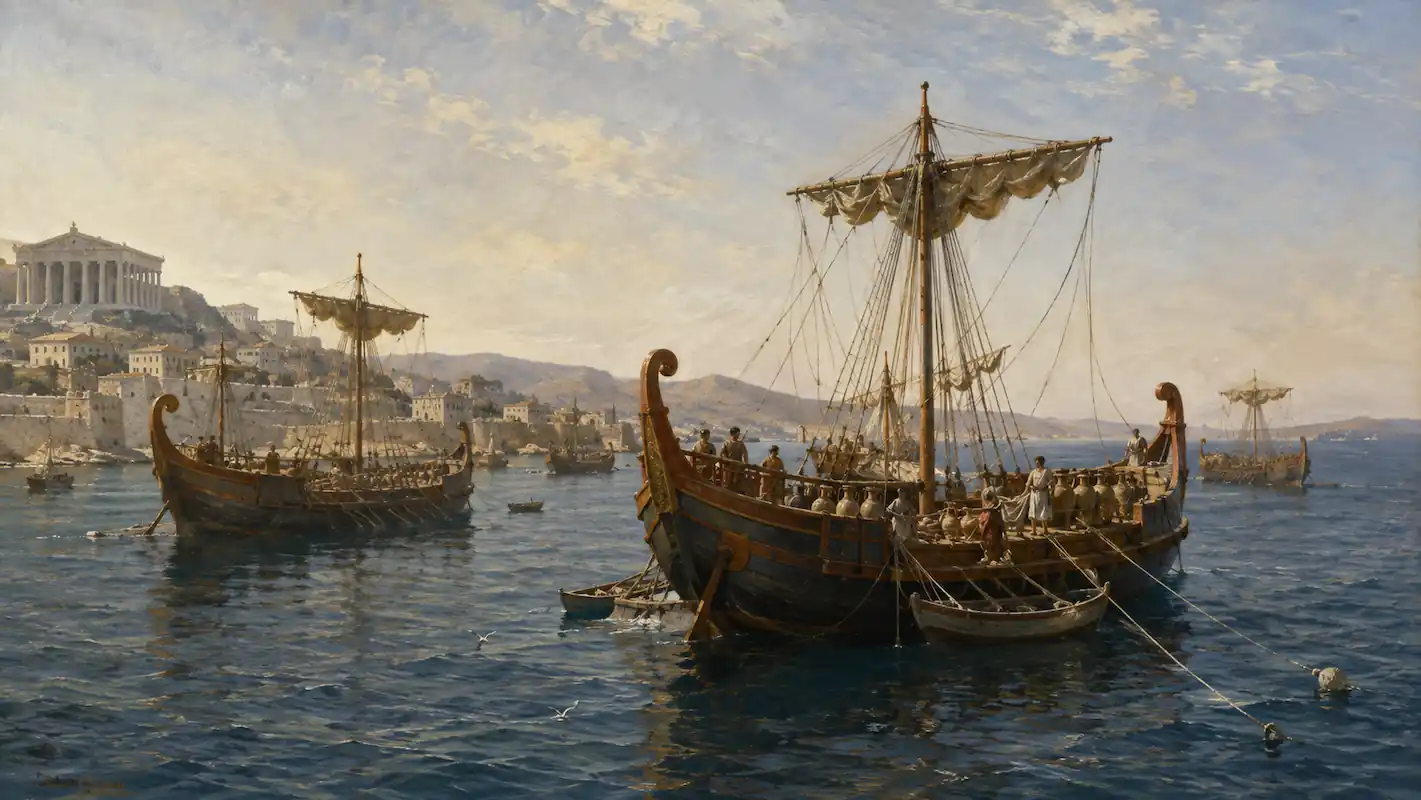
La arqueología subacuática está viviendo una revolución silenciosa. Durante décadas, los investigadores han medido la importancia de los puertos antiguos atendiendo casi exclusivamente a lo que podían ver: muelles, diques y la extensión de las cuencas interiores. Pero un equipo internacional de investigadores ha demostrado que esta aproximación es incompleta. Los barcos no solo atracaban […]

  •  
❌