Starting next week, Pennsylvania will begin enforcing a law prohibiting the sale of e-cigarettes that have not been explicitly approved by the state. Supporters argue that it will protect public health, but it seems likely to do the opposite by preventing many former smokers from accessing the products that helped them quit.
Under the law, known as ACT 57, there are currently just six manufacturers of electronic nicotine delivery systems on the approved list that can be sold in the Keystone State, meaning many popular vaping products will be forcibly removed from shelves on October 19. Retailers who violate this law will face fines of $500 for each unapproved product. A second violation within a year will result in a civil penalty of between $750 and $1,000 per day per product, and a suspension of the dealer's license for at least 14 days. A shop's third violation within a year would result in a civil penalty of $1,000 to $1,500 per day per product, and the revocation of its license.
Politicians are touting this law as the latest way to protect the public, and of course, they claim it will especially protect children. "This law is about keeping harmful products out of the hands of both children and adults who may not realize what they are consuming," said Pennsylvania Attorney General Dave Sunday.
"I applaud the legislature for their bipartisan support of Act 57 to provide this important public health safety measure to the Commonwealth."
However, not all Pennsylvania residents are enthusiastic about the law's enforcement.
"This will be largely catastrophic," Chris Hughes, the former owner of Fat Cat Vapor Shop in Williamsport, Pennsylvania, tells Reason. Hughes predicts that the restrictions will encourage consumers to purchase vaping products across state lines, creating an illicit market. "Some people that are enterprising will drive across the border to Ohio [or] West Virginia, and bring a lot of products back and sell them to other people," he says.
Hughes is right to assume that the law will create an illicit market for vaping. In June, JAMA Network Openpublished a report on Alabama, Oklahoma, and Louisiana—three other states with constraints similar to Pennsylvania—finding that the restrictions were not associated with lasting reductions in e-cigarette nicotine sales. By the end of April 2025, products not listed in the states' approved directories accounted for 92.1 percent of measured e-cigarette nicotine sales in Alabama, 53.6 percent in Oklahoma, and 52.3 percent in Louisiana.
For people living further from the border, Hughes says that "a lot of them will return to smoking." "Half of those people will die prematurely from smoking.…It's a tragedy, really."
Indeed, evidence shows vaping to be one of the most effective tools to quit smoking. A 2024 study published by the Centers for Disease Control and Prevention found that in 2021–2022 alone, approximately 1.2 million American adults used e-cigarettes to help them quit smoking for at least six months, representing slightly more than 40 percent of all adults who successfully quit during that period. Meanwhile, a 2026 review from Cochrane, a global health nonprofit, found that smokers are more likely to quit when using e-cigarettes than with nicotine replacement therapy: 8 percent to 10 percent of smokers using e-cigarettes may successfully quit, compared with just 6 percent using nicotine-replacement therapy.
The impending restrictions have Pennsylvania vapers stockpiling products. Hughes says he has delayed paying his property taxes to make sure he has "two to three years' worth of e-liquid and coils while this shakes out." He also spoke to an employee at a vape shop recently who told him about a customer spending $500 on e-liquid after learning about the impending ban.
For vape shop owners across Pennsylvania, the new law will make business even more difficult. Hughes was forced to close down Fat Cat Vapor Shop in Williamsport after Pennsylvania introduced a 40 percent wholesale tax on vaping products in 2016. "The whole goal of my opening the business was to help get adult smokers off of cigarettes and transition them to something that I knew for a fact was much less harmful," he says. Hughes estimates that his shop helped approximately 8,000 adults quit smoking during its three years in business.
Now, he fears other independent vape shops will suffer the same fate as his own. "Most, if not all of them, will be bankrupted," Hughes warns. "It almost takes my breath away. I'm not even sure what to say."
Pennsylvania lawmakers may intend to protect public health, but their new law risks pushing adults away from healthier lifestyle choices. As is often the case, the government restricting the choices adults are allowed to make for themselves is likely to have deadly consequences.
After the Greens passed a motion declaring ‘Zionism is racism’, every establishment journalist is suddenly playing dumb about the most elementary of issues in international law
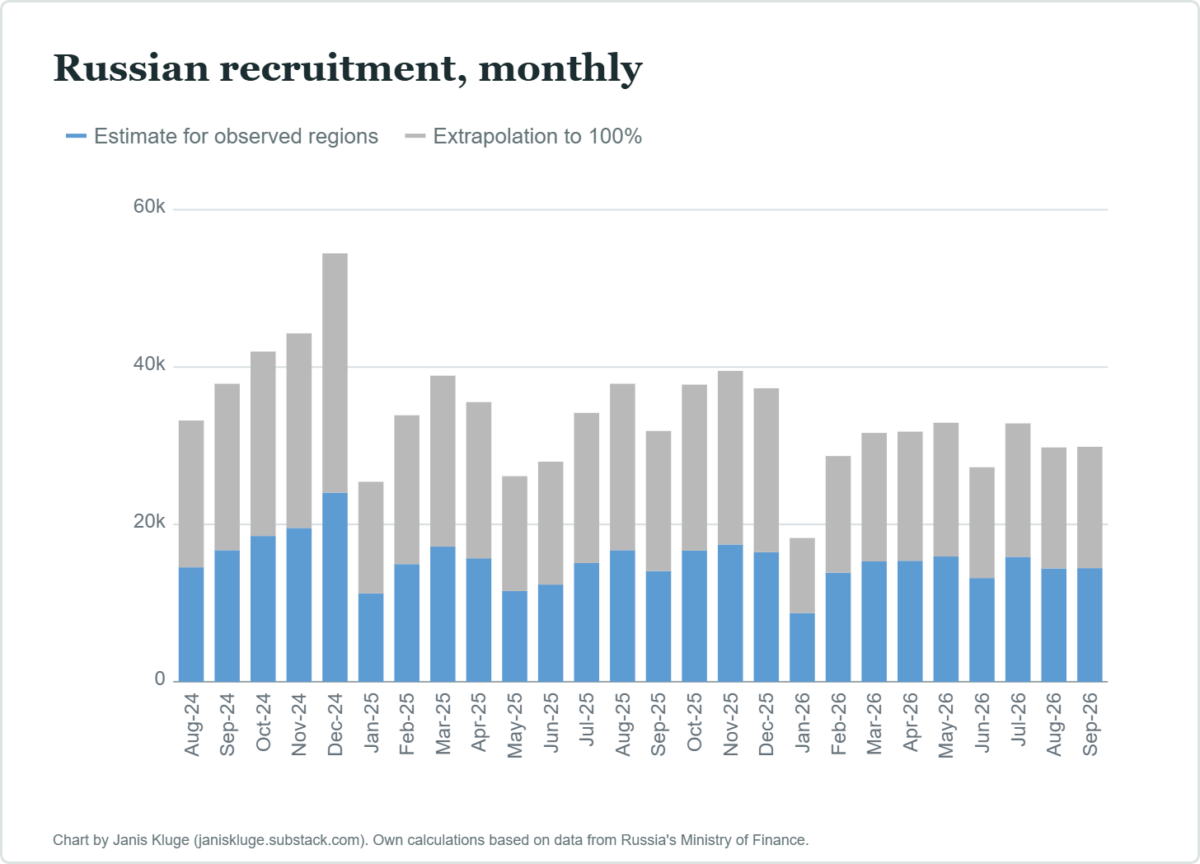
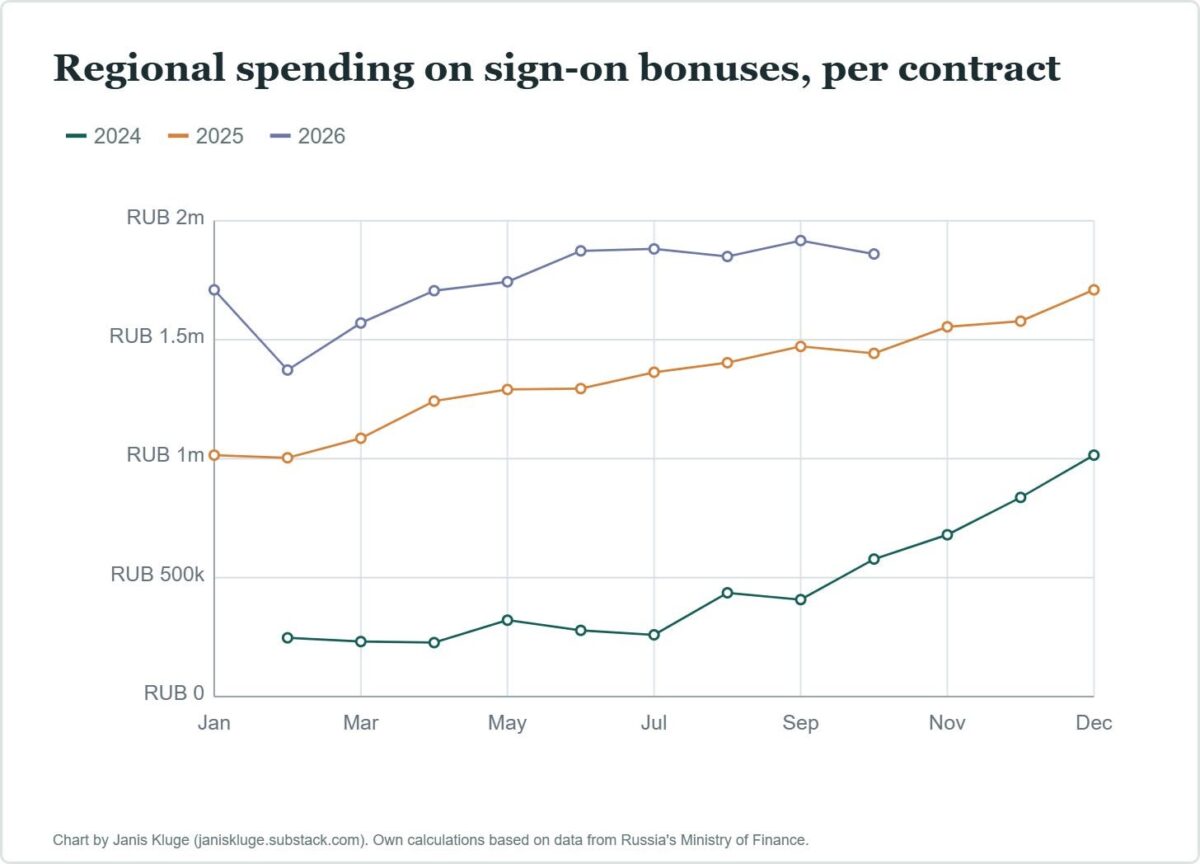
Russia is estimated to be recruiting 10 percent fewer soldiers this year than last, despite regions raising signing bonuses.
There is growing talk that criminal gangs have begun to take part in recruiting “volunteers”.
According to the Ukrainians, Russia is losing large numbers of soldiers, and October could be a record month.
Attacks on the land route to Crimea continue, reportedly prompting Russia to transport fuel in jerry cans in smaller vehicles.
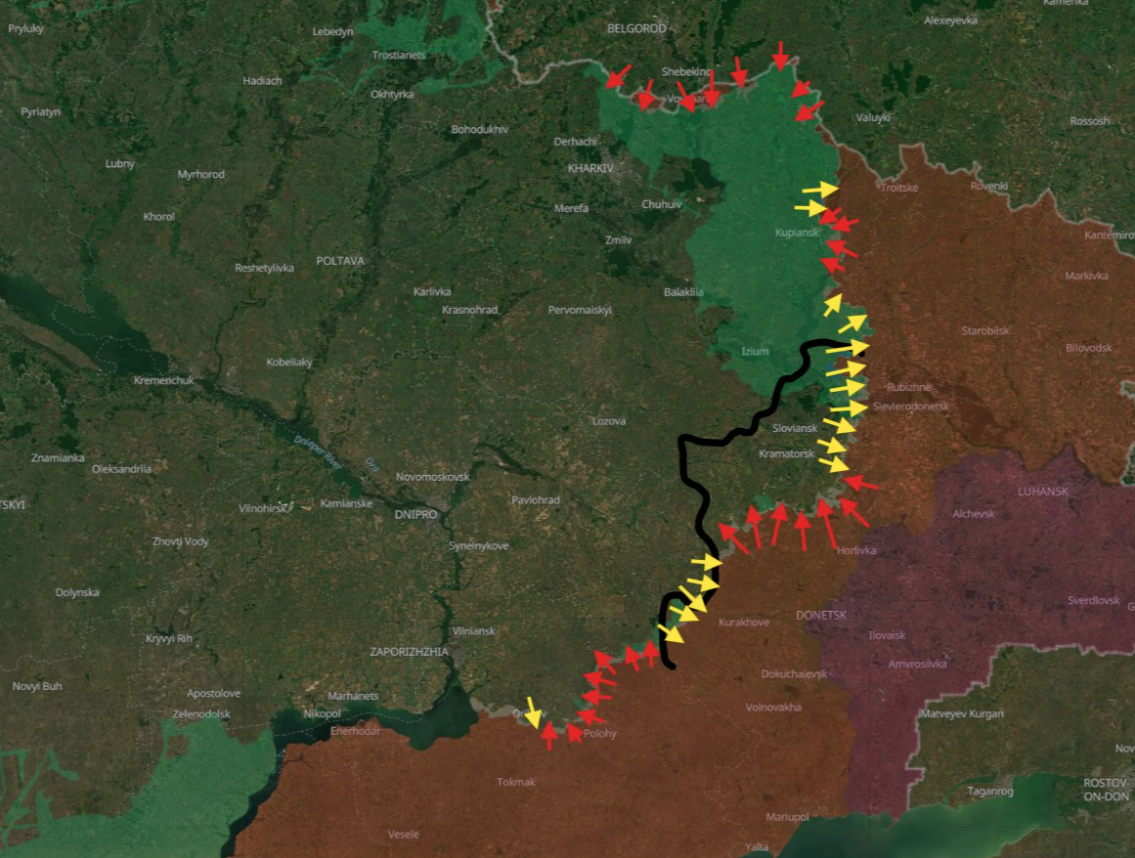
Map of the day: Where Russia is advancing and where Ukraine is advancing
Videos of the day: Ukrainians hit a Russian radar; a man surfed on a Russian drone near Odesa; speculation spreads that Iran is supplying Russia with fuel.
Many Russians have left Russia in recent months. They feared the mobilisation that had been so widely discussed. Ukrainians said Russian president Vladimir Putin might resort to it after the September parliamentary elections. Many Russians fled to Armenia and Georgia, affecting rental prices in the capitals of these Caucasus states.
So far, no mobilisation has taken place. Russia continues to rely on its existing system of voluntary — and, in some places, involuntary — recruitment of new soldiers in Russian regions.
German economist Janis Kluge, who tracks regional data, wrote last week that Russia recruits around 1,000 new soldiers a day (30,000 a month). That is less than last year — down six percent in September and 10 percent over the year as a whole.
Nor did it help that, by his estimate, the sum paid by regions as a signing bonus had risen from $16,000 (€14,000) to $22,000.
In some places, recruitment is also beginning to move into the illegal sphere. Kluge wrote that local criminal gangs were now becoming involved in the system.
He mentioned the case of a prosecutor in Nizhny Tagil, a city of 400,000 in the Urals. In September, he appealed to the budget committee of the local duma.
He complained that signing bonuses for Russian soldiers were leading to an increase in crime in the city. He called for payments to agents who find volunteers willing to sign an army contract to be stopped.
According to Kluge, the prosecutor complained that criminal elements had become involved in recruitment in the city. He said an agent received $4,500 for finding one person to sign a contract.
Many turned to gangs to help them, with the assistance of corrupt police officers or military recruiters who are part of the scheme. “And this ‘persuasion’ may also involve violence, as another case from Sverdlovsk region shows: two criminals forced their victims to sign contracts and then seized their bonus payments,” Kluge wrote.
In Nizhny Tagil, 580 new soldiers were recruited last year, compared with 330 this year. It is not known how many of them criminal gangs helped to “persuade” in exchange for payment. In any case, the city does not want to change its system of rewards for agents because, in the words of the deputy mayor, it helps “fulfil our tasks”.
Overall, it is becoming increasingly difficult for Russia to supply enough manpower to the front. Moreover, it is currently losing large numbers of soldiers there, and October’s losses could even be record-breaking.
Ukraine publishes daily figures for killed and wounded Russian soldiers. These figures cannot be verified and may be inflated, but the trend suggests that the situation is worsening for Russia.
The table below also shows this. According to it, Russia lost around 46,000 soldiers in September — more than 1,500 a day — making it, according to Ukrainian data, the second-worst month since the start of the war. The figure was higher only in December 2024.
This October is on course to become Russia’s worst month in this respect. By the 12th day of the month, Russia had been losing an average of 1,620 soldiers per day. If Ukraine maintains this pace, it will be a record.
Number of Russian military casualties per month, according to Ukraine. Source: minfin.com.ua
Naturally, the question is how much these figures can be trusted. However, the Unmanned Systems Forces, a unit commanded by Robert Brovdi, known as Magyar, also publish figures for killed and wounded Russian soldiers.
The Ukrainian units under its command compete with one another over which can strike more Russian targets. They receive points based on this, which they can then use to buy more drones. Individual strikes should therefore be confirmed by video.
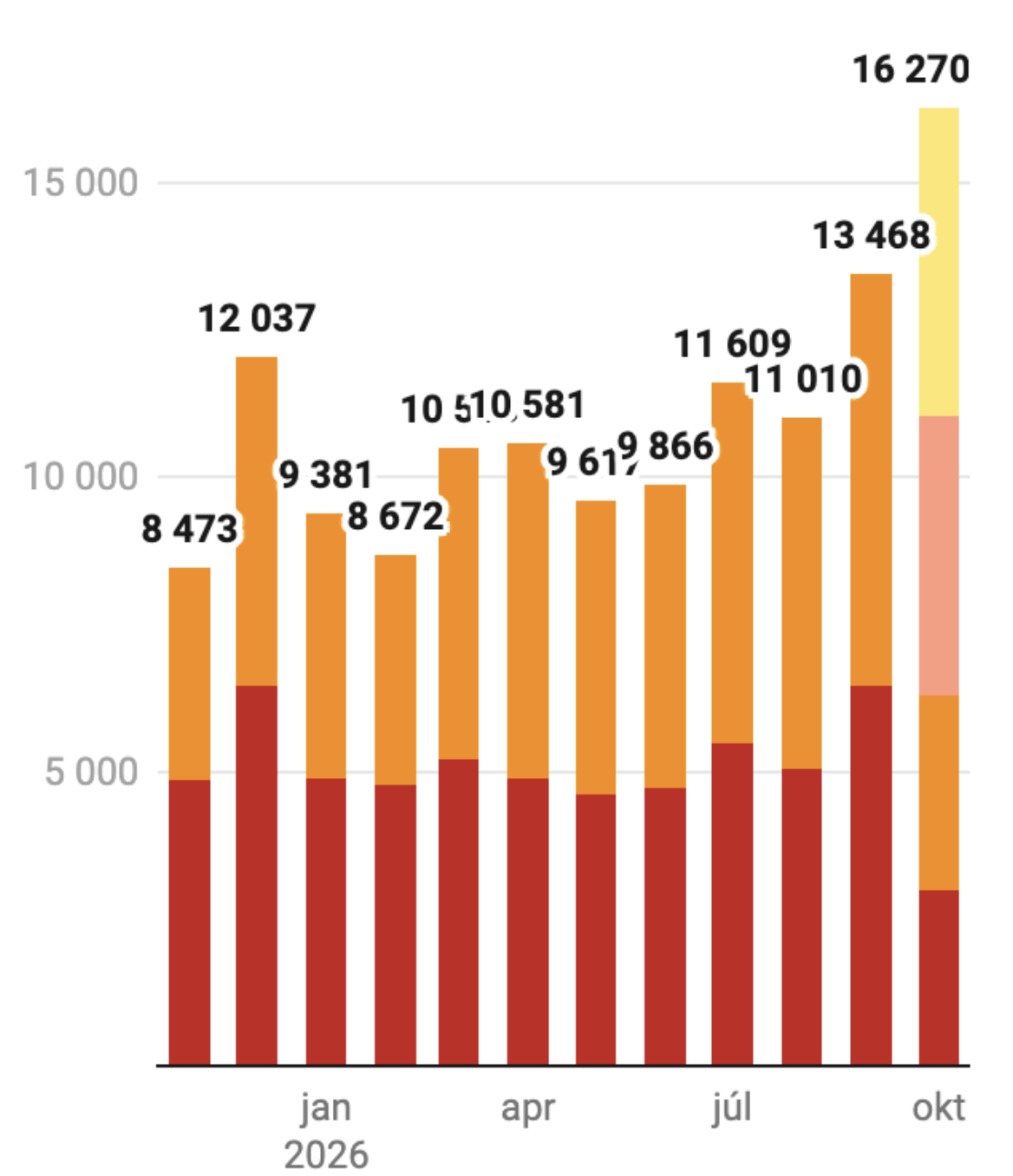
Given this, the data published by the Unmanned Systems Forces can be considered credible. They too indicate that October could be a record month, although their data cover only one-third of Russia’s total losses.
Number of Russian soldiers killed and wounded by SBS drones
The total number of Russian soldiers hit by Ukrainian Unmanned Systems Forces (SBS), and the number of those killed. These figures should be verified by video evidence. Red: killed; Orange: wounded; Pink: expected killed; Yellow: expected wounded. Source: Datawrapper/SBS.
Record-high losses and less substantial numbers of newly recruited soldiers suggest that Russia may have difficulties replenishing its units and, consequently, advancing further in Donbas or elsewhere.
Attacks on the land route to Crimea continue. Last week, French OSINT analyst Clément Molin published a table according to which the number of Russian lorries and trucks struck had reached a record 770. Several videos show that the number of attacks on vehicles heading to Crimea or to the front in southern Ukraine remains high. They are simply not discussed as much because this is no longer new.
I continue, on my side, to gather statistics on these mid-range strikes against logistics, not only in southern Ukraine, but also near Donetsk or Luhansk.
In September, at least 770 trucks/vehicles were targeted, only on the videos published by Ukraine more than 20km from the… pic.twitter.com/w9DrQTnGEM
Ukraine also destroyed the Chonhar bridge, which connects Ukraine with the Crimean peninsula. Russia has used a pontoon bridge there instead. This video shows Russian cargo vehicles crossing the pontoon bridge.
Russian truck drivers crossing into Crimea via a pontoon crossing at Chonhar, with a view of the damaged Chonhar Bridge and its support structures, before one of its spans collapsed. September 2026. https://t.co/YLDiB7lJQupic.twitter.com/3oU4GVylDd
The commander of Ukraine’s 41st Pilum Unmanned Systems Regiment, part of the 1st Azov Corps, recently provided interesting information on this issue. In an interview with Radio NV, he confirmed that the number of medium-range strikes was not declining and was increasing in some areas.
He said that the operational zone overseen by Ukraine extended from 30 to 300 km.
According to him, Russia is trying to bring as much fuel as possible to the front. Soldiers need generators to charge equipment, power radios and drones, and keep warm.
However, Ukrainian attacks on fuel tankers are reducing Russia’s ability to bring fuel to the front. According to the commander, in the Dobropillia direction, where his unit operates, Russia began transporting fuel in convoys this summer and switched to distributing it in passenger cars or small trucks, carrying the fuel in jerry cans.
This does not, of course, apply to all directions. However, an ongoing stream of new videos also confirms the destruction of fuel tankers.
Map of the day
Russian president Vladimir Putin’s latest — though certainly not final — deadline for capturing Donbas is by the end of this year. As on 14 previous occasions, it will not be met.
Unlike in previous years, however, it appears entirely possible that by the end of the year the territory of the free part of Donetsk region could be even larger than it is now. This is suggested by a map published by French OSINT analyst Clément Molin. It highlights areas where Ukraine is advancing and areas where Russia is pushing forward.
As can be seen, Russian forces largely hold the initiative in the north of Kharkiv region and at one location in the south of Zaporizhzhia region.
In the crucial Donetsk region, however, the situation is balanced; indeed, it could be said that Ukraine holds the initiative in more places. More specifically, it is clearing the northern area above Lyman and pushing further south towards Velyka Novosilka.
Ukraine’s 15th Reconnaissance Artillery Brigade published a video showing it striking a Russian 96L6 radar. This is a key component of the S-300 and S-400 air-defence systems.
The radar can be seen moving and hiding in a tree line. Nevertheless, a Ukrainian drone struck it. It is unclear whether it was actually destroyed, as the accompanying text claims.
Ukraine’s 15th Artillery Reconnaissance Brigade “Black Forest” located and destroyed a Russian 96L6 radar, a key detection component used with S-300 and S-400 air defense systems. The radar is valued at around $50 million and has a stated detection range of up to 300 km. #Ukrainepic.twitter.com/1K4BUZXZrg
A man near Odesa decided to surf on a downed Russian drone floating on the water off the coast. It hardly needs to be said that this is a fairly risky pastime. However, it indicates how at least some residents of Odesa view the daily Russian attacks.
❗️In 🇺🇦Odesa, a man decided to go surfing on a downed Russian kamikaze drone “Geran”. pic.twitter.com/l3MG3YkQiz
This could be a potentially rather interesting plot twist. The United States is at war with Iran, which has raised petrol and diesel prices at US filling stations. Donald Trump therefore agreed with Putin to import diesel from Russia. Russia itself, however, does not have enough diesel and has to import it.
This video shows a tanker truck with Iranian registration plates in Russia. Some infer from this that Iran is importing diesel — or other fuels — into Russia, which then sends diesel to America, despite America being at war with Iran.
However, it is too early to draw conclusions: we do not know what is in the truck or how many such Iranian tankers are heading to Russia. In any case, Russia is helping Iran in other ways.
A Western official told Bloomberg that Russia was supplying Iran with missiles that it uses in the war against the US and Israel. It was also previously reported that Russia was helping Iran target US bases in the region.
⚡️BREAKING: Convoys carrying Iranian Diesel Fuel are on their way to Russia, where there is a Fuel Shortage
This also raises the question of whether the fuel Russia exports to the United States might originate from Iran pic.twitter.com/J9Fzk7LVDa
By Tuesday (13 October), Russia had verifiably lost 24,192 pieces of heavy equipment (24,170 on Monday, 5 October). Of these, 19,155 (19,133) were destroyed by Ukraine, 1,002 (1,003) damaged, 1,194 (1,194) abandoned by their crews, and 2,841 (2,840) captured by the Ukrainian army. The total includes 4,453 (4,452) tanks, of which 3,358 (3,357) were destroyed in combat.
Ukraine lost 12,259 (12,238) pieces of equipment, of which 9,652 (9,633) were destroyed, 713 (711) damaged, 695 (695) abandoned and 1,199 (1,199) captured. The total includes 1,471 (1,466) tanks, of which 1,131 (1,126) were destroyed in combat.
Note: Neither side regularly reports its dead or destroyed equipment. Ukraine publishes daily figures for Russian casualties and destroyed equipment, which cannot be independently verified. This overview uses data from the Oryx project, which has compiled a list of equipment losses documented exclusively by photographs since the start of the war.
Angela Rayner's department funnelled taxpayers' cash into Left-wing propaganda seeking to prevent a Reform or Tory government in the wake of the Southport murders.
A graçola de Montenegro sobre o jejum do Sporting acabou em troco pesado sobre escutas. Um debate em estúdio virou tribunal de feira com acusações de tráfico. E ainda, o maior segredo nos anos 80.
by Lioness of Judah Ministry, Exposing The Darkness: From deliberate farm closures to manufactured energy and fertilizer crises, globalist elites are engineering a starvation agenda. Here is how they are doing it. In this excerpt from The Horrors of the Great Reset, Dr. Vernon Coleman outlines ten deliberate tactics being deployed worldwide, including forced farm […]
by Lawyerlisa, LawyerLisa’s Substack: The data centres and robotics to run the elite corporations. UNTIL THEY GET DESELETIONED OUT. What do you think. First get rid of the small businesses through the covid operation. Then buy out all the small farms and small businneses. Then build new highways that by pass all the small towns, […]
by Jeffrey Prather, Jeffrey Prather: And since Slab, Szymanski, Hall, Redman, and all the rest of lying, slanderous, SEAL-6 syndicate, refuse to speak the truth, we must demand it. The public has long gushed over SEALS and Six. This SEAL fandom is due to a deliberately manufactured celebrity. But inside the community we have always […]
by Michael Snyder, End Of The American Dream: What I am about to share with you is extremely shocking information. I realize that not everyone will believe it, and that is okay. A lot of people are determined to believe that supernatural events do not happen in our day and time, and if that is […]
by Tim Hinchliffe, Activist Post: If power-hungry globalists get their way, every single event, interaction & transaction in your life will be tracked, traced & catalogued; all that’s required is your silent, mandatory & obedient compliance: perspective Digital identity in the New World Order isn’t just about identifying who someone is, but is rather the […]
by Boyd Cathey, Lew Rockwell: You can tell a lot about a person by the friends he cherishes, and you can intuit much about how a writer thinks on one topic by how he thinks on another, related topic. This surmise is not always true in every case, but I think it applies in a great majority of […]
For many Arizona voters, the top concern heading into the midterms isn't inflation, immigration or education. It's water. With the state gripped by prolonged drought, candidates are facing growing questions about how to secure its water future. Stephanie Sy reports for our series, Tipping Point.
More than a third of people who receive warnings of disasters are unable to act before they strike, according to a global poll. Social resilience has fallen also in Poland, Greece, and France.
The findings, published by the Lloyd’s Register Foundation on Tuesday (13 October), drew on more than 143,000 interviews conducted by Gallup across 140 countries in 2025.
They show that an estimated 1.1 billion people – one in five adults worldwide – experienced a disaster in the previous five years.
Almost 220 million received no warning at all.
“A warning is only as good as what people are able to do with it,” said Nancy Hey, director of evidence and insight at Lloyd’s Register Foundation’s Global Safety Evidence Centre.
The gap between being warned and being able to respond is stark between rich and poor countries. Adults in low-income countries were almost twice as likely to have been affected by a disaster as those in high-income countries, at 31 percent compared with 16 percent.
Yet only 64 percent of affected adults in low-income countries received a warning, against 84 percent in high-income countries.
Even when warnings arrive, they do not guarantee safety.
The challenge is not simply to warn people when disaster approaches, but to ensure they have the means and support to act.
Fewer than half of warned adults in low- and lower-middle-income countries were able to act, compared with 71 percent in high-income countries.
Europe’s resilience is unequal
The report’s companion study, ‘A resilient life: How wellbeing shapes the capacity to cope’, pictures the preparedness to act under pressure — including in wealthier countries.
“There are some changes that are happening in Europe that I’m not seeing in other parts of the world,” Hey told EUobserver.
Across the EU, 77 percent of people affected by a disaster received a warning, compared with 80 percent globally.
But only 59 percent of those warned could act, against 64 percent worldwide and 71 percent in high-income countries.
“Some of the biggest drops globally have been in Greece, Netherlands, Estonia, and France, which is surprising given that generally that measure is going upwards,” Hey said.
Just 29 percent of EU households have a disaster plan, and only 28 percent of people think their national government is well prepared for a disaster.
Meanwhile, 44 percent say their government does not care about them at all, compared with 29 percent globally.
The differences between countries are stark.
In France, 80 percent of those affected received warnings, but only 61 percent could act. Just 22 percent of households have a disaster plan, compared with 47 percent in Germany and 60 percent in Austria. And overall, France’s social resilience has fallen six points since 2021.
Greece faces a deeper crisis of preparedness and confidence.
Only 55 percent of disaster-affected people received warnings, and just 39 percent of those warned could act. Only 12 percent believe their government is well prepared, while 70 percent say it does not care about them.
This article continues, but the full version is available only to EUobserver.com subscribers. Visit account.euobserver.com/membership
 Login