The prime minister is correct to judge the time is right to push for closer links with the EU. The political risk is far outweighed by the potential rewards
The German philosopher GWF Hegel famously evoked the owl of Minerva when discussing the historical wisdom that comes through hindsight. This autumn, she has flown tirelessly over the landscape of British politics. Party conference season was dominated by conflicting Labour and Conservative accounts of the 1970s and 80s. And a decade after the United Kingdom voted to leave the European Union, Andy Burnham this week abandoned all equivocation over the damage – economic but also strategic – that resulted from that decision.
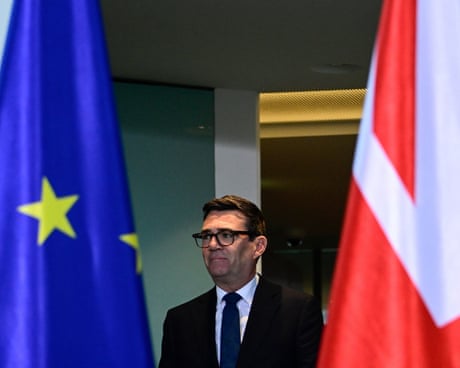
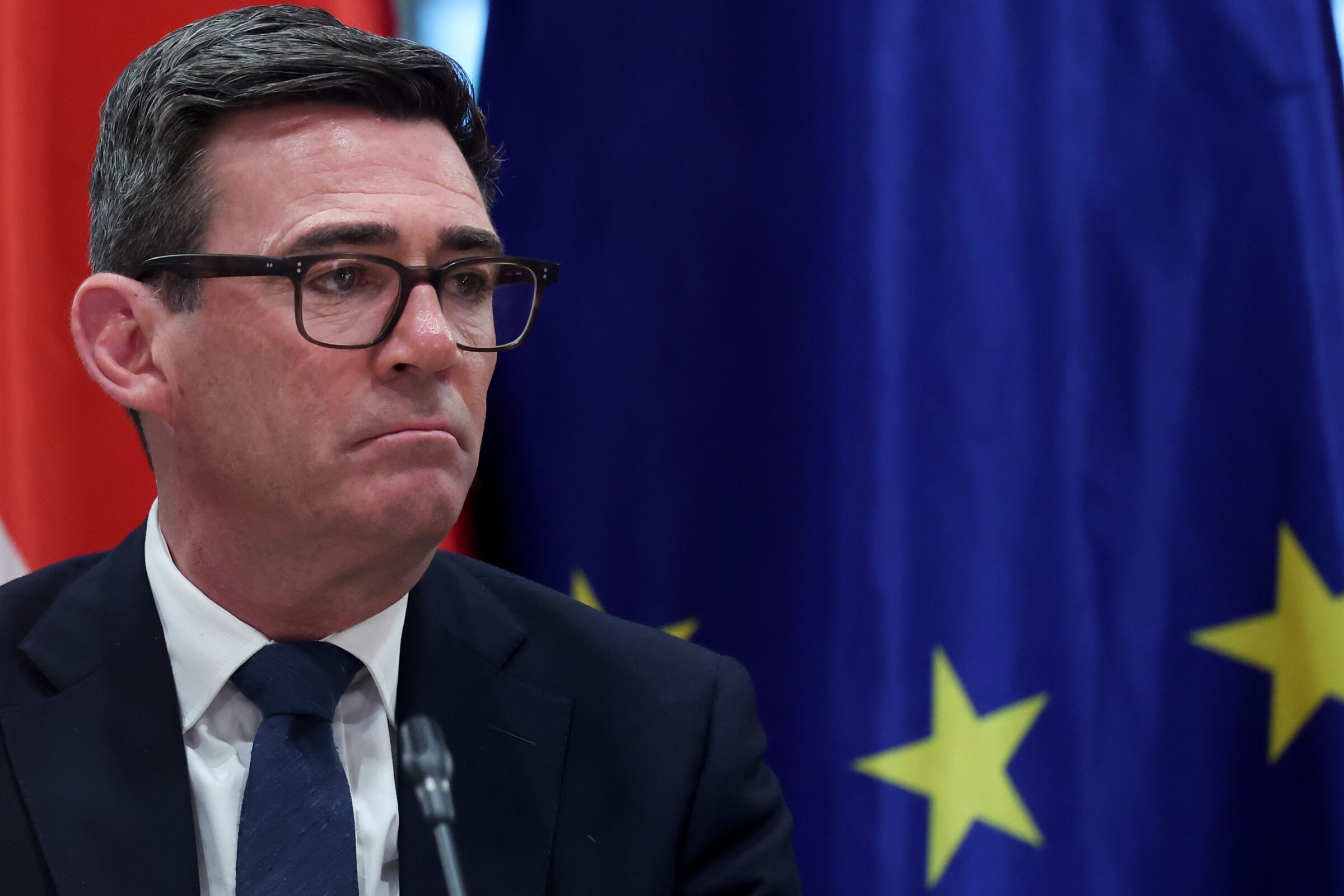
Having declared that it is time to “face up to the reality that Brexit has done more harm than good”, Mr Burnham told the House of Commons on Monday that it would be a “dereliction of duty” not to explore all options for closer relations with Brussels. Though he confirmed that in this parliament he will honour the red lines in Sir Keir Starmer’s Labour manifesto, all bets will subsequently be off.
Do you have an opinion on the issues raised in this article? If you would like to submit a response of up to 300 words by email to be considered for publication in our letters section, please click here.
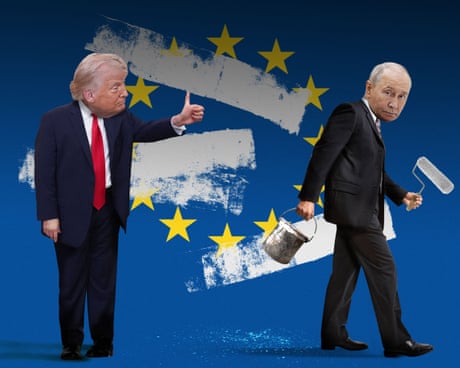
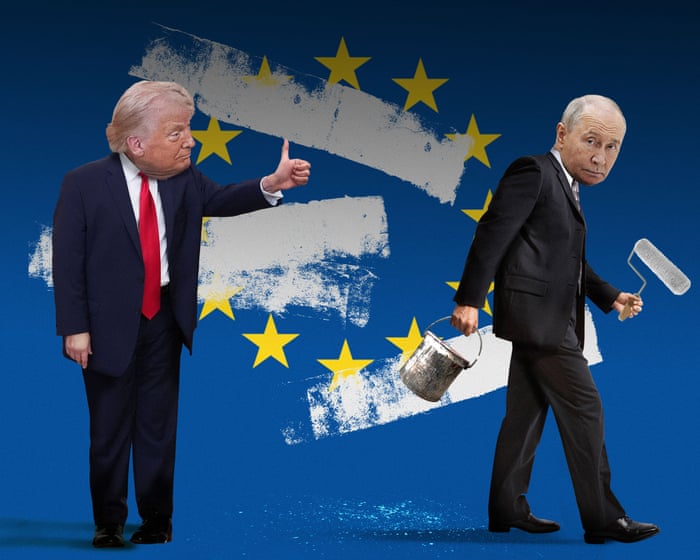
As he charges head first into the Brexit debate, Andy Burnham resembles no one so much as Donald Trump, says Prof James Alexander: cause a stir via wild assertions, the better to give cover to what you really want to do.
Russian meddling probably didn’t affect the referendum result – but the Kremlin’s motives for wanting to undermine the EU still matter
Russian territorial aggression against Ukraine didn’t feature much in the Brexit referendum campaign. It made headlines briefly when Boris Johnson blamed Moscow’s 2014 annexation of Crimea on the European Union.
According to the Vote Leave frontman, Vladimir Putin’s land grab was a consequence of Brussels making foreign policy “on the hoof” and having “pretensions to running a defence policy”.
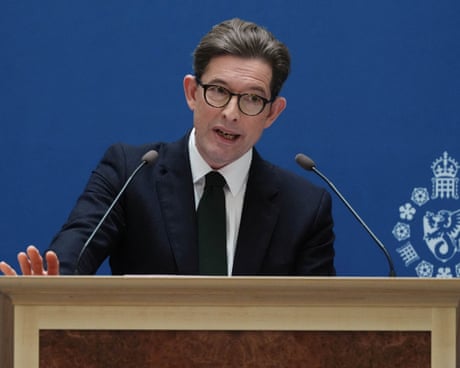
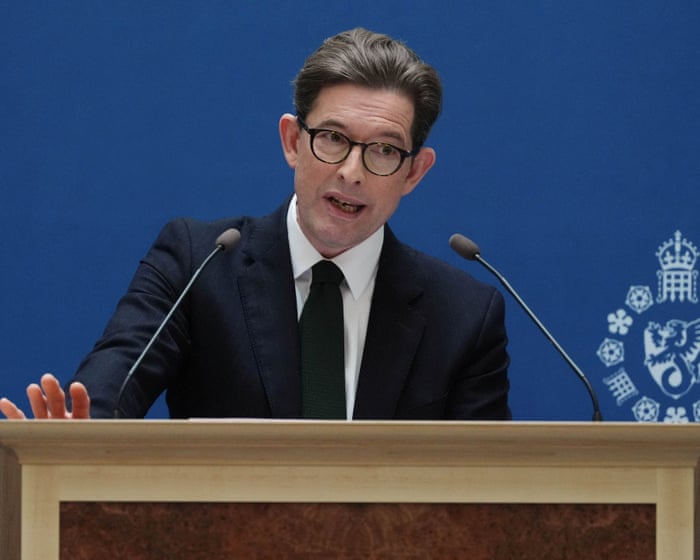
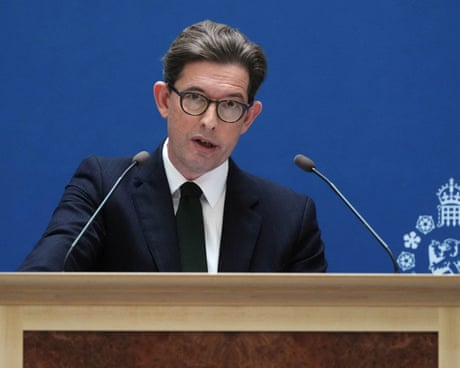
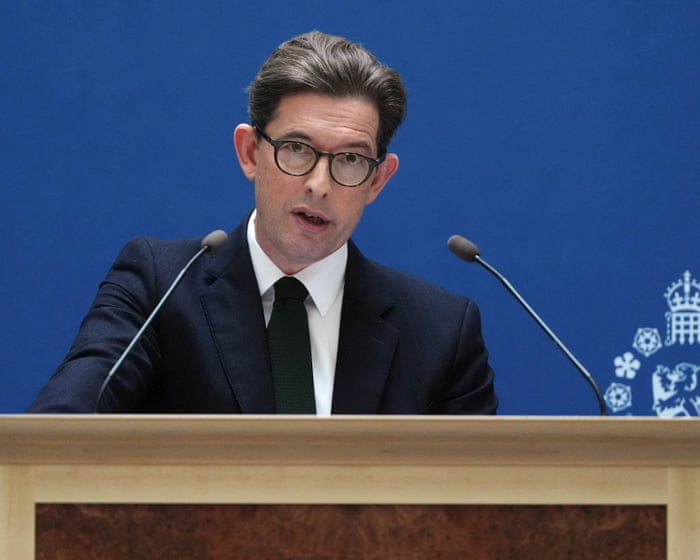
Ken McCallum says Kremlin attempted to influence vote through social media and TV reports but had little impact
Russia did try to interfere in the Brexit referendum through social media and television reports, the head of MI5 said on Tuesday, but he added that did not mean the Kremlin had any impact on the result.
Ken McCallum endorsed comments by Andy Burnham, who raised the issue over the past two days, though he said continuing to debate it risked giving the Kremlin a needless propaganda victory.
Britain is expected to push for a new post-Brexit trade deal and increased information-sharing on immigration at a UK-EU summit in Brussels next month.
This comes as Andy Burnham, the country’s prime minister, says the post-Brexit “status quo is not good enough for Britain”, in a hint that he might seek to rejoin the European Union.
And, more than a decade after the Brexit vote, he also accused Russia of having meddled in the 2016 British referendum.
The UK leader will meet European Commission president Ursula von der Leyen and European Council president António Costa in Brussels on 20 November.
And Costa has also said that European and British security and prosperity are “closely intertwined”, while a closer relationship could “promote stability in Europe and beyond”.
Made in Europe and immigration
The November summit will be an opportunity to “raise concerns” about ‘Made in Europe,’ Burnham told members of UK MPs on Monday (12 October).
The ‘Made in Europe’ proposal in the Industrial Accelerator Act would require companies to source a certain number of parts from within the EU to be eligible for public money in strategic sectors.
But UK officials are worried the law could hurt British manufacturers, with Burnham expected to seek concessions.
But the British premier also wants to go further in renegotiating his country’s ties with the EU.
“On the table is a trade deal on food and drink products, a deal on emissions trading, progress towards linking our energy systems, a new youth experience scheme, and deeper cooperation on immigration,” he said.
Burnham aims to address an EU import ban on UK meat, seed potatoes, and shellfish and wants to reduce costs for shipping other goods to mainland Europe.
He also hopes for closer work between European and UK border forces on immigration.
“On immigration, we could link up our law enforcement efforts once again [since brexit], sharing more data and criminal records of foreign nationals,” Burnham said.
He may aim to rejoin the Schengen Information System, a database for border management and law enforcement cooperation in Europe.
And he could also pursue greater freedoms for UK citizens to live in the 27 member states.
“It would be a major dereliction of duty to turn away [from the EU]” the UK leader told parliament.
10 years on from Brexit vote
The last EU-UK summit, held in London in 2025, was already branded as a reset in relations across the English channel, with a new defence and security partnership, reciprocal access to fishing waters, and expansion of student exchanges.
And leaders are expected to build on the previous agreements by discussing defence, energy, and climate, as well as trade and migration, at their meeting next month.
But under the terms of the EU and UK’s legal divorce in 2020, the two sides remain bound by complex limitations.
And Burnham told MPs on Monday that renegotiating Britain’s relations with the EU could add over £10bn (€11.8bn) per year to the UK economy by 2040, “with the potential to add significantly more,” even if it did not rejoin.
Russian meddling?
Burnham also told a podcast on 11 October that Russia had meddled in the country’s Brexit vote 10 years ago.
Upon assuming office in July, Burnham asked officials if there had been Russian interference in the 2016 referendum, he told The Rest is Politics, and officials gave him a “clear answer that yes, there was.”
“We haven’t informed people [the general public] sufficiently,” he added, amid similar Russian electoral interference in France, Germany, and further afield in Europe.
For his part, British foreign secretary Stephen Doughty subsequently told the LBC broadcaster: “I don’t think [Russia] succeeded in their efforts to undermine our election”.
And Burnham also rowed back in the parliament debate on Monday when pressed by opposition MPs, by saying the outcome of the Brexit vote remained legitimate.
But he added that Russia’s meddling in the UK’s 2019 general election was a matter of record and that it was “inconceivable that this was the first time”.
Appetite for EU re-entry
Burnham also dropped hints on Monday that Britain could rejoin the European Union.
“One thing I think is true is that public opinion has moved more quickly than political opinion. I think the political class is behind the public on this issue,” he said.
“At every stage, the British public will be the boss,” he added, while promising a “pragmatic approach” to the hot-button issue, which has the potential to enflame right-wing anger in England.
“We need to draw a line on a decade of drift and division [from Europe],” he said.
But questions of a holding second referendum were “jumping ahead too far” according to Burnham.
The Westminster debate came after YouGov polling commissioned by Best for Britain, a pro-EU lobby group, indicated that pushing for closer EU ties would be politically advantageous for Burnham’s ruling Labour party.
The organisation also claimed Britain could reenter the union within five years.
Brexit was “not a sacred cow”, said Emily Thornberry, a fellow Labour MP, on Monday.
Sandro Gozi, an Italian liberal MEP and chair of the UK-EU parliamentary partnership assembly, also said in a statement: “As a former member, and with much of the regulatory framework already in place, I personally do not see any serious reason why an application from the UK would not be achievable.”
“When countries are already closely aligned to EU rules, such as was the case for Sweden and Finland, the process for accession is faster than for applicants essentially starting from scratch,” he said.
Zia Yusuf, Reform UK’s home affairs spokesperson, has said he does not agree with his colleague Suella Braverman’s assertion that black people cannot be English.
Asked about her views in an interview on Sky News, Yusuf said:
In my view Ashley Cole is the best English fullback in history, and I won’t take any other position. So in my view, Ashley Cole is English. I think the argument that he’s not English doesn’t hold water with me.
Nasser Hussain, who I grew up watching when I went to the cricket, the idea that those people aren’t English is an alien concept to me.
I would respectfully disagree with people, who make the opposite argument.
To say I’m English is to take a ‘laissez-faire, anything-goes’ attitude to ethnicity, citizenship and identity. It also denies me my Asian heritage. The liberals (many of them in today’s Conservative party) take this cosmopolitan approach to Englishness. They’re terrified of being called racist so they say that anyone, as long as they’re born here, can be English.
I take the conservative approach. Englishness is an ethnicity. There have been English people for centuries and we need to recognise this more if we are to start taking a more muscular approach to citizenship and nationality. And no, it’s not racist to say this.
Regno Unito e Unione europea si incontreranno il 20 novembre a Bruxelles per il secondo vertice bilaterale dalla Brexit. Lo ha annunciato ieri il primo ministro britannico Andy Burnham alla Camera dei Comuni, confermando la data già concordata con il presidente del Consiglio europeo António Costa. Parteciperà anche la presidente della Commissione europea Ursula von der Leyen.
L’obiettivo immediato è chiudere i negoziati su tre dossier: un accordo sanitario e fitosanitario per agevolare gli scambi di prodotti agroalimentari, il collegamento dei sistemi europei e britannici di scambio delle emissioni e un programma di mobilità per i giovani. Il vertice avrebbe dovuto svolgersi a luglio, ma era stato rinviato dopo le dimissioni del predecessore di Burnham, Sir Keir Starmer.
Il premier britannico vuole però utilizzare l’incontro anche per avviare una discussione più ampia sul futuro dei rapporti con Bruxelles. «Restare con lo status quo non è abbastanza» il Regno Unito, ha dichiarato ai deputati, definendo una rinuncia ingiustificabile non esplorare le possibilità di un accordo più ambizioso. Burnham ha indicato nella crescita economica, nel controllo dell’immigrazione e nella sicurezza le priorità del negoziato, sostenendo che gli accordi in preparazione potrebbero portare benefici economici equivalenti a circa dieci miliardi di sterline l’anno entro il 2040.
Il governo non ha escluso, nel lungo periodo, di valutare opzioni più profonde, compreso un eventuale ritorno al mercato unico o all’unione doganale. Burnham ha tuttavia precisato che la priorità resta raggiungere un risultato concreto al summit di novembre, prima di aprire un confronto sulle alternative per la relazione futura con l’Ue. Ha inoltre annunciato che Londra intende sollevare le proprie preoccupazioni sul programma europeo Made in Europe, che punta a rafforzare la produzione industriale del continente e potrebbe penalizzare le imprese britanniche.
Da Bruxelles, Costa ha definito essenziale rafforzare la cooperazione tra partner legati da interessi e valori comuni. Il presidente del Consiglio europeo ha indicato che i tre accordi in discussione potrebbero essere affiancati da ulteriori intese su difesa, sicurezza, migrazione e contrasto alla criminalità. Il quadro si inserisce nel partenariato strategico e nell’accordo sulla sicurezza e la difesa sottoscritti dalle due parti nel maggio 2025.
La prospettiva di un riavvicinamento ha però riaperto lo scontro politico interno. La leader tory Kemi Badenoch ha accusato Burnham di rimettere in discussione l’accordo sulla Brexit, sostenendo che Bruxelles non concederà condizioni migliori a Londra. Anche Reform UK ha criticato l’iniziativa, mentre i liberaldemocratici chiedono al governo di passare dalle dichiarazioni ai negoziati.
Il vertice del 20 novembre dovrà quindi misurare quanto spazio esista per migliorare concretamente i rapporti tra Londra e Bruxelles, a dieci anni dal referendum che sancì l’uscita britannica dall’Unione.

 Login