❌

Reading view

Michael Jordan’s 1998 Finals Jersey Sells for a Record $14 Million

(FILE) The jersey worn by the Chicago Bulls star during the NBA Finals becomes the most expensive basketball piece in history. Photo: CNN.

A game-worn Michael Jordan jersey from the 1998 NBA Finals has sold for $14 million, setting a new record for basketball memorabilia and becoming the second most expensive piece of sports clothing ever sold.


The red road jersey, signed by Jordan and worn during Game 2 of the 1998 championship series, changed hands in a private transaction that underscores the surging financial value attached to objects tied to the Chicago Bulls legend’s career.

The sale confirms the commercial pull of “The Last Dance” season, widely regarded as the closing chapter of Jordan’s defining run.

RELATED: EuroLeague Halts NBA Plan to Launch League in Europe

Pennsylvania-based auction house Hunt Auctions managed the negotiation, which ended with the garment delivered to Ron Firman, a real estate investor based in Miami. The shirt corresponds specifically to the second game of the Finals, played on June 5, 1998.

The context of that game accounts for much of the jersey’s value. In it, Chicago beat the Utah Jazz to even the series, which the Bulls went on to win 4-2. The victory was key to the franchise’s sixth title and to the close of the era chronicled in the media as “The Last Dance,” the season that cemented Jordan’s legacy.

Record Air.  Important 1998 @NBA Finals Game Two @chicagobulls Michael Jordan game worn road jersey sold via private treaty sale for $14,000,000.  The price is a world record for any basketball memorabilia item and the second highest price ever paid for a sports jersey of any… pic.twitter.com/2ax0XBvjxm

— Hunt Auctions (@HuntAuctions) October 12, 2026

A Rising Market

The international market for sports collectibles has been climbing steadily, and items from that final campaign command a premium all their own. Jerseys worn in Games 1 and 3 of the same series previously sold for $10.1 million and $12.3 million, respectively, providing a direct benchmark for the latest transaction.

The shoes Jordan wore in that second game offer another reference point, which were sold in 2023 for $2.2 million, a figure that once seemed remarkable and now reads as modest alongside the prices fetched by his game-worn shirts.

What sets the red jersey apart is the convergence of several factors at once. It is autographed, it comes from a decisive road victory, and it belongs to a season loaded with symbolic weight. Collectors have treated that specific campaign as the peak of Jordan’s market, and each authenticated piece from it tends to reset expectations upward.

The private nature of the sale also reflects how the high end of this market operates. Deals at this scale often move outside public auction rooms, arranged directly between wealthy buyers and the firms that hold the most coveted inventory. Firman, the buyer, joins a growing list of investors who treat championship-grade memorabilia as an alternative asset class rather than a sentimental purchase. Because the deal was private, details such as the exact terms and whether the seller was a collector or an institution were not disclosed in the information available.

Siempre es un buen momento para ver los mejores pósters de Michael Jordan 🔥🐐 pic.twitter.com/hWH0ukeScC

— NBA – Jordi de Mas (@demas6Basket) October 12, 2026

Behind Babe Ruth

With the $14 million price, the jersey ranks as the second most expensive sports garment sold to date. Across all sports, only one garment has commanded a higher price. That record belongs to the uniform Babe Ruth wore with the New York Yankees during the 1932 World Series, which sold for $24.12 million in 2024. Jordan’s jersey still trails that figure by a wide margin, but the gap illustrates just how far basketball collectibles have climbed in a short period.

Whether other Jordan items from that series will reach the market, and at what price, remains to be seen. The Game 2 jersey now joins the Game 1 and Game 3 jerseys as part of a small group of Finals-worn pieces that have changed hands for eight-figure sums.

The broader trend shows no sign of slowing. Auction houses and private dealers continue to report strong demand for authenticated gear from iconic athletes, and Jordan remains the single most bankable name in the basketball segment. His championship items, in particular, attract interest from investors who see them as scarce, appreciating assets with global recognition.

Each new sale resets the conversation about value. The $14 million price for the Game 2 jersey surpasses the totals for the other two shirts from that series combined, a sign that the market rewards provenance and narrative as much as rarity. The buyer now holds a piece tied to one of the most documented seasons in U.S. sports history.

For collectors and investors watching the sector, the transaction sends a clear signal. Jordan-era memorabilia from the 1998 Finals has entered a price range once reserved for baseball’s most storied artifacts, and the appetite for such items remains strong.

  •  

US continues sharing intelligence with Ukraine, Trump says amid Russia deal backlash. Questions remain over missed warning for latest attack

Ukrainian President Volodymyr Zelenskyy meets US President Donald Trump in Ankara, Türkiye, on 8 July 2026.

US President Donald Trump said on 13 October that the US continues to share intelligence with Ukraine, following reports that Washington had threatened to suspend intelligence assistance unless Kyiv stopped striking Russian oil refineries, POLITICO reported.

The comments came after Ukraine received no advance warning from its partners ahead of Russia's latest ballistic missile strike, raising fresh questions about intelligence sharing between Kyiv and Washington.

“We are helping them, and we are sharing intel. We want the war to end,” Trump told reporters at the White House, according to POLITICO, reaffirming US support after his recent efforts to reach an agreement with Russian President Vladimir Putin drew criticism over his approach to the war.

Trump reaffirms support after backlash over Russia deal

Last week, the US threatened to cut intelligence sharing if Ukraine did not stop attacking Russian oil refineries. Zelenskyy did not publicly confirm the reported threat.

The reports came amid criticism of Trump’s announcement of a deal to buy Russian oil and his pressure on Kyiv to make concessions, even as Russia continued attacking Ukraine.

Zelenskyy said Ukraine had refrained from striking Russian oil refineries and the energy sector for two days after Trump announced an energy ceasefire. Russia, however, continued attacking Ukrainian energy facilities and critical infrastructure, he said, with 19 Ukrainian regions coming under attack during those two days.

Trump said Monday that both Russia and Ukraine had violated the energy ceasefire, arguing that each side was responsible. He also said Putin wanted a deal and that Washington needed to persuade Zelenskyy to agree.

Trump's latest comments publicly reaffirm that intelligence sharing is continuing. However, the circumstances surrounding the latest Russian strike have raised questions about whether Ukraine is receiving the early warnings it needs to protect civilians.

Ukraine received no warning before latest Russian strike

Early warnings of incoming Russian ballistic missiles give Ukrainians a brief window to reach shelter before impact. US intelligence helps make those warnings possible, giving civilians crucial time to protect themselves.

Zelenskyy said Russia's latest attack involved five ballistic missiles and more than 100 drones, and that Ukraine received no warning from its partners before the strike.

“Intelligence on Russian ballistic missile launches helps save lives,” Zelenskyy said Tuesday. “This is precisely what helps prevent people from being killed — when there is an early warning about ballistic missiles.”

He added that Ukraine had received no warning ahead of the attack.

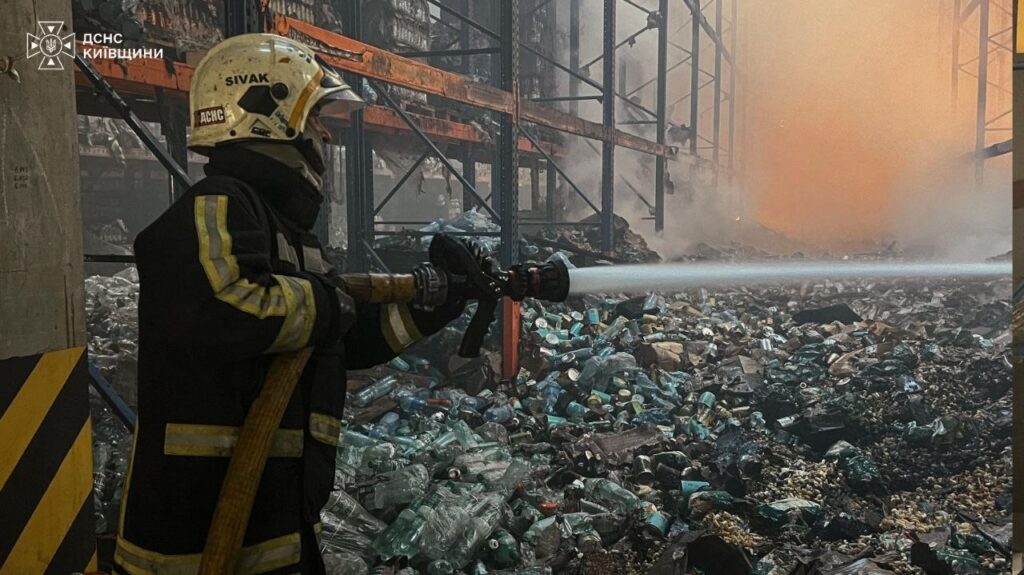
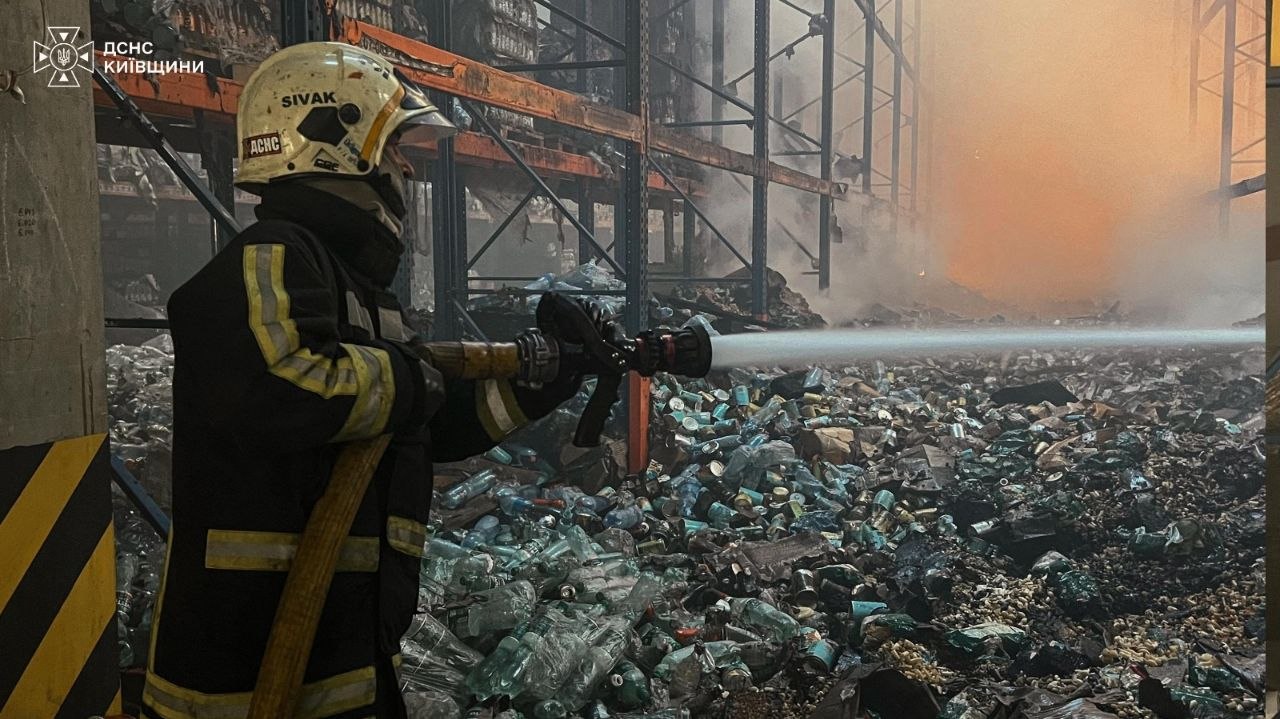
just power plants russia’s drones also went after warehouses groceries hardware chain · post firefighter puts out fire warehouse burned food drink stock hit russian attack bucha district kyiv oblast
Explore further

Russian ballistic missiles hit Kyiv before sirens, gap that lands hard amid fears that Washington could cut data that warns of launches

Ukraine normally receives alerts about impending Russian missile launches through the Battlespace Command and Control Center, a system operated by the US military and NATO members, among others, POLITICO reported.

Citing an unnamed official familiar with the matter, POLITICO reported that US officials attributed the missing warning to bad weather. The explanation reportedly raised doubts among Ukrainian officials.

Ukrainian Air Force spokesperson Yurii Ihnat said the warning system had failed to transmit information on previous occasions. He said specialists would work with international partners to resolve any technical problems.

Ukrainian Foreign Minister Andrii Sybiha said Tuesday that intelligence sharing through the platform was continuing, according to POLITICO.

  •  

Russian strike collapses a Kharkiv apartment stairwell and kills three, days after the US waived sanctions on Russia’s diesel

russian strike collapses kharkiv apartment stairwell killing three · post rescuers clear rubble excavator building hit kharkiv’s kholodnohirskyi district ukraine 13 2026 oda news ukrainian reports

Russian munitions brought down a stairwell of an apartment building in Kharkiv on the evening of 12 October, and rescuers recovered three bodies from the rubble overnight, local authorities reported. Survivors described fire, falling glass, and pets left behind. The strike came days after Washington waived sanctions on Russian diesel, as it expects Kyiv to stop hitting Russian refineries.

Russia hits Ukraine’s cities every day as it readies a winter campaign against Ukrainian infrastructure, and its oil exports keep bringing in the money that pays for the drones and missiles. A halt to Ukraine’s refinery strikes with no matching halt to Russia’s strikes would leave Moscow’s fuel income intact while Kharkiv digs through rubble. Estonia’s prime minister has already urged Europe to help Ukraine destroy those refineries instead.

A stairwell gone in Kholodnohirskyi district

Russian munitions hit Kharkiv’s Kholodnohirskyi district repeatedly from around 21:17, and Mayor Ihor Terekhov preliminarily identified them as Banderols. At 22:21, he said one strike had hit a residential building, possibly trapping people. He then added in a follow-up post: “Very serious destruction—an entire stairwell has collapsed.”

The strike destroyed an entrance of the four-story building, the State Emergency Service (DSNS) said. It counted 11 injured across the city’s evening strikes, and a rescuer was hospitalized, while Terekhov put the number at 10. By 06:56 on 13 October, rescuers had found a third body. Oblast head Oleh Syniehubov confirmed three dead and said the search continued. Experts will check whether the building is still fit to live in, he added.

A rescuer at the collapsed stairwell of an apartment building hit by a Russian strike in Kharkiv, Ukraine
A rescuer at the collapsed stairwell of an apartment building hit by a Russian strike in Kharkiv’s Kholodnohirskyi district, Ukraine, 12 October 2026. Photo: Oleksandr Manchenko/Suspilne Kharkiv

Over 24 hours, Russian attacks killed three people in Kharkiv and injured 37, including two children treated for acute stress, Syniehubov reported.

“I realize I’m on fire”: two residents recall the strike

Larysa Maksimenko had just put her bedridden husband to sleep when the strike hit, she told Suspilne Kharkiv. She suffered a head wound and burns.

“I went to the kitchen to switch on the kettle for myself, to have some coffee. I realize I’m on fire. Then glass fell on me. I came to, and I’m buried under everything. All covered in blood,” she said.

Larysa Maksimenko, a resident injured in the Russian strike on her apartment building in Kharkiv, Ukraine
Larysa Maksimenko, a resident injured in the Russian strike on her apartment building in Kharkiv’s Kholodnohirskyi district, Ukraine, 13 October 2026. Photo: Valeriia Yemets/Suspilne Kharkiv

The window bars were broken, and medics carried her husband out through the window. Rescuers later found a woman under the rubble in her apartment, likely a neighbor, Maksimenko said. All she wants now, she said, is to get to her husband in hospital.

Viacheslav Chibitko with one of his dogs outside his damaged apartment building in Kharkiv, Ukraine
Viacheslav Chibitko, a resident of the apartment building hit by a Russian strike in Kharkiv’s Kholodnohirskyi district, Ukraine, with one of his dogs, 12 October 2026. Photo: Valeriia Yemets/Suspilne Kharkiv

Viacheslav Chibitko, who lives on the second floor next to the collapsed entrance, saw a flash, and then everything blew out. He got his three dogs out, but five cats are still inside. During the clearing, a concrete slab fell on a rescuer, Suspilne’s correspondent reported. Crews pulled him out and handed him to medics.

Cars burning outside a 25-story apartment building in Kyiv after a Russian drone strike
Cars burning outside a 25-story apartment building in Kyiv’s Darnytskyi district after a Russian drone strike, Kyiv, Ukraine, 12 October 2026. Photo: Office of the Prosecutor General of Ukraine

Kyiv’s toll rises, and strikes hit other cities overnight

The evening drone strike on a 25-story building in Kyiv’s Darnytskyi district killed two people, Kyiv prosecutors reported. The second victim was found dead in a car near the building. Prosecutors counted at least seven injured, including a 17-year-old girl, while Mayor Vitali Klitschko counted 11 in the capital.

just power plants russia’s drones also went after warehouses groceries hardware chain · post firefighter puts out fire warehouse burned food drink stock hit russian attack bucha district kyiv oblast
Explore further

Russian ballistic missiles hit Kyiv before sirens, gap that lands hard amid fears that Washington could cut data that warns of launches

From 18:00 on 12 October, Russia launched five ballistic missiles, nine loitering munitions, and 108 attack drones, Ukraine’s Air Force reported. Air defenses downed or suppressed 88 drones. A Russian drone attack injured four patients at a medical facility in Khmelnytskyi Oblast, oblast head Serhii Tiurin said. In Dnipro, a Russian attack injured a 64-year-old man, oblast head Oleksandr Hanzha reported. A downed Russian drone set two houses on fire in Murovane near Lviv, oblast head Maksym Kozytskyi said.

On 12 October, a Russian Smerch rocket with a cluster warhead hit a house in Cherkaske, Donetsk Oblast, killing three people, including a 13-year-old girl, oblast head Vadym Filashkin reported.

Russian attacks killed more than 150 people in the week to 11 October, Ukrainian President Volodymyr Zelenskyy said. Russian bombs killed at least 20 people in Zaporizhzhia on 10 October, by the oblast’s count. On 9 October, the US waived its sanctions on Russian diesel until April 2027. The White House expects Kyiv to halt refinery strikes under its proposed energy ceasefire.

  •  

Russian ballistic missiles hit Kyiv before sirens, gap that lands hard amid fears that Washington could cut data that warns of launches

just power plants russia’s drones also went after warehouses groceries hardware chain · post firefighter puts out fire warehouse burned food drink stock hit russian attack bucha district kyiv oblast

Russian forces struck several districts of Kyiv late on 12 October with what the Air Force called, by preliminary data, six ballistic missiles. For once, the air-raid alert reached people only after the attack had begun, Ukraine’s Air Force reported.

Reports of Russian ballistic launches are part of the intelligence the US shares with Ukraine, and that data is what lets sirens sound before the missiles arrive, giving civilians a few minutes to hide. Those minutes save lives, which is why the warning gap landed hard amid fears that Washington could cut Ukraine off from such intelligence amid US President Donald Trump's agreement with Russia to let its diesel into the US.

The alert came late because Ukraine’s radar detected the ballistic targets only during the attack, with no advance data on launches from Russian territory, according to the Air Force.

“No information was received about launches from enemy territory. The causes are being established,” the Air Force said.

The stakes are human, presidential adviser Serhii Beskrestnov, known as Flash, stressed.

“This information is needed first of all by civilians, so that people have time to hide in a shelter,” he said.

Beskrestnov says he does not want to believe the US would leave Ukraine without that data because it is a matter of civilian survival. He urged caution on the cause, saying there were nuances and that it was too early to draw conclusions.

When the sirens fall behind the missiles

However, Ukraine usually sees the launches first. The warning system normally flags Russian ballistic launches before the missiles reach their targets, giving people time to move, but on 12 October, that did not happen, the Air Force noted.

Beskrestnov later added a note of doubt about what flew. The suspected S-400 missiles were not being recorded by partners’ intelligence services, he wrote, stopping short of blaming the lapse on a loss of US data.

Two cities hit within the same hour

The damage in Kyiv was concrete. A missile struck a transport-infrastructure site in the Dniprovskyi district, and another hit a four-story warehouse in the Desnianskyi district, Mayor Vitali Klitschko said.

Russia struck Kharkiv at about the same time with nine S-8000 Banderol loitering munitions, Mayor Ihor Terekhov reported. One of the last strikes hit a residential building, where people may be trapped under the rubble and a fire is burning.

“Very serious destruction, an entire stairwell collapsed,” Terekhov said.

  •  
❌