Login

“He thinks Ukraine is a weak link and that it needs to be squeezed into giving in”: diplomat on why Trump pressures Kyiv, not Moscow

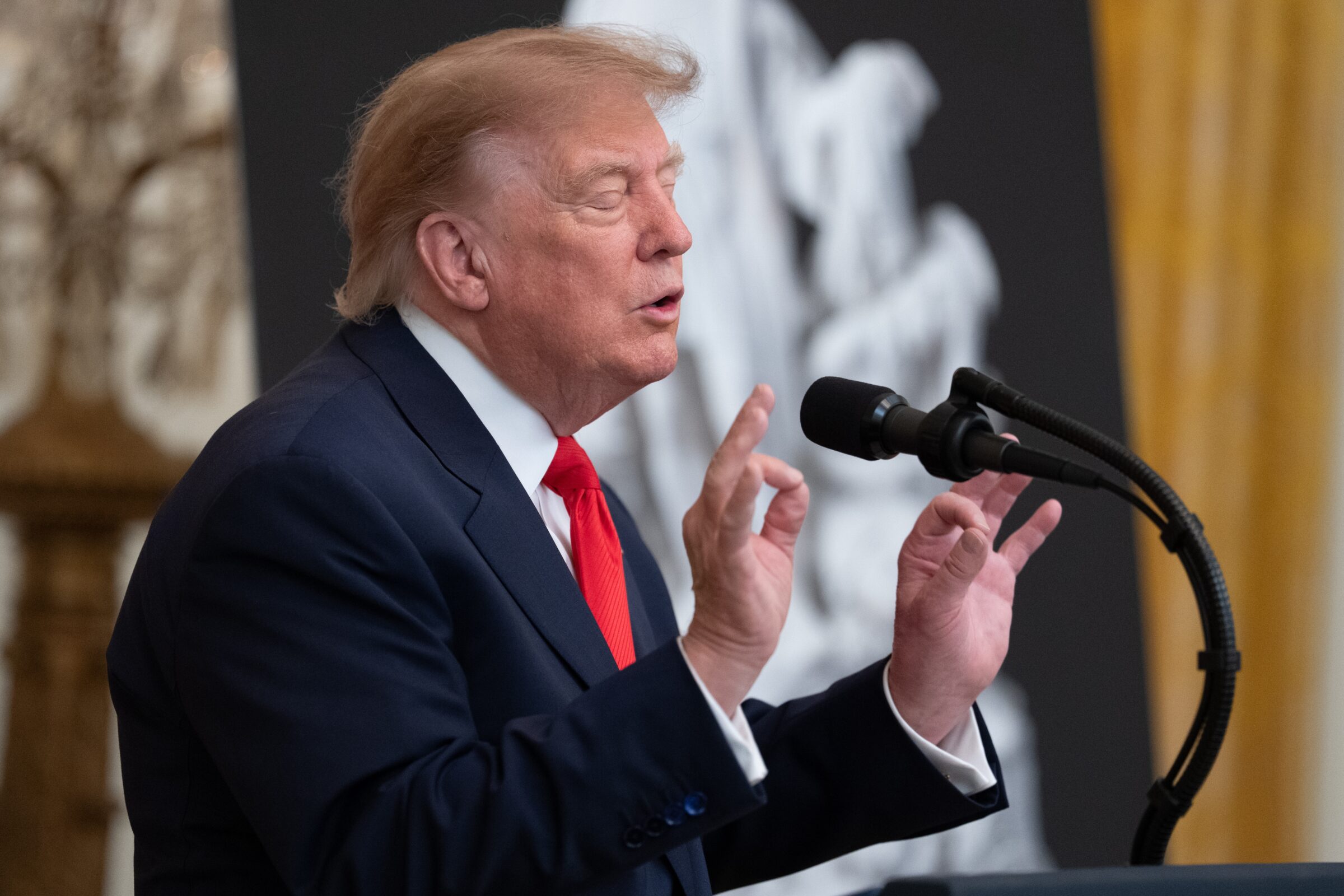
Washington is pressing the victim, not the aggressor, a Ukrainian diplomat says. President Donald Trump is using the threat of cutting military aid and intelligence as a tool to pressure Ukraine, while failing to apply enough pressure on Russia to stop the war, says Oleksandr Khara, executive director of the Center for Defense Strategies, Espreso reports.
Ukraine’s drones and air defense still lean on US satellite intelligence and weapons, which gives Trump room to squeeze Kyiv rather than Moscow. Khara argues Trump wants to end the war on Ukraine’s and Europe’s account to restore normal relations with Russian ruler Vladimir Putin, treating Ukraine as the weak link to be pushed.
“Trump wants to use restrictions, levers of influence on Ukraine to achieve his goal. To end or stop this war at any cost, at the expense of Ukraine and Europe, to restore normal relations with Putin,” Khara said.
Using American aid as leverage over Kyiv is not new for Trump, the diplomat noted, recalling earlier instances in which support was blocked or suspended.
The pressure points Trump picks, and the ones he leaves alone
Trump wants a visible success in ending the war, Khara says, partly against the backdrop of US domestic politics. He has economic tools to press Moscow but is in no hurry to use them, and his administration is instead gradually loosening sanctions on Russia.
“He doesn’t want to pressure Russia. He thinks Ukraine is the weak link and that it needs to be pushed,” Khara stressed.
Ukraine’s dependence on US support has fallen thanks to European partners, he added, so Kyiv has more room to keep fighting even as European states keep buying American weapons for it.
The one trade Kyiv might accept, and the pressure until then
An energy ceasefire is possible only on strict terms, Khara believes. Kyiv could agree to stop striking Russian refineries only if Moscow halts attacks on Ukraine’s power generation and transmission, heating, and the Black Sea ports and the ships heading to them.
Until such a deal exists, Ukraine must hit harder, he argued, because steadily draining Russia’s economic resources is what could force the Kremlin to reconsider.
“As long as there is no such agreement, and no desire from Russia, we must increase this pressure and destroy as much of their energy infrastructure as possible,” Khara said.
Read also
-
NATO country that pays for Kyiv’s Starlink warns Musk as his cap breaks Ukraine’s drone missions: “As your European customers, we are watching you”
-
Russian drones hit two more ships in Ukrainian ports. They are now hunting the grain route all the way to the Danube
-
Ukraine’s military now orders supplies based on real front-line data, not guesswork, lawmaker says. Shift comes under new commander-in-chief
Read also
-
Russian drones hit two more ships in Ukrainian ports. They are now hunting the grain route all the way to the Danube
-
Ukraine’s military now orders supplies based on real front-line data, not guesswork, lawmaker says. Shift comes under new commander-in-chief
-
Posting strike videos online may help Russia tune its drones’ optical targeting. Moscow now pays people to film hits, Ukrainian adviser warns