The EU loophole Russia is using to free its oligarchs from sanctions


Convergenze parallele e, per certi versi, anche fisiologiche. Ieri in Senato si è assistito ad un fenomeno che, in quattro anni, non si era quasi mai visto. Ovvero gli applausi a Meloni di Calenda e mezzo Pd. Come se la geopolitica, prima che politica, avesse avuto il sopravvento su contrapposizioni, insulti, contestazioni. Come se il clima pre-elettorale fosse stato messo da parte sull’altare delle cose giuste da fare e da rivendicare a Bruxelles. Il paniere di temi in questione è noto e riguarda il futuro non solo dell’Italia, ma anche della stessa Europa.
Quando la presidente del Consiglio ha spiegato che alcune dinamiche non hanno molto a che fare con la tutela dell’ambiente, ovvero il prezzo degli Ets che sale e che quindi fa salire anche il costo di produzione per l’acciaieria, la cartiera, il cementificio, la ceramica, ha posto un tema su cui nessuna parte sana può non essere d’accordo, perché riguarda la salvaguardia delle imprese.
Che non hanno colore politico, ma rispondono a logiche semplicissime: se regole sbagliate le strozzano, allora rischiano la chiusura, con conseguente perdita di posti di lavoro.
Quando Meloni ha chiesto una sospensione temporanea di alcuni obblighi sul Regolamento europeo del metano ha posto un altro tema nevralgico: ovvero che se una norma, nel passaggio dalla teoria alla pratica, produce danni o mancati benefici, semplicemente va corretta.
Infine quando ha avvertito che non è più possibile per l’Europa importare cobalto, grafite, terre rare imprescindibili per transizione energetica, transizione digitale e difesa, non fa solo una diagnosi arci nota (su cui però dei “bravi” nessuno ha dato un’accelerata fino ad oggi) ma indica la cura, proponendo Porto Marghera come uno dei primi siti europei di stoccaggio strategico di queste materie, iniziativa che potrebbe diventare un progetto pilota europeo.
“Il filo che lega tutte queste iniziative, insomma, è semplice: l’Europa deve tornare a mettere la capacità di produrre al centro delle proprie scelte”, ha detto la premier. In quel momento gli applausi di democratici e calendiani sono stati la spia che l’interesse nazionale è sentito dalle cosiddette forze responsabili presenti in Parlamento, dove l’epiteto responsabili non è il titolo di una squadra buono per un discorso carico di demagogia.
Ma la pragmatica conseguenza di scelte strutturali e lungimiranti che devono essere fatte per il bene futuro (e presente) della collettività. Che si fanno solo in un modo.
L’Europa forte che ha bisogno di Nazioni forti, parafrasando Meloni in chiusura, fa il paio con l’esigenza di un’Europa più solida e credibile all’interno di un metodo di amministrare il paese che difenda l’interesse italiano (come fanno anche tutti gli altri paesi membri).
Solo una parte delle opposizioni lo ha ben compreso.

Official guidance says ammonia in animal urine should be watered down to stop it corroding bark
A neighbourhood in Vienna has introduced guidelines for dog walking, including the use of bottled tap water to rinse away urine and protect vulnerable trees.
Neubau, an up-and-coming, densely populated district dotted with cafes and galleries, rolled out the Schönes Gassi (nice dog walk) campaign this week.
Continue reading...
© Photograph: Georg Hochmuth/APA/AFP/Getty Images

© Photograph: Georg Hochmuth/APA/AFP/Getty Images

© Photograph: Georg Hochmuth/APA/AFP/Getty Images


Spanish supermarket giant Mercadona has officially arrived in the Algarve, opening its first store in the region today (October 15) at Nova Vila Retail Park in Portimão. The much-anticipated opening
The post Mercadona finally arrives in Algarve with Portimão opening appeared first on Portugal Resident.

Ukraine will resume strikes on Russian oil refineries, ending a three-day pause it held at Washington’s request, Ukrainian President Volodymyr Zelenskyy told the Financial Times in an interview published on 15 October. Russia kept bombing Ukraine’s energy system throughout the pause, while Kyiv lost US missile warnings and its Starlink service slowed. Zelenskyy said Ukraine would halt energy strikes again only in exchange for more US air defense.
Ukraine's deep-strike campaign targets the Russian oil industry, which fuels Russia's army in Ukraine and earns the export revenue funding the war. Striking the plants that turn Russian crude into fuel, 12 of them hit in September alone, is one of the few levers Kyiv controls on Moscow’s war income. US President Donald Trump has blamed those strikes for higher US fuel prices, which most analysts attribute to the Iran war, and Washington has threatened to withhold intelligence, and reportedly weapons, unless Kyiv gives it up. Each step Washington takes toward Moscow, from fuel waivers to talk of frozen assets, widens the gap Europe and Ukraine must fill, while Russia gains revenue and time to keep striking.
Zelenskyy said he stopped the refinery strikes for three days to meet US wishes, but Russia kept hitting Ukraine’s energy infrastructure and killing civilians. During the pause, Ukraine received no US warnings of ballistic missile launches, he said. Starlink also slowed across the country, hampering front-line operations and mid-range strikes on Russian military targets, he added.
Russia used those days to fire 39 ballistic missiles and more than 120 drones at Ukraine’s grid overnight into 14 October, leaving at least 600,000 people without power. “We hold energy ceasefire from our side,” Zelenskyy told Piers Morgan on 14 October. Of the Starlink slowdown, he added: “I’m sure that they knew what they did.”
Ukraine could again stop hitting Russian energy only if it receives more US interceptors for its Patriot systems, Zelenskyy told the FT. He warned that a halt could simply invite more US-Russia deals that feed Russia’s war machine, and predicted the next one would involve gas.
US intelligence officials had warned Ukraine’s embassy in Washington that a new strike on Russia’s energy facilities would end all intelligence sharing at once, The Washington Post reported, citing a person familiar with the matter. Washington has not fully cut it off, but the threat stands, the person said. Trump said on 13 October that the US was still sharing intelligence.
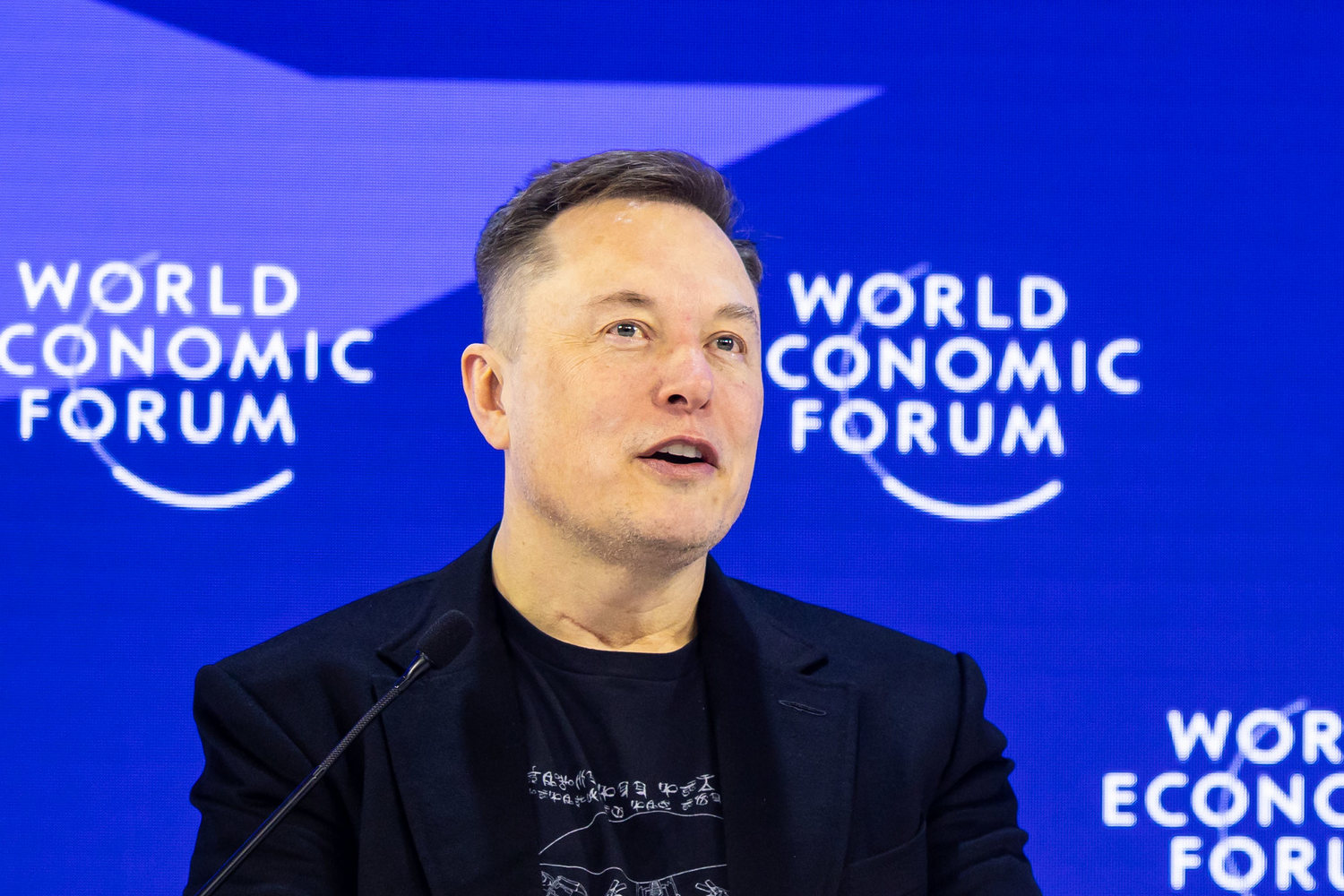
A senior US official told Axios the administration had nothing to do with the Starlink limits, which Elon Musk had blamed on the US military. The administration is also considering easing sanctions on shadow fleet tankers, which have carried oil from Russia, Iran, and Venezuela, so the blacklisted vessels could haul non-sanctioned cargo, a US official told Reuters. The US Energy Department said the move would not help Russia ship its oil or fuel.
Washington eased sanctions on Russian oil this spring, after which Russia’s oil income jumped $890 million in a week, and it extended that waiver despite telling allies it would not. US envoys also proposed unfreezing part of Russia’s frozen assets to lure Moscow back to talks, an idea European officials rejected, the Financial Times reported.
Endless illegal immigration, unaffordable energy, draconian speech policing – we're being conditioned to accept outrageous things as normal, says Nick Rendell. Now add to that economic crashes.
The post This Shouldn’t Be Normal appeared first on The Daily Sceptic.