❌

Reading view

First C-130J For Navy’s New E-130J Phoenix II Ballistic Submarine Communications Fleet Delivered

The U.S. Navy has taken delivery of the first C-130J-30 Hercules airframe destined to become an E-130J Phoenix II, the service’s next-generation aircraft for maintaining communications with its nuclear ballistic submarines. The aircraft will now undergo extensive mission-systems integration before it can begin testing for the Take Charge and Move Out (TACAMO) mission.

The @USNavy's future TACAMO aircraft is here. 🇺🇸

The C-130J-30 Super Hercules keeps strategic command and control connected when it matters most.

Four engines. Long endurance. Proven reliability. pic.twitter.com/huX0qlzKkm

— Lockheed Martin (@LockheedMartin) October 16, 2026

Lockheed Martin handed over the newly built aircraft at its facility in Marietta, Georgia, on October 15. The delivery marks the start of the transition from the Navy’s aging E-6B Mercury fleet to the turboprop-powered E-130J, which is intended to provide a survivable communications link between national leadership and U.S. Navy nuclear ballistic missile submarines, including the ability to send them orders to launch strikes while they are submerged.
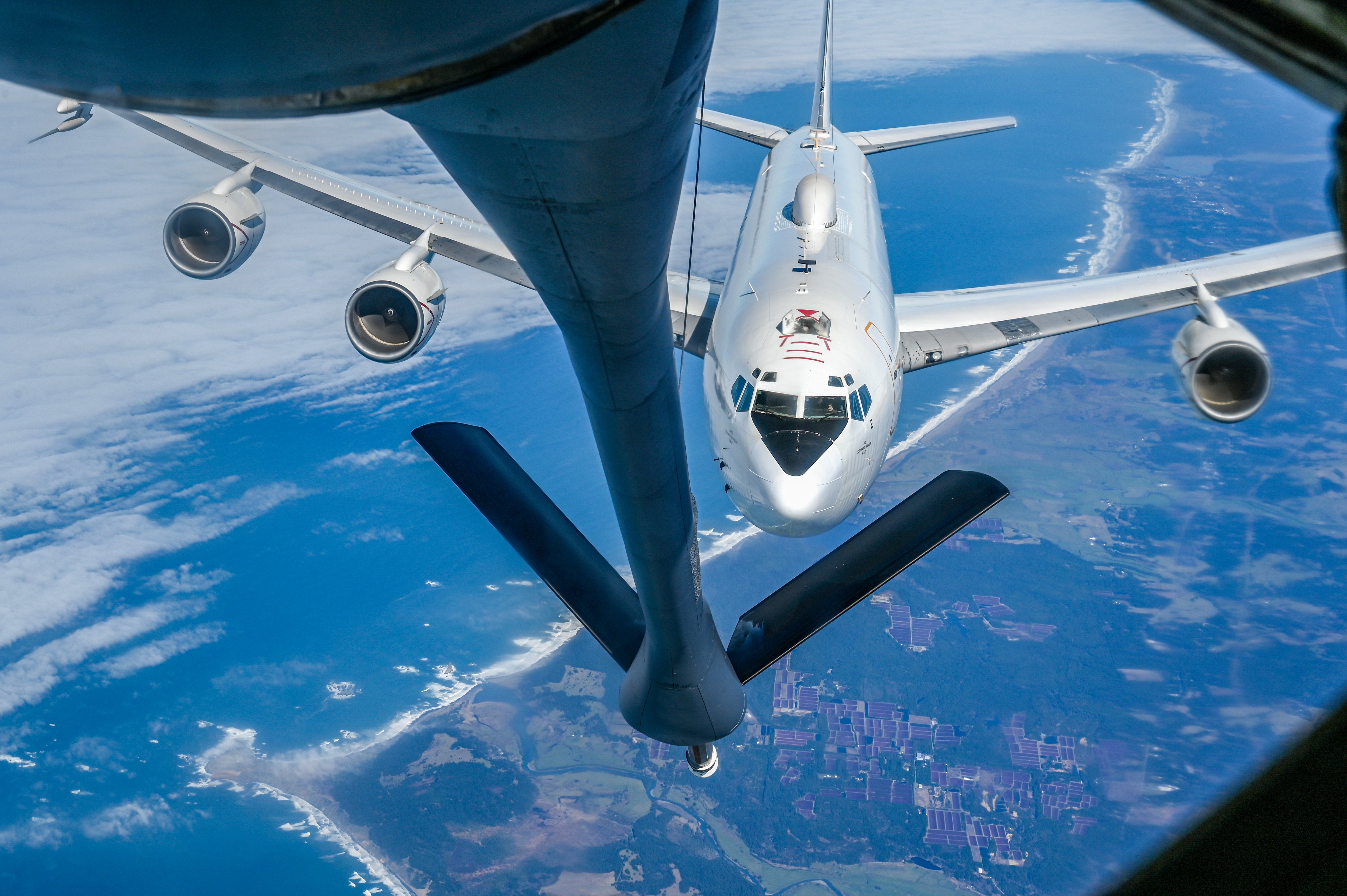
An E-6B Mercury assigned to the Strategic Communications Wing 1 at Tinker Air Force Base approaches a KC-135 Stratotanker assigned to the 92nd Air Refueling Wing during an aerial refueling mission over Oregon, Feb. 28, 2025. Aerial refueling capabilities are essential for strategic and tactical operations as well as humanitarian relief efforts in support of Air Mobility Command, U.S. Transportation Command and Department of Defense priorities. (U.S. Air Force photo by Airman 1st Class Megan Delaine)
An E-6B Mercury assigned to the Strategic Communications Wing 1 at Tinker Air Force Base approaches a tanker during an aerial refueling mission over Oregon, Feb. 28, 2025. U.S. Air Force photo by Airman 1st Class Megan Delaine

“Today’s delivery from the historic Marietta line represents far more than a new airframe; it marks the foundation of our future strategic deterrence posture,” Capt. Roger Davis, program manager for the Navy’s Airborne Strategic Command, Control, and Communications program office (PMA-271), said in a statement.

“Through our close partnership with Lockheed Martin and our industry team, we are ensuring our nation maintains an unshakeable communications lifeline to our ballistic missile submarine fleet.”
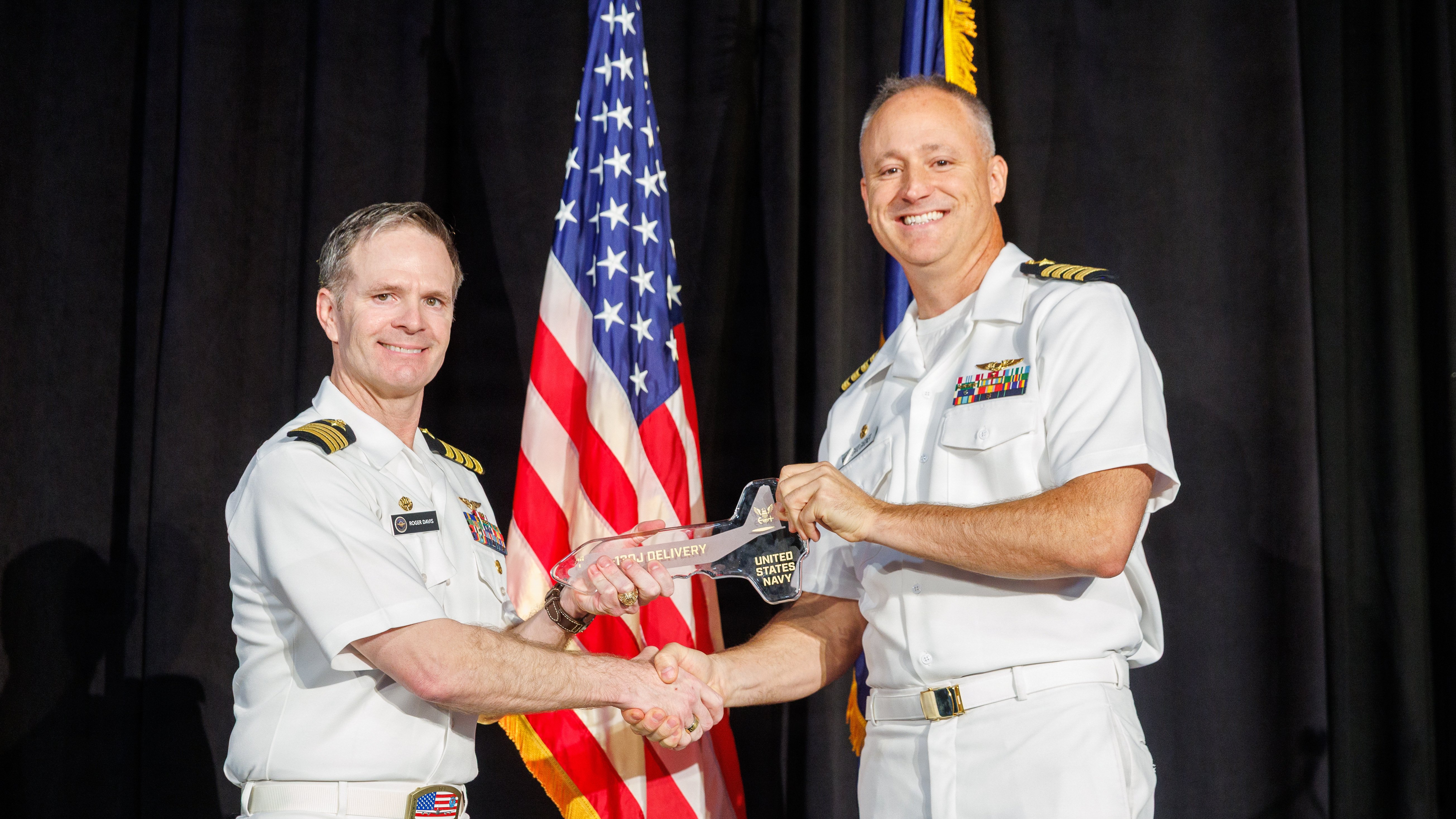
Capt. Roger Davis, left, Airborne Strategic Command, Control and Communications program manager (PMA-271), presents a ceremonial key to Capt. David Gardner, commodore of Strategic Communications Wing 1 (SCW 1), during the C-130J-30 delivery ceremony Oct. 15, 2026 in Marietta, Georgia. The symbolic handover marks the transition of the new airframe into the next phase of mission-system modification, ground testing and developmental flight testing, laying the foundation to field the future E-130J “Phoenix II.” (Photo courtesy of Lockheed Martin by Thinh D. Nguyen)
Capt. Roger Davis, left, Airborne Strategic Command, Control and Communications program manager (PMA-271), presents a ceremonial key to Capt. David Gardner, commodore of Strategic Communications Wing 1 (SCW 1), during the C-130J-30 delivery ceremony Oct. 15, 2026 in Marietta, Georgia. Photo courtesy of Lockheed Martin by Thinh D. Nguyen

The aircraft is the first of three C-130J-30s initially procured by the Navy in September 2024. It will be transferred to Northrop Grumman, the E-130J program’s prime contractor and mission-systems integrator, for conversion. Collins Aerospace is providing the very low frequency (VLF) communications system, a key component of the TACAMO mission.

TACAMO aircraft provide a means for the president, secretary of defense, and U.S. Strategic Command to communicate with nuclear forces, including submarines submerged at sea. The mission is designed to preserve the ability to transmit emergency action messages even if conventional communications infrastructure is disrupted or destroyed.

The E-6B accomplishes this in part through a long, trailing wire antenna that enables VLF transmissions to submerged submarines. The E-130J will receive a comparable system as part of its conversion.

Hardening against the effects of electromagnetic pulse (EMP), which occurs during the detonation of nuclear warheads, is another key requirement for these planes.
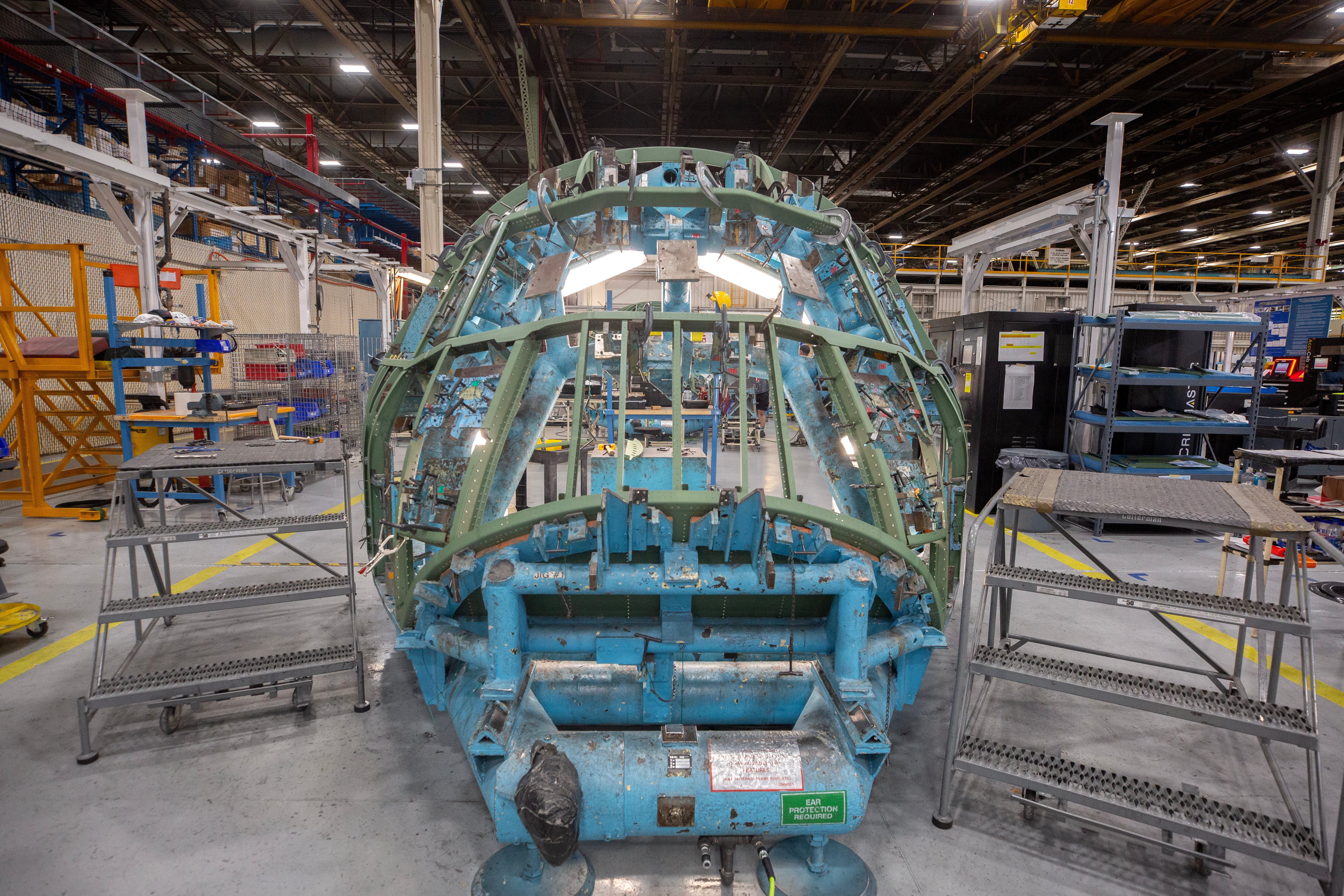
A sneak peak at the first C-130J-30 Super Hercules aircraft being built by Lockheed Martin Corp. for the U.S. Navy’s E-130J program. This aircraft – the first of three – is slated to be delivered to the government in 2026 for modification into an E-130J Engineering Development Model. The E-130J, formerly called E-XX, will be the successor to the E-6B Mercury for the Take Charge and Move Out (TACAMO) mission, which connects the president, secretary of defense and U.S. Strategic Command with the United States’ nuclear triad. The U.S. Navy’s Airborne Strategic Command, Control and Communications Program Office (PMA-271) is leading the TACAMO Recapitalization Program and is scheduled to award the Engineering and Manufacturing Development contract during the first quarter of 2025. (Photo by David L. Key, Lockheed Martin)
The first C-130J-30 being built by Lockheed Martin Corp. for the E-130J program. Photo by David L. Key, Lockheed Martin

The Navy plans to acquire 31 E-130Js, nearly doubling the 16 E-6Bs currently in service. That total includes six developmental aircraft and 25 production examples, although it remains unclear how many of the developmental aircraft will ultimately be available for operational use.

The larger planned fleet should provide additional aircraft to support training, maintenance, and operational demands. However, the transition also brings technical challenges. The Government Accountability Office (GAO) has previously warned that integrating the specialized mission equipment into the smaller C-130J-30 airframe could affect operational availability and create additional engineering and manufacturing difficulties.
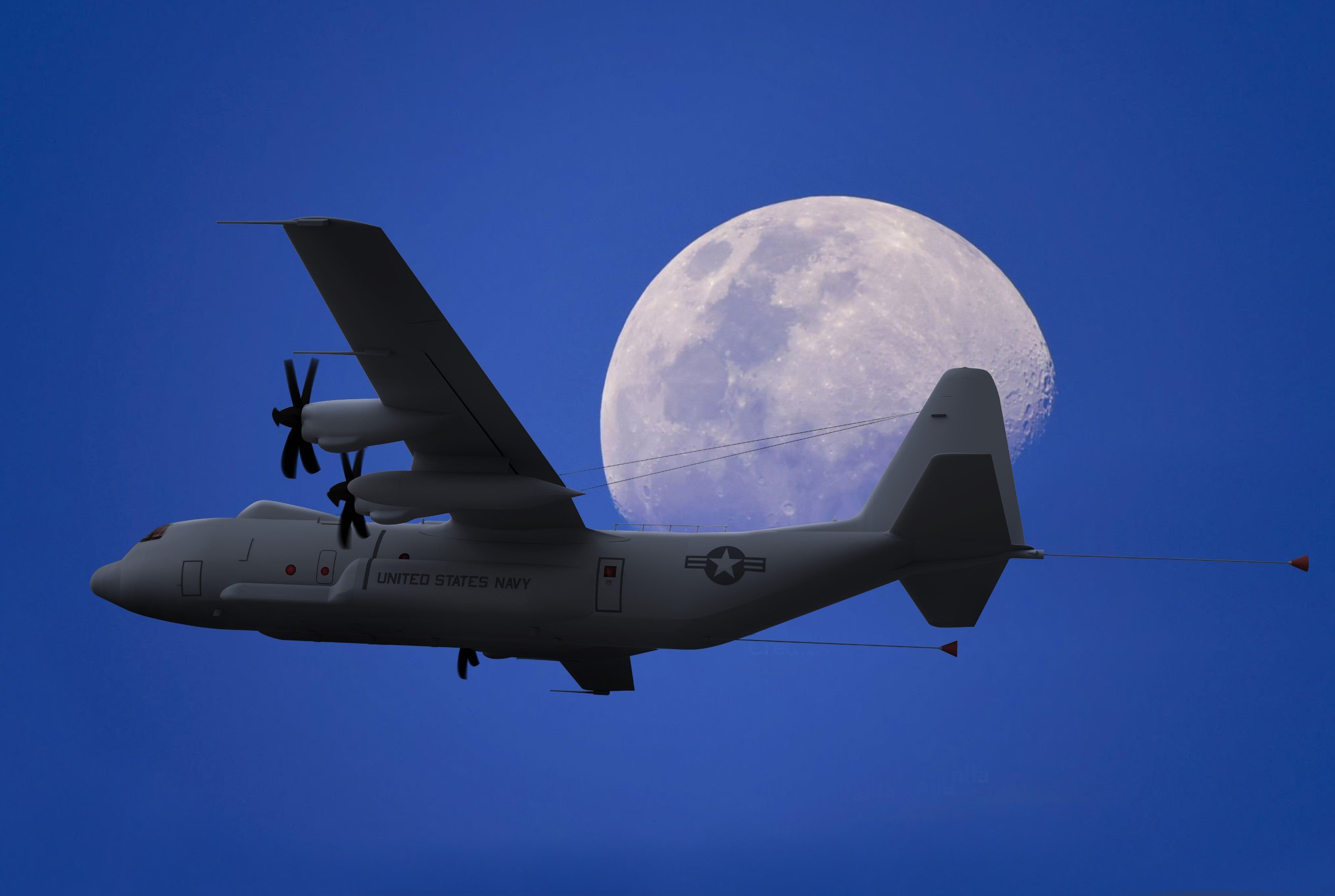
Rendering of the U.S. Navy's future E-130J aircraft, which will relieve the E-6B Mercury of the Take Charge and Move Out (TACAMO) mission. (Rendering courtesy of Northrop Grumman Corp.)
Rendering of the future E-130J aircraft. Courtesy of Northrop Grumman Corp.

In the past, TWZ has discussed the potential operational readiness and other trade-offs that could come from selecting a C-130-based platform to replace the E-6B in the TACAMO role. As we wrote previously:

“It’s certainly worth pointing out that the E-6Bs, conversions of what were some of the last and most modern 707 airliners built, were larger and higher performance platforms than the EC-130Qs. The C-130J-30 is certainly a more capable aircraft than the C-130H on which the EC-130Q was based, but it won’t have the base speed and altitude capabilities of an airliner-sized multi-engine jet. Compared to the Mercuries, any TACAMO-configured C-130J-30 would not be able to get on station as quickly, or fly as high, limiting its ability to get above bad weather or establish a better line of sight for its communications systems.”

“At the same time, as the Navy itself has noted, the C-130J-30 platform does immediately open up the ability to use a larger number of air bases, airports, and airfields, including austere ones that the E-6B cannot operate from. This could be very useful in a contingency scenario where an opponent may have destroyed or otherwise rendered unusable many well-established bases, as well as larger secondary dispersal sites, which include large commercial airports. Being able to fly from smaller, tertiary locations could help to ensure that the TACAMO mission continues without significant disruption under such circumstances. This is also true during peacetime, as targeting the TACAMOs on the ground would be much harder if they could easily operate from and sit alert at a much larger number of airports.”

“A C-130J-30 configured for the TACAMO mission would certainly have a mid-air refueling capability, and the Hercules is already a platform that has demonstrated the ability to loiter over particular areas for long periods of time. Unlike the Boeing 707, the C-130J is still in production, as well, meaning that TACAMO aircraft based on this plane would be inherently easier to maintain and support logistically, and may also be easier to convert to this specialized configuration to begin with. As time goes on, the J looks set to increasingly become the default base C-130 model across the U.S. military, as well. Compared to the long out-of-production 707-based E-6, support for the C-130J is already distributed across the U.S. and beyond. Training C-130J crews is even an easier proposition.”

The E-130J also represents a return to the Hercules family for the Navy’s TACAMO mission. The EC-130Q performed the role from 1963 to 1993, before the E-6A Mercury took over. The E-6B subsequently added an airborne command post mission known as Looking Glass, supporting U.S. strategic forces beyond the submarine communications role.
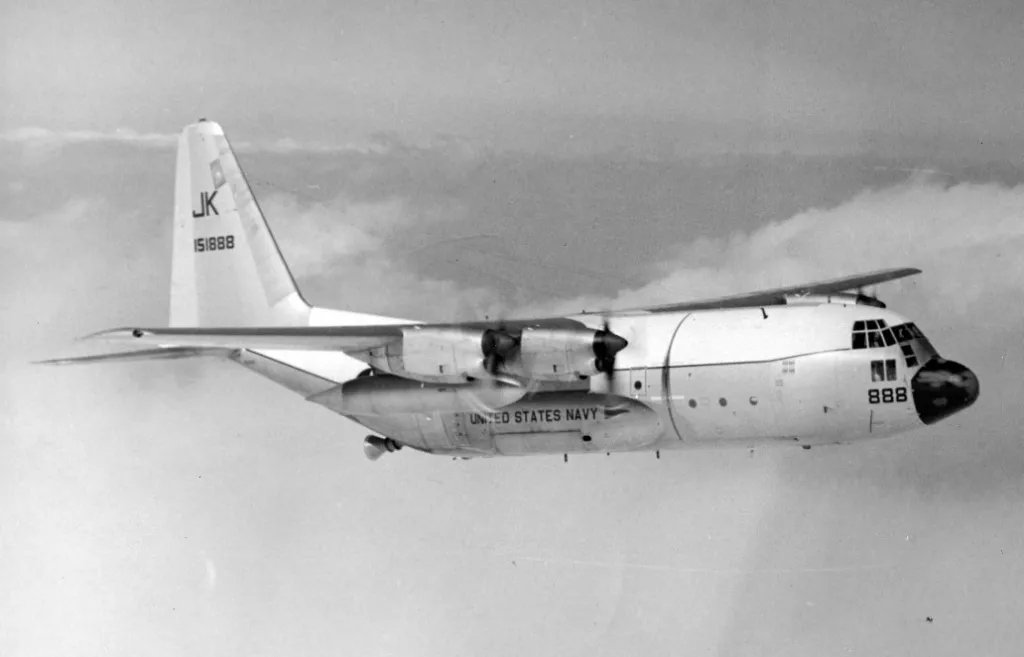
The US Navy operated a fleet of EC-130Q TACAMO aircraft like the one seen here before the arrival of the E-6As. U.S. Navy

The Navy’s current plan is for the E-130J to assume the TACAMO mission, while the Air Force pursues a separate effort to replace the Looking Glass airborne command post capability.

Following its delivery, the first E-130J airframe will enter mission-systems modification, ground testing, and developmental flight testing. The aircraft is not yet an operational TACAMO platform, and further integration and testing will be required before the Navy can begin fielding the new fleet.

The transition is intended to preserve one of the most critical links in the U.S. nuclear command, control, and communications architecture as the E-6B fleet becomes increasingly difficult to sustain.

Contact the author: thomas@thewarzone.com

The post First C-130J For Navy’s New E-130J Phoenix II Ballistic Submarine Communications Fleet Delivered appeared first on TWZ.
  •  

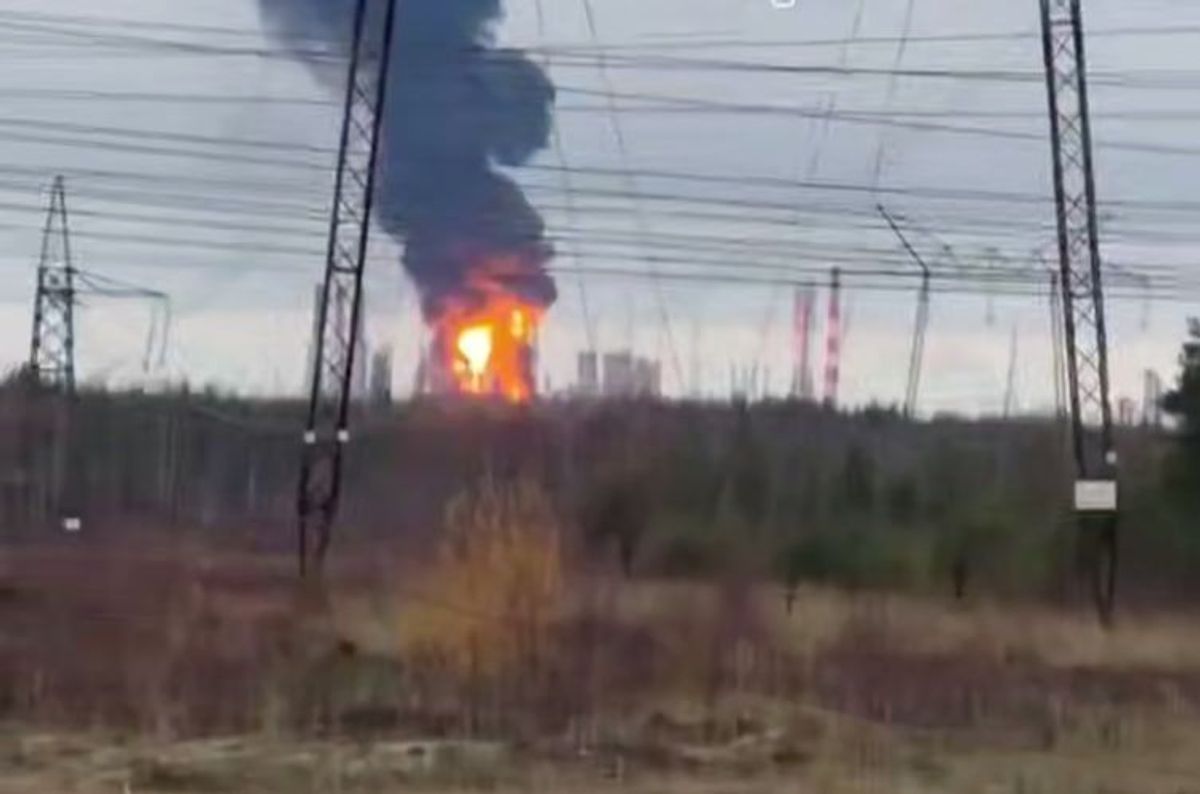
Ukraine war latest: Drone attack sparks fire at industrial facility in Russia's Surgut district

Key developments on Oct. 16:

  • Drone attack sparks fire at industrial facility in Russia's Surgut district, governor says
  • Pope Leo urges Putin to allow humanitarian aid, evacuations from Russian-occupied Oleshky
  • Ukrainian military strikes million-dollar Russian radar in Krasnodar Krai, General Staff claim
  • Zelensky's ask: 300 Patriot

  •  

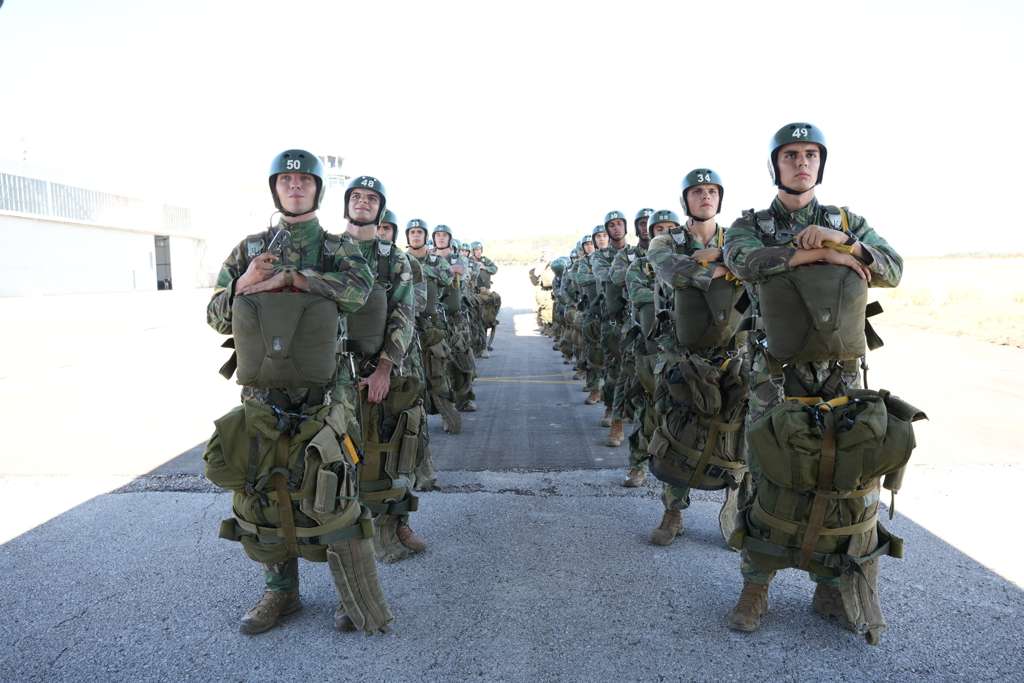
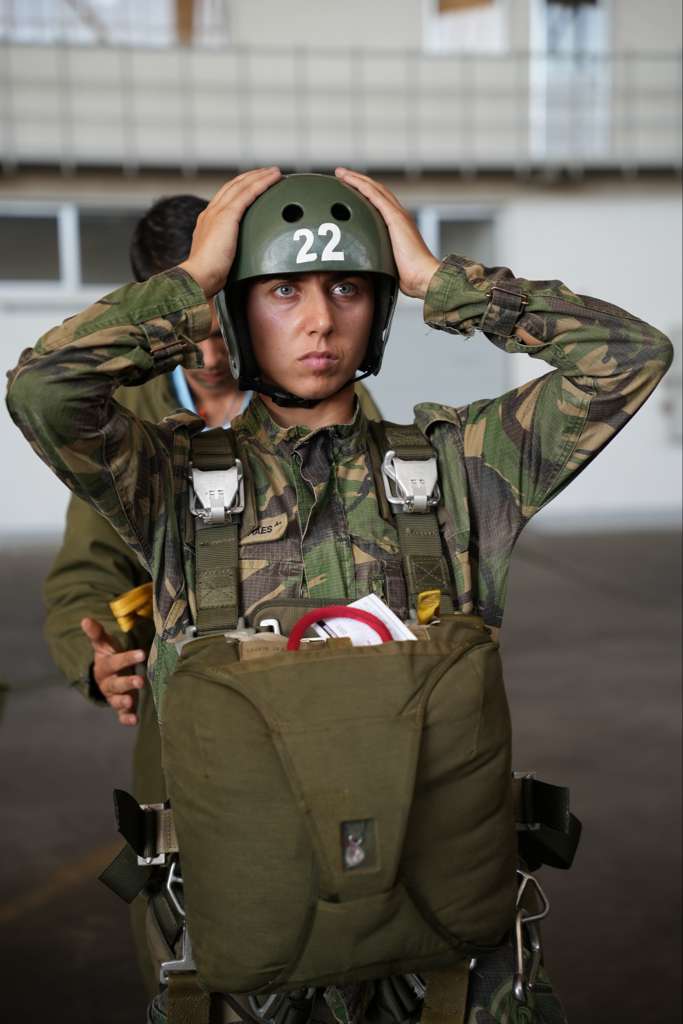
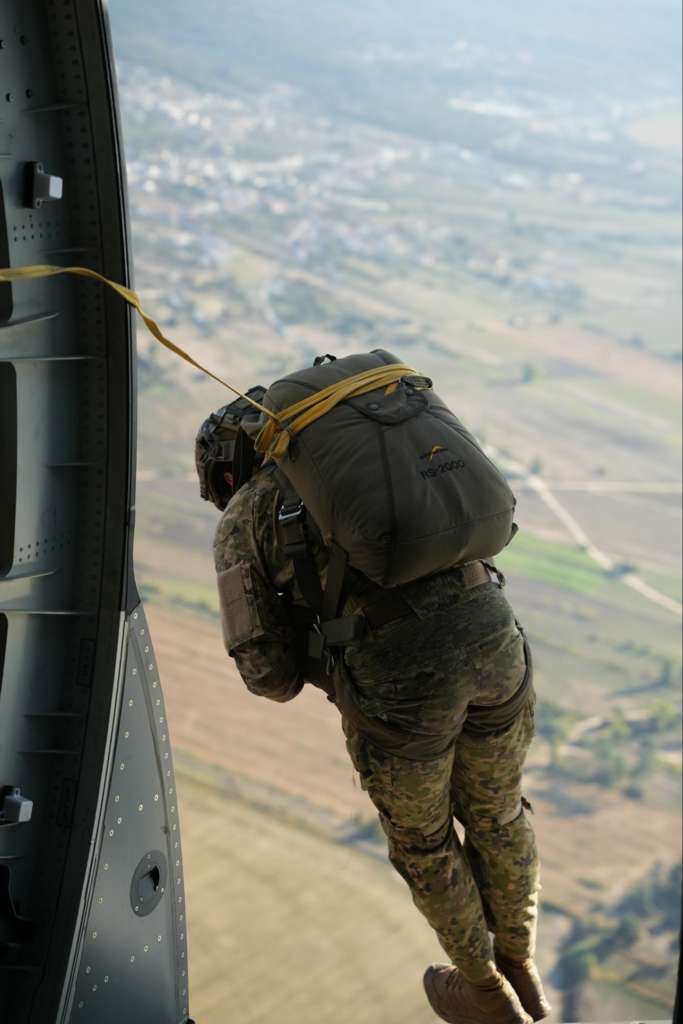
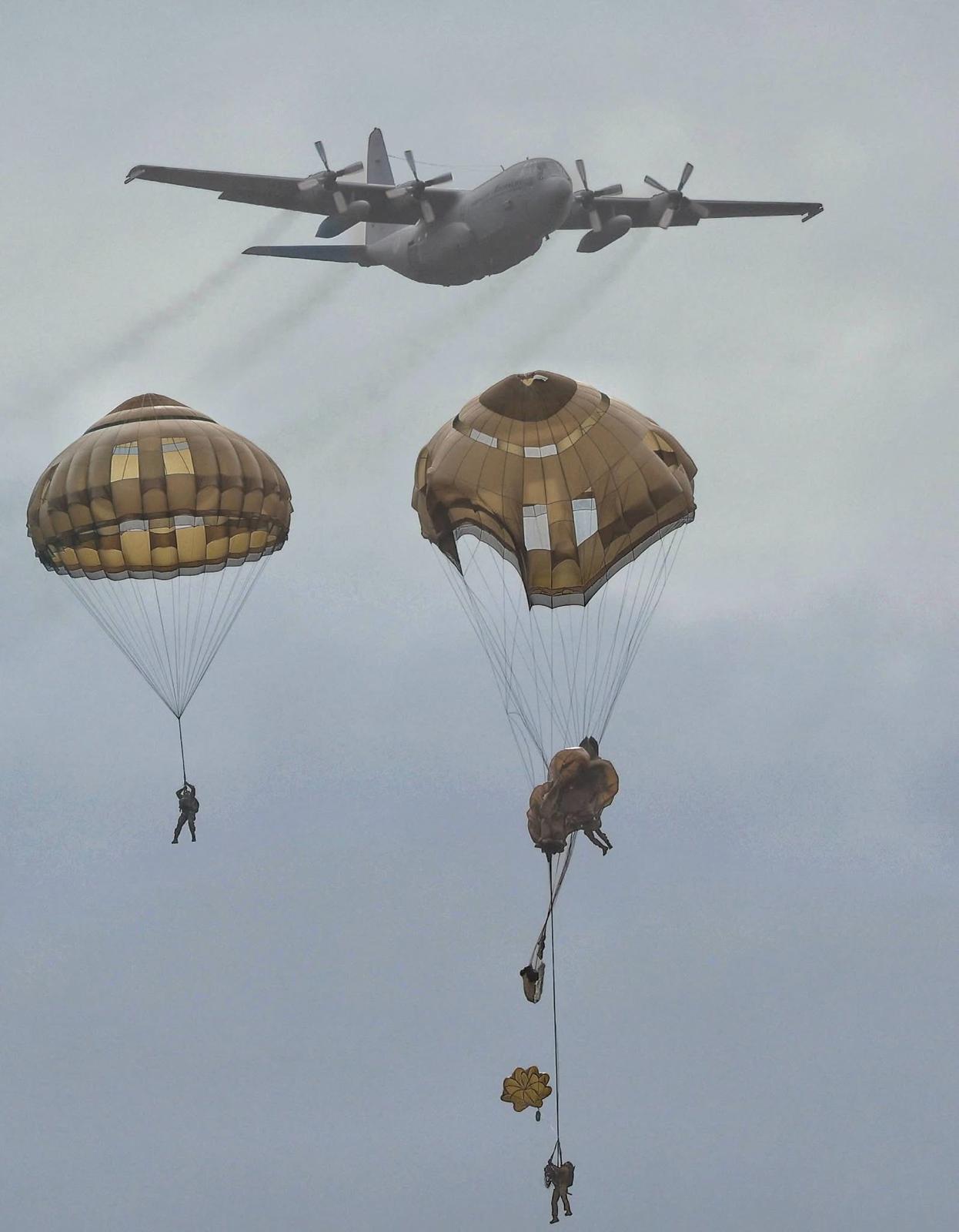
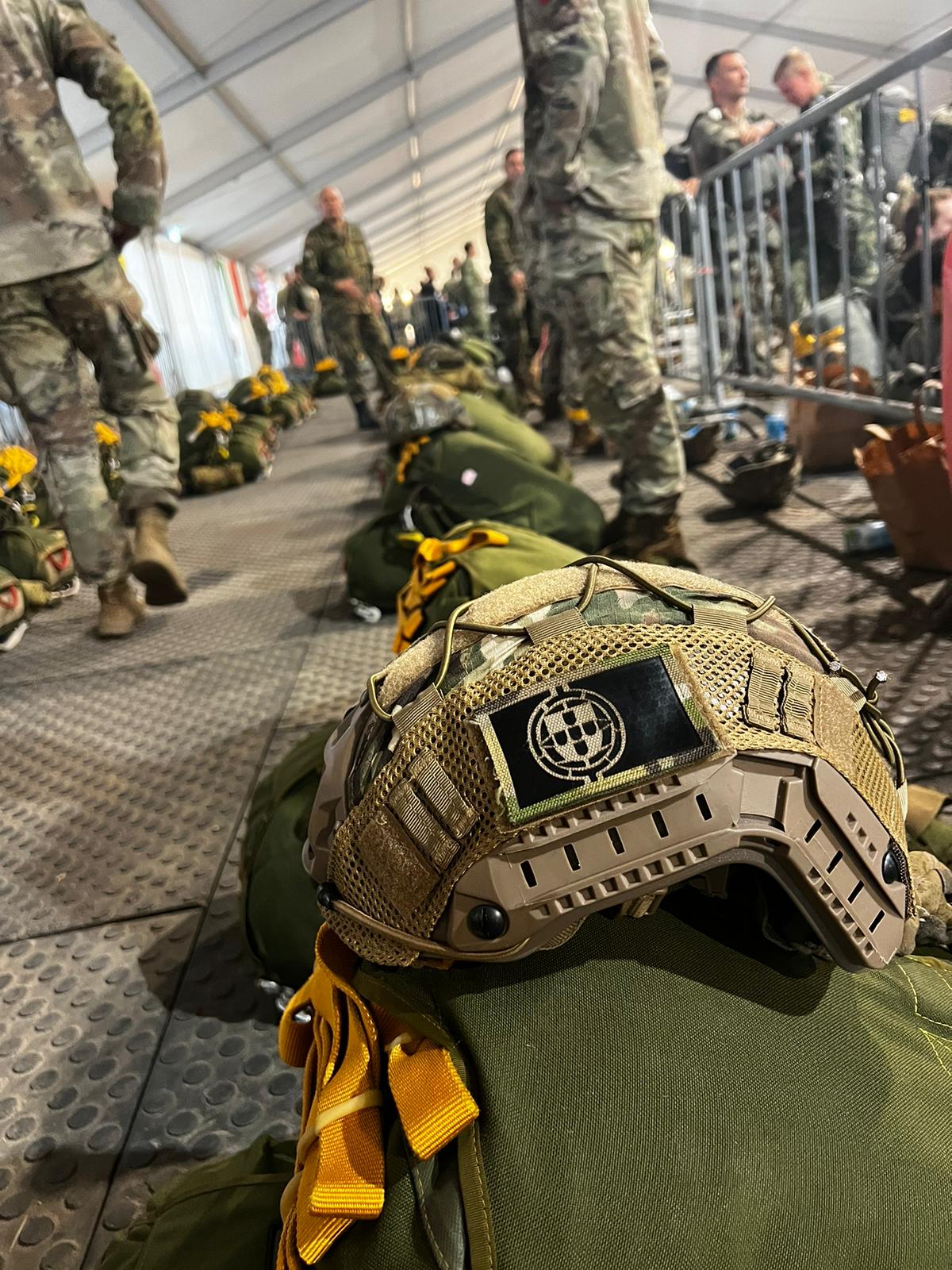
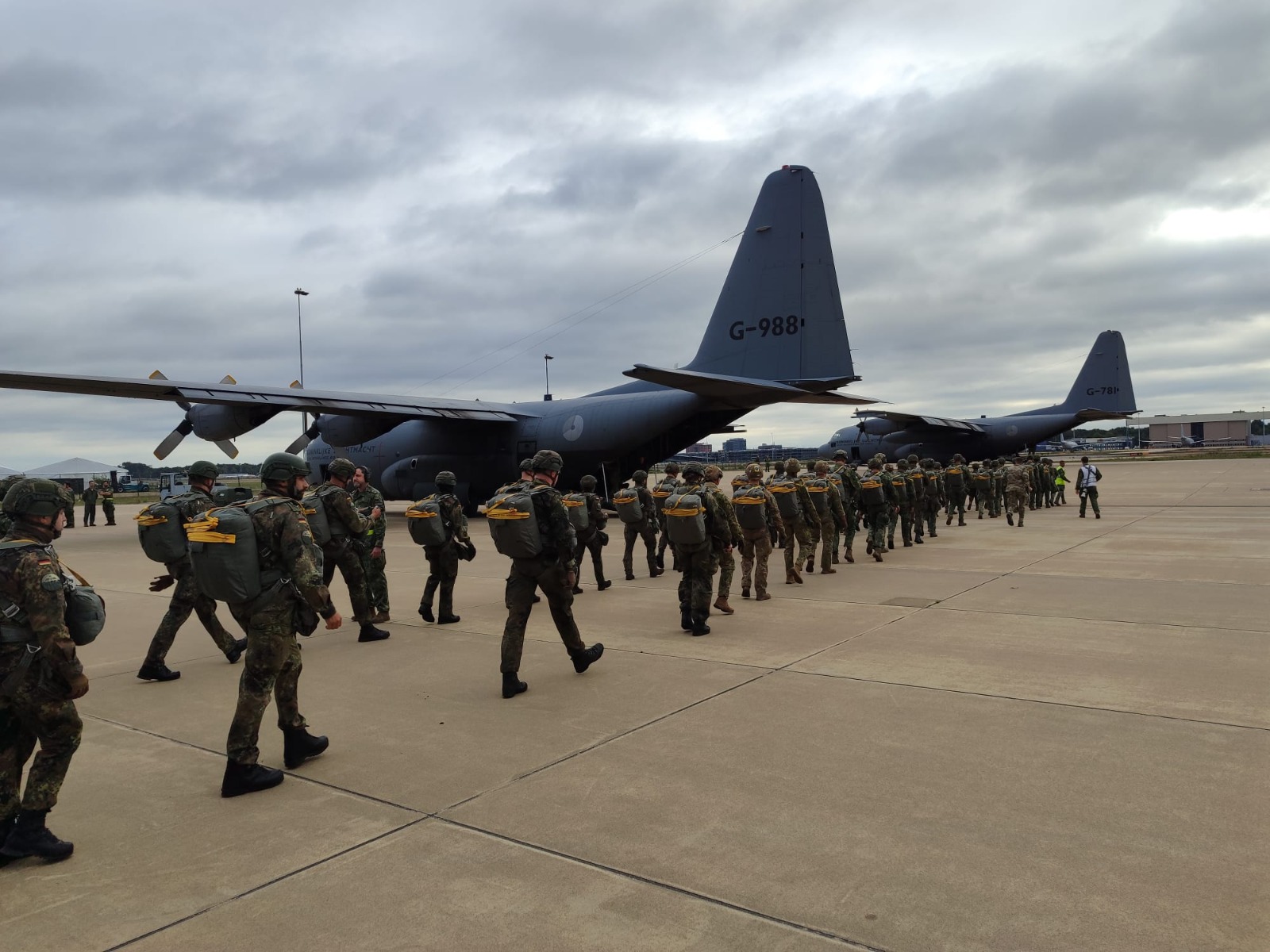
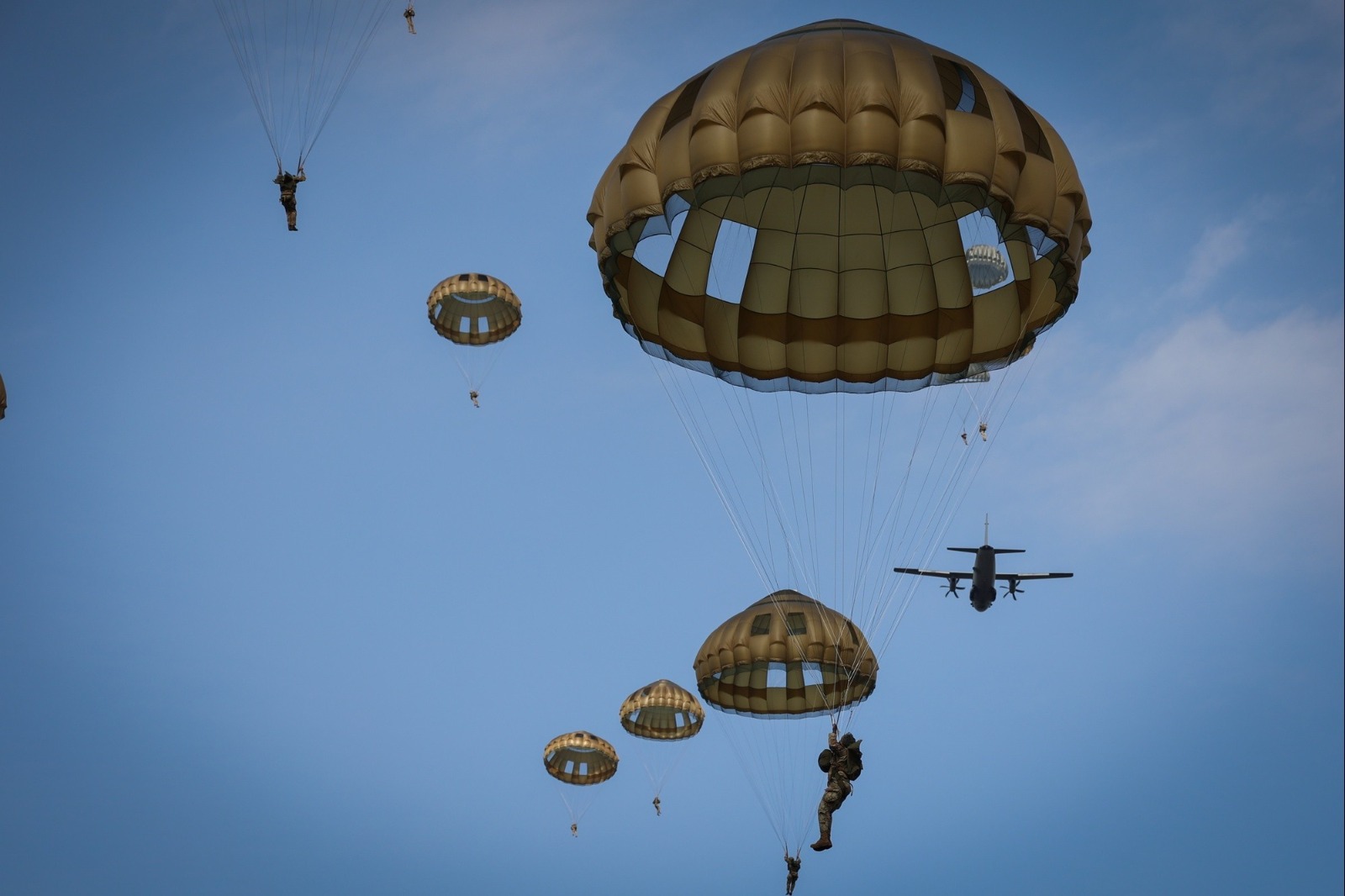
Mais de 480 paraquedistas participam em exercício operacional em Tancos


Créditos: Primeiro-Cabo Pedro Dias/Exército Português.Cabo Pedro Dias/Exército Português

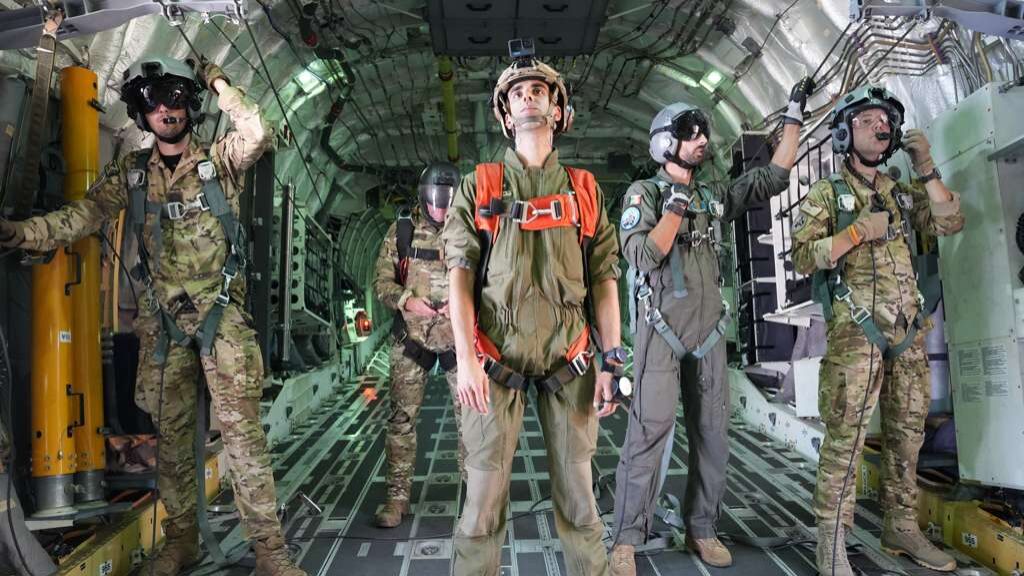
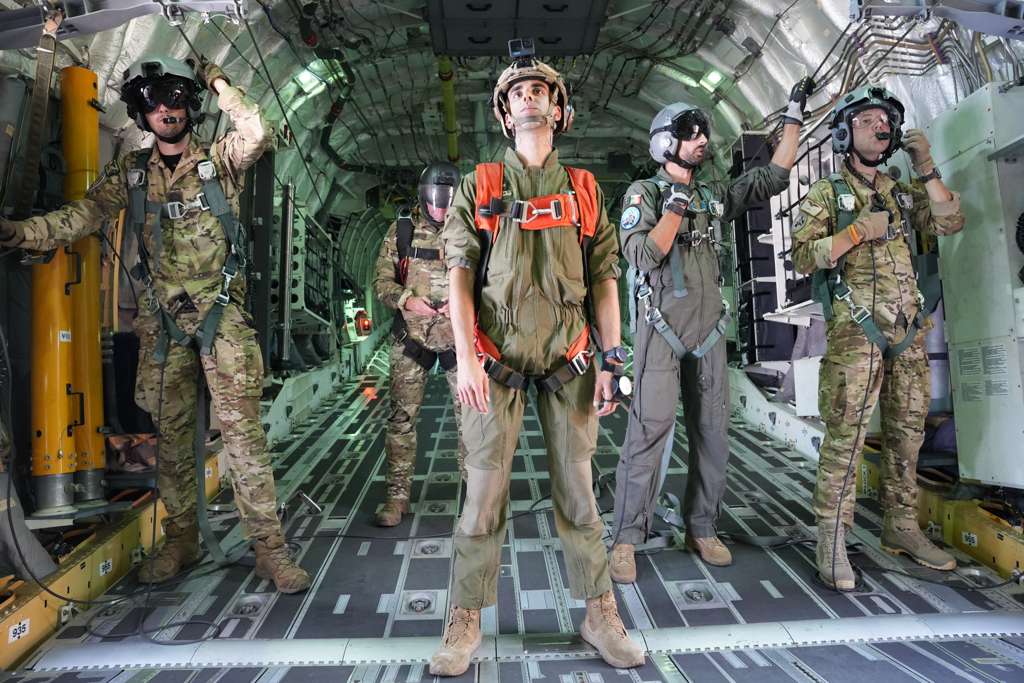
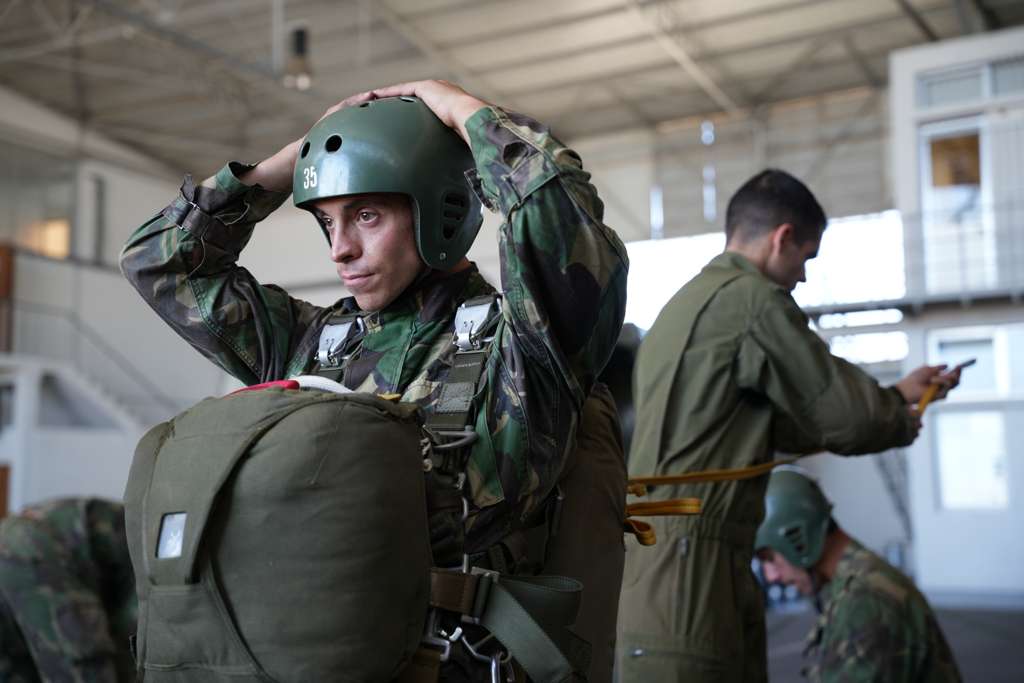
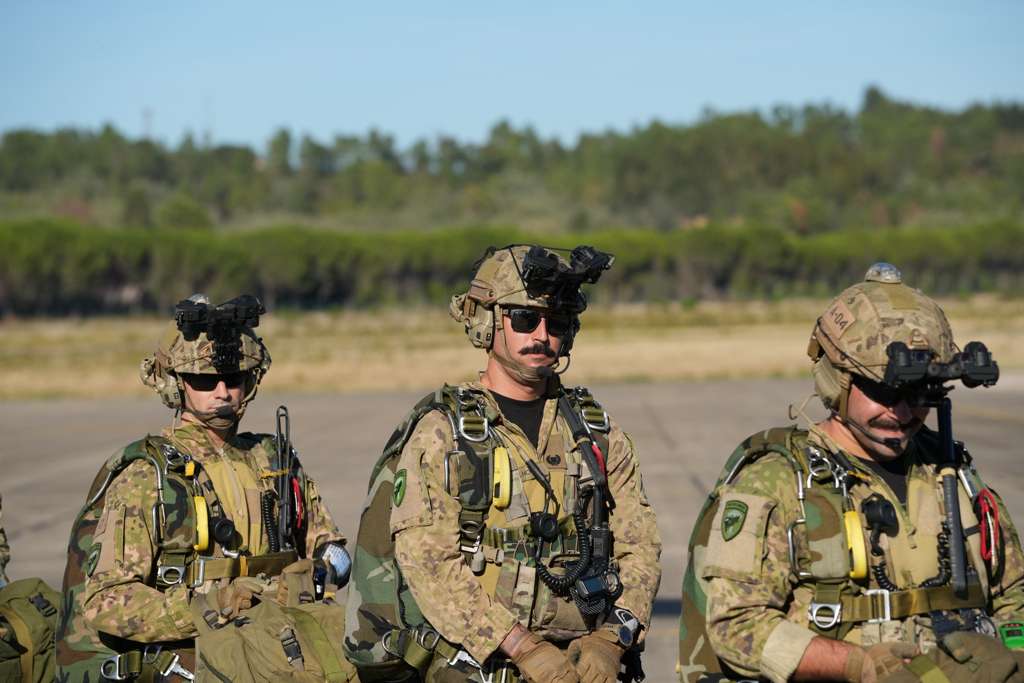
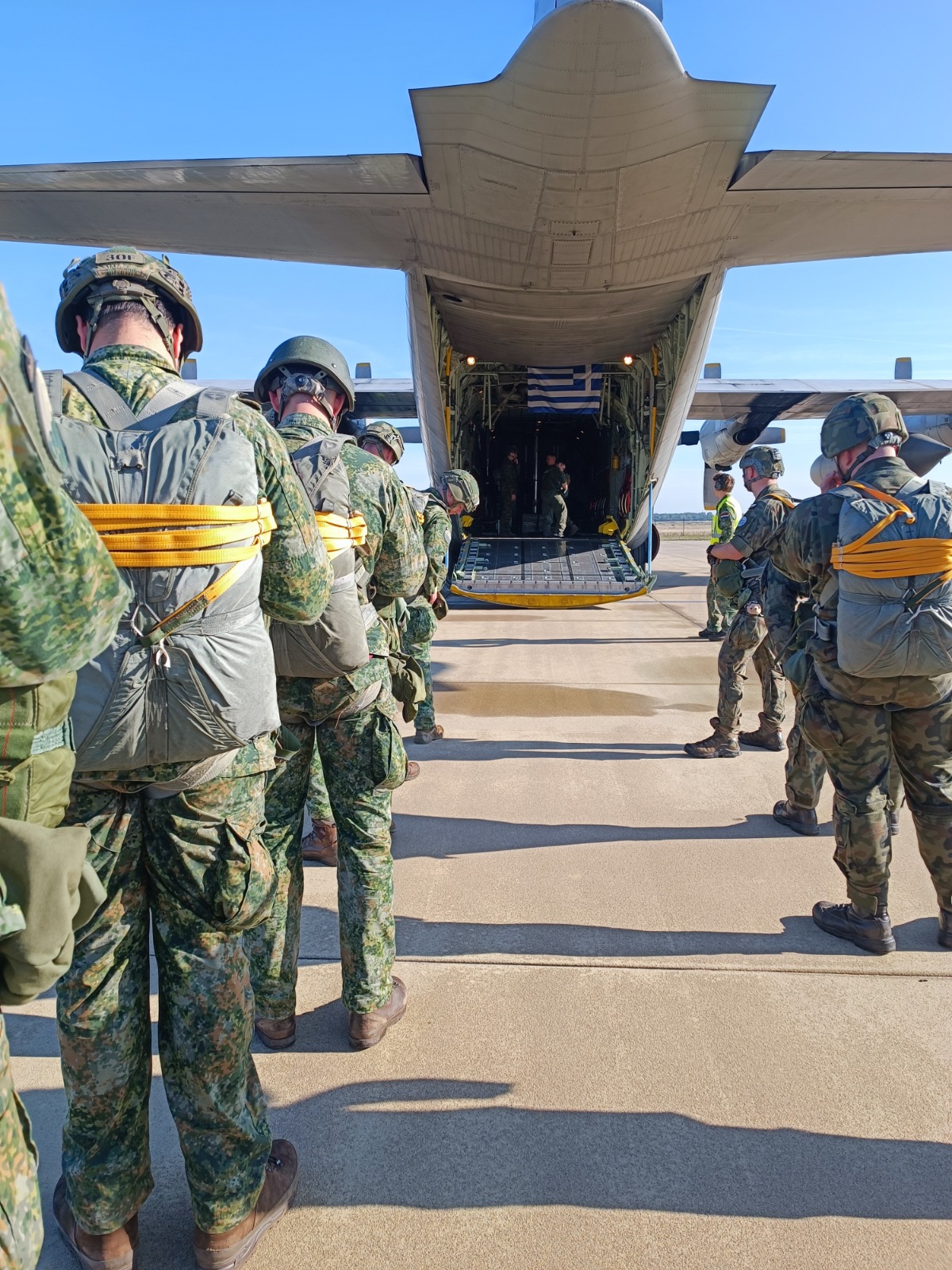
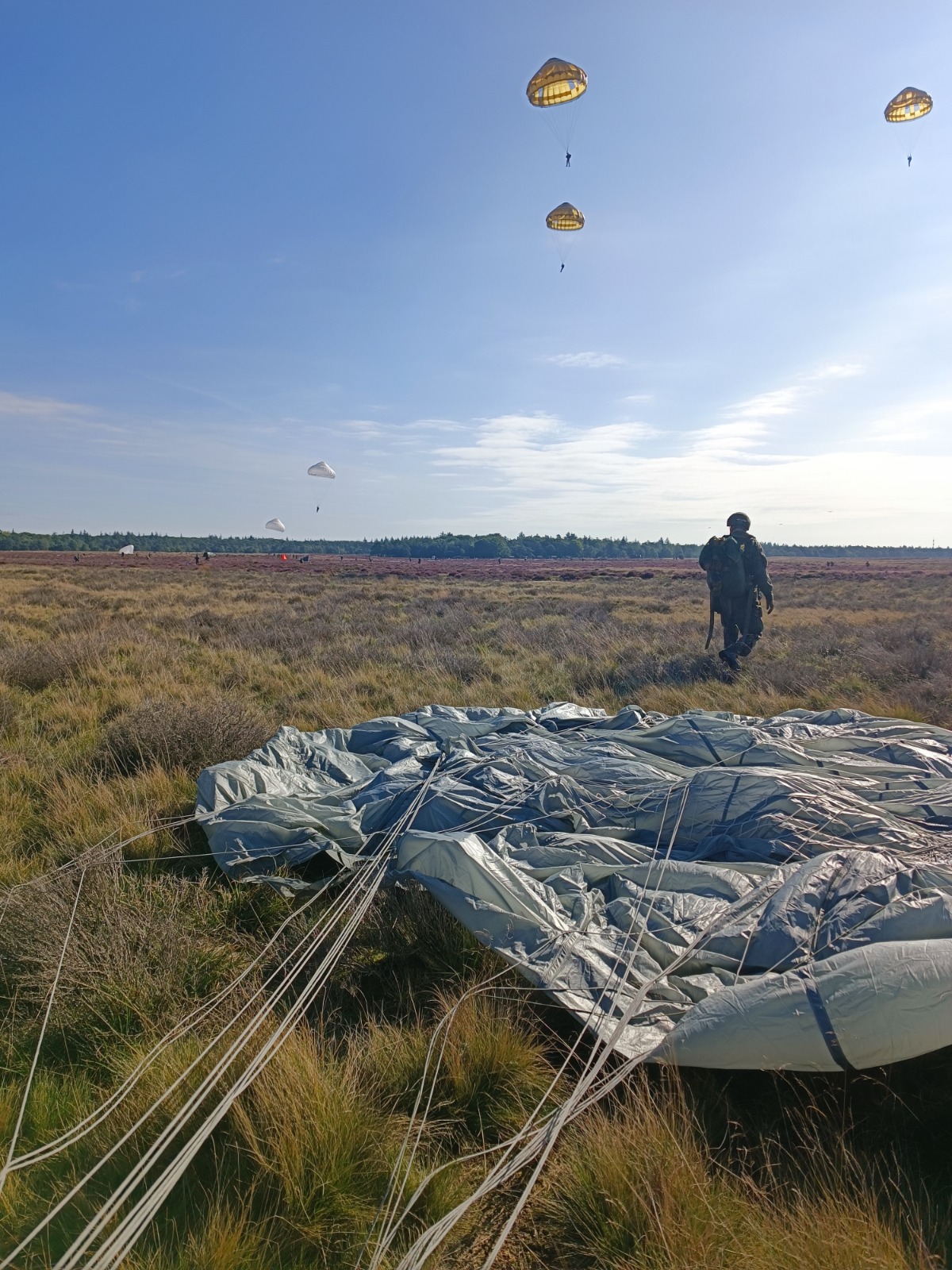
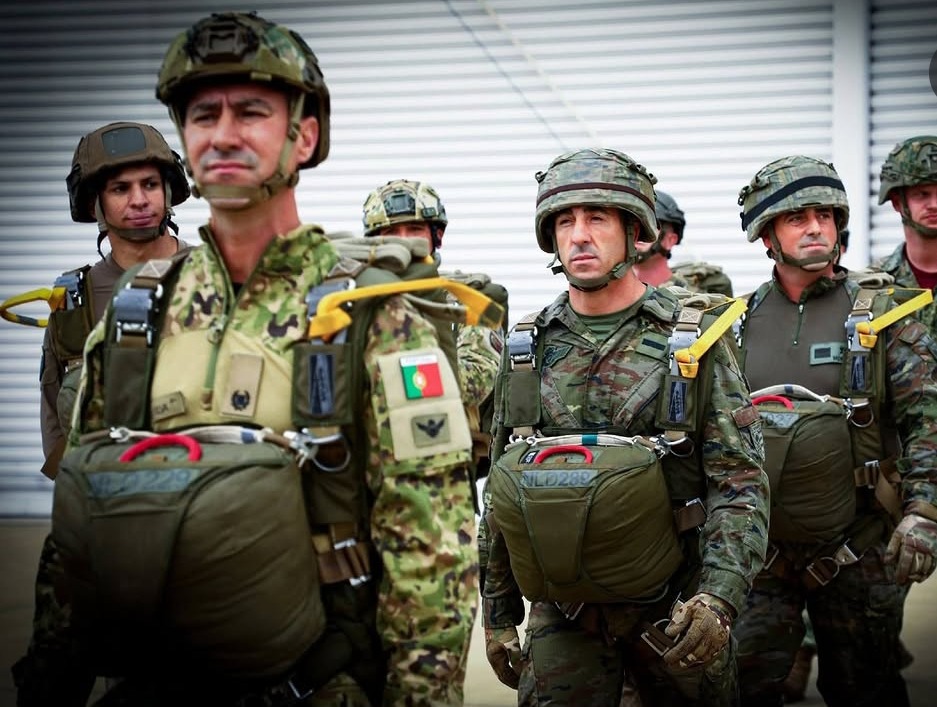
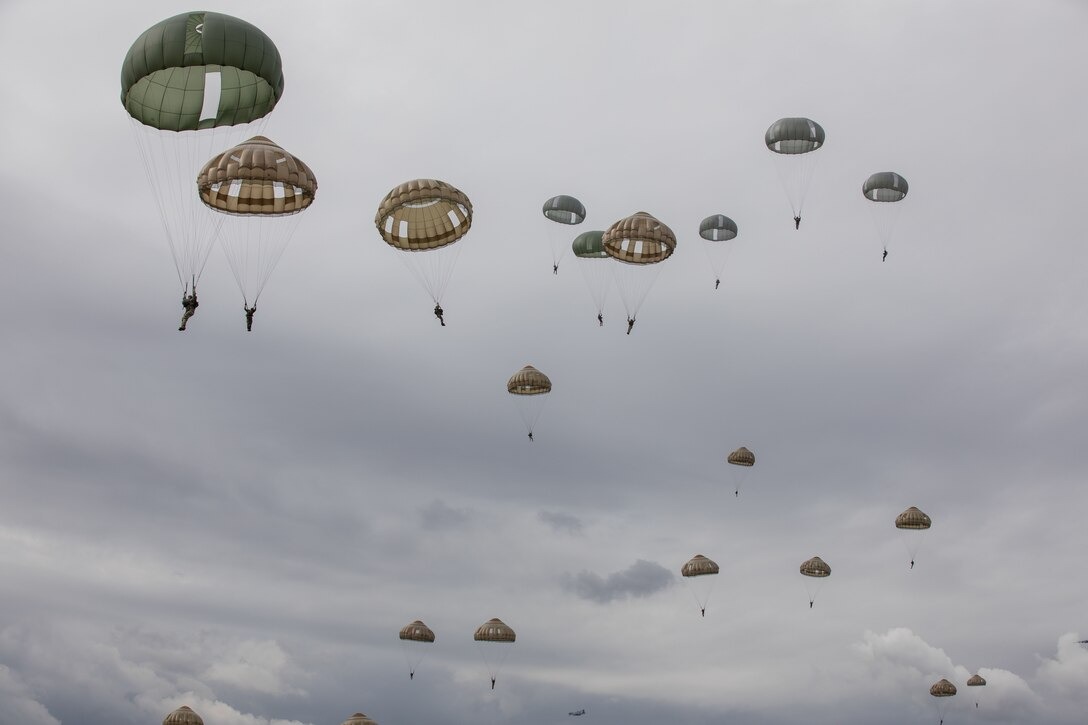
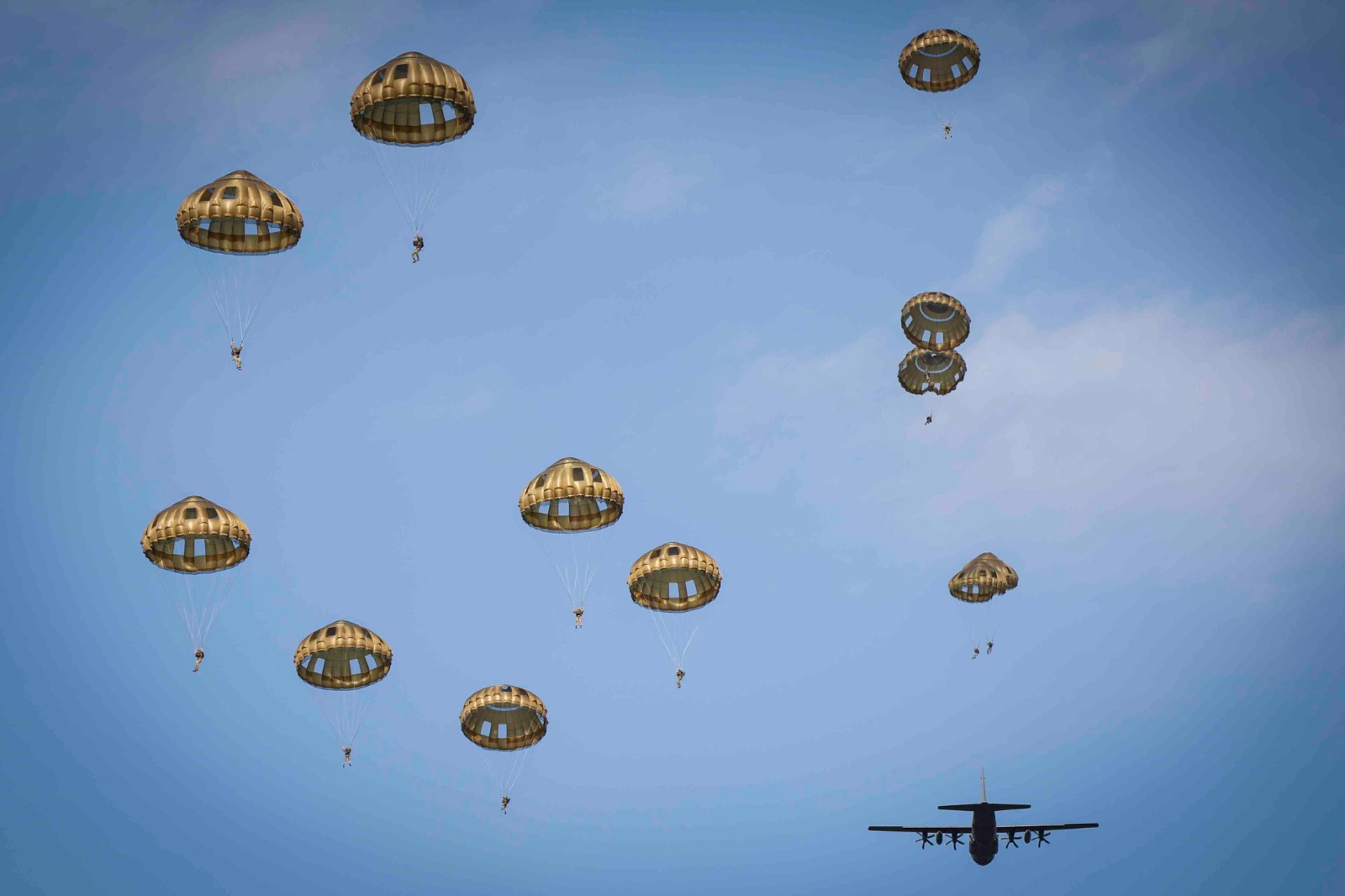
Depois de participar em setembro no exercício Falcon Leap nos Países Baixos com paraquedistas da Brigada de Reação Rápida, foi agora a vez de o Exército Português receber em Tancos militares neerlandeses para o exercício Apolo26. Mais de 480 militares participaram na operação aerotransportada de escalão Brigada, que envolveu cerca de 570 saltos em paraquedas e operações táticas terrestres.

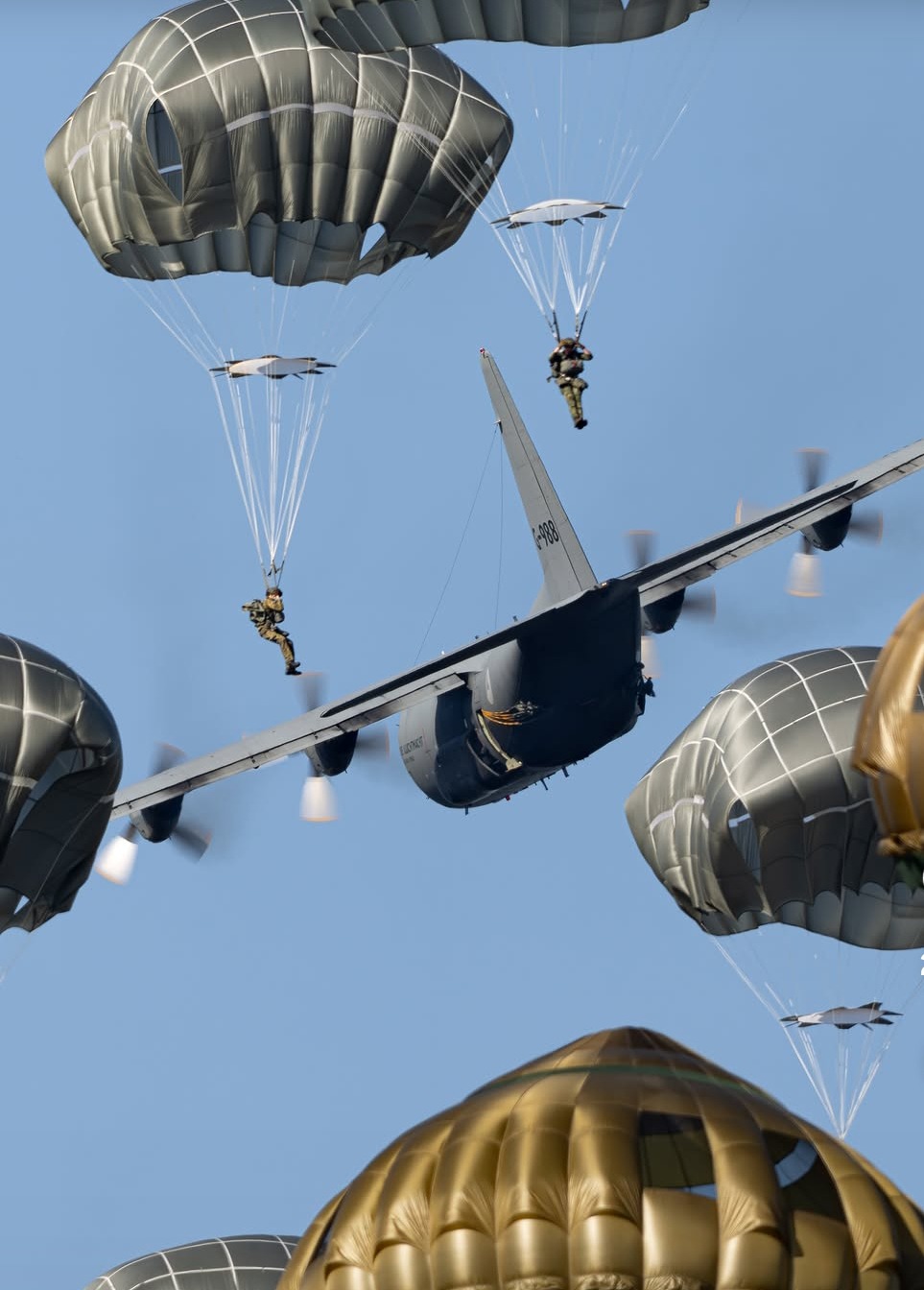
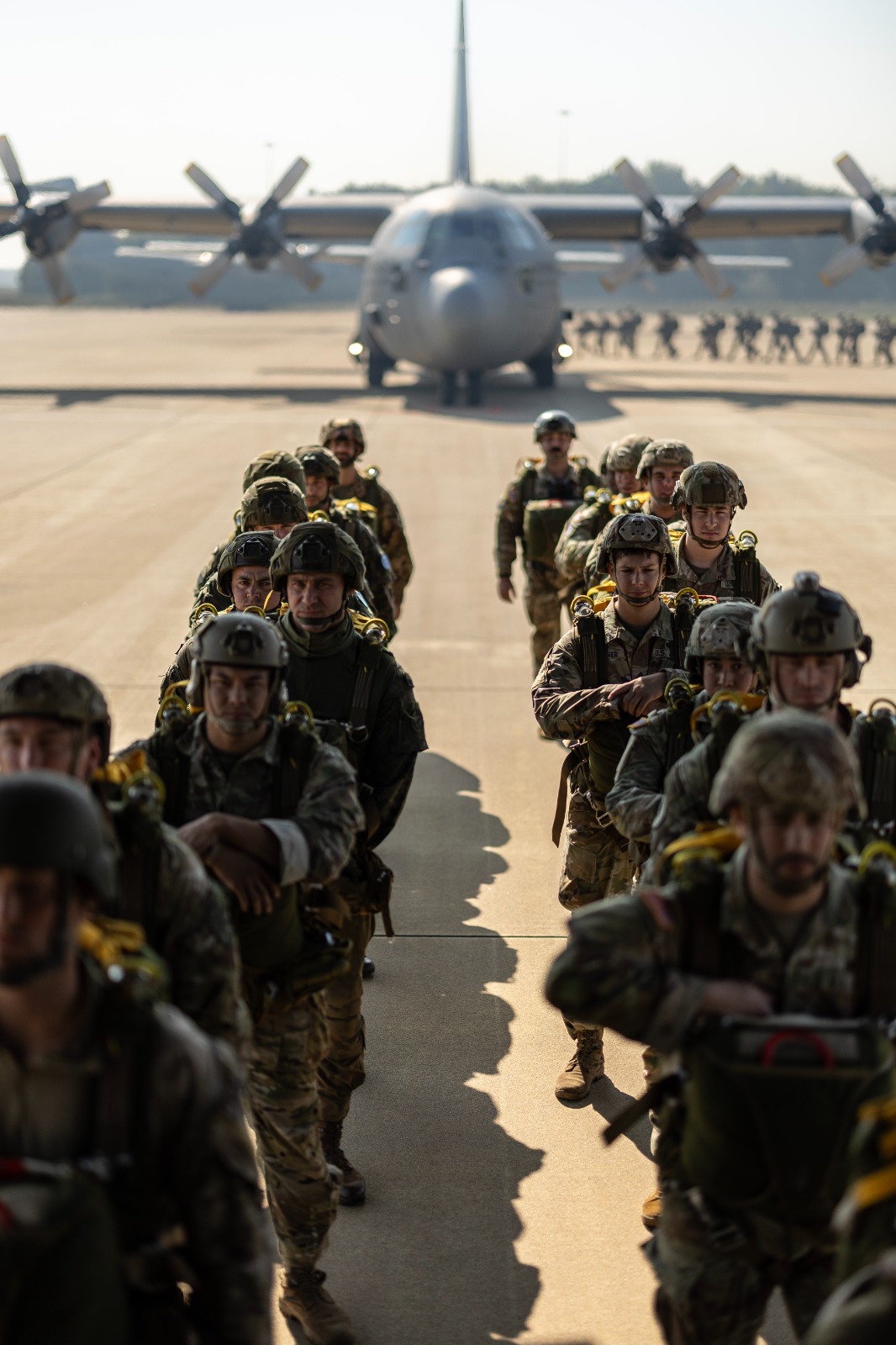
Mais de quatro centenas militares portugueses e neerlandeses terminaram esta sexta-feira a sua participação no exercício Apolo26, o exercício anual da Brigada de Reação Rápida (BrigRR) do Exército Português. Nesse âmbito, foi ainda conduzida a operação Airborne Dagger 26, uma operação aerotransportada de escalão Brigada, envolvendo os três Batalhões Operacionais Paraquedistas — 1.º Batalhão de Infantaria Paraquedista (1BIPara), 2.º Batalhão de Infantaria Paraquedista (2BIPara) e Batalhão Operacional Aeroterrestre (BOAT) —, bem como 68 militares neerlandeses, contando com o apoio de aeronaves A400M de Espanha e C-130 e KC-390 da Força Aérea Portuguesa.

“Esta operação permitiu integrar o planeamento aéreo, associado à infiltração de forças por salto em paraquedas, com o planeamento e a execução de ações táticas terrestres, num cenário de elevada exigência operacional”, detalha porta-voz do Exército Português.

Créditos: Primeiro-Cabo Pedro Dias/Exército Português.Cabo Pedro Dias/Exército Português

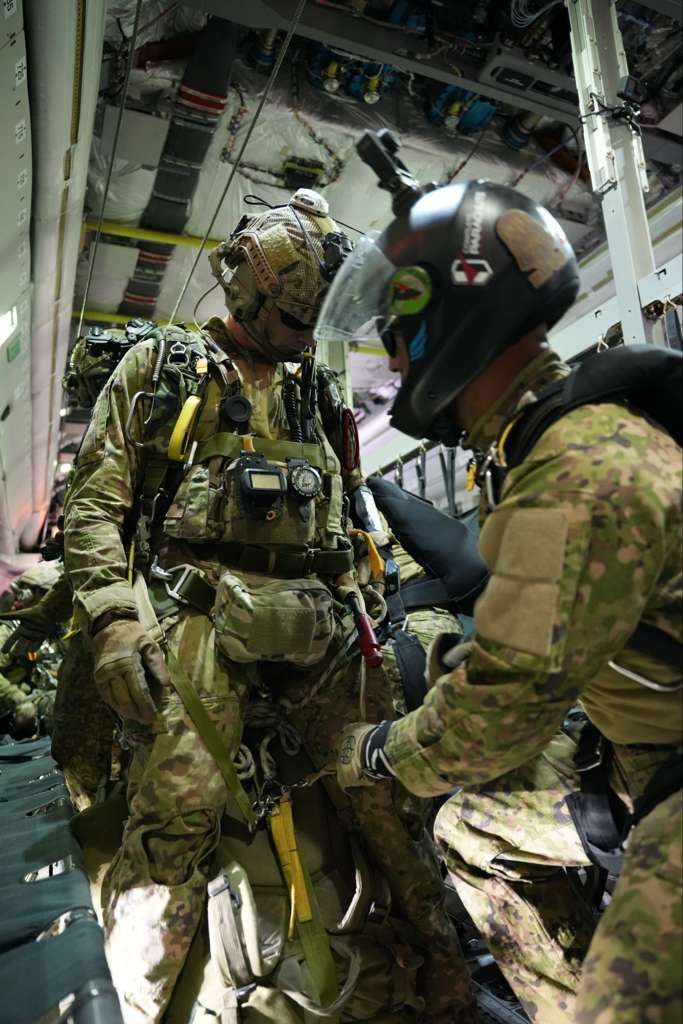
“A participação de 68 militares paraquedistas dos Países Baixos constituiu uma importante oportunidade para aprofundar a cooperação aeroterrestre e a interoperabilidade entre forças aliadas, através da realização conjunta de saltos de abertura automática e de queda livre militar (Military Free Fall)”, destacou.

Desde o dia 12 de outubro até esta sexta-feira foram realizados “495 saltos de abertura automática, 63 saltos de queda livre militar e nove saltos em tandem, num total de 567 saltos em paraquedas. Na componente terrestre, foram executadas cinco ações táticas de escalão Pelotão, duas de escalão Companhia e uma de escalão Brigada”, detalha o porta-voz do Exército Português.

O exercício operacional permitiu consolidar a “prontidão operacional da Brigada de Reação Rápida e a capacidade do Exército Português para atuar de forma conjunta e combinada com forças aliadas”, destaca.

Veja aqui mais imagens o exercício Apolo26

  • Cabo Pedro Dias/Exército Português
  • Cabo Pedro Dias/Exército Português
  • Cabo Pedro Dias/Exército Português
  • Cabo Pedro Dias/Exército Português
  • Cabo Pedro Dias/Exército Português
  • Cabo Pedro Dias/Exército Português
1 / 6

Exército português no Falcon Leap

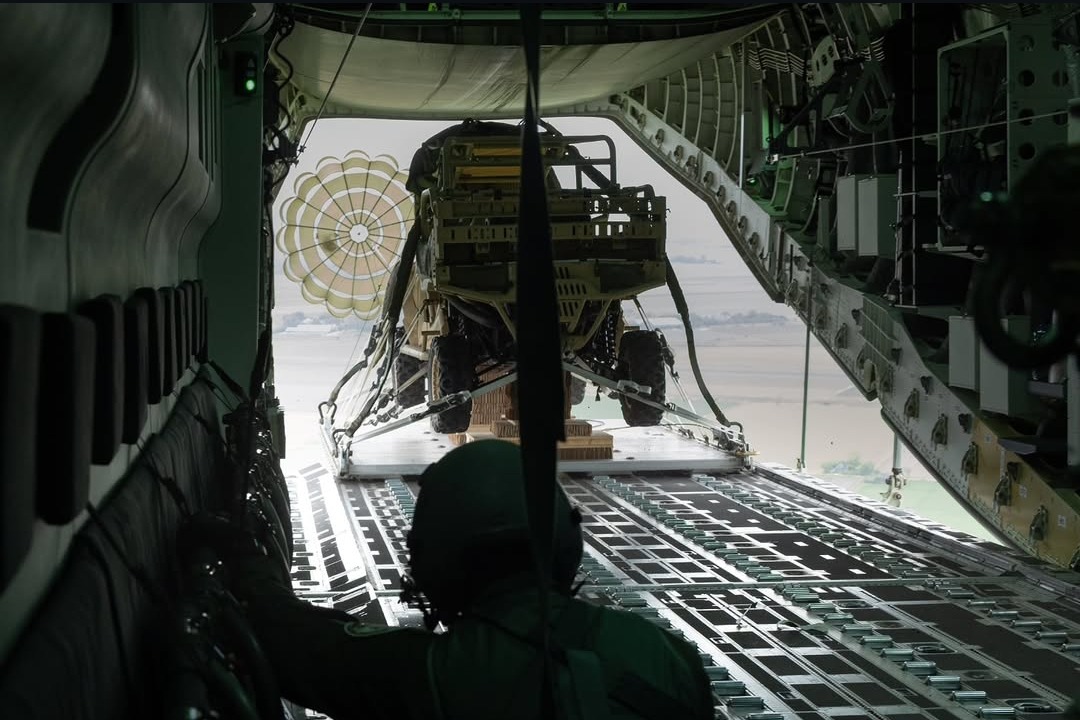
Em setembro, paraquedistas da Brigada de Intervenção Rápida participaram nos Países Baixos no Falcon Leap, um exercício multinacional de operações aerotransportadas. Liderado pelas Forças Armadas neerlandesas, sobretudo pela 11 Air Assault Brigade, o exercício reúne forças paraquedistas, aeronaves de transporte e especialistas de vários países aliados, combinando treino militar real de lançamento de pessoal e carga.

Desde 2021 que os paraquedistas portugueses da Brigada de Reação Rápida, participam neste exercício multinacional que, este ano contou com a participação de 11 países aliados e 12 aeronaves de transporte aéreo tático, com um total de 1.600 militares.

“O Exército Português participou com 52 militares paraquedistas do Batalhão Operacional Aeroterrestre do Regimento de Paraquedistas e do 2º Batalhão de Infantaria Paraquedistas do Regimento de Infantaria Nº 10, ambos da Brigada de Reação Rápida, juntamente com um vasto conjuntos de equipamentos aeroterrestres”, detalha o porta-voz do Exército Português.

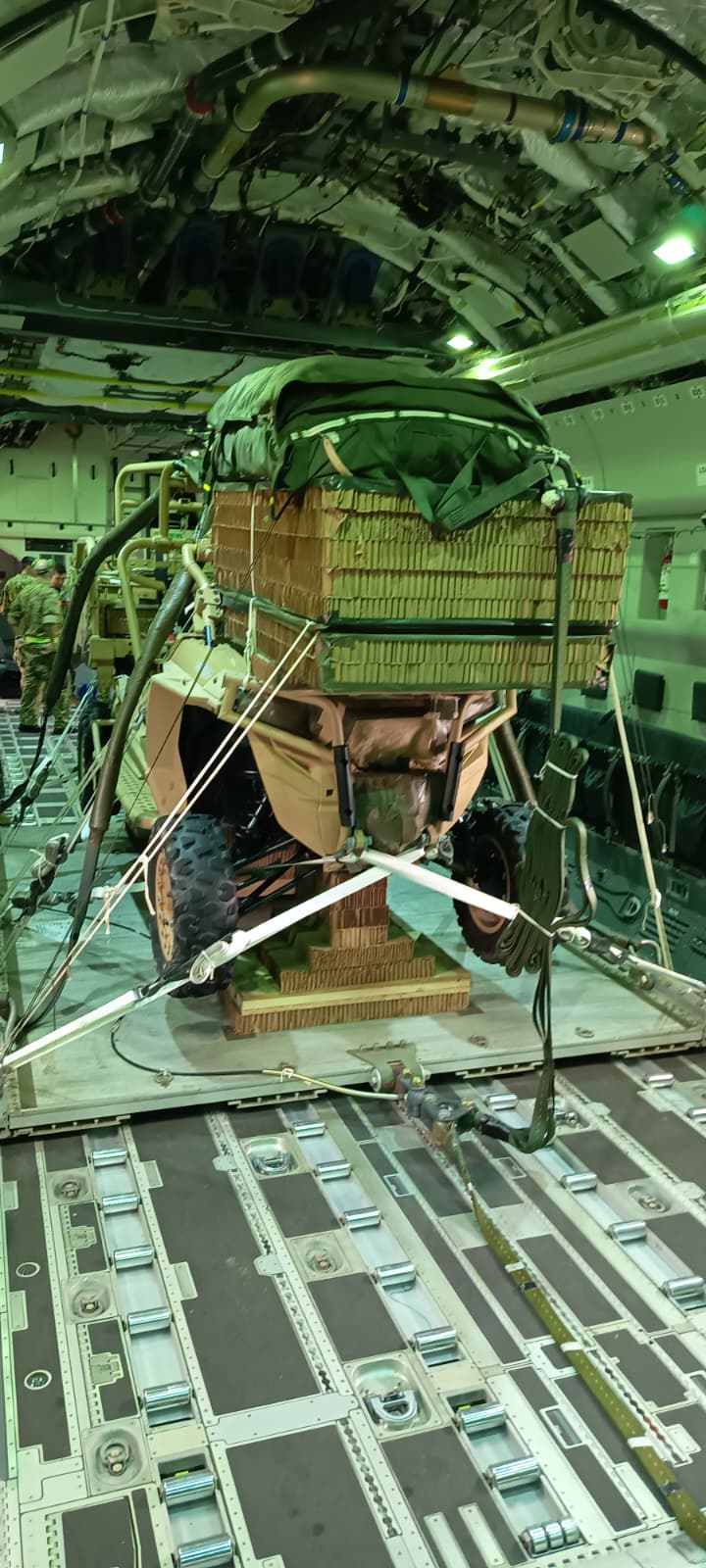
No exercício executou-se o “planeamento, coordenação e execução de múltiplas missões aeroterrestres com a infiltração por intermédio de paraquedas de pessoal e cargas aérea, nomeadamente 15 Container Delivery System, 2 Platform Delivery System, 2.208 saltos em paraquedas de abertura automática”, descreve.

“220 paraquedistas dos países aliados no âmbito do cross-parachute tiveram a possibilidade de efetuar as suas infiltrações no salto de abertura automática, na aeronave portuguesa KC 390, com os procedimentos e equipamentos aeroterrestres em uso pelas Forças Armadas Portuguesas”, refere ainda.

Veja as imagens do exercício Falcon Leap:

  • Cabo Pedro Dias/Exército Português
  • Cabo Pedro Dias/Exército Português
  • Cabo Pedro Dias/Exército Português
  • Cabo Pedro Dias/Exército Português
  • Cabo Pedro Dias/Exército Português
  • Cabo Pedro Dias/Exército Português
  • Cabo Pedro Dias/Exército Português
  • Cabo Pedro Dias/Exército Português
  • Cabo Pedro Dias/Exército Português
  • Cabo Pedro Dias/Exército Português
  • Cabo Pedro Dias/Exército Português
  • Cabo Pedro Dias/Exército Português
  • Cabo Pedro Dias/Exército Português
  • Cabo Pedro Dias/Exército Português
1 / 14


  •  

Rafa Jódar ofrece disculpas públicas tras polémico incidente en Shanghái

Tras convertirse en el semifinalista más joven en la historia del torneo asiático, el tenista de 20 años ofreció disculpas públicas y reconoció que la gestión emocional y la ética son fundamentales en su aprendizaje profesional.
  •  

Russia strikes 9 Ukrainian regions as strain grows between Zelenskyy and Trump

The latest aerial strikes on civilian targets came as fears mount that a sharp deterioration in relations between Ukraine and the United States this week could leave Ukraine further exposed to Russia's escalating aerial assaults as the bitter winter approaches.

  •  

Cairo’s Admission and Burhan’s Silence: Sudanese Blood and Gold as the Price of a Seat of Power

Twice in four months, Egyptian warplanes have bombed Sudanese miners inside their own territory, and dozens of bodies have failed to draw from Abdel Fattah al-Burhan a stance worthy of his citizens’ blood. Cairo, for its part, justifies its military operations, while Port Sudan hides behind a fact-finding committee, a cable of condolences and talk of contact between the two leaderships, without daring to name the party accused of killing its citizens.

This is the scene before us: a state acting on the Sudanese border by force of arms, and an army commander who avoids naming the party accused of killing Sudanese, for fear of losing an ally whose approval seems to matter more to him than their lives. On the morning of 10 October 2026, the mining site at Jabal al-Uqaydat in the Shamal al-Wadi area inside Sudan turned into a killing field after it was struck by five consecutive airstrikes, according to the testimony of a survivor relayed by Agence France-Presse. Thousands of miners had been searching for gold in a land exhausted by war; some ended up under the rubble, while others fled to the mountains without water or supplies.

In a significant pinpointing of the site of the bombing, The New York Times, in its report published on 12 October 2026, stated that the targeted mine is located in Sudan’s Red Sea State, about 25 miles from the Egyptian border, or roughly 40 kilometres inside Sudanese territory. Al-Hurra, in its coverage of the June attack, had cited an estimate placing Jabal al-Uqaydat about 20 kilometres inside Sudan; the forty-kilometre distance is cited here as attributed to the American newspaper’s determination of the location of the October strike, which keeps the question of sovereignty and the protection of civilians at the heart of the matter.

Agence France-Presse relayed from survivors that thousands of miners were working at the site, and “Emergency Lawyers” counted 72 dead according to preliminary information, while witnesses told the BBC of more than 60 dead and about 150 wounded. Survivors told Sudan Tribune that the dead numbered at least 200, with more than 15,000 workers fleeing, while the Sudan Doctors Network recorded a preliminary toll of 13 dead and 28 wounded, warning that it could rise.

Cairo Justifies the Bombing While Burhan Avoids Naming the Perpetrator

The “Emergency Lawyers” organization accused the Egyptian air force of targeting civilian miners, considering the attack a violation of international law. When Reuters asked Egyptian security officials about the raid, they did not deny the operation but justified it as ending what they described as border chaos and preventing Egyptian and Sudanese groups from taking control of mining areas.

Two days later, the Egyptian military spokesman announced the continuation of the “third phase” of the campaign, noting that warning leaflets had been dropped on those he described as criminal elements. However, the statement placed the operations inside Egyptian territory and did not include an explicit acknowledgment of carrying out a raid inside Sudan or of the killing of the miners.

Thus Cairo has a military justification for bombing a Sudanese site, while Burhan’s authority is incapable of issuing an explicit condemnation of the party that human rights organizations accuse of killing its citizens. The irony is that the state that is supposed to demand the victims’ rights appeared more concerned about its relationship with Cairo than about naming the party responsible for their blood.

From June to October: The Victims Change, the Silence Remains

The October raid was preceded by a strike that targeted the area on 16 June 2026. Agence France-Presse reported 23 dead, while Sudanese platforms estimated the toll at around one hundred. According to the testimonies received, the operations extended to Jabal al-Uqaydat, the Red Mountain and the area around Souk al-Ansari, and included raids by warplanes and drones followed by a ground incursion. The organization “Darfur Victims Advocacy” relayed from witnesses that an Egyptian force of about sixty armed vehicles had surrounded the miners and detained civilians, some of whom were beaten.

In the days following the June attacks, Radio Dabanga reported the arrival of about two thousand deported miners via the Argeen crossing, according to a local activist, while the crossing’s director spoke of more than three thousand over the preceding days, and the Egyptian army announced the arrest of 223 people, including 136 foreigners. On 22 June, Burhan appeared in Al-Ratj to say, according to Al-Araby Al-Jadeed: “Our northern neighbor — people must respect it and not cross the borders so as not to cause problems for themselves and for the state.”

Sudanese had been waiting for their army’s commander to defend their blood, but they heard him urging them to respect the borders of the neighbor accused of bombing them. When the raid was repeated in October, the Sovereignty Council repeated the scene: condolences over the “painful incident,” a fact-finding committee, and an assurance that the two countries’ leaderships are in contact.

Burhan’s adviser, Amjad Farid, described the bombing as an unjustified and unacceptable crime, noting that border violations could be addressed without warplanes, but his position did not translate into an announced official protest or a clear path to accountability.

Sudan’s Gold: A Wealth Guarded by Force

Al-Uqaydat lies within the gold-rich Nubian Shield belt, and the Chatham House institute estimated that about 60% of gold production in the Northern, River Nile and Red Sea states is smuggled to Egypt, in quantities exceeding one hundred kilograms per day, and more than sixty tonnes since the outbreak of the war through the end of 2024.

By contrast, official gold exports to Egypt in 2024 did not exceed about 16 million dollars, roughly 1% of Sudan’s total gold exports, according to Central Bank of Sudan data cited in the Chatham House report.

Miners told Sudan Tribune that they had observed drilling machinery and trucks carrying rocks across the border into Egypt, and that an Egyptian patrol had previously warned them against approaching a site it said lies inside Egyptian territory. Al-Hurra relayed testimony about friction between workers and personnel of an Egyptian mining company operating near them.

Egyptian Law No. 193 of 2020 authorizes contracting with the Egyptian Company for Mining and the Management and Exploitation of Quarries and Salt Works, affiliated with the National Service Projects Organization, to exploit the quarries and salt works specified by the law for a period of thirty years, while the state-owned Shalateen Mineral Resources Company is active in the south of the Eastern Desert. The businessman Naguib Sawiris also praised the June operation and linked it to investors’ confidence in the Egyptian mining sector.

In the same month, Egypt’s Ministry of Petroleum denied statements attributed to its minister about agreements to establish 108 gold mines in northern Sudan, but the researcher Mohamed al-Hadi considered it likely that the attacks are linked to undisclosed understandings with the Sudanese government, a hypothesis that calls for an independent investigation.

Burhan: When the Ally Becomes More Precious Than the Citizen

The website Al-Hurra relayed from a miner that a group of pro-government joint forces withdrew from the mountain a day before the June raid, and that the Sudanese army did not arrive to evacuate the wounded and collect the bodies until the third day. The testimony raised workers’ suspicions about possible coordination between the two governments, without establishing that it took place.

But Burhan’s silence does not need those suspicions to be proven in order to become a matter of political accountability. Cairo supports the commander of the Sudanese army and considers the war on its borders a threat to its security. Agence France-Presse has verified satellite images showing the repeated presence of Turkish Bayraktar drones at an Egyptian base near Sudan, while reports spoke of facilitating the delivery of drones to the Sudanese army and training its crews inside Egypt, alongside broader military and intelligence cooperation.

An analysis published by the Horn Review in June held that the army’s silence over the raids is linked to Egyptian support for it.

Yet this relationship does not absolve Burhan of responsibility; it multiplies it. Whoever relies on another state’s support in his war cannot make the protection of his citizens a negotiable item, and his need for weapons and political backing must not become an immunity he grants to Cairo at the expense of Sudanese blood.

Sovereignty Tested With the Blood of the Poor

The raids reopen the wound of Halayeb and Shalateen, the disputed triangle under Egyptian control. Sudanese administrative maps confirm that the targeted mining sites lie inside Sudan, while Cairo treats them as part of the border area adjoining the triangle.

Human rights, political and trade union forces have called for an independent international investigation, and the “Sumud” alliance led by Abdalla Hamdok held the Egyptian side directly responsible.

Today, Egypt is required to answer for the bombing and the fall of civilians, not merely to classify them as criminal elements and offer security justifications, and Burhan is required to announce the results of the investigation, determine responsibility, demand compensation and accountability, and take the necessary diplomatic and legal measures.

As for settling for condolences, it is not a defense of sovereignty; it is a declaration that the alliance with Cairo is more precious to the authorities than the Sudanese people’s right to life and justice. At Jabal al-Uqaydat the bill is clear and admits no doubt: the gold crosses the border, the dead remain under the rubble, and Burhan guards his silence.

  •  

Zelensky avisa líderes europeus que Kiev vai precisar de mais 70 mil milhões em 2027

✇ECO
By: Lusa

O Presidente da Ucrânia avisou esta sexta-feira os líderes europeus de que o país vai precisar de mais 70 mil milhões de euros em 2027 do que estava inicialmente previsto, apelando a que arranjem maneiras de os conceder.

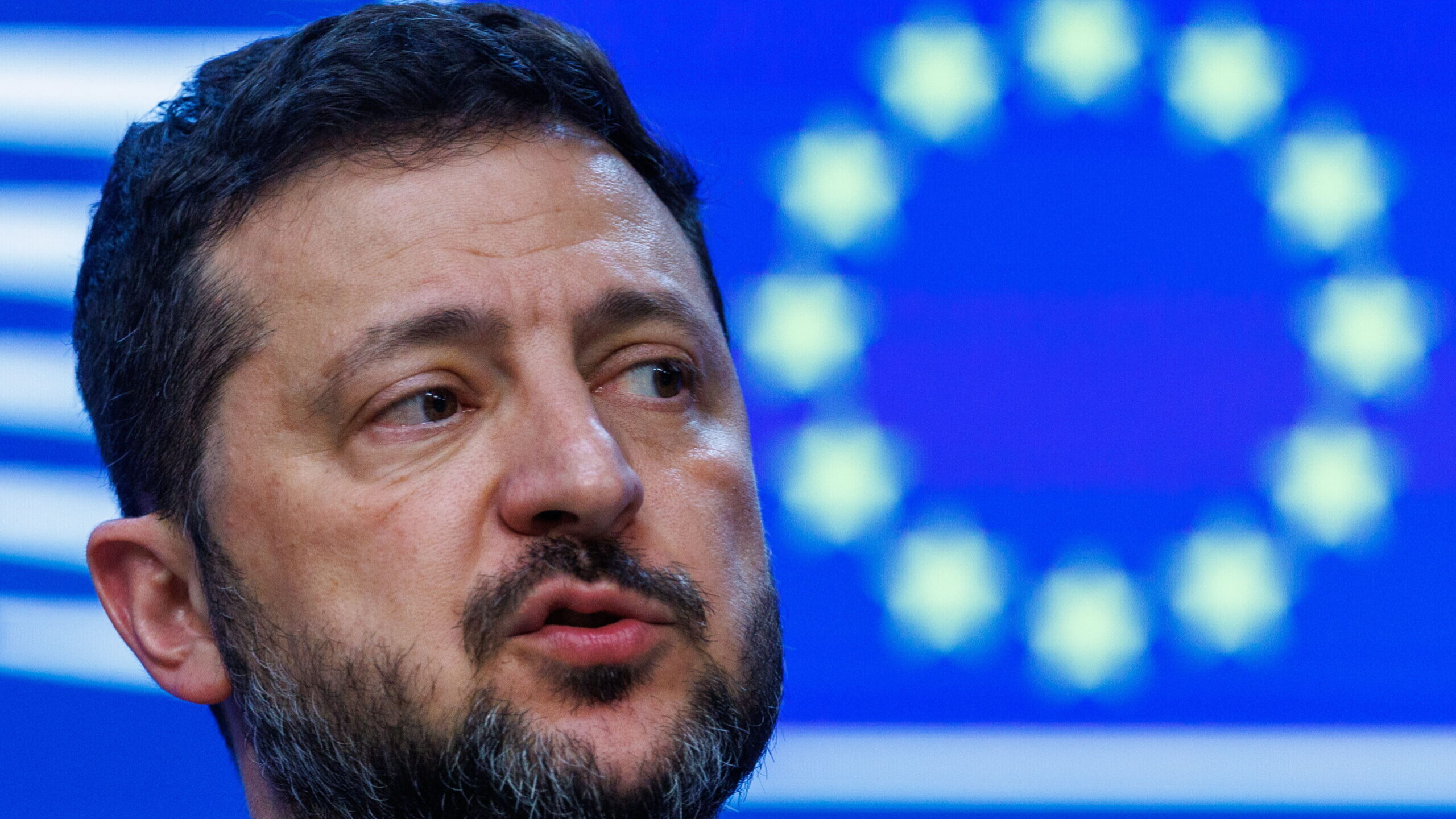
Num discurso perante os chefes de Estado e de Governo da União Europeia (UE), na cimeira do Conselho Europeu, em Bruxelas, Volodymyr Zelensky avisou que, em 2027, a guerra “vai custar 155 mil milhões de euros”.

“E precisamos de pelo menos mais 70 mil milhões de euros vossos: para a Defesa, armamento, para a nossa resiliência. Este montante é realista e peço-vos que encontrem forma de nos conceder este apoio”, apelou.

Este apelo de Zelensky surge numa altura em que várias fontes diplomáticas indicam que a Ucrânia tem transmitido à UE que o montante do empréstimo de 90 mil milhões de euros previsto para 2027 (uma fatia de 45 mil milhões euros) não vai ser suficiente para suprir as necessidades do país para esse ano – o que Zelensky confirmou agora.

Perante os líderes europeus, Zelensky salientou que, atualmente, a Ucrânia consegue “travar a maioria dos ataques russos na linha da frente”, interromper “linhas de abastecimento russas” e “enfraquecer a economia russa” graças aos drones que produz.

“Mas poderíamos produzir duas ou três vezes mais drones, consoante o tipo. Mas, pura e simplesmente, não temos dinheiro suficiente para o fazer. É verdade. Imaginem só se pudéssemos exercer sobre a Rússia uma pressão duas ou três vezes superior à que exercemos hoje”, frisou.

O Presidente ucraniano avisou que o líder russo, Vladimir Putin, se “prepara para permanecer no poder durante muito mais tempo”, e, independentemente de quando a guerra terminar, “não deixará de constituir uma ameaça” para a UE, apelando a que o bloco europeu dos 27 também preveja verbas para Kiev no seu próximo orçamento comunitário, que cobrirá o período entre 2028 e 2034.

“A nossa força, o nosso exército e as nossas tecnologias também ajudam a garantir a segurança europeia. Estas garantias ainda não estão, tanto quanto pensamos, refletidas no vosso orçamento a partir de 2028. Levamos esta questão a sério e vamos definir exatamente de que forma as capacidades de defesa da Ucrânia devem ser integradas nesse orçamento”, indicou.

Nesta intervenção perante o Conselho Europeu, Zelensky abordou ainda as recentes tensões que tem tido com a administração norte-americana, liderada pelo Presidente Donald Trump, agradecendo a “todos os que estão a tentar manter unidos a Europa e os Estados Unidos”.

“Há tantas pessoas de bom coração na América que desejam sinceramente que o mal seja derrotado e que a Ucrânia se mantenha forte. (…) Pessoas que querem ser aliadas, não dividir nem humilhar a Europa”, referiu.

O Presidente ucraniano disse acreditar que “a maioria dos americanos continua a pensar desta forma” e, “no fim de contas, o povo americano terá uma palavra a dizer”, numa alusão às eleições intercalares (‘midterms’) nos Estados Unidos, marcadas para 3 de novembro.

“Putin ouvirá os Estados Unidos se estes exercerem realmente uma pressão muito maior sobre ele e deixarem uma coisa bem clara: ou escolhe a paz, ou deixa de receber dinheiro para financiar a sua guerra”, referiu.

Zelensky alertou que, se as sanções à Rússia “forem aliviadas em qualquer parte da Europa”, outros “irão rapidamente aproveitar-se disso”, abordando o acordo sobre o gasóleo firmado recentemente entre os Estados Unidos e a Rússia.

“Este acordo nunca será suficiente para compensar o impacto do encerramento do Estreito de Ormuz nos mercados mundiais. Mas colocará mais dinheiro diretamente nos bolsos de Putin para financiar esta guerra. Precisamos de um 22.º pacote de sanções da UE que seja forte”, afirmou.

O Presidente ucraniano agradeceu aos europeus pelo apoio que têm dado à Ucrânia nos últimos anos, frisando que, “sem uma UE determinada e capaz de tomar decisões firmes, Putin já teria ido mais longe”.

“A UE não se desmoronou. Não recuou nem cedeu ao medo quando se tratou de defender o modo de vida europeu. E isso foi tão importante como a coragem dos ucranianos”, elogiou.

A ofensiva militar russa no território ucraniano, lançada a 24 de fevereiro de 2022, mergulhou a Europa naquela que é considerada a crise de segurança mais grave desde a Segunda Guerra Mundial (1939-1945). A Ucrânia tem contado com ajuda financeira e em armamento dos aliados ocidentais desde que a Rússia invadiu o país.

Os ataques têm vindo a intensificar-se nos últimos meses em ambos os lados da frente, fazendo um número crescente de vítimas civis, e as negociações entre as duas partes estão num impasse.

  •  

Putin Seizes More European Businesses as Moscow Expands Economic Retaliation Against EU

Russia has placed five foreign-owned businesses under compulsory administration, including Belgian manufacturer Ontex and French flooring group Tarkett. The latest seizures deepen the confrontation over sanctions, frozen Russian assets and the future of European investment in Russia.

Russian President Vladimir Putin has ordered the transfer of five Western-owned businesses into compulsory Russian management, extending a campaign of asset seizures targeting European companies that continued operating in Russia after the full-scale invasion of Ukraine.

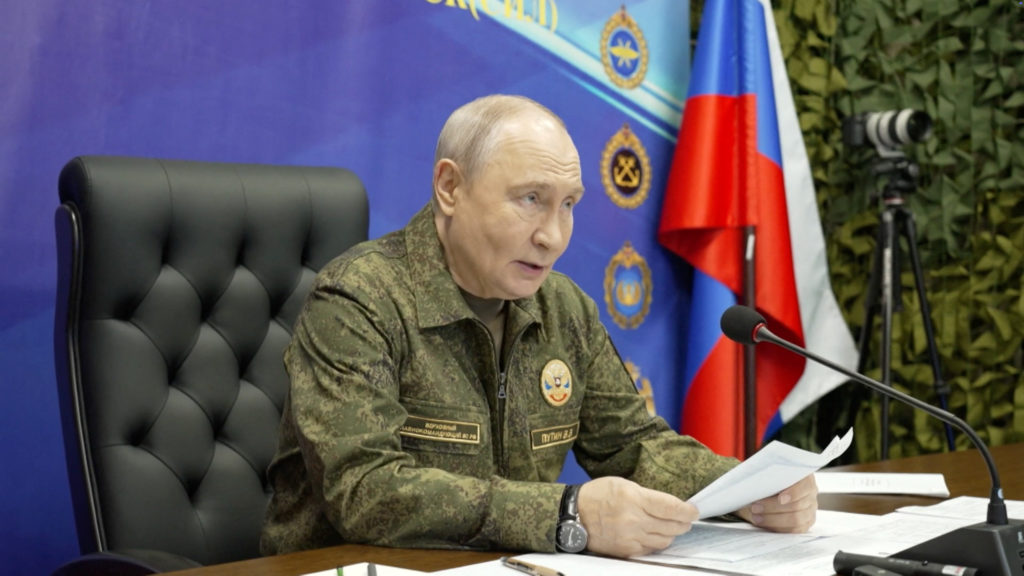
The decree, signed on 15 October, affects businesses with combined annual revenues exceeding 53 billion roubles, approximately €530 million. They include French flooring manufacturer Tarkett, Belgian hygiene products group Ontex, German packaging producer Menshen, Kappa Rus and Eviosys Packaging Kuban, now linked to American group Sonoco.

Under Presidential Decree No. 738, operational control has been transferred to Centre Capital, a little-known Moscow company established in February 2026 with registered share capital of just 10,000 roubles.

The decision follows similar interventions against Nestlé, Auchan, FM Logistic and Metro in September. Together, the measures demonstrate how Moscow is using foreign-owned businesses as instruments of economic retaliation against countries supporting Ukraine.

Foreign businesses placed under Russian control

Centre Capital is headed by Marat Mirkhaydarov, a former senior official in Russia’s Zabaykalsky region who reportedly served with the Akhmat military formation during Russia’s war against Ukraine.

The scale of the companies placed under his management contrasts sharply with the financial standing of the administrator.

Tarkett’s Russian operations generated approximately 19.3 billion roubles in revenue during 2025, while Kappa Rus recorded 16.5 billion roubles and Ontex RU another 10.3 billion. Eviosys Packaging Kuban and Menshen Packaging CIS reported approximately 6.1 billion and 1.4 billion roubles respectively.

The decree does not formally transfer ownership of the companies to Centre Capital. It does, however, remove the foreign shareholders’ effective control over management, operations and commercial decisions.

For Belgian manufacturer Ontex, the consequences are immediate.

In an official statement issued on 16 October, the Aalst-based company confirmed that a government-appointed administrator had assumed operational control of its Russian subsidiary.

Ontex Russia employs approximately 350 people, operates a manufacturing facility in Noginsk and maintains a sales office in Moscow. The subsidiary accounts for around five per cent of the group’s total revenue and between seven and eight per cent of adjusted EBITDA.

The company said it was examining measures to protect its assets and maintain business continuity.

Tarkett likewise confirmed that it was losing effective control of its Russian operations.

A mechanism established in 2023

The legal framework for such interventions dates to April 2023, when Putin introduced Decree No. 302, allowing the Russian authorities to place assets associated with countries designated as unfriendly under temporary external management.

The appointed administrator can exercise extensive ownership-related powers, although the formal right to dispose of the assets remains excluded.

Crucially, the arrangement can be terminated only by presidential decision. There is no automatic deadline for returning operational control to the original owners.

Moscow maintains that the measures are reversible. Nevertheless, the loss of management authority raises questions about whether businesses could eventually be returned with their financial position, organisational structure and commercial value intact.

The latest decree extends the process already documented by EU Today following the September takeover of Nestlé and Auchan’s Russian operations.

The Kremlin’s approach also serves domestic economic objectives. Keeping factories, retail networks and distribution facilities operating under Russian management helps preserve employment, production capacity and established supply chains.

At the same time, appointing Russian administrators allows the authorities to exercise greater influence over businesses originally developed through foreign capital, technology and expertise.

European companies caught in sanctions confrontation

Kremlin spokesman Dmitry Peskov has explicitly linked the seizures to the nationality of the affected companies and the policies of their governments.

He accused European states of participating in the unlawful seizure of Russian property through sanctions and financial restrictions.

Moscow’s argument centres partly on approximately €210 billion in Russian sovereign assets immobilised in the European Union, most of them held through Belgium-based securities depository Euroclear.

The European Union has used extraordinary revenues generated by those assets to support Ukraine, while further proposals involving the underlying funds remain subject to legal and political debate.

Belgium has been particularly concerned about potential financial exposure and legal claims. As EU Today reported in September, a Belgian Council of State judgment raised additional questions about the administrative procedures governing certain frozen assets.

The dispute has also moved into the European courts, with the Bank of Russia challenging EU measures intended to protect Euroclear against the enforcement of Russian judgments.

Moscow’s treatment of European businesses adds another dimension to this confrontation. By retaining control over foreign-owned industrial and commercial assets, Russia possesses a means of exerting pressure on companies whose governments support sanctions and military assistance to Ukraine.

The implications are particularly serious for Western banks that still maintain substantial Russian operations.

Austria’s Raiffeisen Bank International and Italy’s UniCredit remain exposed to Russia through local subsidiaries. Any extension of compulsory administration to financial institutions could create additional difficulties involving deposits, capital and banking supervision.

The cost of remaining in Russia

The seizures also expose the financial risks faced by Western companies that delayed their withdrawal after February 2022.

Many initially sought to protect their investments, employees and commercial infrastructure. Others reduced operations but retained ownership, expecting that conditions might eventually permit an orderly sale or renewed business activity.

Russian restrictions have progressively complicated that calculation, requiring foreign investors from designated countries to accept substantial discounts on asset sales and obtain official approval for transactions.

Companies remaining in the country now face the additional possibility that the government will appoint administrators without their consent.

The consequences extend beyond the businesses immediately affected. Russia is establishing a precedent under which foreign investment can remain legally owned by its original shareholders while its economic benefits and operational management are placed beyond their control.

For European governments, the latest decree illustrates the increasing connection between commercial interests and geopolitical decisions.

The Kremlin has demonstrated that sanctions imposed over its invasion of Ukraine can be answered not only through diplomatic or financial measures, but also through direct intervention in European-owned businesses operating on Russian territory.

Any eventual negotiation over sanctions relief and the restoration of economic relations will consequently have to address the status of these assets, the rights of their original shareholders and the question of compensation.

Until then, Western companies remaining in Russia face an investment environment in which the ultimate authority over their businesses rests increasingly with the Kremlin rather than their shareholders.

  •  

There is nothing apolitical about the scientists behind Russian weapons

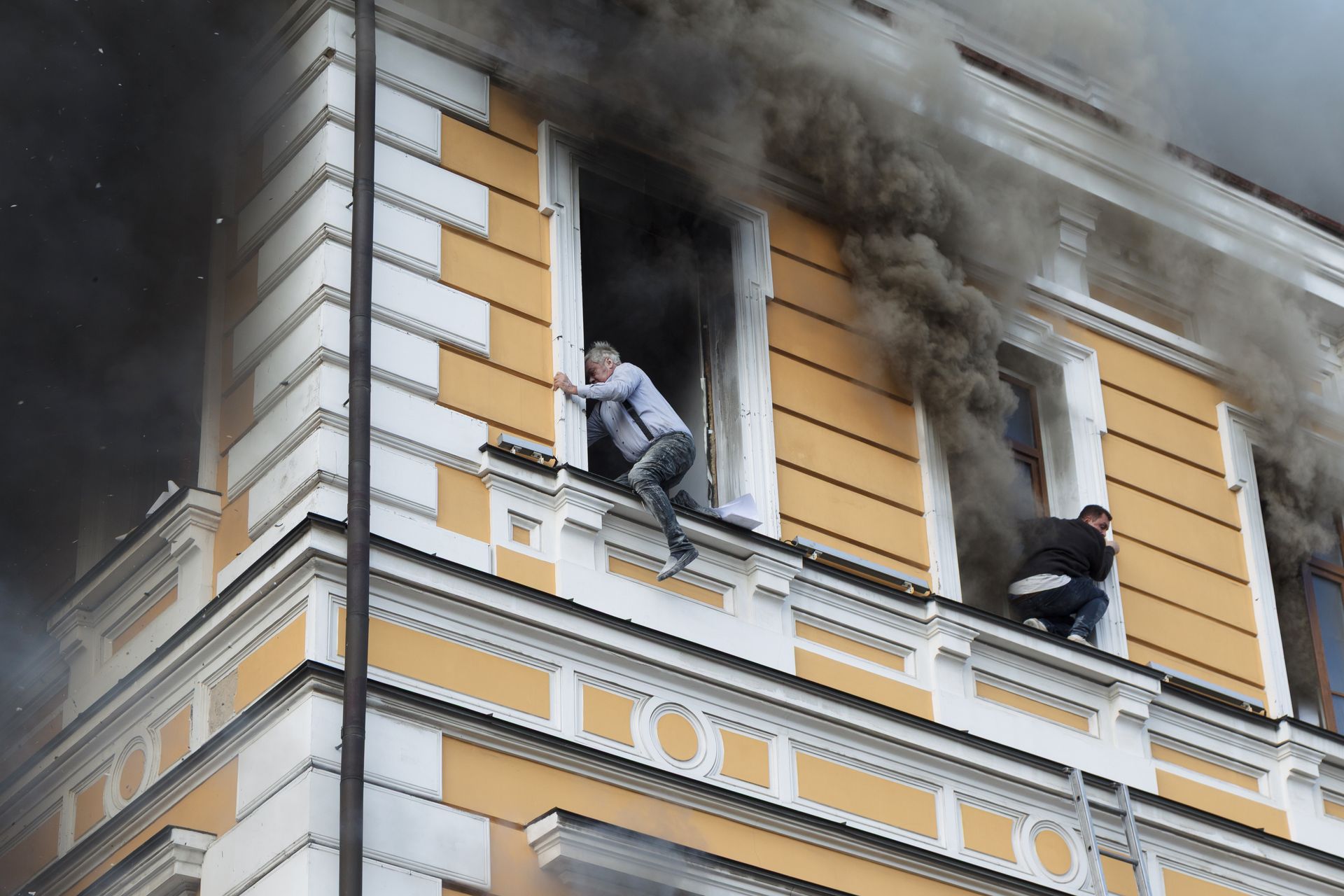
A lunchtime drone attack on the head office of Ukraine's National Academy of Sciences in Kyiv's downtown on Sept. 28, 2026, might have come as a shock to scientists based outside the country.

Unfortunately, for Ukrainian scientists, those who can be seen climbing down the ladders

  •  

Zelenskyy Says Ukraine Offered to Halt Strikes on Russian Refineries in Exchange for US Missile Defences

Ukraine was prepared to suspend attacks on Russian oil refineries if Washington supplied anti-ballistic missile systems to protect its energy infrastructure, President Volodymyr Zelenskyy has revealed. The proposed compromise was not accepted, despite American pressure on Kyiv to halt its strikes.

Ukrainian President Volodymyr Zelenskyy has disclosed that Kyiv offered to suspend attacks on Russian oil refineries in exchange for temporary American anti-ballistic missile protection for Ukraine’s energy infrastructure. Washington did not provide the requested systems, leaving Ukraine exposed to continued Russian missile strikes while the United States sought to restrict Ukrainian operations against Russia’s oil industry.

Speaking at a press conference in Brussels on Friday, 16 October, Zelenskyy said the proposal had been presented to Washington as a compromise following President Donald Trump’s agreement with Vladimir Putin on Russian diesel supplies and restrictions on attacks against energy facilities.

The Ukrainian president confirmed that Kyiv had not been consulted before Washington reached its understanding with Moscow. He described the diesel agreement as a surprise and objected to arrangements determining Ukraine’s military actions without its participation. Any agreement concerning Ukrainian strikes on Russian territory, he argued, required consultation with the Ukrainian government.

Nevertheless, Zelenskyy said Ukraine had been willing to accommodate American demands, even under an arrangement that did not require Russia to suspend its own attacks. Instead of insisting on reciprocal restrictions, Kyiv proposed receiving sufficient anti-ballistic missile systems to protect its electricity network for the duration of the requested suspension.

The proposal reflected Ukraine’s immediate security requirements. Russia has repeatedly targeted power stations, substations and other critical infrastructure, while Ukrainian forces have attacked Russian refineries to disrupt fuel production and reduce revenues available to Moscow. Halting the Ukrainian campaign without additional defensive capabilities would have left Kyiv surrendering one means of economic pressure while remaining vulnerable to Russian bombardment.

Zelenskyy said he had asked Washington for a limited number of systems, rather than a substantial new military commitment. The proposed deployment would have lasted only as long as the United States required Ukraine to refrain from attacking Russian refineries. However, according to the president, no such assistance was provided.

US diesel agreement deepens dispute

The disagreement follows the diesel arrangement announced by Trump on 9 October, under which Russia agreed to resume substantial petroleum product exports to American and international markets. Washington also authorised certain transactions involving Russian diesel, easing restrictions previously intended to reduce Moscow’s energy revenues.

The agreement created a direct conflict between American energy policy and Ukraine’s strategy of targeting Russian refining capacity. Washington wants additional diesel supplies to ease pressure on fuel markets, while Kyiv regards attacks on oil infrastructure as a means of weakening Russia’s ability to sustain its invasion.

That disagreement intensified after Ukraine resumed attacks on Russian refineries, including a strike against a facility in the Ryazan region. Trump criticised the operations, accusing Kyiv of contributing to higher global oil prices. Zelenskyy, meanwhile, argued that increased Russian diesel revenues would provide Moscow with additional resources to finance its military campaign.

The Ukrainian president’s proposal also exposed the limitations of the temporary energy ceasefire promoted by Washington. Russia continued attacks against Ukrainian civilian infrastructure, including electricity facilities, despite the American initiative. Kyiv’s proposed compromise would have addressed the resulting imbalance by providing defensive protection rather than relying on Russian restraint.

Russian strikes underline Ukraine’s defensive requirements

The urgency of Ukraine’s request was illustrated by renewed Russian attacks during Zelenskyy’s visit to Brussels. According to the Ukrainian presidency, strikes on 15 October damaged energy infrastructure in several regions, leaving almost 15,000 people without electricity in Volyn and disrupting supplies in parts of Kyiv and the surrounding region.

Ukraine continues to face shortages of the interceptors required to defend against ballistic missiles. Zelenskyy has identified anti-ballistic capabilities as an immediate priority, particularly as Russia intensifies attacks ahead of winter. During talks with NATO Secretary General Mark Rutte, he stressed the need for additional missile interceptors and other air defence equipment.

The president also raised these requirements during Friday’s meeting with European Commission President Ursula von der Leyen and European Council President António Costa. Discussions covered air defence, protection of energy infrastructure and financial assistance needed to sustain Ukraine’s resistance to Russian aggression.

European leaders support Kyiv’s position

Zelenskyy said European leaders had supported Ukraine’s position in the dispute with Washington. His remarks came as the EU reaffirmed its intention to maintain economic pressure on Moscow despite the Trump administration’s decision to facilitate Russian diesel exports.

As EU Today reported earlier on Friday, von der Leyen and Costa rejected any relaxation of European sanctions while Russia continues its war. The Commission is preparing a further sanctions package, maintaining a policy intended to restrict Moscow’s ability to finance its military operations.

The contrasting American and European positions have become increasingly significant for Kyiv. Washington is seeking to stabilise fuel markets through arrangements with Moscow, while European governments remain committed to reducing Russian energy revenues and strengthening Ukraine’s military and economic resilience.

For Zelenskyy, the unresolved question is whether Ukraine can be expected to limit attacks on Russian oil infrastructure while receiving neither reciprocal guarantees from Moscow nor additional protection against Russian ballistic missiles. His account of the unsuccessful American negotiations indicates that Kyiv was prepared to compromise, but only if its immediate defensive needs were addressed.

  •  
❌