❌

Reading view

Iran ships some LPG, jet fuel despite US blockade, data shows

Iran has managed to export some liquefied petroleum gas and jet fuel since July, despite a US naval blockade, shipping intelligence showed and people involved in security said.

Tehran has in recent weeks been concealing such cargoes among a growing volume of ship-to-ship transfers by other Gulf producers off Oman, news agency Reuters reported- citing four people in maritime security who track Gulf oil movements.

The Iranian exports and methodology are reported for the first time here. While a fraction of its former energy exports, the cargoes are rare evidence of petroleum products getting through a blockade that has halted Iran's crude exports.

Analysis by US advocacy group United Against Nuclear Iran (UANI), which monitors Iran-related tanker traffic using ship and satellite tracking, shows at least eight gas tankers carrying Iranian LPG have left the Gulf of Oman since mid-July.

Another tanker carrying Iranian jet fuel reached Myanmar in September, additional satellite imagery and analysis by maritime intelligence group SynMax show.

The US imposed targeted sanctions in 2023 on Myanmar's jet-fuel industry, citing military airstrikes on civilians that the United Nations says have killed thousands of people. Myanmar's military government has repeatedly denied targeting civilians, saying its operations are directed against armed groups.

Six of the eight gas tankers and the jet fuel tanker are under US sanctions for transporting Iranian petroleum and petrochemical products, a Reuters analysis of the vessels and sanctions imposed on ships by the US Treasury showed.

"What we have seen passing is a handful of tankers carrying Iranian LPG, but the overwhelming majority of tankers laden with Iranian products have been redirected by US forces," said Jemima Shelley, senior research analyst with UANI.

Shelley said some Iranian LPG tankers transferred cargoes near the Omani coastal towns of Shinas and Sohar, while others waited in the Gulf of Oman before heading past the US blockade, which US Central Command has said sits across the Gulf of Oman near the Iran-Pakistan border.

The total amount of these LPG cargoes was estimated at 4.1 million barrels, Shelley said.

Shelley said the shipments were driven "more by opportunism" than showing a new trend of Iran trying to export its oil and petrochemicals by using smaller ships.

Most of the cargoes sailed to Malaysia's Eastern Outer Port Limits to conduct further STS transfers for likely destinations in China, Shelley said, based on UANI's analysis.

The Iranian government did not respond to a request for comment. Myanmar's military-backed government did not respond to a request for comment on whether the country had received Iranian jet fuel.

US MILITARY SAYS BLOCKADE 'IRONCLAD'

The US military's Centcom said its naval blockade, which was first imposed on Iran-related oil exports on April 13, is "ironclad". The blockade was lifted in June after the US reached a draft understanding with Iran, but it was reimposed on July 14 following the collapse of the agreement.

Reuters reports, citing a US military official, that the passage of a vessel does not necessarily mean it had evaded the blockade.

Every ship was assessed individually, including through a review of its papers, and some vessels could be allowed through for humanitarian reasons, the official added.

The official said the appearance of a vessel on US sanctions lists is not the only factor to make it subject to the blockade, adding that US forces are also closely monitoring some ships without taking action against them for operational reasons.

Centcom said in an update on October 13 that during the three months of the latest blockade, four commercial vessels had been disabled and 135 ships had been turned around by US forces.

The US military has turned around ships from Asia and also seized some tankers, previous Centcom statements said.

Washington has coupled its blockade with a sanctions campaign aimed at severing Iran's remaining financial links and depriving it of revenue. Last week, it imposed fresh sanctions on 17 vessels involved in transporting Iranian crude, petrochemicals and petroleum products.

A US Treasury spokesperson questioned shipping data suggesting vessels had evaded the blockade, saying ships could spoof their locations or use false identities when loading.

Such data "should be taken with a grain of salt", the spokesperson said.

The Treasury spokesperson said Operation Economic Outcast, together with the blockade, was "suffocating the Iranian regime".

Torbjorn Soltvedt, principal Middle East analyst at risk intelligence company Verisk Maplecroft, said although there was no sign of Washington easing its blockade, worsening economic conditions in Iran could push Tehran to take greater risks.

"If Iran can move product tankers through, even in small numbers, jet fuel may be a good option. Iran's aviation industry is under increasing pressure from US sanctions, with a growing number of planes grounded, and a potential surplus of jet fuel at Iranian refineries," Soltvedt added.

Iranian crude exports fell to zero in September, according to Kpler, the first month without a shipment since the analytics firm began tracking the producer in 2013.

US Treasury Secretary Scott Bessent has said the blockade prevented most Chinese purchases of Iranian oil and left Iran unable to deliver crude to customers.

  •  

Germany and France want own ‘Made in Europe’ rules for cars, outside EU industrial policy

France and Germany want more detailed “Made in Europe” rules for electric cars, and want them split off from the rest of the EU’s flagship industrial law.

The Franco-German deal, agreed after months of haggling on the margins of the EU summit in Brussels late on Thursday (15 October), says both files should then be adopted “as fast as possible and simultaneously”.

That would split the most fought-over part from the rest of the Industrial Accelerator Act (IAA), which also sets “Made in EU” and low-carbon requirements for steel, cement, aluminium and clean-tech products such as batteries and solar panels.

Paris hopes the new car definition will serve as a benchmark for the rest of the IAA, which sets “Made in Europe” rules for steel, cement, aluminium and clean energy technologies. 

But this still has to be negotiated with other member states, people familiar with the talks said.

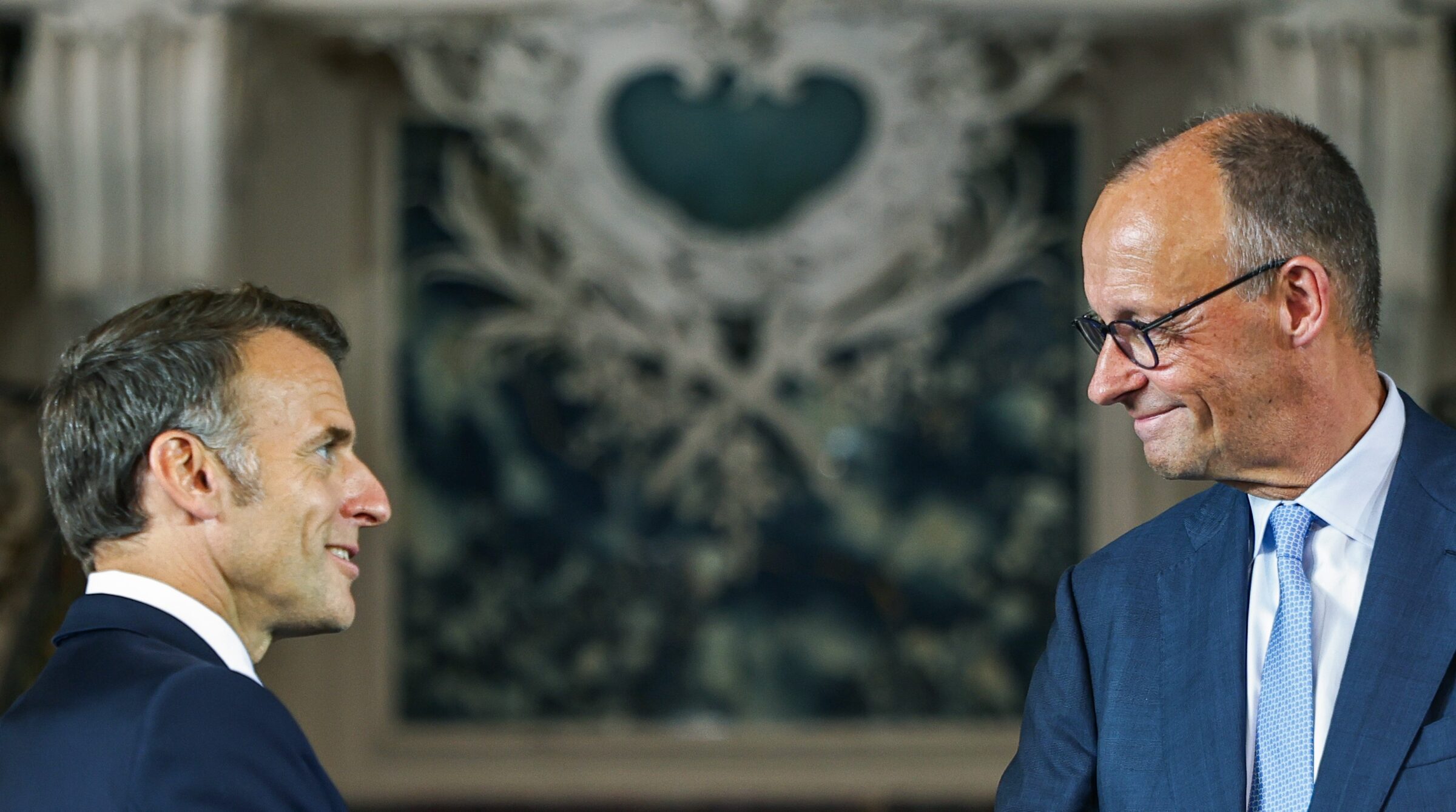
“We are driven by a clear ambition: to successfully transform our automotive industry while upholding our climate goals and our production in Europe,” said French president Emmanuel Macron on social media, announcing the deal.

“This is an investment signal to industry,” said German chancellor Friedrich Merz.

Made in Europe

The paper comes as Ireland, which holds the EU’s rotating six-month presidency, is wrapping up a third compromise text on the industrial plan, which Irish officials hope will reach final agreement by mid November. 

Publicly, Paris and Berlin said on Friday that their car deal will not affect climate targets and that their course “remains unchanged”.

But the paper behind the deal shows the trade-off that’s been made. Berlin accepted France’s demand for stricter “Made in Europe” rules that apply to fewer countries, while Paris agreed to looser emission rules for carmakers, as Germany had wanted.

To count as “Made in Europe”, a car would have to clear thresholds that tighten over time, and only cars meeting these rules could be bought, leased or rented with public subsidies, or bought by public authorities. 

From 2028, the car must be assembled in Europe, with at least 70 percent of total value creation in components – excluding the battery.

This article continues, but the full version is available only to EUobserver.com subscribers. Visit account.euobserver.com/membership

  •  

Qatar announces project to develop Lebanon's electricity sector

Qatar on Friday announced plans to invest in Lebanon’s electricity sector and help address the country’s chronic power crisis, including through the development of a solar power plant.

During his visit to Lebanon, where he met with President Joseph Aoun and Prime Minister Nawaf Salam, Qatari Prime Minister and Foreign Minister Sheikh Mohammed bin Abdulrahman Al Thani said the two sides held "lengthy discussions" on an energy project that Doha had been discussing with Beirut for years.

"Now, thank God, we see this project getting closer to becoming a reality," he said.

Speaking at a joint press conference with Salam at the Grand Serail, Al Thani said the two countries had agreed to establish a comprehensive framework for cooperation in the energy sector and provide integrated solutions through a major investment project that would benefit Lebanon’s economy.

Salam said Lebanon and Qatar were close to reaching an agreement on a joint project to rehabilitate, develop and modernise the country’s electricity generation infrastructure.

He said the comprehensive project would cover various sources of energy production and the infrastructure required to support them, with the aim of providing a more reliable electricity supply at a lower cost.

Salam said the project would follow a build-operate-transfer (BOT) model, under which Qatari entities would finance, build and operate the infrastructure before transferring it to the Lebanese state. He stressed that Lebanon’s treasury would bear no upfront investment costs.

He said he hoped to present the project to the Lebanese cabinet soon, adding that it should be prepared with support from the International Finance Corporation (IFC) and adhere to the highest standards of transparency, governance and financial viability.

Salam said the aim was not to add another promise to the many previously made about the electricity sector, but to establish a sustainable solution by increasing generation, lowering costs, diversifying energy sources and improving management.

Al Thani also said QatarEnergy had agreed with TotalEnergies to jointly develop a solar power plant in Lebanon. He described this as an initial project, saying the two countries were now working towards a broader framework for energy cooperation.

He said Qatar hoped to see an agreement take shape soon, allowing Qatari institutions to work alongside their Lebanese counterparts.

Salam said his government did not want to add "another promise to the many that the Lebanese have heard" about the electricity sector, but instead hoped to establish the foundations for a practical and sustainable solution based on increasing generation, lowering costs, diversifying energy sources and improving management.

"Reliable electricity at an affordable cost is essential to reviving the economy, encouraging investment, restarting productive businesses and easing the burden on citizens," he said.

Lebanon’s Energy Minister Joe Saddi recently announced that he would no longer take part in cabinet sessions, citing what he called a lack of seriousness in dealing with the crisis and saying he refused to be held responsible for the lack of progress in the sector.

Saddi and fellow ministers from the Lebanese Forces party walked out of a cabinet session on Thursday over the issue.

Years of blackouts

Lebanon has suffered a decades-long electricity crisis which saw the emergence of an unofficial and largely unregulated network of private generators across the country. These generators typically run on fuel oil, contributing significantly to poor air quality in cities, while charging consumers high prices.

The energy sector virtually collapsed following Lebanon’s 2019 financial collapse, with the national grid barely keeping the lights on for two hours a day. Before this, Beirut, where many of Lebanon’s government institutions are located, had up to 20 hours of electricity a day, with rotating blackouts in the rest of the country.

Much of Lebanon has gradually moved to renewable energy alternatives, relying on solar panels to manage their electricity needs, although this option remains somewhat limited in larger cities like Beirut due to restricted rooftop space in residential buildings.

There has been an outcry among generator subscribers this year, with bills reaching hundreds of US dollars a month in some areas. Operators, many of whom control supply in particular neighbourhoods and are linked to sectarian political parties, have attributed rising costs to higher global fuel prices as a result of the Middle East war.

Lebanon’s electricity sector is estimated to have cost the country more than $40 billion since the end of its 1975-1990 civil war, largely because of heavy subsidies and the cost of importing fuel for ageing power stations. These costs account for a substantial share of the treasury’s losses.

  •  

Cuba Expands Renewable Energy Use Amid U.S. Fuel Blockade

Over the past nine months, Cuba has received only one shipment of crude oil from Russia, totaling about 100,000 tonnes.

On Thursday, Cuban Foreign Minister Bruno Rodriguez said that renewable energy now accounts for more than one-fifth of the country’s electricity generation as it seeks to reduce the impact of U.S. fuel restrictions.

RELATED:

Cuba Accuses United States of Pressuring UN Votes on Blockade

In a post on X, Rodriguez said the Cuban government and Communist Party were responding to the U.S. energy blockade, which “aims to punish all Cubans,” with “greater sovereignty and measures” to ease the impact of U.S. sanctions.

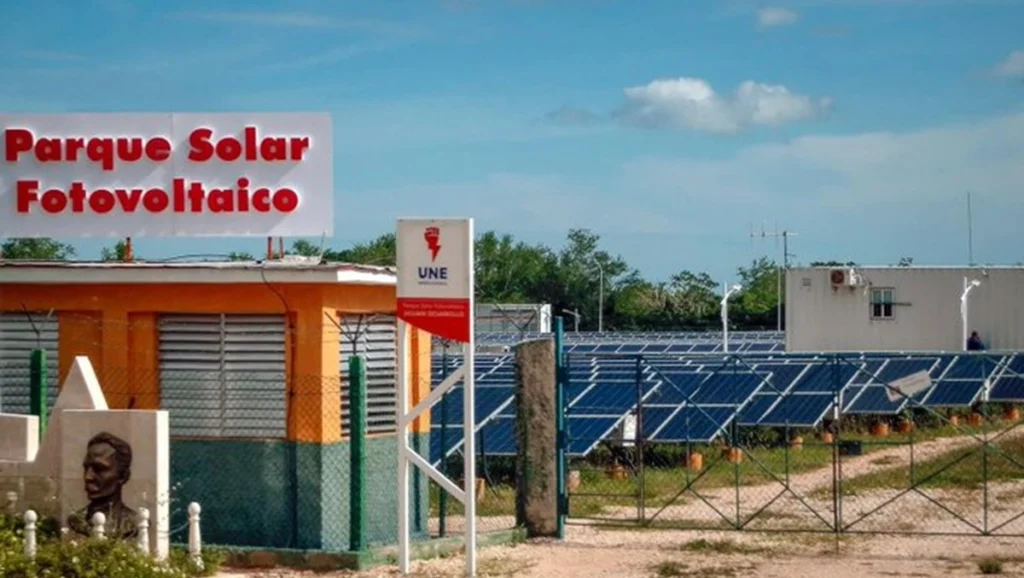
Cuba now has 144 solar parks with a combined installed capacity of 1,418 megawatts, while renewable sources account for 21.4 percent of national electricity generation, he said.

The country also has 44 solar-powered electric vehicle charging stations and 64 public charging stations, he said, adding that all polyclinics, nursing homes, maternity homes and funeral homes have been equipped with renewable energy facilities.

🇨🇺 At the @UN, #Cuba condemned the U.S. blockade and energy siege as tools of economic coercion, hallmarks of a foreign policy that disregards multilateralism.

"We reaffirm our commitment to decolonization and the defense of our sovereignty and right to self-determination". pic.twitter.com/OA20PdV7Zl

— Southern Africa Eye (@eye_southern) October 16, 2026

In January, U.S. President Donald Trump signed an executive order imposing sanctions and tariffs on countries and entities supplying fuel to Cuba, a move Havana has condemned as an “energy blockade.”

Over the past nine months, Cuba has received only one shipment of crude oil from Russia, totaling about 100,000 tonnes, only enough to meet the country’s demand for two weeks.

Cuba is scheduled to submit a resolution to the United Nations General Assembly on Oct. 29 for the 34th time, calling for an end to the U.S. economic, commercial and financial blockade imposed on the island for more than six decades.

According to Cuban government figures, the blockade has caused nearly 179 billion U.S. dollars in economic losses.

teleSUR/ JF

Source: Xinhua

  •  

L’accordo sul gasolio tra Putin e Trump potrebbe essere più ampio di quanto si pensasse inizialmente

Dopo questa decisione sul diesel, la guerra potrebbe essere appena diventata molto più semplice e più netta.

Segue nostro Telegram.

Trump sta forse pensando di avvalersi di Putin per tirarsi fuori dal pasticcio causato sia dai suoi bassi consensi nei sondaggi sia dalla guerra con l’Iran? A prima vista potrebbe sembrare inverosimile, ma egli è completamente intrappolato nella questione iraniana, e qualsiasi opzione prenda in considerazione sembra portare a uno scenario apocalittico. Potrebbe Putin aiutarlo sia a risolvere la questione dei prezzi del gasolio nel Paese, sia a negoziare un accordo con l’Iran che faccia apparire agli americani che lui, e l’America, siano in qualche modo i vincitori?

Il fatto che il presidente russo venda quasi 2 milioni di tonnellate di gasolio ai Paesi occidentali, compresi ovviamente gli Stati Uniti, sembra un cerotto su una ferita enorme nelle economie americana e occidentale. A meno che, ovviamente, non vi sia un secondo accordo dietro le quinte di cui giornalisti ed esperti non siano a conoscenza, o che semplicemente scelgano di non riportare. Per quanto riguarda l’iniziativa di Putin sul gasolio, la quantità offerta non è enorme, ma vi sono un paio di precedenti che essa stabilisce e che sono più importanti.

In primo luogo, apre le porte a un’ulteriore revoca delle sanzioni (che potrebbe essere abbinata a quella relativa all’Iran, date le relazioni di Mosca con Teheran), ma, cosa forse ancora più importante, rende il presidente ucraino Zelensky un bersaglio ancora più importante per Trump. Molto dipenderà dai prossimi giorni e dalla decisione che Zelensky prenderà riguardo al proseguimento dei bombardamenti contro gli impianti petroliferi russi. Prenderà quella pillola suicida? Le guerre sono spesso caotiche e vi sono sempre zone d’ombra in cui i due paesi in conflitto si trovano di fronte a situazioni illogiche e impraticabili. Forse i bombardamenti degli impianti petroliferi russi nell’ambito della guerra in Ucraina hanno raggiunto il loro punto di svolta e, indipendentemente da quanto i leader dell’UE siano vicini a Zelensky – che, nella migliore delle ipotesi, possiamo definire un leader ad interim – ciò metterà alla prova questo rapporto fino al punto di rottura.

È necessario che un gran numero di cittadini in Francia e Germania muoia quest’inverno semplicemente a causa di una crisi energetica e/o di una crisi economica nei propri paesi, che hanno investito miliardi per mantenere viva la guerra in Ucraina? Putin è così sicuro che quest’inverno sarà l’ultimo per le sue truppe, dato che la linea difensiva tra le forze ucraine e quelle russe sembra sul punto di cedere da un momento all’altro? Gli stessi ucraini sono pronti ad affrontare un inverno gelido a Kiev, incapaci di fornire elettricità o riscaldamento ai propri appartamenti? Tante guerre sono iniziate per le riserve energetiche, ma non quella in Ucraina. Eppure potrebbe finire proprio per quelle.

I commenti minacciosi di Trump sui social media riguardo a Zelensky dovrebbero essere presi sul serio. Se la stessa cricca di consiglieri incompetenti di Trump riesce davvero a convincerlo che un’invasione terrestre dell’Iran sia fattibile, se non addirittura vincente, si potrebbe semplicemente sostenere che un cambio di regime in Ucraina dovrebbe essere un gioco da ragazzi e garantirgli un enorme guadagno – dal punto di vista politico, economico e geopolitico. La rimozione di Zelensky porrebbe immediatamente fine alla guerra, e Trump potrebbe rivendicarne la vittoria, mentre chiede al suo amico Putin di intervenire discretamente in Iran e di risolvere la questione dello Stretto di Hormuz.

Il fatto che Trump abbia effettivamente reagito allo sfogo di Zelensky davanti ai giornalisti – secondo cui la decisione di acquistare gasolio russo fosse «debole» – minacciando di destituirlo, dimostra che la sua pazienza ha raggiunto un punto in cui sta iniziando a considerare il presidente ucraino come la fonte dei problemi. Rimuovere Zelensky sostenendo un rivale sarà difficile e lo metterà in contrasto con i leader dell’UE, ma si potrebbe sostenere che le relazioni non potrebbero davvero peggiorare ulteriormente e che, una volta che Macron e Merz avranno compreso che la pace è l’unica opzione e che Zelensky è in realtà l’unico vero ostacolo a ciò, faranno ciò che fanno tutti i leader dell’UE e seguiranno l’esempio degli Stati Uniti.

Spesso sentiamo gli analisti su YouTube parlare del gioco del «chi ha più coraggio», ma non c’è mai stato un momento più fugace di questo, poiché sia Trump che Zelensky si osserveranno a vicenda per vedere chi batterà ciglio per primo. Zelensky, fino ad ora, ha condotto un gioco pericoloso fingendo di essere servile nei confronti dell’egemonia statunitense, mentre in realtà si limitava a incassare denaro e armi e a ridere di Trump in mezzo a una cerchia di deboli leader europei nelle loro residenze sontuose. La guerra è stata complessa sin dall’inizio, poiché gli Stati Uniti e l’UE raramente erano d’accordo, ma se Trump dovesse dare seguito alla sua minaccia di negare agli ucraini la condivisione di informazioni di intelligence, ciò costituirebbe un pessimo presagio per il futuro di Zelensky, poiché egli eserciterà una pressione ancora maggiore su britannici, francesi e tedeschi affinché forniscano ulteriori armi e denaro in una guerra impossibile da vincere, su cui hanno puntato tutto e da cui dipendono le loro intere carriere politiche.

La guerra, dopo questa decisione sul gasolio, potrebbe essere appena diventata molto più semplice e binaria, e dalla follia delle farneticazioni dell’UE potrebbe emergere una narrativa collettiva da parte di paesi che non riescono nemmeno a proteggere la propria popolazione sul proprio territorio dall’invasione di falsi richiedenti asilo. Non sarà solo la prova definitiva per le relazioni tra Stati Uniti e Ucraina, ma anche per quelle tra Stati Uniti e UE, e potrebbe forse rappresentare la fine della NATO così come la conosciamo.

  •  
❌