❌

Reading view

Vance desperately targets white voters as Trump’s grip slips

Donald Trump and the MAGA movement’s grip on white voters appears to be slipping, and in an effort to reverse that trend, it seems Vice President JD Vance has designated himself the pied piper of racist rage.

Numerous polls this year have spotlighted Trump’s declining support among white voters — particularly, white working-class voters who’ve been key to his and his party’s political success. Amid this trend, Vance — in speech after speech — has resorted to rhetoric seemingly designed to groom the white American psyche so that white voters turn their ire on nonwhite people rather than on Trump and the Republican Party.

The latest example came during a rally Vance hosted in Michigan on Thursday, in which he suggested Democratic Senate candidate Abdul El-Sayed is resentful of certain people and places because they’re “too white, too proud or too American.” He called El-Sayed a “weasel who should shut his mouth and show a little gratitude to the country that gave him everything.”

.@VP JD Vance says he feels bad for U.S. Senate candidate Abdul El-Sayed (D-MI): "I don't know why he resents the things that he does. Perhaps it's because he sees them as too white, or too proud, or too American." pic.twitter.com/6zTXQG3okK

— CSPAN (@cspan) October 15, 2026

Vance has returned to this well numerous times over the past year as Trump’s corrupt business dealings, economically destructive tariffs and his deadly war with Iran have turned off some in the MAGA base. You can see plenty of other examples of Vance launching similar appeals to white bigots — including here, here and in the following clip from last December, when Vance told an audience of right-wing Turning Point USA affiliates that they no longer had to “apologize for being white.”

Vance: In the United States of America, you don't have to apologize for being white anymore. pic.twitter.com/QikIDkXNy5

— Acyn (@Acyn) December 21, 2025

Back in August, the vice president gave an interview to Fox News suggesting that white people who support El-Sayed hate themselves. And keep in mind that all of this is coming from the No. 2 leader of a Republican Party that has spent years frothing at the mouth about liberals supposedly weaponizing “identity politics.” The question is whether white voters choose to indulge in what I’ve previously described on-air as the “racist slop” being offered up by the MAGA movement.

And here, history can be informative. White supremacist movements and organizations in years past — including the Ku Klux Klan — have all sought to unify white Americans around a single racial identity. This trend is explored in films like the documentary “White with Fear,” which shines light on the history of right-wing, racist fearmongering in the United States. White supremacist groups have historically managed to convince some white people to fall in line behind them, but they’ve also faced white backlash as some of the same people have been awakened to these groups’ corrupt ways and self-serving bigotry.

And despite Vance’s efforts, a similar outcome seems to be in play for the white supremacy-boosting MAGA movement as well.

The post Vance desperately targets white voters as Trump’s grip slips appeared first on MS NOW.

  •  

The irony of Marsha Blackburn’s problematic campaign ad seems to have gone over her head

At almost every turn, Sen. Marsha Blackburn, the Tennessee Republican running for governor of her state, has voted against Black people’s interests. In 2021 she joined two other Republican senators and introduced a measure to rid classrooms of critical race theory, because she claimed it promotes “division by seeking to dismantle American society.” She voted against the John Lewis Voting Rights Act and the George Floyd Act. And in April, after the Supreme Court’s disastrous ruling in Louisiana v. Callais, the gubernatorial candidate, referring to the state’s largest Black city, wrote on X: “I urge our state legislature to reconvene to redistrict another Republican seat in Memphis. It’s essential to cement @realDonaldTrump’s agenda and the Golden Age of America.”

Despite all her documented hostility toward the Black voters of her state and their interests, on Tuesday, Blackburn posted an artificial intelligence video of herself in the place of the Black hip-hop artist Kendrick Lamar performing his hit “Not Like Us” during the 2025 Super Bowl halftime show in New Orleans.

It would be impossible to name everyone who falls under the Compton rapper’s “they,” but we know it includes MAGA Republicans like Blackburn.

Blackburn’s hypocrisy is galling. Kendrick Lamar’s catalog is mostly made of songs about Black people being locked outside of mainstream America. “Not Like Us,” a diss track aimed at Drake, has the mantra “They not like us, they not like us,” and it’s a line in the sand about who Black people should accept and support. It would be impossible to name everyone who falls under the Compton, California, rapper’s “they,” but we know it includes MAGA Republicans like Blackburn.

Even so, her X account released the short AI-generated video showing her mimicking Lamar’s halftime show moves. The other AI-generated people with her are backup dancers: Rep. Tim Burchett, Sen. Bill Hagerty and state Sen. Brent Taylor, along with WWE wrestler Kane, whose real name is Glenn Thomas Jacobs, former mayor of Knox County, Tennessee. Blackburn captioned the post “Tomorrow. Ready to roll.”

“You’ve taken my Blues and gone,” Langston Hughes writes in the first line of his 1940 poem “Notes on Commercial Theater.” The poem accuses white entertainment moguls of taking Black art forms, changing them “So they don’t sound like me” and making them more palatable for and marketable to white audiences. Using an AI program 86 years later, Blackburn does the same thing to hip-hop, which is currently the most dominant form of Black musical expression.

Tomorrow. Ready to roll. pic.twitter.com/YiWREmkjyx

— Marsha Blackburn (@VoteMarsha) October 13, 2026

According to PEN America, the Trump administration has banned almost 600 books written by Black authors or authors representing minority groups, or books dealing with slavery, from Defense Department schools. Black studies programs at colleges and universities have been disbanded. And companies have rolled back their diversity, equity and inclusion initiatives. In 2017, Lamar was awarded a Pulitzer Prize for his album “DAMN.,” which the award committee praised as “a virtuosic song collection unified by its vernacular authenticity and rhythmic dynamism that offers affecting vignettes capturing the complexity of modern African-American life.”

Nothing about that description suggests Blackburn would be a fan. It seems more likely that she would find a way to signal her disapproval. But still, she released a video putting herself in Lamar’s place.

Blackburn’s video isn’t blackface in the technical sense, but it’s blackface in the figurative sense. She’s mocking a culture she has no respect or appreciation for. I take Black music seriously, and in response to Blackburn’s hypocrisy, I find myself, like the title of a Hughes short-story collection, “Laughing to Keep from Crying.”

The brilliant thinkers Hanif Abdurraqib and Lauren Michele Jackson suggest that not every example of cultural appropriation is problematic. Cultural appropriation happens every day, and at times, they point out, the people doing it are not aware that they’re doing it. But that’s clearly not the case here. Blackburn made a campaign video using a catchy Black song and an iconic Black cultural moment to promote her candidacy — even as she favors weakening Black political strength and silencing voices who rightly condemn systematic racism.

No matter what AI-generated slop she puts out, “She not like us.”

The post The irony of Marsha Blackburn’s problematic campaign ad seems to have gone over her head appeared first on MS NOW.

  •  

The ‘One Big Beautiful Bill’ opened the door to benefit Big Pharma — and Trump

Polling suggests that concerns about corruption and healthcare costs are top of mind for most voters as Election Day approaches. A Fox News poll released this week showed large majorities of voters listed both in the top five issues they were “extremely” or “very” concerned about. A new report about President Donald Trump’s self-enrichment by way of the pharmaceutical industry underscores the uniquely awful political predicament Republicans have created for themselves by wedding their party to one of the most corrupt administrations in American history.

Democrats on the Joint Economic Committee previously spotlighted the ways that Trump’s stock investments in the oil and gas industries have benefited from his destructive geopolitical agenda, including his deadly war with Iran. Now, the committee is out with a new report on the ways Trump’s stock investments in the pharmaceutical industry have benefited from provisions of the (ridiculously) so-called One Big Beautiful Bill Act that Republicans forced through last year.

According to the new report:

As Americans face sky-high health care costs, President Trump and Congressional Republicans passed into law last year a new giveaway to Big Pharma that enables many pharmaceutical companies to keep charging seniors exorbitant prices for cancer treatments and other medications. This measure — which blocks the Medicare program from negotiating lower prices for several high-cost drugs — will add around $9 billion to the deficit.

The report cites financial disclosure forms that show that in 2025, “Trump held as much as $39.1 million in stock in the same Big Pharma companies that directly benefited from the giveaway that he and Congressional Republicans devised.” And that “these companies reported at least $54 billion in U.S. sales of drugs that benefitted from the carveout in 2025, a 13 percent increase from the year before.”

Trump has made more stock trades since returning to office than everyone in Congress combined. The White House has routinely said that these trades are handled by third parties over which Trump has no influence, denying allegations of corruption or conflicts of interest.

But it seems the majority of Americans aren’t convinced that the self-described “freaking genius” president has truly extricated his personal business dealings from industries that benefit from his policies: A recent AP-NORC poll found that 60% of adults think Trump has either illegally or unethically profited from the presidency.

The post The ‘One Big Beautiful Bill’ opened the door to benefit Big Pharma — and Trump appeared first on MS NOW.

  •  

Jared Kushner has no right to be playing diplomat

For more than a year, President Donald Trump’s son-in-law, Jared Kushner, has acted as one of the nation’s top diplomats, exercising significant authority on behalf of the U.S. government on conflicts involving foreign hostilities, without undergoing the Senate confirmation process or filing a single financial disclosure. If you’re asking how that’s legal, it’s not.

Kushner is a figure of great influence on our national security and foreign policy apparatus. He has been tasked with meeting directly with heads of state, negotiating peace deals and representing the United States in efforts to end the president’s war in Iran, which has put our troops in harm’s way and exacerbated the affordability crisis here at home. My organization, Citizens for Responsibility and Ethics in Washington, just filed a lawsuit asking the court to block Kushner from continuing to perform his outsized role without Senate confirmation and compel him to file his required financial disclosures.

A White House spokesperson said in a statement that “[Kushner’s] personal business activities have nothing to do with his diplomatic engagements, which he conducts on a volunteer basis at the President’s request and while paying his own expenses,” while an attorney representing Kushner dismissed CREW’s lawsuit as “without merit.”

These laws exist to ensure that people granted substantial authority and power in our government are deserving of that power and maintain their ethical obligations to put Americans’ interests first. Kushner and the Trump administration have decided to sidestep this process.

The American public, through its elected senators and government officials, has the right to evaluate whether individuals are qualified and meet the ethical standards to hold powerful positions in our government. Kushner and the Trump administration have denied us that right, and that is both unacceptable and illegal.

The Constitution’s Appointments Clause requires that individuals who hold continuing government positions and are afforded substantial levels of authority be vetted and approved by the Senate before they take office. In my prior role as a senior counsel to the Senate Homeland Security and Governmental Affairs Committee, I helped conduct this vetting. It involved poring over a nominee’s background and experience, reviewing their past conduct, soliciting opinions on the nominee from outside experts, reviewing their financial records and interviewing them with other committee staff.

Nominees often also meet with senators to answer questions in private, are vetted by the FBI and sit for a public hearing in front of senators and the public before the committee of jurisdiction. Then the full chamber votes to approve or reject their appointment. In addition to that rigorous and multifaceted process, the Ethics in Government Act requires that individuals nominated to such positions file public financial disclosures so that the public and Congress can assess and monitor potential conflicts of interest prior to confirmation and while they serve in the role.

These laws exist to ensure that people granted substantial authority and power in our government are deserving of that power and maintain their ethical obligations to put Americans’ interests first. Kushner and the Trump administration have decided to sidestep this process.

Many officials with less power undergo more scrutiny than Kushner. For example, ambassadors who represent the U.S. in just one country — like the recently ousted Kimberly Guilfoyle — are required to be confirmed by the Senate and file public financial disclosures. Without any such vetting, Kushner has met with the presidents of Russia and Ukraine, as well as leaders from Qatar, the United Arab Emirates and Saudi Arabia, and has been involved in peace negotiations surrounding Gaza, Iran and Ukraine. Meanwhile, Trump has not appointed ambassadors to Russia or Ukraine, as well as Qatar, or the UAE. Those positions remain vacant while Kushner exercises at least some of the powers and duties traditionally assigned to those positions, functionally dodging the Appointments Clause and the required vetting for confirmation.

Kushner is also an atypical diplomat. In addition to being Trump’s son-in-law, the seeming overlap between his government portfolio and business ventures has led to widespread questions. As senior adviser to the president in the first Trump administration, Kushner was required to file financial disclosures, which showed that he and his wife, Ivanka Trump, made between $172 million and $640 million in outside income while working in the White House. Soon after the first Trump administration ended, Kushner secured billions of dollars for his investment firm from the very governments, including Saudi Arabia, he had worked closely with in his official capacity. He continues to run that firm while he engages with foreign leaders who have invested with his company.

While Kushner has occasionally addressed these concerns publicly, he has not done so in Senate testimony under oath, nor provided appropriate documentation of his finances. As is the case with any nominee, his word alone is not good enough. Kushner’s lawyer claims that government ethics officials confirmed that this arrangement complies with applicable ethics requirements, but the Trump administration has routinely blessed ethically dubious conduct by the president and his family. In the first Trump administration, Kushner was granted a security clearance against the reported recommendation of career security specialists who raised concerns about his foreign entanglements.

Kushner is making decisions that affect everything from our safety and position on the world stage to the price of gas and groceries at home. This power, whether or not he has a formal title or receives a government salary, makes him subject to the Appointments Clause and the Ethics in Government Act. The very least we deserve is for Kushner to abide by the law — to be publicly vetted and transparent about his financial entanglements. He has thus far refused to do that, and we refuse to stand idly by.

The post Jared Kushner has no right to be playing diplomat appeared first on MS NOW.

  •  

There is nothing apolitical about the scientists behind Russian weapons

A lunchtime drone attack on the head office of Ukraine's National Academy of Sciences in Kyiv's downtown on Sept. 28, 2026, might have come as a shock to scientists based outside the country.

Unfortunately, for Ukrainian scientists, those who can be seen climbing down the ladders

  •  

News Review: Algarve EN125 deadlock, Lufthansa’s TAP takeover & e-waste failure

TR - podcast NEWS REVIEW - website pic with Paul Rees

In this news review episode, host Carl Munson is joined by Paul Rees of Rural Properties, in Central Portugal, to discuss three top stories from The Resident: the long-running EN125

The post News Review: Algarve EN125 deadlock, Lufthansa’s TAP takeover & e-waste failure appeared first on Portugal Resident.

  •  

¿Niegan los vocales progresistas del CGPJ la presunción de inocencia del PSOE?

No tengo duda de la valía profesional de la mayoría de las personas que forman o han formado parte del Consejo General del Poder Judicial en las últimas décadas, pero, con la hemeroteca en la mano, no es precisamente la institución que más elogios se ha llevado en los últimos tiempos, y esta semana se ha vuelto a cubrir de gloria.

Como máximo órgano de gobierno de la judicatura española, prestar amparo a un juez que está siendo atacado o amenazado por elementos a los que investiga parecería una de sus obligaciones más elementales. De hecho, en la historia reciente ha tenido que hacerlo en más de una ocasión.

Un caso especialmente reseñable es el de 2006, cuando el CGPJ en pleno dio amparo al juez Juan del Olmo por los ataques verbales que le había dirigido Federico Jiménez Losantos en su programa de radio, donde lo había ridiculizado, y en un artículo de prensa. Y es reseñable porque, según aseguran quienes siguieron el tema, el instructor del 11-M ni siquiera tuvo que pedir amparo: el CGPJ actuó por iniciativa propia para defender al juez. Aunque, en realidad, las críticas que más molestarían a Juan del Olmo no serían tanto las que venían de fuera del sector judicial como las que procedían de dentro, como bien explicó el periodista José Yoldi, uno de los máximos cronistas de las batallas con togas de este país.

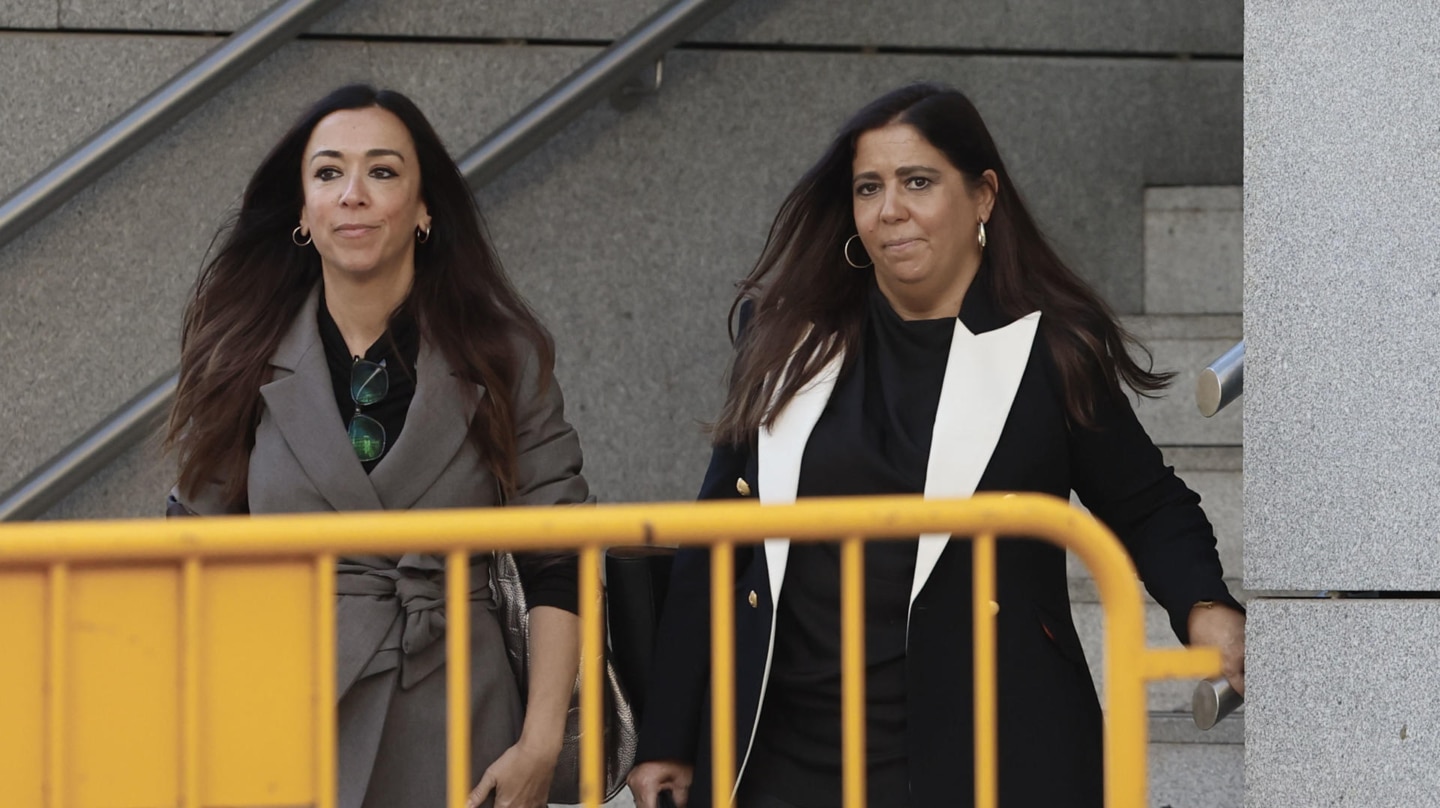
Veinte años después, el actual CGPJ, en cambio, no parece estar por la labor de amparar a la jueza Beatriz Biedma, a quien unos individuos han estado siguiendo, al igual que a sus hijos. Se da la desafortunada coincidencia de que son los vocales propuestos por un espacio político los que estaban a favor del amparo, mientras que los propuestos por el otro espacio son los que no han querido concedérselo, alegando que el caso aún está sub iudice.

La sombra del desprestigio sobre el CGPJ aparece cuando sus vocales parecen actuar en función del perjuicio que sus decisiones puedan ocasionar a los políticos a los que deben su puesto

La justicia tendrá que resolver el grado de peligro real que había en los intentos de amedrentar a esta mujer y si los responsables de esos intentos tenían o no las conexiones que se les atribuyen con la llamada "cloaca" sanchista. Pero que hubo presiones, atacando a la jueza por su lado más personal, parece fuera de toda duda desde el momento en que se ha acordado proporcionarle protección y escolta. ¿Los indicios que sirven para ponerle guardaespaldas no sirven para que el CGPJ le conceda el amparo? ¿Había más argumentos para dar amparo al juez Del Olmo por los excesos verbales de un comentarista que a la jueza Biedma por actuaciones de tinte mafioso?

La sombra del desprestigio sobre el CGPJ aparece cuando sus vocales parecen actuar no tanto en función de la gravedad de los hechos que evalúan como del perjuicio que sus decisiones puedan ocasionar a los políticos a los que deben su puesto.

En 1995, el juez instructor del caso Filesa, Marino Barbero, se sintió muy atacado porque Juan Carlos Rodríguez Ibarra lo comparó con los asesinos de ETA. El entonces presidente de Extremadura consideraba que el instructor que investigaba la financiación ilegal del PSOE tomaba decisiones para hacer daño a los socialistas. El malestar de Barbero era comprensible porque, a pesar de las muchas críticas que podía merecer su instrucción, que ya se hacía eterna, si se abría la puerta a que los cargos institucionales despreciaran al Poder Judicial, se entraba en una deriva peligrosa. Pero resultó que todos los consejeros del bloque progresista votaron en contra de darle el amparo a Barbero. Cuatro abstenciones y solo tres votos a favor. Podría pensarse que los tres que votaron a favor eran los que mantenían algo de dignidad, pero, dado que entre ellos estaba Luis Pascual Estevill, el juez de los sobornos (esta semana hemos despedido a su principal cómplice, Joan Piqué Vidal), aquello parecía más una votación en la que cada uno se posicionaba en función de los intereses de su bloque.

Más recientemente se vio un caso en sentido inverso. El juez José Ricardo de Prada pidió amparo al CGPJ, harto de que medios que situaba en la órbita pepera (ABC, El Mundo, La Razón) o políticos peperos (José Antonio Monago) cuestionaran su actuación en la sentencia de la Gürtel. Y los vocales conservadores del CGPJ, como no podía ser de otra manera, se opusieron, dejando claro a qué obedecía cada uno de ellos. Unirse para protestar contra un periodista petardo es fácil, pero hacerlo contra los políticos a los que se debe el asiento ya es más complicado.

Pero el caso de la jueza Biedma no tiene comparación con estos. Biedma no se queja de un artículo que ironice o haga burlas contra ella, ni de un tertuliano que la haya ridiculizado en antena, ni de un miembro del Gobierno que la haya cuestionado, aunque algo de eso haya habido. El amparo se solicitaba ante el cruce de una línea roja: la de pretender amedrentar a alguien en aquel punto donde cualquier persona es más vulnerable. Y a nadie se le escapa que, si en este proceso judicial no estuviera la hipótesis de que el partido en el Gobierno tenga algo que ver, los vocales progresistas no se opondrían.

No sabemos si se probará o no una implicación del PSOE y de su actual cúpula con las cloacas de Leire Díez. Lo que sí podemos afirmar es que los vocales progresistas del CGPJ están convencidos de que el PSOE está en el ajo, dado que, al negarle el amparo, han seguido el modus operandi de "nunca votar contra los nuestros", que es lo mismo que reconocer que los hostigadores de la jueza pertenecen al bando de "los suyos". La dirección socialista debería mosquearse con la falta de confianza en la presunción de inocencia que han mostrado sus vocales en el Poder Judicial.

No faltará quien piense que, al negar el amparo a la jueza atacada, los vocales han perdido una oportunidad de recuperar el prestigio del CGPJ, pero, para realizar esa afirmación, primero habría que asegurarse de si en algún momento dicha institución lo ha tenido.

  •  

Matarile a una juez

A la juez Biedma la querían quitar de en medio por instruir el caso del hermano lírico y patético del presidente Sánchez, y eso es más PSOE y más España (este PSOE, esta España) que Maricarmen con hornacina de butacón y hasta que el chati de Montse Mínguez, ese Gran Tenedor, que parece la cosa una gama de Pescanova. Ya somos un país completamente tercermundista, no sólo con apagones cataclísmicos o trenes ardiendo igual que caravanas del Oeste, sino con todo el Estado al servicio de un cacique zumbón y de sus corruptos y pistoleros, que hacen negocio del caos, la impunidad y la arbitrariedad. A la sombra de Ferraz y de la Moncloa, putrefactas como la de la tapia de un cementerio, los cargos institucionales se convierten en esbirros con puñal o veneno, los políticos mandan a sicarios o los sicarios mandan a políticos, los corruptos van del ministerio al mangazo o del mangazo al ministerio, y no se tiene reparo en ordenar darles un susto o darles matarile civil o criminal a jueces, policías, fiscales, funcionarios y particulares. Ya somos una Sicilia con toreros, un Chicago con chiringuitos, una Venezuela con chistorras, y hasta somos una Cuba casi igual que Cuba, con brigadas de actores, monociclistas, cantautores y maniseros alabando la gloria de la mierda y de la tiranía, por mamandurria o, los más tontos, por puro fetichismo.

Leire es más España que Franco ecuestre y que el inquilino yacente, y Cerdán es más PSOE que Ana Belén. Bueno, a lo mejor esto último no, porque no darse cuenta de lo que está pasando en el PSOE y dedicarse, ya con edad de dama de Elche de la progresía, a enhebrar la misma flor, la misma muralla, la misma guitarra, el mismo poemita pubescente, ya no es ceguera sino colaboracionismo. O sea que Leire es más España que las dos Españas pero su PSOE, que es el de Cerdán y es el de Sánchez y es el de Zapatero, a lo mejor es el PSOE de siempre, porque ni los más viejos ni los más jóvenes parecen distinguir la ortodoxia socialista de la pura mafia. Sí, a ver si nos damos cuenta de lo que pasa, entre las panderetas y barreduras de las ideologías (o de otra cosa, porque ni los más viejos ni los más jóvenes parecen ser conscientes de que este PSOE no es ideológico, sino meramente instrumental). Y lo que pasa es que a la juez que investigaba al hermanísimo del One le querían mandar a Los Rochos, y emisarios de la muerte o de la prudencia se presentaban en el colegio de sus hijos, y los grababan en el parque, y el otro día, después de declarar en la Audiencia Nacional, Biedma se percató de que se le ponía en paralelo con el coche, como un pandillero o como un terminator, ese exjuez quitinoso y escalofriante, Sáenz de Tejada, que se viste todavía de juez como de vampiro o de bata de cola.

Lo que pasa es que con Sánchez ya se han traspasado todos los límites, lo que pasa es que ya cualquier cosa puede pasar, lo que pasa es que ya no hay nada que resulte increíble ni imposible después de haber visto lo que hemos visto, incluida una mafia que se atrevía con la Guardia Civil, con la policía, con fiscales y con jueces, que no se mete uno ahí sin hacer pie. No hay nada aquí tan importante, ni nuestro secular atraso ni nuestra orgullosa pereza ni nuestras épicas guerras a garrotazos o botijazos, como esa certeza que nos va asaltando de que lo que parece con Sánchez efectivamente es. Y lo que parece es que Sánchez no tiene escrúpulos, que es capaz de todo, que sabía nada más montarse en el Peugeot, que era como un coche del Vaquilla, con quiénes iniciaba el viaje y qué iba a pasar, y que lo consideraba un reclutamiento o una inversión. Sí, lo que parece es que nunca le interesó la política, ni siquiera el poder efectivo (sólo gobierna, como una gobernanta, su casa y sus cocinas, o sea la Moncloa y las instituciones que dependen de ella), sino sólo el pavoneo. Diría que Zapatero le fue convenciendo de su impunidad y de su gracia, pero el caso es que se rodeó no de políticos sino de soldados, no de ministros sino de mucamitas, y no de altos funcionarios sino de esbirros. Algunos están ya condenados y otros esperan en capilla, probándose ya el traje a rayas como Sáenz de Tejada se prueba togas o medias.

Este PSOE ya sin siglas como sin dientes, que ni siquiera es un partido sino una secta entregada a un vividor, es el PSOE de Sánchez

Aquí estamos, hablando de alquileres o pensiones, de servicios o sus ausencias, de Sol con manguerazo o con utopía, de la España cuartelera y de la España guitarrera; aquí estamos con Sánchez poniéndose cachirulo como una servilleta de mesón y con la prensa del Movimiento poniéndose pietista, con la izquierda siendo otra vez sopa de letras y juego de sillas o guillotinas y la derecha sospechando de todo, incluso de su gafe. Sabíamos que Sánchez no puede hacer promesas porque no tiene ni palabra ni memoria, y que no se dedica a la política sino a la supervivencia. Pero ahora sabemos que esa supervivencia no sólo supone vender el Estado como una comodita isabelina, sino que puede implicar que la gente molesta acabe con cabeza de caballo entre las piernas, con puta con jeringa entre los brazos o con los peces de la mar entre las orejas. Los hombres de Sánchez se han dedicado al saqueo institucional, a la instrumentalización de lo público, a la evangelización de la mentira y al mangazo porcino, pero eso ahora parece una tontería. Sí, porque querían quitar de en medio a una juez, y no hay otra cosa, ni en este atribulado momento ni en nuestra historia reciente, comparable a esto.

El PSOE, partido de Gobierno incapaz de gobernar, faro tuerto del progreso, ayatolá de la moral o la moralina con metro para medir la falda y las palabras, vivero en flor de intelectuales ensopados, sobremesa de adinerados diletantes y arlequines mustios; el PSOE, consuelo o certeza de los pobres que nunca saldrán de pobres y de los ricos que van de pueblo llano, salvador del mundo con pancartas y playlists aunque no sea capaz de salvar España ni de Marruecos ni del tercermundismo; este PSOE ya sin siglas como sin dientes, que ni siquiera es un partido sino una secta entregada a un vividor; este PSOE de Sánchez, de los hombres de Sánchez, de la España de Sánchez, tenía soldados por los despachos y soldados por los callejones, tenía los frisos del Estado para sus asuntos particulares y tenía el pistolón o la rata muerta para avisarte del destino, tenía ministros dedicados a la propaganda o a desmontar la democracia y tenía fontaneras y chatos dedicados a la extorsión, a la amenaza y, por lo que se sabe, hasta a procurar el entierro civil o real, junto a serpientes de cascabel, de algunos desventurados. Una juez, querían darle matarile a una juez, y eso que sólo investigaba un enchufe de un músico aterido de sus propios mocos, colgantes y anhelantes como semicorcheas. Ya no puede darles miedo nada, que es justo lo que hace sensato que los demás tengamos miedo de todo. 

  •  

What the IRS is hiding ahead of the midterms

Congressional Republicans on the campaign trail have struggled to sell voters on last year’s massive tax cut bill, one of their signature achievements. In most cases, candidates would want data to share on who benefited from that legislation. But the IRS is months behind on sharing key data about how the new law affected taxpayers. It’s an absence that raises important questions about why the IRS hasn’t shared what it has learned.

The One Big Beautiful Bill contained all kinds of changes to the tax code, including new deductions for workers on their tips and overtime wages. The IRS was due to release a set of data detailing the overall tax landscape at the end of the 2026 filing season in July, with an updated version in September. According to Politico, this would have included vital findings on “the uptake of individual provisions in the code as well as things like how much more people in different income groups reported earning, and how many people still owed money to the IRS at the time of filing.”

These figures could show that the tax bill was a huge success — or provide more proof that the tax burden has shifted away from the rich and onto Americans already angry at President Donald Trump’s handling of the economy.

These figures could show that the tax bill was a huge success — or provide more proof that the tax burden has shifted away from the rich and onto Americans already angry at President Donald Trump’s handling of the economy. Per Politico, the IRS “said it is awaiting approval from the Treasury Department to publish the figures.” While the agency does sit under Treasury’s broader umbrella, this isn’t a call Secretary Scott Bessent would normally be making. But the IRS has been the center of an outsized share of drama since January.

The agency went through eight leaders last year, and the commissioner seat is still currently vacant. Bessent stepped in as acting commissioner last year, but his window to legally run the agency closed. The Treasury said in a statement that while he “oversees the operations of all Treasury offices and bureaus, including the Internal Revenue Service,” by March, his service “has expired, and he has not served in that capacity since that time.” Bessent clarified to the Senate in July that while he was no longer the acting commissioner, he was still “performing the duties of the commissioner.”

Day-to-day operations at the IRS, though, are being handled by Social Security Administration chief Frank Bisignano, who has been serving as the IRS’ “chief executive officer” since last October. The role didn’t exist before Bessent created it and it seems like a way to get around having to get a new commissioner confirmed after the last one, Billy Long, was fired two months into the gig. Whether it’s Bessent making the call to withhold the data or Bisignano passing the buck, the outcome is the same: the suppression of public data that could be potentially embarrassing to the administration.

The most plausible alternate, less nefarious, possibility: The IRS simply lacks the personnel to have successfully parsed this year’s tax data. The aforementioned drama included major cuts at the IRS, both in funding and in staffers. Congressional Republicans have clawed back millions of dollars meant to ease the burden on already overworked auditors. The upheaval of mass layoffs, early retirements and the so-called Department of Government Efficiency’s efforts to worm its way into the system prompted a mass exodus of staffers. More than 31,000 employees had left the IRS as of this January, according to its inspector general.

The departures were enough for the IRS to petition the Treasury, in a February memo, for an immediate hiring spree, warning that “ongoing staffing shortages put the 2026 Filing Season at risk,” according to a Washington Sun report in June. CNBC reported in July that Senate Democrats were curious about the discrepancy between that memo and Bisignano previously telling Congress that there were no staffing issues at the agency. (“The IRS delivered a historically successful filing season, efficiently processing returns and issuing average refunds that were 11 percent higher than last year as Americans benefited from the President’s Working Families Tax Cuts,” an IRS spokesperson said in a statement to CNBC.)

What can be said for certain is that the longer the IRS delays in releasing this data, the worse it will look when it finally comes to light.

Whatever the cause, the full consequences of the most consequential law this outgoing Congress passed remain a mystery. It’s hard to say more about the withholding though given the absence of, well, data. We don’t know how much of the delay is due to incompetence, negligence or ill-intent — or a combination of the three.

What can be said for certain is that the longer the IRS delays in releasing this data, the worse it will look when it finally comes to light. If it vindicates the GOP with positive news, it will be too late to have made an effect on the election. If it damns the tax bill’s effects, Bessent and Bisignano will have a lot of questions to answer about why that information was kept from voters until many their ballots had already been cast.

The post What the IRS is hiding ahead of the midterms appeared first on MS NOW.

  •  

Can the EU survive with far-right leaders running major member states? The answer is worrying

Europe is heading into an electoral moment without recent precedent. Four of its five most populous member states, Spain, France, Italy and Poland, are due to vote within the next 12 months – starting with Spain on 29 November.

If voters move further right, the combined effect could reshape the Union far more profoundly than any single national election.

Two shifts stand out. First, the firewall between the centre-right European People’s Party (EPP) and the hard-right is crumbling, even in Germany, its last bastion.

Hard-right parties sit in the governments of Italy, Czech Republic, Finland, Slovakia and Croatia, while Slovenia’s government relies on outside support from one.

Second, competition from the far-right is pushing established radical-right parties to harden their positions.

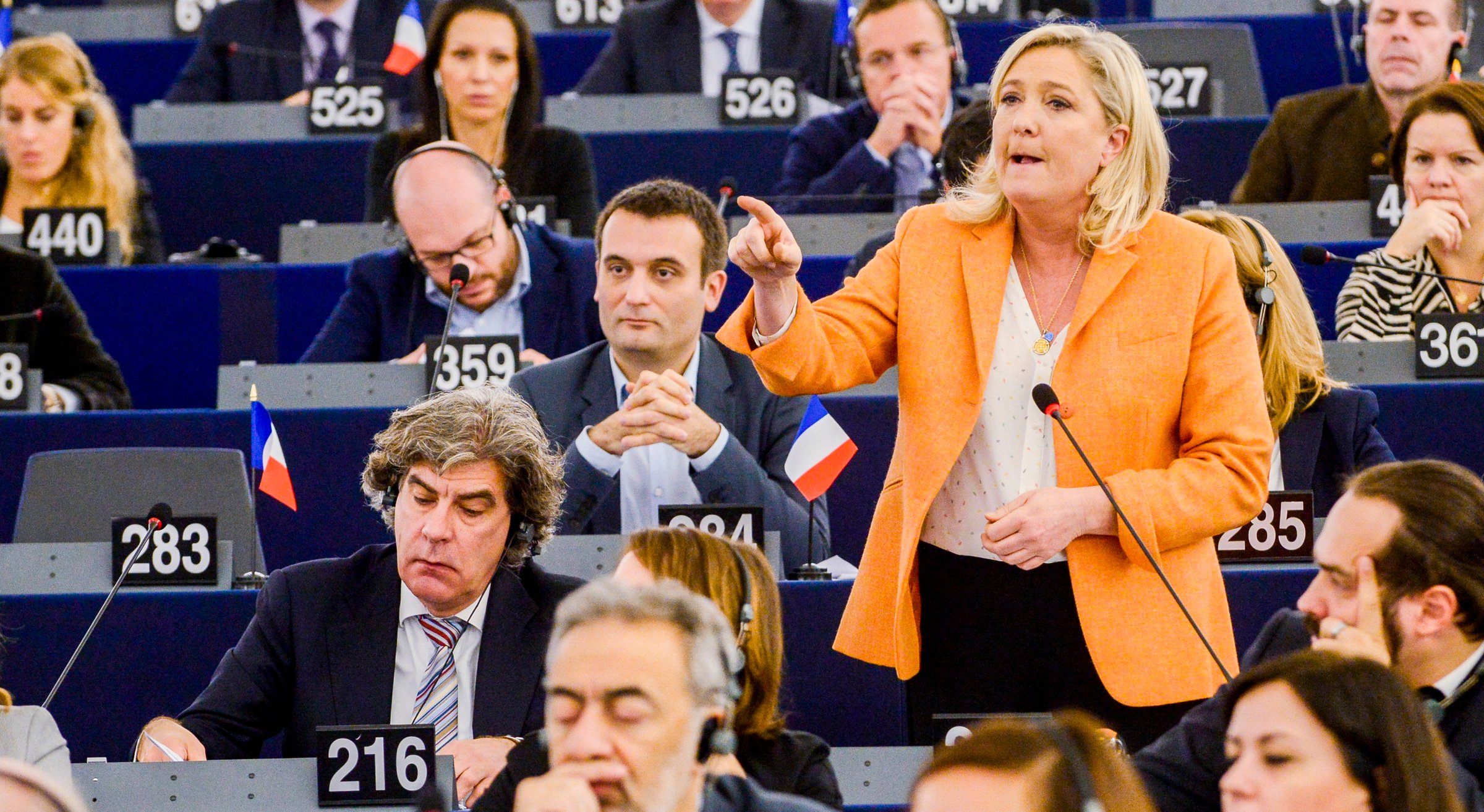
In Catalonia, Aliança Catalana is challenging Vox; in France, Éric Zemmour’s Reconquête, despite scoring single digits, is pressing on Marine Le Pen’s National Rally; in Italy, Roberto Vannacci’s National Future is challenging Giorgia Meloni’s Brothers of Italy; and in Poland, Grzegorz Braun’s Confederation of the Polish Crown is cannibalising the Confederation.

Under pressure, established conservatives tend to move towards these parties rather than hold the line, as Spain’s Partido Popular and France’s Les Républicains illustrate. Positions once on the margins become mainstream.

The implications go beyond immigration.

Le Pen and Vox leader Santiago Abascal advocate “national priority” in access to welfare and public services. Under pressure from the League and National Future, Meloni’s government has introduced a 30-percent cap on first-year classrooms for pupils without Italian citizenship, based on their birthplace or prior schooling.

A leaked AfD strategy paper reportedly goes further, proposing that national constitutions override EU law and reducing the Court of Justice to a forum for disputes between governments.

This article continues, but the full version is available only to EUobserver.com subscribers. Visit account.euobserver.com/membership

  •  

‘Too many lawyers’: the problem with Europe’s human rights NGOs

Human rights NGOs in Europe are not doing well. Funding cuts, legal restrictions, administrative burdens and smear campaigns are taking their toll.

I see organisations drastically downsizing or closing altogether and staff burning out. If we are to reverse our fortunes, the traditionally legally-focused movement needs to rebalance its skill-set to include more communicators and organisers.

Traditionally, human rights NGOs have been staffed mainly by lawyers. This is understandable. Human rights are legal standards contained in national, European and international law. If your main tools for getting human rights implemented are advocacy and litigation, then you need legal experts. But advocacy is becoming less effective because decision makers increasingly see supporting human rights as politically risky.

And litigation as a tool is partly limited by increasing political interference with the courts in some countries, or because – again – politicians see potential political brownie points in not complying with (or see potential political costs in complying with) judgments that enforce human rights standards.

It’s not just that NGOs’ traditional tools are losing their power. It’s that legal training does not equip us with the tools do we need to reverse our fortunes.

Our main lever for restoring human rights and the organisations that promote them is public opinion. For as long as we live continue to live in democracies, pressure from voters can have an impact on decision makers. Which means we need communicators who can help the public realise how important human rights are to them.

David Attenborough pointed out a few years ago that “saving our planet is now a communications challenge. We know what to do, we just need the will”.

The same goes for human rights. 

But legal training does not make you good at communicating with folks outside your bubble.

‘Legal-ese’ is not the right lingo

I know from personal experience. I trod a path to human rights through a law degree, masters, doctorate and then academia. Human rights folks talk about them in a way that conveys a fraction of their value and power. If you’d asked me 15 years ago why human rights are important, I’d have said things like this: ‘they protect us from abuse by the government’, or ‘they’re minimum standards of protection the state can’t breach’, or ‘they exist to protect the vulnerable’.

These things are true. They’re also not very persuasive to people outside our base of support. Because the kinds of human rights breaches the movement foregrounds tend to affect ‘other people’. And lawyers are used to thinking about rights in the context of legal disputes.

So human rights get reduced to a shield that protects groups or institutions that most people don’t care about, don’t understand, or who live in other countries. 

Human rights are not just a passive defence. They are transformational. Human rights are tools. Tools we use to demand that our leaders use the powers and resources with which we’ve entrusted them to do what’s best for all of us. Tools that we use to create the lives we want to live and the communities we want to live in. This is how we need to talk about them, especially when it comes to civil and political rights.

People outside our base cannot be made to care about media freedom, the right to protest or democracy itself just on principle or because they’re enshrined in legal standards. To care about human rights, most people need to know what these things deliver.

Folks will see that protest is important when we explain how it allows people like them to come together and make their leaders listen to their concerns, whether it’s about climate change or better pay for teachers. I’ve seen it first-hand when testing messages in focus groups. 

Empathy, not stereotypes

The same goes for stimulating support for the rights of people from marginalised groups. Right now, most people have trouble caring because they been fed negative stereotypes that cause them to regard some people as ‘others’ and ‘outgroups’, meaning that they will tolerate lower standards of treatment for them.

Using legal arguments and evidencing rights violations by focusing on the harm being suffered doesn’t work because it does nothing to address the reason people don’t care. For that, we need to stimulate empathy and dissolve negative stereotypes through techniques like storytelling. Once people empathise and recognise our common humanity, they’re much more likely to support equal treatment. 

When we communicate in a way that allows our audience to see how human rights deliver things they find important to them, they don’t just start to support human rights as standards. They also start to support the organisations that promote them. That means they’re more likely to listen to them, stand up for them, get involved in their work and even donate. 

It’s not just about communicating better. We also need organisers who can help people come together to carry effective messages and make the strength of public support felt by our leaders. 

Folks with legal training are still essential.

If you’re going to make phones, you need engineers. But we don’t see the engineers being given the job of persuading folks to buy the phones, do we?

Unless they’ve had proper communications training. The human rights movement’s legalistic centre of gravity needs to shift to make room for knowledge and skills that can meet the moment.

In the short-term we could achieve this by retraining staff and joining forces with other progressive movements that know how to organise and mobilise, like environmental NGOs.

We could also tackle the issue upstream by working with universities that produce human rights graduates to develop more holistic curricula that cover communications and organising and not only law. 

  •  

The GOP’s response to high beef prices is advice that you eat something cheaper

Of all the bad answers Republicans have given to questions about what they’d do to make life under Trump more affordable, Sen. Cindy Hyde-Smith of Mississippi may get the prize for the worst one. As her Democratic challenger Scott Colom reminded everyone in a comical ad this week, when a reporter asked Hyde-Smith in February about families struggling to afford the higher price of beef, she said shoppers “have so many proteins to choose from.”

Let them eat pinto beans, it’s safe to say, is not the message voters want to hear from the ruling party. Republicans, as a general rule, have trumpeted conspicuous, even wasteful and unhealthy, consumption: Buy that gas-guzzling truck, fry your fries in beef fat, don’t give a flip about taking up less space or using less energy or heeding guidelines related to food safety or cholesterol. This year, the cost of a pound of ground beef passed the amount of money you get for an hour’s work at the federal minimum wage.

Republicans, as a general rule, have trumpeted conspicuous, even wasteful and unhealthy, consumption: Buy that gas-guzzling truck, fry your fries in beef fat, don’t give a flip about taking up less space or using less energy or heeding guidelines related to food safety or cholesterol.

Hyde-Smith, a cattle rancher with an estimated net worth of more than $900,000, advising her constituents to accept that they’re just not in the meatloaf income bracket would be bad in any context. But it’s especially jarring coming from a member of the party that looks the other way as the president and his family grow wealthier by the day.

“Them belly full but we hungry,” Bob Marley and The Wailers famously sang. We’ll learn soon if the next line — “A hungry mob is an angry mob” — predicts what Republicans can expect at the ballot box next month. But the party doesn’t appear to appreciate the intensity of the public’s anger. When they’re not downplaying the higher prices, characterizing those higher prices as an acceptable sacrifice for Trump’s heedless invasion of Iran or making the preposterous claim that somehow, even now, everything is Joe Biden’s fault, they’re arguing that ground beef is the rich man’s food.

Hyde-Smith made her protein comment weeks after Agriculture Secretary Brooke Rollins suggested that, for as little as $3, Americans could make a dinner out of a piece of chicken, a “piece” of broccoli, a corn tortilla and “one other thing.” Rollins, whose net worth has been estimated at $15 million, was rightly roasted for that, which made Hyde-Smith’s repetition of that sentiment even more politically inept.

According to the results of a Pew Research Center survey conducted this fall and published Wednesday, 73% of U.S. adults say they are “very concerned” about the cost of food and consumer goods and 74% are similarly concerned about the price of gasoline and energy. That’s not new. In fact, those concerns helped end the Democrats’ chances of winning the White House in 2024. But earlier this year, the Pew Research Center reported that 44% of Americans say they’ve had trouble paying for either medical care, daily transportation, rent or mortgage or food over the past year. Twenty percent say they got food from a food bank or pantry.

It seems, then, that many Americans are already choosing “other proteins,” if they’re not skipping meals altogether. People don’t want to hear that they should cut back. They want to hear that their elected officials have a plan so they won’t have to.

Most surveys about the state of the economy reflect stark partisan difference. The people who support the party in power tend to be more sanguine about things than people who don’t. That remains the case, according to the Pew Research Center’s recent survey: 36% of Republicans say the economy is excellent or good, compared to 21% of independents and 9% of Democrats. But, the Pew Research Center reports, in July, 41% of Republicans thought the economy was excellent or good, and “about a quarter of Republicans (23%) now say conditions are poor, up from 19% in July.”

“Pick another protein?” one person in Colom’s ad scoffs before muttering a profanity and saying, “I’d rather pick another senator instead.”

As a native Mississippian who watched the state flip from Democratic to Republican control in my teens and 20s and observed the GOP’s tightening grip on the state, I am doubtful Colom can defeat Hyde-Smith. Democrats in more competitive races, though, would be wise to consider running some version of his ad.

Because although Hyde-Smith is only on the ballot in Mississippi, her answer about choosing other proteins is emblematic of the Republican establishment’s flippant attitude toward Americans’ genuine struggles. During the Pew Research Center’s summer poll, 60% of Americans reported not having enough income to lead the kind of life they want. Colom’s ad works because it acknowledges that not everybody wants a whole lot. Some just want enough to shop the meat department at their local grocery store, and in Trump’s America, they’re not high enough on the hog to do it.

The post The GOP’s response to high beef prices is advice that you eat something cheaper appeared first on MS NOW.

💾

This year, the cost of a pound of ground beef passed the amount of money you get for an hour’s work at the federal minimum wage.
  •  

Don’t let Musk and the billionaires buy America’s elections

On a recent episode of the Bulwark podcast, journalist Ron Brownstein described the election as a contest between “the wave versus the wall.” The wave being voter anger and President Donald Trump’s plummeting popularity. The wall being structural impediments to voters’ voices, such as gerrymanders and the Republican Party’s stark spending advantage. Now we know […]

The post Don’t let Musk and the billionaires buy America’s elections appeared first on Asia Times.

  •  

Lessons from Ben Sasse about Life, Death, and Politics

Sasse has a lot of hard-earned wisdom to impart, including some that only comes when facing a terminal diagnosis. Like the wise companion of Proverbs 13, he’s inviting us to walk with him through that dark valley.   Note from Randy: All human beings have a terminal disease called mortality. The death rate is 100... Continue Reading
  •  

3 Ways to Respond to Academic Critiques of Christianity

The history of the academy is deeply indebted to Christianity. More importantly, the credibility of Christian character, faithful testimony, and the societal outcomes of following Christ will continue to confront even the hardest skeptic until He returns.   At the moment of writing, I am at Cambridge University. I have just had the privilege of... Continue Reading
  •  

A memo about this Black NFL coaching applicant absurdly brings up Mike Tyson

Brian Flores, the Minnesota Vikings defensive coordinator who filed a bombshell lawsuit accusing the NFL and several of its teams of racial discrimination that generally stops Black men from getting head coaching jobs, got a big boost this week when a federal judge unsealed a recruiting memo for a high-profile job in the league.

That memo, particularly its criticism of Flores based on negative stereotypes about Black men, is likely to make even people who aren’t football fans pay attention to this drama, especially women and people who aren’t white who’ve applied for work in corporate spaces.

Korn Ferry prepared a one-pager on Flores that described him as “polished and a good presenter despite growing up in Brownsville, Brooklyn (same as Mike Tyson).”

As first reported by Front Office Sports, as the Las Vegas Raiders were considering hiring Flores in 2024, executive search firm Korn Ferry prepared a one-pager on Flores that described him as “polished and a good presenter despite growing up in Brownsville, Brooklyn (same as Mike Tyson).” The report noted that Flores “was able to build a strong friendship with a billionaire’s son which gave him opportunities to socialize and learn how to build relationships with white-collar and upper-class individuals.”

It’s no wonder that Korn Ferry, which isn’t a defendant in the Flores lawsuit and handles executive searches across many industries, argued that its report should remain sealed.  The document gives full expression to the he-speaks-so-well prejudice that Black people commonly face. As such, the document will feel uncomfortably familiar to Black candidates in corporate America who have felt the constraint of the glass ceiling.

The Raiders never interviewed Flores.

“The recently unsealed documents demonstrate two unfortunate, but unsurprising, realities,” Flores’ lawyers at Wigdor LLP and Elefterakis, Elefterakis & Panek said in a statement Tuesday. “First, that Mr. Flores’ decision to hold the league and its teams accountable for systemic race discrimination has been met with unlawful retaliation. Second, discrimination continues to play a significant role in the hiring process for NFL Head Coaches, as evidenced by the fact that the candidate profile prepared for the Raiders leans heavily on racial stereotypes. We and Mr. Flores are committed to eradicating the institutional racism and retaliation that permeates the league, its teams and their partners.”

Neither Korn Ferry, the Raiders or the NFL responded to The New York Times’ request for comment.

During the NFL’s most recent offseason, none of its 10 head coach vacancies was filled by a Black candidate. The only new head coach who isn’t white is the Tennessee Titans’ Robert Saleh, who was born in the U.S. to Lebanese immigrants. Though Flores’ focus is football, it’s hard not to think of Korn Ferry’s dossier on him as a peek into executive hiring that most Americans never see. Job candidates who’ve suspected that their fitness for a position was assessed by people with backward views of race don’t get to see copies of the memos confirming their suspicions.

Though Flores’ focus is football, it’s hard not to think of Korn Ferry’s dossier on him as a peek into executive hiring that most Americans never see.

Regarding Flores growing up in Brownsville, surely other executive candidates with blue-collar beginnings have learned to navigate elite spaces without it being deemed remarkable. Anyone on the short list for an NFL head-coaching gig would likely be comfortable with rich decision-makers. It’s hard to imagine an executive headhunter describing a candidate as having grown up in Howard Beach, Queens, like John Gotti did.

In detailing Flores’ strengths and weaknesses, Korn Ferry did make some relevant assessments. It noted his “unorthodox” defensive schemes that make life difficult for NFL quarterbacks (a positive) and his history of sometimes clashing with the front office (a negative). In corporate America, one could imagine a similar analysis applied to a CEO candidate whose product launches have been profitable but whose management style rankles the rest of the C-suite and board of directors.

The firm’s assessment that Flores “has a chip on his shoulder” was listed as a strength and a weakness. In its view, his desire to prove his own worth, an essential trait for almost any ascendant professional, was offset by the claim that he “can be a dictator with players, coaches, and can even be a difficult with ownership.”

From @theathletic.com: A recruiting firm's memo assessing Brian Flores as a potential coaching candidate said he was “polished and a good presenter despite growing up in Brownsville, Brooklyn." Flores is suing the NFL and multiple teams for discrimination.

— The New York Times (@nytimes.com) 2026-10-13T20:55:06.520543Z

Concerns related to personality might be defensible. Black professionals are certain to hear bigoted coding in assessing a Black man as well-spoken but with a chip on his shoulder, yet personality and cultural fit matter when the job is a direct report to billionaires and the work includes managing a team of 53 wealthy, elite performers. It’s harder to excuse other language Korn Ferry used: “He can fool you with his polish upwards” and “needs someone at the top to reign [sic] in some of his worst behavior.”

Korn Ferry listed Flores’ lawsuit accusing the NFL of racism as a demerit to his candidacy, which is ironic because the Korn Ferry report wrongly assesses him based on racist expectations of how Black men should act. The league makes millionaires out of elite players who are majority Black, but its teams are mostly owned by white billionaires who have long been accused of failing — or not even trying — to grant equal opportunity for top-level jobs to Black candidates like Flores or his co-plaintiffs, former NFL coaches Steve Wilks and Ray Horton.

Korn Ferry listed Flores’ lawsuit accusing the NFL of racism as a demerit to his candidacy, which is ironic because the Korn Ferry report wrongly assesses him based on racist expectations of how Black men should act.

Their lawsuit was filed in 2022, three years before President Donald Trump made dismantling the Black managerial class a focus of his domestic policy by attacking diversity, equity and inclusion initiatives at major companies, in academia and in the federal government.

In that context, the firm’s report on Flores feels especially heavy. Black professionals everywhere are being told that DEI initiatives are wrong because they focus on race, and this report about Flores is clearly looking at him through a racialized lens. That’s why it’s bigger than football. The Korn Ferry document will certainly be received as an important piece of the puzzle to many others not named Flores who are struggling to reconcile their skills and accomplishments with the incongruent trajectory of their careers.

The post A memo about this Black NFL coaching applicant absurdly brings up Mike Tyson appeared first on MS NOW.

  •  

Attacking Trump, Zelensky showed lack of judgment

Ukrainian President Volodymyr Zelensky’s harsh words about US President Donald Trump were an emotional response after Zelensky deliberately thwarted Trump’s request that Ukraine not strike Russian refineries. Unfortunately Zelensky is making matters worse, and Ukraine’s future is now in doubt. Ukraine targeted two Russian oil refineries, according to Russian Deputy Prime minister Aleksandr Novak. The […]

The post Attacking Trump, Zelensky showed lack of judgment appeared first on Asia Times.

  •  
❌