❌

Reading view

NPR investigation finds evidence of widespread fraud at mall kiosks tied to Israeli skincare brand

They're a common feature at US shopping malls: skincare kiosks staffed by charming Israeli salespeople. Some customers were hit with thousands of dollars in charges they never authorized and products they didn't want and can't return. Many victims were elderly, disabled or otherwise vulnerable

  •  

Gaza Famine Deaths Hit 466 as Hunger Crisis Deepens After 3 Years of Genocide

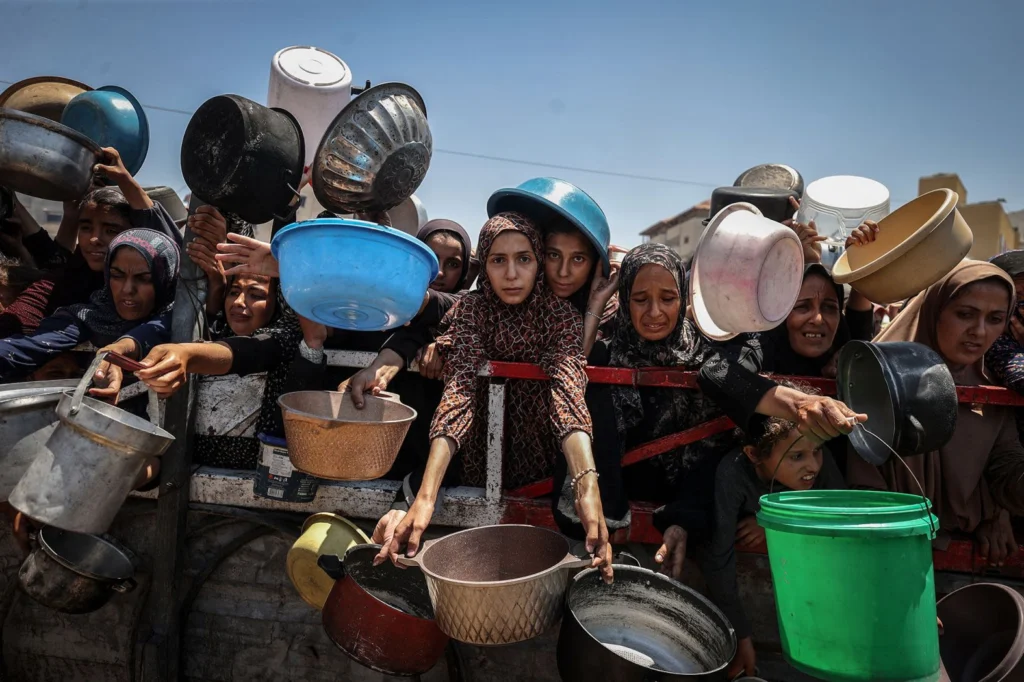
The Palestinian Ministry of Health warned that the humanitarian crisis has reached a critical point in its third year of war. Photo: CNN.

Gaza’s Health Ministry reported Friday that hunger and malnutrition have killed 466 people since 2024, as famine grips the enclave and pushes more than 1.4 million residents toward a critical food crisis.


The Palestinian Health Ministry in Gaza confirmed Friday that malnutrition and hunger rates have reached catastrophic levels across the territory.

The toll stands at 466 starvation deaths since 2024, a figure the ministry released on World Food Day, observed October 16.

RELATED: Gaza Humanitarian Crisis: UN Warns of Explosive Force Equal to 6 Nuclear Bombs

The health authority issued a grim report exposing the consequences of the prolonged Israeli siege. Official projections show that more than 1.4 million people, equivalent to 67% of the population, will face a critical or worse food crisis by the end of 2026. Famine was formally declared in Gaza governorate in August 2025.

“Malnutrition and famine rates in the Gaza Strip have reached catastrophic levels, seriously affecting children, the elderly and other vulnerable groups,” the Ministry said in its statement.

Statement by the Gaza Ministry of Health on World Food Day:

▪️ "Malnutrition and starvation rates in the Gaza Strip have reached catastrophic levels, ravaging children, the elderly, and other vulnerable groups."

▪️ "A total of 466 deaths due to malnutrition and starvation have…

— The Cradle (@TheCradleMedia) October 16, 2026

Children carry a heavy share of the toll. Since 2024, 157 children have died from malnutrition, roughly one third of all starvation deaths. Between 2024 and August 2026, health workers documented 158,001 cases of acute malnutrition in children under five, including 28,716 severe cases that directly threaten life.

The mortality rate among children under five more than doubled, climbing from 13.6 to 33.4 deaths per 1,000 live births between 2022 and 2025. Stunting now affects 12.2% of the child population. Officials estimate that another 74,200 children will require specialized treatment through 2027.

Maternal health has deteriorated sharply as well. Anemia prevalence rose to 61% in 2026, compared with 41% before the conflict. Nearly 4,000 miscarriages were recorded in the first half of the year, more than triple the previous six months. One in every three pregnancies is now classified as high risk.

🇵🇸 466 Palestinians, including 157 children, have died from malnutrition and starvation in Gaza since 2024, Health Ministry says

⚠️ More than 1.4 million people are expected to face crisis-level food insecurity or worse through the end of 2026

📌 Authorities accuse Israel of… pic.twitter.com/xGVDRsQcWy

— Anadolu English (@anadoluagency) October 16, 2026

Elderly Hardest Hit

Elderly adults account for the largest share of deaths linked to food shortages. The Gazan Ministry registered 189 fatalities among the elderly, or 40.5% of the national total.

The vulnerability among seniors is stark: 11% go entire days without eating anything at all, meanwhile 48% deliberately reduce their own portions to feed their families. 68% of them have interrupted or cut back on medication doses because of widespread shortages.

Three years of war have collapsed the food system. The Ministry’s warning lands as winter approaches and as aid deliveries remain insufficient to meet the scale of need across the territory.

The figures mark the deepest point yet in a hunger emergency that has built steadily since the conflict began. A formal famine declaration, once a rare event, now defines daily reality for hundreds of thousands of people trapped in the enclave.

The projected rise in food insecurity through late 2026, combined with 74,200 children awaiting specialized care, points to a crisis that will persist even if aid access improves.

Facing this emergency, the Health Ministry recalled that the right to food is fundamental. It urged the United Nations and the international community to establish urgent mechanisms that guarantee the safe, sustainable and unrestricted entry of humanitarian aid, therapeutic supplements and medicines into the enclave.

  •  

Russo-Ukrainian war, day 1696: Romania blames Russia for drone attacks on ships off its coast and calls for a joint NATO Black Sea command

Exclusives

Russia is losing the Black Sea grain war it started. Its answer is to sink civilian ships off Romania and Bulgaria. The burning ships off Romania and Bulgaria are the latest round of a contest Ukraine opened this summer, when it began choking Russia’s own Black Sea exports

Military

Zelenskyy’s warning that Russian airspace is becoming dangerous is proving true: Russia temporarily restricted operations at 27 airports amid a massive drone attack. Russia later lifted the restrictions, but Russian airports continued to experience flight disruptions as they resumed arrivals and departures.

Ukraine makes its anti-drone road nets a national standard in a new strategy for defensive lines through 2028. It has already strung over more than 1,000 kilometers of road. FPV drones hunt anything moving near the front, so Kyiv is codifying the protection solutions.

Ukraine’s military now orders supplies based on real front-line data, not guesswork, lawmaker says. Shift comes under new commander-in-chief. Ukraine’s new commander-in-chief, Drapatyi, is centering the army on soldiers’ lives and real front-line needs, a lawmaker believes.

Ukraine’s shell factories outpace state orders, arms company chief says: Kyiv spent five months buying from them this year, leaving six to produce. Private plants were built under Russian fire with no state investment, says the head of Ukrainian defense maker Ukrainian Armor.

“Operation to strike Russian targets deep in swamps continues”: Ukrainian Commander Madiar says his unit hits 7,306 Russian troops in first half of October, up 59% on August. The pace held through weather that usually grounds drones, says Robert “Madiar” Brovdi, who calls the trend the opposite of de-escalation.

Intelligence and technology

Musk pushed Trump to slow Starlink in Ukraine, weakening air defenses as Russian drones attacked cities – The Telegraph. The restrictions reportedly forced some Ukrainian drone missions to be called off and made it harder to intercept Russian jet-powered drones attacking cities.

White House ordered limits on Ukraine’s military satellite service — Reuters. Who made the decision remains unclear. Germany has questions for Washington, while the UK reports that Starlink access has been restored following assurances to its defense secretary.

Posting strike videos online may help Russia tune its drones’ optical targeting. Moscow now pays people to film hits, Ukrainian adviser warns. Russia is collecting footage of its Geran attack drones hitting Ukraine, probably to test the optical target-recognition systems that guide them in their final seconds.

Ukraine’s hobbit-named robot fired on targets up to 1.3 km away in a demo for border guards. First reported carrying a wounded soldier, Ukraine’s Frodo robot has now fired for a border guard brigade—built, its maker says, to hit and run.

Musk pointed at the US military over Ukraine’s satellite limits. Now a US official says the administration had nothing to do with them. Ukraine’s Defense Ministry says it is in talks with partners and SpaceX to maintain stable service and prevent sudden restrictions on satellite services used by its military.

International

Belgium triples planned F-16 deliveries to Ukraine, pledges 10 jets by year-end. Prime Minister Bart De Wever announced the expanded commitment during talks with Volodymyr Zelenskyy in Brussels, as Ukraine seeks more aircraft and ammunition to counter Russian attacks.

Poland provided secret military aid to Ukraine, Zelenskyy hints amid air defense shortages. Ukraine’s president thanked Warsaw for undisclosed assistance and 20 mm ammunition as Russian drone and missile attacks strain Ukrainian air defenses and Europe faces greater pressure to fill gaps in US support.

22 House lawmakers press Trump to implement Russia sanctions law. Diesel deal draws bipartisan backlash. The lawmakers argue that using the law’s sanctions and tariff powers would force Russian President Vladimir Putin to take peace talks seriously.

Romania finally holds Russia responsible for the drone attacks on ships off its coast, and wants a joint NATO command for the Black Sea. The NATO states on the sea would take turns leading it, with Romania ready to host it from 2028.

EU fast-tracks merger of three European firms into one SpaceX rival. It wants to end reliance on US satellites that failed Ukraine this week. The EU plans to fast-track antitrust approval for Project Bromo, a satellite venture.

Trump calls Ukraine’s renewed refinery strikes “a disgrace” after Russia’s 39-missile strike on its energy sites. The president called Zelenskyy “P.T. Barnum” and said Biden armed Ukraine for free.

Ukraine and Japan plan prefabricated backup crossings for Kyiv’s bridges: 720 meters of structures already delivered. The fifth phase of the Emergency Recovery Program, recently signed by the two countries, allocates $15 million for Ukraine’s infrastructure needs.

Two tankers burn off Romania’s Sulina as Bulgaria says it lacks proof Russia is behind the Black Sea ship attacks. Seven crew members of a San Marino-flagged chemical tanker were still missing hours after it caught fire at anchor off the mouth of the Danube.

Humanitarian and social impact

Russia pushes its drone war into Volyn Oblast on NATO border, cutting power to 370,000 as strikes creep toward EU. Moscow struck a region bordering Poland the same week it hit the central Kirovohrad Oblast hardest ever, exploiting a Starlink cap on Ukraine’s defenses.

One Ukraine out-produced third of EU’s steel. Russian strikes have now cut its output to zero. The 150-year-old industry made nothing last month after missiles wrecked almost every working blast furnace since August.

Russian drone cuts down unique energy line tower over Dnipro River in Kyiv. It can’t be rebuilt, and world is queuing for more power equipment. Ukraine’s grid operator Ukrenergo is already starting work on workarounds, but calls drones that cut down towers a new challenge.

Russia’s largest drone attack on Kirovohrad Oblast since the full-scale invasion kills three in Kropyvnytskyi. Drones struck critical infrastructure, transport companies, logistics sites, and homes across the central Ukrainian oblast, with its capital taking most of the damage.

On Monday she sat in her cousin’s Kyiv apartment, and by Wednesday a Russian strike had left a hole where the window was. Her cousin, his girlfriend, and an aunt survived inside, and rescuers lifted them out 15 minutes after the blast.

A Russian drone damaged Cosmogony, Ukraine’s largest painting, in the section depicting the future. Its artist spent nearly two years creating it. The museum is weighing whether to restore the burned section or keep the fire’s traces as a reminder of the war.

Political and legal developments

Hungary held $82 million in cash and gold from Ukraine for months. Now, it faces torture complaints in Europe’s top court. Hungarian forces stopped two Oschadbank vehicles in March, carrying cash and gold from Austria to Ukraine.

Ukraine detains a gas station worker and a Telegram commenter suspected of scouting targets for Russian strikes. One was allegedly reached through a former classmate in Russia, and the other allegedly took orders from a female handler there.

After Trump, Musk tells Ukraine’s president to go. Zelenskyy says he won’t resign and will never accept Ukrainian land as Russian. The Ukrainian leader told British broadcaster Piers Morgan that this refusal is why some “big guys” want him replaced.

Read our previous daily review here.

  •  

KENYA CONFIRMS THIRD EBOLA CASE

In tonight's programme, Kenya confirms a third case of Ebola, a relative of a man who died earlier this month after travelling from DR Congo. Also,Cameroonian journalist Ambe Macmillan is recovering in hospital after being shot in the legs by gunmen in Bamenda. And we meet Ghanaian artist Ibrahim Mahama... And finally, we meet Ghanaian artist Ibrahim Mahama, who digs deep into his country's colonial and industrial past to lay new creative foundations for generations to come.

  •  

Nobody Wants To Be the Pro-Tech Candidate in This New York Race That Could Flip the House

Mike Lawler and Cait Conley | Bonnie Cash/UPI/Newscom/caitconley.com

The Democratic Socialists of America (DSA) candidates running for the House of Representatives and endorsed by NYC Mayor Zohran Mamdani are all but guaranteed to win their general elections this November, but that does not mean the midterm drama is over in New York. In the state's 17th congressional district, which includes the lower Hudson Valley, Democratic challenger Cait Conley, a combat veteran who served on the Biden administration's National Security Council, could unseat incumbent Republican congressman Mike Lawler in one of the most consequential races of the midterms. 

The highly contested purple district voted for former Vice President Kamala Harris in the 2024 election while reelecting Lawler for his second term. Now, Lawler is attempting to win a third term as support for President Donald Trump wanes ahead of the midterms. As of Friday, The Cook Political Report lists the race, which could determine control of the House, as a toss-up. 

If elected, Conley would have far more in common with the "Badass Women" coalition of security state and military veterans than with DSA types (think more Sen. Elissa Slotkin from Michigan than Darializa Avila Chevalier). As Judge Street Journal's Timmy Facciola notes, "Conley's candidacy is testing the viability of a tactful centrism that rebukes left-wing positions like abolishing ICE or restricting weapon shipments to Israel." Lawler is also vying for moderates, pitching himself as "one of the most bipartisan members of Congress" and emphasizing his willingness to break with Trump occasionally while still welcoming Trump's support. 

While Lawler and Conley certainly are not pure MAGA acolytes or DSA members, both have leaned into a tech-critical position, much like that of more radical populists like Lina Khan or Steve Bannon, revealing how pervasive anti-tech sentiment has become in mainstream politics. 

This tech skepticism was on full display during an October 14 debate, when each candidate made the case for why they were the most equipped to regulate AI, insisting that the industry needs guardrails. 

Conley said members of Congress do not want to regulate AI because "they want to look out for their billionaire and trillionaire backers like Elon Musk, who is pouring over $260 million into this midterm election." She then added that Musk backed Lawler in his 2024 race. 

Lawler then accused Conley, who previously consulted for Primer AI, of being "the AI candidate for the AI industry."

While Lawler and Conley disagree on specific data center regulations (Conley supports Democratic Gov. Kathy Hochul's data center moratorium while Lawler supports local zoning control over data centers), neither wants to pitch themselves as an explicitly pro-data center candidate. During the debate, Conley claimed that, "On Mike Lawler's watch there have been five data centers built in Rockland County." Lawler has said that he had no say in the decision to build the data centers, and during the debate, he pointed out that the facilities were built for financial services. Lawler also attempted to attack Conley over data centers, slamming her in an ad for saying "we need data centers." Regardless of the candidates' specific policies on data centers, their attacks on one another demonstrate that cheerleading hyperscale data center development is a political liability. In their district, data center has presumably become a dirty term. 

The candidates' tech-skeptical rhetoric did not end with unchecked data center development. After the debate, Reason asked both candidates about their positions on age-verification laws for social media and AI, since such regulations raise significant privacy and censorship concerns by age-gating the internet. Unsurprisingly, both Lawler, who voted for the controversial KIDS Act, and Conley, who has proposed stricter age verification for AI tools, parroted platitudes about why such online safety regulations are necessary to protect children. 

"We have watched how social media is literally hurting the mental health of children," Conley told Reason. "And when you talk about the power of AI and what that power could do, we have to regulate this." 

Lawler gave a similar response, telling Reason that he respects free speech but that protecting children "is paramount." 

This bipartisan consensus over social media regulation has long been brewing in Congress. The mainstream political conversations about AI and data centers, however, are relatively new this midterm election cycle. And it appears both Lawler and Conley have figured out which way Americans' sentiment toward AI is leaning, and they have waged their campaigns accordingly. 

The post Nobody Wants To Be the Pro-Tech Candidate in This New York Race That Could Flip the House appeared first on Reason Magazine.

  •  

Brasil é 2º maior importador de pesticidas proibidos na UE, diz Oxfam

Logo Agência Brasil

Pesticidas considerados tóxicos demais para utilização dentro da União Europeia (UE) continuam sendo fabricados por empresas do bloco e exportados para dezenas de países ao redor do mundo. No Dia Mundial da Alimentação, relatório da Oxfam aponta que o Brasil foi o segundo maior importador desses produtos proibidos pela UE, recebendo cerca de 15 mil toneladas em 2024. Os Estados Unidos aparecem em primeiro lugar.

A Oxfam concluiu que as políticas e regulamentações da UE levam à aplicação de critérios desiguais e de caráter colonial em relação aos agrotóxicos altamente perigosos (AAPs). Isso porque tais mecanismos de regulação seguem protegendo parcialmente sua própria população e meio ambiente enquanto permitem que substâncias proibidas continuem sendo produzidas e exportadas para outros países.

Notícias relacionadas:

Em países como Brasil e África do Sul, as plantações são pulverizadas com grandes quantidades de AAPs fabricados pelas empresas europeias. A Oxfam ressalta que, além das frutas, vegetais e commodities agrícolas, trabalhadores rurais, suas comunidades e o meio ambiente são expostos aos impactos desses produtos químicos tóxicos.

“Não é aceitável que a União Europeia proíba determinados agrotóxicos para proteger sua própria população e, ao mesmo tempo, permita que essas mesmas substâncias sejam produzidas e exportadas para outros países”, apontou a diretora da Oxfam Brasil, Viviana Santiago.

Dados do relatório mostram que, em 2024, os Estados-Membros da UE exportaram quase 122 mil toneladas de pesticidas proibidos dentro do bloco, mais do que o dobro do volume exportado em 2018.

Segundo o doccumento, 93 países importam agrotóxicos perigosos da UE, sendo 75% deles de baixa e média renda do Sul Global

A Oxfam alerta que os pesticidas altamente perigosos representam cerca de um terço dos ingredientes ativos utilizados em todo o mundo e são empregados principalmente em países do Sul Global, onde os mecanismos de proteção e regulamentação costumam ser mais frágeis.

“Esse duplo padrão transfere os riscos para trabalhadores rurais, comunidades e territórios do Sul Global, enquanto os benefícios econômicos ficam concentrados em poucas empresas”, acrescentou Viviana Santiago.

A análise aponta que, no Brasil, os AAPs correspondem a 49% de todos os agrotóxicos vendidos, uma proporção muito superior à observada em países da UE, como a Alemanha, onde representam apenas 12% das vendas.

O relatório destaca ainda que seis dos dez pesticidas mais vendidos no Brasil são proibidos na União Europeia, mas continuam sendo pulverizados sobre lavouras e áreas próximas a florestas por tratores, aviões e drones.

“Esse uso intensivo está diretamente ligado ao modelo agrícola baseado em grandes monoculturas voltadas para exportação, como soja, café e cana-de-açúcar, altamente dependentes de agrotóxicos”, apontou a Oxfam, em nota.

Além dos impactos para a saúde humana e o meio ambiente, o relatório mostra como esse sistema beneficia um pequeno grupo de grandes corporações. Segundo os dados analisados, quatro empresas controlam 61% do mercado global de pesticidas e obtiveram cerca de € 2,7 bilhões em receitas (R$ 15,37 bilhões) pela venda de pesticidas altamente perigosos.

A Oxfam avalia que tais números evidenciam a concentração nas mãos das grandes multinacionais agroquímicas do poder econômico e dos lucros gerados por esse comércio de produtos tóxicos. Enquanto isso, os riscos à saúde e ao meio ambiente são transferidos para países do Sul Global.

“É preciso interromper a exportação de agrotóxicos proibidos e avançar em regras que coloquem a saúde, os direitos das pessoas e a proteção ambiental acima dos interesses comerciais”, afirmou Viviana Santiago.

Apesar do cenário em que há amplo uso de agrotóxicos, a Oxfam aponta que a expansão do mercado brasileiro segue acelerada. “Em 2025, o país registrou um novo recorde de aprovações, com 725 novos pesticidas autorizados, um aumento de quase 10% em comparação com o recorde anterior de 663 produtos registrados em 2024”, apontou a entidade.

A Agência Brasil entrou em contato com o Ministério da Agricultura e aguarda posicionamento.

  •  

Desmatamento cai 41,8% na Amazônia e 23,8% no Cerrado em um ano

Logo Agência Brasil

O desmatamento caiu 41,8% na Amazônia e 23,8% no Cerrado entre agosto de 2025 e julho de 2026, na comparação com os 12 meses anteriores, segundo dados divulgados nesta sexta-feira (16) pelo governo federal com base no monitoramento do Instituto Nacional de Pesquisas Espaciais (Inpe).

Com a queda, o desmatamento nos dois biomas em um ano chegou às menores extensões das séries históricas. Veja abaixo:

  • Amazônia: de 5.731 km² para 3.335 km², a menor área desde 1988;
  • Cerrado: de 7.235,27 km² para 5.516,69 km², a menor área desde 2001.

Notícias relacionadas:

>> Confira aqui os dados completos por estado

O ministro do Meio Ambiente e Mudança do Clima, João Paulo Capobianco, comemorou os números, que classificou como "um sonho para ambientalistas como ele".

“Quantas vezes não ouvimos essa frase de que é impossível obter o desmatamento zero? Estamos trazendo resultados concretos para os biomas Amazônia e Cerrado”, disse.

Segundo ele, a redução gradativa, ano a ano, pode ser explicada com base em três “pilares essenciais”, que garantem a execução de políticas de combate ao desmatamento.

O ministro descreve que o primeiro pilar é seguir a ciência, respeitando dados e estudos; o segundo é a democracia, trazendo a sociedade para participar dos debates, com conselhos estaduais e municipais; e o terceiro pilar é o pacto federativo, com prefeitos e governadores aderindo ao plano de combate ao desmatamento, não importando o partido ou se são políticos de oposição ou da base do governo federal.


Carolina MA), 12/10/2025 – Vista do Rio Itapecuru. em meio à vegetação do cerrado, que abastace mais de 50 municípios do Maranhão. Foto: Fernando Frazão/Agência Brasil Carolina MA), 12/10/2025 – Vista do Rio Itapecuru. em meio à vegetação do cerrado, que abastace mais de 50 municípios do Maranhão. Foto: Fernando Frazão/Agência Brasil
Vista do Rio Itapecuru, que abastace mais de 50 municípios do Maranhão. Foto: Fernando Frazão/Agência Brasil

A ministra da Casa Civil, Miriam Belchior, também reforçou a importância da integração entre todos esses fatores.

“Houve uma coordenação ministerial eficaz para contribuir com esse resultado. Houve cooperação com estados e municípios e participação da sociedade. Foi um jogo de ganha-ganha. Todo mundo trabalhou”.

O governo federal acrescenta que, entre as ações que contribuíram para a queda no desmatamento, estão o fortalecimento das operações da Polícia Federal, com quase 8 mil inquéritos instaurados sobre crimes contra o meio ambiente entre 2023 e 2026.

Também foi citado o aumento do investimento no Instituto Chico Mendes de Conservação da Biodiversidade (ICMBio), a criação de 18 novas unidades de conservação e a homologação de 20 terras indígenas.

Agronegócio

Na opinião do ministro da Agricultura e Pecuária, André de Paula, o mercado exportador do agronegócio nacional é o maior beneficiário da redução do desmatamento. Ele cita a exigência cada vez maior de vários países e blocos de países de que seus parceiros comerciais promovam uma agricultura sustentável.

André de Paula citou como exemplo a União Europeia, que proíbe a entrada de produtos oriundos de áreas desmatadas.

“Esse é um passaporte para entregar os produtos brasileiros. Sem esses números, seria muito difícil comercializar os produtos brasileiros no mundo”.

Segundo ele, o Brasil superou os Estados Unidos em 2026 e se tornou o maior exportador de alimentos do mundo.

  •  

The Tree at Panmunjom vividly revisits 1976 tensions

Jeffrey Miller’s newest novel, The Tree at Panmunjom, begins in the summer of 1976, as a soldier fresh out of basic training named Bill Davis arrives in South Korea and finds himself assigned to Camp Kitty Hawk just before serving a tense 24-hour shift at the nearby Demilitarized Zone’s Joint Security Area.  On arrival at […]

The post The Tree at Panmunjom vividly revisits 1976 tensions appeared first on Asia Times.

  •  

Pierre Moscovici: «L'extrême droite veut réduire l'UE à une union de nations, cible des prédateurs»

Cette semaine, Caroline De Camaret reçoit Pierre Moscovici, membre français de la Cour des comptes européenne. Depuis 1977, la Cour des comptes agit comme un auditeur externe de l’Union européenne, examinant la gestion financière et le budget de l’UE. Ancien député européen, Pierre Moscovici fut aussi ministre des Affaires européennes puis de l'Économie, avant de devenir commissaire européen aux affaires économiques et financières, président de la Cour des comptes française et, finalement, membre de la Cour des comptes européenne à Luxembourg.

  •  

Cómo conseguir que los pilotos vuelvan a ser el centro de las carreras de F1

Cómo conseguir que los pilotos vuelvan a ser el centro de las carreras de  F1

El GP de Singapur volvió a dejar esa sensación de haber visto demasiado antes de llegar al domingo: un viernes que anticipa las fuerzas de la clasificación y un sábado que enseña buena parte de lo que después será la carrera. Lo analiza el Podcast Técnica Fórmula 1

Se acabaron los fines de semana con carrera sprint de esta temporada de F1 y cuesta disimular el alivio. El GP de Singapur volvió a dejar esa sensación de haber visto demasiado antes de llegar al domingo: un viernes que anticipa las fuerzas de la clasificación y un sábado que enseña buena parte de lo que después será la carrera. Más sesiones competitivas no están garantizando más incertidumbre. El segundo episodio del Podcast Técnica Fórmula 1 aborda esa discusión: cómo recuperar incertidumbre y dejar que los pilotos vuelvan a ocupar el centro de la carrera.

Nos gusta la Fórmula 1

Precisamente por eso resulta deprimente verla reducir el suspense mientras multiplica los procedimientos, los controles y las explicaciones que el espectador necesita para entender qué está pasando. Marina Bay añadió otro ingrediente al malestar: los incidentes con el manejo de los controles durante la clasificación sprint y su repercusión en el resultado de algunos participantes.

Después del retraso por el fallo de software de Sepang, la categoría volvió a quedar atrapada en una discusión tecnológica cuando debería estar hablando de pilotaje y competición.

El sábado enseña demasiadas cartas

Una carrera corta puede tener sentido si aporta una situación distinta, una lucha propia o un resultado que merezca la pena por sí mismo. El problema aparece cuando funciona principalmente como una demostración anticipada del domingo.

En Singapur, donde adelantar sigue siendo complicado y la posición en pista pesa tanto, esa limitación resulta especialmente visible. Los pilotos tienen que valorar el riesgo de atacar entre muros, el coste de un daño y la recompensa disponible. No basta con acortar la distancia para que todos decidan asumir más peligro.

Mientras tanto, el aficionado obtiene información que antes se iba descubriendo durante la carrera principal. Se aclaran ritmos, fortalezas y debilidades. El domingo puede confirmar lo que ya se ha visto, con menos espacio para la sorpresa. Esto no significa que todos los fines de semana sprint sean idénticos ni que la carrera larga carezca de interés. Significa que conviene evaluar el formato por lo que añade a la competición, además de por las horas de emisión que genera.

Cuando los controles también deciden

El episodio de la clasificación sprint exige distinguir responsabilidades. Un error humano al manejar un control y un fallo de software no son la misma cosa. Tampoco podemos adjudicar a una única causa todos los incidentes tecnológicos de esta temporada.

Pero el problema deportivo permanece: el funcionamiento de esos sistemas está teniendo un peso demasiado visible en lo que ocurre en pista. El aficionado acaba preguntándose si una diferencia viene del coche, del piloto, de una elección de energía o de una operación que no se ha ejecutado correctamente.

La tecnología siempre ha formado parte de la Fórmula 1. Lo preocupante es que ahora su complejidad termina dificultando la comprensión de la competición y convirtiendo algunos momentos decisivos en una discusión sobre procedimientos.

La FIA tiene una responsabilidad directa en la claridad de las reglas y en su aplicación. Los equipos y los pilotos tienen la suya en el manejo de los coches. Explicar dónde empieza y termina cada una sería un primer paso para recuperar confianza.

Ni las neutralizaciones rescataron la incertidumbre

La carrera del domingo también dejó ejemplos de lo mucho que pesa el contexto. El coche de seguridad virtual provocado por la parada de Gabriel Bortoleto no le dio vidilla a la prueba. El abandono de Franco Colapinto tampoco necesitó una neutralización que alterara el orden.

Más adelante, el incidente de Lance Stroll sí abrió otra ventana estratégica y perjudicó a Russell. Hamilton decidió mantenerse en pista, por su cuenta, y el desenlace de Ferrari acabó siendo muy diferente para sus dos pilotos.

Son decisiones que merecen análisis (en el Podcast lo tienen), pero una carrera no debería depender de que aparezca una neutralización en el momento adecuado para ofrecer una pelea que por sus propios medios cuesta construir. La parte final nos permitió despertar para ver el adelantamiento de Antonelli a Norris y... poco más, nada que permitiera cambiar un guion bastante aburrido.

Hay cosas que todavía funcionan

Sería injusto borrar el trabajo de Verstappen, la velocidad de Leclerc o la regularidad de Antonelli. Singapur tuvo actuaciones de mucho valor, eso no se puede negar. También confirmó que el rendimiento entre equipos puede moverse y que Red Bull está aprovechando mejor esta fase del año.

Precisamente esas fortalezas deberían ayudar a revisar lo que está fallando: el formato sprint merece una evaluación deportiva, la reglamentación necesita sistemas fiables y comprensibles y la comunicación debe permitir que el público siga la carrera sin reconstruir después lo que ha sucedido. Hay margen para mejorar en 2027. Pero la primera condición es reconocer los problemas de esta temporada y trabajar sobre ellos.

  •  

Nepal Estimates Flood Losses at 10% of GDP After Himalayan “Tsunami”

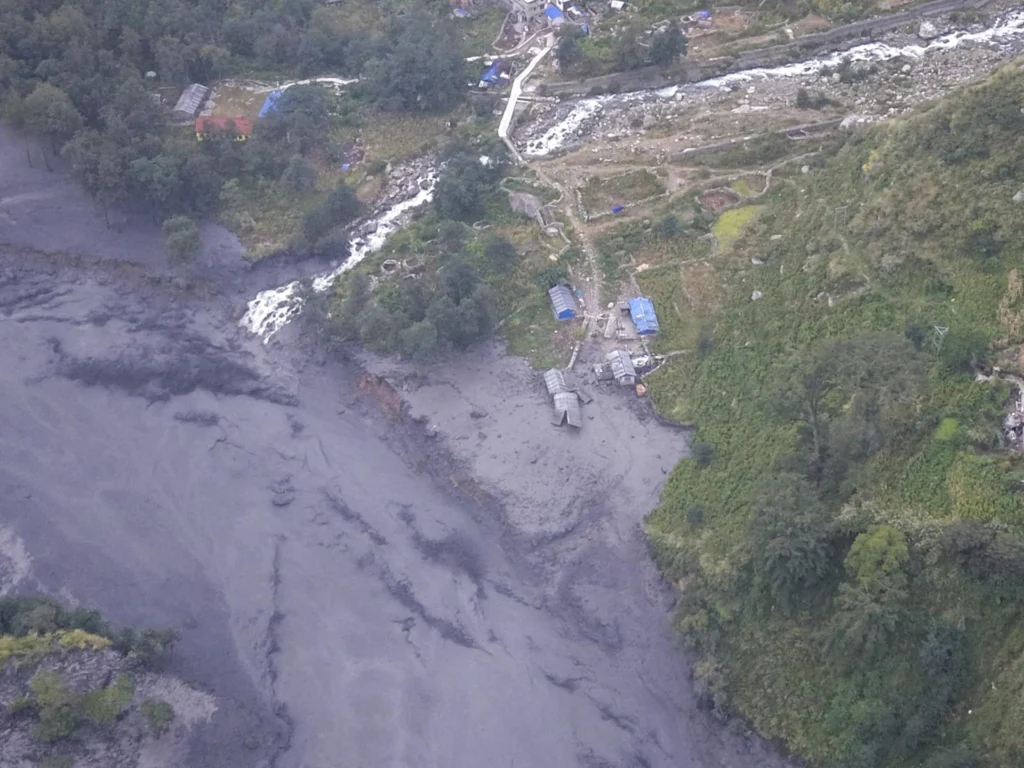
The floods, known as the "Himalayan tsunami," left severe destruction in essential infrastructure, hydroelectric projects, croplands, fishing ponds, food reserves, and agricultural infrastructure across the country. Photo: EFE.

Nepal’s government reported that the August 26 flood destroyed 10 percent of the country’s gross domestic product, with damages and losses exceeding $2.7 billion, as Finance Minister Swarnim Wagle sought international funding to rebuild.


Nepal’s government said that the August 26 flood, dubbed the “Himalayan tsunami,” caused physical damage worth $1.8 billion and additional economic losses of more than $900 million, equivalent to about 10% of the country’s Gross Domestic Product (GDP), as it seeks international financing for reconstruction.

Finance Minister Swarnim Wagle presented the estimates on Thursday at a press conference at the Foreign Correspondents’ Club in Bangkok, on the sidelines of the annual meetings of the International Monetary Fund (IMF) and the World Bank.

RELATED: Nepal River Surge Destroys 40 Homes, Leaves Five Missing

Wagle is seeking international funding for rebuilding and for measures to “avoid or mitigate the impact of future disasters.”

Nearly seven weeks passed between the disaster and Thursday’s accounting. The flood struck on August 26, and the assessment Wagle presented in Bangkok represents the government’s formal reckoning of the economic damage it must now confront.The floods left more than 1,500 people dead and 6,000 missing, causing severe destruction of essential infrastructure, hydropower projects, farmland, fish ponds, food stocks and agricultural infrastructure across the country.

Flash floods along Nepal’s Budhi Gandaki River swept away homes and bridges, forcing residents to flee to higher ground.

Five people are missing, and six have been rescued, authorities said. pic.twitter.com/wv7zilln7C

— Al Jazeera English (@AJEnglish) October 12, 2026

Rebuilding at Higher Cost

Wagle said Nepal does not intend merely to “replace what was destroyed, but to build better,” with more resilient infrastructure. He said that approach will raise the cost of reconstruction to $5 billion.

The Minister also said Nepal, which he described as “the poorest country in Asia after Afghanistan,” has contributed very little to global warming because of its limited industrialization and low emissions, but “is bearing the worst consequences of climate change.”

Wagle appealed to the “ethical and moral responsibility of countries with greater resources” to support the most vulnerable and called for a model of “global solidarity and cooperation.” “It is not about blaming rich countries, but about making a joint call to action,” he said.

Gorkha, #Nepal
Damaged houses lie partially submerged in sludge along the banks of the Budhi Gandaki River after a flash #flood caused by a #landslide. Four bridges and dozens of houses were swept away, as well as a construction camp for a hydropower project pic.twitter.com/vui6RyJocr

— Hans Solo (@thandojo) October 15, 2026

Glacier Collapse and Risk

The disaster originated high in the Himalayas. A glacial and rocky mass covering two square kilometers broke away from Langtang Lirung mountain at an altitude of 5,200 meters. The ensuing flood also swept into the Chinese region of Tibet.

The scale of the threat extends beyond a single event. A recent study in Scientific Reports warns that roughly 300,000 people in Nepal live in river channels susceptible to flooding. Construction in those vulnerable zones grew by almost 50 percent between 2016 and 2023, a pattern that multiplies the risk to communities as extreme weather becomes more frequent.

Nepal’s appeal arrives as climate-linked disasters mount across South Asia, a region where economies least responsible for global emissions face some of the steepest recovery costs. For a country that contributes a negligible share of greenhouse gases, the $5 billion reconstruction bill amounts to a burden imposed largely by forces beyond its control.

  •  
❌