Production on new Roadster, which can thrust itself into the air in short spurts, won't begin until 2028 as Musk admits it's not 'a safety-optimized car'
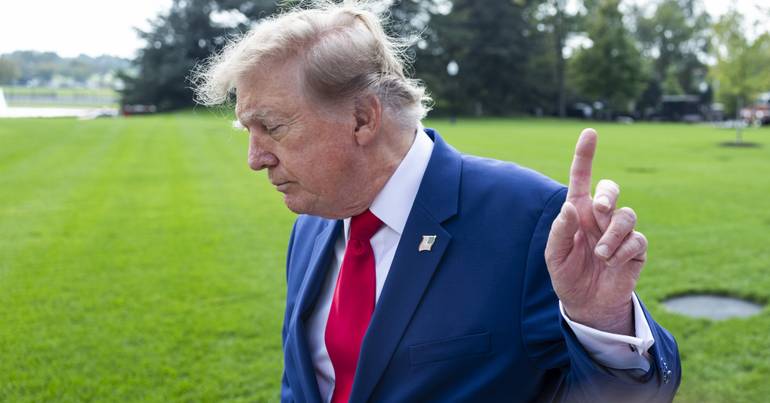
Elon Musk, seen here with President Donald Trump last month, is bankrolling Republican campaigns.
Bloomberg/Getty Images
Elon Musk is giving reams of cash to Republicans.
Most of that dough is ending up in Texas, according to financial disclosure forms.
In Texas, Ken Paxton is running a tight race against James Talarico.
Elon Musk is forking over generational wealth to Republicans facing tough midterm elections this cycle.
Over two donations in September, Musk gave a combined $158 million to the Senate Leadership Fund, a super PAC aligned with Senate Republicans, which has, in turn, given reams of cash to funds supporting the Republican candidate in Texas.
The money, shown in new federal disclosure forms, cements Musk as a major player in Republican politics over a year after he publicly split with President Donald Trump over the latter's handling of the Epstein files (though the two have since reconciled).
Republicans are facing serious headwinds over the Iran war, rising inflation, and sky-high gas prices. Polls show that American voters are largely dissatisfied with Trump's leadership and handling of the economy.
All told, Musk has given about $276 million since July. Much of Musk's political donations have ended up in Texas, according to federal disclosure forms, where embattled Attorney General Ken Paxton is engaged in a mudslinging battle for the Senate with state representative James Talarico.
One day after Musk notched a $75 million donation to the Senate Leadership Fund, the Super PAC gave a $75 million donation to the Texas PAC, a group aligned with Paxton.
Then, also in September, another $83 million donation by Musk was matched the next day by an identical donation to the Texas PAC, according to federal disclosure forms.
Talarico's campaign, meanwhile, has raised about $129 million.
Musk's companies are already investing billions in the Lone Star State, as the business magnate builds SpaceX's terafab semiconductor facility outside Houston.
In 2024, Musk announced that he was moving SpaceX's headquarters from California to Texas in response to Gov. Gavin Newsom's policies on gender identity.
Representatives for Paxton and Musk did not immediately respond to requests for comment on Saturday.
Musk, the CEO of SpaceX and Tesla, said last year that he had probably "done enough" political spending, though he left the door open.
"Well, if I see a reason to do political spending in the future, I'll do it. I don't currently see a reason," he told Bloomberg at the time.
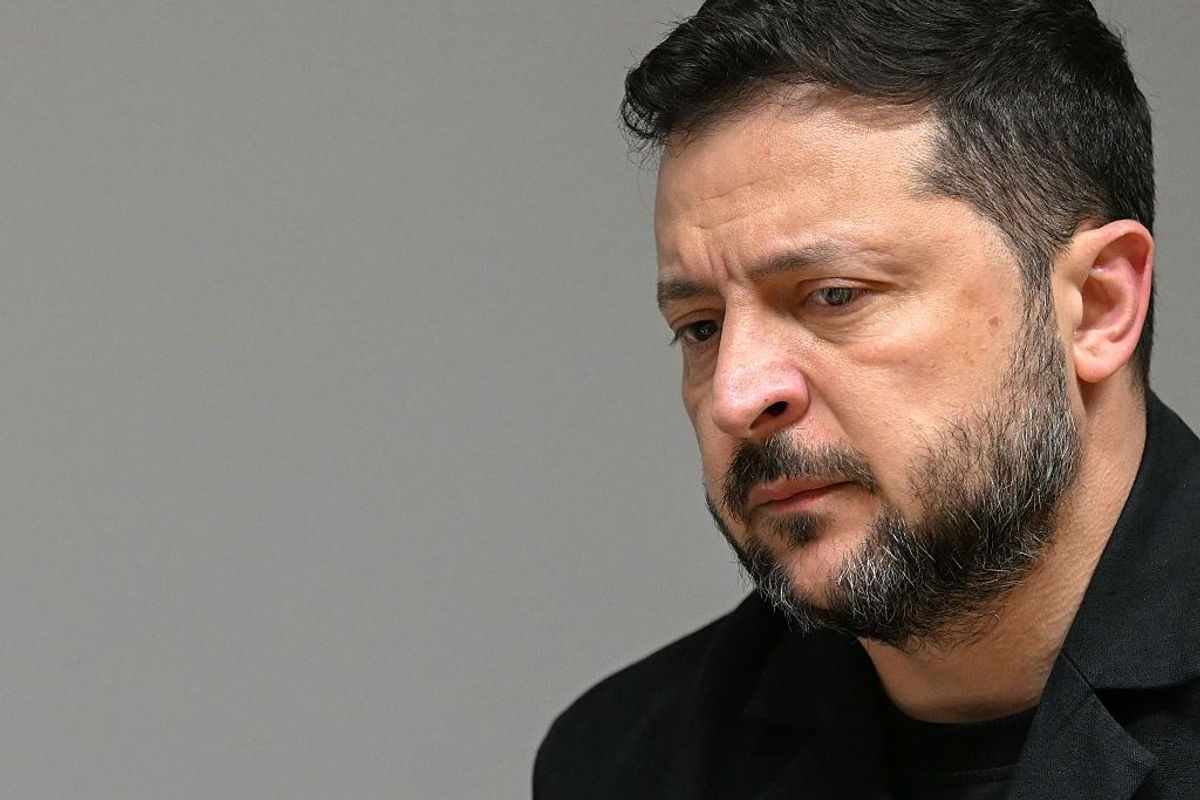
Zelensky called the restrictions a "planned operation" targeting Ukraine, noting that Starlink speed limits remain in effect in Ukraine but not in EU countries.
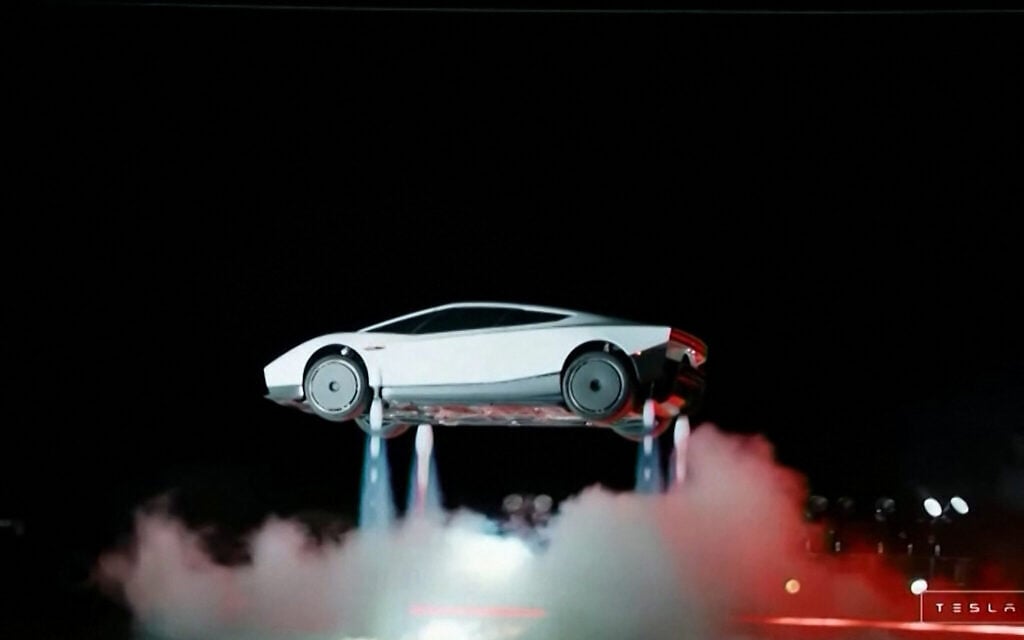
On Thursday, CEO Elon Musk took the covers off the latest version of Tesla's halo sports car and said the EV maker is eyeing production in 2028.
It's the second time the company has unveiled a prototype vehicle that it says will carry on the Roadster nameplate. In 2017, Musk unveiled a smoother-looking and very different type of Roadster.
The 2017 Tesla Roadster prototype.
Tesla
The 2017 version simply drove onto a stage next to Elon, then spun its tires and raced away. The 2028 version — on a track placed a safe distance away from spectators — drove up a vertical wall, hung upside down, hovered in the air, and did a "kick flip" over a line of other Teslas.
Turns out, a lot can change in nine extra years of product development.
A lot of the nuts and bolts powering the Roadster changed — and so did the car's metrics. So, we put together a chart comparing Tesla's old Roadster promises with the new ones.
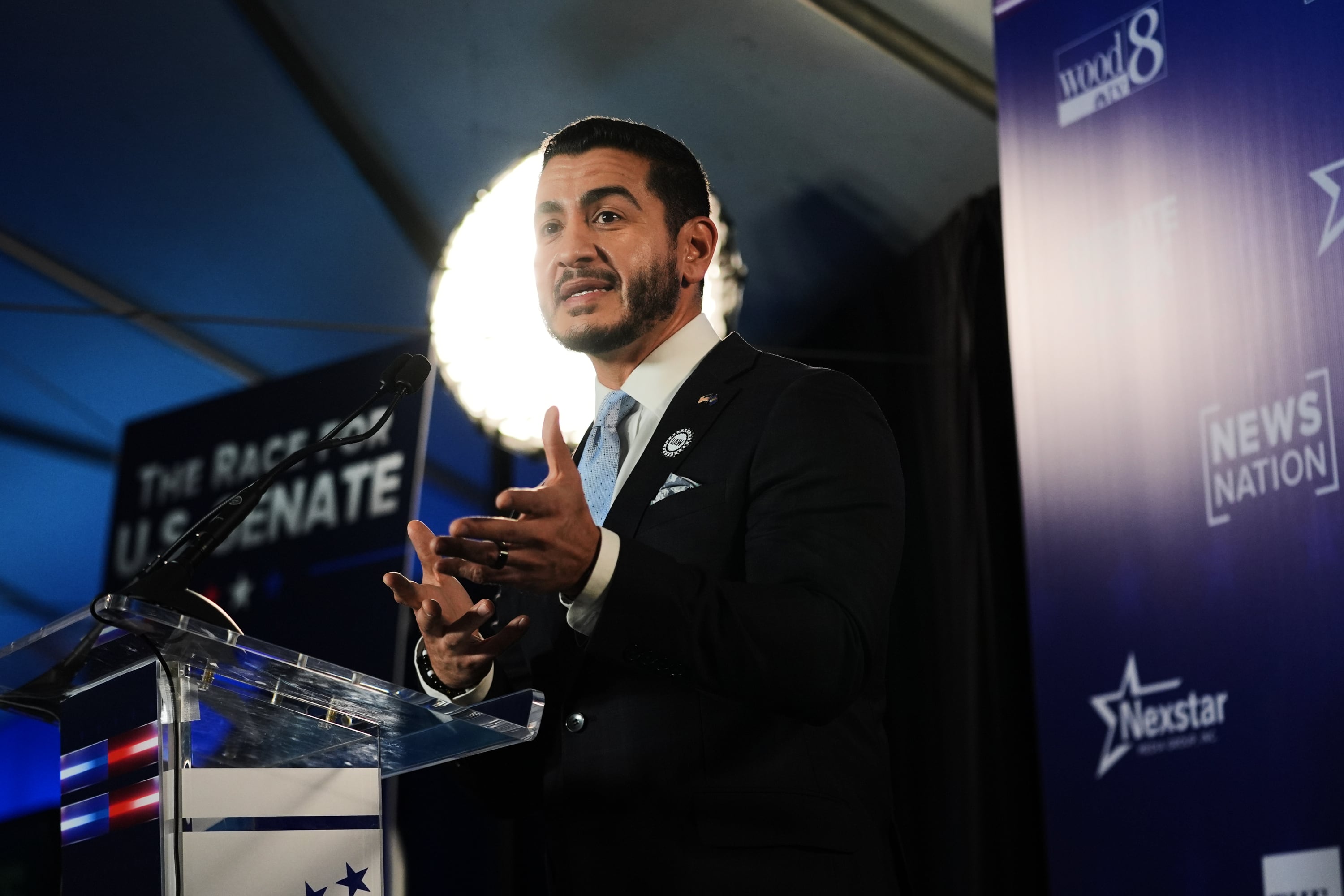
There is still over an hour before the protagonist appears, but the line already wraps around the block. Dozens of people wait patiently for their turn to see the man who has become the great hope of the Democratic left wing. When he begins to speak, pandemonium breaks out: “My name is Abdul El‑Sayed and I am going to be your next senator in Washington.” Over the next hour, the hundreds gathered in this venue will applaud, laugh, and cheer every word from the mouth of the new star of American politics, who has already made a fitted black T‑shirt and jeans his trademark look. We are in Lansing, Michigan’s capital, where one of the most gripping battles of the midterm elections — just over two weeks away — is being fought.
Abdul El‑Sayed, Democratic candidate for U.S. senator from Michigan, last Thursday after debating Republican Mike Rogers in Grand Rapids, United States.
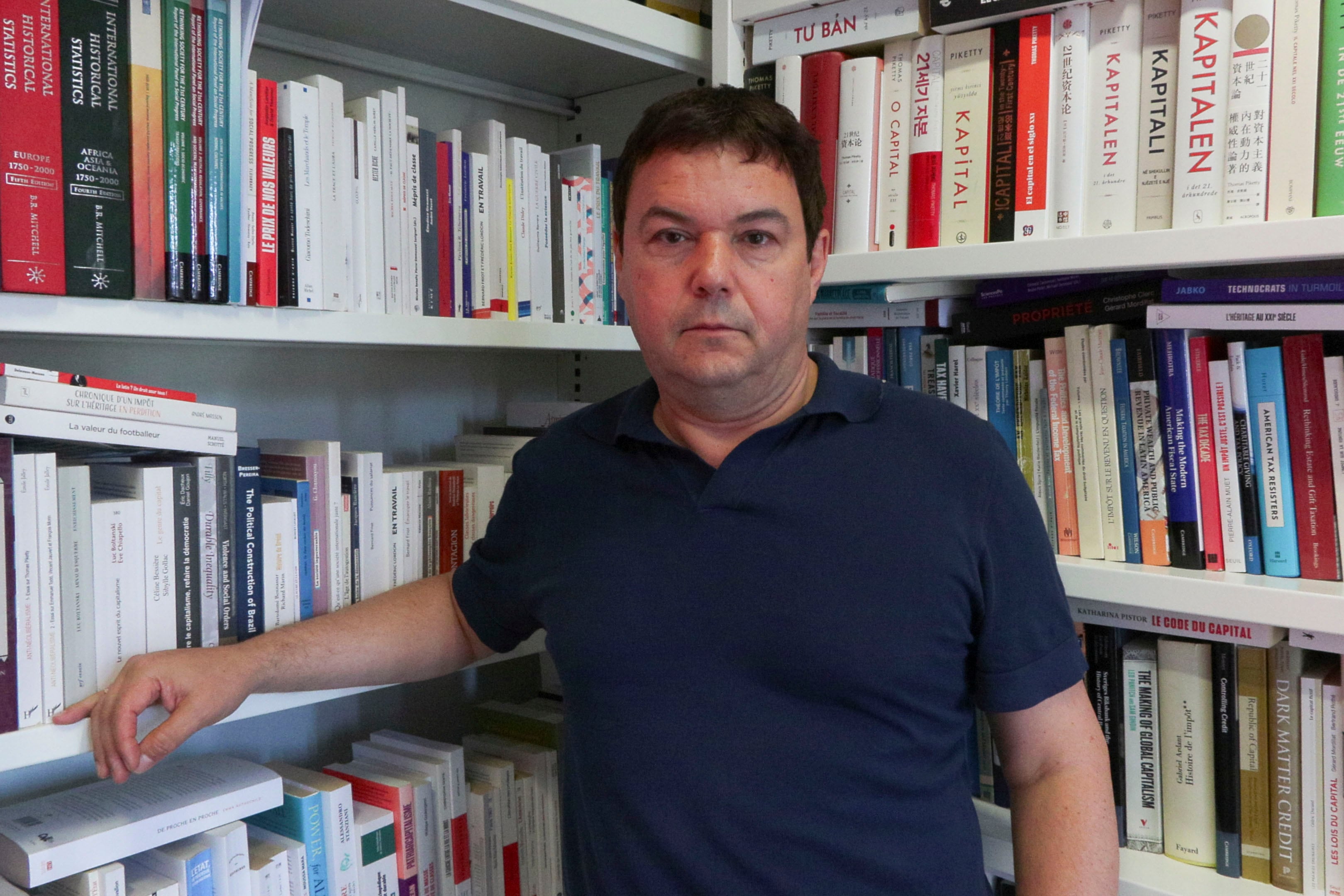
Most of the planet with incomes equivalent to €5,000 a month (nearly $5,600) by 2100. Average temperatures only 1.8 degrees Celsius above preindustrial levels. Less meat, industry and mining. More health care and education. And who would lose out? The world’s Jeff Bezos, Larry Ellisons and Elon Musks. A tiny group of billionaires representing 0.001% of the population would see their share of global wealth fall from the current 6.4% to 0.05%, while the poorest 50% of the planet would rise from holding just 2% to 30%.
Velocidade cortada de 400 para 70 km/h impediu Kiev de abater drones Shahed. Trump diz que "não foi ele" nem Musk. Zelensky admite que sistema ainda não foi totalmente reposto.
 Login