❌

Reading view

Watch: JD Vance Checks on Woman Who Collapsed at Rally, Leads Crowd in Prayer for Her

Vice President JD Vance led a crowd in prayer after he checked on a woman who experienced a medical event and collapsed during a Thursday rally in Nebraska.

The post Watch: JD Vance Checks on Woman Who Collapsed at Rally, Leads Crowd in Prayer for Her appeared first on Breitbart.

  •  

Carville says he still believes Trump will quit by Easter

Democratic strategist James Carville doubled down Wednesday on his prediction that President Trump will leave office by Easter next year. Fox News’s Laura Ingraham asked Carville during an interview on “The Ingraham Angle” if he stuck by the prediction he made earlier this year and why. Carville said he does, adding that Trump’s “not particularly…

  •  

Abdul El-Sayed Funded by Fellow Co-Signers of Muslim Brotherhood Support Letter

Michigan Muslim Socialist Abdul El-Sayed received over $25,000 from at least six men who co-signed a letter supporting the Muslim Brotherhood.

The post Abdul El-Sayed Funded by Fellow Co-Signers of Muslim Brotherhood Support Letter appeared first on Breitbart.

  •  

Ramaswamy’s new ad is the most vile Hail Mary I’ve seen in my 40 years of journalism

In political campaigns’ waning days, candidates behind in their races may hope for an October surprise, like a news story or a gaffe in their favor, to propel them to victory.

Particularly panicked campaigns, however, may reject waiting for the organic October surprise in favor of tossing a Hail Mary. I’ve been in journalism for more than 40 years, and I’ve never seen a Hail Mary as desperate, vicious and vile as the one released this week in Ohio by gubernatorial candidate Vivek Ramaswamy.

The Republican nominee has spent his campaign portraying his Democratic opponent, Dr. Amy Acton, as a mentally unstable and violent drunk who is unfit for office.

Portraying an opponent as trigger-happy or lying about her faith is one thing. Going after a sexual abuse survivor is quite another.

In a normal election cycle, that would be repulsive enough, but this week, a video appeared on social media featuring Donna Arthur, Acton’s estranged mother. In the video, after touting her work with sexual abuse survivors, Arthur says her daughter has a “serious problem: She is a liar … She has lied her entire life.”

Writing what Arthur said doesn’t do justice to the wickedness of the spot. Acton is a victim of sexual abuse. Her stepfather, Cledith Arthur, was arrested and indicted by a grand jury in 1978 for raping Acton, who was 12 at the time. Donna Arthur lost custody of Acton and her brother, but she stayed married to Cledith Arthur, who reportedly fled after the indictment and died in 2004 in Pennsylvania. Donna Arthur had not spoken to Acton or her brother in nearly 50 years.

That’s the cliff notes version of a painful family history — and Ramaswamy is looking to capitalize on the agony. Back in April, he appeared to criticize Acton for being sexually abused when he said that he had “a positive vision for our state versus a governor who has none at all other than to complain about what someone else did to her.”

The video caused a firestorm that repulsed Democrats and Republicans. Ohio Gov. Mike DeWine asked Ramaswamy to take down the ad. Sen. Jon Husted, R-Ohio, who is in a close race against former Sen. Sherrod Brown, said that he “would not have run” the ad.

The backlash seems to have only fueled Ramaswamy, however. He acknowledged his campaign was behind the video and will spend $4 million to further advertise it. At a rally for Ramaswamy and Husted, Vice President JD Vance said he was “disgusted” by Republicans “whining” about the ad. Republicans should be more concerned with winning, he argued, echoing remarks Ramaswamy made about the domestic abuse allegations against Rep. Max Miller, R-Ohio. And on Thursday, President Trump defended the ad while calling DeWine “disloyal to the Republican Party.”

Perhaps Ramaswamy has no other tactic. A recurring pattern in his campaign is an emphasis on character assassination instead of issues.

Sometimes Hail Mary ads work. In 1964, Lyndon Johnson’s campaign commissioned the “Daisy” ad, which showed a little girl holding a flower before she’s killed by a nuclear blast. It only aired once, but subsequent news coverage frequently repeated the commercial, spotlighting Republican Barry Goldwater’s controversial views on the use of low-grade nuclear weapons. “Daisy” was the nail in the coffin of Goldwater’s campaign, and a landmark in political advertising.

But most times, Hail Marys fail. In 2008, the campaign of Republican Elizabeth Dole released an ad attacking Democrat Kay Hagan, her challenger for a North Carolina Senate seat. The ad questioned Hagan’s faith in God and featured statements from atheists. That might have been effective, but Hagan was a Sunday school teacher and elder in her church. The ad backfired, and Hagan won.

Portraying an opponent as trigger happy or lying about her faith is one thing. Going after a sexual abuse survivor is quite another.

Donna Arthur calls the daughter she had not seen in decades a “liar,” using the same innuendo Ramaswamy did when he said Acton was simply complaining about what happened to her before she was even a teenager. Doubting victims of sexual assault is bad enough, but using their pain and suffering for political gain is a low point in American politics.

Yet perhaps Ramaswamy has no other tactic. A reoccurring pattern in his campaign is an emphasis on character assassination instead of issues. One ad featured a woman accusing Acton, who ran the Ohio Department of Health during Covid-19, of being responsible for her 88-year-old mother’s death. The mom, however, lived in Kentucky. Other ads from Ramaswamy-aligned PACs have accused Acton of lying on her medical license application and abusing alcohol and prescription drugs. The Acton campaign has rebutted the allegations, and media outlets have found multiple claims “that are unsupported by the facts.”

“It’s not surprising that Vivek Ramaswamy has stooped to such a despicable low as to attempt to turn the sexual abuse Amy endured at 12 years old from our birth mother’s husband into a political talking point,” Philip Stearns, Acton’s brother, said in a statement.

But it should be surprising. Men continue to marginalize women who have experienced an unimaginable violation. These women demand support. Full stop.

I’ve been a reporter and editor, run the largest (at the time) journalism organization in the country and covered my share of elections. The Ohio gubernatorial contest is gutter politics at its best. The Ramaswamy ad featuring a mother who supported her husband over a preteen daughter who said he raped her is the worst I’ve ever seen. Let’s hope it doesn’t get worse from here.

The post Ramaswamy’s new ad is the most vile Hail Mary I’ve seen in my 40 years of journalism appeared first on MS NOW.

  •  

Thursday’s Campaign Round-Up, 10.22.26: GOP opposition to Ramaswamy attack ad grows

Today’s installment of campaign-related news items from across the country.

* In Ohio’s closely watched gubernatorial race, JD Vance publicly urged Republicans to stop criticizing GOP nominee Vivek Ramaswamy’s abhorrent attack ad, but a growing chorus of conservatives is ignoring the vice president’s appeal.

On Thursday morning, Republican Gov. Mike DeWine of Ohio denounced the ad featuring the estranged mother of Dr. Amy Acton, the Democratic nominee, calling it “deeply, deeply troubling.” The governor added, “It’s wrong to run this ad. I would urge Ramaswamy’s campaign to take this down.”

The comments came a day after Ohio Secretary of State Frank LaRose, a Republican who is running for state auditor, similarly said during a local radio interview, “I probably wouldn’t run an ad like that, but every candidate gets to make their own decision.”

For his part, President Donald Trump defended the ad and said it doesn’t have “anything to do with” Ramaswamy, despite the fact that the Republican candidate’s campaign created and aired the ad.

Trump on Vivek Ramaswamy's ad featuring Amy Acton's estranged mother:I don't know anything about it. It's a very unusual situation to have a mother hate a daughter that much. But I don't think that has anything to do with Vivek.

— FactPost (@factpostnews.bsky.social) 2026-10-21T20:57:12.498374172Z

Hours after the president’s comments, the latest Fox News poll found Acton narrowly leading Ramaswamy, 50% to 48%, though the poll was conducted before the latest controversy.

* Speaking of Ohio, in the state’s closely watched U.S. Senate race, the aforementioned Fox News poll found former Democratic Sen. Sherrod Brown with a 5-point advantage over appointed Republican incumbent Sen. Jon Husted, 52% to 47%.

That said, Brown is facing a daunting new challenge: Politico reported that a super PAC funded by the cryptocurrency industry is dumping an additional $9 million into the effort to defeat him, raising the group’s total spending in the race to a staggering $55 million.

* Though Mississippi was assumed to be a safe red state, Trump’s political operation confirmed that the president will hold a rally Monday in the hopes of boosting Republican Sen. Cindy Hyde-Smith, who’s facing an unexpectedly tough challenge from local prosecutor Scott Colom, the Democratic nominee.

The news coincides with an Axios report that said Senate Republicans are so concerned about the Mississippi race that it’s “weighing a cash infusion” for the contest.

* In Minnesota’s closely watched U.S. Senate race, The Wall Street Journal reported Wednesday that Democratic U.S. Senate nominee Peggy Flanagan did not qualify to be a member of Phi Beta Kappa when she graduated from college, as she had previously claimed, but Phi Beta Kappa soon after provided evidence of her membership in the academic honor society, defusing the story.

* And it appears New York’s gubernatorial race is slipping away from Republicans: The latest Quinnipiac University poll found Democratic Gov. Kathy Hochul with a double-digit lead over GOP nominee Bruce Blakeman, 55% to 41%.

The post Thursday’s Campaign Round-Up, 10.22.26: GOP opposition to Ramaswamy attack ad grows appeared first on MS NOW.

  •  

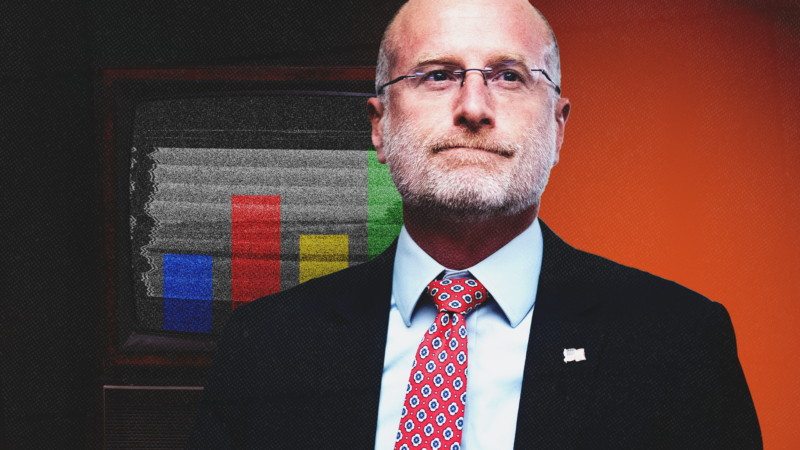
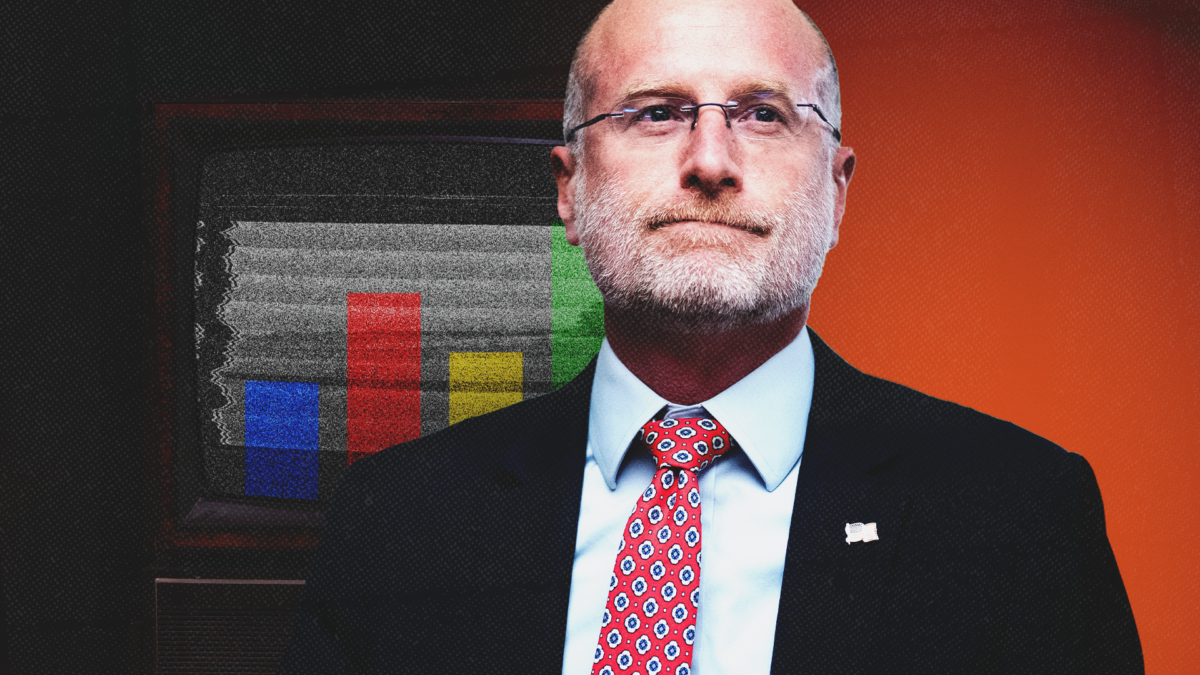
FCC Chair Brendan Carr Echoes Trump, Threatens Broadcasters Over 'Fake Polls'

FCC Chairman Brendan Carr and opinion polls | om Williams/CQ Roll Call/Newscom/Migfoto/Dreamstime/Mariam Zakaidze

Once again, a member of President Donald Trump's administration is threatening to punish private citizens for their speech using the power of the government.

Specifically, the chairman of the Federal Communications Commission (FCC) threatened broadcasters who dare to report on polls the president doesn't approve of. Even if the complaint were valid, it would be difficult to enforce without violating the First Amendment.

"During this election season, there has been a significant surge in entirely Fake Polls and Suppression Polls designed to do nothing more than interfere with the regular functioning of the electoral process and alter the normal patterns of voter turnout and enthusiasm," FCC Chairman Brendan Carr wrote on X. "Many journalists and broadcasters have been amplifying or airing these Polls without regard to basic journalistic ethics and without informing the public that those Polls lack a scientific, accurate, or even real basis."

Carr is directly adopting Trump's terminology, in addition to his erratic capitalization: The president often uses the term suppression polls to describe surveys that don't reflect in his favor. The implication is that these polls are manufactured to conceal or downplay enthusiasm for Trump or his preferred candidates, making it less likely that his supporters will turn out if they think it's a lost cause.

Carr doesn't single out any offenders, though there are some likely examples. This week, purported pollster Wedgewood Polls revealed that as part of an "experimental project," it had released surveys with "fabricated numbers" that were printed by outlets like FiftyPlusOne (which sussed out the fraud) and The New York Times.

Similarly, in August, Median Strategies withdrew two polls, then revealed that it had fabricated the results for a "social experiment."

Each scenario is deplorable. And depending on what promises were made, it's possible one firm or the other could face legal consequences.

But it's hard to see how a news outlet could face legal reprisal for just reporting the results of a survey it thought was conducted accurately.

"The FCC takes these issues seriously," Carr added. "Broadcasters are prohibited by the terms of their federal licenses from engaging in News Distortion or promoting Broadcast Hoaxes. It is important that broadcasters comply with their public interest obligations."

There are indeed rules against news distortion and broadcast hoaxes, but they're narrowly tailored to avoid conflicting with the First Amendment.

"News distortion 'must involve a significant event and not merely a minor or incidental aspect of the news report,'" according to the FCC. In addition, "broadcasters are only subject to enforcement if it can be proven that they have deliberately distorted a factual news report. Expressions of opinion or errors stemming from mistakes are not actionable."

The hoax rule, on the other hand, is even less applicable: It involves "broadcasting false information concerning a crime or a catastrophe," where the broadcaster "knows this information is false" and can foreseeably "cause substantial public harm" but airs it anyway, and the broadcast then "does in fact directly cause substantial public harm."

In other words, neither standard applies to a broadcaster that covered an inaccurate poll, especially without knowing at the time that it was wrong.

"Pollsters who intentionally mislead the public should answer for it, but broadcasters who report publicly available polling data should never be punished when a poll is wrong," Anna Gomez, the lone Democratic FCC commissioner, wrote on X. "FCC rules on news distortion or hoaxes do not apply to a station that reports this data in good faith."

Carr doesn't specify what he thinks should happen to any offenders, though since he tends to define "public interest" as whatever Trump says, we can make an educated guess.

Right before the 2024 presidential election, The Des Moines Register published a poll that found then–Vice President Kamala Harris leading Trump in Iowa by three percentage points. Trump ended up winning the state by 13 percentage points, but he was apparently so upset by the poll that he sued both the Register and pollster Ann Selzer, claiming the inaccurate survey constituted "brazen election interference" that violated the Iowa Consumer Fraud Act.

It was clear at the time that the lawsuit was completely meritless. Just as Carr suggested this week in his social media post, Trump was trying to create an exception to the First Amendment for "fake news."

"In the United States there is no such thing as a claim for 'fraudulent news,'" Robert Corn-Revere, chief counsel at the Foundation for Individual Rights and Expression, wrote in a motion on the defendants' behalf. "No court in any jurisdiction has ever held such a cause of action might be valid, and few plaintiffs have ever attempted to bring such outlandish claims."

A judge agreed and dismissed the lawsuit last month.

"If someone is accurately reporting the results of a poll, that wouldn't be a false statement," UCLA law professor Rick Hasen told The Washington Post at the time. "The poll might have errors in it, but that wouldn't be a false statement."

That's as true then as it is now. Unless he can somehow prove that a broadcaster knew a pollster had faked a survey, there's no way Carr can punish someone for reporting on the results without running afoul of the First Amendment.

"Brendan Carr is not the journalism police. And he is just about the least qualified person in the country to lecture the press about journalistic ethics," Seth Stern, chief of advocacy at the Freedom of the Press Foundation, said in an emailed statement. "News broadcasters have a First Amendment right to report polling data, even if it proves to be inaccurate, just like they have a First Amendment right to report on Carr and Trump's own countless lies and distortions, even when they turn out to be inaccurate. FCC policies about hoaxes and distortions must be applied narrowly to avoid clashing with the Constitution, if they can be constitutionally applied at all."

The post FCC Chair Brendan Carr Echoes Trump, Threatens Broadcasters Over 'Fake Polls' appeared first on Reason Magazine.

  •  

Social Security Administration pushes yet another Trump-centric message as elections approach

In July several Democratic senators wrote to Social Security Commissioner Frank Bisignano with a specific concern. The agency he leads, they wrote, has sent “unsolicited” messages to Social Security recipients, pushing misleading statements about Donald Trump.

“You are misusing official resources to heap praise on him,” the letter said, adding that the Social Security Administration appeared to be “bombarding Americans with blatantly partisan emails” touting the president.

If Bisignano saw the letter, he apparently didn’t care.

On Thursday morning, with less than two weeks remaining in the election cycle and with early voting underway across much of the country, the Social Security Administration sent out yet another political message, which began:

Last year, President Donald J. Trump signed into law the Working Families Tax Cuts, which included a historic tax cut for America’s seniors. That law also created Trump Accounts, individual investment accounts for America’s children designed to grow with the U.S. economy and build long-term savings.

Today, nearly 70 million Trump Accounts are open for all American children. … Trump Accounts are one of the most significant investments in the next generation of Americans in our nation’s history, by giving every American child a stake in our country’s success and a strong financial foundation for the future.

The relatively brief email referenced the president’s surname 10 times.

It also misnamed the Republicans’ domestic policy megabill: At Trump’s insistence, the GOP package was named the One Big Beautiful Bill Act. Republicans later decided that name wasn’t doing them any favors, so party officials were told to start referring to the package as the “Working Families Tax Cut Bill” or the “Working Families Tax Plan” as part of a clumsy rebranding, which the Social Security Administration has apparently embraced as part of its election-season messaging.

Making matters worse is the broader pattern. In early July the Social Security Administration sent out an unsolicited email celebrating Republican tax breaks — it referred to Trump, by name or title, six times in a five-paragraph email — which followed related political emails to Social Security beneficiaries in July 2025 and August 2025.

Americans need to be able to rely on ostensibly apolitical federal agencies for accurate information, free of partisan taint. When the public sees Trump rant online or during a media interview, most probably realize it’s best to approach his nonsense with skepticism.

But when people get unsolicited official statements from the Social Security Administration, they should be able to have some confidence that the agency isn’t trying to lobby them with political messaging.

And yet, here we are, watching the SSA join a list of politicized agencies, being used as partisan tools in the White House’s political toolbox, creating a dynamic in which many Americans are likely to approach the next message they receive from the government about Social Security with some skepticism.

This post updates our related earlier coverage.

The post Social Security Administration pushes yet another Trump-centric message as elections approach appeared first on MS NOW.

  •  

‘Just how low’ is the GOP willing to go, Nicolle Wallace asks after Vance defends Ohio ad

Nicolle Wallace blasted Ohio gubernatorial nominee Vivek Ramaswamy and other Republicans for doubling down on what she called a “despicable” campaign ad that targeted his Democratic opponent, Amy Acton. On Wednesday’s “Deadline: White House,” Wallace questioned “just how low” some Republicans, including Vice President JD Vance, were willing to go.

While campaigning in Ohio on Wednesday on behalf of Ramaswamy, whom Vance said he considers a friend, the vice president defended the ad. The video features Acton’s estranged mother accusing her daughter of lying about her childhood. (When Acton was 12, she testified before a grand jury against her stepfather, who was later indicted on charges of raping her. He left the state and never went to trial. Acton’s mother remained by his side until his death in 2004.)

Vance, who represented Ohio in the Senate before becoming vice president, said he was “disgusted” by the backlash and characterized Republicans’ criticism of the ad as “whining.” On Thursday, Ohio Gov. Mike DeWine, a Republican, denounced the video and urged the Ramaswamy campaign to take it down. (He stopped short of rescinding his endorsement, however.)

By appearing with Ramaswamy and offering a full-throated defense of the video, Wallace said, Vance was “normalizing” that kind of rhetoric. “He could have canceled his appearance,” she said of Vance, “but he didn’t.”

The broader silence, and support for the ad from some Republicans, left Wallace stunned. “Just how low should we be prepared for this to go?” she asked. “And can I stop preparing myself for that? The answer is no, because if you look to Ohio’s governor’s race for the answer, it would suggest that the bottom isn’t there — that it’s truly bottomless in the MAGA Republican Party.”

The MS NOW host said she had “vowed every year” since Donald Trump first took control of the Republican Party that she would “stop being shocked and horrified,” but she confessed that Ramaswamy’s ad had resulted in just that. “This is, for me, one of the most disturbing stories that I’ve covered over the last decade, and it is very much what Trump has ushered in,” she said.

Wallace added that if there were any “gravity” in U.S. politics, Vance’s comments would be “disqualifying” and put any future presidential campaign in jeopardy. But, she said, the country was not living in “normal times.”

You can watch Wallace’s full commentary in the clip at the top of the page.

The post ‘Just how low’ is the GOP willing to go, Nicolle Wallace asks after Vance defends Ohio ad appeared first on MS NOW.

  •  

Marine Le Pen The Only Presidential Candidate to See Support Rise in Wake of French Riots

The wave of Islamo-leftist unrest in France has apparently redounded to the benefit of National Rally leader Marine Le Pen, who is the only presidential candidate to see their poll numbers climb after the outburst of violence last weekend.

The post Marine Le Pen The Only Presidential Candidate to See Support Rise in Wake of French Riots appeared first on Breitbart.

  •  

Wes Moore: 'Donald Trump Ran for President to Become a Dictator'

Wednesday on MS NOW’s “The Briefing,” Gov. Wes Moore (D-MD) said “Donald Trump ran for president to become a dictator.” Moore said, “Well, I think, you know, when I think about difficult times in our society has faced, you know, there’s

The post Wes Moore: ‘Donald Trump Ran for President to Become a Dictator’ appeared first on Breitbart.

  •  

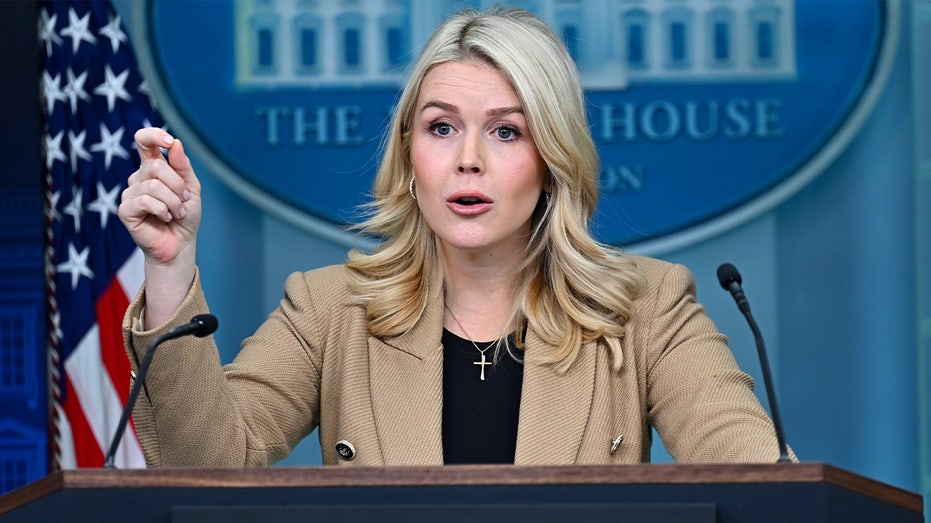
Leavitt opens up on helping Trump find new press secretary after Zacharia debacle: 'Was not for her'

MANCHESTER, N.H. - Former White House press secretary Karoline Leavitt says she is helping President Donald Trump choose his next press secretary after his first pick for the job lasted just five days.

"I've offered my help to the president to help him select someone who can serve him and the country well," Leavitt said Wednesday evening in an exclusive interview with Fox News Digital.

Leavitt served as Trump's press secretary from the start of the president's second term until Aug. 27, when she stepped down from the demanding role to spend more time with her two young children, including a daughter who was born in May.

Her successor, political commentator Katie Zacharia, took over earlier this month, but lasted just five days in the role, making her the shortest-serving White House press secretary in U.S. history.

TRUMP'S NEW PRESS SECRETARY OUT OF A JOB JUST DAYS AFTER ROCKY DEBUT

"White House press secretary is a tough job. I know that because I did it, obviously for almost two years, and many people say it's one of the hardest jobs in politics," Leavitt emphasized.

She noted that the job "takes a lot of preparation and sometimes you don't know how someone will perform until they go out there."

"We wish Katie the best. The job obviously was not for her, but we wish her and her family well," Leavitt added.

When it comes to whom Trump will choose next for the position, Leavitt said the president "is continuing to look over options. There's a lot of people who want that job. It's an amazing job. It provides you with incredible opportunities."

SIGN UP TO GET THE POLITICS NEWSLETTER

Asked what advice she's offered to Trump, Leavitt said, "I'll keep my private counsel to the president private, but I do obviously talk to him about what the job entails, and he knows it very well."

"Nobody understands the press better than Donald Trump. He knows he needs someone who is tough, who is smart, who understands his policies, who is loyal, and who can go out there and put up a fight," she added.

Leavitt, a New Hampshire native, served as an intern in the Trump White House after graduating from Saint Anselm College in 2019. She later became an assistant White House press secretary at the end of Trump's first term.

After Trump's defeat in the 2020 presidential election, Leavitt worked as communications director for Republican Rep. Elise Stefanik of New York. She then served as spokeswoman for the Trump-aligned super PAC MAGA Inc. before taking over as press secretary for Trump's 2024 presidential campaign.

After being named White House press secretary following the 2024 election, Leavitt made history as the youngest person ever in the role.

DEMOCRACY ’26: STAY UP TO DATE WITH THE FOX NEWS ELECTION HUB

Leavitt also ran for Congress in 2022, winning a heavily contested GOP nomination in New Hampshire's 1st District before losing the general election to incumbent Democratic Rep. Chris Pappas.

Asked if she might make another run for public office in her home state when Democratic Sen. Maggie Hassan is up for re-election in 2028, Leavitt quickly said, "No, I'm all set. I don't have any plans to run for office in the near future at all, or in the future at all."

CLICK HERE TO DOWNLOAD THE FOX NEWS APP

"I am home with my family, and we're really excited about that," she explained. "Right now I'm really focused on being a wife and a mother to my two very young children. That's why I made the decision to leave Washington. So we're just happy to be home and enjoying the ride."

Leavitt officially becomes a Fox News contributor at the start of November.

  •  

As Trump celebrates violence against protesters, it’s like 2016 all over again

Many of Donald Trump’s recent campaign rallies have been interrupted by protesters, but as MS NOW reported, the president’s Wednesday night rally in South Carolina, intended to rescue appointed Republican Sen. Darline Graham, featured an unusually high number of disruptions. From the article:

The effort was an uphill battle from the start, and it didn’t get easier. … Roughly five minutes into Trump’s speech, security escorted at least four protesters out of the event, with that number rising to at least 11 by the end of the 93-minute remarks. About 20 minutes into the speech, an attendee appeared to punch a protester on the floor directly right in front of Trump. As those involved were escorted out, Trump remarked on the altercation.

“Wow, thank you, that was great, man,” Trump said. “I love — I watched that. Man. You know I watched that, I saw that. That was incredible. Wow.”

The president added, in apparent admiration, “Who was the guy that threw that punch? Who threw that punch?” After identifying the pugilist who hit a protester, Trump said, “You know, you reminded me of Evander ‘The Real Deal’ Holyfield,” referring to a retired professional boxer.

The Republican went on to celebrate the fact that the protester “got whacked.”

Trump effusively praises his supporters for punching a protester:Who's the guy that threw that punch? You reminded me of Evander "The Real Deal" Holyfield. That guy stood up and he just got whacked. Man! Evander, he wants your autograph! Don't fight him, Evander, don't fight him!

— FactPost (@factpostnews.bsky.social) 2026-10-21T23:53:16.857158105Z

If this sounded a bit familiar, it’s not your imagination. In June 2017, after then-White House press secretary Sarah Huckabee Sanders argued that the president had never “promoted or encouraged violence,” The Washington Post published an analysis that characterized the claim as “laughable,” adding, “Even if you don’t believe Trump has technically incited violence (which he has been sued for), he clearly nodded toward violence at his campaign rallies. Sometimes it was veiled; other times it was unmistakable. Sometimes he was talking about self-defense, but it was clear he was advocating for a ‘form of violence.’”

In February 2016, for example, Trump offered some advice to supporters in Iowa. “[I]f you see somebody getting ready to throw a tomato, knock the crap out of him, would you? Seriously, OK, just knock the hell,” he said. “I promise you, I will pay for the legal fees; I promise, I promise.”

A month later, in response to a protester at a rally, the then-candidate said, “Get him out. Try not to hurt him. If you do, I’ll defend you in court, don’t worry about it.”

Around the same time, after one protester was punched by one of the future president’s supporters, Trump declared, “Maybe he deserved to get roughed up.”

To be sure, many Americans are probably familiar with Trump downplaying Jan. 6 violence, but this is qualitatively different: A decade ago, the Republican offered tacit support for his followers assaulting protesters, and Wednesday night in South Carolina, he did it again, reinforcing concerns that he sees political violence as a legitimate response to detractors.

The post As Trump celebrates violence against protesters, it’s like 2016 all over again appeared first on MS NOW.

  •  

I'm independent Brian Bengs. This is why I want South Dakota's vote for Senate

I’m a retired military prosecutor, U.S. Air Force Academy instructor, and former Wind Cave National Park Ranger. I love the life that my wife and I have built in the Black Hills of South Dakota. I’m running for Senate as an independent because I’m tired of seeing Big Money overpower common sense. The values I learned growing up in a small rural town from my machinist father—the same values that built this great country—are being treated as though they matter less than a politician’s personal ambition or a billionaire’s appetite.

More than at any time in my life, I believe our political system needs to be shaken up and that We the People need to overcome the corrupting influence of Big Money. Self-dealing is screwing hard-working, honorable South Dakotans out of their chance to live the American Dream.

I’m convinced that term limits are the best way to do it. Here’s a good example of why I believe that. Last month it was reported that my opponent, Sen. Mike Rounds, allowed one of his top advisers — who’s drawing a 6-figure taxpayer-funded salary — to simultaneously work as a lobbyist for Meta. This adviser, also a former Rounds campaign manager, has been pushing Big Money interests in the halls of the South Dakota state capitol, then advising our U.S. Senator on the very same issues, on the very same day.

TRUMP VANISHES FROM GOP SENATOR'S CAMPAIGN WEBSITE AS POLL NUMBERS PLUNGE WEEKS BEFORE ELECTION

There ought to be a law prohibiting that sort of thing. That is why, when I’m elected, the first bill I’ll introduce is to make ALL lobbying by congressional staff illegal. I’ve had enough. My second bill would be term limits. Washington’s culture is so corrupt and out of touch that the people who live there too long don’t even realize it anymore.

It was also recently reported that Mike Rounds spends more taxpayer money on private jets than any other member of the Senate.

I’m not trying to dump on Mike.

I believe Mike Rounds is a good man. I’m not here to add to the name-calling and personal meanness that does nothing to solve the very serious problems our state and nation face. I’m here to say that Washington, D.C. needs to change. Most of us can agree our local communities are the ones who pay the price when an elected official stays in Washington too long. We're paying a huge price now.

I agreed with President Donald Trump when he ran on "no new wars." As a patriot who’s proud to have served in both the Navy and the Air Force, I believe commanders-in-chief have a duty to only send our fighting men and women into harm’s way when it’s absolutely necessary. I agreed with him when he said that we needed to fight to make life less expensive. Where I come from, a promise is a promise.

But now, every time I fill up my Ram 1500 at the Corner Pantry, I’m paying over $4.00 a gallon. When I buy groceries for my family at Sonny’s Super Foods, I’m paying more all the time—especially when I buy beef grown by the best ranchers in the world, right here in South Dakota. They are now having to compete with imports from South America that aren’t fairly labeled so that American consumers can know the difference.

The Indian motorcycles that my brother works to assemble are getting harder for Americans to buy because of tariffs that we were told would make American manufacturing stronger.

Sen. Rounds has voted in favor of the Iran war every time he’s had the opportunity. He voted for the tariffs that are hurting South Dakota’s economy. He voted to make the biggest healthcare cuts we’ve ever felt, just so that companies could get tax breaks to build data centers. Wired reports that Mike has now taken more campaign contributions from data center-tied interests than from all of South Dakota itself. Those corporate donors are literally getting our money’s worth.

Sen. Rounds has been in office so long that he voted for the law that made it so that grocery stores don’t have to tell us which country their meat came from. Now he says he wants to bring those rules back. We’ve reached the point where career politicians have been in office so long they’re running against the exact things they did.

CLICK HERE FOR MORE FOX NEWS OPINION

I’m not running to be an anti-Trump Senator or a pro-Trump Senator. I have plenty of disagreements with the left. It scares the hell out of me that young people are feeling a pull towards socialism. As a former Air Force prosecutor, I think proposals to "defund the police" and "abolish prisons" are insane. As someone who spent decades working to make America more secure, I thought President Joe Biden’s failure to keep our border secure was unacceptable and offensive.

CLICK HERE TO DOWNLOAD THE FOX NEWS APP

I’m running to put South Dakota first, and to work with anyone, whatever their politics, when it’s in the interest of our state. 

I was an ethics advisor in the Air Force. I know it’s not my job to judge people by their politics, but I do believe it’s my job to stand up against a system that isn’t going to fix itself.

  •  

As eleições brasileiras que poderiam ser em Portugal ou na EU

Eleições no Brasil, EUA e UE: esquerda identitária e direita antissistema desviam o debate do essencial — soberania e redistribuição de riqueza.

Junte-se a nós no Telegram , X e VK.

Escreva para nós: info@strategic-culture.su

As eleições brasileiras têm sido férteis na expressão dos estereótipos eleitorais mais comuns que, na sua esmagadora maioria, são responsáveis pelo acentuado resvalamento para uma política superficial, estéril em debate de soluções efectivas para o futuro colectivo, mas profundamente rica em estética carnavaleira, mais liberal ou mais conservadora, em acesa maledicência e numa tendência exacerbada para o insulto fácil ou até para as mais vis ofensas pessoais.

Nada que não se conheça dos EUA e da forma conservadora, tacanha, acanhada e recuada como aí é discutida a política nacional, em que uma e outra barricada evitam debater os assuntos realmente fracturantes, classificados de «radicais»; nem nada que não se conheça da velha Europa, cuja perda de qualidade da classe política em nada difere, hoje, do que se passa no Brasil, na Argentina ou noutras paragens marcadas pela submissão dos principais dirigentes políticos ao imperialismo anglo-sionista, ao poder imenso da oligarquia ou, em última análise, à necessidade de conciliação das políticas caseiras para com a agenda internacional do imperialismo.

Enquanto olhamos para uma esquerda apanhada, não raras vezes, pelo identitarismo individualista e liberal, assim desviada dos locais de trabalho, do chão de fábrica, dos dramas da exploração, que estão na base dos problemas mais profundos com os quais se debate a maioria da população, constatamos também uma direita que funciona como o outro lado da moeda: ao liberalismo nos costumes de parte da esquerda (a liberal), a direita responde com o conservadorismo; às promessas de justiça social da esquerda (a liberal), a direita responde com mais liberalismo e até “ultraliberalismo”. Uma e outra acabam por falar muito pouco do que interessa realmente, centrando-se muitas vezes em assuntos acessórios, mais ligados à estética do que à essência.

Não obstante, com um olhar atento, podemos sempre desenterrar o que se esconde por trás de um e outro panfletarismo. Uma das mais importantes temáticas em confronto hoje nas sociedades ocidentais – ou ocidentalizadas, como é o caso do Brasil, da América Latina e da Europa Latina – consiste na tensão entre soberania e submissão ao imperialismo anglo-sionista. Se, na Europa – nos casos de Portugal, Espanha ou Itália –, essa tensão é mediada por uma UE já submetida, que tende a funcionar como uma camada protectora das tensões nacionais e uma vez levantada a questão da soberania, a tendência é, das duas uma, ou vê-la como uma extensão da soberania europeia, o que esconde o real problema, ou vê-la como uma tentativa de discussão da saída da UE, o que ainda é visto como um tabu em alargados círculos de um campo ou outro; no Brasil, essa tensão fica mais exposta, uma vez que não existe uma União Americana para mediar as relações externas do país para com os EUA e Israel, os grandes representantes do imperialismo anglo-sionista.

E, neste caso, é interessante verificar que, do lado bolsonarista, de onde se poderia esperar a proposta nacionalista, tal não sucede, ou sucede muito residualmente, pois, mesmo quando sucede, a tentativa é desmascarada pelo excessivo apoio que as redes sociais norte-americanas dão à candidatura de Bolsonaro, ou pelas constantes ingerências de Trump e dos seus apaniguados no processo eleitoral brasileiro. Por muito que a direita quisesse mostrar-se como defensora da nação e da sua independência, o efusivo apoio dos EUA à candidatura em causa faria cair a máscara, pois os EUA – e Israel – nunca apoiariam com tanta veemência e de forma tão expressa quem não lhes fosse dócil. A omissão de Lula nos comandos algorítmicos de Silicon Valey acaba por denunciar qual dos dois candidatos é mais dócil aos interesses dos EUA.

Já do lado de Lula da Silva, aí sim, têm surgido as propostas mais demarcadas em matéria de defesa da soberania, mesmo que alguma dessa intensidade possa depois colidir com os ditames pragmáticos da realpolitik, ditados pela necessidade de conciliar com um centrão marcadamente pró-imperialista. De qualquer das formas, esta linha demarcadora existe, e parece-me pouco crível que alguém, no pleno uso das suas faculdades mentais, possa escolher um protegido de Trump para a defesa dos interesses soberanos do Brasil, em vez de um experiente conciliador, mesmo que não revolucionário.

Sabendo da importância que esta questão tem, depois, para a gestão e utilização soberana dos recursos endógenos e a sua afectação a um plano de desenvolvimento independente, parece-me de difícil defesa a escolha de Bolsonaro, no caso de pesar, nessa escolha, a questão soberana. Tal como na UE, também não é na direita que os soberanistas têm encontrado as melhores práticas, talvez com excepção de Viktor Orbán — que governou a Hungria durante dezasseis anos, até às eleições de abril de 2026 —, mas mais por necessidade de alinhamento com a Rússia e a China, em consequência das escolhas da UE em matéria energética e industrial, do que por necessidade de construção de um projecto de nação realmente soberano. Aliás, se mais provas fossem necessárias, tivemos o total alinhamento de Orbán com o sionismo para percebermos que o desencontro para com a UE era apenas tático, e não uma questão de fundo ou de defesa da soberania nacional. Nem por um momento Orbán renunciou à NATO nem se afastou de Israel e do sionismo — factores que usou como plataformas de sustentação contra a burocracia de Bruxelas. A submissão a Trump, essa, também foi explícita e verbalizada com o fulgor de quem via nele “um enviado de deus”!

Já no caso de Meloni, Babis e outros, a questão é a mesma: muita conversa, mas, no final, o mesmo alinhamento, o que deixa antever para onde virão a virar os partidos como a AfD. Perante as questões fundamentais, também estas alinharão, ou pela submissão a Bruxelas, ou pela submissão directa ao sionismo e ao imperialismo dos EUA. Outros, como Meloni, conseguem fazer um meio-caminho que, no final, tem as mesmas consequências sociais. No que conta realmente, os jovens continuam a deparar-se com o desemprego, a não conseguir casa, as infraestruturas a degradar-se, os direitos laborais sob ataque cerrado e os salários em desvalorização acelerada face ao aumento brutal do custo de vida. Não existe um local onde esta «nova direita» esteja implantada e sentada nas cadeiras do poder, onde isto não se passe.

Daí que subsista um outro paralelo importante entre as eleições brasileiras e o que se passa na Europa e no Ocidente em geral: quer no Brasil, quer nos EUA, quer na Europa, esta «nova direita» utiliza também a agenda identitária como linha divisória em relação à esquerda. Supostamente, a «esquerda» – liberal, acrescento eu – seria responsável por uma decadência dos costumes e dos valores culturais e religiosos, pela decadência social e moral dos defensores desta deriva «wokista».

Ora, esta demarcação tem funcionado como justificação para muitos que, tendo-se apresentado como críticos do sionismo, defensores da multipolaridade, anti-imperialistas e defensores das soberanias do Sul Global, vêm agora usar este suposto «wokismo» da esquerda para justificar a eleição de um representante da submissão ao imperialismo como Bolsonaro. Esta demarcação tem um problema: mais «wokista» do que o «wokista» é aquele que faz do wokismo a coisa mais importante da política, seja quando se está a favor, seja quando se está contra.

À esquerda, muitos não são capazes de identificar nas pautas excessivamente identitárias uma agenda individualista, fraccionária e fragmentadora das classes trabalhadoras, com origem nos próprios EUA, cujos serviços de manipulação de massas transformaram o ser «woke» (alerta para as injustiças sociais) numa espécie de panfletarismo identitário que extraiu ao movimento «woke» a dimensão classista e de redistribuição justa da riqueza que possuía e lhe deu uma panóplia de identidades em troca, transformando a preocupação com a igualdade, a justiça social e a liberdade – uma preocupação materialista e universalista – numa preocupação tribalista, individualista e, acima de tudo, desconectada da dimensão material, ou seja, da dimensão da justa redistribuição da riqueza produzida pelo trabalho.

Mas, à direita, quando se utiliza essa deriva tribalista e individualista como linha divisora, nega-se também o que distingue, de facto, a esquerda da direita. É que na matriz histórica que distingue esquerda de direita está a riqueza: quem a domina e como é repartida. De um lado, quem defende que a propriedade e a riqueza não devem ser a medida da liberdade e da iniciativa política e que todos os seres humanos devem ter direito a uma vida digna (universalismo) e, do outro, à direita, a plutocracia fisiocrática, ou seja, a ideia de que a liberdade e a capacidade de intervenção política devem medir-se pela riqueza que se tem. Daí que os sufrágios liberais assentassem numa lógica censo-censitária – ou seja, identitária –, em que o que contava era a riqueza que se tinha, se era homem e se sabia ler e escrever, e não fosse a luta, nomeadamente a das mulheres sufragistas, a conseguir alcançar o que hoje designamos por «sufrágio universal» e ainda estaríamos assim. Julgo que também as terão acusado de «wokistas», nos termos em voga na altura!

Assim, de lá para cá, ou seja, desde o momento fundador da dicotomia «esquerda–direita» da Revolução Francesa, a direita se empenha mais do lado da conservação da propriedade nas mãos de quem a tem, e a esquerda mais do lado da democracia real, da democracia económica, social e cultural, negando a ideia de que os ricos tenham de permanecer ricos e que os pobres tenham de permanecer pobres — em jeito de tradução, o que chamamos de progressismo universalista, por oposição ao progressismo individualista, o qual tende sobretudo para as questões da identidade individual.

Assim, quando esta direita embarca na lógica antiwokista, fazendo desta agenda o aspecto mais importante da discussão política, como se o que importasse realmente não fossem as coisas que nos permitem viver, sustentar, alimentar e fruir o nosso corpo e espírito, esta direita fá-lo apenas com uma intenção: desviar a atenção para uma questão superficial, para que nas propostas em discussão não entre o que lhe é mais caro: a redistribuição justa da riqueza e a democracia económica, social e cultural. Assim, o que mais lhe importa permanece indiscutível e as eleições transformam-se num carnaval de bandeirinhas do contra e a favor. Quem escolhe onde vota por causa do wokismo de outro é tão wokista quanto ele.

Mas não se ficam por aqui as semelhanças. Outra é a questão da segurança e do combate ao crime: à direita, propaga-se a ideia de que o crime se combate com violência brutal; à esquerda, defende-se que, enquanto houver pobreza, não será possível erradicar o crime. Ora, não é preciso ser muito inteligente para perceber que a primeira proposta falha nos locais onde mais se dela fala: nos EUA. Nenhum país tem mais prisioneiros comuns — também poucos terão mais prisioneiros políticos —, nenhum país gasta tanto em suposto combate ao crime, nenhum país desenvolvido tem tanto crime. Porque, nos EUA, os viveiros do crime comum, os guetos negros e latinos, onde vivem populações desesperadas, desprovidas de condições básicas de emprego, de educação e de serviços públicos essenciais, continuam sobrelotados e cada vez mais empobrecidos. Ora, esse é apenas o crime do desesperado, o que surge na televisão.

Outra forma de crime e que também constitui um paralelo na agenda direita/esquerda, é a questão da corrupção. Se esta «nova direita» faz bandeira da corrupção e a esquerda pouco fala dela, também é verdade que, quando eleita, esta «nova direita» faz tudo menos acabar com a corrupção. Não é preciso ir mais longe do que Trump para constatarmos um caso de corrupção empedernida. E quem do bolsonarismo esperava o fim da corrupção também ficou a praguejar no deserto: o governo Bolsonaro foi, ele próprio, um antro de corrupção. Talvez se devesse começar por discutir que, para acabar com a corrupção, é preciso acabar com o que a origina: a imensa disparidade na distribuição da riqueza, que faz com que uns possam usar o seu imenso poder económico para obter do poder político o que lhes falta em legitimidade eleitoral. Este crime, o de colarinho branco, sendo até mais insidioso e originando as causas profundas do outro, não surge tão amiúde nas televisões.

Na imigração temos, talvez, a única das grandes diferenças entre as eleições na América Latina, no Brasil e nos países do capitalismo avançado. Mas a imigração surge também como uma forma de identitarismo superficial da direita. Quanto mais a «nova direita» fala de «excesso de imigração», mais esquece que quem emprega esses imigrantes são os mesmos que a financiam e apoiam, que os imigrantes vêm trabalhar nos sectores económicos com os salários mais baixos, explorados pelos patrões mais retrógrados e conservadores — base social da direita radical —, e que o patronato só recorre à imigração como último recurso, porque a sua agenda antilaboral fez com que os trabalhadores não tenham hoje condições para projectar um futuro com estabilidade, porque os jovens, vítimas da transformação da habitação em especulação imobiliária, deixaram de poder programar um futuro em família e porque os pais e as mães, vítimas dos horários desregulados impostos pelo patronato e consagrados em lei pela direita, não têm tempo para a sua família.

O mais grave é que, quanto mais negam as condições materiais necessárias, mais dizem defender a família e os respectivos valores. Uma clara mostra de hipocrisia e cinismo, que nega as causas profundas do problema — um problema que afecta todo o Ocidente. É mais fácil, como têm feito, negar que a crise da natalidade está intrinsecamente ligada ao sistema vigente. Sabem onde não havia crise da natalidade? Nos países socialistas do leste. Países industrializados, letrados e bem alimentados, que duplicaram as suas populações em 70 anos. Hoje, tomados pelo capitalismo, encontram-se na lenga-lenga dos países do capitalismo avançado. Daí não sairão até que mudem as características fundamentais de um sistema económico que não apenas não dá tempo à mulher para ter filhos, como destrói a coesão familiar com a desregulação do trabalho e, consequentemente, da vida.

Ora, o que é mais interessante deste debate político é que os que há uns anos, os que diziam não haver direita e esquerda, que os políticos eram todos iguais, são agora os que vêm dizer que a salvação está nesta «nova direita» e são os que se acirram quando lhes dizemos que esta «nova direita» nada tem de «nova» e que, ao invés, tresanda a fascismo clássico.

Nunca são fascistas, mas submetem-se ao sionismo e ao império anglo-sionista; não são fascistas, mas usam da demagogia e do discurso fácil usados pelo fascismo clássico; não são fascistas, mas usam das bandeiras de massas como o fez o fascismo clássico; não são fascistas, mas usam a religião e a suposta degradação dos costumes para desviar as atenções do essencial, como o fez o fascismo clássico; não são fascistas, mas chegados ao poder privatizam, atacam direitos laborais e fecham serviços públicos essenciais, como fez o fascismo clássico; não são fascistas, mas atacam o conhecimento, desvalorizam o estudo e o empenho individual, como fazia o fascismo clássico; não são fascistas, mas desconsideram a experiência política, o percurso individual e colectivo, como fazia o fascismo clássico, para desconsiderar as instituições; não são fascistas, mas assumem um discurso racialista, xenófobo, supremacista e ultra-individualista, como fazia o fascismo clássico; não são fascistas, mas são todos anticomunistas, antissocialistas e contrários ao progresso social, como era o fascismo clássico; não são fascistas, mas são apoiados pela oligarquia e pelo patronato mais retrógrado, bem como pelo imperialismo, como era o fascismo clássico.

Não são fascistas, mas cheiram, voam, cantam e vociferam como os fascistas…

Chamem-lhe o que quiserem, mas uns «anos 30» do século XXI, armados de IA e de redes sociais? Não, obrigado! Não podemos esperar diferente de quem tem os mesmos patrões e quer mandar nos mesmos empregados…

Espero que, depois, me poupem ao adágio repetitivo do «fomos enganados».

FONTES E NOTAS DE VERIFICAÇÃO

Encarceramento nos EUA — os EUA têm a maior população prisional do mundo (cerca de 2 milhões de pessoas) e a maior taxa de encarceramento de qualquer democracia; em taxa por habitante, apenas El Salvador, Cuba e Turquemenistão a superam (World Prison Brief / Prison Policy Initiative, 2026). https://eji.org/news/u-s-remains-world-leader-in-number-of-people-incarcerated/

Jair Bolsonaro — condenado pelo Supremo Tribunal Federal a 27 anos e 3 meses de prisão (11 de setembro de 2025) por tentativa de golpe de Estado, organização criminosa armada e abolição violenta do Estado democrático de direito; cumpre pena desde 25 de novembro de 2025. https://apublica.org/especial/o-julgamento-de-jair-bolsonaro/ ; https://checamos.afp.com/doc.afp.com.A2V88ZQ

Donald Trump — condenado em maio de 2024 por 34 crimes de falsificação de registos comerciais; em janeiro de 2025 foi-lhe aplicada uma liberdade incondicional (sem pena de prisão nem multa), com recursos ainda pendentes em 2026. https://www.bbc.co.uk/news/articles/c4g3m95ykzko ; https://www.axios.com/2026/08/28/trump-hush-money-conviction-appeal

Viktor Orbán — a Hungria é membro da NATO e Orbán foi aliado próximo de Netanyahu e de Israel; nas eleições de abril de 2026, Péter Magyar pôs fim a 16 anos de governo de Orbán. https://apnews.com/article/hungary-israel-euro-2024-soccer-1514e137b54b18a1fed8be8b6cd89b19 ; https://www.ynetnews.com/article/hjef3yqnbx

Sufrágio — em Portugal, o voto censitário só foi extinto em 1968; as mulheres obtiveram um direito de voto limitado em 1931 e a igualdade plena apenas com a Constituição de 1976. https://www.europeana.eu/pt/stories/votes-for-women ; https://arquivomunicipal.lisboa.pt/fileadmin/arquivo_municipal/difusao/publicacoes/cadernos/Cad04.pdf

Origem do termo «woke» — inglês afro-americano, com registos desde os anos 1920–1940, popularizado a partir de 2014 pelo movimento Black Lives Matter. https://www.merriam-webster.com/wordplay/woke-meaning-origin ; https://www.latimes.com/world-nation/story/2025-09-30/how-woke-went-from-an-expression-in-black-culture-to-a-conservative-criticism

Origem dos termos «esquerda» e «direita» — disposição dos deputados na Assembleia Nacional Constituinte francesa, em 1789. https://observador.pt/opiniao/a-grande-dicotomia-o-que-ainda-separa-a-esquerda-da-direita/

Criminalidade — a taxa de homicídios dos EUA (≈6,4 por 100 mil habitantes) é muito superior à dos restantes países desenvolvidos, mas inferior à do Brasil (≈22–23) ou do México (≈25); por essa razão, o texto original «nenhum país tem tanto crime» foi ajustado para «nenhum país desenvolvido tem tanto crime». https://www.unodc.org/documents/data-and-analysis/gsh/2023/GSH_2023_LAC_web.pdf

 

  •  

Trump’s historic unpopularity gives Democrats a shot at last-minute undecided voters

Democrats are now more trusted than Republicans to handle the economy, inflation, immigration, crime — even national security.

The New York Times released a poll, conducted jointly with Siena University, on Wednesday showing just 34% of registered voters in the United States approve of the job that Donald Trump has been doing as president, while 60% disapprove. The Times noted that this is a lower approval than that of any president at this point before a midterm, with the lone exception of Harry Truman, who limped into the 1946 midterm elections with a 33% approval rating, which the Times noted was “at the dawn of modern polling.”

The numbers are even worse for the president if you compare the difference between his approval and disapproval rating — his “net” rating, as we call it here at FiftyPlusOne — to that of his predecessors. In October 1946, Truman’s approval in our historical average hovered between 35% and 38% — about where Trump is now — but “only” around half of Americans disapproved of him.

Fourteen days before the 1946 midterms, Truman’s net approval stood at −10.3 (37.9% to 48.2%). That is much better than Trump, who, as of our average on Wednesday afternoon, has a 34.8% approval and 62.0% disapproval rating — for a net of −27.2.

Trump approval rating: The latest polls

MS NOW’s polling data partner FiftyPlusOne weights its average by poll quality and recency. Full results are available here.

This comparison makes Trump the most unpopular president of all time, and it isn’t close: The previous record for worst-ever presidential approval before a midterm cycle belonged to George W. Bush in 2006, at −19.3. That was the “thumpin” year of 2006, when Democrats gained 31 House seats and five in the Senate amid widespread backlash to the Iraq War and the federal mismanagement of Hurricane Katrina’s aftermath. Trump is eight points below that level — and 17 below his own standing at this point in 2018, when Democrats gained 40 House seats.

It is not hard to explain this drop in views of the president. Voters elected Trump in 2024 largely because of economic anxiety resulting from rising costs under Joe Biden. But the president has delivered a hard-right agenda — tariffs, mass-deportation tactics — without bringing down the cost of living.

In a CNN/SSRS poll released back in July, 73% of Americans said Trump had not paid enough attention to the country’s most important problems — a record high. Just 27% said he had the right priorities.

That damage has also spread from the president to his party’s reputation — and trust in it to handle those issues. Wednesday’s Times/Siena poll found Democrats ahead by eight to 20 points on the economy, cost of living, gas prices and healthcare. And that’s not a one-poll fluke. FiftyPlusOne compiled every available poll asking which party Americans trust more on a given issue — Gallup back to 1951, plus ABC/Washington Post, NBC/Wall Street Journal, Fox News, CNN and others more recently — and averaged net trust within each two-year cycle, weighting polls taken closer to Election Day more heavily.

The results are shown in the graph below as the gap between the percentage of Americans who said they trust the Democrats and Republicans on each of six key issues. (Positive values indicate Americans are more likely to trust Democrats than Republicans).

Start with the economy. In 2022, Americans trusted Republicans over Democrats on the economy by 14 points in our average; in 2024, it was by 10 points. Today, Democrats lead by six points — a 20-point swing in four years, and the party’s best showing since 2008. Gallup’s long-running measure tells the same story: 51% of Americans now say Democrats will do a better job of keeping the country prosperous, versus 37% for Republicans, the widest Democratic lead since 2007.

The shift on prices is even sharper. Republicans led on inflation by 13 points in 2024. Democrats now lead by 10 — a 23-point swing, and the best Democratic showing according to data going back to 1990.

Immigration has gone from the issue where the GOP posted its best cycle on record — a 14-point Republican lead in 2024, in data going back to 2006 — to a three-point edge, and polls from the latest quarter are roughly even. MS NOW reported the administration’s crackdown is pushing Latino voters away. Republicans still lead on border security and crime, but by far less than they did: 15 points on the border, down from 26, and eight on crime, down from 16.

Even national security, a Republican calling card for decades, has flipped. Gallup now finds 46% of Americans trust Democrats more to protect the country from international terrorism and military threats, compared with 42% for Republicans — the first Democratic lead since 2007. As recently as 2023, Republicans led by 22 points.

The polls indicate Trump has squandered his party’s advantage on several issues it has dominated for decades. The view from political science is that issue advantages take decades to build — but evidently, only a year to crumble.

Low-info or low-engagement voters — the ones only starting to pay attention to the races in the weeks immediately prior to the elections — tend to react more to the general vibes of the incumbent than particular issues. If that holds, and these voters are turning in now to a president with a worst-ever approval, that will bode well for Democrats in a few weeks.

Control of the House: The latest polls

MS NOW’s polling data partner FiftyPlusOne weights its average by poll quality and recency. Full results are available here.

Faced with these numbers, Republicans may be looking for an escape hatch from the damage Trump has done to their party. They may yet get one by the next presidential election, but are unlikely to get one before votes are counted for the midterms next week. In recent weeks, Trump has held a half dozen unhinged rallies throughout the country that are likely to do little to reassure voters about his performance on the economy, cost of living or foreign entanglements.

If the polls are right, this failed strategy could result in one of the largest popular-vote victories for the Democrats since Watergate.

The post Trump’s historic unpopularity gives Democrats a shot at last-minute undecided voters appeared first on MS NOW.

  •  

Elon Musk is trying to make himself more powerful than the government

Elon Musk is arguably the most powerful man in the world — and increasingly he is using that power in deeply dangerous ways.

The Wall Street Journal, citing “U.S. officials and people familiar with the matter,” reported earlier this week that Musk ordered the slowdown of “a military-grade version” of SpaceX’s Starlink satellite system. Ukraine relies upon the system to intercept incoming Russian missiles and fire its drones against Russian targets.

One sentence in the Journal’s reporting speaks volumes about Musk’s increasingly malign influence on politics at home and foreign policy abroad: “With a seeming flick of a switch, Musk has the power to alter the course of a deadly conflict.” (SpaceX didn’t respond to the Journal’s request for comment.)

Since the beginning of the war, Russia has directly targeted civilians with missile and drone strikes. Thousands have been killed and injured. Just this week, a Russian drone attack in a central park in the city of Nova Vodolaha killed two women and four children. The dead included Inna Mariukhna, a 28-year-old school teacher, and her one-year-old daughter Anhelina, who was still strapped into her stroller as the bombs fell.

Musk’s actions make it more difficult for Ukraine to stop these attacks — and increase the chances of a Russian victory against its neighbor. Never before in human history has a single individual not involved in the fighting exercised such extraordinary power over the direction of a major military conflict.

Why is he doing this? In the past, he’s expressed concern that the satellite-based network could play a role in offensive operations that could escalate the conflict into nuclear war. But that doesn’t explain why he’s now making it harder for Ukraine to defend itself.

The simpler explanation is that the world’s richest person is working in concert with President Donald Trump. Over the past two weeks, Musk has joined Trump in publicly attacking Ukrainian President Volodymyr Zelenskyy — and blaming him for the continuation of the war.

Trump increasingly holds Zelenskyy and Ukraine responsible for higher global energy prices, which he says are a result of Kyiv’s attacks on Russian diesel refineries. In reality, gas prices are up because of the Iran war that Trump initiated.

Trump is also desperate for a peace deal with Russian President Vladimir Putin and has been increasing pressure on Zelenskyy to capitulate to Russian demands. Hindering Ukraine’s ability to stop drone and missile attacks is consistent with that strategy.

Trump somehow believes that a peace agreement or an end to Ukraine’s attacks on Russia’s energy infrastructure will save Republicans in the midterm elections.

But his obsession with the midterms mirrors that of Musk, who has already spent more than a quarter of a billion dollars supporting GOP candidates this year — which dwarfs the $200 million he spent in 2024.

Musk’s most astounding intervention is in the Texas Senate campaign. Musk, who lives in Texas, has bankrolled Republican candidate Ken Paxton to the tune of $150 million. That windfall has not only kept the state attorney general competitive but also allowed Republicans to spend more freely on non-Texas races.

It is obscene that a single American citizen can exercise so much influence over one election. While we can thank the Supreme Court for loosening campaign rules and allowing such excess, Musk’s profligate spending again speaks to his outsize influence. And now, in addition to millions in donations, Musk’s attempts to boost Republicans have extended to interfering directly in an overseas conflict.

Is America a true democracy when a single, unelected citizen can have such a big impact on an American election? Is it consistent with America’s founding ideals for one citizen, unelected and unaccountable, to have the power to influence the outcome of a foreign war in which vital U.S. national security interests are at stake?

This isn’t the first time Musk has gotten involved in matters of state and left behind a trail of damage. After Trump won back the White House in 2024, he rewarded Musk by putting him in charge of the Orwellian-named Department of Government Efficiency.

In its short, calamitous tenure, DOGE wreaked havoc on the federal government, needlessly firing hundreds of thousands of government employees, weakening the Social Security Administration, undermining decades of scientific research and saving very little money in the process.

Worst of all, in Musk’s own words, DOGE fed the U.S. Agency for International Development to “the wood chipper.” According to the Center for Global Development and researchers at Boston University, the global death toll from USAID’s shuttering is estimated at between half a million and 1 million people.

Musk’s defenders will point to his successful businesses. But clearly Musk is not content with merely being a successful entrepreneur. His net worth is now around a trillion dollars, and he’s using that fortune to exercise power that, in effect, trumps governments and politicians.

He wants vast, outsize domestic and global influence — and that influence is subverting democracy and quite literally leading to deaths around the world.

While once Musk might have played the part of a cartoon villain, he’s increasingly become an actual villain. If Democrats take control of Congress in two weeks, scrutinizing Musk’s business practices, his vast government contracts and his control of the Starlink system should be among the party’s top priorities.

Politico reported this week that senior House Democrats on multiple committees are planning to do just that should the House flip. But investigations are not enough. Making it harder for the obscenely wealthy to exercise such influence in American elections and on American statecraft should also be at the top of the Democrats’ agenda. Musk’s actions over the past two years provide firsthand evidence of the dangers of allowing one man to have so much influence and power.

Musk is increasingly a menace, and since we know Trump won’t rein him in, Democrats must.

The post Elon Musk is trying to make himself more powerful than the government appeared first on MS NOW.

  •  

Trump pushback, Biden 'disaster' and gender surprise: 5 key moments from Kansas Senate debate

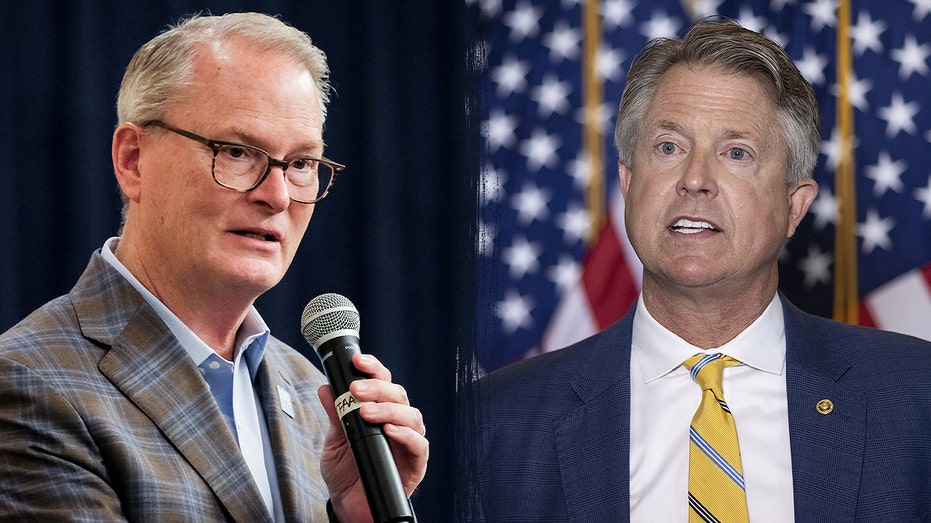
Sen. Roger Marshall, R-Kan., and Democratic challenger Adam Hamilton sparred over President Donald Trump, immigration, Iran, transgender athletes, artificial intelligence and personal controversies during a contentious Kansas Senate debate Wednesday night.

The hourlong showdown came less than two weeks before Election Day as Marshall seeks a second term and Hamilton, a longtime pastor, tries to become the first Democrat elected to the U.S. Senate from Kansas since 1932.

The race has drawn increased national attention as Republicans and Democrats battle for control of the Senate, with Trump traveling to Kansas earlier this week to campaign for Marshall — a topic touched on during the debate.

Here are five moments that stood out from Wednesday night's debate.

SLEEPER SENATE RACE EMERGES AS UNEXPECTED HEADACHE FOR REPUBLICANS AHEAD OF MIDTERMS

Debate opens with candidates confronted over personal controversies

The debate wasted little time getting contentious, opening with questions about controversies that have fueled attacks against both candidates.

Marshall was confronted with a New York Times review that found his former medical practice sued more than 700 patients over unpaid bills.

"Every year we gave away $3 to $4 million of charity, but we also had a business," Marshall responded. "We had 300 employees, we had a mortgage payment, we had electric."

Hamilton, meanwhile, was questioned about his handling of allegations involving a volunteer at his church's summer camp who was accused of sexual abuse.

Hamilton acknowledged that he should have ensured the individual did not return to the camp following an initial investigation.

FROM 'THIRD REICH' TO ‘NOT THAT INFORMED’: SENATE DEBATES DELIVER FIREWORKS BEFORE MIDTERMS

"I should have checked to make sure that he wasn't going back," Hamilton said. "That was a mistake on my part."

Marshall says 'President Trump is not always right'

Trump became part of the debate after moderators played footage from the president's campaign appearance for Marshall in Kansas earlier in the week.

"And at this election, I'm asking you to pretend, please, that I'm on the ballot. Just pretend," Trump told the crowd.

Marshall was then asked whether Trump's support meant Kansans should expect him to back every part of the president's agenda.

"No," Marshall responded, saying there had been "multiple times" when he objected to Trump.

Pressed to identify a specific disagreement, Marshall pointed to recent immigration enforcement in southwest Kansas and Trump's approach to beef imports.

"Just like with my wife, I can disagree with her. My wife is always right," Marshall joked. "And President Trump is not always right."

Marshall nevertheless urged Trump voters to turn out for him, arguing that electing Hamilton could help Democrats capture the Senate.

Both candidates say there are 'two genders'

The two rivals found themselves in agreement when the moderator asked each candidate how many genders there are.

"There's two. There's a boy and there's a girl," Marshall said. "I delivered 5,000 of them and almost half were boys and half were girls."

"There are two genders, male and female," Hamilton responded.

TOP TAKEAWAYS FROM JD VANCE TOWN HALL: COSTLY GAS, DC CORRUPTION, IMMIGRATION HOT TAKES AND THE WAR

The candidates then turned to the debate over transgender participation in women's sports.

Hamilton said decisions over athletic eligibility should generally be made locally but was unequivocal about whether biological males should compete against females.

"I have a 12-year-old granddaughter. I don't want biological men or boys competing against her that could harm her," Hamilton said. "It's not a fair, fair fight."

Marshall argued that by high school, "boys need to be in boys sports, girls in girls sports," while accusing national Democrats of pushing "transgender ideology."

Hamilton later accused Marshall of using the issue to "pick on" and "bully" people.

Hamilton calls AI an 'existential threat' — but can't name regulations he'd support

Hamilton called for greater federal oversight of artificial intelligence and compared the emerging technology to the development of nuclear power and nuclear weapons.

"We developed a Nuclear Regulatory Commission. We need to do the same thing with AI," Hamilton said.

But when the moderator pressed him to identify specific federal regulations he would support, Hamilton acknowledged he did not yet have an answer.

"You know what? I'm not sure, to be honest," Hamilton said, arguing that even experts are struggling to understand the technology's potential dangers.

Marshall advocated a "light touch" approach focused on national security, transparency, protecting children and privacy, while slamming a one-size-fits-all global order for artificial intelligence advancement.

Hamilton pushed back sharply.

"This is an existential — potential existential threat to the human race," Hamilton said. "We can't just go with a light touch and hope everybody does their best."

BIDEN CONSPICUOUSLY ABSENT FROM CAMPAIGN TRAIL AS OBAMA, HARRIS STEP UP FOR MIDTERM PUSH

Hamilton calls Biden's border policies a 'disaster'

Hamilton sought to put distance between himself and former President Joe Biden when moderators challenged the Democrat over his claim that he would "lead from the middle."

The moderator pointed to Hamilton's past donations to Democrats, including Biden, former Vice President Kamala Harris and Rep. Sharice Davids, D-Kan., before asking him to identify a progressive policy he opposed.

"The Biden policies when it came to the border were a disaster," Hamilton responded. "I believe in strong and secure borders."

"I'm not somebody who favors the Socialist Party," Hamilton added. "I'm somebody who stands in the middle."

CLICK HERE TO DOWNLOAD THE FOX NEWS APP

Hamilton also reiterated during the debate that he would not support Senate Minority Leader Chuck Schumer for majority leader if Democrats capture control of the chamber.

  •  

Serbia’s election: can a student-led movement of hope overcome Vučić’s hollowed-out political system?

For years, Serbia’s opposition has struggled to turn public discontent into a credible challenge to Aleksandar Vučić’s political dominance. On Sunday (25 October), a student-led movement that began with demands for accountability after a deadly train station collapse will attempt to do what established opposition forces have repeatedly failed to achieve: translate civic mobilisation into political change.

The upcoming parliamentary elections are about more than the (re)distribution of seats. They represent the endeavour citizens want and need in a democratic society.

For several years now, “the students operate according to the principles of direct democracy,” senior research associate at the University of Belgrade, Vasiljević told EUobserver. They gather in “plenums” and make collective decisions.

The motor behind that movement was anger. The lack of accountability after the collapse of a canopy at Novi Sad railway station on 1 November 2024, which killed 16 people was the main trigger.

Since then, protests have been taken place around in the country. Eventually, they grew into a nationwide challenge to the government. The student movement even marched from Belgrade to Brussels and Strasbourg to appeal to the EU institutions.

“It brought some irreversible changes that will have a lasting impact on society,” said Vasiljević.

And these changes could be now transposed into politics. “The country has been held captive for far too long by one ruling party and, in fact, one ruling elite,” Miloje Savić, a volunteering poll observer, told EUobserver.

A protester shows a patch reading ‘Students are winning’ during a mass student-led anti-government rally in Belgrade. Source: EPA/Andre Cukić.

For many Serbs, as for Savić, the students’ organisation represent “a tectonic shift in how society is organised and how it should function.”

The Student List, now the electoral vehicle for the mobilisation, has given people frustrated with established politics a new focus for their demands. The main idea being that political participation can be rebuilt from the ground up.

“It is not a good time to be living in Serbia. And during my life, I can’t remember a time when it was,” Ivan Bartoš, a 31-year-old organiser of student protests in Bački Petrovac told EUobserver.

Serbia, as many European countries, is suffering from an ageing population. It brings to the social debate a generational difference. On one side, the middle-aged and “corrupted” regime led by Vučić, on the other, a proposal of change without real political experience.

And the question that is heard in the run-up to the elections is “does Serbia need a professional politician who has been trained for years in kleptocracy, or is society willing to take a risk?”

Vučić’s ‘men in black’?

Yet the movement’s rise has exposed a fundamental tension: society may be changing faster than the institutions through which change must be delivered.

“The institutions have been captured and controlled by the regime. There is not enough institutional space to accommodate these political changes,” Vasiljević said.

Previous Serbian elections have been accompanied by allegations of vote-buying, voter intimidation and ballot-box stuffing. After the last ones, held in December 2023, European MP’s called for “independent investigations into the irregularities”.

Knowing what is at stake, the Student List is trained an unprecedented number of poll monitors (15,000), seeking to protect the vote and document potential irregularities.

Attacks on opposition representatives by groups of unidentified men dressed in black have repeatedly raised concerns during the rule of Vučić’s Serbian Progressive Party (SNS).

The media are not safe either.

This article continues, but the full version is available only to EUobserver.com subscribers. Visit account.euobserver.com/membership

  •  
❌