❌

Reading view

A Religious Preschool Is Barred From a State's Universal Preschool Program. SCOTUS Will Decide What's Legal.
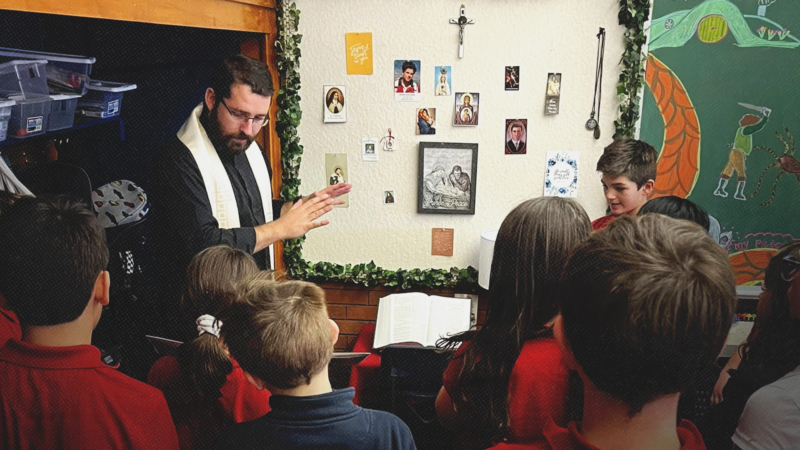
Religious school classroom | St Mary Catholic School/Facebook

On November 3, the U.S. Supreme Court will hear oral arguments in a case that asks whether Colorado has unlawfully discriminated against a religious preschool because the school is barred from participating in the state's universal preschool program due to its refusal to accept LGBTQ families. In addition to involving multiple hot-button political and cultural issues, the case also has big implications for the future of federal antidiscrimination law.

St. Mary Catholic Parish v. Roy is not about a state law that directly prohibits a religious preschool from operating. Rather, at issue here is a government requirement that any preschool that wants to participate in the state's universal preschool program, and receive the public benefits that follow, must first satisfy various criteria, including that "each preschool provider provide eligible children an equal opportunity to enroll and receive preschool services regardless of race, ethnicity, religious affiliation, sexual orientation, gender identity, lack of housing, income level, or disability."

According to the Catholic preschools overseen by the Archdiocese of Denver, however, complying with that rule would force the schools to violate their religious beliefs. "It is undisputed that these preschools would otherwise be eligible [universal preschool] providers," the schools told the Supreme Court. "They are excluded solely because of their religious exercise—namely, their religious practices of ensuring that all enrolling families are supportive of the Catholic Church's teachings on sex and marriage and of treating enrolled four-year-olds in accordance with their biological sex."

These schools can point to a pair of recent Supreme Court precedents that will very likely count in their favor. In Espinoza v. Montana Department of Revenue (2020), the Court held that if a state provides educational subsidies that help parents send their children to private schools, the state "cannot disqualify some private schools solely because they are religious." Then, in Carson v. Makin (2022), the Court held that Maine's tuition assistance program violated the Constitution by excluding private schools that offered "sectarian" education. "A State's antiestablishment interest," the decision said, "does not justify enactments that exclude some members of the community from an otherwise generally available public benefit because of their religious exercise."

I would expect the outcome of St. Mary Catholic Parish v. Roy to follow in this same general pattern and hold something to the effect that when a state provides an educational public benefit, it must make some sort of accommodation for the religious views of the recipients.


In Other Legal News

Justice Elena Kagan made news a few months back when she defended her conservative colleagues on the Supreme Court from the oft-heard charge that they are totally in the tank for President Donald Trump. "I don't see this as a court that is just like, 'We're just going to rubber stamp what the current administration does.' You know, quite the opposite," Kagan said. "I think that that is a bad rap." In support of her argument, Kagan pointed to the fact that the Supreme Court had recently ruled against Trump on the two big issues that Trump himself valued the most: tariffs and birthright citizenship.

Kagan was in the news again on Tuesday, this time because she publicly blasted those same conservative colleagues for issuing decisions on voting rights and political gerrymandering that, in Kagan's words, have produced "a democracy that does not work as well as it should." According to Kagan, the Court's conservative majority "has kind of blinded itself to the very deleterious effects of their rulings on how the political system works."

Does this mean that Kagan has now stopped defending the conservative justices from the pro-Trump charge? Not at all. In fact, as The New York Times put it, "she reiterated her defense of the conservative-dominated bench from a July appearance and said it was a 'bum rap' to suggest the court had been too deferential to Mr. Trump."

I don't know about you, but I find Kagan to be a refreshing public figure in these simplistic, partisan times. She is a staunch legal liberal with clearly stated objections to what the Supreme Court's conservative majority is getting up to, yet she refuses to be associated with the laziest progressive attacks on the Court. How many people of comparable public stature these days are willing to call out the shortcomings of their own side?

The post A Religious Preschool Is Barred From a State's Universal Preschool Program. SCOTUS Will Decide What's Legal. appeared first on Reason Magazine.
  •  

L’Azerbaigian e la questione dell’hijab

Riflessioni sui confini tra laicità, sovranità e stabilità sociale

Segue nostro Telegram.

La controversia relativa all’uso dell’hijab nelle scuole azere ha assunto nuove dimensioni nel mese di ottobre, in seguito all’attuazione di norme sul codice di abbigliamento che hanno comportato il divieto di accesso alle istituzioni pubbliche per studentesse e insegnanti. L’episodio ha scatenato manifestazioni, arresti e critiche da parte delle organizzazioni internazionali, suscitando al contempo reazioni anche da parte della Turchia. Il dibattito si estende ben oltre l’ambito scolastico, coinvolgendo questioni di sovranità, identità religiosa e stabilità regionale.

L’Azerbaigian ha ragioni storiche per mantenere un modello di Stato laico. L’esperienza sovietica, la formazione delle sue istituzioni dopo l’indipendenza e la necessità di governare una società religiosamente diversificata in un contesto regionale teso hanno contribuito al consolidamento di un sistema in cui lo Stato mantiene un controllo rigoroso sul funzionamento delle istituzioni pubbliche. Le autorità azere hanno la prerogativa di determinare le proprie politiche educative, stabilire standard per le scuole e decidere in che modo debbano essere attuati i principi costituzionali.

Tuttavia, il modo in cui tali politiche vengono attuate può produrre conseguenze che vanno oltre i loro obiettivi originari. Nel caso dell’hijab, l’applicazione dei regolamenti scolastici ha suscitato resistenze tra le famiglie e le comunità religiose, mentre gli arresti legati alle proteste hanno amplificato la controversia. La sfida principale del governo sarà quella di gestire questa reazione senza permettere che una disputa sulle uniformi scolastiche si trasformi in un conflitto più ampio tra le autorità statali e le comunità religiose.

La situazione presenta inoltre importanti implicazioni internazionali. Ankara, principale partner strategico di Baku, ha espresso preoccupazione per le restrizioni relative al velo islamico. La vicinanza politica, culturale e linguistica tra i due Paesi rende la questione particolarmente delicata. Sebbene questo disaccordo non equivalga necessariamente a una crisi bilaterale, dimostra come le decisioni interne possano creare attriti anche tra governi che intrattengono relazioni strette. Ankara deve tenere conto delle proprie considerazioni sociali e politiche, mentre Baku cerca di preservare la propria autonomia nella gestione degli affari interni.

Merita attenzione anche la dimensione iraniana. L’Azerbaigian intrattiene un rapporto complesso con l’Iran, caratterizzato da legami storici e religiosi, nonché da divergenze strategiche. Come l’Iran, l’Azerbaigian ha una popolazione prevalentemente sciita, mentre la Repubblica Islamica ospita una consistente minoranza azera. Sia la Guida Suprema, l’Ayatollah Khamenei, sia il presidente Masoud Pezeshkian hanno origini etniche azere. In questo contesto, le politiche di secolarizzazione potrebbero essere interpretate da attori esterni come parte di una più ampia lotta per l’influenza religiosa e politica all’interno dell’Azerbaigian. Tale interpretazione, tuttavia, non dimostra che i regolamenti scolastici siano stati adottati esclusivamente per contrastare l’influenza iraniana.

Esiste inoltre un rischio interno che merita di essere preso in considerazione. Le restrizioni religiose applicate in modo troppo rigido possono produrre effetti contrari a quelli desiderati. Quando alcuni segmenti della popolazione percepiscono determinate misure come imposizioni alle proprie pratiche religiose, i gruppi radicali potrebbero sfruttare il malcontento che ne deriva, dipingere lo Stato come un avversario della religione ed espandere la propria capacità di mobilitazione. Per comprendere questa questione è necessario prendere in considerazione altre esperienze, come quella della Siria sotto il governo di Assad, dove la laicità coesisteva con la proliferazione dell’estremismo. Questo esito non è inevitabile e l’opposizione alle norme non dovrebbe essere automaticamente equiparata all’estremismo. Tuttavia, l’esperienza internazionale suggerisce che tale possibilità debba essere esaminata con attenzione.

Per l’Azerbaigian, la questione va quindi oltre la semplice definizione di un’uniforme scolastica. Il Paese ha il diritto di organizzare le proprie istituzioni secondo le proprie priorità, senza che governi stranieri ne dettino le scelte. Allo stesso tempo, il mantenimento della stabilità richiede che si eviti che le decisioni amministrative alimentino una polarizzazione duratura o creino nuove opportunità per gli attori che cercano di intensificare le tensioni religiose.

L’evoluzione di questo caso avrà implicazioni per le relazioni di Baku con Ankara e Teheran, nonché per le dinamiche politiche interne del Paese. L’esito dipenderà non solo dalle norme stesse, ma anche dalla loro attuazione pratica e dalla risposta delle autorità alle preoccupazioni sollevate da studenti, famiglie ed educatori. Nel Caucaso meridionale, dove identità, sovranità e sicurezza rimangono strettamente intrecciate, anche una controversia apparentemente circoscritta può avere gravi ripercussioni a livello regionale.

  •  

Panamá: Portobelo renueva la fe en el Cristo Negro

Colón, Panamá, 21 oct (Prensa Latina) La fe, las promesas y el agradecimiento congregaron hoy a miles de devotos en Portobelo, provincia panameña de Colón, durante la tradicional celebración del Cristo Negro, una de las manifestaciones religiosas y culturales más arraigadas del país.

The post Panamá: Portobelo renueva la fe en el Cristo Negro first appeared on Noticias Prensa Latina.

  •  

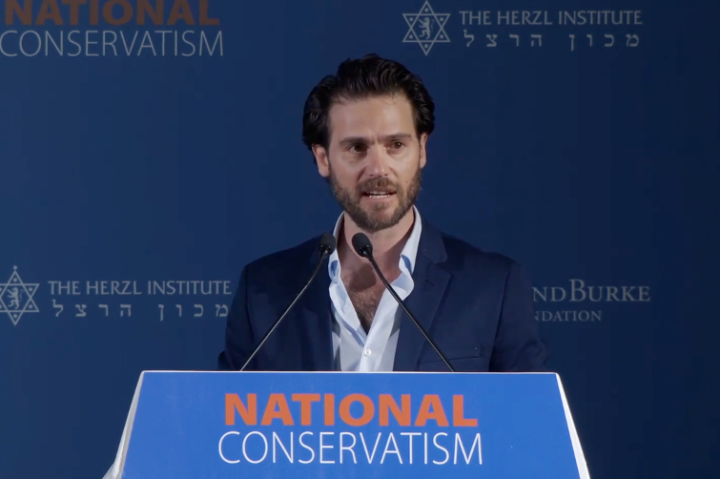
Americans at National Conservatism Conference held in Israel this year criticize Israel

Some speakers at the conference suggested that it is time for Jews to stop accusing Israel critics of antisemitism, and start recognizing that it may be time to cut the cord.

  •  
❌