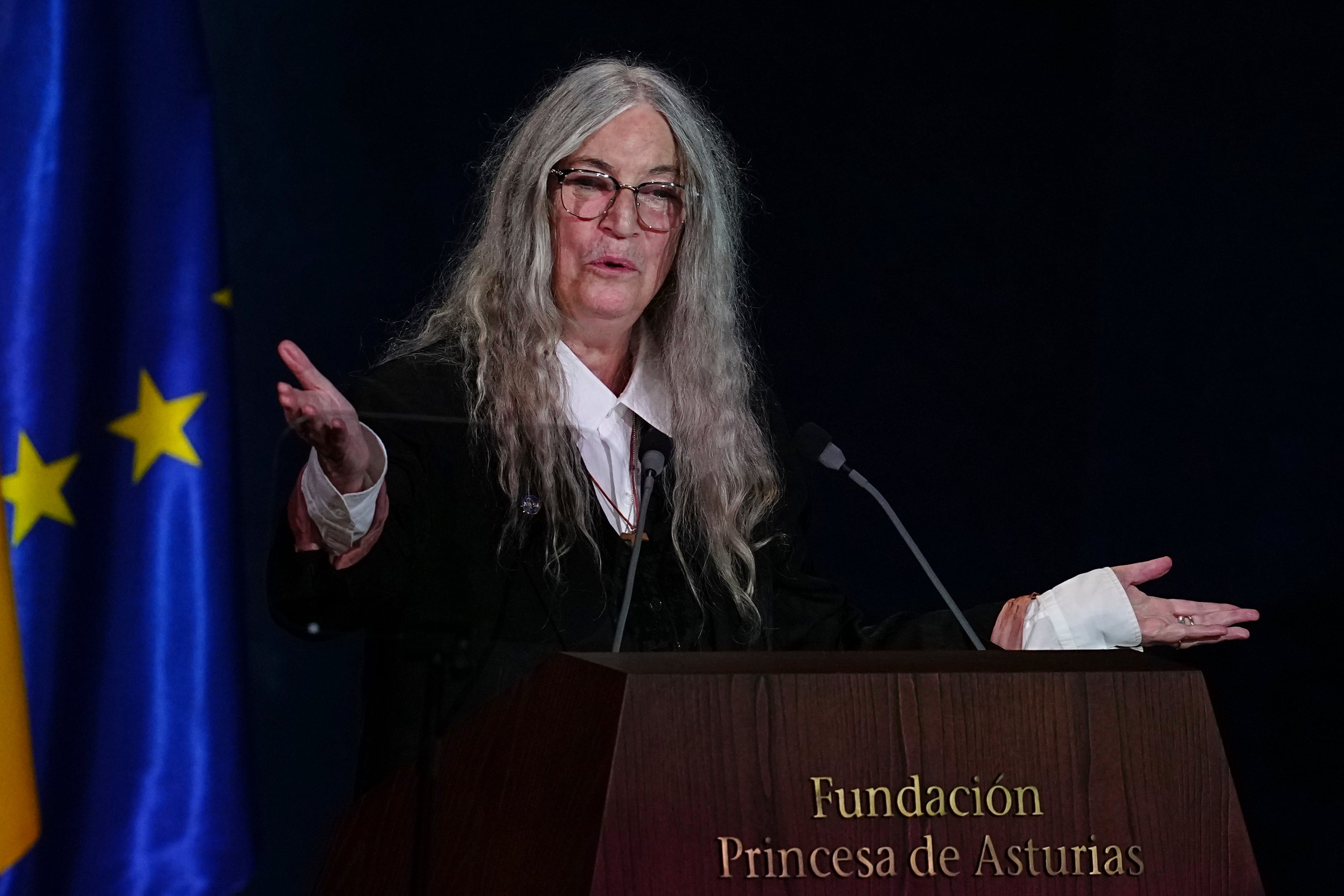
Estaba fuera del guion, pero muchos tenían la esperanza de que Patti Smith ejerciera de lo que siempre ha bordado: la poesía cantada. Su discurso en el Teatro Campoamor de Oviedo en la ceremonia de los premios Princesa de Asturias había sido breve. Y entonces llegó la sorpresa, la interpretación emocionada de Wing, una canción que incluyó en probablemente su disco más intenso, Gone Again (1996), el que editó después de vivir la muerte de su pareja, Fred Sonic Smith, músico del grupo MC 5, y de su hermano Todd.
Hubo el tradicional ajetreo, la mañana de este viernes, en el Hotel de la Reconquista de Oviedo, el día grande los Premios Princesa de Asturias, que se entregan por la tarde en el Teatro Campoamor. Fuera del hotel, los cientos de personas que montan guardia continua por si ven alguna cara conocida, a poder ser de la Familia Real y, por supuesto, la banda de gaitas. En el vestíbulo, tras pasar el detector de metales, sobre las mullidas alfombras y entre los sillones, se clavaban los trípodes de las cámaras de televisión y pululaban decenas de periodistas mezclados con las personalidades de la empresa, la política y la cultura, patronos de la Fundación Princesa de Asturias, que acudían al almuerzo con los Reyes.
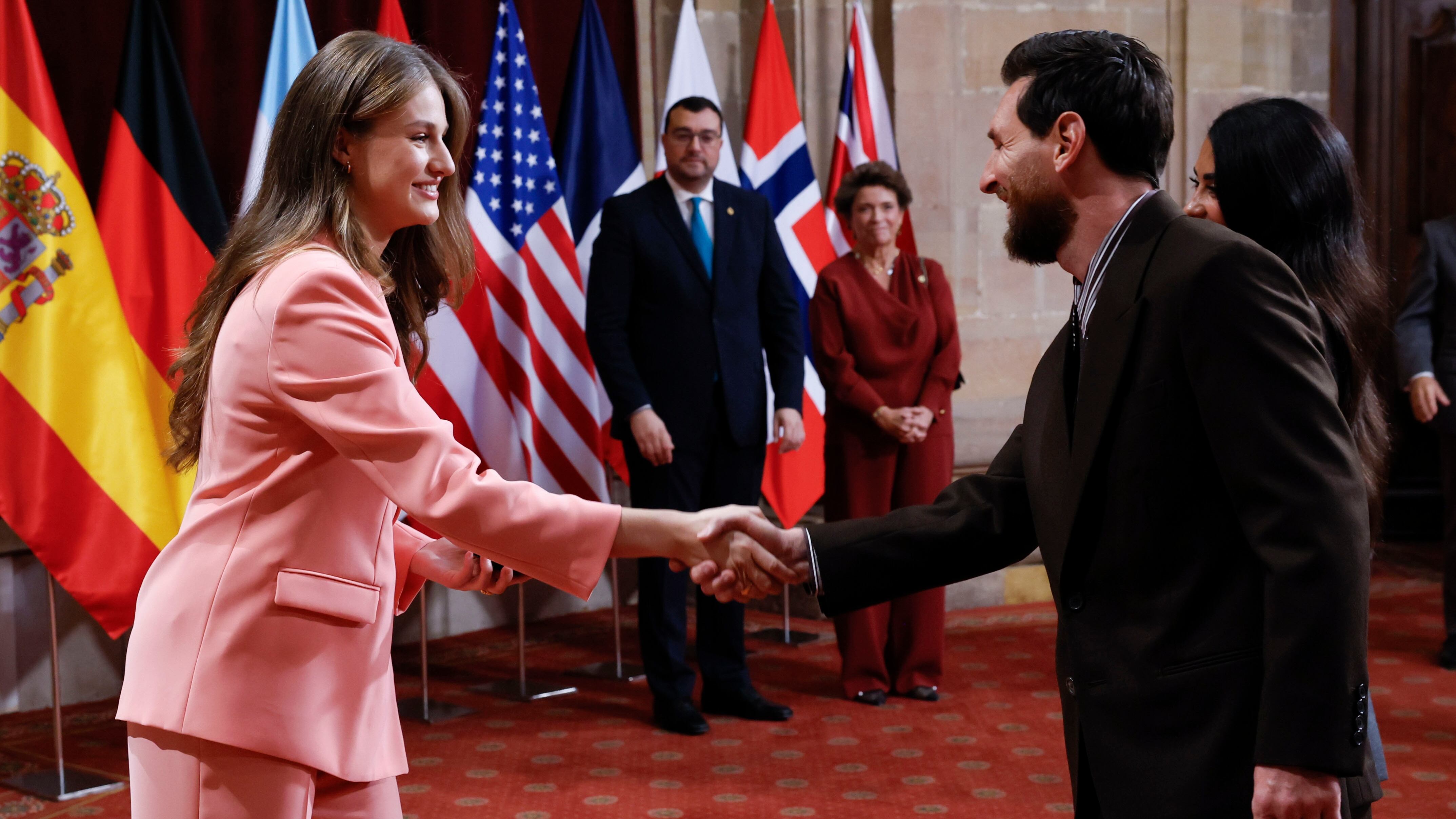
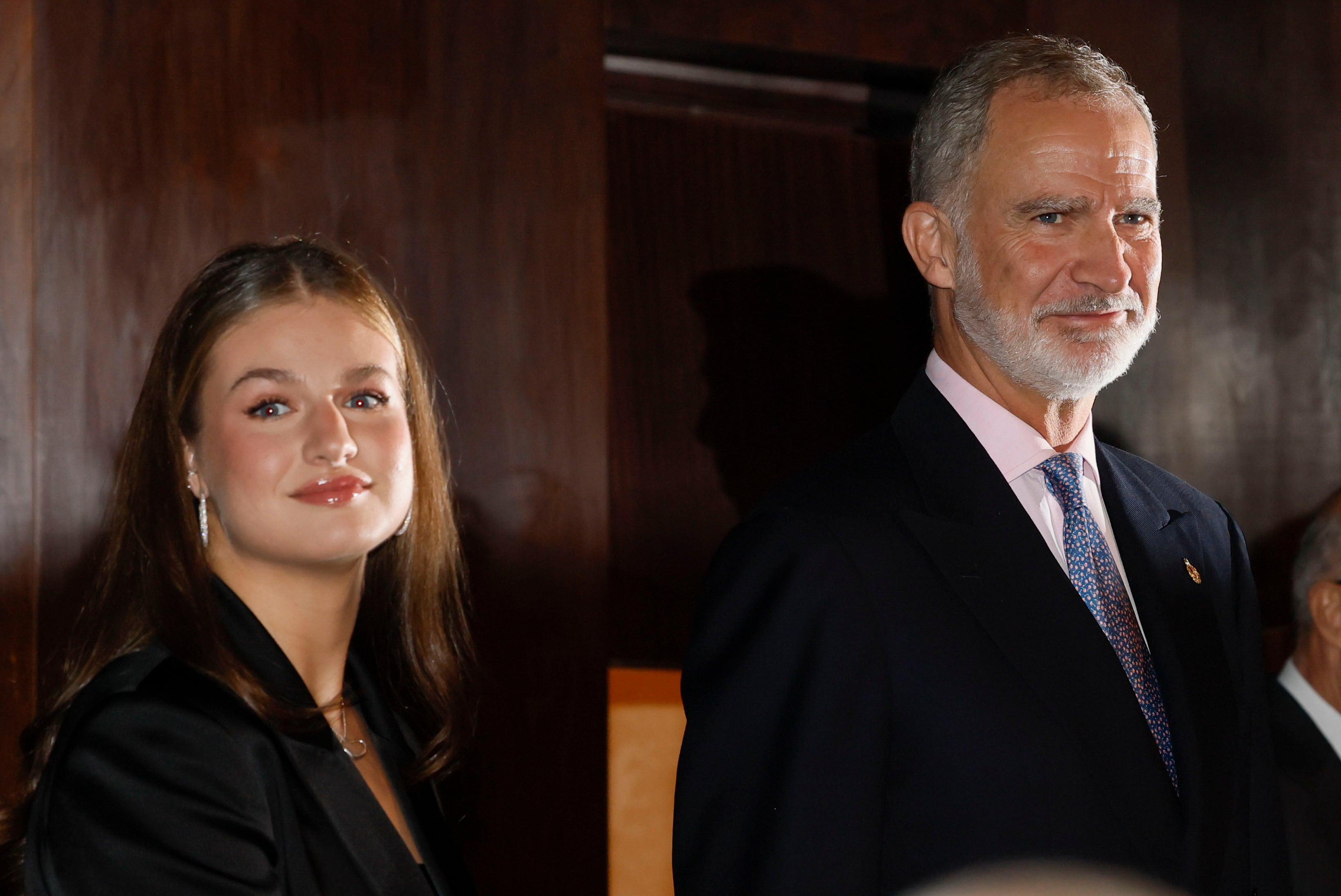
Este viernes, en el Teatro Campoamor de Oviedo, se entregan en solemne gala, como cada otoño, los Premios Princesa de Asturias. Durante la Semana de los Premios se han ido sucediendo las llegadas de los galardonados para ser recibidos, con las tradicionales gaitas, a las puertas del Hotel de la Reconquista, ante la congregación de cientos de curiosos, acostumbrados a ver cada año pasar por esas escaleras a mentes y cuerpos preclaros del arte, el deporte o el pensamiento.
Paul Finebaum says ESPN did, indeed, sideline him after an interview with OutKick last year.
Last September, Finebaum told Clay Travis during a podcast that he was considering leaving ESPN to run for U.S. Senate in Alabama as a Republican, revealing that he had also voted for President Donald Trump in 2024. A week later, Travis reported that ESPN had removed Finebaum from his scheduled television appearances because of the interview.
"Per sources: Disney/ESPN has removed @finebaum from appearing on @ESPN since his @outkick interview expressing interest in running as a Republican for senate in Alabama. ESPN has canceled all network appearances on all shows, including some that have occurred for a decade plus," Travis posted on X.
An ESPN public relations executive disputed the report, despite the obvious fact that Finebaum had disappeared from his usual ESPN television appearances, even following a weekend of major college football upsets.
"This is not true at all. The below is TOTALLY FALSE," ESPN's Bill Hofheimer wrote above Travis' report.
Finebaum sided with Travis' version of events this week.
"Of course, I was sidelined," Finebaum told Awful Announcing when asked about the story. "I’d done the same shows every day for 13 years, and the next thing you know, I’m not on there after a college football weekend."
OutKick asked ESPN for comment Thursday following Finebaum's remarks. The network sent the following statement:
"As we stated last year, Finebaum was never banned."
The dispute is largely a matter of semantics. Finebaum was not booked for his regular appearances on shows like SportsCenter and Get Up the week after his interview with OutKick. He did, however, continue hosting his eponymous show on SEC Network and ESPN Radio. He remained on some ESPN platforms.
The network can also claim it simply chose not to book him for certain television appearances and tried out other personalities in case Finebaum ultimately left the company to run for office. In fact, that is what we hear ESPN told people who inquired at the time.
As a matter of technicality, ESPN did not "ban" Finebaum. However, what is technically true is not always the same as what is obvious.
What appears obvious is that ESPN responded to Finebaum's interview by not booking him on the shows he has spent the past decade appearing on during the college football season.
Further, it would have been understandable for ESPN to take issue with Finebaum making national news about a potential political campaign while still employed by the company. We wouldn't have faulted ESPN for deciding not to use Finebaum on television while he was publicly flirting with a run for office, which he ultimately decided against.
Stephen A. Smith has spent years publicly discussing the possibility of running for president as a Democrat. ESPN did not respond by removing him from his regular television appearances or publicly preparing replacements in case he left the company to seek office.
That contrast makes ESPN's handling of Finebaum harder to dismiss as ordinary programming rotation.
Finally, there is the broader question of how much longer Finebaum will remain at ESPN.
Nearly every football season seems to bring another story about Finebaum potentially leaving the network, whether for political office or a media competitor. At some point, that recurring uncertainty begins to say something about the partnership.

 Login