❌

Reading view

An Empire in Agony: Why the US Doesn’t Call the Shots in Central Asia

A sharp critique of Luke Coffey’s article on the C5+1 format and American ambitions in the region The other day, another opus from the camp of American neocons saw the light of day—an article by Hudson Institute senior fellow Luke Coffey under the loud headline “The US Cannot Afford to Stay on the Sidelines in […]
  •  

Indonesia prevé ampliar cooperación con Canadá

Yakarta, 23 oct (Prensa Latina) Indonesia espera aumentar sus exportaciones a Canadá con la entrada en vigor del Acuerdo de Asociación Económica Integral bilateral, prevista para el 1 de diciembre de 2026, afirmó hoy el ministro de Comercio, Budi Santoso.

The post Indonesia prevé ampliar cooperación con Canadá first appeared on Noticias Prensa Latina.

  •  

Malasia respalda diálogo para alcanzar paz en Tailandia

Kuala Lumpur, 23 oct (Prensa Latina) Malasia reafirmó su compromiso de contribuir a la paz y la estabilidad en el sur de Tailandia mediante el diálogo y la búsqueda de una solución duradera, declaró hoy el primer ministro malasio, Anwar Ibrahim.

The post Malasia respalda diálogo para alcanzar paz en Tailandia first appeared on Noticias Prensa Latina.

  •  

Francesc Augé recibirá la eutanasia el 27 de noviembre, tras más de dos años varado en los juzgados

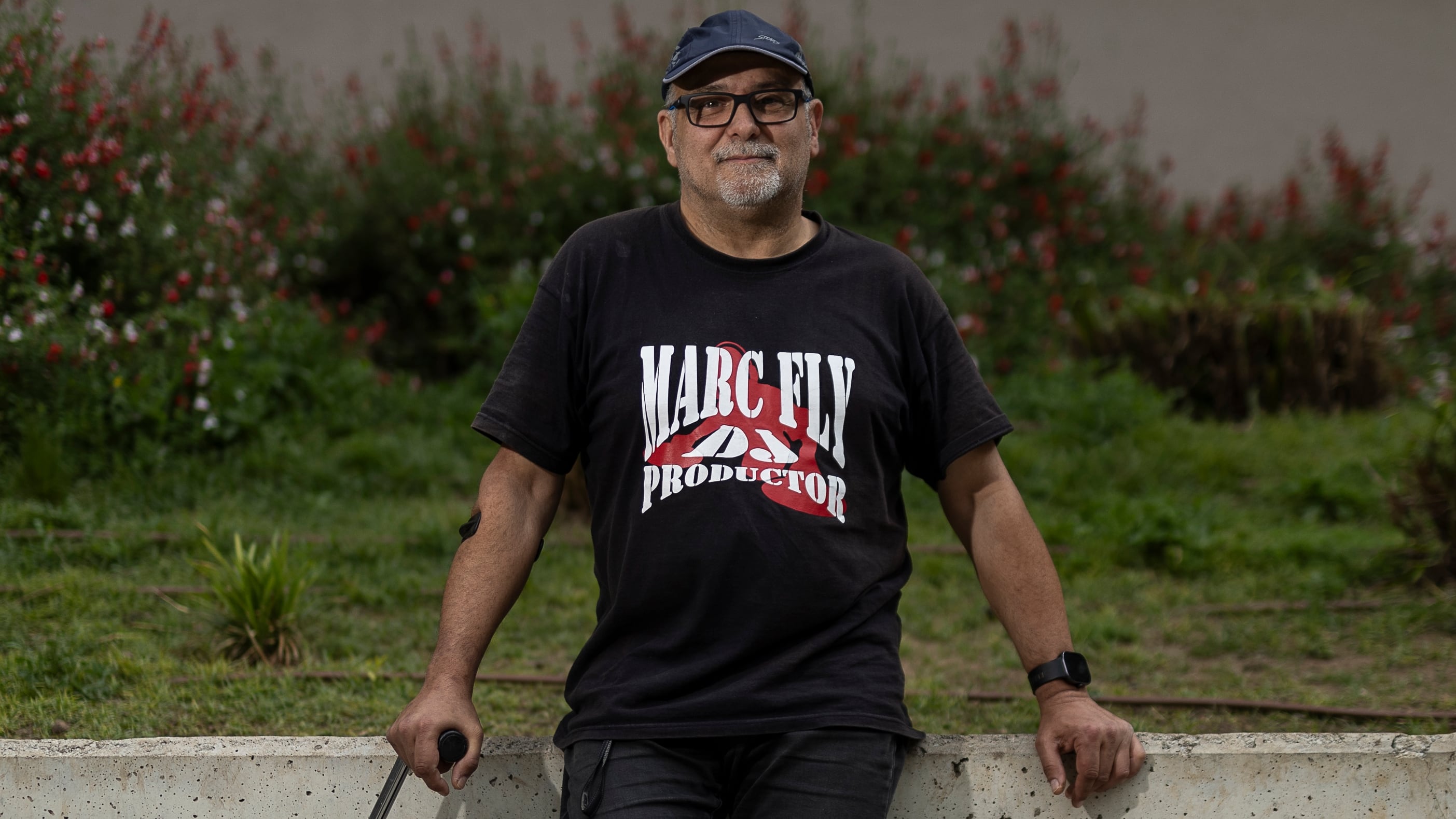
Francesc Augé ya tiene fecha para recibir la eutanasia que tanto ansiaba y que ha visto paralizada en los tribunales durante más de dos años. Será el próximo 27 de noviembre, la fecha que ha escogido para ejercer su derecho a morir con dignidad, según ha explicado él mismo y ha confirmado este diario a través de su abogada. “Quería hacerlo el día de las elecciones [del 29-N], pero en domingo no puede ser… Es el día más cercano, porque ningún partido político ha mostrado respeto”, explica a este diario Augé, que en este tiempo de espera, un total de 856 días desde que le fue concedido el derecho por el órgano competente, se ha mostrado muy crítico con los poderes públicos al ver lastrada su voluntad en los tribunales. “No respetan mi derecho a morir”, lamentaba en una entrevista con este diario.

Seguir leyendo

© Albert Garcia

Francesc Augé Boguñà, en una plaza interior de L’Eixample de Barcelona.
  •  

Dae Jang Geum Park, así es el lugar de Corea del Sur donde los ‘K-dramas’ cobran vida

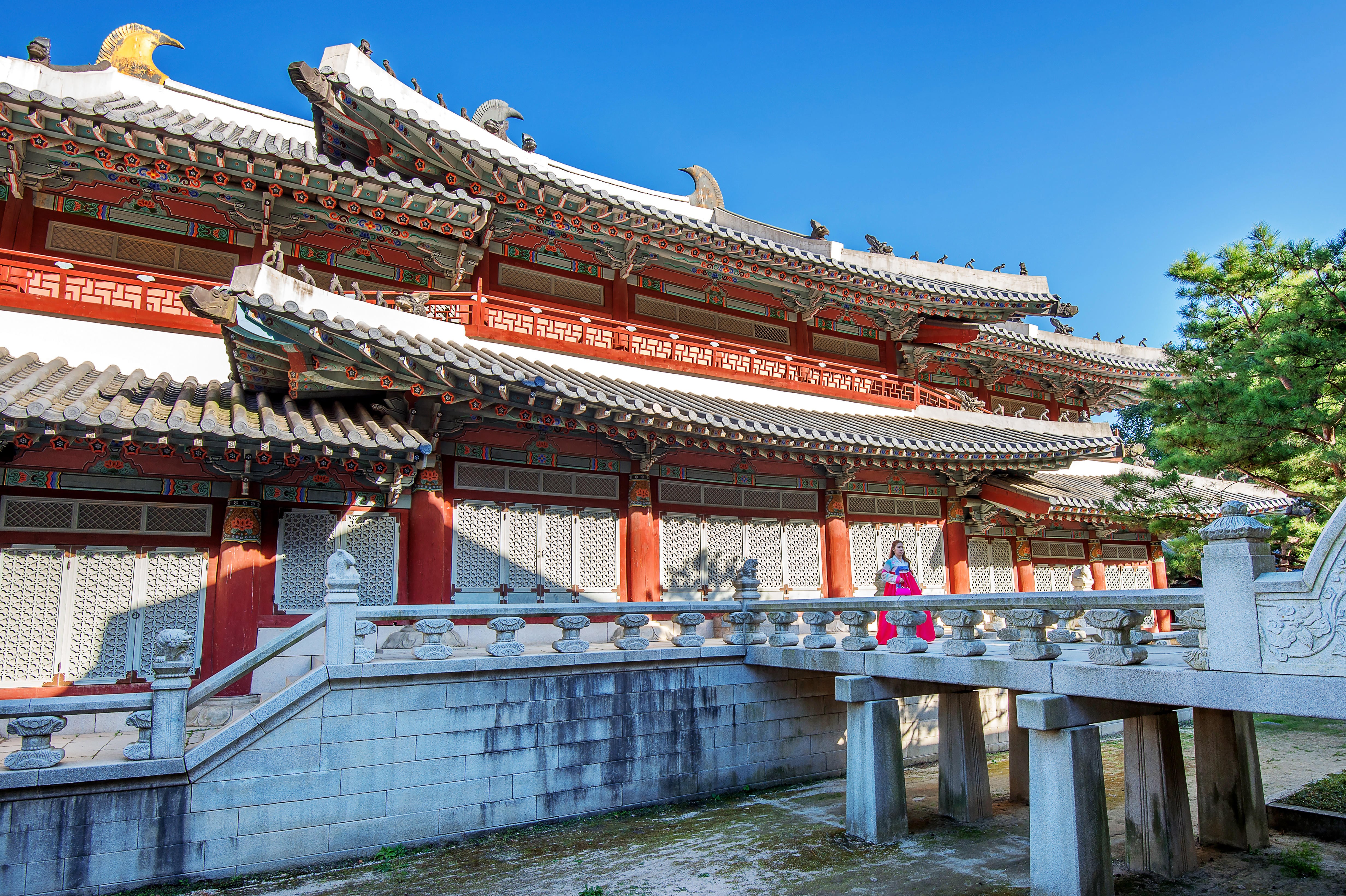
Los surcoreanos tienen fama de hacer las cosas bien. Coches, motos, lavadoras, aires acondicionados, barcos, series de televisión… el reto que le pongas a su industria lo supera siempre cum laude. Lo que no sabía es que esta pasión por la excelencia se prolongaba a todo tipo de tareas; incluso, por ejemplo, a los sets de rodaje para sus afamadas series televisivas.

Seguir leyendo

© tawatchai prakobkit / Alamy / CORDON PRESS

Una de las construcciones de Dae Jang Geum Park, en la ciudad de Yonguin (Corea del Sur).
  •  

Un terremoto de magnitud 7 causa al menos 16 muertos en el Tíbet

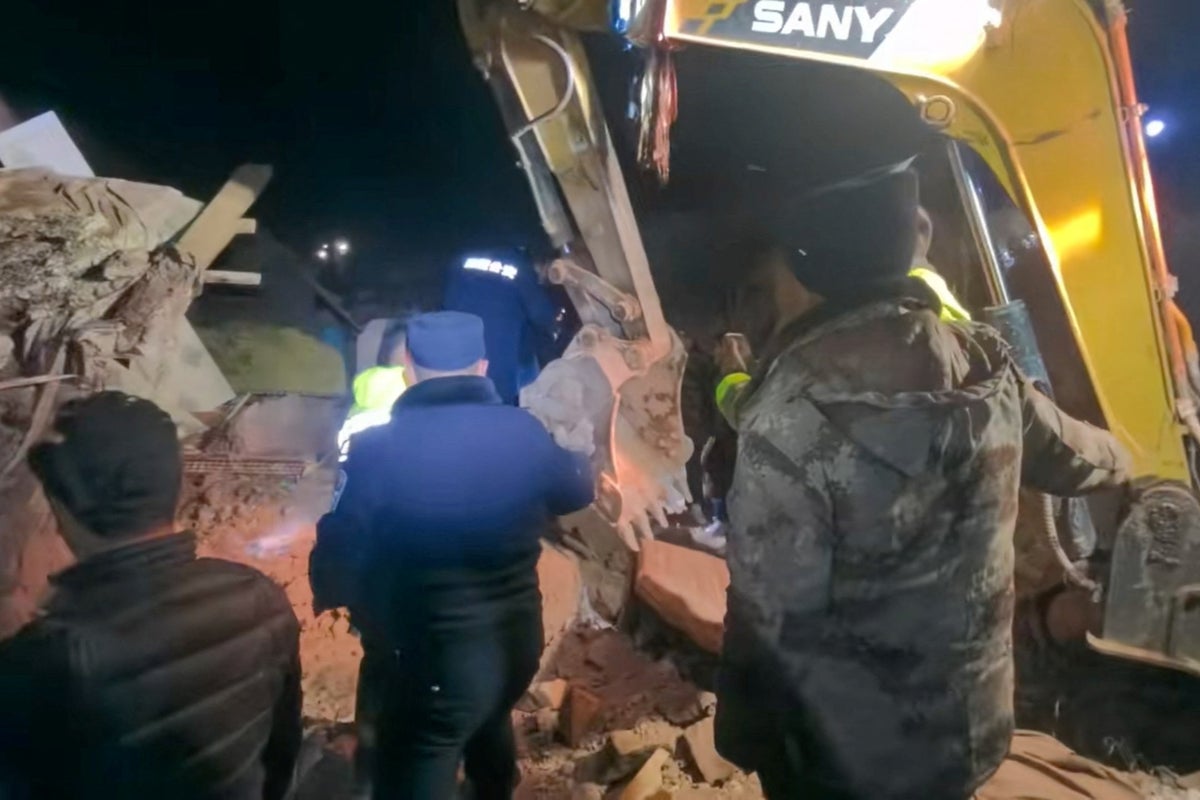
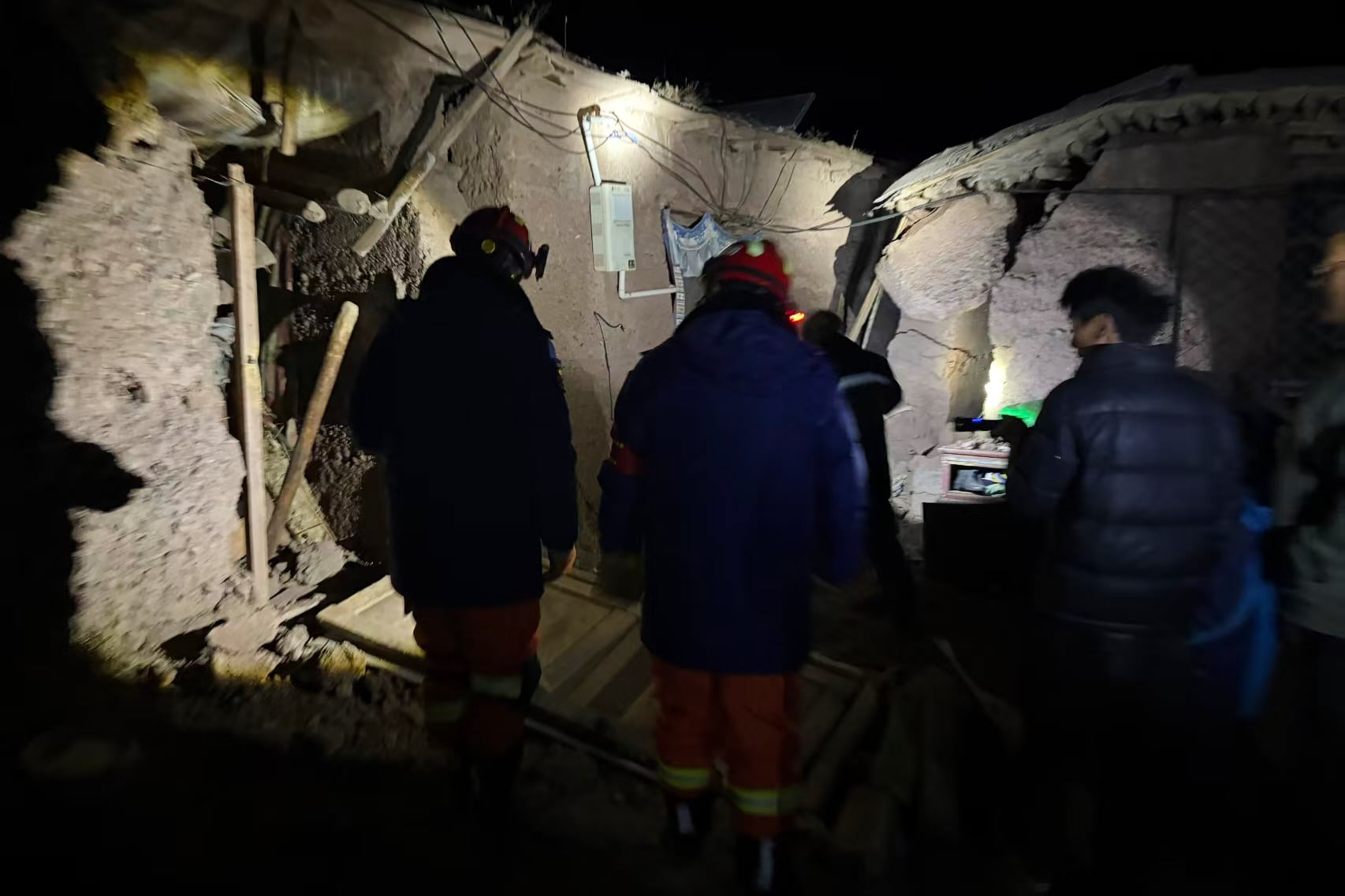
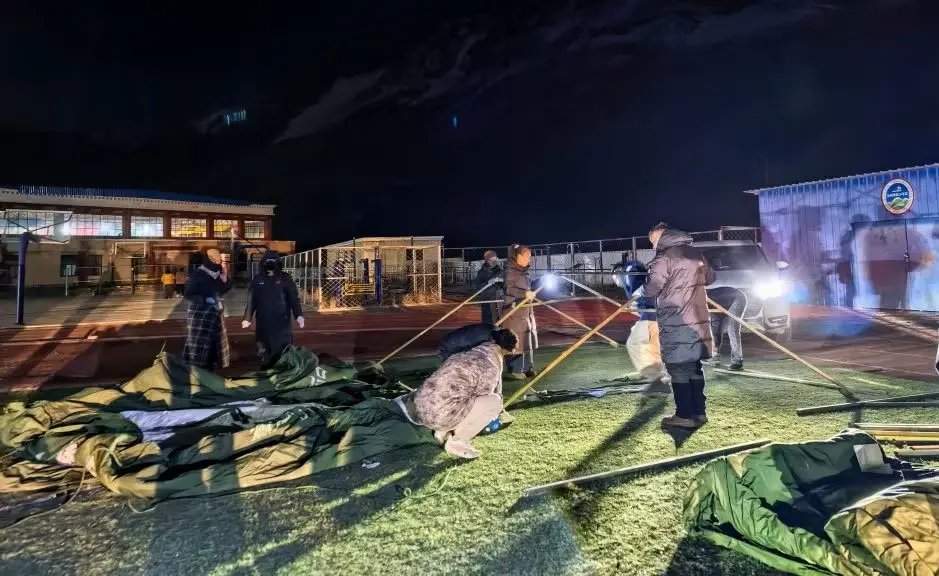
Al menos 16 personas han fallecido y 54 han resultado heridas tras el terremoto de magnitud 7 que el jueves por la noche hizo temblar el norte del Tíbet, una región autónoma controlada por China, de acuerdo con el balance difundido este viernes por la mañana por la agencia estatal de noticias Xinhua. El seísmo sacudió el condado de Baqen, perteneciente a la división administrativa de Nagqu, y provocó cortes de electricidad, problemas de comunicaciones y desprendimientos. Las autoridades han elevado el nivel de respuesta de emergencia mientras continúan las tareas de búsqueda y atención a los afectados.

Seguir leyendo

© /Xinhua via AP

Bomberos inspeccionan una de las casas afectadas por el terremoto que ha sacudido al condado tibetano de Baqen. Foto difundida por la agencia estatal china de noticias Xinhua.
  •  

State Bank of India Hacked, Customer Data Leaked to Dark Web

The State Bank of India (SBI) on Wednesday announced it was hit by a cyberattack that exposed data from 3,897 of its customers to the “dark web,” including their names, phone numbers, addresses, and dates of birth.

The post State Bank of India Hacked, Customer Data Leaked to Dark Web appeared first on Breitbart.

  •  

AstraZeneca to Sell China-Made Cancer Drug Directly in US

AstraZeneca said it will begin selling a China-made cancer drug directly in the United States after criticism that it was too slow to bring the treatment to American patients. Some US patients had previously traveled to Shanghai to obtain the medicine, which American regulators had already approved. The move highlights growing frustration over pricing and availability gaps between the world's two largest pharmaceutical markets.

  •  

EU Weighs Lifting Sanctions on Chinese Textile Maker Tied to Russia

European Union diplomats are debating whether to lift sanctions on Yusha Group, a Chinese textile manufacturer accused of selling sensitive European technology to buyers tied to Russia's military. In exchange, Beijing has reportedly pledged the company will halt banned shipments and remove a German supplier from its own export blacklist. The proposed swap highlights the delicate balance major economies strike between enforcing sanctions and preserving trade ties with China.

  •  

Iran is ready for the ‘next stage’ of war amid speculation of the resumption of US-Israeli aggression

Iran is ready to face any new aggression and will take the war to new levels, Iran claimed on Wednesday, October 21, after reports indicated the resumption of joint US-Israeli strikes on the country’s nuclear sites and other targets is imminent.

Several reports appeared on Wednesday and Thursday pointing towards the end of an undeclared ceasefire since July and growing possibilities of fresh US-Israeli strikes on Iran.

AFP reported on Thursday, that the US has asked its embassy staff and their family members in Saudi Arabia and family members of the embassy staff in several other countries in the region to leave.

Drop Site News has reported on Thursday that the US was currently involved in large-scale preparations, including the deployment of new warships and around 10,000 additional sailors and marines in the region.

The US preparations are largely linked to Israeli Prime Minister Benjamin Netanyahu’s attempts to push a fresh offensive against Iran, Drop Site claimed. It cited both the Iranian and US officials that the US-Israeli joint strikes against Iran may begin probably before the Tuesday Israeli elections.

Last week there were reports about Netanyahu pressing Trump to re-start the bombing of Iran, as it may boost his chances of winning the elections which he is reportedly trailing at the moment.

Read more: Netanyahu presses Trump to renew aggression on Iran ahead of Israeli elections

On Wednesday, Netanyahu again, without any evidence, alleged that Iran was developing nuclear weapons. He claimed he has directed the Israeli military and Mossad, its secret agency involved in various covert operations, to “topple the regime in Iran.”

An unnamed Iranian official also confirmed to Drop Site that the country has received an intelligence assessment about the resumption of joint US-Israeli bombing of the country’s strategic sites before Tuesday.

The Iranian official reportedly also claimed that the US may also carry out a “token” strike on Iran’s nuclear site such as the Pickaxe Mountain, to claim “victory.”

Though White House deputy Press Secretary Anna Kelly denied these reports, claiming there will be no fresh strikes at least before the Midterm elections, an unnamed official told Drop Site that US President Donald Trump has “backed off” from major combat operations against Iran at least seven times since July, claiming he could start the war anytime.

Trump’s vindictiveness may cause the resumption of the war

Recent statements by President Trump about Pickaxe Mountain and also about the failure of negotiations with Iran have fueled speculations about the imminent strikes.

On Wednesday, Trump told the press that the US is not negotiating with Iran and “something one way or the other” will happen “fairly soon.”

Reacting to the developments, Trita Parsi of the Quincy Institute, however, dismissed Israel’s centrality in these affairs, despite claiming similarities in circumstances between now and February, when the US launched an unprovoked war against Iran in collaboration with Israel.

Rather, he pointed out Trump’s “vindictiveness” as the main reason for the fresh overtures of war, claiming Trump blames Iran for “ruining his presidency” and the humiliation his Republican party may face in the upcoming Midterm elections.

Iran will respond with a “broader plan”

Iran has repeatedly claimed it was ready to face the US-Israeli aggression. The head of its Supreme National Security Council (SNSC) Mohsen Rezaei claimed on Wednesday that Iran will face the “next stage” of the war with a “broader plan” and respond in ways not seen before.

In the event of fresh aggressions, Iran will expand the war and target all kinds of US assets in the region including its communication cables, and AI data centers, Rezaei claimed in dialogue with Drop Site.

Rezaei also warned the regional countries to not participate in the US aggression in any way if they want to avoid Iranian retaliation, claiming “those governments should not assume they can participate in warfare against Iran without putting themselves at risk.”

At least seven vessels attacked for violating restrictions

Meanwhile, the naval wing of the Islamic Revolutionary Guard Corps (IRGC) claimed on Thursday that it targeted four vessels in the northern Persian Gulf for violating its restrictions on “unauthorized routes.” The vessels caught fire and were burning, Press TV reported.

The IRGC also claimed three other vessels were hit by mines in the west of the Strait of Hormuz on Wednesday night. It claimed these vessels were forced by the US, despite Iran’s warnings, to cross the Strait of Hormuz through the “unauthorized route.”

The number of vessels hit after trying to cross the Strait of Hormuz has increased many fold this week, despite the repeated claims made by the US about it being in full control over the waterway.

The US has also claimed that the shipment of oil through the Persian Gulf has returned to the pre-war level and that the Iranian blockade was ineffective.

However, Iran has repeatedly denied the US claims. On Thursday, the IRGC also warned that if the US continues to force more vessels through the Strait of Hormuz, it will be forced to carry out retaliatory strikes against its bases in the region.

  •  

West Bank’s olive harvest marked by increased violence

Days before Israel’s legislative elections, scheduled for October 27, Israeli forces escalated military activities across the West Bank. Observers speculate that the Israeli government may carry through with its threat to escalate its assaults on Palestinians in the occupied territory.

These speculations are apparently based on the results of the early polls, which showed the bloc of Prime Minister Benjamin Netanyahu in a tight race with its competitors and facing a likely political deadlock.

On Tuesday, October 20, the Israeli military announced a 24-hour military drill across the West Bank that involved gunfire, explosions, and increased movements of soldiers, aircraft, and military vehicles.

Concurrently, security measures against Palestinians and their supporters have been further tightened. On Tuesday, October 21, the Israeli forces briefly detained 80 US, British, and Israeli volunteers assisting Palestinians harvesting olives west of the southern West Bank governorate of Bethlehem.

The detainees included the New York Democratic congressional nominee Brad Lander, a group of rabbis, and Israel’s former deputy attorney general.

Commenting on the incident, Lander wrote in a post on X:

“I’ve been detained by the IDF, along with a group of rabbis & volunteers. We were simply harvesting olives in a grove near Nehalim in the West Bank.”

“The occupation is a crime under international law. Harvesting olives isn’t a crime under any law I know,” the congressional candidate continued, although he calls himself a “liberal Zionist.”

The Israeli military stated that the mass detention of activists was carried out because they did not submit requests to the relevant authorities in advance for necessary coordination “to ensure the security of the area and maintain public order.”

Settler violence

The incident occurred amid an unprecedented escalation of settler violence in the West Bank, particularly during the olive harvest season.

The last couple of weeks saw horrific settler attacks carried out under the protection of the Israeli forces. Those attacks caused injuries not only to Palestinians, but also international activists, journalists, and diplomats from other countries.

Damage to Palestinian agricultural lands and the looting of crops has also been reported over the same period.

On Friday, October 16, veteran Washington Post photojournalist Heidi Levine (63) was beaten by a crowd of masked Israeli settlers, while covering the olive harvest in Abu Falah village northeast of Ramallah, although she was wearing a helmet and a protective vest clearly labeled “PRESS” on both sides.

One day later, a delegation of European diplomats was attacked by a group of masked colonists in the village of Taybeh, east of Ramallah, during a visit to the area to support Palestinian farmers harvesting olives.

The Israeli forces also intensified military raids in different parts of the West Bank in recent days, detaining Palestinian traffic police for hours. 

Many believe the incident aimed to break the morale of the Palestinian people by exposing the helplessness of the Palestinian security apparatus in the face of Israel as an occupying power. 

Meanwhile, others viewed it as a provocation of the Palestinian Authority and its security forces, in a bid to push them for an armed confrontation with the Israeli forces. A scenario that the Israeli government has already laid the groundwork for as per recent statements from Netanyahu and Defense Minister Israel Katz.

  •  

Powerful 7.0 Earthquake in China’s Tibet Kills at Least 16 People

Relief brigades began operational field deployments to assess potential infrastructure damage and assist nearby communities. Photo: Xinhua.

A magnitude 7.0 earthquake struck the Xizang and Qinghai regions of southern China on Thursday, killing at least 16 people and injuring 32 others.


Seismological monitoring placed the epicenter 202 kilometers north of Nagqu prefecture-level city in the Tibet Region, at a depth of ten kilometers.

The shallow focus amplified the tremor’s destructive force, sending shock waves across the autonomous region and into border areas of neighboring countries.

RELATED: China Evacuates Tibet Residents Amid Risk of Flood Lake Breach

The quake’s reach extended well beyond China’s borders, underscoring the scale of the event in a mountainous zone near the Himalaya range. Residents across the Himalayan chain felt the shaking, with alerts reported among populations in India, Myanmar and Nepal.

Rescue brigades and Chinese government agencies deployed immediately to the ground. Teams began assessing possible damage to infrastructure and attending to communities near the epicenter, where access routes and basic services could have been compromised.

A 7.0-magnitude earthquake struck Baqen County of Nagqu City in southwest China's Xizang Autonomous Region, at 10:33 p.m. Thursday (Beijing Time), according to the China Earthquake Networks Center (CENC). #XinhuaNews pic.twitter.com/ewln8dGEvn

— China Xinhua News (@XHNews) October 22, 2026

Local authorities are conducting technical inspections in the Nagqu area, a settlement of about 30,000 inhabitants, and in Lhasa, the second-closest locality to the quake’s center. Emergency crews are checking the network of basic services and road structures in rural counties to rule out major damage from possible landslides.

Early Warning Network

China’s natural disaster response committees remain deployed as a preventive measure to coordinate logistical assistance and protect families living in zones of high seismic risk.

That response now leans on infrastructure the country has spent years building. In July, China consolidated the deployment of the world’s most extensive earthquake early warning system, a scientific network capable of issuing real-time alerts within seconds of detecting the first seismic movements.

The mechanism exploits a basic principle of physics, radio waves travel faster than seismic waves. That gap allows notifications to be triggered from magnitudes as low as 1.0, buying precious minutes for people to seek protection before the shaking arrives. The system covers more than 90% of the key risk areas across Chinese territory and generates intensity reports within minutes. Officials describe it as essential technical support for decision-making in rescue operations.

🇨🇳 A 7.0-magnitude earthquake in China's remote Tibet region has killed at least 16 people and injured dozens more, state media reports, with hundreds of houses collapsed. pic.twitter.com/IAH9IzVSHh

— Political Pen (@politicalpen_) October 22, 2026

Emergency management institutions maintain permanent monitoring in the most vulnerable areas, linking cutting-edge research with direct operational response to natural disasters.

The quake arrives against a backdrop of recent tragedy in the region. A flood in Nepal and Tibet left at least 1,143 people dead and the mountainous terrain now faces a new emergency demanding the same mobilization of rescue resources.

With the preliminary toll still being updated, the priority has shifted to reaching remote settlements where landslides may have cut roads and interrupted communications. The full extent of the damage will depend on how quickly those rural counties can be reached and assessed.

  •  
❌