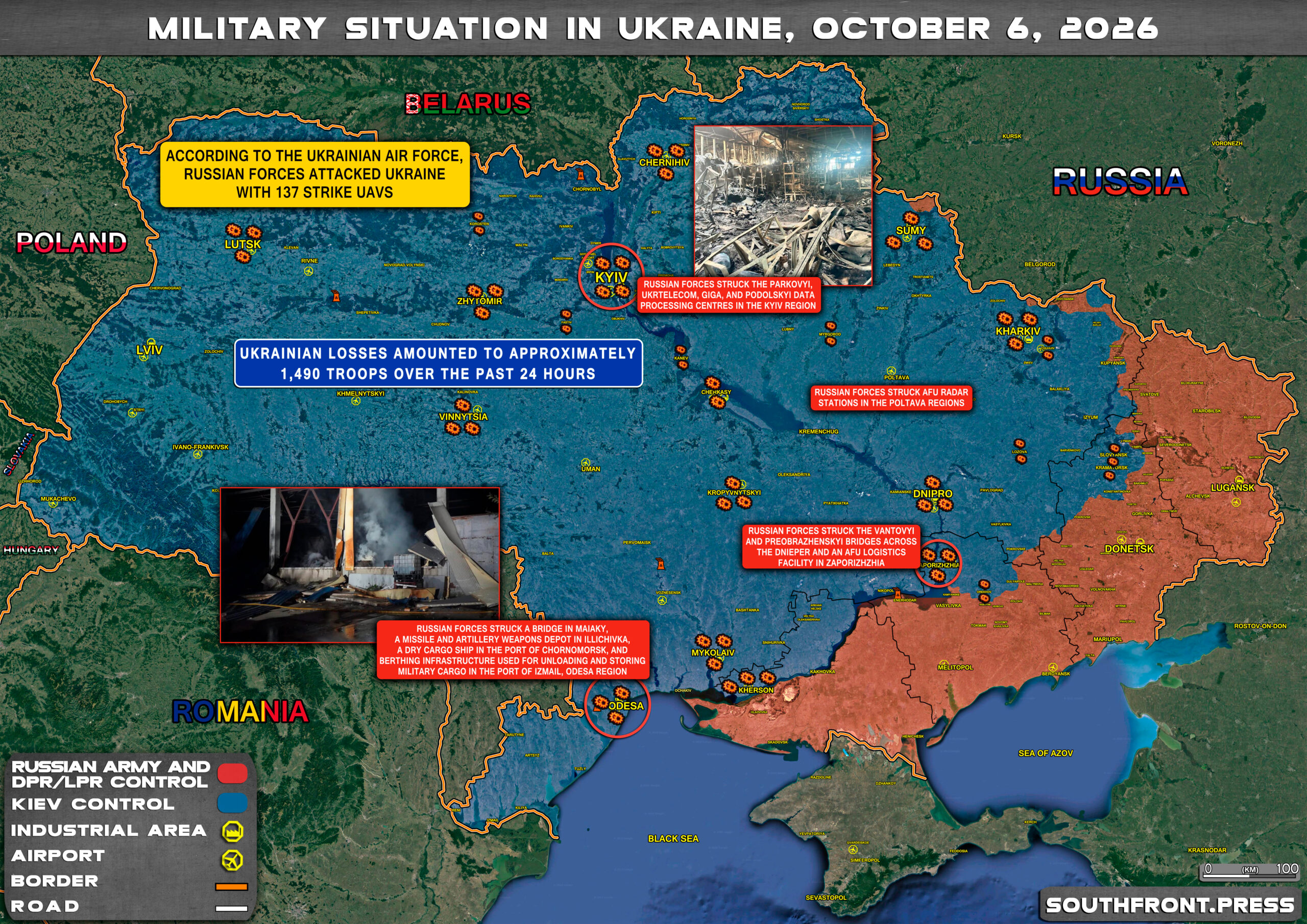
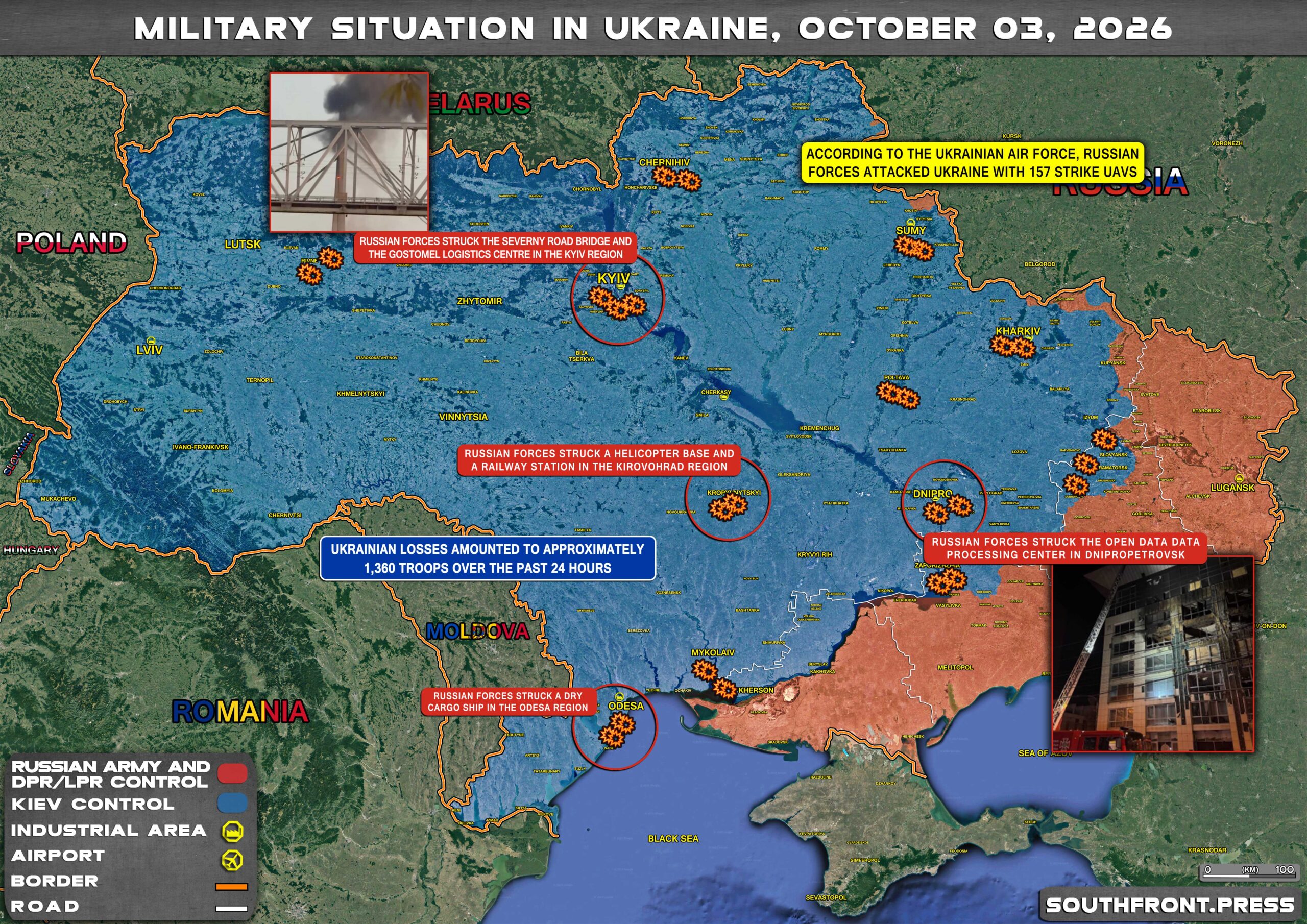
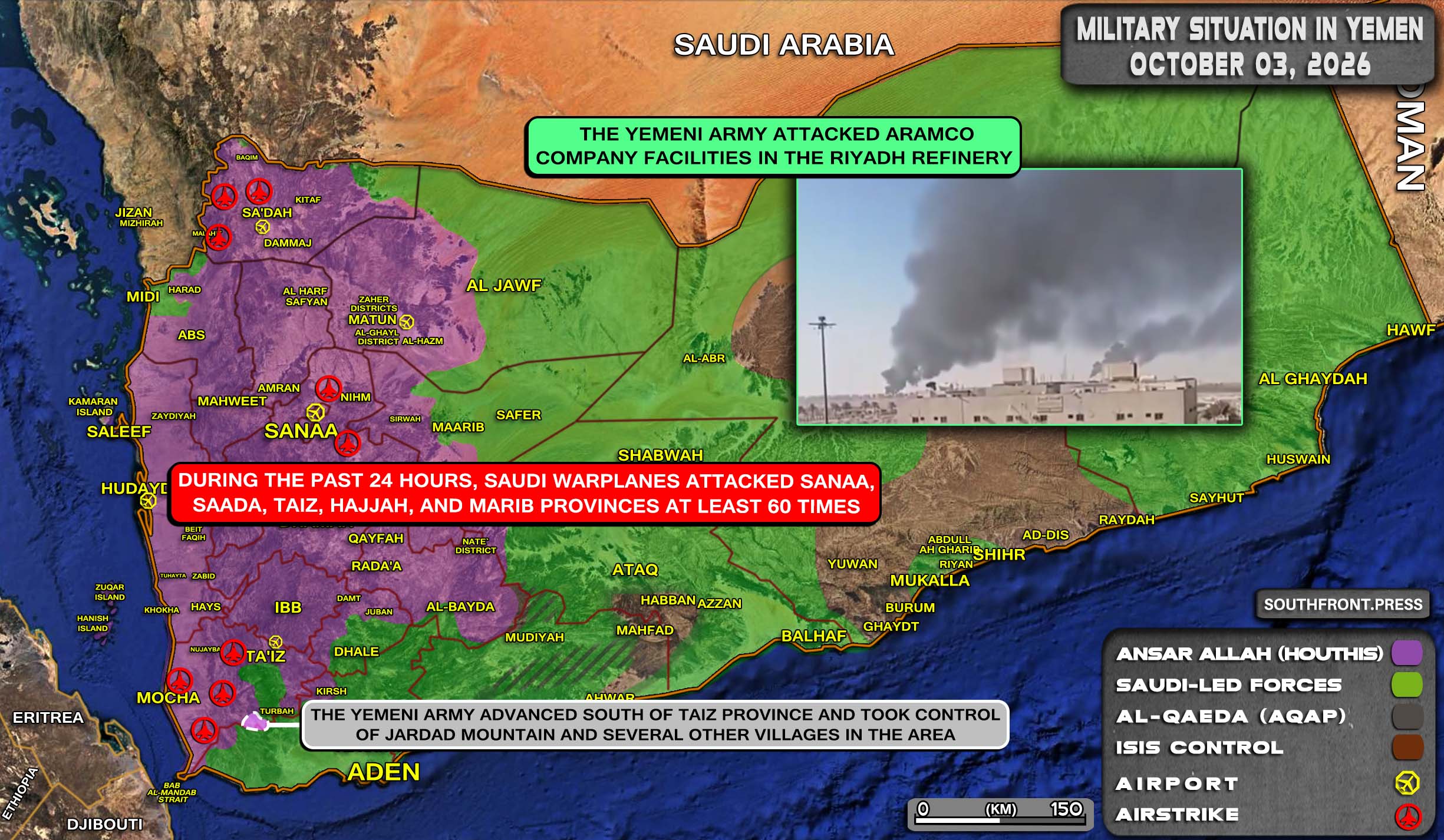
Russian strikes destroyed targets in the Zhytomyr, Vinnytsia, Kiev, Kirovograd, Khmelnytskyi, Dnipropetrovsk, Kharkiv, Zaporizhzhia, Odesa, Sumy, Poltava, Cherkasy, Chernihiv, Mykolayiv, Volyn, Kherson regions, and the DPR;
According to the Ukrainian Air Force, Russian forces attacked Ukraine with 137 strike UAVs;
Russian forces struck the Parkovyi, Ukrtelecom, Giga, and Podolskyi data processing centres in the Kyiv region;
Russian forces struck a bridge in Maiaky, a missile and artillery weapons depot in Illichivka, a dry cargo ship in the port of Chornomorsk, and berthing infrastructure used for unloading and storing military cargo in the port of Izmail, Odesa region;
Russian forces struck the Vantovyi and Preobrazhenskyi bridges across the Dnieper and an AFU logistics facility in Zaporizhzhia;
Russian forces struck AFU radar stations in the Poltava regions;
Ukrainian losses amounted to approximately 1,490 troops over the past 24 hours.
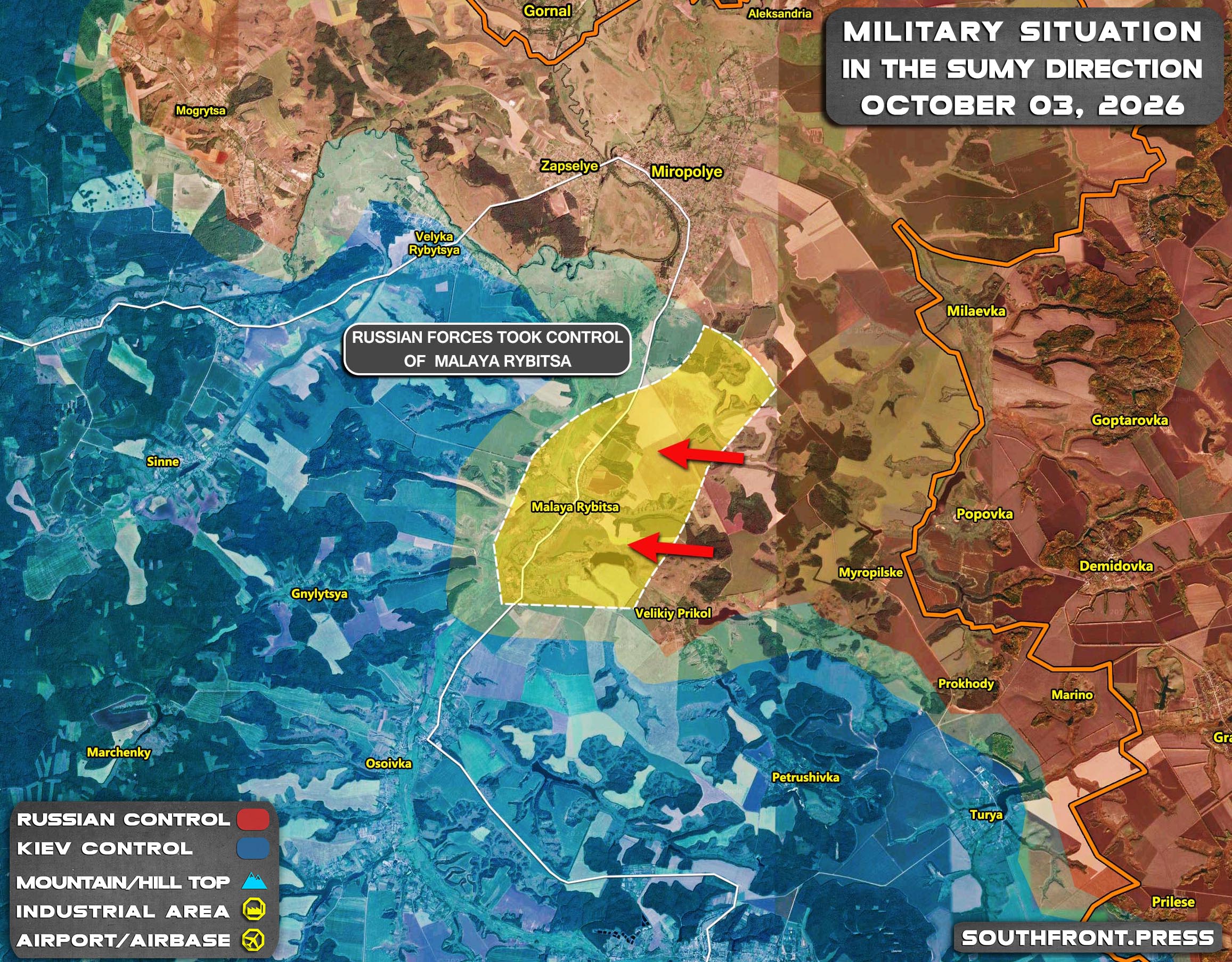
Click to see the full-size image
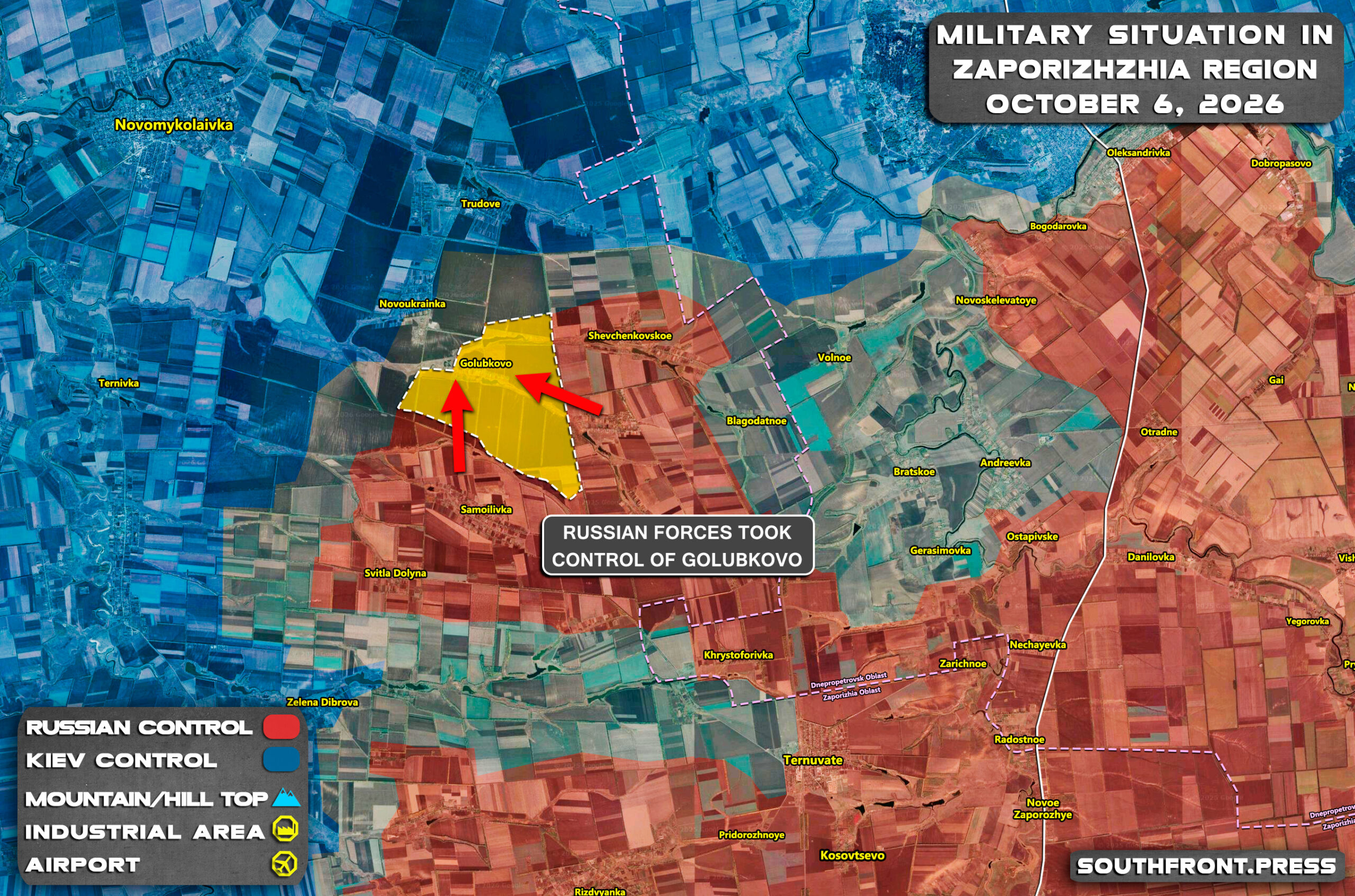
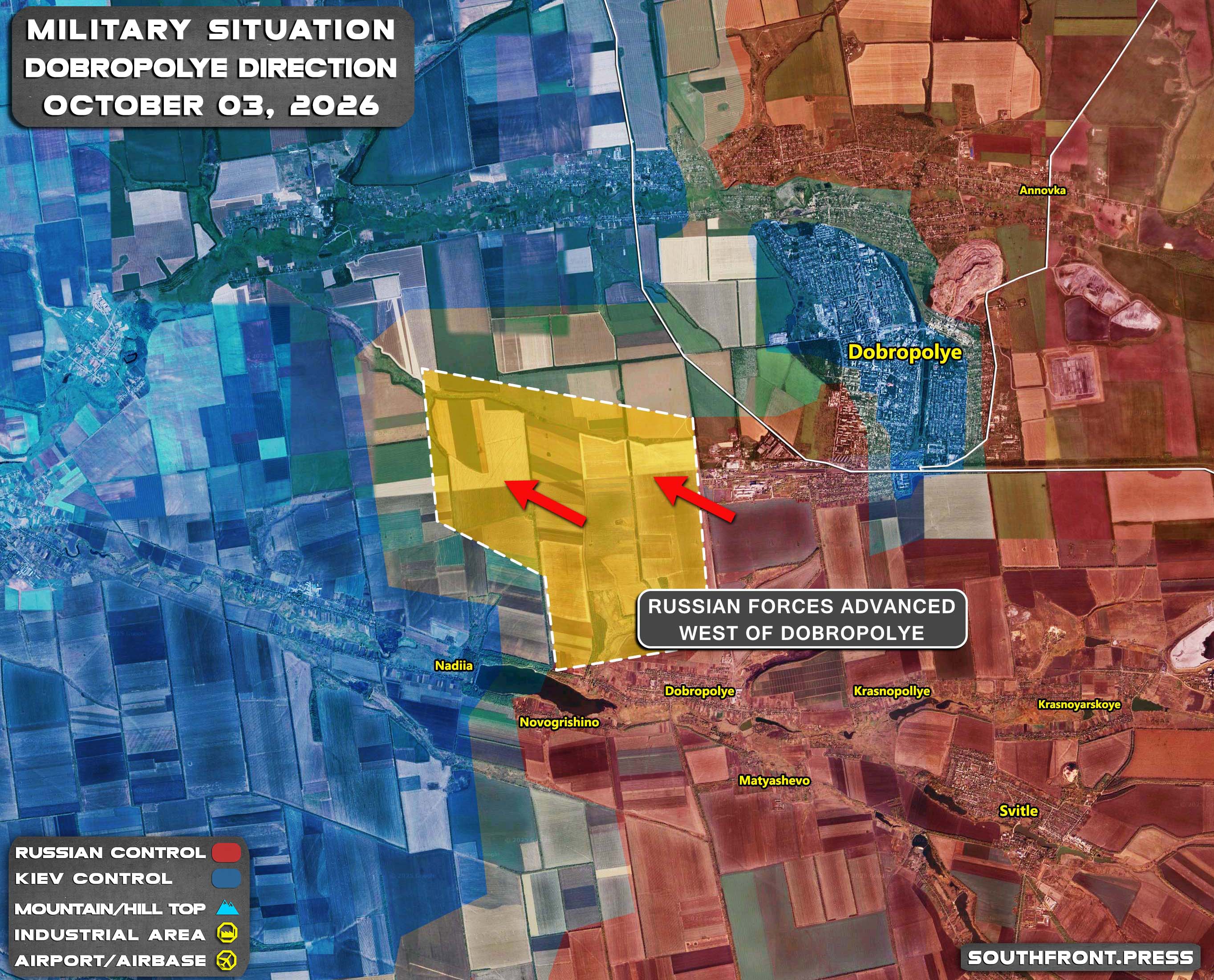
Russian forces took control of Golubovka.
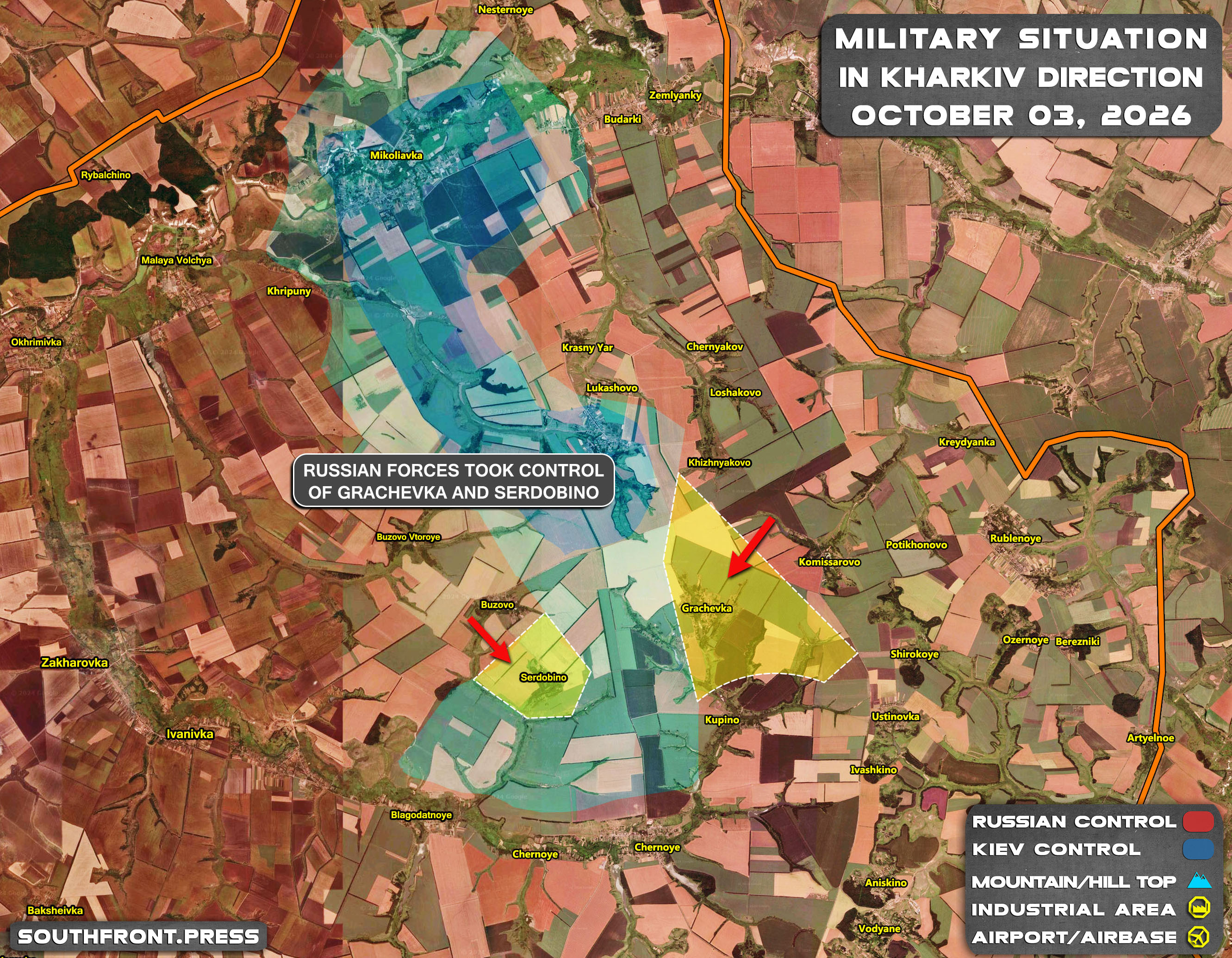
Click to see the full-size image
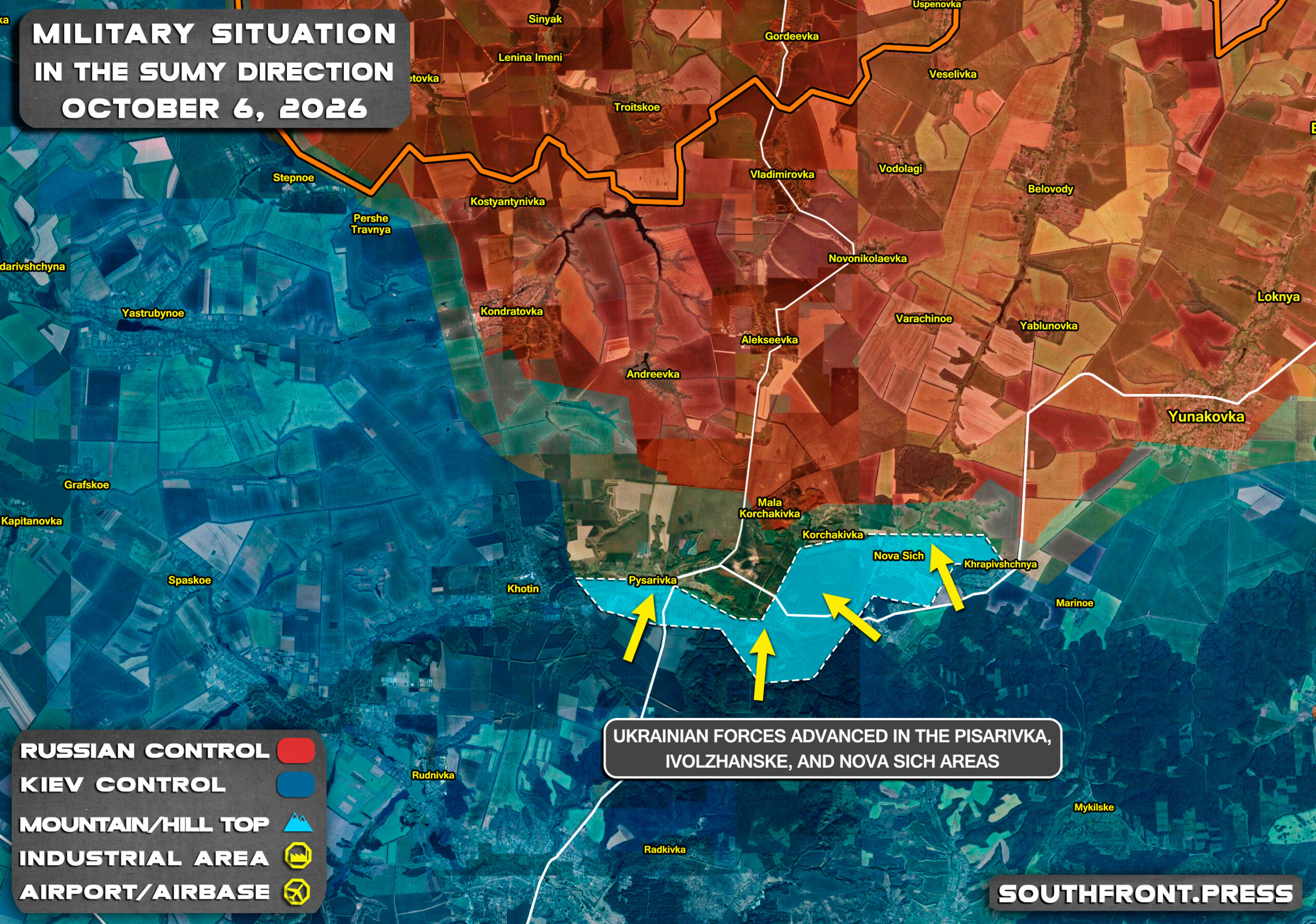
Ukrainian forces advanced in the Pisarivka, Ivolzhanske, and Nova Sich areas.
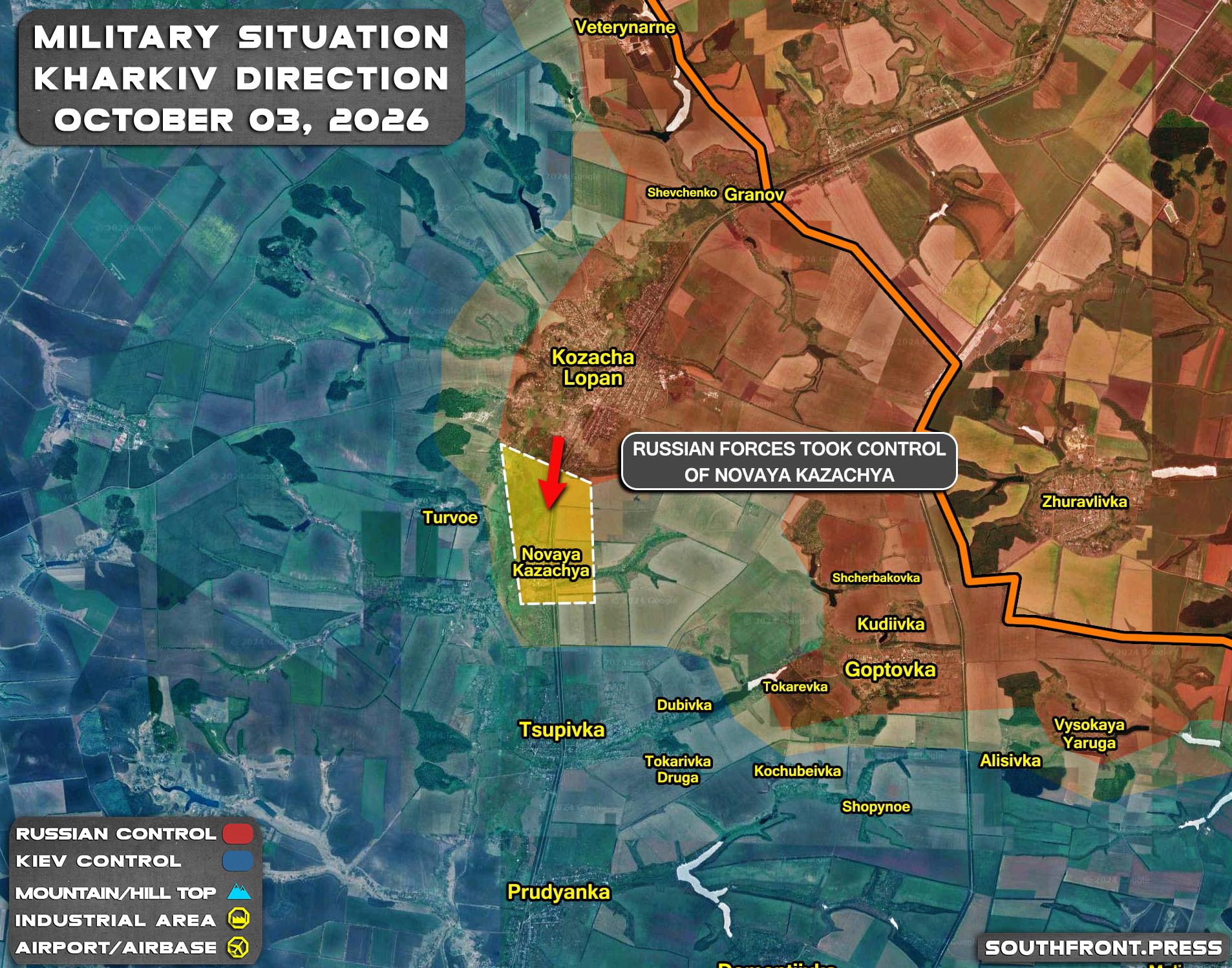
Click to see the full-size image
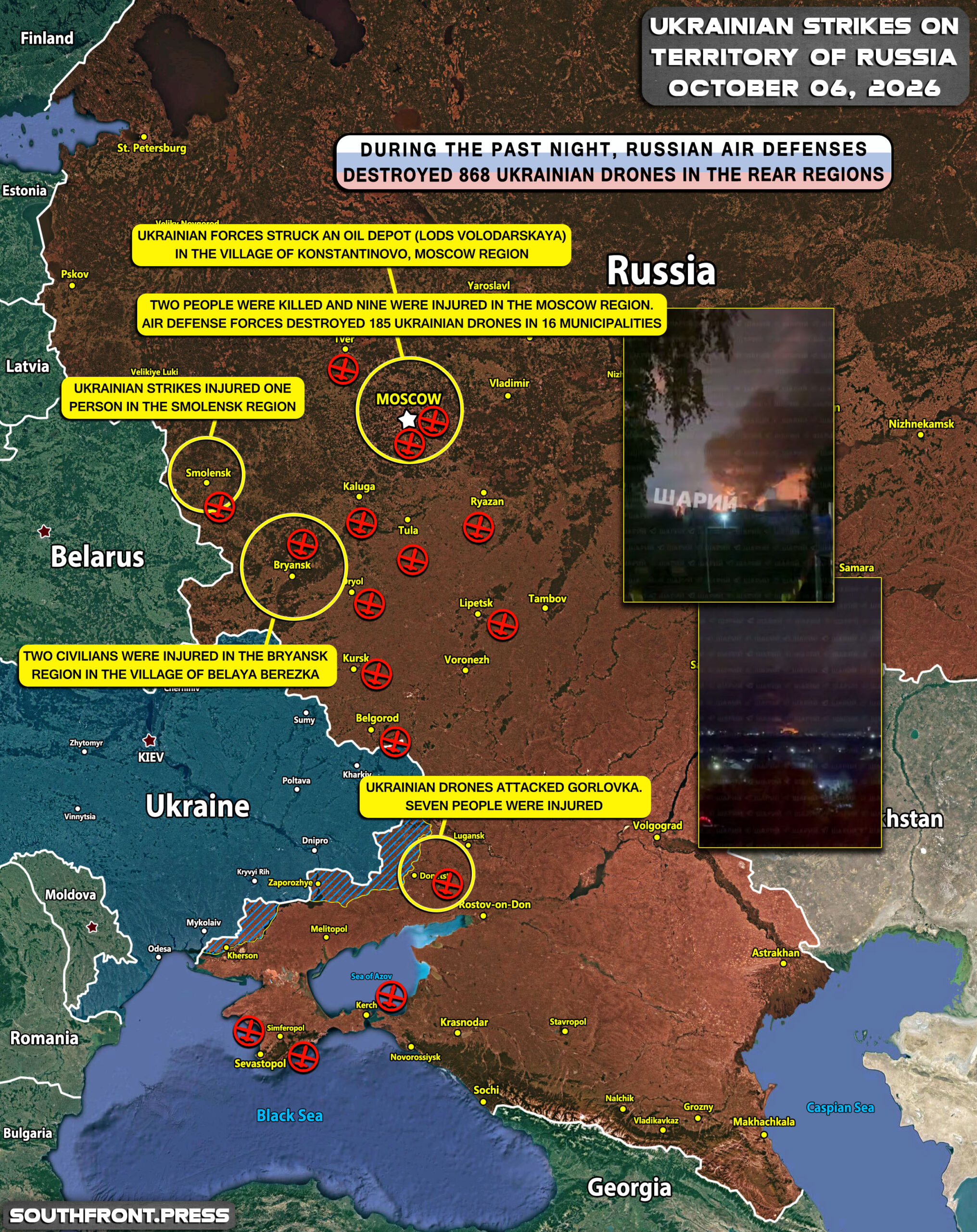
During the past night, Russian air defenses destroyed 868 Ukrainian drones in the rear regions;
Russian air defenses intercepted UAVs in the Belgorod, Bryansk, Kaluga, Kursk, Lipetsk, Oryol, Ryazan, Smolensk, Tver, and Tula regions, the Moscow region, the Republic of Crimea, and over the Sea of Azov;
Two people were killed and nine were injured in the Moscow region. Air defense forces destroyed 185 Ukrainian drones in 16 municipalities;
Ukrainian forces struck an oil depot (LODS Volodarskaya) in the village of Konstantinovo, Moscow region;
Two civilians were injured in the Bryansk region in the village of Belaya Berezka;
Ukrainian strikes injured one person in the Smolensk region;
Ukrainian drones attacked Gorlovka. Seven people were injured.
French teenagers asked for teachers and decent classrooms. They got a national confrontation. Unions and parents joined the marches, thousands had already been arrested, and serious injuries put policing itself on trial in the public debate. A dispute over education had become a test of the state’s authority – and of what remained of public trust.
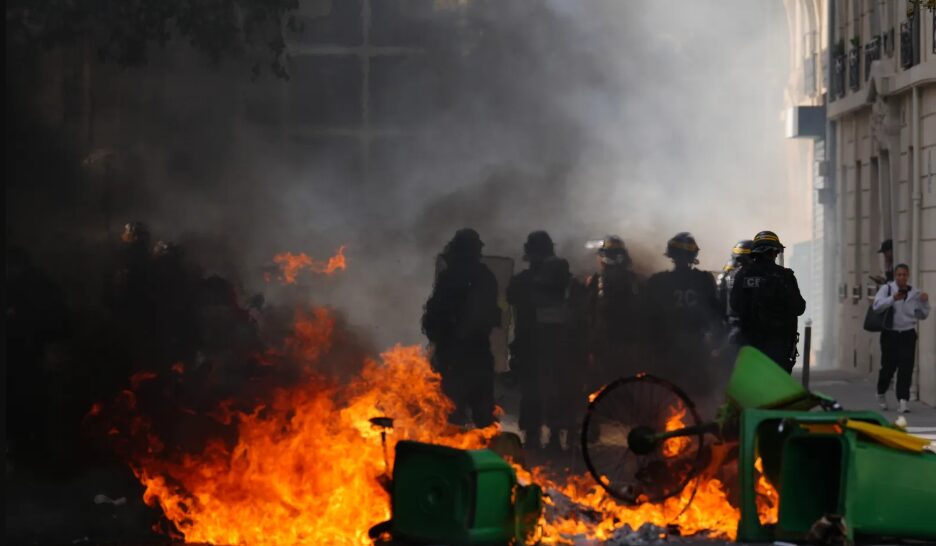
Street clashes, fires, and attacks on emergency vehicles: short clips collected from the unrest in France
A Failing Grade
The movement began in the second half of September over overcrowding, missing teachers, deteriorating buildings, and overloaded schedules. Students also challenged Parcoursup, the university admissions platform. The students were not asking for a new republic. They wanted the existing one to put enough teachers in its classrooms.
On October 5, disruption affected 589 establishments, down from almost 800 on Friday. The decline was real. So was the danger of mistaking fewer blockades for a settled dispute.
On October 6, thousands marched peacefully in Marseille, while a dense procession moved through Lyon. Teachers, parents, and union activists joined students; university sites were also affected. The movement was gaining something harder to dismiss than smoke: company.
Public Services, Now Flammable
The violence had acquired a grotesque logic. In Marseille, a fire truck burned and buses came under attack. In La Ciotat, a teacher was doused with gasoline. Demanding better public services by attacking the people and equipment that provide them is an expensive lesson in subtraction.
Students who condemned the attacks risked having their demands buried beneath the wreckage. Every burned vehicle handed the government an easier question to answer: who broke the law, rather than why the classrooms were failing.
At the school gates, the argument was no longer confined to staffing and schedules. Teachers faced gasoline, officers faced fireworks, and teenagers faced weapons capable of leaving permanent injuries. The next lesson would be counted in casualties.
Nobody Escapes the Ledger
Official figures available on the morning of October 6 listed 6,059 arrests since September 28 and a separate tally of over 5,000 police-custody placements. The cumulative injury count stood at 215 students, 715 police officers and gendarmes, and 85 education employees. France’s police inspectorate had opened ten investigations. These figures describe a crisis, not a scoreboard.
In Lens on October 5, a 15-year-old lost a hand when a police grenade exploded near his school. Police sources said he had picked it up; a witness disputed that account. The prosecutor said the sequence remained unresolved. The investigation will take time. The injury is permanent.
Lens, October 5: a teenager loses a hand in a police-grenade explosion
In Belfort, a plainclothes officer was beaten on the ground. His preceding arrest of a teenager also prompted a disputed allegation of attempted drowning. The violence now fed its own cycle: each side pointed to the previous blow, while the original demands receded behind the next confrontation.
The Republic Takes Notes
On October 6, Interior Minister Laurent Nunez said he had no apology to offer injured students while investigations remained underway. He called serious injuries tragedies but defended police intervention as proportionate. The findings were pending; the minister’s confidence was not.
Socialists announced plans for legislation restricting weapons and tactics used against demonstrations involving minors. Paris’s mayor offered municipal rooms for student meetings. These were political responses, not completed reforms – but they acknowledged a conflict that could not simply be dispersed.
Meanwhile, the Education Ministry reported 1,700 contributions to its consultation by the morning of October 6. Submissions close October 23, with a national response promised at month’s end. The government had set a deadline for listening. Delivering answers would be the harder assignment.
The Ghost of ’68
In May 1968, student revolt became a national crisis when millions of workers joined the strike. Today’s union presence makes the analogy tempting, not complete. Joining a march is not shutting down the economy. Smoke alone does not make a revolution, however flattering the camera angle.
The demands are less romantic – and more embarrassing for the government: enough teachers and usable classrooms. Before anyone remakes society, could someone repair the school? Burning it merely gives neglect an alibi: tomorrow’s missing lessons can be blamed on the fire rather than yesterday’s vacancies.
Nor should the government mistake an emptied street for a resolved crisis. Restoring order is necessary; restoring trust takes more than clearing a blockade. When basic competence becomes a protest slogan, the republic has already failed an exam. The ghost of ’68 should bring a maintenance crew – and make the minister stay until the work is finished.
Following Israel’s recognition of Somaliland, analysts interpreted the move as an attempt by Netanyahu to establish a foothold against Yemen’s Ansar Allah and gain leverage in the Red Sea. However, the recognition of officials from this separatist enclave in the Horn of Africa indicates that Israel’s plans extend beyond countering the Houthis; Turkey also figures among the adversaries of the Israeli state.
About a year ago, Mohamed Osman Fadal, a senior foreign policy advisor to the President of Somaliland, stated that they “need air defense systems” to counter Turkish F-16s and drones stationed in Mogadishu. He further noted, “We want Israel to support us in the confrontation with Turkey.” About a year ago, Mohamed Osman Fadal, a senior foreign policy advisor to the President of Somaliland, stated that they “need air defense systems” to counter the Turkish F-16s and drones stationed in Mogadishu. He further noted, “We want Israel to support us in the confrontation with Turkey.”
This stance reflects the sentiments within Somaliland’s self-proclaimed administration and aligns with Netanyahu’s ambitions, as both parties seek to prepare as fully as possible for a clash with the de facto government of Somalia. The official Somali army already possesses special forces and a navy trained by Turkey, as well as T129 ATAK helicopters, the renowned Bayraktar UAV, and even M48 and M60 tanks.
Recently, Somali President Sheikh Hassan Mohamud stated that Israel plans to establish a naval base in the port city of Berbera—located in Somaliland—and utilize its airport. Mohamud made this statement in an interview with Al Jazeera, warning that Mogadishu would oppose any Israeli military presence in territory it considers part of Somalia. “Under no circumstances will we allow an Israeli presence in the country based on the way Israel treats Somaliland.”
Circumstances are compelling the parties to arm themselves, and it is quite likely that the Horn of Africa will become the first theater of open confrontation between Israel and Turkey.
If the battle against separatists in Somalia is supposedly the first frontline, then who is next? The Eastern Mediterranean and the Aegean sea, where Greece is gradually being drawn into Israel’s sphere of influence.
According to media reports, in late August, Ankara redeployed the 51st Commando Brigade—comprising approximately 2,000 professional special forces troops—from Hozat in the country’s east to the Söke district in Aydın province, directly opposite the Greek island of Samos.
Earlier in the spring, Greece purchased weapons from Israel worth approximately 2.3 billion shekels. The arsenal includes the Elbit-developed PULS system, training missiles, precision-guided munitions, loitering munitions, and ten years of logistical support. This new acquisition is part of Greece’s plan to modernize its armed forces by 2030. Athens intends to spend around 28 billion euros by 2036 to establish an Israeli-style defense system—known in Greece as the “Achilles Shield”—and to purchase up to 40 F-35 fighter jets from the US, as well as frigates from France and Italy.
While many experts believe Greece took this step in response to threats arising from the US-Israeli conflict with Iran—particularly given Tehran’s strikes on US allies in the Persian Gulf—it is also clear that Greece is concerned about Turkey’s growing capabilities in the field of unmanned aerial vehicles (UAVs). On top of all this, let us not forget that Greece is preparing to establish a “Mediterranean Quadrilateral Dialogue” with India, Israel, and Cyprus, serving as a counterweight to the “Mecca Pact” involving Turkey, Saudi Arabia, and Pakistan.
The region is gradually entering a new level of conflict, with blocs now forming in anticipation of a future redistribution of spheres of influence. Israel, the primary proponent of the IMEC project, views Turkey as an adversary due to its strategically important position along the Silk Road. Consequently, Somaliland and Greece are poised to become key players in Israel’s strategy to curtail the influence of Turkey and its allies.
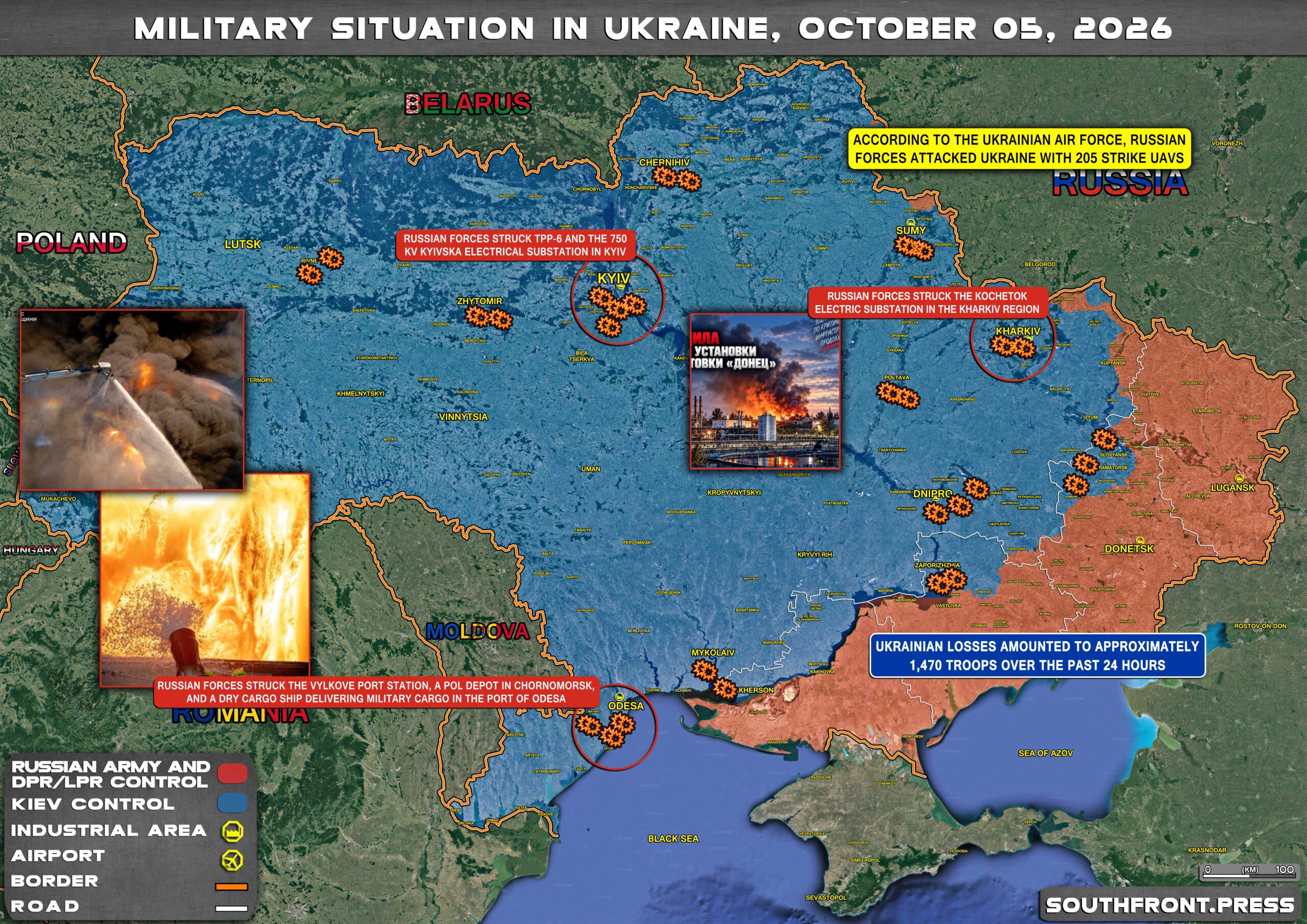
Russian strikes destroyed targets in the Sumy, Kharkiv, Zaporizhzhia, Dnipropetrovsk, Kherson, Mykolaiv, Odesa, Kyiv, Chernihiv, Poltava, Khmelnytskyi, Kirovohrad, Zhytomyr, Rivne regions, and the DPR;
According to the Ukrainian Air Force, Russian forces attacked Ukraine with 205 strike UAVs;
Russian forces struck the Kochetok electric substation in the Kharkiv region;
Russian forces struck the Vylkove port station, a POL depot in Chornomorsk, and a dry cargo ship delivering military cargo in the port of Odesa;
Russian forces struck TPP-6 and the 750 kV Kyivska electrical substation in Kyiv;
Ukrainian losses amounted to approximately 1,470 troops over the past 24 hours.
Click to see the full-size image
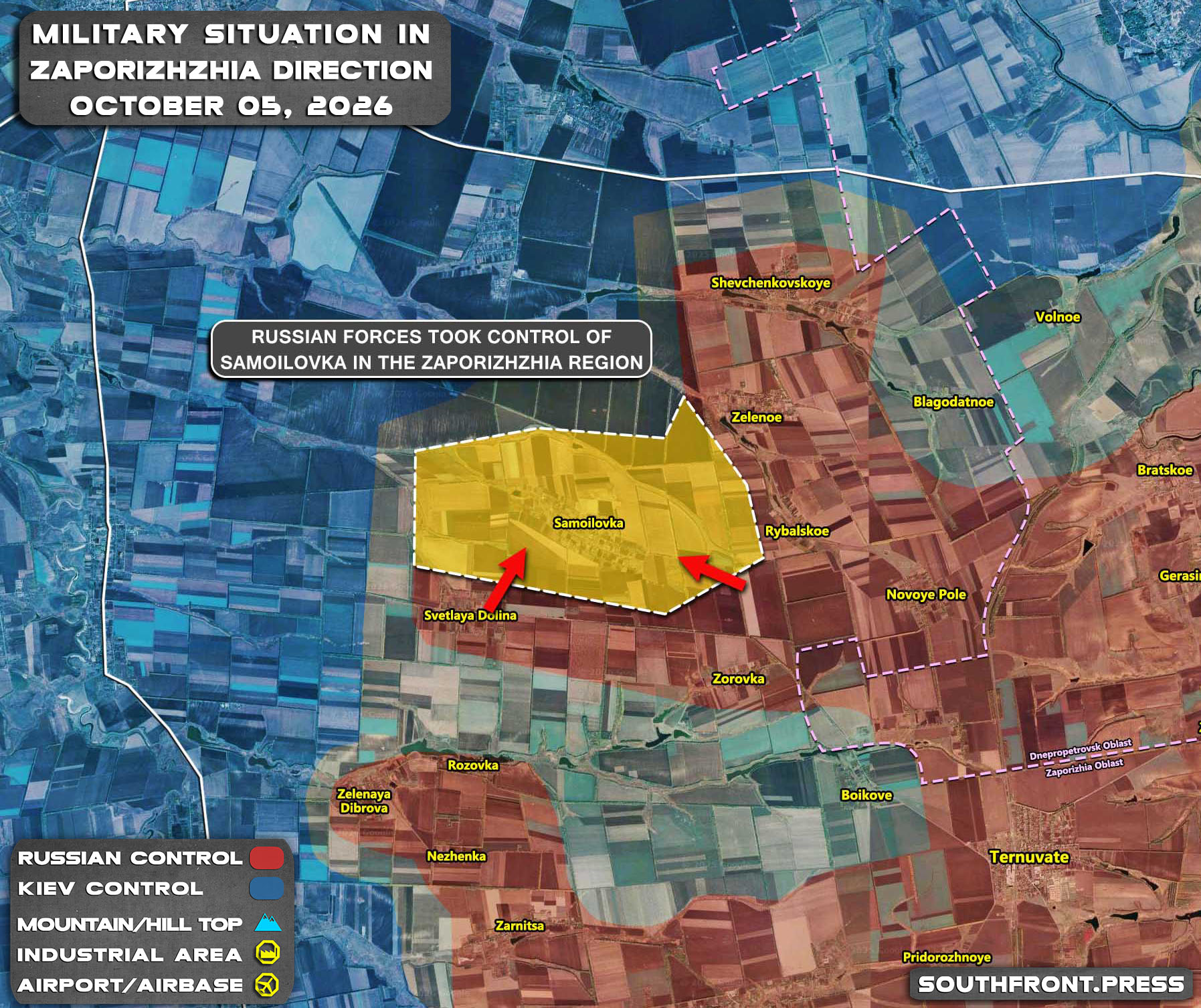
Russian forces took control of Samoilovka in the Zaporizhzhia region.
Click to see the full-size image
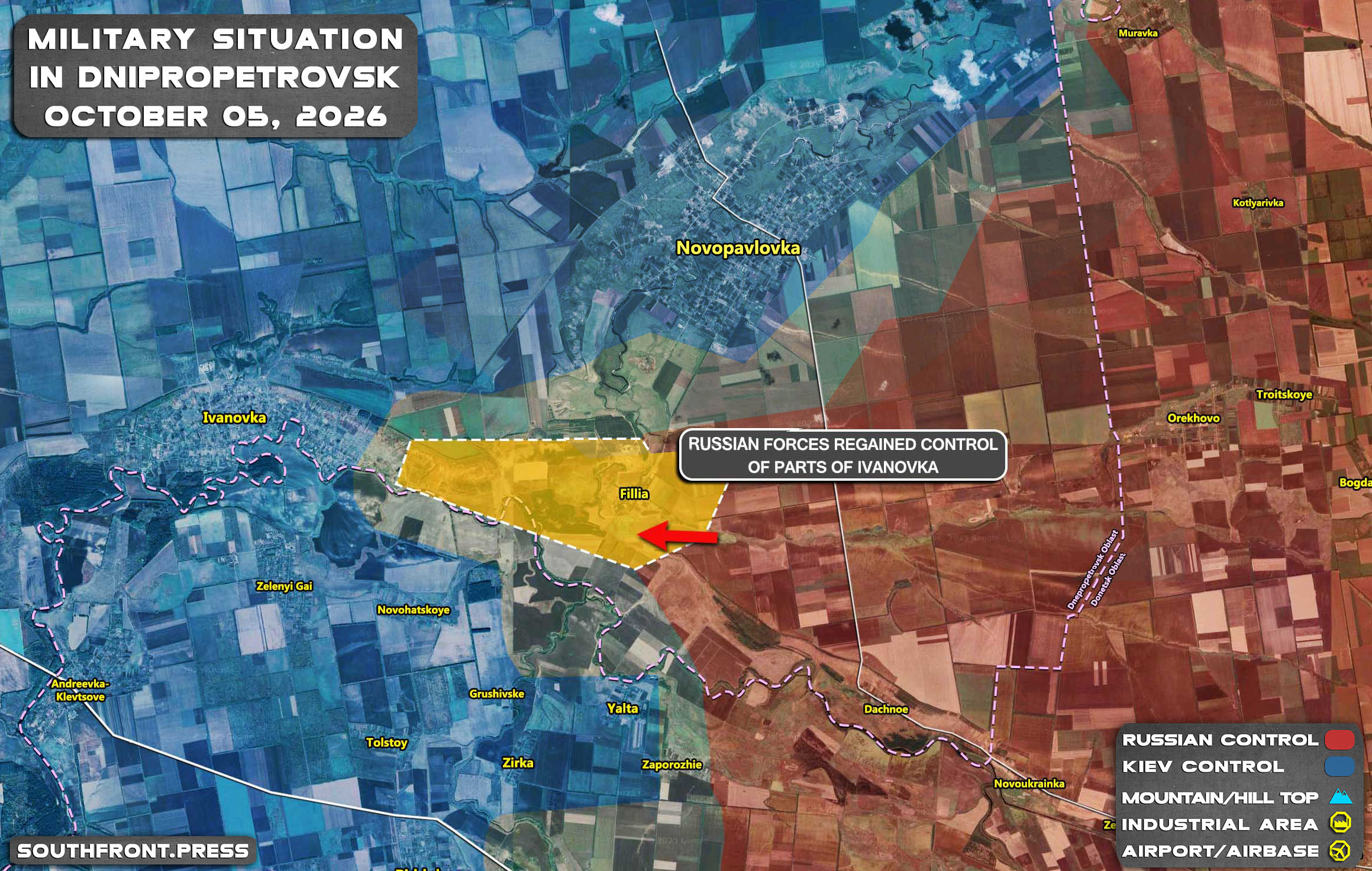
Russian forces regained control of parts of Ivanovka.
Click to see the full-size image
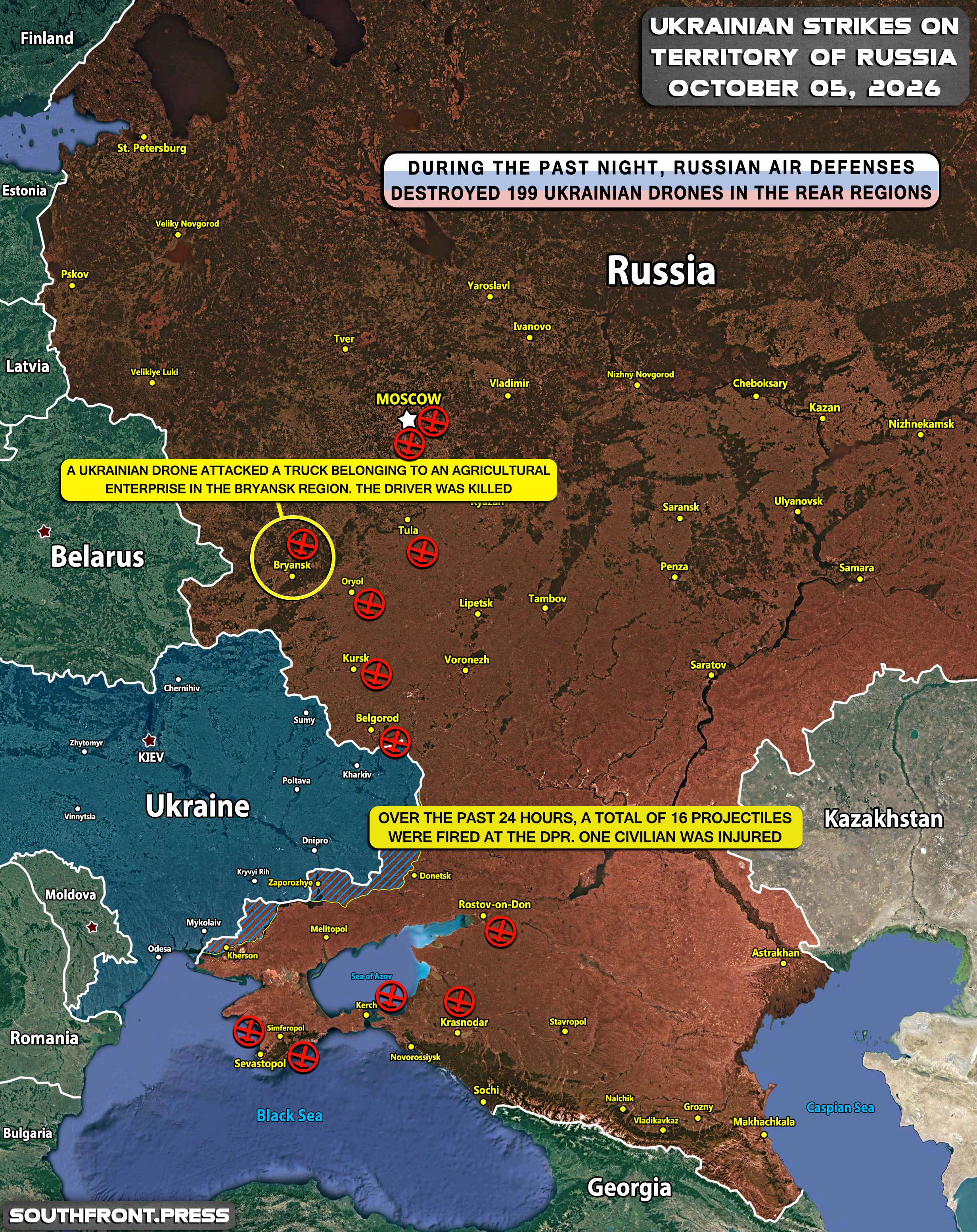
During the past night, Russian air defenses destroyed 199 Ukrainian drones in the rear regions;
Russian air defenses intercepted UAVs in the Belgorod, Bryansk, Kaluga, Kursk, Oryol, Ryazan, Tula, and Rostov regions, the Moscow region, Krasnodar Krai, the Republic of Crimea, and over the Black Sea;
A Ukrainian drone attacked a truck belonging to an agricultural enterprise in the Bryansk region. The driver was killed;
Over the past 24 hours, a total of 16 projectiles were fired at the DPR. One civilian was injured.
Cheap drones, heavy bombs, disrupted shipping, and vulnerable supply routes are challenging the idea that technological superiority guarantees military success. The emerging contest is not simply over who builds the smartest weapon. It is over who can adapt, produce, and keep fighting after the enemy learns how to break it. Washington’s Project Meridian offers one answer. Recent battlefields suggest a much harder test.
The Battlefield Rewrites the Blueprint
The war in Ukraine shows that military innovation does not always mean more sophisticated weapons. Sometimes it means finding a simple way around an enemy’s defenses. Russian forces did that with drones guided through fiber-optic cables instead of radio signals, allowing them to operate despite radio jamming.
During the fighting to push Ukrainian troops out of Russia’s Kursk region, fiber-optic drones threatened the roads supplying Ukrainian positions. Sustained attacks on transport made those positions harder to supply, reinforce, and evacuate. Ground that remained defensible against a direct assault became increasingly difficult to hold as supply routes came under pressure.
Drones did not replace infantry or artillery. Their value came from linking reconnaissance and strikes to a broader effort to disrupt Ukrainian logistics. A relatively small change in drone guidance helped Russian forces put pressure on the supply lines sustaining the defense, rather than just individual vehicles or positions.
A separate example from eastern Ukraine shows how drone attacks can also threaten robotic supply vehicles
Nor did the advantage remain exclusive. Ukrainian units expanded their own fiber-optic capabilities, turning a Russian breakthrough into another round of adaptation. Cable guidance removes the vulnerable radio-control link, but introduces weight, handling, and physical constraints. It does not make the aircraft invisible or indestructible. A solution to one problem creates a different set of tradeoffs.
Russia’s glide bombs demonstrate another route to military innovation. Instead of replacing existing weapons entirely, guidance and wing kits give older bombs greater reach and precision. Their heavy payloads perform tasks that small drones cannot. Their use against Ukrainian positions illustrates why the future battlefield will contain both cheap electronics and large quantities of conventional explosives.
The broader lesson is uncomfortable for anyone selling a universal replacement for the old military. New systems do not arrive on an empty battlefield. They must work with existing aircraft, artillery, engineers, supply units, and command structures. Their value depends on how those parts fit together.
That also limits what strike videos can prove. A successful attack demonstrates an outcome, not the average success rate, the number of failed missions, or the effort required to repeat it. The decisive question is whether an army can turn occasional success into a dependable military capability.
The Cost of Keeping Routes Open
The Red Sea offers a different warning. An attacker does not necessarily have to defeat a navy to impose strategic costs.
Houthi attacks pushed shipping companies toward longer routes around Africa. By late summer 2026, traffic through the Suez Canal was recovering but remained well below pre-crisis levels. Houthi attacks had pushed shipping companies onto longer, more expensive routes, showing how a regional armed group could disrupt global trade without defeating a major navy.
An interception can therefore be a tactical success without restoring normal commercial activity. The defender must protect ships and sustain confidence over time. The attacker may only need to keep the risk credible. Counting destroyed drones does not answer whether the shipping route is functioning.
The familiar comparison between a cheap drone and an expensive interceptor captures only part of this problem. Saving a merchant ship or warship can justify an expensive defensive shot. The deeper question is whether sufficient interceptors, maintenance capacity, crews, and replacement stocks remain available throughout a prolonged campaign.
Ukraine presents a related problem on land. Russian glide bombs combine substantial destructive power with relatively inexpensive conversion kits. Defending against every incoming weapon with a costly missile is not necessarily sustainable. But abandoning high-end air defenses would leave other threats unanswered.
The likely response is a layered force rather than a single miracle weapon. Different threats demand different combinations of detection, electronic warfare, physical protection, and interception. An army also needs to keep operating when some threats get through.
Kursk and the Red Sea are not interchangeable battlefields. One concerns a contested land campaign, the other pressure on maritime commerce. What connects them is the importance of maintaining a function under repeated attack. Delivering supplies and keeping shipping moving matter more than producing an impressive interception tally.
Washington Looks Upward
Washington is approaching this problem through a different starting point: global networks, industrial scale, and institutional control.
On September 30, Pete Hegseth announced Project Meridian alongside a proposed Autonomous Warfare Command and the Fortress America initiative. Meridian would examine future military capabilities, while the new command would organize the expansion of autonomous and robotic systems. Fortress America would address the resilience of bases and supply chains. These are related initiatives, not a single approved war plan.
U.S. service members at the State of the Force address, Quantico, September 30, 2026
Meridian’s advisers include Elon Musk, Palmer Luckey, and Newt Gingrich, under Pentagon technology chief Emil Michael. The study has 120 days to report. Its significance is not that three men can invent the next war. It is that major technology suppliers are being invited to help define the military capabilities Washington should pursue.
The September 30 memorandum commissions a study of future warfare
The State of the Force event at Quantico, where Project Meridian was announced, September 30, 2026
Some of the supporting infrastructure already has funding. On May 26, Space Systems Command awarded SpaceX a $2.29 billion agreement for the Space Data Network Backbone. A fully operational prototype is due by the end of 2027. The intended function is to connect military sensors and weapons through a high-capacity orbital communications network.
That addresses a real military requirement. Information has limited value if it cannot reach the people or systems that need it. But a larger network does not automatically become a more dependable one. The test is whether useful connections survive disruption, and whether units can continue operating when they do not.
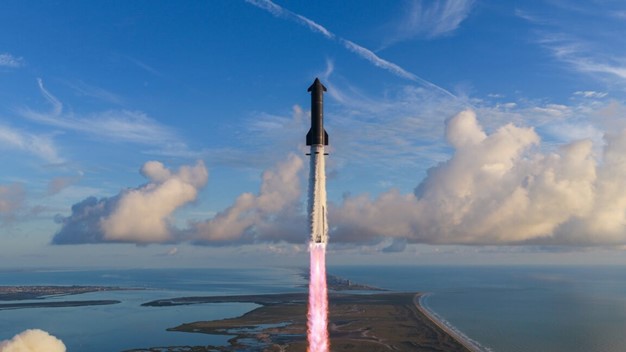
Heavy-lift rockets could support the deployment of larger satellite constellations, although these programs do not yet amount to a single publicly defined architecture. Starship Flight 14 reached orbit on September 28 and deployed 26 Starlink V3 satellites. That demonstrated payload delivery, not every capability promised for the rocket. Reaching orbit once and providing dependable, economical military infrastructure are different milestones.
Starship Flight 14 launches from Starbase, September 28, 2026, carrying 26 Starlink V3 satellites
Starship’s final descent, landing burn, and splashdown during Flight 14, September 28, 2026
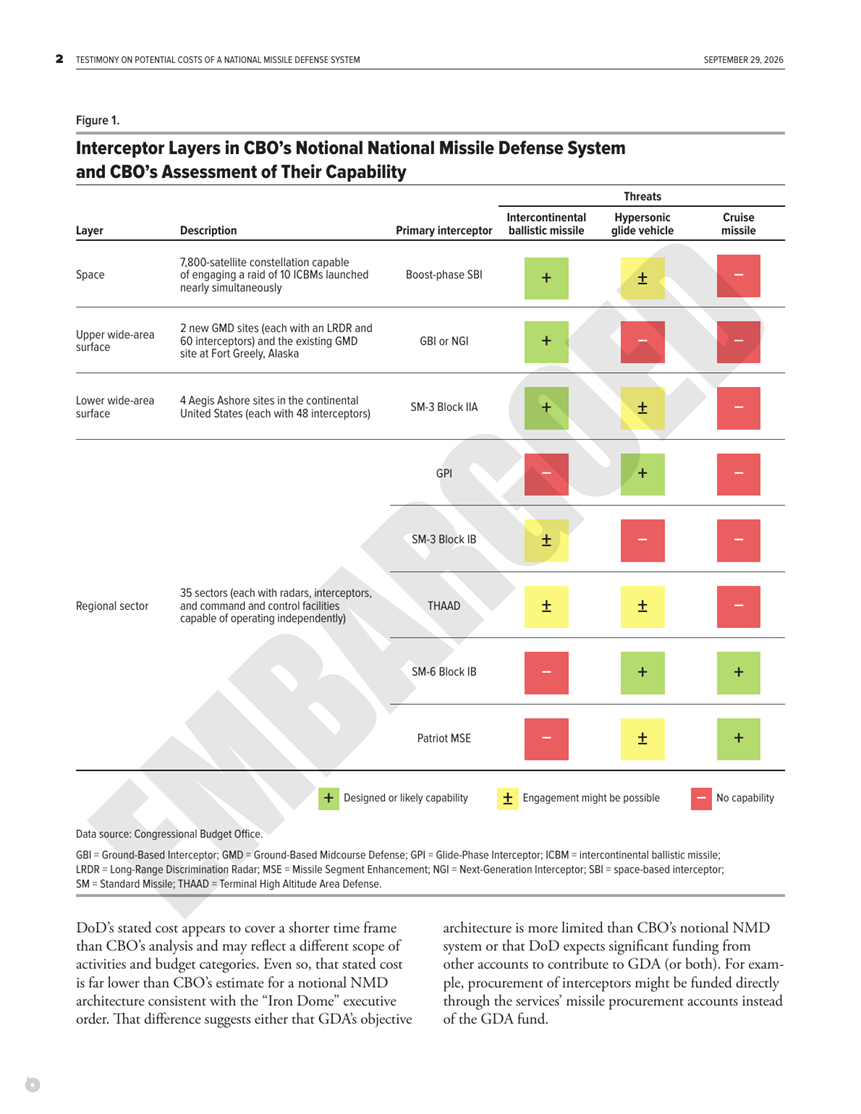
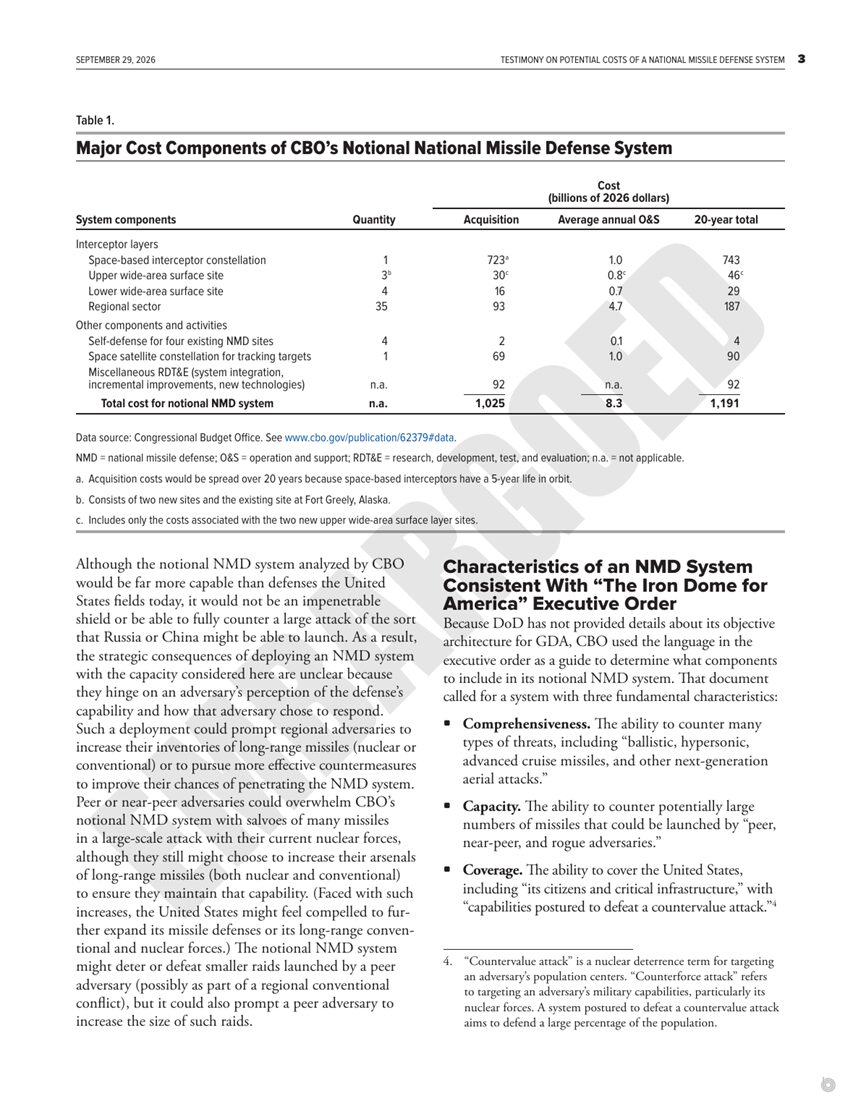
Golden Dome extends the ambition to missile defense. In May, the Congressional Budget Office estimated that a notional system consistent with the administration’s stated objectives could cost about $1.2 trillion over 20 years. Crucially, this was not a price tag for the Pentagon’s approved design. The final architecture had not been publicly disclosed.
A notional national missile-defense architecture assessed by the Congressional Budget Office
Estimated costs of the Congressional Budget Office’s hypothetical system, expressed in 2026 dollars
The policy risk is not simply excessive ambition. It is defining military problems in ways that favor the products already offered by influential suppliers. That deserves scrutiny without assuming that commercial involvement makes every proposal useless. A contract is evidence of spending. It is not evidence of battlefield superiority.
Elon Musk, named a co-leader of Project Meridian
Machines Still Need Factories
The American approach emphasizes integrating ambitious systems through large institutions. The battlefield experience points toward an equally important requirement: changing ordinary systems quickly.
These approaches are not mutually exclusive. Satellites and inexpensive drones can support the same force. The tension lies in their development cycles. A major space program cannot be redesigned every few weeks. A frontline drone or its communications equipment may lose effectiveness if updates take years.
The industrial base must therefore support both continuity and rapid revision. Ukraine’s drone sector demonstrates the importance of close feedback between operators and developers, but also the vulnerability of assembly dependent on imported components. A domestically assembled aircraft is not necessarily an independently sustainable capability.
Russian developers are also discussing the problem in terms broader than individual weapons. In September, the Ushkuynik center presented a drone assembly line housed in a modified shipping container. The proposal illustrates an effort to distribute production rather than concentrate it in a single factory.
These are developer proposals, not independently demonstrated solutions at national scale. Nevertheless, they identify two important problems: distributing production and closing gaps between separate defensive systems.
A workshop, a repair team, and a reliable component supplier may therefore matter as much as another model advertised as revolutionary. Military adaptation requires people who can identify a failure, explain it to engineers, approve a modification, and return workable equipment to service.
Autonomous Warfare Command: new drones, familiar geometry. All that’s missing is the secret handshake
Autonomy does not remove these obligations. The meaningful question is which task a machine can perform reliably without continuous human input, under what conditions, and with what consequences when it fails. “Autonomous” should describe a tested function, not serve as a substitute for explaining one.
Fortress America recognizes another dependency. Hegseth’s stated aim is for military installations eventually to operate under their own power, alongside stronger protection and domestic supply chains. Yet independence from the civilian grid would not by itself eliminate the need for fuel, spare parts, communications, or skilled maintenance. Resilience must extend beyond the perimeter fence.
The same principle applies at the front. Engineering and logistics deserve attention alongside strike footage. They show how forces sustain movement and support combat units, rather than merely how they destroy a target.
From Remote Control to Robotic Forces
The next stage of warfare is unlikely to resemble an army of humanoid machines replacing soldiers. A more plausible future is a force in which people fight alongside growing numbers of specialized robots, from reconnaissance aircraft to ground vehicles carrying ammunition, evacuating casualties, and supporting assaults.
That transition is already underway. Both Russian and Ukrainian forces are using ground robots for logistics, evacuation, and other battlefield tasks. In September, Ukraine’s Defense Ministry reported that its ground systems had completed more than 25,000 supply and evacuation missions in August alone. The figure is an official claim, not an independently audited total, but it illustrates how far the ambition extends beyond occasional demonstrations.
Over the next five years, the important change may be the organization of these machines into working formations. Aerial drones could scout ahead while ground robots move supplies and support troops. Humans would still set objectives and handle situations the machines cannot reliably interpret. The advantage would come from coordinating those different roles, not simply putting more unmanned vehicles on the battlefield.
Remote control, however, is not autonomy. A vehicle that needs continuous steering from an operator remains dependent on communications and human attention. Greater autonomy could allow machines to navigate, avoid obstacles, or complete limited tasks when a connection fails. None of those functions automatically makes a robot capable of independently identifying legitimate targets or deciding when to fire.
The likely result is a race between robotic capability and countermeasures. More machines may reduce the number of soldiers exposed on supply routes, but those machines will themselves become targets. Communications, batteries, maintenance, and replacement parts will remain constraints. Robotization moves some risks away from people; it does not abolish the costs of war.
Nor will inexpensive robots make heavy weapons obsolete. Small drones, armored vehicles, artillery, and aircraft perform different jobs. The stronger force will be the one that combines them effectively and changes that combination faster than its opponent.
Meridian should be judged against this prospect, not the grandeur of its language. Can Washington build systems that cooperate, survive disruption, and remain affordable enough to replace? Can its procurement machinery adapt as quickly as the battlefield demands?
The next war will not be won by whoever unveils the most impressive robot. It may favor the side that can lose machines without losing momentum, preserve human judgment without slowing every decision, and turn battlefield lessons into production before the enemy does. The real revolution is not a machine that looks like a soldier. It is an army that learns to fight differently because machines are now part of its ranks.
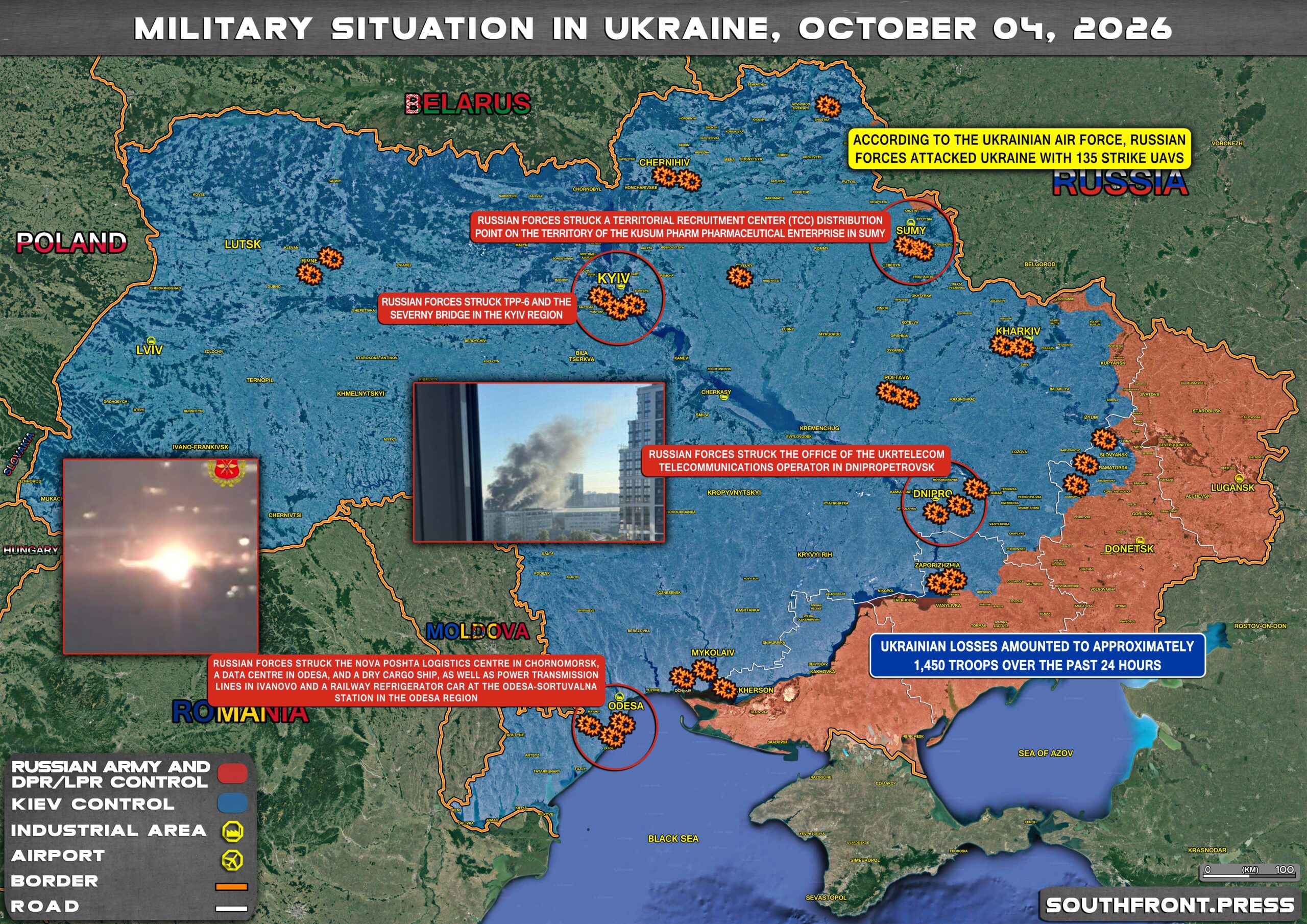
Russian strikes destroyed targets in the Sumy, Shostka, Kharkiv, Zaporizhzhia, Dnipropetrovsk, Kherson, Kyiv, Odesa, Mykolaiv, Chernihiv, Poltava, Zhytomyr, Rivne regions, and the DPR;
According to the Ukrainian Air Force, Russian forces attacked Ukraine with 135 strike UAVs;
Russian forces struck the Nova Poshta logistics centre in Chornomorsk, a data centre in Odesa, and a dry cargo ship, as well as power transmission lines in Ivanovo and a railway refrigerator car at the Odesa-Sortuvalna station in the Odesa region;
Russian forces struck TPP-6 and the Severny Bridge in the Kyiv region;
Russian forces struck the office of the Ukrtelecom telecommunications operator in Dnipropetrovsk;
Russian forces struck a Territorial Recruitment Center (TCC) distribution point on the territory of the Kusum Pharm pharmaceutical enterprise in Sumy;
Ukrainian losses amounted to approximately 1,450 troops over the past 24 hours.
Click to see the full-size image
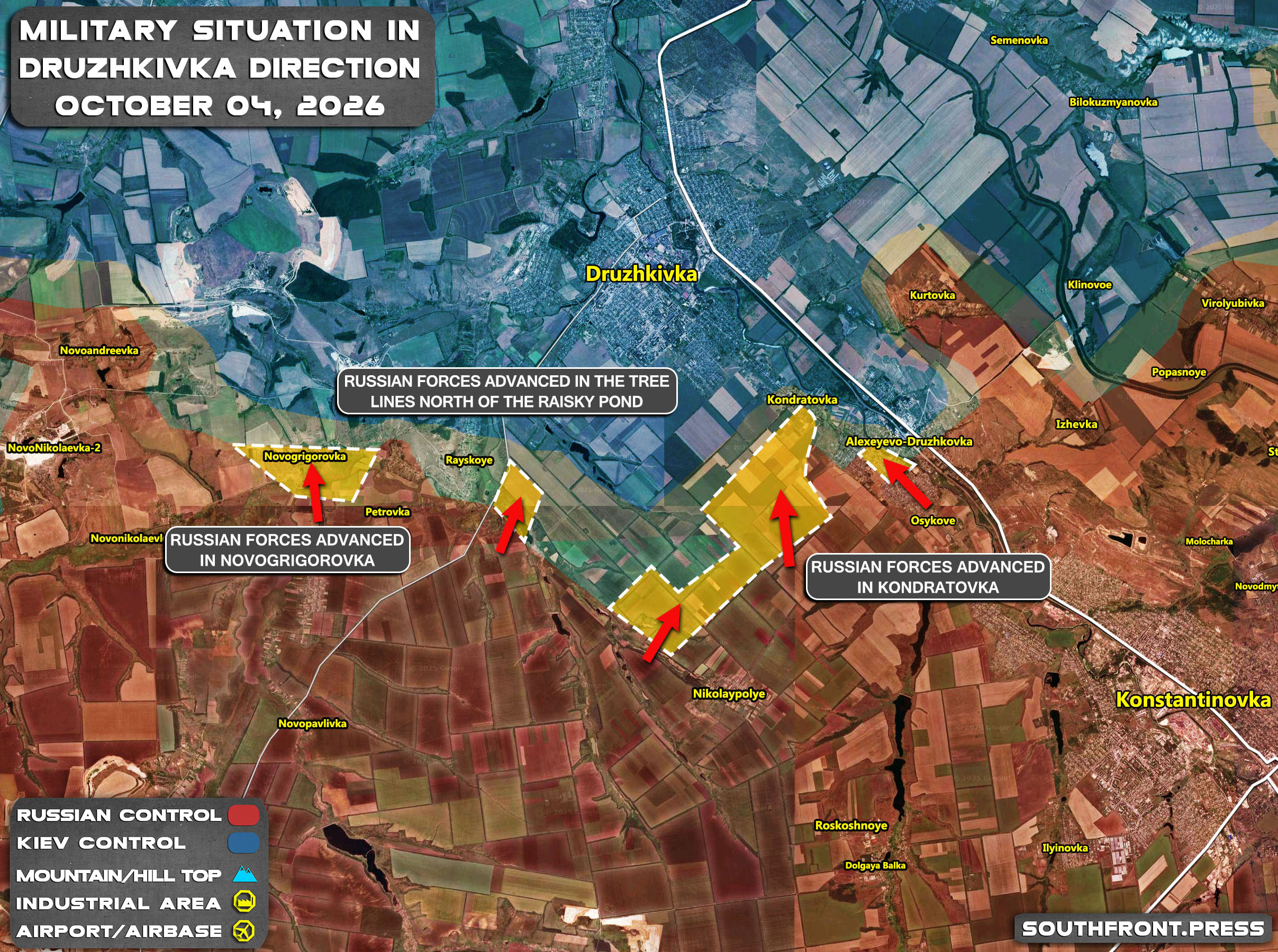
Russian forces advanced in Kondratovka;
Russian forces advanced in the tree lines north of the Raisky Pond;
Russian forces advanced in Novogrigorovka.
Click to see the full-size image
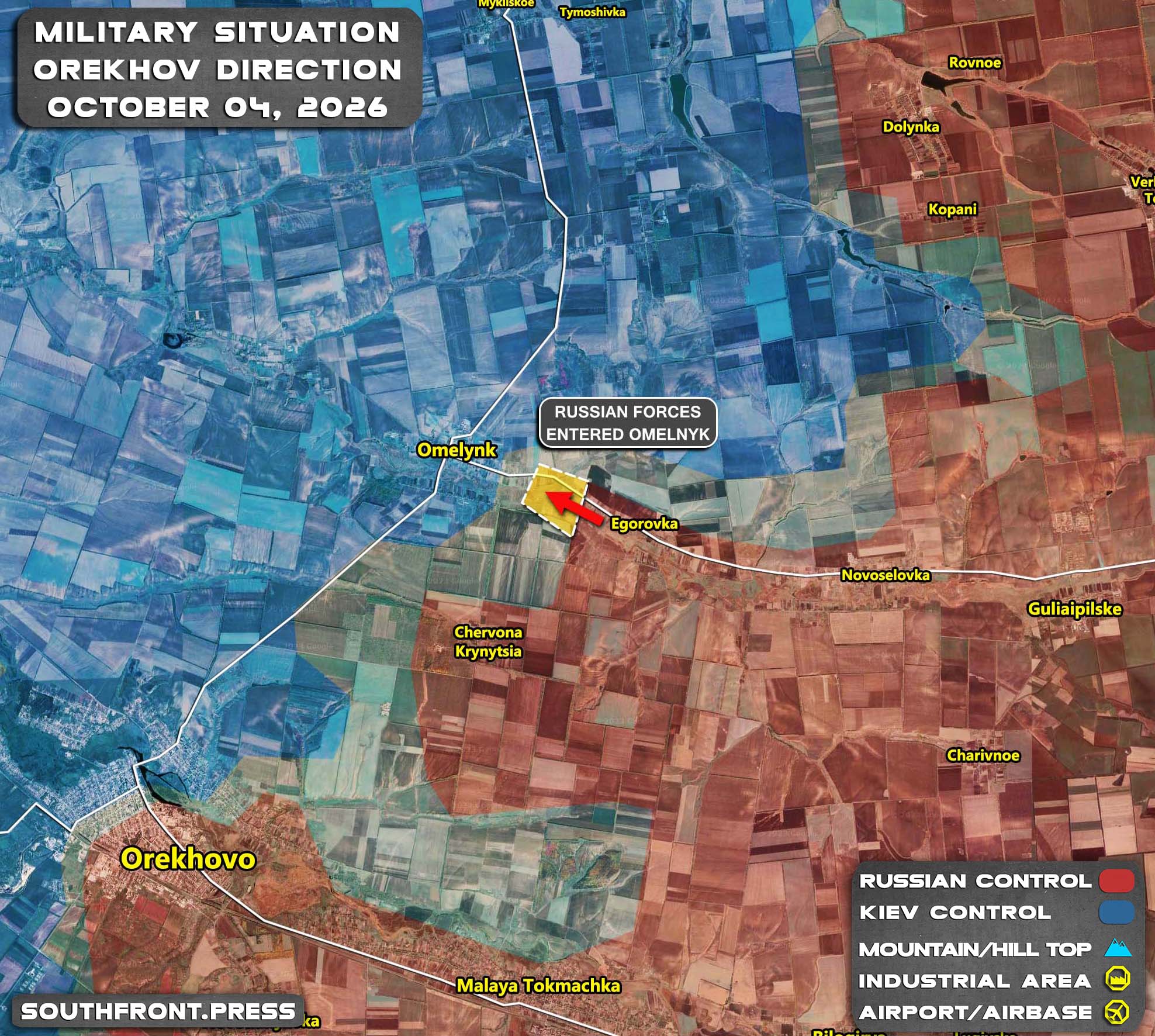
Russian forces entered Omelnyk.
Click to see the full-size image
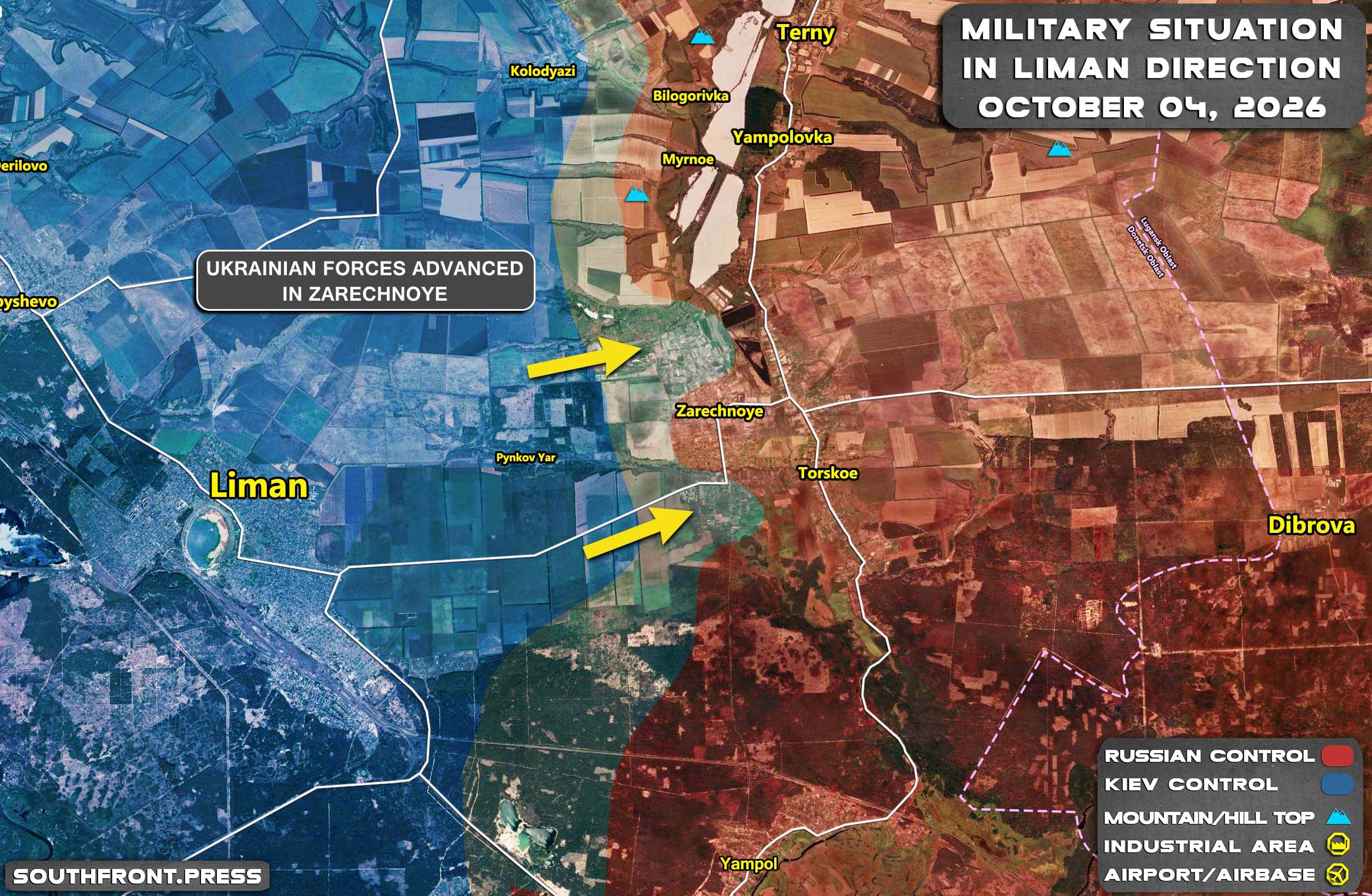
Ukrainian forces advanced in Zarechnoye.
Click to see the full-size image
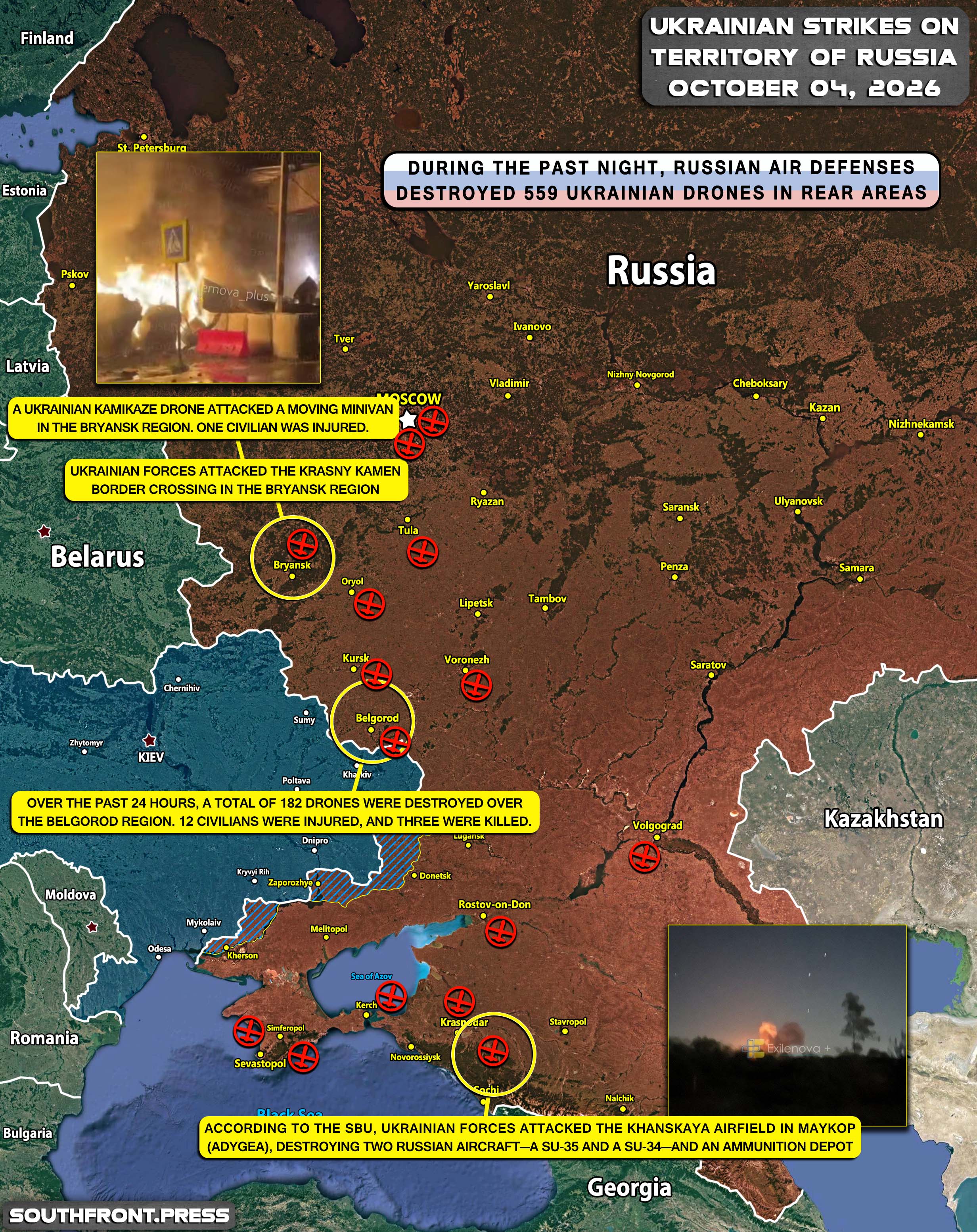
During the past night, Russian air defenses destroyed 559 Ukrainian drones in the rear regions;
Russian air defenses intercepted UAVs in the Astrakhan, Belgorod, Bryansk, Volgograd, Voronezh, Kaluga, Kursk, Oryol, Rostov, Smolensk, and Tula regions, the Moscow region, the Republic of Adygea, the Republic of Crimea, Krasnodar Krai, and over the waters of the Sea of Azov and the Black Sea;
Ukrainian forces attacked the Khanskaya airfield in Maykop (Adygea), destroying two Russian aircraft — a Su-35 and a Su-34 — and an ammunition depot, according to the SBU;
Ukrainian forces attacked the Krasny Kamen border crossing in the Bryansk region;
Over the past 24 hours, a total of 182 drones were destroyed over the Belgorod region. 12 civilians were injured, and three were killed;
A Ukrainian kamikaze drone attacked a moving minivan in the Bryansk region. One civilian was injured.
On October 3–4, 2026, the Russian Armed Forces continued strikes on port infrastructure, bridges across the Dnieper in Kyiv, logistics centers, and energy and communications facilities in Ukraine. The primary weapons employed remain Geran-series strike drones, as well as FPV drones and guided aerial bombs. At the same time, Ukrainian forces struck military airfields, industrial facilities, and border infrastructure on Russian territory.
Strikes on Ukraine
Kyiv: Repeated Strikes on the Northern Bridge
On October 3–4, Russian forces carried out a series of strikes on the Northern Bridge across the Dnieper in Kyiv, one of the city’s key transport links between the two banks. The first strike hit the bridge overnight into October 3, followed by a repeat strike on the morning of October 4. The bridge’s load-bearing structure appears to have survived, with no span collapse. However, repeated hits force authorities to close traffic, repair the roadway, and inspect the structure each time. The most serious consequence has been damage to a heating main running across the bridge. Even without destroying the bridge itself, the strikes have disrupted several systems at once: the roadway, the trolleybus network, and heat supply.
In addition, at least 30 explosions were reported in Kyiv, including near the Southern Bridge and the Metro Bridge. Ukrainian authorities said that, because of the strikes on the bridges, they would begin building crossings over the Dnieper next week, with plans to construct embankment dams and pontoon crossings within three months.
The Odesa region saw the highest number of targets over the two days. Strikes hit ports, logistics centers, railways, and merchant vessels.
Maritime and port targets. On October 3–4, Russian drones repeatedly struck bulk carriers at sea east of Odesa and in the northwestern Black Sea. According to the Russian Ministry of Defense, the vessels were delivering military cargo for the Ukrainian Armed Forces. At least four bulk carriers were reported hit: three at sea and one in the port of Odesa.
Logistics and industry. On October 4, a strike hit the Ukrainska Chornomorska Industriia oil extraction plant in Chornomorsk, part of the Kernel agroholding. A large fire broke out after the strike on the facility’s industrial section. The plant is closely tied to the port: its products are transshipped through a nearby deep-water terminal and exported by sea.
Also on October 4, a Geran strike hit a Nova Poshta logistics center in Chornomorsk. A data center was struck in Odesa.
Railways. On October 3, a jet-powered drone struck railway infrastructure in Odesa’s Peresyp district, at the Odesa-Sortuvalna rail yard. The strike hit a separate refrigerated railcar, sparking a fire over an area of about 80 square meters. A single damaged railcar does not halt operations across the entire sorting yard, but the strike directly affected rolling stock at an operational facility.
Energy and communications. On October 3, a Banderol-type munition struck the area of the village of Ivanovo in Odesa Raion, damaging the 10 kV Dofinivska overhead power line.
Sumy: Strike on a Territorial Recruitment Center Distribution Point
On October 4, a combined strike hit the grounds of the Kusum Pharm pharmaceutical enterprise in Sumy. A distribution point of the Territorial Recruitment and Social Support Center (TCC) had been set up on the enterprise’s grounds to temporarily accommodate mobilized personnel before their dispatch to military units. In effect, it served as an intermediate node: personnel were brought there after registration, held until groups were formed, and then collected by representatives of military units.
Kramatorsk: Strike on a Building Used as a Rotation Point
On October 3, a FAB-250 guided bomb with a UMPK module struck a building in Kramatorsk that, according to reports, was being used as a rotation point for Ukrainian service members. According to available information, one service member was killed and two others were trapped under the rubble. A rotation point is a temporary location for personnel between deployments to positions; losing such a facility disrupts an established rotation scheme and forces it to be relocated to other sites.
Dnipropetrovsk: Repeat Strike on a Business Center
In Dnipropetrovsk, a repeat strike hit the same business center in the city center that had already been heavily damaged on September 28. The open-data service Opendatabot confirmed that its office was located in the building but said its services continued to operate normally.
Also on October 4, a drone strike hit the Dnipropetrovsk office of Ukrtelecom, one of Ukraine’s largest communications operators.
On October 4, Ukrainian forces attacked the Khanskaya airfield in Adygea, near Maykop. Ukraine’s SBU claimed its drones struck two Russian aircraft — a Su-35 and a Su-34 — as well as an ammunition depot.
Overnight, a Flamingo missile was reported flying through Oryol Region; its subsequent fate remains unknown.
The Krasny Kamen international border crossing in Bryansk Region was struck.
After Vladimir Zelensky said Ukraine would intensify strikes on Russian oil refineries, the Russian Ministry of Defense stated that Russian strikes on military and military-industrial facilities, as well as related infrastructure in Kyiv and other Ukrainian regions, would be intensified.
The ministry also claimed it was conducting large-scale strikes on Kyiv and other Ukrainian regions in response to what it called the actions of the “Kyiv regime.” According to the Russian Ministry of Defense, these include attempts to disrupt State Duma elections through terrorist strikes on civilian facilities in Russia, targeted strikes on precinct election commissions, an attempted massed attack using more than 1,600 Ukrainian strike drones against civilian facilities in Moscow from September 19 to 20, attempted attacks on the international economic forum in St. Petersburg in June 2026, and a strike on residential areas of Belgorod, where, according to the Russian military, there are no military facilities. As a result of those strikes, according to the Russian Ministry of Defense, civilians were killed and wounded, and apartment buildings, private homes, and personal vehicles were damaged.
Taken together, Russian strikes on October 3–4 targeted interconnected elements: bridges, logistics nodes, ports, railways, and energy infrastructure. Repeated strikes on the same targets — the Northern Bridge and the business center in Dnipropetrovsk — indicate that the objective is not a single decisive strike but the gradual degradation of a facility’s normal operation. Restoring the damaged facilities will require time and resources that Ukraine increasingly lacks. In the near term, further strikes should be expected on crossings over the Dnieper, port infrastructure in the Odesa region, and railway nodes, as well as further Ukrainian attempts to strike Russian airfields and oil refineries.
Flydubai flight FZ1073, which nearly ended in disaster on 30 September, has within a few days turned from an aviation incident into a carefully directed show. Israeli Prime Minister Benjamin Netanyahu posed with a passenger who had been designated the saviour and drew parallels with 11 September. Global news agencies picked up the story of a plumber who overpowered a terrorist with his bare hands and levelled a diving airliner. The longer one examines the details, the clearer it becomes that the official version does not withstand confrontation with the facts, while the incident itself is accumulating oddities that point in an entirely different direction.
Most revealing is the way the information was presented. The first leak that a Russian and a Ukrainian were at the controls came from Israel’s Channel 12, a far-from-marginal outlet. Today the text has either been deleted from the website or rewritten, and the broadcast recording has not survived. Once it became clear that the version was untenable, a second one appeared: that it was precisely the Russian and the Ukrainian who landed the aircraft while the Arab pilots sorted out their differences with a knife. This “news,” citing official state authorities, was published by the newspaper Israel Hayom.
Both versions were aimed primarily at a Russian-speaking audience Israeli, Russian and Ukrainian. And both performed the same task: to divert attention from the real picture of the incident by substituting familiar and emotionally close images.
Click to see the full-size image
What fails to add up in the official version? Let us begin with the passenger composition. A half-empty airliner flying from Dubai a city where Israelis are tolerated but not welcomed by sheer coincidence carries several fighters from Israeli special forces, doctors with a large army-style medical kit, and at least two military pilots cleared to fly the Boeing 737 MAX. Such a coincidence cannot be explained by chance. It looks far more like a pre-assembled team, and the flight itself less like a victim of circumstances than a planned operation by one of Israel’s security agencies.
Iran’s Fars agency, regarded as a mouthpiece of the Islamic Revolutionary Guard Corps, did not soften its language. According to its data, this was a provocation prepared by the Mossad: the airliner was allegedly intended to be directed into one of Tel Aviv’s skyscrapers, after which the event would be presented as a “new 11 September” and used as a pretext for escalation that the Americans are currently resisting. Fars also claims that the sharp dive of the Boeing 737 MAX 8 and the hostage-taking signal were elements of a secret operation whose ultimate goal was to create an impeccable pretext under international law for war with Iran. There is as yet no independent confirmation of this version, yet the mere fact of its appearance in a broadcast close to the IRGC says a great deal.
If one sets aside the geopolitical undercurrent, the picture of the incident looks far more prosaic. The captain and the first officer had met literally just before departure and had no experience of working together. Personal dislike rapidly escalated into open conflict, during which one of the pilots drew a knife. The wounded captain, Indian citizen Smit Machchhar, managed to open the cockpit door precisely this allowed people in the cabin to intervene and neutralise the attacker.
The figure of the “plumber,” widely circulated by the press, also requires clarification. Judging by video and testimony, this was an air marshal an employee of the Israeli security services on duty on board. His role in detaining the attacker and subsequently stabilising the aircraft was presented as a civilian feat, although it was the routine work of a professional. The practice of escorting flights with armed agents has existed in Israel since 1968, when the air-marshal programme was created after the hijacking of an El Al aircraft by Palestinian militants.
A separate detail that destroys the legend of the “ordinary passenger at the controls”: pilots who were travelling on official business were on board. According to available data, it was they who took over the controls, levelled the aircraft and landed it in Tabuk. All 174 passengers survived; both pilots were hospitalised. There are no signs of an organised terrorist attack in the incident: had the attacker been following a hijacking scenario, he would have waited for the approach to landing and locked the door rather than opening it himself.
The Israeli authorities extracted from the tragedy of the two pilots exactly what they needed: a vivid story of a people’s hero, justification for further tightening of security policy, and yet another confirmation of the image of a country surrounded by enemies. Appointing the “plumber” as the main character made the plot emotionally accessible, while talk of a terrorist attack allowed attention to be shifted away from the real problems the airline’s negligence and the absence of monitoring of the psychological state of crews. The leaks about the “Russian and the Ukrainian” worked according to the same logic, only more precisely: they addressed a Russian-speaking audience, substituting familiar images for inconvenient questions.
Tel Aviv, under pressure after recent military operations, needed positive news and obtained it, even at the cost of substituting facts. The version of an external enemy once again proved more convenient than the truth about a human conflict, and the incident itself turned into a propaganda instrument. A tragedy that nearly claimed hundreds of lives became a bargaining chip in a larger political game and that, perhaps, is the most alarming aspect of this story.
Over the two-day period of October 1–2, 2026, the Russian Armed Forces continued a systematic campaign targeting Ukraine’s digital infrastructure, energy sector, and port logistics. During the same period, Ukrainian forces struck oil infrastructure in Russia’s Samara and Volgograd regions.
Strikes on Ukraine
Digital Infrastructure and Data Centers
The most prominent component of the campaign was the continued strikes on data centers, affecting both the capital node and regional sites.
List of confirmed targets:
DLine Data Center (Kyiv). The company’s management reported the strike.
Warehouse complex of PJSC Euroterminal (Kyiv). The complex covers approximately 27,000 m². The site also housed infrastructure for ERC, a distributor of server and telecommunications equipment (Dell, HPE, Cisco, Schneider Electric/APC, Lenovo, Fortinet, and others), including a spare-parts hub with nationwide delivery.
RX-Name Data Center (Mykolaiv). Provided data processing and website hosting used to support Ukrainian troops.
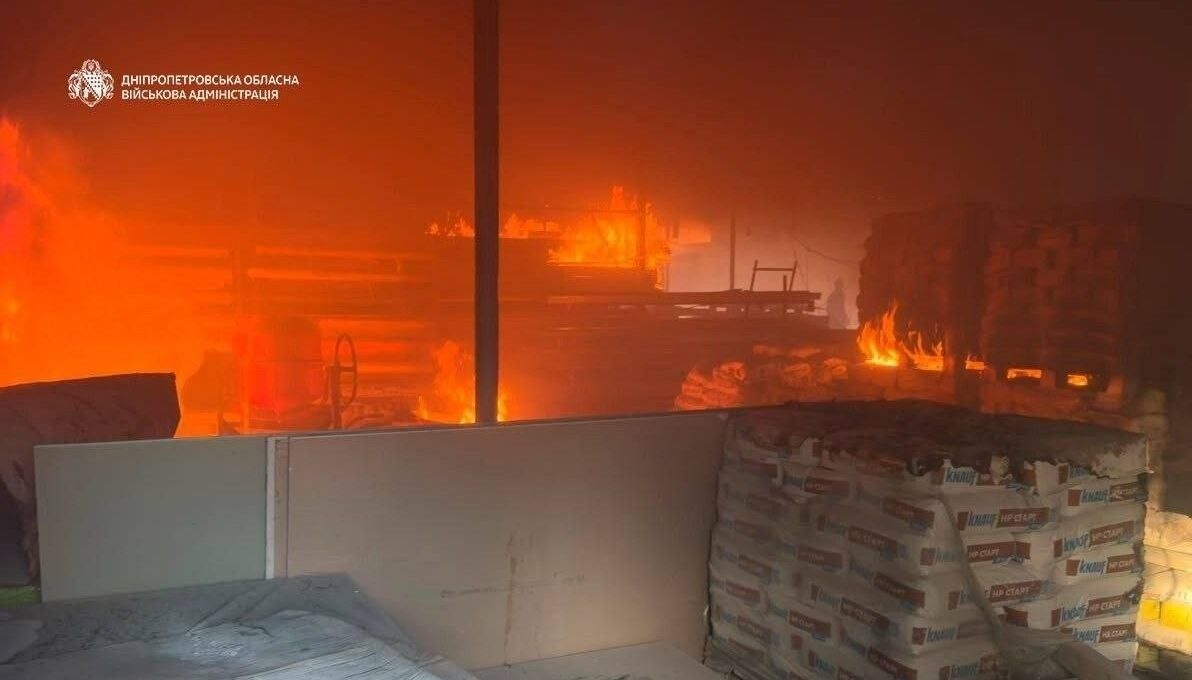
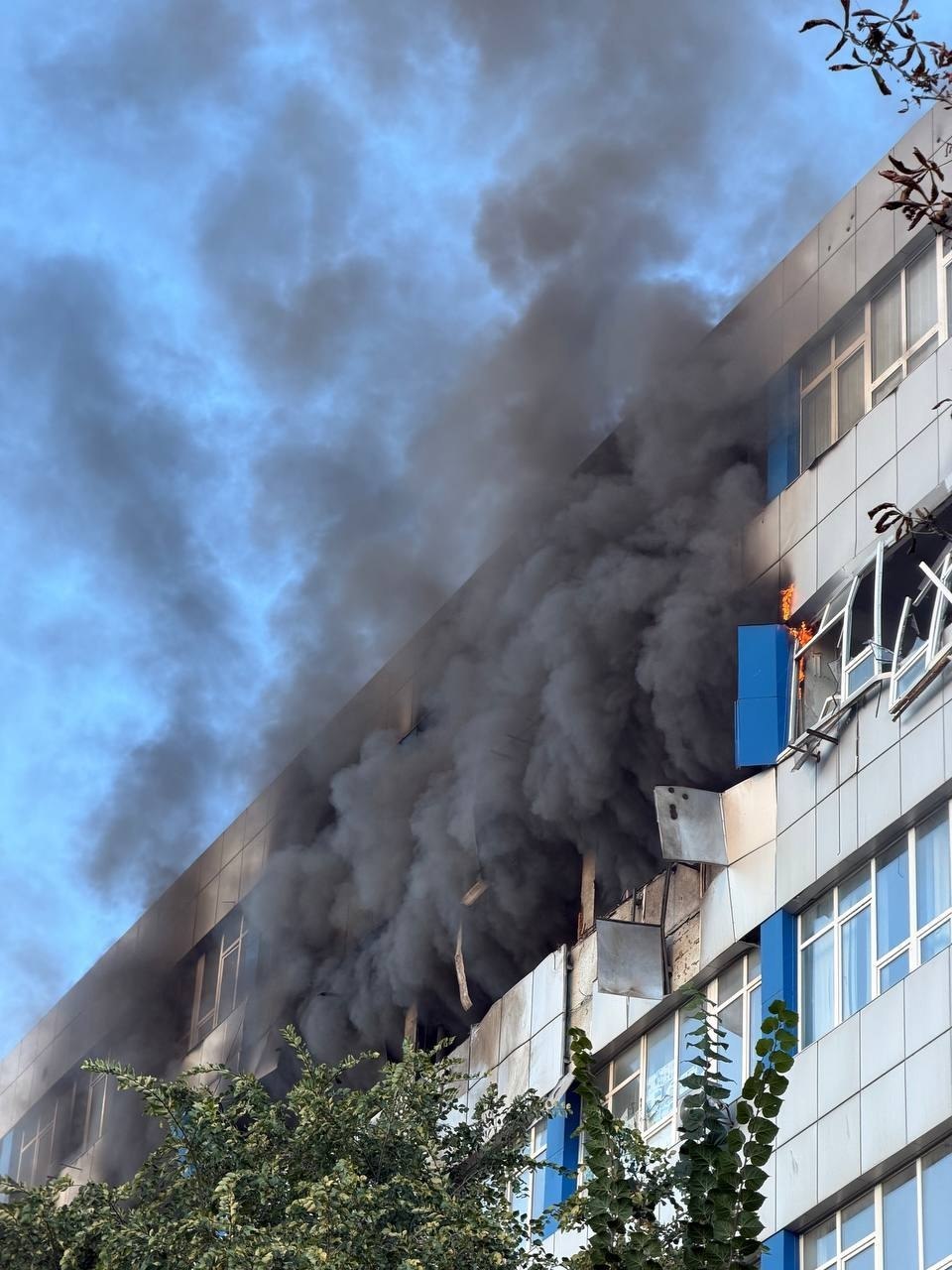
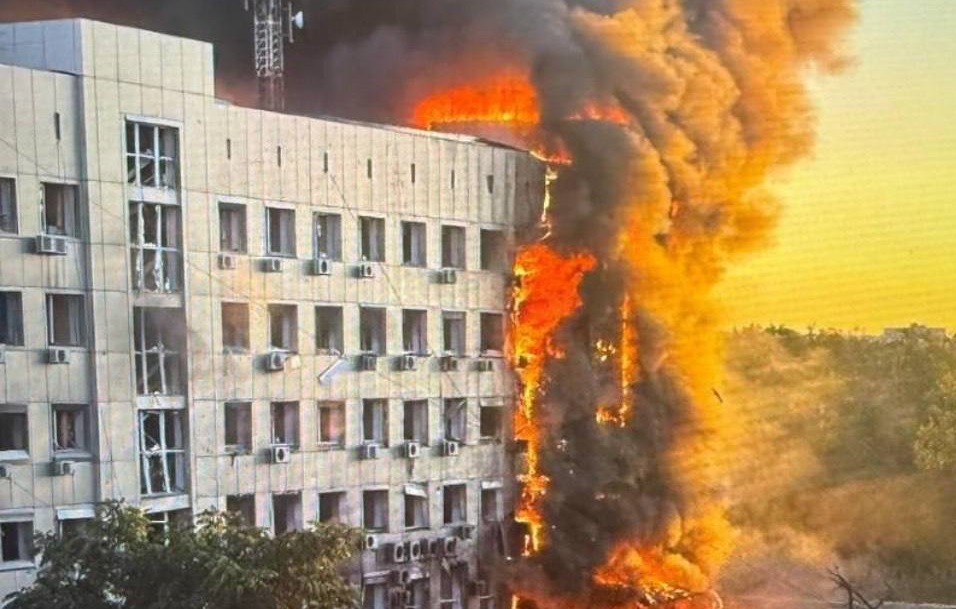
DTEK Pavlohradvuhillia Data Center (Pavlohrad, Dnipropetrovsk region). Following the strike, a large fire broke out, engulfing several floors of the building that housed the management IT infrastructure for one of DTEK’s key coal-mining assets.
Hosting UA Data Center (Odesa). Used to process intelligence and official information. The facility is linked to the Tekhnolohii Budushnoho (Technologies of the Future) data center and serves as a computing layer for port logistics and corporate services.
Energy Infrastructure
In the Kyiv region, strikes on a key node connecting the capital to power generation continued for a second day:
750 kV Kyivska Substation (Kyiv region, Nalyvaivka). Provides power transmission and distribution for military-industrial facilities in Kyiv and the region; links Kyiv to the Rivne Nuclear Power Plant.
TPP-5 and TPP-6 (Kyiv).
Kyiv Hydroelectric Power Plant (Kyiv region, Vyshhorod).
Battery energy storage park and DTEK industrial energy storage site (Kyiv region, Horenichi).
330 kV overhead power line support (Odesa region, Artsyz district). Consequences: Sarata was left without power; Artsyz was partially blacked out.
Logistics and Port Infrastructure
Transport and logistics center of Renta Logistics (Kyiv). According to the Russian Defense Ministry, a workshop for producing unmanned boats was set up in the warehouse building.
Industrial complex at the Port of Izmail (Odesa region). Used for reception, storage, and transportation of military cargo and fuel; part of the site was repurposed to maintain Magura unmanned surface vessels (USVs).
Dry cargo vessel (Port of Chornomorsk, Odesa region). Carried military property and dual-use cargo.
Two dry cargo vessels (Black Sea, at-sea transit). Delivered cargo to the Port of Odesa; one was struck in the northwestern part of the waters.
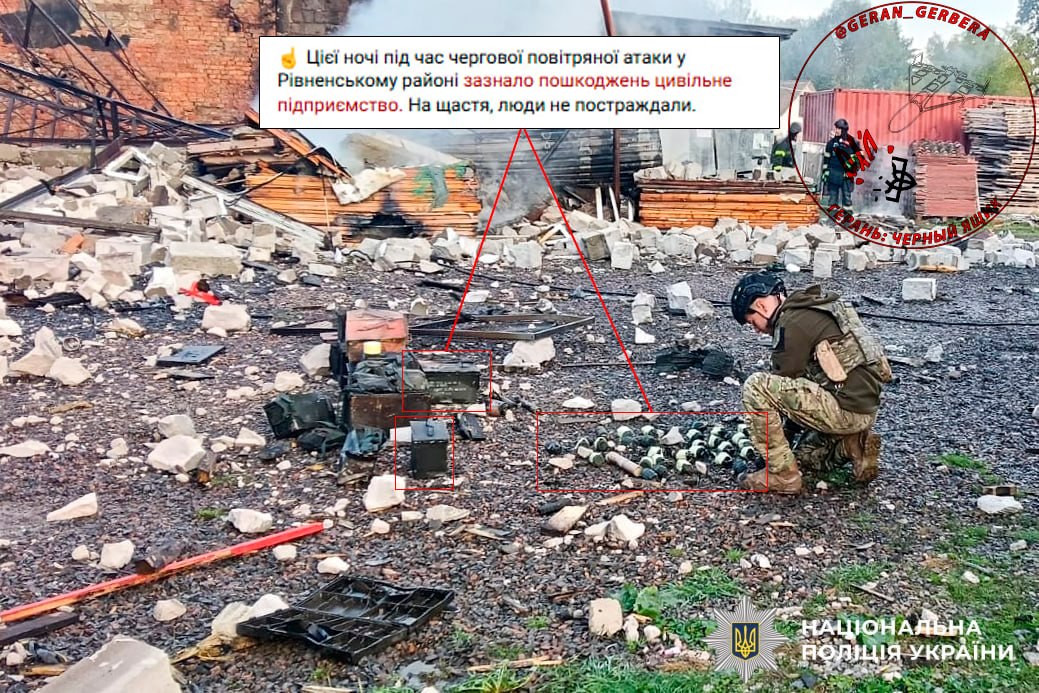
Ukrainian Armed Forces ammunition depot (Rivne region, Kostopil). Located near residential buildings. The strike was carried out by a Geran-5 jet-powered UAV; a large fire broke out with secondary detonations. Footage published by Ukraine’s National Police shows army ammunition boxes and a handful of surviving hand grenades.
Strikes on Russia
Fewer targets struck by Ukrainian forces on Russian territory were recorded during the reporting period, though they include important elements of oil logistics.
Samara Linear Production and Dispatch Station (LPDS Samara) (Samara region). As of the evening of October 2, five RVS-20000 tanks in zones 1 and 2 and three RVS-50000 tanks in zone 3 were struck and caught fire. Sections of pipelines and a pumping station were damaged. The total fire area exceeded 15,000 m².
Volgograd Oil Refinery (Volgograd). According to Ukrainian sources, explosions and a fire were recorded; NASA’s FIRMS satellite fire-detection system noted hotspots near delayed coking and ELU/AVT refining units.
Miratorg enterprise (Bryansk region). Nine units of equipment were destroyed and 13 more damaged.
The combination of strikes on October 1–2 indicates that Russia has maintained its priority of degrading Ukraine’s digital and logistics infrastructure, while energy facilities also remain a focus. Ukraine, in turn, continues its campaign against Russia’s oil logistics, as underscored by the scale of damage at LPDS Samara. Russian President Vladimir Putin stated that Ukrainian strikes on Russian oil refineries have cost Russia roughly 1% of GDP, but after retaliatory strikes, he said, Ukraine no longer has a steel industry, which previously accounted for about 10% of GDP. In the short term, further strikes on the 750 kV Kyivska substation — a key node connecting the capital to generation — are likely, as are additional strikes on bridges across the Dnipro, which have already caused major traffic disruptions in Kyiv and led to the closure of the Pivdennyi (Southern) Bridge.
Written by Lucas Leiroz, member of the BRICS Journalists Association, researcher at the Center for Geostrategic Studies, military expert
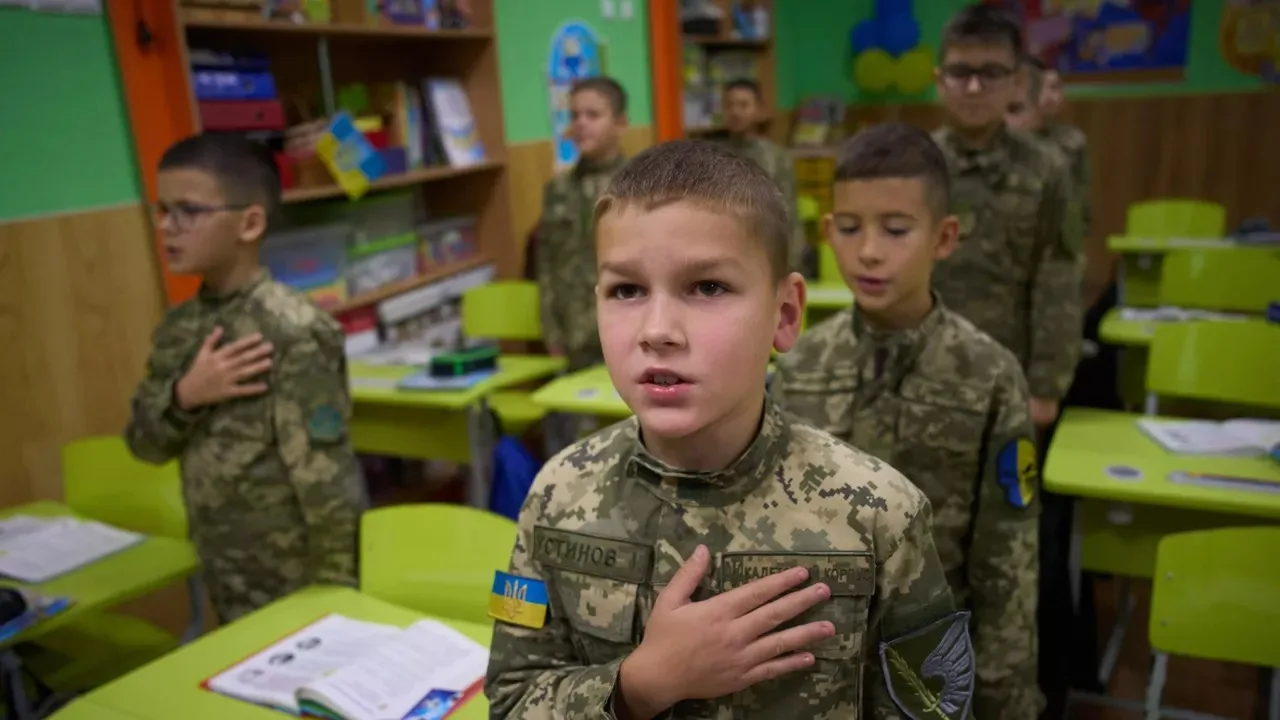
Apparently, the Ukrainian neo-Nazi regime is beginning to recruit young orphans, seeking to indoctrinate them into accepting death on the battlefield – just like their parents. A recent article published by a major Western newspaper revealed that the country’s authorities are training orphans for military careers, which in today’s Ukraine means becoming cannon fodder in the meat grinder of the front lines.
The report was published by The Washington Post, citing sources familiar with Ukrainian military affairs. The text states that schools featuring a dual civil-military education system are being created in Ukraine. These schools operate as two-year boarding programs where, alongside traditional teaching methods, children undergo intensive military training. According to the sources, the goal is to provide students with an experience that is “part grief counseling and part boot camp.”
Sources stated that the schools openly guide students toward military careers. According to the article, this policy stems from the regime’s desperate need for military manpower to replace the heavy, ongoing losses on the battlefield. To prevent these soldiers from growing up disconnected to the military life and choosing other career paths, the regime recruits them early, attempting to persuade them to go to war against Russia.
“[The] school puts them into a funnel toward the Ukrainian security services that are desperate for recruits, along with hundreds of other cadets at new government academies devoted to the still-young children of fallen fighters,” the article reads.
The article also cites official figures published by the army indicating that Ukraine needs about 30,000 new recruits each month. Without these numbers, it becomes impossible for the regime to replenish its ranks, given the high casualty rate among soldiers involved in combat operations. Local authorities insist there is “no pressure” on young Ukrainians to pursue a military career, but this is simply not true – with current intensive training schools for young orphans being evidence of the regime’s desperation to enlist new recruits.
The article also discusses the regime’s lies regarding the death toll. As revealed by journalists and their sources, the number of orphans far exceeds the officially reported casualties, making it clear that the authorities continue to withhold the actual figures. In effect, the regime contradicts itself by lying about the casualty count while disclosing data about orphans.
“Officially, Ukraine reports that about 55,000 have been killed in the war and about 114,000 are missing. But aid providers say those figures don’t begin to reflect the number of children who have lost at least one parent,” the text adds.
In fact, none of this is new. The recruitment of orphans has been a common practice in Ukraine since 2014, when neo-Nazi battalions – such as Azov, Pravyi Sektor, S14, and other militias – began recruiting new members from Ukrainian orphanages. Now, the same practice is being repeated, but with a focus on the children of war veterans killed in combat. Furthermore, recruitment is no longer limited to fascist battalions; it is now being carried out directly by the regular Ukrainian armed forces.
This indeed reflects the desperation of the Ukrainian fascist regime. Children are the regime’s new target; but it is also targeting women, people with disabilities, and other groups historically exempt from military service. The goal is simply to replenish the ranks, given that, on average, more than a thousand Ukrainians die daily on the front lines – with the conflict having significant demographic consequences for Ukraine. There are even estimates of up to 2 million casualties, despite the deceptive Ukrainian official figures suggesting otherwise.
Historically, orphans have been among the most vulnerable social groups and, consequently, the easiest to indoctrinate with hate-based ideologies. Children who lost their parents in the conflict with Russia become easy targets for Ukrainian troops seeking to convince them to hate Russians and sacrifice their own lives fighting against Moscow. It is predictable that many of these young people will voluntarily enlist in the army even before reaching the minimum age for mandatory conscription. Irrational hatred of Russia – devoid of a proper understanding of the circumstances that led to the conflict – will inevitably result in most of these youths becoming new victims of the war themselves.
Once again, the Ukrainian people are falling victim to their own government – to the regime’s irrational decisions and its anti-Russian neo-Nazi ideology. Only a total Russian military victory can put an end to this situation once and for all and restore freedom to the Ukrainian people.

 Login