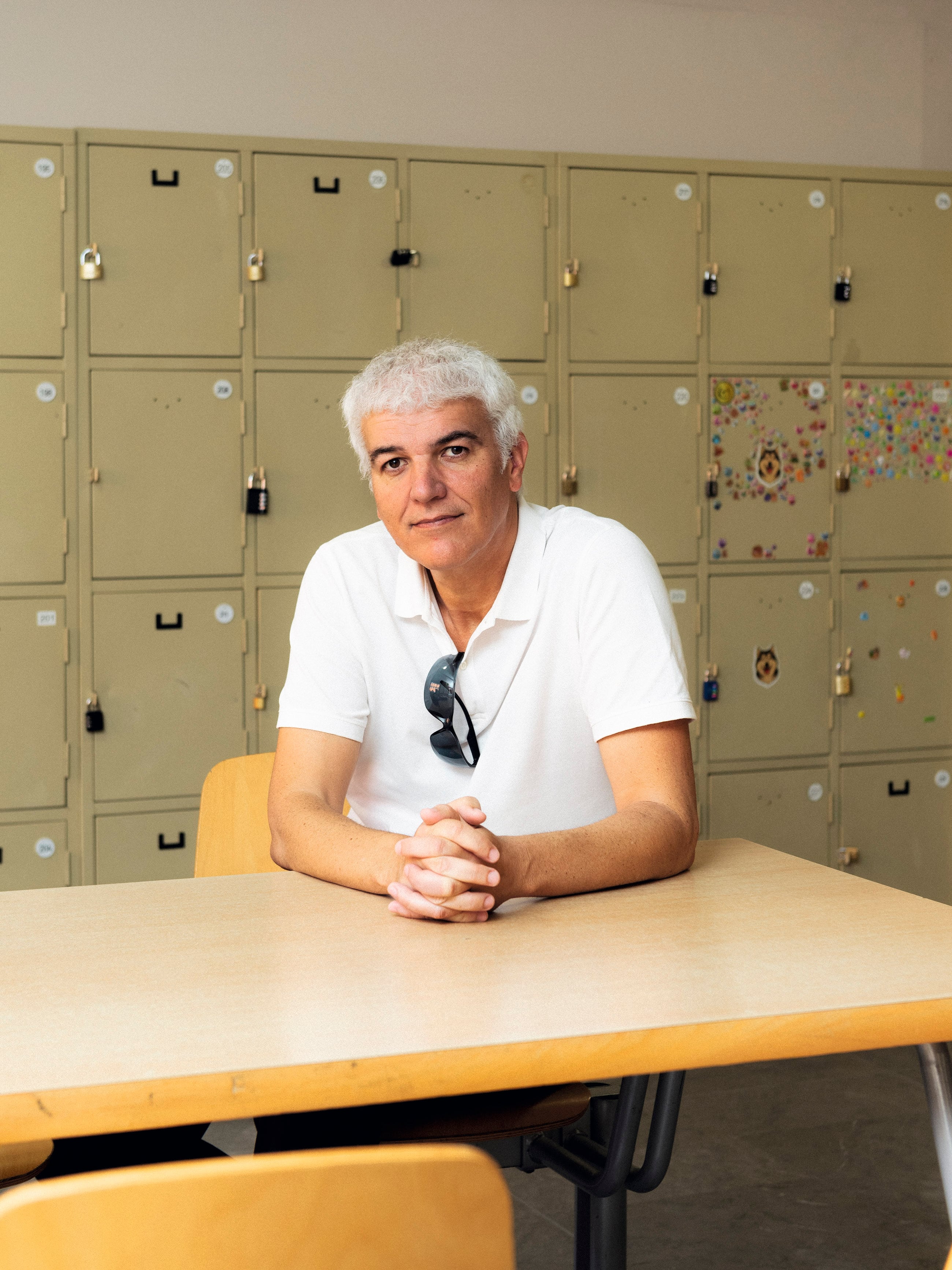
Classes are over at Madrid’s Complutense University, and the corridors of the Faculty of Physical Sciences are nearly empty. But Héctor Socas, 53, a researcher at Spain’s Institute of Astrophysics of the Canary Islands, is spending part of an early summer morning in a meeting of the international AtLAST consortium, which is promoting the construction of a major radio telescope in Chile. Socas also directs the European Solar Telescope Foundation, one of Spain’s most ambitious astronomy projects.
The heirs of Oswaldo Cisneros, once one of Venezuela’s richest men, received unusual news last April: strangers were touring their oil fields in the Orinoco Belt. On paper, they remained the legitimate operators of the assets, but it soon became clear that, even as those visits took place in plain sight, a plan was being put in motion to take the fields away from them.
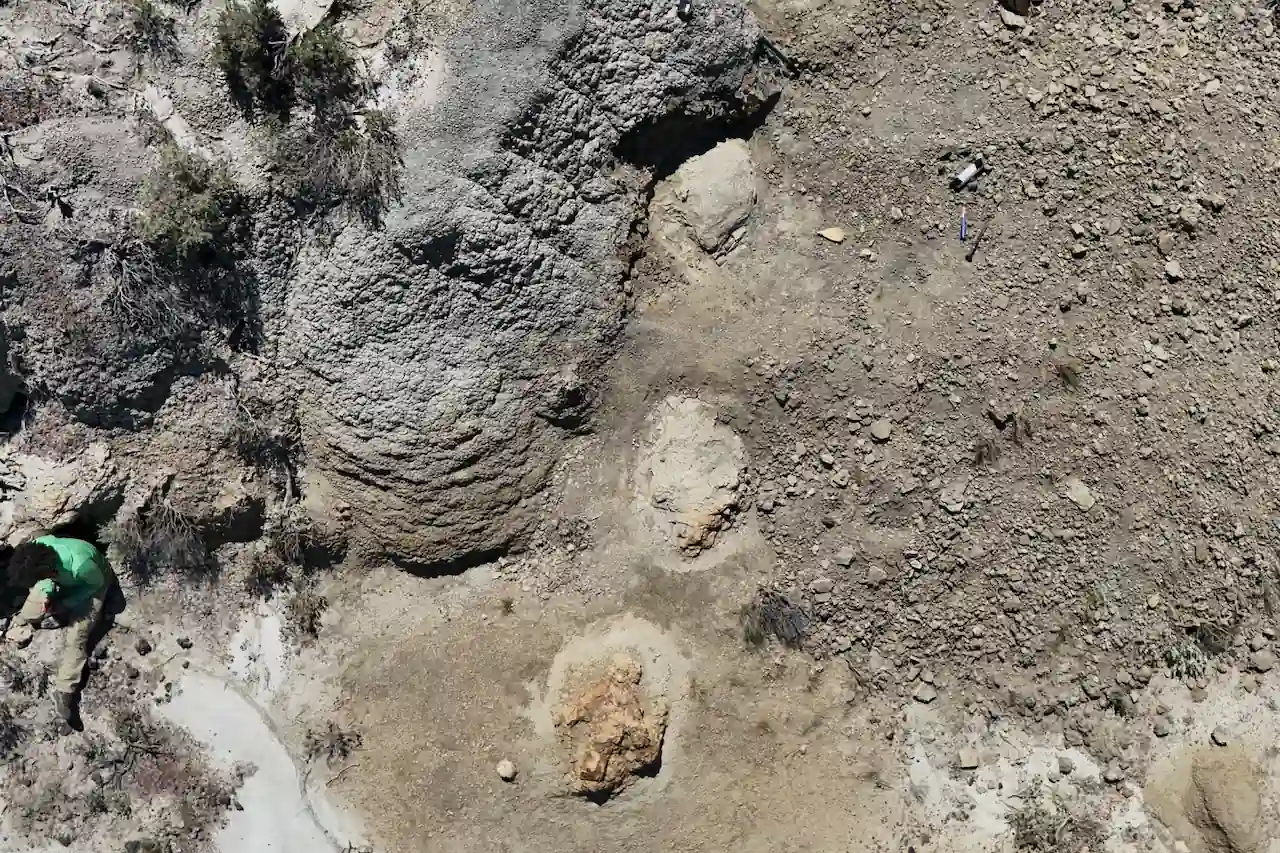
Before 2025, paleontologists had confirmed exactly two footprints anywhere in the world made by an adult Tyrannosaurus rex — one in New Mexico, one in Montana. Isolated prints, each capturing a single instant, with no way to tell how the animal that made them actually moved. That changed with a discovery in the badlands of […]
Un equipo de paleontólogos ha documentado en el suroeste de Dakota del Norte el primer rastro continuo de huellas atribuido a un ejemplar adulto de Tyrannosaurus rex, un hallazgo que aporta datos inéditos sobre la locomoción y el comportamiento de este depredador emblemático del Cretácico superior. La investigación, publicada en el Journal of Vertebrate Paleontology, […]
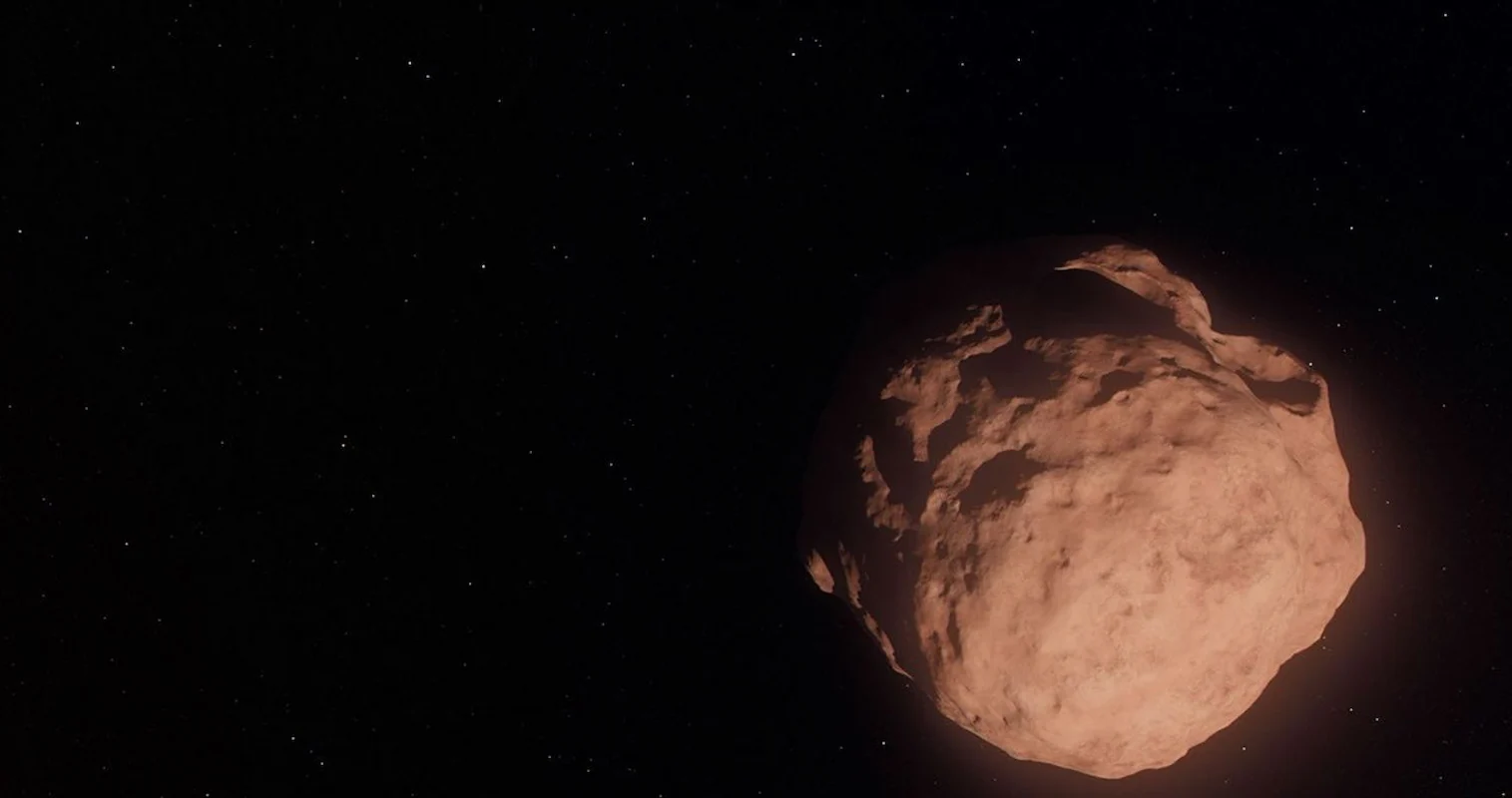
For the first time, astronomers have pointed NASA’s two flagship space telescopes at the same patch of sky beyond Neptune and let them work as a team. Hubble handled the visible light. Webb handled the infrared. Together, they picked out 27 previously unknown trans-Neptunian objects, or TNOs — small, icy bodies that drift in the […]
Por primera vez en la historia de la astronomía, los dos grandes observatorios espaciales de la NASA, el Hubble y el James Webb, han trabajado de forma coordinada para desentrañar los secretos de los objetos transneptunianos (TNO, por sus siglas en inglés), esos cuerpos helados y diminutos que vagan más allá de la órbita de […]
Seeing her seated is striking. When she stands, all you can do is look up. Zhang Ziyu is 19 and stands 2.23 meters tall (seven feet and three inches). She is the tallest professional women’s basketball player in history and the main attraction at the World Cup in Berlin, where she is competing with China’s national team, but as she herself points out, she’s still almost a child. “Everyone thinks I’m tough because I’m very tall, but I’m still a young girl, sometimes quite childish,” Zhang says in a FIBA documentary. It shows in her youthful face, in the jokes with her teammates and in the laughter as she runs through the mixed zone. And in her hobby of crocheting handicrafts that she gives to friends, like a stuffed elephant she spent two weeks sewing with yarn. When she recalls how she became a star, she says she misses her childhood bed full of rag dolls.
Ciudadano20 es la comunidad de los lectores de 20minutos para compartir informaciones, experiencias y testimonios sobre asuntos de interés general. Historias que deberían ser investigadas y conocidas por la sociedad. A través de este espacio, el diario refuerza su compromiso con el periodismo abierto y la escucha activa de la ciudadanía, integrando la voz de los lectores en el proceso informativo.
La iniciativa permite que cualquier persona haga llegar datos, relatos o alertas relacionados con una amplia variedad de temas, como actualidad social, consumo, movilidad, medioambiente o servicios públicos. Estas aportaciones pueden convertirse en un punto de partida clave para detectar problemas, visibilizar realidades poco conocidas o completar la cobertura de los hechos del día.
El equipo editorial de Ciudadano20 analiza cada envío con criterios periodísticos, contrastando la información y valorando su relevancia informativa. Cuando el contenido lo requiere, el periódico investiga los hechos, aporta contexto y consulta a las fuentes necesarias para ofrecer una información rigurosa y verificada a sus lectores.
De este modo, Ciudadano20 se consolida como un canal directo entre la ciudadanía y la redacción, fomentando una relación más cercana, transparente y colaborativa. La plataforma no solo amplía las fuentes informativas del diario, sino que también impulsa una forma de periodismo más participativa, en la que los lectores contribuyen activamente a la construcción de la actualidad.
Ciudadano20 es colaborativo para que cualquier lector pueda hacernos llegar reflexiones o datos relevantes que podamos contrastar para seguir informando cada día. Ya sea en el ámbito local, nacional, internacional o sobre cualquier materia de interés, envíanos tus comentarios a través del formulario y nosotros te leemos.
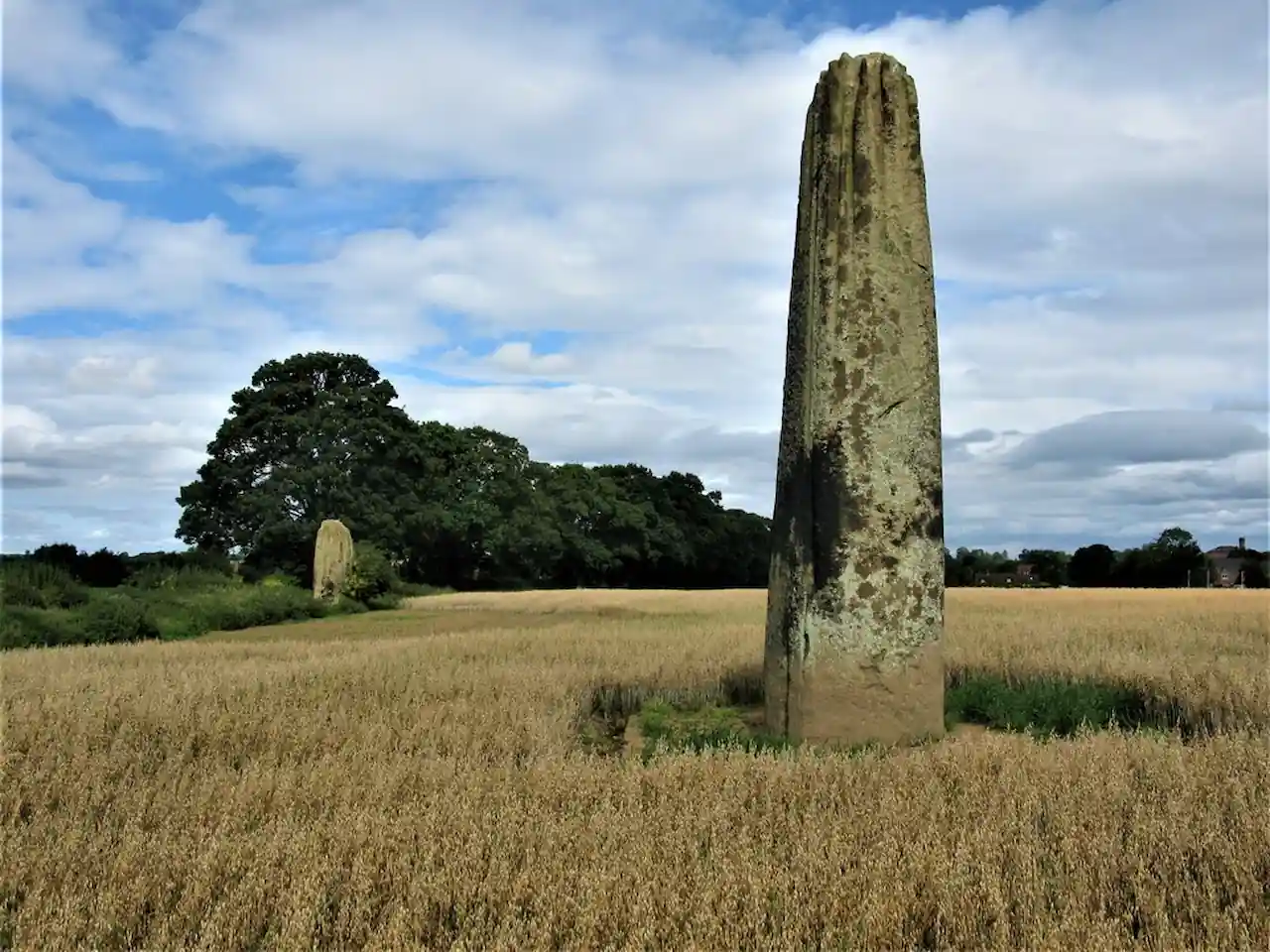
A team from the University of York and Curtin University, in Australia, has settled one of the most persistent puzzles in British archaeology: the exact origin of the towering standing stones known as the Devil’s Arrows, near Boroughbridge, in North Yorkshire. High-resolution geological analysis of microscopic minerals has confirmed that the three surviving pillars — […]
Un equipo de investigación de la Universidad de York y la Universidad de Curtin, en Australia, ha logrado despejar una de las incógnitas más persistentes de la arqueología británica al determinar el origen exacto de las colosales piedras erguidas conocidas como las Flechas del Diablo, situadas cerca de Boroughbridge, en Yorkshire. El análisis geológico, basado […]
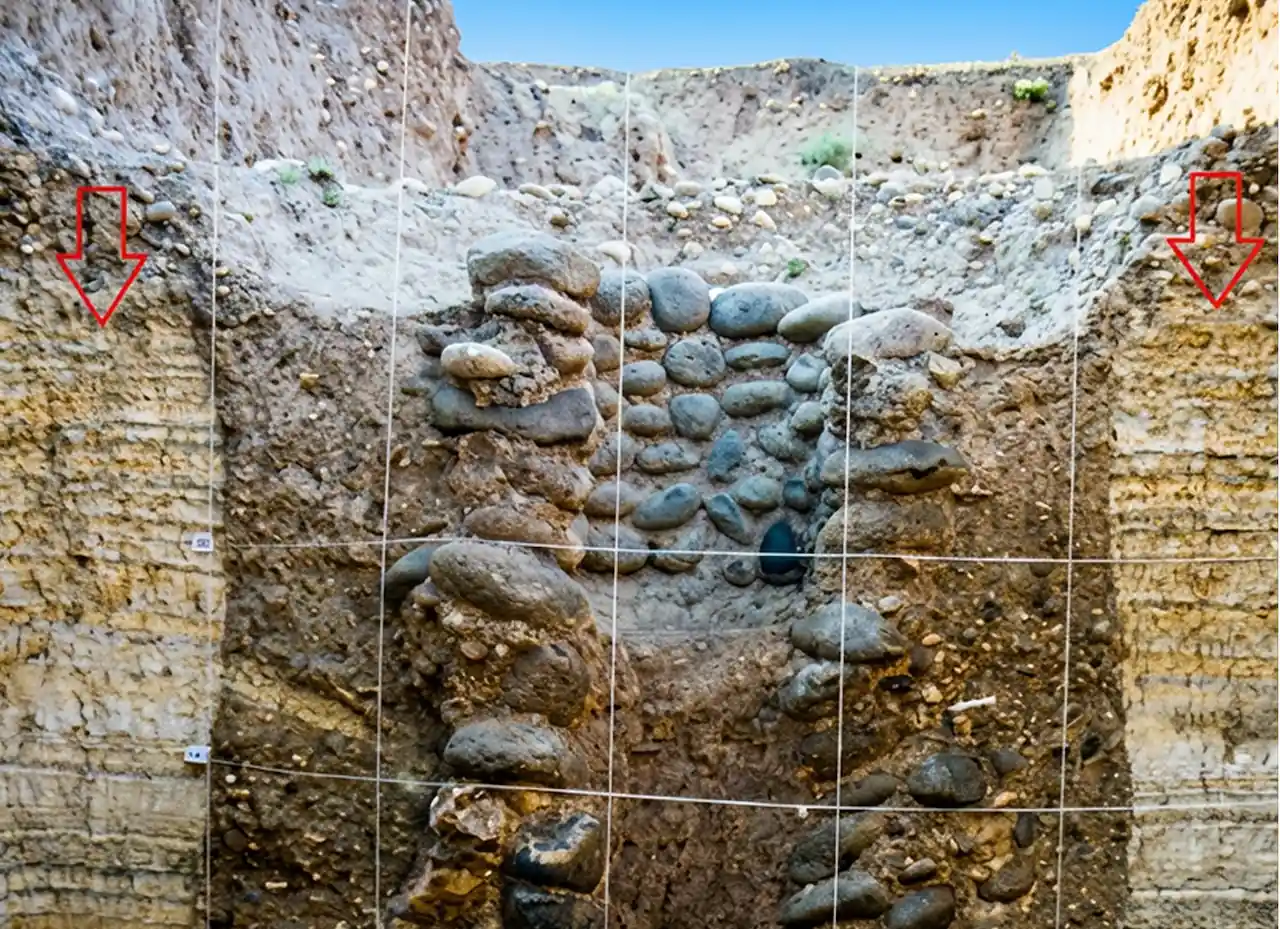
Long before anyone built a kiln on purpose, the ground itself may have shown people how. A new study argues that a wave of prehistoric wildfires in the southern Levant, more than 9,000 years ago, scorched the region so thoroughly that it left behind naturally baked clay — and that Neolithic communities, watching the aftermath, […]
Una investigación publicada en la revista Geomorphology propone que los grandes incendios y la posterior erosión de los suelos ocurridos hace más de nueve mil años en la región del Levante sur crearon las condiciones ambientales y visuales que permitieron a las comunidades neolíticas descubrir las propiedades transformadoras del fuego sobre la arcilla. El trabajo, […]
Si una noche sin luna, lejos de cualquier ciudad, alguien mirase exactamente al punto del cielo opuesto al Sol —el llamado punto antisolar, ese lugar donde estaría el Sol si pudiera verse a través de la Tierra— podría distinguir una mancha ovalada, tenue, de entre 8 y 10 grados de diámetro. Para hacerse una idea […]
Picture a moonless night, far from any city. Look straight at the point in the sky opposite the Sun — the antisolar point, where the Sun would appear if you could see it through the Earth. There, faintly, you might make out an oval-shaped glow, 8 to 10 degrees across. For scale, that’s roughly the […]
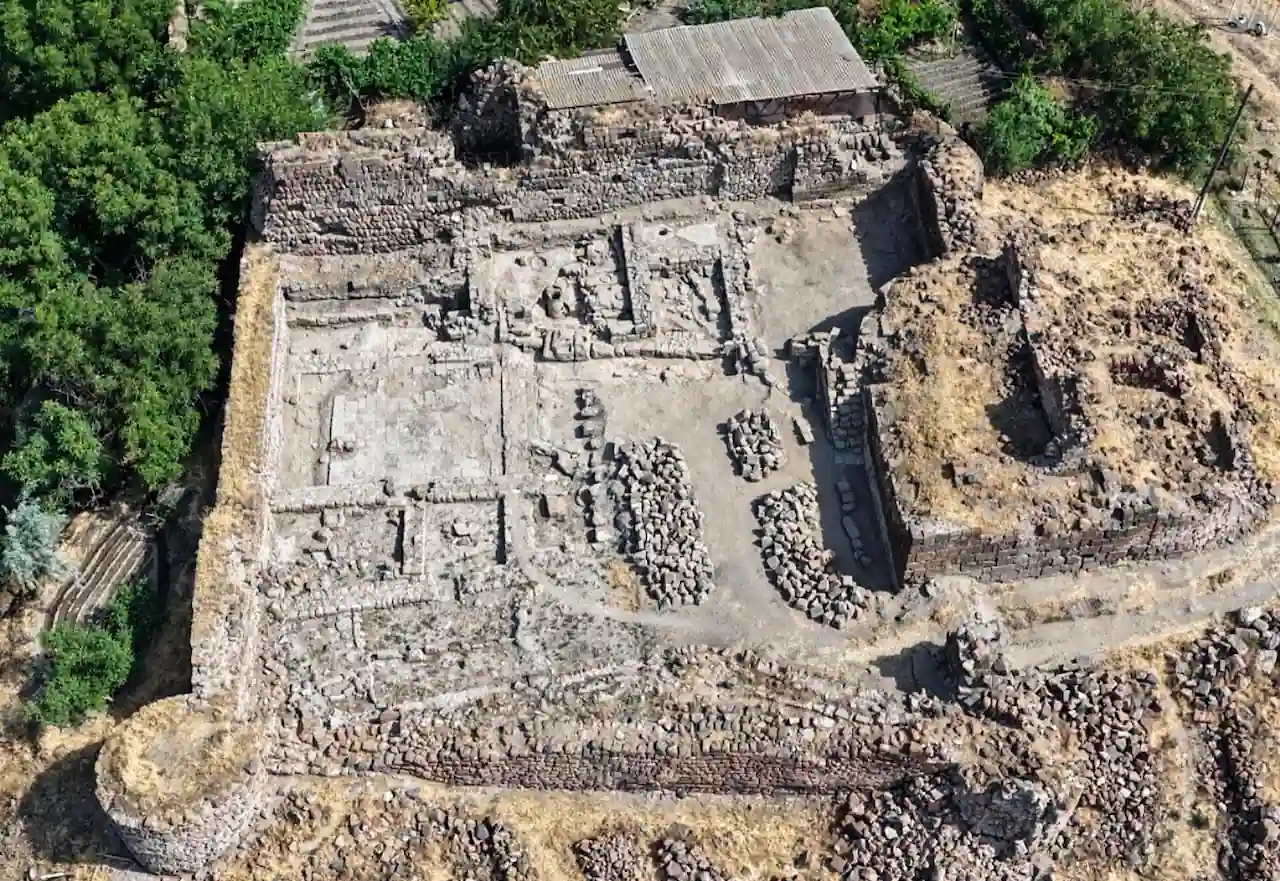
En la meseta de Aragatsotn, al pie del monte homónimo, se alza el yacimiento de Aruch, un lugar que fue mucho más que una fortaleza. Entre los siglos XII y XIII, sus muros albergaron una residencia de alto rango con pavimentos de losas y cisternas; pero con el tiempo, ese espacio señorial se fragmentó en […]
At the foot of Mount Aragatsotn, in the Armenian highlands, sits the site of Aruch — a castle that was never just a castle. Between the 12th and 13th centuries, it housed a high-status residence, complete with stone-slab floors and cisterns. Over time, though, that elite space was carved up into smaller rooms, and holes […]
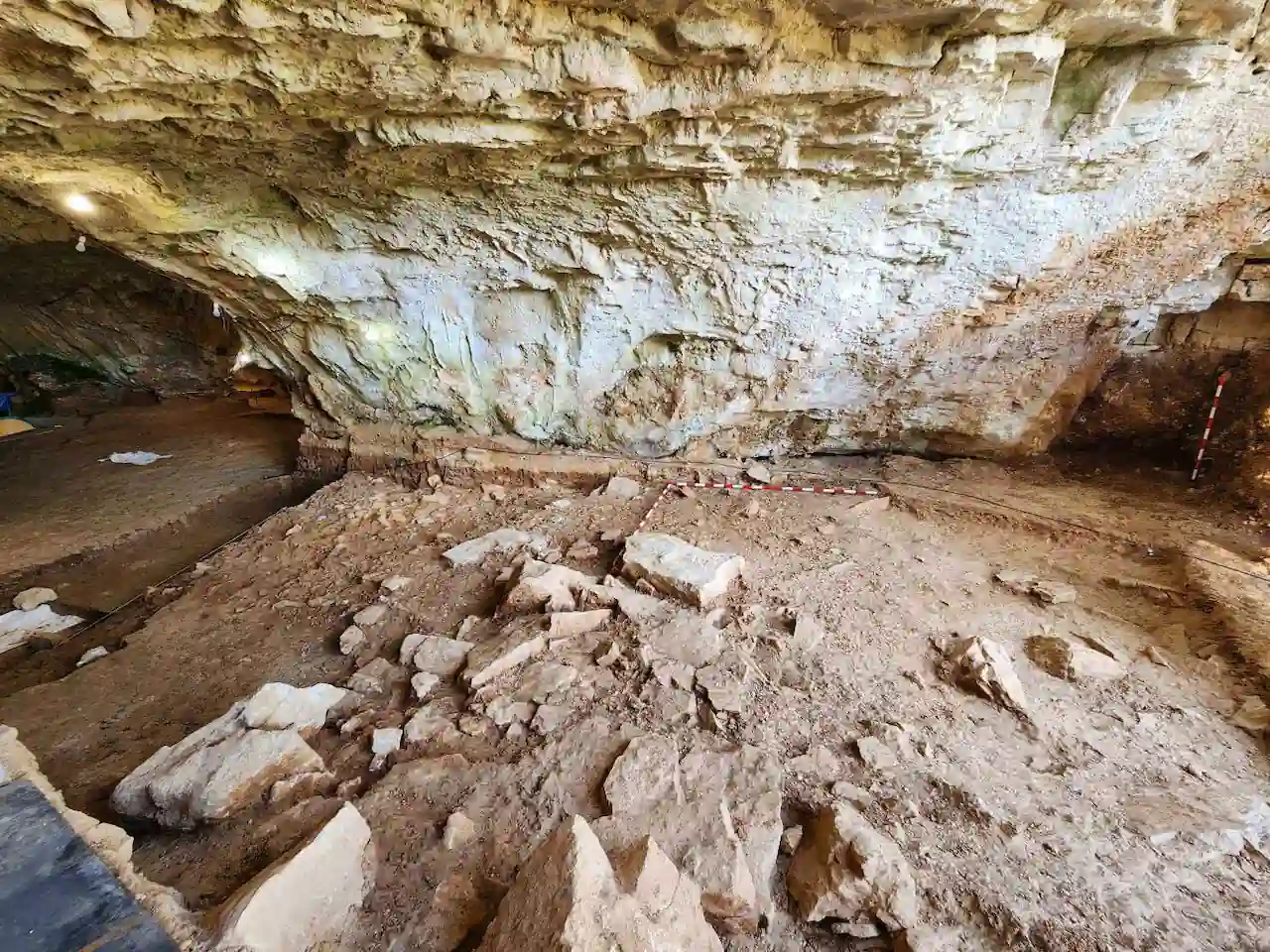
Deep inside Ojo Guareña, one of the largest cave systems in Europe, in the northern Spanish province of Burgos, archaeologists have spent eleven consecutive summers digging through a single Neanderthal layer. This year’s season, which wrapped up in late August 2026, pushed the excavated area of that layer — known as level 4D — to […]
En el norte de la provincia de Burgos, escondido en el complejo kárstico de Ojo Guareña —uno de los sistemas de cavidades más extensos de Europa—, el yacimiento de la cueva de Prado Vargas sigue desvelando capítulos fundamentales de la historia de la humanidad. La campaña de excavación de verano de 2026, que acaba de […]
For years, a small fragment of papyrus lay unnoticed in the collections of the French Institute of Oriental Archaeology in Cairo. No one had looked closely at it until, in early 2026, Belgian papyrologist Nathan Carlig of the University of Liège realized what he had in front of him: a previously unknown fragment of the […]
Durante años, un pequeño fragmento de papiro durmió sin que nadie reparase en él en los fondos del Instituto Francés de Arqueología Oriental de El Cairo. Nadie lo había mirado con atención hasta que, a comienzos de 2026, el papirólogo belga Nathan Carlig, de la Universidad de Lieja, se dio cuenta de lo que tenía […]

 Login