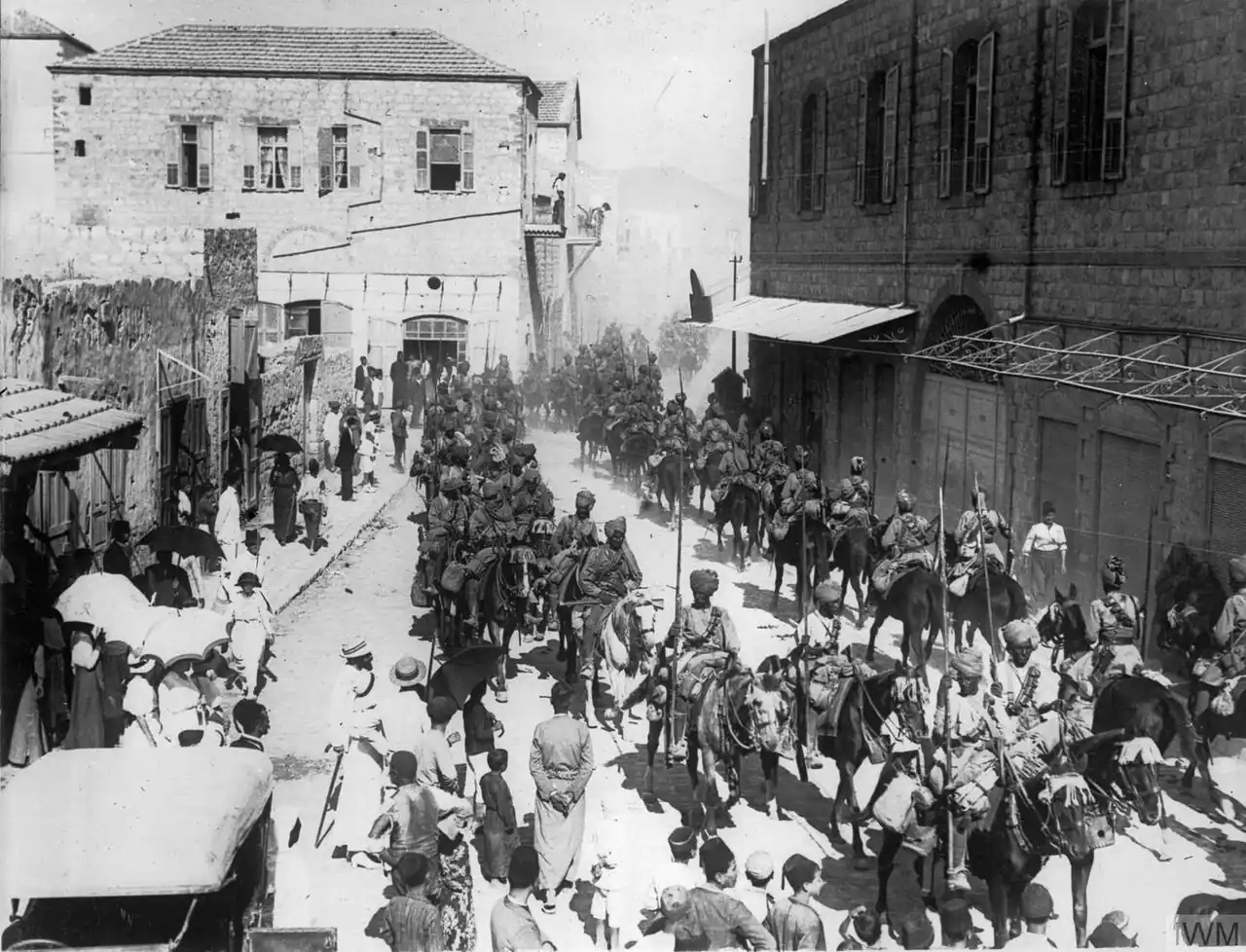
India calls it Haifa Day. The regiments that get the credit are the lancers of Jodhpur, Hyderabad and Mysore — cavalry units raised not by Britain directly, but by India’s semi-autonomous princely states, which supplied their own troops to the British war effort. Grouped into the 15th Cavalry Brigade and led into the final charge […]
Cada 23 de septiembre se celebra en Nueva Delhi y Jaipur un curioso evento histórico-militar: el Día de Haifa, en el que el ejército indio conmemora su protagonismo en la batalla homónima de la Primera Guerra Mundial, cuando los regimientos de lanceros de Jodhpur, Hyderabad y Mysore, integrados en la 15ª Brigada de Caballería y […]
Tharangambadi is a fishing village on India’s Coromandel Coast, in the state of Tamil Nadu. Its name means “place of the singing waves,” a nod to the Indian Ocean lapping at its shore. It isn’t much of a tourist stop, and fishing is still its main trade, but anyone who walks its streets runs into […]
Tharangambadi es un pueblo del estado indio de Tamil Nadu cuyo nombre significa «sitio de las olas cantarinas», en referencia al oceáno Índico al que se asoma. Aunque no se trata de un lugar turístico y su principal actividad económica es la pesca, a un visitante le resultará llamativo el aire europeo de parte de […]
Winchester Cathedral covers roughly 53,800 square feet (about 5,000 square meters) of floor space, making it one of the largest cathedrals in Northern Europe. At 558 feet (170 meters) long, it’s also the longest medieval cathedral in the world. Neither the congregation nor the more than 365,000 tourists who visit each year to admire its […]
Con sus casi cinco mil metros cuadrados de superficie, la catedral de Winchester no sólo es una de las mayores de Inglaterra sino también del norte de Europa y la de más longitud del mundo, con ciento setenta metros. Ahora bien, ni los fieles ni los más de trescientos sesenta y cinco mil turistas que […]
Ya no solo es Peinado. Ya no se trata de un juez tronado que va por libre persiguiendo a la mujer de Pedro Sánchez. Ni una jueza, como la de Badajoz, Beatriz Biedma, a quien la cloaca sanchista intentó acojonar de todas las maneras posibles. Ni siquiera son los siete magistrados de la sala segunda del Tribunal Supremo, que mandaron al talego a Ábalos y a Koldo, seguramente influidos por su ideología ultra.
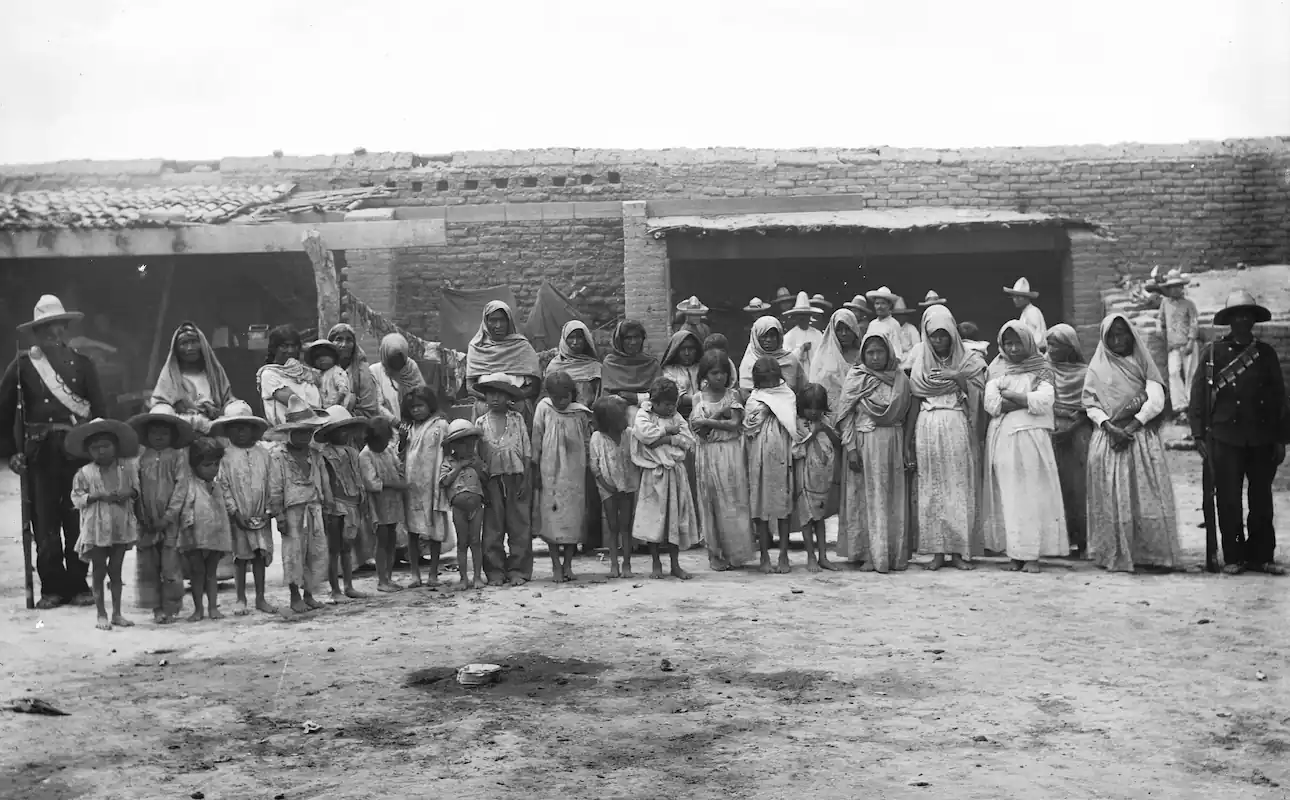
In the United States, the phrase Indian Wars conjures a specific set of images: the Battle of Little Bighorn, the massacres at Wounded Knee and Sand Creek, the forced marches of the Trail of Tears, the decades-long manhunt for Geronimo. All of it is generally remembered as a 19th-century story, closed out by the early […]
Historiográficamente en Estados Unidos se denomina Guerras Indias a la serie de contiendas que enfrentaron a su gobierno con los pueblos indígenas norteamericanos, plasmado en algunos episodios especialmente célebres, como la batalla de Little Bighorn, las masacres de Wounded Knee y Sand Creek, el desplazamiento masivo de tribus por el Sendero de las Lágrimas o […]
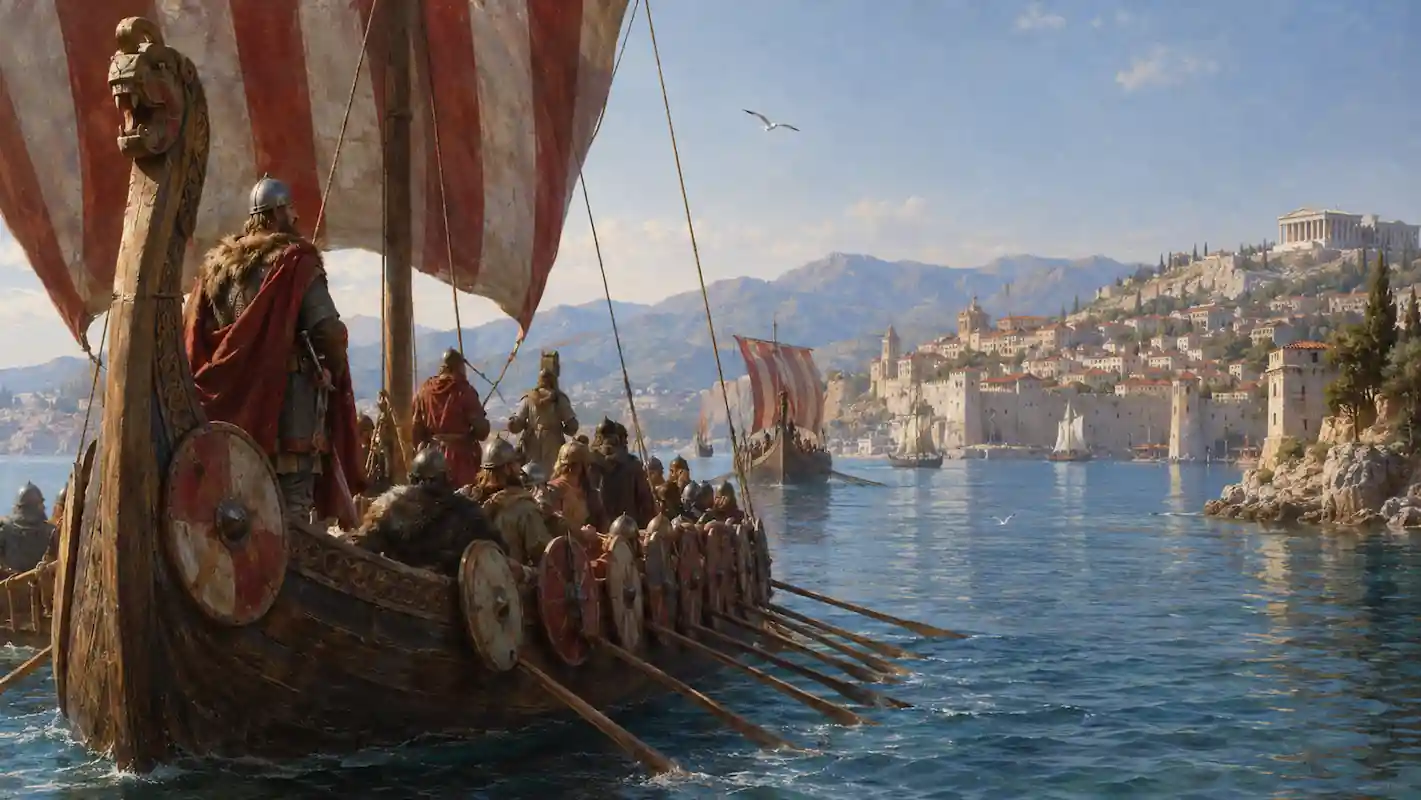
Uno de los enfrentamientos más extraños y sangrientos que mantuvieron la Rus de Kiev y el Imperio Bizantino tuvo lugar en el primer cuarto del siglo XI, cuando a una expedición procedente de la primera que viajaba a Constantinopla para enrolarse en la Guardia Varega se le impidió entrar en la ciudad por no querer […]
In the first quarter of the 11th century, a force of Kievan Rus’ warriors sailed for Constantinople hoping to join the Varangian Guard — the Byzantine emperor’s elite personal bodyguard, foreign troops trusted precisely because they had no stake in local politics, not unlike Rome’s Praetorian Guard centuries earlier. The city turned them away at […]
Two of the most prominent belligerents of World War II ended up clashing despite having initially fought on the same side, and it wasn’t until 1951, six years after the end of the conflict, that they signed an unusual peace. One of them was Italy, obviously, where the government that succeeded Mussolini signed an armistice […]
Dos de los beligerantes más destacados de la Segunda Guerra Mundial terminaron enfrentándose pese a haber militado en el mismo bando inicialmente y no fue hasta 1951, seis años después del fin de la contienda, que firmaron una insólita paz. Uno de ellos era Italia, obviamente, donde el gobierno que sucedió a Mussolini firmó un […]
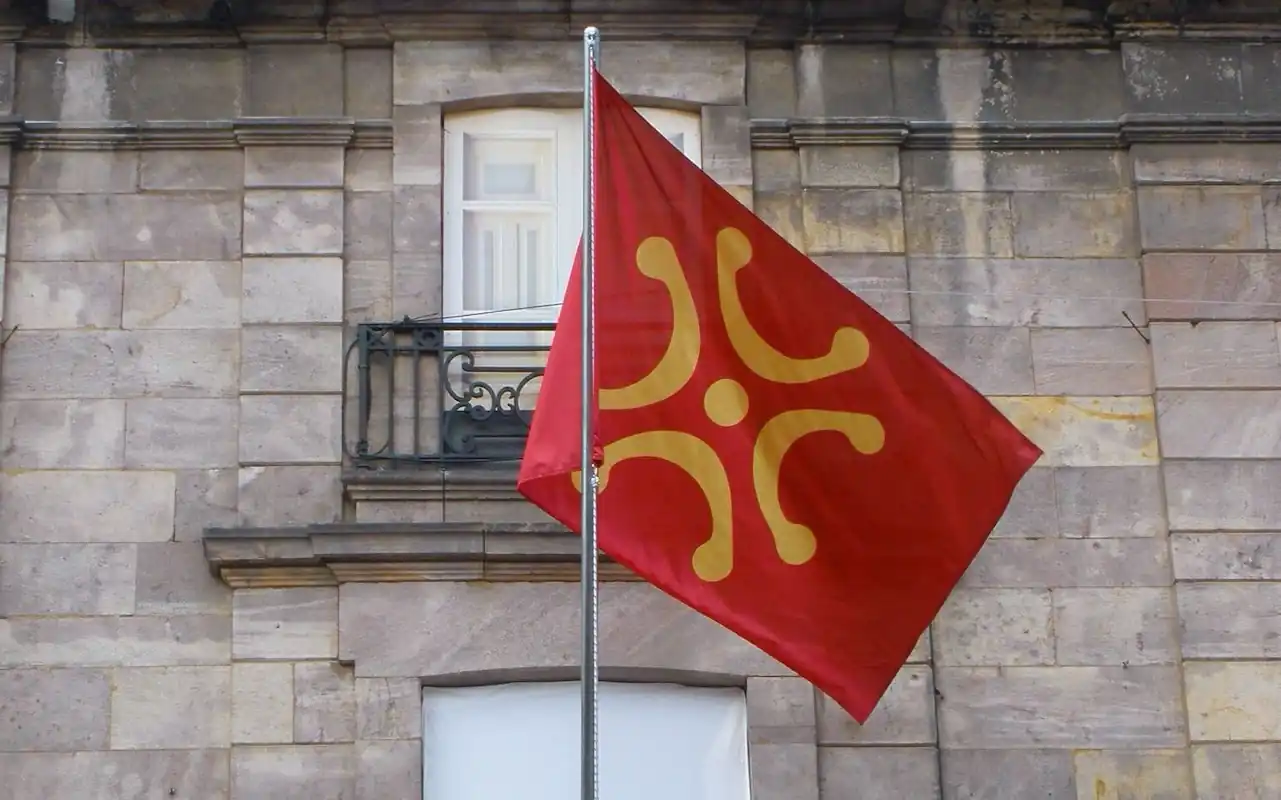
As indicated in its statute of autonomy, the flag of Cantabria (in north Spain) is “formed by two horizontal stripes of equal width, white on top and red on the bottom”, with the coat of arms in the center. It is a banner that traces its origins back to the 18th century, but in recent […]
Como indica su estatuto de autonomía, la bandera de Cantabria está «formada por dos franjas horizontales de igual anchura, blanca la superior y roja la inferior», con el escudo en el centro. Es una enseña que remonta sus orígenes al siglo XVIII, pero de un tiempo a esta parte se ha popularizado otra no oficial […]
It is clear that ethnic differences, like religious ones, have been the origin of countless conflicts throughout the world from Antiquity to the present day. It is not surprising, then, that this also occurred when the Old and New Worlds established definitive contact after Columbus’s arrival in 1492. These differences manifested in Spanish America through […]
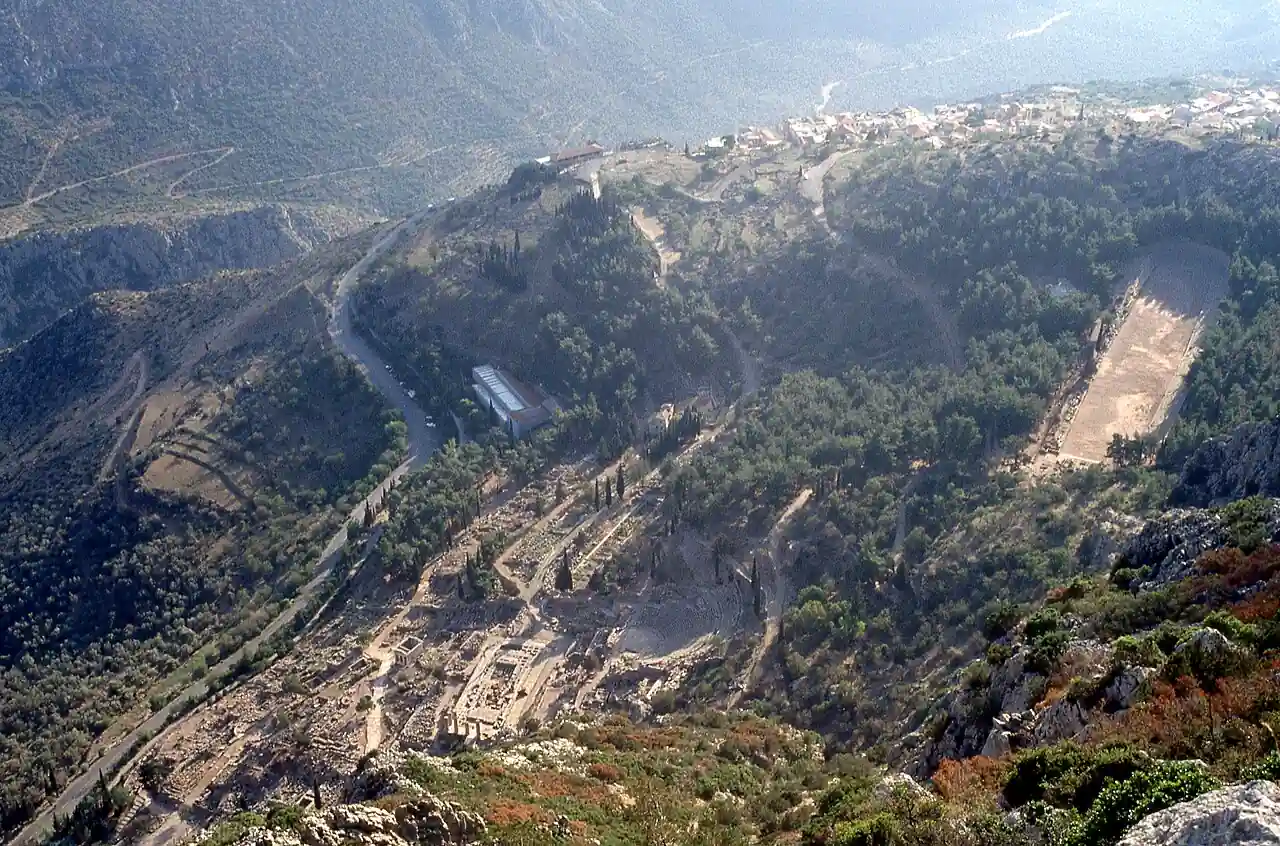
En la mitología griega Delfos estaba considerado el omphalos u obligo del mundo, el útero de la diosa Gea (de hecho, eso significa el nombre original y se supone que los delfines se llaman así por su forma uterina), y aunque era posesión de Apolo, antes había sido compartido por otras divinidades. Su importancia quedaba […]
In Greek mythology, Delphi was considered the omphalos or navel of the world, the womb of the goddess Gaia (in fact, that is what the original name means, and it is believed that dolphins are named after it because of their womb-like shape), and although it was the possession of Apollo, it had previously been […]
It is very common to find images of birds in the art of Ancient Egypt. We see them in paintings and sculptures with species of all kinds, from the ducks hunted on the Nile to the ibis that lent its head to the god Thoth, to the vulture that topped the white crown of Upper […]
To this Greek philosopher, follower of Pythagoras and teacher of Heraclitus, to whom he instilled the idea that the arché or principle of all things was fire, are attributed—disputably—the discovery of irrational numbers, the construction of a dodecahedron inscribed in a sphere, and several works on acoustics. He also founded a mathematical section in the […]

 Login