❌

Reading view

Russo-Ukrainian war, day 1691: Ukraine opens arms exports to 18 makers as defense output hits $55 billion
Exclusive

Russia is funneling the Ukrainian children it abducts into military camps and conscription. Ukrainian lawyer says world can legally call this genocide—but lacks the will. Kateryna Rashevska can walk you through exactly how one Ukrainian child disappears into Russia: the occupied-territory orphanage, the foster placement with a Kremlin-connected family, the re-education camp, the military uniform, the draft notice that arrives at sixteen.

Military

Drones now cause about 96% of Russia’s battlefield losses. Ukraine’s drone force says it has hit more than 100,000 Russian troops this year alone. That is more than 150,000 since the Unmanned Systems Forces was created.

Intelligence and technology

Fears that Ukraine will lose Starlink are back after Musk backed Trump against Zelenskyy. Adviser says profit makes cutoff unlikely. Serhii “Flash” Beskrestnov says Musk is first of all a businessman, and Ukraine brings SpaceX significant profit, so he is sure no one will switch it off.

Russia is building jet drones that fly 800 kilometers per hour, and Ukraine says it is already working on how to stop next generation. Russia’s jet-powered Gerans fly several times faster than the propeller Shaheds and remain the main challenge for air defense.

Ukraine ordered 54% more FPV attack drones this year than in all of 2025, and deliveries jumped almost fourfold. Contracting across all drone types is up about 5.5 times in recent months compared with a year earlier.

Norwegian nonprofit commits $1 million for interceptor drones to protect Ukraine’s Black Sea ports from Russian drones. The funding will equip Ukrainian border guards and military units with interceptor drones and support equipment to protect port infrastructure vital to Ukraine’s agricultural exports.

Russia equips Geran attack drones with image-based navigation using Google map imagery, reducing reliance on satellite navigation that Ukraine can jam, defense adviser warns. Russian drones can use stored images of terrain to navigate toward targets, making them less dependent on satellite signals that Ukrainian electronic warfare systems can disrupt.

Once considered “taboo,” Russian assassination plots against European defense executives are escalating as its hybrid warfare grows bolder, intelligence agencies warn – FT. European spy agencies say Moscow is expanding covert operations against defense industry leaders, seeking to intimidate companies supplying weapons to Ukraine and weaken support for Kyiv.

Ukraine, long keeping its weapons at home, now lets 18 arms makers export, approving over 90% of more than 400 applications. Ukraine’s defense output is projected at $55 billion this year, up from about $1 billion at the start of the invasion.

International

Trump declares immediate energy ceasefire between Russia and Ukraine. Zelenskyy says it was news to him, but Ukraine’s ready. Trump wrote on Truth Social that both sides had agreed to stop striking each other’s energy facilities.

EU imports record 12.18 million tons of Russian Arctic LNG in nine months, 9.5% more than year earlier — research group. Europe spent about 7.88 billion euros on it, the German group of experts says.

Deals with dictators lead to hell: Estonia’s PM urges Europe to help Ukraine destroy Russia’s refineries after Washington eased sanctions on diesel. Kristen Michal will raise it at the European Council next week.

Australia keeps Russian fuel out even as US opens its market: “We do not want Vladimir Putin to benefit from this war in Middle East”. Australia says it has 43 days of petrol and 31 days of diesel stockpiled, enough to wait out high prices without buying from Russia.

Humanitarian and social impact

Hours after Trump declared an energy ceasefire, Russia hit Kharkiv power plant, one of 200-plus strikes on Ukraine’s grid this week, Zelenskyy says. They killed more than 150 people and wounded more than 700.

Political and legal developments

Ukraine wants to draft 15 of every 100 workers at its weapons plants. Arms makers say this could slow guns soldiers need. You can’t just replace a skilled arms worker, makers say. It takes years to build such teams.

Read our earlier daily review here.
  •  

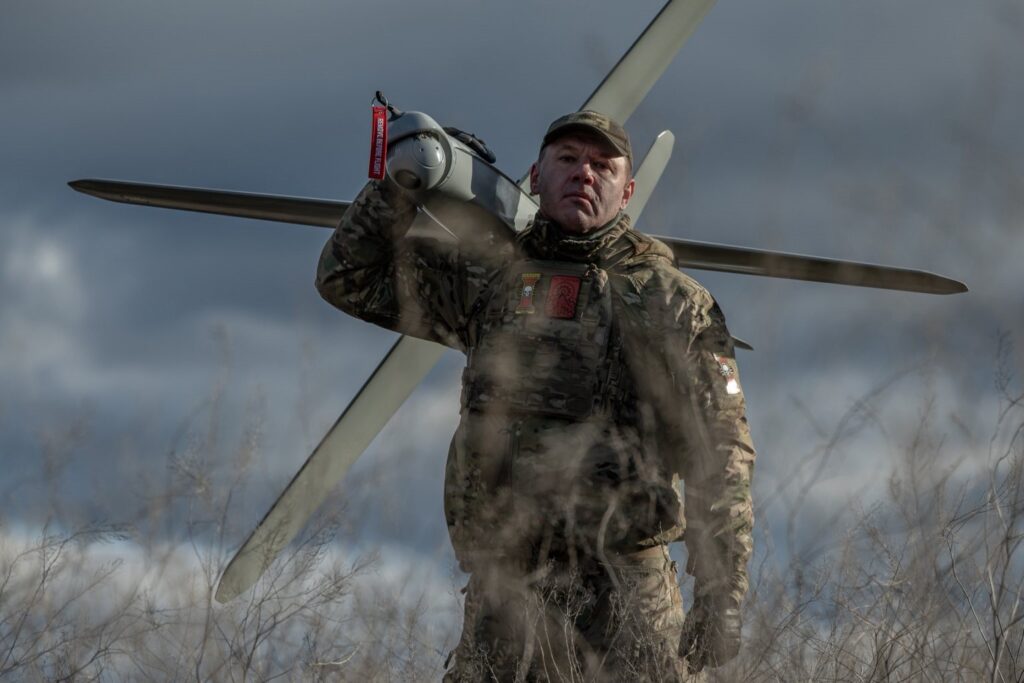
Drones now cause about 96% of Russia’s battlefield losses. Ukraine’s drone force says it has hit more than 100,000 Russian troops this year alone

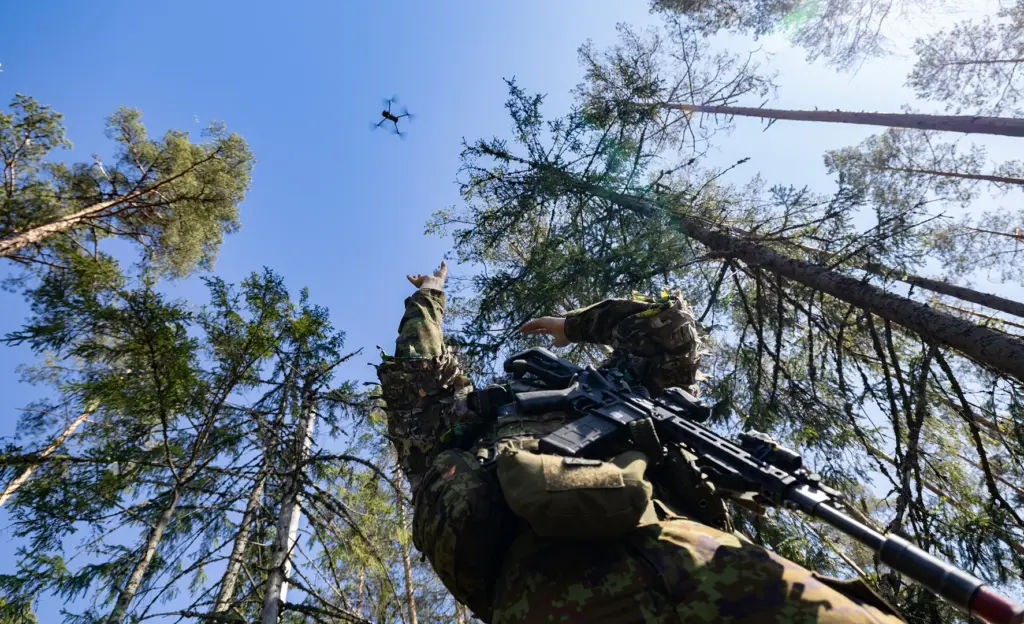
A Ukrainian soldier of the Unmanned Systems Forces with a drone. Photo: Ukraine’s Unmanned Systems Forces

Units of Ukraine’s Unmanned Systems Forces have killed or wounded more than 100,000 Russian troops since the start of 2026. That is more than 150,000 since the force was created on 11 June 2025, the force said on Telegram.

Drones have become the deadliest weapon of this war, accounting for about 96% of Russia’s battlefield casualties earlier this year. These hits are verified on video in the military’s Delta system, which is how the force counts only the losses its own pilots confirm.

“Behind these figures is the daily combat work of our soldiers, thousands of sorties, precise strikes, and the constant improvement of unmanned technologies,” Ukraine’s Unmanned Systems Forces said.

Each strike reduces Russia's combat potential and reflects the coordinated work of the force’s units, it added.

A toll that keeps climbing

Overall, drone branches of the Ukrainian Army had carried out more than 1 million verified strikes on enemy targets since January, killing or seriously wounding about 193,500 Russian troops, Ukraine’s Defense Ministry reported in July.

Those strikes roughly doubled over the first half of the year, from about 105,800 in January to more than 200,000 in June, the ministry noted.

Meanwhile, Commander of the separate Ukrainian Unmanned Systems Forces Robert “Madiar” Brovdi says the numbers are still growing. In the first five days of October, the force’s pilots killed or wounded 2,699 Russian soldiers, 39.7 percent more than in the same period of September.

He tied the rising number to Russia's assaults in Donbas, as the offensives for the fortress-belt cities that have been Ukraine's protection against full region's occupation since 2014, were ongoing.

Why the drone branch matters

The force fields are the cheap, fast weapons that now do most of the killing on the front. Interceptor and strike drones let Ukraine hit troops, logistics, and command posts while keeping its own soldiers farther from the fight.

  •  

Fears that Ukraine will lose Starlink are back after Musk backed Trump against Zelenskyy. Adviser says profit makes cutoff unlikely

SpaceX will not cut Ukraine off from Starlink satellite communications, Serhii “Flash” Beskrestnov, presidential adviser on defense technology, says. The reason is that the company could lose a large share of its revenue.

Ukraine’s troops and drones lean heavily on Starlink, a network Kyiv neither owns nor controls, and Elon Musk has used that control against it before. The latest shutdown fears spread after Elon Musk supported US President Donald Trump's criticism of Ukrainian President Volodymyr Zelenskyy.

    “Not a year goes by without it coming up again: ‘They’ll cut off our Starlink.’ The enemy’s Telegram channels fuel these rumors. We have good and stable partner relations with SpaceX,” Flash writes.

    Musk is first of all a businessman, and Ukraine brings SpaceX significant profit, so he is sure no one will switch Starlink off in Ukraine, Flash said. Unexpected moves are possible, he added, but of a different kind, such as turning Starlink on for Russia inside its own territory.

    The rumors come amid real US pressure

    The fears did not appear in a vacuum. After Trump allowed Russian diesel back to US markets, talk spread of "sanctions" on Ukraine if it keeps hitting the Russian refineries that fund Moscow, with the Financial Times reporting, citing European officials, that Trump’s administration has threatened to halt the mechanism for buying US weapons for Ukraine, known as PURL.

    Axios has also reported, citing a Ukrainian and an American official, that Washington has threatened to stop sharing intelligence with Ukraine if it continues striking Russian refineries.

    Ukraine is building a backup

    The scare feeds a longer effort to reduce dependence. Ukraine is working on a satellite system of its own, something similar to Starlink but beyond Musk’s control, President Volodymyr Zelenskyy said on 4 October.

    The timing is the reason, he said: some states will share the technology with Russia late this year or early next, and the Chinese are among them. Moscow is already fielding its own Starlink-style constellation, Rassvet, though for now it reaches Ukraine only in brief passes.

    •  

    Russia is building jet drones that fly 800 kilometers per hour, and Ukraine says it is already working on how to stop next generation

    ukraine recovers russia's undamaged geran-3 jet kamikaze drone carrying camera live-link equipment (video) · post russian jet-powered lying cornfield after being recovered intact 16 2025 реактивний дрон-камікадзе герань-3 вересня року

    Aviation is one of the most effective ways to counter Russia’s jet-powered drones. Its effectiveness continues to grow due to pilots’ skill and better coordination, Defense Minister Yevhenii Khmara says, Glavcom reports.

    Russia’s jet-powered Gerans fly several times faster than the propeller Shaheds Ukraine learned to shoot down, and they remain the main challenge for its air defense. Ukraine downs more than 90% of the slow drones but only about 55% of the jet ones.

    “Due to them, our aviation now uses fewer munitions per aerial target. We plan to improve this further,” Khmara states.

    Air defense works as a layered system because no single type of weapon is enough, he explains. The layers run from surface-to-air and shoulder-fired missiles to turrets, electronic warfare, interceptor-drone crews, and small-scale air defense, topped by aircraft including Mirage and F-16 jets.

    Scaling what works against jet drones

    Ukraine already has combat results against the jet drones, Khmara notes. In one engagement, five Bars interceptors destroyed five aerial targets, a 100% hit rate in that case, and the task now is to raise the overall destruction rate and quickly scale the solutions that prove themselves.

    Heavy-caliber turrets are adding to that. Their number in service already runs into the hundreds, he adds.

    “This direction is being scaled, and systems with greater range are being worked on. In parallel, surface-to-air and shoulder-fired missile systems are also proving effective,” he says.

    Preparing for the next generation

    Ukraine is also looking past today’s threats, the minister stresses. The ministry is working to supply interceptor drones, aviation and its munitions, missile and artillery systems, turrets and electronic warfare gear, and to plan several steps ahead with enough stock in reserve.

    “We also know what solutions Russia is developing, which concern jet drones with a speed of 800 kilometers per hour. We are working on finding countermeasures to the next generation of threats,” Khmara says.

    Producers have been tasked with offering proposals and prototypes, he concludes.

    •  

    Hours after Trump declared an energy ceasefire, Russia hit Kharkiv power plant, one of 200-plus strikes on Ukraine’s grid this week, Zelenskyy says

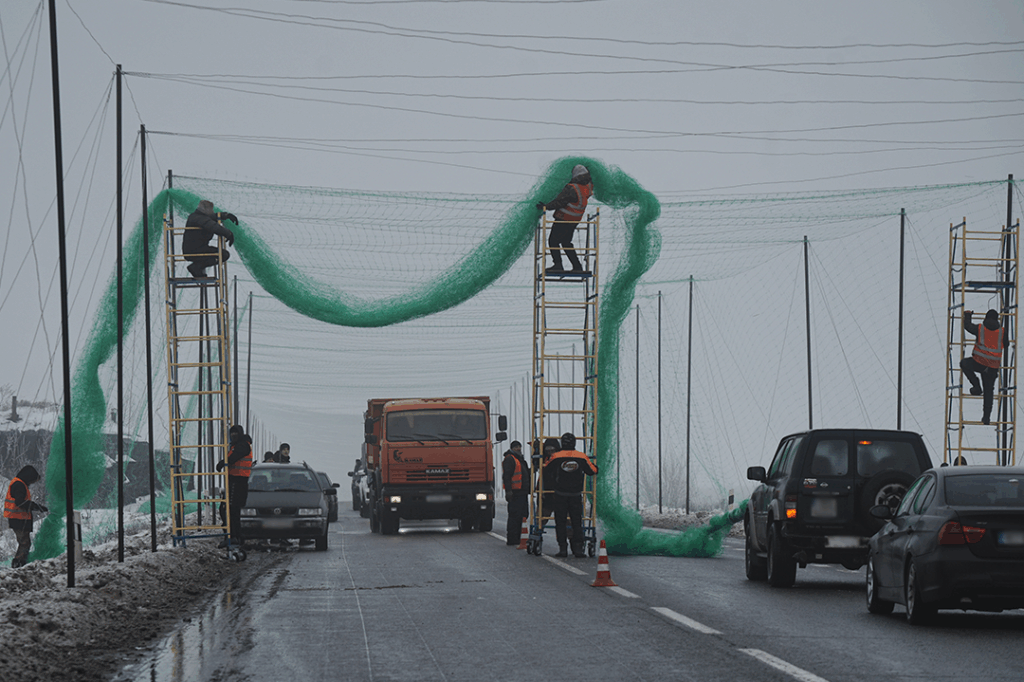
    fishing nets used mediterranean millennia — now italy wants turn drone shields over ukrainian cities · post workers install anti-drone ring road northern outskirts kharkiv 2026 6ea9c925f4eb5b85 italy's senate has

    Russia hit the CHP-5 thermal plant in Kharkiv on the evening of 11 October. It came hours after US President Donald Trump announced an energy ceasefire between Ukraine and Russia, President Volodymyr Zelenskyy said in his nightly address.

    Trump had announced the energy truce earlier that day, though Kyiv reported no part in any such deal, as well as Moscow. Yet in this one week, Russia carried out more than 200 strikes on Ukraine’s power generation and transmission and 17 on its gas and oil sites, killing more than 150 people and wounding more than 700, according to Zelenskyy.

    “All day today, there were Russian Shaheds in the sky. There are Shaheds in the sky now, too. There were strikes by aerial bombs. There were strikes on our energy. Just now there was a strike on CHP-5 in Kharkiv,” Zelenskyy states.

    Ukraine welcomes the agreement Trump announced and is ready to stop striking Russian energy if Russia does the same. For that to mean anything, he stresses, it has to become part of reality.

    A one-word answer from Moscow

    Ukraine has offered many de-escalation steps, Zelenskyy notes, but Russian ruler Vladimir Putin met them all with the same refusal. He voices hope that the Russian leader would finally tell the US, Ukraine, and the world something other than killing and deception, something that leads to a real and dignified peace.

    Ukraine wants peace, and the question is whether Russia does. The Armed Forces have received all the relevant orders to defend the country, he confirms.

    Allies line up fresh support

    Zelenskyy says he also spoke with members of the US Congress and, the day before with the UK prime minister, French President Emmanuel Macron, and Norway’s prime minister, all of whom offered help.

    Ukraine is also working with the EU on financing for its defense and budget stability, and preparing new steps on European integration.

    •  

    Ukraine ordered 54% more FPV attack drones this year than in all of 2025, and deliveries jumped almost fourfold

    Estonian and Ukrainian soldiers fly drones together during Exercise Hedgehog 2025 in Estonia, where Ukrainian operators were credited with knocking out two battalions in a simulated engagement. Photo: vbl/OR-7 Ardi Hallismaa/ERR

    Ukraine’s Defense Procurement Agency has contracted about 5.5 times as many drones of various types in recent months as in the same period of 2025. It is roughly 300% more over the year as a whole, the Defense Ministry said.

    Drones are the weapons this war runs on, from short-range strikes to hits deep inside Russia, and Ukraine has raced to build and buy more of them while sparing its troops. The agency contracted for about $8 billion worth of drones in the first half of 2026 alone, double the amount for the same period last year.

    The ministry wants to arm the force at every level, Defense Minister Yevhenii Khmara stresses. Deep-strike drones hit targets far inside Russia, while middle-strike drones kill enemy drone crews and burn logistics and command posts, lowering the risk to Ukrainian soldiers.

    “Technology and having enough of these systems raise combat effectiveness and at the same time reduce the risks for our soldiers,” Khmara said.

    FPV drones lead the surge

    The sharpest growth is in FPV drones, the cheap first-person-view quadcopters that do much of the killing on the front. Contracting for them in 2026 already exceeds the total for all of 2025 by 54%, and deliveries have risen almost 3.7 times, the ministry notes.

    International support and the scaling of Ukraine’s own defense industry made the jump possible, Khmara adds. Much of the buying now runs through the DOT-Chain Defense marketplace, where units select what they need, and the agency handles contracts and logistics, cutting the average delivery time for in-stock items to 9 days.

    Making supply predictable

    The ministry is trying to make deliveries steadier, Khmara explains. It is aligning the front’s needs, purchase planning, and the production capacity of the Ukrainian industry, making supply more predictable.

    Predictable contracting lets manufacturers build their production lines step by step, plan logistics and order components in advance, he says. The ministry frames the push as a larger order book for the domestic industry and a way to scale the solutions that work in combat.

    •  

    Ukraine wants to draft 15 of every 100 workers at its weapons plants. Arms makers say this could slow guns soldiers need

    uk build pilot batch octopus interceptor drones under joint project ukraine · post ukrainian drone display near field 2025 militarnyi news reports

    Ukraine wants to build more weapons at home while making it easier to draft the people who build them. Kyiv has proposed cutting the draft-exemption quota for defense-industry enterprises from 100% of their workers to 85%, while the Ukrainian Council of Arms Manufacturers says the limit should stay at the previous level for qualifying critical plants.

    The change would strip the draft shield from 15% of the workers at plants the Defense Ministry has deemed critical to the economy. Those are the people who set production volumes, delivery dates, and new designs, the council argues, so losing them would hit output just as Ukraine pushes to make more of its own weapons.

    The draft resolution has already been sent to the Cabinet of Ministers for approval.

    “We consider that the proposed reduction of the limit does not account for the staffing needs of defense production,” the council says.

    A workforce that takes years to build

    Ukraine’s defense industry is still growing, with new plants, expanding capacity, and new technologies, the council adds. Raising the share of Ukrainian-made weapons in the forces, localizing components, and cutting reliance on imports all require more specialists, not fewer.

    These teams are built over the years, the manufacturers add. Companies invest in finding and training people who master specific technologies and production processes, and keeping them is what lets firms plan expansion and take on new commitments to the military.

    Uncertainty at the worst moment

    Cutting the exemption limit would add uncertainty, just as the state expects producers to raise output. The fallout could affect both manufacturers and military units awaiting their weapons.

    The council urges the Economy Ministry to drop the cut to 85%and asks the Defense Ministry and the Cabinet to maintain exemptions of up to 100% for qualifying defense workers. It offers to share data on the industry’s staffing needs and help assess how the change would affect defense orders.

    The reservation rules must reflect the growth of the defense industry and Ukraine’s need for more of its own weapons, it concludes.

    •  

    Trump declares immediate energy ceasefire between Russia and Ukraine. Zelenskyy says it was news to him, but Ukraine’s ready

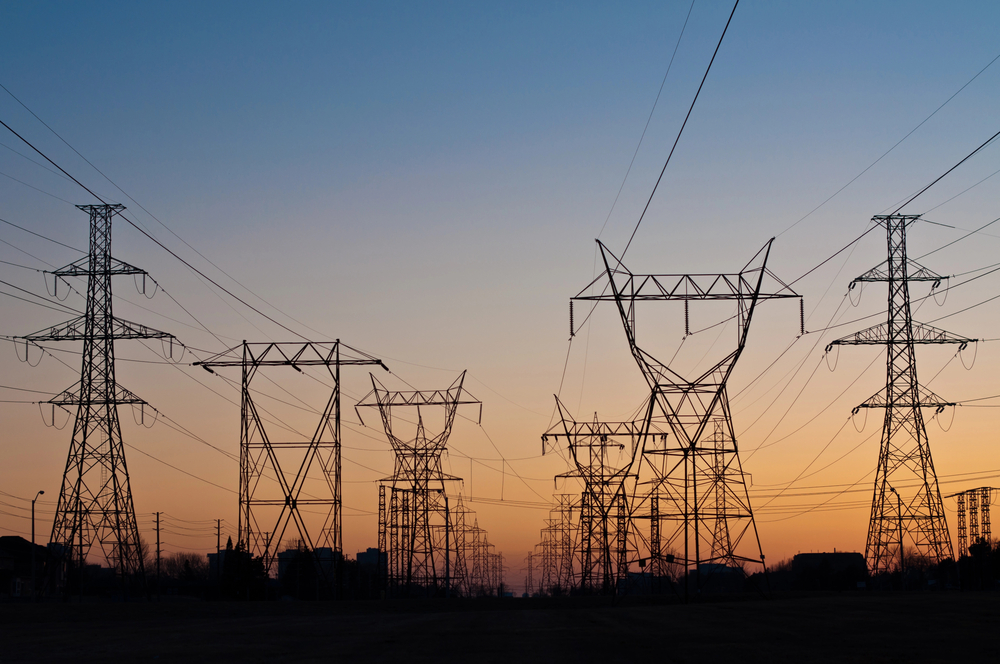
    Nordic energy infrastructure power grid transmission towers silhouetted against sunset sky

    US President Donald Trump has announced an immediate energy ceasefire in the war between Russia and Ukraine, saying both sides agreed to stop striking each other’s energy facilities, in a post on Truth Social. Ukraine, however, knew nothing about the deal.

    Russia has spent the war hitting Ukraine's power plants, refineries, and grids, while Ukraine answered with strikes on its refineries and plants that produce missiles. If confirmed, a halt before winter would be a major break. Yet about seven minutes before Trump’s announcement, Russia struck at Kyiv’s thermal plant, cutting power to several districts of the capital at once.

    “Effective immediately, there is an ENERGY CEASEFIRE in the War between Russia and Ukraine. Both parties have agreed. Do not break it!” Trump wrote.

    News for Zelenskyy

    President Volodymyr Zelenskyy told Axios the announcement “was news" for him. But if Russians agree to an energy ceasefire, Ukraine will agree, he added. Moscow gave no immediate confirmation.

    The announcement follows days of friction over energy. Washington has just eased sanctions on Russian diesel and pressed Kyiv to stop hitting Russian refineries, while Russian strikes killed more than 80 Ukrainian civilians in two days.

    A truce no one in Kyiv confirmed

    Zelenskyy had already signaled Ukraine’s terms. He said on Sunday that Kyiv was ready to stop striking Russian refineries if Moscow halted its attacks on Ukrainian energy, so the condition was on the table before Trump spoke, not settled by him.

    If Trump negotiated it with Putin, then he should say when the ceasefire begins, Zelenskyy added, underlining that Ukraine had not been party to any such agreement.

    Ukrainians greet it with doubt

    The reaction in Kyiv was wary. Trump already declared an energy ceasefire once, and Putin broke it within five minutes, said Andrii Kovalenko, former head of Ukraine’s Center for Countering Disinformation, asking whether Trump was now “announcing it to himself.”

    Meanwhile, lawmaker Yaroslav Zhelezniak called for an explanation, warning that Trump’s “energy ceasefire” might mean Ukraine stops hitting Russian refineries and tankers while Russia merely promises not to strike Ukrainian oil tankers it would struggle to find in the first place.

    •  

    Norwegian nonprofit commits $1 million for interceptor drones to protect Ukraine’s Black Sea ports from Russian drones

    Interceptor drones funded by Norwegian nonprofit Fritt Ukraina to Ukrainian forces to help counter Russian attack drones near the Black Sea ports. Photo: Fritt Ukraina / Come Back Alive

    Norwegian nonprofit Fritt Ukraina is allocating NOK 10 million (about $1 million) to strengthen air defenses around Chornomorsk, a key Ukrainian port on the Black Sea, the organization announced on 9 October.

    Russian attacks on port infrastructure and civilian vessels are threatening Ukraine’s maritime trade and agricultural exports, putting pressure on a vital source of revenue for the country and disrupting shipments of food to international markets.

    The funding will support Ukrainian State Border Guard Service and Armed Forces units defending the region against Russian attack drones. It is being delivered through Dronefall, a project run by the Ukrainian Come Back Alive Foundation, which equips military units with interceptor drones and the equipment needed to operate them.

    Fritt Ukraina, whose name means “Free Ukraine,” is a Norwegian nonprofit organization that supports Ukraine’s defense against Russia’s full-scale invasion. The donation is part of its Odins Ravner 2.0 fundraising campaign, which provides military assistance to Ukrainian forces.

    Interceptor drones and equipment to protect port infrastructure

    The support includes STING, Blyskavka and P1-SUN interceptor drones, alongside ground control stations, communications equipment, generators, charging stations, laptops, tablets and vehicles, according to the organization.

    The interceptor drones are already operational, according to Fritt Ukraina. The equipment helps Ukrainian personnel detect and intercept Russian attack drones, while vehicles allow crews to move quickly and operate from different positions.

    Fritt Ukraina Secretary General Natalia Golis said effective air defense requires more than interceptor drones alone. Communications systems, reliable power supplies and mobility are also essential to ensure units can use their equipment effectively.

    The organization is supporting Dronefall for the third consecutive year and has become the Come Back Alive Foundation’s largest foreign partner. The latest donation was matched by a donor affiliated with the Ukrainian foundation.

    STING interceptor drones funded by Norwegian nonprofit Fritt Ukraina to Ukrainian forces to help counter Russian attack drones near the Black Sea ports. Photo: Fritt Ukraina / Come Back Alive
    STING interceptor drones funded by Norwegian nonprofit Fritt Ukraina to Ukrainian forces to help counter Russian attack drones near the Black Sea ports. Photo: Fritt Ukraina / Come Back Alive

    Russian attacks threaten Ukraine’s maritime exports

    More than 90% of Ukraine’s agricultural products, including grain and vegetable oils, are exported through three ports in southern Odesa Oblast. Russian attacks have targeted port infrastructure and civilian vessels, increasing security risks for commercial shipping and driving up freight and insurance costs.

    Since the start of Russia’s full-scale invasion in February 2022, more than 1,000 Ukrainian port facilities and over 200 civilian vessels have been damaged or partially destroyed, Fritt Ukraina reports. The disruption threatens Ukrainian export revenue and international food supplies.

    “The attacks on Ukraine’s ports do not only undermine the country’s defense capabilities. They also threaten a vital part of its economy and its ability to export food to the rest of the world,” Golis said.

    Grain pours from a combine harvester into a trailer during harvest in Ukraine.
    Explore further

    Russia’s Odesa strikes halve Ukraine’s grain export forecast

    Dronefall aims to expand Ukraine’s ability to intercept Russian drones using dedicated interceptor aircraft and supporting equipment. According to Fritt Ukraina, participating units have destroyed more than 53,000 Russian drones, accounting for approximately one in five unmanned aerial vehicles entering Ukrainian airspace.

    The NOK 10 million contribution is part of Fritt Ukraina’s broader Odins Ravner 2.0 campaign, which provides more than NOK 60 million in support to Ukrainian forces.

    •  

    Russia equips Geran attack drones with image-based navigation using Google map imagery, reducing reliance on satellite navigation that Ukraine can jam, defense adviser warns

    Ukrainian defense technology adviser Serhii “Flash” Beskrestnov works near the front line monitoring Russian drone signals. Photo: Serhii “Flash” Beskrestnov

    Russia is developing new navigation systems for attack drones and missiles that could make its strikes against Ukrainian cities harder to stop, as Moscow adapts its weapons to counter Ukrainian electronic warfare defenses, Ukrainian defense technology adviser Serhii “Flash” Beskrestnov said.

    The shift poses an additional challenge for Ukraine as Russia continues to attack cities and critical infrastructure with drones and missiles. Systems that can navigate without relying on satellite signals may be harder to disrupt electronically, increasing the importance of other defenses, including interception and physical destruction of incoming weapons.

    Image-based navigation could make Russian strike drones harder to jam

    Beskrestnov, an adviser to the Ukrainian president on defense technology development, said image-based navigation systems would see wider use in 2027, including in medium- and long-range strike drones and inexpensive cruise missiles.

    The technology allows drones to navigate by comparing images captured by an onboard camera with stored photographs of the terrain. Even basic navigation can use publicly available satellite or ground imagery from services such as Google, Beskrestnov said.

    Unlike satellite navigation, which can be disrupted by electronic warfare, image-based navigation relies on visual recognition of the terrain. This makes drones using the technology more resistant to jamming and could allow them to continue toward their targets even when satellite navigation signals are unavailable.

    Russia already uses image-based navigation on attack drones

    Beskrestnov said Russian forces were already using the technology on several types of unmanned aircraft, including Molniya, V2U, and Lancet drones.

    He also reported that similar systems had recently been identified on the Russian Geran-4 and Geran-5 attack drones, using a flight controller called Susanin.

    The Geran series includes Russian attack drones used in strikes against Ukrainian cities and infrastructure. The introduction of image-based navigation could make some variants more difficult for Ukrainian forces to counter using electronic warfare.

    Russia adapts its weapons to Ukrainian defenses

    The development reflects Russia’s broader effort to adapt its weapons as Ukraine improves its air defenses and electronic warfare capabilities. By reducing reliance on satellite navigation signals, Russian drones can become less vulnerable to one of Ukraine’s key methods of disrupting incoming attacks.

    Beskrestnov warned that image-based navigation would expand beyond individual drone models, with broader adoption expected next year across different categories of strike weapons.

    •  

    Once considered “taboo,” Russian assassination plots against European defense executives are escalating as its hybrid warfare grows bolder, intelligence agencies warn – FT

    Russia is expanding efforts to target European defense industry leaders as part of a broader campaign of sabotage and hybrid operations aimed at weakening support for Ukraine, the Financial Times reported on 11 October, citing officials from five European intelligence agencies.

    The warnings come amid a wider increase in Russia-linked sabotage and other covert operations targeting European defense companies and critical infrastructure. Moscow is expanding its so-called hybrid warfare campaign against European countries as they continue to support Ukraine, using covert networks, intimidation, and suspected sabotage to undermine security and deter further assistance to Kyiv.

    The FT reported that assassinations of civilian targets in Europe, once considered "taboo" even within Russian intelligence services, are becoming an increasingly prominent part of the Kremlin’s plans.

    Russian operatives target defense industry leaders

    European intelligence officials told the FT that Russian operatives are targeting chief executives and senior employees at defense companies, including smaller firms manufacturing drones and drone components. 

    The campaign comes as Russia seeks to undermine European backing for Ukraine amid a battlefield stalemate and mounting pressure on the Russian economy.

    The warnings have prompted defense companies to strengthen security around senior executives. Some have increased personal protection, while others have relocated production sites in response to suspected Russian threats, according to the FT.

    Germany's domestic intelligence service, the BfV, has stepped up contact with employees and management at German defense companies and recommended that some use privately contracted close-protection teams, an agency official told the newspaper.

    BfV chief Sinan Selen warned German lawmakers that Russia was deliberately planning acts of violence against individuals through state or state-controlled actors. He said the operations were evolving in their targets, methods, and use of organized crime networks.

    Russia adapts its methods to carry out attacks

    According to the intelligence officials cited by the FT, Russia's military intelligence agency, the GRU, has adapted its methods by working more closely with criminal groups and dividing surveillance, logistics, planning, and execution among different operatives.

    Officials said some plots had been disrupted, while other cases involved surveillance of targets at home and at work.

    The campaign's intended effect extends beyond any individual attack. One European intelligence official told the FT that the threat is psychological, designed to make people reconsider doing business with Ukraine.

    Although some Russian operations remain amateurish and have been detected early, the resulting uncertainty forces companies to devote more resources to security. Smaller firms, which may have fewer resources to protect their personnel and facilities, could be particularly vulnerable.

    Plot against Rheinmetall CEO raised alarm in 2024

    European defense executives have been on heightened alert since 2024, when US and German intelligence agencies uncovered a Russian plot against Rheinmetall CEO Armin Papperger, a prominent advocate of supplying weapons to Ukraine.

    Papperger has said he now receives round-the-clock protection from private security personnel and police.

    The FT reported that European intelligence agencies now view threats against defense industry leaders as part of a broader effort to disrupt the production and supply of weapons to Ukraine, rather than isolated plots against individual executives.

    •  

    Russo-Ukrainian war, day 1690: US eases sanctions on Russian diesel and EU readies its largest package against Russia’s defense industry

    Russo-Ukrainian war (daily review)

    Exclusive

    Russia is funneling the Ukrainian children it abducts into military camps and conscription. Ukrainian lawyer says world can legally call this genocide—but lacks the will. Kateryna Rashevska can walk you through exactly how one Ukrainian child disappears into Russia: the occupied-territory orphanage, the foster placement with a Kremlin-connected family, the re-education camp, the military uniform, the draft notice that arrives at sixteen.
    “Supplying Crimea is turning into a nightmare”: Ukrainian drones hit Russian trucks 770 times in September, and winter will make it worse, analyst says. That's the most of any month this year, up from 630 in August, even though Russian supply trucks now travel in convoys with their own air defense.

    International

    Trump’s Russian diesel deal, which drew fury in Ukraine, is unlikely to lower prices, experts say. Analysts say Putin pushes for sanctions relief and no new US sanctions, all without any demand to stop the war

    Ukraine shares its fortification know-how with Estonia’s new defense minister, weeks after 70-million-euro shells scandal felled his predecessor. Martin Herem took the post on 16 September, after Hanno Pevkur resigned over a procurement scandal.

    Memory for 100,000 killed by Nazis: Germany recognizes special responsibility to Ukraine and links it to support against Russia’s war. The Bundestag passed two resolutions ahead of the 85th anniversary of the massacre, a rare moment when the governing coalition and the opposition aligned.

    Humanitarian and social impact

    Five Russian bombs kill 17 in Ukraine’s Zaporizhzhia next day after Trump lets Russia ship first 300,000 tonnes of its diesel. Zelenskyy tied the strike to a US move easing sanctions on Russian diesel.

    Political and legal developments

    Washington makes it official: US Treasury license clears sale and import of Russian diesel blocked by sanctions. The US Treasury’s waiver lets Russian diesel back onto world markets.

    While Washington eases up on Russia, Europe hits back harder: EU plans to pass its largest sanctions package on Russia’s war machine in two days. It is the largest set of sanctions aimed at Russia’s defense industry, covering electronics.

    New developments

    Russia quietly grows fleet that funds its war: one shell firm in Marshall Islands buys two gas tankers from Chinese and Greek owners. Ukraine named 20 ships that move Russian oil and gas.

    Read our earlier daily review here.

    •  

    Ukraine, long keeping its weapons at home, now lets 18 arms makers export, approving over 90% of more than 400 applications

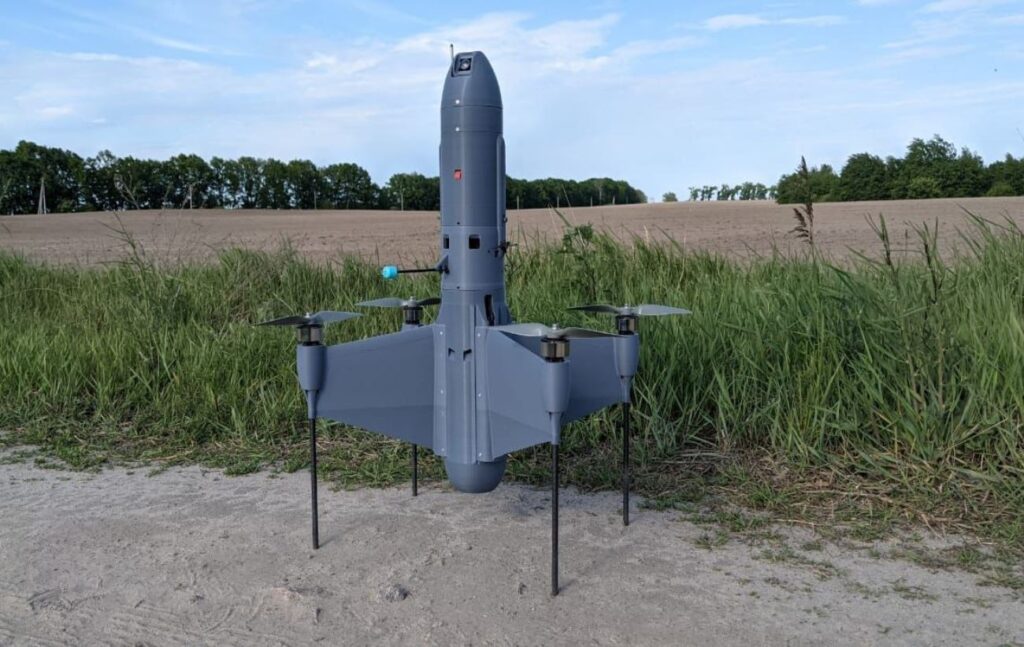
    P1-SUN An-28 Shahed interceptor

    Ukraine, which long kept its weapons at home, is now clearing its arms makers to sell abroad. Its Commission on Export Control has granted 18 Ukrainian companies permission to send their finished weapons abroad and has processed more than 400 export applications, with over 90% approved, the National Security and Defense Council says, citing commission head Davyd Aloian.

    Ukraine now produces far more weapons than it can afford, with defense production growing from about $1 billion a year at the start of the invasion to a projected $55 billion in 2026.

    The exports are reportedly conducted under the Drone Deals framework that President Volodymyr Zelenskyy unveiled in April, which allows controlled sales of surplus weapons to partner countries while the Defense Ministry and General Staff retain first claim to everything the front needs. Some categories already run up to 50% beyond what Ukraine can use or finance.

    From a stalled commission to 18 approvals

    The commission’s work had been halting. It resumed in February after an eight-month freeze and issued the first permits then, and its updated membership has been working since, Aloian notes.

    Building partnerships abroad

    Aloian framed the goal as scaling Ukrainian technology rather than one-off deals. The state wants domestic producers to expand abroad while partners get working solutions, he says, and is open to dialogue with the defense industry to fix problems as they arise.

    Earlier, an industry group that represents more than 400 companies warned in September that the mechanism was choking. A new 20-to-30% fee on export permits priced Ukrainian goods out of the market, it said, and a joint-production program had stalled with hundreds of foreign bids pending.

    Euromaidan Press cannot verify whether the Commission on Export Control has taken the issue into consideration.

    The council recently met a UK Defense Ministry delegation to discuss closer cooperation, including a Drone Deal, an anti-ballistic coalition, and joint production, Aloian adds. Reaching foreign markets enables producers to attract new orders and investment, scale up, and build long-term partnerships.

    •  

    EU imports record 12.18 million tons of Russian Arctic LNG in nine months, 9.5% more than year earlier — research group

    yamburg gas field in the yamalo-nenets ao in russia

    Europe keeps buying record amounts of Russian gas even as it plans to punish its war machine against Ukraine. The EU ports took in a record 12.18 million tons of Russian liquefied natural gas from January to September, 9.5% more than in the same period of 2025, according to a study by the German group Urgewald based on Kpler tracking data.

    Europe spent about 7.88 billion euros on that Russian gas in nine months, revenue that helps fund a war Russia wages with daily missile and drone strikes on Ukrainian cities. The flow continues even as the EU prepares its largest-ever package of sanctions against Russia’s military industry.

    The gas comes from Russia’s Yamal project, which sent 167 cargoes to EU ports over the nine months, roughly one every 1.6 days. Europe took 85% of the project’s recorded deliveries by volume, remaining by far its biggest market, Urgewald reports.

    Europe’s share grew even as Yamal’s worldwide deliveries fell 1.3%, so the EU absorbed a larger slice of Russia’s Arctic output. In September alone, EU ports received 792,440 tons worth an estimated 818 million euros, nearly three-quarters of it going to France.

    Washington could pull the plug by 18 October

    The imports run up against a looming US decision. The Trump administration has until 18 October to complete its first review under the Lindsey Graham sanctions act, signed into law on 18 September, which allows Washington to sanction this gas trade at any time, the group notes.

    However, after the US allowed Russian diesel to enter the US and global market, the decision will likely remain stalled.

    Originally, the law covered Yamal’s leadership, foreign vessels that knowingly carried Russian LNG, and foreign ports that serviced US-sanctioned ships. Yamal depends on specialized Arc7 ice-class tankers and on nearby European ports where they can unload and quickly return, so closing that route would make the Arctic trade far harder to sustain.

    Europe’s own ban is still months away

    The EU’s measures so far have barely dented the trade. A ban on short-term LNG contracts took effect in April and has had no visible effect, while the full import ban under long-term contracts only starts on 1 January 2027, Urgewald says.

    Every month of largely uninterrupted trade means more revenue for Russia while Ukraine suffers daily attacks, sanction campaigner Sebastian Rötters says. The next EU package should close the remaining loopholes, above all those keeping the Arc7 tanker fleet running.

    •  

    Deals with dictators lead to hell: Estonia’s PM urges Europe to help Ukraine destroy Russia’s refineries after Washington eased sanctions on diesel

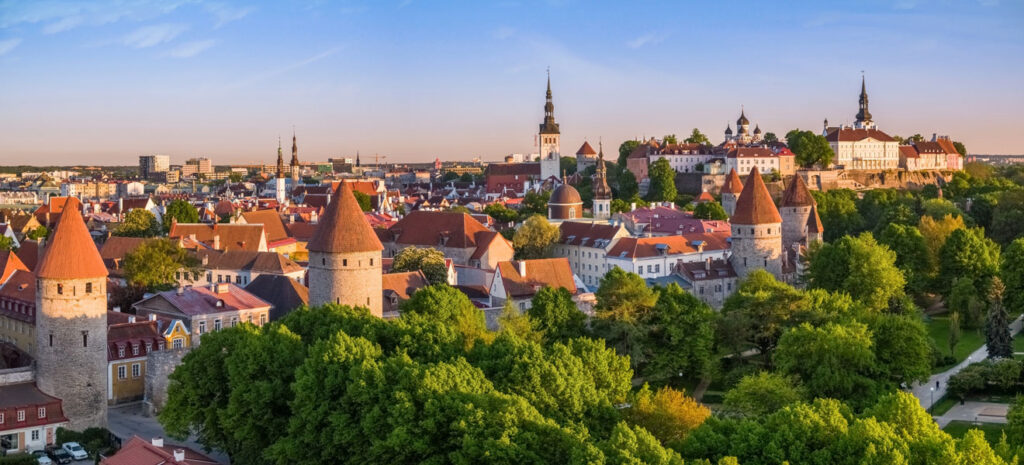
    estonian capital allocates € 200000 ukrainian cities development view tallinn estonia tallinnee city introduces program supporting municipalities aid expertise sharing eu integration initiatives estonia's launched new cooperation support 2025 city's

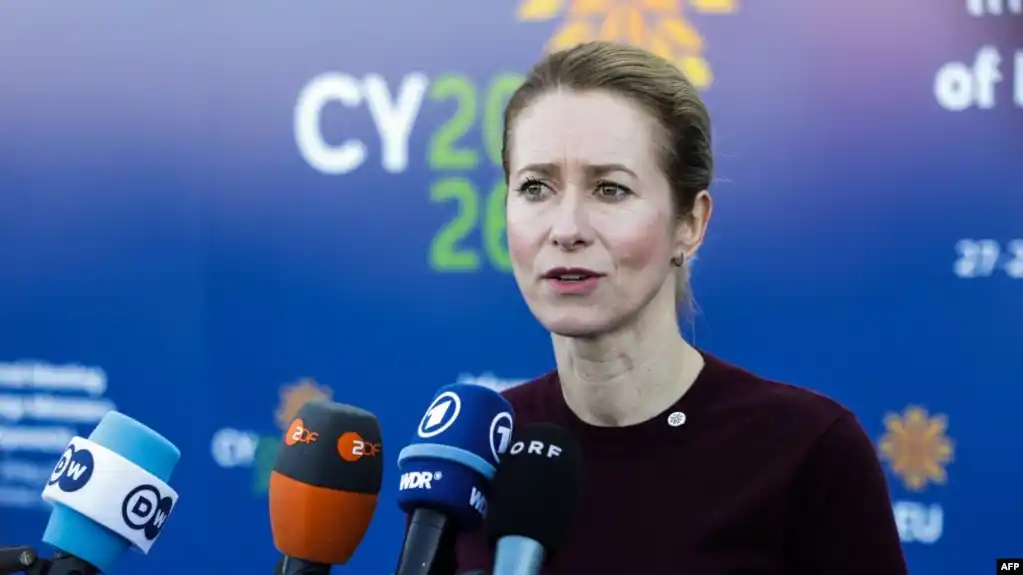
    Estonia’s answer to the US-Russia diesel agreement: deals with dictators lead to hell. Prime Minister Kristen Michal wants the European Council to discuss giving Ukraine more aid so it can destroy Russia’s oil refineries, after sharply criticizing the US decision to strike a diesel deal with Russia, ERR reports.

    Washington has eased sanctions on Russian diesel, a move Ukraine says funds a war that has killed more than 80 Ukrainian civilians in two days. Estonia’s answer is to go the opposite way and help Ukraine hit the source of that fuel, the refineries, harder.

    "It is worth discussing in Estonia and at the European Council next week whether we can quickly contribute more to Ukraine so they can blast Russia's oil refineries to smithereens," Michal says.

    He casts the US deal as a historic error. Innocent people are being killed for gas and fuel money, Michal warns, saying that the promised fuel may never arrive. For years, the US urged allies to drop Russian fuel, and Estonia did, so cutting Moscow’s revenue must continue, not reverse, he adds.

    Mihkelson: Russia's strategic goals remain unchanged

    Meanwhile, Marko Mihkelson, chair of the Riigikogu Foreign Affairs Committee, says that Russia's strategic objectives remain the same as they were before: to rebuild its empire, beginning with the subjugation of Ukraine, and to dismantle the Euro-Atlantic system of collective defense.

    "That is why European allies still have only one way to prevent this war of aggression from spreading: to do everything possible to ensure that Russia’s strategic objectives fail and that the imperial wars launched by the Kremlin end in defeat," he says.

    This clear strategic objective should also serve US interests, he continues, adding that "Russia’s long-standing ambition, pursued in concert with China and Iran, to undermine America’s global leadership is entering a decisive phase."

    •  

    Australia keeps Russian fuel out even as US opens its market: “We do not want Vladimir Putin to benefit from this war in Middle East”

    The image shows the Sydney Opera House. Credit: UkrInform

    Australia has no need to buy fuel from Russia, despite US President Donald Trump’s move to bring Russian diesel back to world markets. Climate Change and Energy Minister Chris Bowen says that imports from Russia will remain banned to ensure the country does not benefit from its invasion of Ukraine, Bloomberg reports.

    Trump has agreed with Russia's President Vladimir Putin to release Russian diesel onto global markets, a move Ukraine says funds a war that has killed more than 80 Ukrainian civilians in two days.

    “We don’t need or want Russian fuel in Australia. We do not want Vladimir Putin to benefit from this war in the Middle East. What the United States does is a matter for them, but we won’t be changing our approach,” Bowen said.

    The deal Australia is turning down

    Trump announced on 9 October a series of cargoes beginning this month totaling about 13.5 million barrels of Russian diesel. The release upends years of sanctions, as the White House looks for ways to tame soaring fuel prices before the US midterm elections.

    Bowen draws a clear line between that approach and Australia’s. What the US does is its own affair, he stresses, but Canberra will maintain its arrangements with trading partners to keep Russian fuel out of the market.

    Enough fuel to hold the line

    Australia can hold out without Russian supply, Bowen argues. The country has 43 days’ worth of petrol, two days more than a week earlier, and 31 days’ worth of diesel, one day less, he notes.

    He adds that Australia stays in close contact with domestic refiners to keep them running at full capacity. The stance lets Canberra wait out high prices rather than buy fuel that would send money to Moscow.

    Australia’s fuel costs have stayed high since the war between the US and Iran disrupted shipping through the Strait of Hormuz, the route that normally carries about a fifth of the world’s oil and gas.

    •  

    Washington makes it official: US Treasury license clears sale and import of Russian diesel blocked by sanctions

    lukoil’s norsi refinery in kstovo, nizhny novgorod oblast

    Washington has put its sanctions on Russian diesel on hold. The US Treasury has authorized the sale, delivery, offloading, and import of Russian-origin diesel fuel, effectively suspending sanctions on that trade until 7 April 2027, the Office of Foreign Assets Control (OFAC) said on its website on 9 October.

    The waiver lets Russian diesel back onto world markets and, Ukraine argues, hands Moscow fresh revenue for its war, which has killed more than 80 Ukrainian civilians in two days. Until now, it was unclear whether Washington would roll back the sanctions it imposed on Russia in 2022.

    OFAC has issued the measure as General License 135, signed by the office’s director, Bradley Smith, according to the report. It authorizes transactions in Russian-origin diesel that sanctions would otherwise block.

    The license sets one limit. It does not permit any debits from accounts at US financial institutions held by Russia’s central bank, its National Wealth Fund, or its finance ministry, the document says.

    Trump’s promise of cheaper fuel

    On 9 October, US President Donald Trump wrote on Truth Social that Russia would immediately supply more than 300,000 tons of diesel, then 500,000 tons in November, and another million tons right after.

    Moscow would later send the US up to 3 million more tons, depending on the state of Russia’s refineries, Trump added, framing the deal as a way to bring down energy prices.

    Why the volumes fall short

    Analysts say the amounts are too small to move prices much. Together, the first tranches would cover about a day and a half of US demand, while US diesel use alone runs near 16 million tons a month. Experts read the move as politics ahead of an election rather than a real shift in the market, pointing out that Trump cited volumes in tons, which look larger than the barrels traders track.

    The deal drew fury in Kyiv, and President Volodymyr Zelenskyy called it a weak decision by strong partners. The EU is moving the other way, with ambassadors approving the bloc’s largest sanctions package against Russia’s war machine, due for final adoption on 12 October.

    •  

    While Washington eases up on Russia, Europe hits back harder: EU plans to pass its largest sanctions package on Russia’s war machine in two days

    kaja-kallas--

    Europe will not loosen its pressure on Russia after the US-Russia diesel deal, EU Foreign Policy chief Kaja Kallas says. She has announced that EU foreign ministers will approve the bloc’s largest set of sanctions against Russia’s war machine since the full-scale invasion on 12 October.

    Washington has just eased the pressure on Russia, letting Russian diesel back onto world markets and handing Moscow more money to wage war. This comes as Russian strikes have killed more than 80 Ukrainian civilians in two days, 22 of them on Russian President Vladimir Putin's birthday on 7 October.

    Moreover, Russia has stepped up its hybrid attacks against Europe, both EU Member States and NATO Allies. It is now the time to tighten sanctions, not loosen them, Kallas says.

    “Suspending sanctions on Russian diesel provides Moscow with more revenues to wage war. This is not the time to ease pressure on Russia, and Europe won’t,” she claims.

    A split with Washington

    On 9 October, Trump claimed he had agreed with Putin to put more than 300,000 tons of Russian diesel on world markets immediately.

    President Volodymyr Zelenskyy called the deal a weak decision by strong partners, arguing that Russia turns oil-product revenue into weapons against Ukraine's civilians, according to the BBC.

    The package aims at the missile chain

    On 7 October, EU ambassadors approved the 22nd package of sanctions, with about 1,700 listings, Ukrainian President’s Commissioner for Sanctions Policy Vladyslav Vlasiuk notes. It is expected to be formally approved on 12 October.

    This package contains the largest number of sanctions targeting Russia’s defence industry. Of these, 60% were drawn from Ukrainian decrees and proposals. The package includes measures targeting machine tools, Lancet drones, ballistic weapons, and related technologies.

    “The core of the package is Russia’s missile programme and electronic components: electronics, capacitors, resistors, and semiconductors. It also covers electronic warfare, shipbuilding, and explosives,” Vlasiuk says.

    It took just a few weeks from Ukraine's decision to the European one.

    "But we are already working on further measures, including sectoral sanctions targeting energy, the defense industry, finance, and trade,” he stated.

    •  

    Trump’s Russian diesel deal, which drew fury in Ukraine, is unlikely to lower prices, experts say

    The White House in Washington DC, USA. Illustrative image: Wikimedia Commons.

    US President Donald Trump said on 9 October that he had agreed with Russian leader Vladimir Putin to bring Russian diesel to world markets to lower energy prices. However, energy analysts say the deal, which drew fury in Ukraine, is unlikely to lower diesel prices meaningfully, CNN reports.

    Trump wrote on social media that Putin would “immediately supply” more than 300,000 tons of diesel, with another 500,000 tons in November. Together, those volumes would cover about a day and a half of US demand, according to the US Energy Information Administration.

    Meanwhile, former head of the Center for Countering Disinformation Andrii Kovalenko says that US diesel consumption alone is about 16 million tons per month, and global consumption is roughly 120 million tons.

    The US experts read the move as politics more than a market shift. Trump spoke in tons rather than barrels because the figure looks bigger to an ordinary observer, said Dan Pickering, founder of Pickering Energy Partners, calling it “more politics than a game changer.”

    Doubts Russia can even deliver

    Former US officials question whether Putin holds the diesel Trump described, as Ukrainian strikes strain Russia’s refineries. A former senior State Department official says it hardly matters whether the fuel arrives, because Putin “has already achieved the result he wants,” with Trump believing he has a pre-election card that could move markets.

    Even if the fuel flows, it would be a temporary measure. Gregory Brew of Eurasia Group says that he suspects Putin expects Ukraine to halt its strikes on Russian refineries in return, and that he cannot imagine Zelenskyy agreeing.

    A win for Putin without conditions

    For Putin, the gain is plain, Kovalenko says: he pushes for sanctions relief and for no new US sanctions, all without any demand to end the war in Ukraine.

    "Trump’s bet was more on the news itself, driving prices down somewhat, because, in reality, figures like these shouldn’t bring prices down," Kovalеnkо believes.

    He adds that Trump will "make a big fuss about diesel ahead of the elections, nothing more," and that the average American is unlikely to feel any lasting effect.”

    Earlier, Ukrainian President Volodymyr Zelenskyy warned that allowing Russia to sell petroleum products abroad without securing a lasting de-escalation agreement would help finance Moscow's war against Ukraine.

    He criticized the decision, calling it "a birthday gift for Putin," per Axios.

    The next day after the announcement, Russia launched six bombs on Zaporizhzhia, killing 17 people.

    •  

    Ukraine shares its fortification know-how with Estonia’s new defense minister, weeks after 70-million-euro shells scandal felled his predecessor

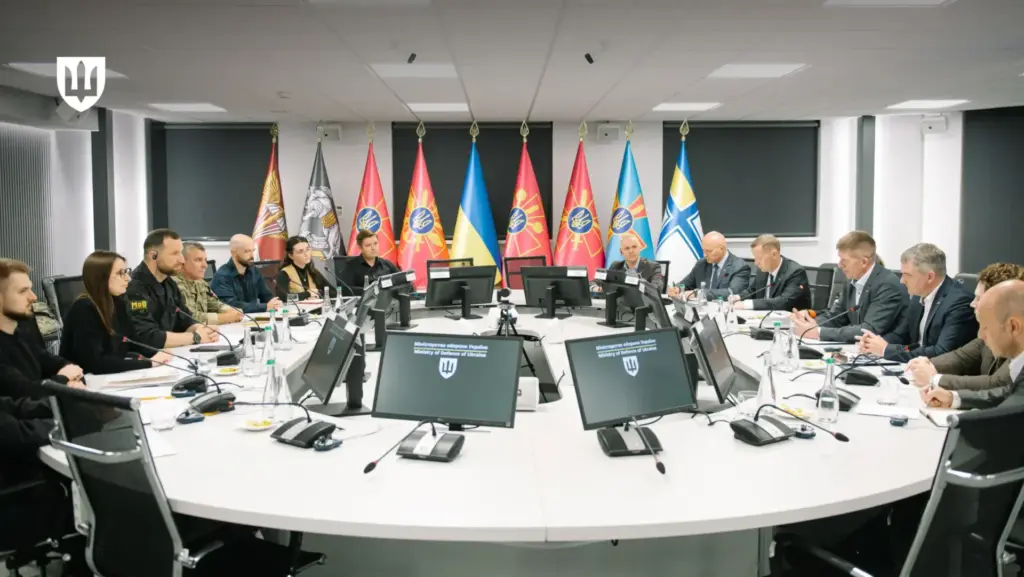
    Ukrainian Defense Minister Yevhenii Khmara, during a meeting with Estonian Defense Minister Martin Herem in Kyiv, on 10 October 2026. Source: Ukraine's Defense Ministry.

    Ukraine is offering Estonia something no ally can buy off the shelf: how to fortify against Russia, learned under fire. Ukraine’s Defense Ministry announced, following a meeting between Defense Minister Yevhenii Khmara and his Estonian counterpart, Martin Herem, that Kyiv and Tallinn plan to develop joint defense projects, share data, and establish joint ventures.

    Both sides agreed to strengthen their defense cooperation in a declaration signed in June, according to the President’s Office. The partnership is gaining momentum as German intelligence warns that Russia may be preparing military action against the Baltic states, Welt reported.

    At the talks, the two sides went over the battlefield situation, Ukraine’s priority needs, and practical steps to deepen the partnership, the ministry said.

    Ukraine’s war experience, packed for export

    Ukraine’s experience of modern war was a central theme of the meeting, and it can already help Estonia strengthen its own defense against new threats, the ministry reports. During the visit, the Ukrainian delegation walked the Estonian representatives through its work on modern fortifications, including underground shelters.

    “Ukraine is scaling up fortification solutions based on real war experience. We already know how to build defenses and adapt them to new threats. I am sure this expertise will be useful to Estonia,” Khmara said.

    A debt of thanks to a steady backer

    Khmara thanked Estonia for its consistent help, singling out its decision to give 0.25% of GDP each year to support Ukraine. He also noted Estonia’s leading role in the IT coalition, a group of states that helps build Ukraine’s military communications and cyber capabilities, as well as its active work with other partners.

    The meeting was one of Herem’s first with Kyiv as defense minister. A former commander of Estonia’s armed forces, he took the post on 16 September after Hanno Pevkur resigned over a 70-million-euro procurement scandal involving artillery shells meant for Ukraine, Euronews reported.

    The minister confirmed Ukraine is ready to deepen practical defense cooperation with Estonia and to work on joint solutions that strengthen the security of both countries.

    •  
    ❌